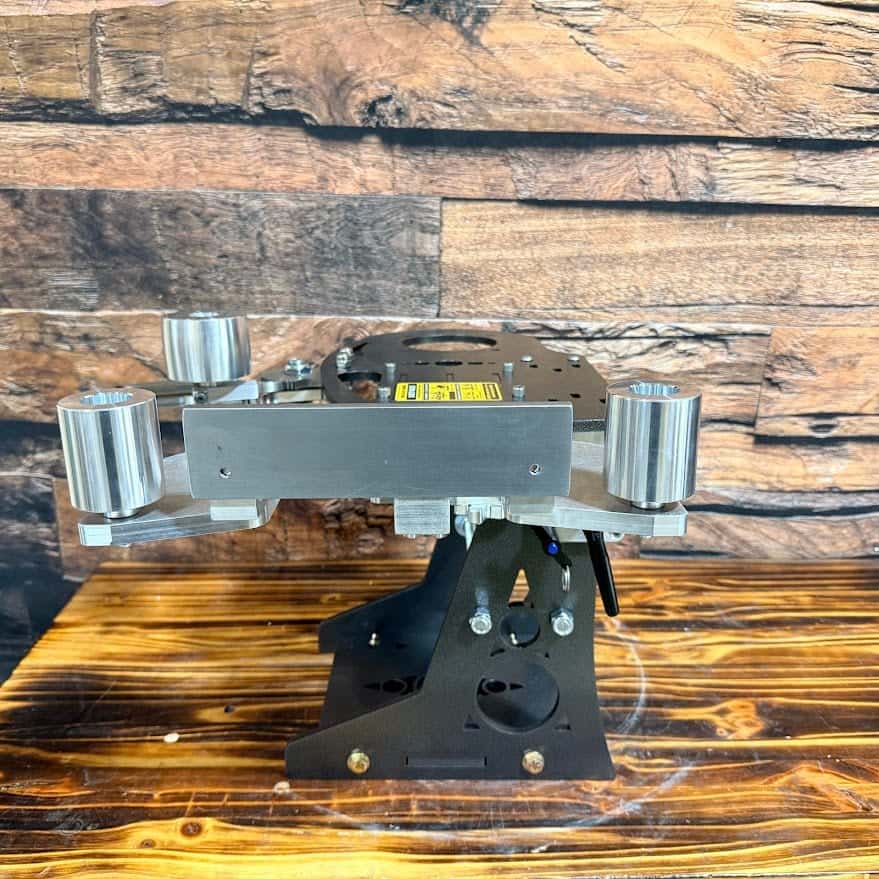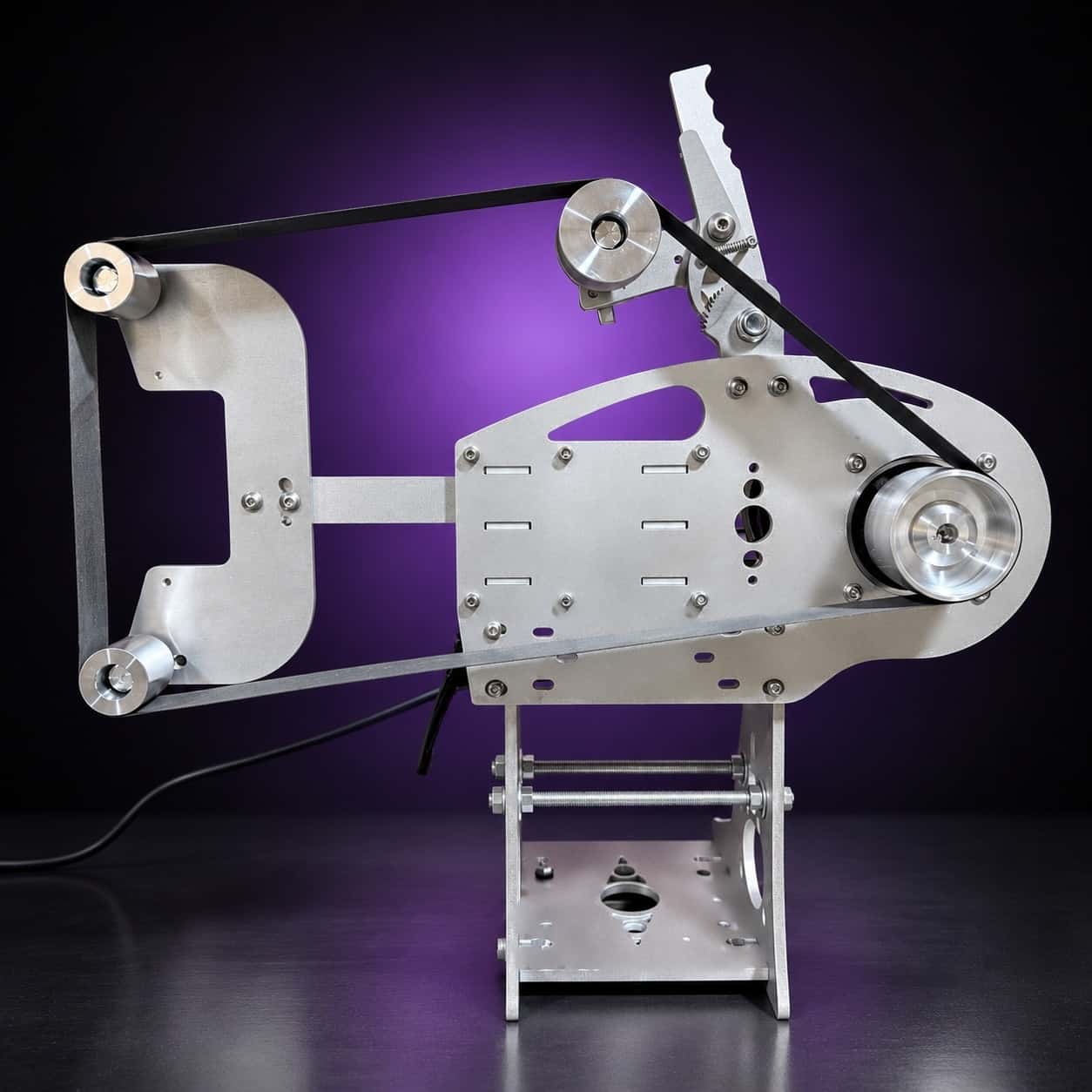
The $845 Torus Steel Closeout
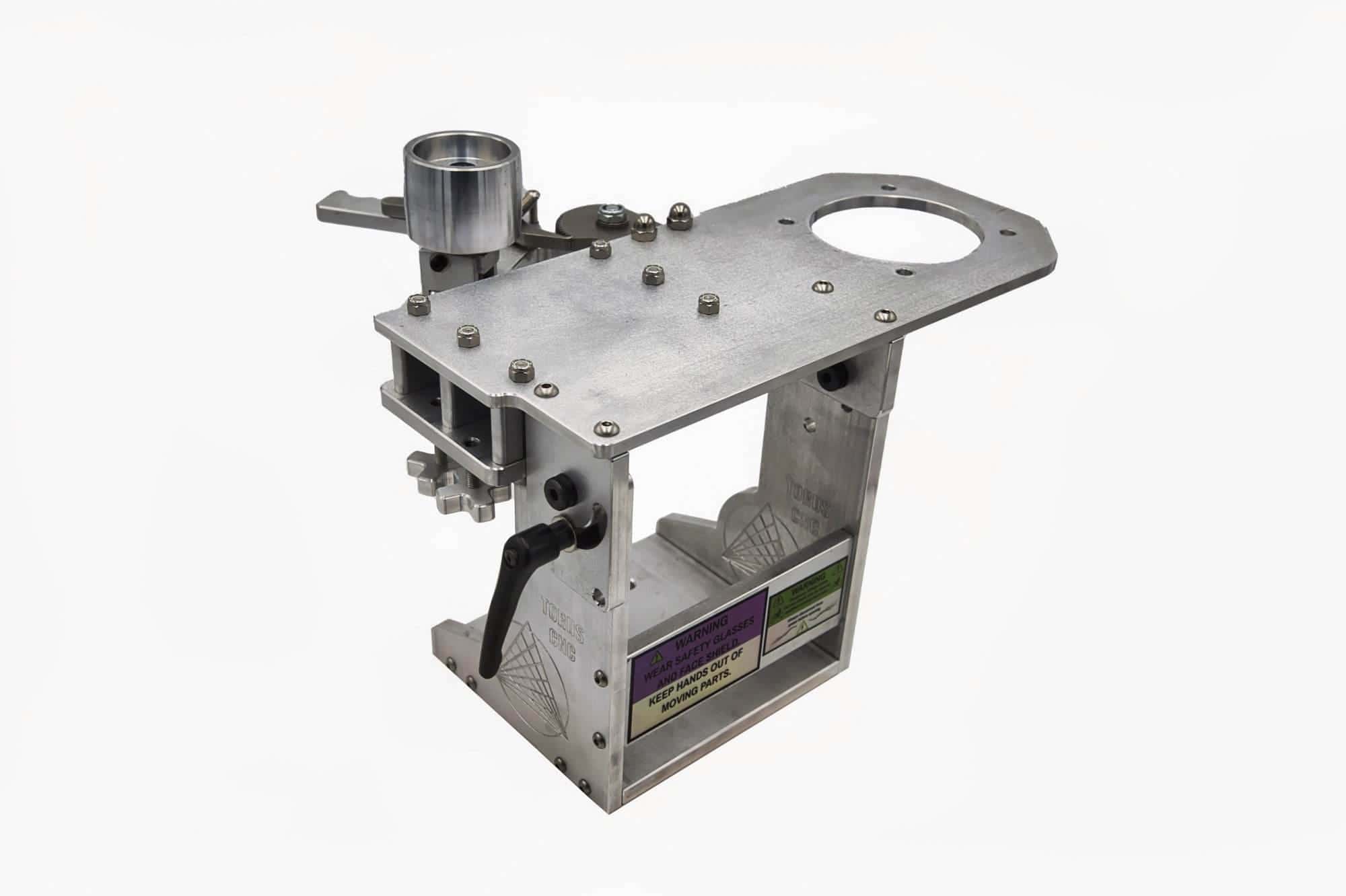
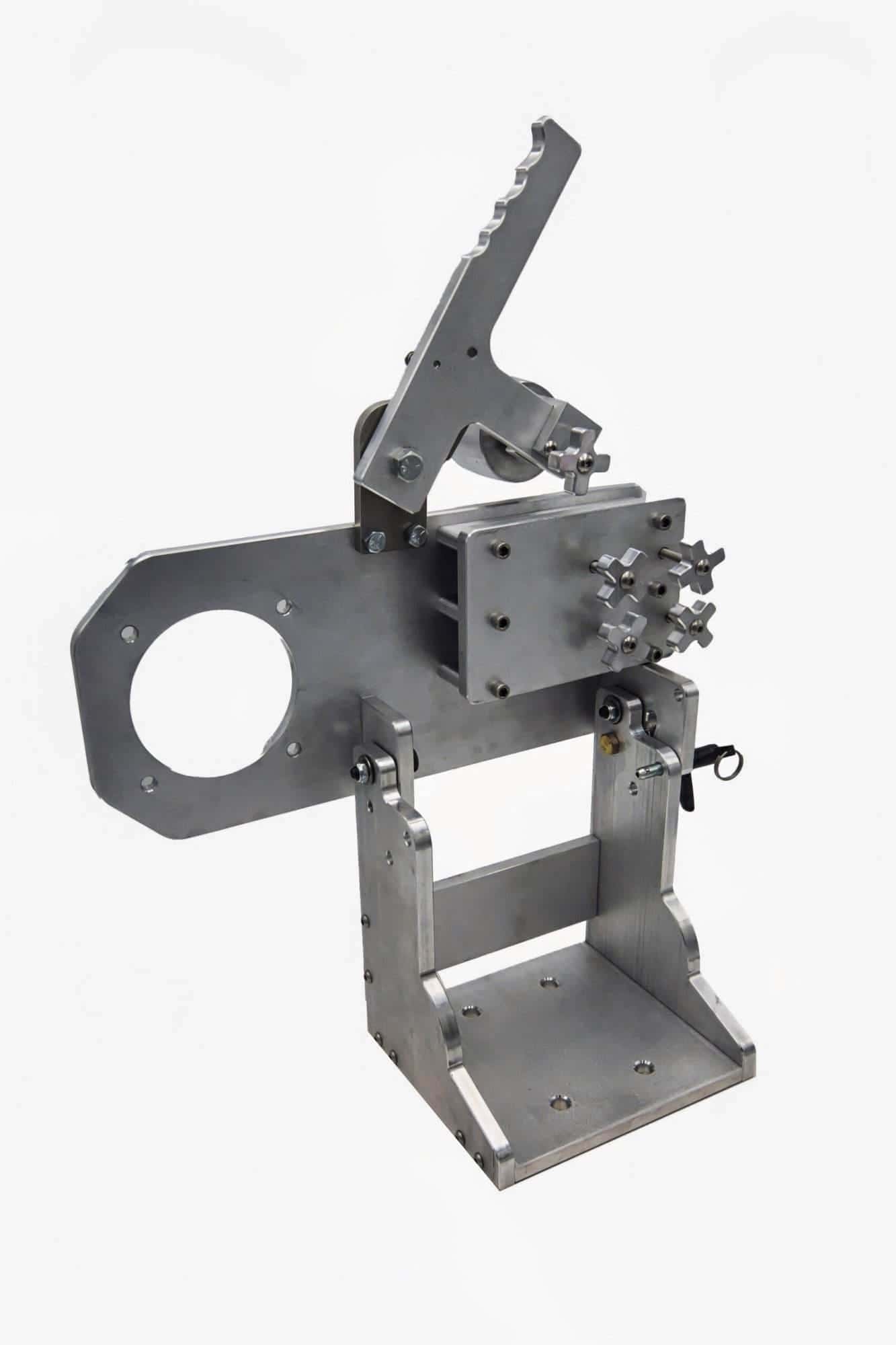
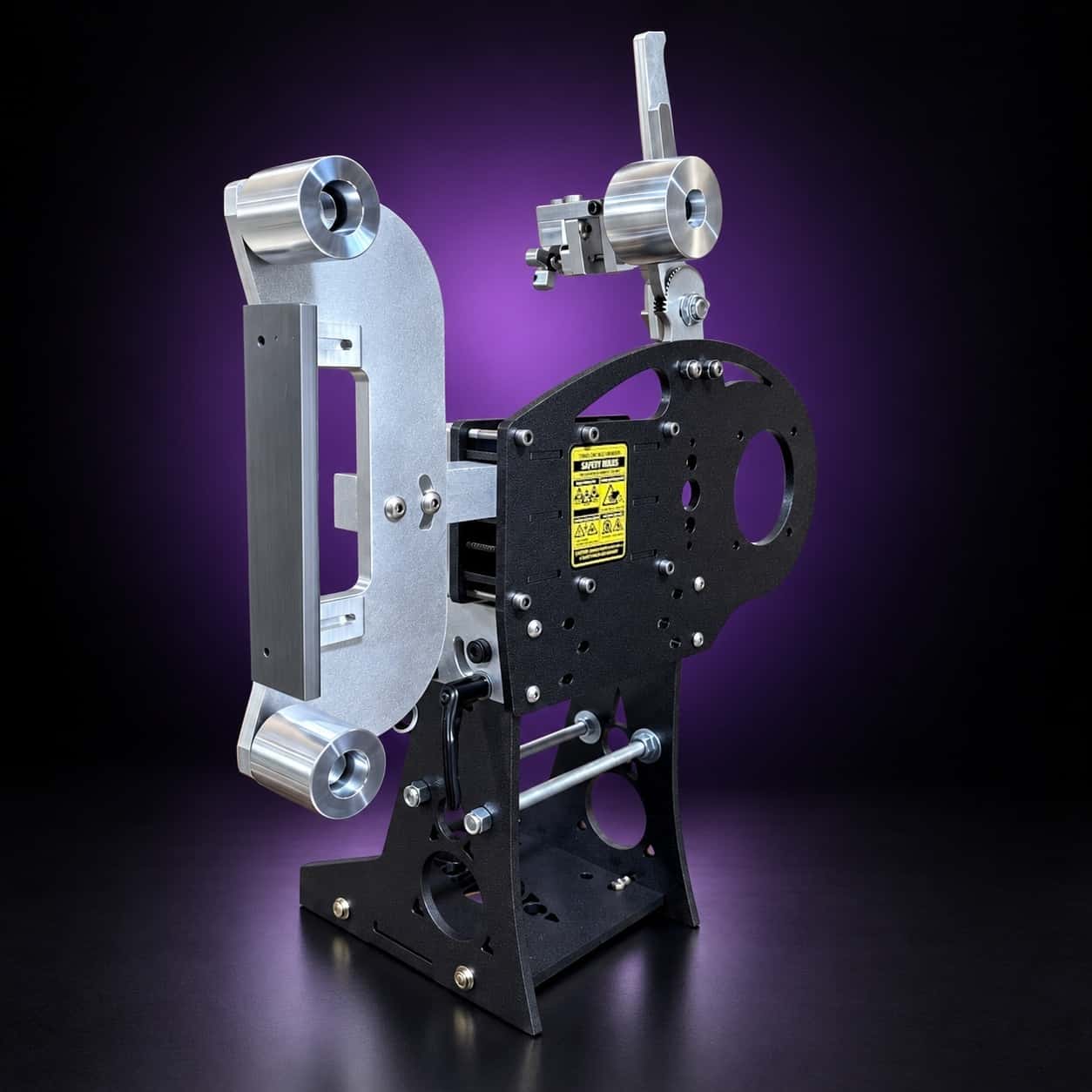
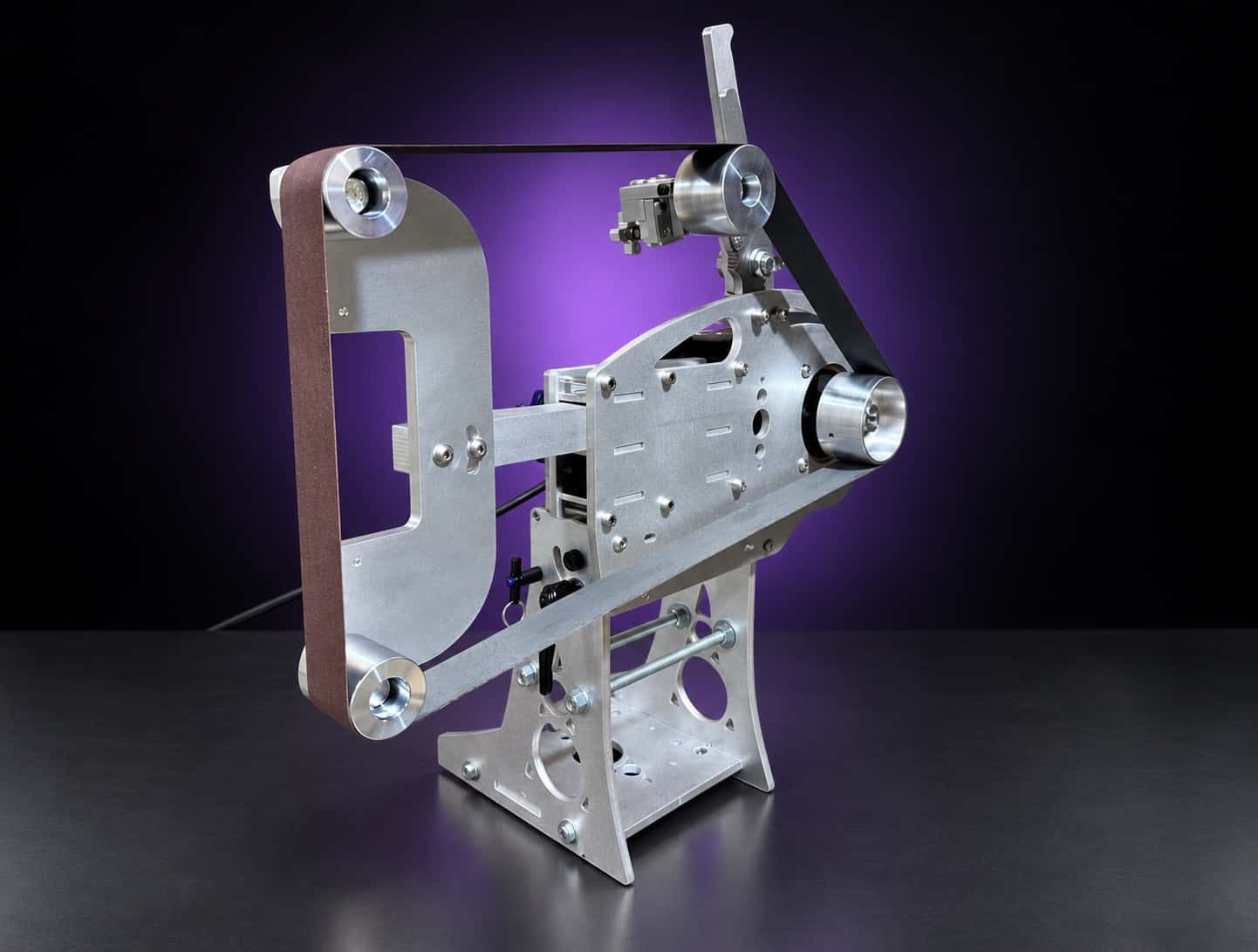
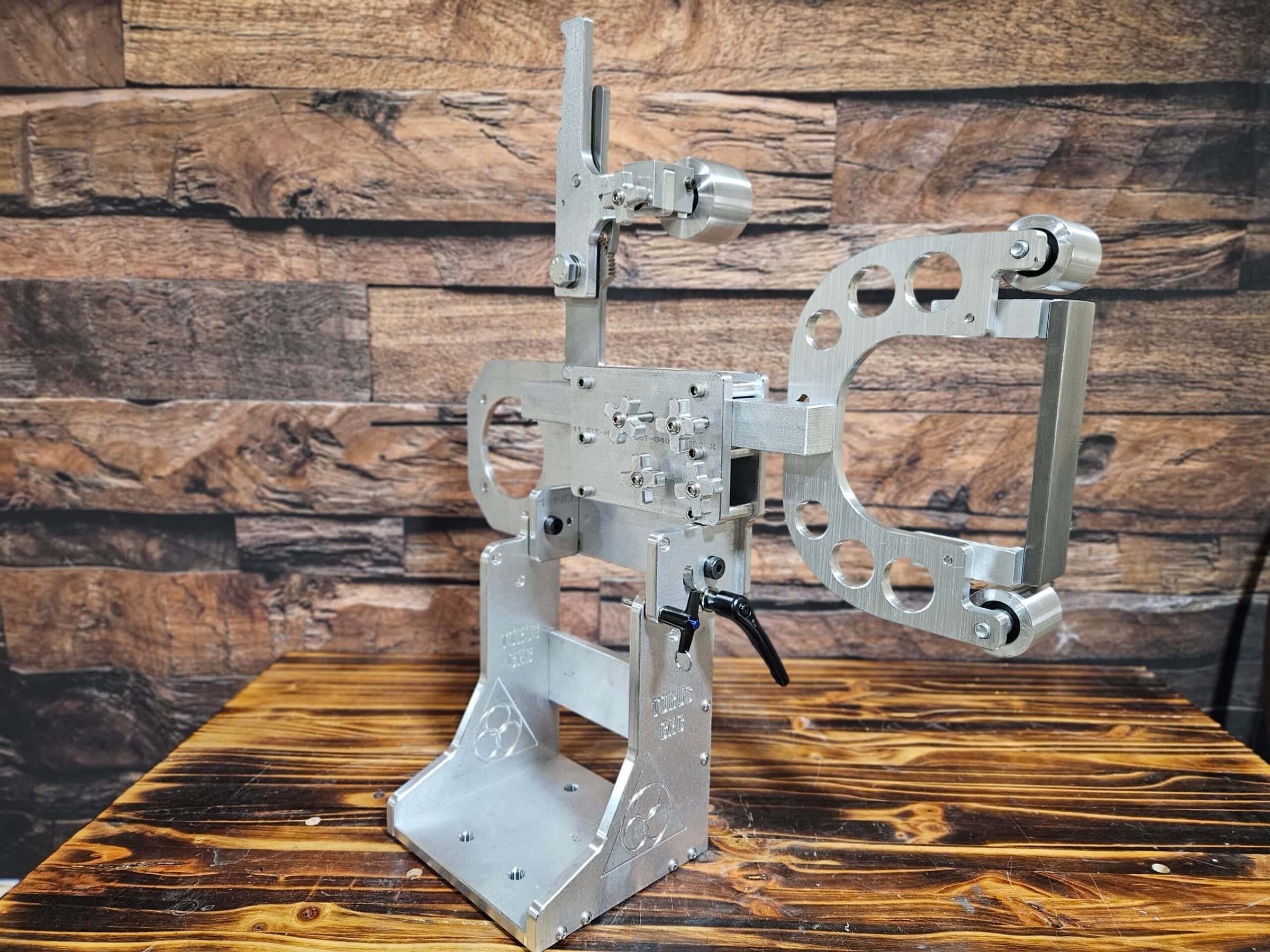
Here is the plainest sentence this blog will ever run: a fully assembled, American-made, tilting 2×72 with a ratchet tensioner for $845, down from $1,195, in stock now. It is on closeout to make way for the Nova.
Blog category
The knifemaking work that happens at the grinder: profiling, bevels, plunge lines, handles, finishing, and the heat-treat steps on either side.
82 articles · written in Sterling, Illinois
82 articles

Here is the plainest sentence this blog will ever run: a fully assembled, American-made, tilting 2×72 with a ratchet tensioner for $845, down from $1,195, in stock now. It is on closeout to make way for the Nova.
Freehand or jig? One camp calls a jig training wheels, the other calls freehand gatekeeping. Both are wrong about the other. Here is what a jig locks, what freehand buys you, and the middle path most working makers use.

A cleaver is wide, heavy and easy to rock, and a short rest lets the edge wander. Here is how I sharpen large cleavers on the 2×72 with an extended work rest: full support, angle setup, and safe handling.

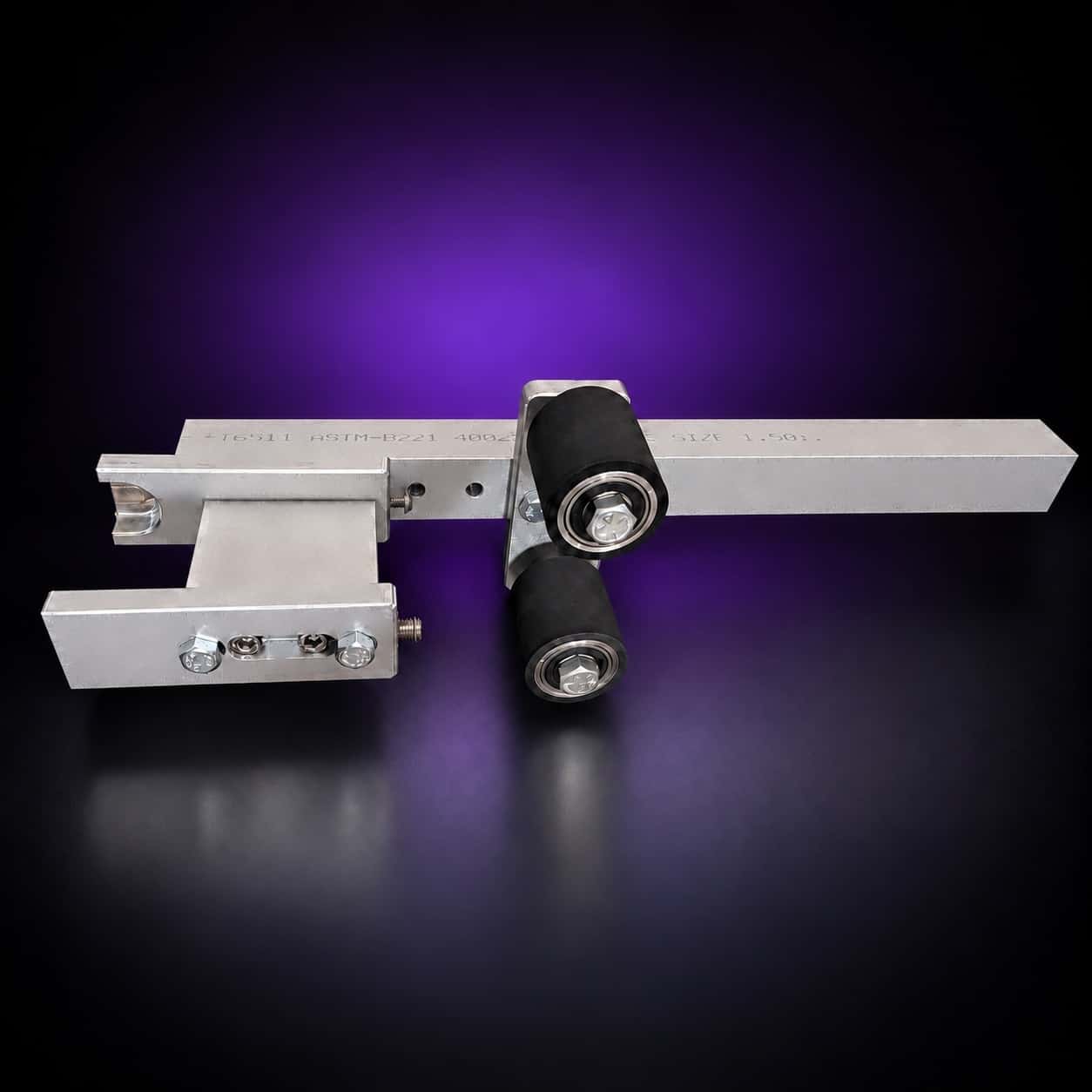
Steel is stiffer per inch. Aluminum is lighter, corrosion resistant, and in a solid 1.5-inch bar is plenty rigid for any attachment. Here is how the two compare, and why every Torus arm is solid aluminum.

Vertical for bevels, horizontal for handles and flats. A grinder that tilts between the two without tools changes how you work. Here is what each position is for, and how a pin-and-handle tilt makes the switch a ten-second job.

Belt tension is the setting nobody teaches. Too loose and the belt flutters and rounds your bevel; too tight and it eats wheels and bearings. Here is how I set tension on the 2×72, and why a ratchet holds it.

Steel dust and sparks do not belong in your lungs or on your floor. Here is how I built dust collection for my grinder station: hood placement, sizing the collector, a cyclone separator, fine filtration, spark control.

Every arm-mounted attachment on a 2×72 lives on its own tooling arm, and arms pile up fast in a small shop. Here is how I store them: wall racks, under-bench slots, a quick-change layout within reach, and keeping arms clean.

Brass, copper, aluminum and titanium each misbehave on a belt in their own way: loading, smearing, sparking. Here is how I grind non-ferrous metals on the 2×72 safely, from belt choice and speed to dust handling and protection.

A leather belt on the 2×72 turns a sharp edge into a scary one in seconds. Here is how I make my own stropping belt: cutting and joining it, loading compound, and how slow to run it.

You cannot grind a line you cannot see. Here is how I add LED task lighting to a 2×72: where to mount it so it lights the platen without shadows, beam and color temperature, and keeping wiring away from sparks.

Etching reveals a damascus pattern, but a frosting belt is what makes it pop. Here is how I run frosting and surface conditioning belts on the 2×72 after the etch: which belt, how slow, how light, and what to avoid.
Built in Sterling
I machine the parts, hand-assemble, track and test each grinder before it ships. Most orders leave in seven to ten business days from time of order.

Fiber-laser-cut 6061 aluminum on the 9x12-inch base. Easier to tilt and move, and corrosion resistant.

My heaviest 2x72: a 3/8-inch steel chassis with machined dual-axis tracking. Bolt it down and it stays put.

Reaches the choils, finger grooves and inside curves a flat platen never will. Wheels from 1/2 to 1.5 inches.

Built to order
I answer my own email. Tell me the work you do and which grinder you are considering.