Belt Grinders
What a 2×72 Grinder Adds to a Knife Shop
A 2×72 can speed profiling, beveling, handle shaping and sharpening, but it is one route, not a requirement. Here is what it adds to a knife shop, what to compare before buying, and where another tool may still fit.
Key Takeaways
- Precision is crucial in knife making, and a 2×72 grinder allows for accurate and consistent results.
- A 2×72 grinder enables knife makers to achieve uniform bevels, enhancing the overall quality of the blades.
- The versatility of a 2×72 grinder allows for various grinding, shaping, and finishing techniques, making it an indispensable tool in the workshop.
- Streamlining the knife finishing process is made easier with the use of a 2×72 grinder, saving time and effort for knife makers.
- Blade geometry can be greatly improved with a 2×72 grinder, allowing for more intricate and precise designs.
The Importance of Precision in Knife Making
A 2×72 can speed up profiling, beveling, handle shaping and sharpening, but it is one route, not a requirement for every knife maker. What it does well is the part of a knife that matters most: the bevels that decide how it cuts, the profile that decides how it looks, the geometry that decides how it lasts. Here is what the 2×72 does for that work, and what to look for in one.
Achieving Consistent Bevels with a 2×72 Grinder
Consistent bevels are essential for a knife’s cutting performance and overall appearance. A 2×72 grinder provides the precision and control needed to achieve perfectly symmetrical bevels, ensuring that the knife’s edge is sharp and evenly ground. The adjustable platen and variable-speed capabilities of a 2×72 grinder allow knife makers to fine-tune the bevel angle and grinding speed, enabling them to create a wide range of bevel profiles to suit different blade designs and applications.
Achieving consistent bevels is a critical aspect of knife making, as it directly impacts the cutting performance and overall aesthetic of the finished product. A well-executed bevel can make the difference between a knife that slices effortlessly and one that struggles to maintain its edge. This is where the 2×72 grinder shines, providing knife makers with the precision and control needed to create perfectly symmetrical bevels time and time again.
The adjustable platen and variable-speed capabilities of a 2×72 grinder are key to this process. By fine-tuning the bevel angle and grinding speed, knife makers can create a wide range of bevel profiles to suit different blade designs and applications. This level of customization allows them to optimize the cutting performance of each knife, while also ensuring a visually striking and consistent appearance. A 2×72 lets you set that angle and speed and hold them for the whole blade.
Unlocking the Versatility of a 2×72 Grinder
A 2×72 grinder is a versatile tool that can be used for a variety of tasks in the knife-making process, from initial blade profiling to final polishing and finishing. With the ability to accommodate a range of grinding wheels and accessories, a 2×72 grinder can be used to perform tasks such as shaping the blade’s profile, thinning the blade, and creating intricate surface textures, allowing knife makers to explore and experiment with different design elements.
The versatility of the 2×72 grinder is a big step up for knife makers, as it allows them to tackle a wide range of tasks with a single tool. From the initial shaping of the blade to the final polishing and finishing touches, this grinder is a true workhorse, capable of handling every step of the knife-making process with precision and efficiency.
One of the key advantages of the 2×72 grinder is its ability to accommodate a diverse range of grinding wheels and accessories. This enables knife makers to explore a vast array of design possibilities, from shaping the blade’s profile to creating intricate surface textures. The 2×72 grinder provides the flexibility and control needed to bring these visions to life. By unlocking the full potential of this versatile tool, knife makers can push the boundaries of their craft, continuously innovating and creating knives that stand out in the market.
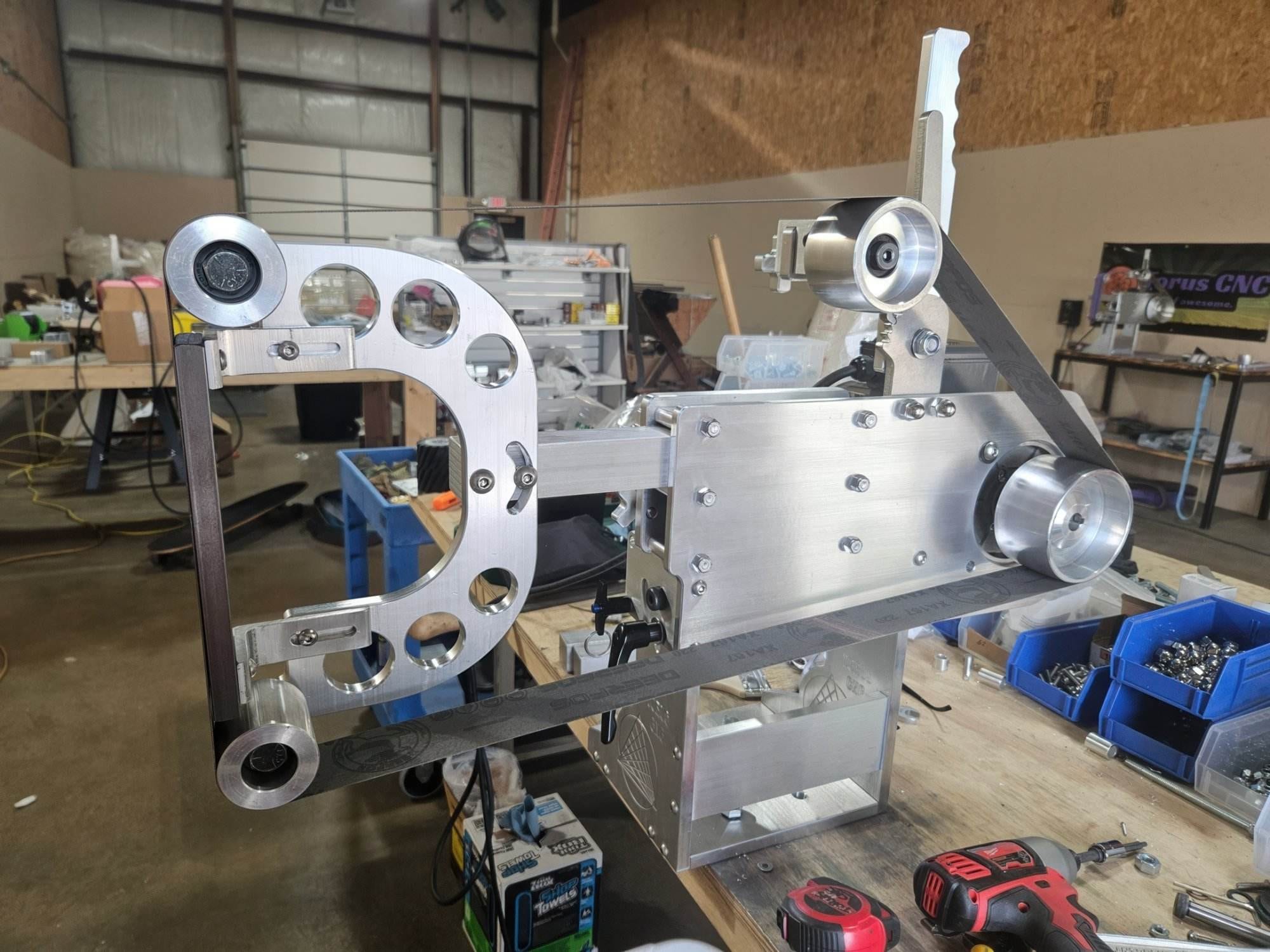
Enhancing Blade Geometry with a 2×72 Grinder
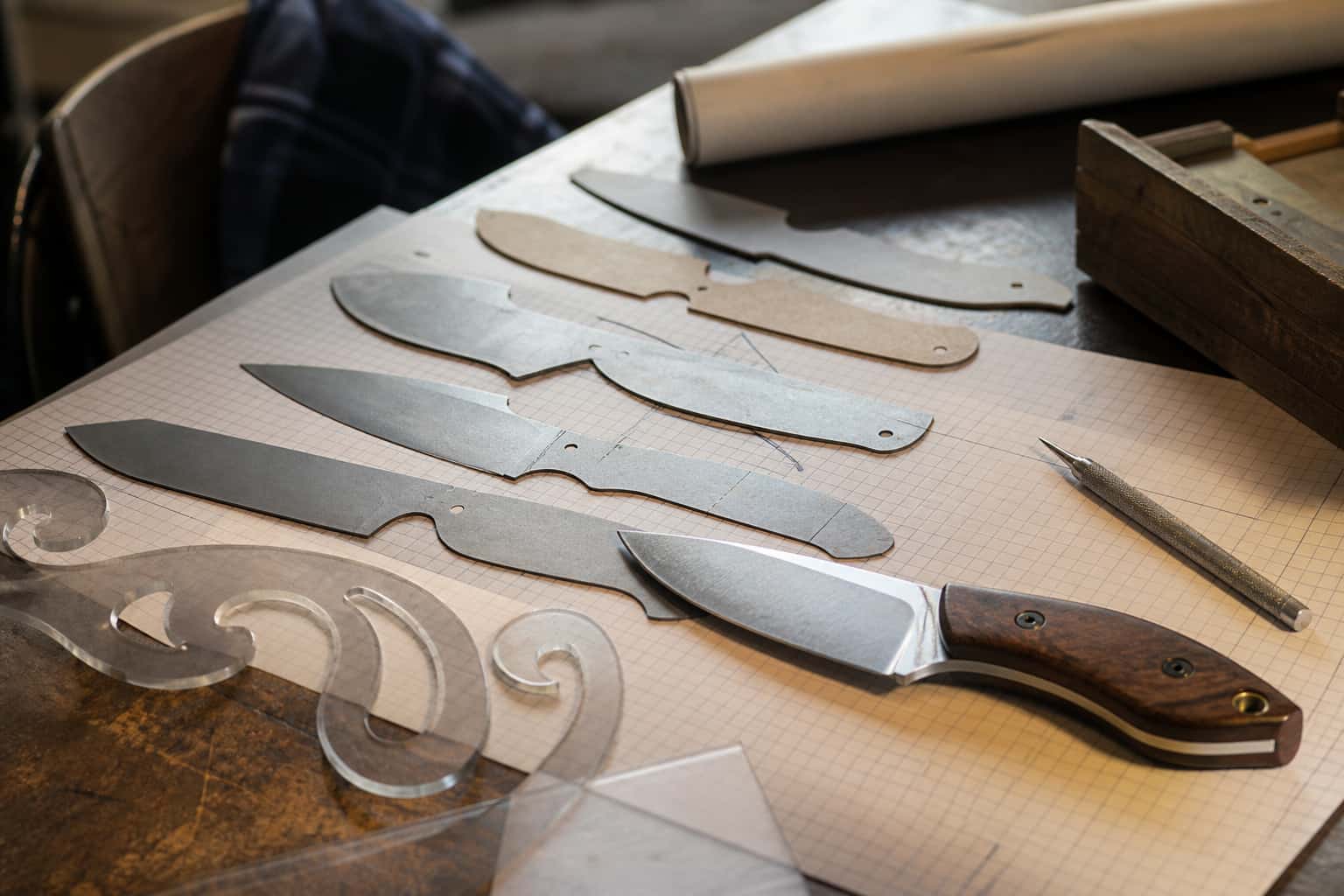
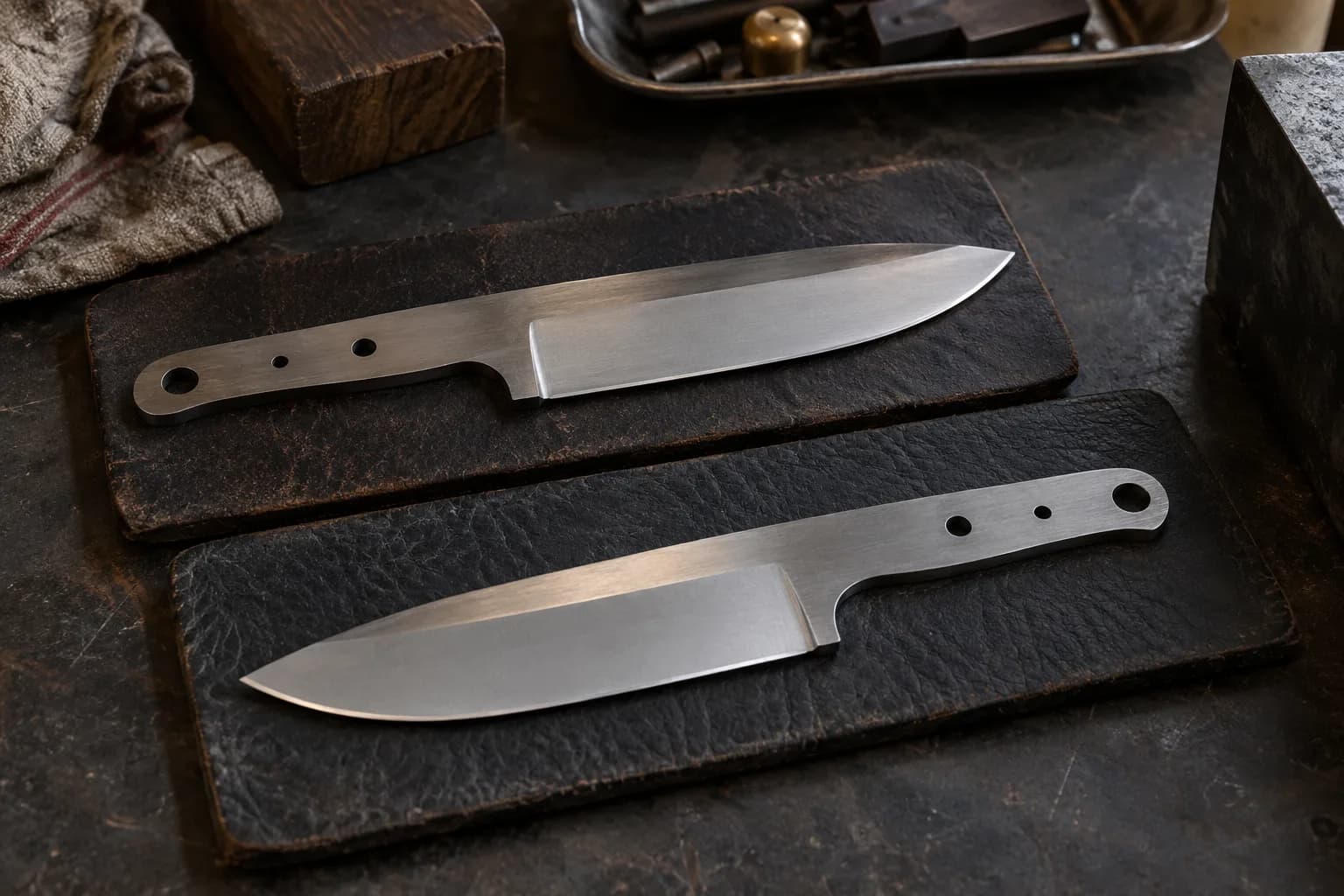
The ability to precisely control the blade’s geometry is crucial for optimizing its performance and functionality. A 2×72 grinder enables knife makers to fine-tune the blade’s thickness, taper, and profile, ensuring that the knife is well-balanced, sharp, and suited to its intended use. By experimenting with different blade geometries and grinding techniques, knife makers can create unique and innovative designs that stand out in the market and offer superior cutting performance.
In knife making, the blade’s geometry is the foundation upon which all other design elements are built. The thickness, taper, and overall profile of the blade directly impact its cutting performance, balance, and handling characteristics, making the ability to precisely control these factors a critical skill for any knife maker.
This is where the 2×72 grinder shines, providing knife makers with the tools and precision needed to fine-tune the blade’s geometry to perfection. By adjusting the thickness, taper, and profile of the blade, knife makers can create knives that are perfectly balanced, razor-sharp, and tailored to the specific needs and preferences of their customers.
But the true power of the 2×72 grinder lies in its ability to enable experimentation and innovation. By exploring different blade geometries and grinding techniques, knife makers can push the boundaries of their craft, creating unique and distinctive designs that stand out in the market. A 2×72 gives you room to try a profile, refine it and grind it again until the knife cuts the way you meant it to.
Optimizing Blade Thickness and Taper
The thickness and taper of a blade are crucial factors that affect its performance, durability, and overall handling characteristics. A 2×72 grinder enables knife makers to precisely control these aspects of the blade, ensuring that the final product is both functional and aesthetically pleasing. By experimenting with different blade thickness and taper configurations, knife makers can create knives that are tailored to specific tasks and user preferences, offering a level of customization that is highly valued by discerning customers.
In knife making, the thickness and taper of the blade are often overlooked, yet they play a vital role in determining the overall performance and handling characteristics of the finished product. A blade that is too thick may be durable but lack the agility and precision required for certain tasks, while a blade that is too thin may be prone to chipping or breaking under heavy use.
This is where the 2×72 grinder shines, providing knife makers with the precise control needed to optimize the thickness and taper of their blades. By fine-tuning these critical aspects of the blade’s geometry, knife makers can create knives that are perfectly balanced, offering the ideal combination of strength, cutting performance, and handling characteristics.
Moreover, the ability to experiment with different blade thickness and taper configurations allows knife makers to tailor their creations to the specific needs and preferences of their customers. Precision-focused paring knife, the 2×72 grinder gives knife makers the tools they need to bring their visions to life, delivering knives that are not only functional but also visually stunning.
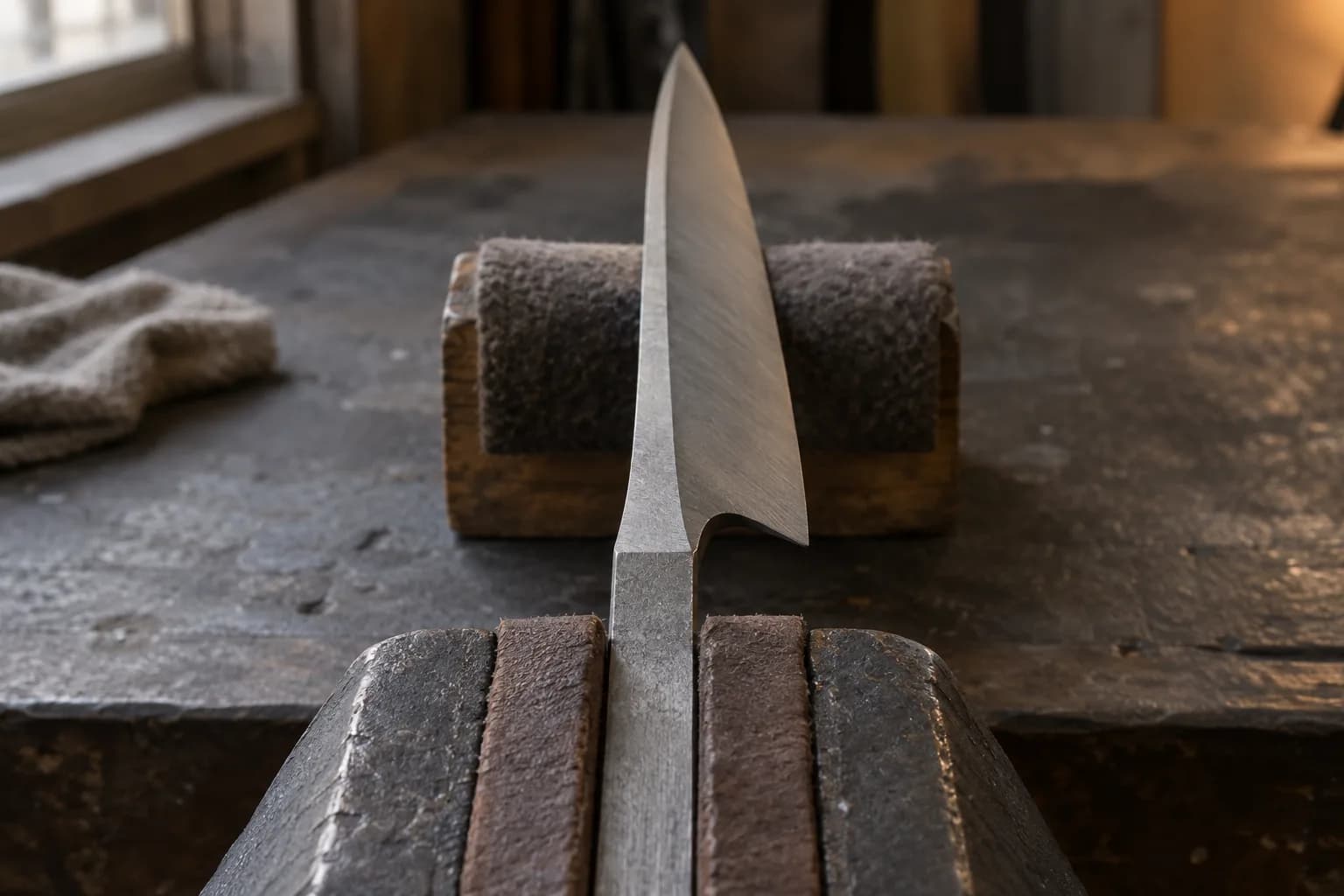
Exploring the Benefits of a Variable-Speed 2×72 Grinder
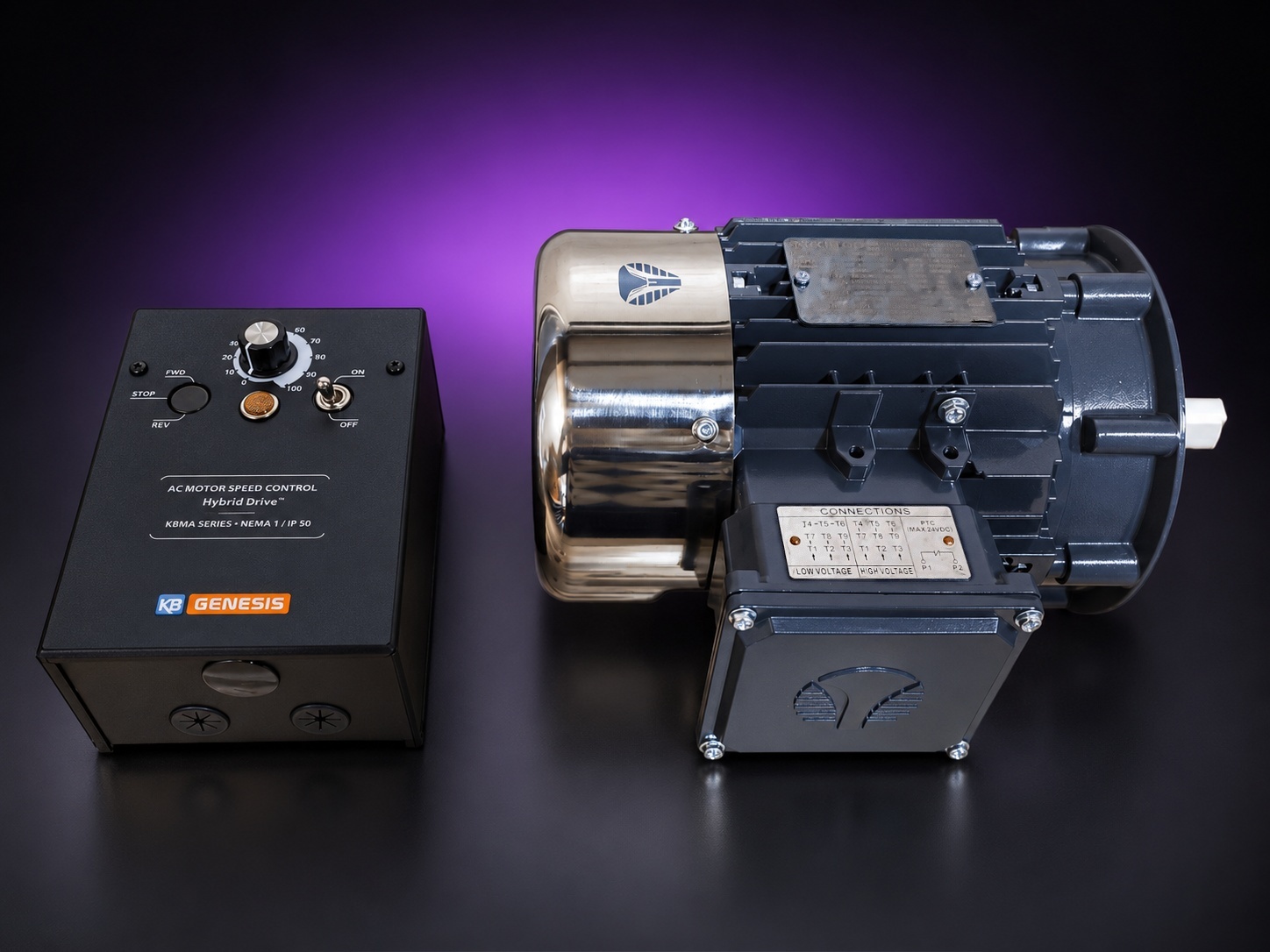
A variable-speed 2×72 grinder offers a significant advantage over fixed-speed models, as it allows knife makers to precisely control the grinding speed and adapt it to the specific task at hand. By adjusting the grinding speed, knife makers can optimize the removal rate, heat generation, and surface finish, ensuring that each step of the knife-making process is carried out with maximum efficiency and precision.
In knife making, the ability to precisely control the grinding speed can make all the difference in the quality and consistency of the finished product. Fixed-speed grinders can be limiting, as they may not provide the level of control needed to tackle the wide range of tasks and materials encountered in the knife-making process.
Enter the variable-speed 2×72 grinder, a big step up for knife makers who demand the utmost precision and control. By allowing for the adjustment of the grinding speed, this versatile tool enables knife makers to optimize the removal rate, heat generation, and surface finish for each specific task. The variable-speed capabilities of the 2×72 grinder ensure that every step is carried out with maximum efficiency and precision.
This level of control is essential for knife makers who are committed to producing the highest-quality blades. By fine-tuning the grinding speed to match the task at hand, they can minimize the risk of overheating, ensure a consistent and uniform finish, and in the end create knives that are not only functional but also visually stunning. As the demands of the knife-making market continue to evolve, the variable-speed 2×72 grinder has become an indispensable tool for those who seek to stay at the forefront of their craft.
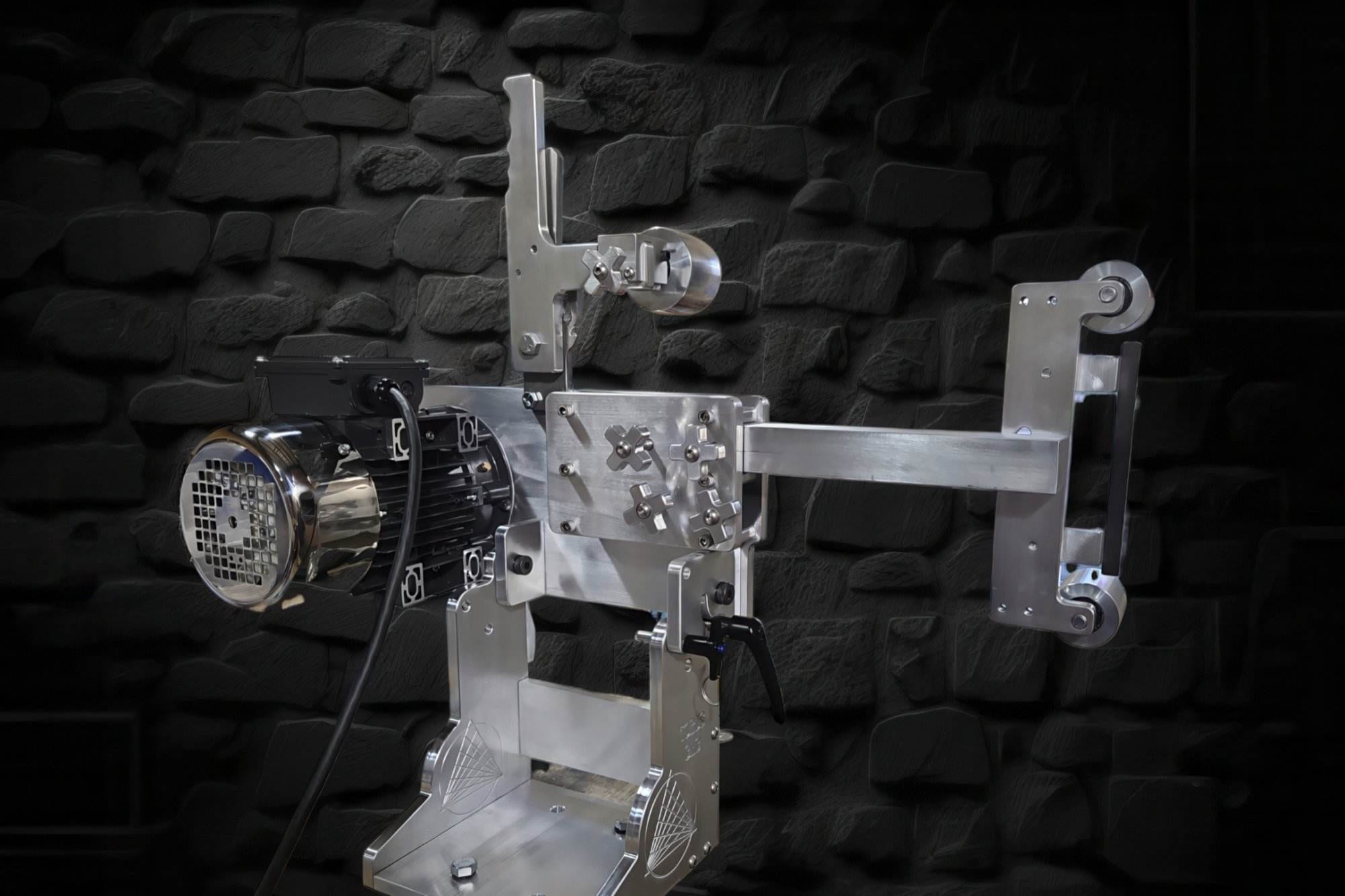
Shop notes and practical details
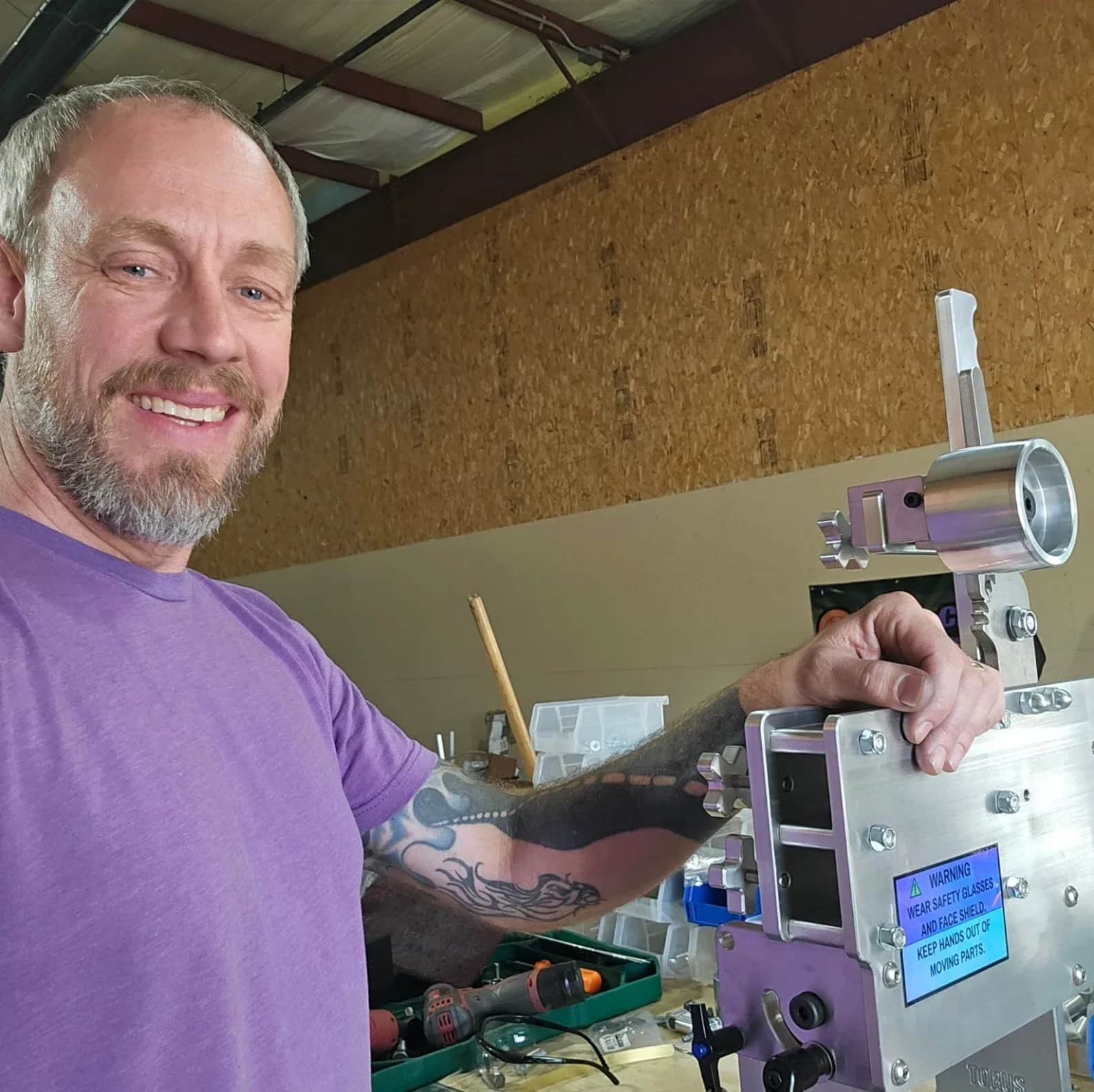
Why I Built the Torus 2×72
We designed the Torus 2×72 because makers like you needed more:
More rigidity. More precision. More value.
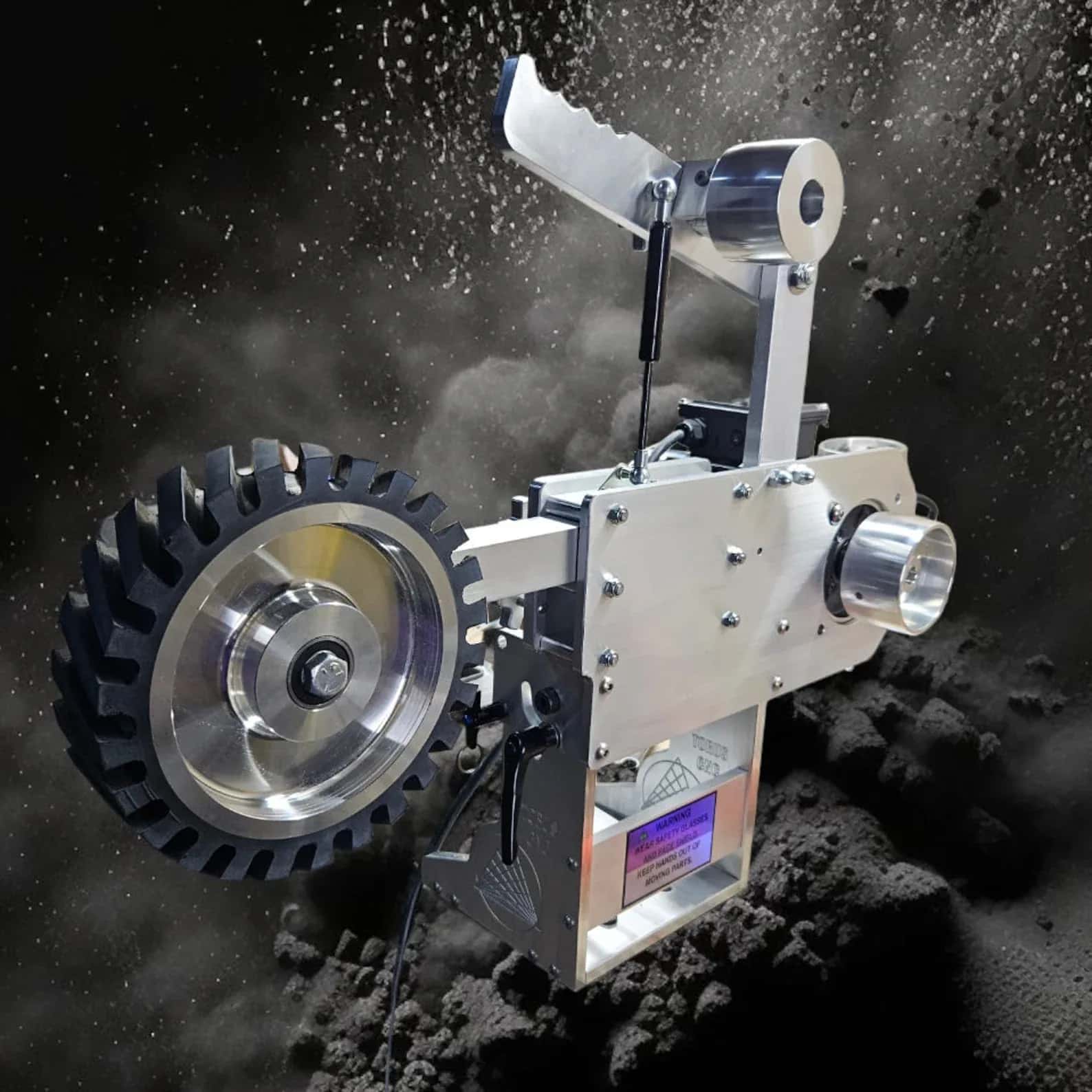
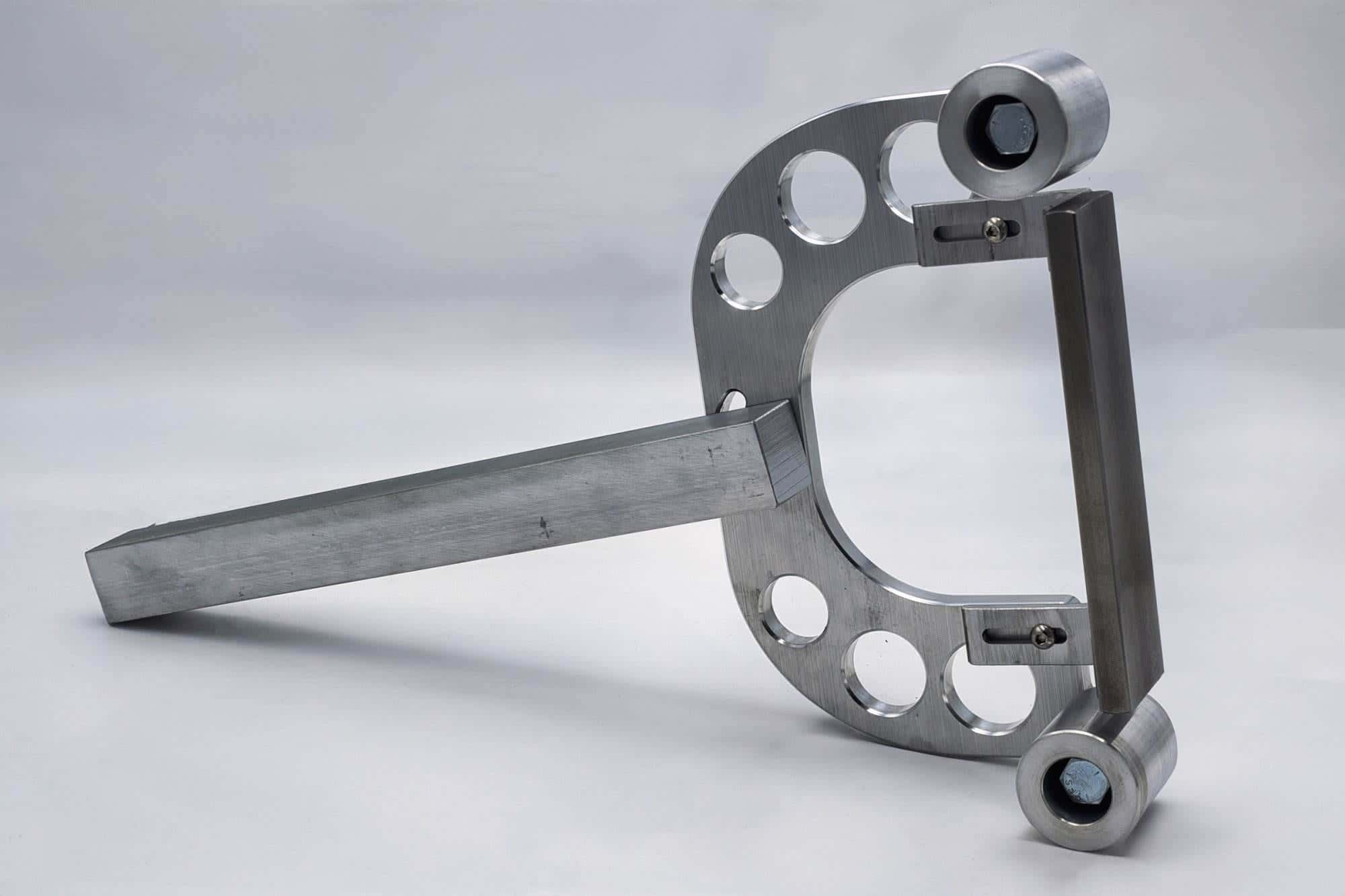
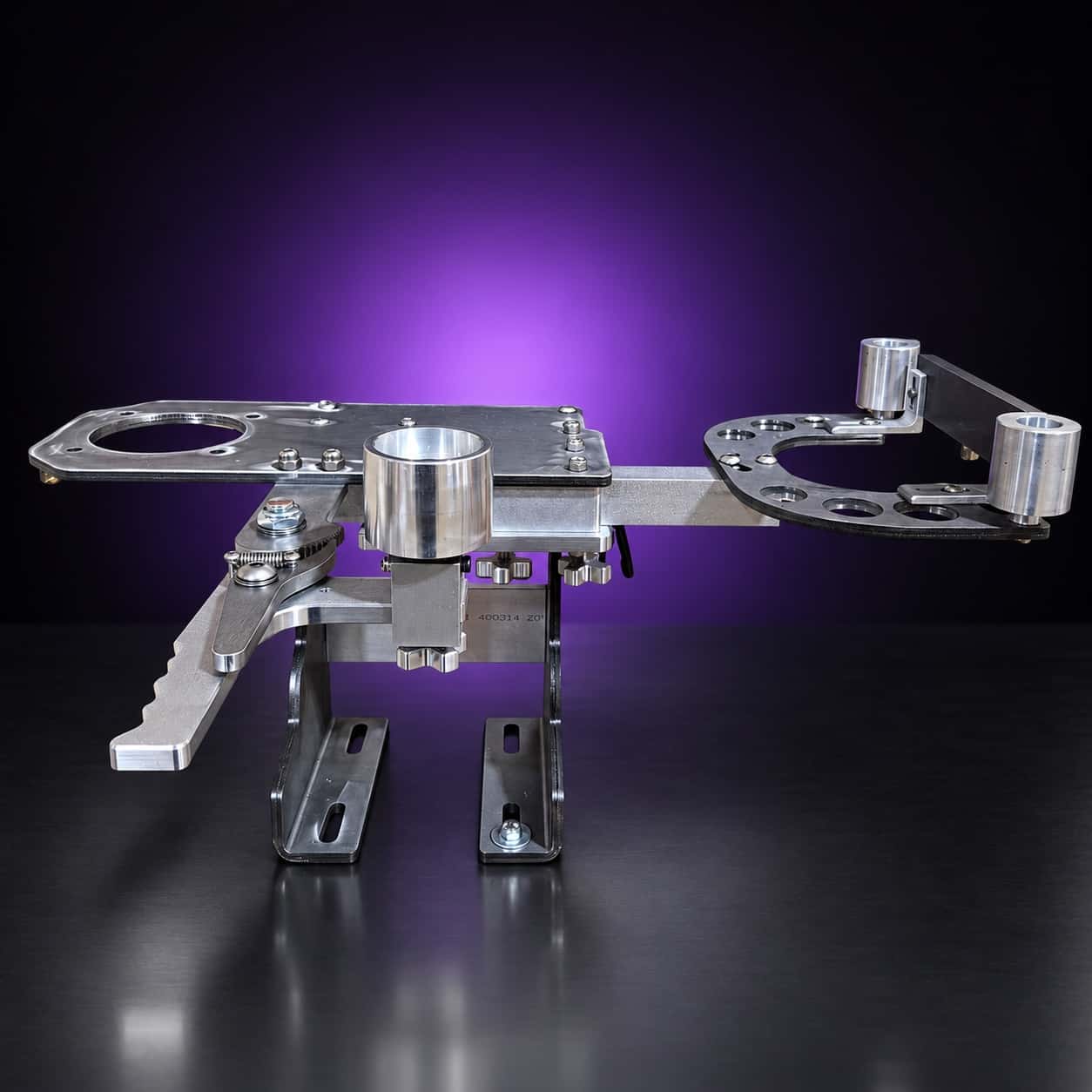
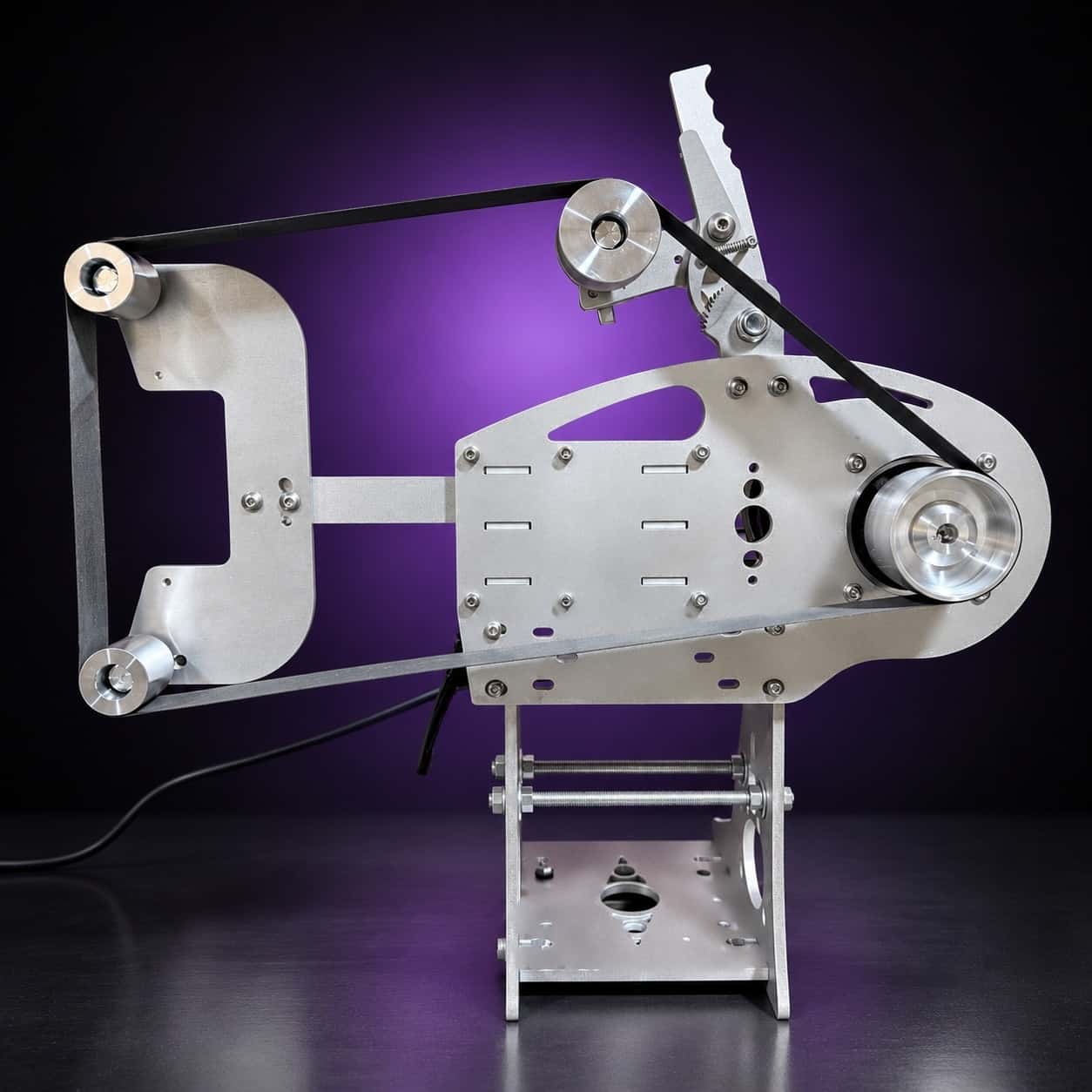
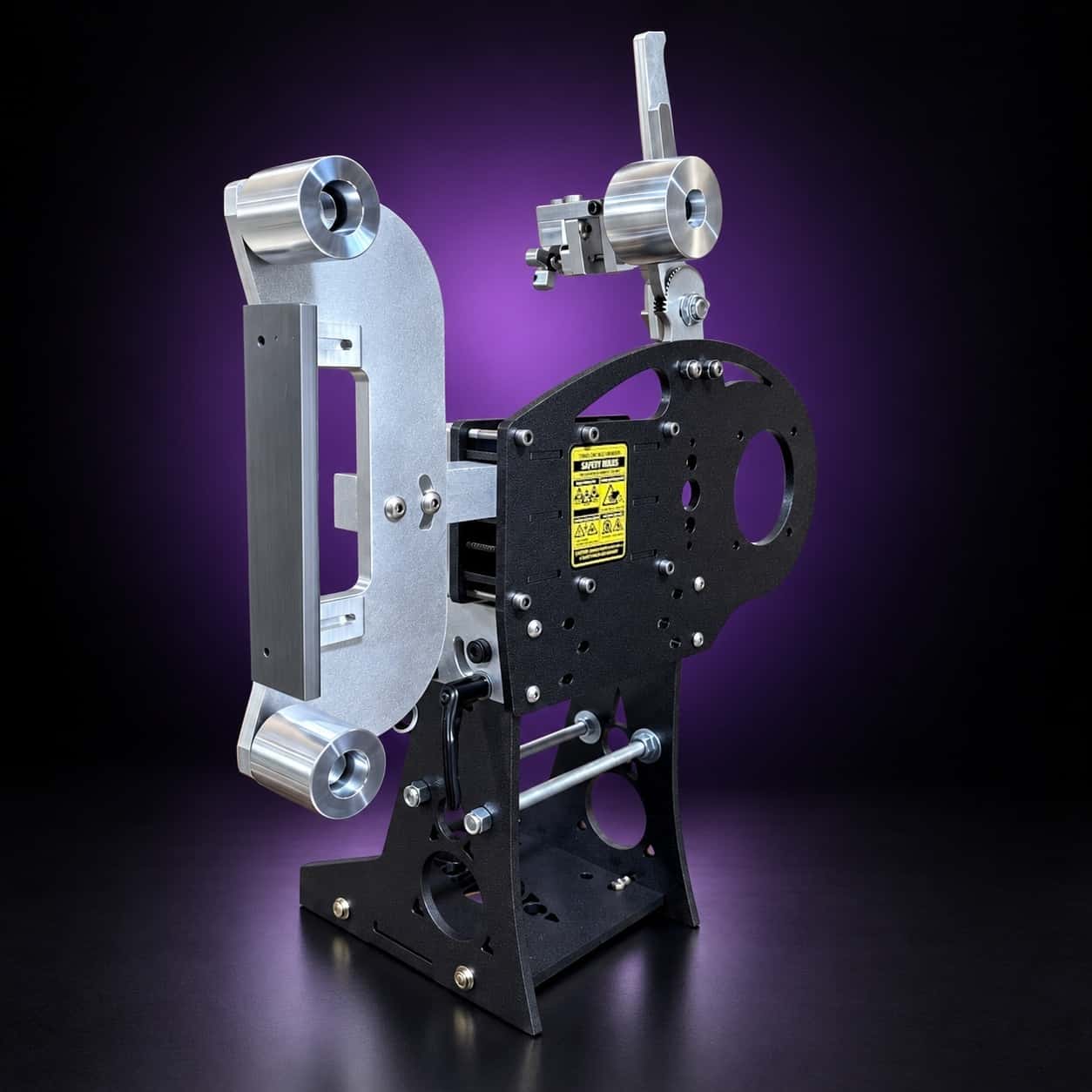
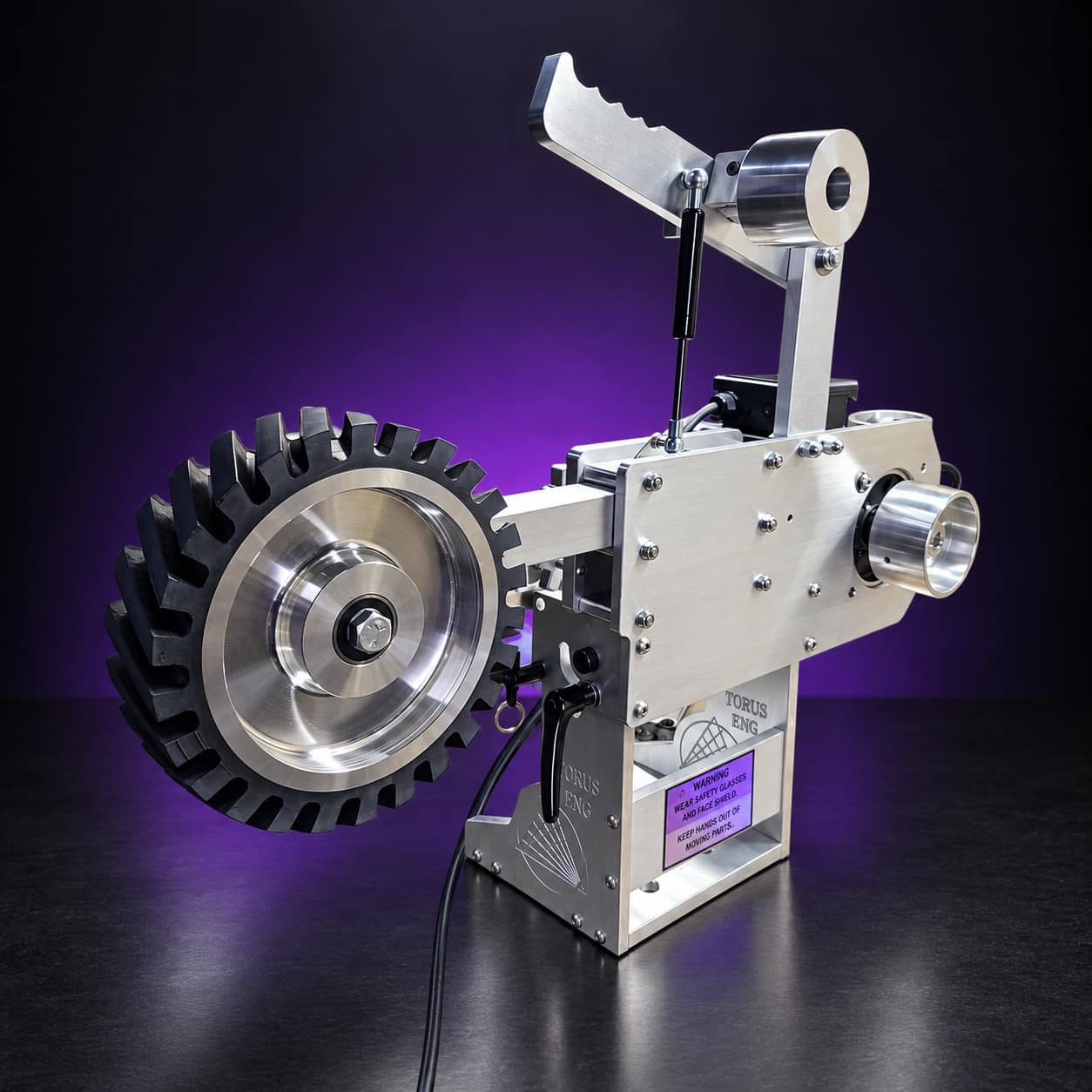
Each grinder is CNC-machined in the USA using higher-grade aluminum and steel components. It’s built for real-world knife shops—with smart features like precise tracking, rock-solid construction, and a modular layout that grows with you.
And while some brands inflate their prices for bells and whistles, we keep our pricing competitive without cutting corners. That’s why the Torus has become the go-to choice for knife makers who expect more—and want a grinder that can keep up.
🔧 Key Takeaways
- 2×72 grinders offer superior control, speed, and flexibility for serious knife making.
- The Torus 2×72 delivers pro-level performance, tight tolerances, and top-shelf materials.
- Designed, machined, and assembled in the USA.
👉 Check out the Torus 2×72 here and see why so many makers are making the switch.
Regularly cleaning your area not only helps prevent slips and falls but also minimizes fire risks associated with combustible materials. Familiarize yourself with the machine’s safety features, such as emergency shut-off switches and belt guards, to ensure you know how to respond quickly in case of an emergency.
Safety should always be a top priority when operating a 2×72 grinder. Wearing appropriate personal protective equipment (PPE) is essential; this includes safety glasses or goggles to protect against flying debris, gloves to shield hands from sharp edges, and hearing protection due to potential noise levels generated by the machine. Additionally, it is advisable to wear a dust mask or respirator when working with materials that produce harmful dust particles.
Consolidating Tools and Streamlining Processes
Traditional methods of shaping and sharpening knives often require a variety of tools and equipment, each with its own price tag. By investing in a 2×72 grinder, knife makers can consolidate their tools and streamline their processes, in the end reducing expenses in the long run.
Increasing Productivity and Reducing Material Waste
The speed and efficiency of a 2×72 grinder can help to increase productivity, allowing knife makers to produce more knives in less time, further maximizing their return on investment. In addition to reducing the need for multiple tools, a 2×72 grinder also helps to minimize material waste, another factor that contributes to cost savings. The precision and control offered by a 2×72 grinder allow for more accurate shaping and sharpening of knives, resulting in less material being wasted during the production process.
Safety Precautions
To minimize the risks associated with using a 2×72 grinder, knife makers should prioritize wearing appropriate personal protective equipment (PPE). This includes safety glasses and gloves to protect against flying debris and sharp edges.
Proper Maintenance and Operation
Regular maintenance and proper operation of the grinder are crucial to ensuring a safe working environment. Knife makers should regularly inspect the machine for signs of wear or damage and follow manufacturer guidelines for changing belts or adjusting settings.
Comparison with Other Grinding Tools
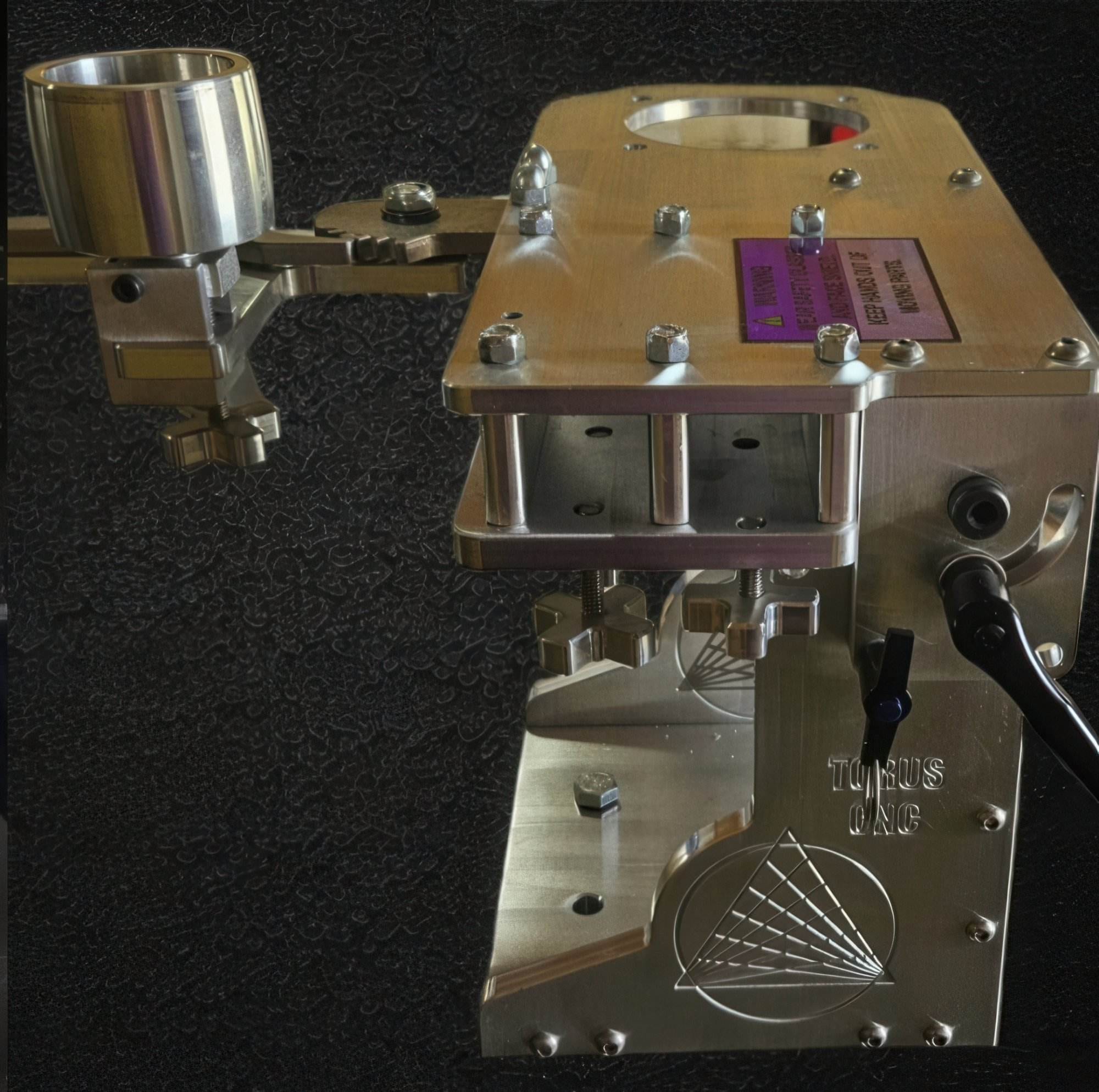
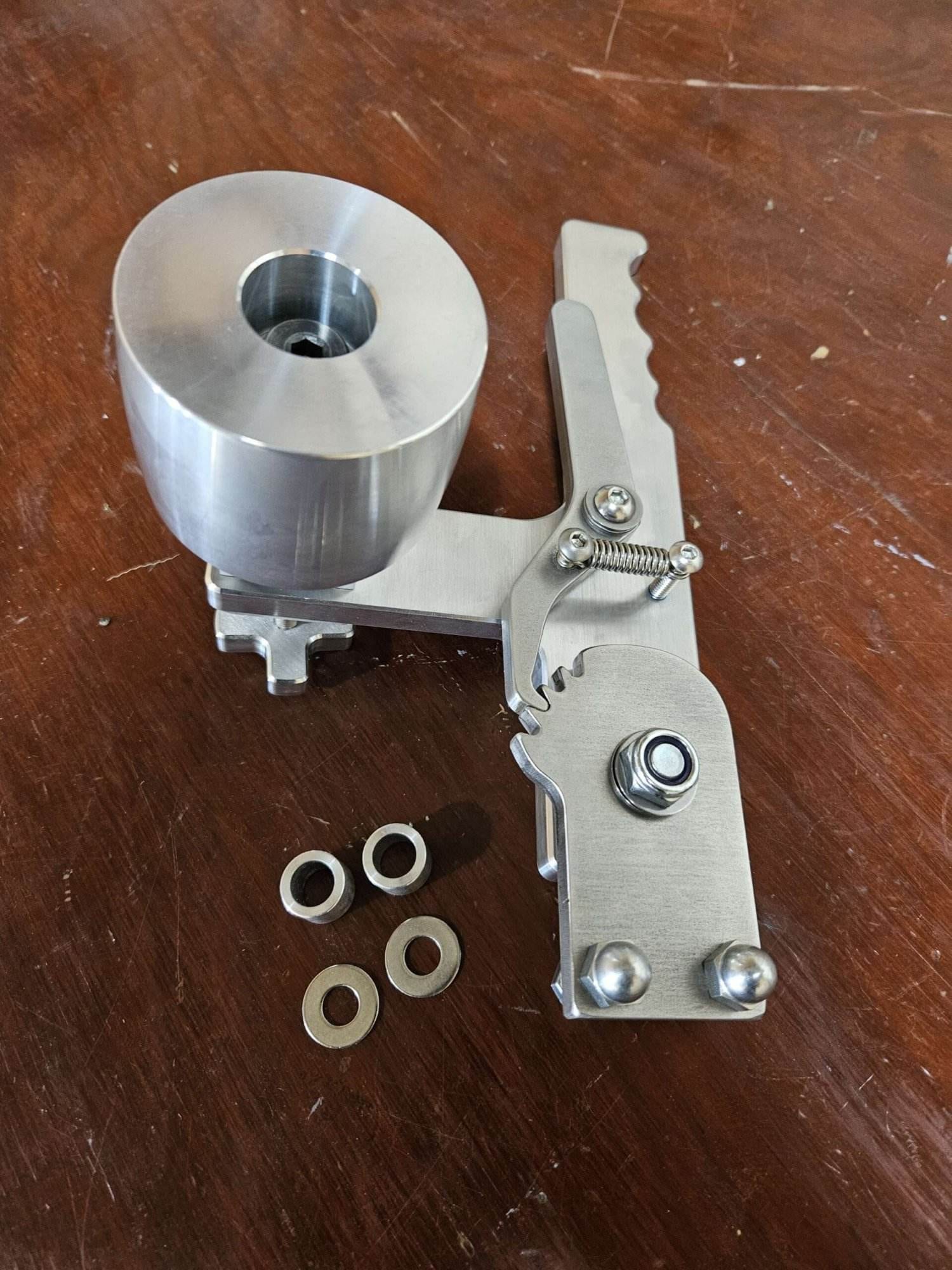
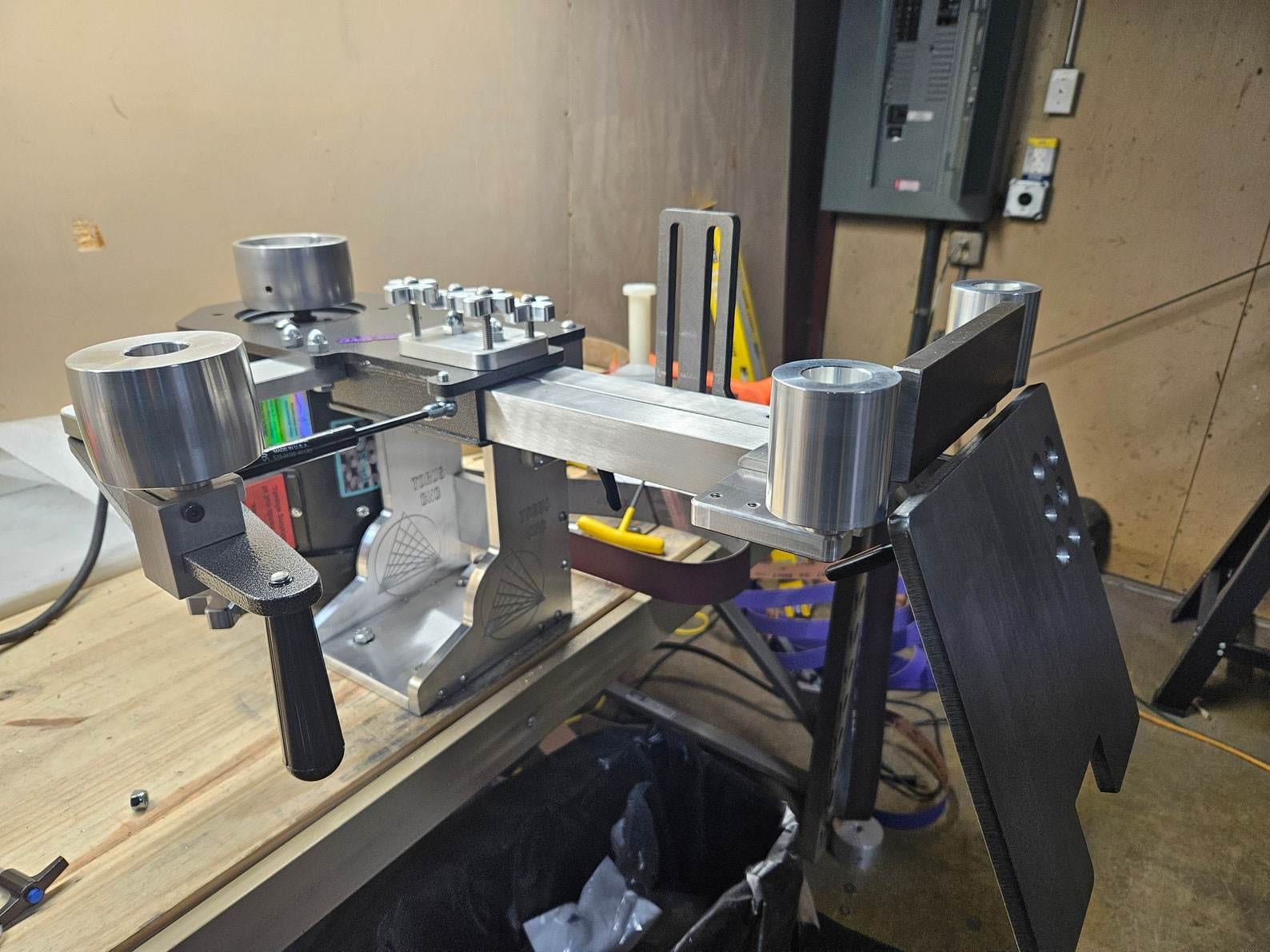
Efficiency Comparison
When assessing the efficiency of the 2×72 grinder against other grinding tools, it becomes evident that its design offers distinct advantages. Other popular alternatives—such as bench grinders and angle grinders—provide valuable capabilities, but they often lack the finesse of a 2×72. Here are some key efficiency points to consider:
- Material Removal: The 2×72 grinder’s broad, continuous belt allows for rapid material removal without overheating, unlike bench grinders that create localized heat, leading to potential blade warping.
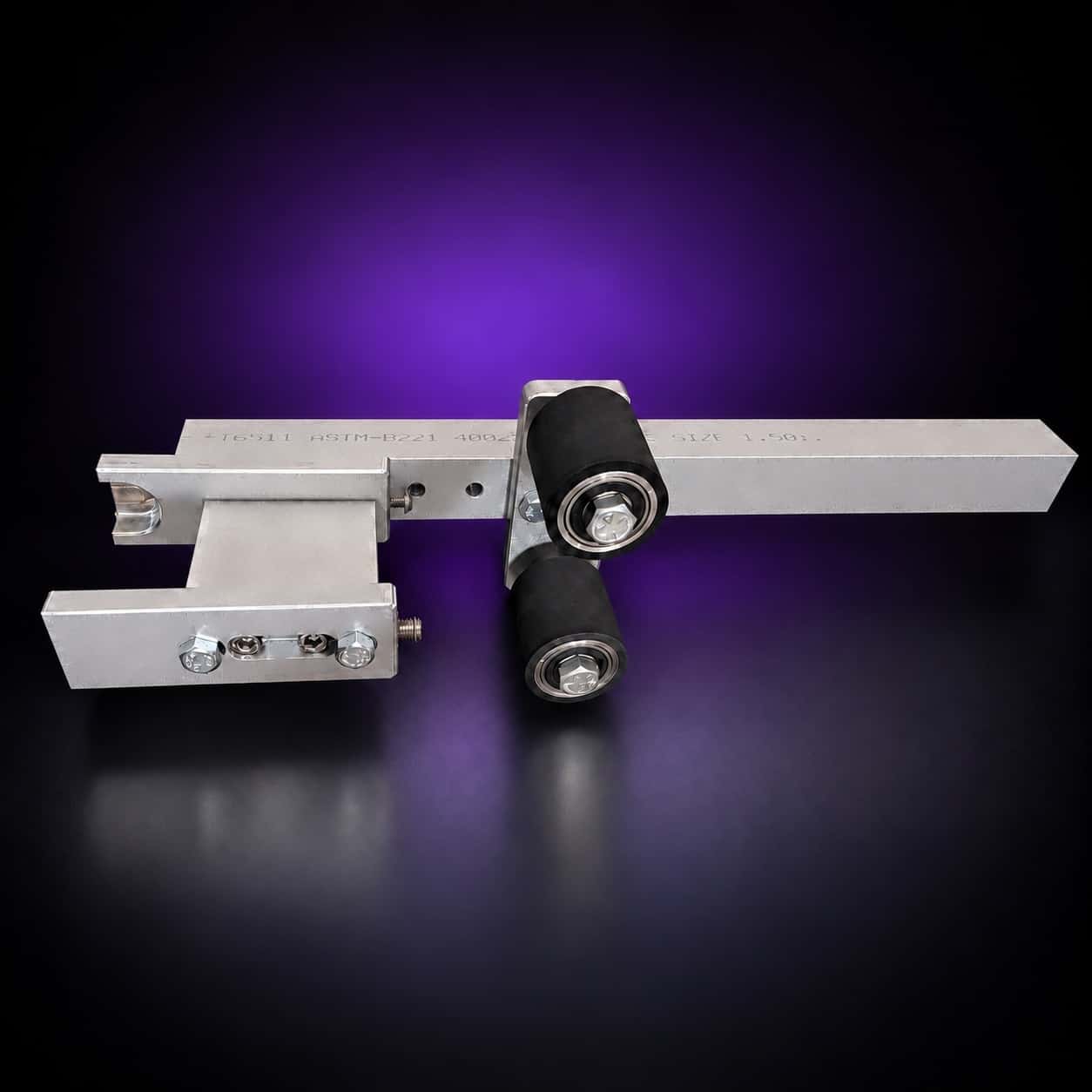
- Versatility: This grinder accommodates various attachments and belts, making it suitable for different tasks, from profiling to polishing, which other tools may not perform as well.
- Control: The length and speed of the belt provide better control over grinding angles, resulting in precise and consistent finishes.
Cost Comparison
For cost, the 2×72 grinder is often seen as an investment, but its value becomes clear when compared to other options:
- Initial Investment: The upfront cost of a 2×72 grinder may be higher than bench and angle grinders. However, it offers a greater range of capabilities, making it a versatile tool for knife making.
- Longevity: With proper maintenance, a quality 2×72 grinder can last for years, reducing the need for frequent replacements that other, less durable tools may require.
- Efficiency Gains: The time saved through greater efficiency can offset the initial cost, making the 2×72 grinder a cost-effective choice for both hobbyists and professionals.
Latest Features
As technology continues to evolve, so does the 2×72 grinder, reflecting innovations that enhance functionality and user experience. Recent models boast several modern features that set them apart:
- Variable Speed Controls: Newer grinders now offer advanced variable speed settings, enabling users to fine-tune their approach depending on the material and application, providing greater control over the grinding process.
- Digital Displays: Some grinders feature digital interfaces that monitor belt speeds, allowing for precise adjustments and improved consistency.
- Tool-Free Belt Changes: Innovations have led to designs that allow users to change belts quickly and easily without the need for tools, streamlining the workflow significantly.
- Integrated Dust Collection: Enhanced dust management systems not only keep the workspace cleaner but also contribute to improved health safety by reducing inhalation hazards associated with fine dust.
Motor Power and Speed
One of the most fundamental elements of a 2×72 grinder is its motor, which plays a crucial role in determining the efficiency and effectiveness of knife making. A powerful motor not only enhances performance but also impacts the overall grinding experience. When evaluating motor power and speed, consider the following:
- Horsepower (HP): Most 2×72 grinders range from 1 HP to 3 HP. A higher horsepower enables quicker stock removal and smoother finishes, which can be essential for larger blades.
- RPM (Revolutions Per Minute): The speed at which the motor operates is also vital. Commonly, a grinder will have speeds ranging from 1,750 to 3,600 RPM. Higher speeds allow for more aggressive grinding but require careful handling to avoid overheating the blade.
- Torque: Motor torque is crucial for maintaining consistent power, especially during detailed work. Less torque can lead to stalling, which is frustrating and counterproductive.
Belt Size and Material
- Belt Size: The 2×72 designation refers to the belt’s dimensions—2 inches wide and 72 inches long. This standard sizing offers a vast array of belt grit options for various tasks, from heavy material removal to fine finishing.
- Belt Material: Common materials include aluminum oxide, ceramic, and zirconia. Each has its unique qualities:
- Aluminum Oxide: Great for general purpose and is cost-effective.
- Ceramic: Ideal for heavy grinding tasks due to its durability and longevity.
- Zirconia: Perfect for grinding hardened steel and provides a high removal rate.
Setting Up Your 2×72 Grinder
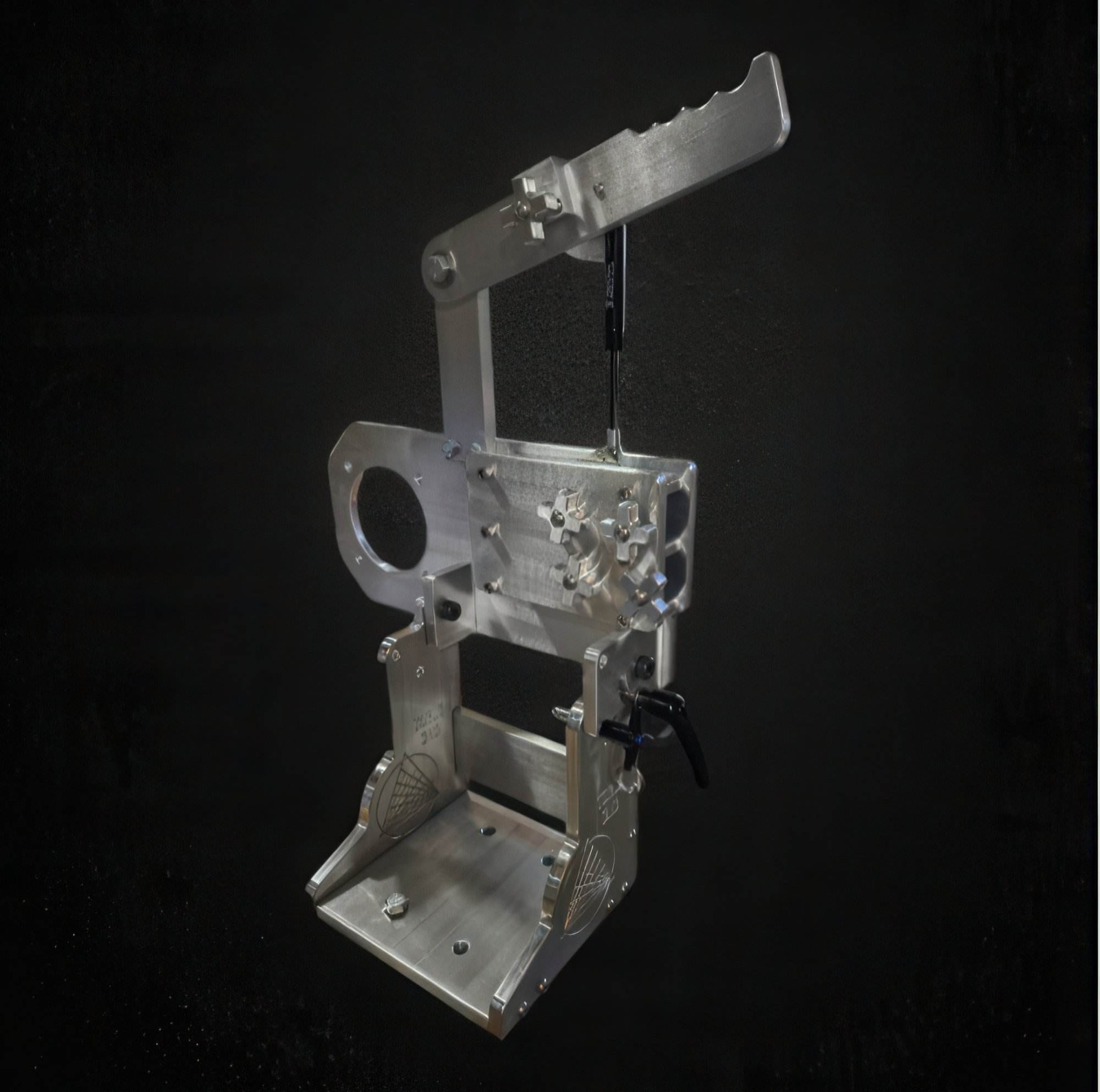
Proper Assembly Instructions
Setting up your 2×72 grinder correctly is essential for achieving optimal performance and safety. Ideally, you want to follow these step-by-step assembly instructions to ensure that your equipment is functioning smoothly:
- Unpack and Organize: Begin by laying out all components and tools required for assembly. Make sure you have:
- The grinder frame
- Motor
- Contact wheels
- Grinding belts
- Fasteners and tools
- Assemble the Frame: Start by attaching the motor to the grinder frame. Use the provided bolts and securely fasten them to prevent vibrations during operation.
- Install the Contact Wheels: Position the contact wheels on the appropriate mounts and ensure they are aligned correctly. This alignment will prevent unnecessary wear on both the wheels and the belts.
- Attach the Belt Guard: Safety first. Make sure to install the belt guard to protect yourself from moving parts.
- Final Checks: Before powering it up, double-check that all connections are tight, and the belts are properly aligned.
Adjusting for Precision and Safety
Once your grinder is assembled, it’s crucial to make adjustments for precision and safety:
- Belt Tension: Adjust the tension of the belt to ensure it is tight enough to prevent slipping, yet not so tight that it strains the motor.
- Tracking Adjustment: Make sure to adjust the tracking of the belt. This ensures it runs straight and does not wear unevenly.
- Height Adjustment: Position your grinder at a comfortable work height. Ideally, your elbows should be slightly above the grinder to maintain good posture.
- Safety Gear: Always wear appropriate protective gear such as goggles, respirators, and hearing protection when using your grinder.
Protective Gear and Procedures
Ensuring safety while using your 2×72 grinder is paramount. Proper protective gear and adherence to safety procedures can help prevent accidents and injuries. Here are essential safety measures to consider:
- Eye Protection: Always wear safety glasses or goggles to protect against flying debris and sparks generated during grinding. Consider using a face shield for added protection.
- Hearing Protection: The noise generated by grinders can be significant. Use earplugs or earmuffs to protect your hearing during prolonged use.
- Respiratory Protection: Grinding produces fine dust that may be harmful when inhaled. Wearing a dust mask or respirator helps ensure that you are not exposed to harmful particles.
- Proper Clothing: Wear long-sleeved shirts and resistant gloves to protect your skin. Avoid loose clothing that could get caught in moving parts.
- Posture and Positioning: Maintain a stable stance while operating the grinder, keeping the work area tidy to minimize the risk of tripping hazards.
Cleaning and Lubricating Your Grinder
Maintenance is also crucial to keep your grinder working efficiently over time. Regular cleaning and lubrication can extend the lifespan of the equipment:
- Daily Cleaning: After each use, clean the grinder to remove dust and debris. A compressed air blower works well to clear out any particles lodged in crevices.
- Belt Inspection: Routinely check the grinding belts for wear and tear. Replace any frayed or worn belts to maintain quality grinding performance.
- Lubrication: Periodically, apply lubricant to moving parts as per the manufacturer’s guidelines. This reduces friction and prevents premature wear.
- Alignment Checks: Regularly inspect the alignment of wheels and belts. Proper alignment is essential for optimal performance and to prevent uneven wear.
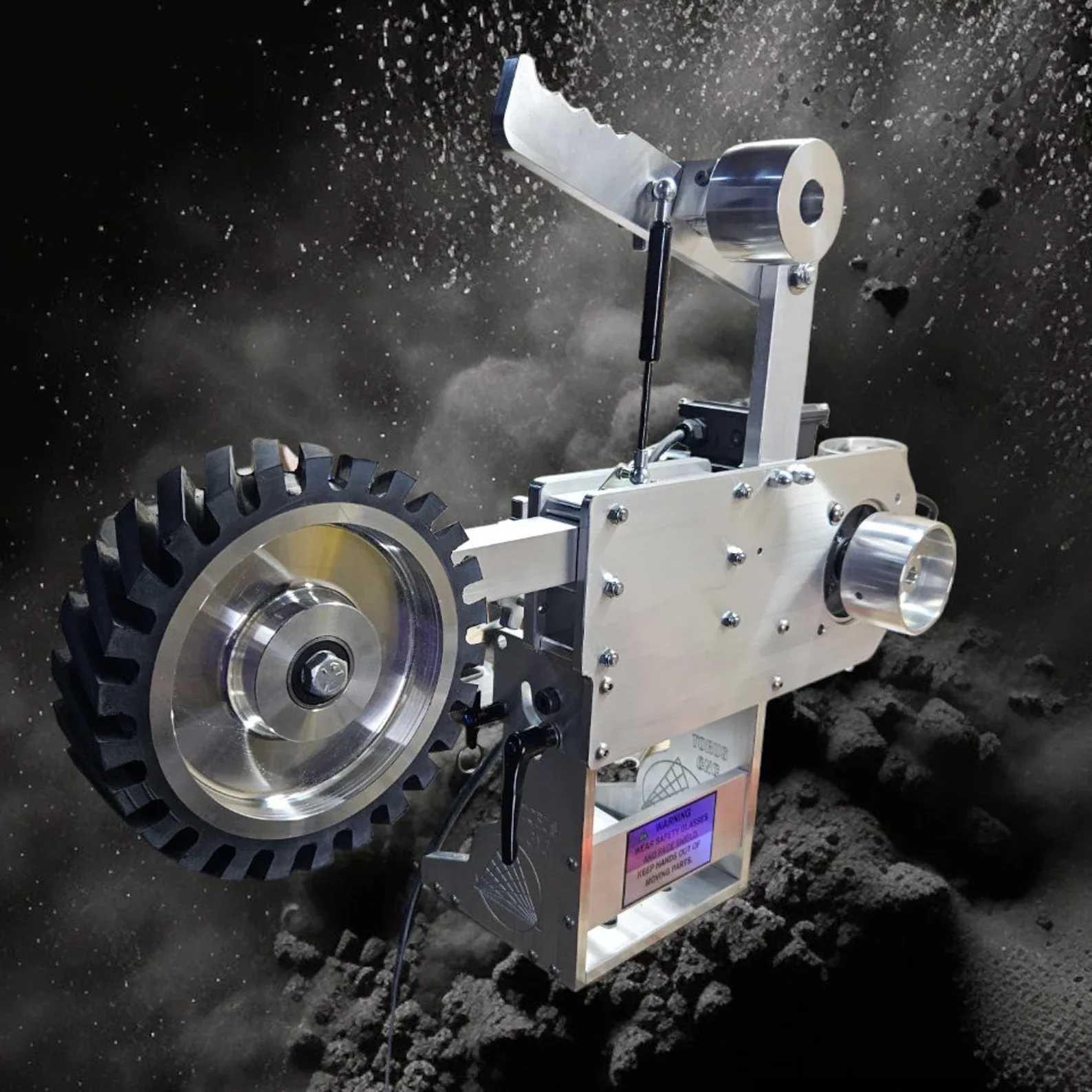
Quality Construction Materials
Continuing our exploration of 2×72 belt grinders, it becomes evident that their durability and reliability are among the most appealing features, thanks primarily to the high-quality construction materials used in their design. This focus on rigid materials not only enhances the lifespan of the grinder but also ensures it can withstand the rigors of daily use. When selecting a 2×72 belt grinder, here’s how quality construction materials contribute to its performance:
- Heavy-Duty Frames: Many models feature all-steel construction, which provides a sturdy base that minimizes vibrations. This stability not only leads to better precision while grinding but also contributes to the overall longevity of the machine.
- High-Quality Motors: A reliable motor is vital for consistency in performance. High-performance motors can endure extended use without overheating, ensuring smooth operation throughout various tasks.
- Wear-Resistant Parts: Key components, including pulleys and bearings, are often made from wear-resistant materials to decrease maintenance needs and extend the equipment’s lifespan.
- Easy Maintenance Features: Some grinders are designed with maintenance in mind, making it easy to replace worn parts to keep the machine running smoothly.
If you are ready for the machine, I build three: the Classic at $995, the aluminum Nova at $1,295, and the steel Nebula at $1,295. I bought my first HAAS MiniMill in 2019, founded Torus CNC in 2020, and machine, assemble, track and test each grinder in Sterling, Illinois. Not sure which? Read Which Torus 2×72 Is Built for You.