Belt Grinders
Forging Excellence: 2×72 Grinders in Bladesmithing
The hammer gets a blade close. The 2×72 gets it right. Here is how bladesmiths use a belt grinder after the forge for scale removal, profiling, bevels and finish, and the features that matter when forged steel meets a belt.
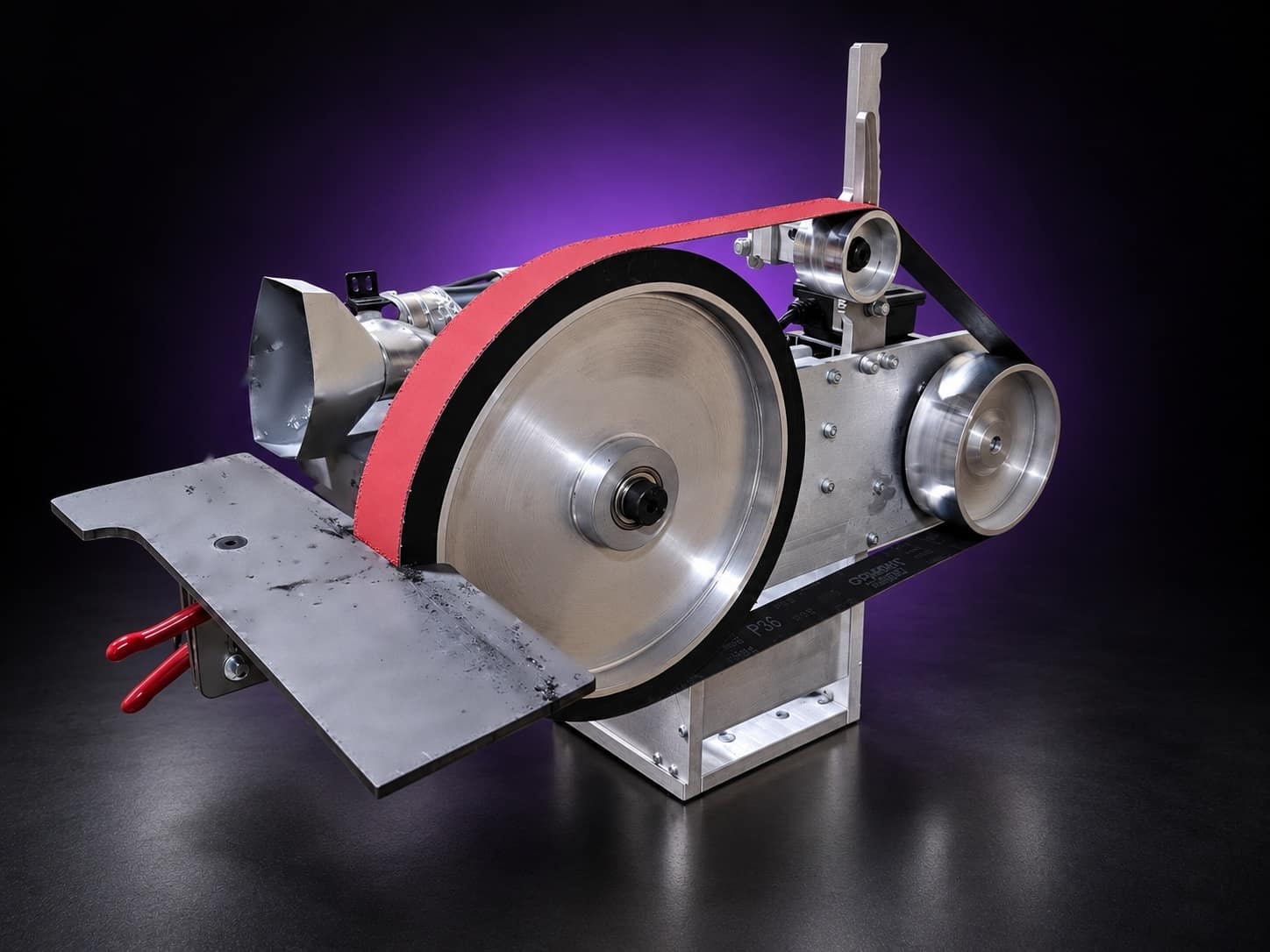
The hammer gets a blade close. The 2×72 gets it right. Every forged blade still has scale to strip, a profile to clean up, bevels to true and a finish to bring up, and a belt grinder does all of it faster than files and stones. Here is how bladesmiths use the 2×72 after the forge, and the features that matter when you are pushing scaled, forged steel into a belt all day.
Key Takeaways
- 2×72 grinders are essential tools for bladesmithing, offering precision and efficiency in shaping and profiling knife blades.
- Understanding the features and capabilities of 2×72 grinders is crucial for choosing the right one to meet your bladesmithing needs.
- When selecting a 2×72 grinder, consider factors such as motor power, belt speed, and adjustable tool rest for optimal performance.
- 2×72 grinders play a significant role in achieving precision and consistency in bladesmithing, allowing for fine-tuning and perfecting knife designs.
- Regular maintenance and care for 2×72 grinders are essential to ensure longevity and consistent performance, in the end enhancing efficiency and productivity in bladesmithing.
Understanding the Features and Capabilities of 2×72 Grinders
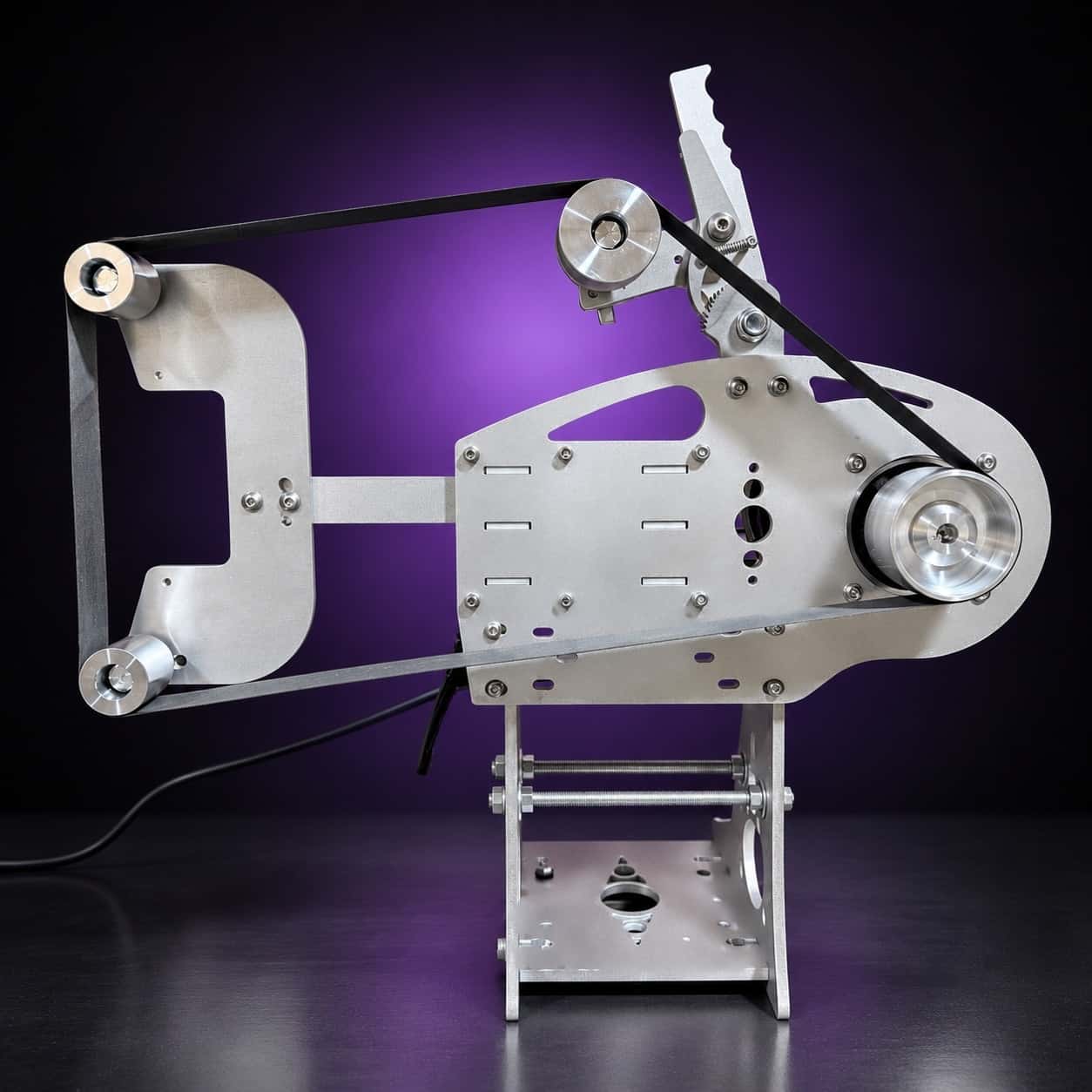
To fully appreciate the value of a 2×72 grinder, it is essential to understand its features and capabilities. One of the most notable aspects of this grinder is its belt size—2 inches wide by 72 inches long—which provides a large surface area for grinding. This size allows for a variety of belt grits to be used, ranging from coarse to fine, enabling bladesmiths to perform different tasks such as rough shaping, smoothing, and polishing.
The versatility in belt selection means that a single machine can handle multiple stages of blade production. Another significant feature of 2×72 grinders is their adjustable speed settings. Many models allow users to control the speed at which the belt moves, providing greater flexibility depending on the material being worked on and the desired outcome.
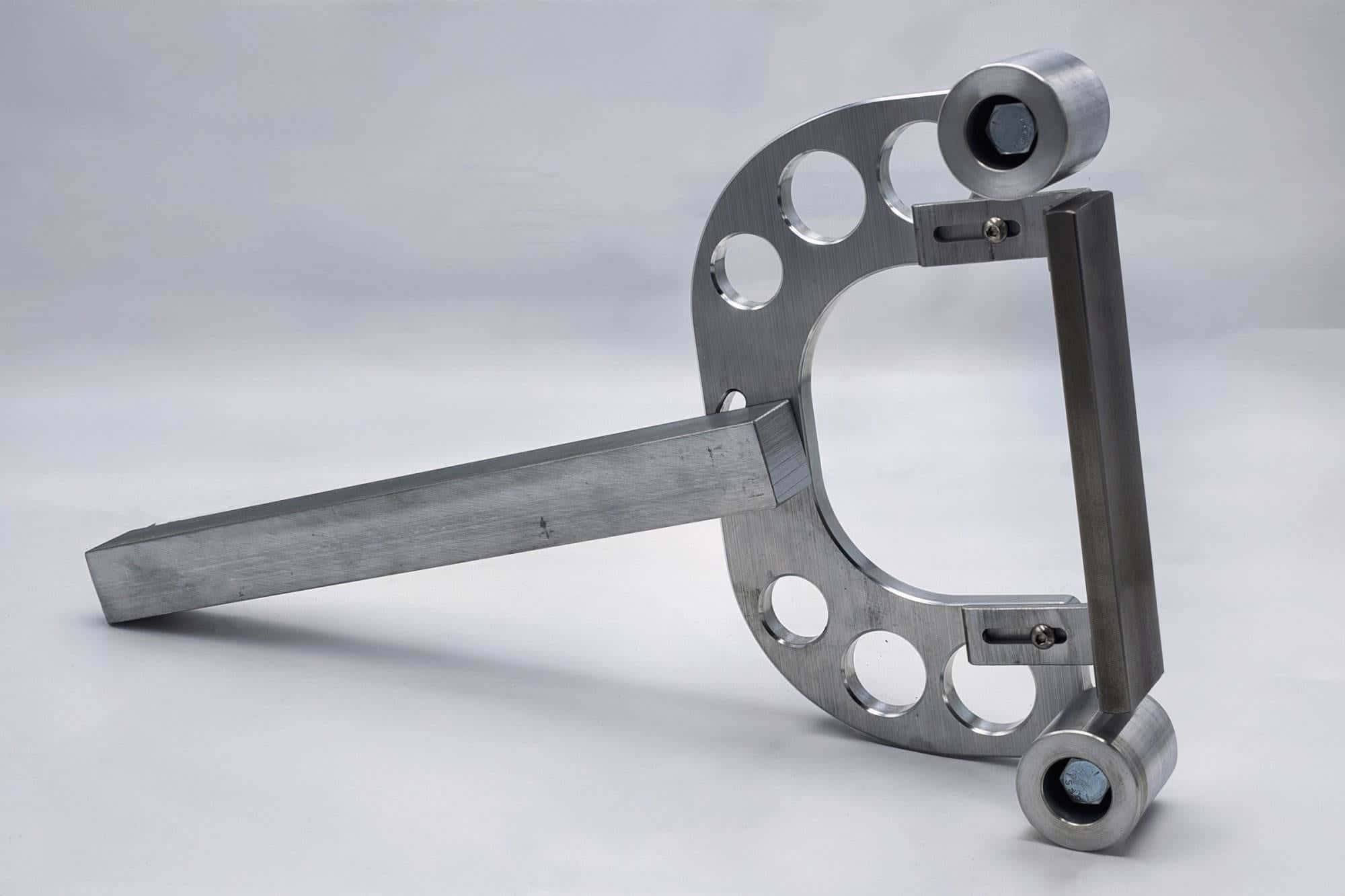
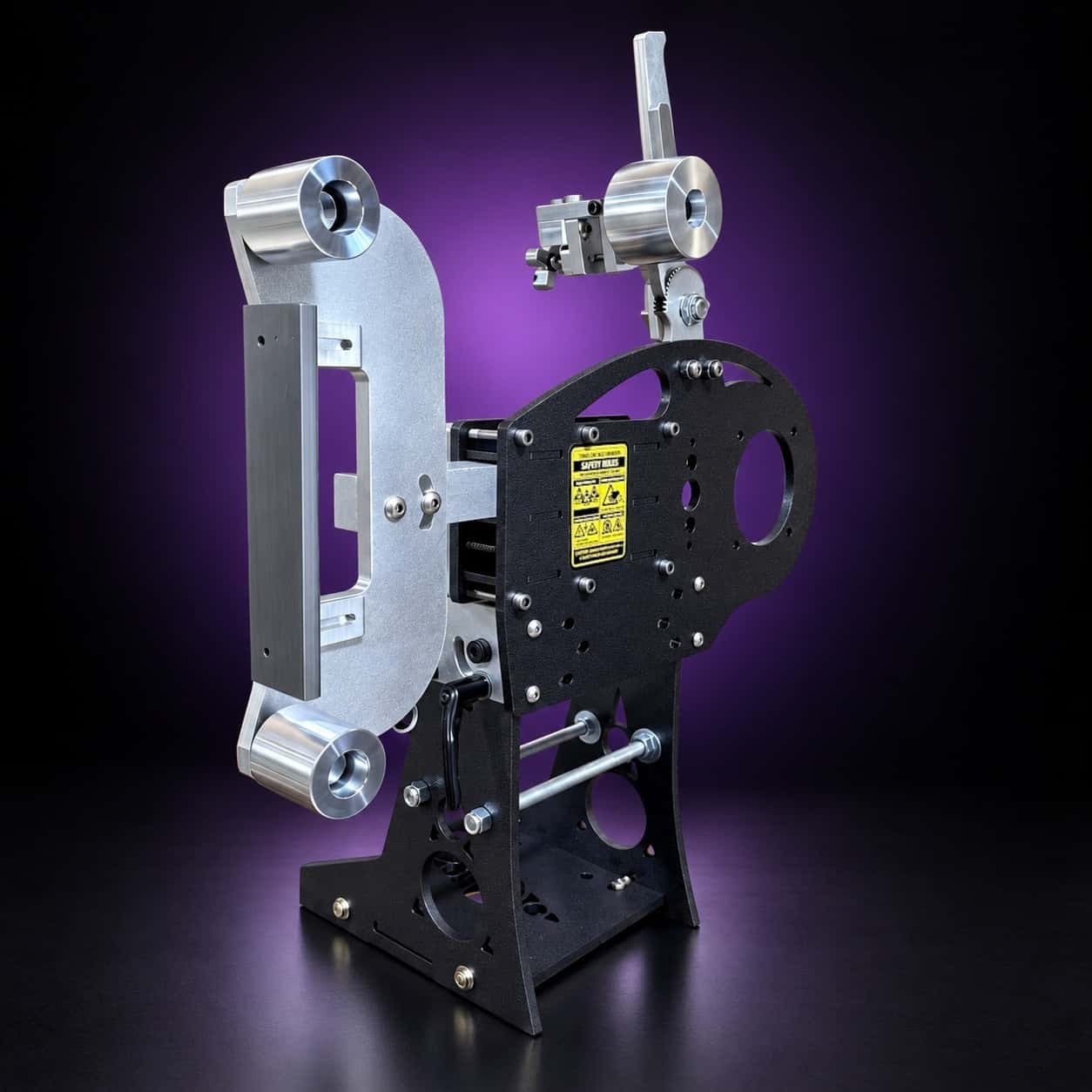
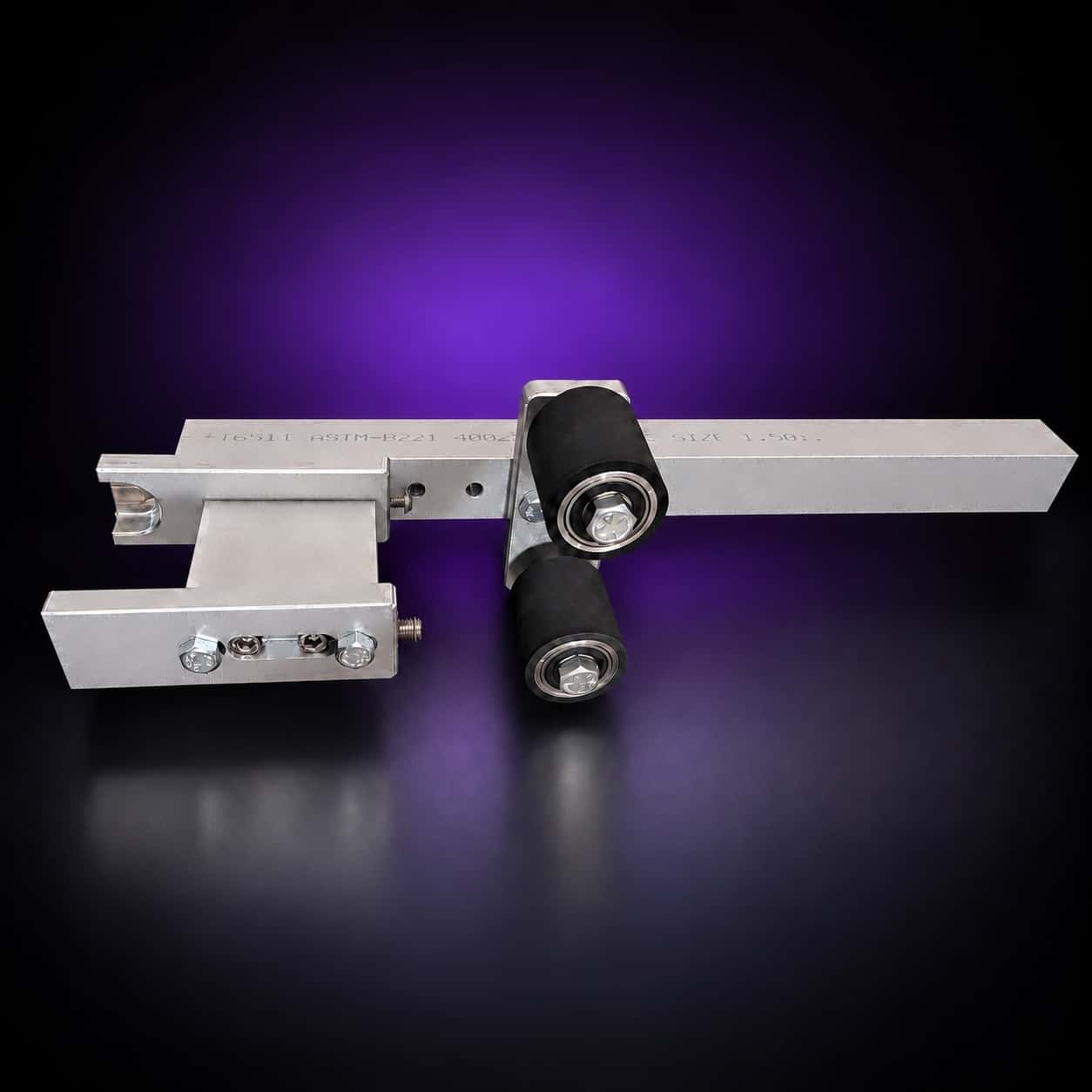
This adjustability is particularly beneficial when working with different types of steel or when transitioning between various stages of blade creation. Many grinders come equipped with attachments such as work tables, tool rests, and even variable angle jigs, further enhancing their functionality and making them suitable for a wide range of tasks in bladesmithing.
Choosing the Right 2×72 Grinder for Your Bladesmithing Needs
Selecting the right 2×72 grinder is a critical decision for any bladesmith. With various models available on the market, it is essential to consider several factors that will influence your choice. First and foremost, assess your specific needs based on your level of experience and the types of projects you plan to undertake.
For beginners, a more straightforward model with essential features may suffice, while seasoned bladesmiths might require advanced capabilities such as variable speed control or additional attachments. Another important consideration is the motor power of the grinder. A more powerful motor can handle tougher materials and provide better performance during heavy grinding tasks.
Look for grinders that offer durability and stability, as these factors will contribute to a smoother grinding experience. Brands like Torus CNC are known for their sturdy construction and reliability, making them a popular choice among bladesmiths who prioritize quality in their tools. In the end, taking the time to evaluate your options will ensure that you invest in a grinder that meets your specific bladesmithing requirements.
The Role of 2×72 Grinders in Shaping and Profiling Knife Blades
| Grinder Model | Motor Power (HP) | Belt Size (inches) | Speed (RPM) |
|---|---|---|---|
| Grizzly G1015 | 1/3 | 2×72 | 1725 |
| WEN 6502T | 4.3 | 2×72 | 3600 |
| Tru-Grit 2×72 | 1.5 | 2×72 | 1800 |
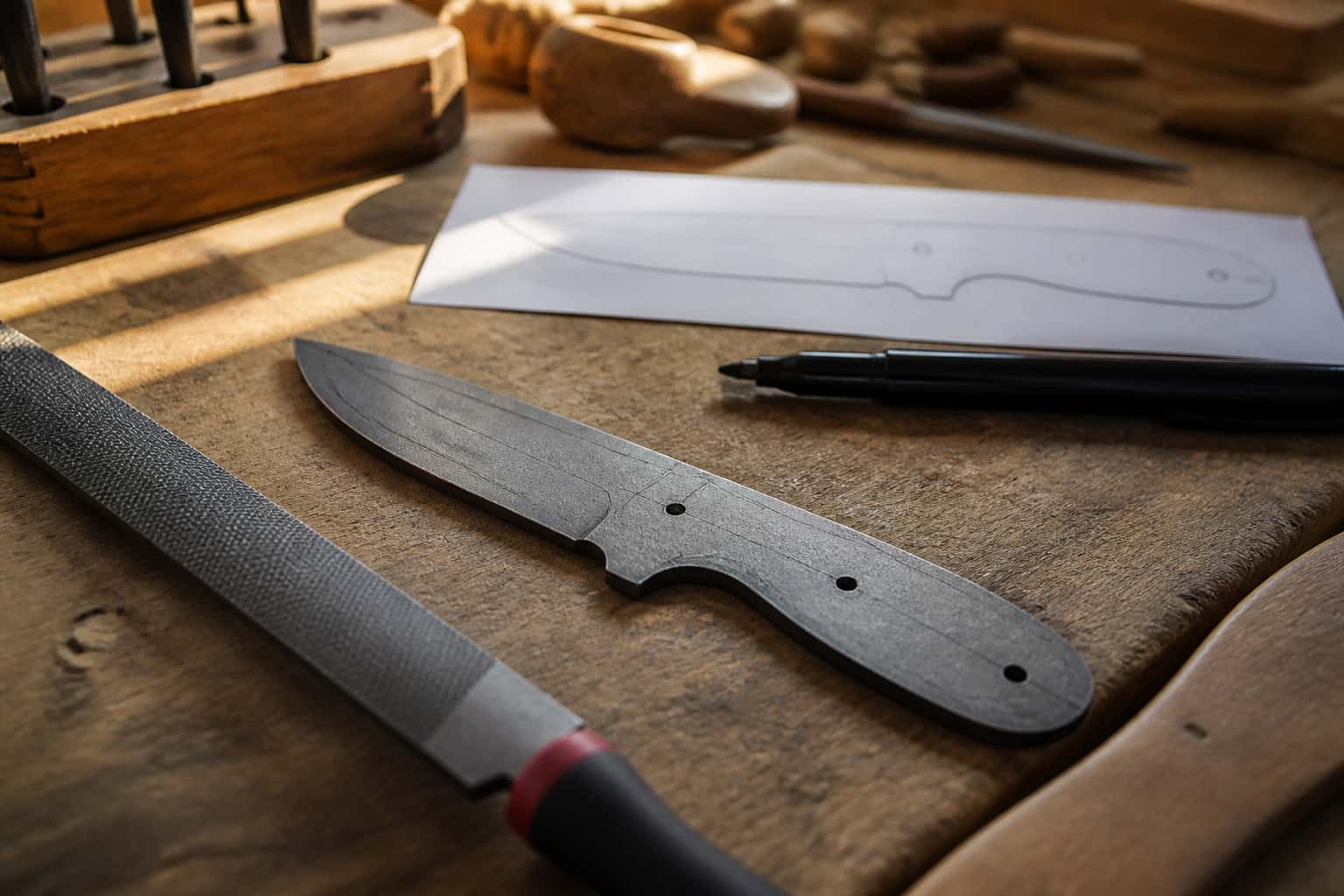
When shaping a blade, the 2×72 grinder enables quick material removal without compromising accuracy. This efficiency is particularly beneficial when working with thicker stock or when refining complex shapes. The ability to adjust the angle and pressure applied during grinding allows for fine-tuning of blade profiles, ensuring that each knife meets the desired specifications.
Achieving Precision and Consistency with 2×72 Grinders in Bladesmithing
Precision and consistency are paramount in bladesmithing, where even minor discrepancies can affect a knife’s performance. The design of 2×72 grinders facilitates these qualities by providing a stable platform for grinding and shaping blades. With features such as adjustable tool rests and jigs, bladesmiths can replicate specific angles and profiles with ease, ensuring uniformity across multiple pieces.
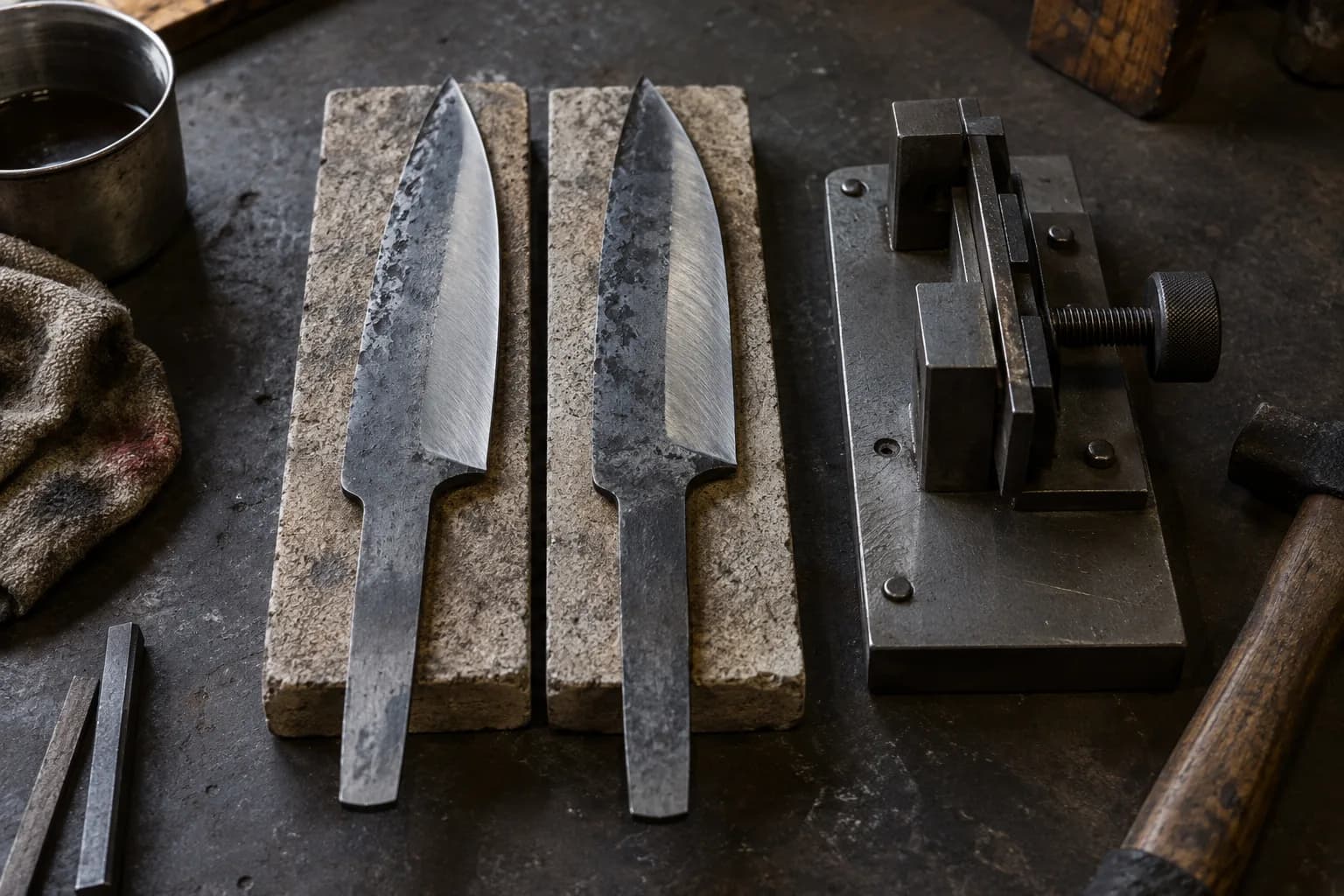
The use of high-quality belts designed for specific tasks further contributes to achieving consistent results. For instance, using finer grits for finishing work allows for a smooth surface that enhances both appearance and functionality. The ability to switch between different belts quickly means that bladesmiths can adapt their approach based on the requirements of each project without losing momentum.
Enhancing Efficiency and Productivity with 2×72 Grinders
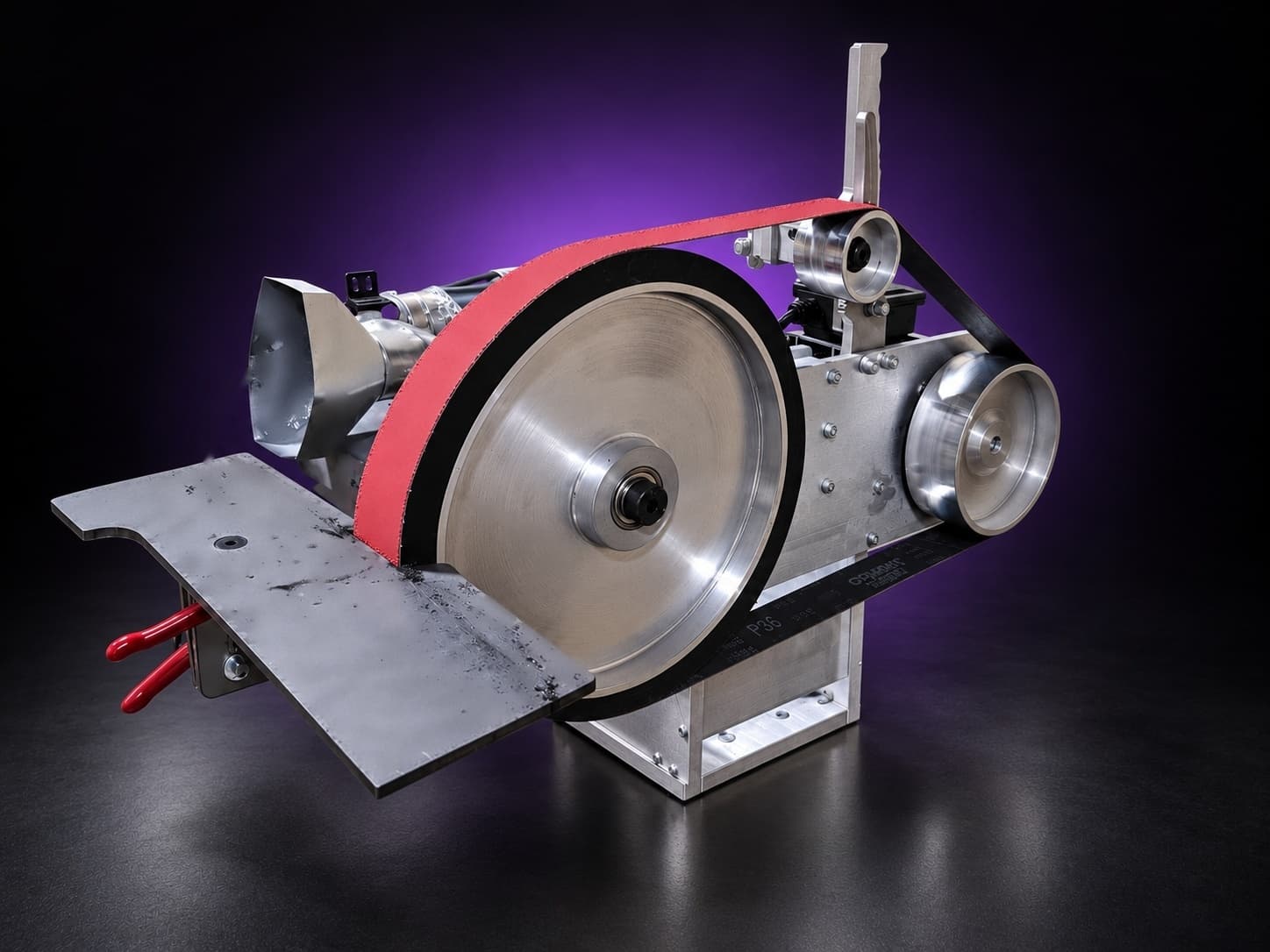
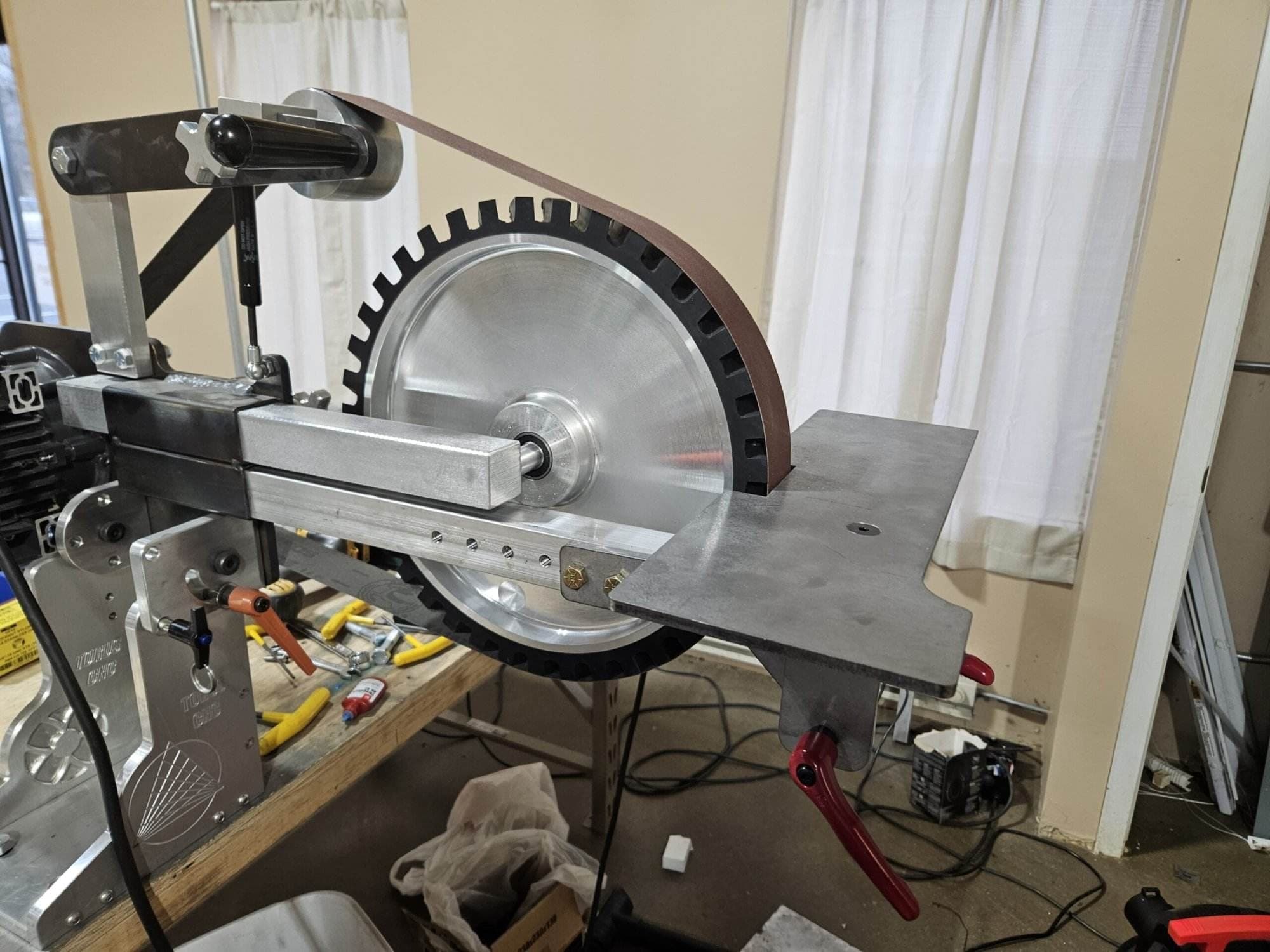
Many modern 2×72 grinders come equipped with features designed to improve workflow. For example, integrated dust collection systems help keep the workspace clean and safe by minimizing debris accumulation. This not only creates a more pleasant working environment but also reduces downtime associated with cleaning up after grinding sessions.
Tips and Techniques for Using 2×72 Grinders in Bladesmithing
To make the most out of a 2×72 grinder, it is essential to employ effective techniques that enhance both safety and performance. One fundamental tip is to always wear appropriate personal protective equipment (PPE), including safety glasses and hearing protection. The grinding process can produce sparks and noise that may pose risks if proper precautions are not taken.
Another technique involves mastering the use of different belt grits for various tasks. Starting with a coarse grit for initial shaping allows for quick material removal, while transitioning to finer grits helps achieve a polished finish. Practicing consistent pressure and angle during grinding will lead to more uniform results across multiple projects.
Regularly inspecting belts for wear and replacing them as needed will also ensure optimal performance throughout your bladesmithing endeavors.
Maintenance and Care for 2×72 Grinders to Ensure Longevity and Performance
Proper maintenance is crucial for ensuring that a 2×72 grinder remains in peak condition over time. Regular cleaning is essential to prevent dust buildup that can affect performance and safety. After each use, take a moment to wipe down surfaces and check for any debris lodged in crevices or around moving parts.
In addition to cleaning, routine inspections should be conducted to assess belt wear and motor function. Replacing worn belts promptly will not only enhance grinding efficiency but also prevent potential damage to the machine itself. Lubricating moving parts as recommended by the manufacturer will further extend the life of your grinder, ensuring that it continues to perform at its best for years to come.
FAQs
Are there different types of 2×72 grinders available to professional bladesmiths?
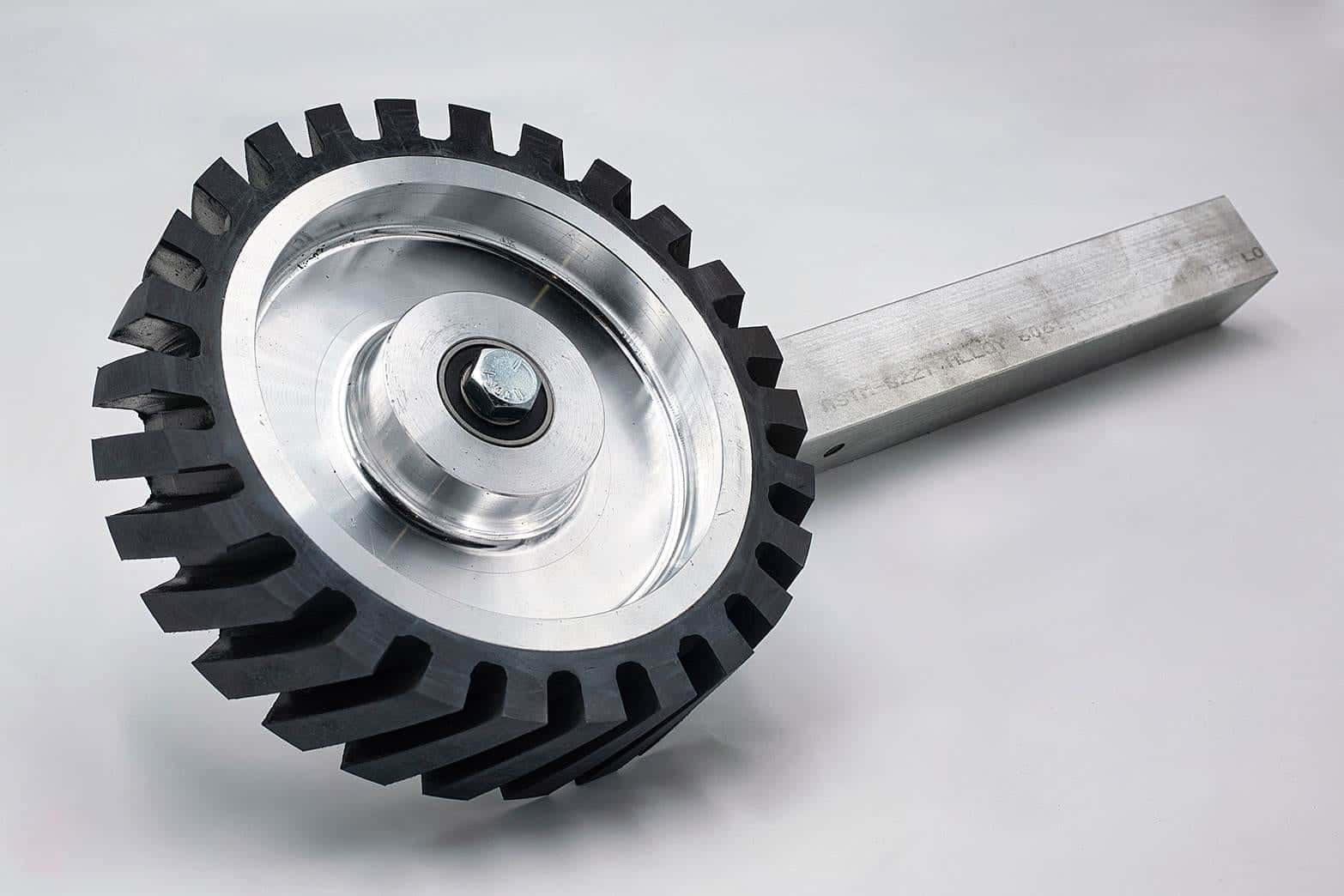
Yes, there are various types of 2×72 grinders available, including different motor sizes, belt speeds, and additional features such as variable speed control and different types of contact wheels. Bladesmiths can choose the grinder that best suits their specific needs and preferences.
Forged work is hard on a grinder, which is why I build the Nebula 2×72 from 3/8-inch steel with a stainless ratchet tensioner and machined dual-axis tracking. Pair it with the 2 HP motor and VFD and it will strip scale all day without flexing.