2x72 Grinder Tips
Perfecting the Hollow Grind: Using a Contact Wheel for Kitchen Knives
A hollow grind makes a kitchen knife thin behind the edge and easy to sharpen. Here is how I hollow grind kitchen blades on a 2×72 contact wheel: wheel size, angle, heat control, a straight grind line, and finish.
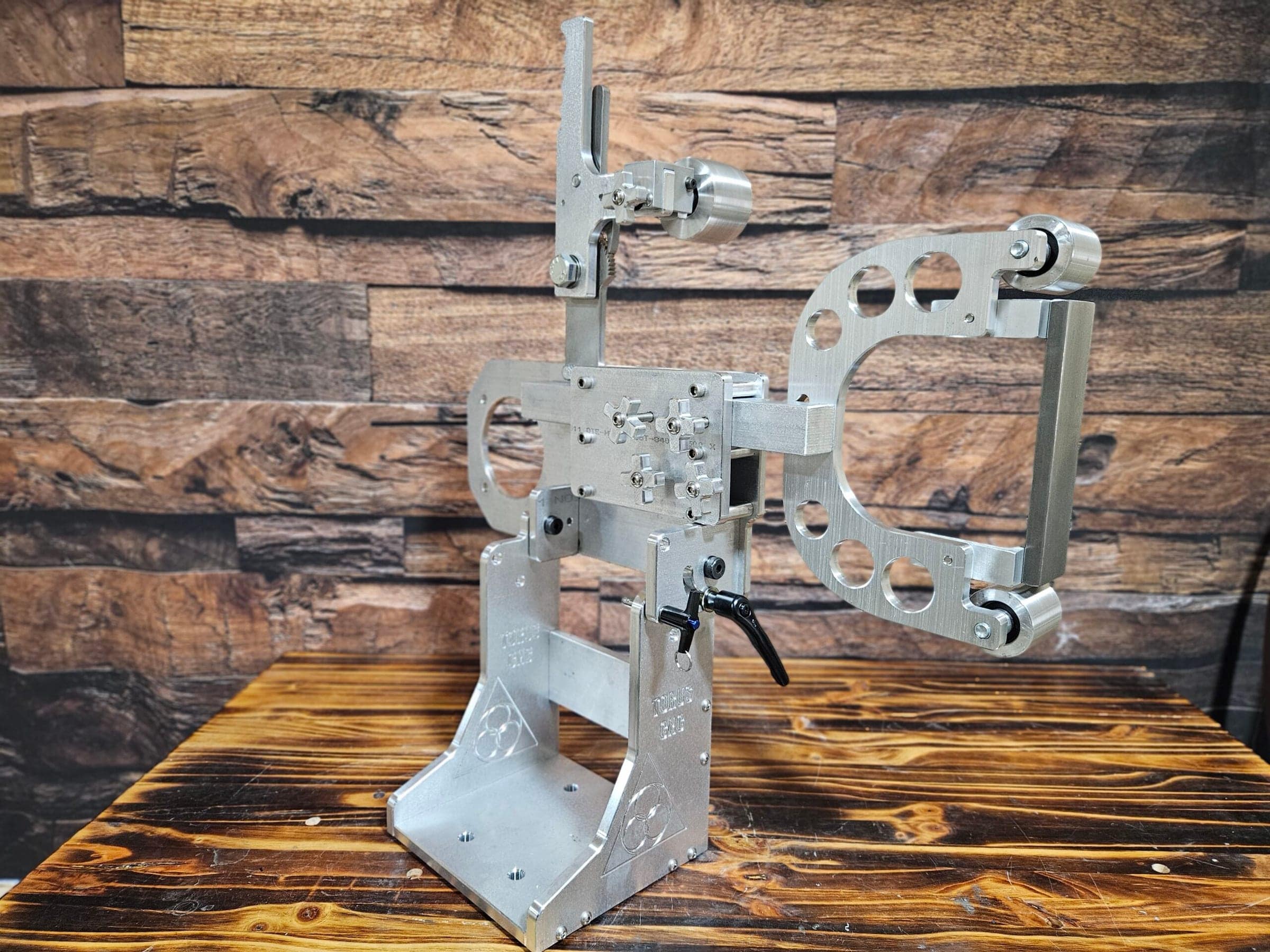
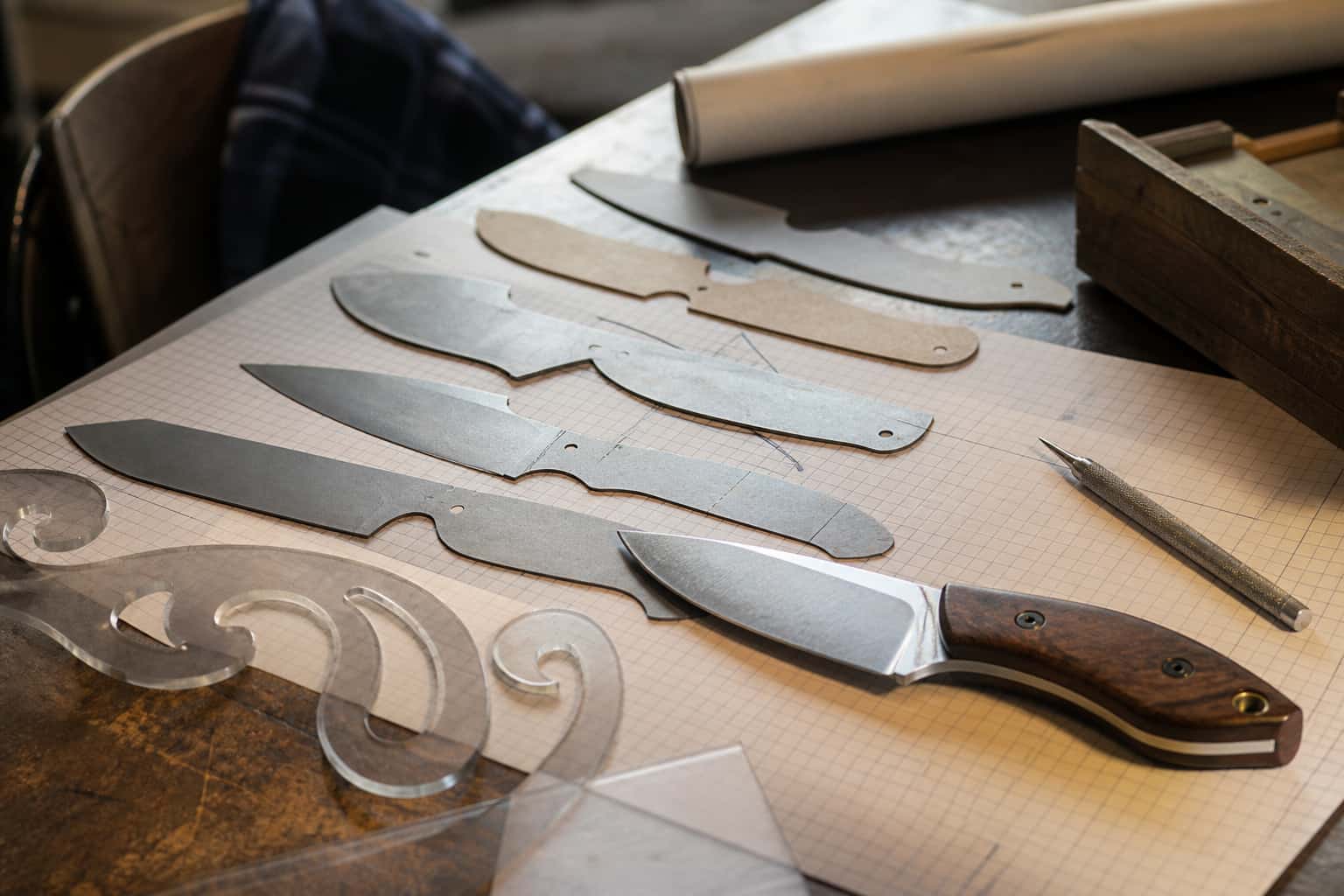
A hollow grind is what makes a kitchen knife thin behind the edge and quick to resharpen, and a contact wheel on the 2×72 is the easiest way to cut one. Here is how I hollow grind kitchen blades: picking a wheel diameter for the blade height, setting the angle at the rest, keeping thin stainless cool, getting a straight grind line instead of a wavy one, and the passes that finish the edge.
Key Takeaways
- The hollow grind is a concave shape on the blade that allows for a very sharp edge and efficient cutting.
- Choosing the right contact wheel is crucial for achieving the desired hollow grind, with factors such as size and material playing a key role.
- Setting up your workstation involves ensuring stability and proper alignment of the contact wheel and blade for consistent results.
- Selecting the correct angle is essential for achieving the desired sharpness and edge retention on the blade.
- Safety precautions such as wearing protective gear and using a dust collection system are important when hollow grinding to prevent accidents and health hazards.
Choosing the Right Contact Wheel
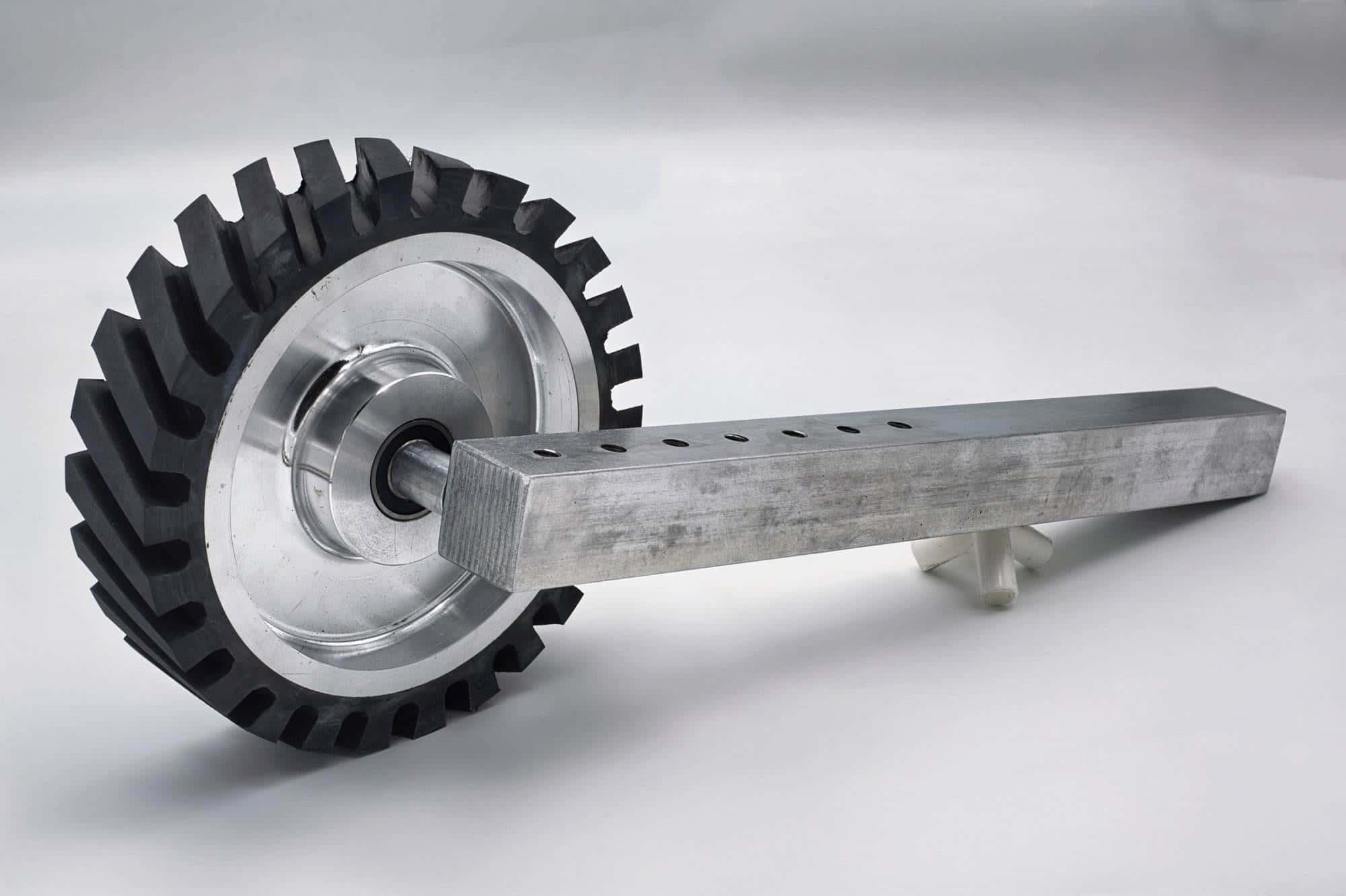
A larger diameter wheel will create a more pronounced hollow grind, while a smaller wheel can produce a shallower curve. The width of the wheel also plays a significant role; wider wheels can cover more surface area, allowing for quicker grinding, while narrower wheels provide greater control for detailed work. Material selection is equally important for contact wheels.
Rubber wheels are commonly used due to their flexibility and ability to conform to the blade’s shape, providing a smoother finish. However, harder materials like aluminum or steel may be preferred for specific applications where durability and precision are paramount. In the end, the right contact wheel will depend on your specific grinding requirements and the type of knives you intend to produce.
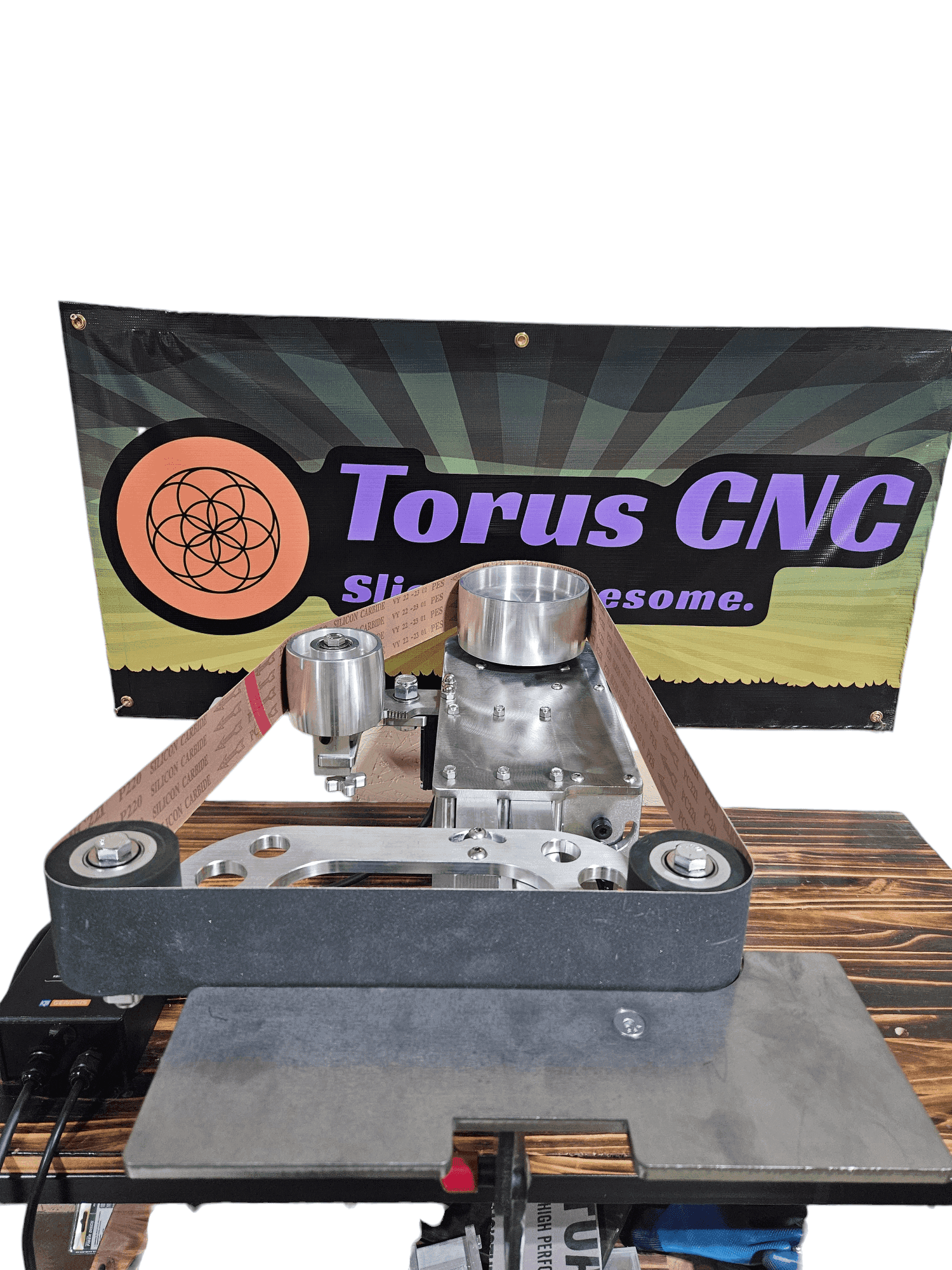
Investing in high-quality wheels from reputable suppliers like Torus CNC can significantly impact the quality of your hollow grind.
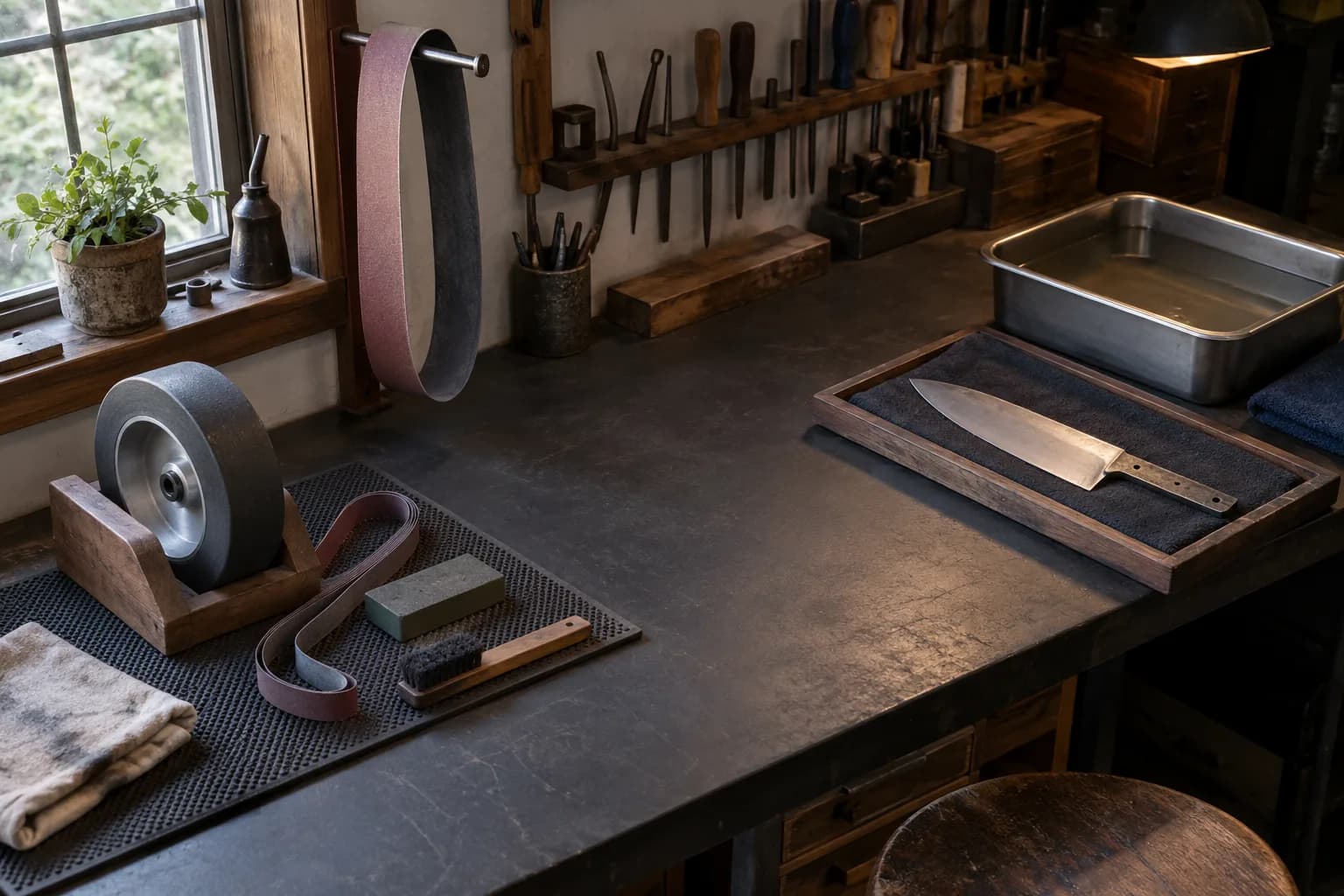
Setting Up Your Workstation
Ensure that your workstation is well-lit to provide clear visibility while you work. Proper lighting can help you monitor your progress and make adjustments as needed, reducing the risk of errors. In addition to lighting, consider the layout of your tools and materials.
Keep your contact wheels, belts, and other grinding accessories within easy reach to minimize interruptions during the grinding process. It’s also wise to have a dedicated area for cooling your blades after grinding to prevent heat build-up, which can damage the steel. By taking the time to set up an organized and efficient workstation, you’ll create an environment conducive to producing high-quality hollow grinds.
Selecting the Correct Angle
The angle at which you grind your knife plays a significant role in determining its performance and edge retention. For hollow grinds, a common angle ranges from 10 to 20 degrees, depending on the intended use of the knife. A shallower angle will yield a sharper edge, ideal for slicing tasks, while a steeper angle provides more durability for heavy-duty applications.
Understanding how different angles affect the blade’s performance is crucial for achieving the desired results. To select the correct angle, consider the type of knife you are working on and its intended purpose. For example, kitchen knives often benefit from a more acute angle for precision cutting, while outdoor or survival knives may require a more sturdy edge for durability.
Using an angle guide or jig can help maintain consistency throughout the grinding process, ensuring that each blade is ground to the desired specifications. By carefully selecting and maintaining the correct angle, you can enhance both the functionality and longevity of your knives.
Safety Precautions
Safety should always be a top priority when working with grinding equipment. The process of hollow grinding involves high-speed machinery and sharp blades, which can pose significant risks if proper precautions are not taken. Always wear appropriate personal protective equipment (PPE), including safety glasses to protect your eyes from flying debris and gloves to safeguard your hands from sharp edges.
Consider using ear protection if you are working with loud machinery for extended periods. It’s also essential to maintain a clean and organized workspace to minimize hazards. Keep loose clothing and long hair secured away from moving parts to prevent entanglement.
Regularly inspect your equipment for any signs of wear or damage, as faulty machinery can lead to accidents. By adhering to these safety precautions, you can create a safer working environment that allows you to focus on perfecting your hollow grind without unnecessary risks.
Techniques for Achieving Consistency
Achieving consistency in your hollow grind is vital for producing high-quality knives that perform reliably over time. One effective technique is to establish a consistent pressure while grinding. Applying even pressure throughout the grinding process helps maintain uniformity in the blade’s profile and edge geometry.
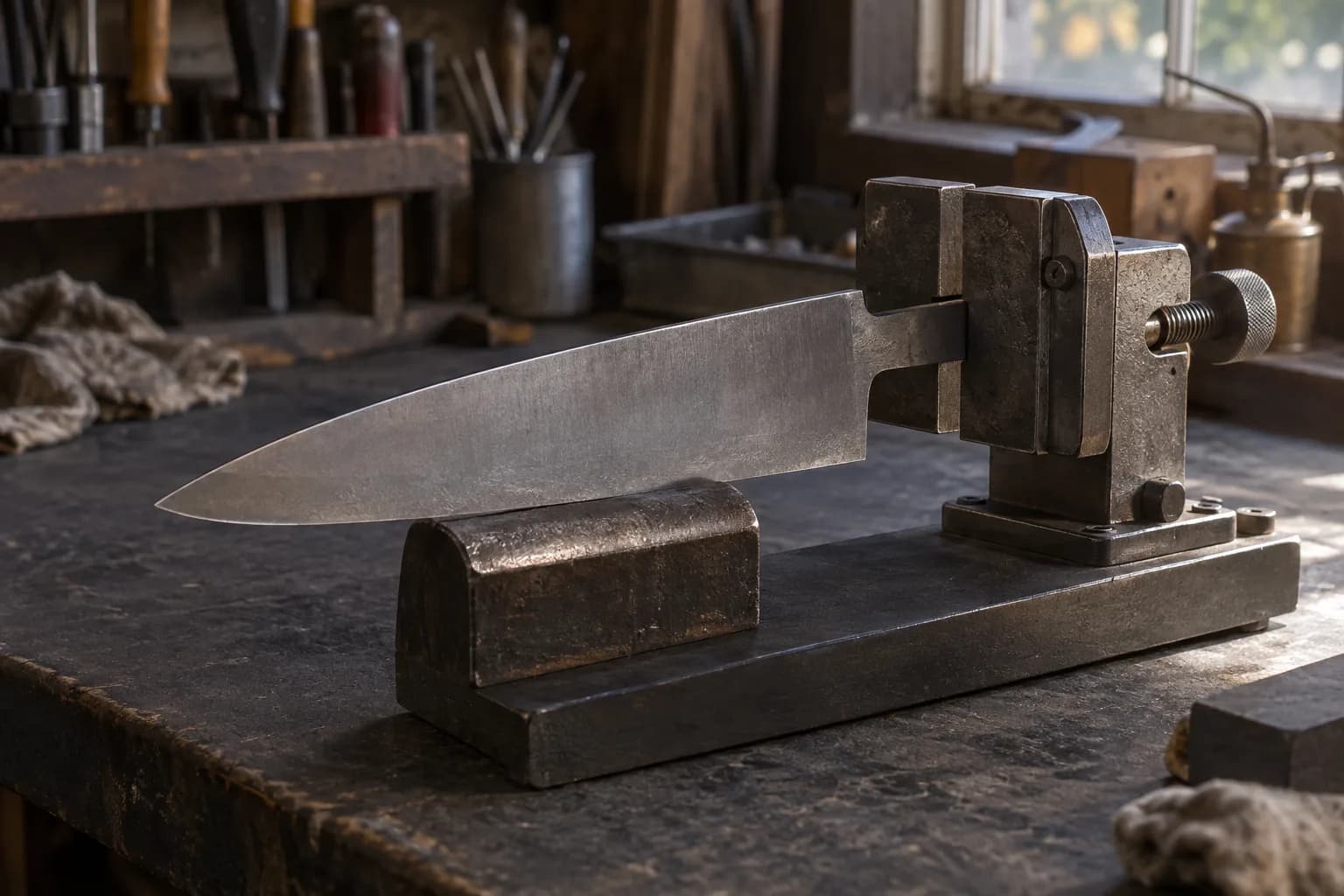
It’s important to practice this technique until it becomes second nature, as inconsistent pressure can lead to uneven grinds and compromised performance. Another method for ensuring consistency is to use jigs or fixtures that hold the blade at a fixed angle during grinding. These tools can help eliminate variations in angle and pressure, resulting in more uniform grinds across multiple blades.
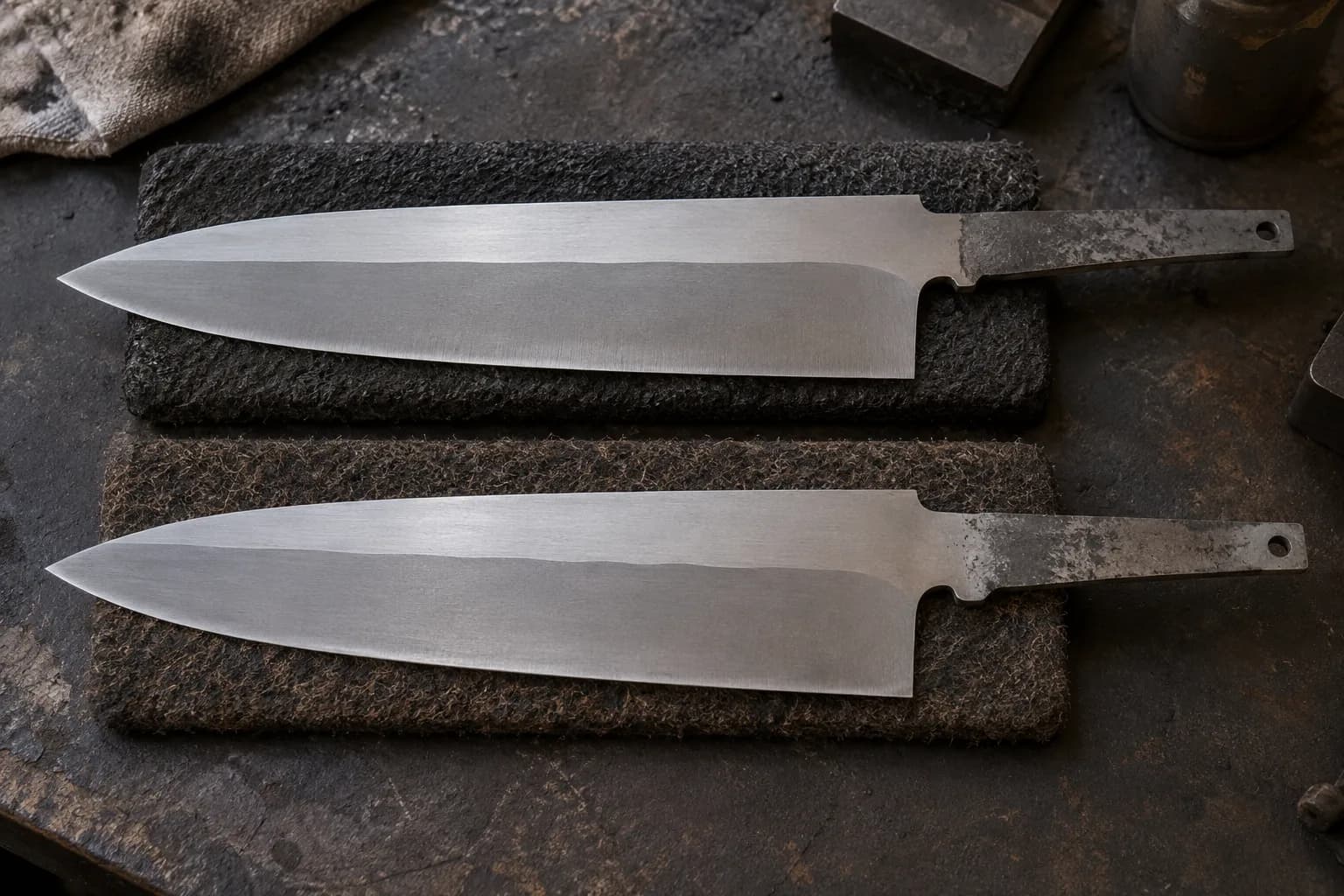
Regularly checking your progress against a reference blade can provide valuable feedback on your technique and help you make necessary adjustments as you work. By implementing these techniques, you can enhance your ability to produce consistent hollow grinds that meet your standards.
Monitoring Heat Build-Up
Heat build-up is a common concern during the grinding process, as excessive heat can negatively impact the steel’s properties and lead to warping or loss of tempering. To mitigate this risk, it’s essential to monitor heat levels closely while grinding. One effective strategy is to periodically check the temperature of the blade by touch; if it becomes too hot to hold comfortably, it’s time to cool it down.
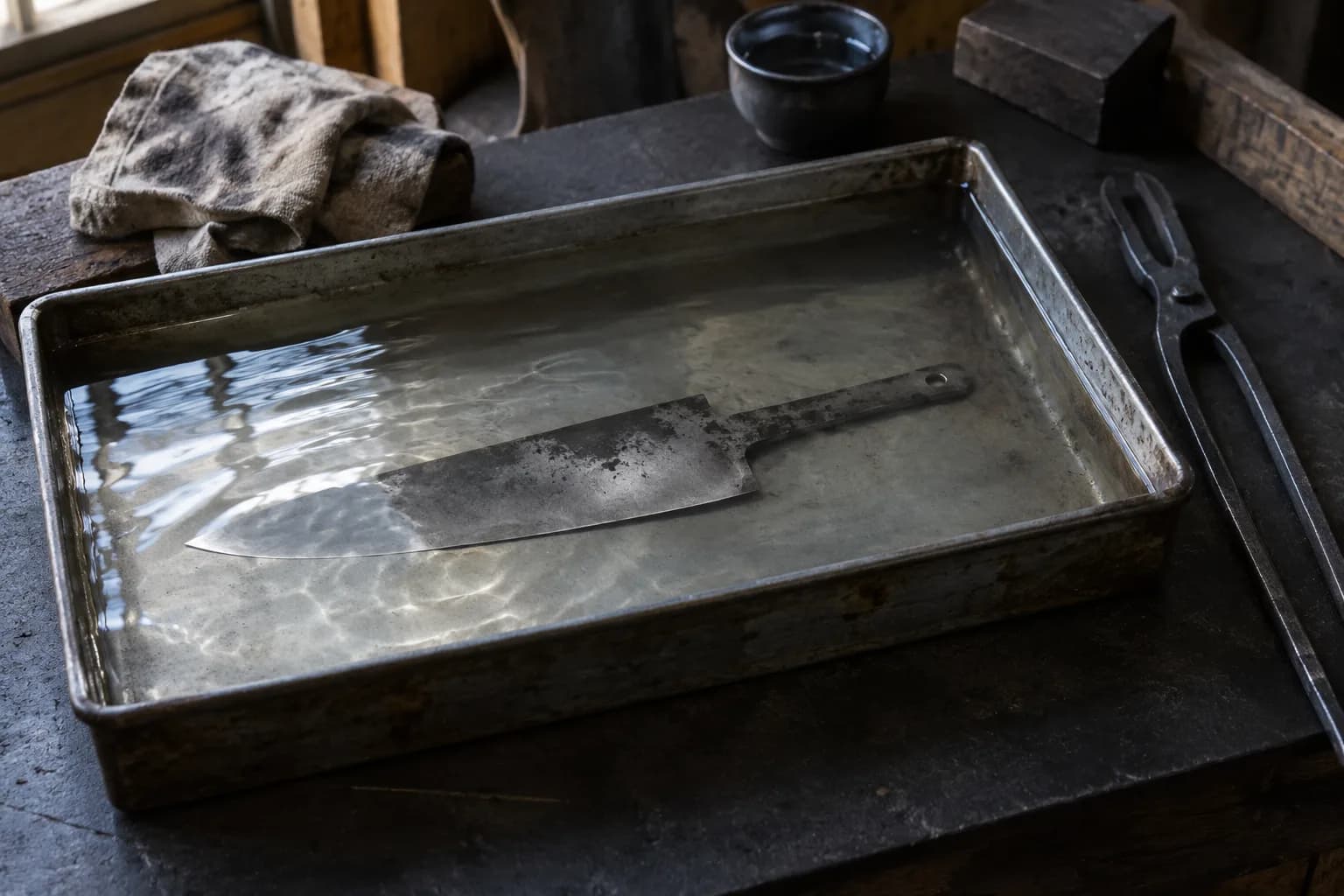
Using coolant or water during grinding can also help dissipate heat effectively. Applying coolant directly to the blade or using a water-cooled contact wheel can significantly reduce heat build-up and prolong the life of both your blades and equipment. Taking breaks between grinding sessions allows both you and your equipment to cool down, ensuring optimal performance throughout the process.
Using the Contact Wheel for Different Knife Types
The versatility of contact wheels allows them to be used effectively across various knife types, each requiring different approaches to achieve optimal results. For instance, when working on kitchen knives, a finer grit wheel may be preferred to create a sharp edge suitable for delicate slicing tasks. Conversely, heavier-duty knives such as those used in outdoor or survival settings may benefit from coarser wheels that can handle more aggressive material removal.
Troubleshooting Common Issues
Even experienced knife makers encounter challenges during the hollow grinding process. Common issues include uneven grinds, excessive heat build-up, and difficulty maintaining consistent angles. Identifying these problems early on is crucial for making necessary adjustments before they affect the final product.
If you notice an uneven grind, it may be due to inconsistent pressure or improper alignment of the blade against the contact wheel. Taking time to recalibrate your setup and practice maintaining even pressure can help resolve this issue. For heat build-up concerns, consider adjusting your grinding technique by incorporating coolant or taking more frequent breaks between passes.
Maintaining Your Contact Wheel
Proper maintenance of your contact wheel is essential for ensuring its longevity and effectiveness in producing hollow grinds. Regularly inspect your wheels for signs of wear or damage, such as cracks or flat spots that could affect performance. Cleaning your contact wheel after each use helps remove debris and buildup that could interfere with grinding efficiency.
Consider rotating or replacing wheels periodically based on usage frequency and wear patterns. Keeping spare wheels on hand allows you to switch out worn ones quickly without interrupting your workflow. By prioritizing maintenance of your contact wheel, you’ll ensure consistent performance and extend its lifespan, in the end contributing to better results in your hollow grinding endeavors.
FAQs
What is a contact wheel?
A contact wheel is a type of grinding wheel that is used in metalworking and knife making. It is typically made of rubber or other materials and is used to grind and shape metal.
How is a contact wheel used to hollow grind kitchen knives?
To hollow grind a kitchen knife using a contact wheel, the knife blade is held against the rotating contact wheel, which grinds away metal to create the concave shape. This process is repeated on both sides of the blade to create a sharp edge.
Are there any safety considerations when using a contact wheel to hollow grind kitchen knives?
Yes, using a contact wheel to hollow grind kitchen knives requires proper safety precautions, such as wearing eye protection and using a dust mask to protect against metal particles. It is also important to have a good understanding of the equipment and technique to avoid accidents.
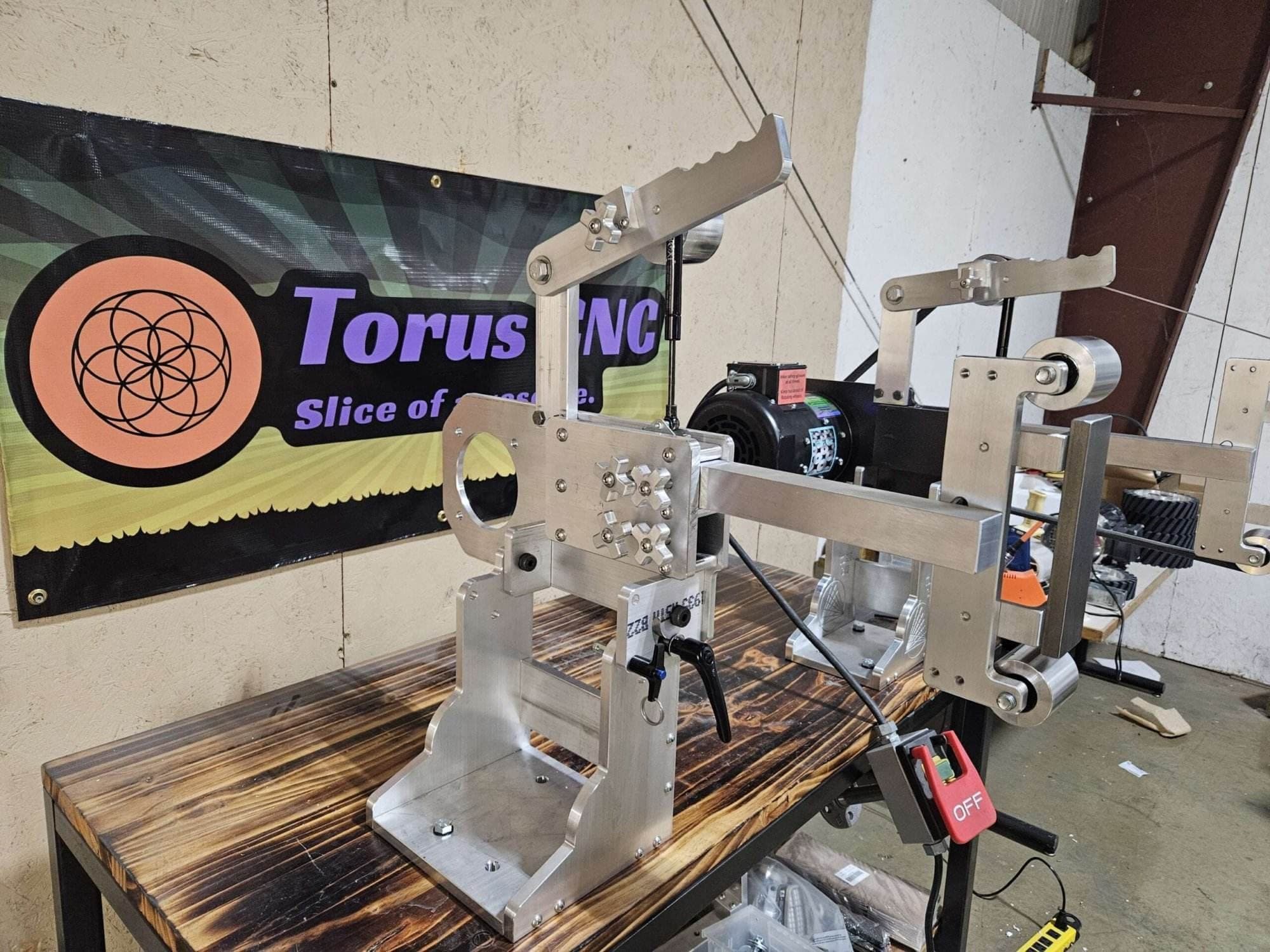
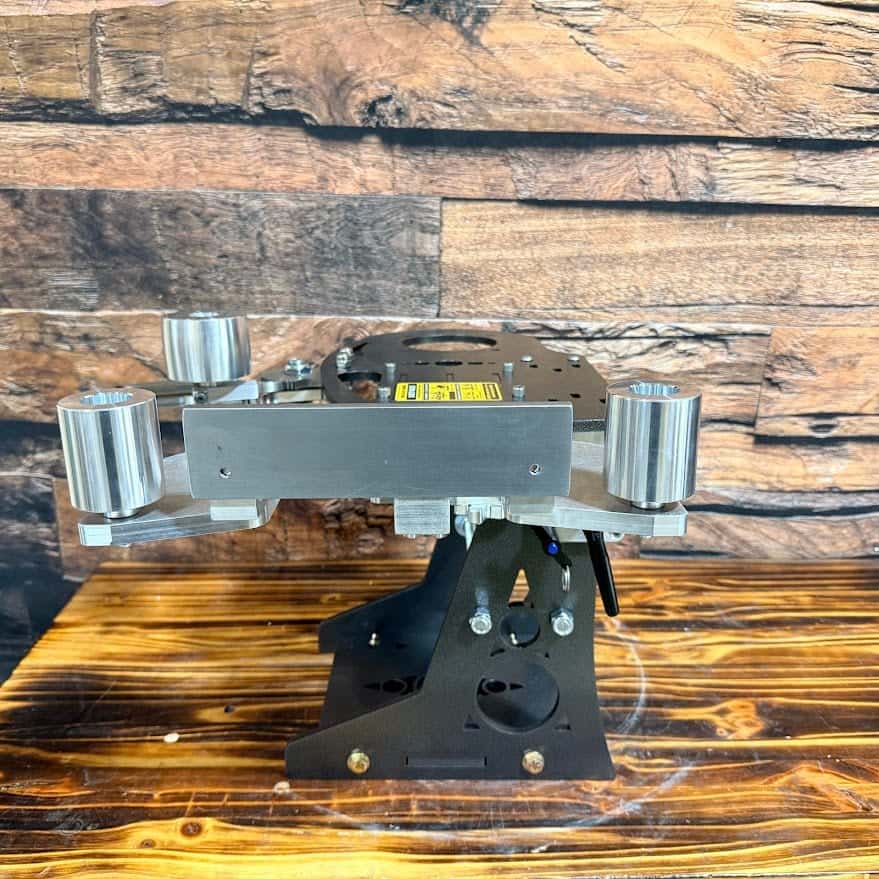
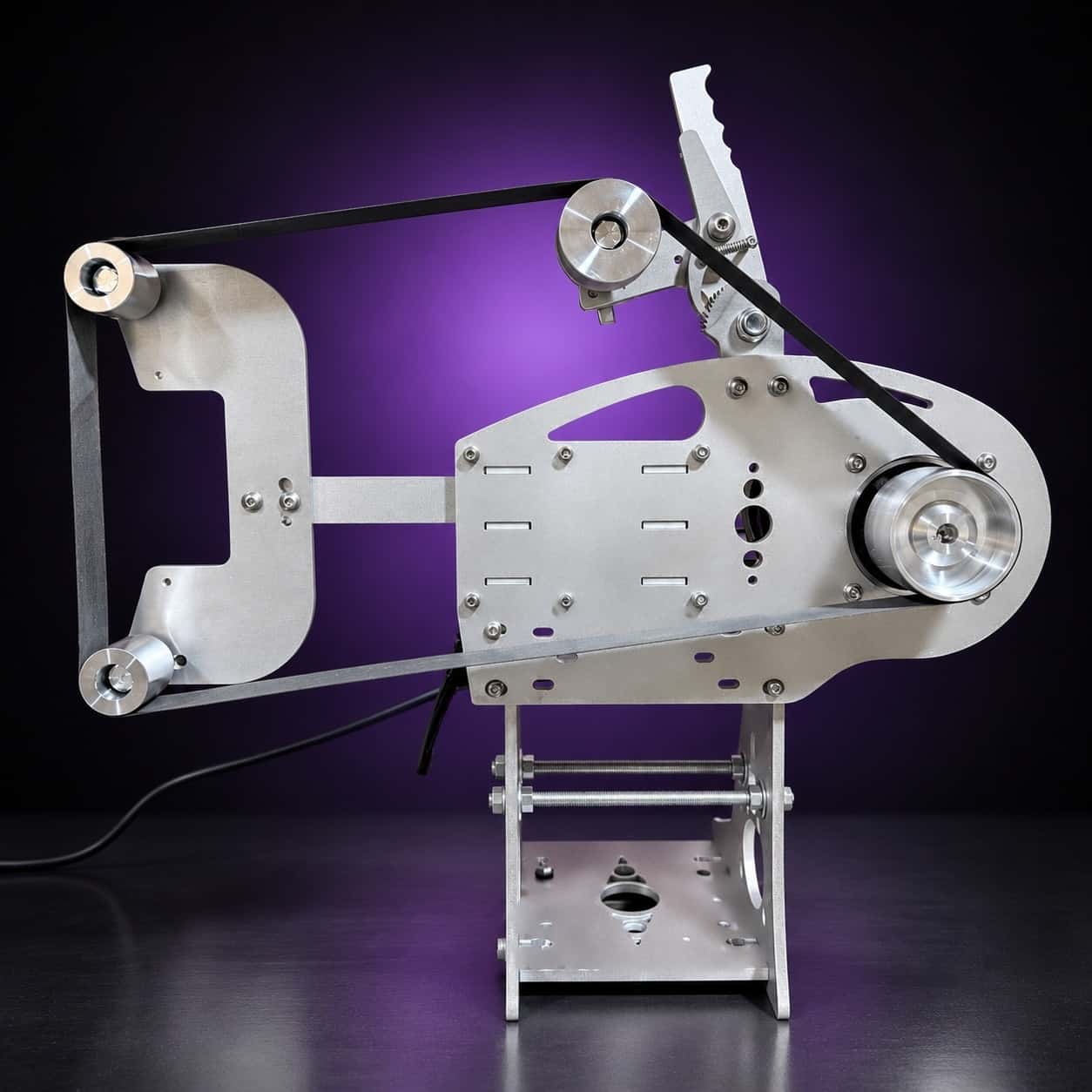
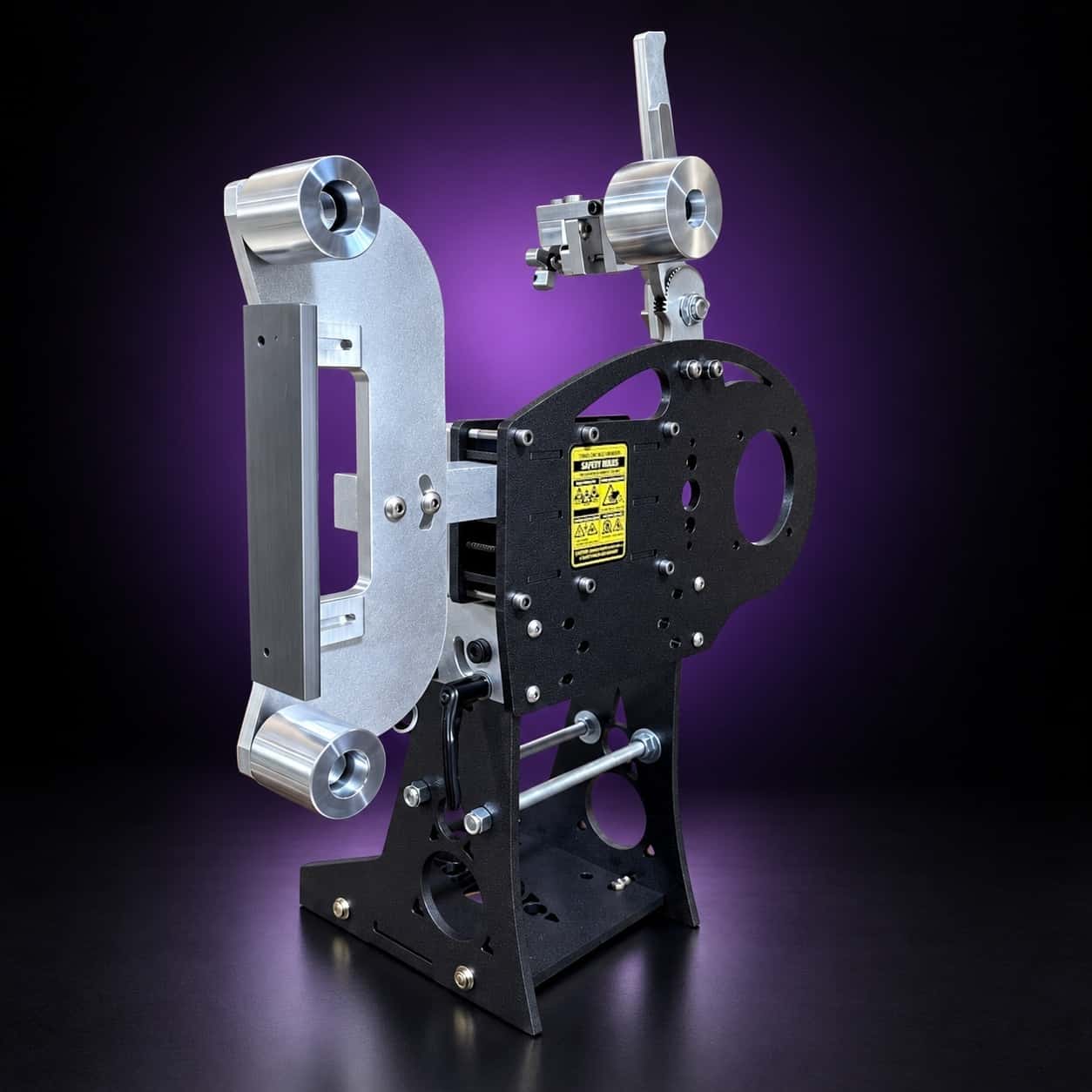
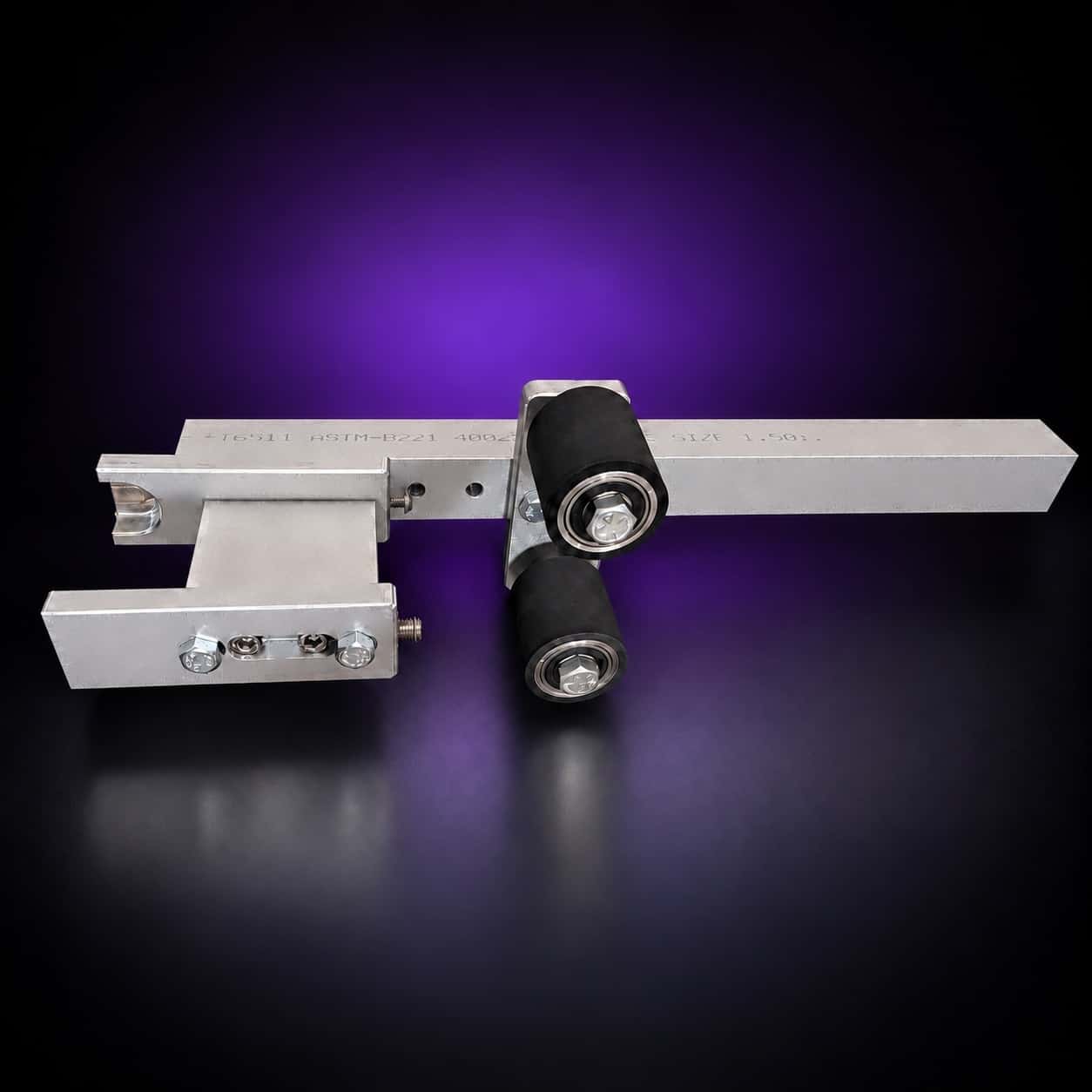
For kitchen knives I reach for an 8 or 10-inch wheel. The contact wheel attachment comes with an 8, 10, 12 or 14-inch wheel and drops into the Nova 2×72 on a 1.5-inch arm. Bundle it with a new grinder at checkout and it arrives ready to mount.