
Belt Grinders2 min read
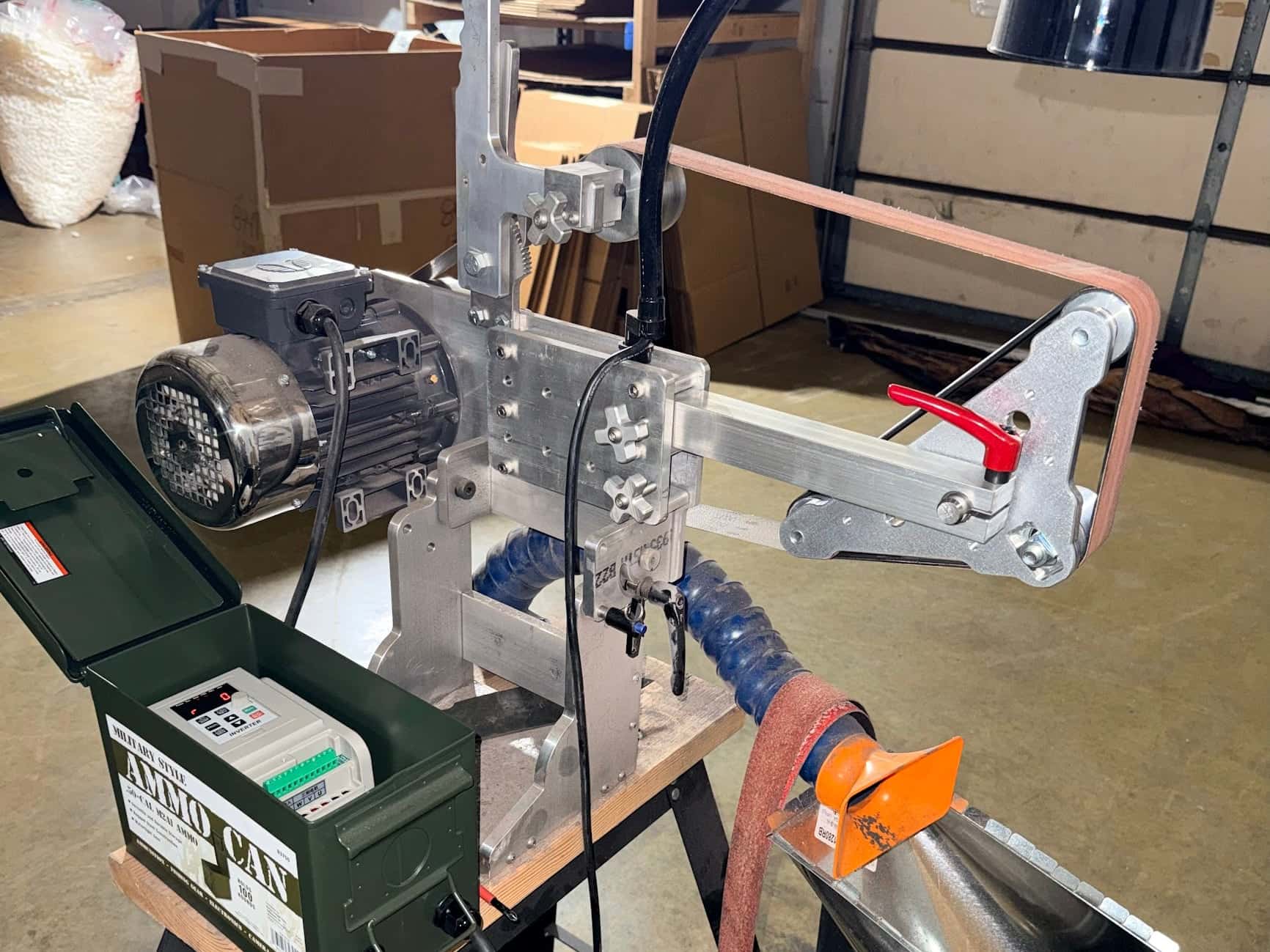
Torus Classic The $995 Proven Original
The Classic is my compact $995 aluminum 2x72. It now uses the same dual-axis tracking head as the Nova and Nebula, with a smaller footprint and a motor-clearance limit to check.
From the shop
I write down the setups, abrasive choices, tracking adjustments and maintenance checks I use at the grinder.
127 articles · written at the machine in Sterling, Illinois
Latest note
The Classic is my compact $995 aluminum 2x72. It now uses the same dual-axis tracking head as the Nova and Nebula, with a smaller footprint and a motor-clearance limit to check.
Shop updates
A note when something is worth knowing: a new attachment, a run of grinders ready to ship, a giveaway. Not often, only from me, and a reply takes you off the list.
The machine
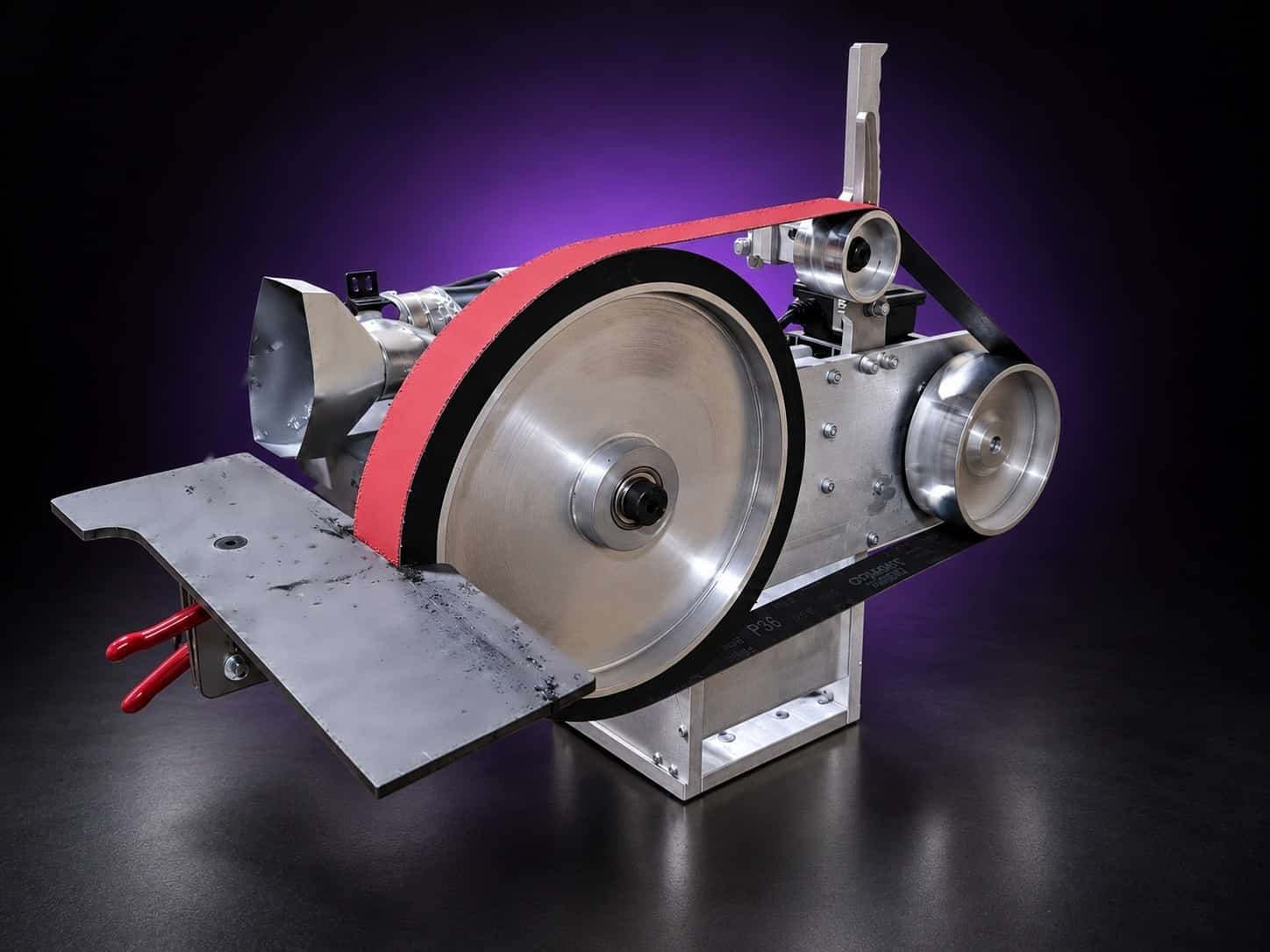
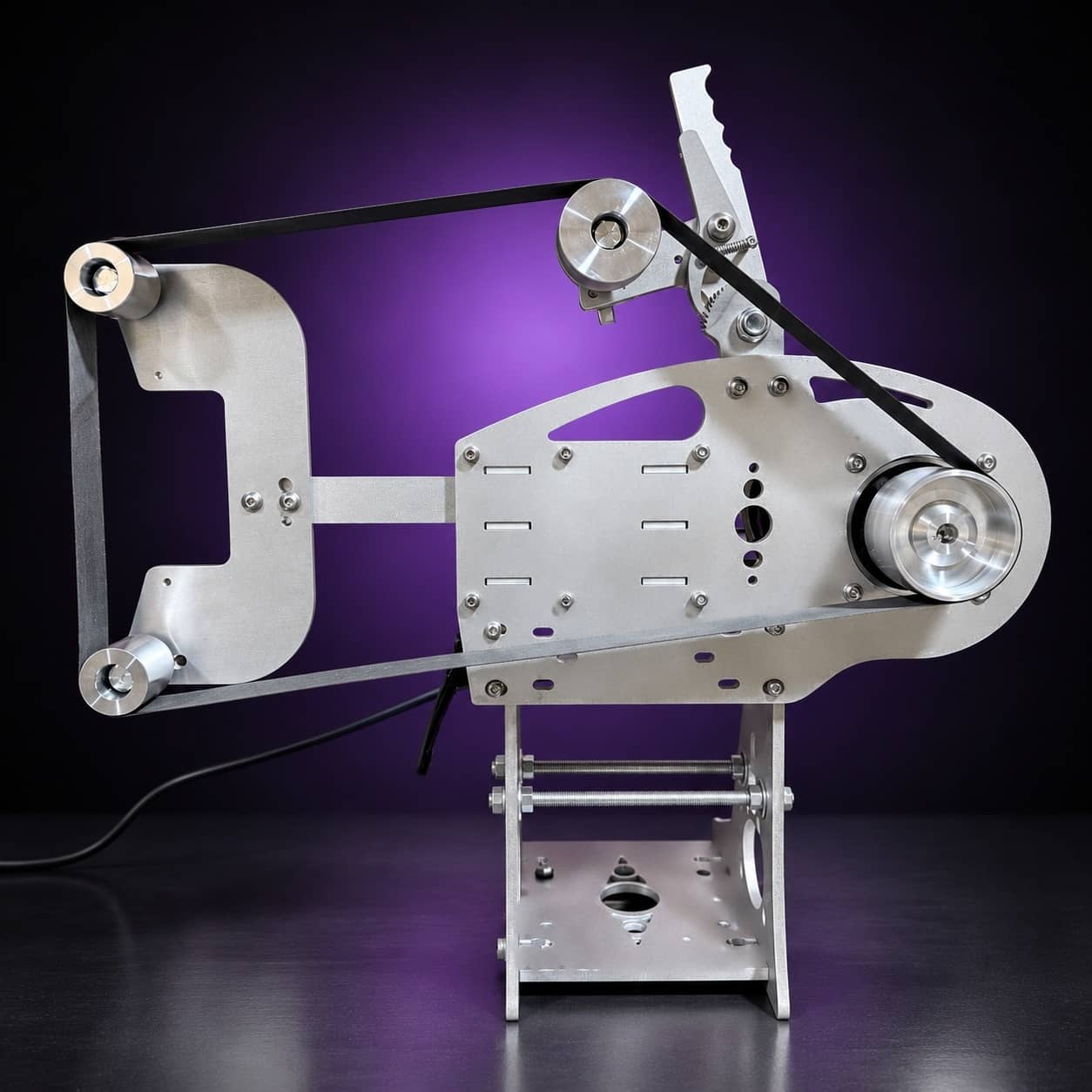
One 2-inch by 72-inch belt run over four wheels, and the length is the point: a 72-inch belt runs cooler and lasts longer than a short one.
The archive
Filed by what you are doing at the machine — grinding, sharpening, heat treat, maintenance, or running the business side of a shop.
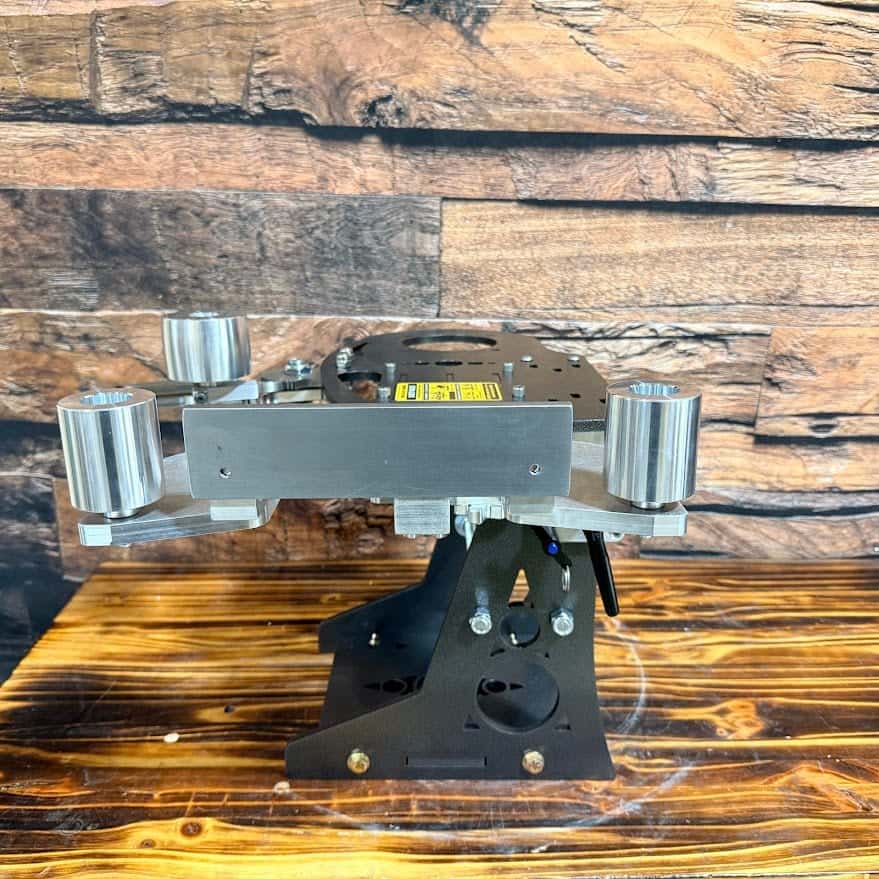
I build the Nova in 6061 aluminum and the Nebula in 3/8-inch steel. Both chassis cost $1,295 and share the same tracking, ratchet tensioner and tilt. Your shop decides the material.
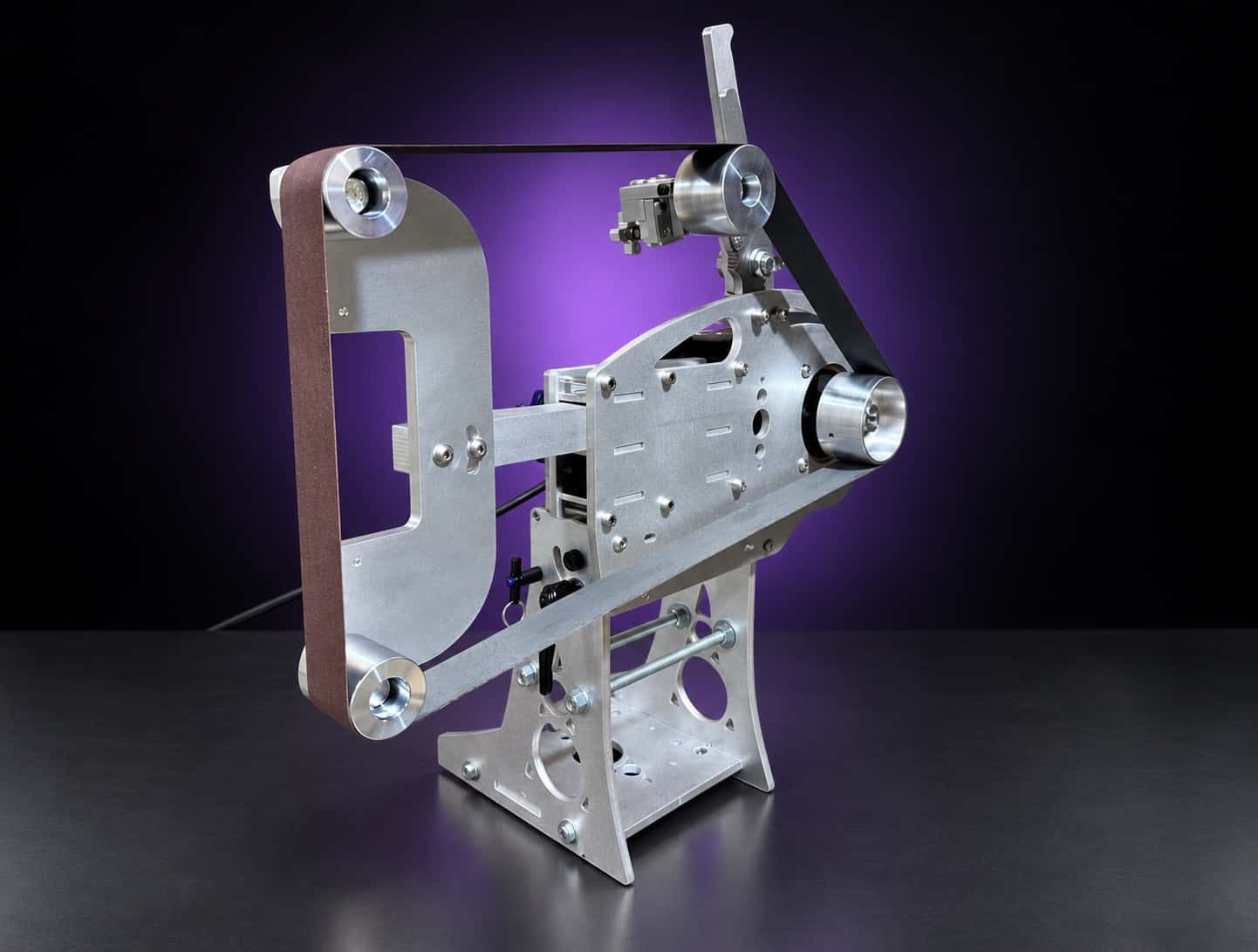
I build the Nebula from 3/8-inch steel for makers who want a heavier grinder on a permanent bench. It shares the Nova tracking, tensioning, tilt and $1,295 chassis price.
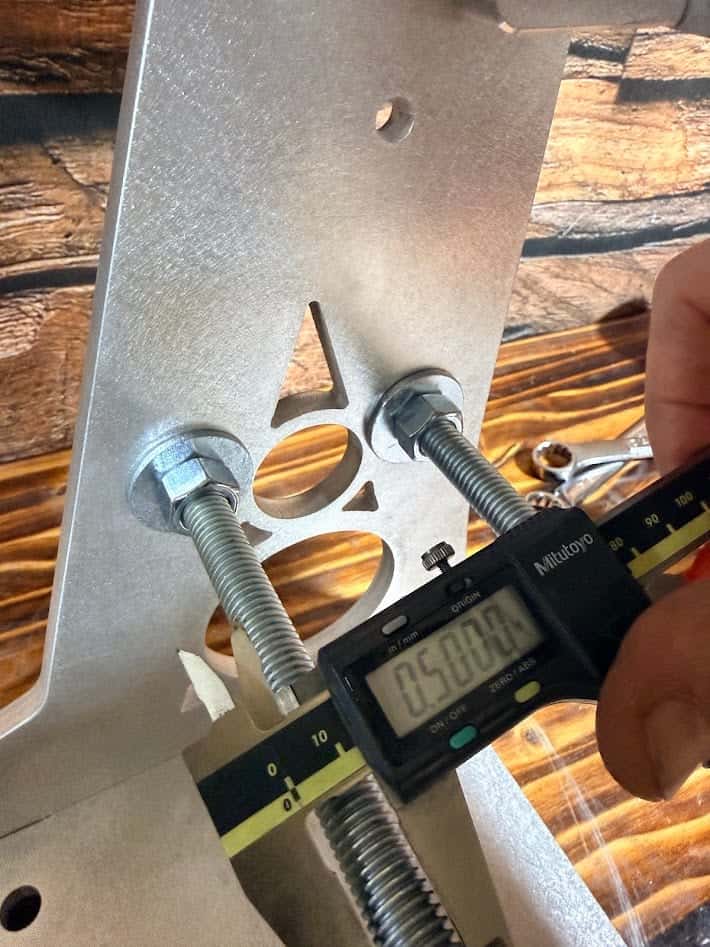
I build the Nova with the same tracking, tensioning and tilt as the Nebula, in a lighter 6061 aluminum frame. Here is where that difference helps in a working shop.
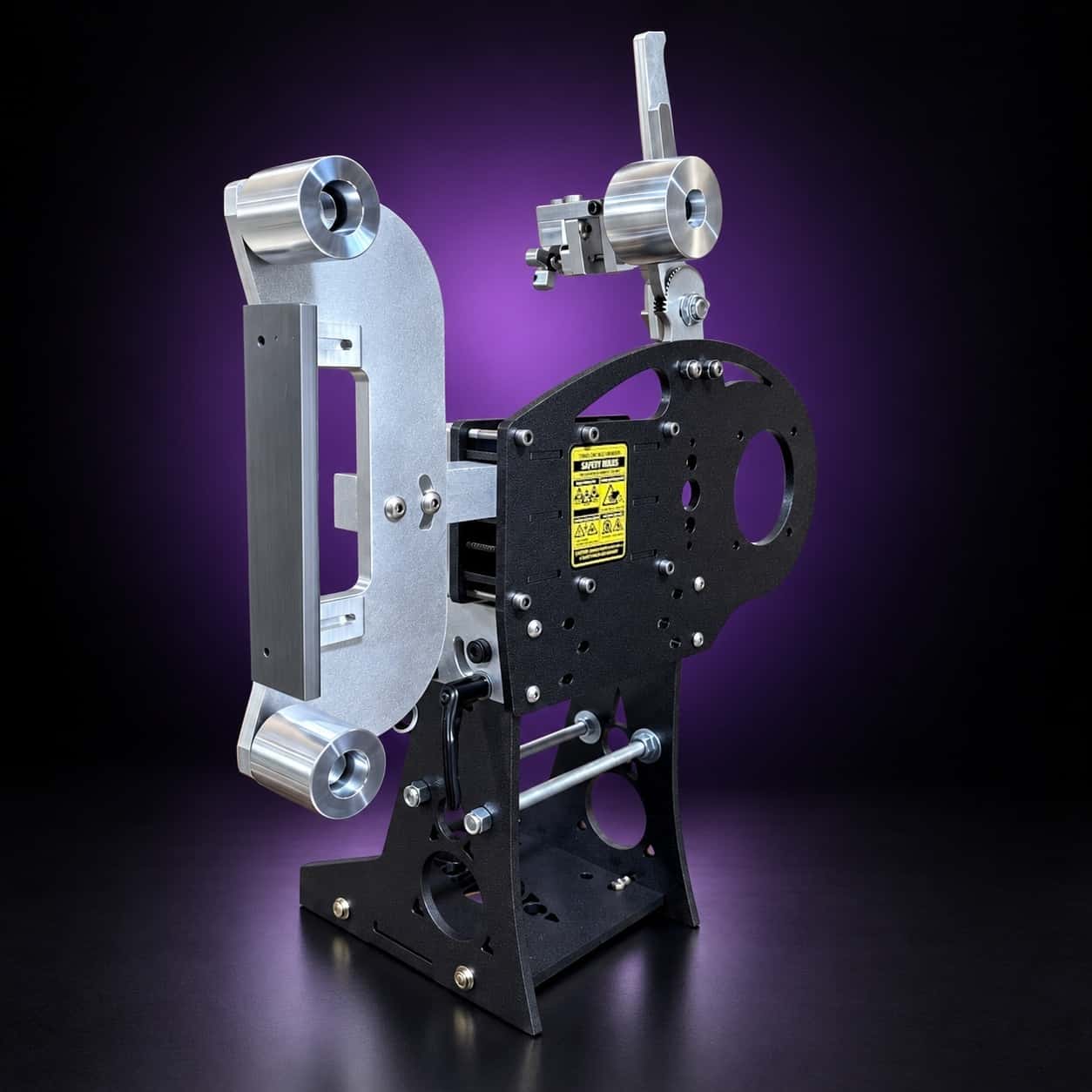
Here is the plainest sentence this blog will ever run: a fully assembled, American-made, tilting 2×72 with a ratchet tensioner for $845, down from $1,195, in stock now. It is on closeout to make way for the Nova.
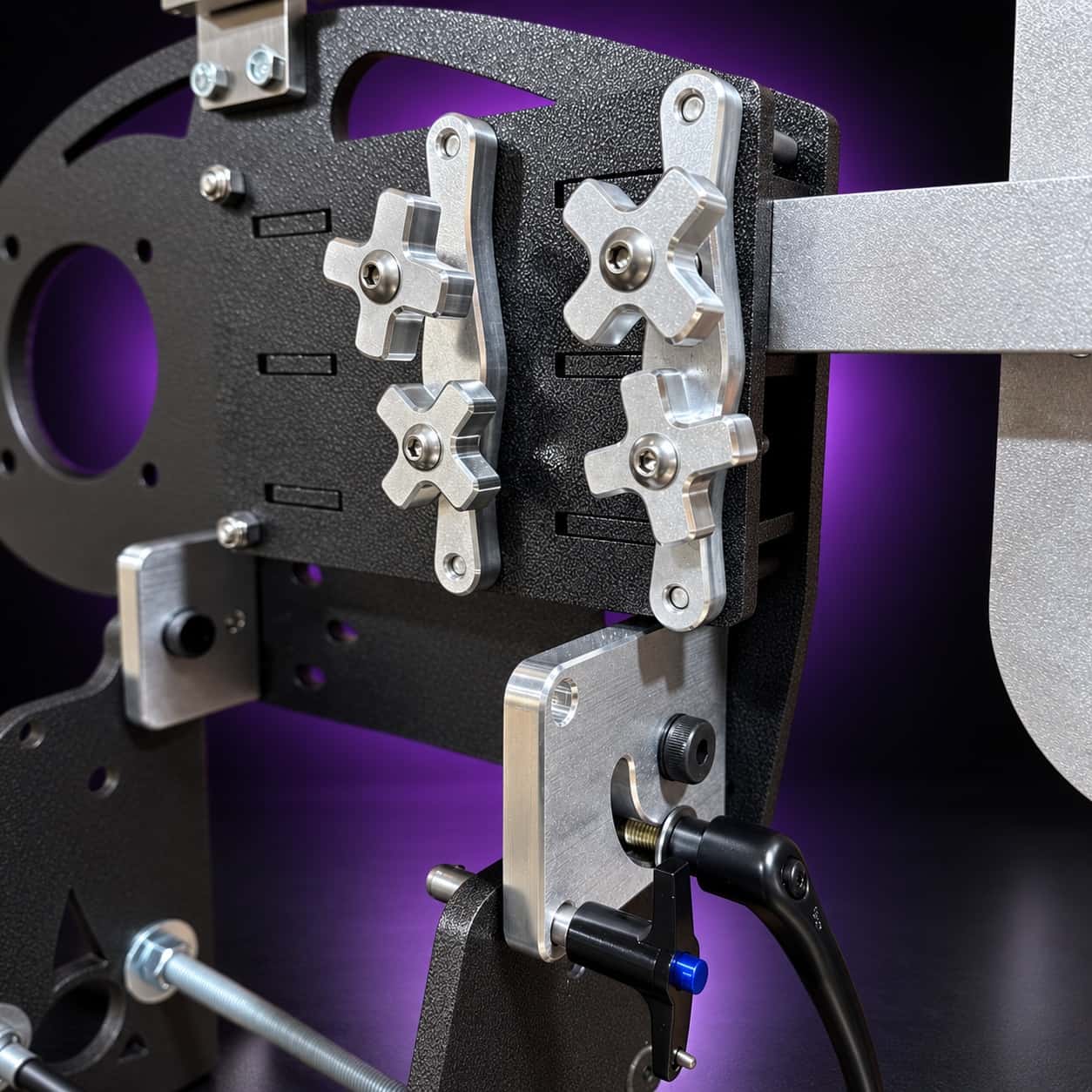
Which grits, how many steps, and why the finish falls apart when the belts get fine. Here is the belt progression I run on my own blades, 36-grit ceramic to 400, and the fix for the bump nobody mentions.
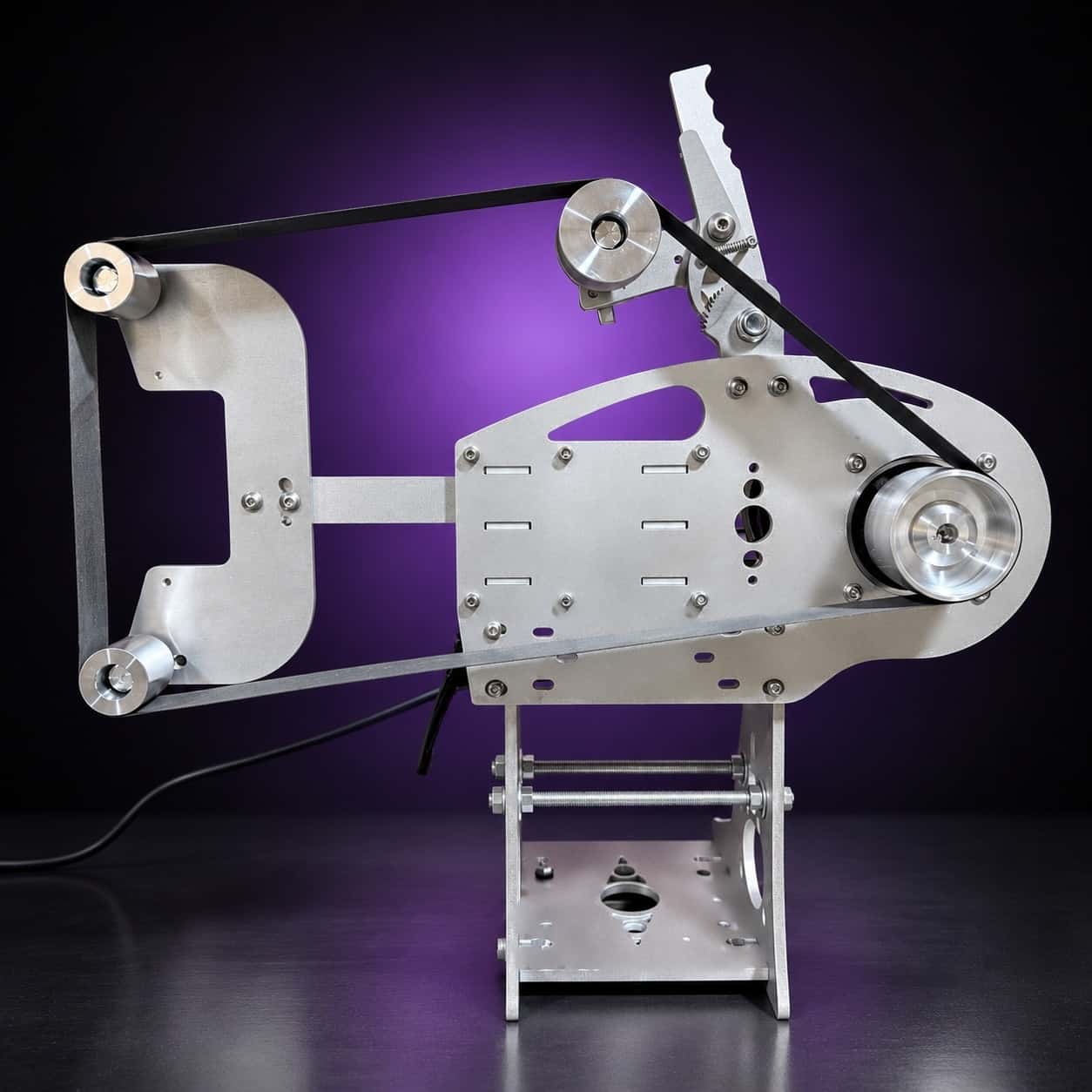
Four machines wear the Torus name: the Classic, the Nova, the Nebula and the closeout Steel. Same tilting chassis, ratchet tensioning and 1.5-inch arms; different mass, price and purpose. Here is the straight answer for each.
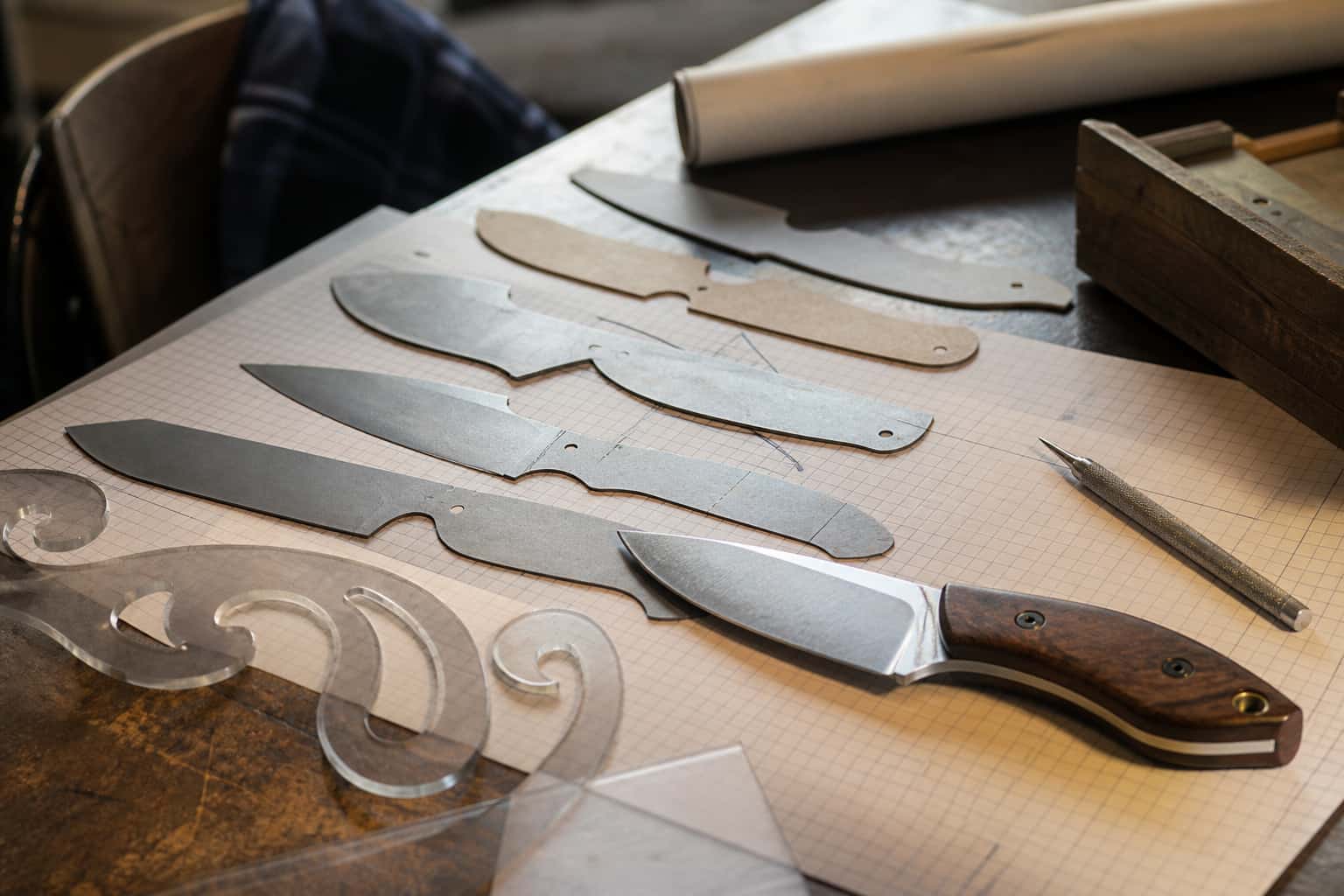
Freehand or jig? One camp calls a jig training wheels, the other calls freehand gatekeeping. Both are wrong about the other. Here is what a jig locks, what freehand buys you, and the middle path most working makers use.
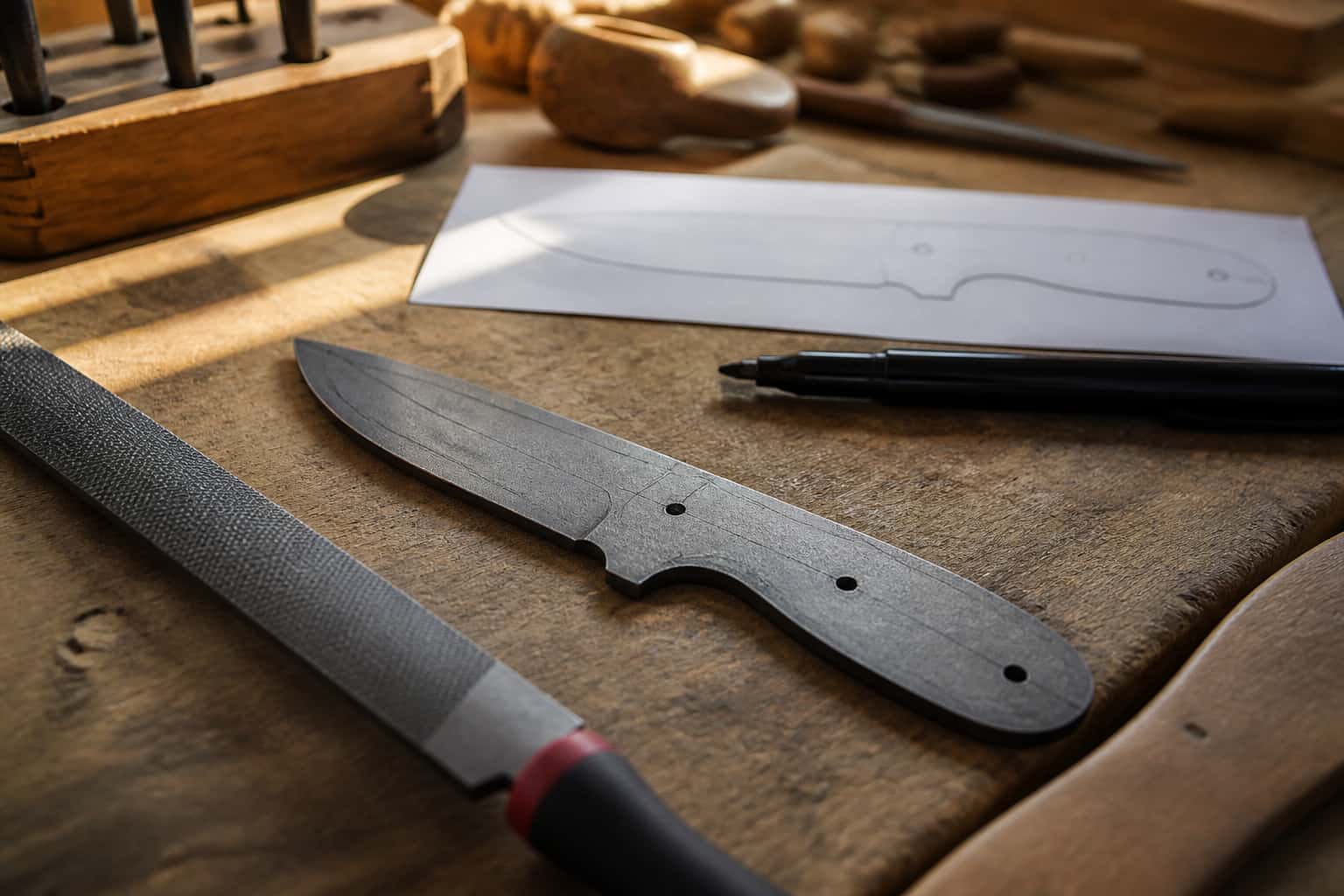
A belt that will not stay centered rounds your platen, chews your work rest and throws off every bevel. Here is how I dial in tracking on a 2×72: tension first, wheels on one line, small moves.
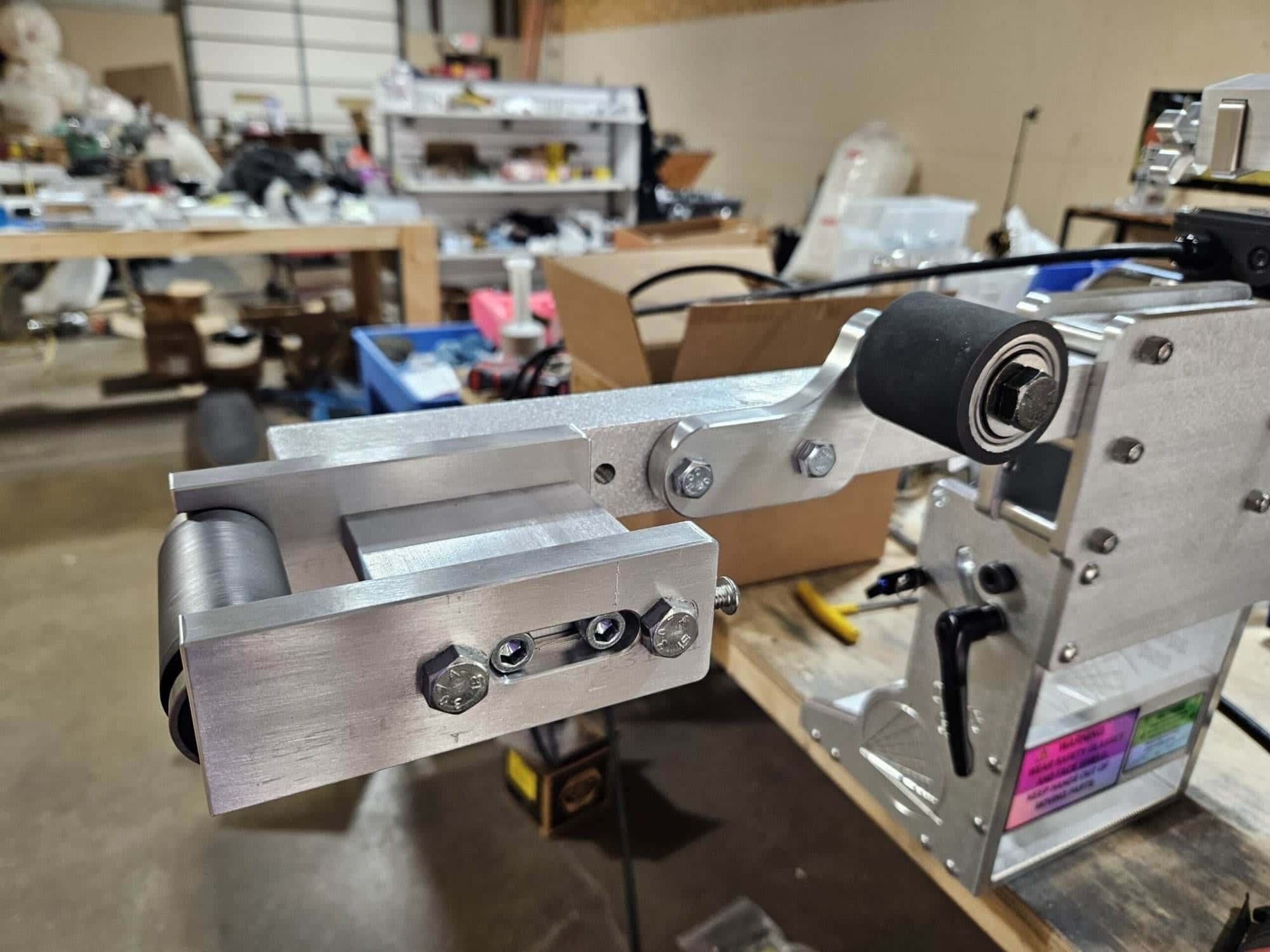
Consistency is an equipment decision before it is a skill. Flexible or undersized machines put variation into every blade that you cannot grind out later. Here is what I look for in a grinder, a rest and a layout.
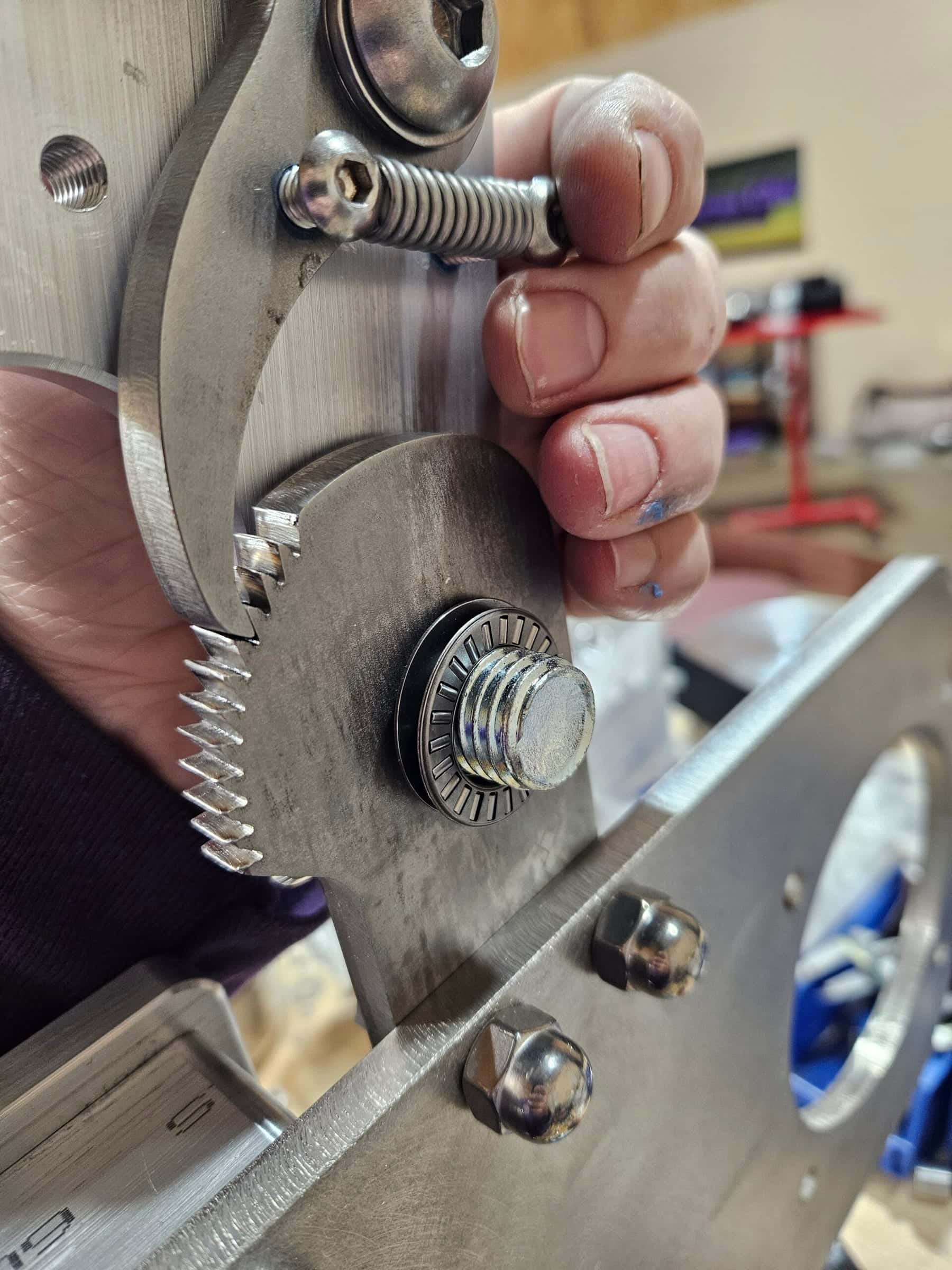
Speed feels like the goal when orders stack up, but speed without consistency makes more rework, not more knives. Here is why repeatable processes build a small knifemaking business, and where to start improving yours.
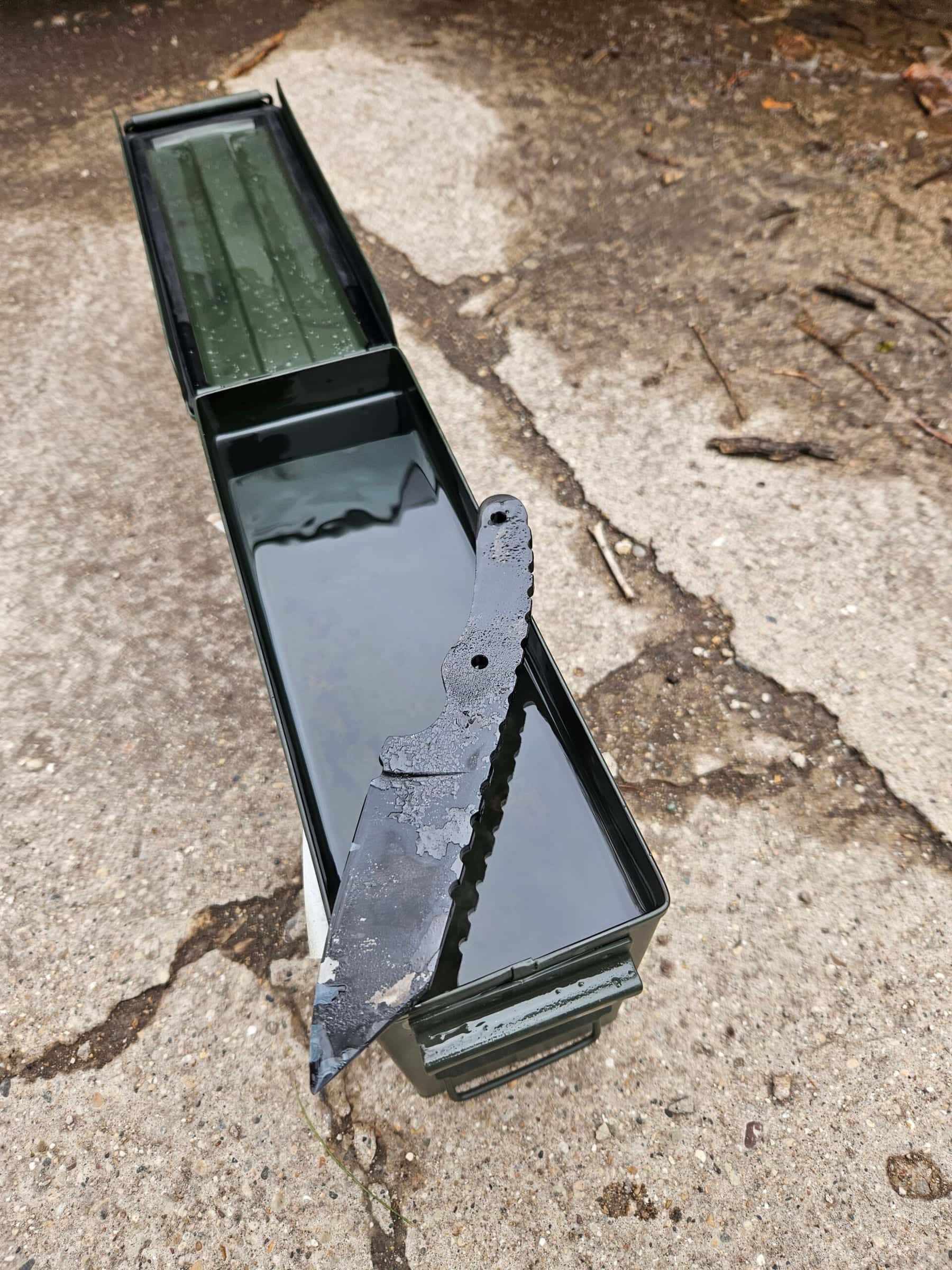
Most knifemaking businesses start as a passion and end up as a pile of overdue orders. Here is how to run a small shop without burning out: honest pricing, a layout that flows, equipment that grows, consistency.
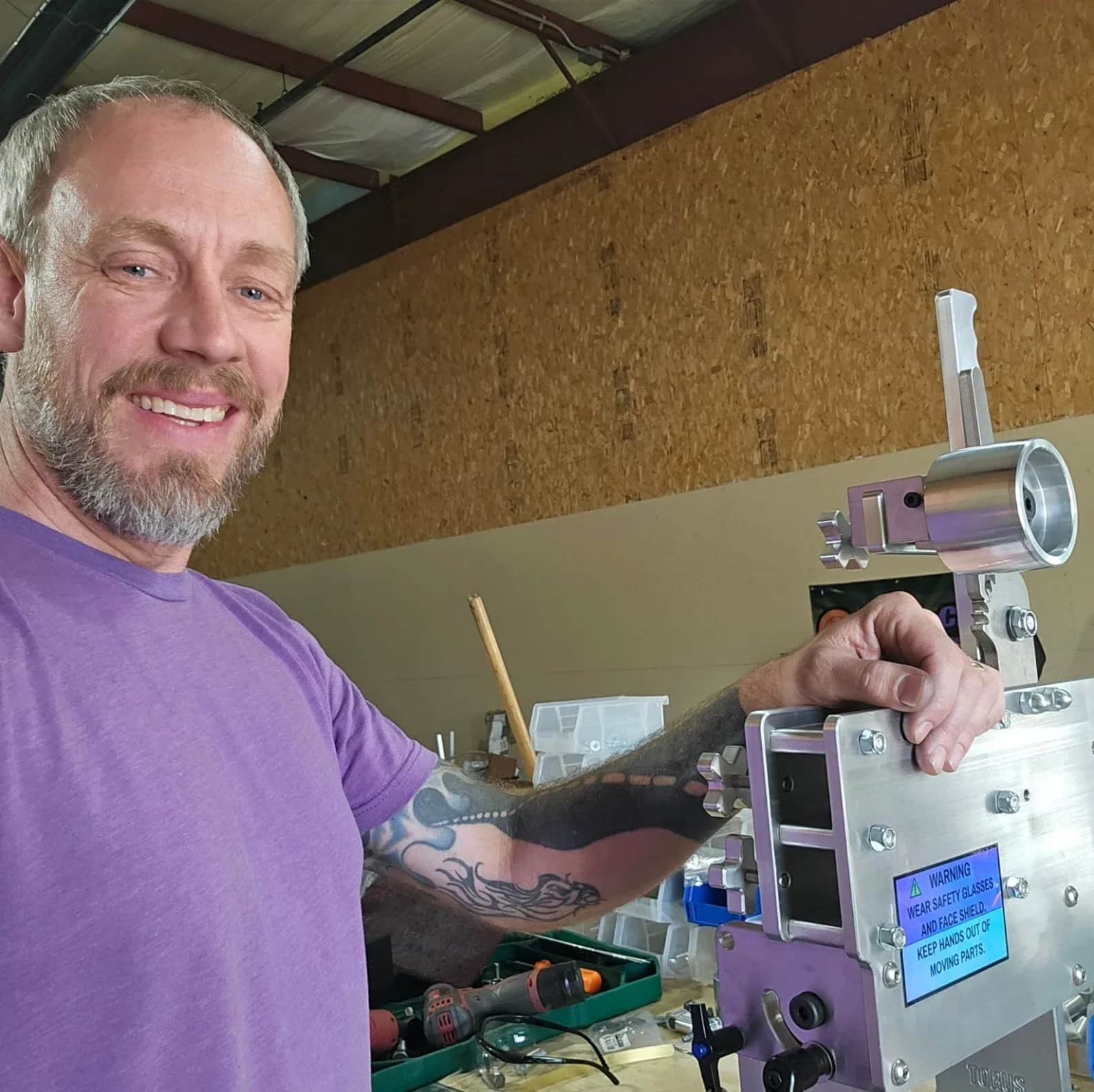
Built to order
I answer my own email. Tell me the work you do and which grinder you are considering.