
Belt Grinders2 min read
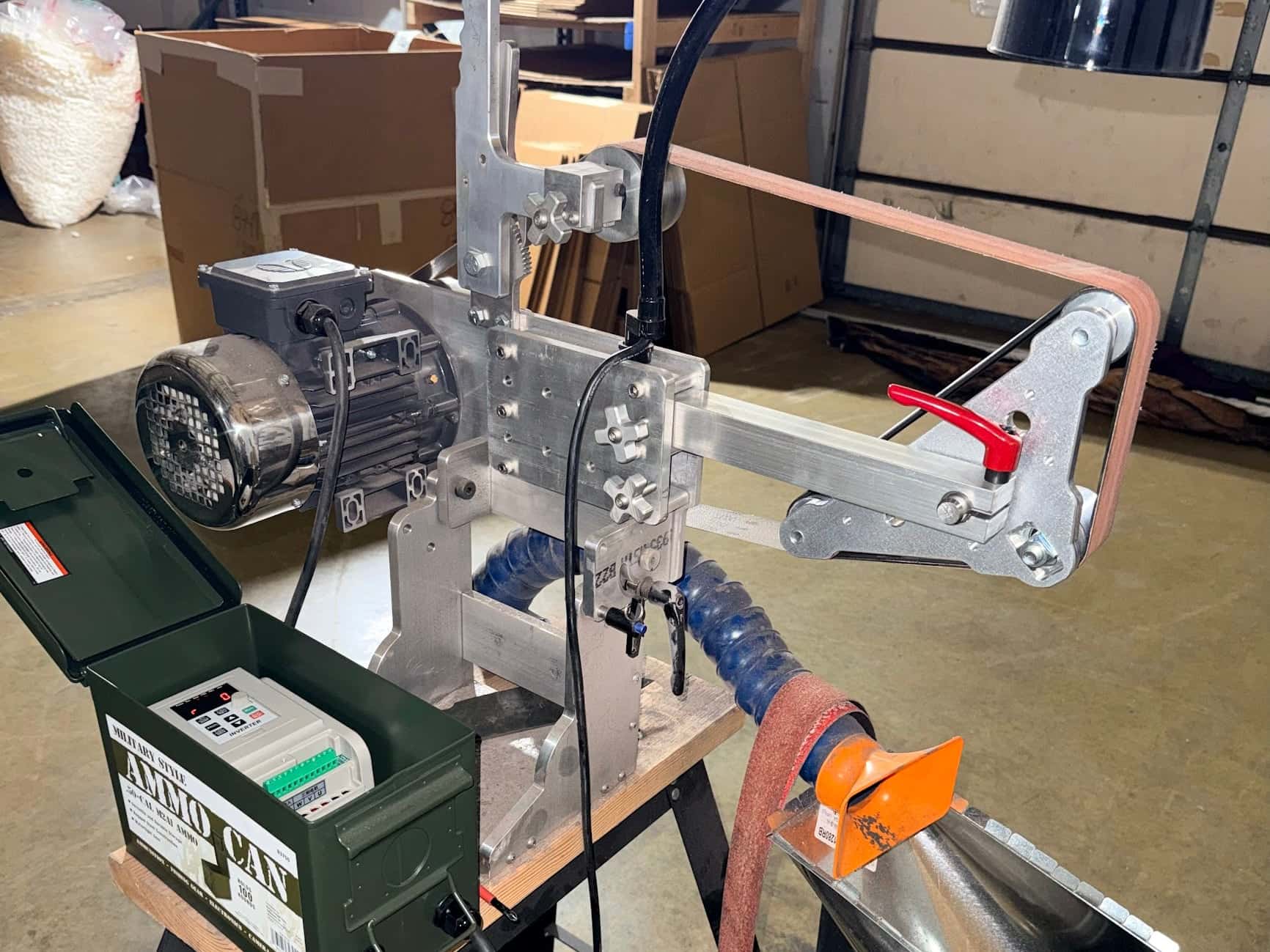
Torus Classic The $995 Proven Original
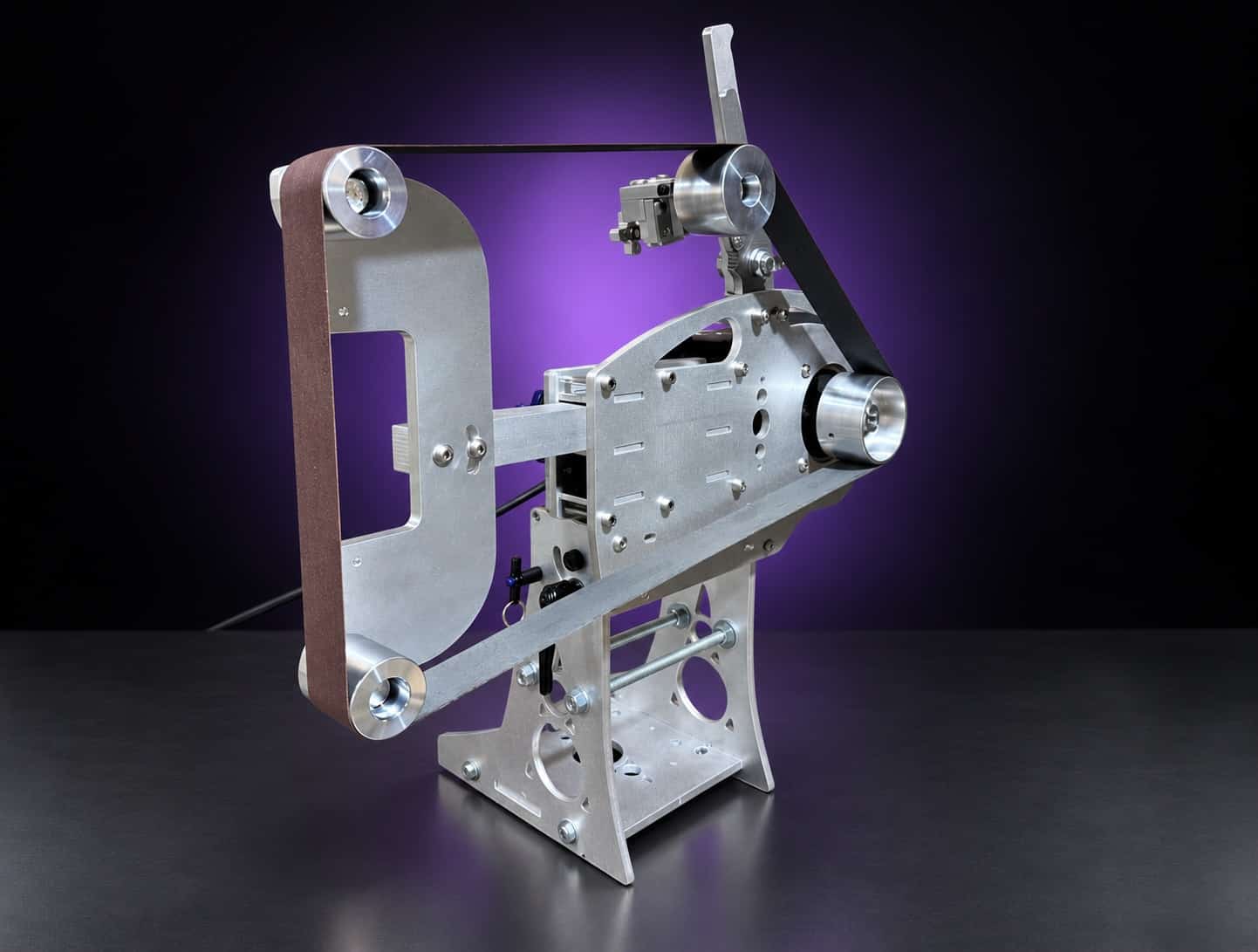
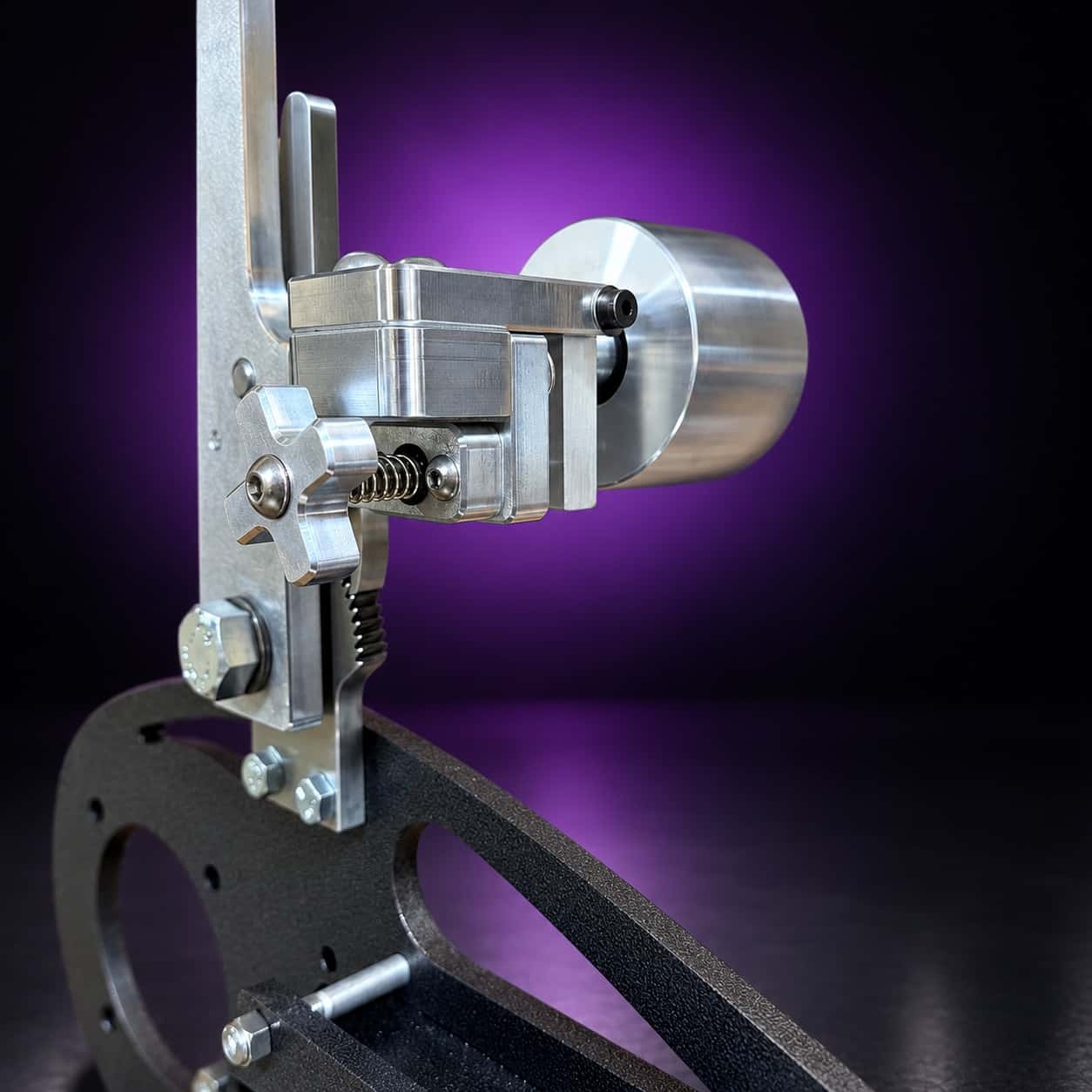
The Classic is my compact $995 aluminum 2x72. It now uses the same dual-axis tracking head as the Nova and Nebula, with a smaller footprint and a motor-clearance limit to check.
Blog category
Everything about the 2×72 belt grinder itself: what to look for, how the Torus machines compare, and why a machined, tilting chassis changes how you grind.
53 articles · written in Sterling, Illinois
53 articles
The Classic is my compact $995 aluminum 2x72. It now uses the same dual-axis tracking head as the Nova and Nebula, with a smaller footprint and a motor-clearance limit to check.
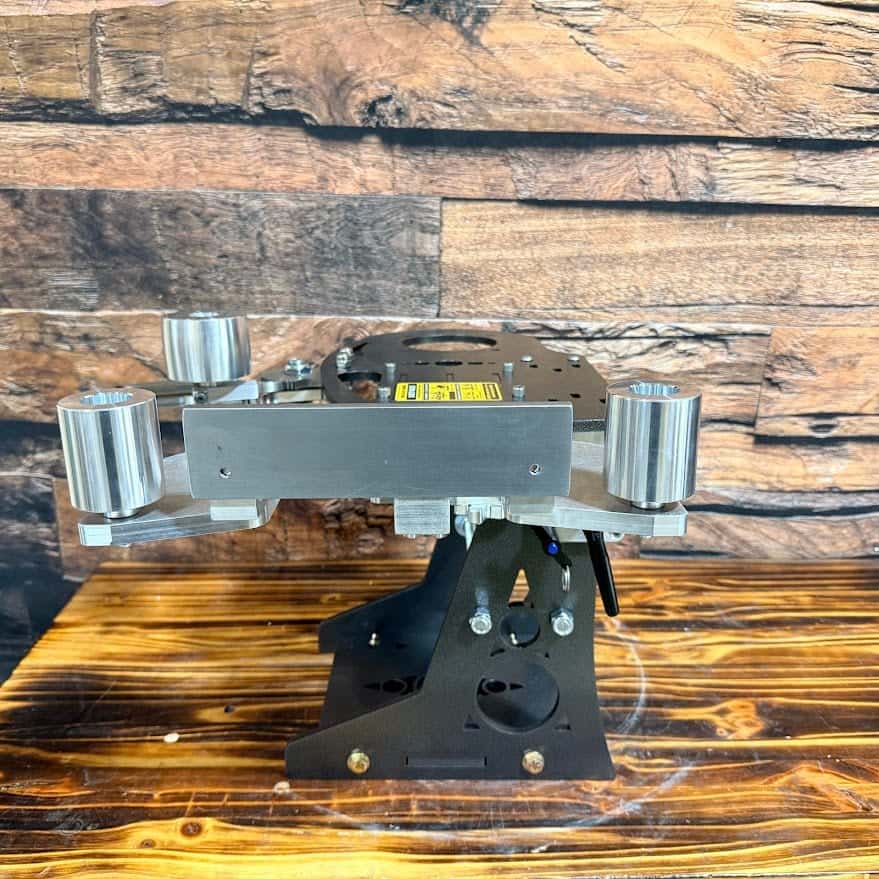
I build the Nova in 6061 aluminum and the Nebula in 3/8-inch steel. Both chassis cost $1,295 and share the same tracking, ratchet tensioner and tilt. Your shop decides the material.
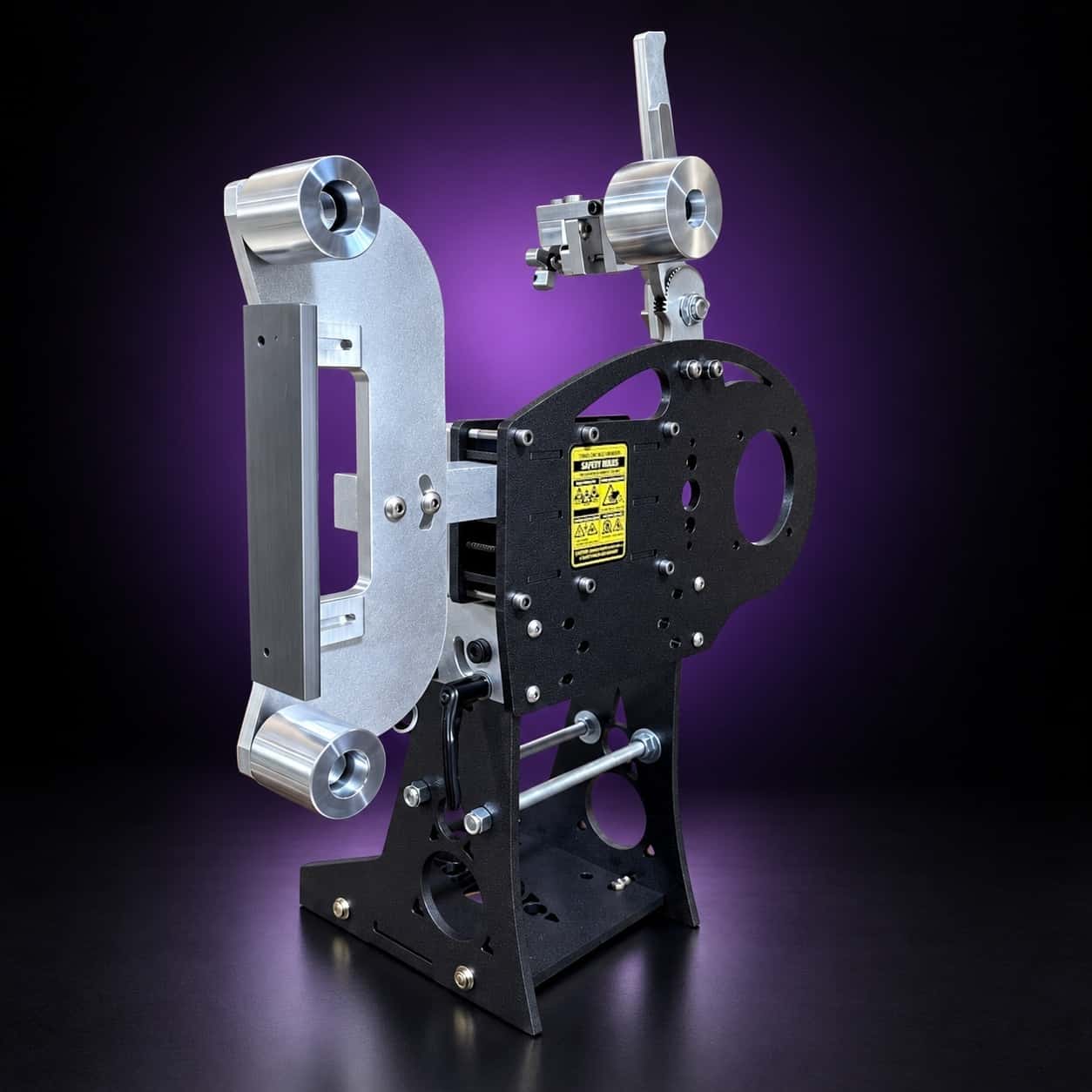
I build the Nebula from 3/8-inch steel for makers who want a heavier grinder on a permanent bench. It shares the Nova tracking, tensioning, tilt and $1,295 chassis price.
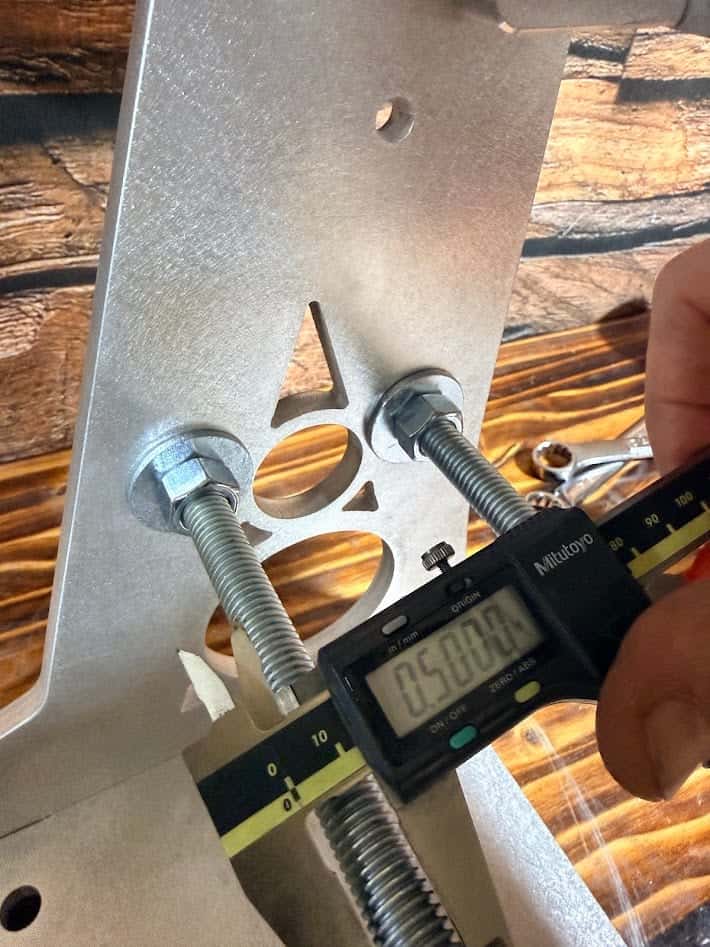
I build the Nova with the same tracking, tensioning and tilt as the Nebula, in a lighter 6061 aluminum frame. Here is where that difference helps in a working shop.
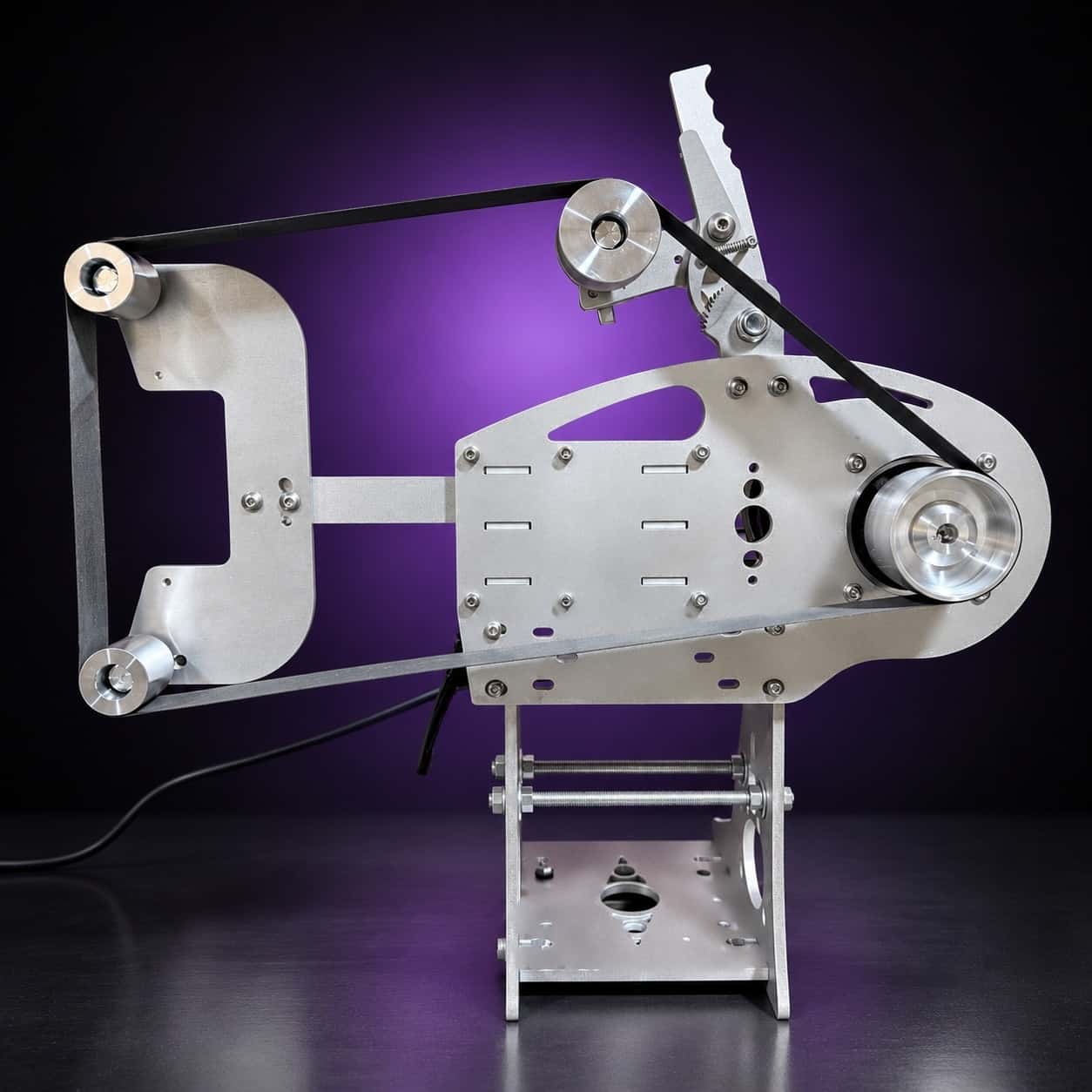
Here is the plainest sentence this blog will ever run: a fully assembled, American-made, tilting 2×72 with a ratchet tensioner for $845, down from $1,195, in stock now. It is on closeout to make way for the Nova.
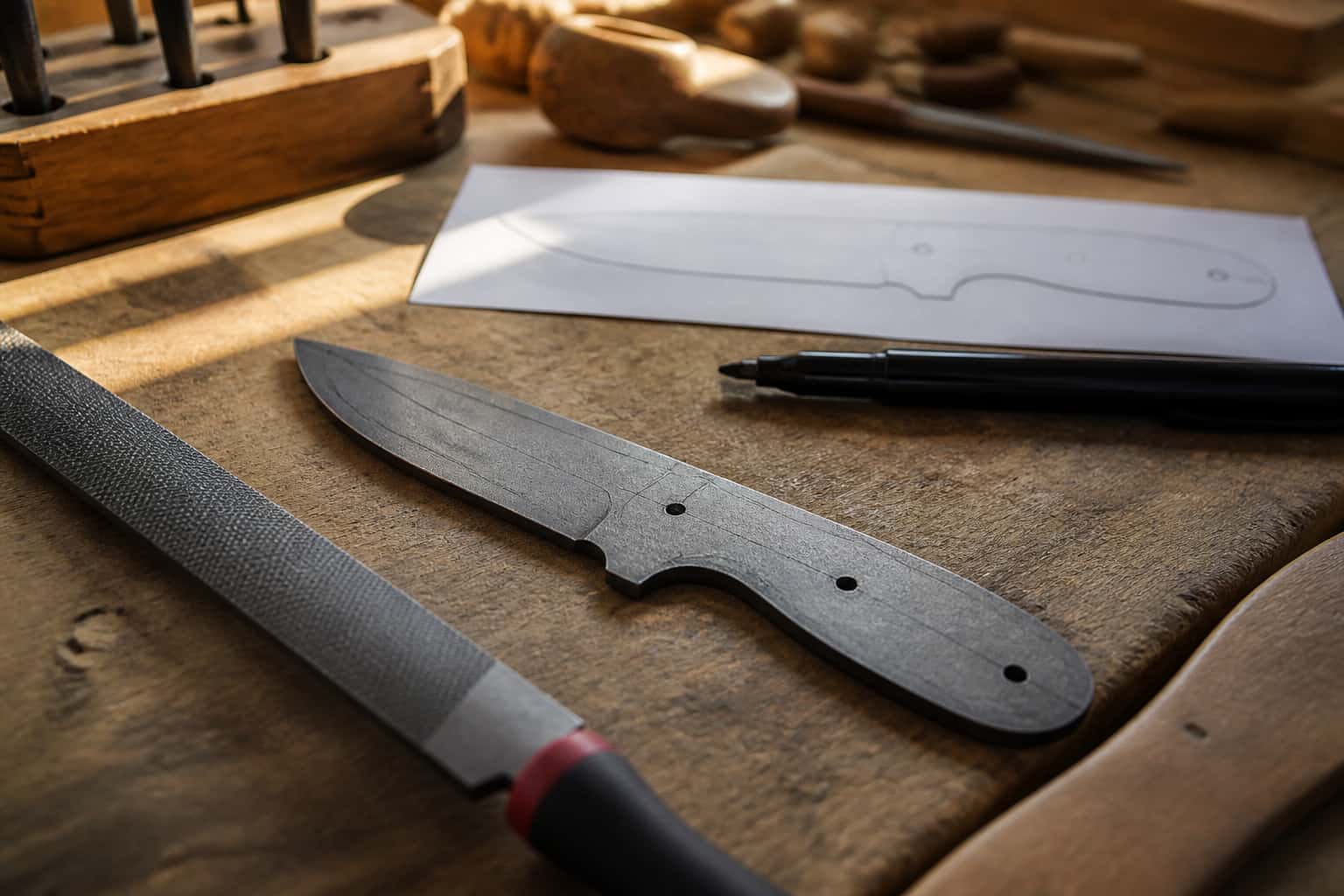
Four machines wear the Torus name: the Classic, the Nova, the Nebula and the closeout Steel. Same tilting chassis, ratchet tensioning and 1.5-inch arms; different mass, price and purpose. Here is the straight answer for each.
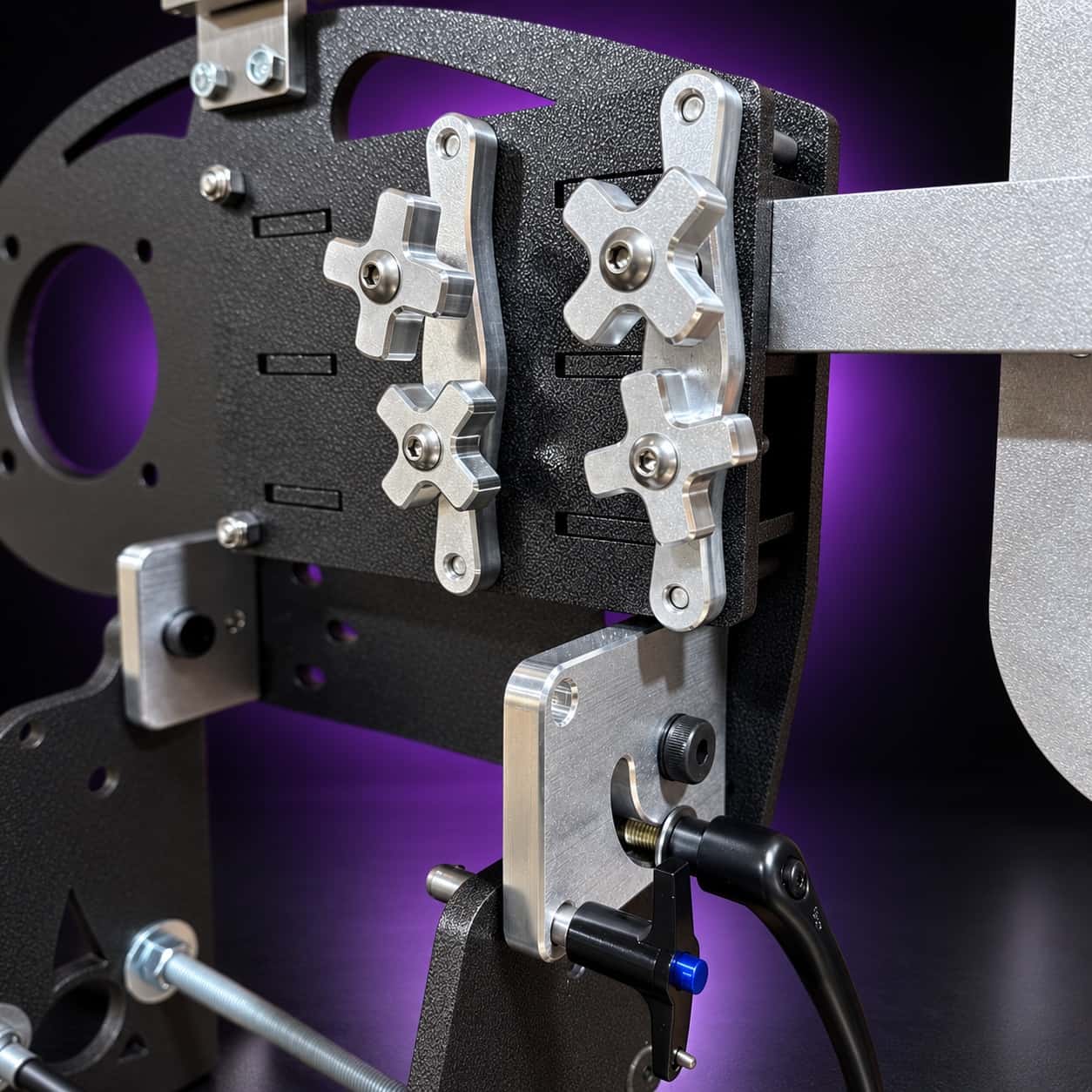
A belt that will not stay centered rounds your platen, chews your work rest and throws off every bevel. Here is how I dial in tracking on a 2×72: tension first, wheels on one line, small moves.
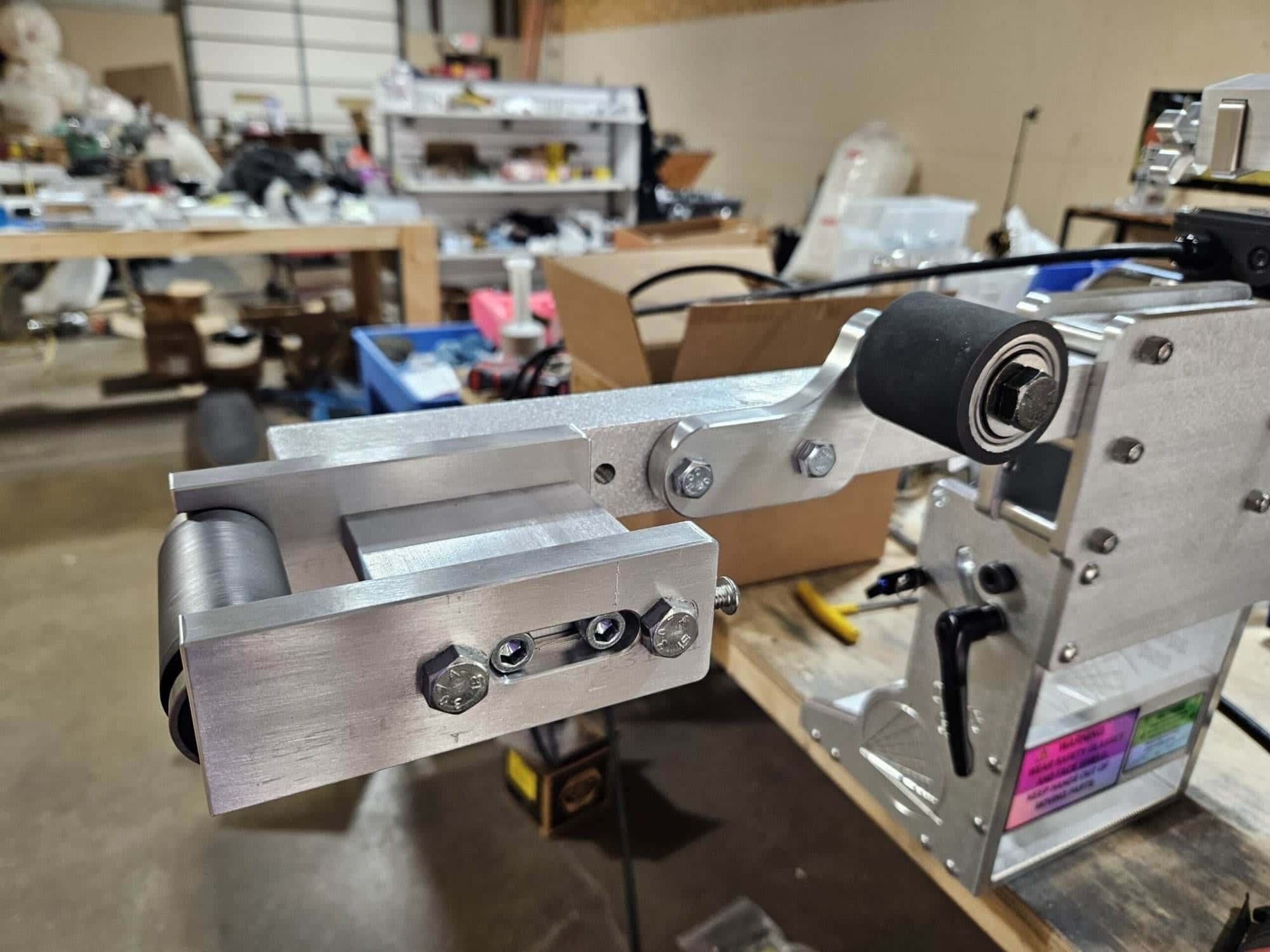
Consistency is an equipment decision before it is a skill. Flexible or undersized machines put variation into every blade that you cannot grind out later. Here is what I look for in a grinder, a rest and a layout.
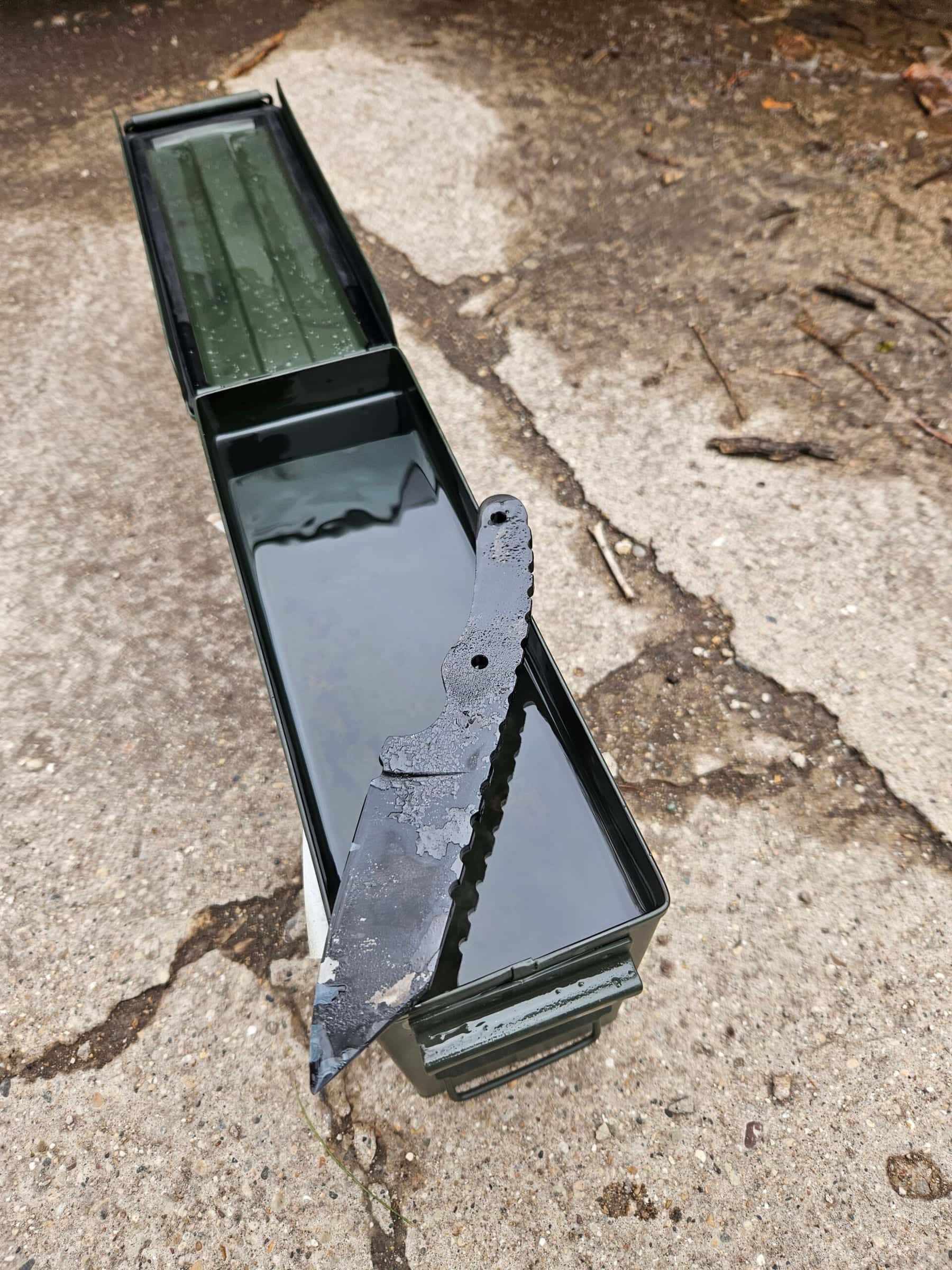
Most knifemaking businesses start as a passion and end up as a pile of overdue orders. Here is how to run a small shop without burning out: honest pricing, a layout that flows, equipment that grows, consistency.
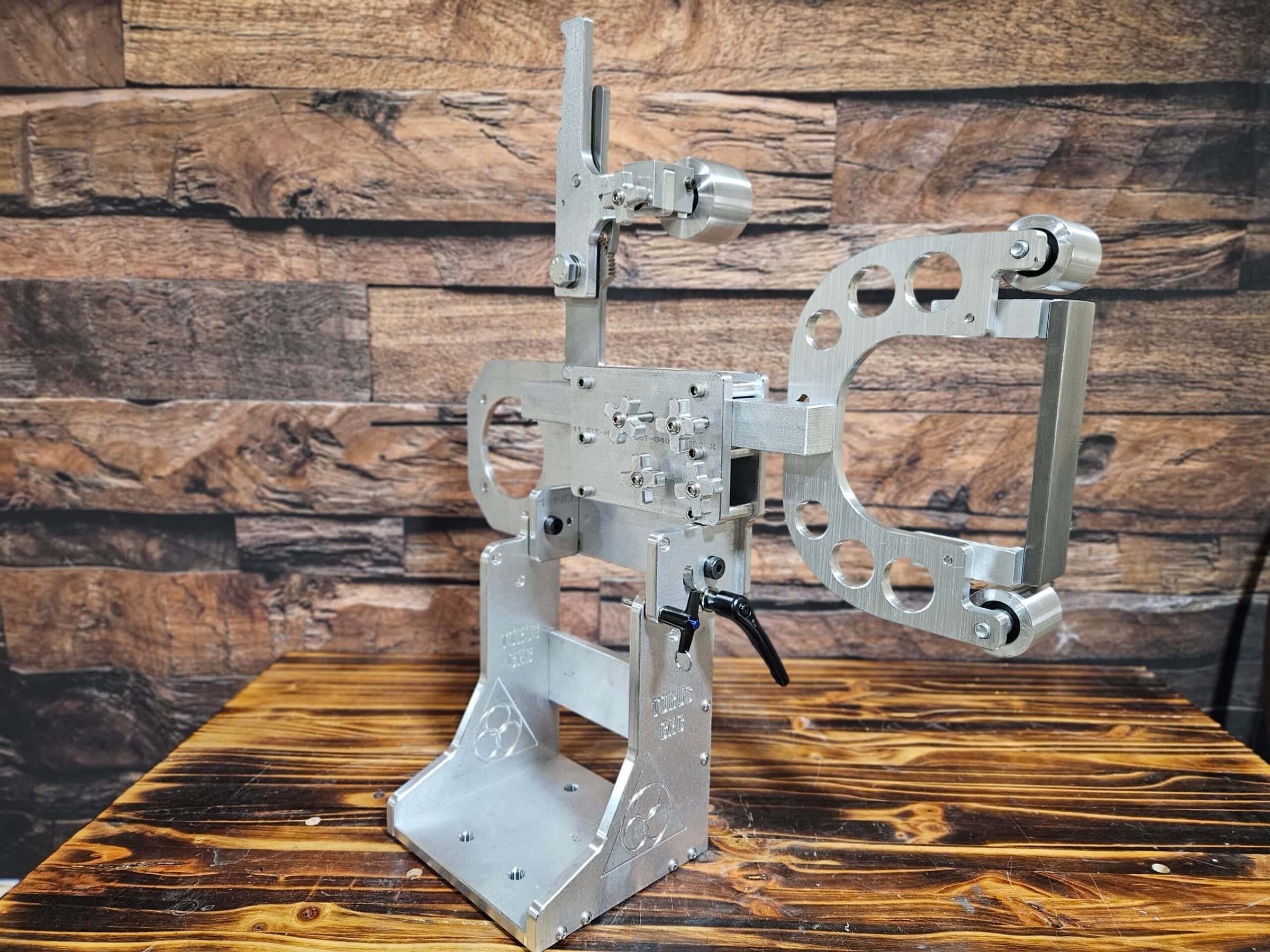
A cleaver is wide, heavy and easy to rock, and a short rest lets the edge wander. Here is how I sharpen large cleavers on the 2×72 with an extended work rest: full support, angle setup, and safe handling.
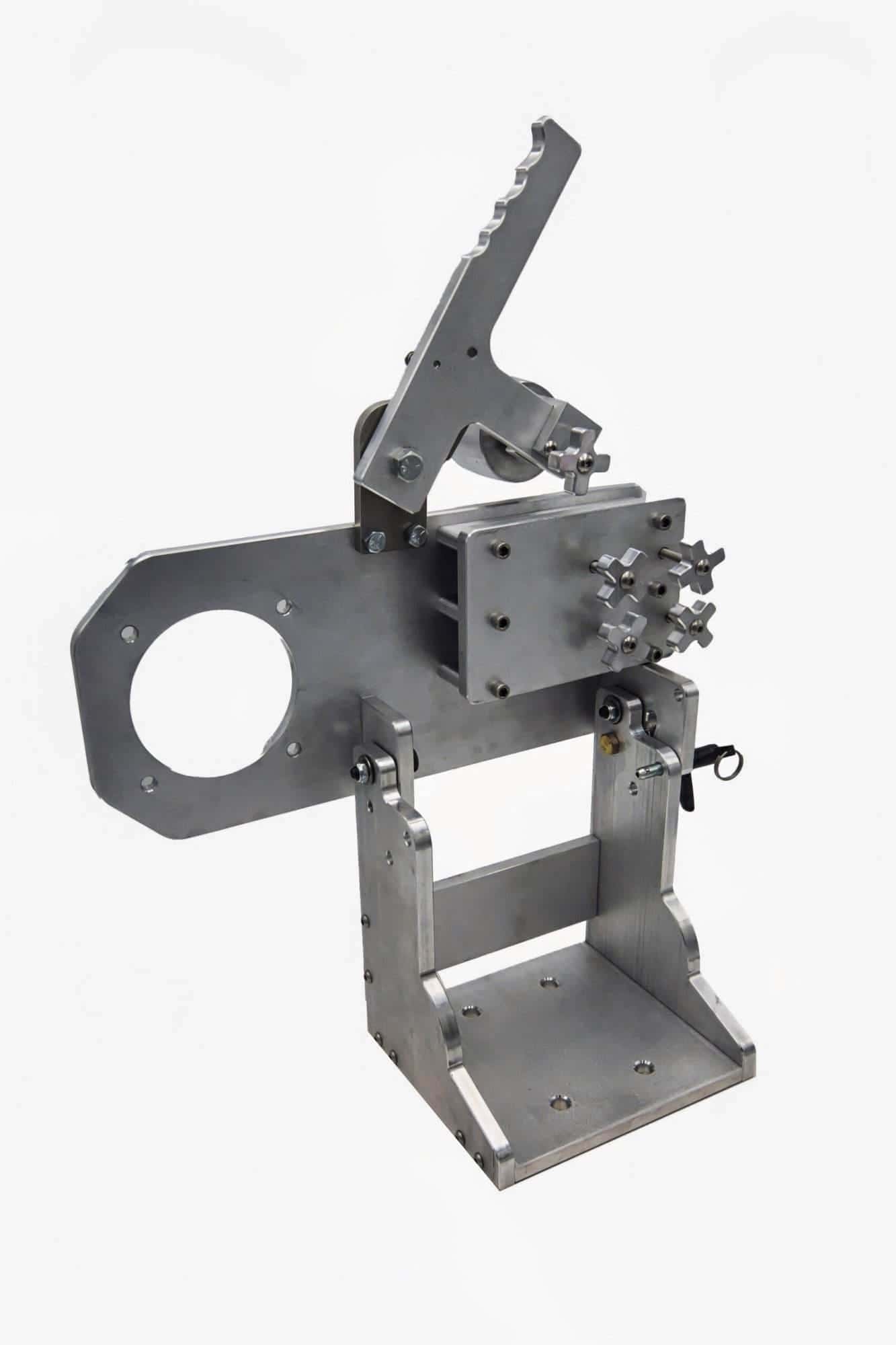
Steel dust and sparks do not belong in your lungs or on your floor. Here is how I built dust collection for my grinder station: hood placement, sizing the collector, a cyclone separator, fine filtration, spark control.
Brass, copper, aluminum and titanium each misbehave on a belt in their own way: loading, smearing, sparking. Here is how I grind non-ferrous metals on the 2×72 safely, from belt choice and speed to dust handling and protection.
Built in Sterling
I machine the parts, hand-assemble, track and test each grinder before it ships. Most orders leave in seven to ten business days from time of order.
Fiber-laser-cut 6061 aluminum on the 9x12-inch base. Easier to tilt and move, and corrosion resistant.
My heaviest 2x72: a 3/8-inch steel chassis with machined dual-axis tracking. Bolt it down and it stays put.
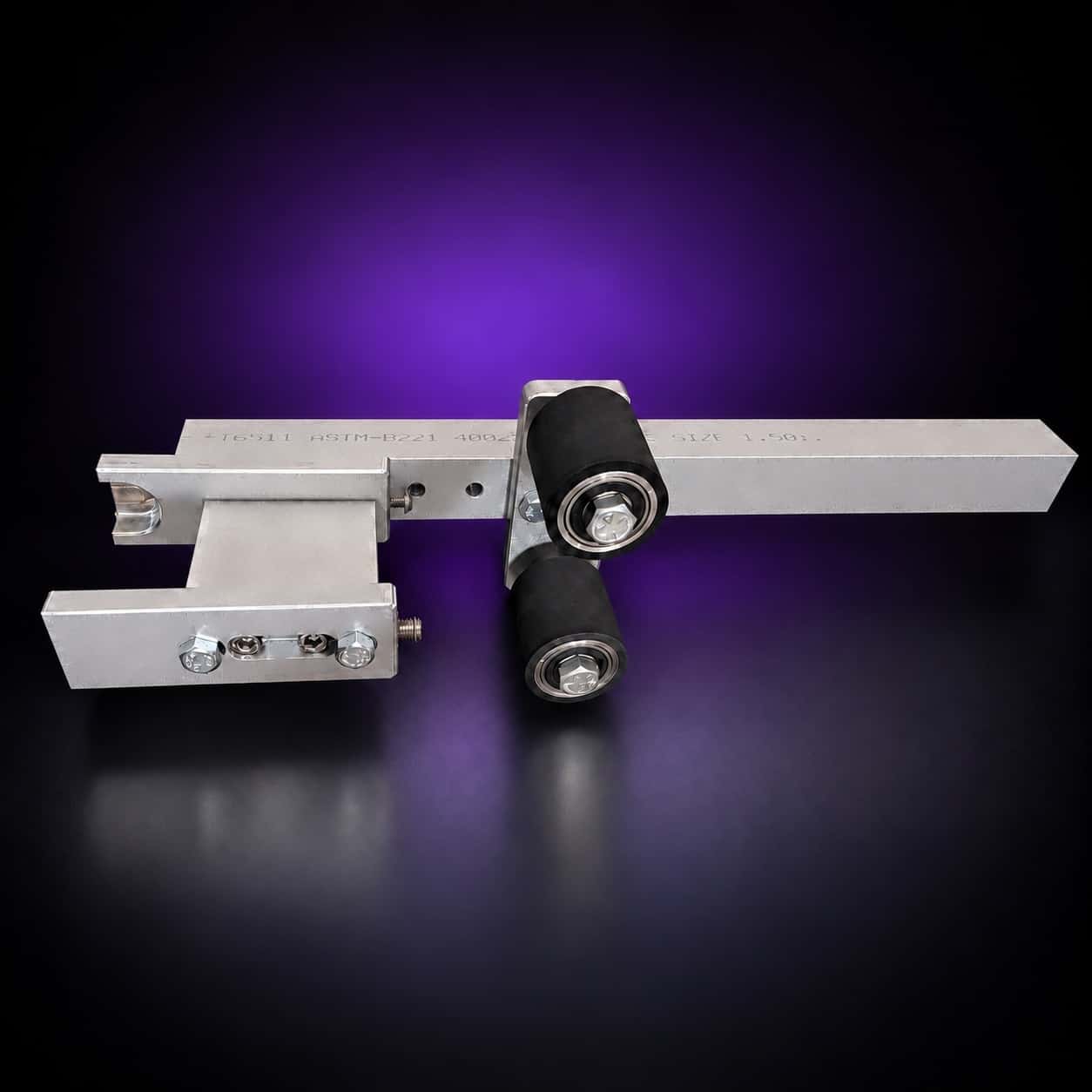
Reaches the choils, finger grooves and inside curves a flat platen never will. Wheels from 1/2 to 1.5 inches.
Built to order
I answer my own email. Tell me the work you do and which grinder you are considering.