Blade Sharpening
Optimizing Straight Razors with 14-Inch Wheels
A full hollow straight razor is ground almost to nothing on a large contact wheel. Here is why 14 inches is the standard, how to mount it on a 2×72, how to keep thin steel cool, and matching both sides.
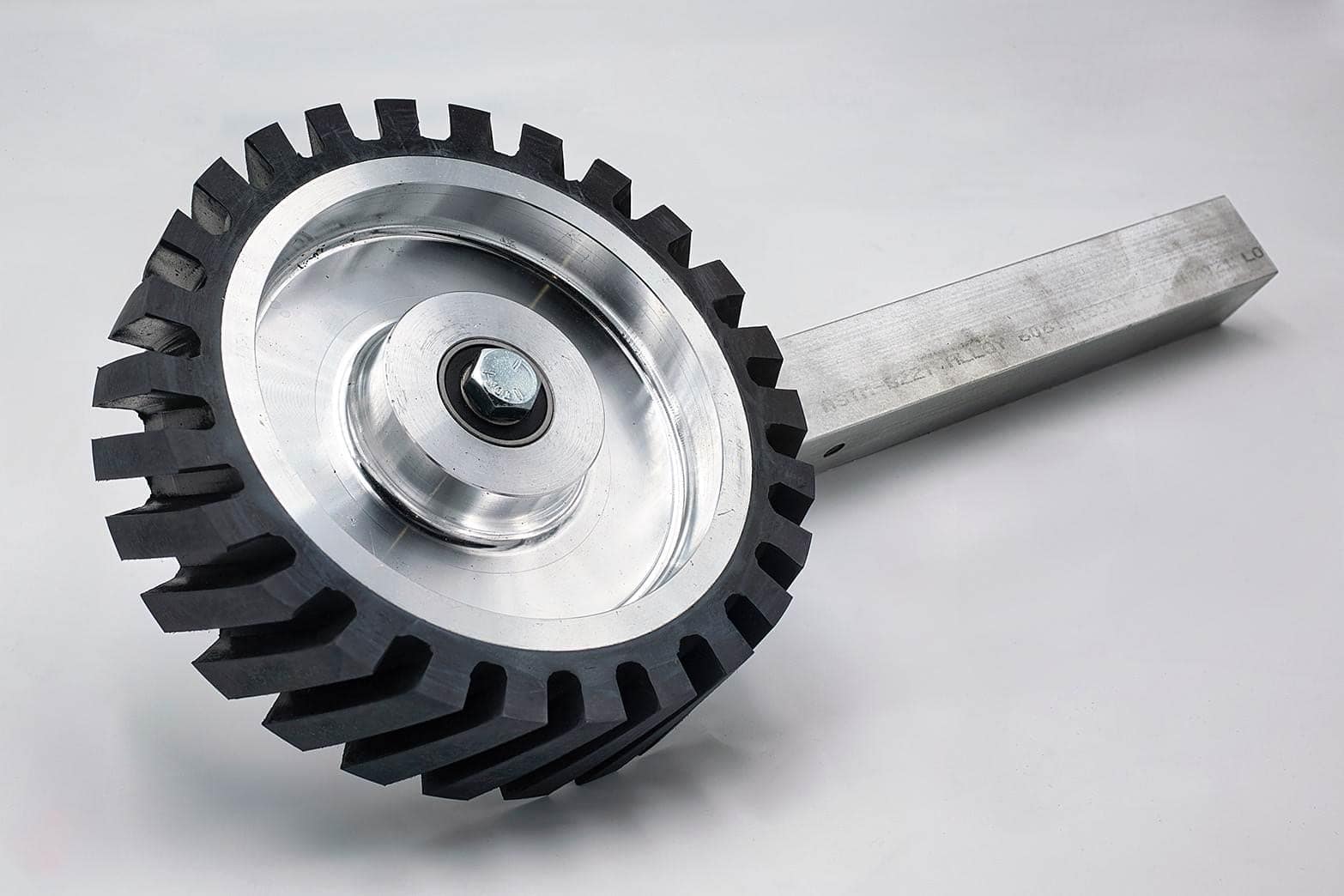
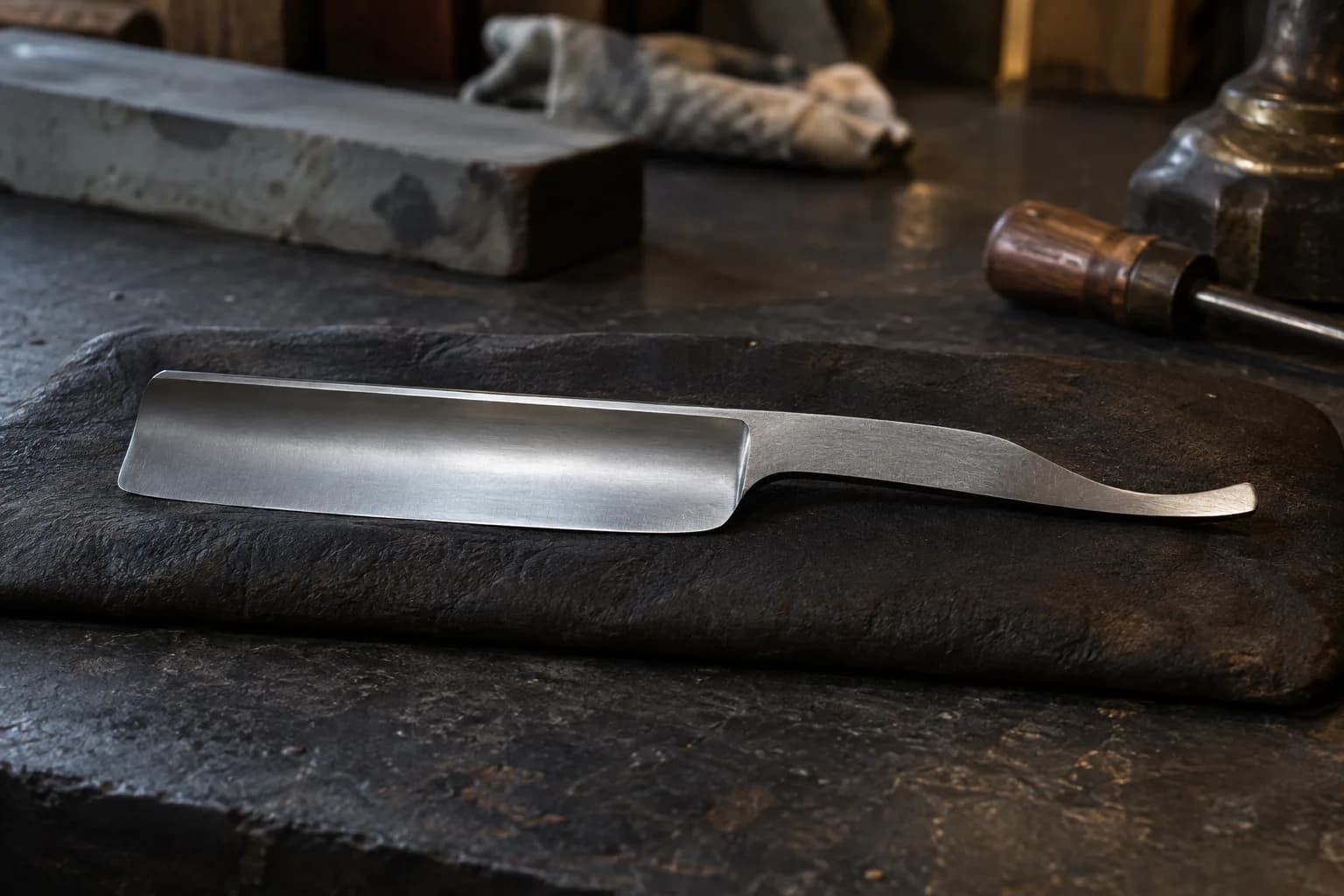
A straight razor is the thinnest grind a knifemaker ever attempts, and the wheel diameter decides the hollow. Fourteen inches has become the standard for full hollow work because the curve is gentle enough to leave a strong spine and thin enough to make the edge flex and sing. Here is how I set up a 14-inch contact wheel on the 2×72, keep razor steel cool, and grind both sides to match.
Key Takeaways
- Understanding the basics of straight razors is essential for beginners to grasp the fundamentals of using 14-inch wheels effectively.
- The benefits of using 14-inch wheels for straight razors include improved precision, control, and a smoother shaving experience.
- Choosing the right 14-inch wheels for your straight razor involves considering factors such as material, grit size, and compatibility with your razor.
- Proper maintenance and care for 14-inch wheels are crucial to ensure longevity and consistent performance for sharpening straight razors.
- Optimizing the performance of straight razors with 14-inch wheels requires mastering techniques and understanding the importance of angles and pressure for achieving the perfect edge.
The Benefits of Using 14-Inch Wheels for Straight Razors
The increased diameter allows for a more consistent sharpening angle, which is crucial for achieving a fine edge on the blade. This consistency can lead to a smoother shave and less irritation for the user. Moreover, 14-inch wheels often have a larger surface area that can accommodate various grits, making them versatile tools for both initial sharpening and finishing touches.
The ability to switch between different grits without changing equipment saves time and enhances efficiency during the honing process. The larger wheel size can help dissipate heat more effectively, reducing the risk of damaging the blade due to overheating during sharpening. This feature is particularly important for maintaining the integrity of high-quality steel used in many straight razors.
Choosing the Right 14-Inch Wheels for Your Straight Razor
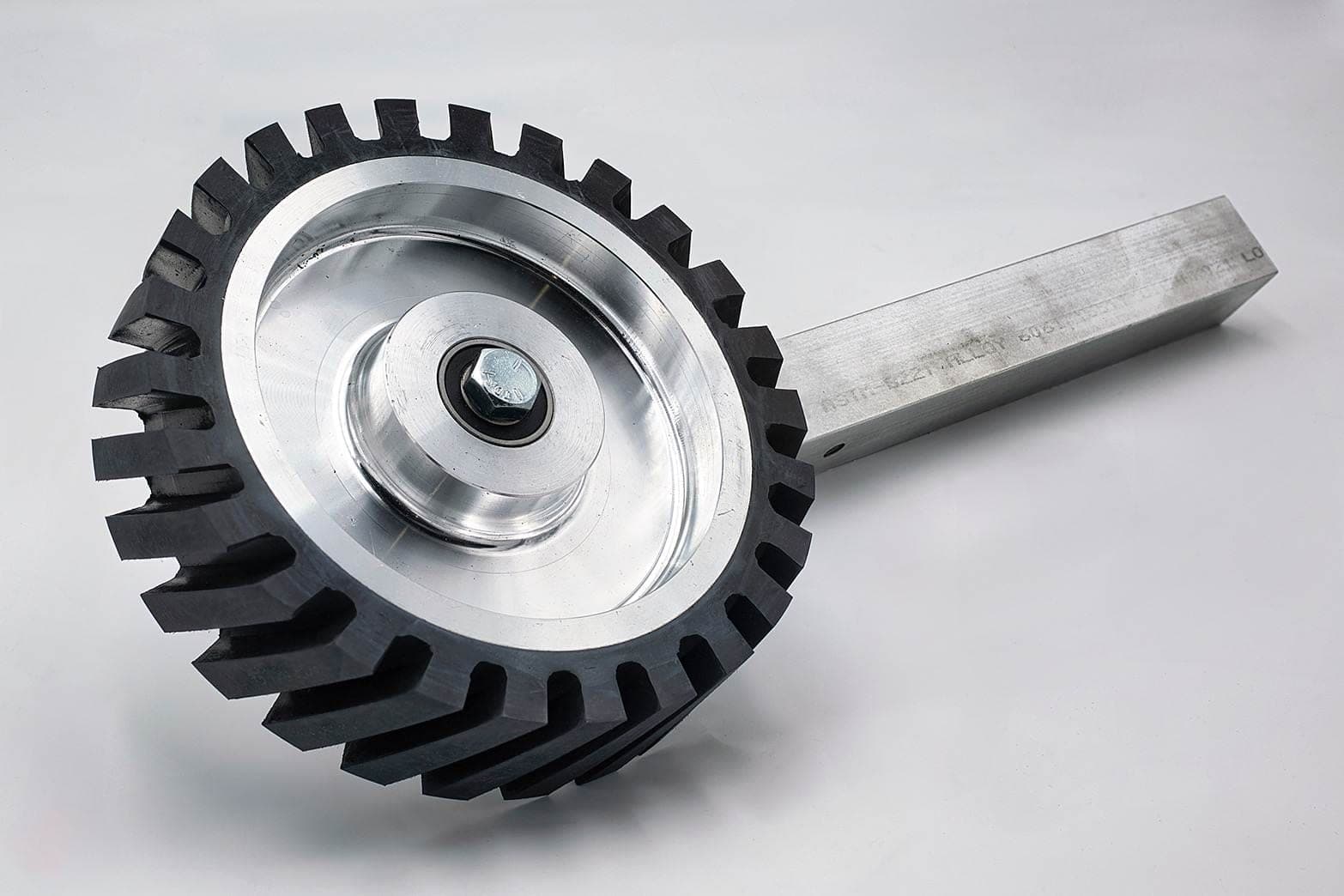
Selecting the appropriate 14-inch wheels for honing straight razors involves considering several factors, including material, grit, and intended use. The material of the wheel plays a crucial role in its effectiveness; common options include aluminum oxide, diamond, and ceramic. Each material has its unique properties that can affect the sharpening process.
For instance, diamond wheels are known for their durability and ability to maintain their shape over time, making them an excellent choice for frequent use. Grit selection is another critical aspect when choosing honing wheels. Coarser grits are ideal for reshaping and repairing damaged edges, while finer grits are better suited for polishing and refining the blade’s edge.
A well-rounded set of wheels that includes both coarse and fine options will provide versatility and allow for a comprehensive sharpening routine. Considering the specific characteristics of your straight razor—such as its steel type and edge geometry—can help guide your choice in selecting the most suitable wheels.
Proper Maintenance and Care for 14-Inch Wheels
To ensure optimal performance and longevity of 14-inch wheels used for sharpening straight razors, proper maintenance is essential. Regular cleaning is one of the most important aspects of wheel care. Debris and metal shavings can accumulate on the surface of the wheel during use, which can affect its effectiveness and lead to uneven sharpening.
Using a soft brush or cloth to remove any buildup after each session will help maintain a clean working surface. In addition to cleaning, it is vital to inspect the wheels regularly for signs of wear or damage. Over time, wheels can become uneven or develop flat spots that can hinder their performance.
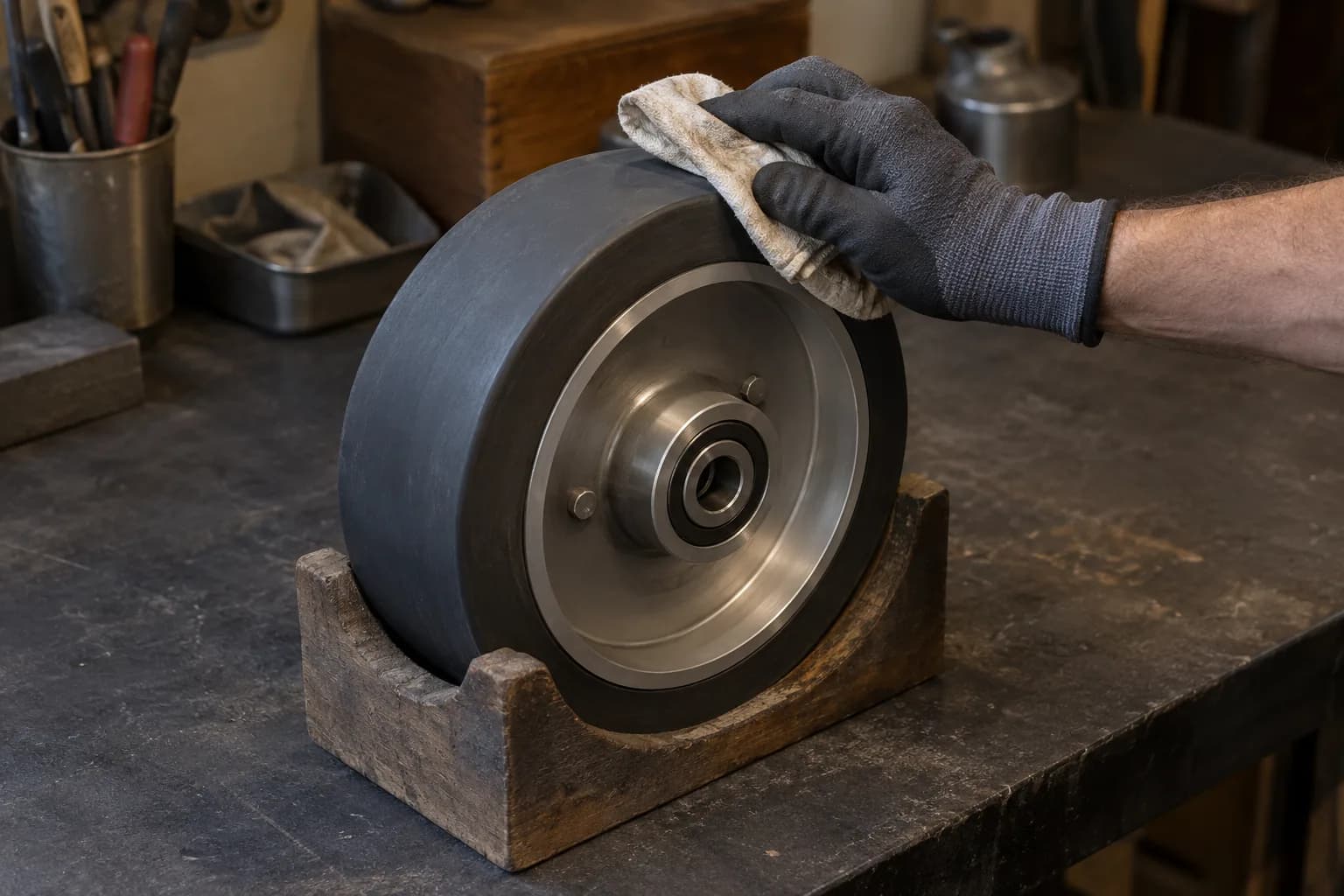
If any irregularities are detected, it may be necessary to dress or true the wheel to restore its original shape. This process involves using a dressing tool to grind away any imperfections on the wheel’s surface. By taking these maintenance steps seriously, users can ensure that their 14-inch wheels remain effective tools for achieving sharp edges on their straight razors.
Optimizing the Performance of Straight Razors with 14-Inch Wheels
To maximize the performance of straight razors when using 14-inch wheels, it is essential to adopt a systematic approach to sharpening. This begins with understanding the specific needs of your razor and tailoring your technique accordingly. For instance, different blade shapes may require varying angles during sharpening to achieve optimal results.
Tips for Using 14-Inch Wheels to Achieve the Perfect Edge
Achieving the perfect edge on a straight razor using 14-inch wheels requires attention to detail and practice. One effective tip is to establish a consistent angle when honing the blade. Most experts recommend an angle between 15 to 20 degrees for optimal results.
Using a guide or jig can help maintain this angle throughout the sharpening process, ensuring that each pass produces an even edge. Another important consideration is the number of passes made on each grit before moving on to finer options. While it may be tempting to rush through the process, taking your time with each grit will yield better results.
A good rule of thumb is to make several passes on coarser grits before gradually transitioning to finer ones. This gradual approach allows for proper shaping and refinement of the edge, in the end leading to a sharper and more effective blade.
Common Mistakes to Avoid When Using 14-Inch Wheels on Straight Razors
While honing straight razors with 14-inch wheels can be an effective method for achieving sharp edges, there are common pitfalls that users should be aware of to avoid subpar results. One frequent mistake is neglecting to clean the wheel before use. Failing to remove debris from previous sessions can lead to uneven sharpening and potentially damage the blade being honed.
Another common error is applying excessive pressure during sharpening. Many users mistakenly believe that pressing harder will yield better results; however, this can lead to over-grinding and may compromise the integrity of the blade’s edge. Instead, it is advisable to use light pressure and allow the wheel’s surface to do most of the work.
Enhancing the Longevity of Straight Razors with 14-Inch Wheels
The longevity of straight razors can be significantly improved through proper honing techniques using 14-inch wheels. Regular maintenance not only keeps blades sharp but also reduces wear over time. By honing blades at appropriate intervals—rather than waiting until they become dull—users can maintain optimal performance without excessive grinding that could shorten their lifespan.
Storing straight razors properly after honing is crucial for preserving their condition. Keeping them in protective cases or sheaths prevents accidental damage and exposure to moisture or contaminants that could lead to rust or corrosion. By combining regular honing with careful storage practices, users can ensure that their straight razors remain in excellent condition for years to come.
Exploring Different Techniques for Sharpening Straight Razors with 14-Inch Wheels
There are various techniques available for sharpening straight razors using 14-inch wheels, each offering unique benefits depending on individual preferences and skill levels. One popular method is known as “sweeping,” where users move the blade across the wheel in a sweeping motion while maintaining a consistent angle. This technique allows for even contact with the wheel’s surface and promotes uniform sharpening.
Another technique involves using a back-and-forth motion along the wheel’s circumference. This method can be particularly effective for achieving a polished edge as it allows users to refine their technique further by adjusting pressure and angle throughout each pass. Experimenting with different techniques will enable users to discover what works best for them while honing their skills in achieving sharp edges on their straight razors.
Understanding the Importance of Proper Angles and Pressure When Using 14-Inch Wheels
The significance of maintaining proper angles and pressure cannot be overstated when using 14-inch wheels for honing straight razors. The angle at which the blade meets the wheel directly influences how effectively it sharpens; too steep an angle may lead to chipping or damage, while too shallow may result in an ineffective edge. Striking a balance between these extremes is essential for achieving optimal results.
Advanced Techniques for Achieving the Sharpest Edge with 14-Inch Wheels on Straight Razors
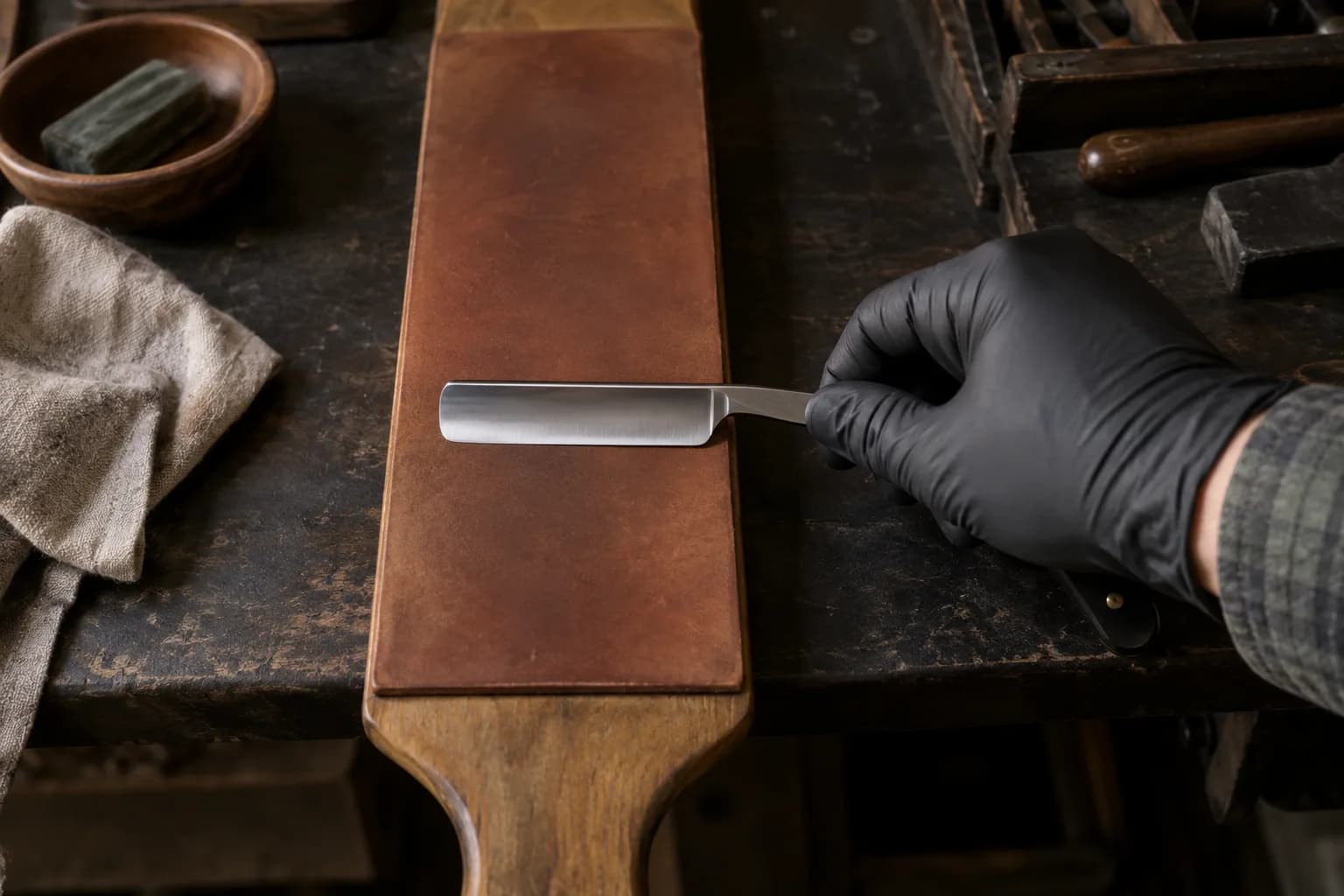
For those looking to take their honing skills to an advanced level, there are several techniques that can help achieve an exceptionally sharp edge on straight razors using 14-inch wheels. One such method involves utilizing a technique called “stropping” after honing; this process involves running the blade along a leather strop at a very shallow angle to polish and refine its edge further. Another advanced technique includes experimenting with different honing patterns—such as circular motions or varying stroke lengths—to find what produces optimal results for individual blades.
FAQs
What is a 14-inch wheel used for in the context of full hollow straight razors?
A 14-inch wheel is used for honing and sharpening full hollow straight razors. It is a crucial tool in the process of maintaining the razor’s sharpness and edge.
Can a 14-inch wheel be used for other types of razors or blades?
While a 14-inch wheel is specifically designed for full hollow straight razors, it can potentially be used for other types of razors or blades that require similar honing and sharpening techniques. However, it is important to consider the specific requirements of each blade and to use the appropriate tools accordingly.
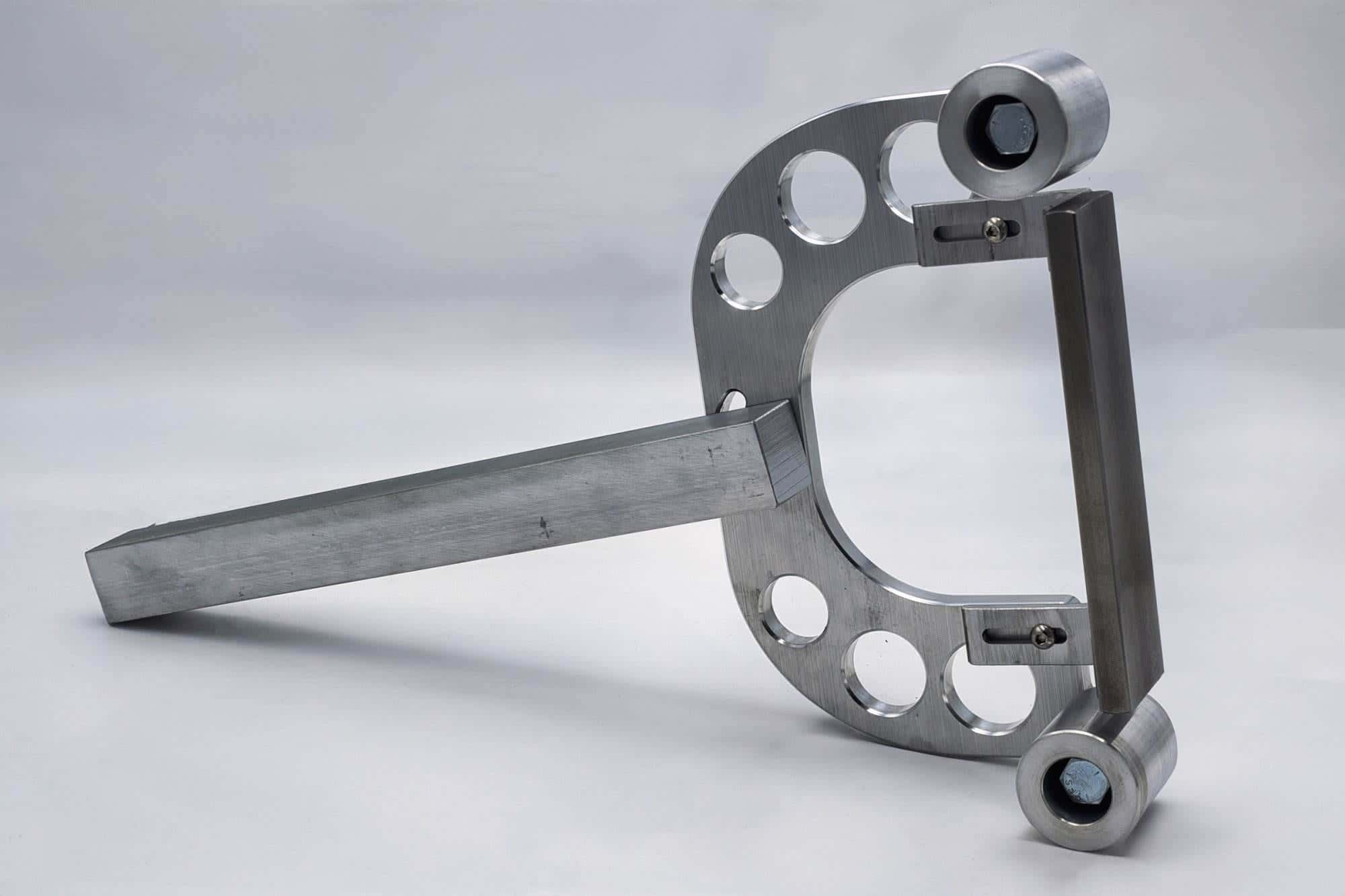
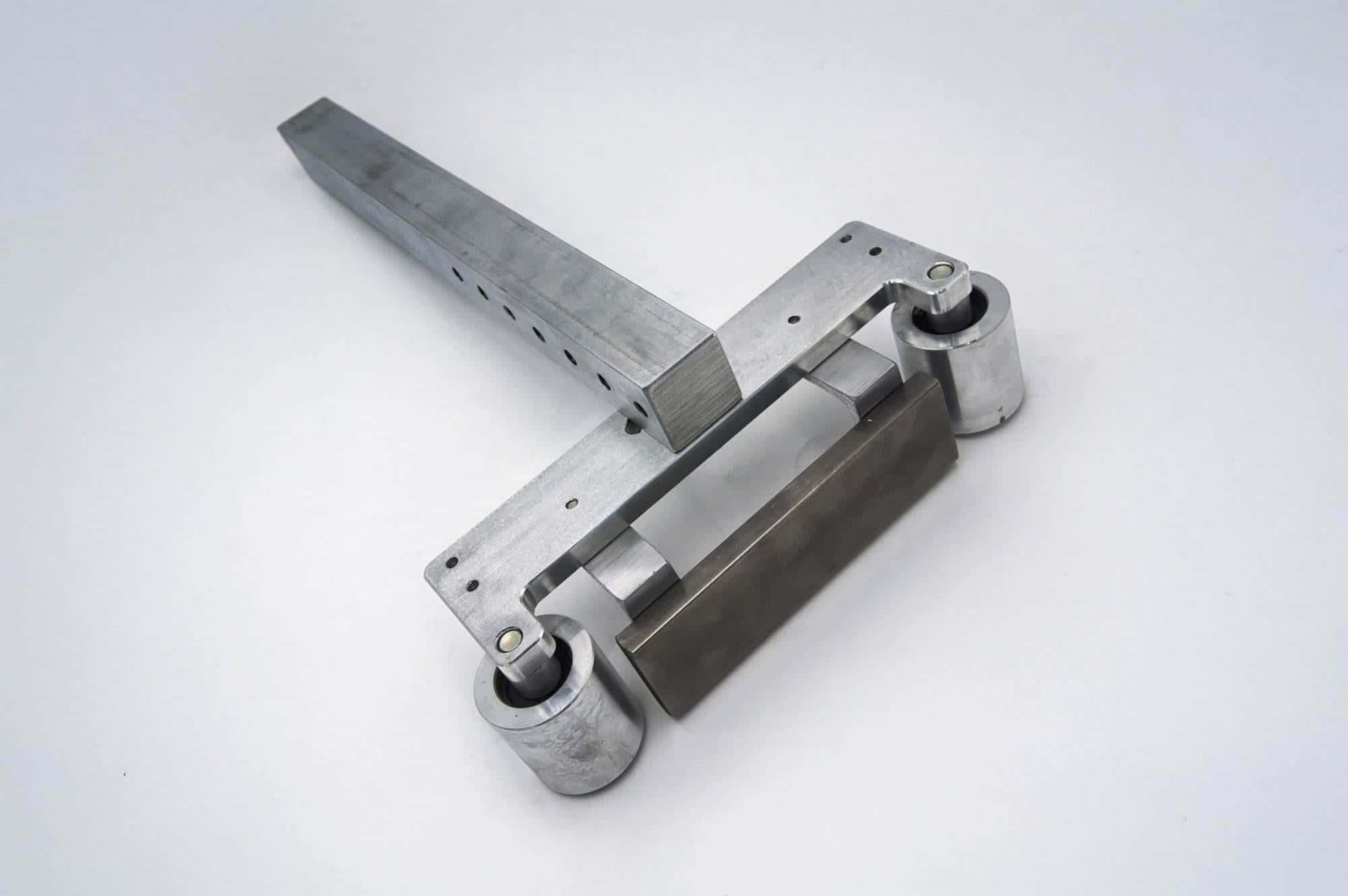
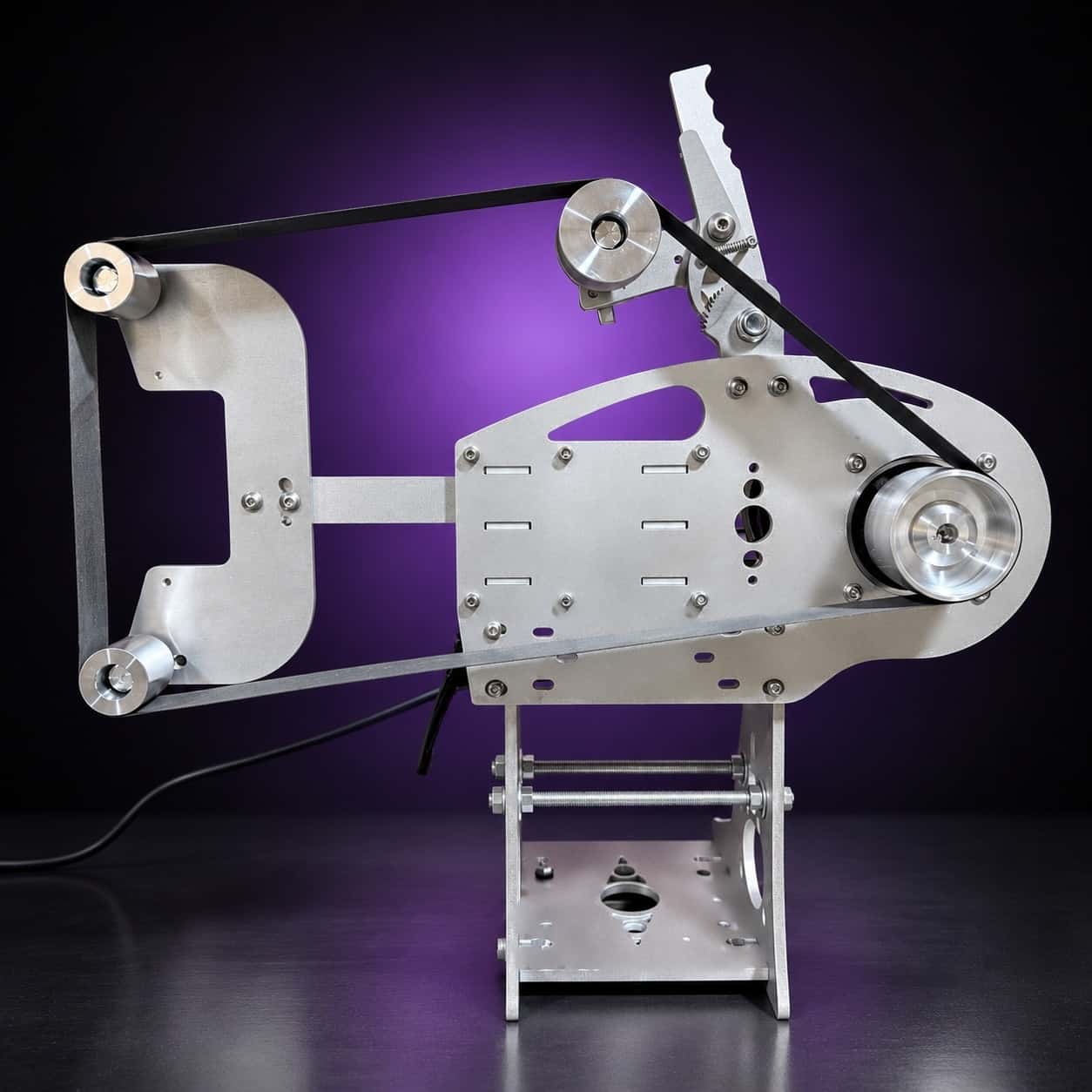
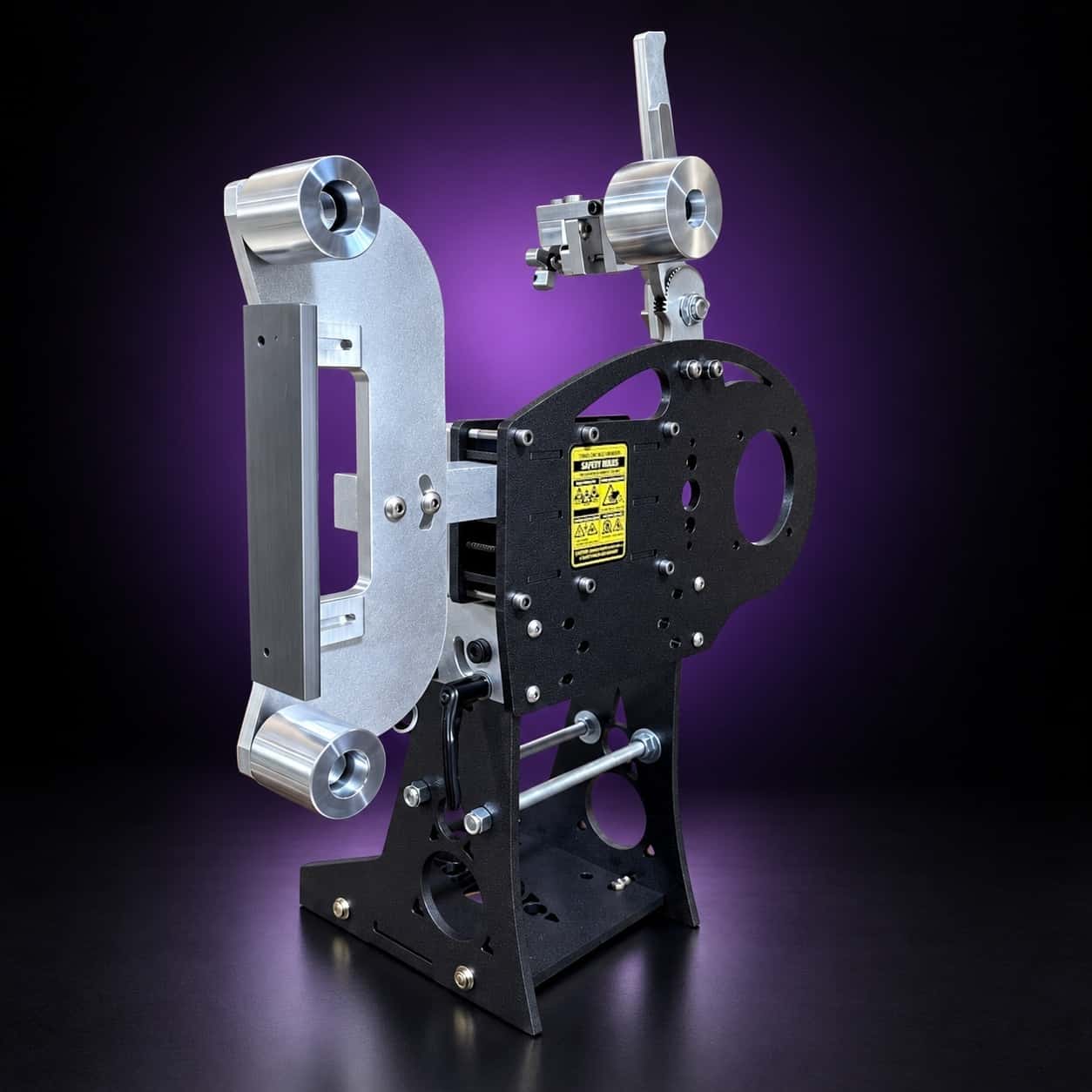
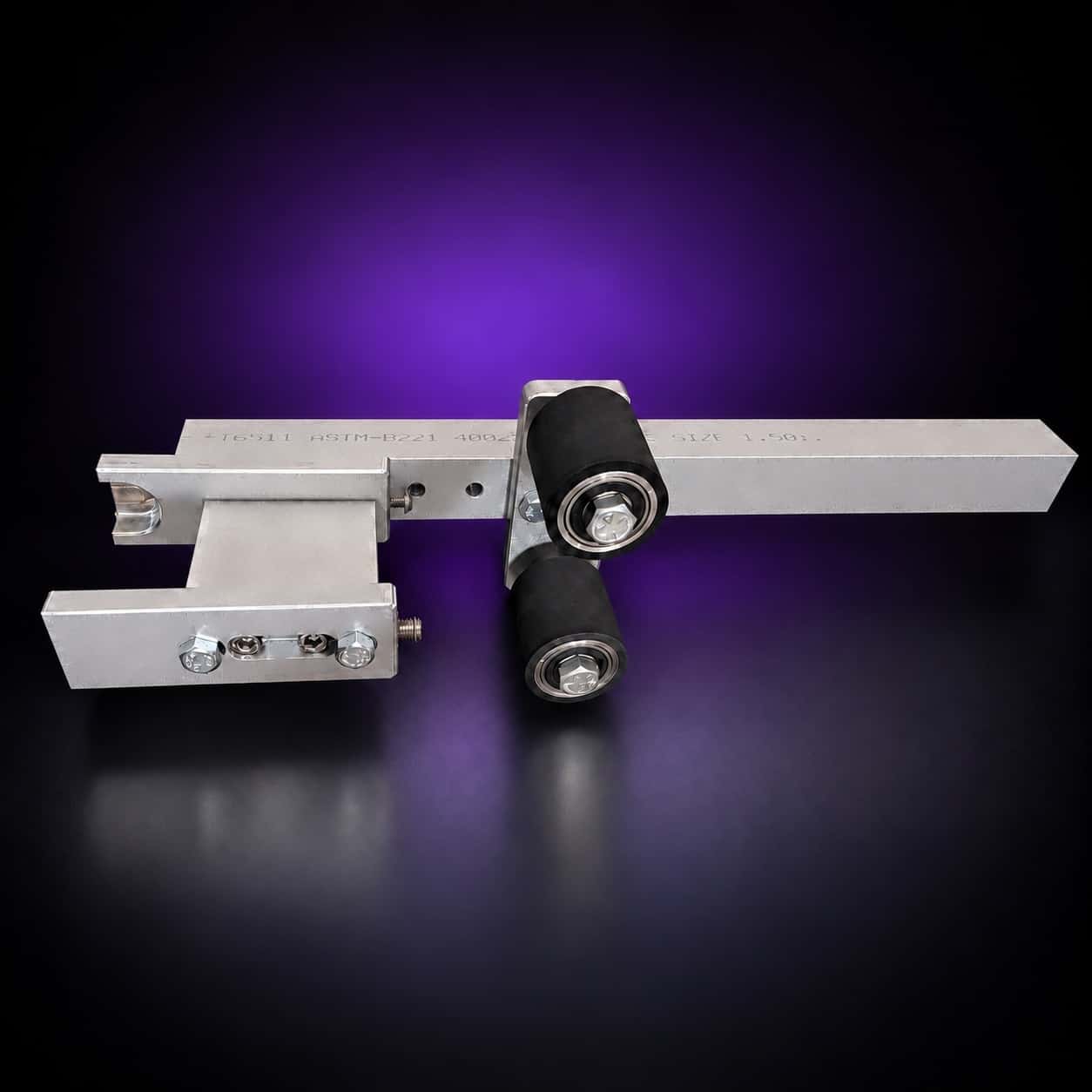
My contact wheel attachment comes in 8, 10, 12 and 14-inch sizes, 2 inches wide, on a 16.5-inch solid aluminum arm. Mount it on a Nova 2×72 with a VFD turned down low and thin razor steel stays cool.