

42 guides
Abrasives
Belt selection, grit progression and grinding technique for the 2×72: which belt to run for a given job, why belts glaze or track…
ForgeBrain
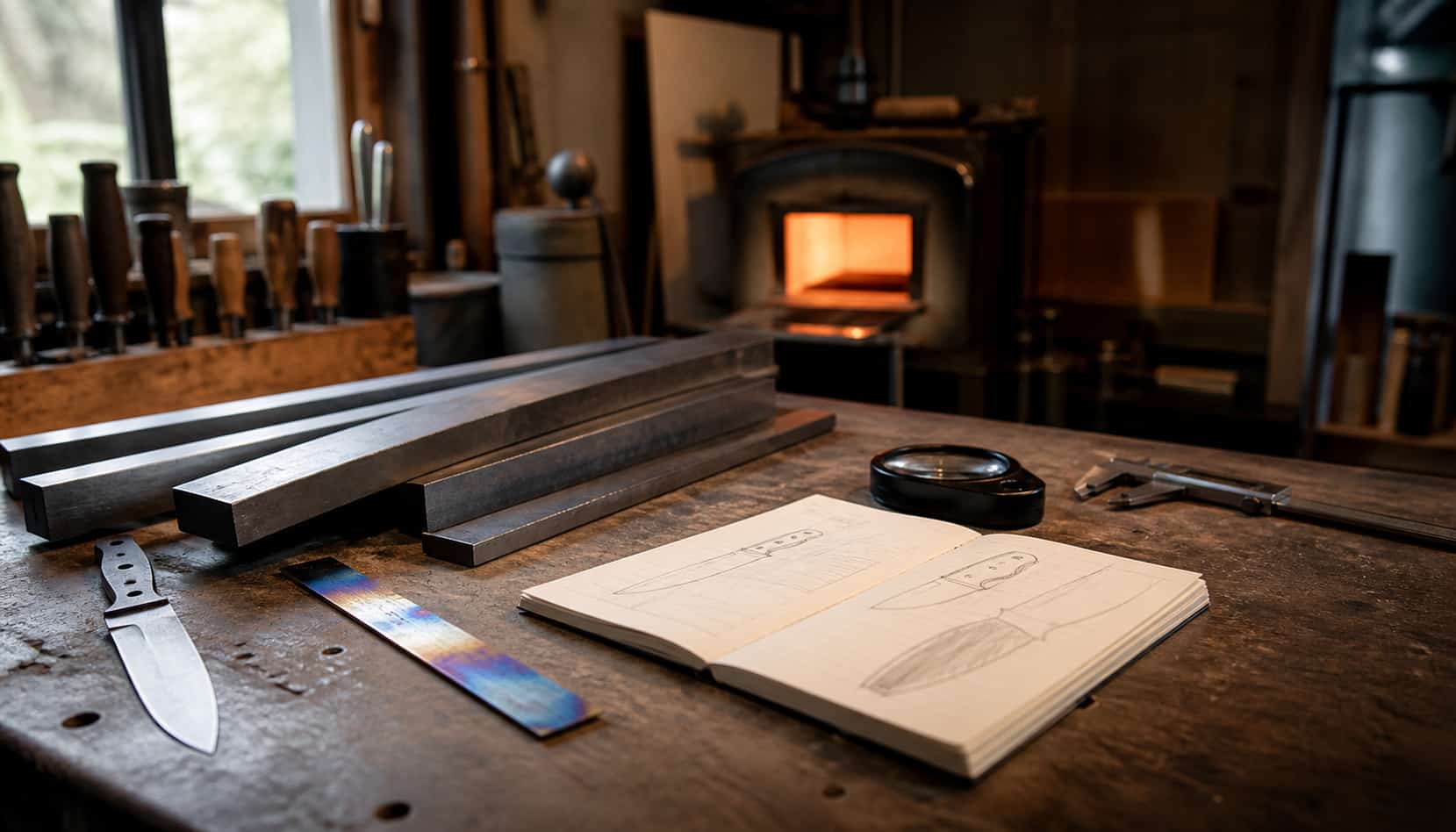
ForgeBrain is the knowledge base I wish I had when I started: 227 guides, 33 steels, 61 head-to-head comparisons, 29 troubleshooting pages and 8 shop calculators, all free and organized around practical shop questions.
Start here
ForgeBrain is Torus CNC’s knowledge base for knifemakers: a growing reference covering knife steels, heat treating, abrasives and grinding technique, forging, damascus, handles and sheaths, shop calculators, and symptom-first troubleshooting for anyone running a 2×72 belt grinder. It is built to answer real shop questions fast, whether you are choosing a steel for your next blade, dialing in a heat-treat cycle, or figuring out why your belt will not track.
New: the Steel Selector. Thirty-three steels is a lot of chart. Answer four quick questions, what you make, how you feel about rust, your heat-treat setup, your stones, and get your three best-fit steels. Run the Steel Selector.
Pick a section below, or search the whole library.
The library
Pick the part of the build that is in front of you right now. Every section is free to read and organized by the work on your bench.
Belt selection, grit progression and grinding technique for the 2×72: which belt to run for a given job, why belts glaze or track…

Axes and tomahawks from anatomy to edge: the classic American patterns, bit steels and heat treat, hanging a handle right…
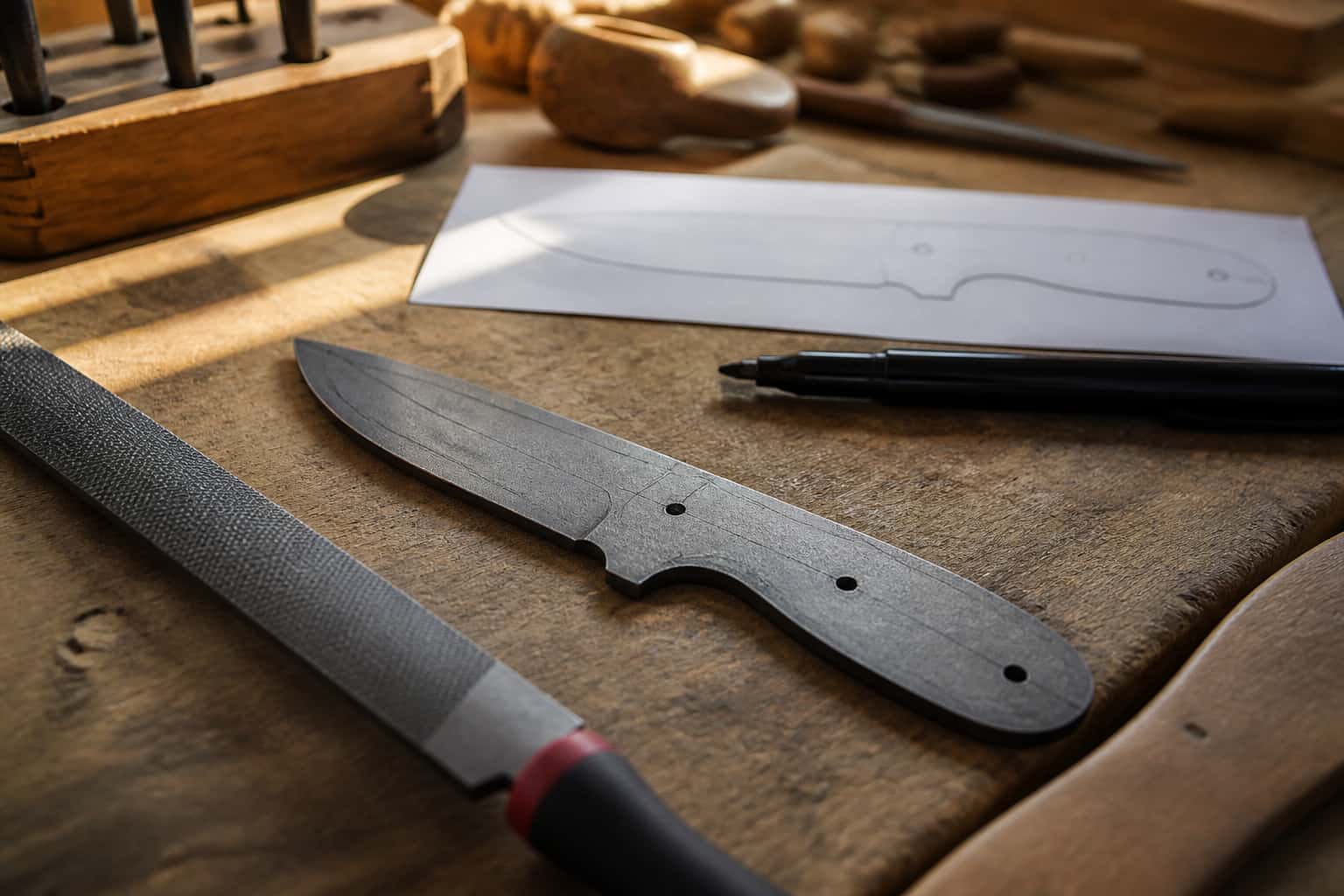
New to knifemaking? Start here. Straightforward guides to your first steel, your first tools, reading the data on this site, and…

Grinds, blade shapes and the design decisions that decide how a knife performs at its job, from bevel angles and distal taper to…
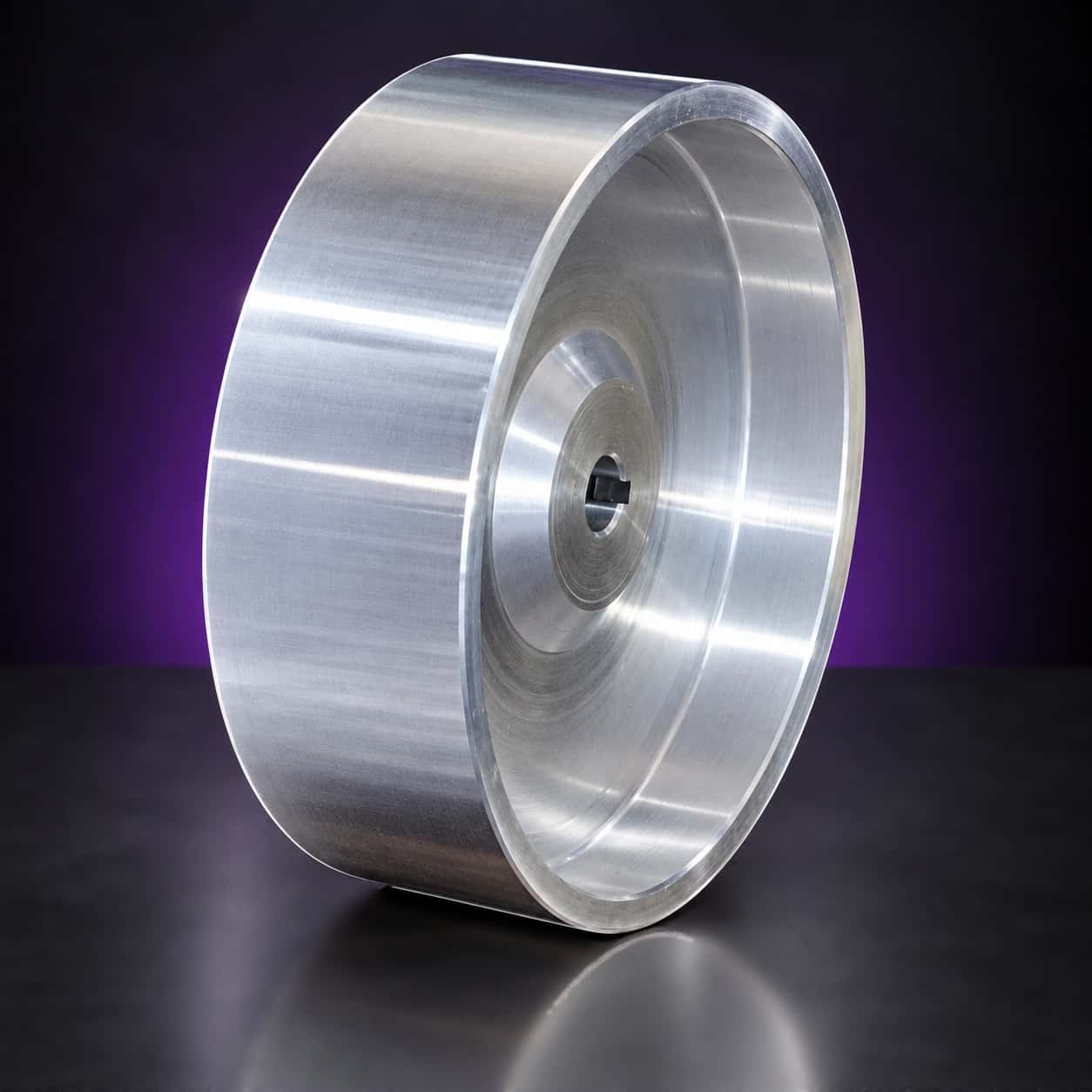
Free shop calculators built around real 2×72 setups: belt speed, grind height, razor angle, steel weight, quench oil and temper…
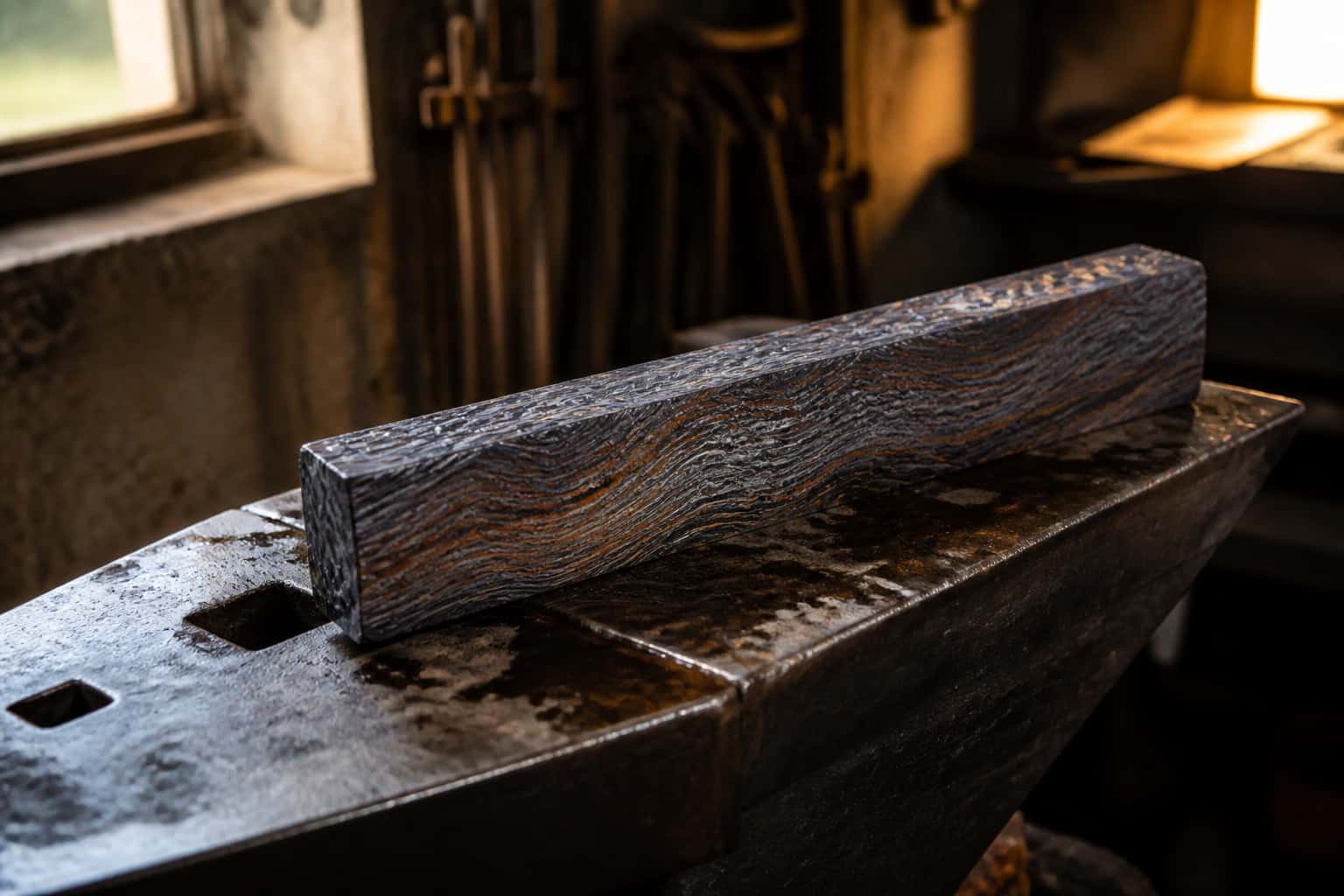
Pattern-welded damascus start to finish: forge welding a first billet, step-by-step ladder, twist, raindrop and feather patterns…
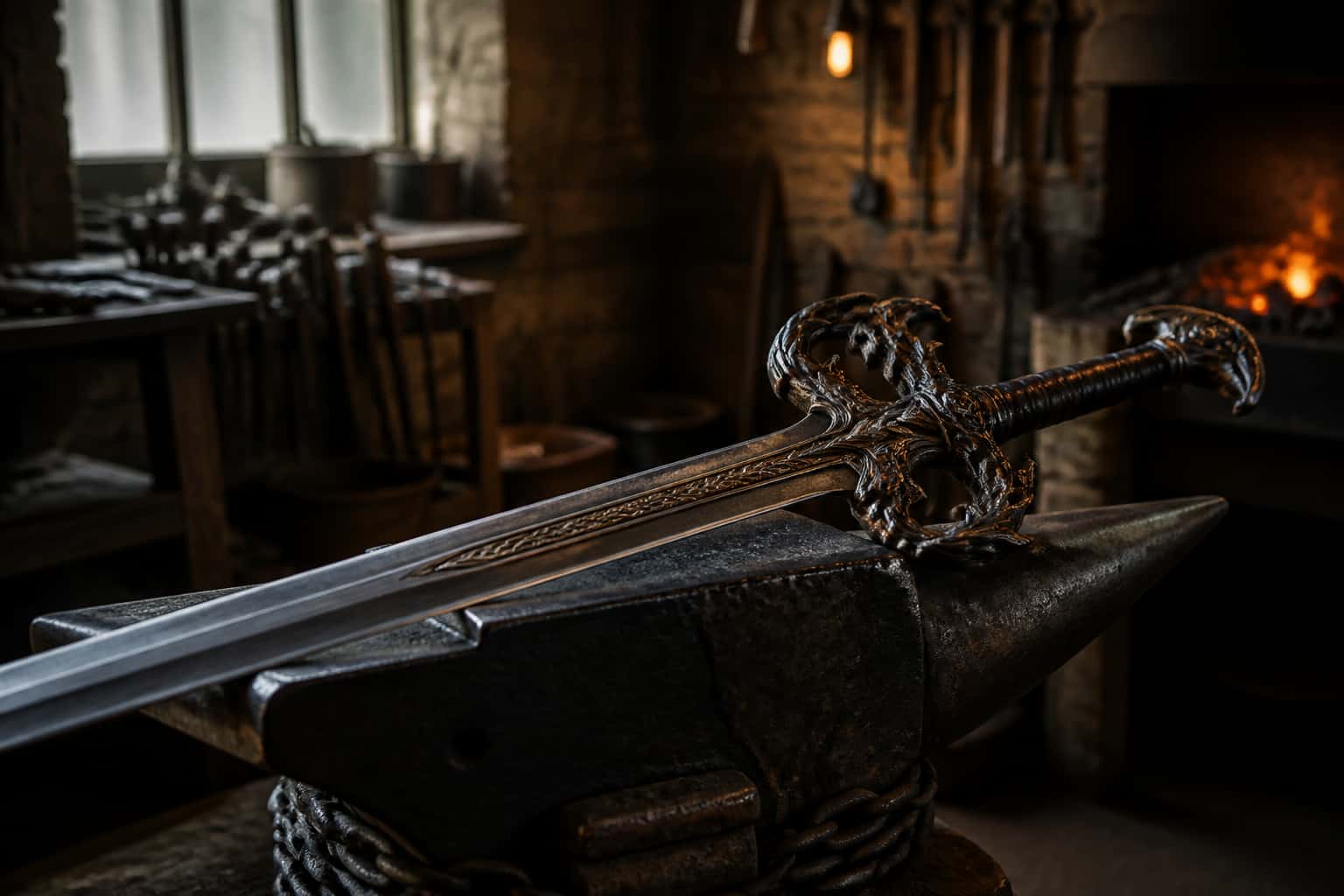
The blades of fiction taken seriously: what Valyrian steel really is, whether obsidian daggers work, the physics a giant sword…
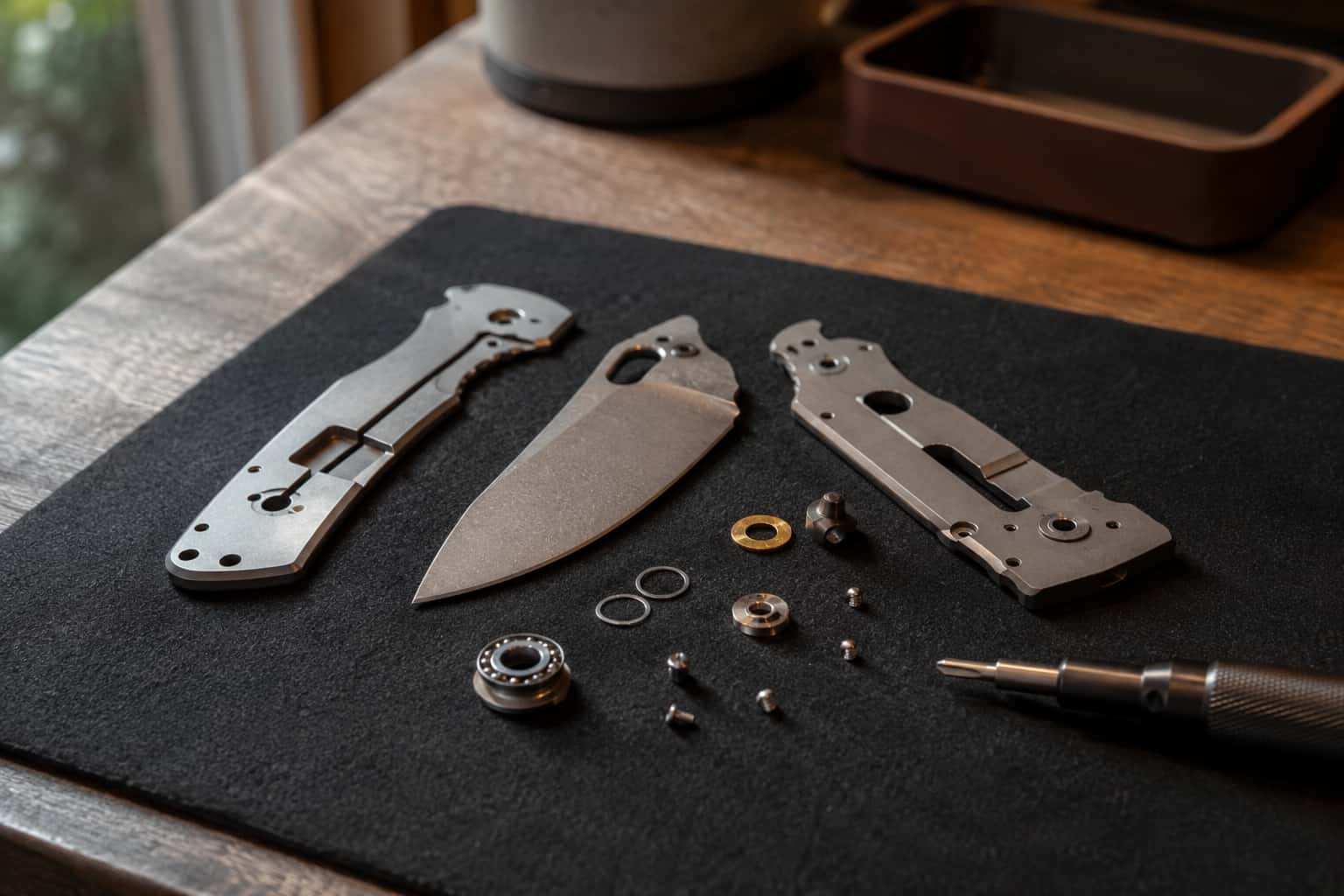
The precision end of the craft: how folders work, from pivots and washers to detents and locks, and the build path from a first…
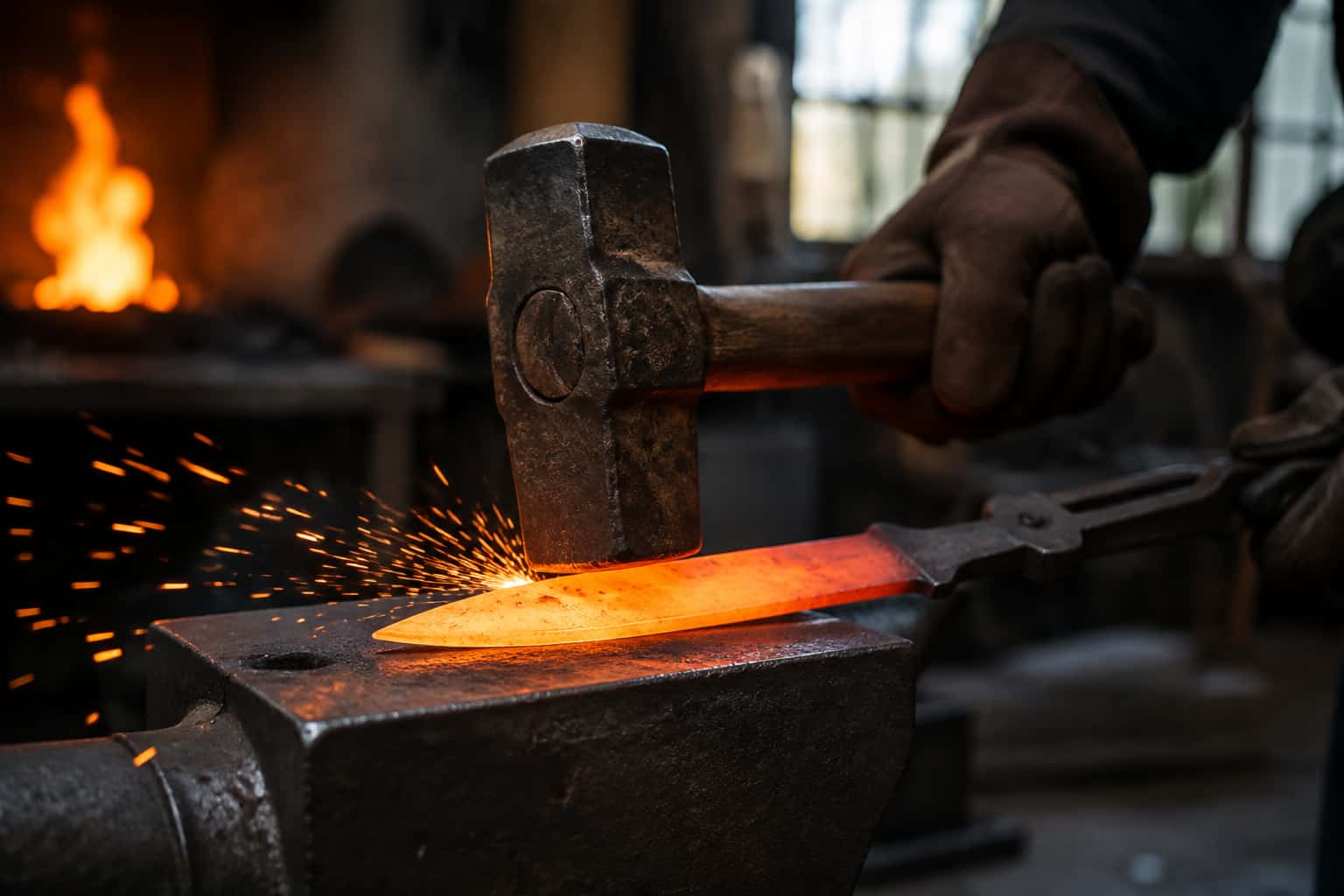
Moving hot steel on purpose: choosing a first forge, anvils, hammers and tongs, forging a blade from bar stock, hammer control…
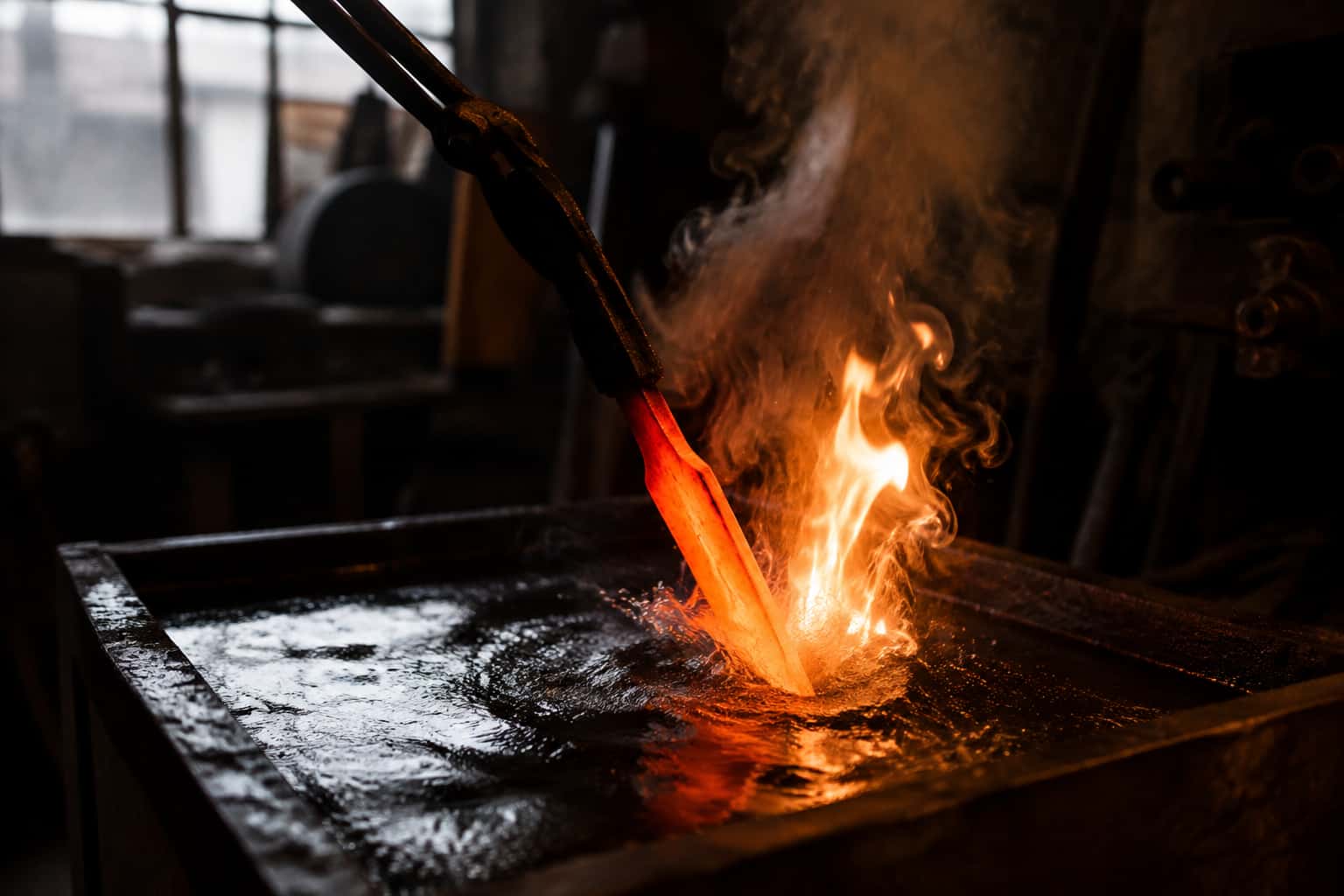
Heat-treat recipes, principles, equipment and troubleshooting for hardening and tempering knife steel at home, on two paths…
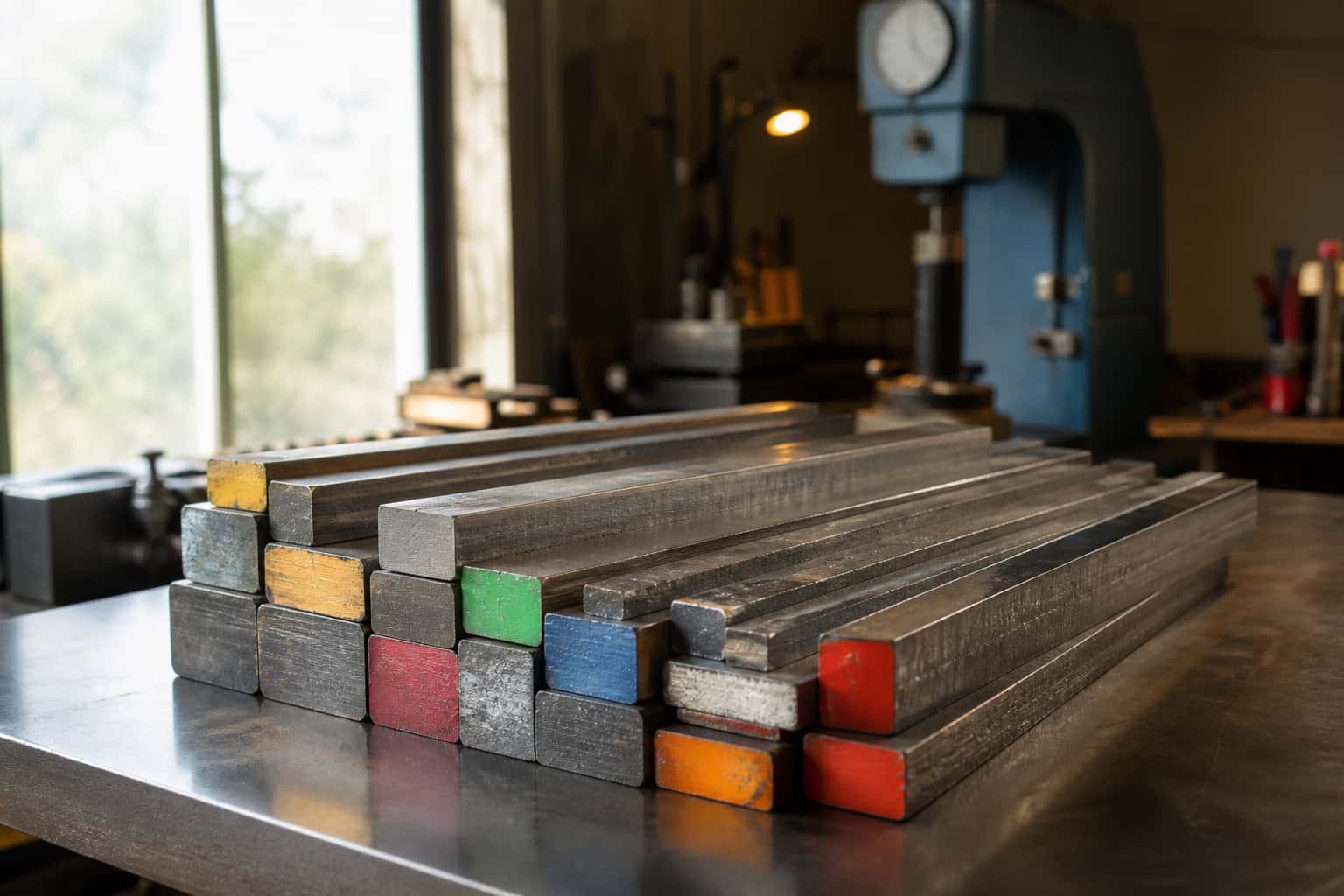
Thirty-three knife steels with composition, toughness, edge retention, corrosion resistance, machinability and heat treat notes…
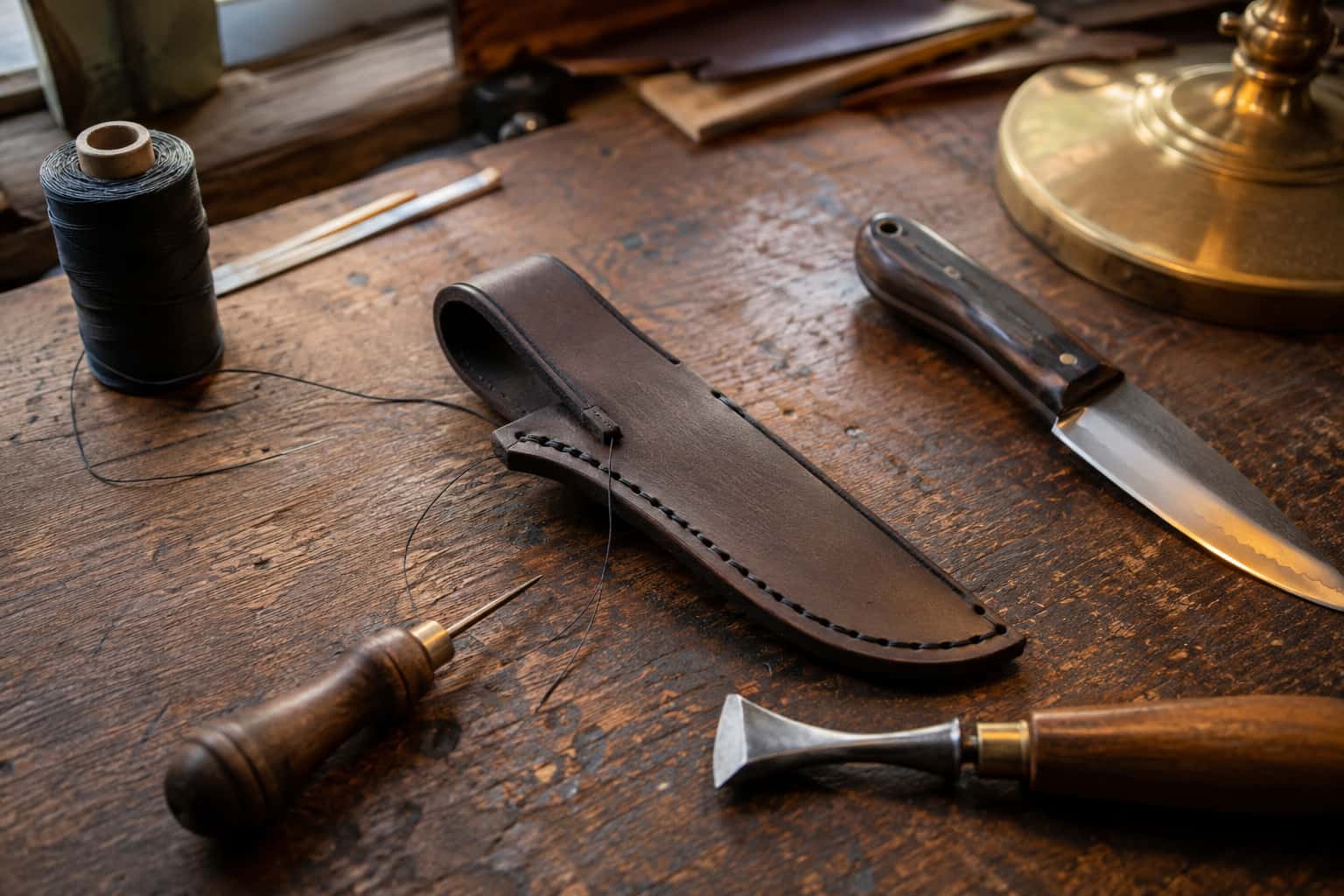
The knifemaker’s second craft: leather types and weights, cutting and saddle stitching, wet-formed sheaths that fit like they…

The science behind the steel in plain language: what alloying elements do, how steel categories differ, what carbide size means…
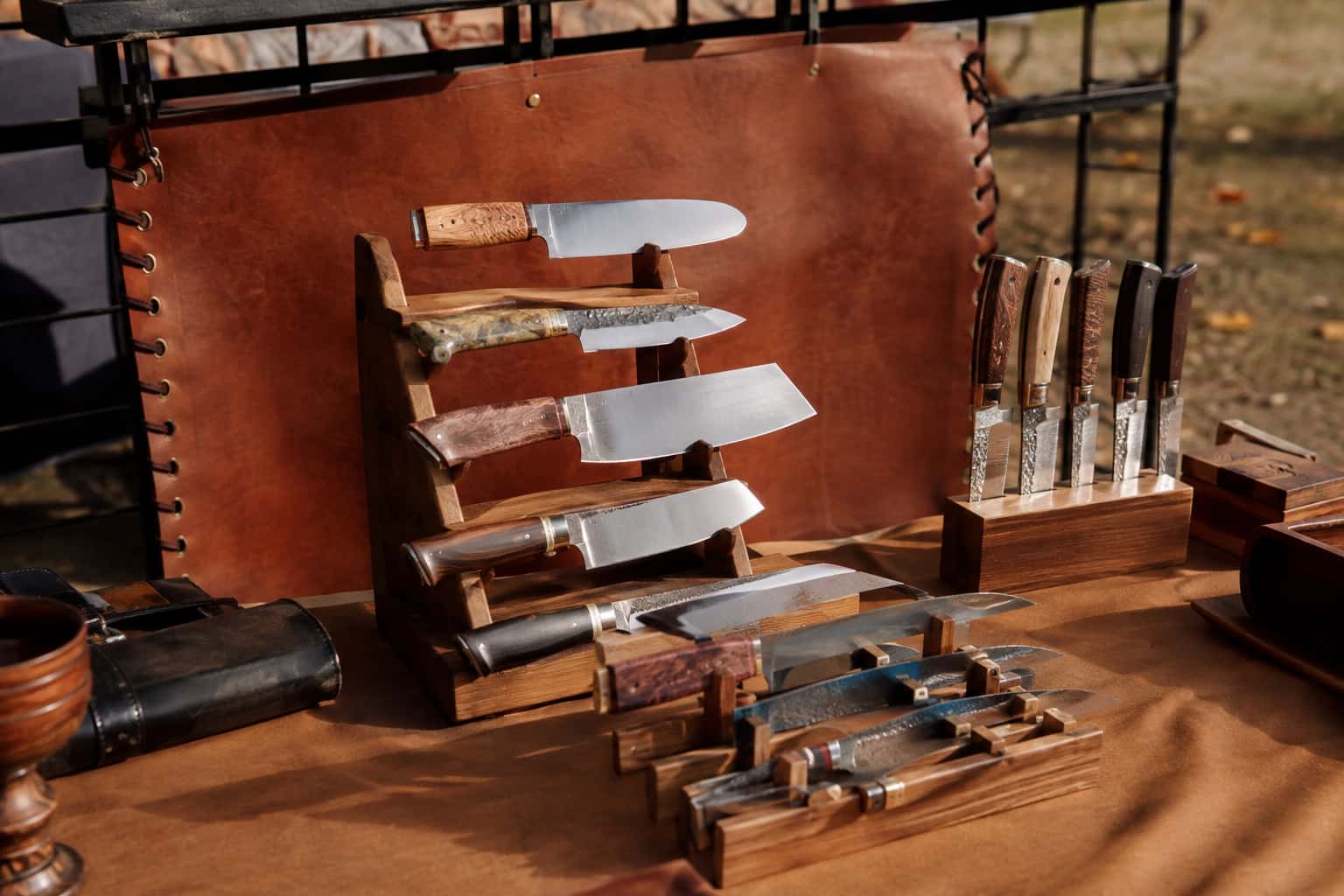
Turning knifemaking into real income: pricing a custom knife, selling at faires and online, LLCs and insurance, shipping laws…
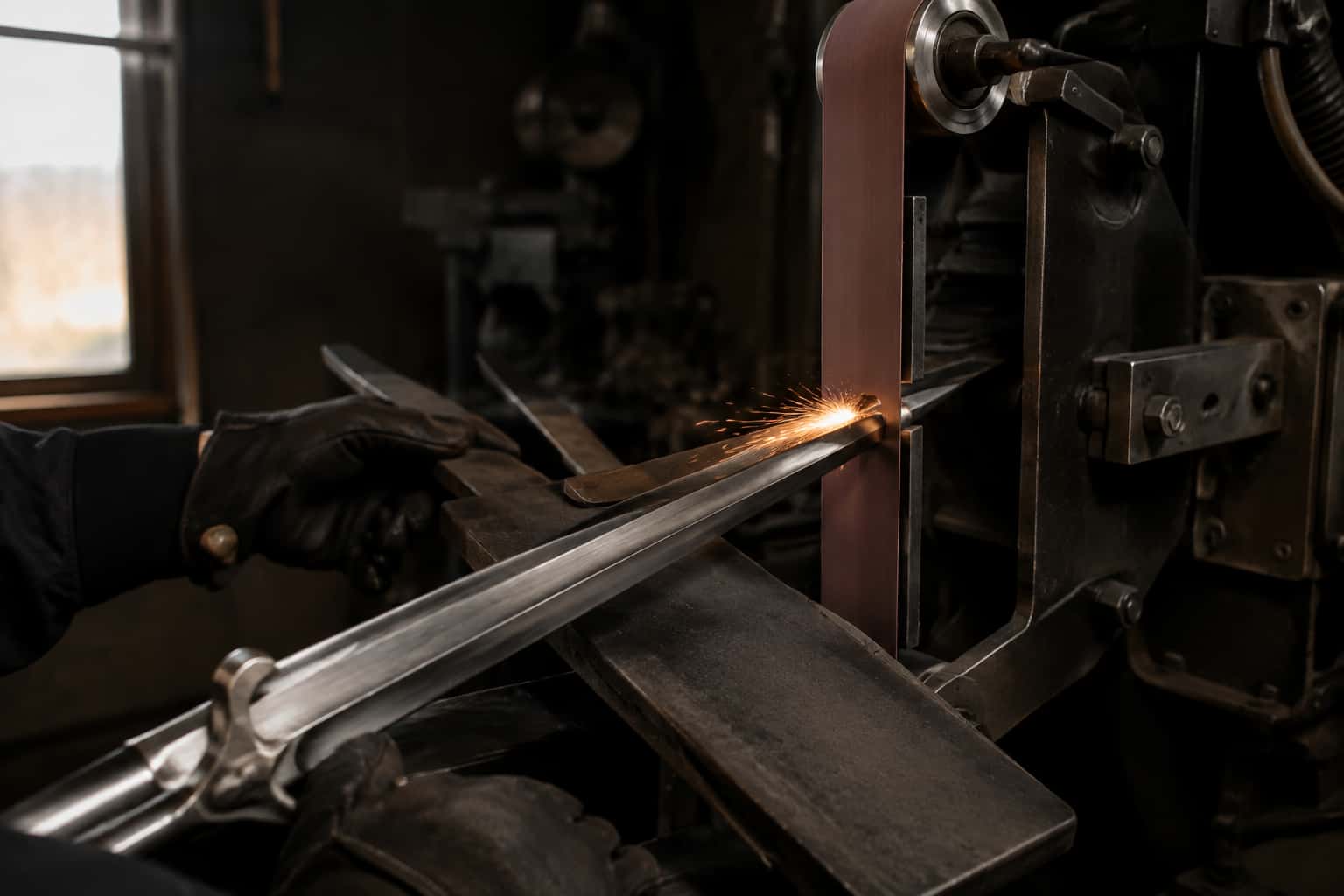
The blade’s oldest and grandest form: the great historical types and how they worked, what they were made of, and how a modern…
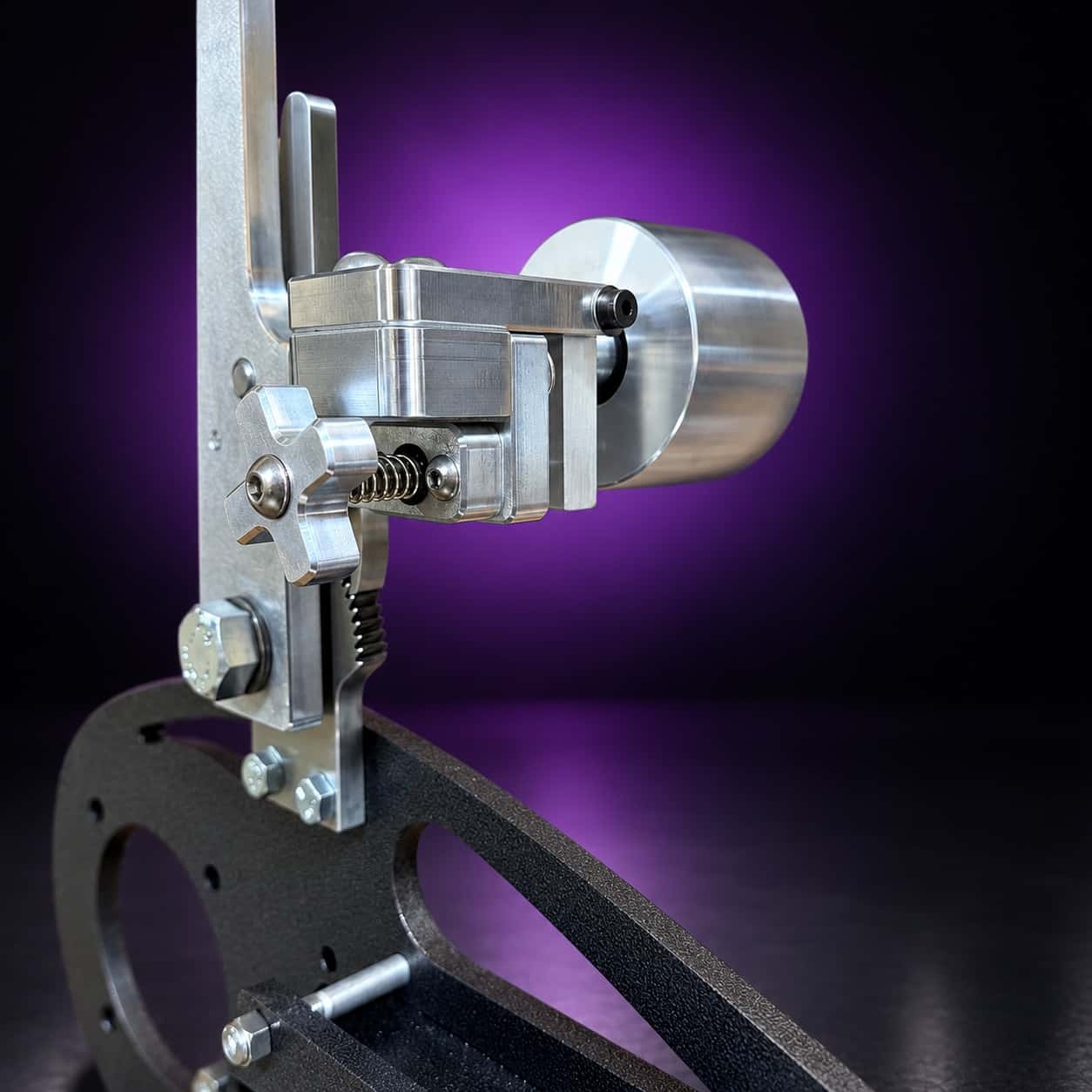
Symptom-first fixes for grinder and heat-treat problems: belts that will not track, vibration, warped or cracked blades, chipping…
Featured
Start with these six guides for grinder setup, steel choice and work at the bench.
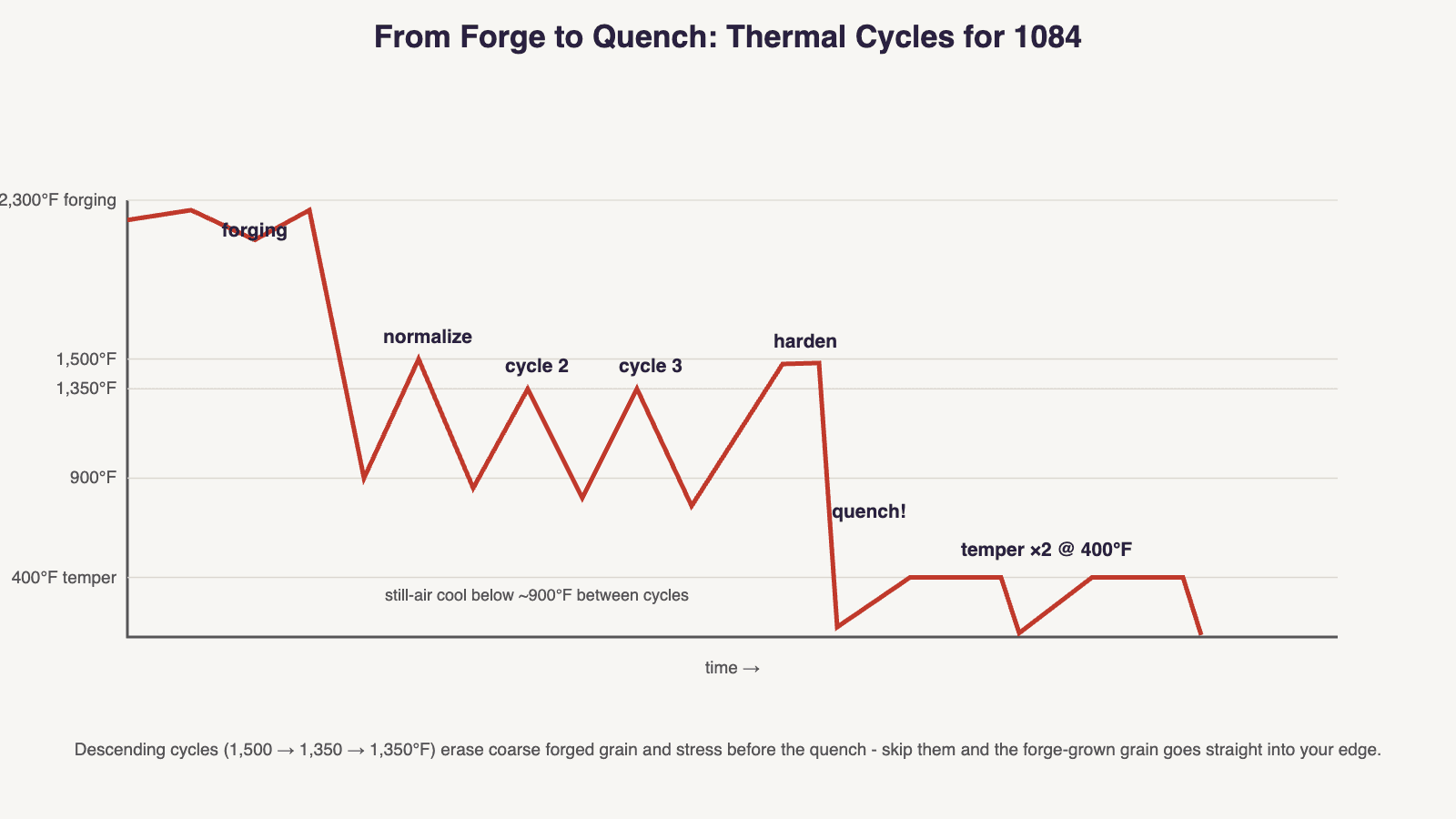
Forge, normalize, two more cycles at 1,350°F, harden, quench and temper twice at 400°F: the descending cycles erase the coarse forged grain before it reaches your edge.
ForgeBrain has grown past 180 guides, which is wonderful for depth and terrible for knowing where to start. This page is the fix: the whole craft as one…
If you’ve spent any time in knifemaking forums or subreddits, you’ve seen the question a hundred times: “what belt grinder should I buy?” The honest…
Heat treating is what turns a piece of flat bar stock into a functional knife blade. Done correctly, it transforms the steel’s internal crystal structure…
Belts are the single biggest recurring cost in this hobby, and buying the wrong ones wastes money twice: once on belts that wear out fast, and again on…
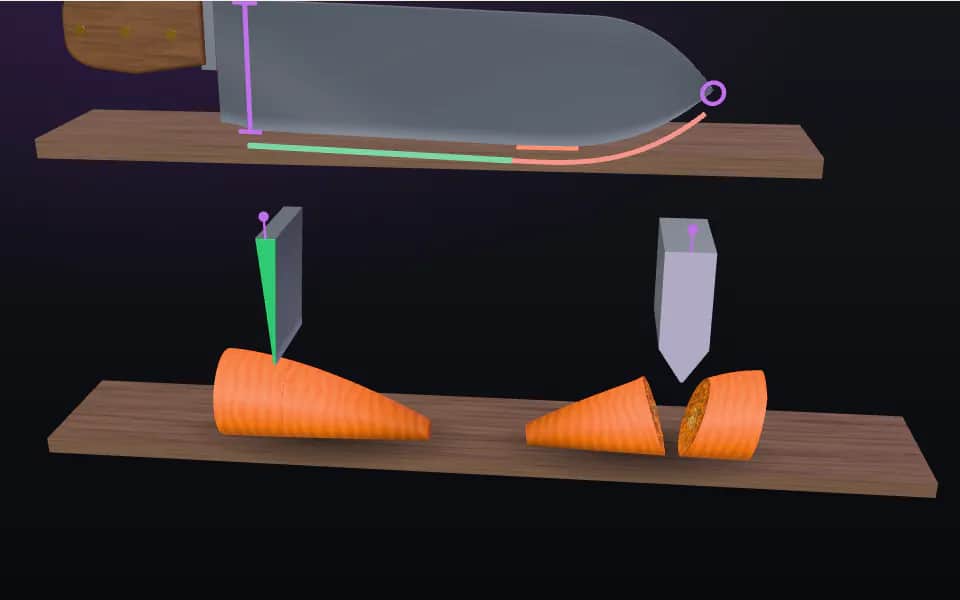
Kitchen knives are where blade geometry stops being theory and starts being dinner. A camp knife forgives a thick grind; a chef’s knife wedges apart a…
Modern “damascus” is pattern-welded steel: two different steels stacked, forge welded into one solid billet, and manipulated so that grinding and etching…
Shop math
Belt speed, grind height, honing angle, steel weight and the charts I keep taped to the wall.
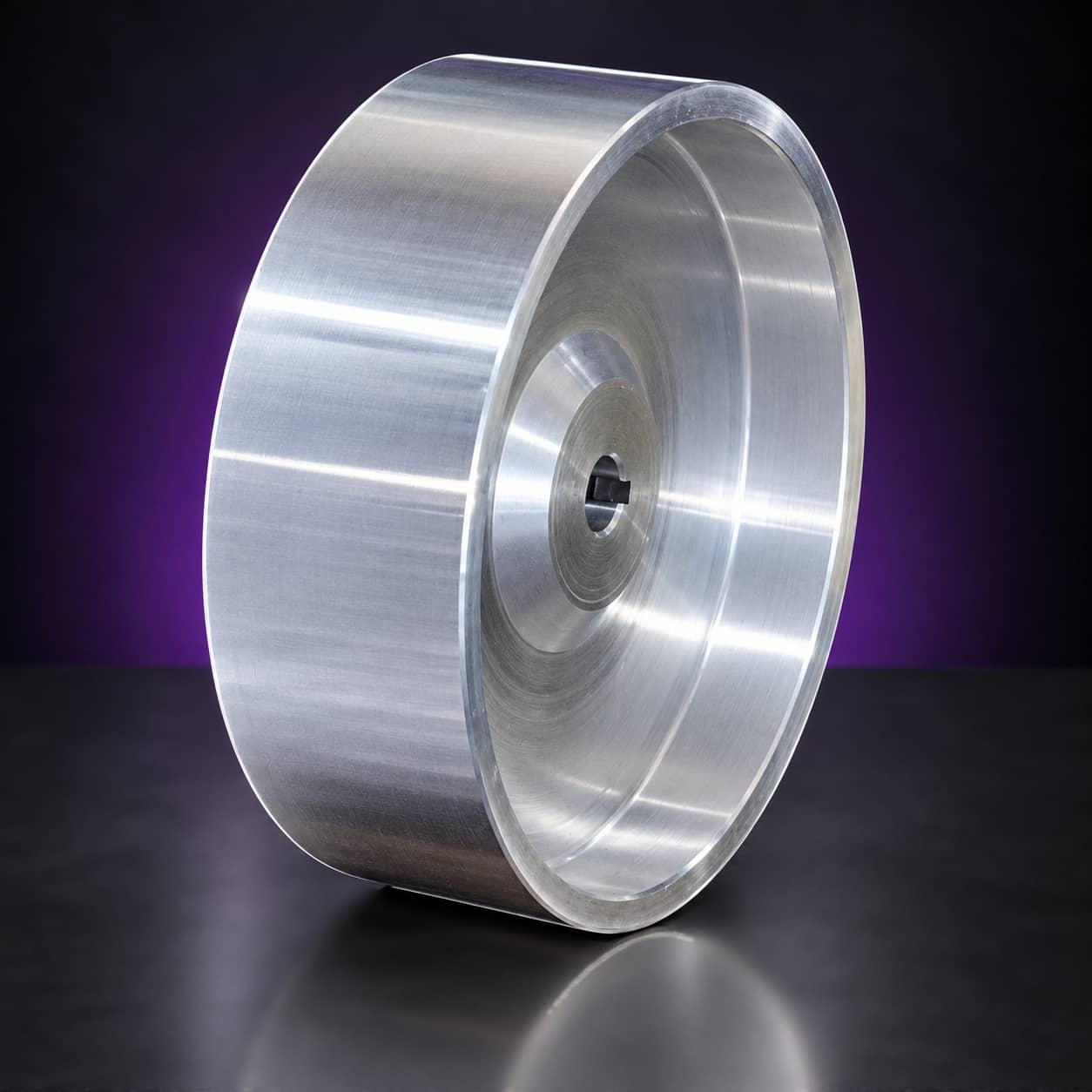
Belt speed in surface feet per minute is pi times the drive wheel diameter in inches times RPM, divided by 12, so a 7-inch wheel runs the belt 1.75 times as fast as a 4-inch at the same RPM.
Something is wrong
Describe what the machine or the blade is actually doing and work back to the cause. Each page ends with the point where you should stop and ask.
Same bench
ForgeBrain is free to use. I machine the parts, hand-assemble, track and test each Torus grinder in Sterling, Illinois.

Current dual-axis platform with a fiber-laser-cut 6061 chassis and single-knob tracking.

Current dual-axis platform with a steel chassis, more mass and less vibration.

Prior-design aluminum chassis, 90-degree tilt and 1.5-inch tooling arms.

One-man shop
I answer my own email. If a guide did not cover your problem, tell me what you are building and what the steel is doing.