2x72 Grinder Tips
The Knife Maker’s Guide to Surface Conditioning Belts
Surface conditioning belts turn a scratchy 400-grit blade into a clean satin in two passes. Here is the knifemaker’s guide: which grade does what, belt speed and pressure, tracking a soft belt, and making them last.
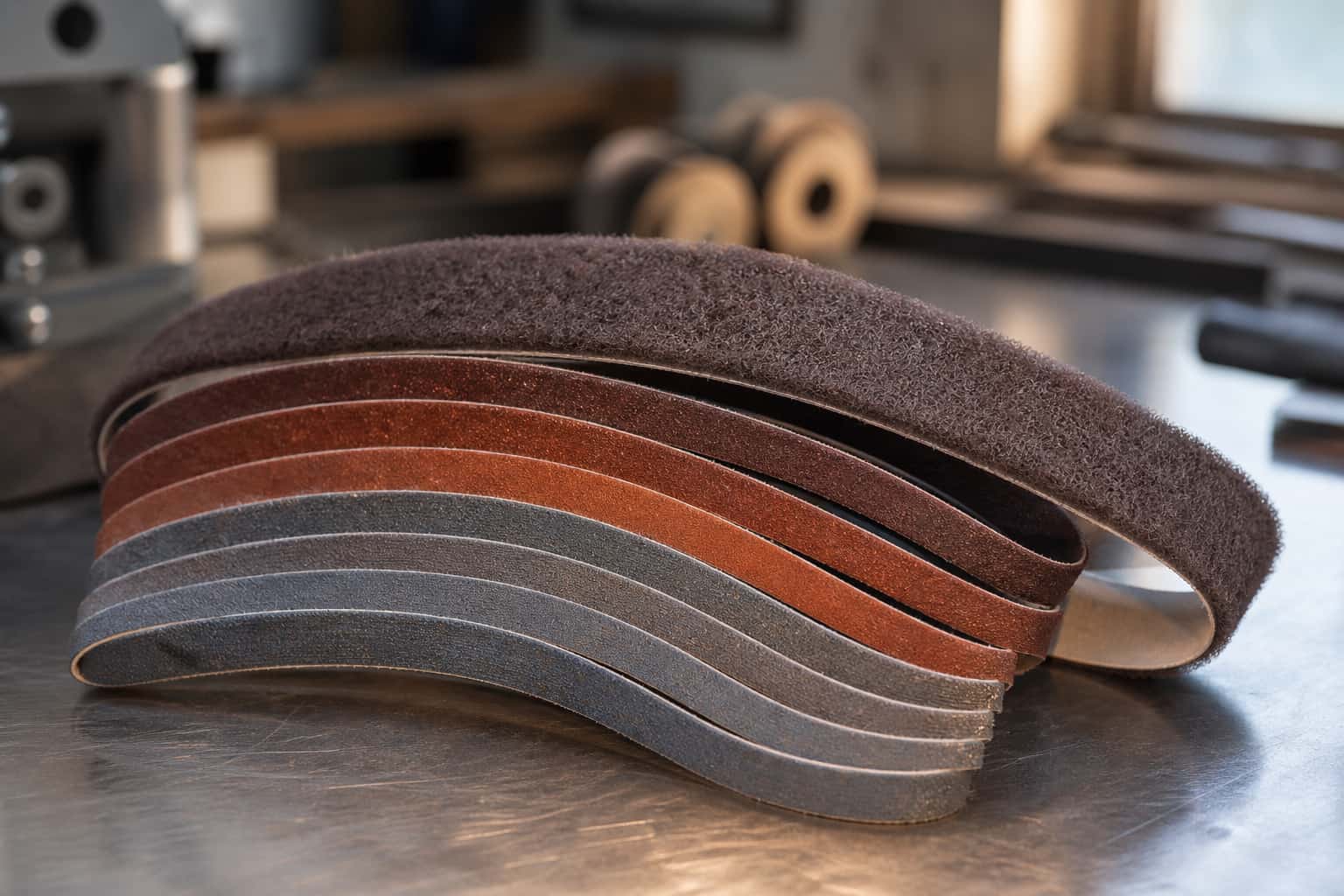
Surface conditioning belts are the non-woven, Scotch-Brite style belts that turn a scratchy 400-grit blade into a clean satin in two passes, and they do more than finishing. Here is the knifemaker’s guide to them: which grade does what, from deburring to blending to final satin, the belt speed and pressure they want, how to track a soft belt on a 2×72, and how to keep them cutting instead of loading.
Unlike traditional grinding belts, which can leave behind scratches or uneven surfaces, surface conditioning belts provide a more uniform finish, making them ideal for industries that require precision and quality. The versatility of surface conditioning belts is one of their most significant advantages. They can be used on a wide range of materials, including metals, plastics, and wood.
Key Takeaways
- Surface conditioning belts are flexible and conformable, making them ideal for blending, finishing, and polishing various materials.
- The right grit and material selection is crucial for achieving the desired surface finish and removing imperfections effectively.
- Proper belt tension and tracking are essential for maximizing the performance and lifespan of surface conditioning belts.
- Safety precautions, such as wearing protective gear and avoiding excessive pressure, should be followed when using surface conditioning belts.
- Techniques like using light and even pressure, and avoiding overheating, can help achieve optimal results with surface conditioning belts.
Choosing the Right Grit and Material
Selecting the appropriate grit and material for surface conditioning belts is essential for achieving optimal results. The grit size determines the aggressiveness of the belt; finer grits are suitable for polishing and finishing, while coarser grits are better for heavy material removal and initial surface preparation. It is important to assess the specific requirements of the project at hand, as using the wrong grit can lead to subpar finishes or excessive wear on the belt.
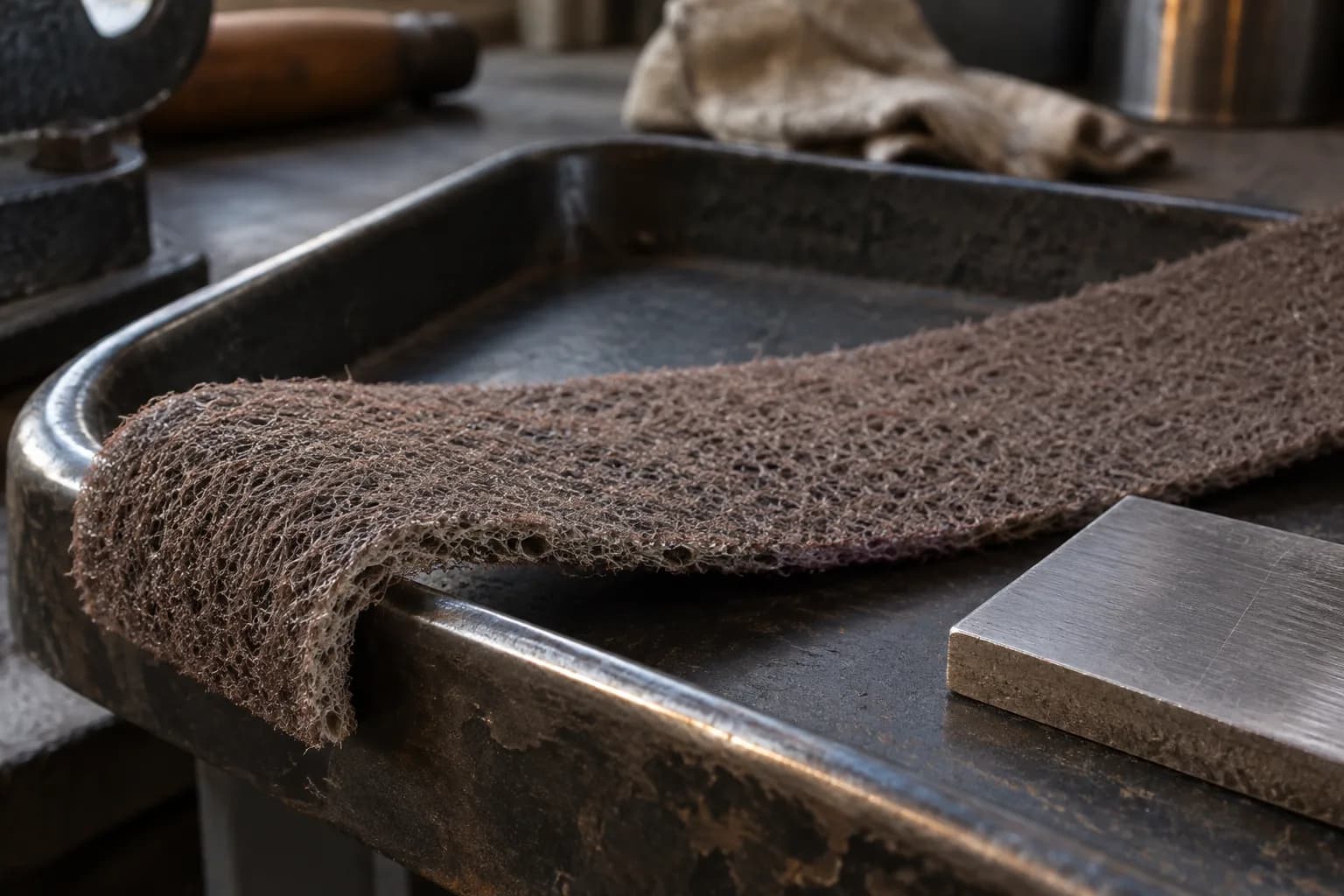
In addition to grit size, the material composition of the belt plays a significant role in its performance. Common materials include aluminum oxide, silicon carbide, and ceramic. Aluminum oxide belts are versatile and suitable for a variety of applications, while silicon carbide belts excel in working with softer materials like plastics and wood.
Ceramic belts are designed for heavy-duty applications and provide excellent durability and cutting power. By understanding the characteristics of each material, users can make informed decisions that align with their project needs.
Proper Belt Tension and Tracking
Achieving the correct belt tension and tracking is vital for the effective operation of surface conditioning belts. Proper tension ensures that the belt remains securely in place during use, preventing slippage or misalignment that could lead to uneven finishes or damage to both the belt and the workpiece. It is essential to follow manufacturer guidelines when adjusting tension, as too much tension can cause premature wear on the belt, while too little can result in poor performance.
Tracking refers to how well the belt runs on the machine’s pulleys. A well-tracked belt will move smoothly without drifting off to one side or the other. Regularly checking and adjusting the tracking is crucial for maintaining consistent results.
Misalignment can lead to uneven wear on the belt and may even cause it to break during operation. By taking the time to ensure proper tension and tracking, users can maximize the lifespan of their surface conditioning belts while achieving high-quality finishes.
Safety Precautions When Using Surface Conditioning Belts
Safety should always be a top priority when working with surface conditioning belts. These tools can generate significant amounts of dust and debris, which can pose respiratory hazards if inhaled. It is advisable to use appropriate personal protective equipment (PPE), including dust masks or respirators, safety goggles, and hearing protection if necessary.
Ensuring proper ventilation in the workspace can help mitigate exposure to harmful particles. Another critical safety consideration is ensuring that all equipment is in good working order before use. Regular maintenance checks on machines that utilize surface conditioning belts can prevent accidents caused by malfunctioning parts or worn-out components.
Techniques for Using Surface Conditioning Belts
Employing effective techniques when using surface conditioning belts can significantly enhance the quality of work produced. One fundamental technique is maintaining a consistent speed during operation. Varying speeds can lead to uneven finishes and may cause excessive wear on the belt.
It is also important to apply even pressure across the surface being worked on; uneven pressure can result in inconsistent results and may damage both the workpiece and the belt. Another technique involves utilizing different angles when applying the belt to the workpiece. Changing angles can help achieve more intricate finishes or reach difficult areas that may be challenging with a standard approach.
Maintaining and Cleaning Surface Conditioning Belts
Proper maintenance and cleaning of surface conditioning belts are essential for prolonging their lifespan and ensuring optimal performance. After each use, it is advisable to remove any debris or buildup from the belt’s surface. This can be done using a soft brush or compressed air to dislodge particles that may have accumulated during operation.
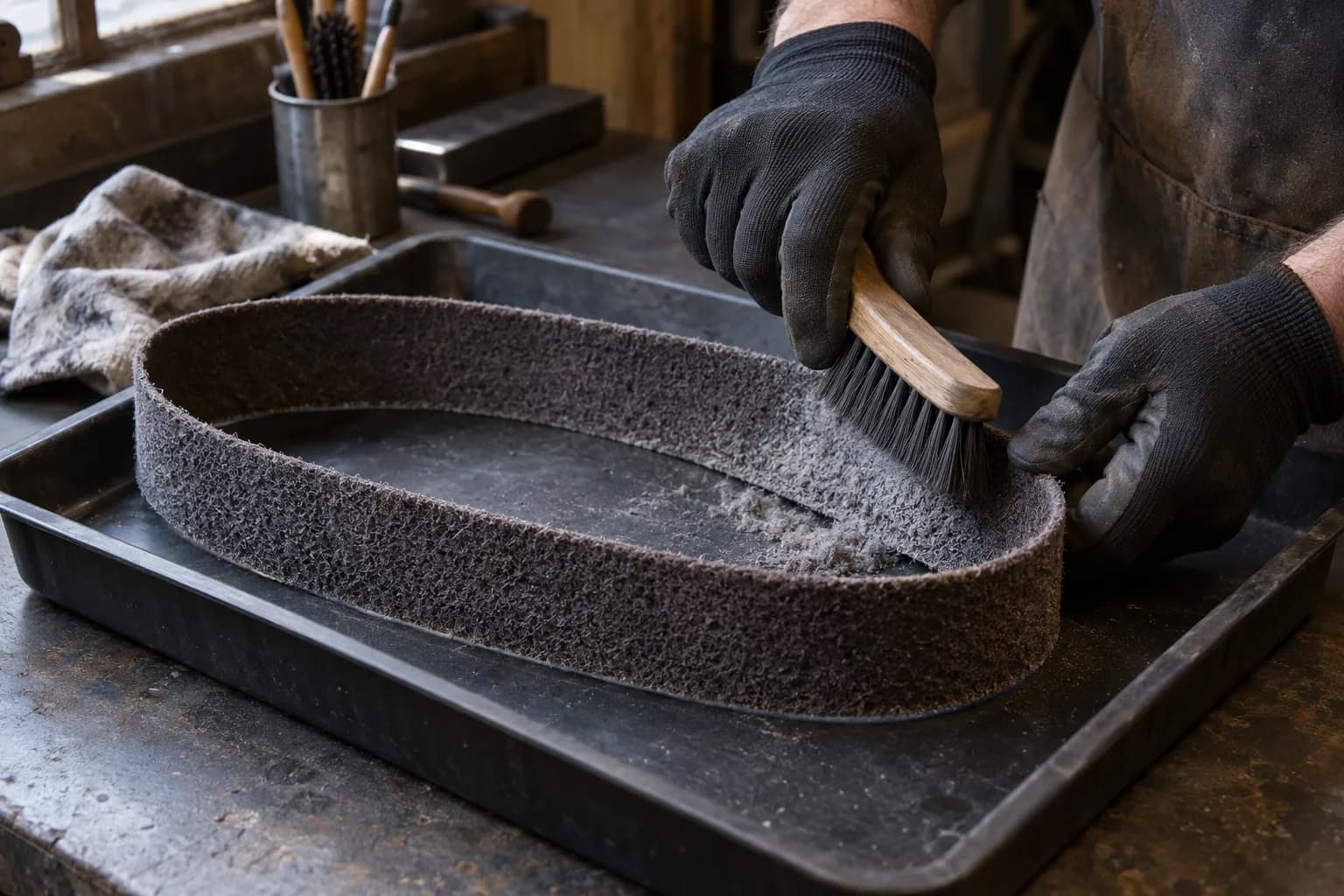
Regular cleaning helps maintain the belt’s cutting efficiency and prevents contamination that could affect future projects. In addition to cleaning, users should also inspect their belts regularly for signs of wear or damage. Look for fraying edges, discoloration, or any irregularities in texture that may indicate that a belt needs replacement.
Storing belts properly when not in use is equally important; they should be kept in a cool, dry place away from direct sunlight or extreme temperatures that could compromise their integrity. By implementing these maintenance practices, users can ensure that their surface conditioning belts remain effective over time.
Benefits of Using Surface Conditioning Belts
The advantages of using surface conditioning belts are numerous and impactful across various industries. One primary benefit is their ability to produce high-quality finishes without damaging the underlying material. The non-woven construction allows these belts to conform to surfaces easily, resulting in a smooth finish that traditional grinding methods may not achieve.
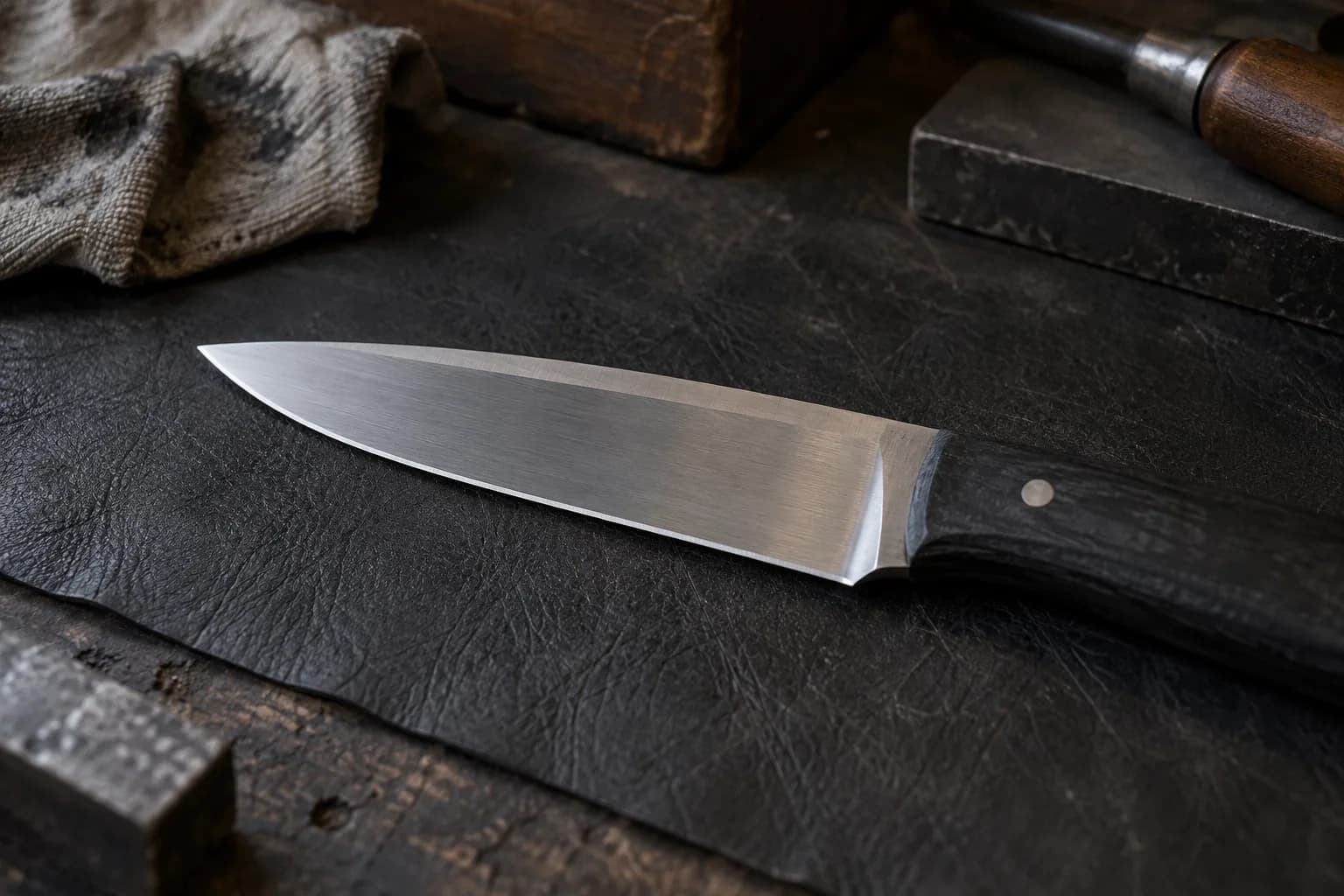
Surface conditioning belts often have longer lifespans compared to traditional abrasive tools, leading to reduced costs over time due to less frequent replacements.
Common Mistakes to Avoid When Using Surface Conditioning Belts
While surface conditioning belts are user-friendly tools, there are common mistakes that users should be aware of to avoid compromising their results. One frequent error is selecting an inappropriate grit size for the task at hand; using too coarse a grit can lead to excessive material removal and an uneven finish, while too fine a grit may not effectively address surface imperfections. It is crucial to assess project requirements carefully before choosing a belt.
Comparing Surface Conditioning Belts to Other Abrasive Tools
When evaluating surface conditioning belts against other abrasive tools, several key differences emerge that highlight their unique advantages. Traditional grinding wheels often leave behind scratches or marks on surfaces due to their rigid structure; in contrast, surface conditioning belts provide a more forgiving approach that conforms to contours and produces smoother finishes. This characteristic makes them particularly appealing for applications where aesthetics matter.
Surface conditioning belts tend to generate less heat during operation compared to other abrasive tools like grinding discs or wheels. This reduced heat generation minimizes the risk of thermal damage to sensitive materials, making them suitable for a broader range of applications without compromising quality. Their flexibility allows for easier maneuverability around complex shapes or tight spaces where rigid tools may struggle.
Tips for Achieving Consistent Results with Surface Conditioning Belts
Achieving consistent results with surface conditioning belts requires attention to detail and adherence to best practices throughout the process. One effective tip is to establish a routine that includes regular checks on machine settings such as speed, tension, and tracking before starting any project. Consistency in these parameters will help ensure uniform results across different workpieces.
Another important aspect is maintaining a steady hand during operation; erratic movements can lead to uneven finishes or excessive wear on the belt itself. Practicing controlled motions will not only improve results but also extend the life of the belt by reducing unnecessary strain on its structure. Keeping a log of projects completed with specific settings can help users identify optimal configurations for future tasks, further enhancing consistency over time.
Advanced Applications and Customization with Surface Conditioning Belts
Surface conditioning belts are not only versatile but also adaptable for advanced applications through customization options available from manufacturers like TorusCNUsers can tailor belt specifications such as grit size, material composition, and dimensions based on specific project requirements or unique challenges they face in their operations. This level of customization allows businesses to optimize their processes further by ensuring they have precisely what they need for each task. Advanced applications may include specialized finishing techniques such as blending welds in metal fabrication or achieving intricate textures on wood surfaces for artistic projects.
FAQs
What are surface conditioning belts?
Surface conditioning belts are abrasive belts that are designed to provide a smooth and consistent finish on metal surfaces. They are often used in metalworking and knife making to remove burrs, scale, and surface imperfections.
How are surface conditioning belts different from regular abrasive belts?
Surface conditioning belts are made with non-woven nylon fibers that are impregnated with abrasive grains, while regular abrasive belts are made with coated abrasive grains. This gives surface conditioning belts a more flexible and conformable nature, allowing them to provide a consistent finish on irregular surfaces.
What are the benefits of using surface conditioning belts for knife making?
Surface conditioning belts are ideal for knife making because they can provide a smooth and uniform finish on metal surfaces without removing too much material. They are also effective at removing rust, scale, and other surface contaminants, making them a versatile tool for knife makers.
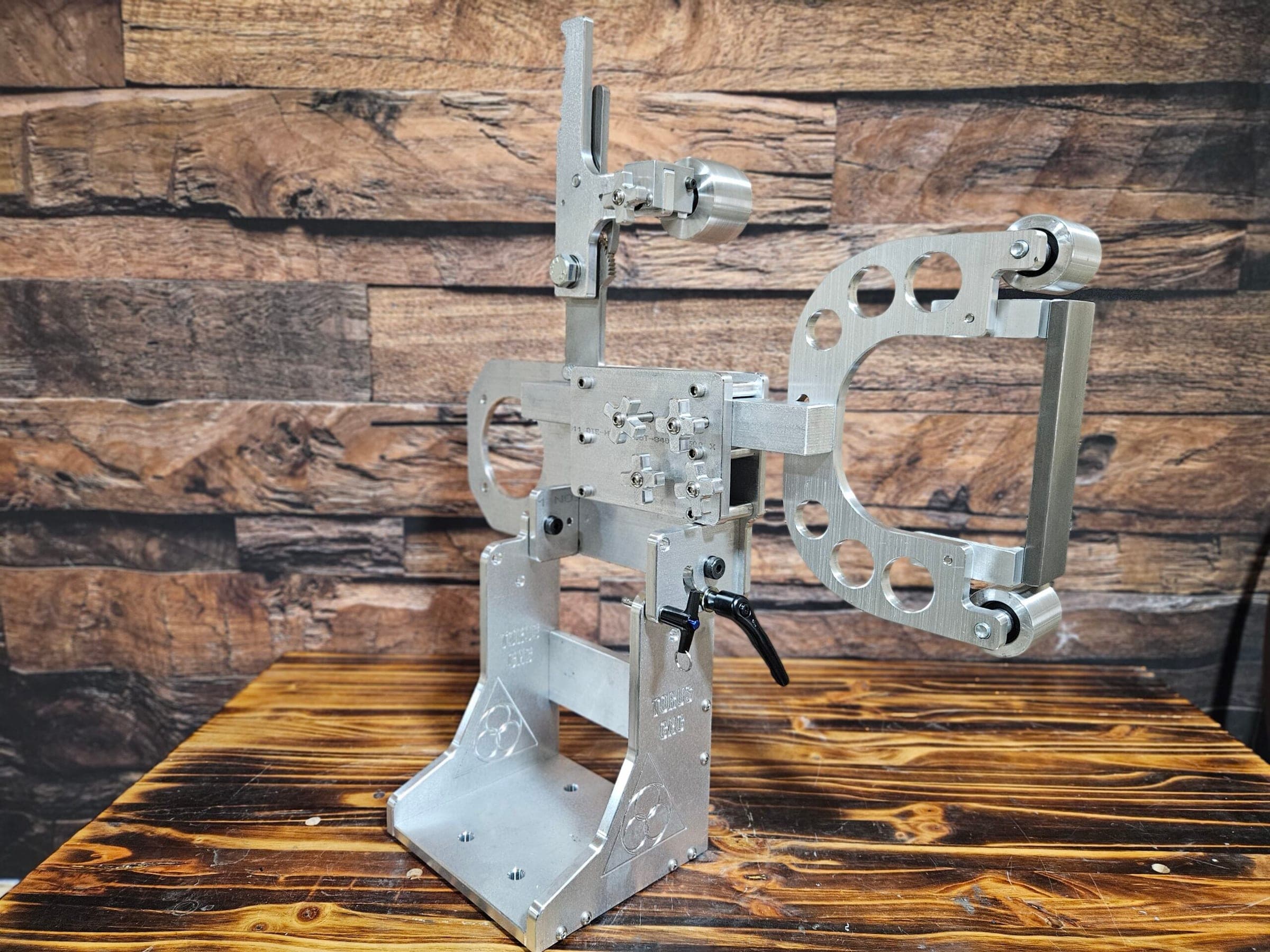
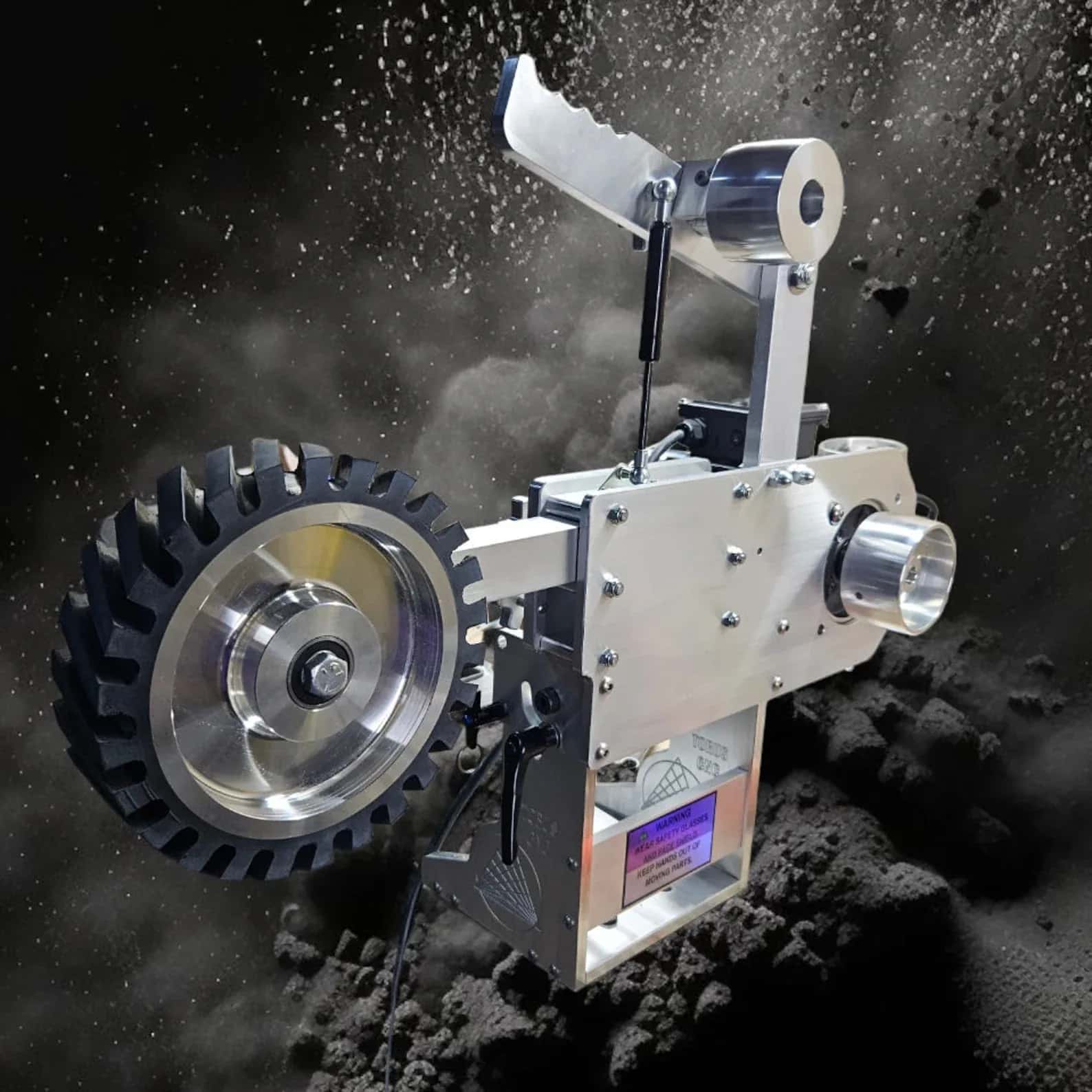
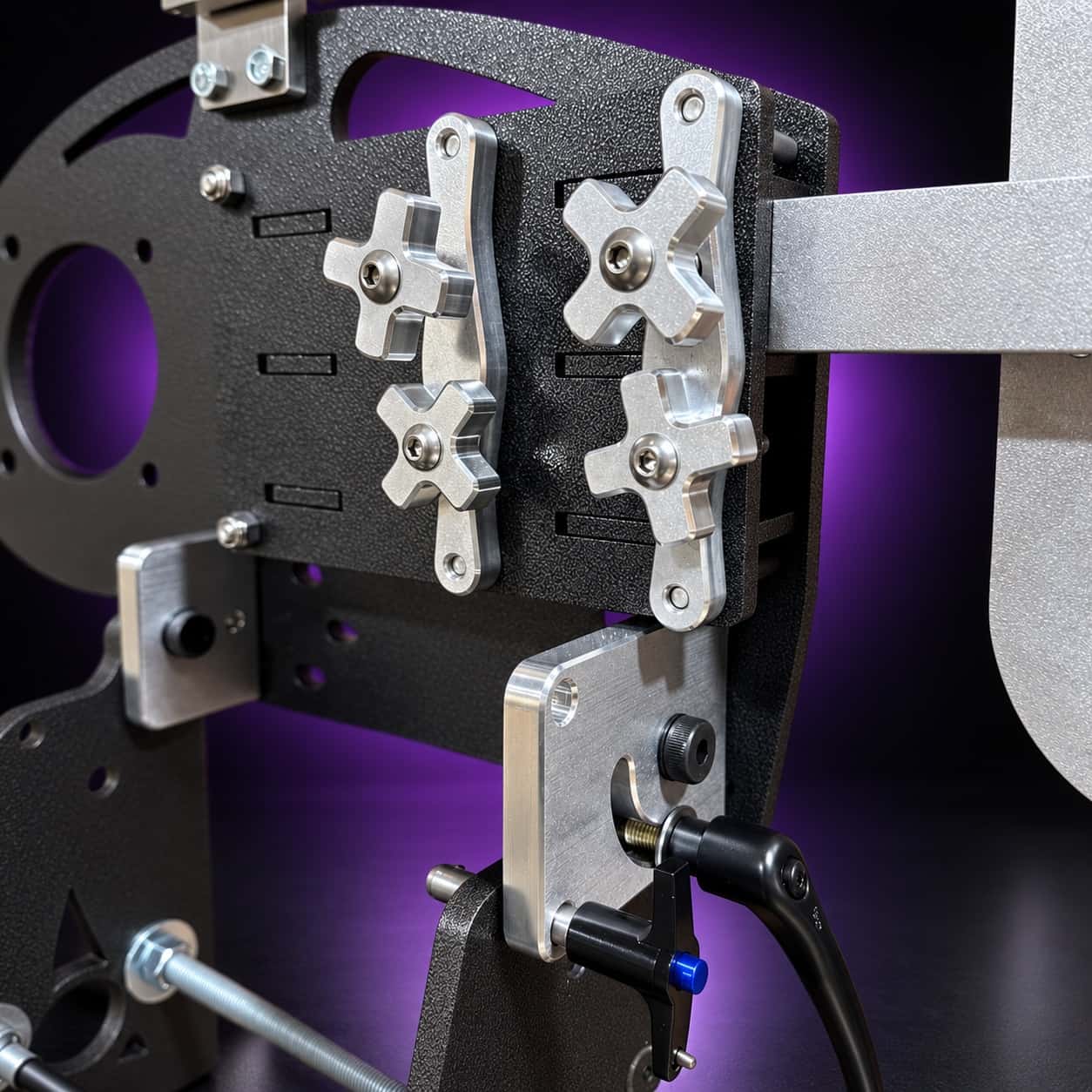
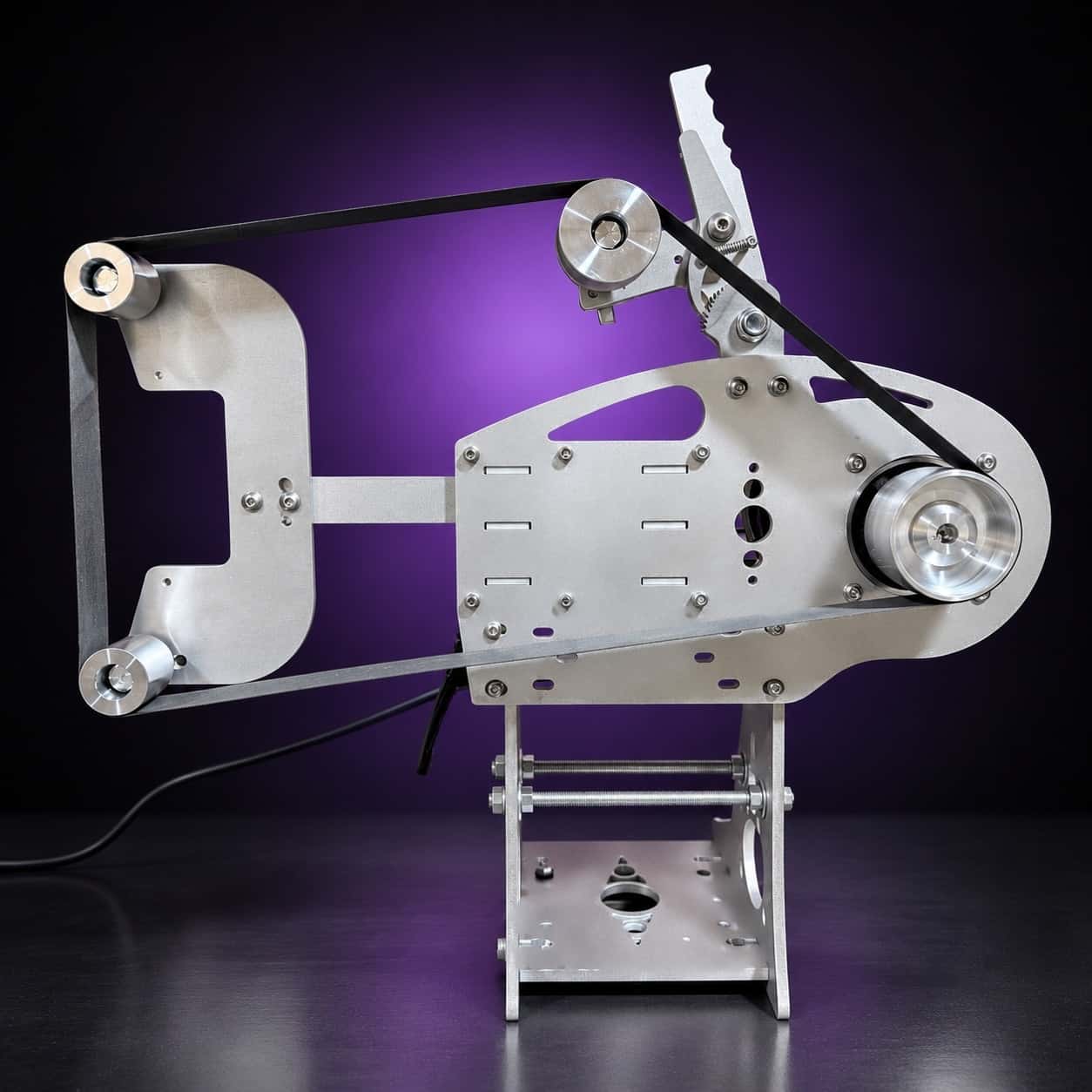
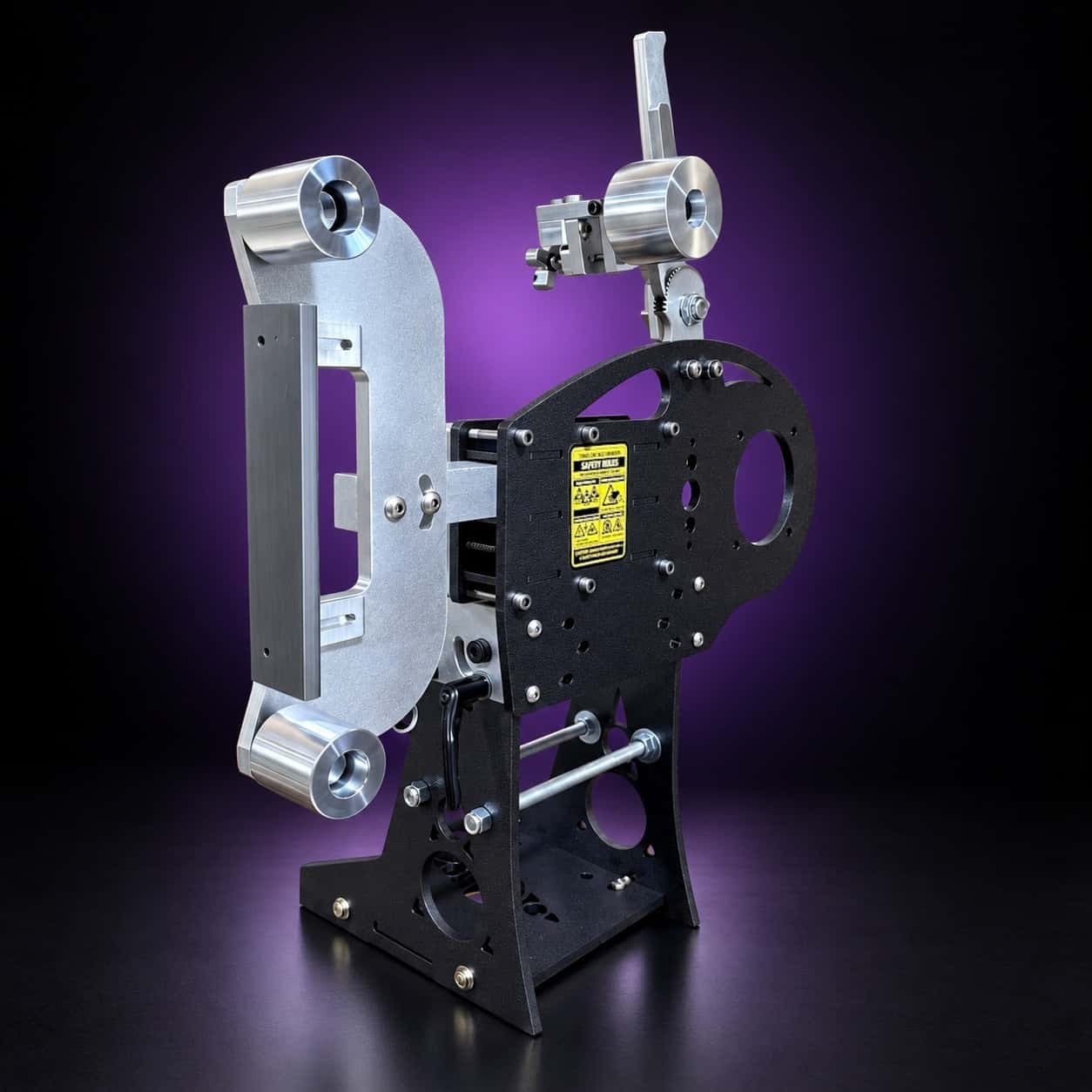
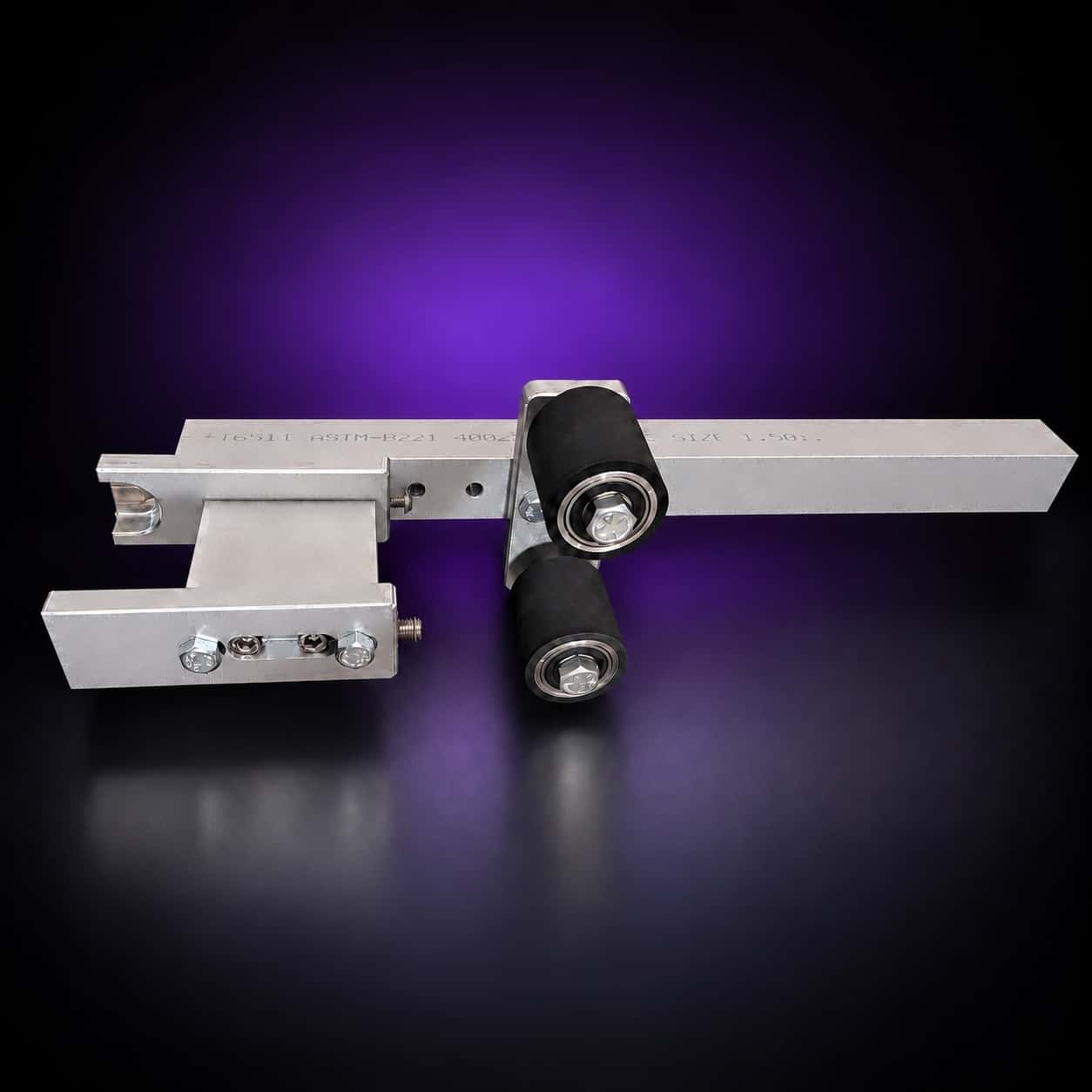
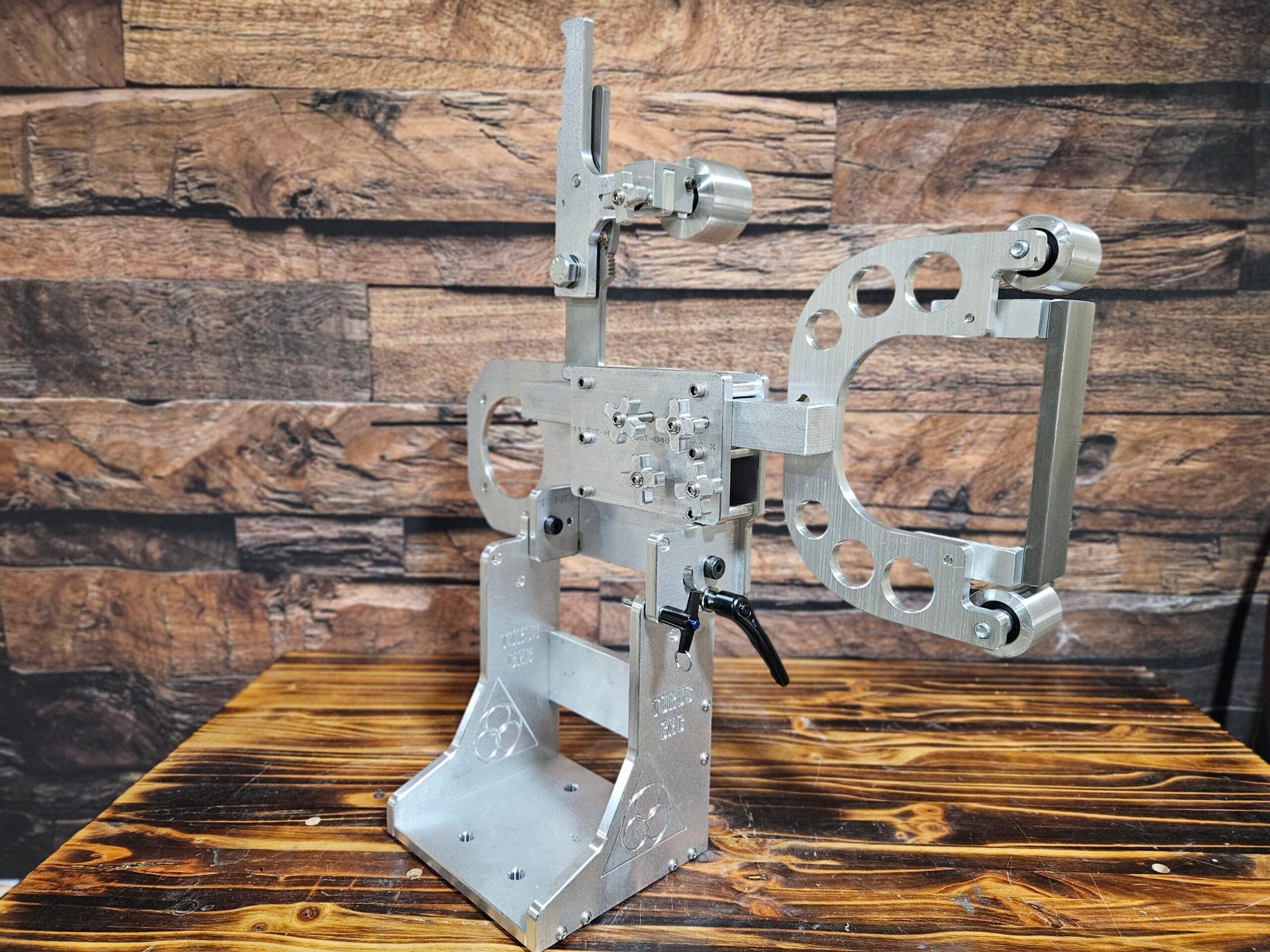
Soft belts want steady tension and a slow speed. The Nova 2×72 holds them with a stainless ratchet tensioner, and the motor and VFD combo brings the belt down to finishing speed. Both ship assembled and tested from my shop in Sterling, Illinois.