2x72 Grinder Tips
Flattening Forged Blades Before Heat Treat on Torus CNC
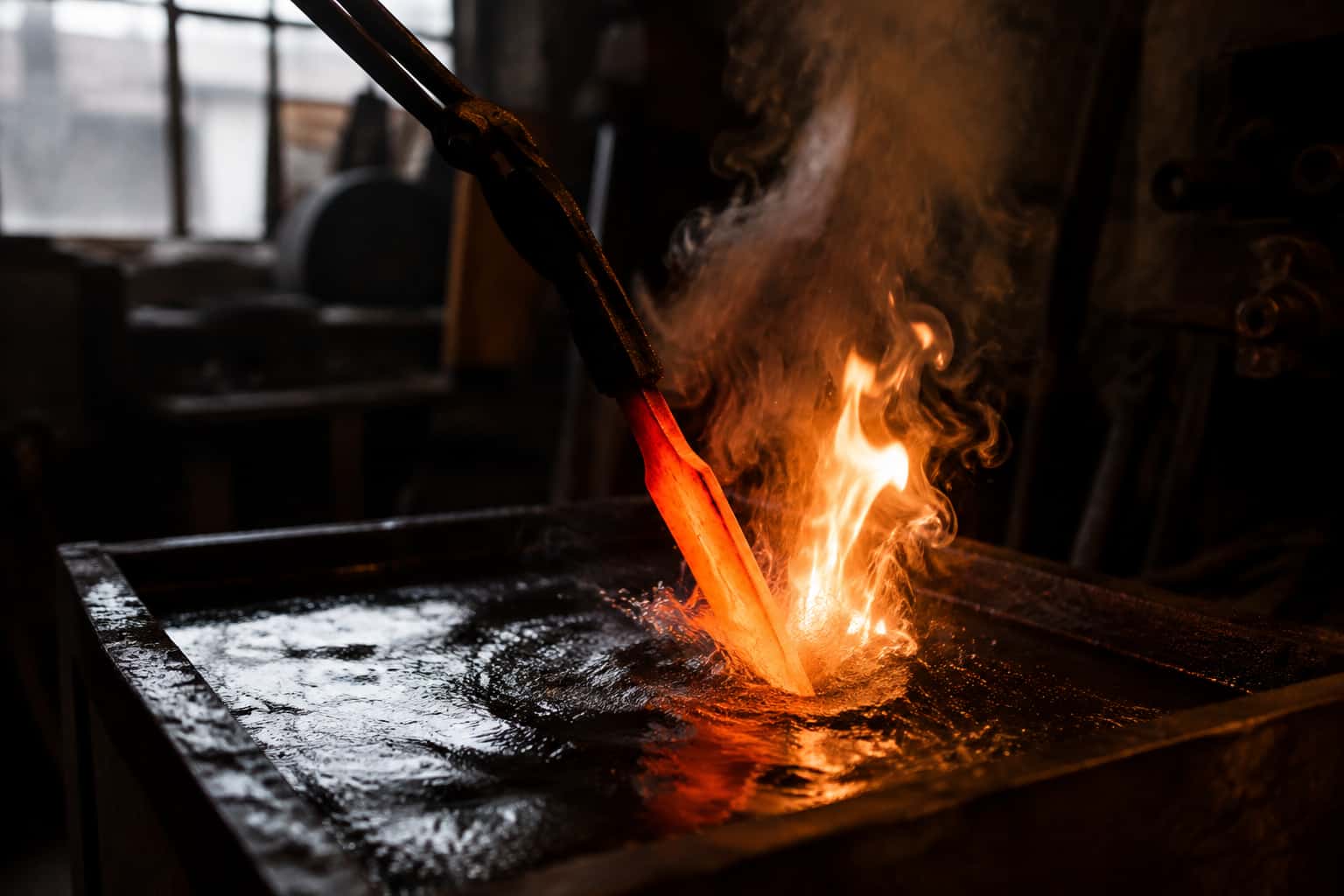
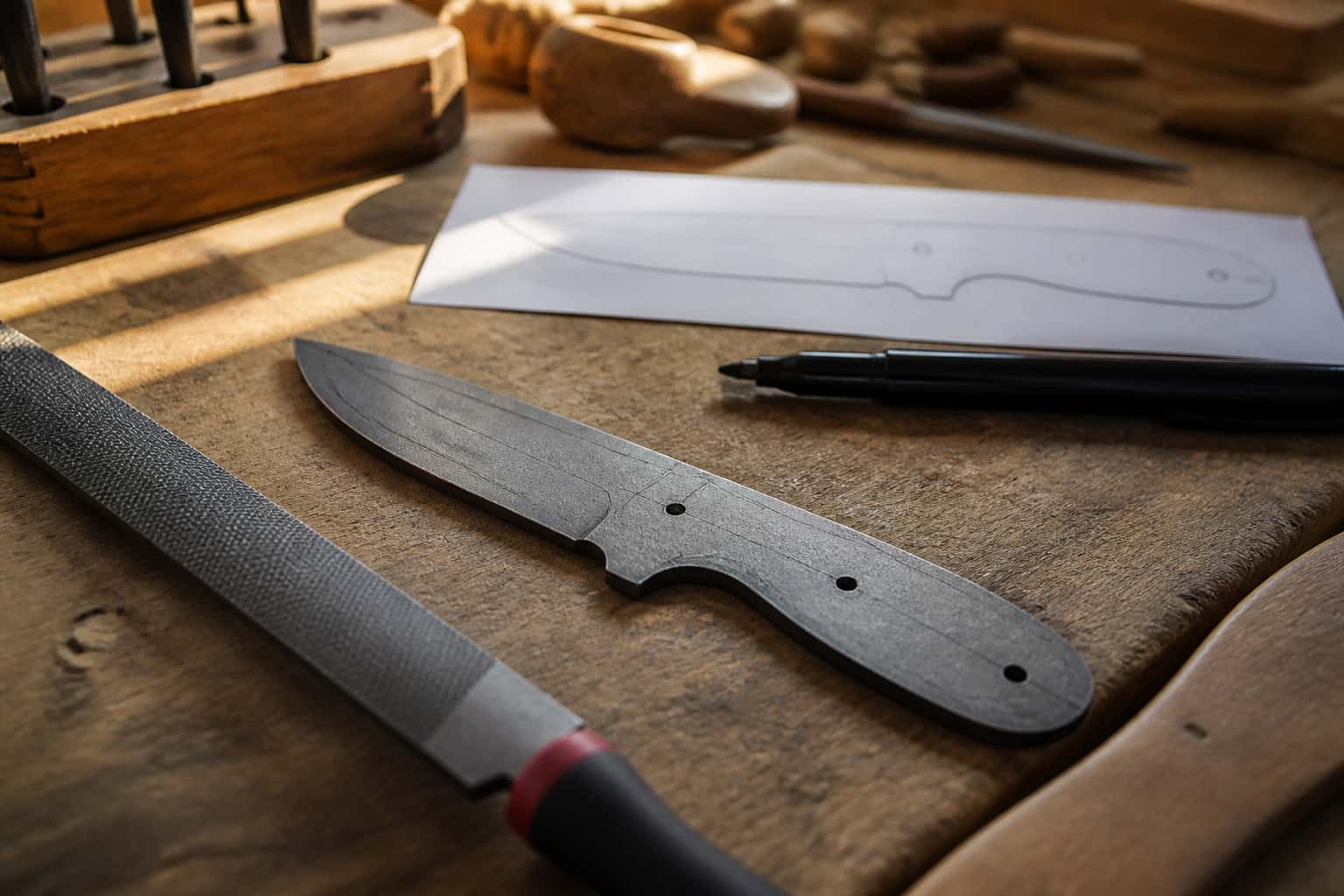
A forged blank that goes into the oven twisted comes out of the quench twisted, only now it is hard. Here is how I flatten and true a forged blade on the Torus 2×72 platen before heat treat.
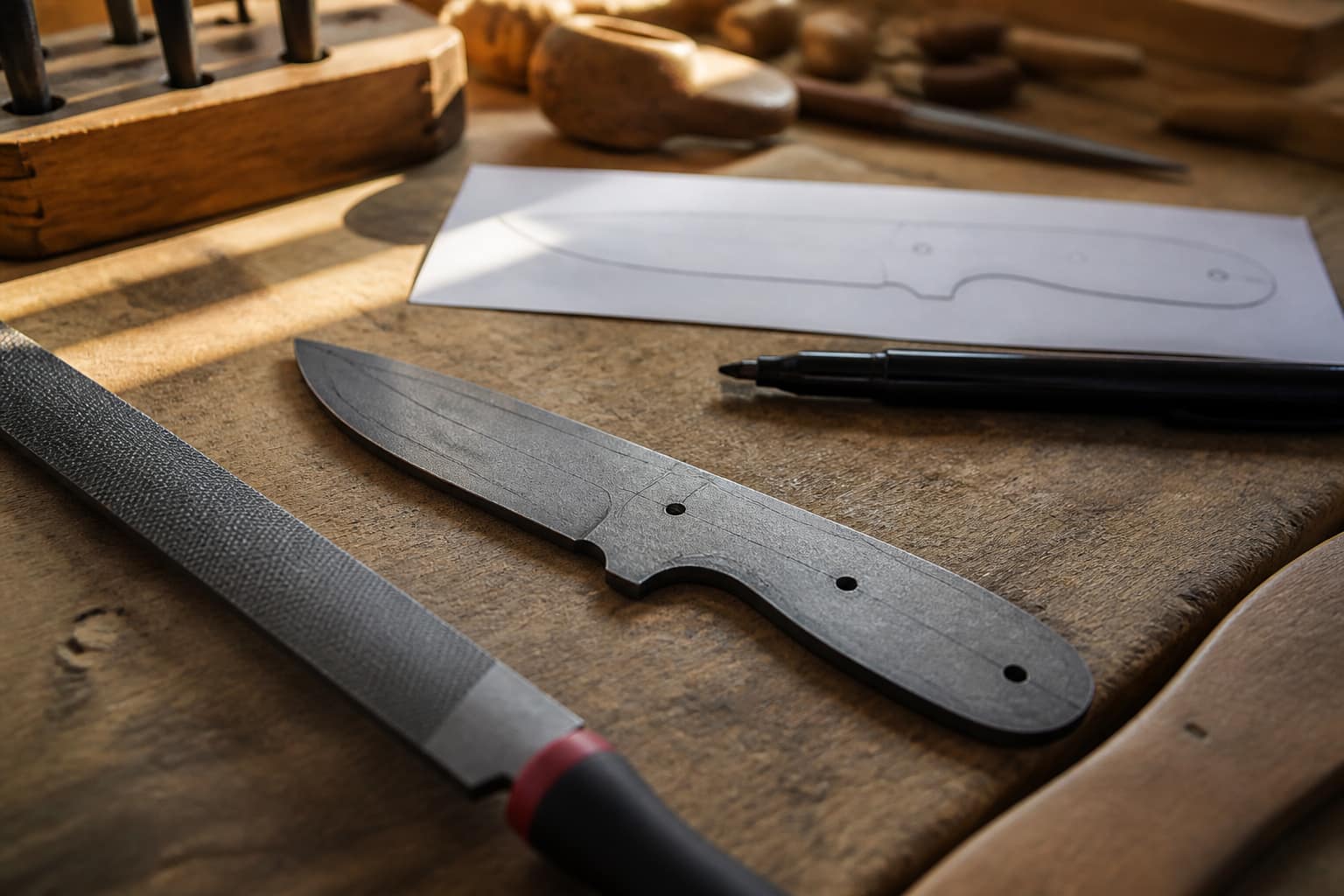
A forged blank that goes into the oven twisted comes out of the quench twisted, only now it is 62 Rockwell and you cannot fix it. Flattening before heat treat is the step that saves the blade. Here is how I true a forged blank on the Torus 2×72: a fresh ceramic belt on a flat platen, light passes checked against a straightedge, and knowing when to stop and leave a little for after the quench.
Key Takeaways
- Flattening forged blades before heat treat is a critical step in the manufacturing process to ensure uniform thickness and flatness.
- The importance of flattening forged blades lies in improving the overall quality, performance, and durability of the final product.
- The Torus CNC machine is a specialized equipment designed for precision flattening of forged blades, offering high efficiency and accuracy.
- Preparing the forged blades for flattening involves proper cleaning, inspection, and securing them in the CNC machine for the process.
- Setting up the Torus CNC for flattening requires precise programming and tooling adjustments to achieve the desired flatness and thickness.
The Importance of Flattening Forged Blades
Flattening forged blades is crucial for several reasons. First and foremost, it ensures that the blade’s surface is uniform, which is essential for achieving consistent heat treatment. When a blade is uneven, certain areas may absorb heat differently during the heat treatment process, leading to variations in hardness and tempering.
This inconsistency can result in a blade that is either too brittle or too soft, in the end affecting its performance and longevity. Flattening helps to eliminate any warping or distortion that may have occurred during the forging process. These imperfections can hinder the blade’s cutting ability and overall functionality.
What flattens the blade
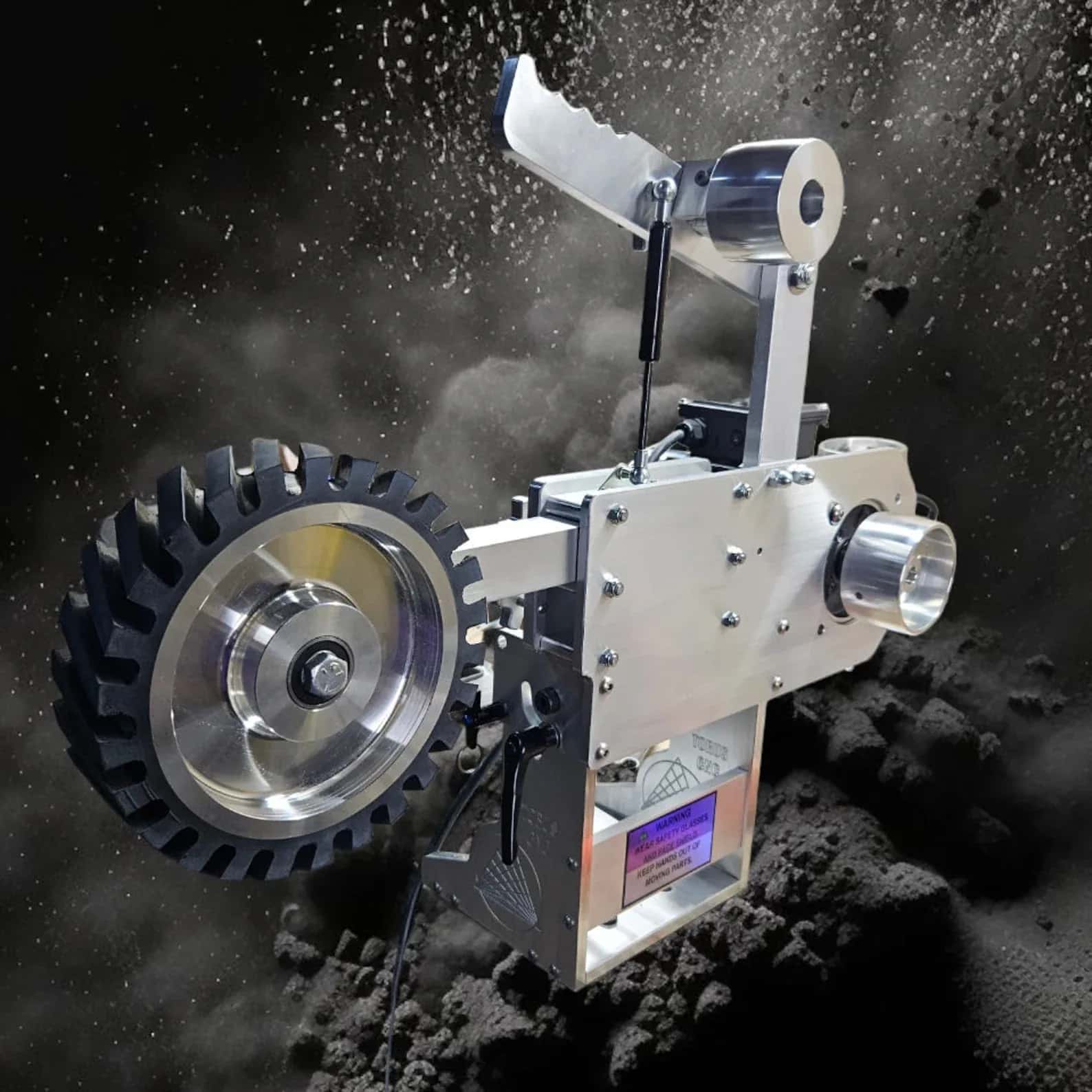
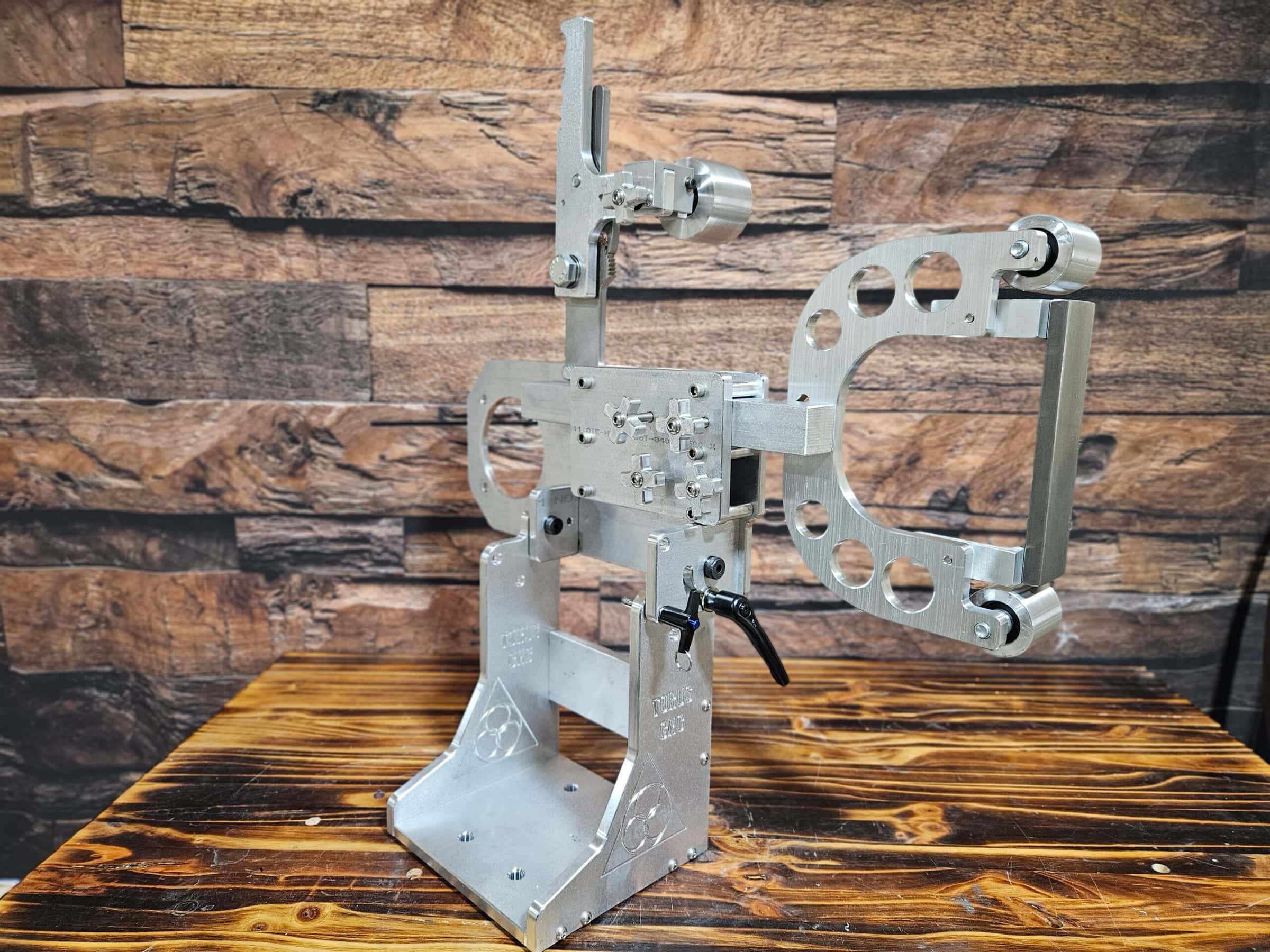
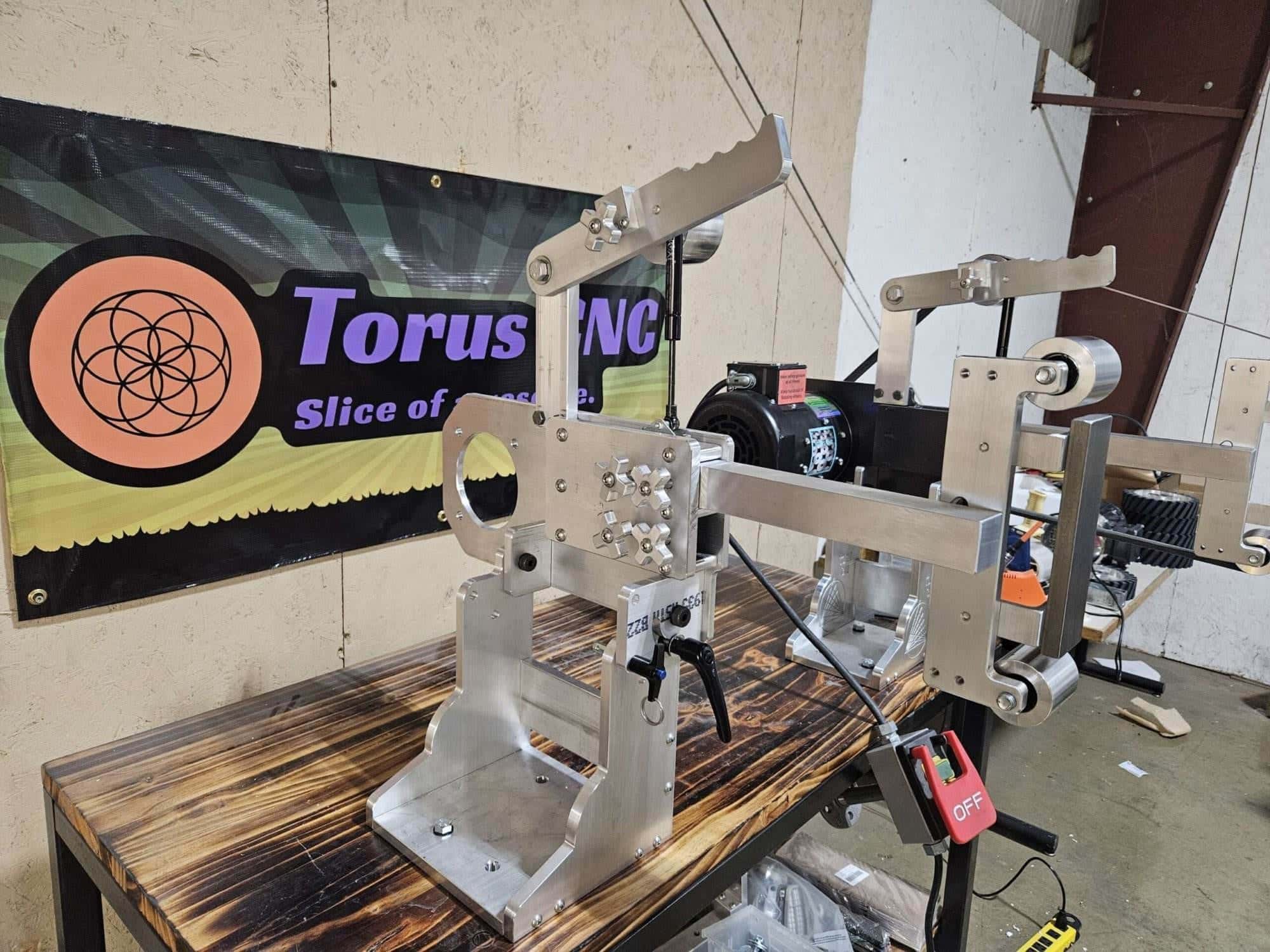
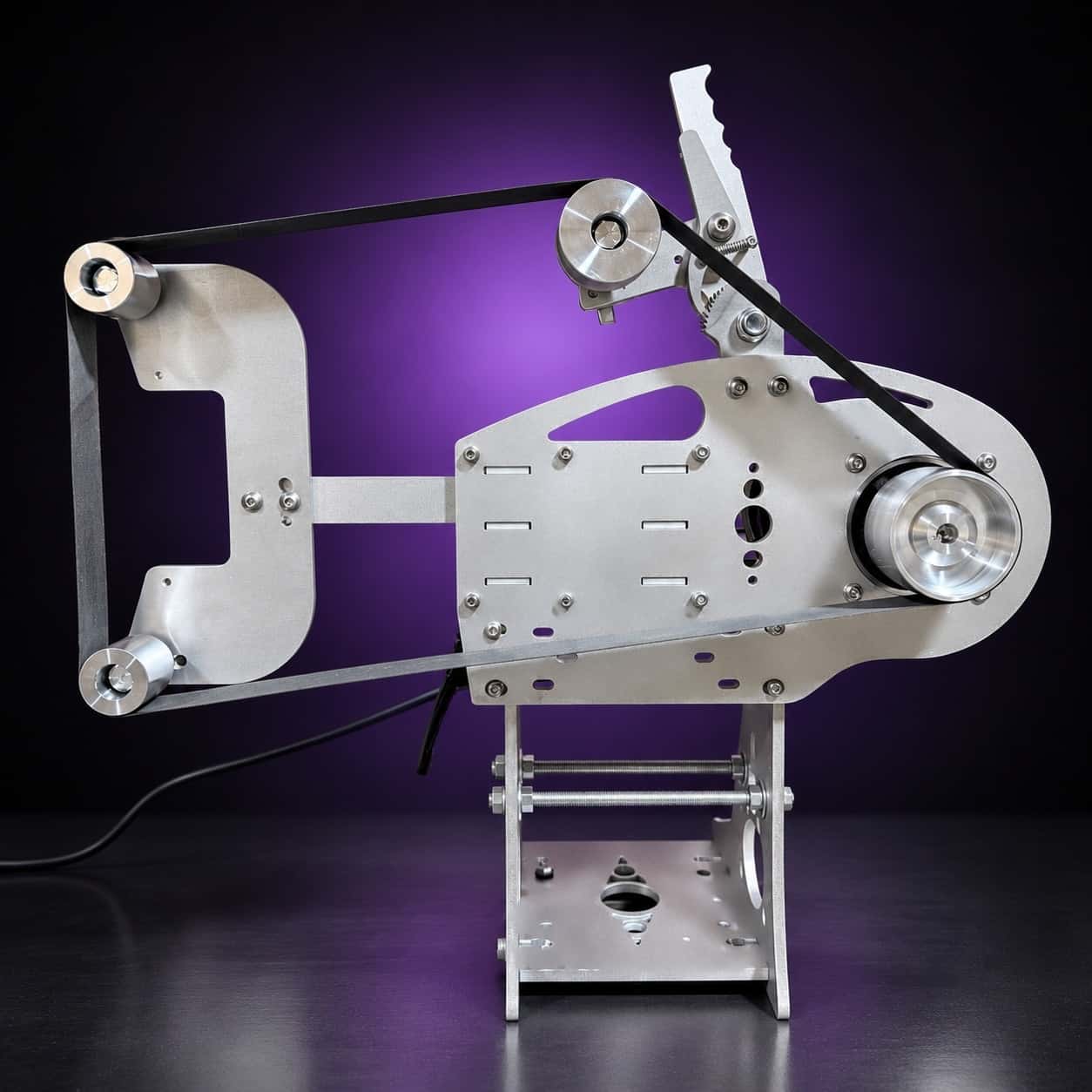
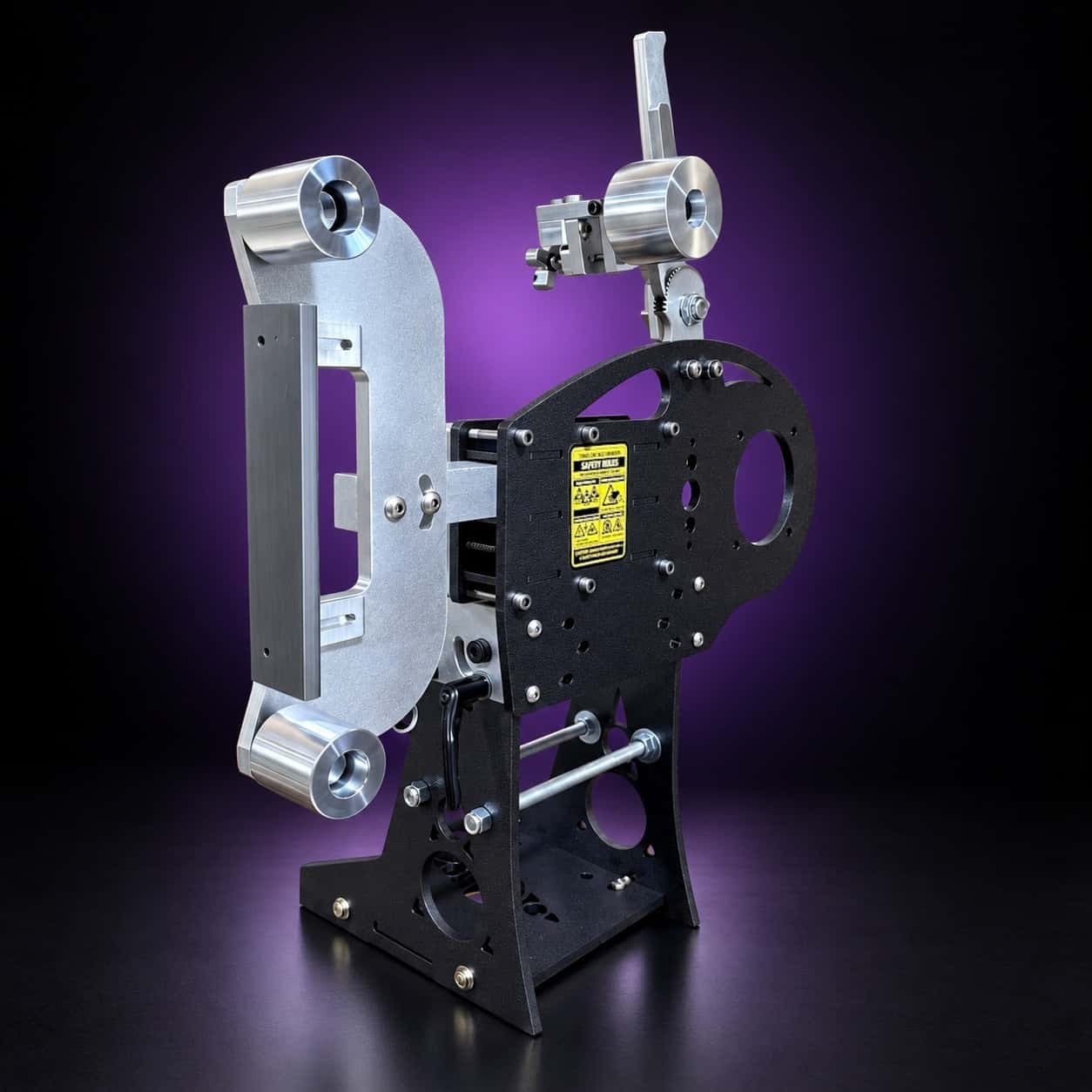
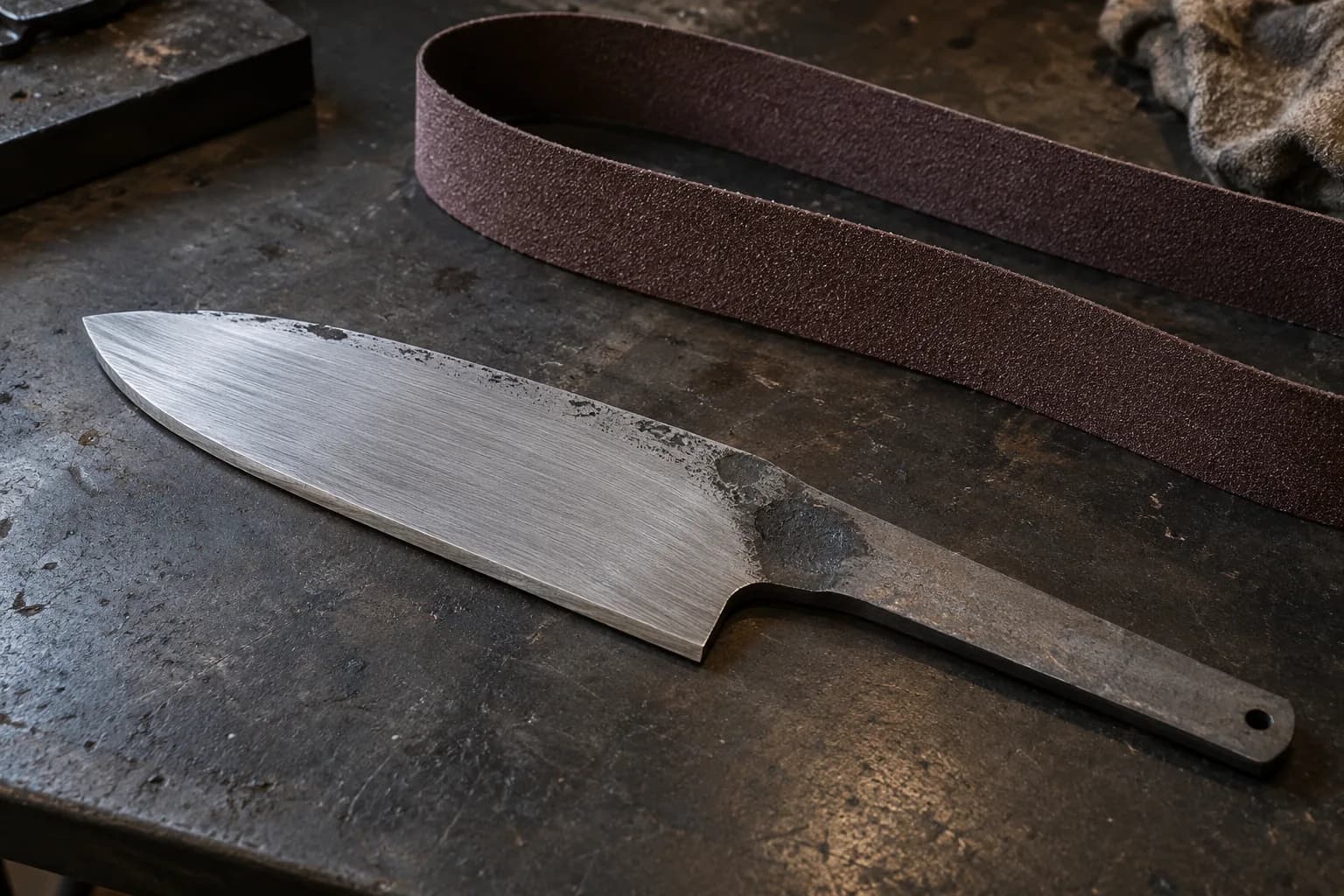
Torus CNC is my one-man shop in Sterling, Illinois, not a flattening machine; the CNC is the HAAS mill I cut grinder parts on. What flattens a forged blade is a 2×72 with a flat platen, a sharp belt and light passes checked against a straightedge.
Preparing the Forged Blades for Flattening
Before initiating the flattening process on the Torus CNC machine, proper preparation of the forged blades is essential. This preparation begins with a thorough inspection of each blade to identify any visible defects or irregularities. Any significant warping or surface imperfections should be noted, as these factors will influence how the blades are set up on the CNC machine.
Cleaning the blades to remove any residual scale or debris from the forging process is crucial for achieving optimal results. Once inspected and cleaned, the blades must be securely mounted onto the CNC machine’s worktable. Proper alignment is key to ensuring that each blade is flattened uniformly.
Depending on the design of the blade, various clamping methods may be employed to hold it in place during machining. It is important to ensure that there is no movement during the flattening process, as even slight shifts can lead to inaccuracies in the final product.
Setting Up the Torus CNC for Flattening
Setting up the Torus CNC machine for flattening involves several critical steps that require attention to detail. First, operators must input specific parameters into the machine’s control system based on the characteristics of the forged blades being processed. This includes selecting appropriate cutting tools and determining optimal feed rates and cutting depths.
The precision of these settings directly impacts the quality of the flattening process. Operators should conduct a test run with a sample blade to verify that all settings are correct before proceeding with full production. This test run allows for adjustments to be made if necessary, ensuring that each blade will be flattened to perfection.
Flattening Process on the Torus CNC
The actual flattening process on the Torus CNC machine is where technology meets craftsmanship. As the machine begins its operation, high-speed cutting tools engage with the surface of each forged blade, removing material in a controlled manner to achieve a flat profile. The precision of this process allows for consistent results across multiple blades, which is particularly beneficial for manufacturers producing large quantities.
Throughout this process, operators must monitor the machine’s performance closely. While CNC machines are designed for automation, human oversight remains essential to ensure that everything runs smoothly. Any unusual sounds or vibrations may indicate an issue that requires immediate attention.
Quality Control and Inspection After Flattening
Once the flattening process is complete, quality control becomes paramount. Each blade should undergo a thorough inspection to ensure that it meets specified tolerances and quality standards. This inspection typically involves measuring key dimensions and checking for any remaining imperfections or inconsistencies in surface flatness.
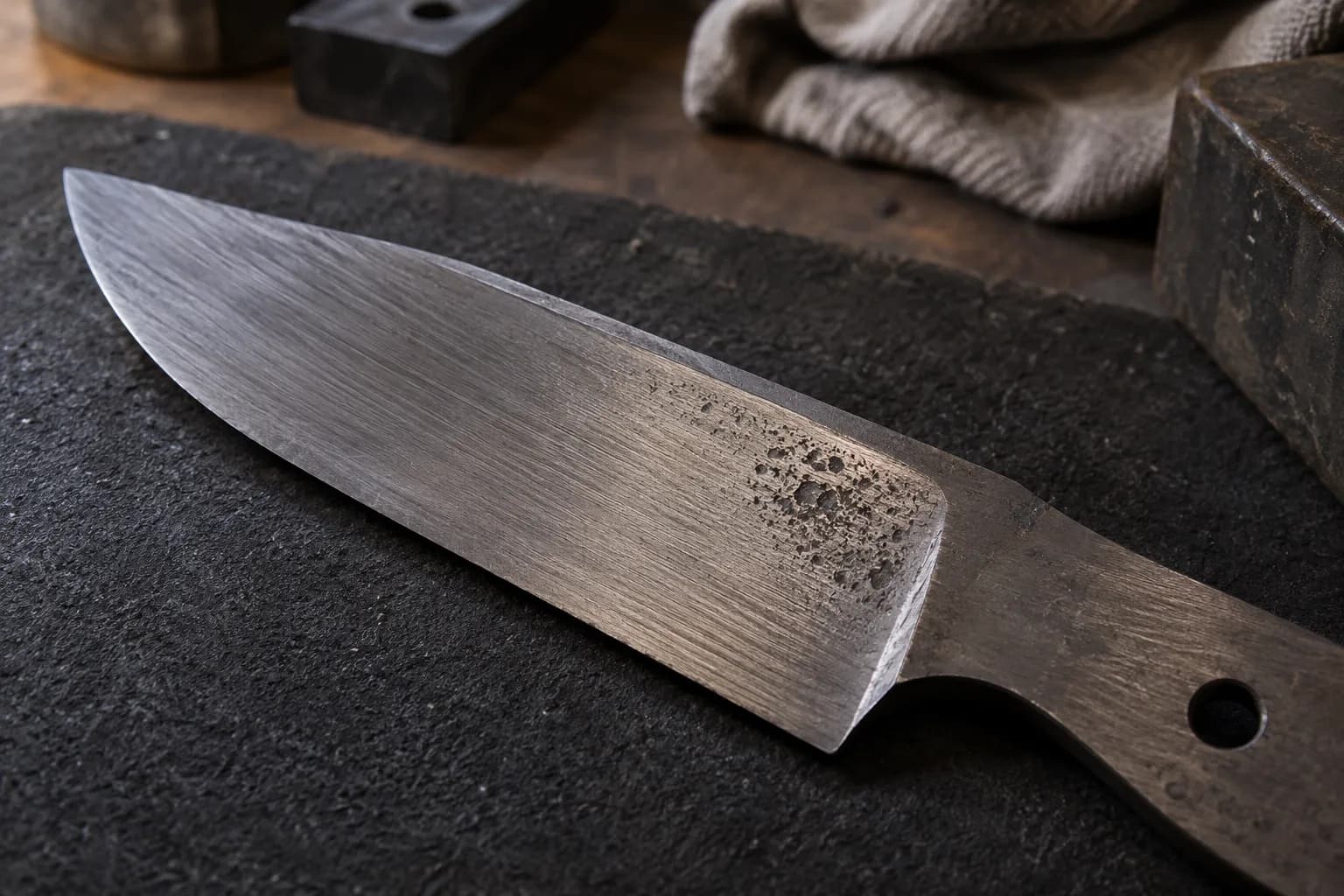
Advanced measuring tools may be employed to assess these characteristics accurately. In addition to dimensional checks, visual inspections are also crucial. Operators should look for any signs of tool marks or surface damage that may have occurred during machining.
If any issues are identified during this inspection phase, corrective actions must be taken before proceeding to heat treatment. This commitment to quality control ensures that only blades meeting rigorous standards move forward in the production process.
Advantages of Flattening Forged Blades Before Heat Treat
The advantages of flattening forged blades before heat treatment are manifold and significantly impact both performance and longevity. One primary benefit is enhanced consistency in heat treatment results. By starting with a flat surface, knife makers can achieve uniform heating across the entire blade, leading to improved hardness and tempering characteristics.
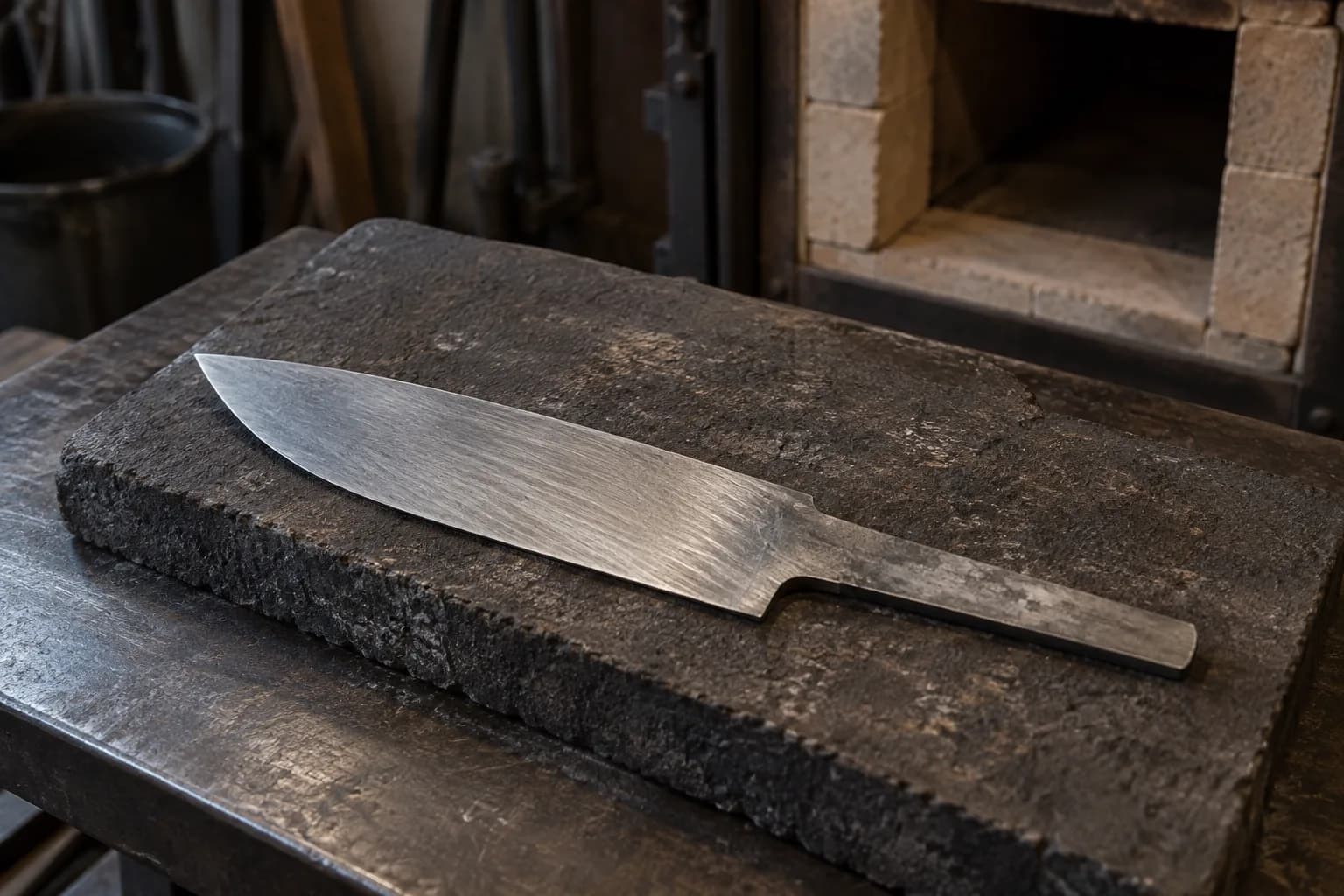
This consistency translates into better edge retention and overall performance during use. Another advantage lies in improved aesthetics and finish quality post-heat treatment. A flat blade surface allows for more effective application of coatings or finishes, resulting in a visually appealing product that also offers enhanced protection against corrosion and wear.
By investing time in flattening before heat treatment, knife makers can reduce post-treatment grinding or polishing efforts, streamlining their workflow and saving valuable time.
Common Challenges and Solutions in Flattening Forged Blades
While flattening forged blades is essential, it does come with its own set of challenges. One common issue is dealing with significant warping or distortion from the forging process. In such cases, operators may need to adjust their approach by using specialized cutting tools or altering feed rates to accommodate these irregularities effectively.
Understanding how different materials respond to machining can help mitigate these challenges. Another challenge lies in maintaining consistent quality across multiple blades during production runs. Variations in material properties or inconsistencies in forging can lead to discrepancies in flattening results.
Best Practices for Flattening Forged Blades on the Torus CNC
To achieve optimal results when flattening forged blades on the Torus CNC machine, several best practices should be followed. First and foremost, thorough preparation is key; this includes inspecting each blade carefully and ensuring proper cleaning before mounting them on the machine. Maintaining accurate settings on the CNC machine will help ensure consistent results across all blades.
Operators should also prioritize regular maintenance of their Torus CNC equipment to prevent any mechanical issues that could affect performance during flattening operations. Keeping cutting tools sharp and well-maintained will enhance machining efficiency while reducing wear on both tools and blades alike. Finally, fostering an environment of continuous learning among staff will help ensure that everyone involved in the process remains informed about advancements in technology and techniques related to blade manufacturing.
FAQs
What is flattening forged blades before heat treat?
Flattening forged blades before heat treat is the process of using a CNC machine, such as the Torus CNC, to flatten and smooth out the surface of a forged blade before it undergoes the heat treatment process.
Are there any potential drawbacks to flattening forged blades before heat treat?
One potential drawback of flattening forged blades before heat treat is the risk of removing too much material, which can affect the final dimensions and shape of the blade. It is important to carefully control the flattening process to avoid over-machining the blade.
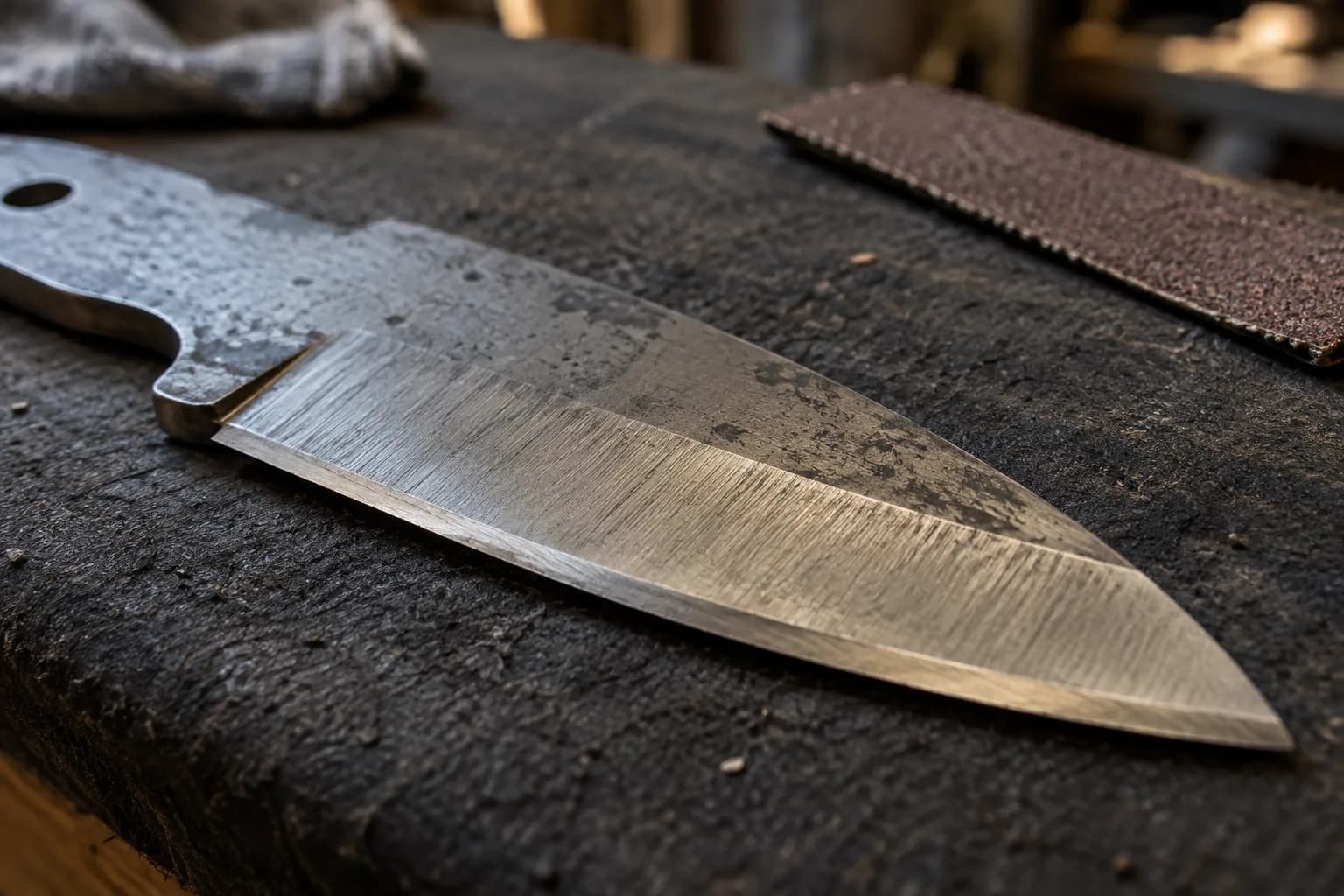
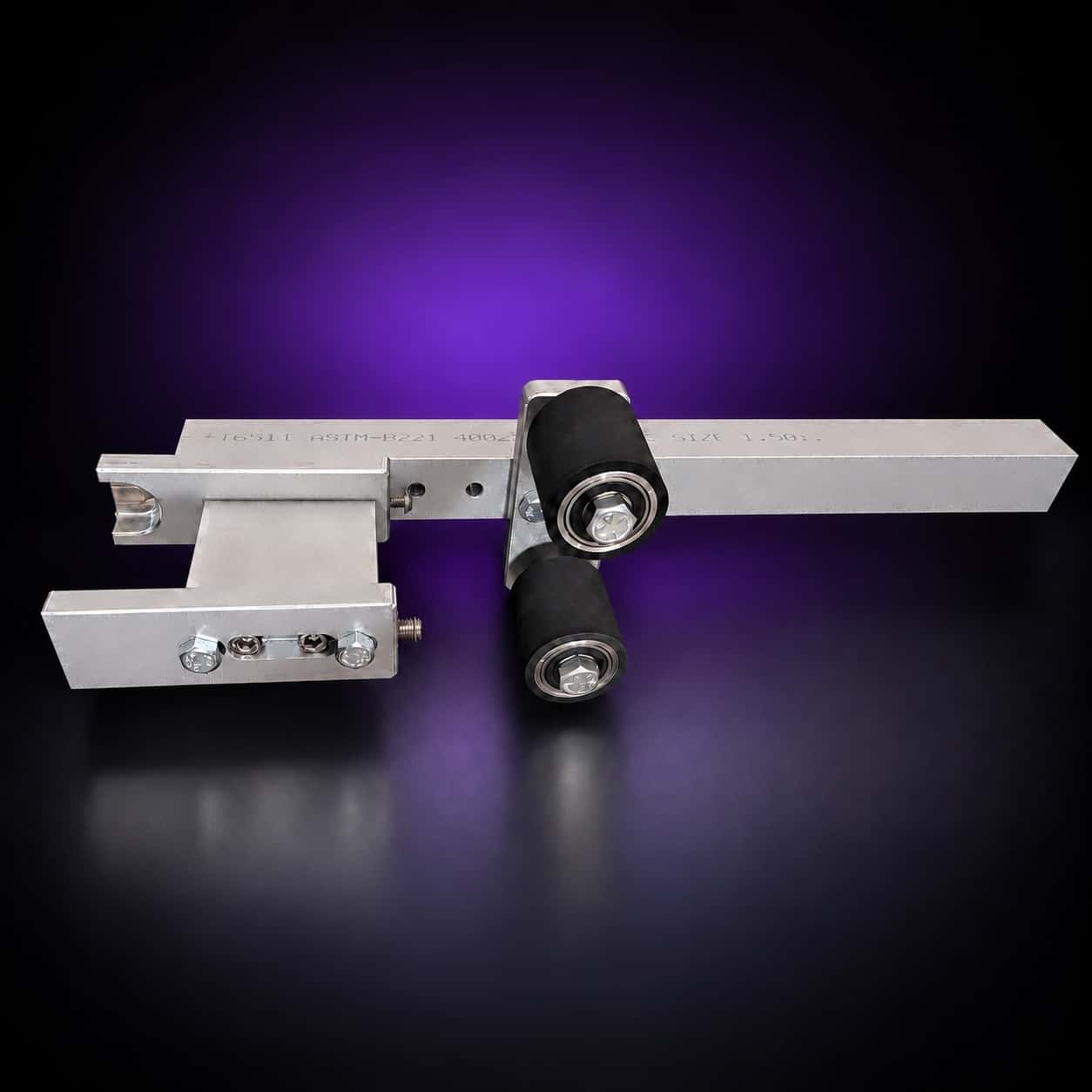
Flattening is where a platen that stays flat matters most. Every Nova 2×72 and Nebula ships with a deep flat platen on a rigid chassis, and my XL 4×14 quench vise holds the blade flat again while it cools. Forge it, flatten it, quench it straight.