2x72 Grinder Tips
Mastering VFD Speed Control for Various Blade Steels
Carbon steel, stainless, tool steel and damascus all grind differently, and a VFD lets you match belt speed to each. Here is how I set speed by steel on the 2×72, and why thin stainless wants slow.
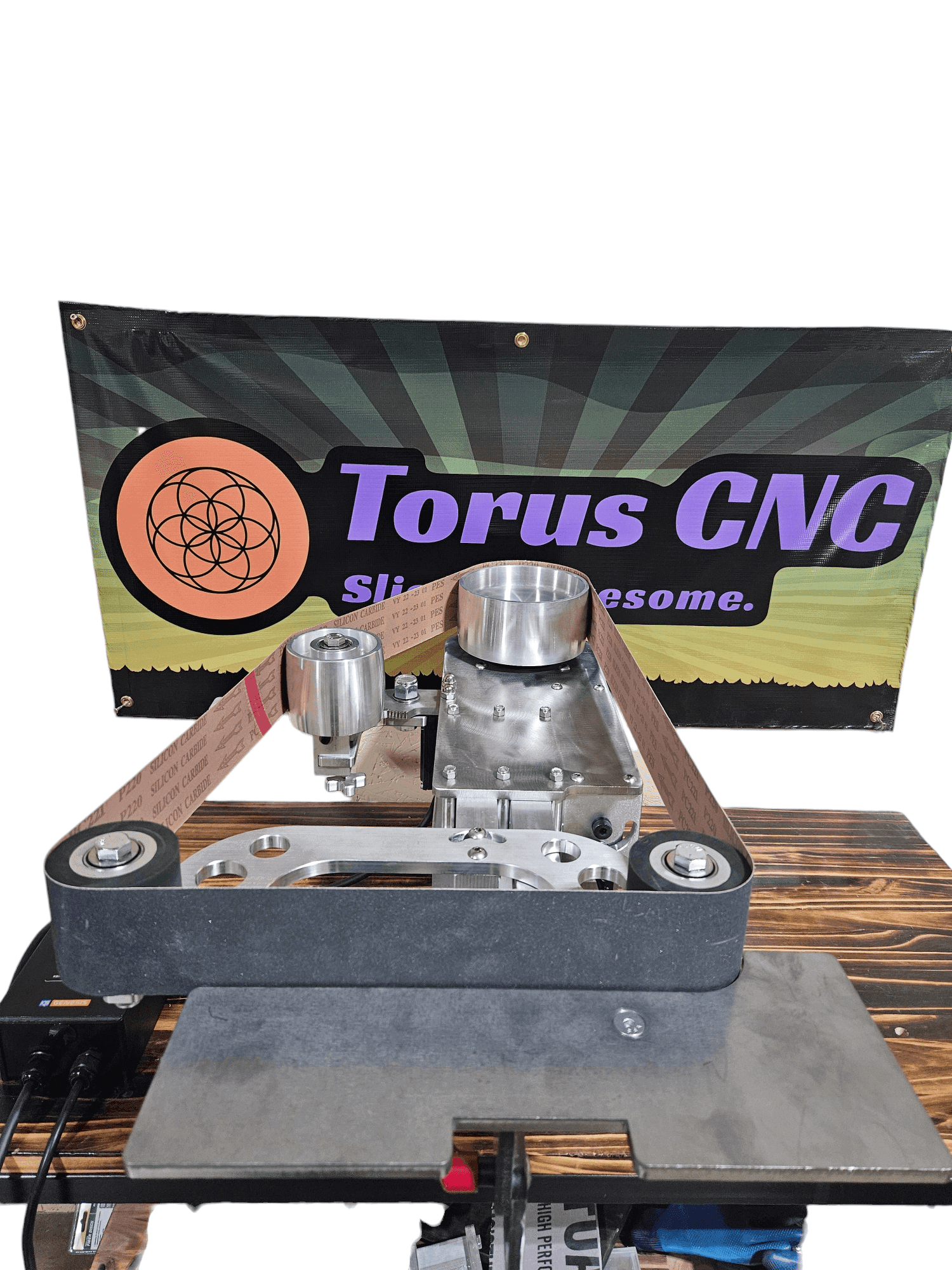
Not every steel wants the same belt speed. 1084 shrugs off a fast belt; thin AEB-L turns blue if you blink. A VFD is what lets one 2×72 handle both, and it does more than change speed: it ramps the motor up gently and stops it fast. Here is how I set belt speed by steel on my own grinder, from high carbon to stainless to damascus, and the settings that matter on the drive.
By adjusting the frequency of the electrical supply, VFDs enable operators to fine-tune the performance of machines, ensuring that they can adapt to various operational demands. The significance of VFDs extends beyond mere speed control; they also contribute to energy efficiency and reduced wear on machinery. By allowing motors to operate at lower speeds when full power is not necessary, VFDs can lead to substantial energy savings.
Key Takeaways
- Understanding VFD Speed Control is essential for optimizing the performance of different blade steels.
- Choosing the right VFD for different blade steels is crucial for achieving the desired speed and performance.
- Adjusting VFD parameters is necessary for optimal performance and to ensure the longevity of the blades.
- Mastering speed control for high carbon steel blades requires precision and careful adjustment of VFD settings.
- Fine-tuning VFD speed control for stainless steel blades is important to achieve the desired cutting results and prevent overheating.
Choosing the Right VFD for Different Blade Steels
When choosing a VFD, it is essential to consider factors such as the motor’s horsepower, the required speed range, and the specific characteristics of the steel being used. Compatibility with existing machinery is another vital consideration. A VFD must be able to integrate smoothly with the current setup to avoid operational disruptions.
Features such as programmable settings and feedback mechanisms can enhance control over the manufacturing process. By carefully evaluating these factors, manufacturers can select a VFD that not only meets their immediate needs but also provides flexibility for future projects involving various blade steels.
Adjusting VFD Parameters for Optimal Performance
Once a suitable VFD has been selected, the next step involves adjusting its parameters to achieve optimal performance. This process typically includes setting the maximum and minimum frequency limits, acceleration and deceleration times, and torque control settings. Each of these parameters plays a crucial role in how effectively the motor operates under different conditions.
For example, a slower acceleration time may be beneficial when working with brittle materials that could fracture under sudden changes in speed. Fine-tuning these parameters can help mitigate issues such as overheating or excessive vibration during operation. By monitoring the motor’s performance and making incremental adjustments, operators can identify the ideal settings for each specific blade steel.
Mastering Speed Control for High Carbon Steel Blades
High carbon steel blades are known for their hardness and ability to hold a sharp edge, making them popular among knife makers. However, processing high carbon steel requires careful speed control to prevent overheating and potential warping. When using a VFD for high carbon steel, it is crucial to maintain a balance between speed and cooling.
Slower speeds may be necessary during critical stages of grinding or shaping to ensure that the material does not lose its temper. In addition to speed adjustments, incorporating cooling systems can further enhance the processing of high carbon steel blades. Using coolant during machining operations helps dissipate heat generated by friction, allowing for more aggressive cutting speeds without compromising the integrity of the blade.
Fine-tuning VFD Speed Control for Stainless Steel Blades
Stainless steel presents its own set of challenges for speed control during manufacturing. Known for its toughness and resistance to corrosion, stainless steel requires specific adjustments in VFD settings to achieve optimal results. The key lies in understanding how different grades of stainless steel respond to various speeds and cutting techniques.
For instance, some grades may require slower speeds to prevent work hardening, while others may benefit from higher speeds for efficient material removal. Fine-tuning VFD parameters for stainless steel involves careful monitoring of cutting conditions and adjusting settings accordingly. Operators should pay close attention to factors such as tool wear and surface finish quality, as these indicators can provide valuable insights into whether adjustments are needed.
Achieving Precision Control for Tool Steel Blades
Tool steels are designed for high-performance applications and often require precise speed control during manufacturing processes. These materials are typically harder than standard steels and can be more challenging to machine effectively. When working with tool steel blades, it is essential to utilize a VFD that allows for fine adjustments in speed and torque settings.
This precision control enables operators to adapt their techniques based on the specific requirements of each tool steel grade. In addition to speed adjustments, employing advanced machining strategies can further enhance the processing of tool steel blades. Techniques such as variable feed rates and optimized cutting paths can help maximize efficiency while minimizing tool wear.
Optimizing VFD Speed Control for Damascus Steel Blades
Damascus steel is renowned for its unique patterns and exceptional strength, making it a sought-after material for high-end knives and blades. However, working with Damascus steel requires a nuanced approach to speed control due to its layered composition. The varying hardness levels within Damascus steel necessitate careful adjustments in VFD settings to ensure consistent results throughout the manufacturing process.
Optimizing VFD speed control for Damascus steel involves understanding how different layers respond to cutting forces. Operators may need to experiment with various speeds and feed rates to find the ideal balance that allows for efficient material removal without compromising the integrity of the blade’s structure. By mastering these techniques, manufacturers can produce stunning Damascus steel blades that showcase both beauty and functionality.
Overcoming Challenges in Speed Control for Titanium Blades
Titanium is a challenging material to work with due to its unique properties, including low thermal conductivity and high strength-to-weight ratio. When manufacturing titanium blades, achieving effective speed control is crucial to prevent issues such as excessive heat buildup or tool wear. Utilizing a VFD allows operators to make precise adjustments in motor speed, enabling them to adapt their techniques based on the specific requirements of titanium processing.
One of the primary challenges when working with titanium is managing cutting temperatures effectively. Slower speeds combined with appropriate cooling methods can help mitigate heat-related issues during machining operations. Using specialized cutting tools designed for titanium can further enhance performance and extend tool life.
Fine-tuning VFD Speed Control for Ceramic Blades
Ceramic blades are increasingly popular due to their exceptional hardness and resistance to corrosion; however, they also present unique challenges during manufacturing. The brittleness of ceramic materials necessitates careful speed control to prevent chipping or cracking during machining processes. When utilizing a VFD for ceramic blades, operators must prioritize slower speeds during critical operations while ensuring adequate cooling measures are in place.
Fine-tuning VFD parameters for ceramic blades involves closely monitoring cutting conditions and making adjustments based on real-time feedback. Operators should be prepared to experiment with various speeds and feed rates until they find the optimal settings that yield high-quality results without compromising the integrity of the material. By mastering these techniques, manufacturers can produce ceramic blades that offer superior performance while minimizing waste.
Mastering Speed Control for Tungsten Carbide Blades
Tungsten carbide is one of the hardest materials used in blade manufacturing, making it an excellent choice for applications requiring durability and precision. However, machining tungsten carbide requires specialized techniques due to its extreme hardness and tendency to generate heat during processing. Utilizing a VFD allows operators to achieve precise speed control necessary for effectively working with tungsten carbide blades.
When mastering speed control for tungsten carbide, it is essential to consider factors such as cutting tool selection and cooling methods. Operators should use tools specifically designed for machining tungsten carbide while also implementing effective cooling strategies to manage heat buildup during operations. By combining these approaches with effective VFD settings, manufacturers can produce tungsten carbide blades that meet rigorous performance standards while ensuring longevity.
FAQs
How can operators determine the best VFD settings for different blade steels?
Operators can determine the best VFD settings for different blade steels through experimentation and testing. By gradually adjusting the VFD settings and observing the cutting performance, operators can identify the optimal settings for each specific blade steel and cutting application.
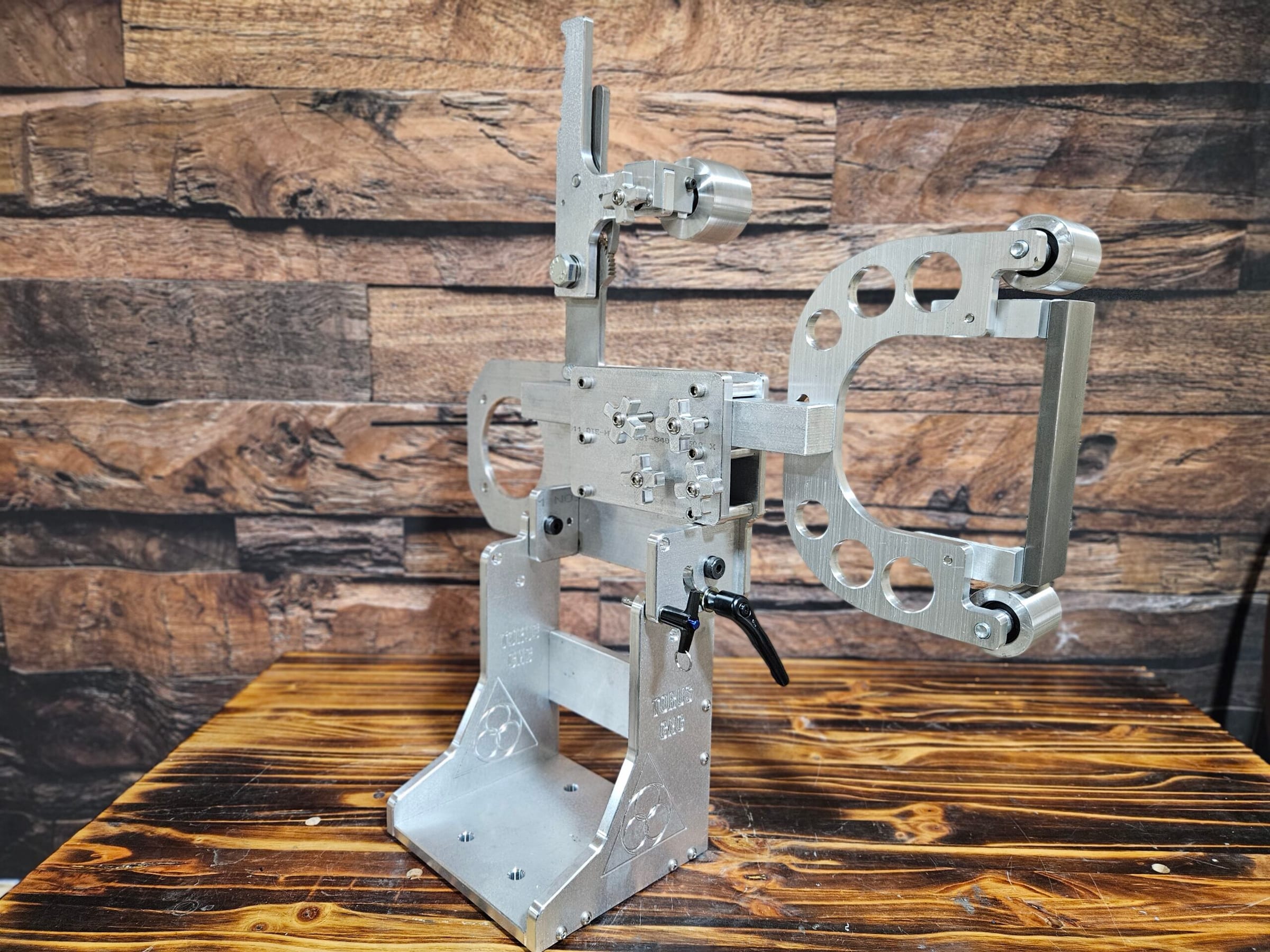
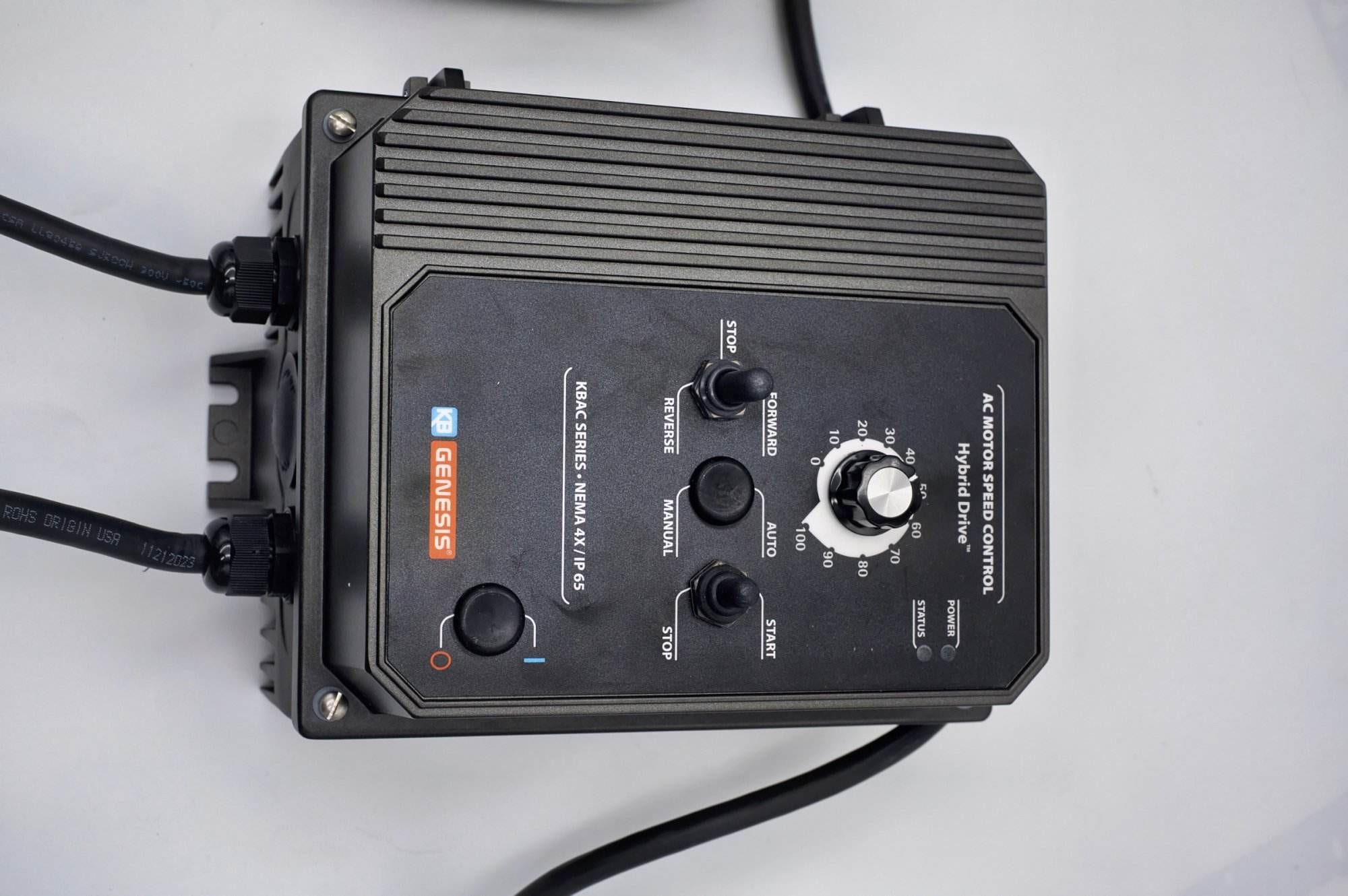
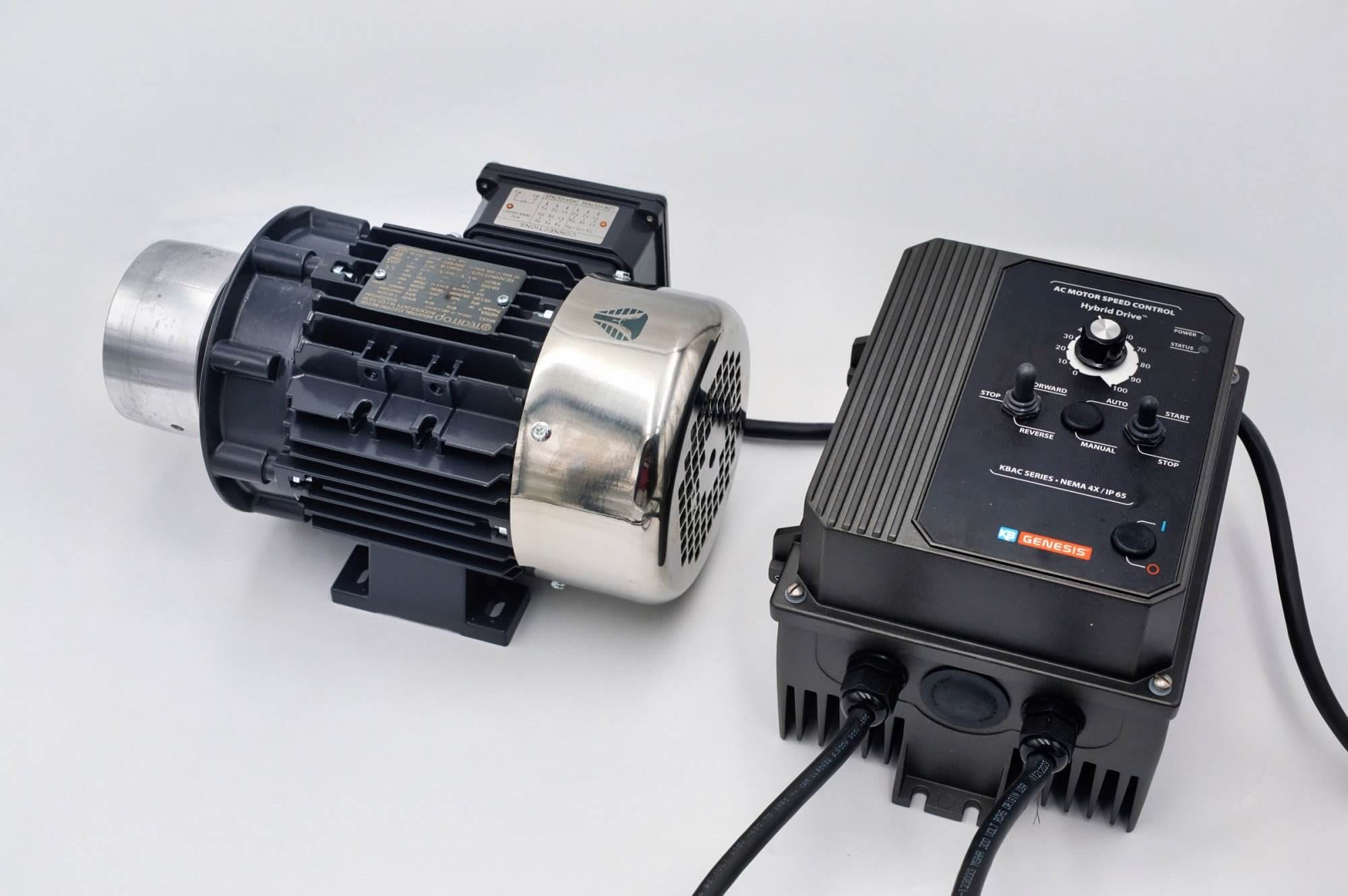
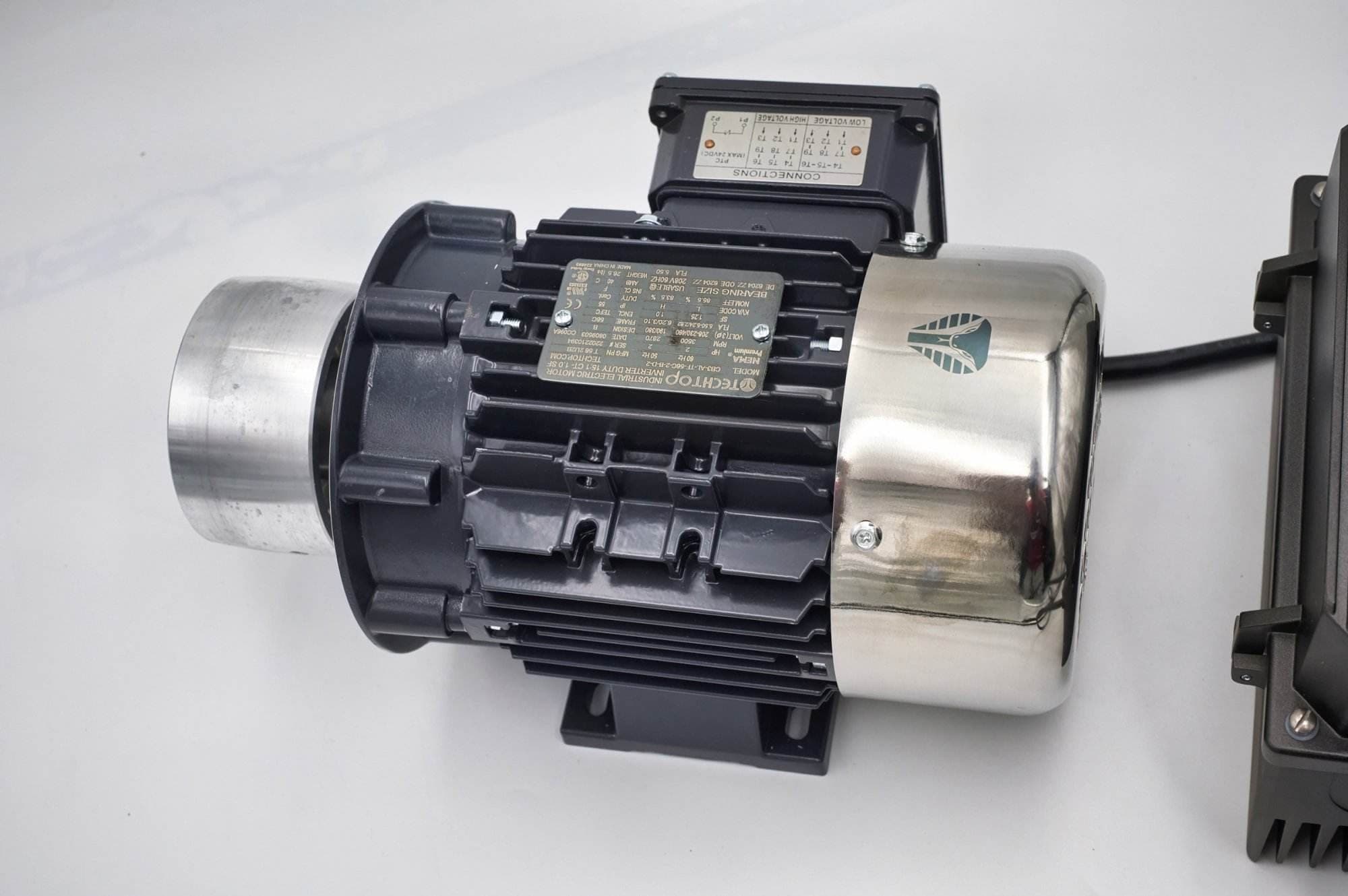
My motor and VFD combo ships with a sealed KBAC-27D drive programmed for the motor, 1 HP on 120V for $1,195 or 2 HP on 220V for $1,245. Add it to a Nova 2×72 at checkout, then look up any steel in the ForgeBrain steel database for its grinding notes.