2x72 Grinder Tips
Safely Grinding Micarta and Carbon Fiber on a 2×72: Tips and Techniques
Micarta and carbon fiber shape beautifully on a 2×72, and their dust is the worst thing in the shop to breathe. Here is how I grind both safely: respirator and dust collection, sharp belts, low speed, heat control, and finishing.
Micarta and carbon fiber make some of the toughest handles you can put on a knife, and they make the worst dust in the shop. Both shape beautifully on a 2×72 if you protect your lungs and keep the belt cool. Here is how I grind them: respirator and dust collection first, sharp belts at low speed, light pressure so the resin does not melt, and the finishing steps that bring up the pattern.
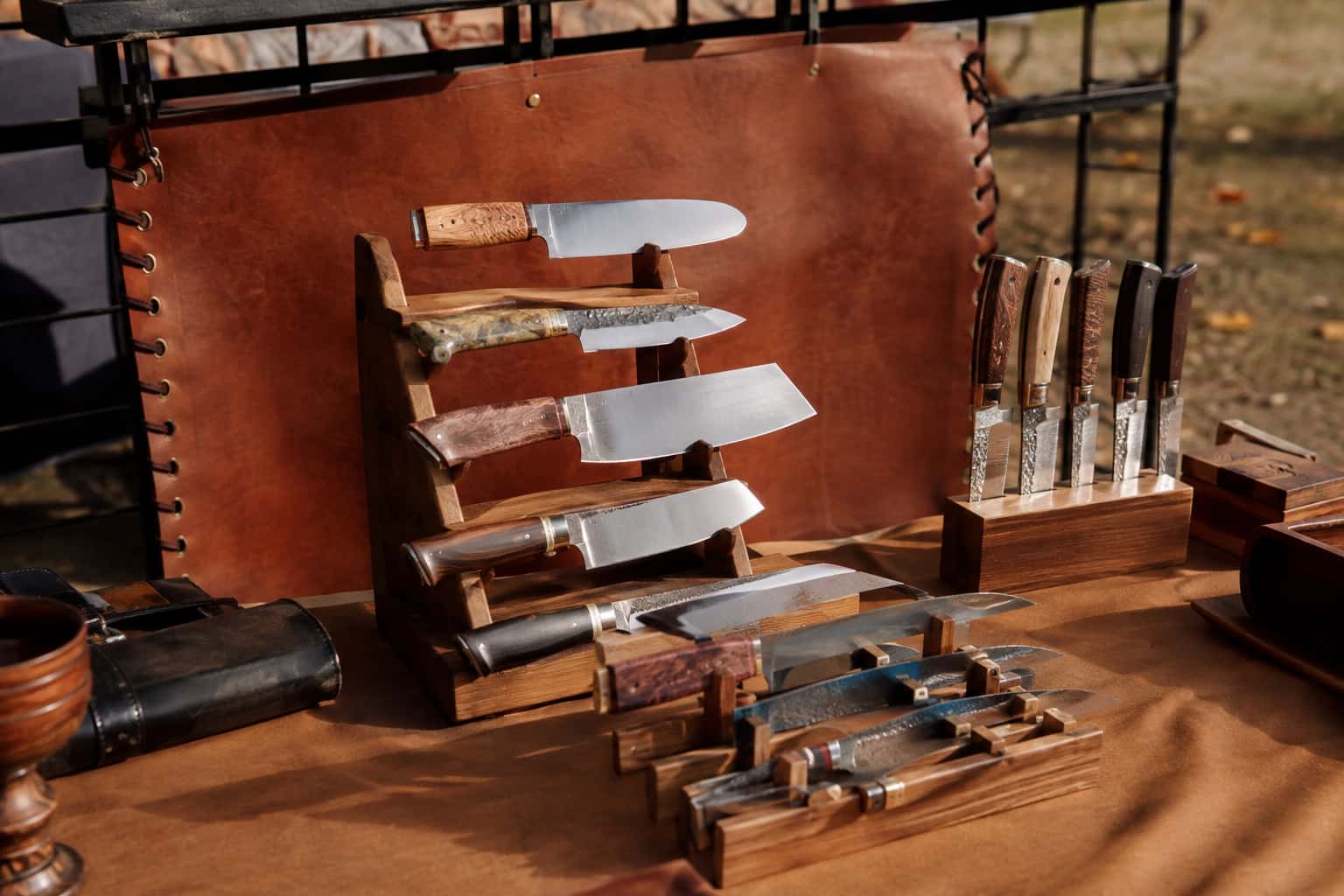
Its unique texture and ability to be shaped into intricate designs make it a favorite among knife makers who seek both functionality and visual appeal. On the other hand, carbon fiber is a high-performance material known for its exceptional strength-to-weight ratio. Composed of thin strands of carbon woven together, it is often used in applications where lightweight and high tensile strength are critical.
Key Takeaways
- Micarta and carbon fiber are popular materials for knife handles and other applications due to their durability and strength.
- When working with micarta and carbon fiber, it is important to wear appropriate personal protective equipment, such as gloves, eye protection, and a dust mask, to prevent inhalation of harmful particles.
- Choosing the right grinding belts and wheels is crucial for achieving the desired finish on micarta and carbon fiber, as different grits and materials will yield different results.
- Setting up your 2×72 grinder properly for micarta and carbon fiber involves adjusting the speed, tension, and tracking of the belts to ensure a smooth and efficient grinding process.
- Techniques for grinding micarta and carbon fiber include using light pressure, maintaining a consistent angle, and periodically checking the progress to avoid overheating and damaging the material.
Safety Precautions and Personal Protective Equipment
When working with materials like micarta and carbon fiber, safety should always be a top priority. Both materials can produce fine dust particles during grinding, which can be harmful if inhaled. Therefore, wearing a high-quality dust mask or respirator is crucial to protect your lungs from potential irritants.
Safety goggles are essential to shield your eyes from flying debris and dust that may arise during the grinding process. It’s also advisable to wear hearing protection, as the noise generated by a 2×72 grinder can be quite loud. In addition to respiratory and eye protection, wearing gloves is recommended to prevent skin irritation from the resin in micarta or the sharp edges of carbon fiber.
Long sleeves and protective clothing can further reduce the risk of skin contact with these materials. Ensuring that your workspace is well-ventilated will also help minimize exposure to harmful dust particles. By taking these precautions seriously, you can create a safer working environment that allows you to focus on your craft without unnecessary risks.
Choosing the Right Grinding Belts and Wheels
Selecting the appropriate grinding belts and wheels is critical when working with micarta and carbon fiber on a 2×72 grinder. The choice of abrasives will significantly impact the efficiency of your grinding process and the quality of the final product. For micarta, it is advisable to start with a coarser grit belt, such as 60 or 80 grit, to quickly remove material and shape the piece.
As you progress, transitioning to finer grits—like 120 or 220—will help refine the surface and prepare it for finishing. For carbon fiber, using belts specifically designed for composite materials is essential. These belts often feature a different abrasive composition that can handle the unique challenges posed by carbon fiber’s structure.
A combination of ceramic or zirconia belts can be effective for initial shaping, while finer belts made for finishing will help achieve a smooth surface. It’s important to regularly check the condition of your belts and replace them as needed to maintain optimal performance throughout the grinding process.
Setting Up Your 2×72 Grinder for Micarta and Carbon Fiber
Proper setup of your 2×72 grinder is vital for achieving the best results when grinding micarta and carbon fiber. Begin by ensuring that your grinder is securely mounted on a stable surface to minimize vibrations during operation. This stability will not only enhance precision but also improve safety while you work.
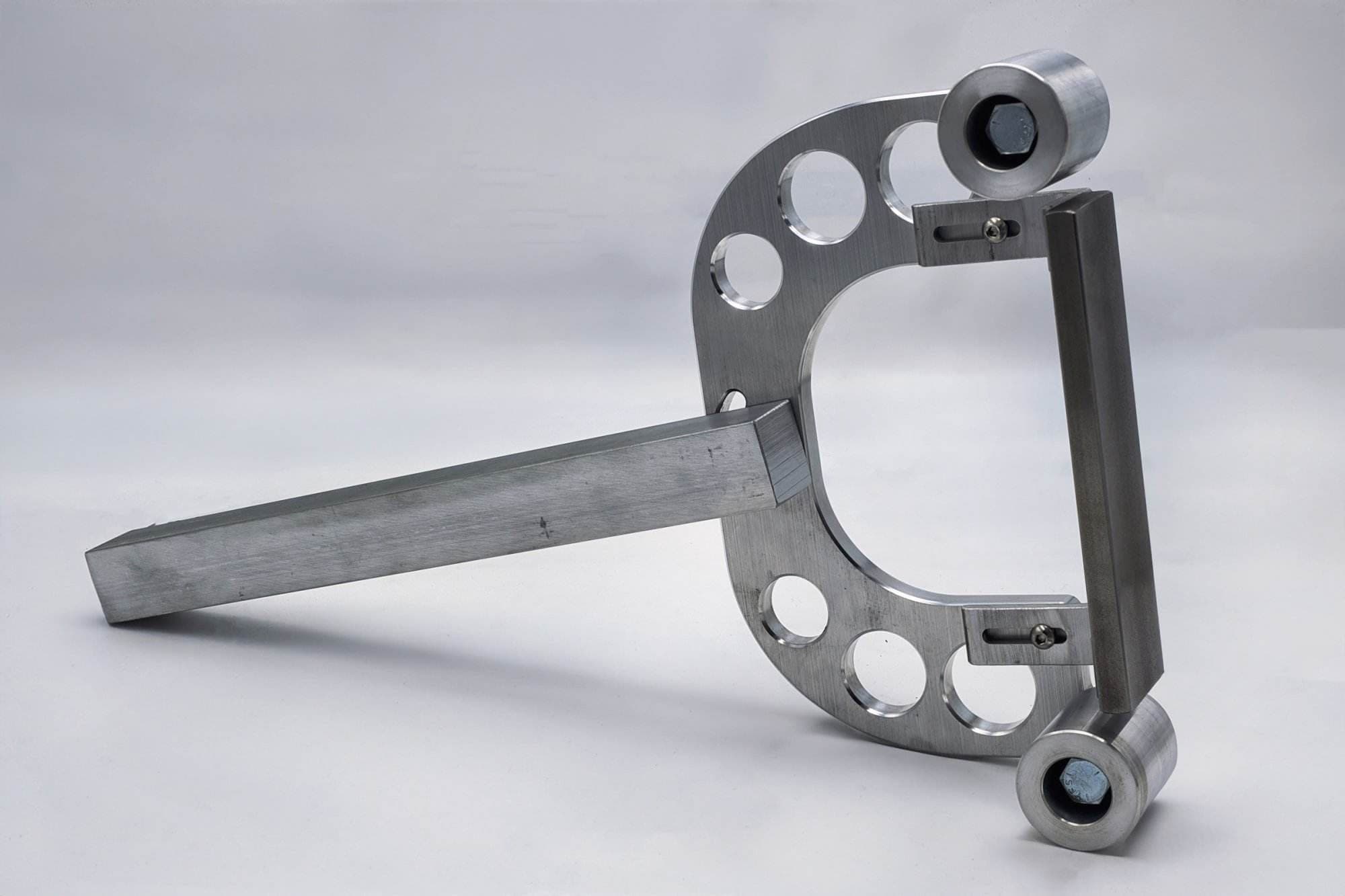
Adjust the tracking of the belt so that it runs smoothly without drifting off-center; this will help prolong the life of your belts and ensure consistent grinding. Next, consider the angle at which you will be grinding. For micarta, a flat platen attachment can provide a solid surface for shaping, while using a contact wheel may be beneficial for creating contours or curves in your design.
Techniques for Grinding Micarta and Carbon Fiber
Grinding micarta requires a careful approach to ensure that you achieve the desired shape without compromising the integrity of the material. Start by securing your workpiece firmly against the grinder’s platen or contact wheel. Use smooth, even strokes while applying consistent pressure; this technique will help prevent overheating, which can lead to delamination in micarta.
It’s also beneficial to periodically check your progress to ensure that you are maintaining the desired shape and dimensions. When grinding carbon fiber, it’s essential to adopt a slightly different technique due to its unique properties. Begin with light pressure to avoid fracturing the fibers, gradually increasing pressure as you become more comfortable with the material’s response.
Keep your movements fluid and avoid lingering in one spot for too long, as this can generate excessive heat that may damage the fibers. Utilizing a water-cooling system can also help manage heat buildup during grinding, ensuring that you maintain control over the process while protecting your workpiece.
Tips for Achieving a Smooth and Even Finish
Achieving a smooth and even finish on micarta and carbon fiber requires attention to detail and patience. After shaping your workpiece with coarser grits, transition to finer grits gradually, ensuring that you remove any scratches left by previous grits. A systematic approach—moving from 120 grit to 220 grit, then up to 400 grit—will help create a polished surface that showcases the beauty of both materials.
In addition to grit progression, consider using different techniques such as hand sanding or buffing after grinding. Hand sanding with fine-grit sandpaper can help eliminate any remaining imperfections and provide a more refined finish. For carbon fiber, using a polishing compound on a buffing wheel can enhance its glossy appearance while ensuring that the fibers remain intact.
Avoiding Common Mistakes and Pitfalls
While grinding micarta and carbon fiber can be rewarding, there are common mistakes that can hinder your progress or damage your materials. One frequent pitfall is applying too much pressure during grinding; this can lead to overheating or uneven surfaces. It’s essential to find a balance between pressure and speed, allowing the grinder’s abrasives to do their job without forcing the material.
Another mistake is neglecting to monitor the condition of your belts regularly. Worn-out belts can produce poor results and may even damage your workpiece by creating uneven surfaces or excessive heat buildup. Always inspect your belts before starting a new project and replace them as necessary.
Failing to clean your workspace can lead to contamination of your materials; dust and debris can affect adhesion if you plan on applying finishes later on.
Cleaning and Maintaining Your Grinder After Grinding Micarta and Carbon Fiber
After completing your grinding session with micarta or carbon fiber, it’s crucial to clean and maintain your 2×72 grinder properly. Start by removing any dust or debris from the grinder’s surface using a soft brush or vacuum cleaner attachment. This step will help prevent buildup that could interfere with future projects or damage your equipment over time.
Regular maintenance should also include checking for any wear on components such as bearings or belts. Lubricating moving parts according to manufacturer recommendations will ensure smooth operation during subsequent uses. By taking these steps after each session, you’ll prolong the life of your grinder while maintaining optimal performance for future projects.
Alternative Methods for Shaping and Finishing Micarta and Carbon Fiber
While grinding is a popular method for shaping micarta and carbon fiber, there are alternative techniques worth exploring. For instance, laser cutting can provide precise shapes without the risk of damaging the material through heat buildup associated with traditional grinding methods. This technique is particularly useful for intricate designs where accuracy is paramount.
Another alternative is using CNC machining for shaping these materials. CNC machines offer high precision and repeatability, making them ideal for producing consistent results across multiple pieces. While these methods may require additional investment in equipment or software, they can significantly enhance efficiency and accuracy in your projects.
Troubleshooting and Problem-Solving During the Grinding Process
During the grinding process, you may encounter various challenges that require troubleshooting skills. One common issue is overheating of micarta or carbon fiber, which can lead to delamination or damage to the fibers. If you notice excessive heat buildup, take breaks between grinding sessions to allow the material to cool down.
Adjusting your technique by reducing pressure or increasing speed may help mitigate this problem. Another challenge could be achieving an even finish across complex shapes or contours. If you find that certain areas are not smoothing out as expected, consider revisiting those sections with finer grits or employing hand sanding techniques for more control over specific areas.
FAQs
What is a 2×72 grinder?
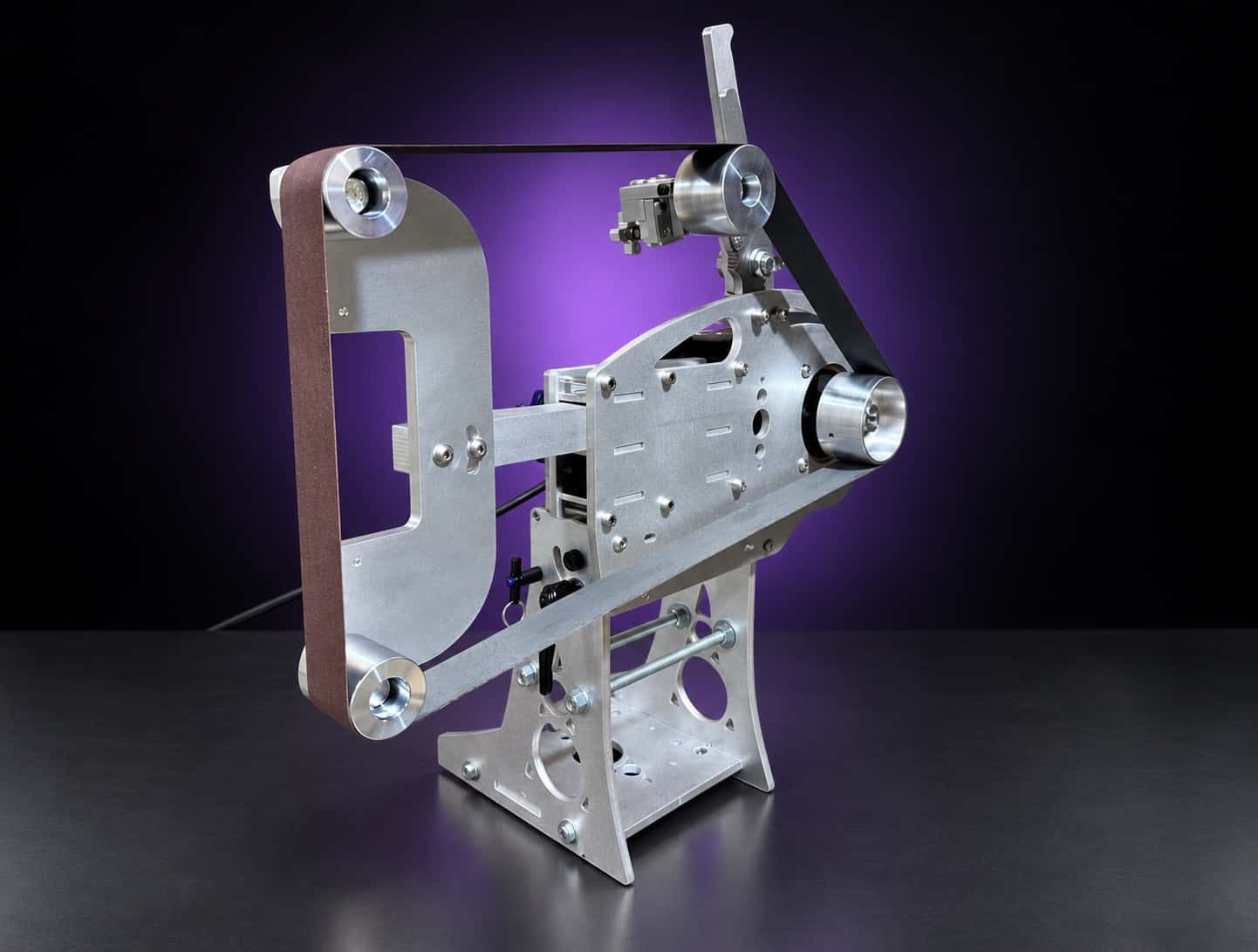
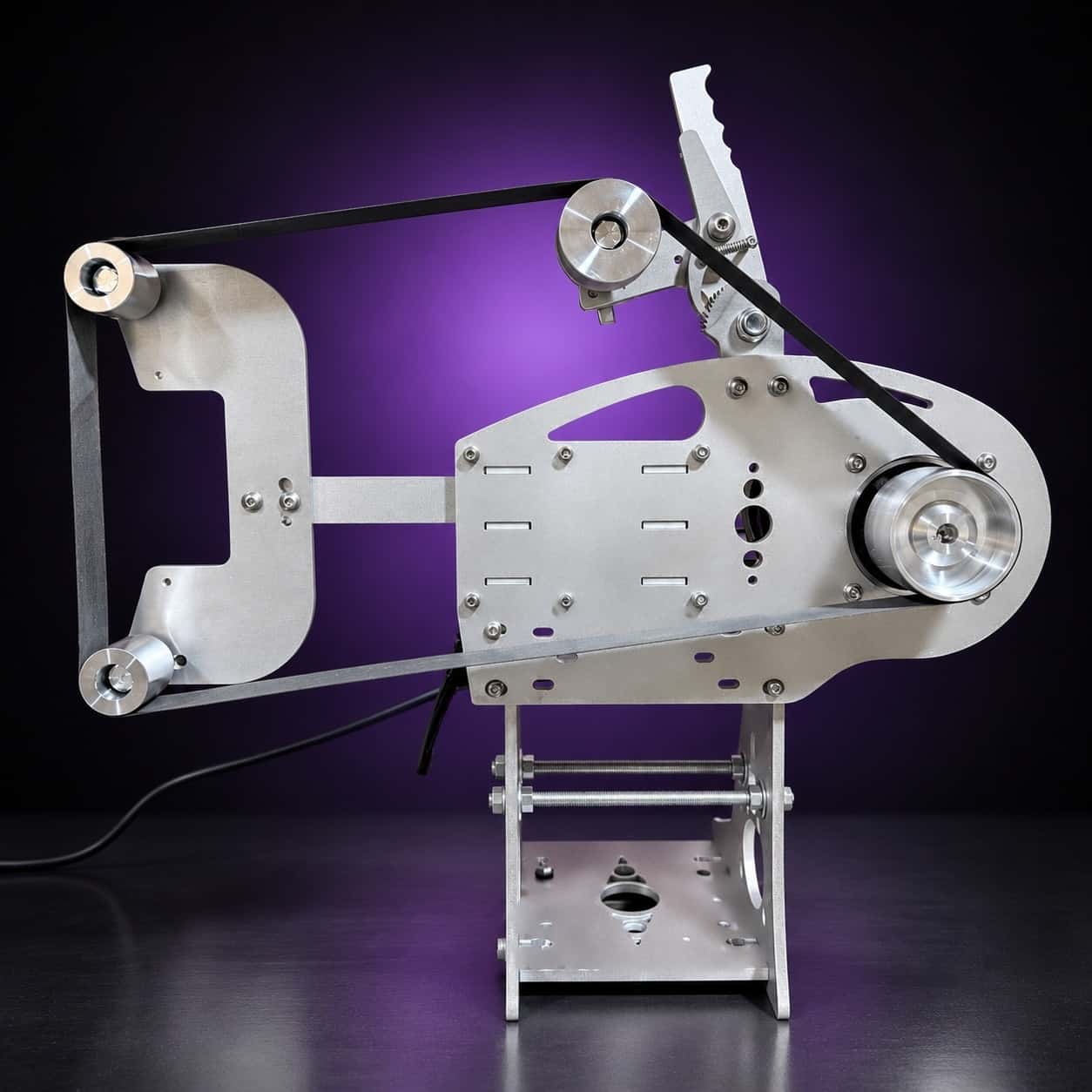
A 2×72 grinder is a type of belt grinder that uses a 2-inch by 72-inch belt for grinding, shaping, and polishing various materials.
How can Micarta and Carbon Fiber be safely ground on a 2×72 grinder?
To safely grind Micarta and Carbon Fiber on a 2×72 grinder, it is important to wear appropriate personal protective equipment, such as safety glasses, a dust mask, and gloves. The grinder should be equipped with a dust collection system to minimize the inhalation of harmful particles.
What are the potential hazards of grinding Micarta and Carbon Fiber?
Grinding Micarta and Carbon Fiber can produce fine dust particles that may be harmful if inhaled. The heat generated during the grinding process can cause the materials to release noxious fumes.
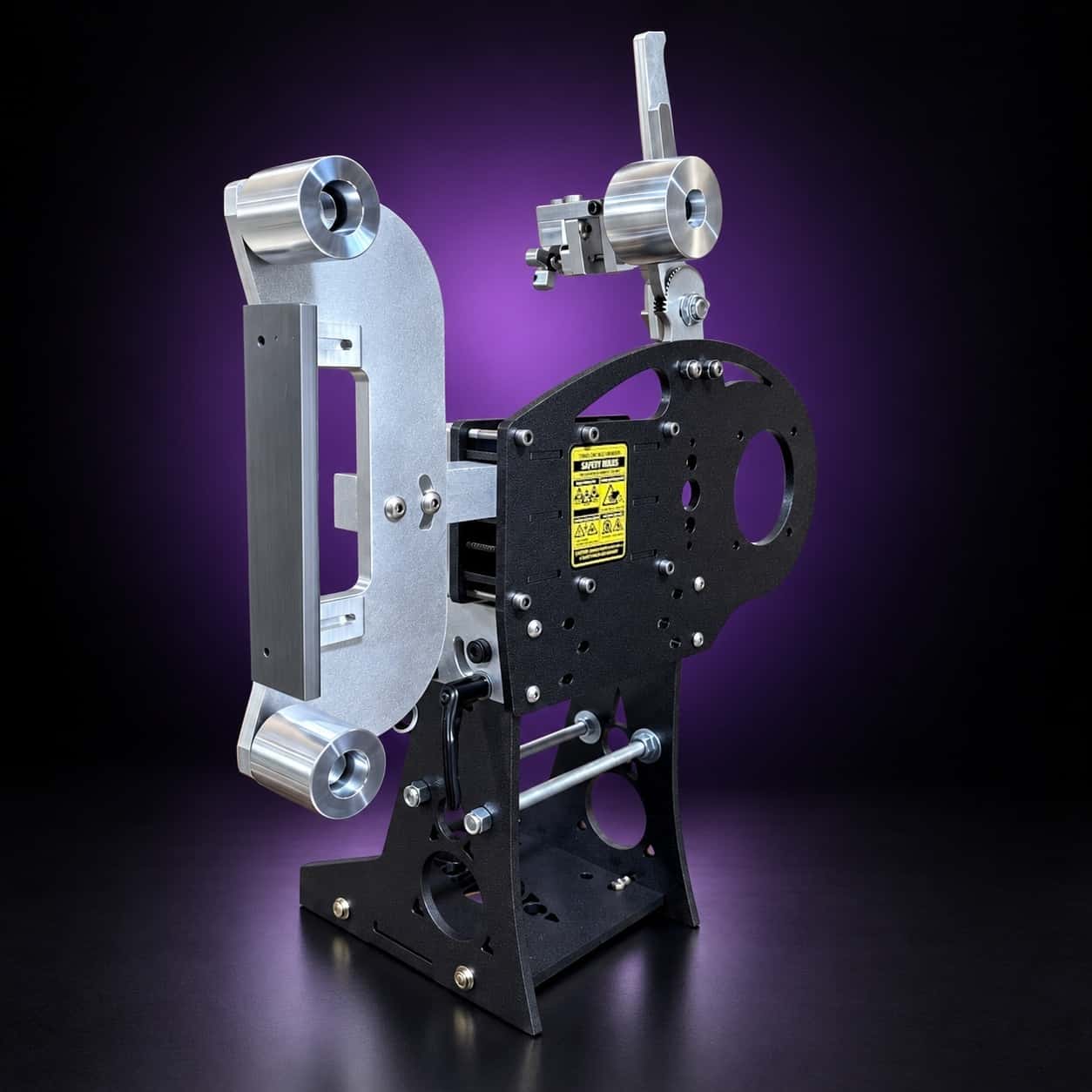
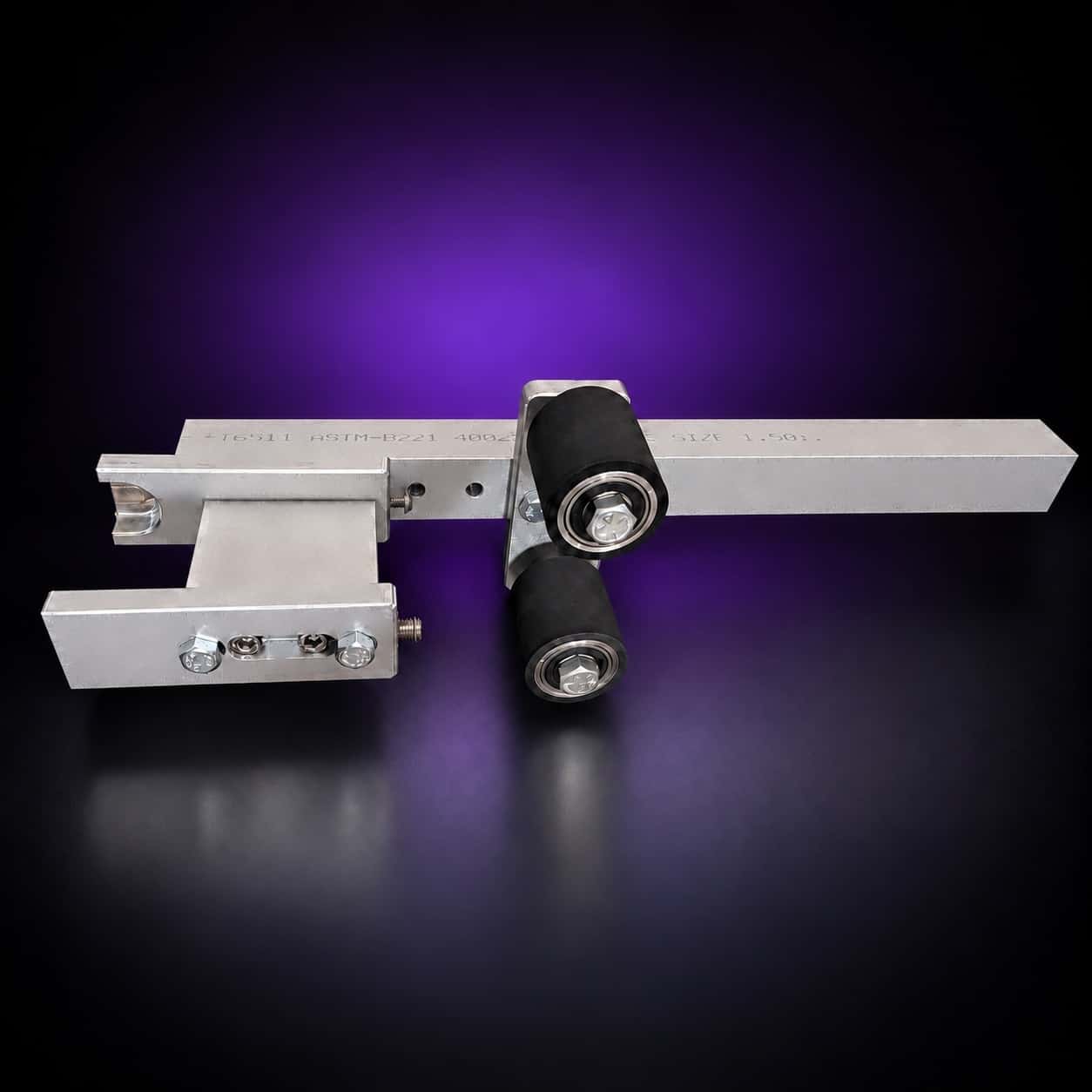
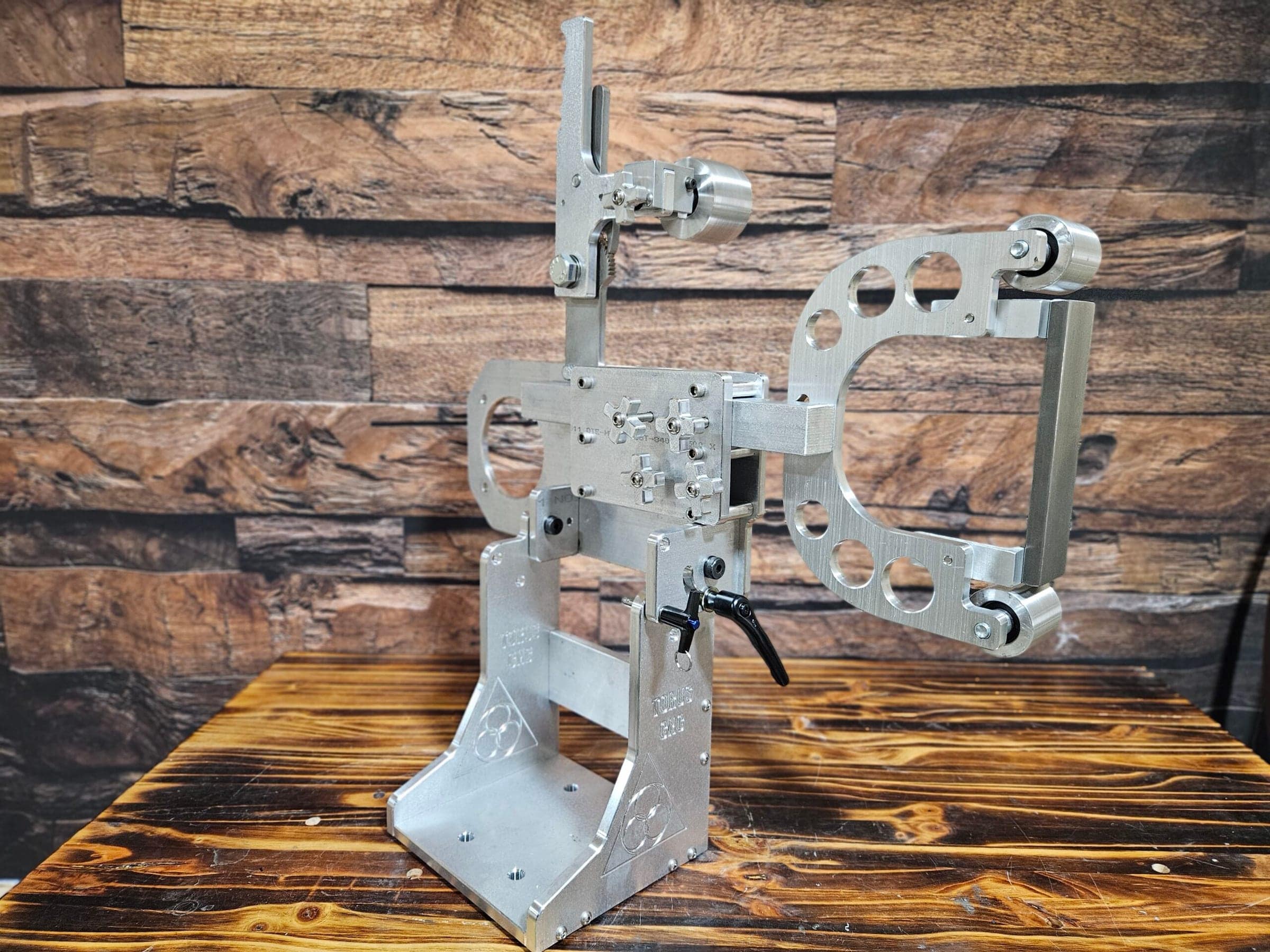
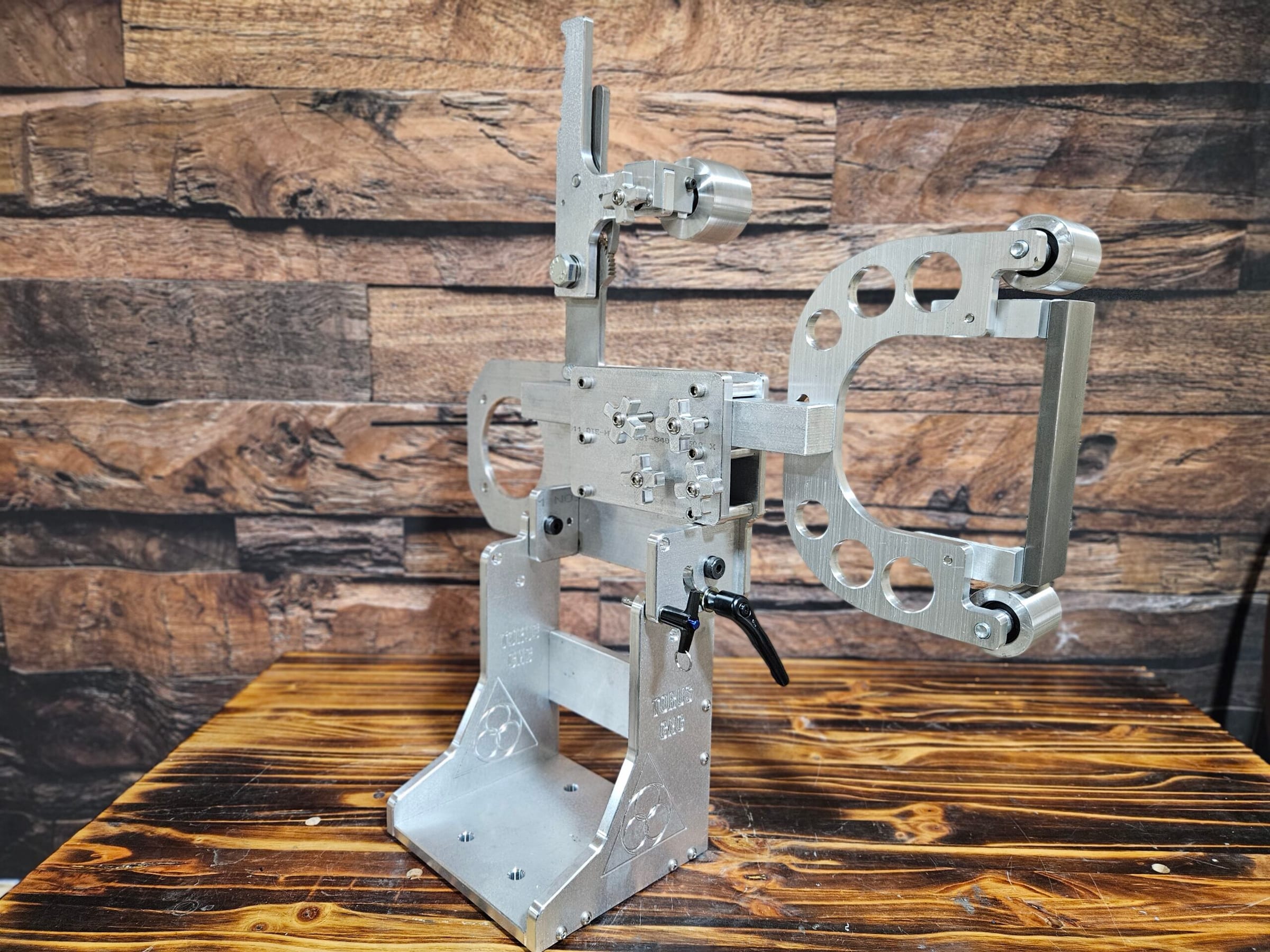
Low speed is what keeps resin from smearing, and a VFD is how you get it. My motor and VFD combo on a Nova 2×72 handles handle materials at a crawl, and the small wheel attachment shapes the finger grooves. The respirator I use is on the Amazon links page.