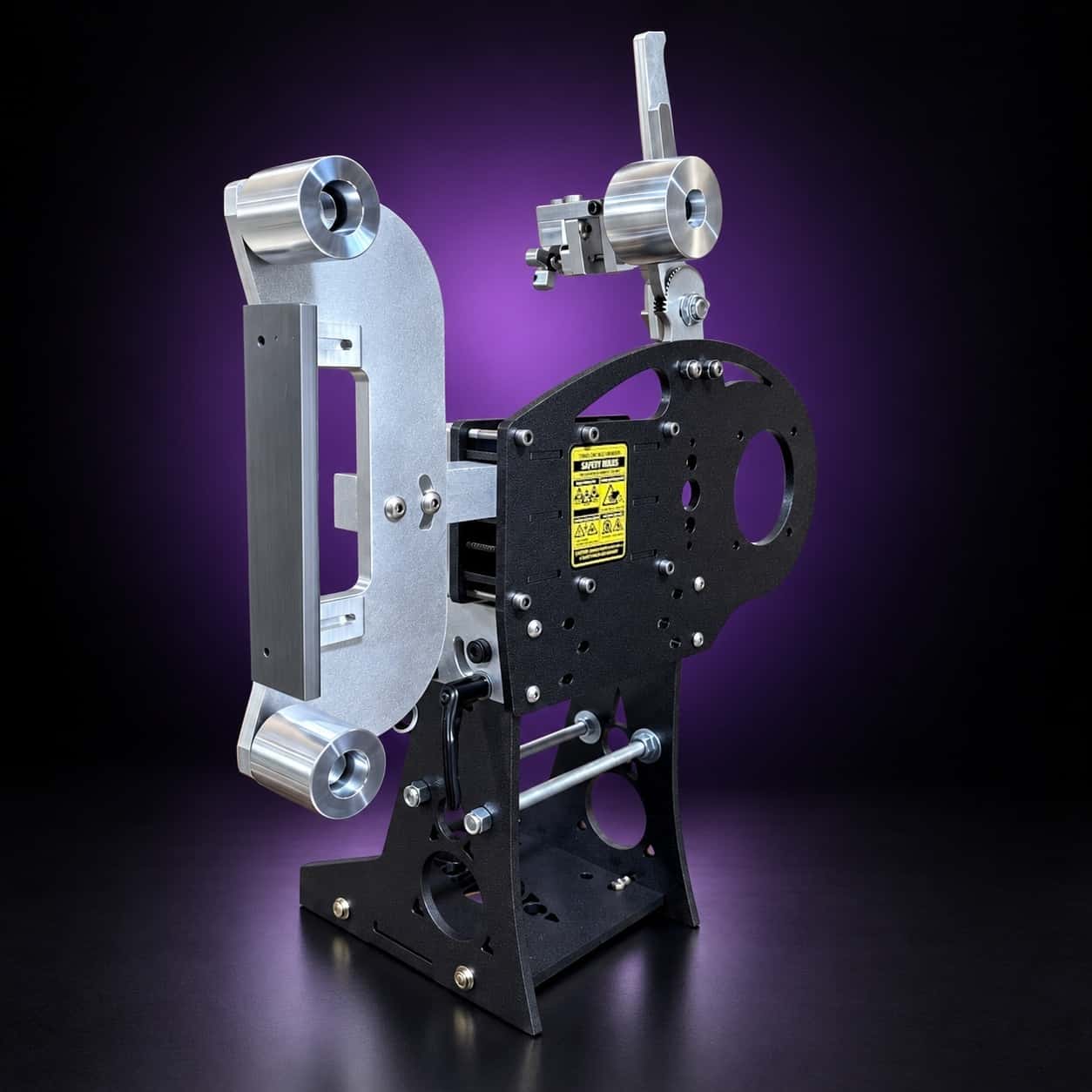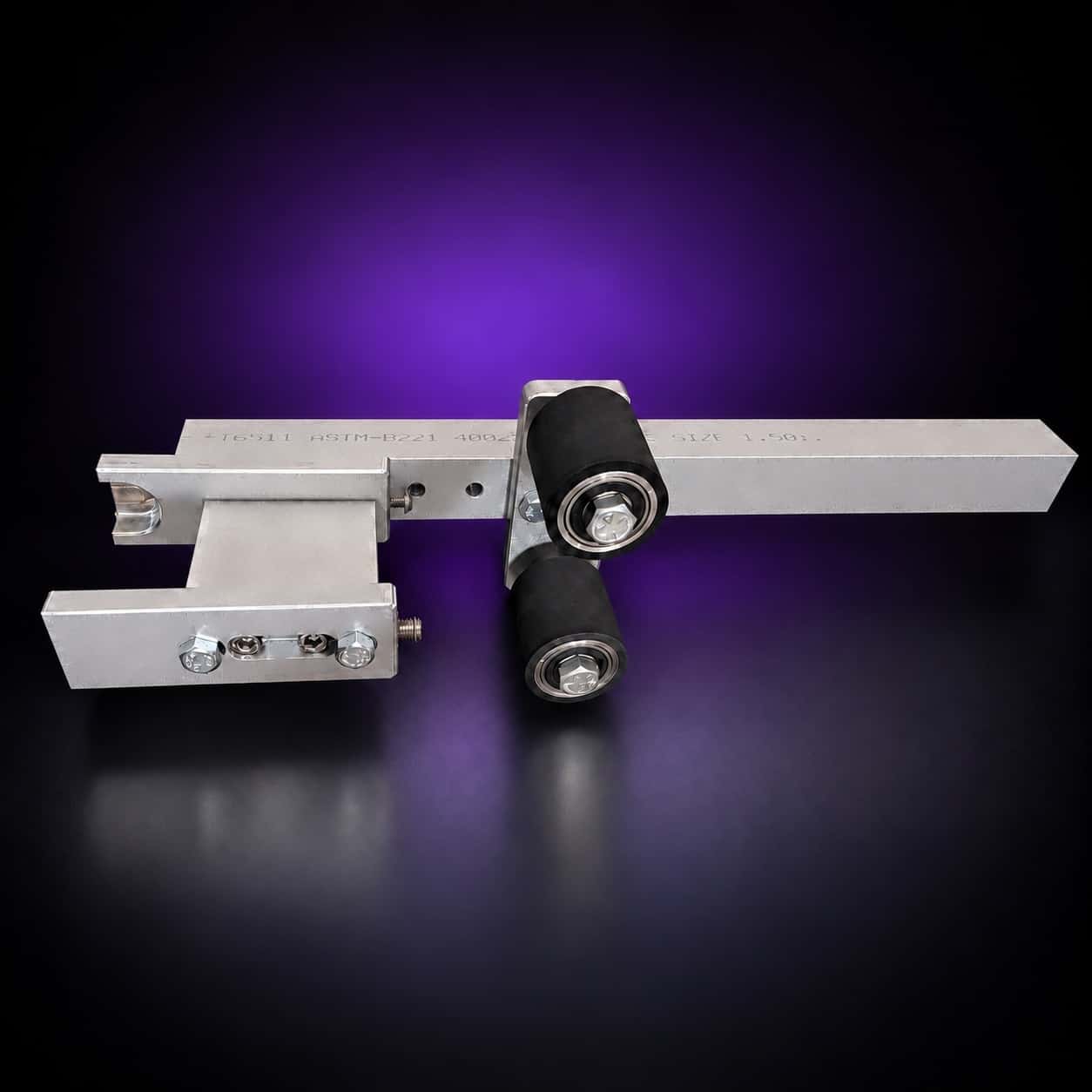
Belt Grinders
Achieving Ultra-Smooth Operation with Rebalanced Drive Wheels
If your grinder buzzes through the bench, the drive wheel is the first suspect. Here is what throws a wheel out of balance, how to check it, and why a machined aluminum drive wheel runs smoother.
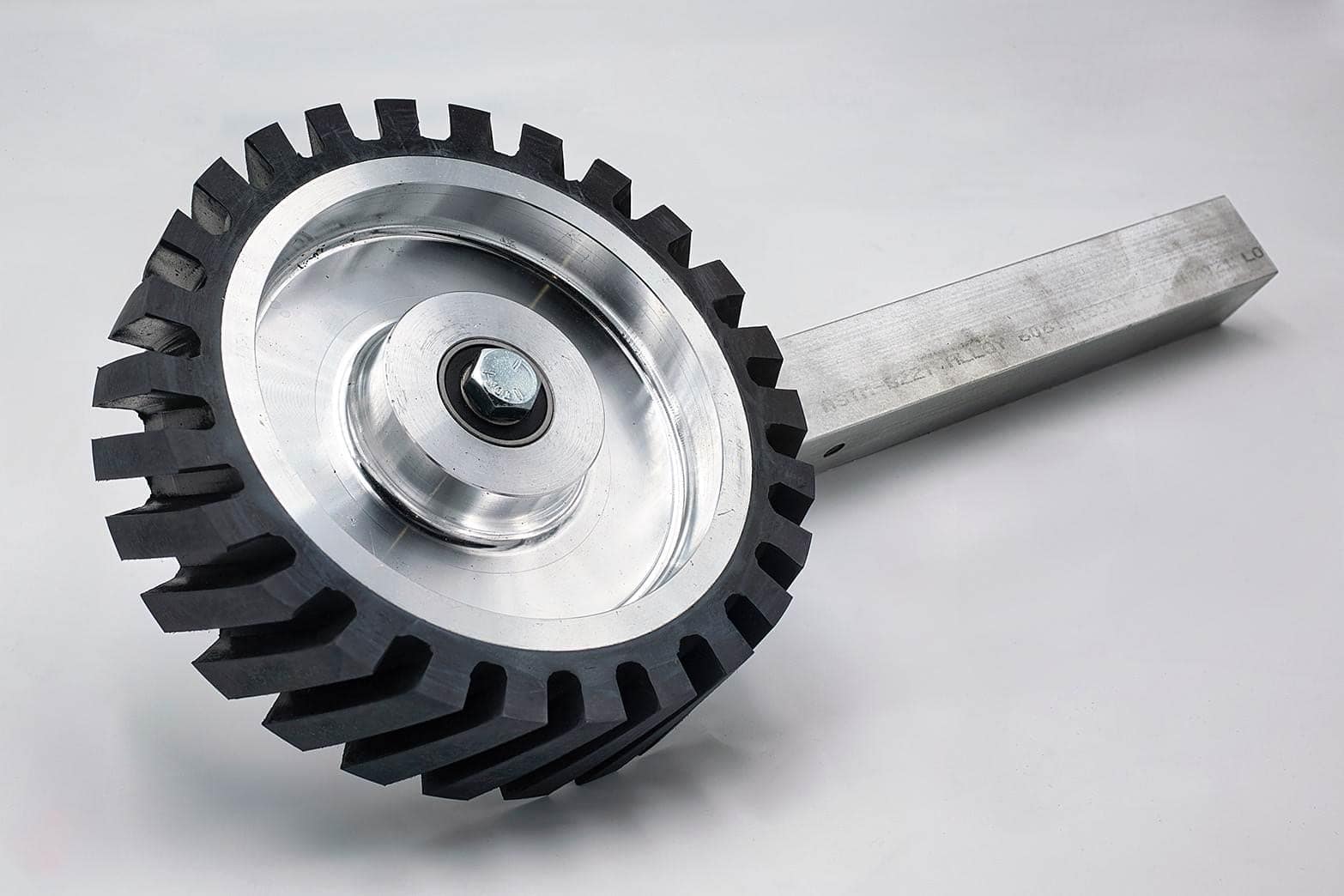
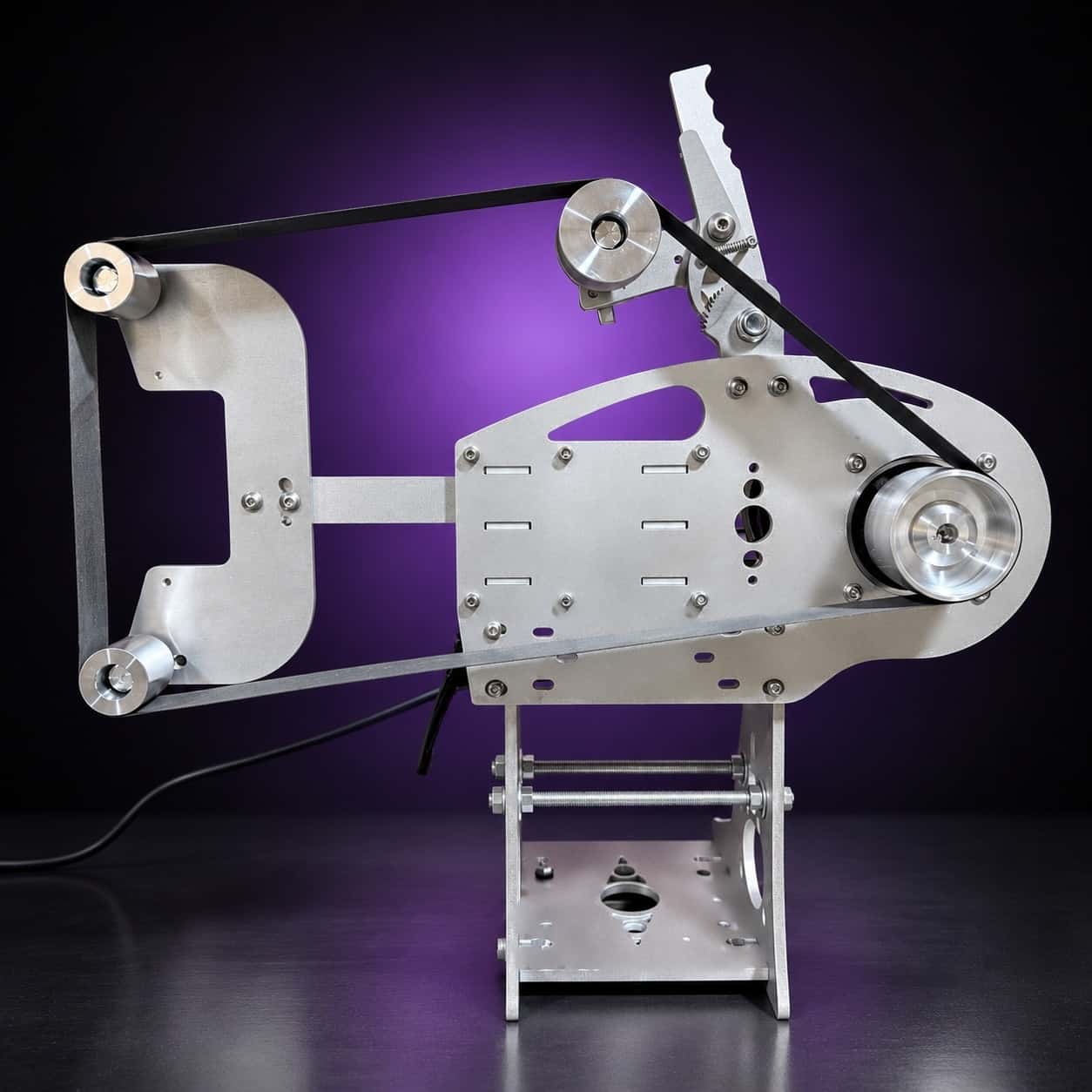
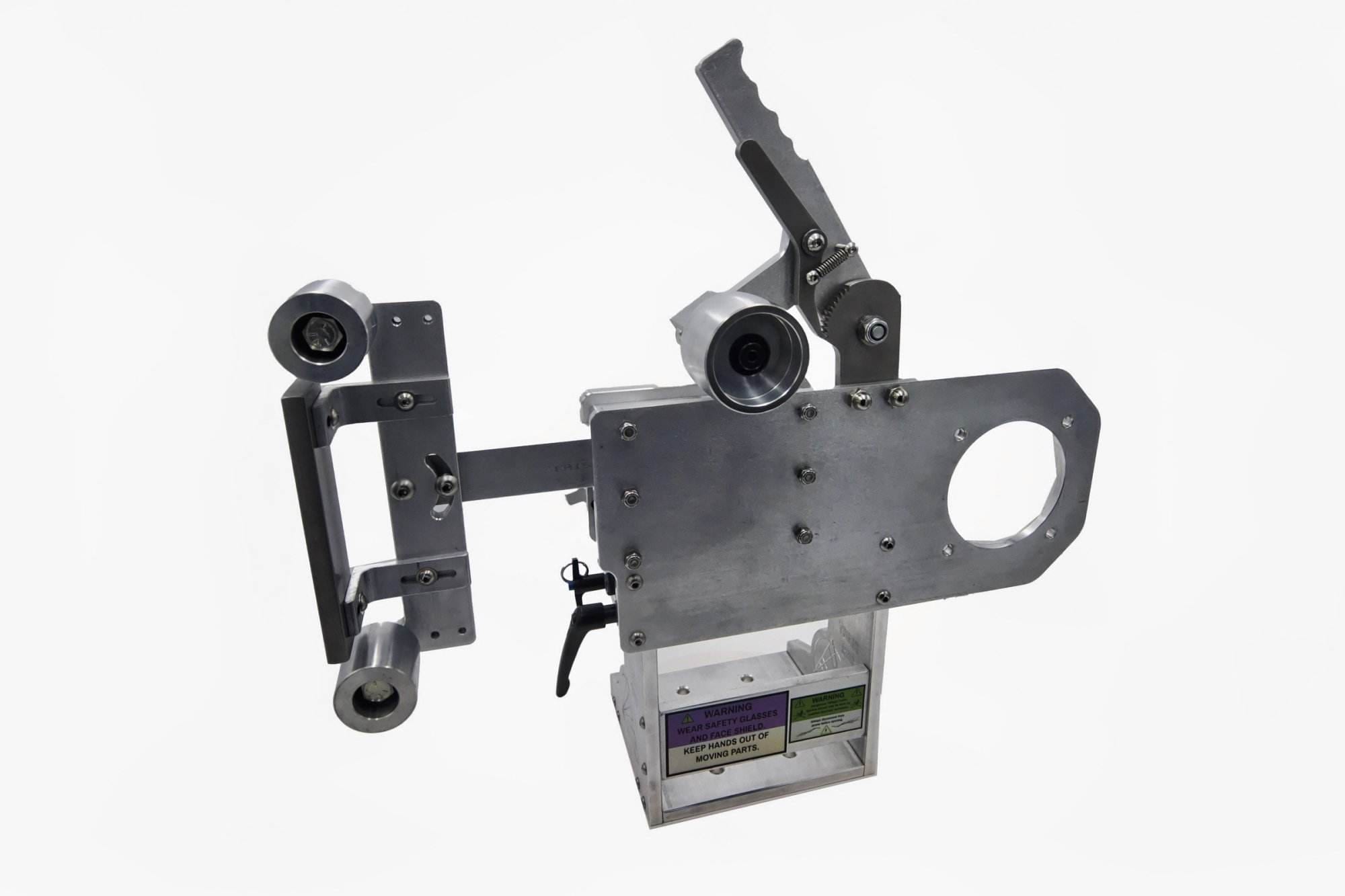
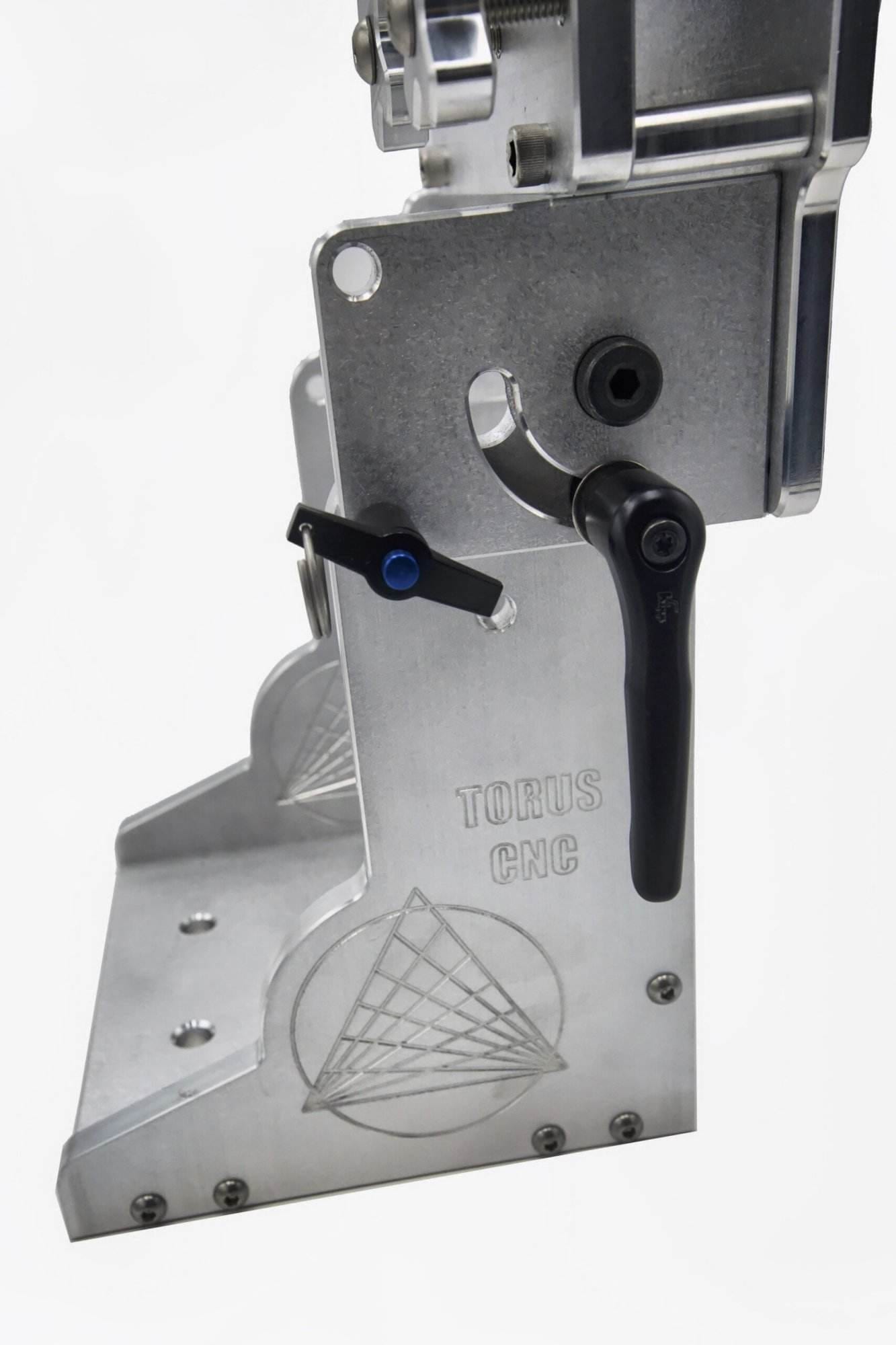
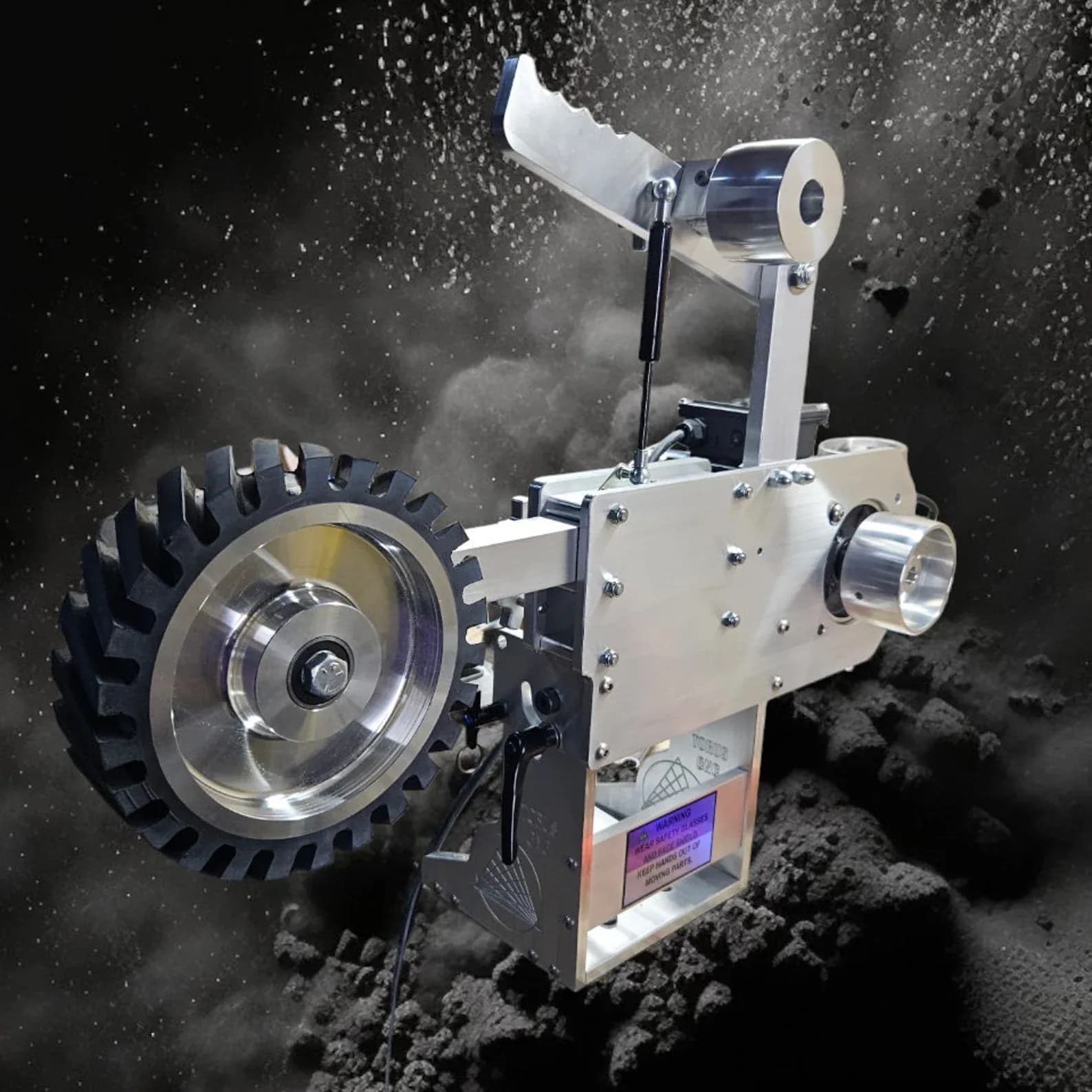
Vibration you can feel in the bench is vibration you can see in the grind. The drive wheel spins faster than anything else on a 2×72, so a few grams of imbalance turns into chatter on every pass. Here is what knocks a drive wheel out of balance, how to check yours in five minutes, and why I machine my own wheels from aluminum on a CNC lathe instead of buying cast ones.
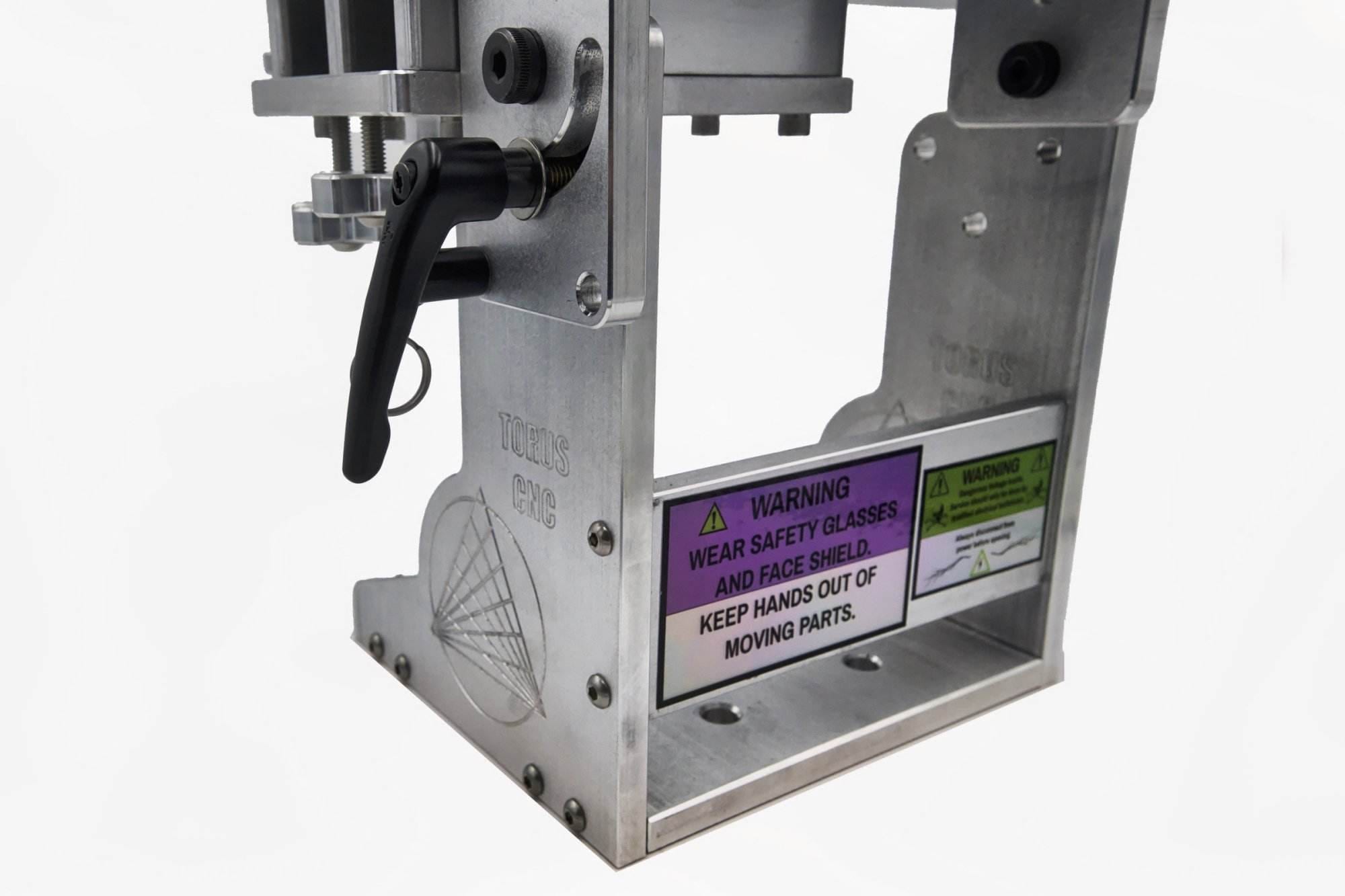
Key Takeaways
- Rebalancing drive wheels is crucial for achieving smooth operation and preventing common issues such as vibration and premature wear.
- Proper maintenance and monitoring are essential for ensuring drive wheels remain balanced and in optimal condition.
- There are various methods and tools available for rebalancing drive wheels, and choosing the right one depends on factors such as wheel type and application.
- The benefits of rebalancing drive wheels include improved performance, reduced maintenance costs, and extended equipment lifespan.
- Case studies demonstrate the successful implementation of rebalanced drive wheels in various industries, highlighting the positive impact on overall operation and efficiency.
Common Issues with Drive Wheel Imbalance
Drive wheel imbalance can manifest in several ways, each with its own set of consequences. One of the most common issues is excessive vibration during operation. This vibration can lead to discomfort for operators and may even cause fatigue over time.
Vibrations can result in misalignment of other components, further exacerbating operational inefficiencies. Another issue associated with drive wheel imbalance is uneven wear on tires or other contact surfaces. When a wheel is not balanced correctly, certain areas may experience more friction than others, leading to premature degradation.
This uneven wear not only shortens the lifespan of the wheel itself but can also affect the performance of connected systems. Imbalances can lead to increased energy consumption as machines work harder to compensate for the lack of stability, in the end impacting operational costs.
The Benefits of Rebalancing Drive Wheels
Rebalancing drive wheels offers a multitude of benefits that extend beyond mere performance improvements. One of the most significant advantages is enhanced operational efficiency. By eliminating vibrations and ensuring even weight distribution, machines can operate at optimal levels, reducing energy consumption and increasing productivity.
This efficiency translates into cost savings for businesses, making rebalancing a worthwhile investment. Rebalancing drive wheels contributes to improved safety in various applications. With reduced vibrations and smoother operation, the risk of accidents or equipment failures diminishes significantly.
Operators can work with greater confidence, knowing that their machinery is functioning as intended. Rebalancing can lead to lower maintenance costs by minimizing wear on components and extending their service life. The benefits of rebalancing drive wheels encompass not only immediate performance gains but also long-term advantages for both safety and cost-effectiveness.
Steps to Achieving Ultra-Smooth Operation
Achieving ultra-smooth operation through rebalancing drive wheels involves a systematic approach that includes several key steps. The first step is to assess the current state of the drive wheels. This assessment may involve visual inspections and measurements to identify any signs of imbalance or wear.
Understanding the specific issues at hand is crucial for determining the appropriate rebalancing method. Once the assessment is complete, the next step is to implement corrective measures. This may involve adding or removing weight from specific areas of the wheel to achieve a balanced state.
Advanced techniques such as dynamic balancing may be employed to ensure precision in weight distribution. After adjustments are made, it is essential to conduct thorough testing to verify that the desired level of smooth operation has been achieved. Continuous monitoring and adjustments may be necessary to maintain optimal performance over time.
Choosing the Right Rebalancing Method
Selecting the appropriate rebalancing method is critical for achieving effective results. There are several techniques available, each with its own advantages and applications. Static balancing is one common method that involves placing weights on a stationary wheel until it achieves equilibrium.
This method is often suitable for simpler systems where precision is less critical. Dynamic balancing, on the other hand, is more complex and involves assessing the wheel’s performance while it is in motion. This method allows for more accurate adjustments and is particularly beneficial for high-speed applications where even minor imbalances can have significant consequences.
The choice between static and dynamic balancing will depend on factors such as the type of machinery, operating conditions, and desired precision levels.
The Role of Proper Maintenance in Achieving Smooth Operation
Proper maintenance plays a pivotal role in ensuring that drive wheels remain balanced over time. Regular inspections should be conducted to identify any signs of wear or imbalance early on. This proactive approach allows for timely interventions before minor issues escalate into major problems that could disrupt operations.
In addition to inspections, routine maintenance practices such as lubrication and alignment checks are essential for maintaining smooth operation. Keeping components well-lubricated reduces friction and wear, while proper alignment ensures that all parts work harmoniously together. By integrating maintenance into the overall operational strategy, businesses can significantly enhance the longevity and performance of their drive wheels.
Tools and Equipment for Rebalancing Drive Wheels
To effectively rebalance drive wheels, specific tools and equipment are required. Balancing machines are among the most essential tools in this process. These machines are designed to measure imbalances accurately and provide data for making necessary adjustments.
Depending on the complexity of the system, different types of balancing machines may be utilized. In addition to balancing machines, other tools such as weight kits and alignment tools are crucial for achieving precise results. Weight kits allow operators to add or remove weights easily during the rebalancing process, while alignment tools ensure that all components are correctly positioned relative to one another.
Tips for Monitoring and Maintaining Balanced Drive Wheels
Monitoring and maintaining balanced drive wheels require a proactive approach that includes regular checks and adjustments as needed. One effective tip is to establish a routine inspection schedule that aligns with operational demands. During these inspections, operators should look for signs of wear or imbalance, such as unusual vibrations or uneven tire wear.
Another important aspect of monitoring is keeping detailed records of inspections and maintenance activities. Documenting changes over time allows operators to identify patterns or recurring issues that may require further investigation. Utilizing technology such as vibration analysis tools can provide valuable insights into the condition of drive wheels and help detect imbalances before they become problematic.
FAQs
What is the purpose of rebalancing drive wheels for ultra-smooth operation?
Rebalancing drive wheels helps to minimize vibrations and ensure smooth operation of machinery and equipment. This is particularly important in applications where precision and stability are crucial.
How does rebalancing drive wheels improve performance?
By rebalancing drive wheels, any imbalances in the rotating components are corrected, leading to reduced vibrations, improved stability, and enhanced overall performance of the machinery or equipment.
What are the common signs that drive wheels need rebalancing?
Common signs that drive wheels may need rebalancing include excessive vibrations, uneven tire wear, noise during operation, and decreased overall performance of the equipment.
What are the methods used for rebalancing drive wheels?
Common methods for rebalancing drive wheels include using precision balancing equipment, adding or removing weights, adjusting tire pressure, and ensuring proper alignment of the drive components.
Why is it important to maintain balanced drive wheels?
Maintaining balanced drive wheels is important to prevent premature wear and tear on the equipment, reduce the risk of mechanical failures, and ensure the safety of operators and nearby personnel.
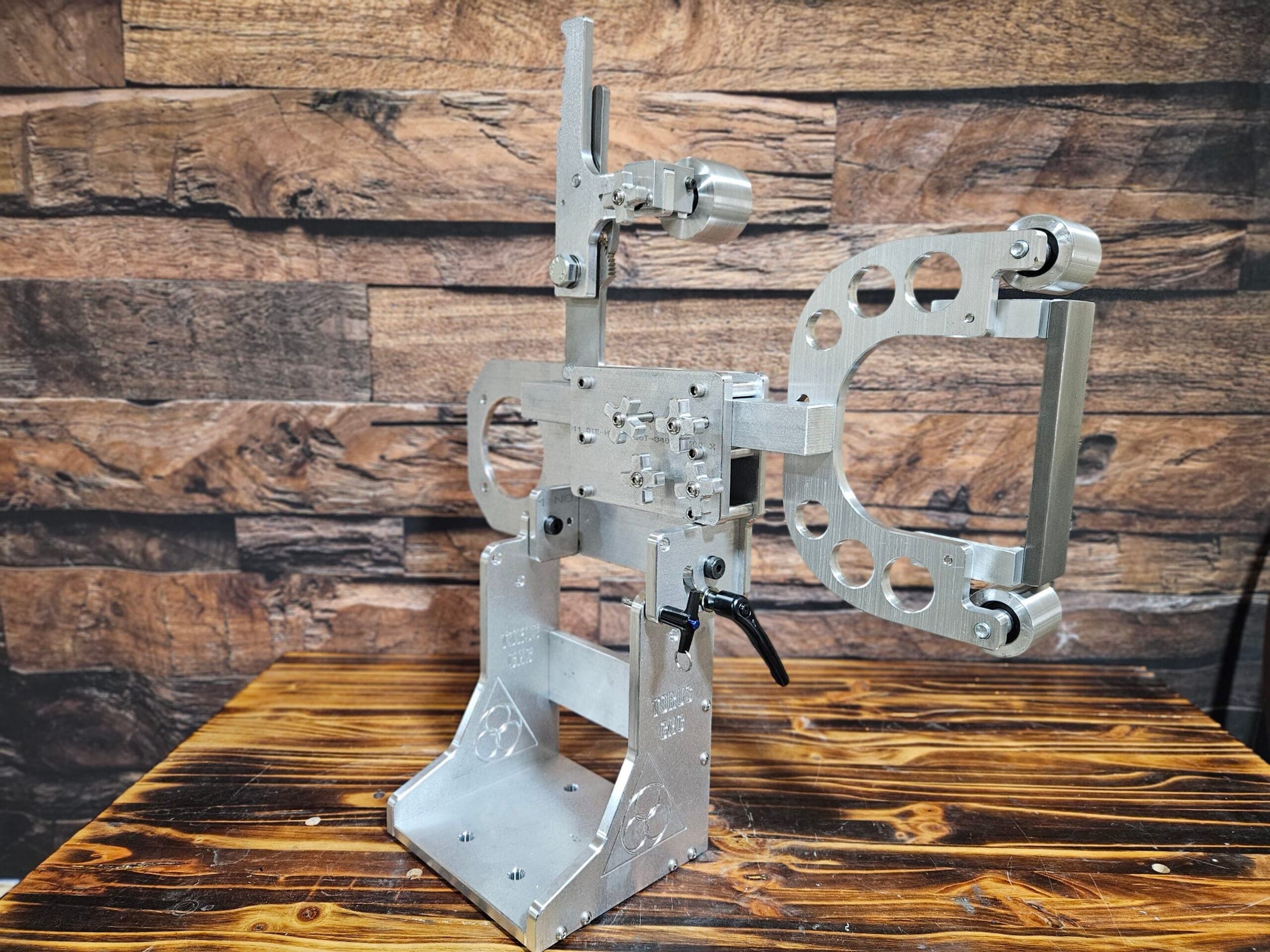
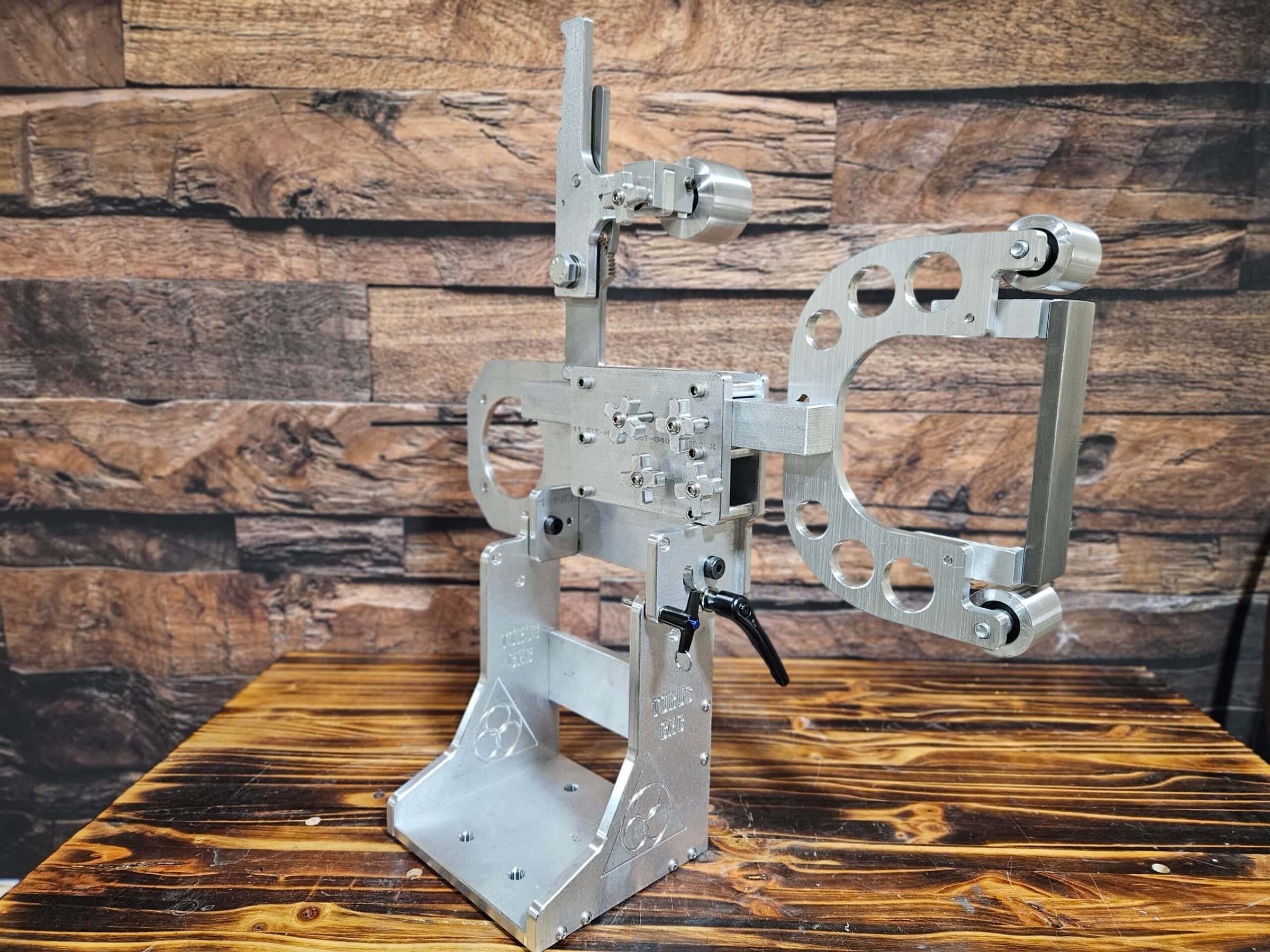
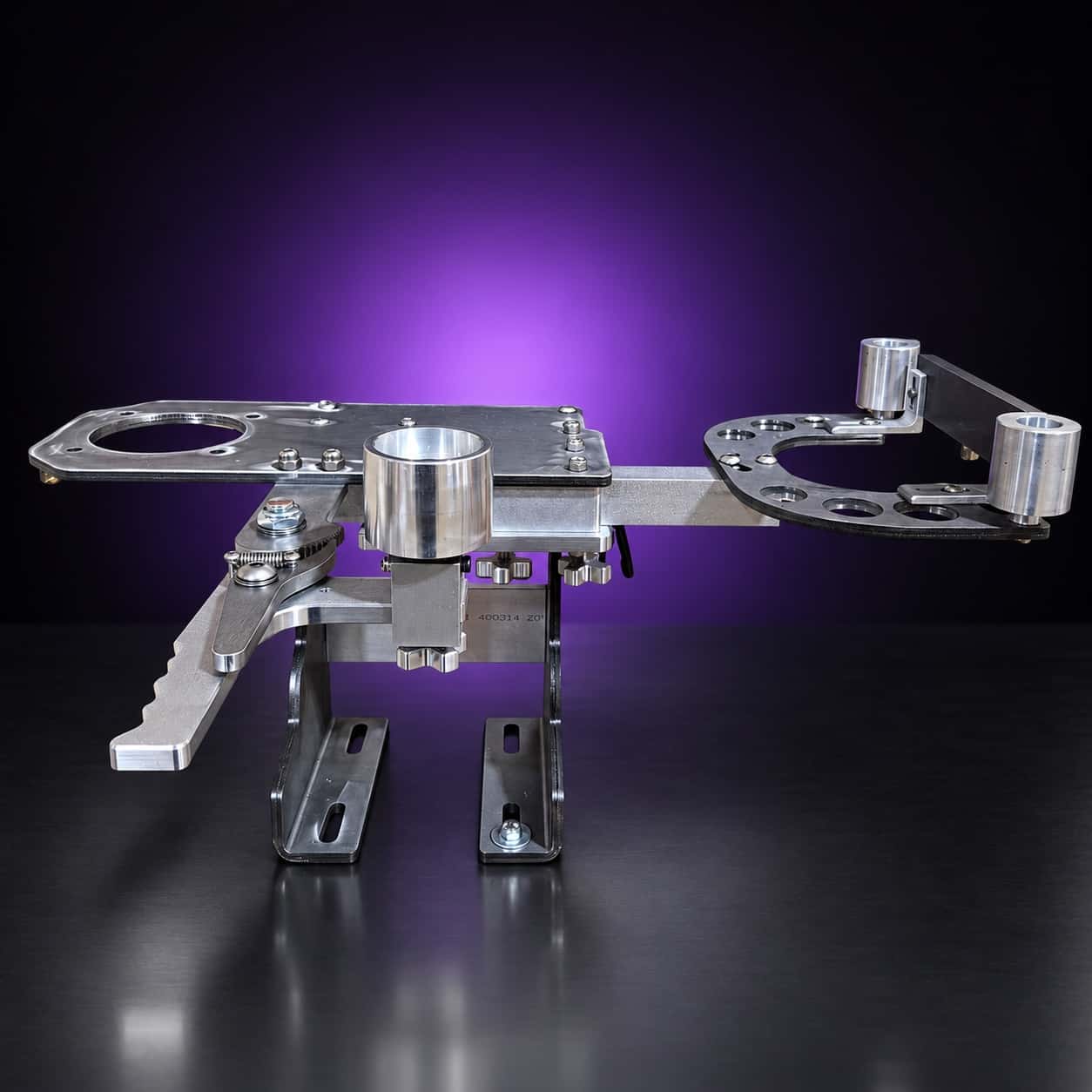
Every Torus grinder ships with a machined 4-inch aluminum drive wheel with a 5/8-inch keyed bore, and you can swap to a 7-inch drive wheel when you want faster belt speed. Start with the Nova 2×72 and you get the whole chassis trued and tested before it leaves my shop.