Belt Grinders
Maximizing Slack Belt Flex for Smooth Organic Handle Transitions
Handles that feel right have no facets, and a slack belt is how you get there. Here is how I use the slack section of the 2×72 for organic handle transitions: belt choice, tension, where to work, and pressure.
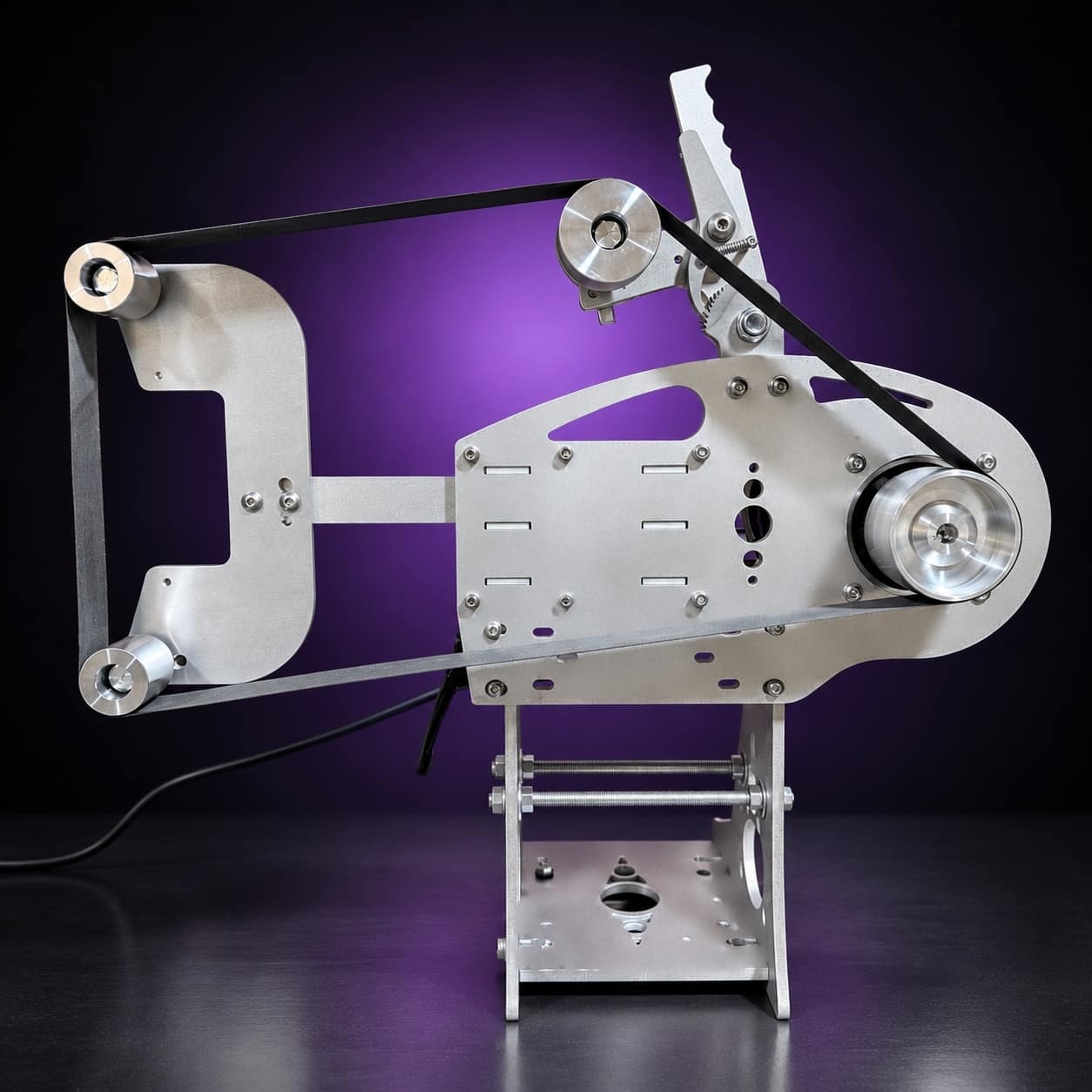
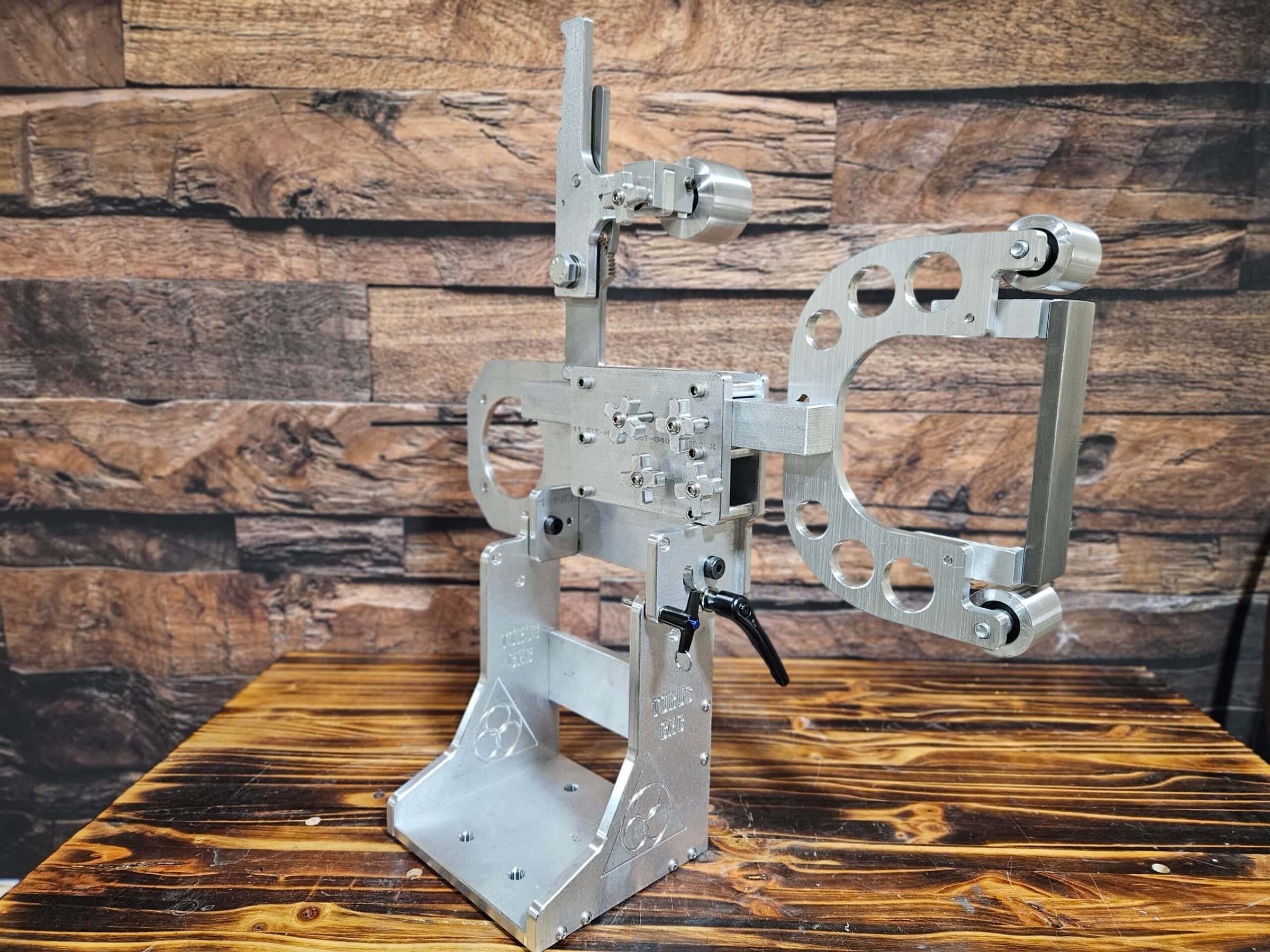
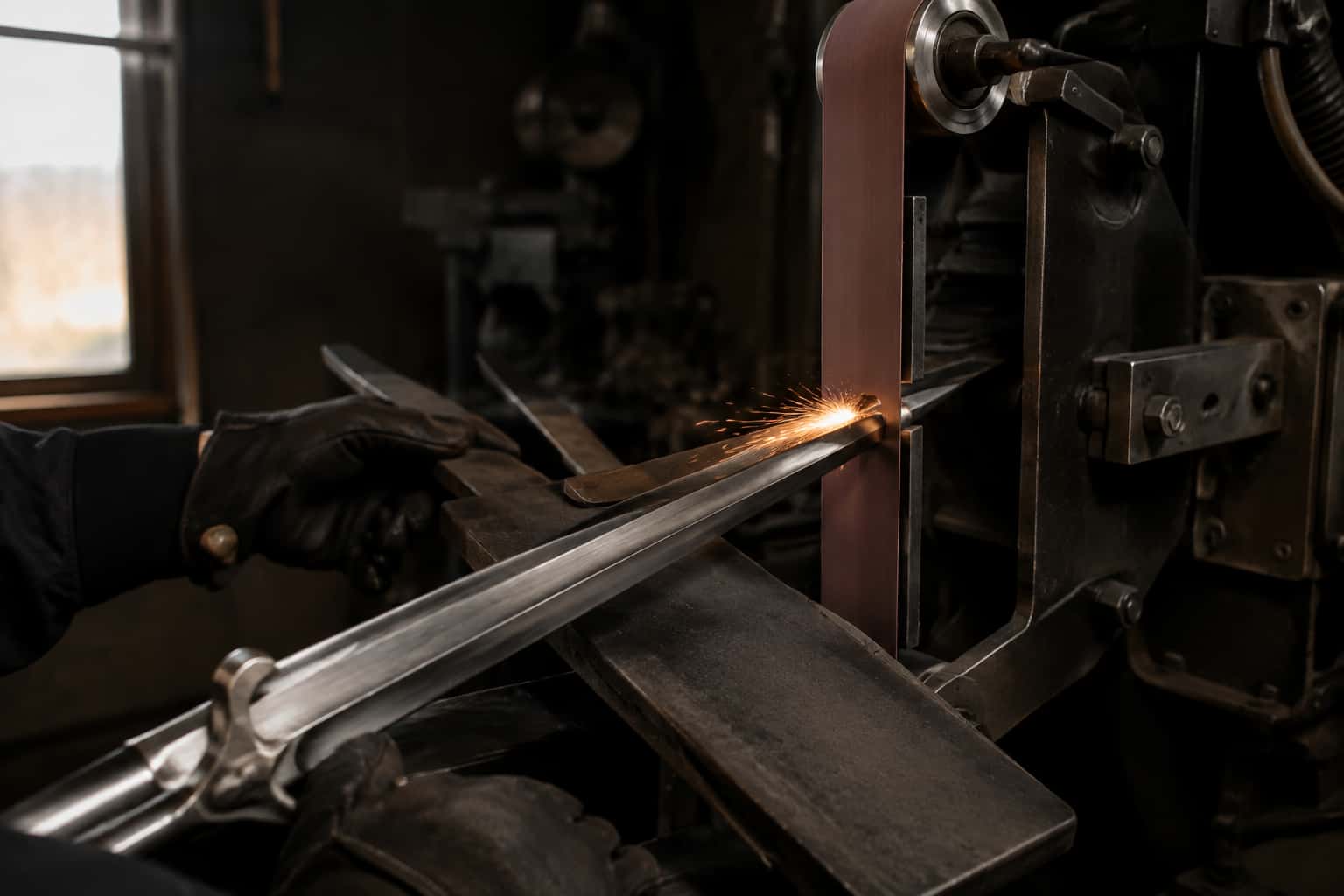
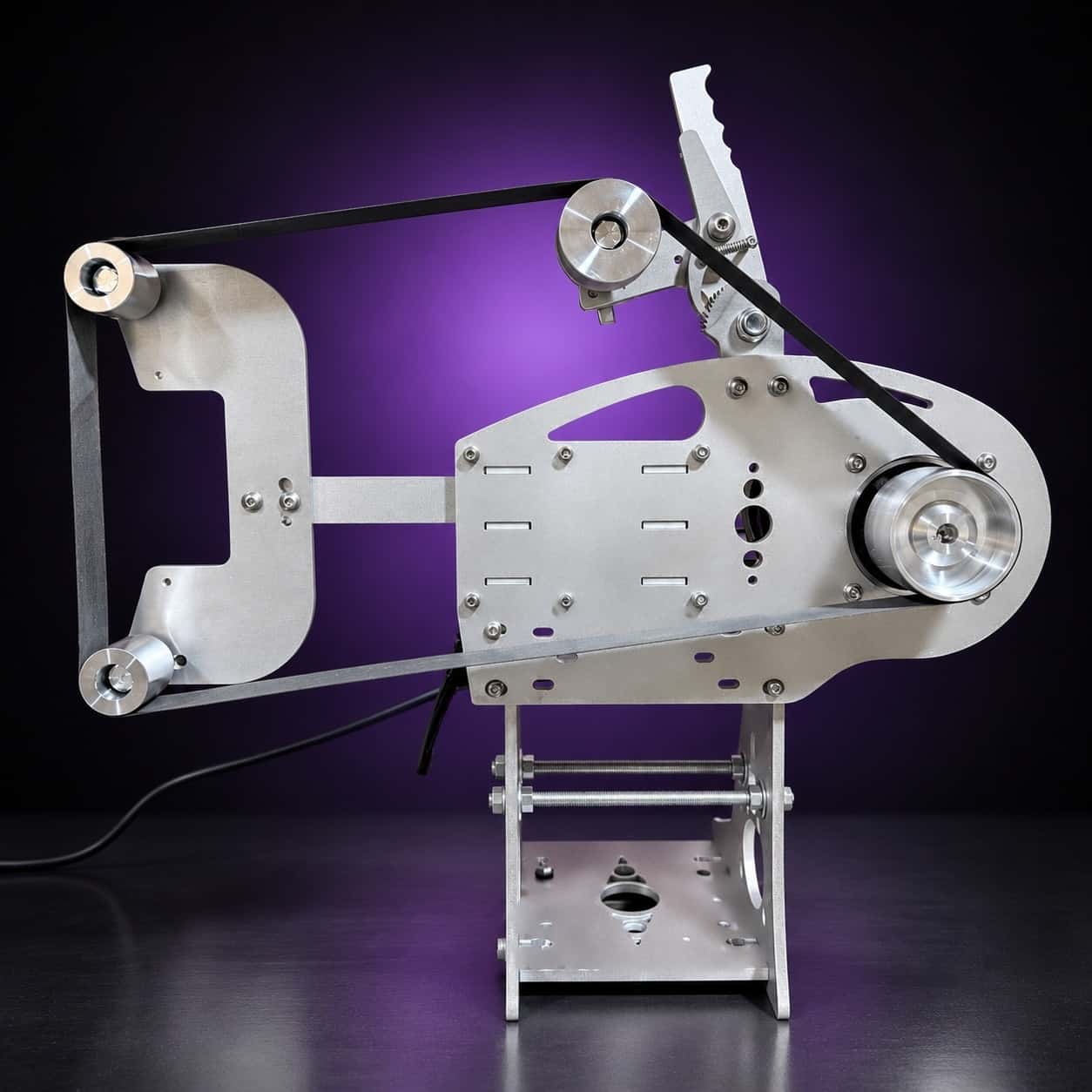
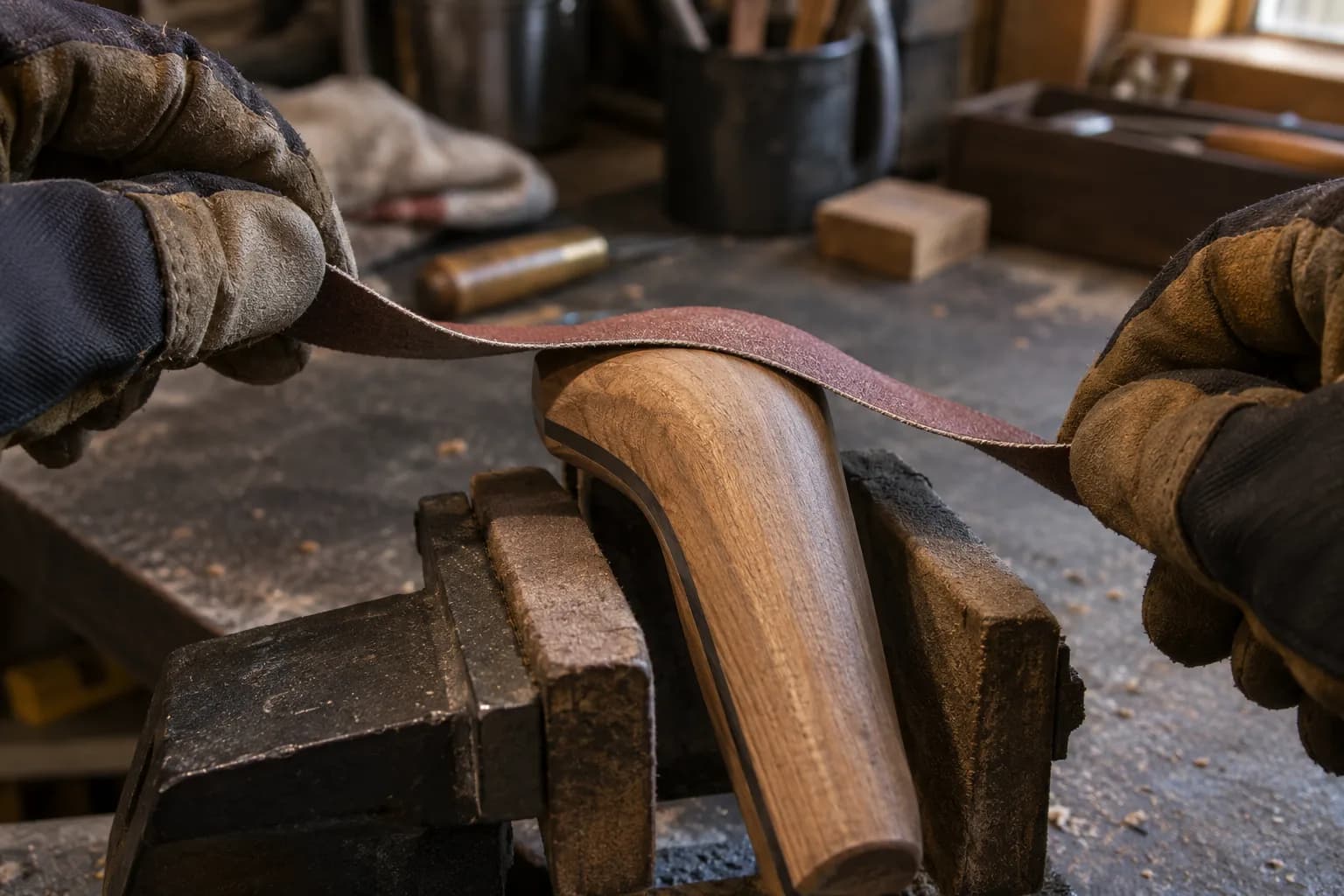
A handle that feels right in the hand has no facets, and you cannot get there on a flat platen. The slack section of the belt, the run between the platen and the wheel with nothing behind it, wraps around a curve and blends one surface into the next. Here is how I use slack belt flex on the 2×72 for handle contours: belt choice, tension, where on the belt to work, and pressure.
Key Takeaways
- Understanding the importance of slack belt flex is crucial for smooth and smooth handle transitions in martial arts and other movement disciplines.
- Choosing the right belt material is essential for maximum flexibility, as it directly impacts the ability to perform organic and fluid movements.
- Adjusting tension is key to achieving optimal slack belt flex, allowing for the right amount of resistance for smooth handle transitions.
- Utilizing proper belt size is necessary for smooth handle transitions, as it ensures the belt fits comfortably and allows for smooth movement.
- Incorporating organic movement techniques, controlled breathing, and dynamic stretching are all essential for achieving effortless flexibility and smooth handle transitions.
Choosing the Right Belt Material for Maximum Flexibility
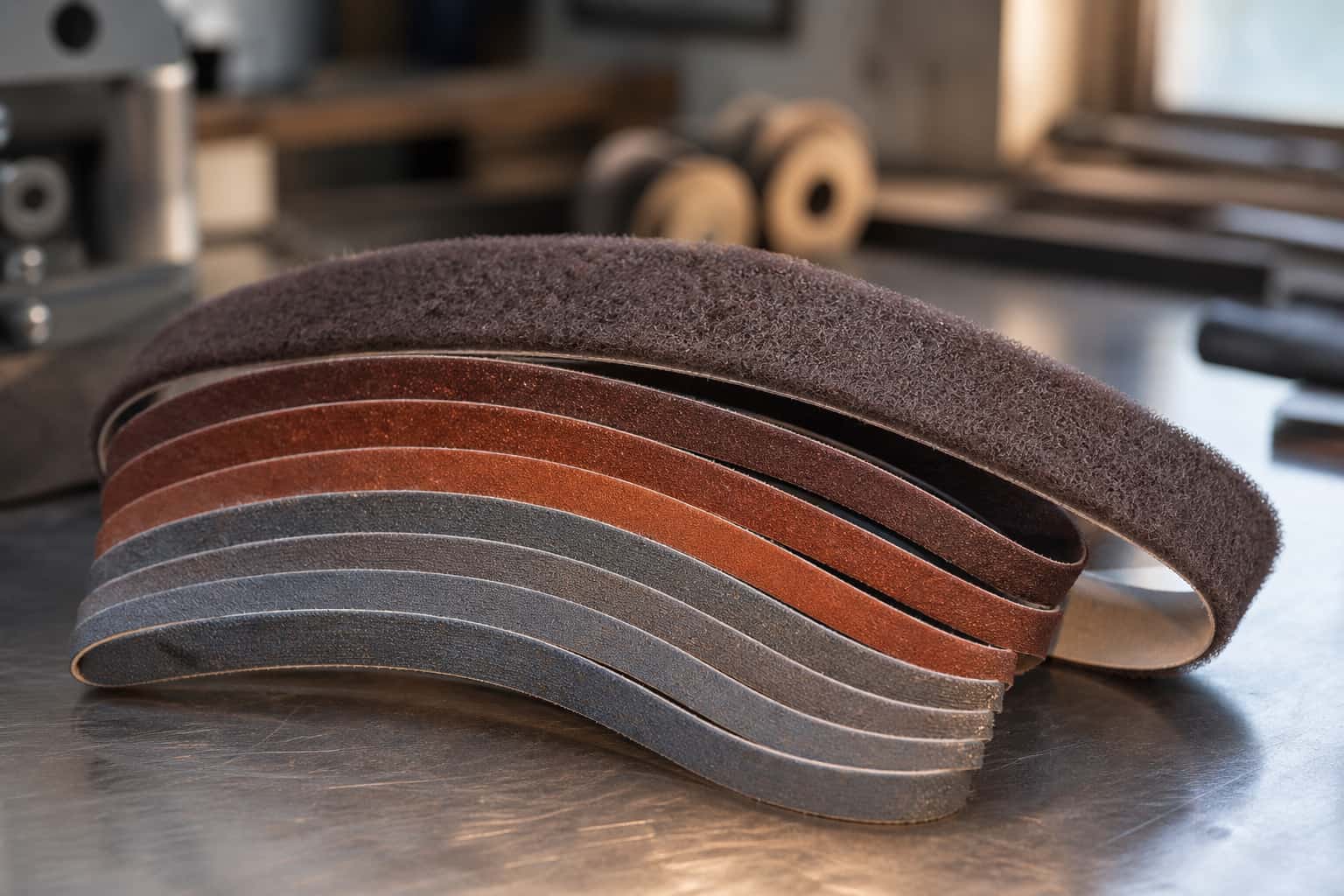
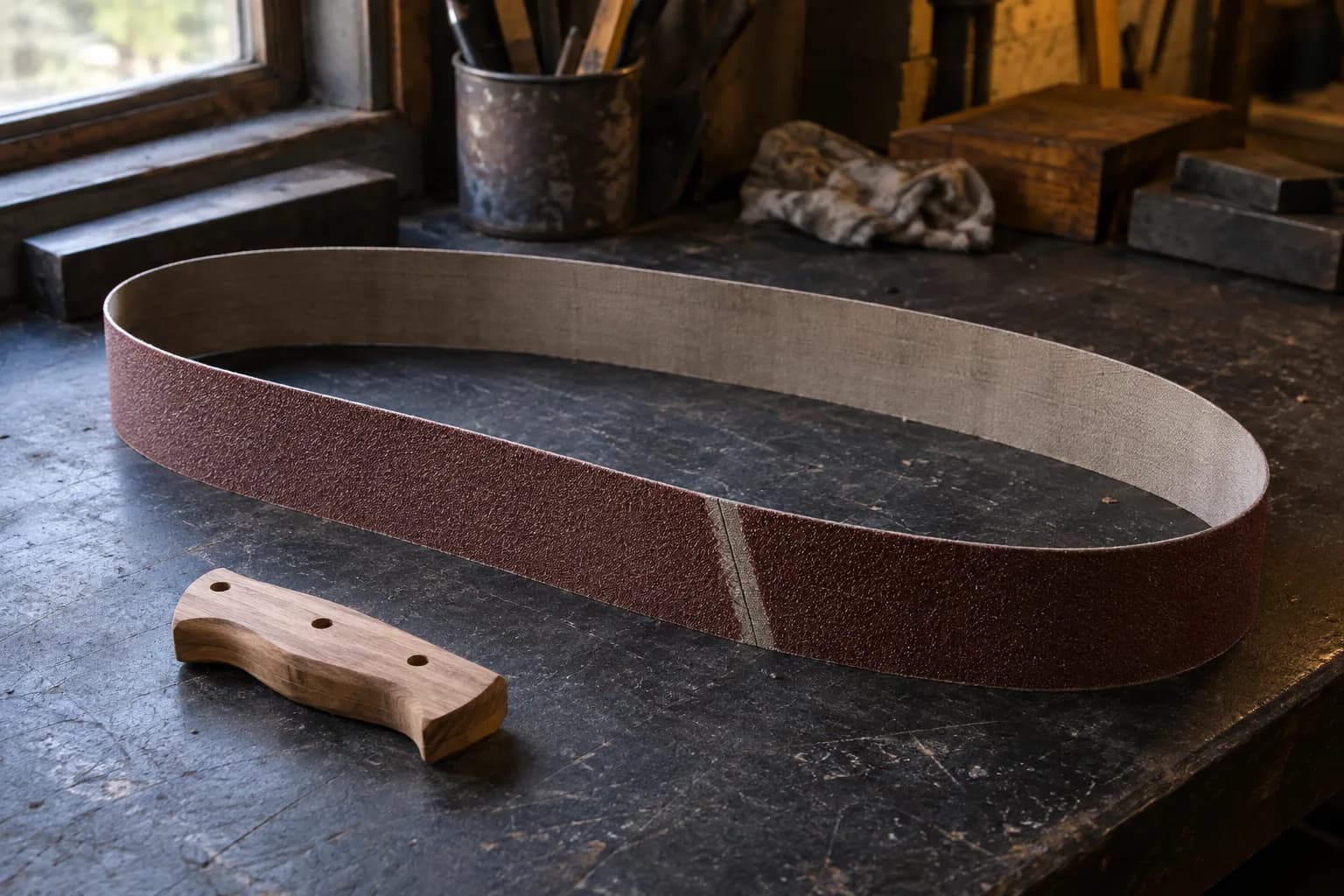
Selecting the appropriate belt material is paramount when aiming for maximum flexibility in slack belt systems. Different materials offer varying degrees of elasticity and durability, which can significantly impact performance. For instance, belts made from synthetic materials such as polyurethane or rubber tend to provide excellent flexibility while maintaining strength.
These materials can stretch and conform to different shapes without losing their structural integrity, making them ideal for applications that require a high degree of movement. In contrast, traditional leather belts may offer a more rigid structure, which can limit flexibility but provide a unique aesthetic appeal. While leather can be suitable for certain applications, it may not deliver the same level of performance as synthetic alternatives in high-demand environments.
Adjusting Tension for Optimal Slack Belt Flex
The tension of a slack belt is a vital factor that directly influences its flexibility and performance. Proper tension adjustment ensures that the belt maintains an appropriate level of slack, allowing it to flex as needed during operation. If the tension is too tight, it can restrict movement and lead to premature wear on both the belt and the machinery.
Conversely, if the tension is too loose, it may result in excessive slack, causing instability and inconsistent performance. To achieve optimal slack belt flex, it is essential to regularly monitor and adjust tension based on usage conditions. This may involve fine-tuning the tensioning mechanism or employing tools designed for precise adjustments.
Utilizing Proper Belt Size for Smooth Handle Transitions
The size of the slack belt is another critical element that affects its performance and flexibility. Using a belt that is appropriately sized for your equipment ensures that it can move freely without unnecessary friction or resistance. A belt that is too small may struggle to accommodate the required movements, while one that is too large could lead to excessive slack and instability during operation.
When selecting a belt size, it is important to consider both the dimensions of your machinery and the specific tasks you intend to perform. A well-fitted belt will facilitate smooth handle transitions, allowing for greater control and precision during use. Ensuring that your belt is compatible with your equipment can prevent potential issues related to misalignment or improper fit.
Incorporating Organic Movement Techniques for Smooth Transitions
Incorporating organic movement techniques into your workflow can significantly enhance the effectiveness of slack belt flex during handle transitions. Organic movement emphasizes fluidity and natural motion, allowing operators to engage with their tools in a way that feels intuitive and comfortable. This approach not only improves efficiency but also reduces fatigue and strain on the body.
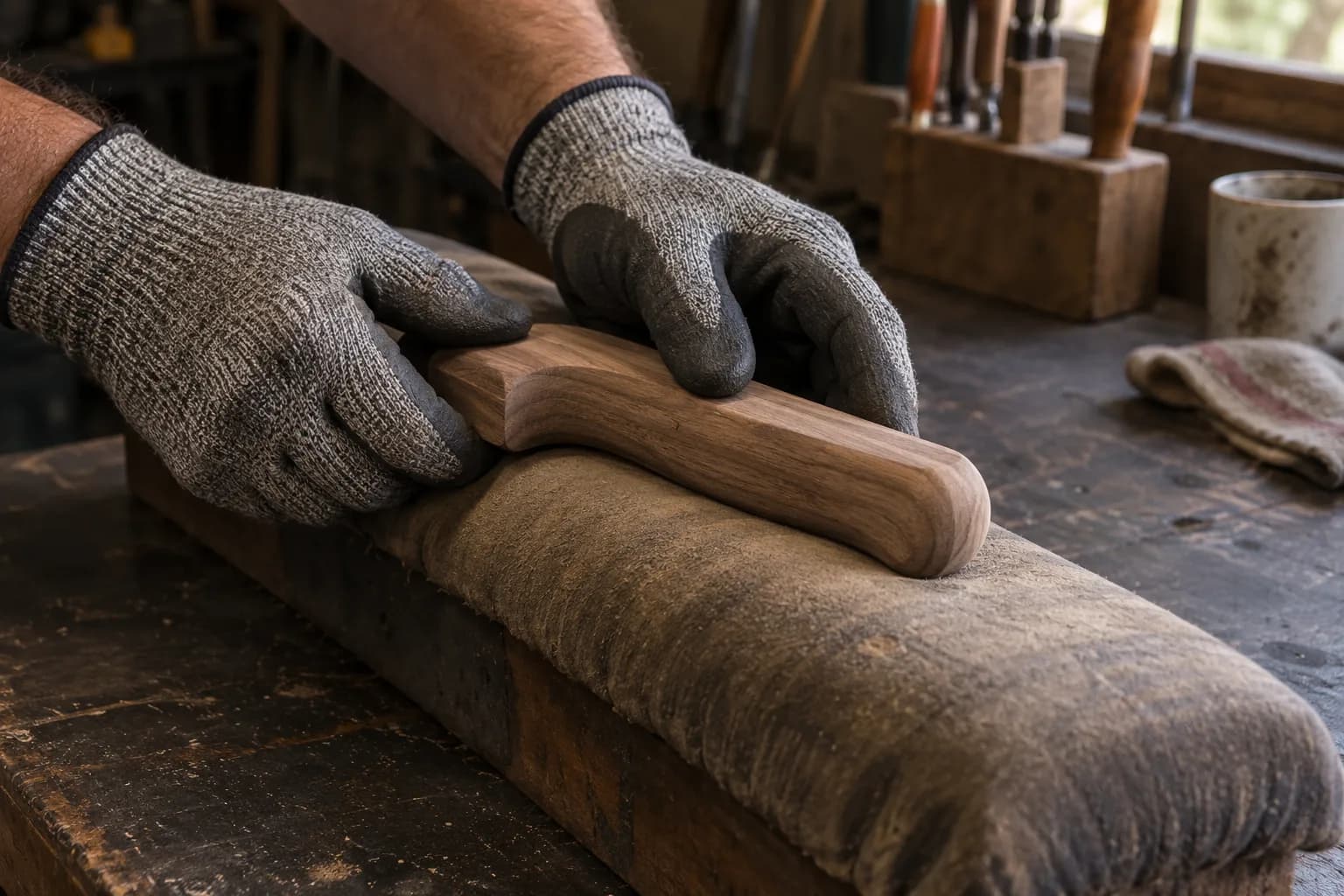
Practicing organic movement techniques involves developing an awareness of how your body interacts with the tools at hand. This may include adjusting your stance, grip, or posture to facilitate smoother transitions between movements. By focusing on maintaining a relaxed yet engaged state, you can achieve greater control over your actions, leading to more precise results.
Implementing Progressive Training Methods for Increased Flexibility
Progressive training methods are essential for developing increased flexibility when working with slack belts over time. Rather than attempting to achieve maximum flexibility all at once, progressive training emphasizes gradual improvement through consistent practice and incremental challenges. This approach allows individuals to build strength and adaptability without risking injury or burnout.
To implement progressive training methods effectively, start by assessing your current level of flexibility and identifying specific areas for improvement. Set achievable goals that encourage gradual advancement while incorporating varied exercises or techniques into your routine. As you progress, continue to challenge yourself by introducing new movements or increasing intensity levels gradually.
Troubleshooting Common Flexibility Issues for Handle Transitions
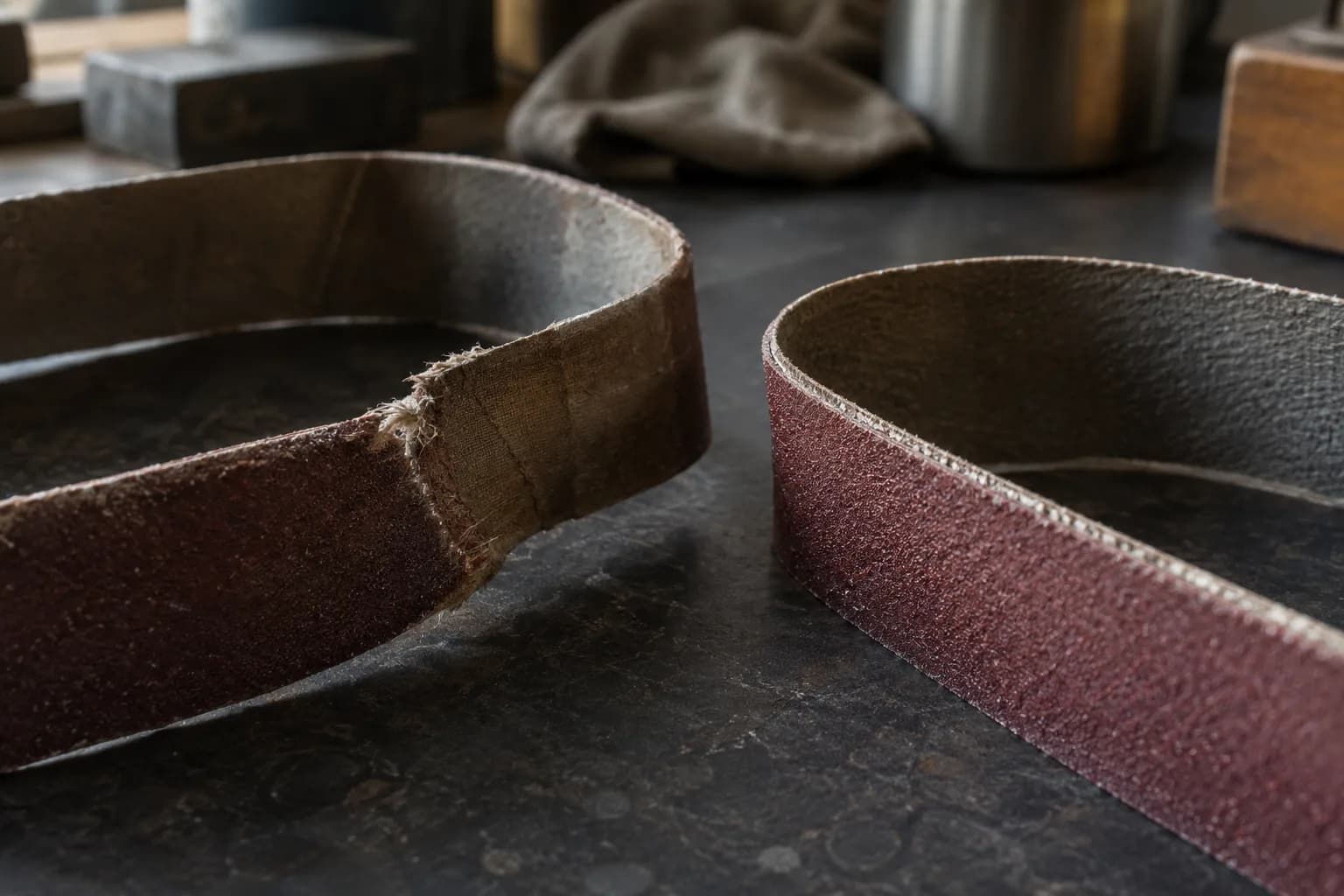
Despite best efforts, individuals may encounter common flexibility issues when working with slack belts that hinder smooth handle transitions. Identifying these challenges early on is crucial for maintaining optimal performance and preventing frustration during operation. Common issues may include excessive stiffness in the belt material or improper tension settings that restrict movement.
To troubleshoot these issues effectively, begin by assessing the condition of your slack belt system regularly. Check for signs of wear or damage that may impact flexibility and replace components as needed. Revisit tension settings to ensure they align with operational requirements; adjustments may be necessary based on changes in usage patterns or material types being worked on.
FAQs
How can Slack Belt Flex be optimized for specific applications?
Optimizing Slack Belt Flex for specific applications may involve adjusting the tension, material, and design of the belt to best suit the intended use. This may require experimentation and testing to find the optimal configuration for a particular application.
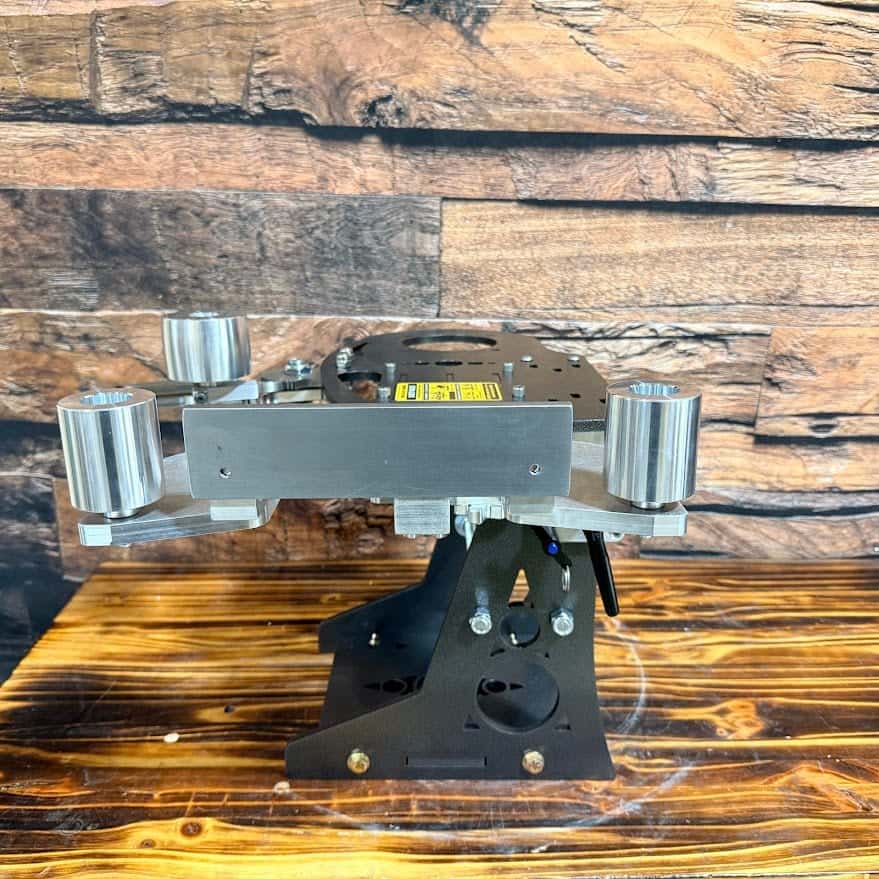
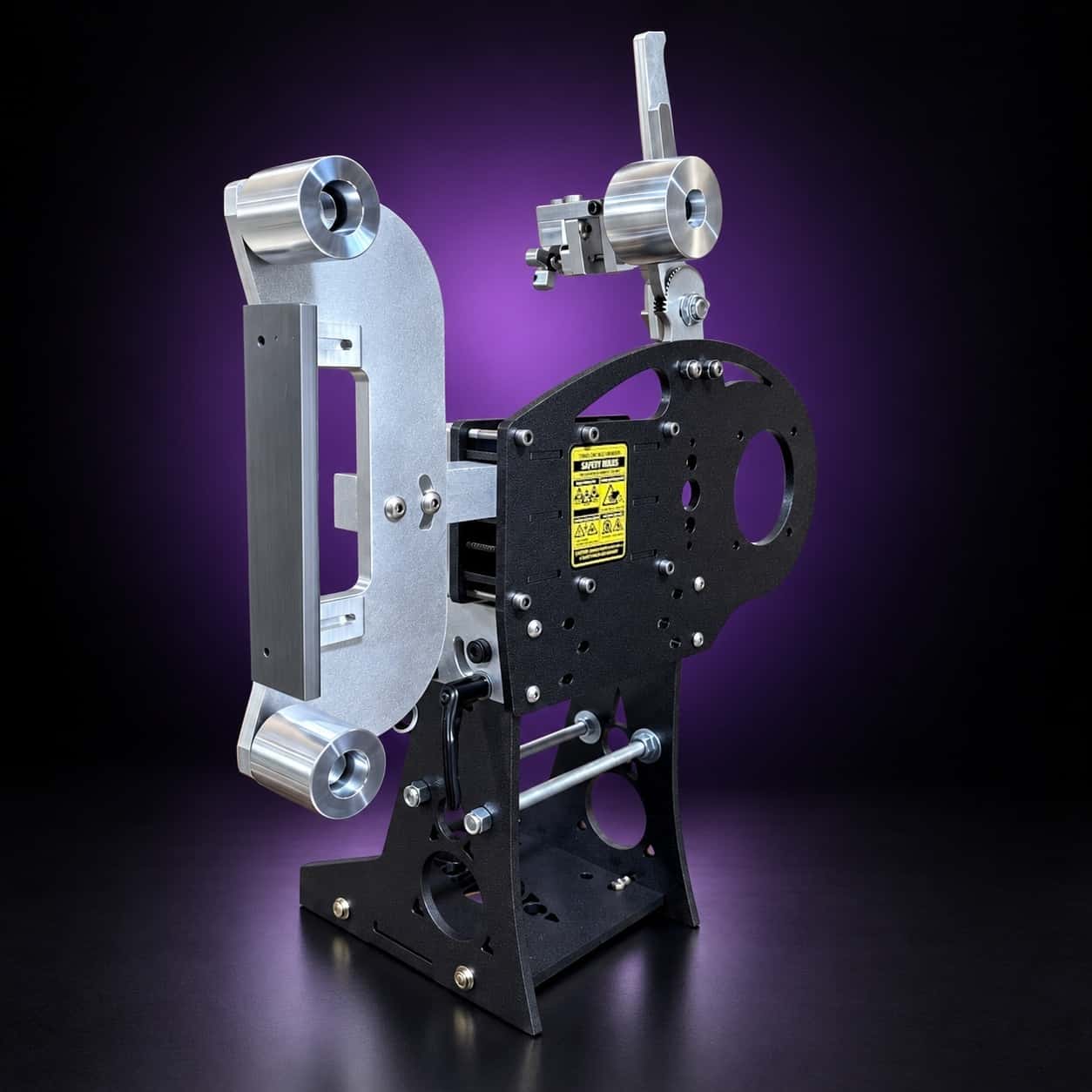
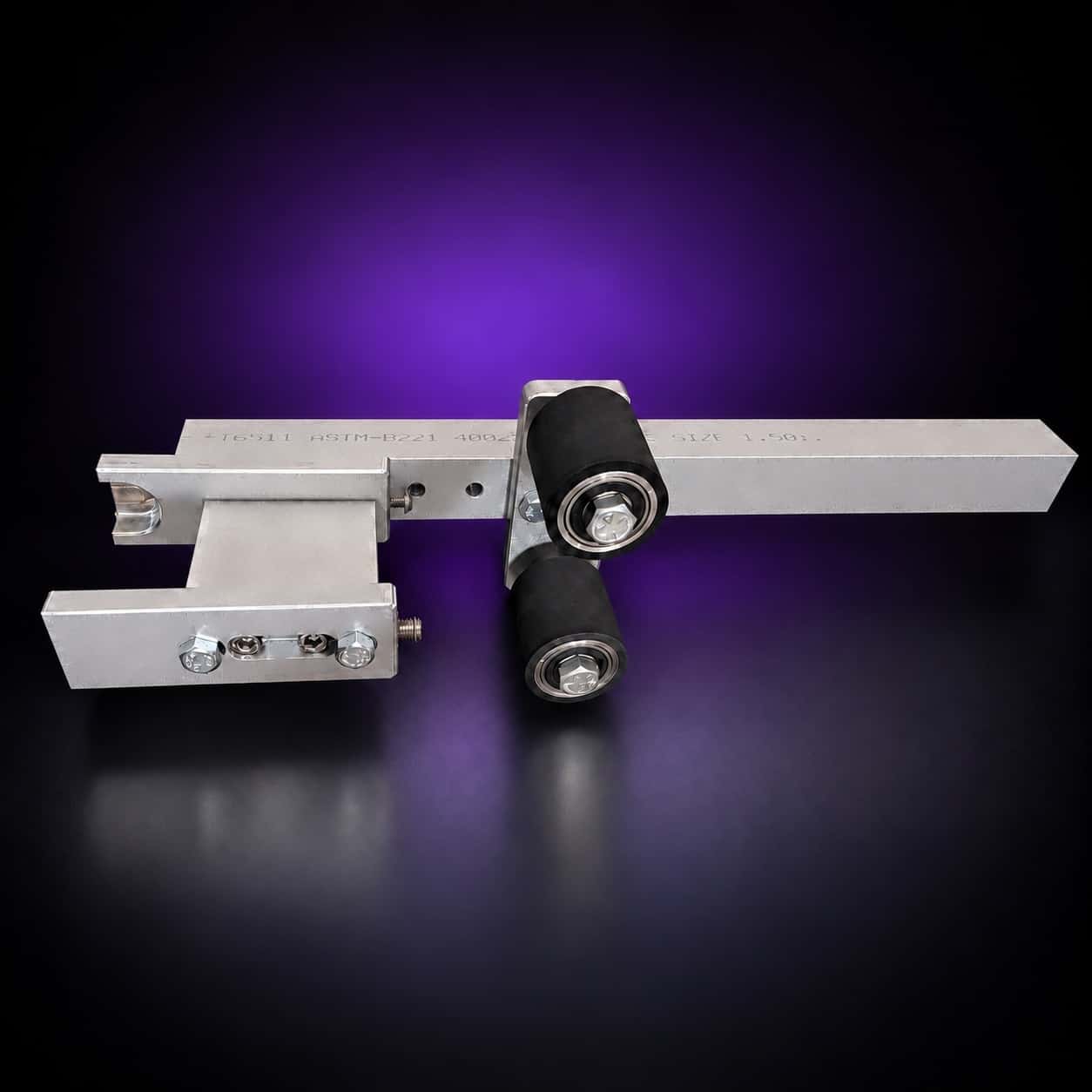
The slack belt deep platen attachment gives you a 4-inch throat of open belt for exactly this work, and the Nova 2×72 tilts horizontal so you can see the contour as you blend it. Both ship from my shop in Sterling, Illinois.