2x72 Grinder Tips
Effortless Tilt: Switching Grinder from Vertical to Horizontal
Vertical for bevels, horizontal for handles and flats. A grinder that tilts between the two without tools changes how you work. Here is what each position is for, and how a pin-and-handle tilt makes the switch a ten-second job.
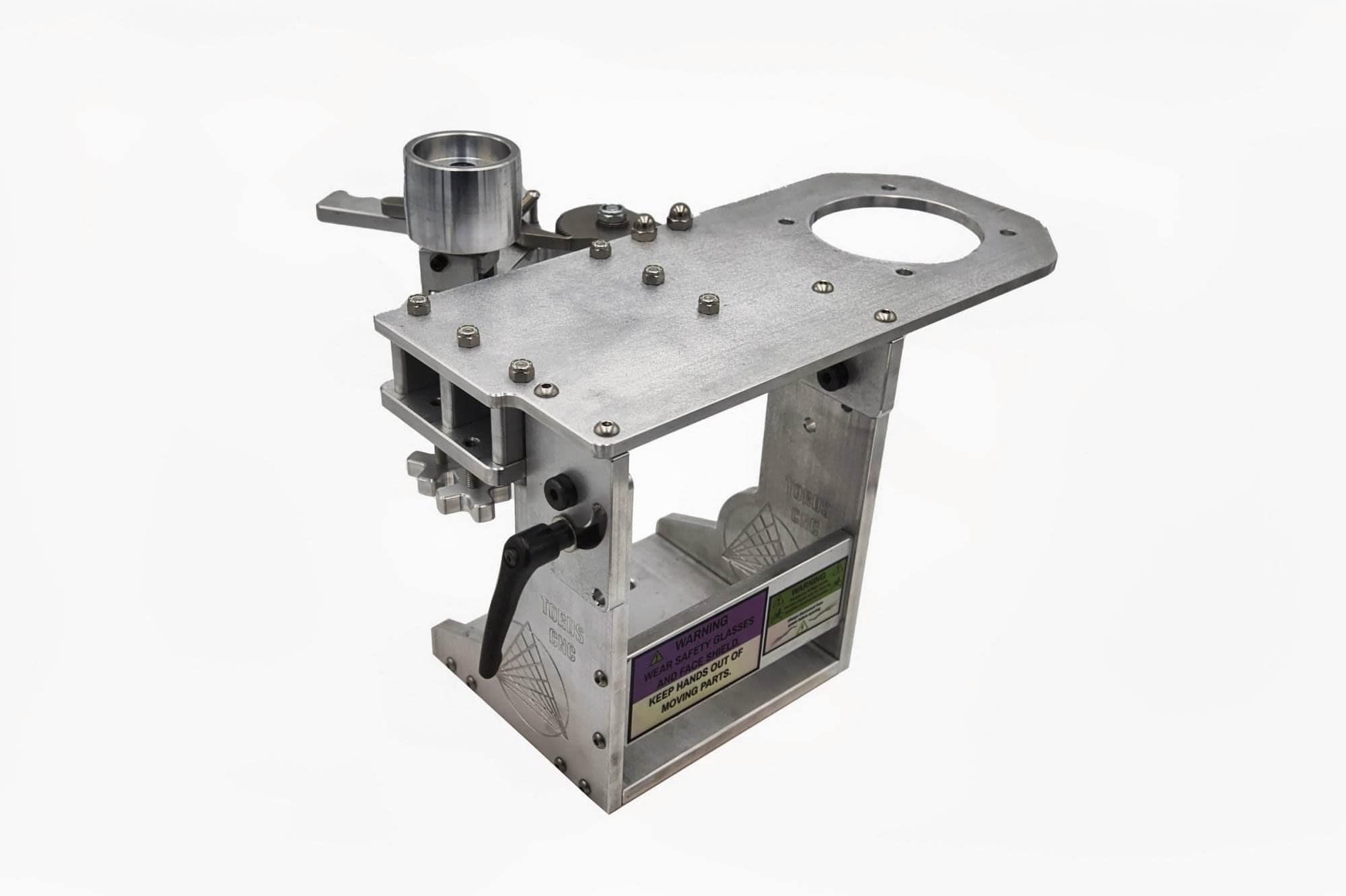
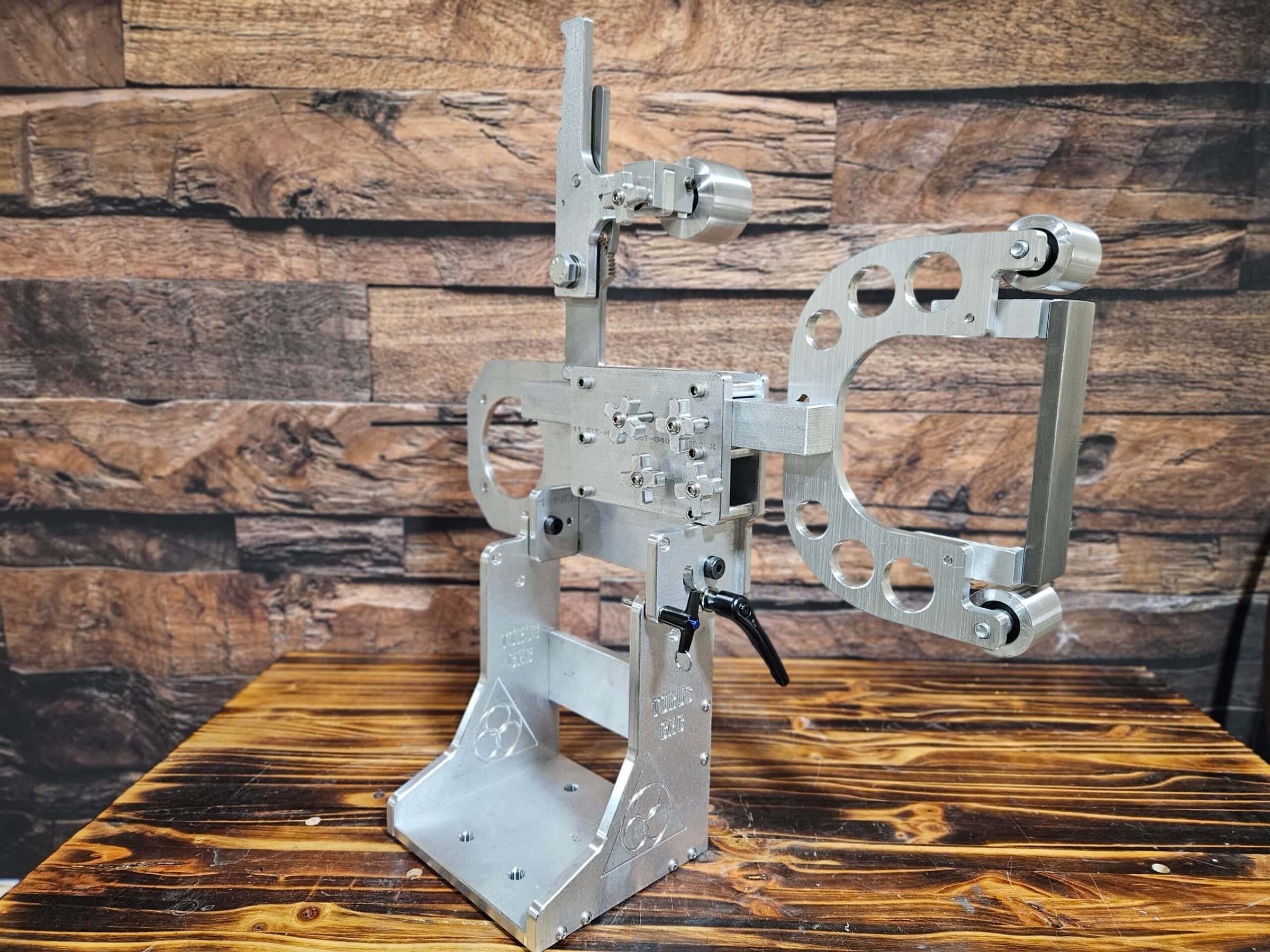
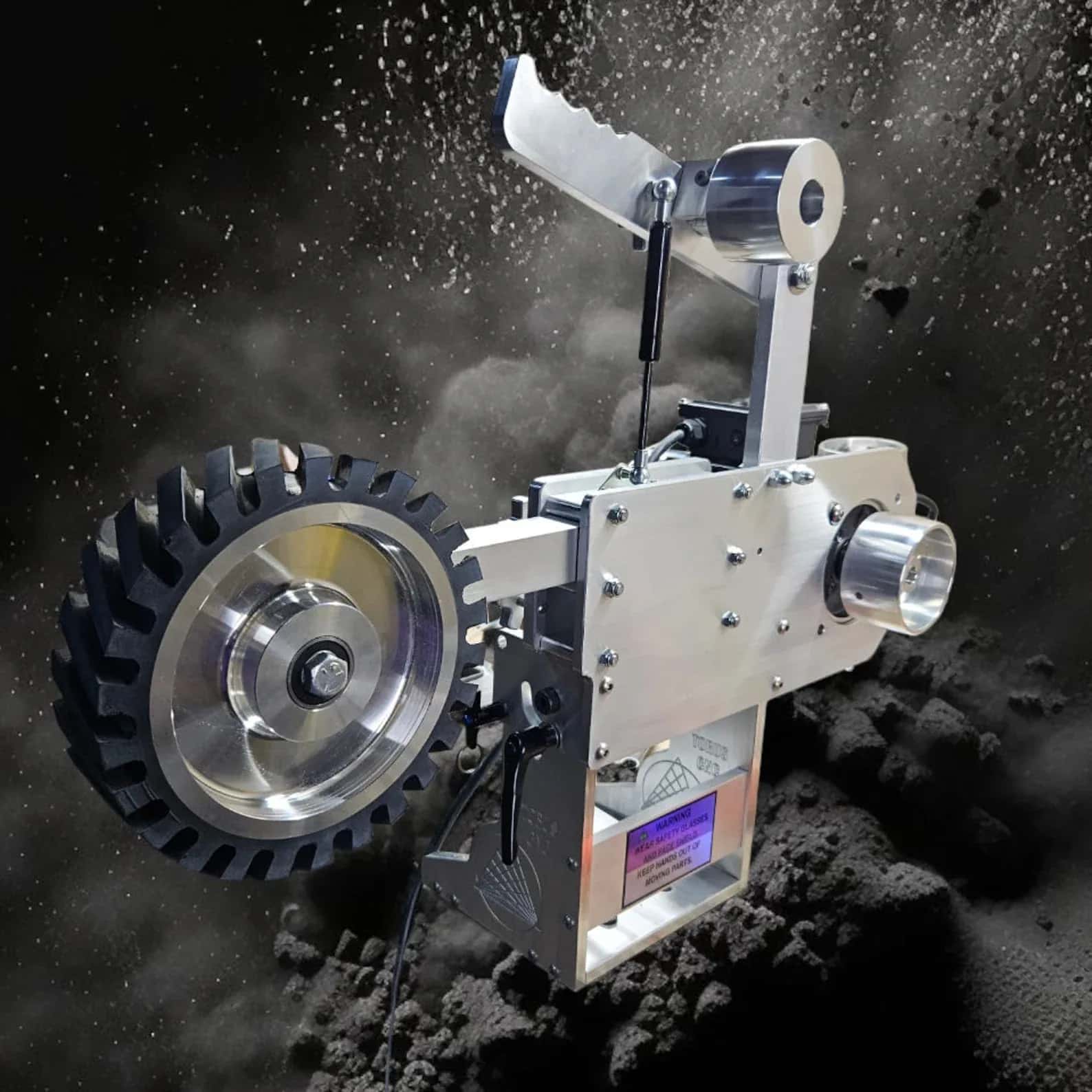
Bevels want the belt vertical. Handles, spines and flat stock want it horizontal, where you can see the work and lean into it. A grinder that tilts between the two without tools stops being a compromise and starts being both machines. Here is what each position is for, how I use the tilt on my own 2×72 every day, and how a pin-and-handle design makes the switch a ten-second job.
The vertical orientation allows for better chip removal, reducing the risk of clogging and overheating, which can compromise the quality of the finished product. Vertical grinders are often more compact, making them suitable for smaller workshops or facilities with limited space. On the other hand, horizontal grinding presents its own set of benefits.
In this configuration, the workpiece is rotated while the grinding wheel remains stationary, allowing for a different approach to material removal. Horizontal grinders excel in processing larger and heavier components, as they can accommodate more substantial workpieces without compromising stability. This method is particularly advantageous for tasks that require significant material removal or when working with complex geometries.
Key Takeaways
- Understanding the benefits of vertical and horizontal grinding:
- Vertical grinding allows for precise control and accuracy, while horizontal grinding is ideal for heavy-duty material removal.
- The Importance of a versatile grinder:
- A versatile grinder can handle a wide range of materials and applications, increasing efficiency and productivity.
- Key features to look for in a grinder with tilt capability:
- Look for a sturdy and reliable tilt mechanism, adjustable speed settings, and easy-to-use controls.
- Step-by-step guide to switching your grinder from vertical to horizontal:
- Follow manufacturer instructions carefully, secure the workpiece properly, and make sure the grinder is stable before switching positions.
- Tips for ensuring smooth and effortless tilt functionality:
- Keep the grinder clean and well-maintained, use the appropriate accessories, and practice proper technique to ensure smooth tilt functionality.
- Safety precautions when adjusting your grinder:
- Always wear appropriate safety gear, keep hands and clothing clear of moving parts, and never force the grinder into position.
- Common mistakes to avoid when using tilt functionality:
- Avoid overloading the grinder, neglecting maintenance, and using the wrong accessories for the tilt function.
- Maximizing efficiency with vertical and horizontal grinding:
- Utilize the appropriate grinding method for the task at hand, adjust speed and pressure as needed, and maintain a consistent feed rate.
- Innovative applications for tilt-enabled grinders:
- Tilt-enabled grinders can be used for beveling, edge profiling, and other specialized tasks that require precise angle adjustments.
- Maintenance and care for tilt-enabled grinders:
- Regularly clean and inspect the tilt mechanism, lubricate moving parts, and replace worn components to ensure optimal performance.
- Choosing the right tilt-enabled grinder for your needs:
- Consider the materials you will be working with, the type of applications you will be performing, and the level of precision and control required when selecting a tilt-enabled grinder.
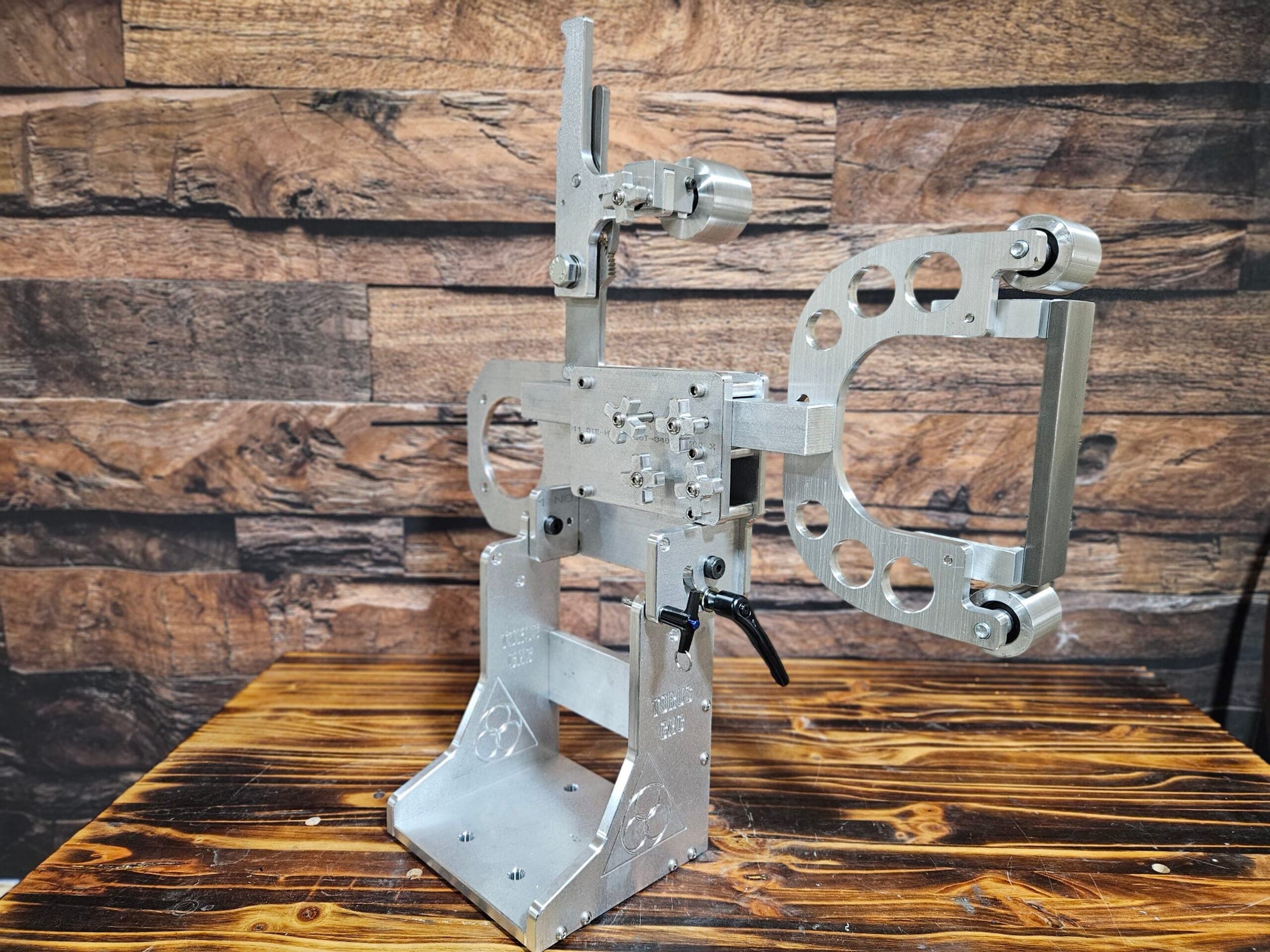
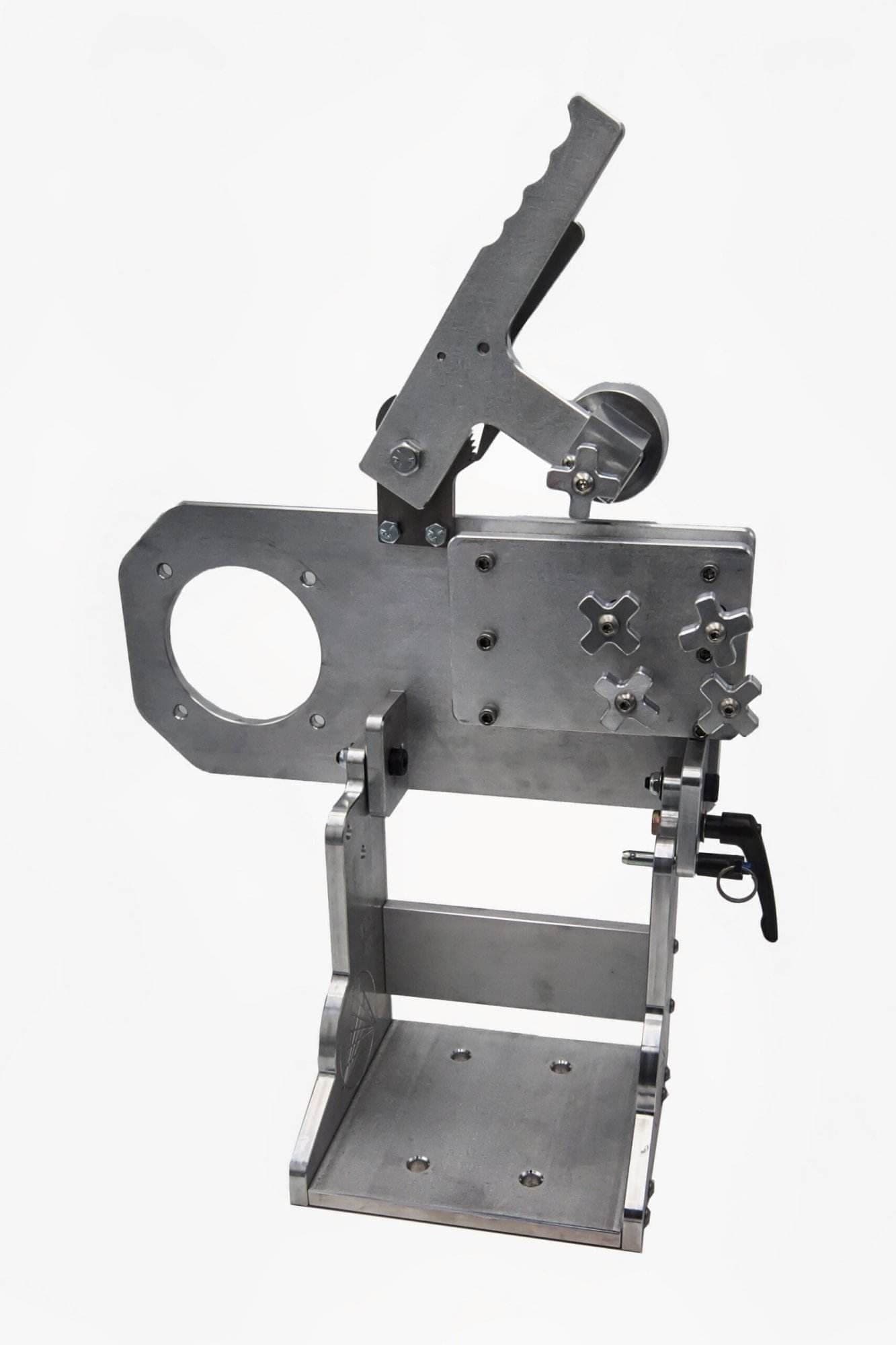
Key Features to Look for in a Grinder with Tilt Capability
When selecting a grinder with tilt capability, several key features should be considered to ensure optimal performance and usability. First and foremost, the tilt mechanism itself should be sturdy and easy to operate. A reliable tilt system allows for smooth transitions between vertical and horizontal positions without requiring excessive force or complicated adjustments.
Look for grinders that incorporate precision engineering in their tilt mechanisms, as this will contribute to consistent performance over time. Another important feature is the range of tilt angles available. A grinder that offers multiple tilt settings can provide greater flexibility in achieving specific grinding tasks.
This versatility allows operators to fine-tune their approach based on the workpiece’s geometry and the desired finish. Consider the overall build quality of the grinder, including the materials used in its construction. A well-built machine will not only withstand the rigors of daily use but also maintain accuracy and precision throughout its lifespan.
Step-by-Step Guide to Switching Your Grinder from Vertical to Horizontal
Switching your grinder from vertical to horizontal orientation may seem daunting at first, but following a systematic approach can simplify the process. Begin by ensuring that the machine is powered off and unplugged to prevent any accidental activation during the adjustment. Next, consult the manufacturer’s manual for specific instructions related to your grinder model, as different machines may have unique mechanisms for transitioning between orientations.
Once you have familiarized yourself with the manual, locate the tilt adjustment lever or mechanism on your grinder. Gently release any locking mechanisms that may be in place before carefully tilting the grinder into the horizontal position. It is essential to do this slowly and steadily to avoid any sudden movements that could damage the machine or cause injury.
After achieving the desired angle, securely lock the tilt mechanism back into place before reconnecting power and performing a test run to ensure everything is functioning correctly.
Tips for Ensuring Smooth and Effortless Tilt Functionality
To maintain smooth and effortless tilt functionality on your grinder, regular maintenance is crucial. Start by keeping the tilt mechanism clean and free from debris that could impede movement. Periodically inspect the pivot points and joints for signs of wear or damage, as these areas are critical for maintaining proper function.
Lubricating these components with appropriate oils or greases can also help reduce friction and ensure smooth operation. It is beneficial to develop a routine for checking the alignment of your grinder after switching orientations. Misalignment can lead to uneven grinding results and may even cause damage over time.
Safety Precautions When Adjusting Your Grinder
Safety should always be a top priority when adjusting your grinder from vertical to horizontal orientation. Before making any adjustments, ensure that you are wearing appropriate personal protective equipment (PPE), including safety goggles, gloves, and hearing protection if necessary. These precautions will help protect you from potential hazards associated with moving machinery.
When adjusting the grinder, always follow the manufacturer’s guidelines closely. Avoid placing your hands near moving parts during the transition process, as this could lead to serious injuries. Ensure that all locking mechanisms are securely engaged after making adjustments to prevent accidental movement during operation.
Common Mistakes to Avoid When Using Tilt Functionality
While utilizing tilt functionality on your grinder can enhance versatility, there are common mistakes that operators should be aware of to avoid compromising performance or safety. One frequent error is neglecting to properly secure the tilt mechanism after making adjustments. Failing to lock the grinder in place can lead to unexpected shifts during operation, resulting in inaccurate grinding results or even damage to both the machine and workpiece.
Another mistake is not taking into account the specific requirements of each grinding task when switching orientations. Each method has its advantages and limitations; therefore, understanding when to use vertical versus horizontal grinding is essential for achieving optimal results. Operators should assess factors such as workpiece size, material type, and desired finish before deciding on an orientation to ensure they are using their grinder effectively.
Maintenance and Care for Tilt-Enabled Grinders
Proper maintenance and care are vital for ensuring the longevity and performance of tilt-enabled grinders. Regularly inspect all moving parts for signs of wear or damage, paying particular attention to the tilt mechanism itself. Keeping these components clean and well-lubricated will help prevent unnecessary friction and prolong their lifespan.
In addition to mechanical upkeep, it is essential to maintain a clean working environment around your grinder. Dust and debris can accumulate over time, potentially affecting both performance and safety. Implementing a routine cleaning schedule will help keep your workspace organized while minimizing risks associated with cluttered areas around machinery.
Choosing the Right Tilt-Enabled Grinder for Your Needs
Selecting the right tilt-enabled grinder requires careful consideration of several factors tailored to your specific needs. Begin by assessing your typical workload and identifying whether you primarily require vertical or horizontal grinding capabilities—or if both are necessary for your operations. Understanding your production requirements will guide you toward a machine that best fits your needs.
Next, evaluate the features offered by different models on the market. Look for grinders with sturdy construction, reliable tilt mechanisms, and adjustable settings that allow you to customize performance based on various tasks. Consider factors such as ease of use, maintenance requirements, and available support from manufacturers like Torus CNC when making your decision.
FAQs
What is the Fast Tool-Less Tilt feature on a grinder?
The Fast Tool-Less Tilt feature on a grinder allows the user to easily switch the grinder from a vertical to a horizontal position without the need for tools.
How does the Fast Tool-Less Tilt feature work?
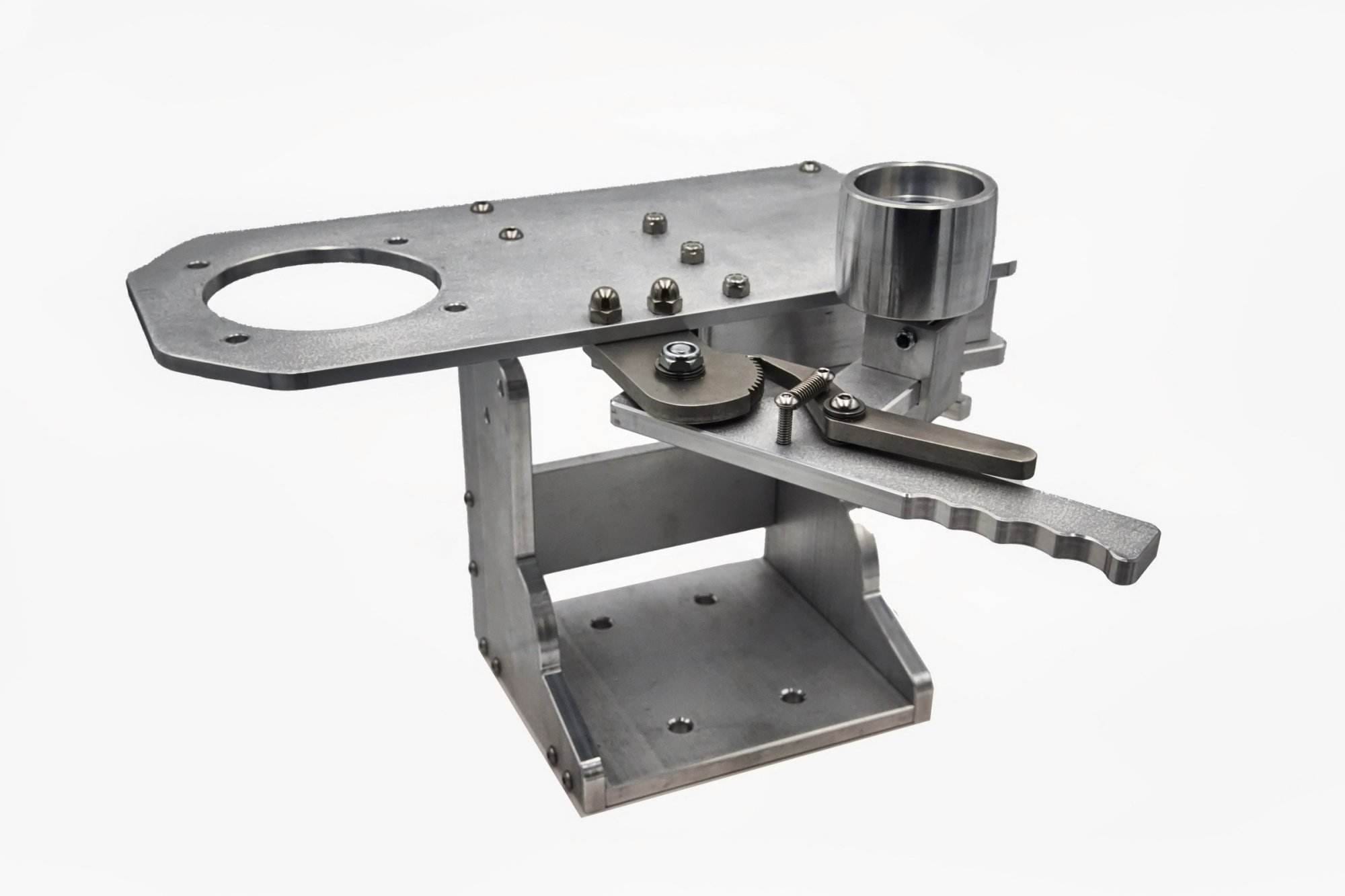
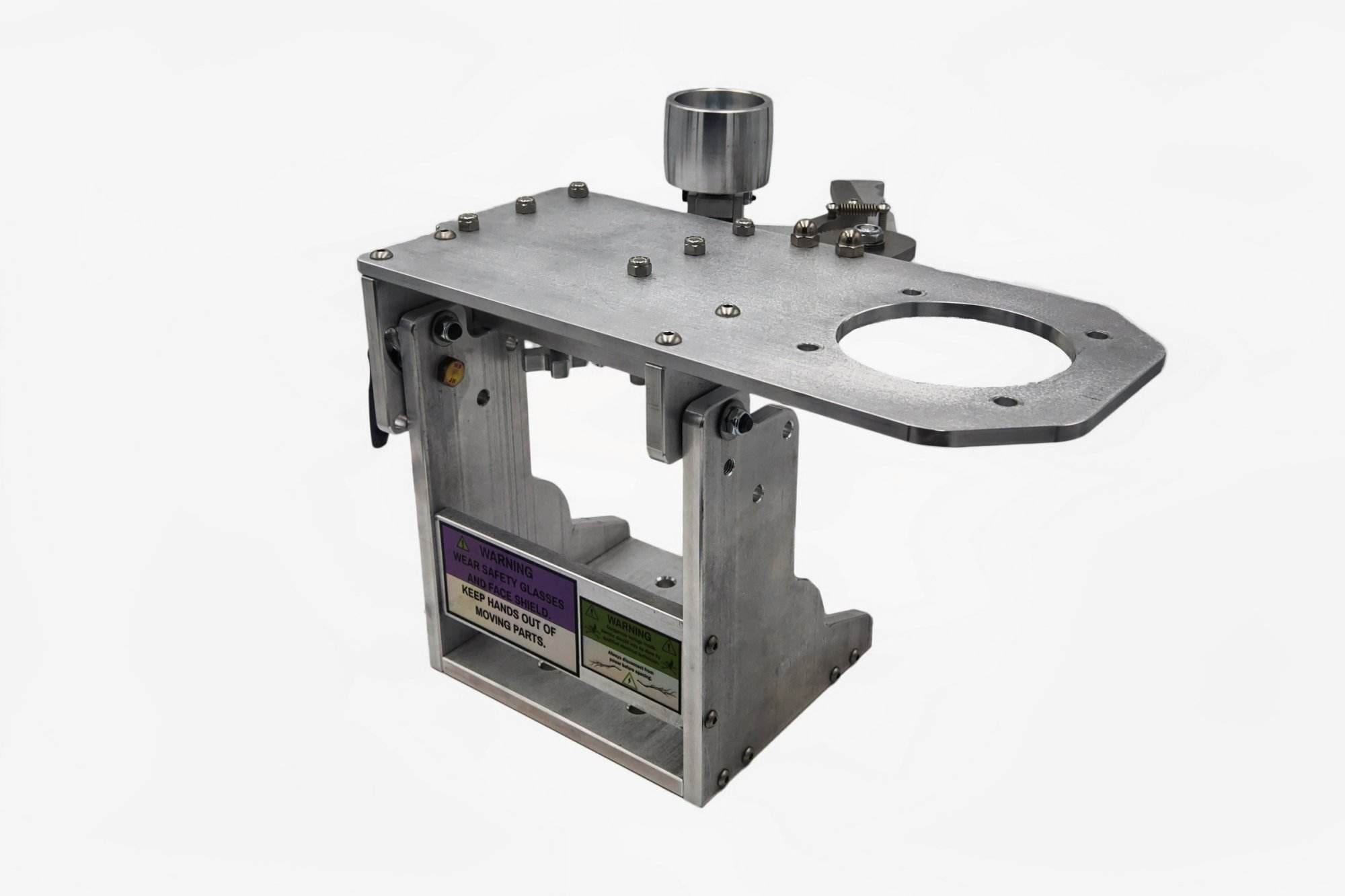
The Fast Tool-Less Tilt feature typically involves a quick-release mechanism that allows the user to adjust the position of the grinder without the need for additional tools. This can save time and effort when switching between vertical and horizontal grinding tasks.
Are there any limitations to the Fast Tool-Less Tilt feature?
While the Fast Tool-Less Tilt feature can make it easier to switch the grinder from vertical to horizontal positions, it’s important to follow the manufacturer’s guidelines for safe operation and to ensure that the feature is used correctly to avoid any potential safety hazards.
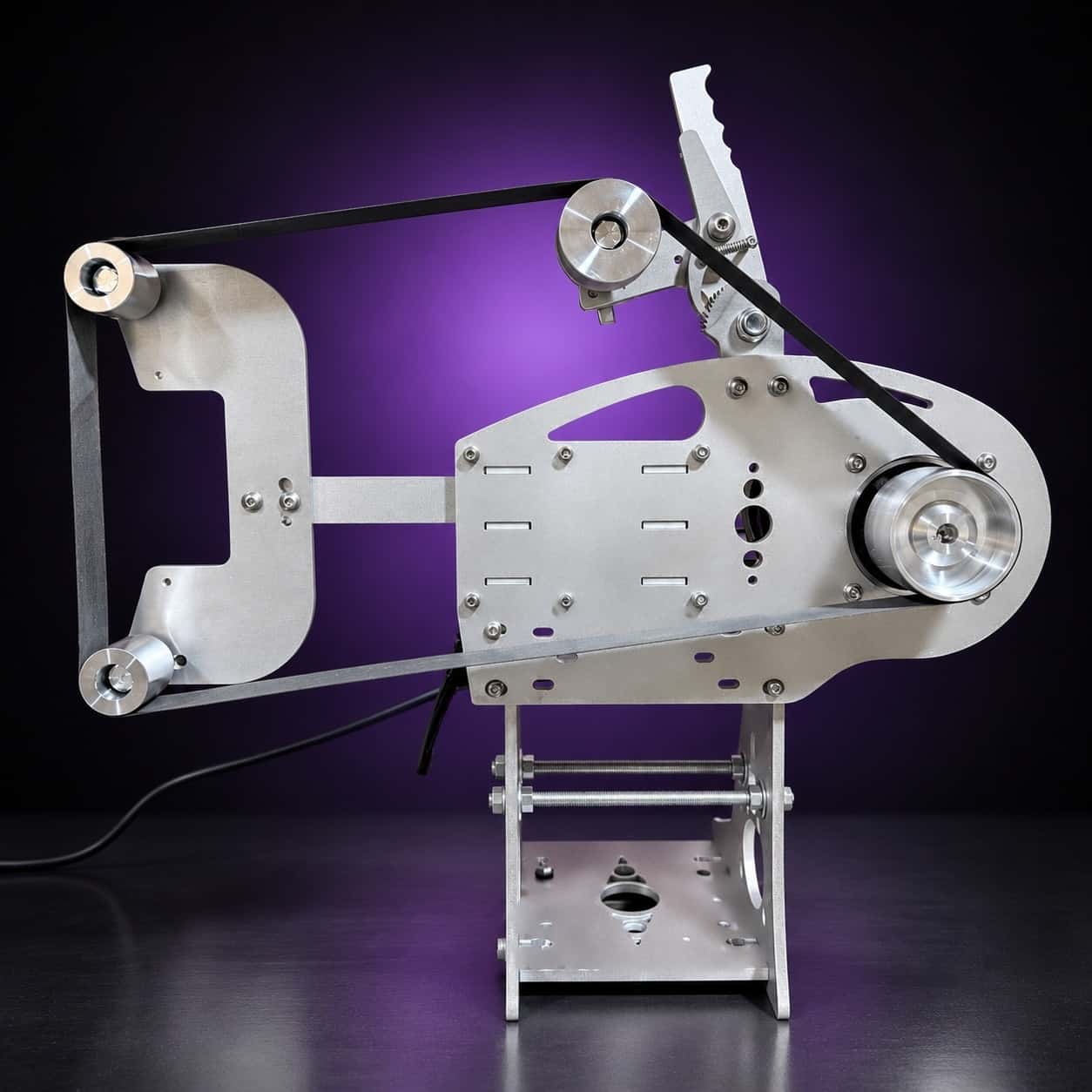
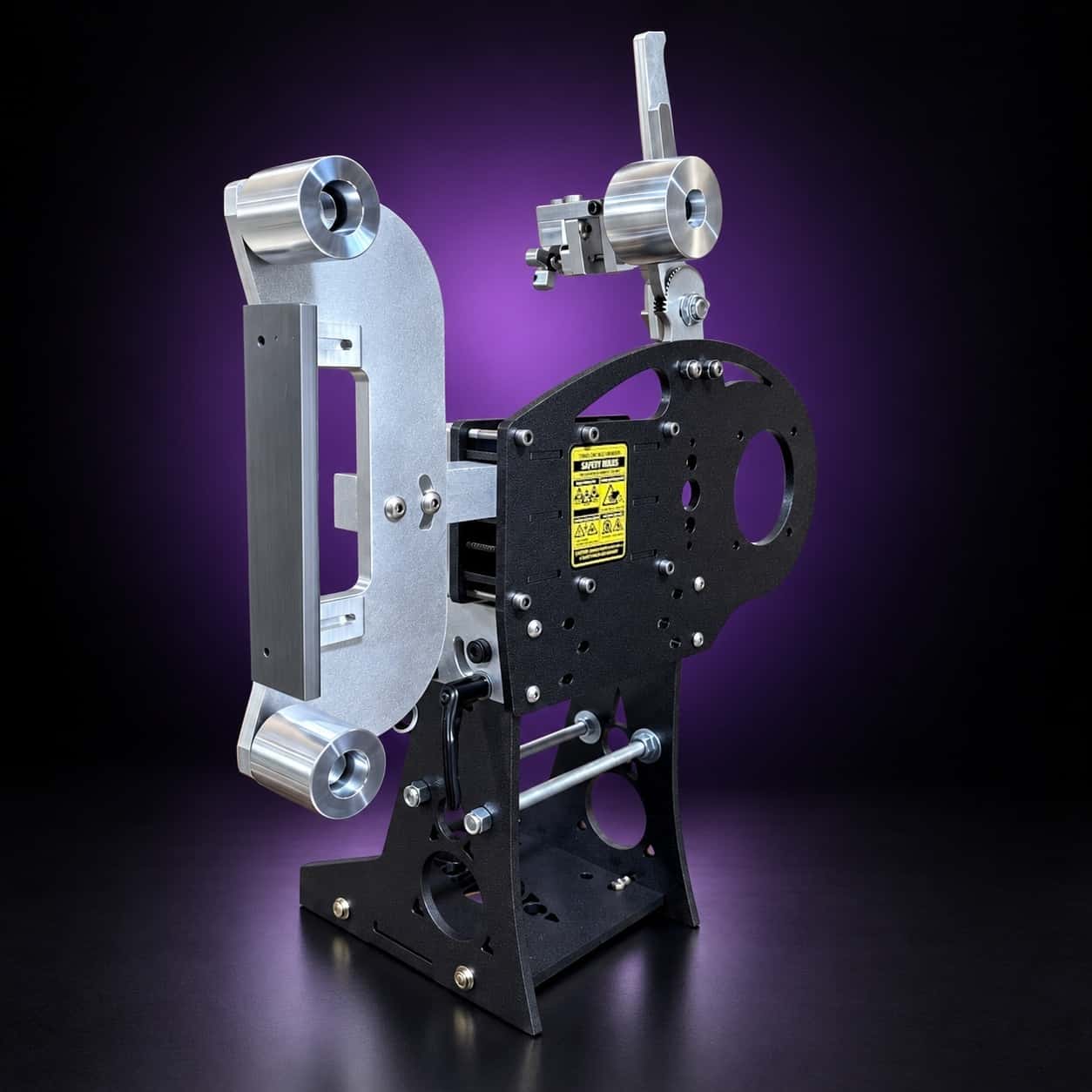
On a Nova 2×72 or Nebula, tilting is loosen the handle, pull the pin, swing, pin. No tools, no re-tracking. Both ship fully assembled and tested from my shop in Sterling, Illinois, and the Classic tilts the same way for $995.