2x72 Grinder Tips
Pulse Grinding: Reducing Heat on Thin Kitchen Blades
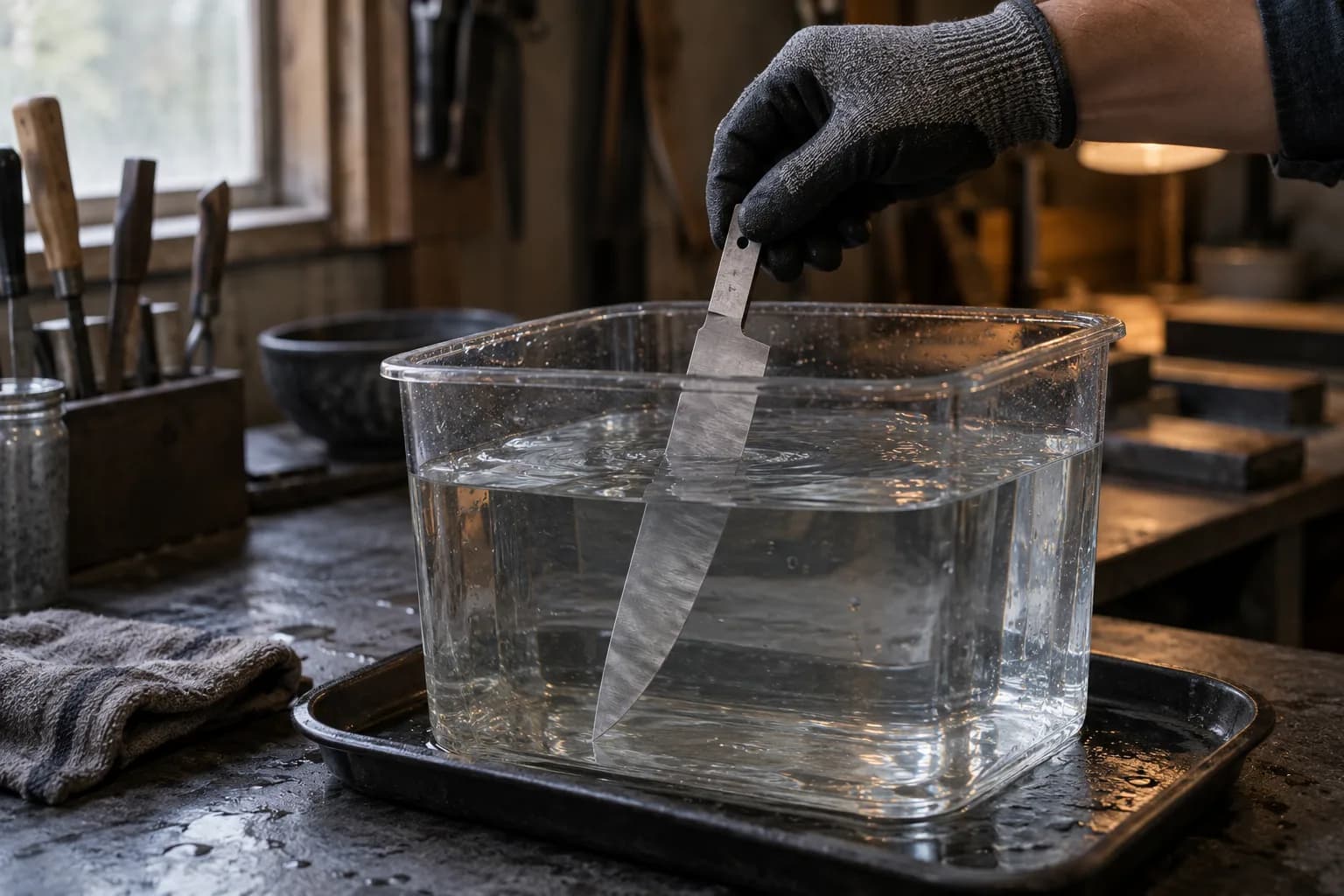
Thin kitchen blades overheat in one long pass. Pulse grinding fixes that: short passes, a dip between each, sharp belts and a slower belt. Here is how I do it on the 2×72 and why it saves the temper.
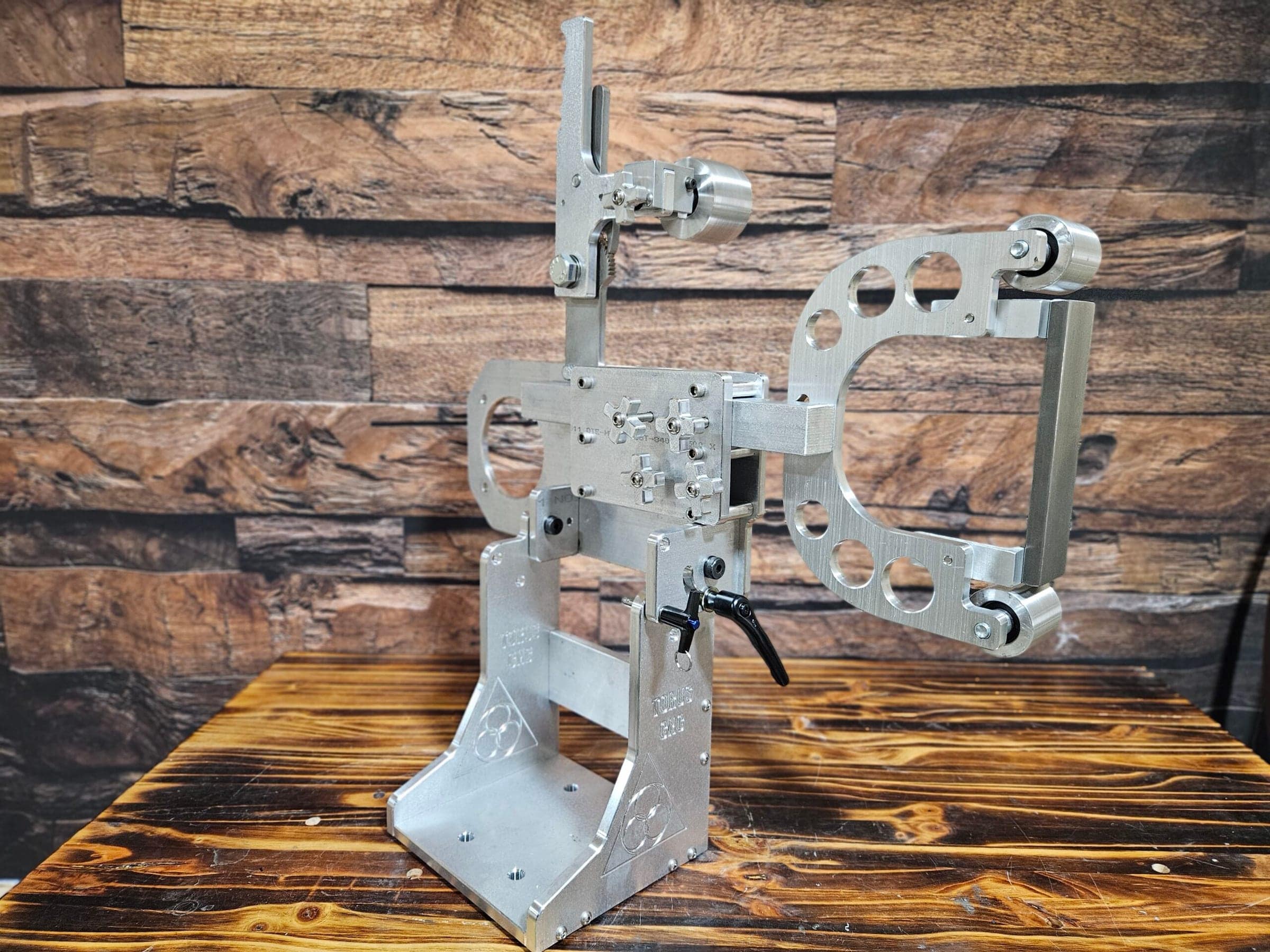
A thin kitchen blade has no mass to soak up heat, so one long pass on the belt can take the edge past its temper before you feel it in your fingers. Pulse grinding is the fix: short passes, a water dip between each one, sharp belts and a slower belt speed. Here is how I pulse grind thin blades on the 2×72, why it works, and where people get it wrong.
Key Takeaways
- Pulse grinding is an effective method for sharpening thin kitchen blades.
- Heat generation is a common problem when grinding thin kitchen blades.
- Understanding the science of heat generation in grinding is crucial for achieving optimal results.
- Pulse grinding offers benefits such as reduced heat generation and improved blade sharpness.
- Choosing the right grinding equipment and following proper techniques are essential for pulse grinding thin kitchen blades.
The Problem of Heat on Thin Kitchen Blades
Thin kitchen blades are prized for their precision and ability to perform delicate tasks with ease. However, their slender design makes them particularly susceptible to damage from heat during grinding. When excessive heat is generated, it can lead to a phenomenon known as “bluing,” where the blade’s temper is compromised, resulting in a loss of hardness and sharpness.
This not only affects the blade’s performance but can also shorten its lifespan significantly. Heat can cause warping, which alters the blade’s geometry and affects its cutting ability. For chefs who rely on their knives for intricate tasks, such as filleting fish or slicing vegetables, even the slightest distortion can lead to subpar results.
Understanding the Science of Heat Generation in Grinding
To fully appreciate the advantages of pulse grinding, it is essential to understand the science behind heat generation during traditional grinding methods. When a blade is ground against an abrasive surface, friction occurs, which generates heat. The amount of heat produced is influenced by several factors, including the speed of the grinder, the pressure applied, and the type of abrasive material used.
In traditional grinding, continuous contact between the blade and the abrasive surface can lead to significant heat buildup. This is particularly problematic for thin blades, as they have less material to absorb and dissipate heat compared to thicker counterparts. The result is often a rapid increase in temperature that can exceed safe limits for the blade’s material properties.
The Benefits of Pulse Grinding for Thin Kitchen Blades
Pulse grinding offers several distinct advantages for maintaining thin kitchen blades. One of the primary benefits is its ability to reduce heat generation significantly. By employing a pulsing technique, where the grinder intermittently engages with the blade rather than maintaining constant contact, heat buildup is minimized.
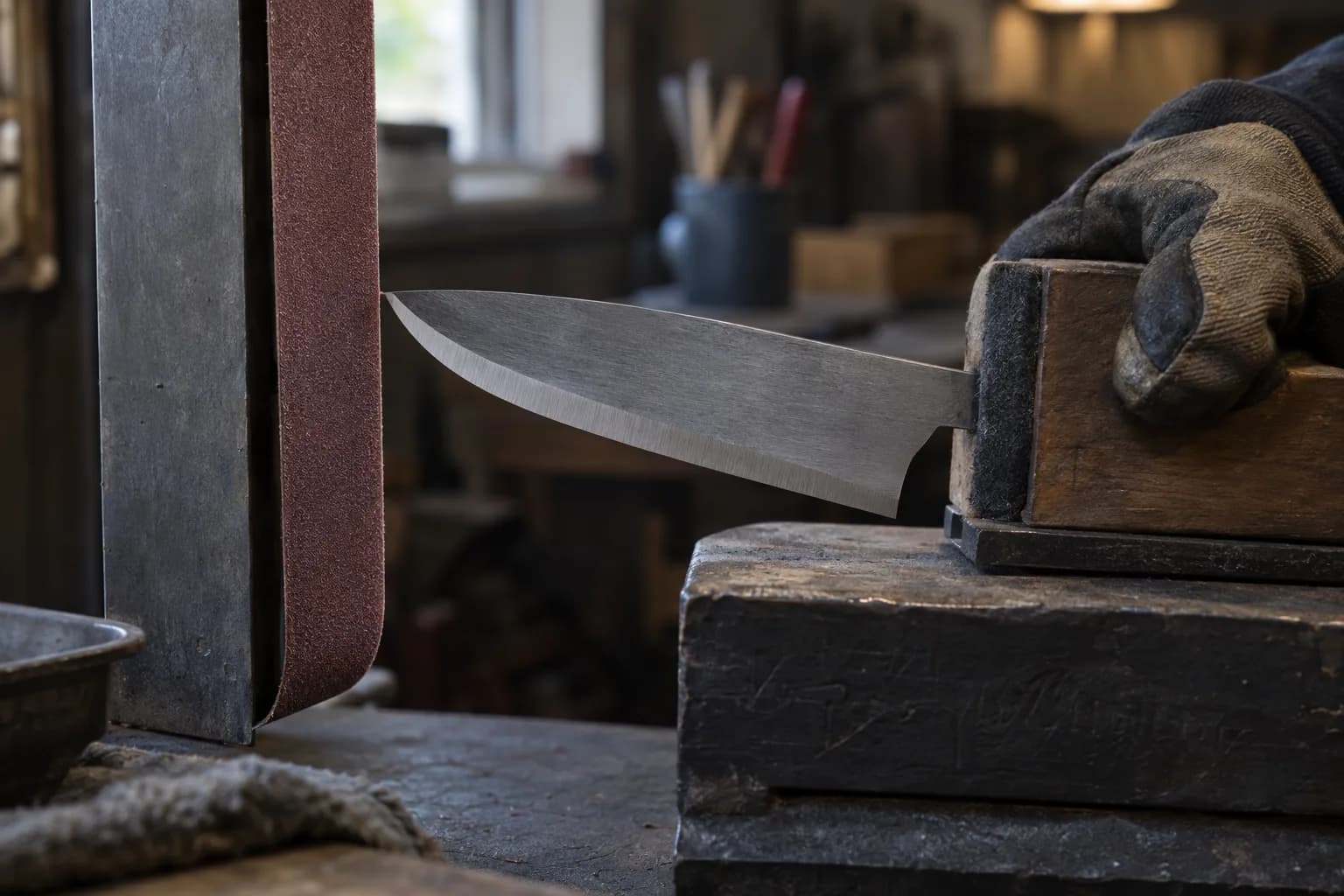
This not only preserves the blade’s temper but also enhances its overall performance. Pulse grinding allows for greater precision in sharpening. The controlled nature of this method enables users to focus on specific areas of the blade without risking damage to other parts.
Tips for Choosing the Right Grinding Equipment for Thin Kitchen Blades
Selecting the appropriate grinding equipment is crucial for effective pulse grinding of thin kitchen blades. First and foremost, it is essential to choose a grinder that offers variable speed settings. This feature allows users to adjust the speed according to the specific requirements of their blades, ensuring optimal results while minimizing heat generation.
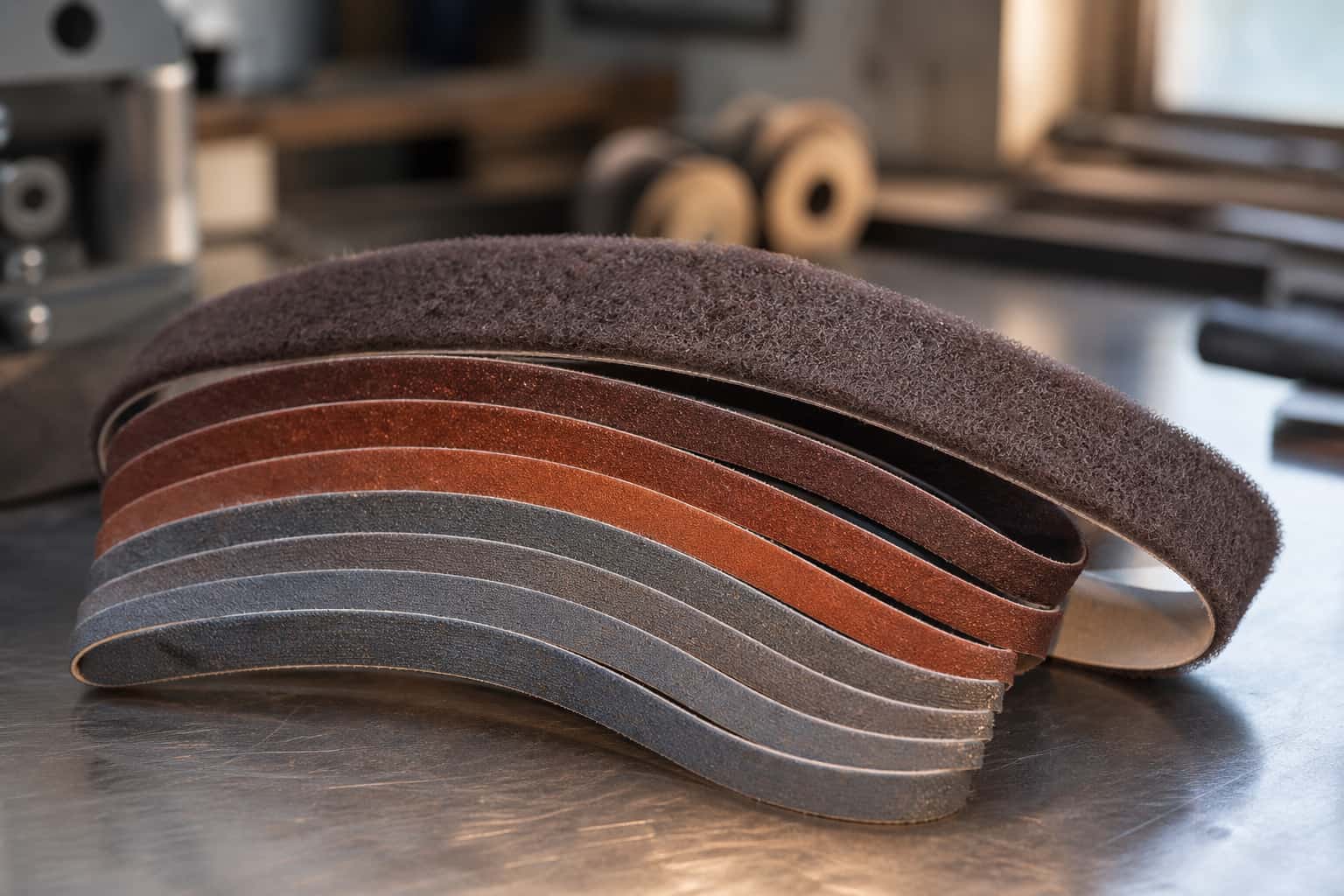
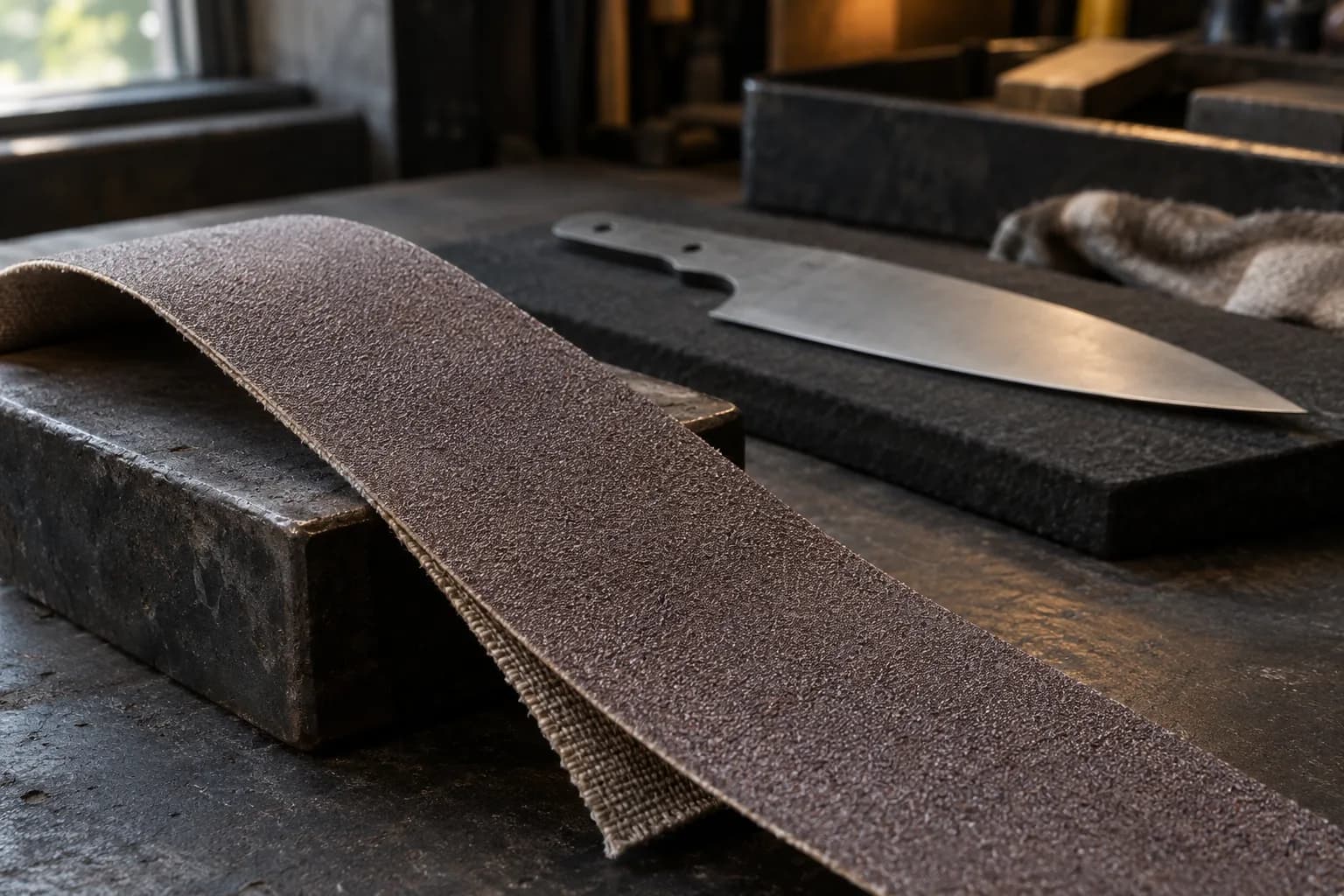
Another important consideration is the type of abrasive material used in the grinding wheel. For thin kitchen blades, finer abrasives are often more effective as they provide a smoother finish and reduce the risk of overheating. Look for grinders that are designed with cooling features or those that allow for water or lubricant application during the grinding process.
Techniques for Achieving Optimal Results with Pulse Grinding
To achieve optimal results with pulse grinding, several techniques can be employed. First, it is essential to maintain a consistent angle while grinding. This ensures that the edge is sharpened evenly and reduces the risk of creating uneven wear on the blade.
Using a guide or jig can help maintain this angle throughout the process. Another effective technique is to apply light pressure during each pulse. Excessive pressure can lead to increased friction and heat generation, negating one of the primary benefits of pulse grinding.
Instead, focus on allowing the abrasive material to do its job while gently guiding the blade through each pulse. This approach not only enhances precision but also prolongs the life of both the blade and the grinding equipment.
Safety Considerations When Pulse Grinding Thin Kitchen Blades
Safety should always be a top priority when engaging in any form of grinding, especially with thin kitchen blades that require careful handling. One key consideration is to wear appropriate personal protective equipment (PPE), such as safety goggles and gloves. These items protect against potential injuries from flying debris or accidental slips during the grinding process.
It is crucial to ensure that your workspace is well-lit and free from clutter. A clean and organized environment minimizes distractions and reduces the risk of accidents. Always follow manufacturer guidelines for your specific grinding equipment to ensure safe operation and maintenance practices.
Maintaining the Sharpness and Durability of Thin Kitchen Blades through Pulse Grinding
In addition to pulse grinding, proper storage and handling practices play a vital role in preserving blade sharpness and durability. Using blade guards or magnetic strips can protect edges from nicks and damage when not in use. Moreover, avoiding cutting on hard surfaces like glass or stone can help maintain sharpness longer, allowing you to maximize the benefits gained from pulse grinding.
Common Mistakes to Avoid When Pulse Grinding Thin Kitchen Blades
While pulse grinding offers numerous advantages, there are common mistakes that users should be aware of to ensure successful outcomes. One frequent error is neglecting to clean the blade before starting the grinding process. Residue or debris on the blade can interfere with effective sharpening and may even cause damage during grinding.
Another mistake is failing to monitor temperature during the process. Even with pulse grinding’s inherent advantages in reducing heat generation, it is still essential to be vigilant about temperature control. Taking breaks between pulses can help cool down both the blade and grinder, ensuring optimal conditions for sharpening without risking damage.
Exploring Alternative Methods for Reducing Heat on Thin Kitchen Blades
While pulse grinding is an effective method for reducing heat during sharpening, there are alternative techniques worth exploring as well. One such method involves using water-cooled grinders or wet stones that provide continuous cooling during sharpening sessions. These tools help dissipate heat effectively while allowing for precise sharpening.
Another alternative is utilizing diamond abrasives, which tend to generate less heat compared to traditional materials like aluminum oxide or silicon carbide. Diamond abrasives are known for their efficiency in material removal while maintaining cooler temperatures throughout the process. Exploring these alternatives can provide additional options for those looking to preserve their thin kitchen blades’ integrity.
FAQs
What is pulse grinding?
Pulse grinding is a method of grinding where the grinding wheel is periodically retracted to allow the heat generated during the grinding process to dissipate. This helps to reduce the heat buildup on the thin kitchen blades during the grinding process.
Are there any drawbacks to pulse grinding for thin kitchen blades?
One potential drawback of pulse grinding for thin kitchen blades is that it may take longer to achieve the desired level of sharpness compared to traditional continuous grinding methods. However, the benefits of preserving the integrity of the blades often outweigh this drawback.
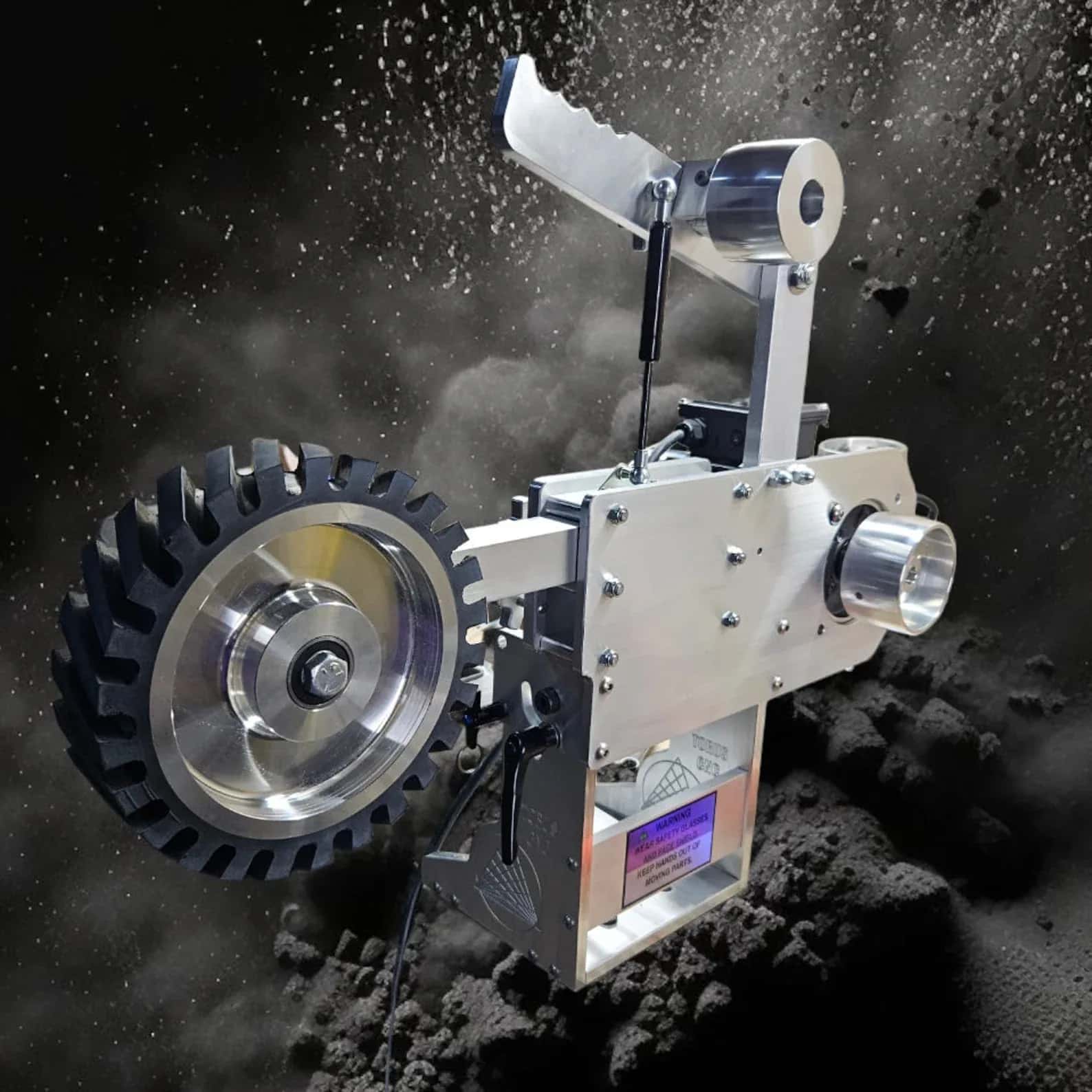
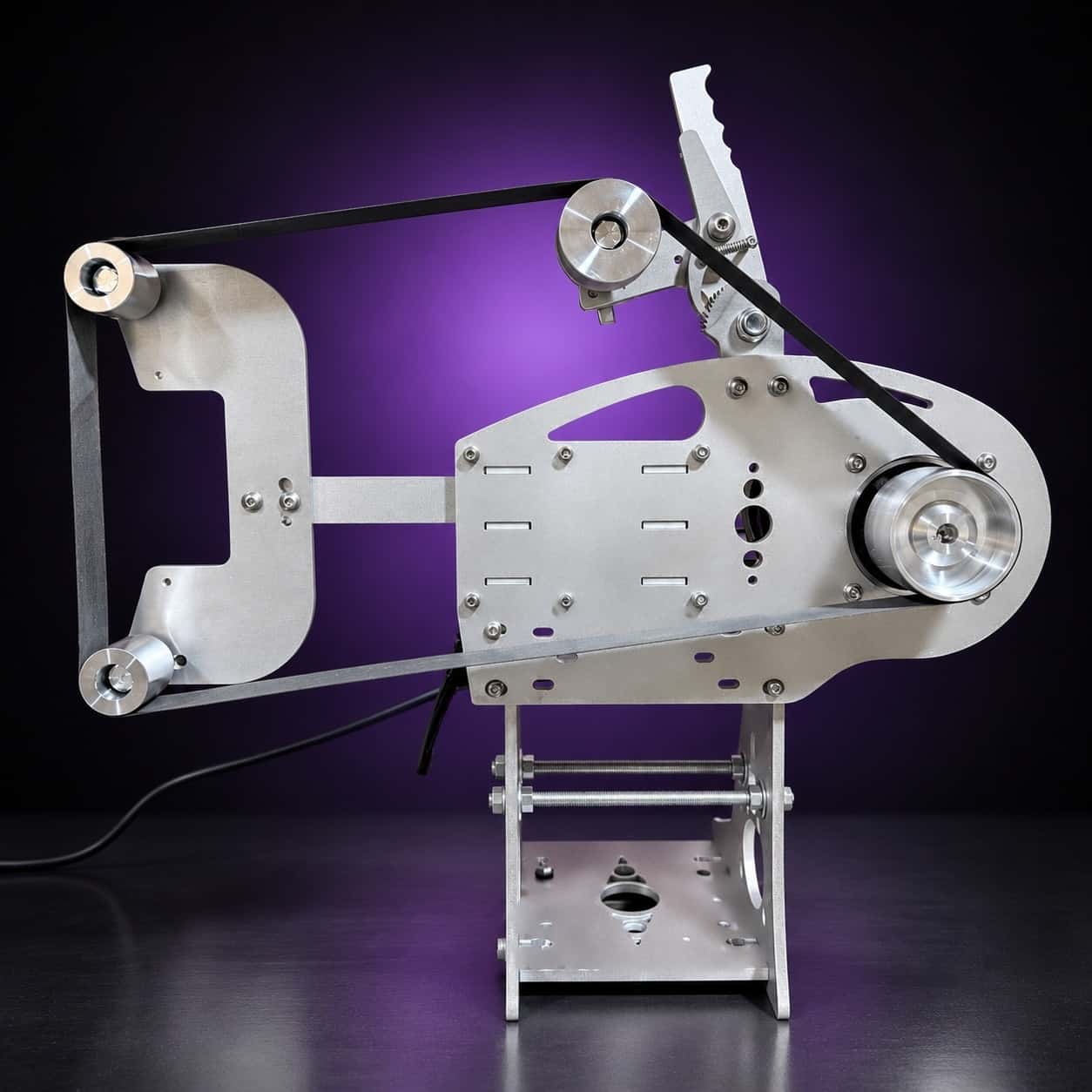
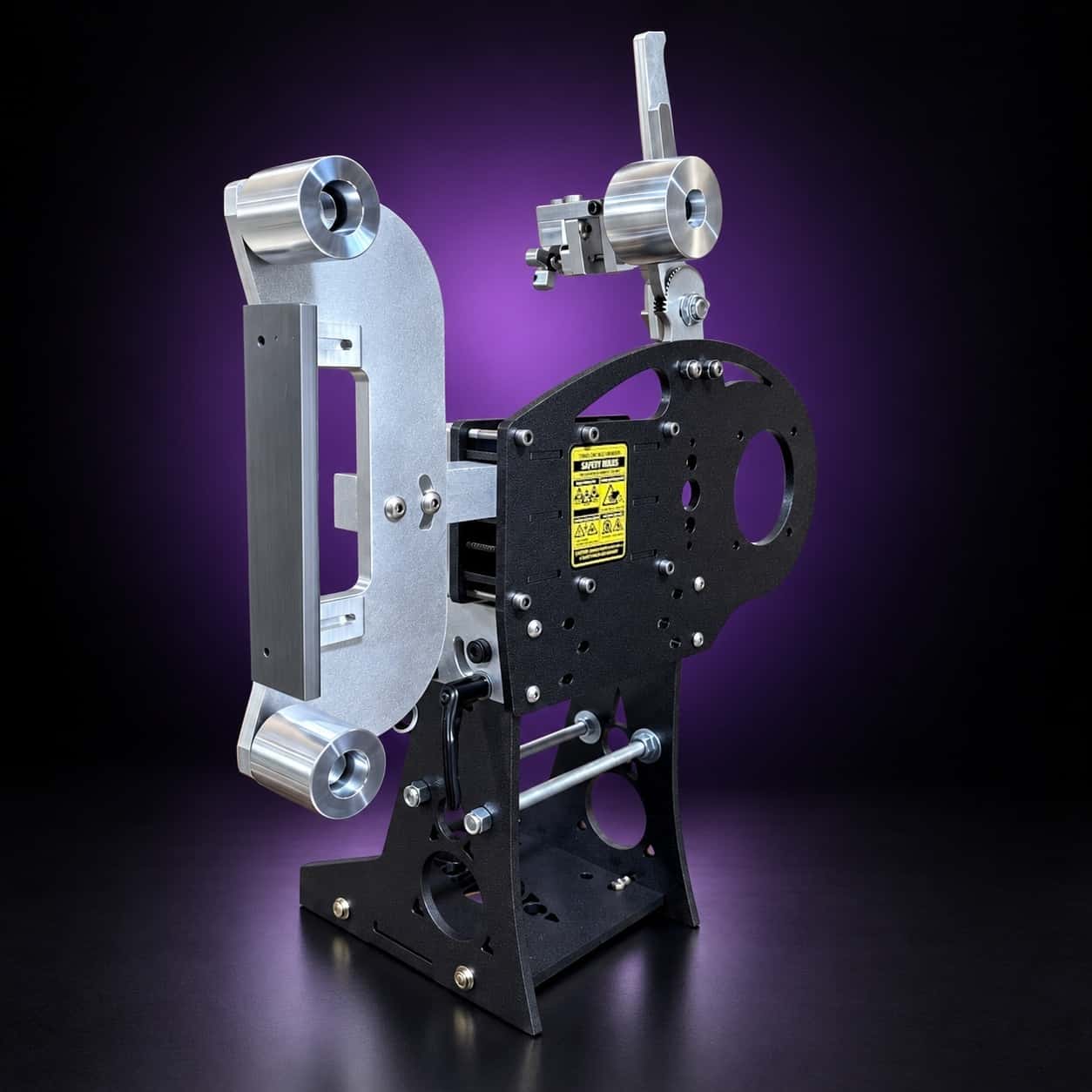
Pulse grinding works best with a belt you can slow down. My motor and VFD combo drops a Nova 2×72 to a crawl for thin stainless and brings it back up for profiling. Both ship assembled and tested from my shop in Sterling, Illinois.