2x72 Grinder Tips
Build a DIY Belt Grinder Dust Water Trap
Grinding steel throws sparks, grit and fine dust at your face and floor. A water trap bucket under the belt catches most of it for a few dollars. Here is how I build one and where it mounts.
Every pass on a 2×72 throws sparks, hot grit and fine steel dust off the bottom of the belt. Most of it lands on your floor, and the rest lands in your lungs. A dust water trap is the cheapest fix I know: a bucket, a few inches of water, a baffle, and a bracket under the belt. Here is how I build one, where to mount it on the grinder, and how to keep it working.
This device not only captures the dust produced during grinding but also utilizes water to suppress airborne particles, ensuring a cleaner and safer workspace. The concept of a dust water trap is straightforward yet effective. By combining the principles of dust collection with water filtration, this system can significantly reduce the amount of harmful particles released into the air.
Key Takeaways
- A belt grinder dust water trap is a useful tool for controlling dust and water when using a belt grinder.
- Materials and tools needed for the project include a plastic container, PVC pipe, hose clamps, and silicone sealant.
- Step-by-step instructions for building the dust water trap involve cutting holes in the container, attaching the PVC pipe, and sealing all connections.
- Proper installation tips include ensuring a secure and airtight connection to the belt grinder and positioning the trap in a convenient location.
- Advantages of using a dust water trap with a belt grinder include improved air quality, reduced mess, and extended tool life.
Materials and Tools Needed for the Project
Primary Components
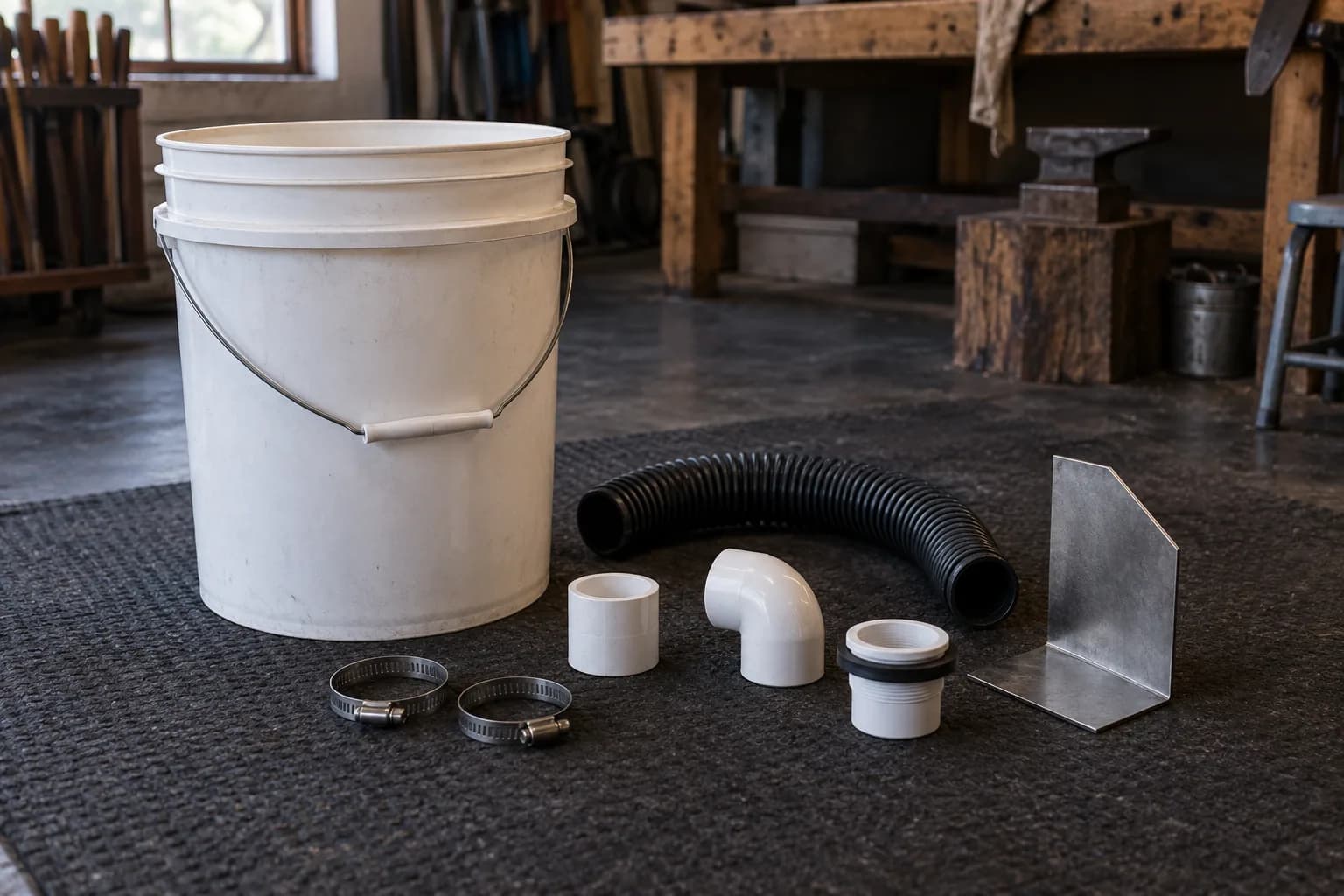
The primary components typically include a container for water, a filtration system, and various fittings to connect the trap to your belt grinder. A sturdy plastic or metal container is ideal for holding water and capturing dust particles.
Additional Materials and Tools
You will need a hose or ducting to connect the trap to the grinder’s exhaust. In terms of tools, a drill, saw, and wrenches will be essential for assembling the components. Depending on your design, you may also require silicone sealant to ensure airtight connections and prevent leaks.
Measuring and Assembly
Having a measuring tape on hand will help you accurately size your components for a snug fit. By preparing these materials and tools in advance, you can streamline the building process and avoid unnecessary interruptions.
Step-by-Step Instructions for Building the Dust Water Trap
To construct your dust water trap, begin by selecting an appropriate container that can hold enough water to effectively capture dust without overflowing. A five-gallon bucket is often a suitable choice due to its size and availability. Next, drill a hole near the top of the bucket to accommodate the hose that will connect to your belt grinder.
Ensure that this hole is slightly smaller than the diameter of the hose to create a snug fit. Once the hole is drilled, insert the hose into the bucket and secure it in place using silicone sealant. This step is crucial for preventing any air leaks that could diminish the efficiency of your dust collection system.
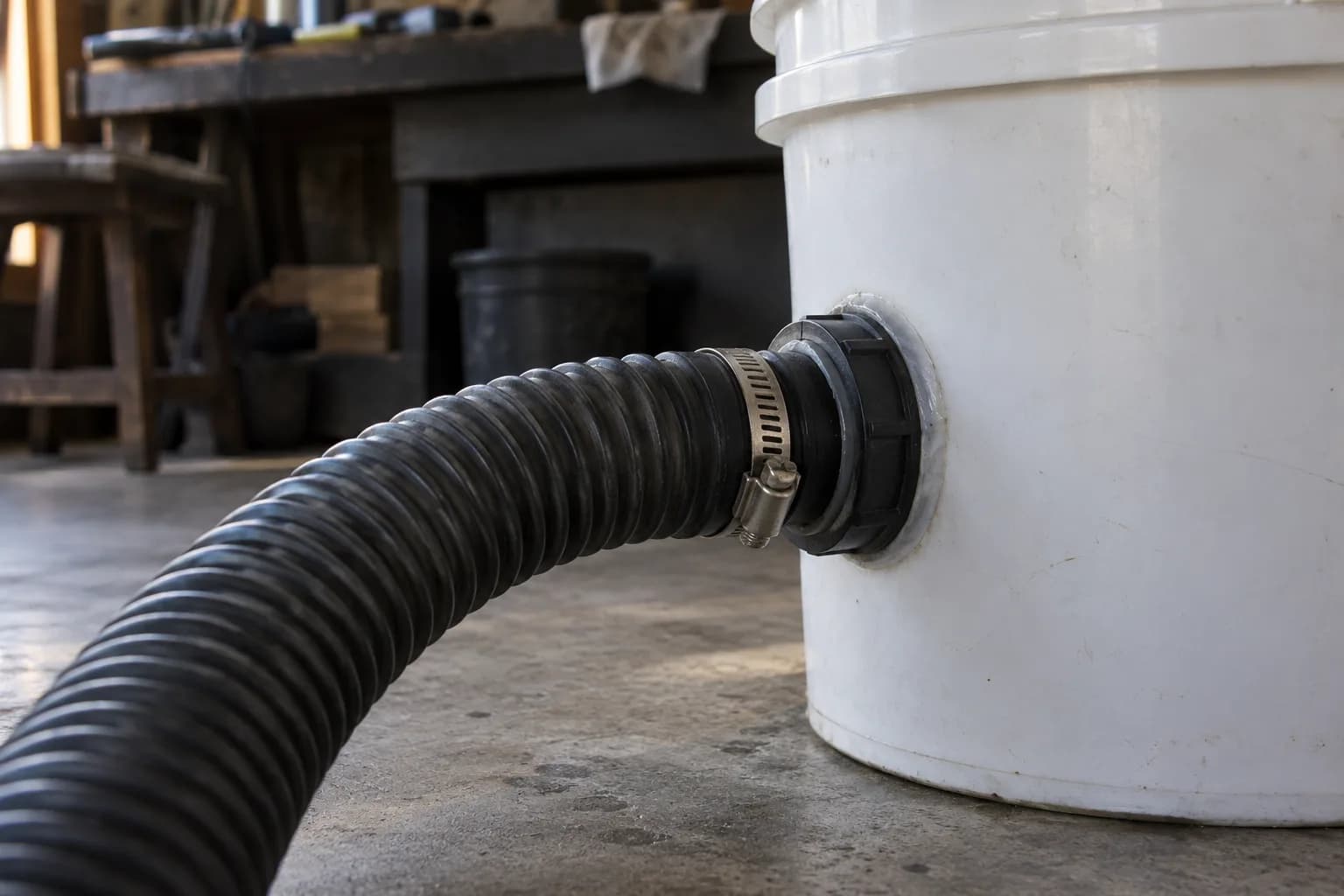
After sealing the hose, fill the bucket with water until it reaches about halfway full. This level allows for optimal dust capture while preventing splashing during operation. Next, you will need to create an outlet for the filtered air to escape.
Drill another hole near the top of the bucket for this purpose. Attach a second hose or ducting that leads away from the bucket, ensuring it directs air away from your workspace. Finally, connect this outlet to your belt grinder’s exhaust port using appropriate fittings.
Once everything is securely in place, test your setup by running the grinder and checking for any leaks or inefficiencies.
Tips for Proper Installation of the Dust Water Trap
Proper installation of your dust water trap is vital for maximizing its effectiveness. First and foremost, ensure that all connections are airtight. Any gaps or leaks can allow dust to escape into the air, negating the benefits of your system.
Use silicone sealant liberally around all joints and fittings to create a secure seal. Consider positioning your dust water trap at an appropriate height relative to your belt grinder. Ideally, it should be at or slightly below the level of the grinder’s exhaust port to facilitate efficient airflow.
This positioning helps ensure that dust is effectively drawn into the trap rather than escaping into your workspace. Make sure that hoses are not kinked or obstructed, as this can impede airflow and reduce suction power.
Advantages of Using a Dust Water Trap with a Belt Grinder
The advantages of incorporating a dust water trap into your belt grinder setup are numerous. One of the most significant benefits is improved air quality in your workshop. By capturing harmful dust particles before they can become airborne, you create a healthier environment for yourself and anyone else who may be present during operation.
Safety Precautions to Consider When Using the Dust Water Trap
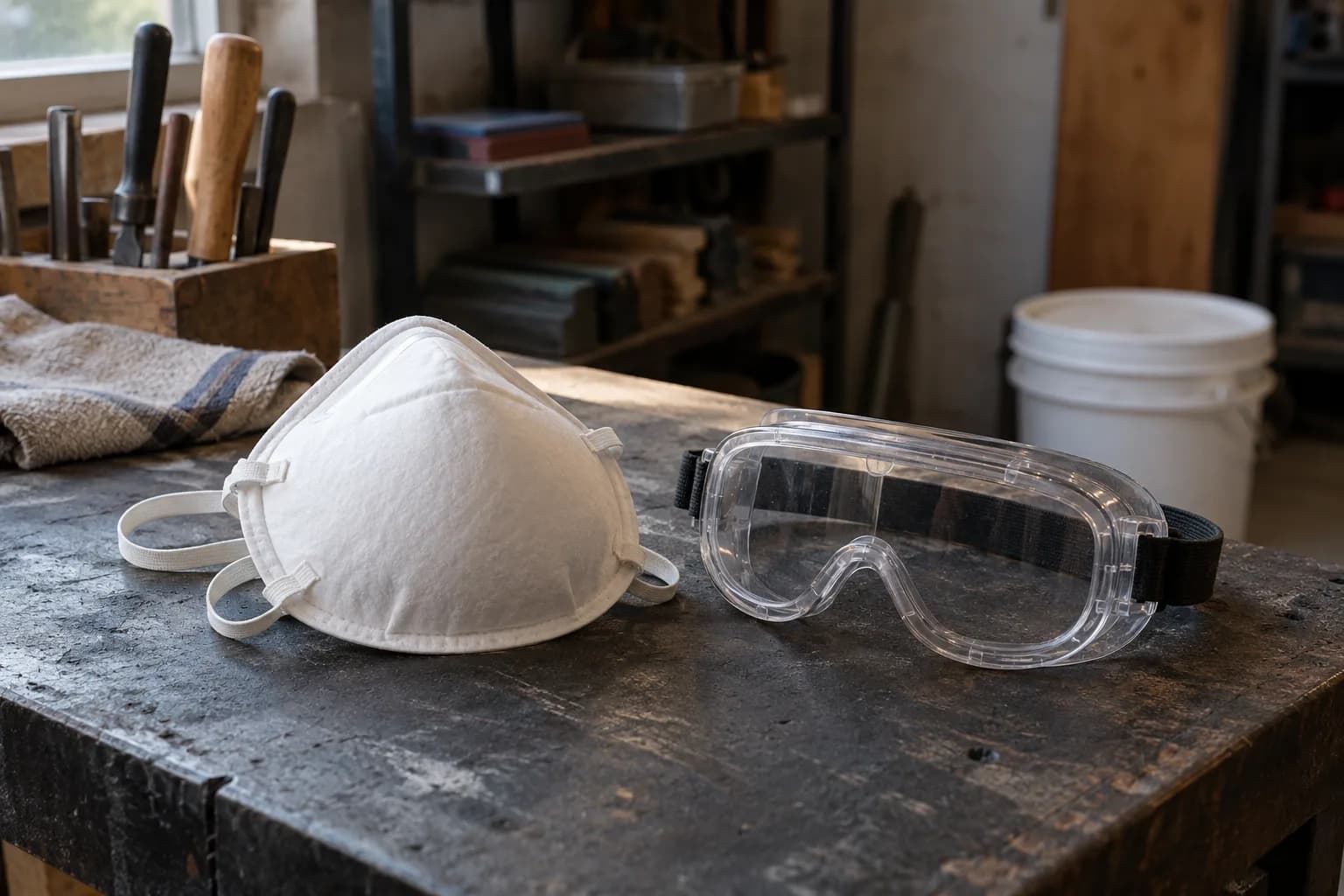
While a dust water trap significantly improves safety in your workshop, it is essential to remain vigilant about safety precautions during its use. Always wear appropriate personal protective equipment (PPE), including safety goggles and a dust mask or respirator, especially when working with materials known to produce hazardous dust. Even with a dust water trap in place, some particles may still escape into the air.
Ensure that your workspace is well-ventilated. While the dust water trap helps control airborne particles, proper ventilation further reduces exposure to any residual dust or fumes generated during grinding operations. Regularly inspect your dust water trap for any signs of wear or damage that could compromise its effectiveness.
Maintenance and Cleaning of the Dust Water Trap
To ensure optimal performance of your dust water trap over time, regular maintenance and cleaning are essential. Start by checking the water level in the container frequently; if it becomes too low due to evaporation or splashing during use, refill it to maintain effective dust capture capabilities. Additionally, periodically inspect hoses and fittings for any signs of wear or blockages that could hinder airflow.
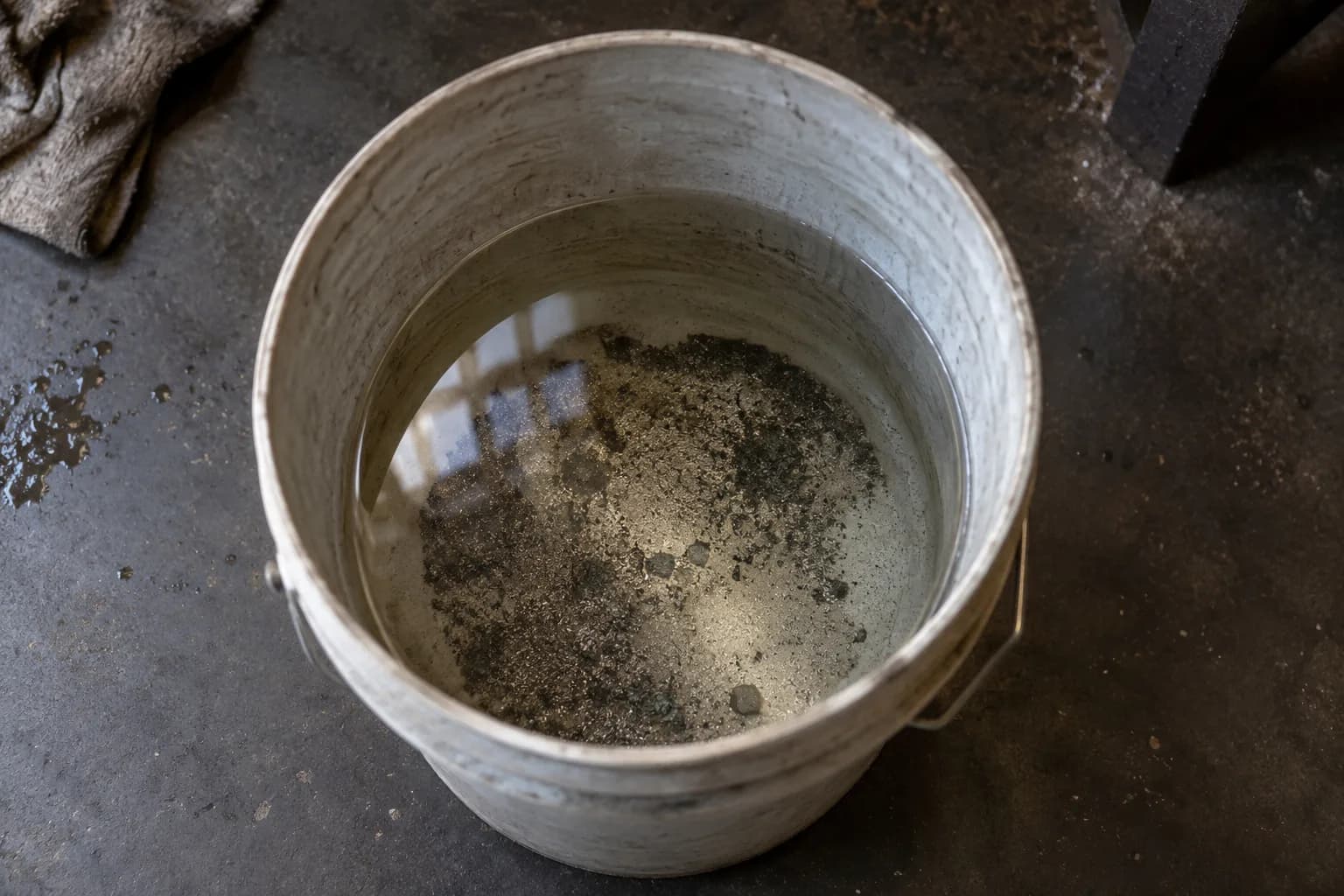
Cleaning the container itself is also crucial for maintaining efficiency. Over time, debris may accumulate at the bottom of the bucket, which can affect its ability to filter out dust effectively. To clean it, simply empty out any accumulated debris and rinse the container thoroughly with water before refilling it.
Troubleshooting Common Issues with the Dust Water Trap
Even with careful construction and maintenance, you may encounter some common issues with your dust water trap over time. One frequent problem is reduced suction power, which can occur if there are blockages in hoses or fittings. To troubleshoot this issue, start by inspecting all connections for any obstructions or kinks that could impede airflow.
Another common issue is leaks around hose connections or seals. If you notice any escaping air or water from your setup, check all joints for proper sealing and apply additional silicone sealant as needed. If problems persist despite these efforts, consider replacing worn-out hoses or fittings that may no longer provide an airtight seal.
Alternative Options for Controlling Dust and Water with a Belt Grinder
While a dust water trap is an effective solution for controlling dust generated by belt grinders, there are alternative options available as well. One popular method is using a dry dust collection system equipped with filters designed specifically for fine particles. These systems often utilize high-efficiency particulate air (HEPA) filters that capture even the smallest particles without relying on water.
Another option is implementing a combination of both dry and wet systems for enhanced effectiveness. For instance, you could use a dry collection system alongside a misting system that introduces fine water droplets into the air to help settle airborne particles quickly. Each method has its advantages and drawbacks; therefore, it’s essential to assess your specific needs and workspace conditions when deciding on an approach.
FAQs
What is a DIY belt grinder dust water trap bucket?
A DIY belt grinder dust water trap bucket is a homemade device used to collect dust and water from a belt grinder, preventing it from spreading around the work area.
How does a DIY belt grinder dust water trap bucket work?
The DIY belt grinder dust water trap bucket works by capturing the dust and water generated during the grinding process, using a combination of a bucket, water, and a baffle system to separate the particles from the air.
What materials are needed to make a DIY belt grinder dust water trap bucket?
To make a DIY belt grinder dust water trap bucket, you will need a large bucket, water, a baffle system (such as a series of baffles or a cyclone separator), and a connection to the belt grinder’s dust collection system.
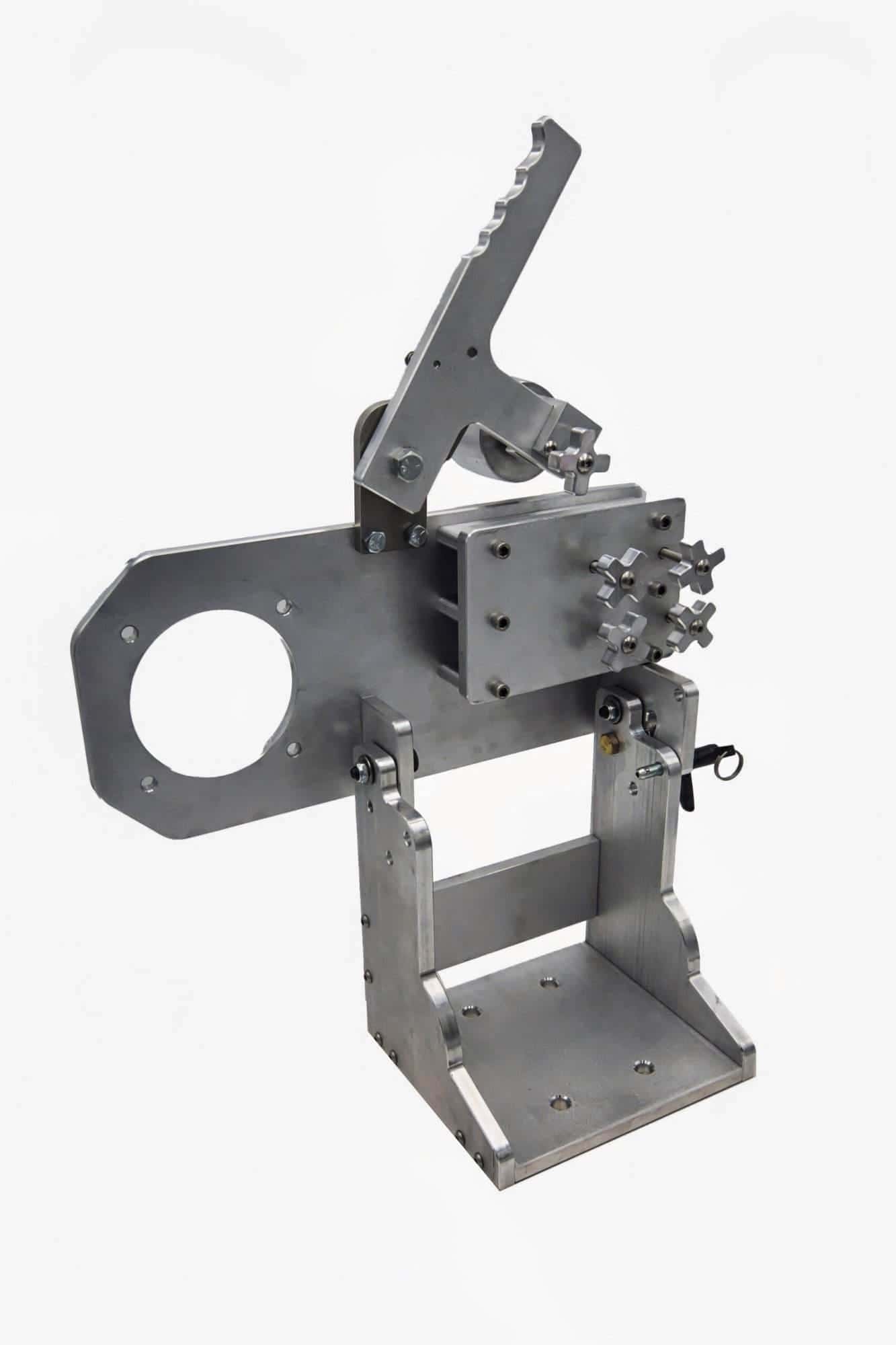
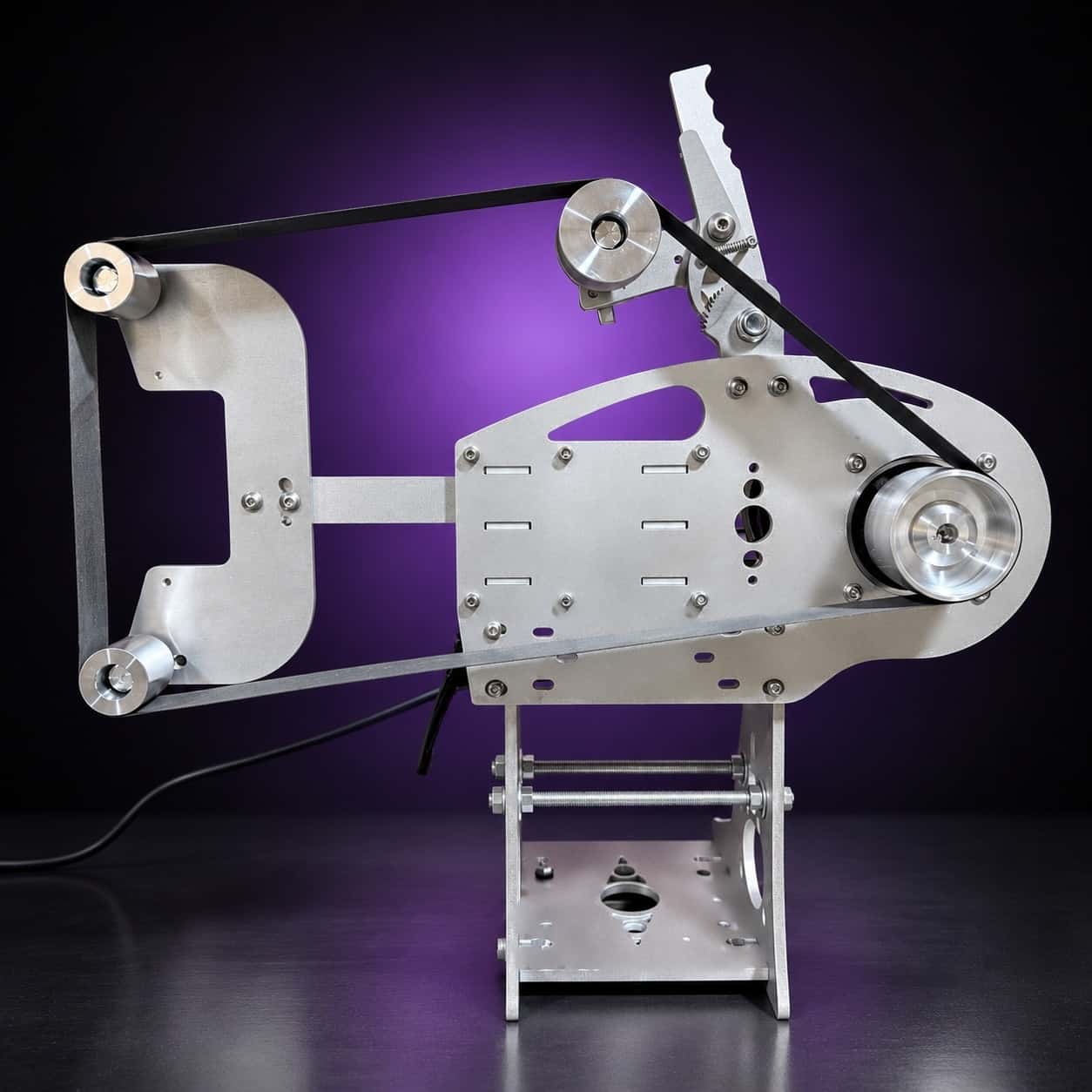
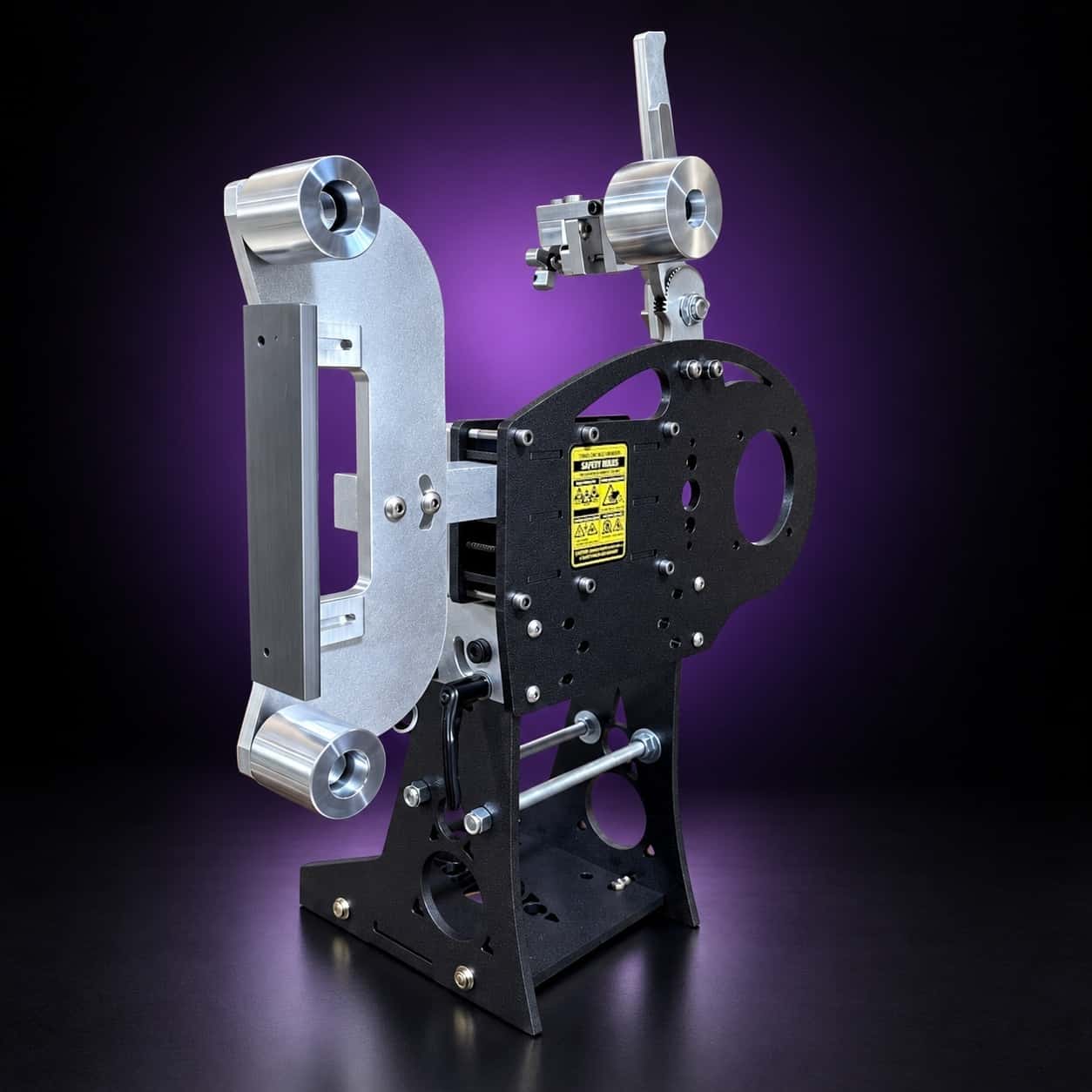
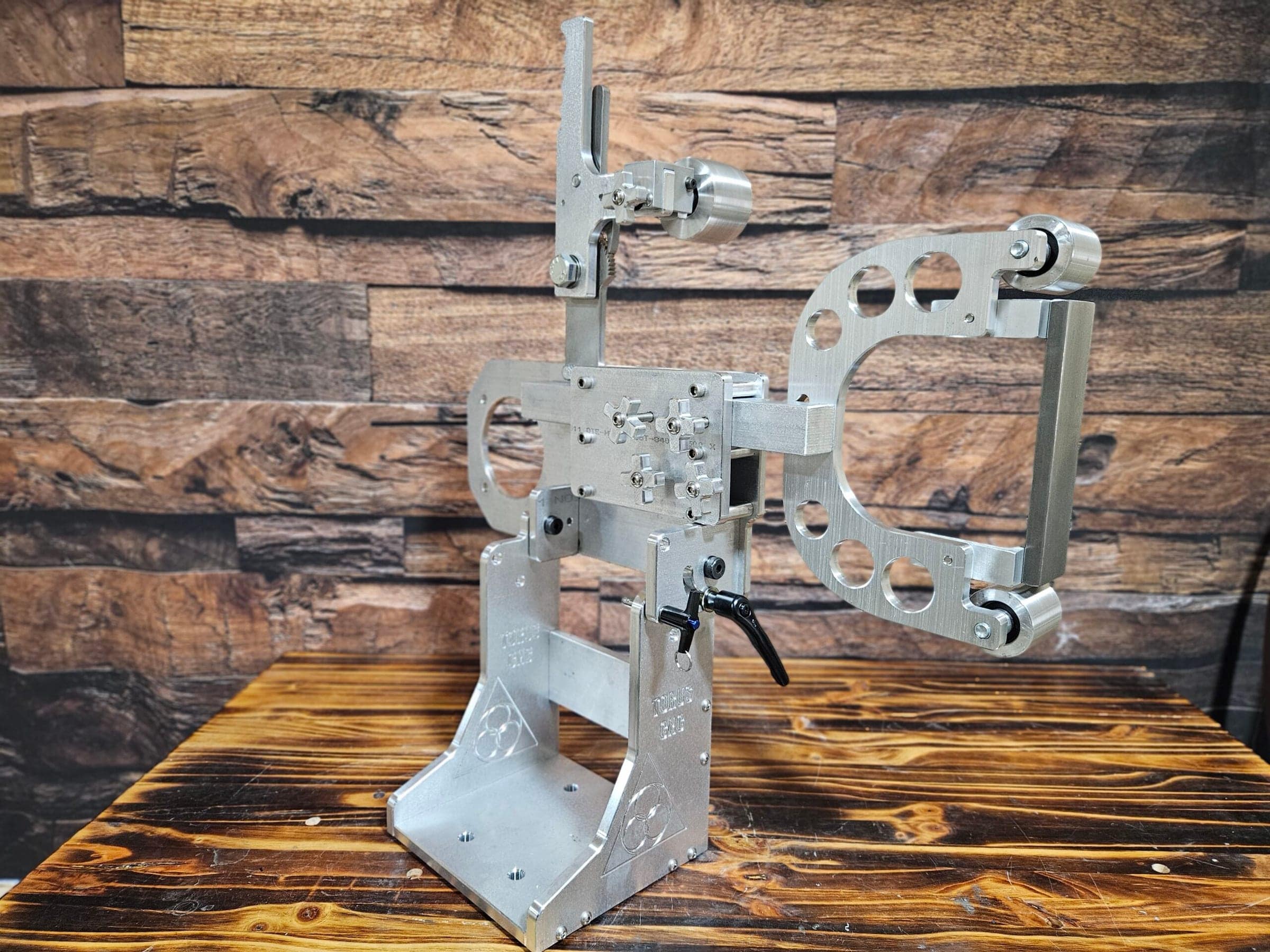
A tilting grinder makes a water trap easy to place, because the belt exit stays in one spot whether you grind vertical or horizontal. The Nova 2×72 and Nebula both tilt 90 degrees on a pin, so your trap sits right where the sparks land. Build the grinder, then build the bucket.