Knife Making
Essential Safety Checklist for New Belt Grinder Users
A 2×72 will take skin, hair or a fingertip without slowing down. Here is the safety checklist I give every first-time owner: eyes, lungs, hands, belt inspection, bolting the grinder down, spark direction and how to shut it down fast.
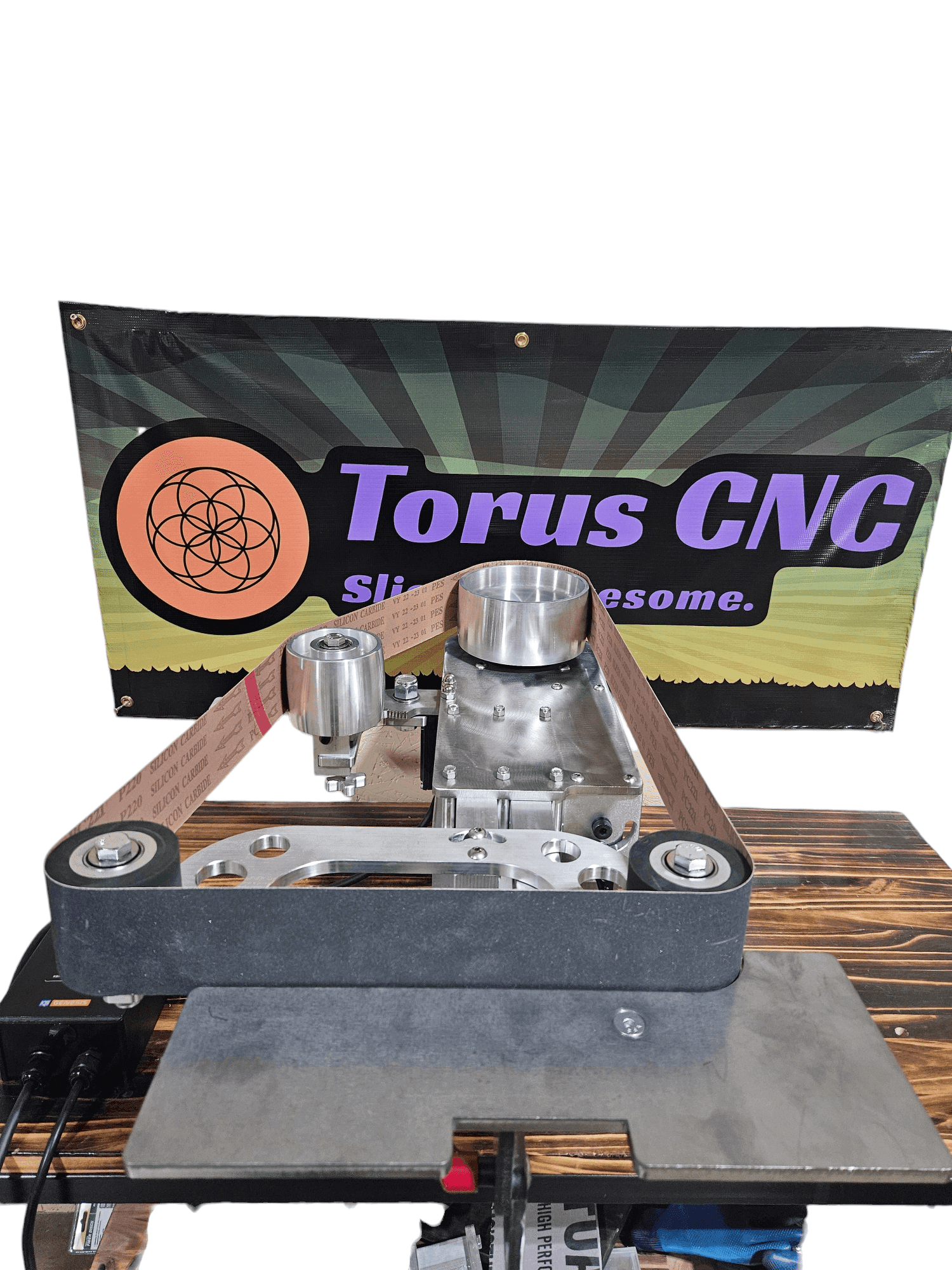
A 2×72 belt moves at thousands of feet per minute and it does not know the difference between steel and skin. Torus CNC has served 350-plus customers since 2020, and this is the checklist I want every first-time owner to read before the belt turns: eyes, lungs, hands, belt inspection, bolting the machine down, which way the sparks go, and how to kill the power fast.
Key Takeaways
- Belt grinders are versatile tools used for shaping, finishing, and sharpening metal, wood, and other materials.
- Potential hazards of belt grinders include flying debris, electrical hazards, and contact with the moving belt.
- Personal protective equipment (PPE) such as safety glasses, gloves, and hearing protection should be worn when operating a belt grinder.
- Regular machine inspection and maintenance are essential to ensure safe and efficient operation of belt grinders.
- Safe operating procedures for belt grinders include securing the workpiece, adjusting the belt tension, and using the appropriate speed and pressure.
Understanding the Potential Hazards
While belt grinders are powerful tools that enhance productivity, they also pose several hazards that users must be aware of. One of the primary risks is the potential for physical injury due to contact with the moving belt. The abrasive surface can cause severe lacerations or abrasions if proper precautions are not taken.
The high-speed operation of these machines can lead to flying debris, which may result in eye injuries or other bodily harm. Understanding these risks is the first step toward creating a safe working environment. Another significant hazard associated with belt grinders is the generation of heat and sparks during operation.
The friction created by grinding can lead to overheating of both the workpiece and the machine itself. This not only poses a risk of burns but also increases the likelihood of fire hazards, especially when working with flammable materials. Inhalation of dust and fine particles produced during grinding can lead to respiratory issues over time.
Personal Protective Equipment (PPE) Requirements
To mitigate the risks associated with belt grinders, wearing appropriate personal protective equipment (PPE) is crucial. At a minimum, operators should wear safety goggles or face shields to protect their eyes from flying debris and sparks. These protective eyewear options are designed to withstand impact and provide a clear line of sight while ensuring safety during operation.
Hearing protection is recommended, as belt grinders can produce noise levels that may lead to hearing damage over prolonged exposure. In addition to eye and ear protection, operators should wear gloves made from cut-resistant materials to safeguard their hands from sharp edges and abrasive surfaces. However, it is essential to choose gloves that allow for dexterity and do not pose a risk of entanglement with the moving parts of the grinder.
Long-sleeved shirts and durable work pants should be worn to protect against sparks and heat generated during grinding. By adhering to these PPE requirements, operators can significantly reduce their risk of injury while using belt grinders.
Machine Inspection and Maintenance
Regular inspection and maintenance of belt grinders are vital for ensuring safe operation and optimal performance. Before each use, operators should conduct a thorough visual inspection of the machine, checking for any signs of wear or damage. This includes examining the condition of the abrasive belt, ensuring it is properly tensioned and aligned.
A worn or damaged belt can lead to unpredictable performance and increase the risk of accidents. In addition to visual inspections, routine maintenance tasks should be performed according to the manufacturer’s guidelines. This may include lubricating moving parts, tightening loose components, and replacing worn belts or other accessories.
Keeping the machine clean is also essential; accumulated dust and debris can interfere with its operation and pose additional hazards. By establishing a regular maintenance schedule and adhering to it diligently, operators can prolong the life of their belt grinders while ensuring a safer working environment.
Safe Operating Procedures
Establishing safe operating procedures is critical for minimizing risks when using belt grinders. Operators should always familiarize themselves with the specific model they are using, as different machines may have unique features or requirements. Before starting the grinder, it is essential to ensure that all safety guards are in place and functioning correctly.
These guards serve as barriers that help prevent accidental contact with moving parts. When operating a belt grinder, maintaining a clear workspace is equally important. Operators should ensure that there are no obstructions or clutter around the machine that could lead to tripping hazards or distractions during use.
It is advisable to keep hands away from the grinding area and maintain a firm grip on the workpiece at all times. By following these safe operating procedures, users can significantly reduce the likelihood of accidents and injuries while maximizing productivity.
Proper Workpiece Handling
Proper handling of workpieces is an essential aspect of safe belt grinder operation. Operators should always secure workpieces firmly before grinding to prevent them from slipping or moving unexpectedly during the process. Using clamps or vises can provide additional stability and control, allowing for more precise grinding results.
It is also important to select the appropriate size and shape of workpieces for grinding; overly large or awkwardly shaped items can be challenging to manage safely. Operators should be mindful of their body positioning while handling workpieces. Maintaining a stable stance with feet shoulder-width apart can enhance balance and control during operation.
Leaning too far over the grinder or reaching awkwardly can increase the risk of losing balance or making contact with moving parts. By adopting proper workpiece handling techniques, operators can ensure safer interactions with belt grinders while achieving optimal results.
Fire Prevention Measures
Given the potential for sparks and heat generation during grinding operations, implementing fire prevention measures is crucial when using belt grinders. Operators should always be aware of their surroundings and ensure that flammable materials are kept at a safe distance from the grinding area. This includes not only obvious items like paper or wood but also less apparent materials such as certain types of oils or solvents that may ignite when exposed to sparks.
In addition to maintaining a clean workspace free from flammable debris, having fire extinguishing equipment readily available is essential for any workshop using belt grinders. Operators should familiarize themselves with the location and proper use of fire extinguishers in case of an emergency. Regular fire drills and training sessions can also help ensure that all personnel know how to respond effectively in case of a fire incident.
Emergency Shutdown Procedures
In any industrial setting, having clear emergency shutdown procedures is vital for ensuring safety during unexpected situations. Operators should be trained on how to quickly shut down the belt grinder in case of an emergency, such as equipment malfunction or an injury incident. Familiarity with emergency stop buttons or switches is essential; these features are designed to halt machine operation immediately when activated.
Proper Dust and Debris Management
Effective dust and debris management is another critical aspect of maintaining a safe working environment when using belt grinders. The grinding process generates fine particles that can accumulate quickly in the workspace, posing both health risks and potential fire hazards. Implementing proper dust collection systems can significantly reduce airborne particles while keeping work areas clean.
Operators should regularly clean their workspaces to prevent dust buildup on surfaces and equipment. Using vacuum systems designed for industrial applications can help efficiently remove debris without creating additional airborne dust clouds. Wearing appropriate respiratory protection may be necessary when working in environments where dust levels are high or when using materials known to produce harmful particles during grinding.
Training and Supervision
Training and supervision play crucial roles in ensuring safe operations when using belt grinders. All operators should receive comprehensive training on machine operation, safety protocols, and emergency procedures before being allowed to use the equipment independently. This training should cover not only how to operate the machine but also how to recognize potential hazards and respond appropriately.
FAQs
What is a belt grinder?
A belt grinder is a machine used to shape and finish metal and other materials by means of an abrasive belt. It is commonly used in metalworking and fabrication.
What are some items that should be included in a safety checklist for first-time belt grinder users?
A safety checklist for first-time belt grinder users should include items such as wearing appropriate personal protective equipment (PPE), inspecting the machine for any defects or damage, ensuring proper training and supervision, and following safe operating procedures.
How can first-time belt grinder users protect themselves from potential hazards?
First-time belt grinder users can protect themselves from potential hazards by wearing appropriate PPE such as safety glasses, hearing protection, and gloves, following safe operating procedures, and being aware of their surroundings at all times.
What should first-time belt grinder users do if they are unsure about how to operate the machine safely?
If first-time belt grinder users are unsure about how to operate the machine safely, they should seek guidance and training from a qualified and experienced operator or supervisor. It is important to never operate the machine without proper training and supervision.
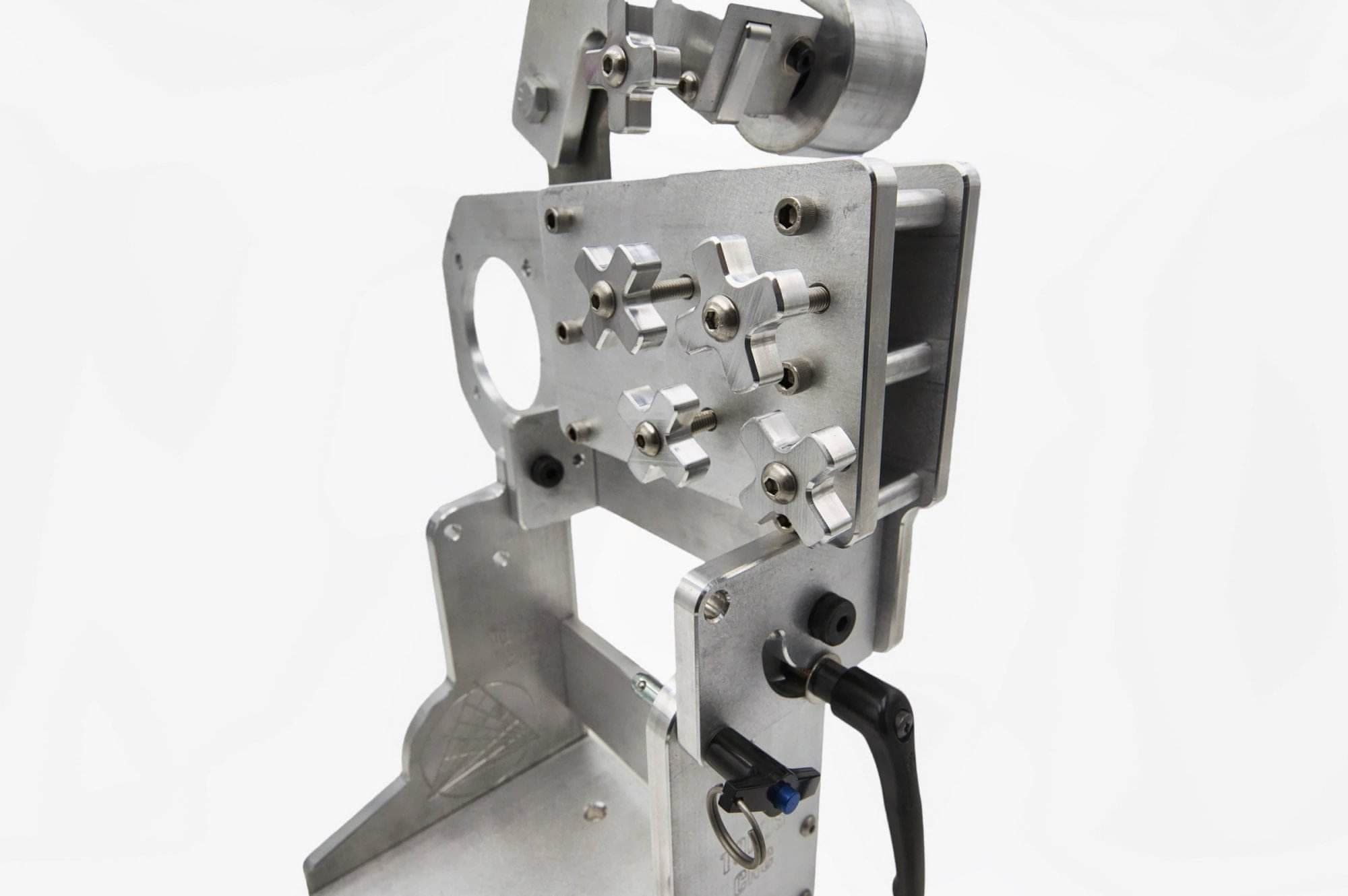
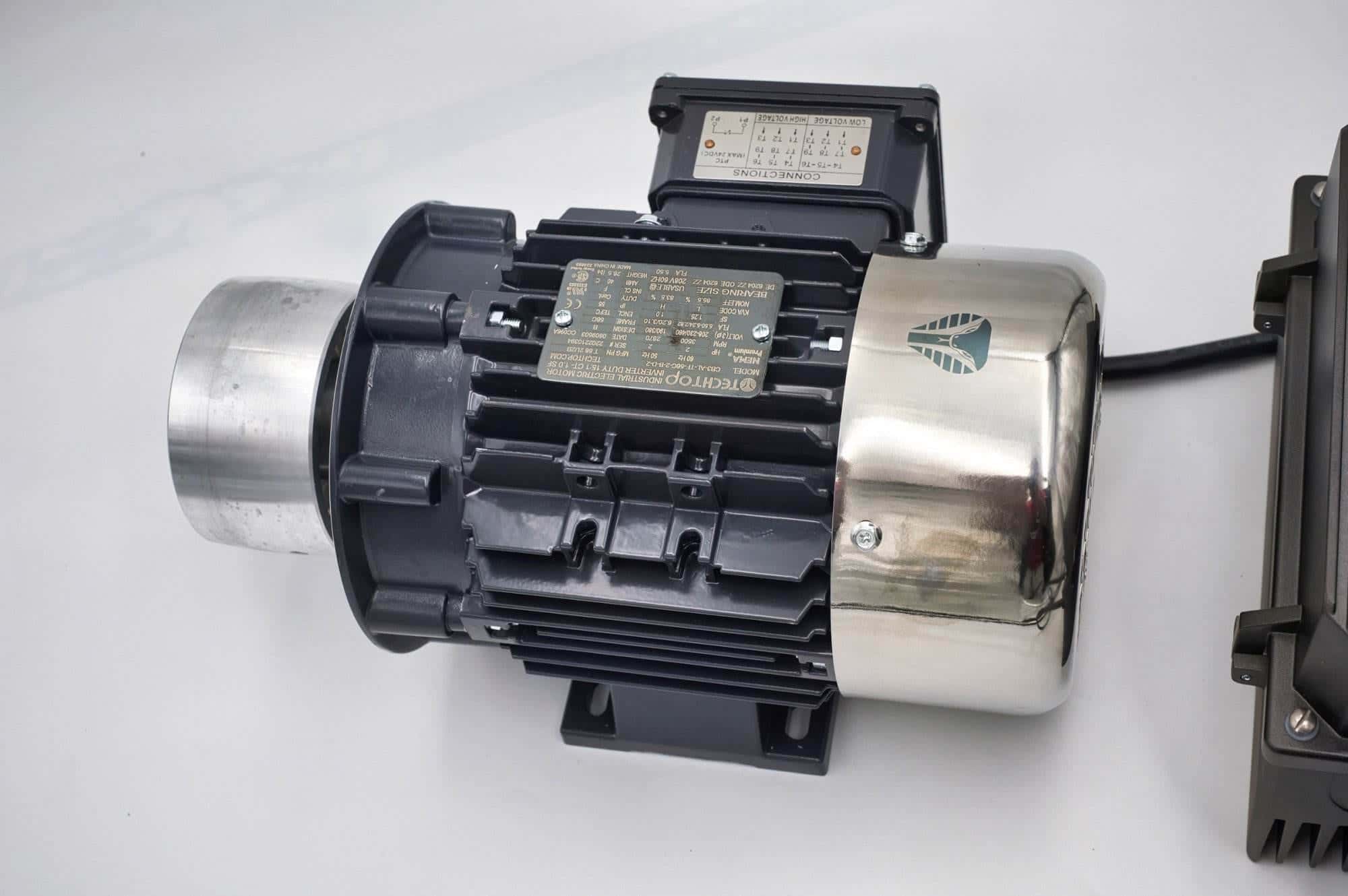
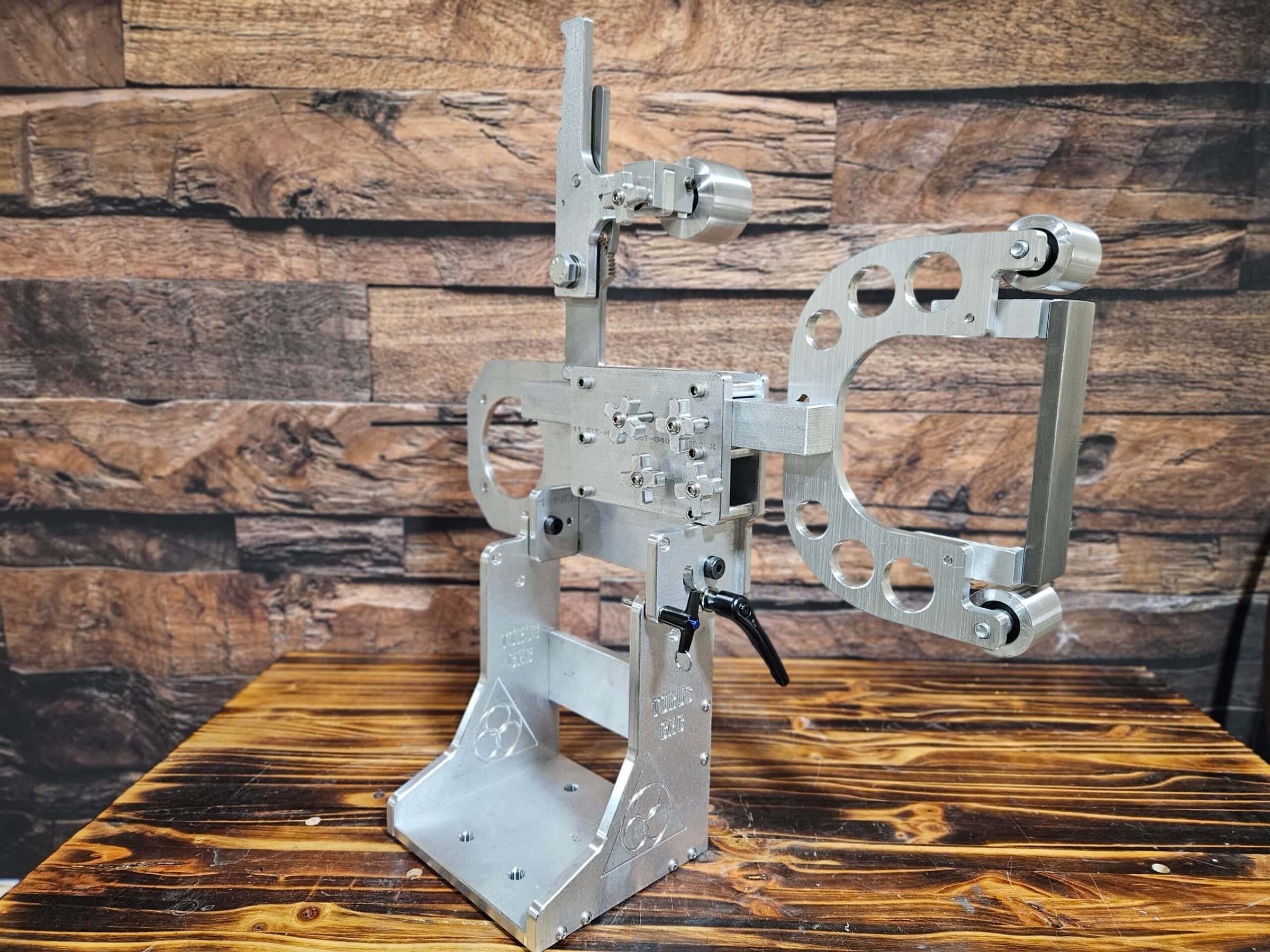
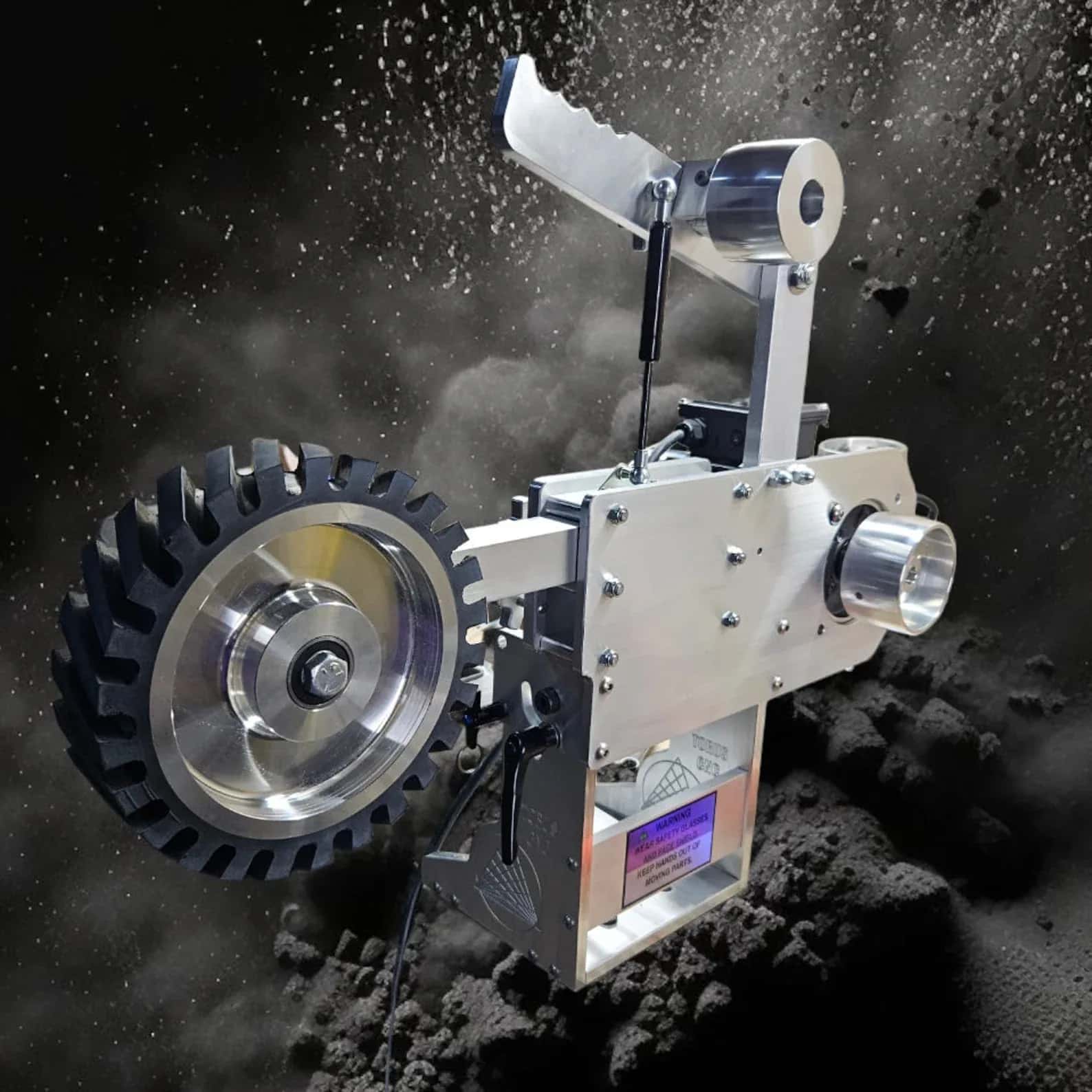
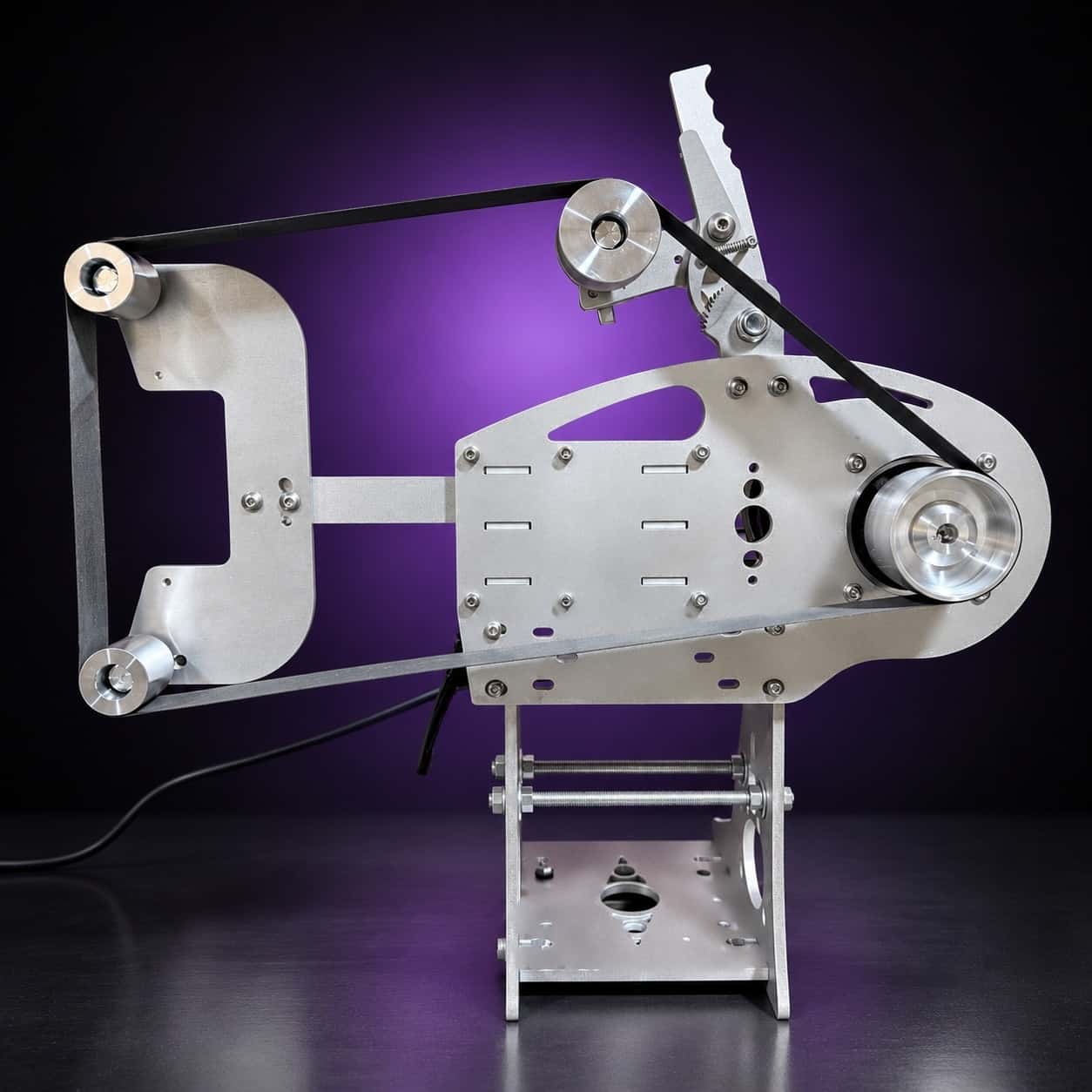
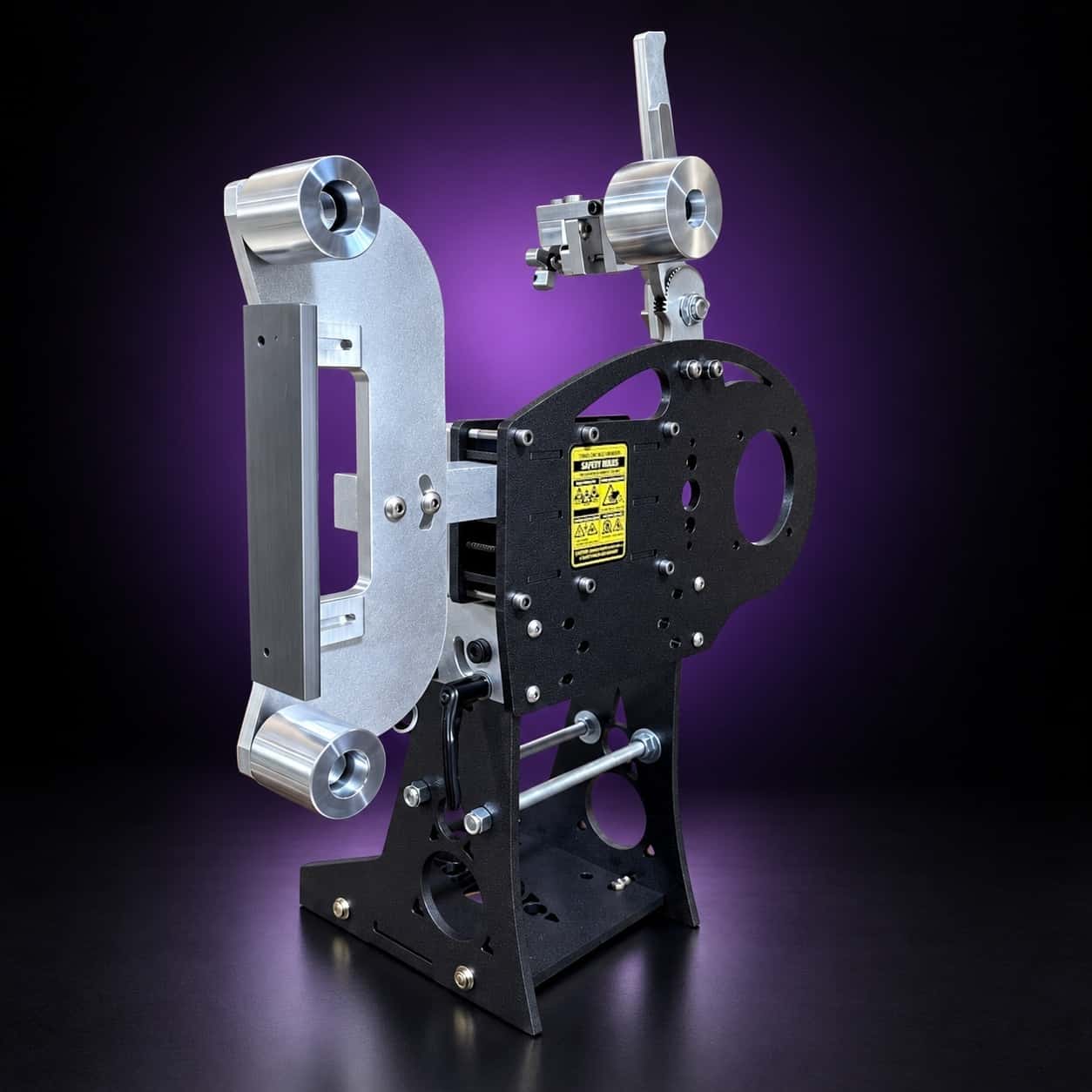
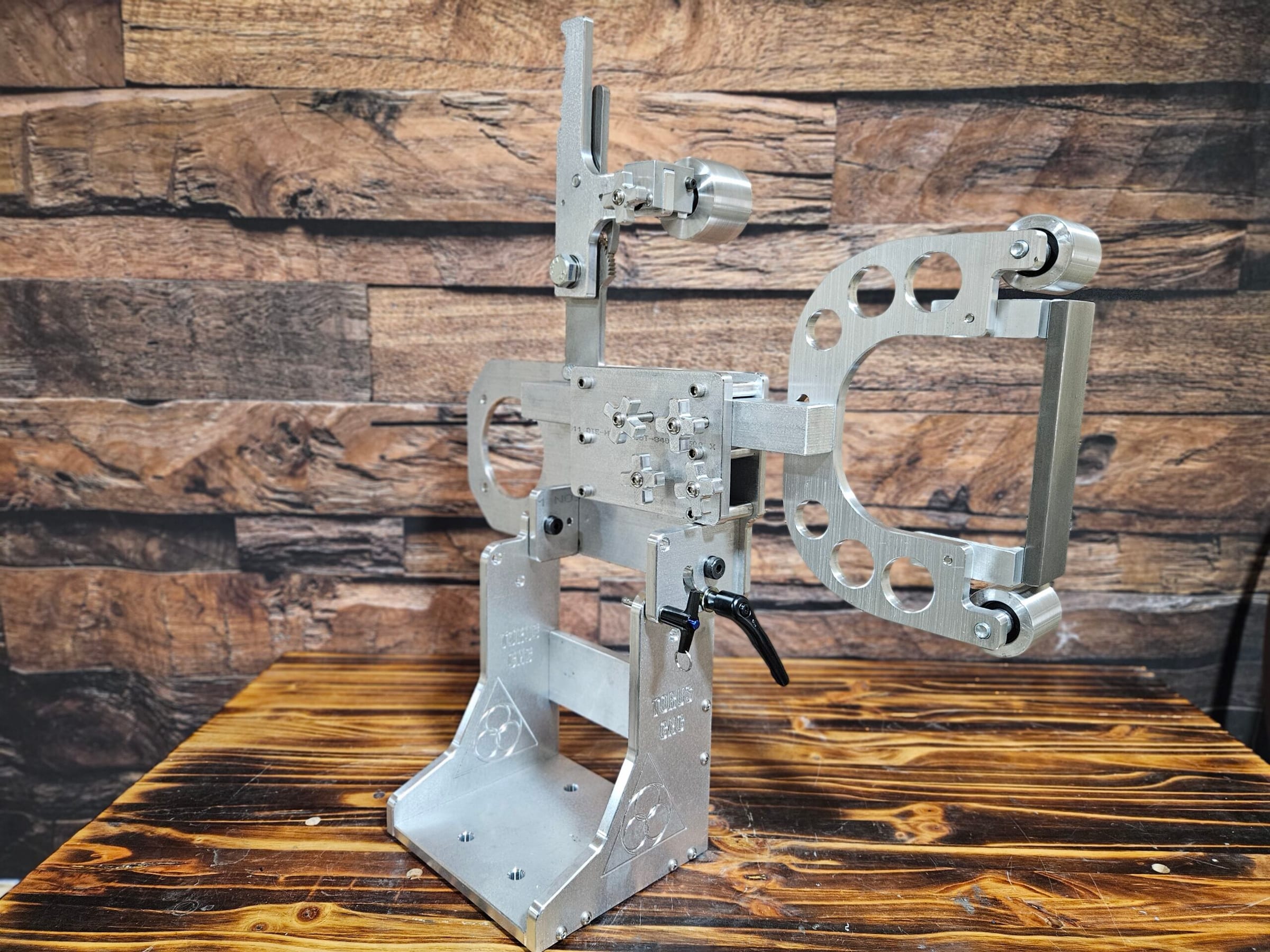
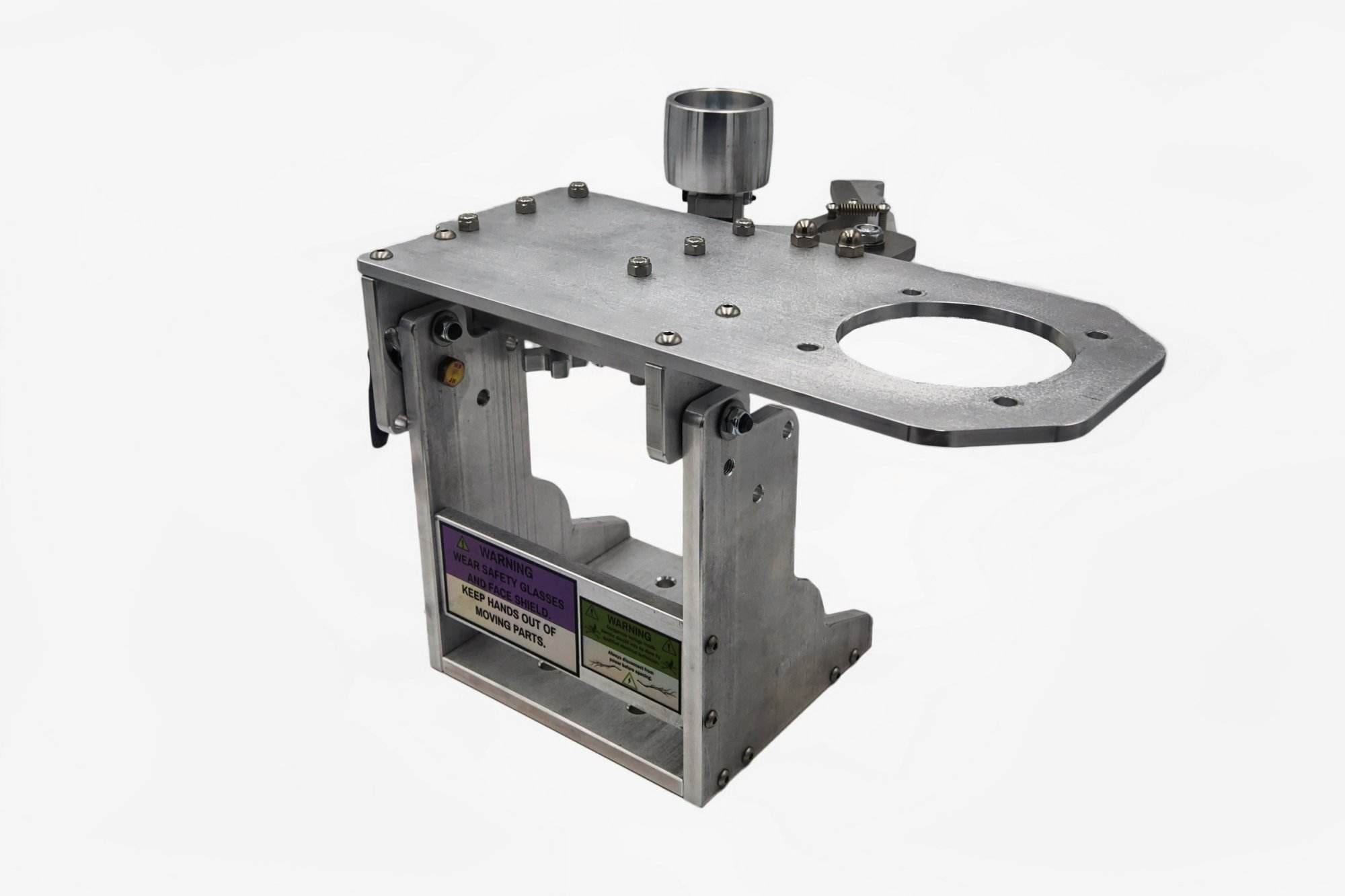
Safety starts with a grinder that is planted and predictable. Every Nova 2×72 ships assembled and tested with a wide base for bolting down, and the motor and VFD combo comes with a sealed KBAC-27D drive already programmed, so the electrical side is done before it reaches you.