Knife Making
Efficient Forge Scale Removal with 24‑Grit Ceramic Belts
Forge scale eats belts. A fresh 24-grit ceramic at full speed strips it in a few passes and leaves clean steel. Here is how I run coarse ceramics on the 2×72, keep the blade cool, and when to step up.
Forge scale is glass-hard and it kills fine belts in seconds. The fix is to hit it with the coarsest ceramic belt you own, at full speed, with a firm hand, and get under it in a few passes. Here is how I use 24-grit ceramic belts on the 2×72 to strip scale off forged blades, how I keep the blade from overheating, and when I step up to 36 and 60 grit to start real shaping.
Key Takeaways
- Efficient forge scale removal is crucial for maintaining the quality and integrity of metalwork.
- 24-grit ceramic belts offer advantages such as high material removal rate and long-lasting durability.
- The abrasive nature of 24-grit ceramic belts allows for effective removal of tough forge scale from metal surfaces.
- Following proper steps and techniques is essential for efficient forge scale removal using 24-grit ceramic belts.
- Regular maintenance and care of 24-grit ceramic belts is necessary to ensure their longevity and continued efficiency in forge scale removal.
Understanding the Importance of Efficient Forge Scale Removal
Impact on Product Quality
Residual scale can result in poor surface finishes or dimensional inaccuracies, leading to increased production costs and time delays. The presence of forge scale can compromise the integrity of welds, leading to weak joints that may fail under stress.
Additional Benefits
A clean surface also allows for better adhesion of coatings and finishes, which is crucial for aesthetic and protective purposes. Investing in efficient forge scale removal techniques is essential for maintaining high standards in metalworking.
The Advantages of Using 24-Grit Ceramic Belts for Forge Scale Removal
The use of 24-grit ceramic belts for forge scale removal offers numerous advantages that make them a standout choice in the industry. One of the primary benefits is their aggressive cutting action. The coarse grit size allows for rapid material removal, making it particularly effective for tackling thick layers of forge scale.
This efficiency translates into significant time savings during the cleaning process, enabling operators to focus on other critical tasks. Another advantage of 24-grit ceramic belts is their durability. Ceramic abrasives are known for their ability to withstand high temperatures and resist wear, which is particularly important in applications involving heavy-duty metalworking.
How 24-Grit Ceramic Belts Work in Removing Forge Scale
The mechanism by which 24-grit ceramic belts remove forge scale is rooted in their abrasive properties. When these belts are applied to a workpiece, the sharp edges of the ceramic grains penetrate the surface layer of forge scale, effectively breaking it apart and dislodging it from the underlying metal. This aggressive cutting action is facilitated by the grit size; 24-grit belts are coarse enough to tackle tough materials while still being manageable for operators.
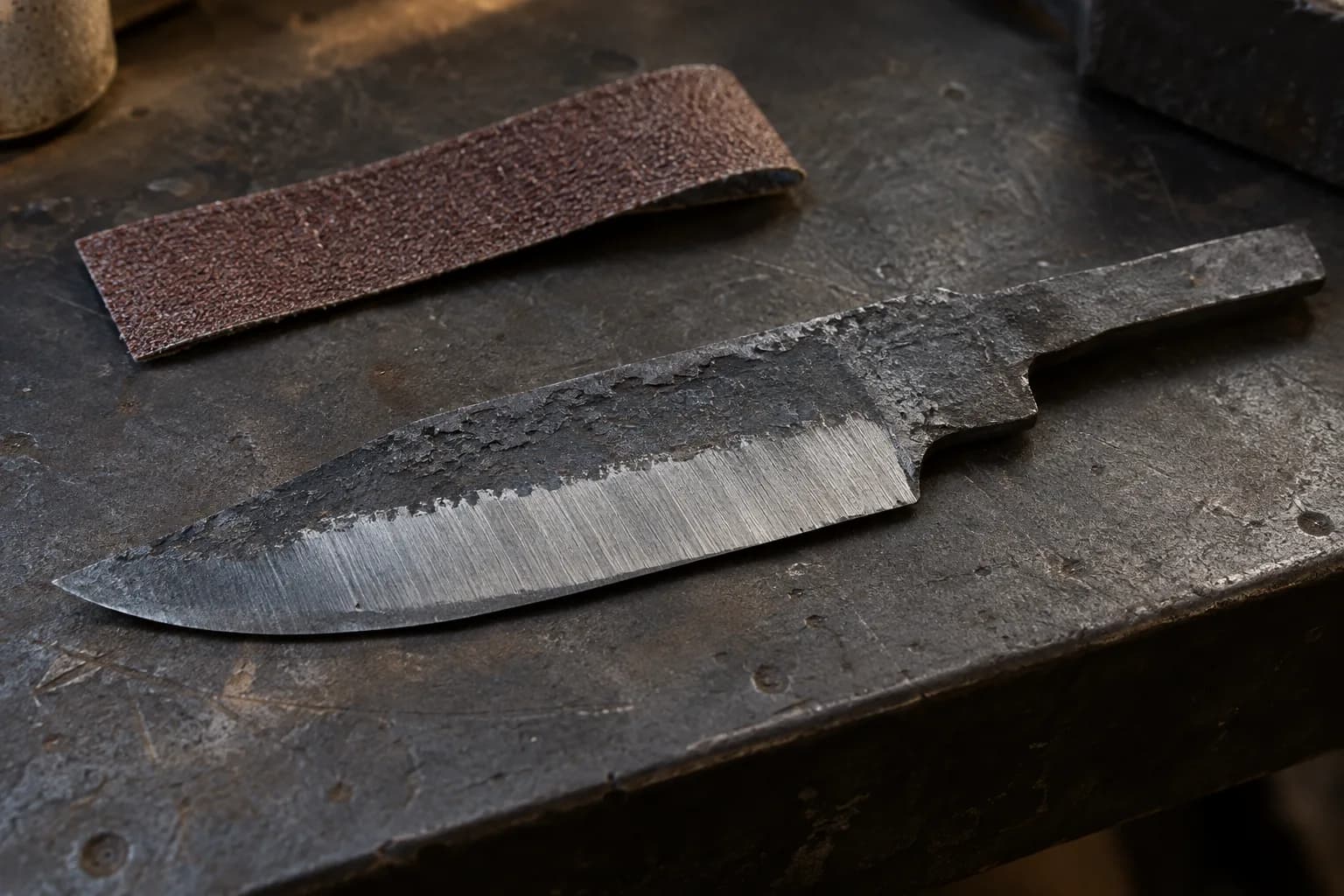
The design of ceramic belts allows for effective heat dissipation during operation. As they grind away at the forge scale, friction generates heat; however, ceramic materials are engineered to withstand high temperatures without degrading. This characteristic not only prolongs the life of the belt but also ensures that the underlying metal does not become overheated during the process, which could lead to warping or other forms of damage.
Steps for Efficient Forge Scale Removal Using 24-Grit Ceramic Belts
To achieve optimal results when using 24-grit ceramic belts for forge scale removal, it is essential to follow a systematic approach. The first step involves preparing the work area and ensuring that all necessary safety equipment is in place. This includes wearing appropriate personal protective equipment (PPE) such as gloves, goggles, and respiratory protection to safeguard against dust and debris generated during the process.
Once safety measures are established, operators should securely mount the workpiece to prevent movement during grinding. Next, it is crucial to select the right speed settings on the grinding machine; typically, a moderate speed is recommended to balance efficiency with control. With the belt properly aligned and tensioned on the machine, operators can begin applying consistent pressure while moving the belt across the surface of the workpiece.
It is important to maintain a steady motion to ensure even removal of forge scale without damaging the underlying metal.
Tips for Maximizing the Effectiveness of 24-Grit Ceramic Belts in Forge Scale Removal
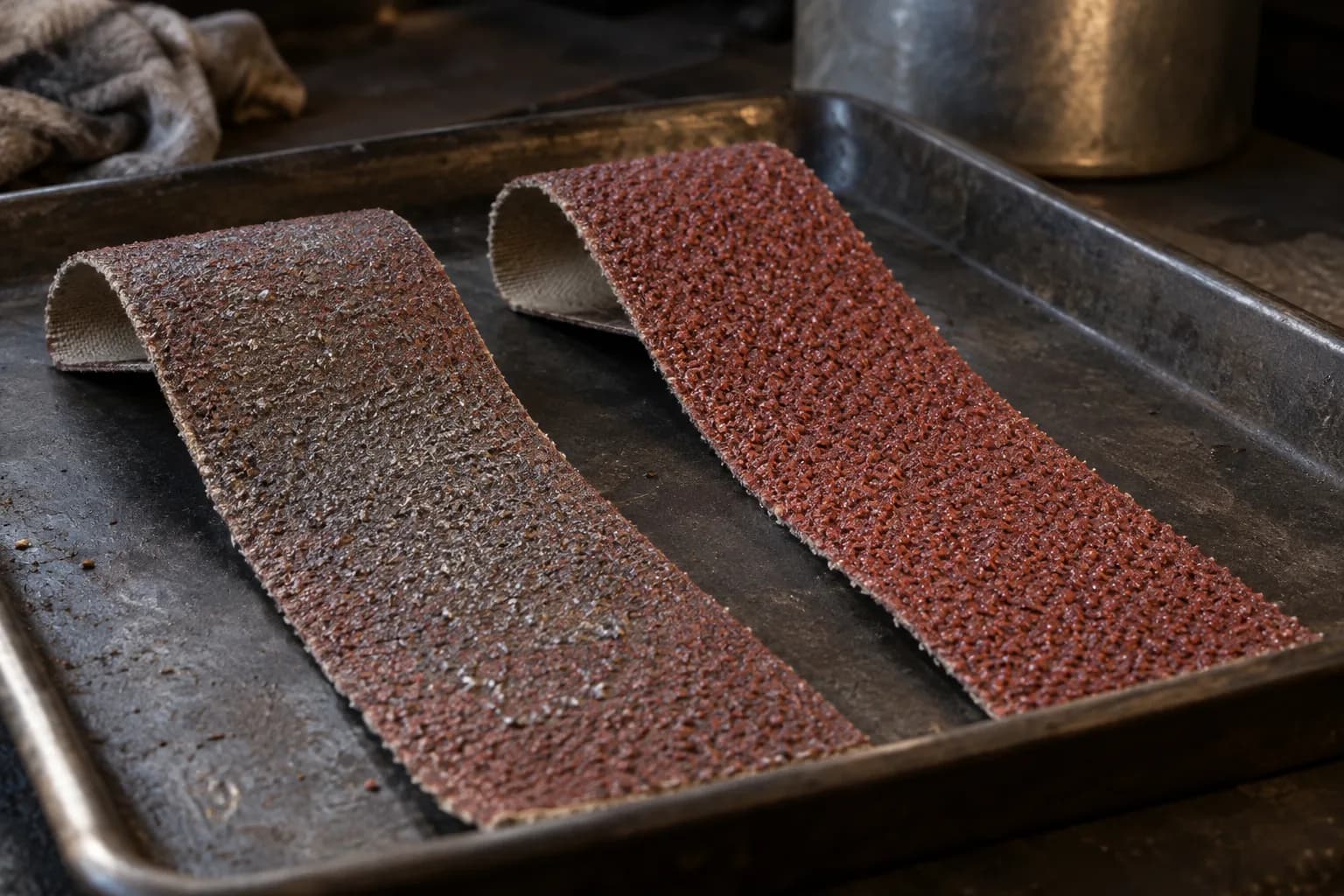
To maximize the effectiveness of 24-grit ceramic belts during forge scale removal, operators should consider several best practices. First and foremost, maintaining proper belt tension is crucial; a loose belt can lead to uneven wear and ineffective grinding. Regularly checking and adjusting tension will help ensure optimal performance throughout the belt’s lifespan.
Operators should be mindful of their technique when applying pressure to the belt. Excessive force can lead to premature wear or even damage to both the belt and workpiece. Instead, applying consistent and moderate pressure will yield better results while prolonging the life of the abrasive material.
Periodically inspecting the belt for signs of wear or damage will allow operators to replace it before it becomes ineffective.
Safety Precautions When Using 24-Grit Ceramic Belts for Forge Scale Removal
Safety should always be a top priority when using 24-grit ceramic belts for forge scale removal. Operators must ensure they are equipped with appropriate PPE, including safety goggles to protect against flying debris, gloves to prevent cuts or abrasions, and respiratory protection if dust levels are high. It is advisable to work in a well-ventilated area or use dust extraction systems to minimize inhalation risks.
Operators should also familiarize themselves with the machinery being used for grinding. Understanding how to operate equipment safely and effectively can prevent accidents and injuries. Regular maintenance checks on machines will help identify any potential hazards before they become problematic.
Common Mistakes to Avoid When Using 24-Grit Ceramic Belts for Forge Scale Removal
While using 24-grit ceramic belts can be highly effective for forge scale removal, there are common mistakes that operators should avoid to ensure optimal results. One frequent error is neglecting proper belt maintenance; failing to clean or inspect belts regularly can lead to decreased performance and increased wear rates. Operators should make it a habit to check belts before each use and replace them as needed.
Comparing 24-Grit Ceramic Belts to Other Methods of Forge Scale Removal
When comparing 24-grit ceramic belts to other methods of forge scale removal, several key differences emerge that highlight their advantages. Traditional methods such as manual scraping or wire brushing can be labor-intensive and time-consuming, often resulting in inconsistent results. In contrast, 24-grit ceramic belts provide a more uniform approach that significantly reduces labor time while enhancing surface quality.
Chemical methods for scale removal may pose environmental concerns or require extensive cleanup processes after application. In contrast, using abrasive belts minimizes waste generation and simplifies cleanup efforts since they primarily produce dust rather than liquid waste. Overall, 24-grit ceramic belts offer a more efficient and environmentally friendly solution compared to many traditional methods.
Maintenance and Care for 24-Grit Ceramic Belts to Ensure Longevity and Efficiency
To ensure longevity and efficiency from 24-grit ceramic belts, proper maintenance and care are essential. After each use, operators should clean belts thoroughly to remove any accumulated debris or metal particles that could affect performance during subsequent applications. A soft brush or compressed air can be effective tools for this purpose.
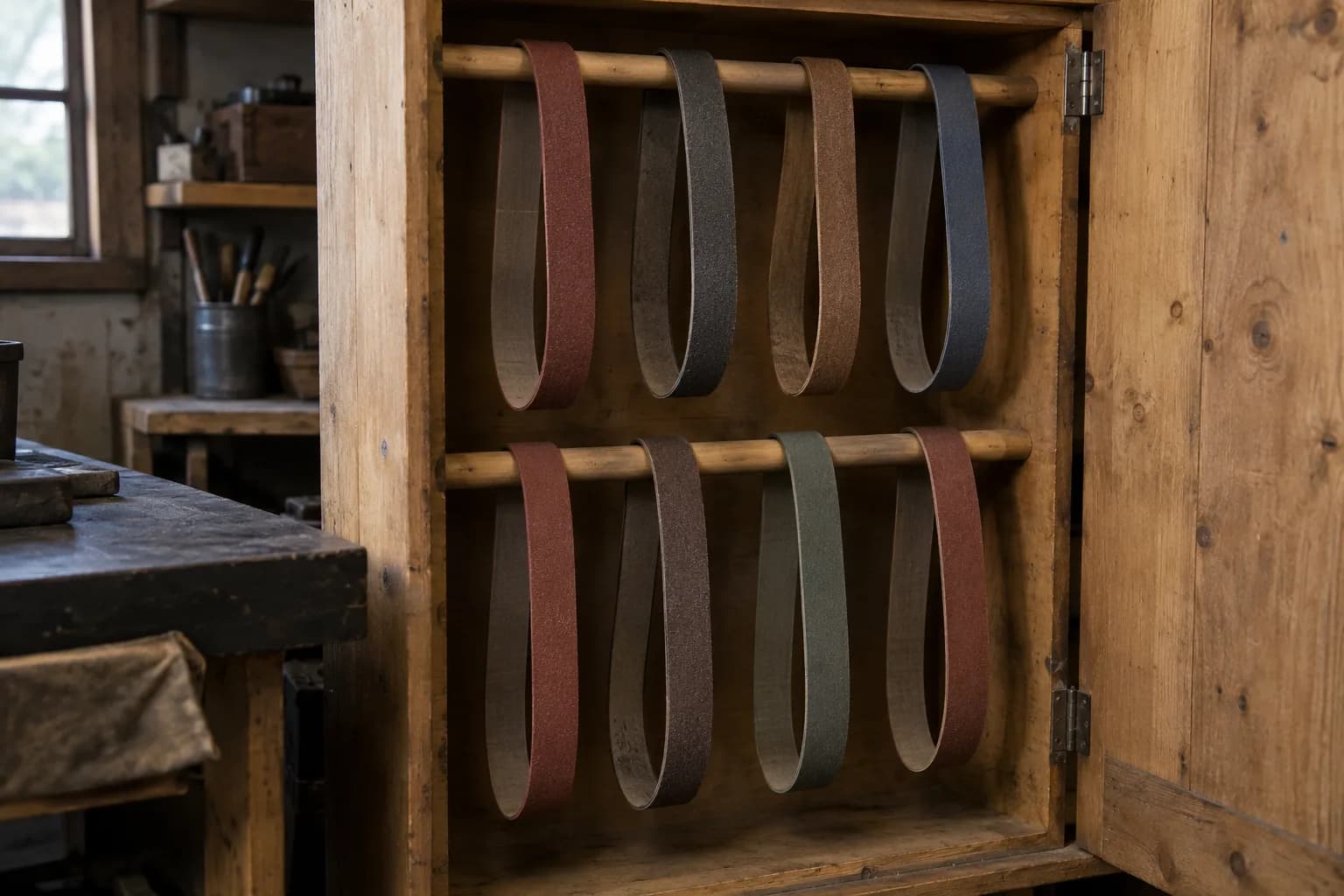
Storing belts correctly is also crucial; they should be kept in a cool, dry place away from direct sunlight or extreme temperatures that could degrade their materials over time. Avoiding contact with sharp objects during storage will help prevent damage that could compromise their effectiveness when put back into service.
FAQs
What is forge scale?
Forge scale is the layer of oxides that forms on the surface of metal when it is heated in a forge or during the forging process. It is a hard, brittle material that can be difficult to remove.
What are 24-grit ceramic belts?
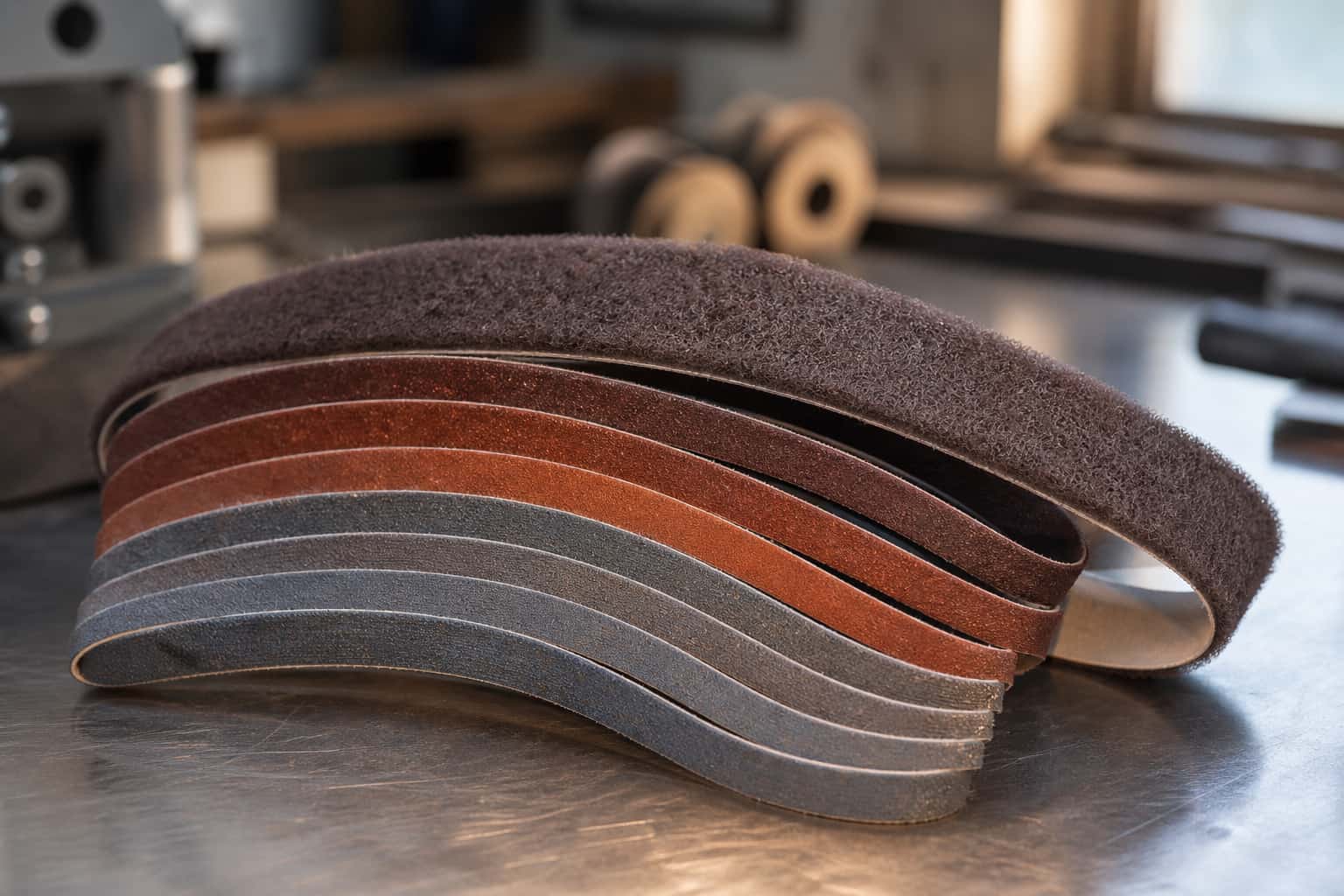
24-grit ceramic belts are abrasive belts made with ceramic grains that are very coarse, making them ideal for heavy-duty grinding and stock removal. They are commonly used for aggressive material removal and are well-suited for removing tough materials like forge scale.
Are there any safety considerations when using 24-grit ceramic belts for removing forge scale?
When using 24-grit ceramic belts for removing forge scale, it is important to wear appropriate personal protective equipment, such as safety glasses, gloves, and a dust mask. It is important to follow proper grinding and belt changing procedures to minimize the risk of accidents or injuries.
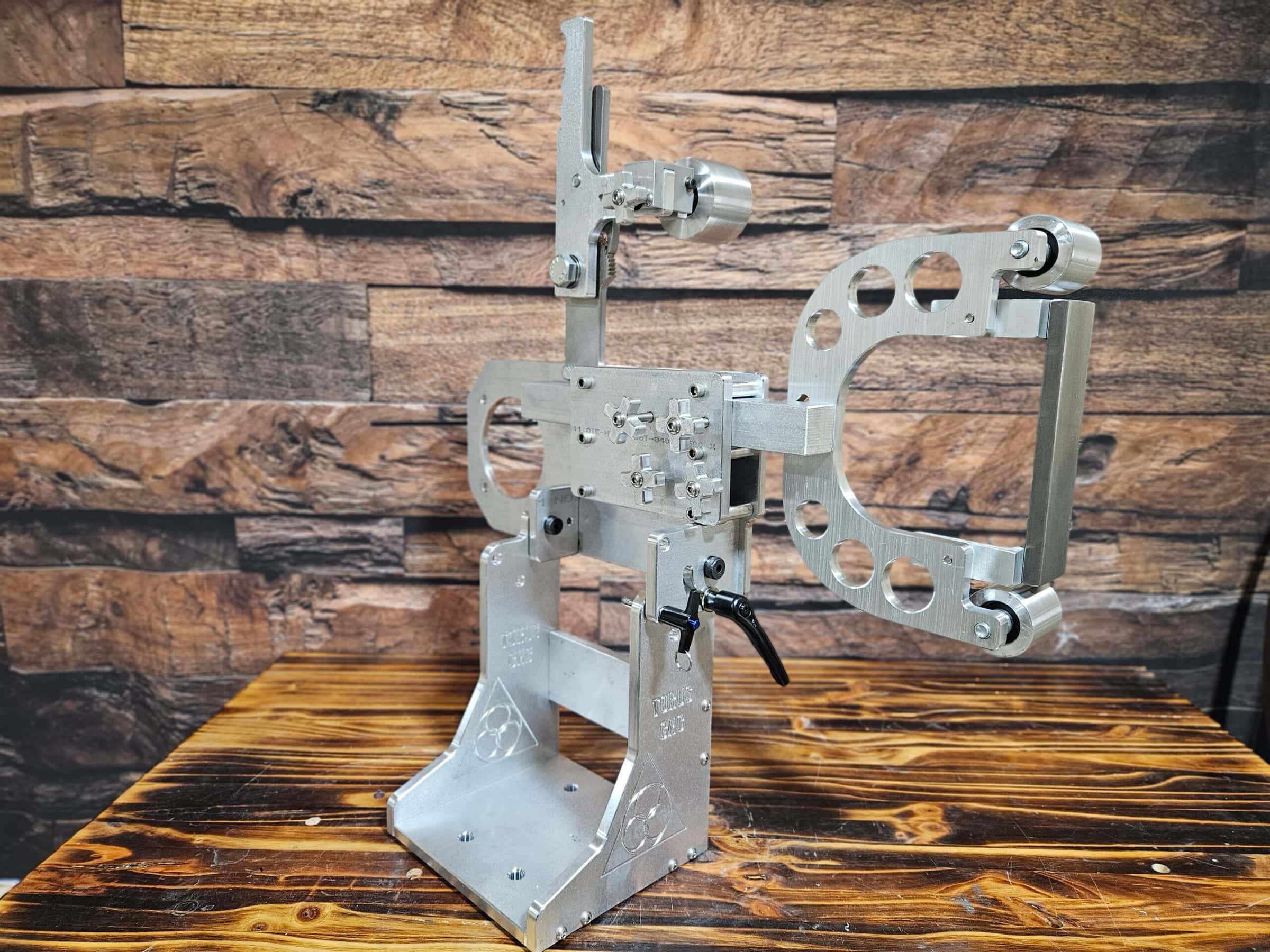
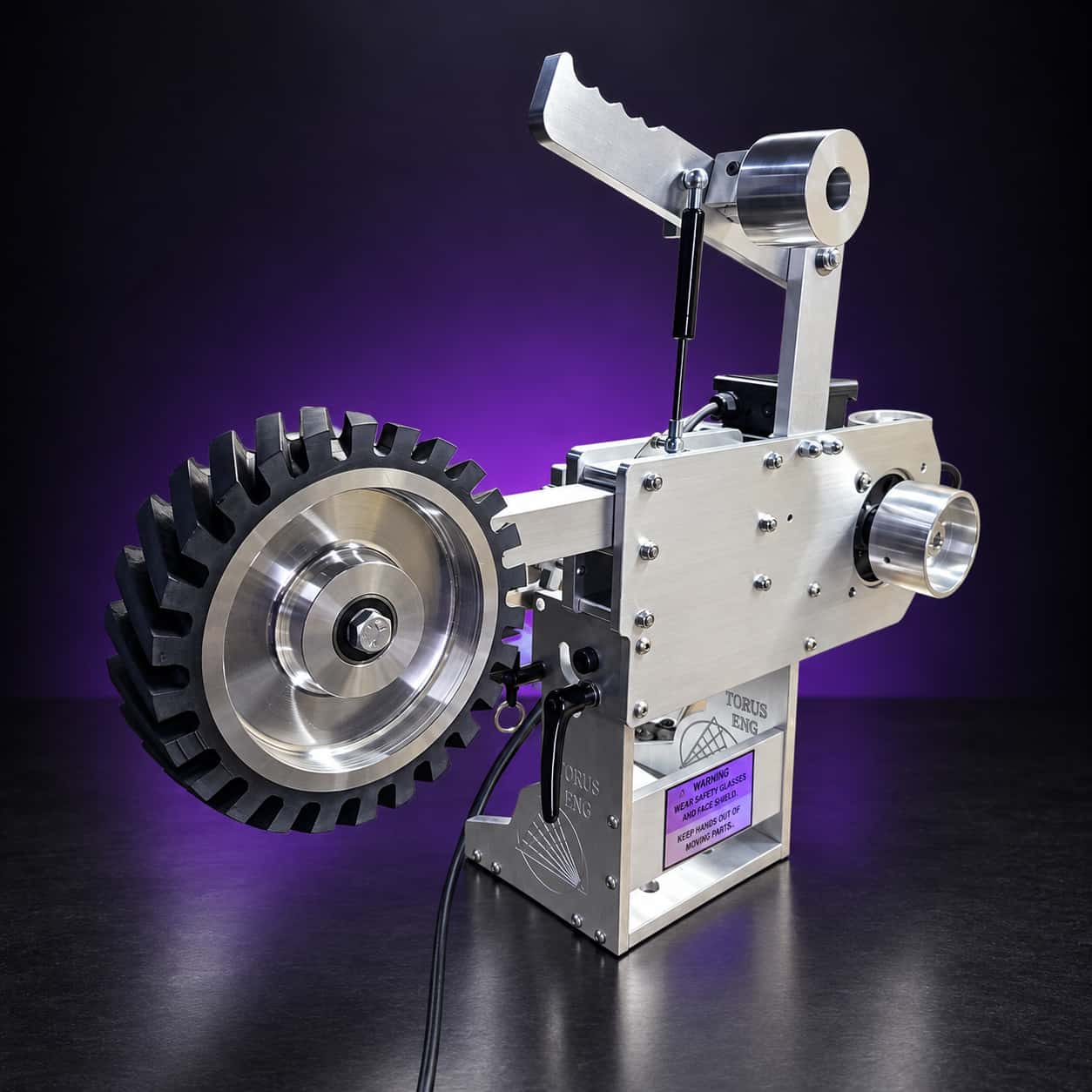
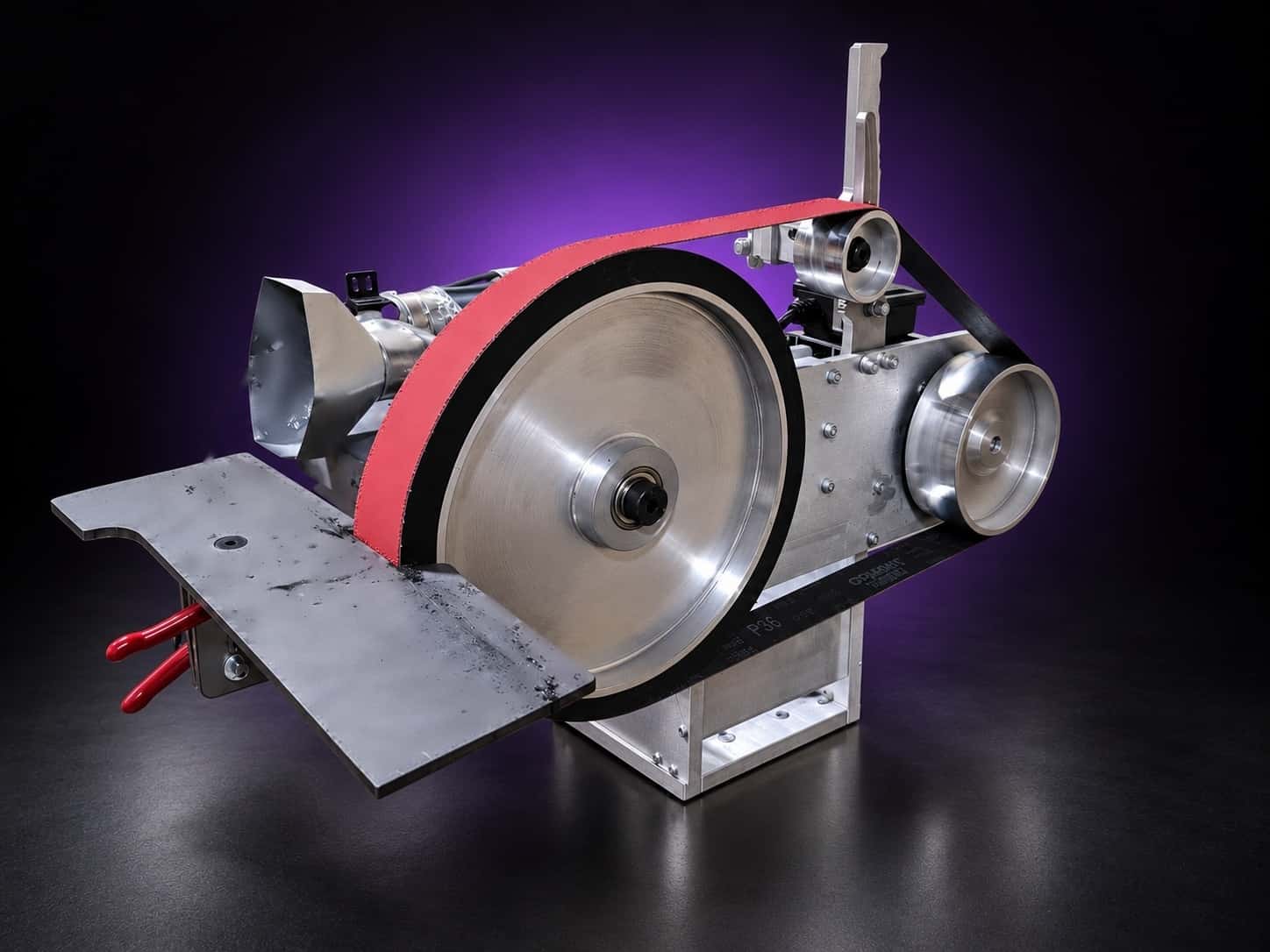
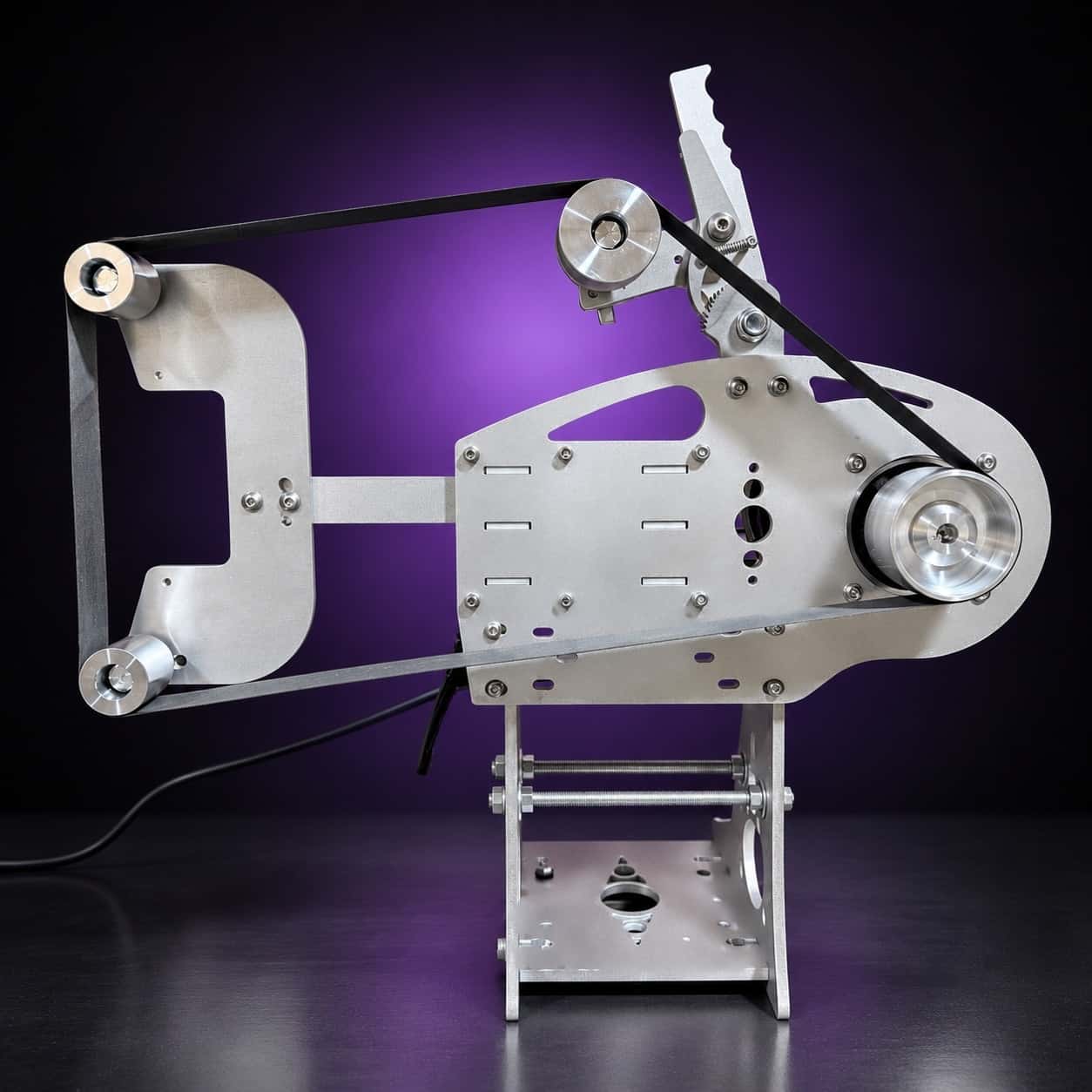
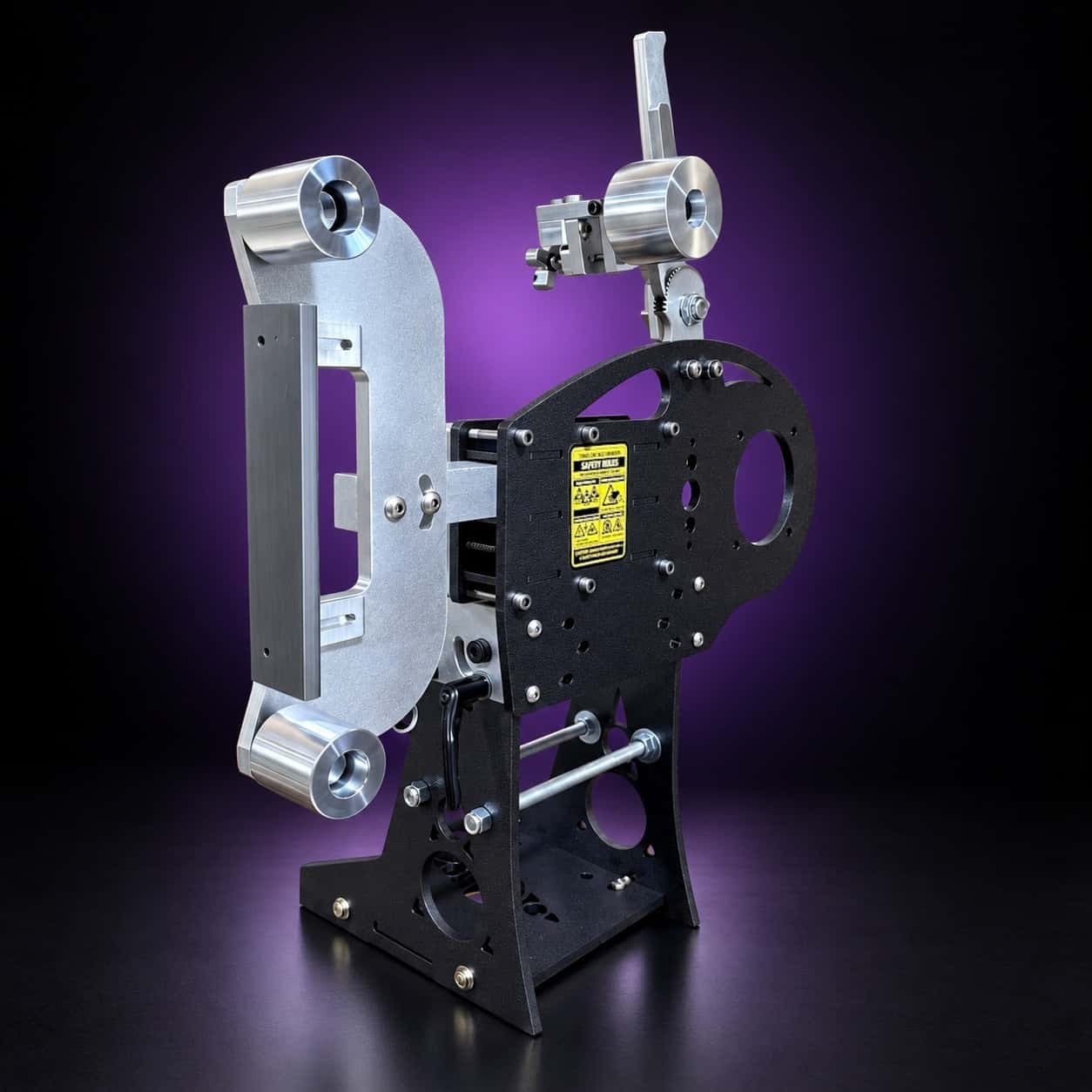
Coarse ceramic belts pull hard, and a flexing frame turns that pull into chatter. The Nebula 2×72 is 3/8-inch steel for exactly this kind of work, and the 2 HP motor and VFD package keeps belt speed up under load. If you forge, that is the pair I would build.