2x72 Grinder Tips
Upgrade Your Belt Grinder Station with DIY Dust Collection
Steel dust and sparks do not belong in your lungs or on your floor. Here is how I built dust collection for my grinder station: hood placement, sizing the collector, a cyclone separator, fine filtration, spark control.
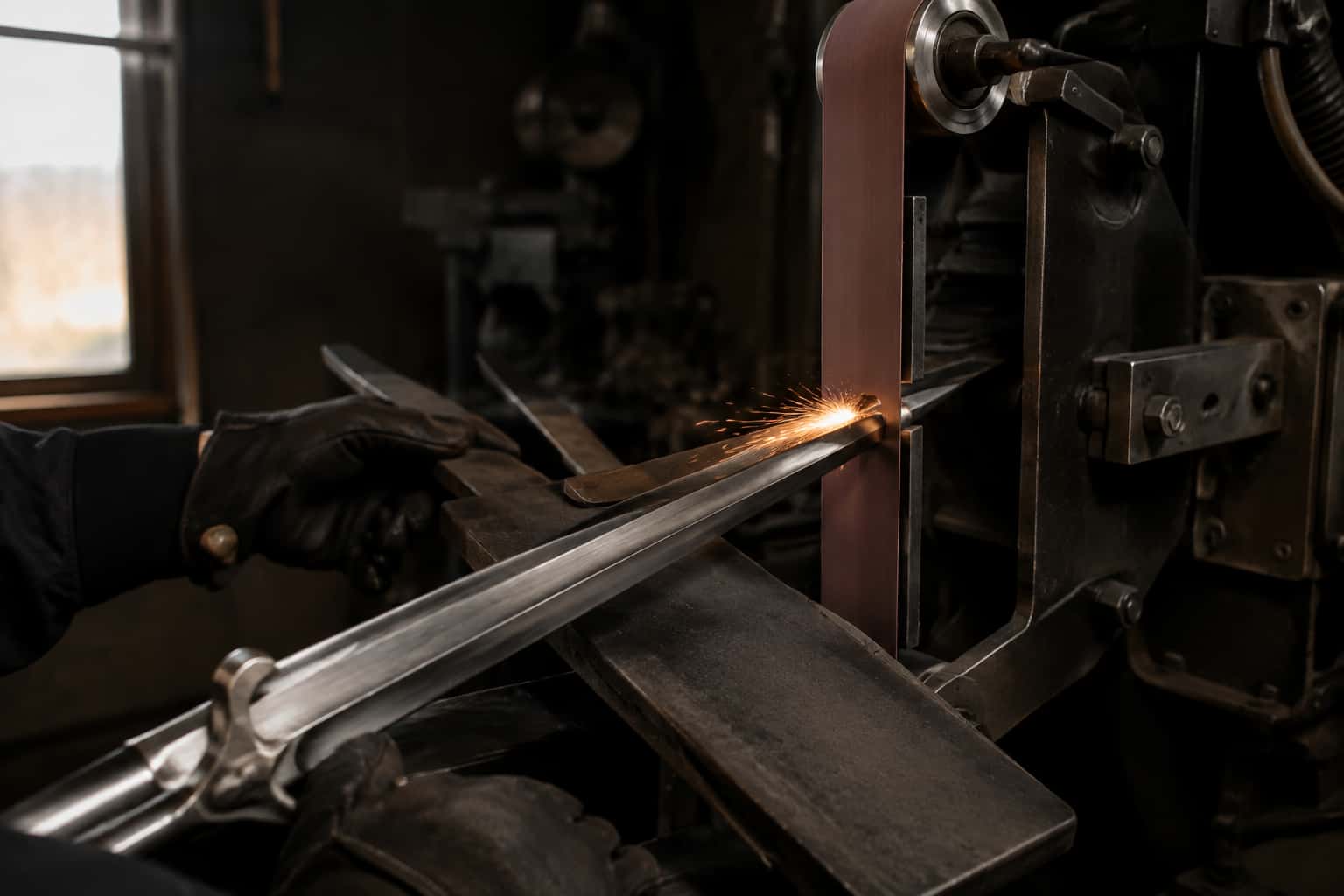
A 2×72 makes steel dust by the cupful and throws it at belt speed, and a shop vac with a hose taped to the bench is not collection. Here is how I built real dust collection for my grinder station: where to put the hood so it catches the throw, how big a collector you need, a cyclone separator to keep the filter alive, filtration fine enough for metal dust, and keeping sparks from meeting the bin.
Therefore, implementing an effective dust collection system is crucial for maintaining a clean and safe workspace. A well-designed dust collection system not only enhances the efficiency of the belt grinder but also contributes to the longevity of the equipment by preventing dust accumulation that can lead to mechanical issues. In recent years, the importance of dust collection has gained recognition among hobbyists and professionals alike.
Key Takeaways
- Proper dust collection is essential for maintaining a clean and safe working environment when using a belt grinder.
- DIY dust collection solutions can be effective and cost-saving for belt grinder stations.
- Materials and tools needed for DIY dust collection include PVC pipes, hose clamps, and a shop vacuum.
- Building a dust collection system involves cutting and assembling PVC pipes, attaching them to the grinder, and connecting to a shop vacuum.
- Regular maintenance and cleaning of the DIY dust collection system is important for optimal performance and safety.
Importance of Dust Collection for Belt Grinder Stations
Creating a Healthier Work Environment
Implementing a dust collection system can minimize these risks and create a healthier work environment. A clean workspace not only enhances productivity but also reduces the likelihood of accidents caused by tripping over debris. A well-maintained workspace reflects professionalism and attention to detail, which is essential for businesses that rely on their reputation for quality work.
Protecting Equipment and Reducing Maintenance Costs
Effective dust collection also protects your equipment from wear and tear, reducing the need for costly repairs or replacements. By capturing dust at the source, you can prolong the life of your belt grinder and maintain its performance.
DIY Dust Collection Solutions for Belt Grinders
Creating a DIY dust collection system for your belt grinder can be both cost-effective and rewarding. There are various approaches to building a system that suits your specific needs and workspace layout. One popular method involves using a shop vacuum connected to a dust hood or funnel that captures debris directly from the grinding area.
This setup is relatively simple to construct and can be tailored to fit different grinder models. Another effective solution is to create a dedicated dust collection box that sits beneath the grinder. This box can be designed with a sloped bottom to direct dust toward a central collection point, where it can be easily emptied.
Incorporating filters into your design will further enhance the efficiency of your dust collection system by trapping fine particles that might otherwise escape into the air. The beauty of DIY solutions lies in their adaptability; you can modify your design as needed based on your specific grinding tasks and materials.
Materials and Tools Needed for DIY Dust Collection
To build an effective DIY dust collection system for your belt grinder, you will need a variety of materials and tools. Common materials include PVC pipes or flexible ducting for airflow, a shop vacuum or blower for suction, and various fittings to connect components. You may want to use plywood or MDF to construct a dust collection box or hood that fits snugly around your grinder.
In terms of tools, having access to a saw, drill, and measuring tape will be essential for cutting and assembling your materials. A sander may also come in handy for smoothing edges and ensuring a tight fit between components. Depending on your design, you might need screws or adhesive to secure parts together.
Step-by-Step Guide to Building a Dust Collection System
Building a DIY dust collection system for your belt grinder can be accomplished in several straightforward steps. First, begin by assessing your workspace and determining the best location for your grinder and dust collection system. Once you have identified the optimal setup, measure the dimensions of your grinder to ensure that your dust hood or box will fit properly.
Next, construct the dust hood or box using plywood or MDF. Cut the pieces according to your measurements and assemble them using screws or adhesive. Make sure to create an opening that aligns with the grinding area to capture as much dust as possible.
After constructing the hood or box, attach flexible ducting or PVC pipes that lead to your shop vacuum or blower. Ensure that all connections are secure to prevent any air leaks that could reduce suction efficiency. Once everything is assembled, test your system by running the belt grinder while monitoring how effectively it captures dust.
You may need to make adjustments to improve airflow or reposition components for optimal performance. Finally, consider adding filters to your vacuum or blower to enhance particle capture further.
Tips for Effective Dust Collection
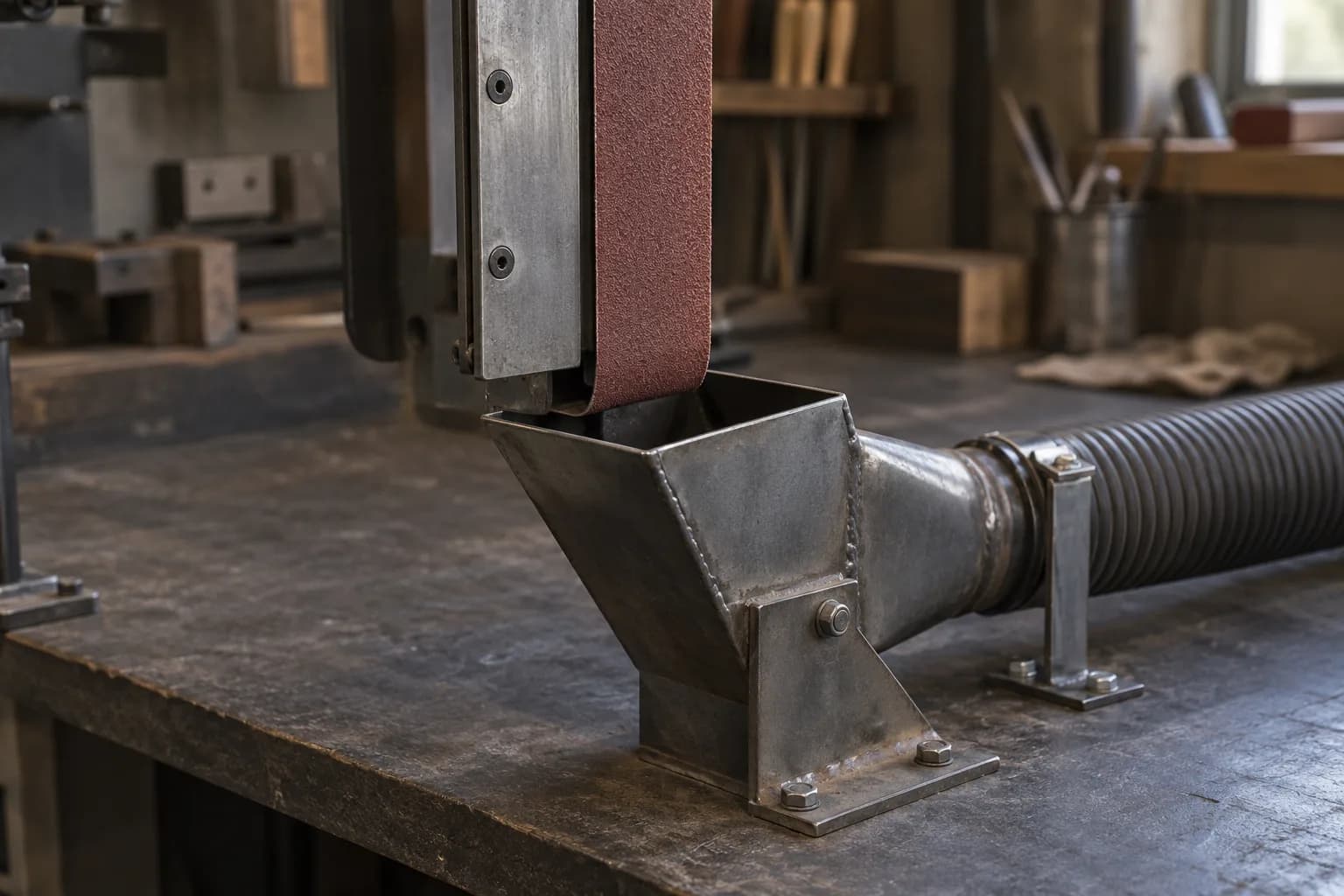
Optimal Hood Placement
Position your dust hood or box as close as possible to the grinding area without obstructing your work. The closer the collection point is to the source of dust generation, the more efficient it will be at capturing particles before they become airborne.
Maintenance is Key
Regularly check and clean filters in your vacuum or blower to maintain optimal suction power. Clogged filters can significantly reduce airflow and compromise the effectiveness of your dust collection system. Consider using larger diameter ducting or pipes if you notice any restrictions in airflow; this can help improve overall performance.
Enhanced Filtration for Hazardous Dust
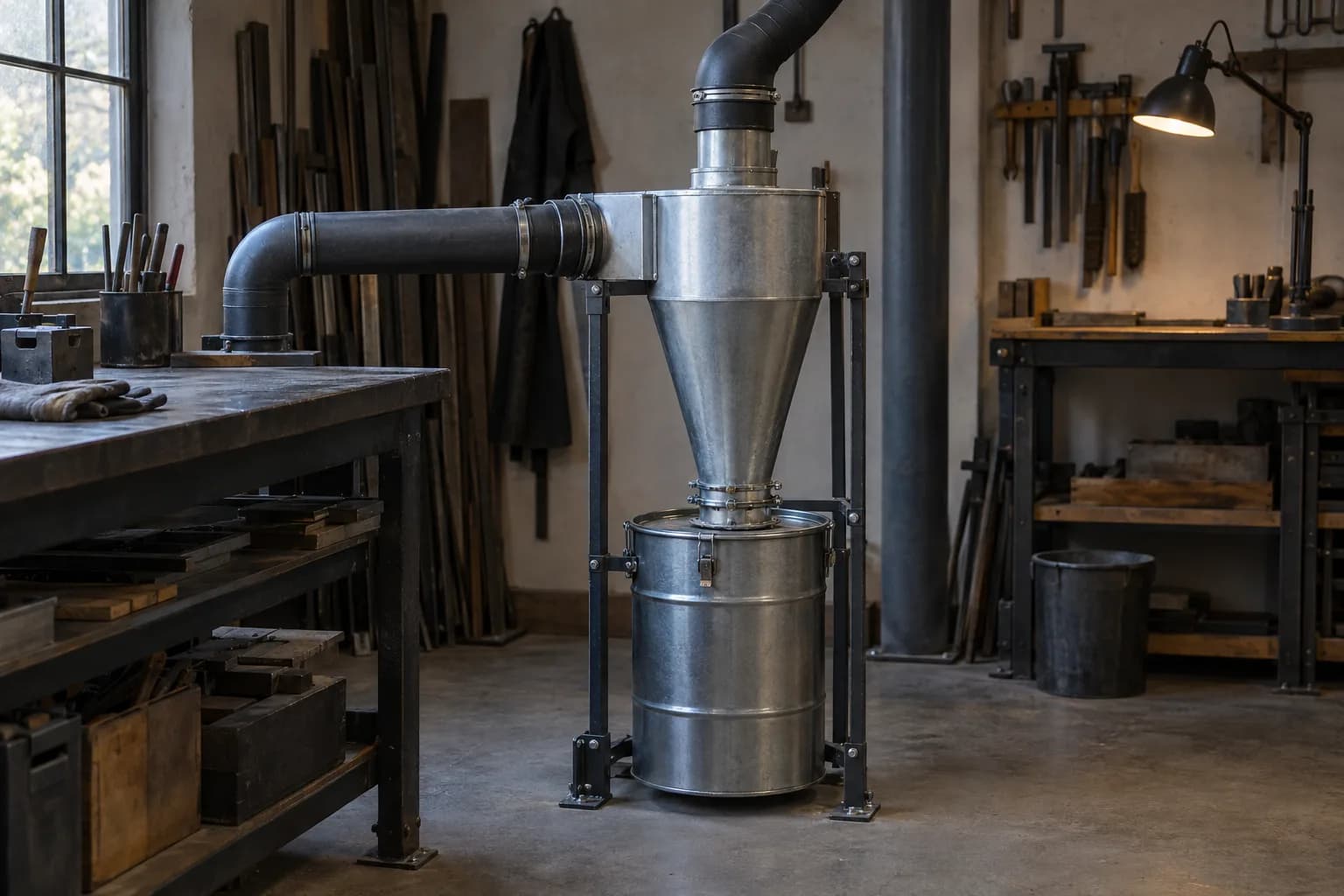
If you are working with particularly fine materials that generate hazardous dust, consider incorporating a secondary filtration system. This could involve adding a HEPA filter or cyclone separator that captures smaller particles before they reach the vacuum’s motor. By taking these steps, you can ensure that your DIY dust collection system operates at peak efficiency.
Maintenance and Cleaning of DIY Dust Collection System
Maintaining your DIY dust collection system is crucial for ensuring its longevity and effectiveness. Regular cleaning should be part of your routine maintenance schedule. Start by emptying the dust collection box or vacuum bag frequently to prevent clogs and maintain optimal suction power.
Depending on how often you use your belt grinder, this may need to be done after every session or at least once a week. In addition to emptying the collection container, inspect all components of your system regularly for wear and tear. Check hoses for cracks or blockages and ensure that all connections remain secure.
Safety Considerations for Dust Collection Systems
When designing and implementing a dust collection system for your belt grinder station, safety should always be a top priority. Ensure that all electrical components are properly grounded and protected from moisture to prevent electrical hazards. Consider using explosion-proof equipment if you are working with highly flammable materials that could pose fire risks when mixed with fine dust particles.
It is also essential to wear appropriate personal protective equipment (PPE) while operating your belt grinder and during maintenance tasks on your dust collection system. This includes safety goggles, respirators, gloves, and hearing protection as necessary. By prioritizing safety in both design and operation, you can create a more secure working environment while minimizing potential hazards associated with dust generation.
Cost-Saving Benefits of DIY Dust Collection
One of the most appealing aspects of creating a DIY dust collection system is its cost-saving potential compared to purchasing commercial systems. Many commercially available systems can be quite expensive, especially those designed for industrial applications. By building your own system using readily available materials and tools, you can achieve similar results at a fraction of the cost.
FAQs
What is a dust collection system for a belt grinder station?
A dust collection system for a belt grinder station is a setup designed to capture and remove dust and debris generated during the grinding process. It helps to maintain a clean and safe working environment by preventing the accumulation of harmful particles in the air.
What are some DIY upgrades for a dust collection system for a belt grinder station?
Some DIY upgrades for a dust collection system for a belt grinder station include adding a larger dust collection bin, installing a more powerful dust collector, incorporating a cyclone separator, and optimizing the placement of the dust collection hood.
How can a larger dust collection bin improve the system?
A larger dust collection bin can improve the system by allowing for more dust and debris to be captured before needing to be emptied, reducing the frequency of maintenance and improving overall efficiency.
What are the benefits of installing a more powerful dust collector?
Installing a more powerful dust collector can improve the system’s ability to capture fine particles and debris, resulting in a cleaner working environment and better air quality for the operator.
How does a cyclone separator enhance the dust collection system?
A cyclone separator enhances the dust collection system by separating the heavier particles from the airflow before they reach the dust collector, reducing the load on the collector and improving its overall performance.
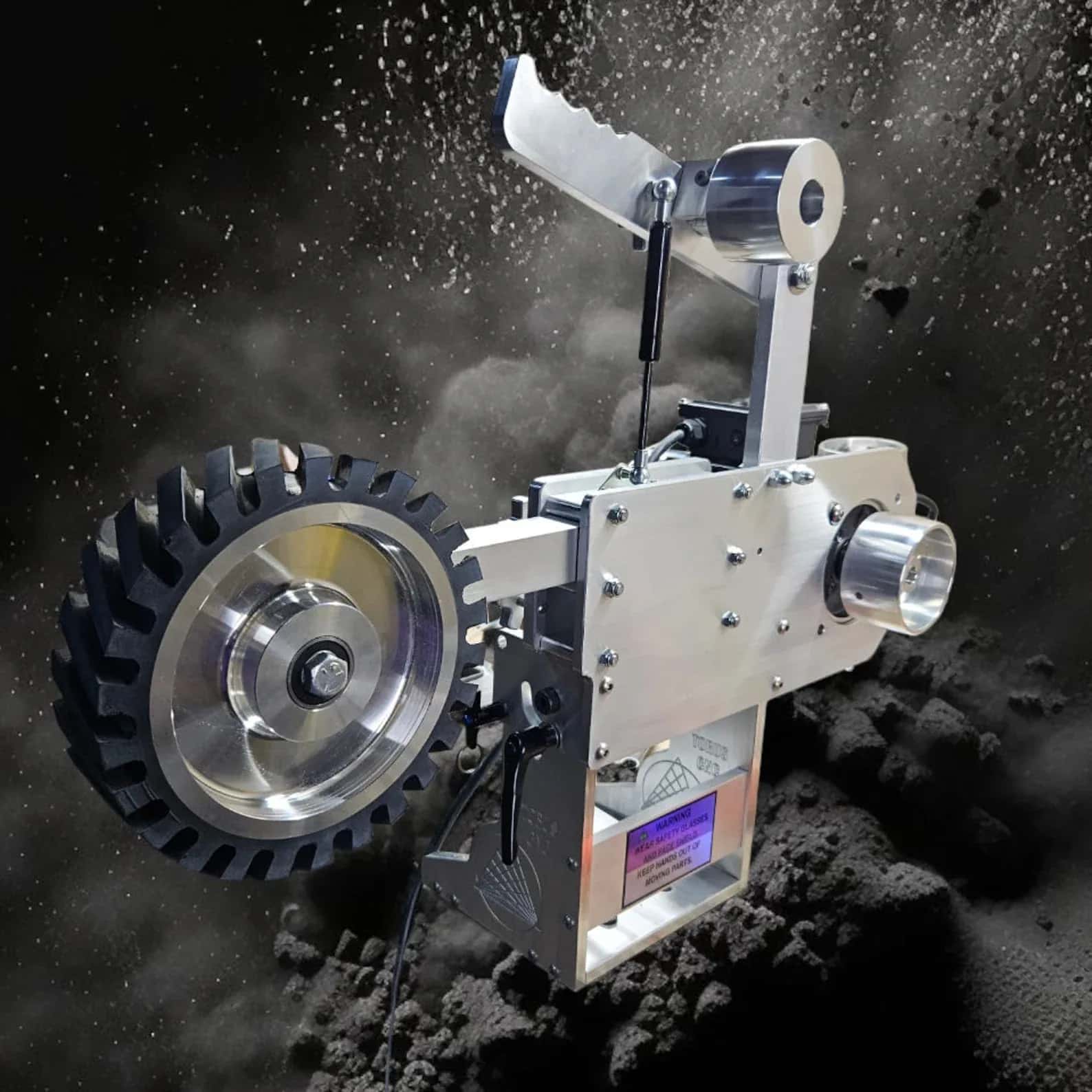
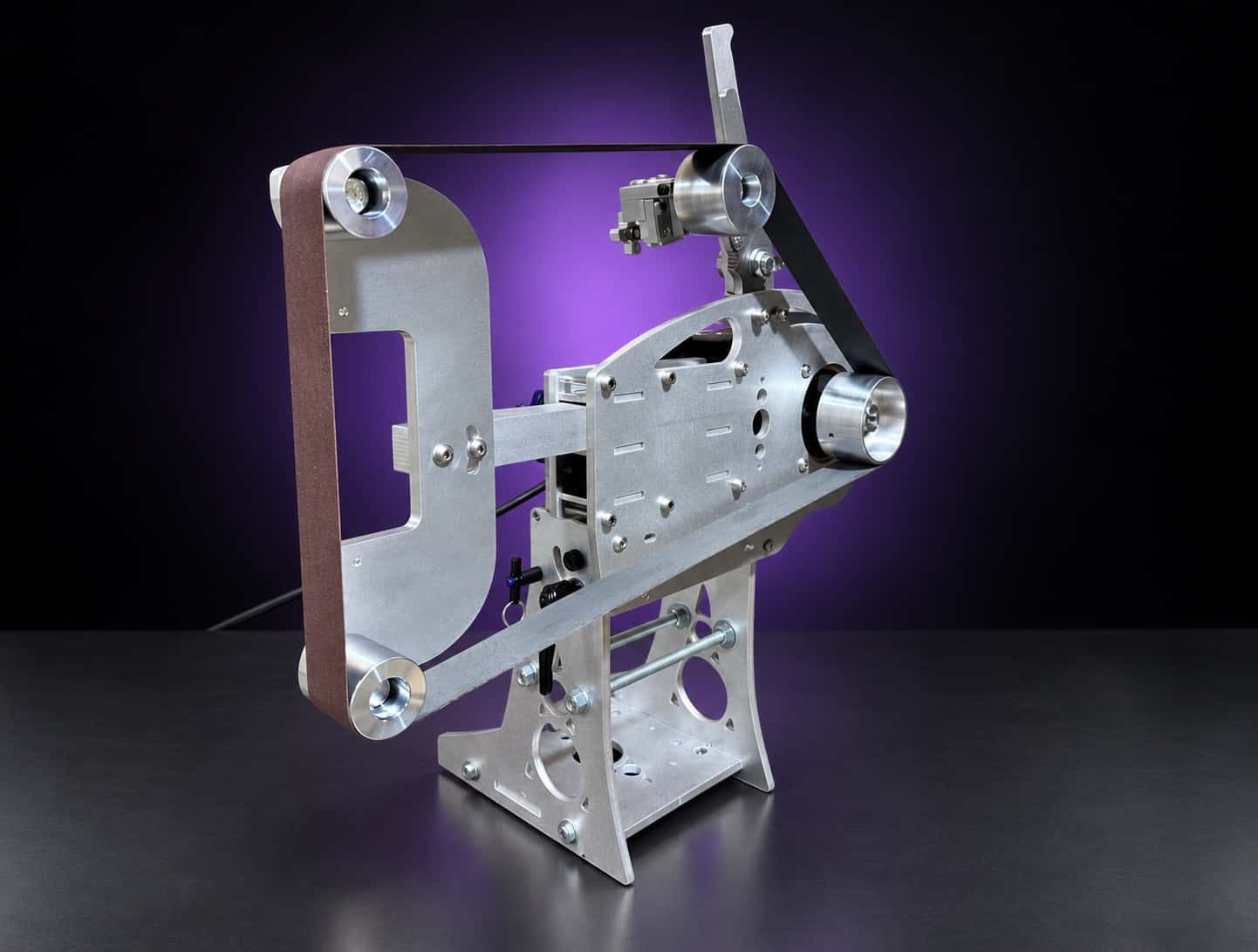
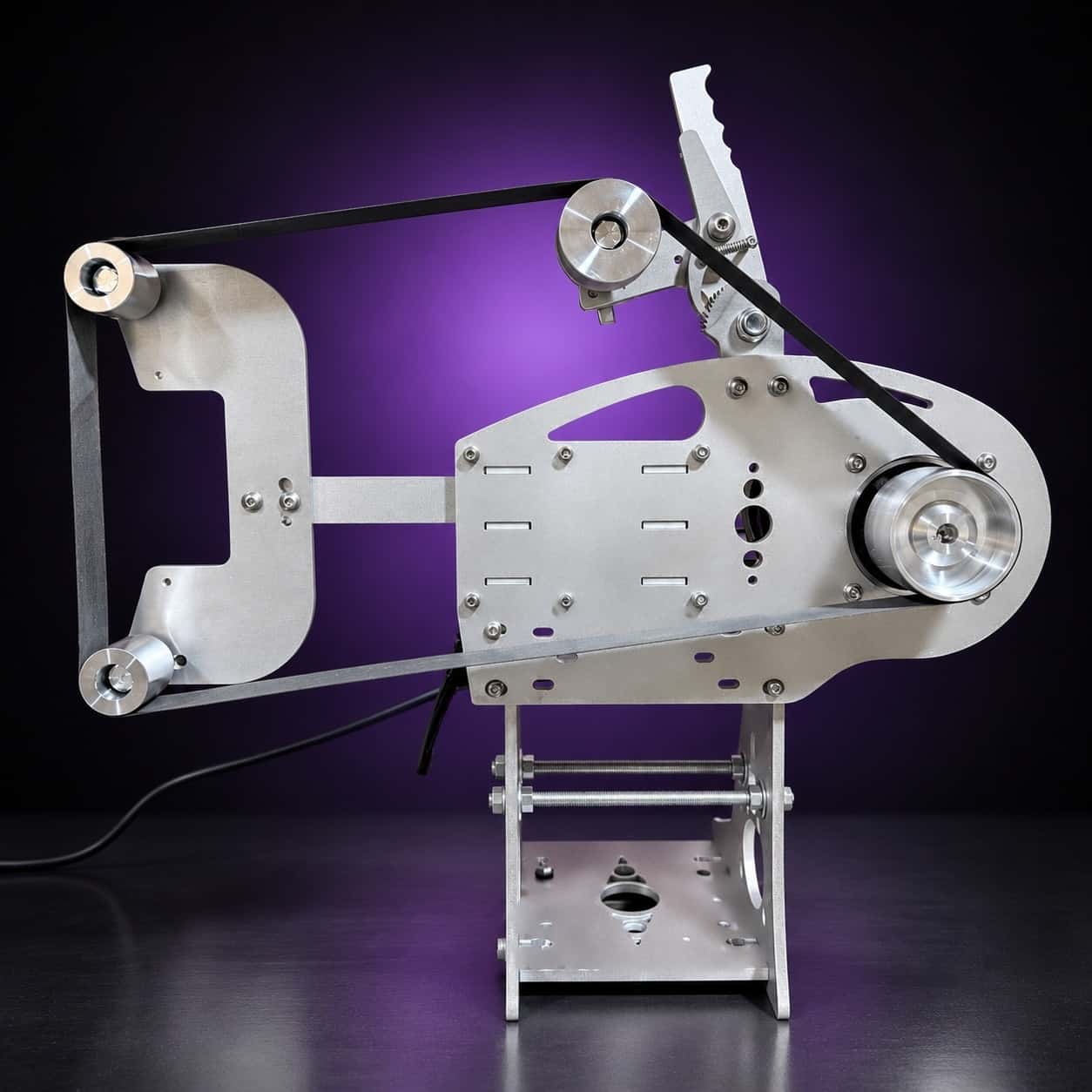
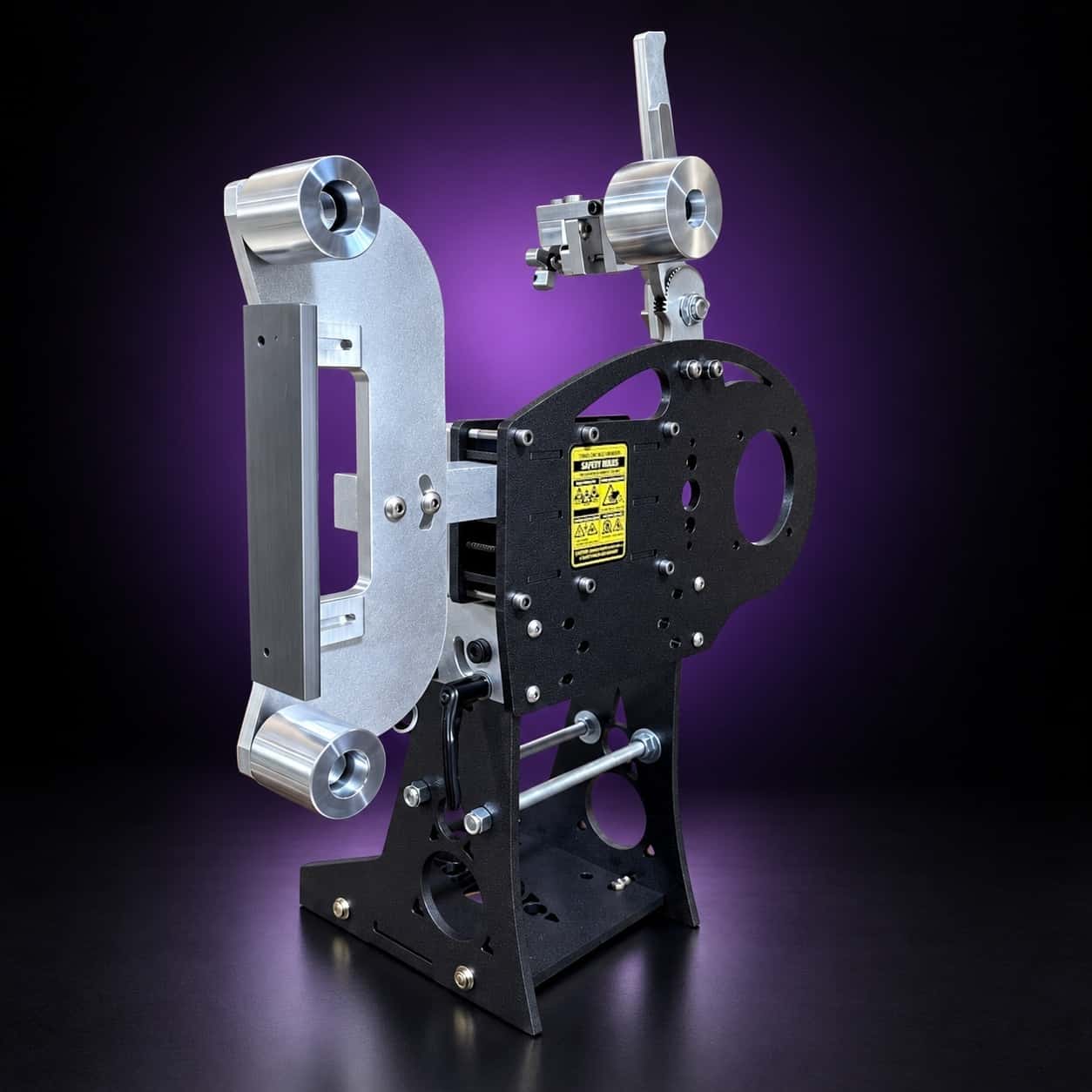
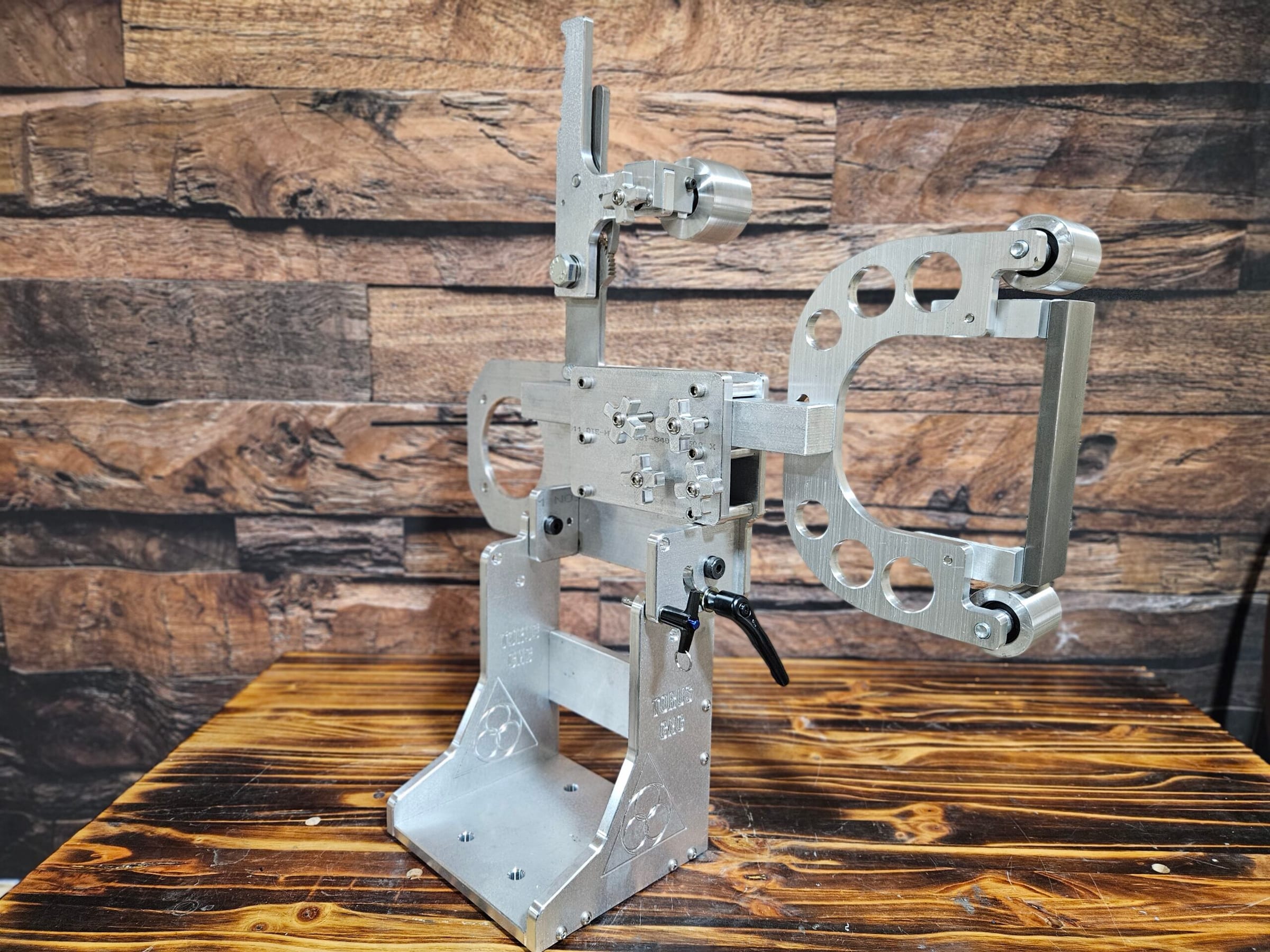
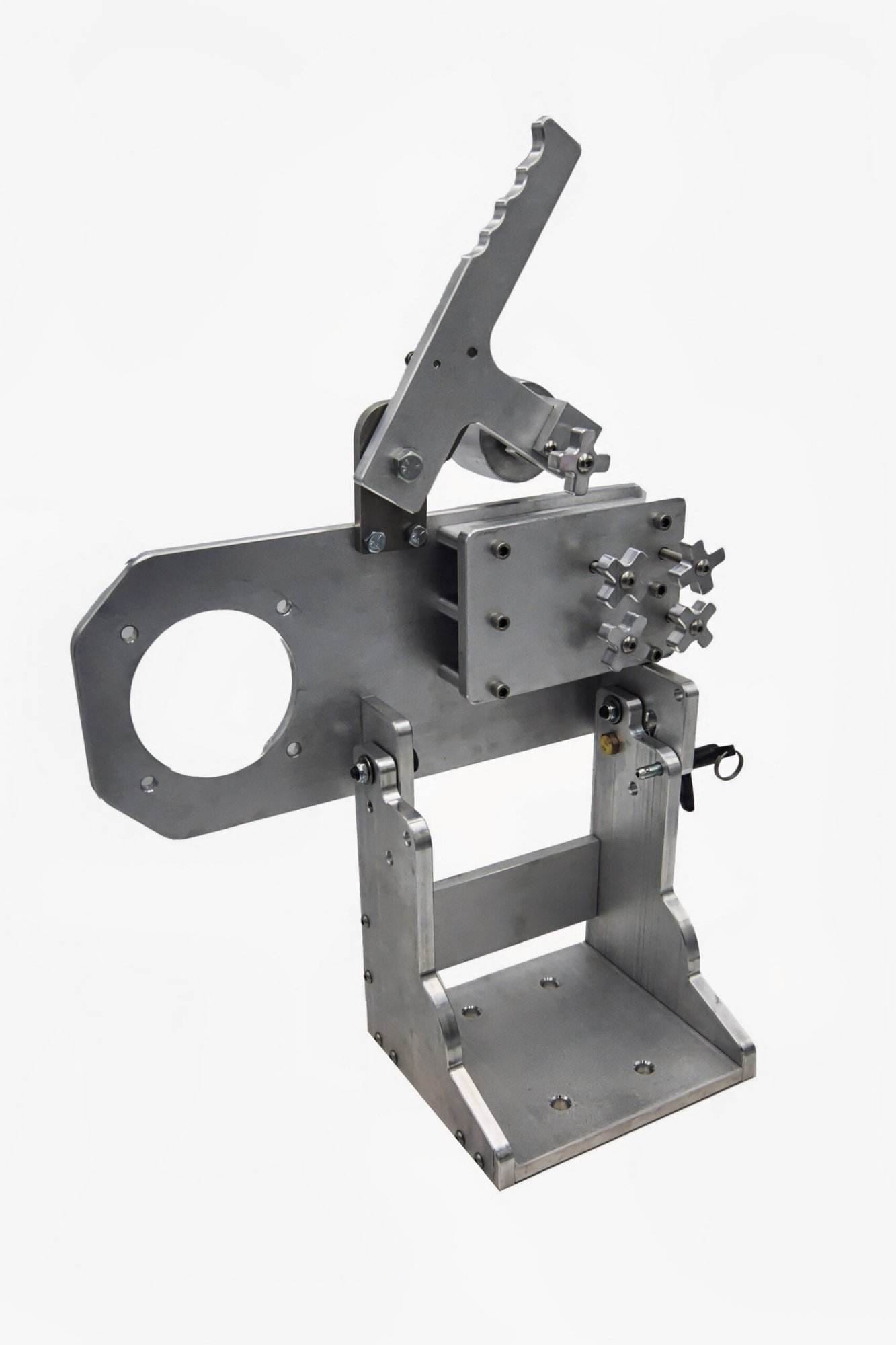
A hood only works if the belt exit stays put, which is why a tilting grinder that pivots on a pin makes collection simple. The Nova 2×72 and Nebula both tilt without moving the belt exit. Pair one with a water trap for the sparks and you are covered.