Belt Grinders

How Much Horsepower for a 2×72 Grinder?

I offer 1 HP, 1.5 HP and 2 HP motor packages, so the question is how much you need. Here is what each size handles, when 1 HP is plenty, when you want 2 HP, and what your outlet allows.
2 min readBy Rich Linville
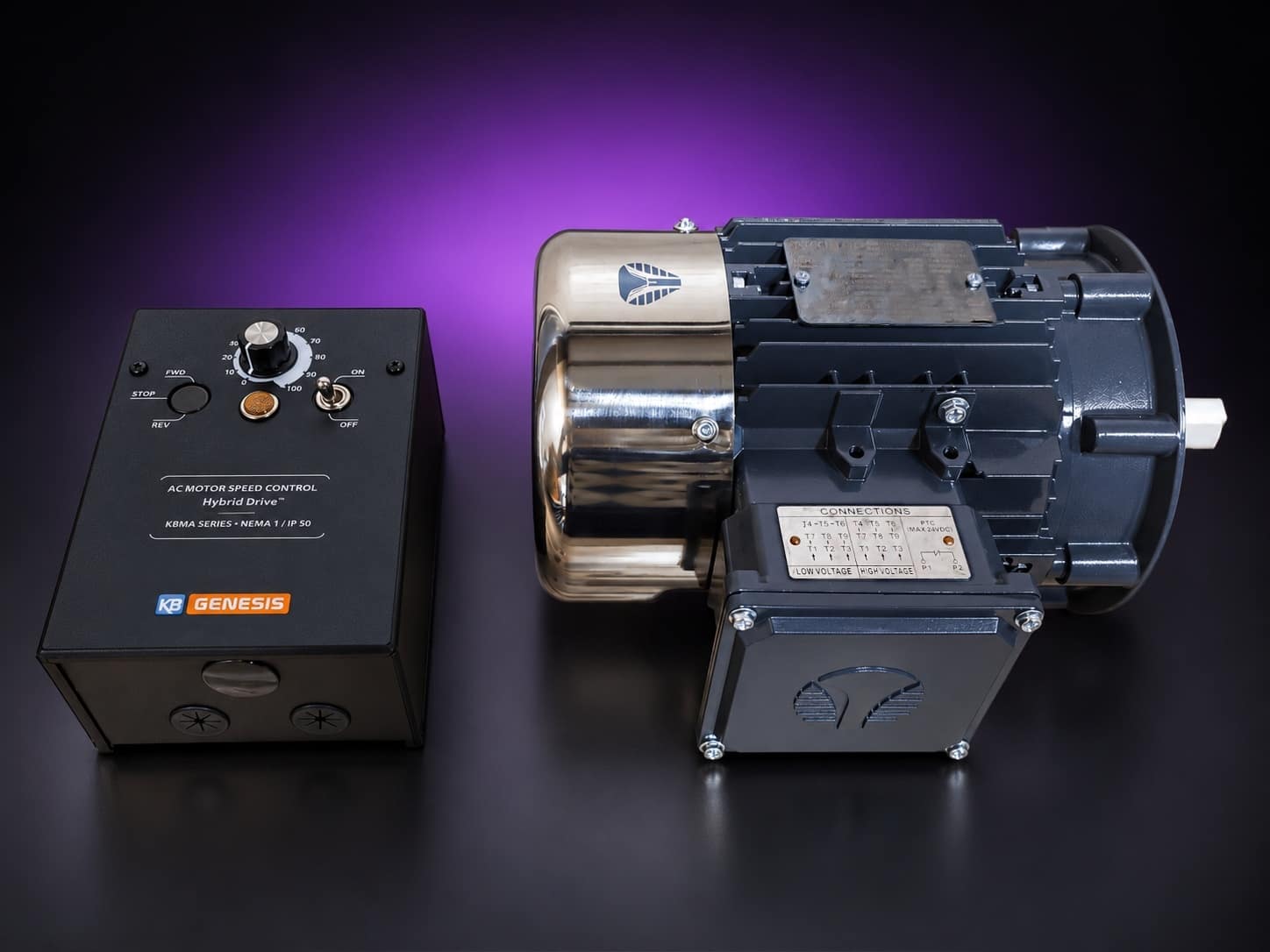
KB Genesis KBMA variable-speed drive box beside a motor with a polished fan cover, on black with a purple glow

I offer 1 HP, 1.5 HP and 2 HP motor packages for my grinders, so the first question is how much horsepower you need. The answer depends on what you grind and what your wall can feed. Here is the honest breakdown: what 1 HP handles, when 1.5 or 2 HP earns its cost, why a VFD matters more than the last half horse, and what 120V versus 220V decides for you.

Understanding Your Needs

The amount of horsepower you need largely depends on the type of work you intend to do. Here’s a breakdown:

  1. Light Duty Use: For tasks such as sharpening, light material removal, or hobbyist projects, a motor with 1 to 1.5 HP will typically suffice. These applications do not require high torque or sustained heavy grinding.
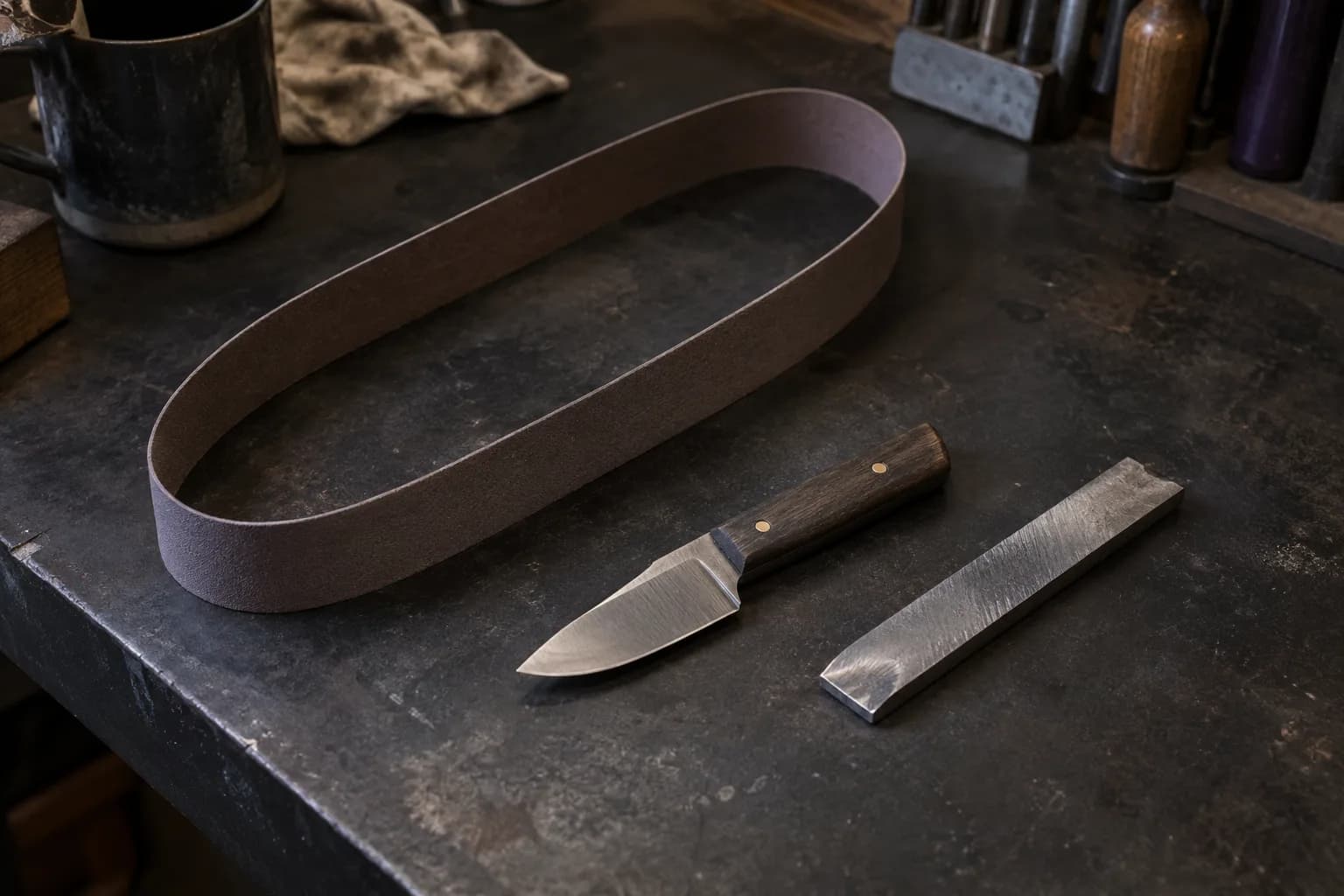
    Small wood-handled knife with brass pins beside a ground steel bar and a coarse-looking abrasive belt loop on a dark bench.
  2. General Purpose Use: If you plan to use your 2×72 grinder for more varied tasks, including moderate metal shaping, stock removal, and occasional heavy-duty work, a 2 HP motor is generally considered the sweet spot. This provides a good balance between power and versatility.
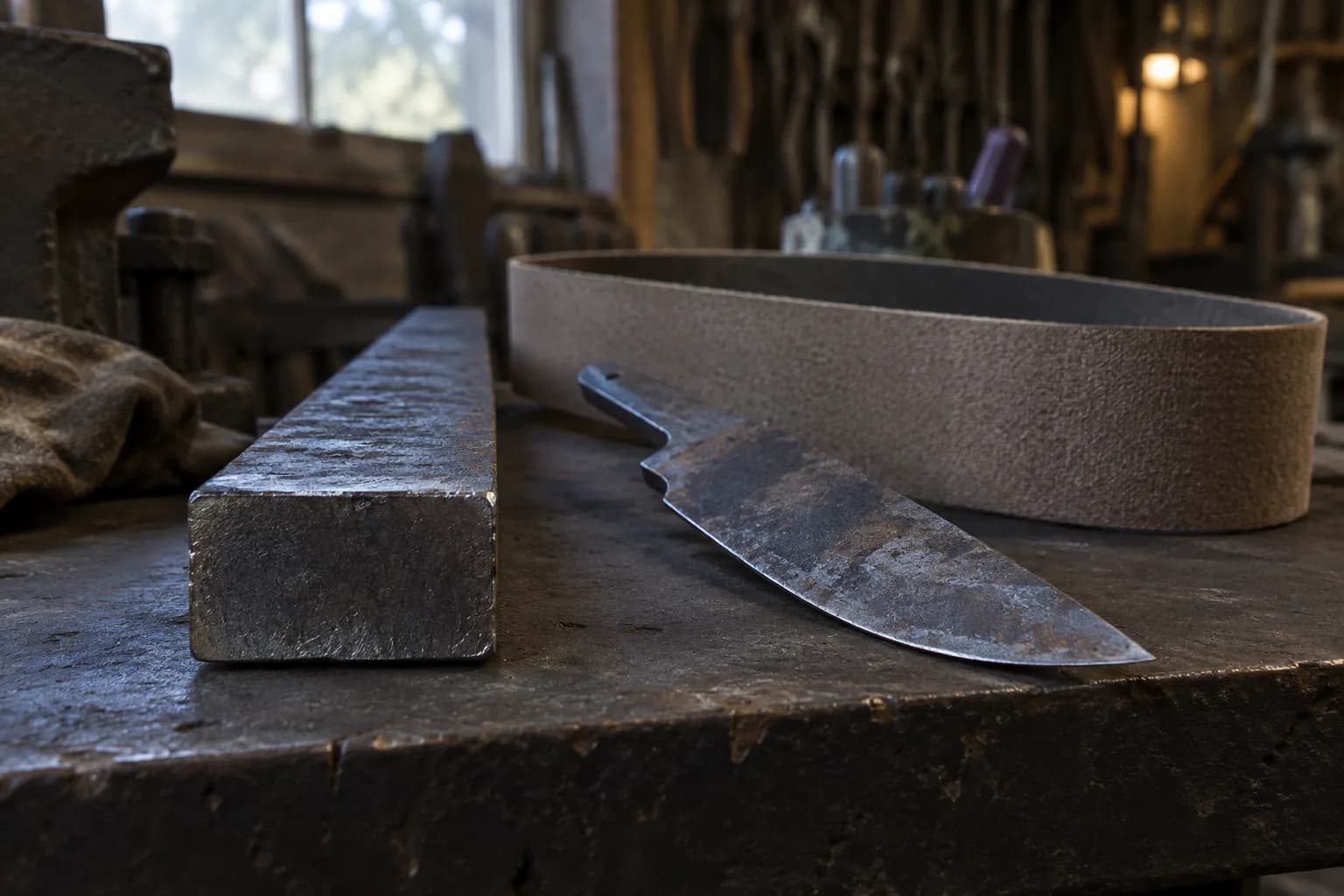
    Thick square steel bar and a rough camp-knife blank with a lanyard hole lying before a coarse brown abrasive belt on a heavy bench.
  3. Heavy Duty Use: For professional knife makers, fabricators, or those who frequently work with tough materials, a motor with 3 HP or more is recommended. This ensures that the grinder can handle continuous, intensive use without bogging down or overheating.
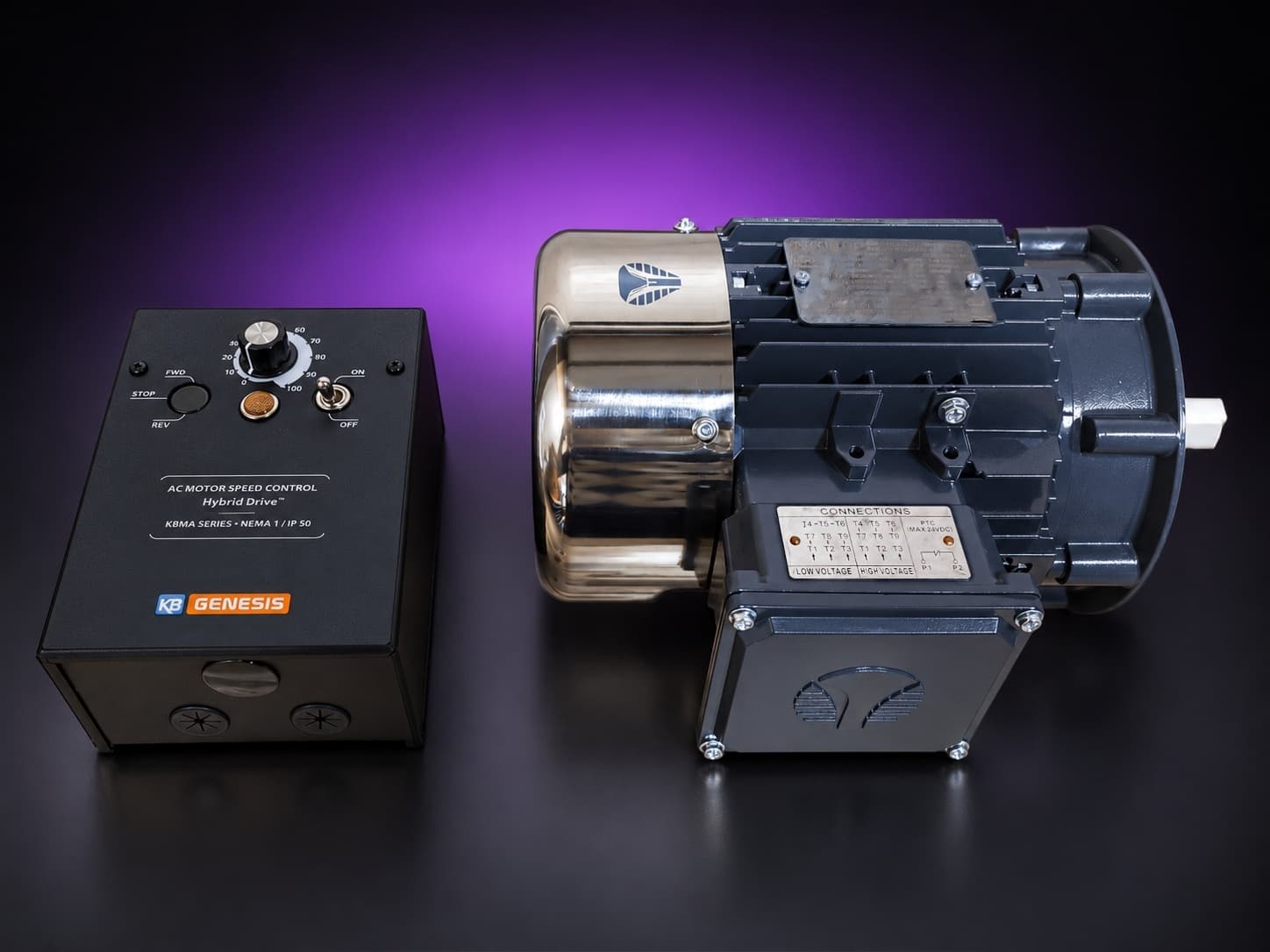
KB Genesis KBMA variable-speed drive box beside a motor with a polished fan cover, on black with a purple glow

Why Horsepower Matters

The horsepower of your 2×72 grinder’s motor directly impacts its performance. Higher horsepower motors provide more torque, enabling the grinder to maintain speed under load, which is essential for efficient material removal and consistent performance. Conversely, a motor with insufficient horsepower can struggle, leading to slower work, potential stalling, and shorter motor life due to overheating.

Variable Speed Control

Another factor to consider is whether to use a variable speed motor. A variable speed control allows you to adjust the belt speed, which is beneficial for different grinding tasks. Slower speeds are useful for detailed work and preventing overheating of your material, while higher speeds are ideal for rapid material removal. Typically, variable speed control is more effective with motors of 2 HP and above.
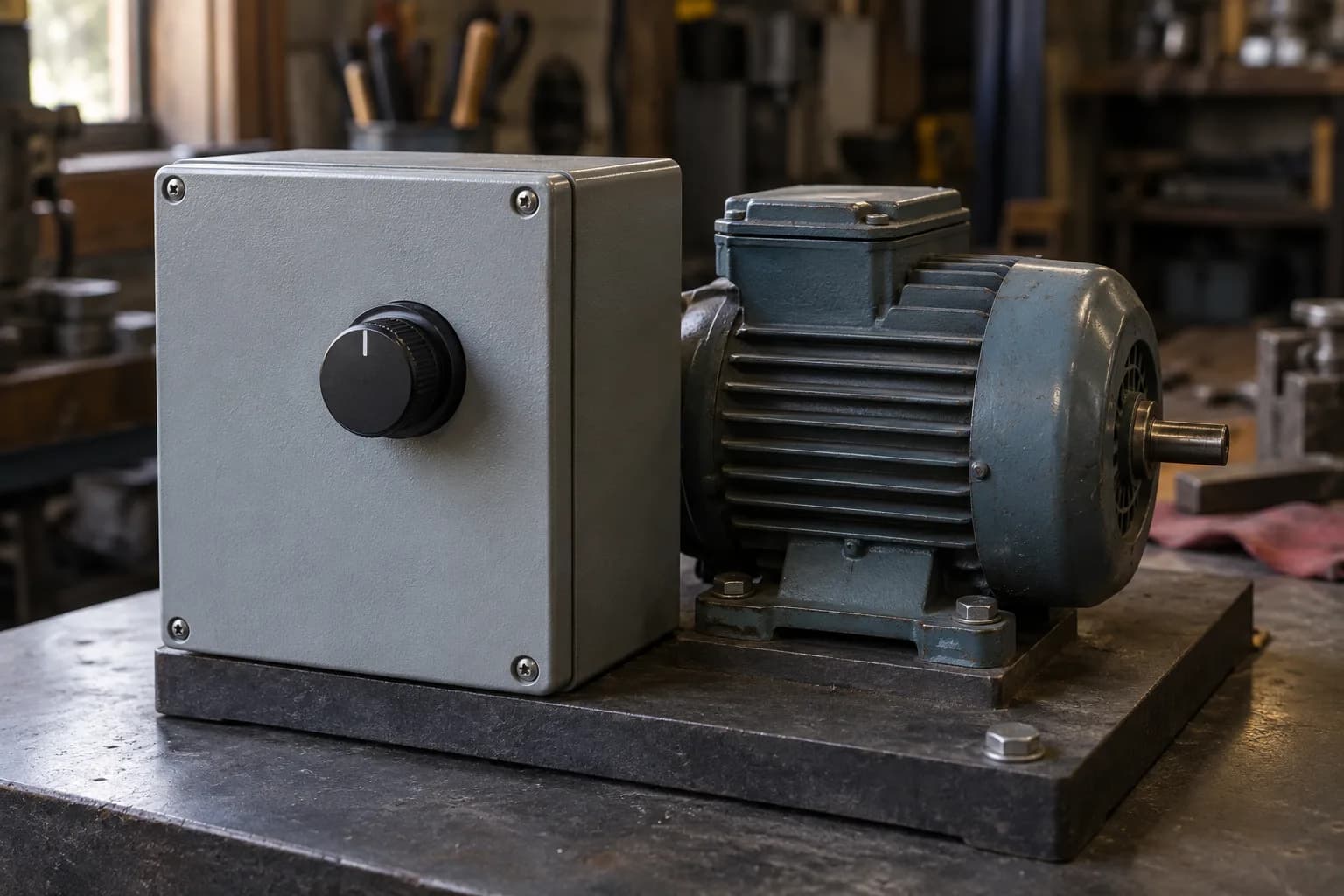
Gray enclosed control box with a black rotary knob beside a finned blue-gray electric motor bolted to a steel plate.

Power Supply Considerations

Ensure that your power supply can handle the motor’s requirements. Motors with higher horsepower typically require a 220V power supply, which is something to plan for if your workshop currently only has standard 110V outlets.

Conclusion

Choosing the right horsepower for your 2×72 grinder is vital for achieving the best results in your work. For light-duty tasks, 1 to 1.5 HP might be enough, but for more versatility and general use, 2 HP is ideal. If you’re tackling heavy-duty, professional-grade work, consider a motor with 3 HP or more. Don’t forget to account for variable speed control and ensure your power supply meets the motor’s requirements.

By selecting the appropriate horsepower for your 2×72 grinder, you’ll ensure efficient, reliable performance tailored to your specific needs.

Every motor package I sell is a TechTop TEFC 56C motor with a KBAC-27D drive pre-programmed for it: 1 HP on 120V for $1,295 or 2 HP on 220V for $1,395. Add one to a Nova 2×72 at checkout, or buy the motor and VFD combo on its own for the grinder you already have.
Keep grinding

Related shop notes

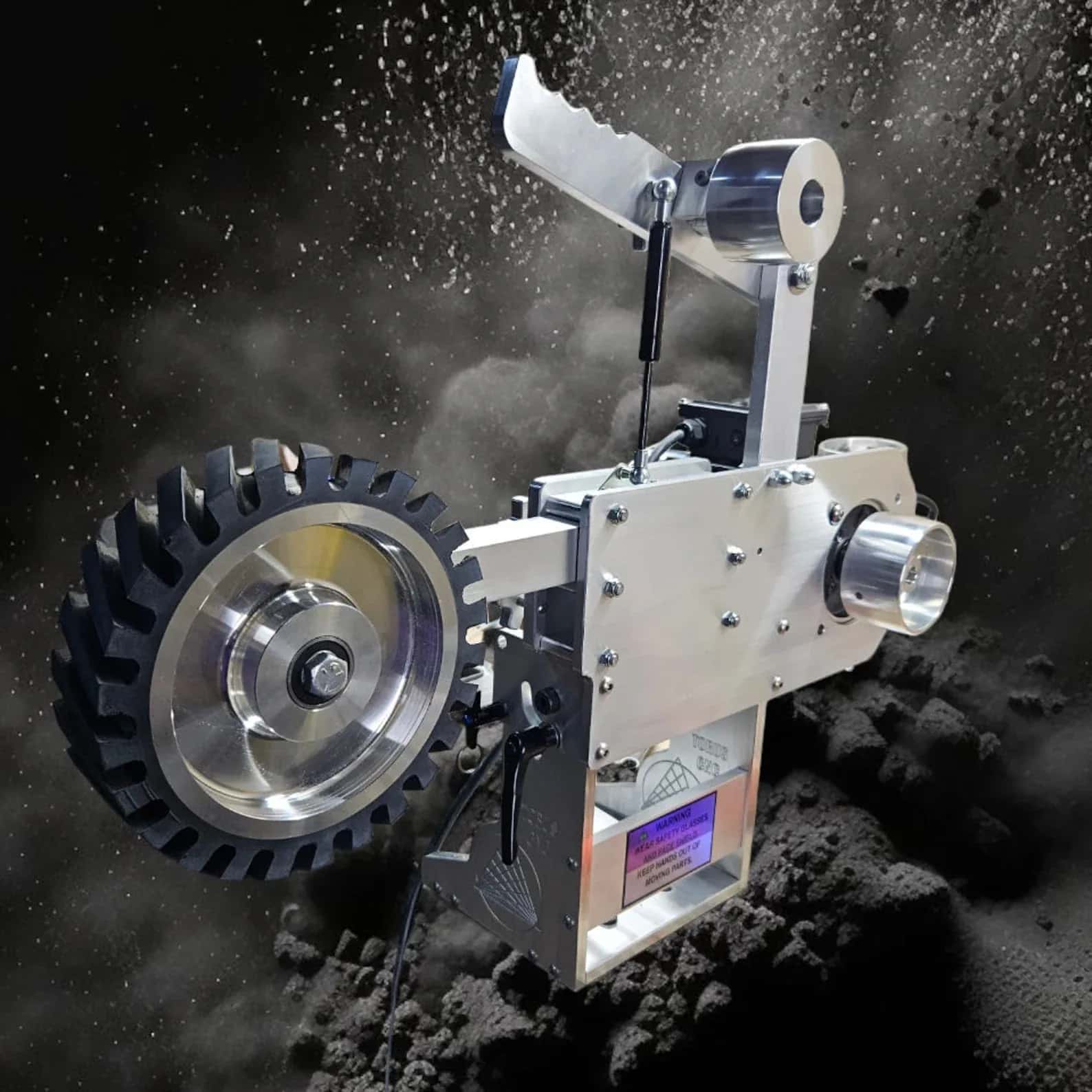
  • Torus CNC 2x72 belt grinder head with contact wheel against a dust and sparks backdrop
    Belt Grinders11 min read

    The Complete Guide to Choosing the Best 2×72 Knife Grinder Features

    Before you spend $1,000 or more on a 2×72, know which features matter and which are marketing. Here is the complete guide from someone who builds them: motor and VFD, frame material, tracking, tilt, tooling arms, attachments and safety.

  • Steel work table in front of a grinder running a purple abrasive belt, seen from the table side, on black with a purple glow
    CNC Machine8 min read

    Aluminum vs. Steel: Long-Term Wear Comparison

    I build 2×72 grinders in both 6061 aluminum and 3/8-inch steel, so I have no side to pick. Here is how the two wear over years in a knife shop: rust, flex, weight, cost, and which belongs on your bench.

ForgeBrain

Go deeper on the technique

Free reference guides from the ForgeBrain library — no sign-up, no paywall.

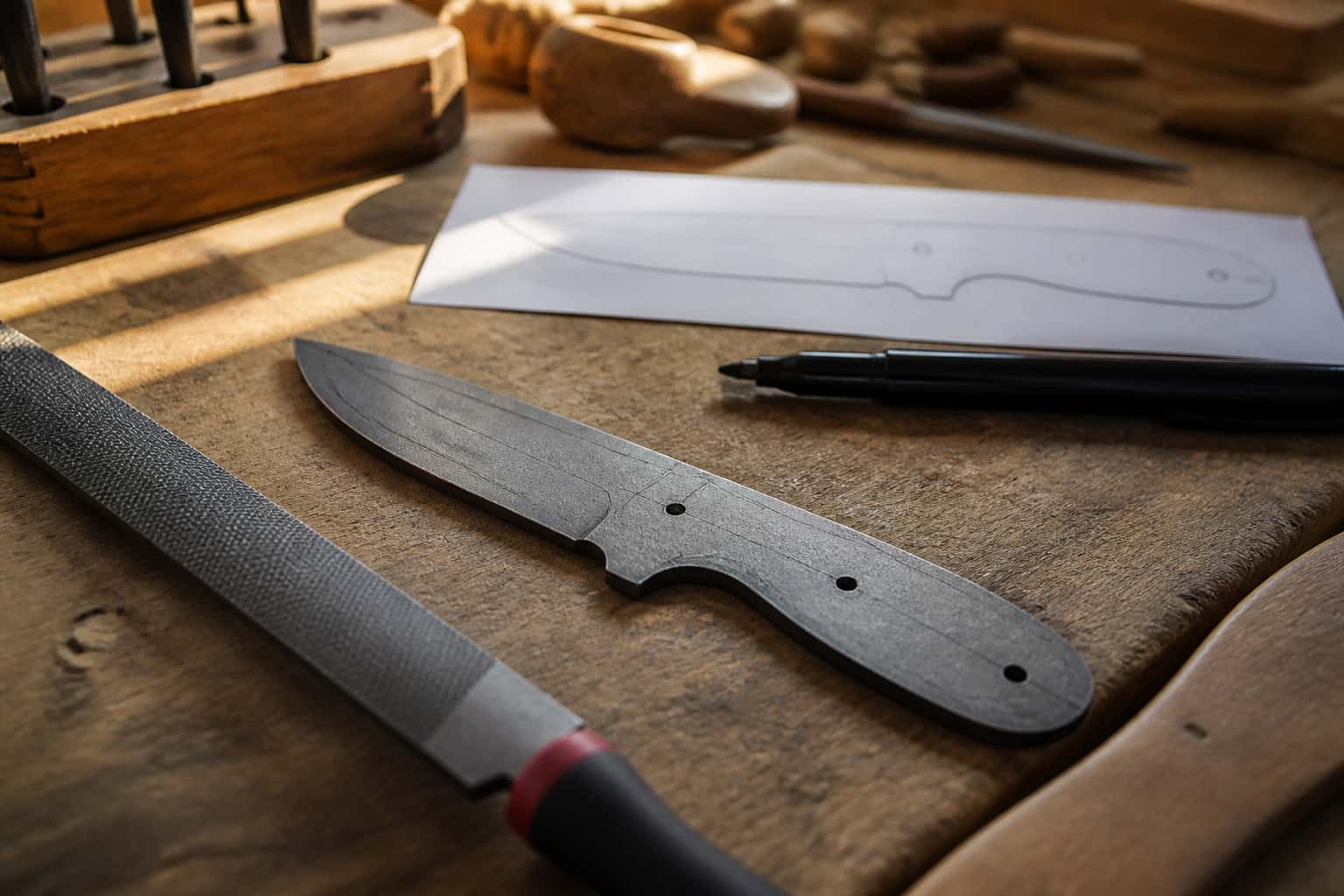
  • Beginner knife blank with scribed layout lines beside a file, marker, and paper template on a bench
    Beginner Guides

    How to Choose a 2×72 Belt Grinder: Complete Buyer’s Guide

    If you’ve spent any time in knifemaking forums or subreddits, you’ve seen the question a hundred times: “what belt grinder should I buy?” The honest answer is that it depends on your budget, how much assembly you want to deal with, and what you plan to grind. This guide walks through the actual decision, feature…

    Read the guide
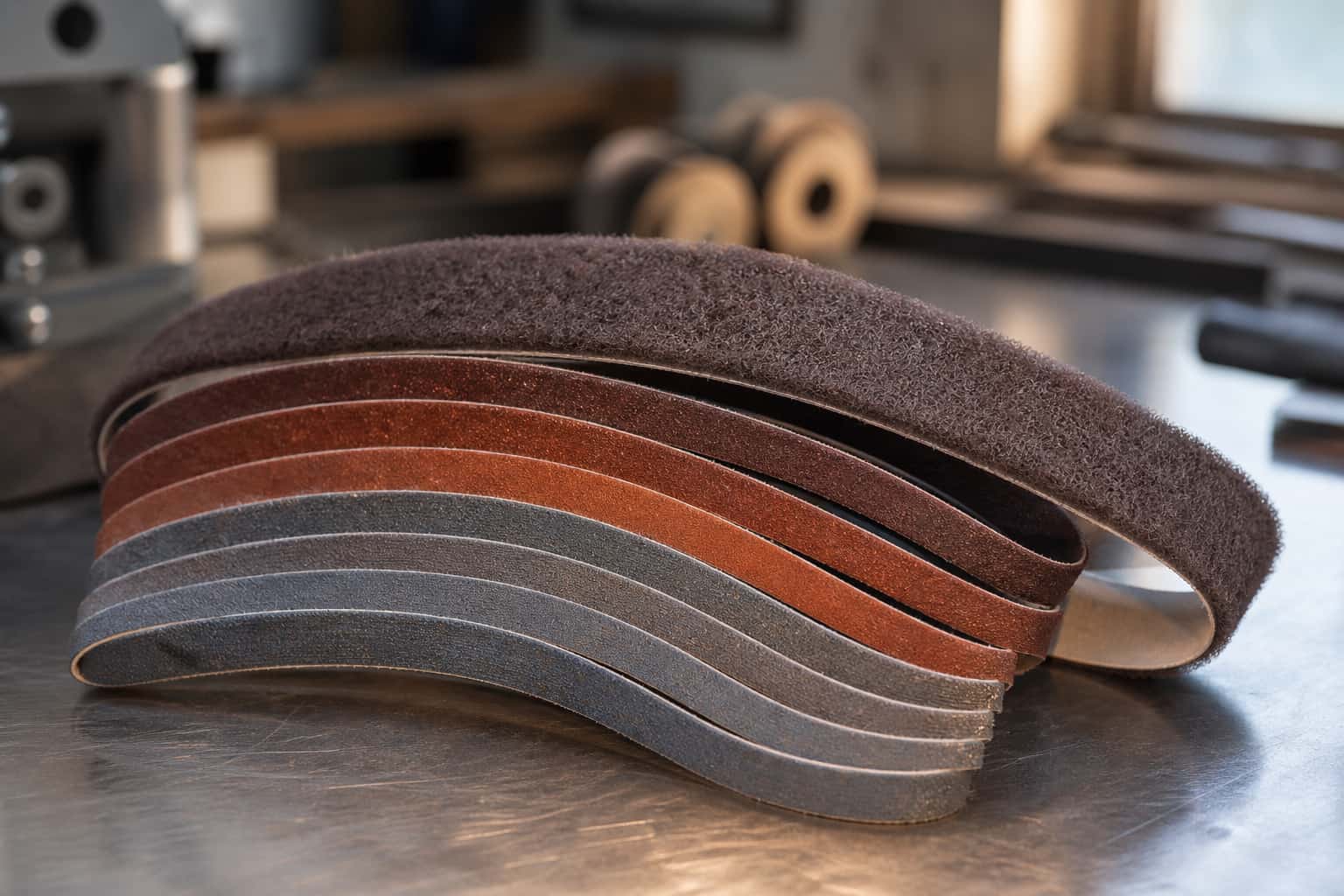
  • Abrasive belts in several textures and colors fanned on a steel bench, nonwoven belt on top.
    Abrasives

    Choosing a Motor & VFD for Your 2×72

    Every Torus ships as a complete assembled chassis with the motor sold separately — which hands you the one decision that shapes the machine’s personality more than any attachment: what spins it. Here is the whole motor conversation in plain shop language. HORSEPOWER: WHAT REAL GRINDING NEEDS The working consensus for knife grinding: 1.5 HP…

    Read the guide

Built in Sterling

The machines behind these notes

I machine the parts, hand-assemble, track and test each grinder before it ships. Most orders leave in seven to ten business days from time of order.

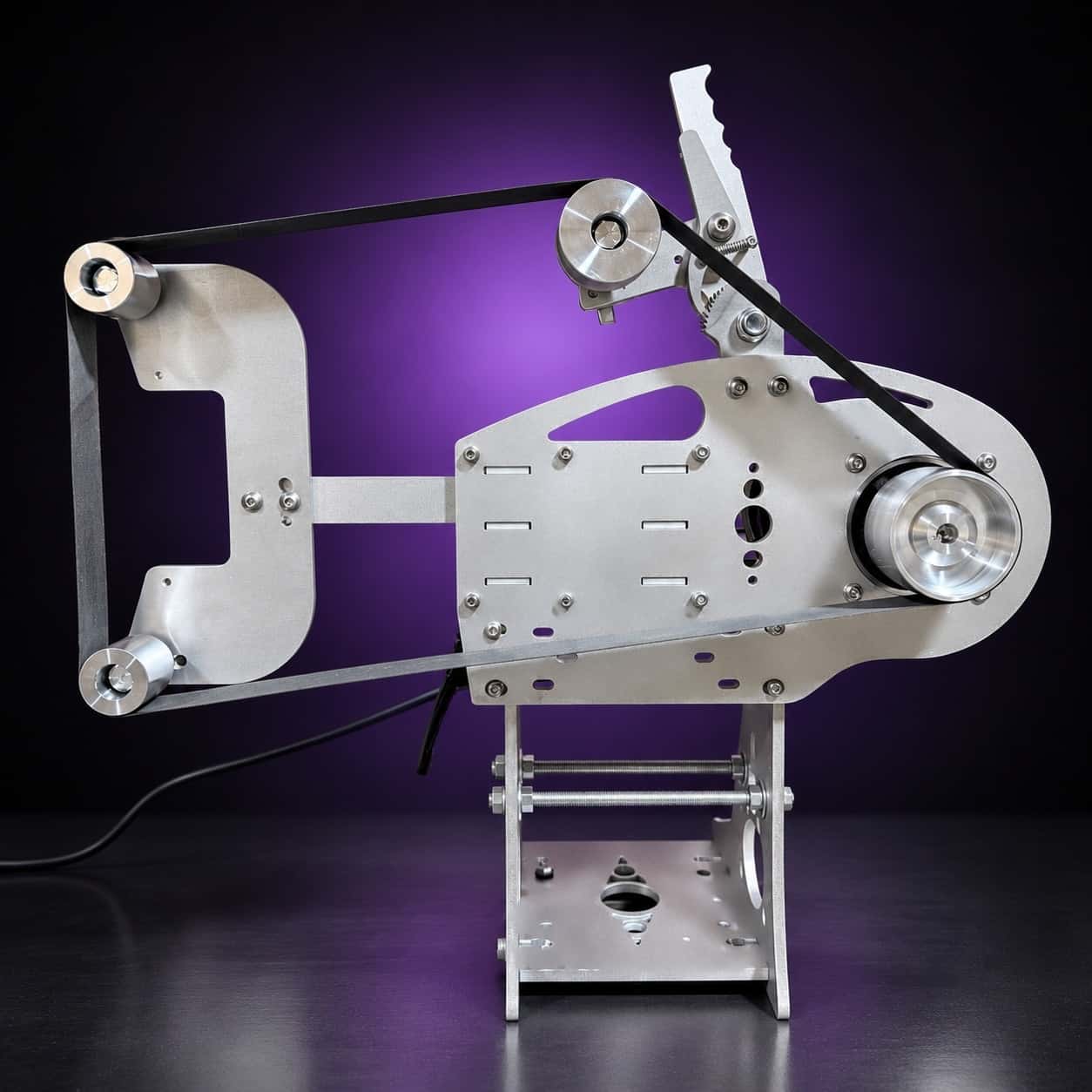
  • Nova aluminum 2x72 grinder with flat-platen tool arm and belt fitted, side view, on black with a purple glow
    Sale

    Nova 2×72 Aluminum Belt Grinder

    Fiber-laser-cut 6061 aluminum on the 9x12-inch base. Easier to tilt and move, and corrosion resistant.

    Starts at$1,195Was $1,395View
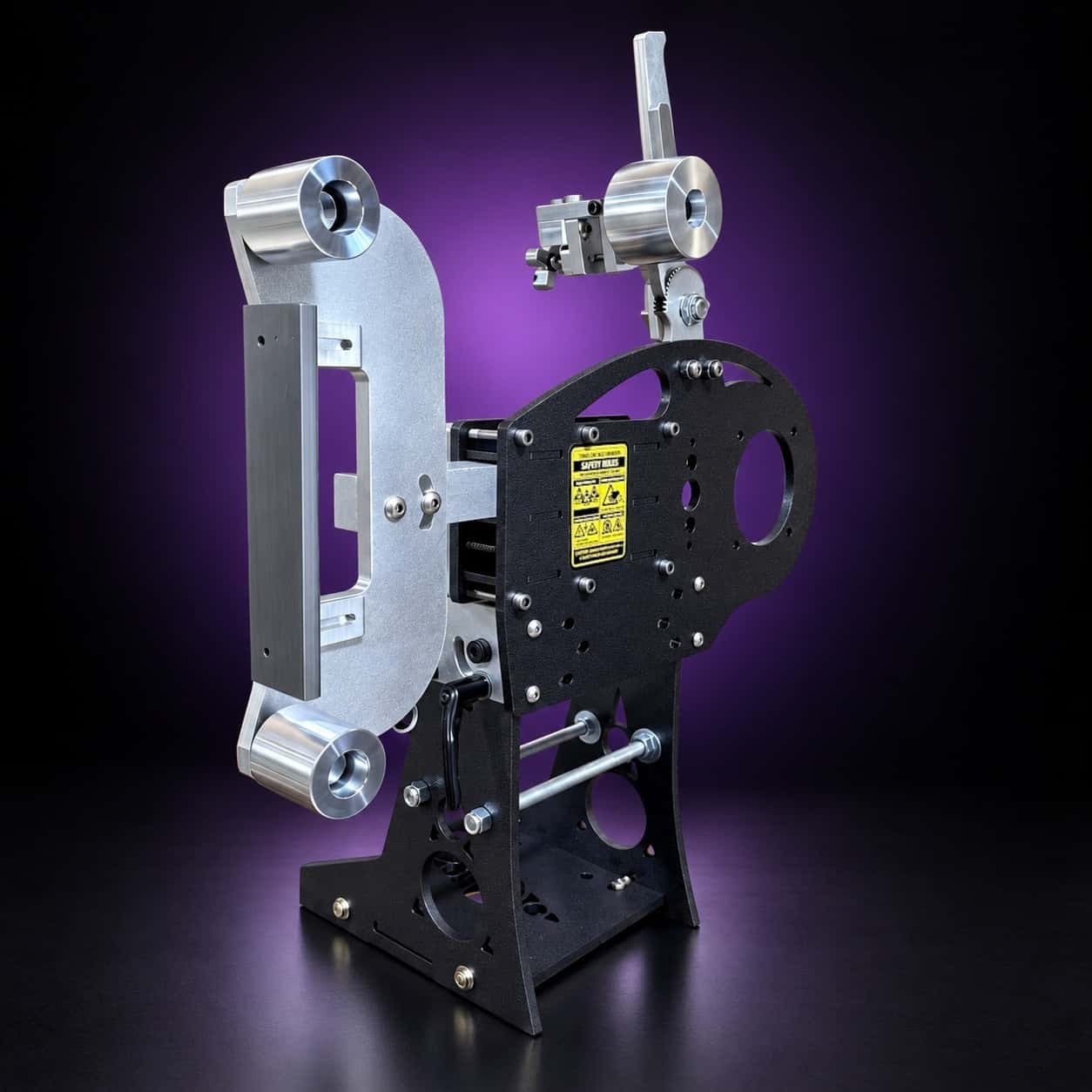
  • Nebula 2x72 grinder, front three-quarter view: aluminum arm, black plate, Safety Rules label, on black with a purple glow
    SaleLimited release · 2 remain

    Torus Nebula 2x72 - Corvus Edition

    Nebula 2x72 - Corvus Edition: an exclusive Gunmetal Grey / silver vein powdercoat finish on our precision-engineered steel 2×72.

    These are the last Nebula chassis available until the next release. Once this run sells out, availability pauses until the next run is ready.

    Next release: 10 more chassis expected Nov 17–Nov 24 (3–4 weeks from Oct 27).

    Starts at$1,195Was $1,495View
  • Small wheel attachment from above: holder fork, engraved aluminum arm and two rubber wheels, on black with a purple glow

    Small Wheel Attachment with 1.5″ Aluminum Tooling Arm

    Reaches the choils, finger grooves and inside curves a flat platen never will. Wheels from 1/2 to 1.5 inches.

    Starts at$289View
Rich Linville in the Torus CNC shop with a finished 2x72 belt grinder

Built to order

Tell me what you are building

I answer my own email. Tell me the work you do and which grinder you are considering.