2x72 Grinder Tips
Efficiently Switching Grinding Methods Without Angle Resets
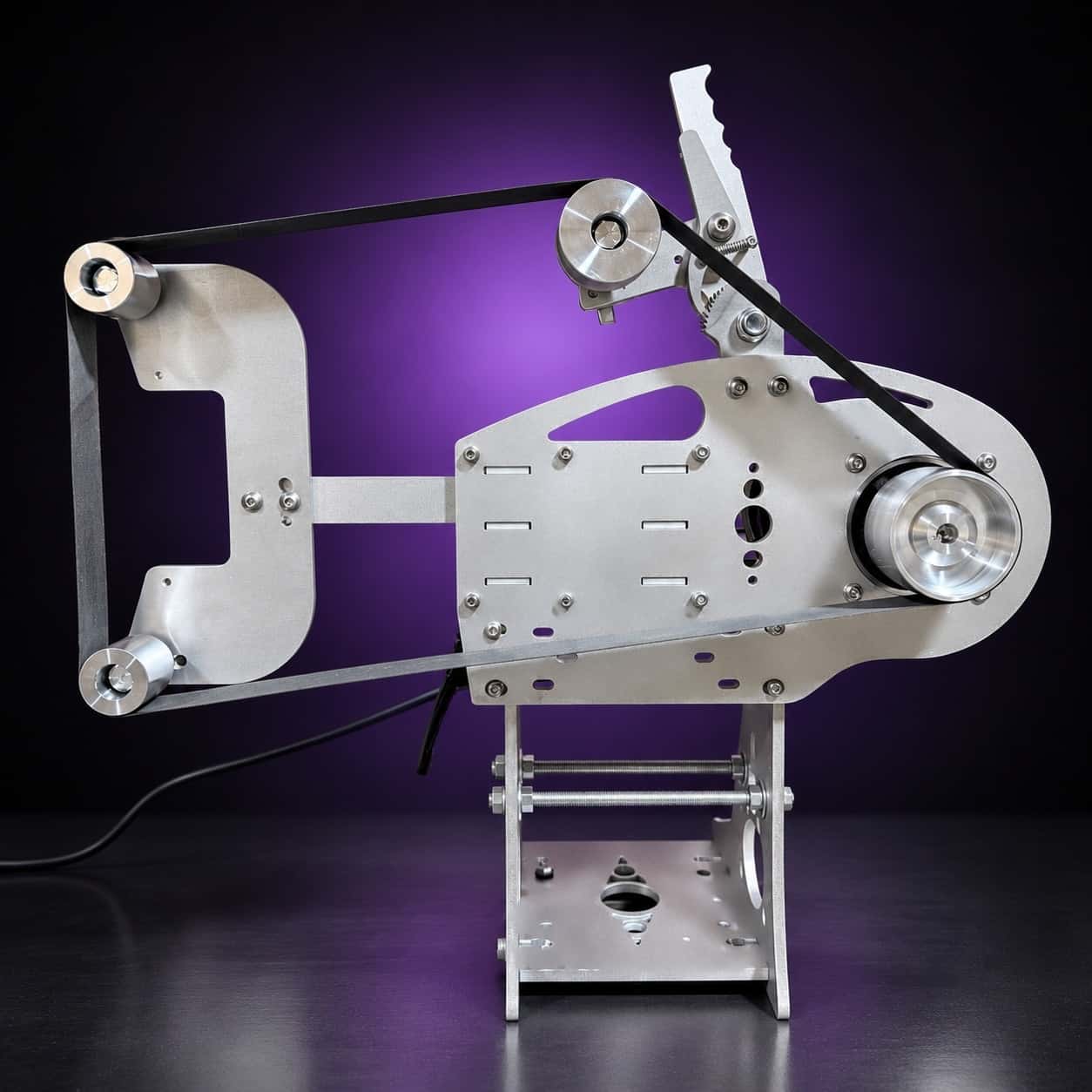
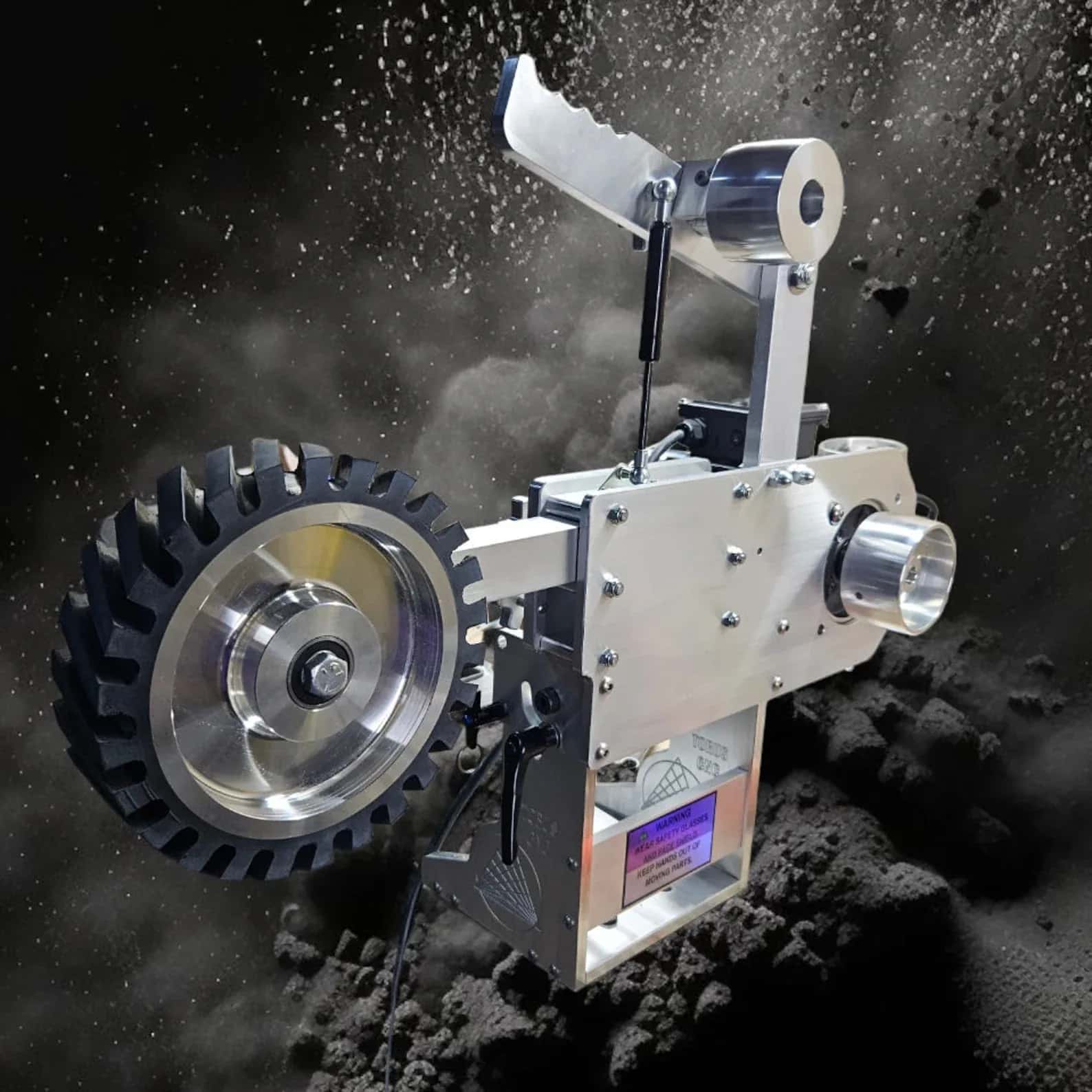
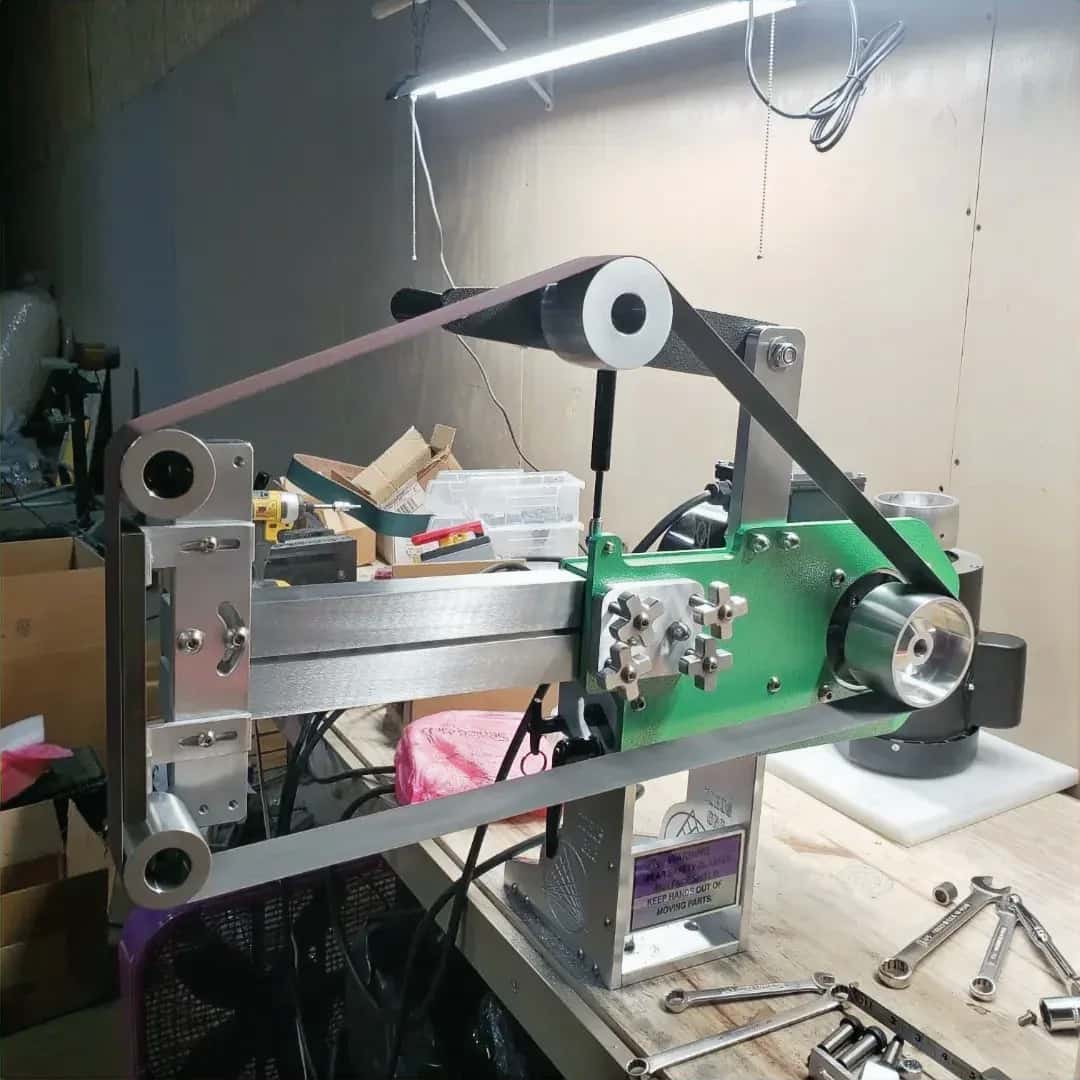
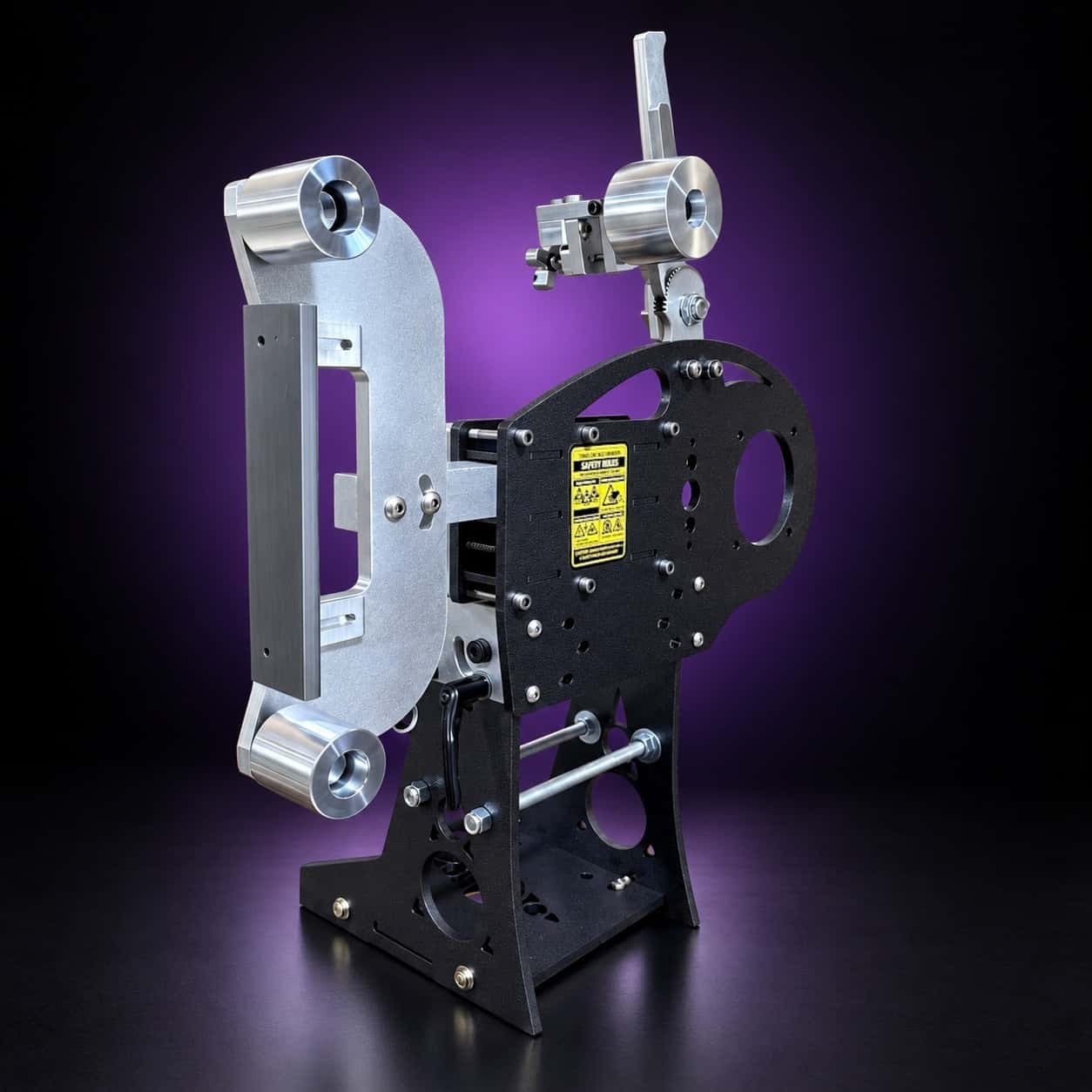
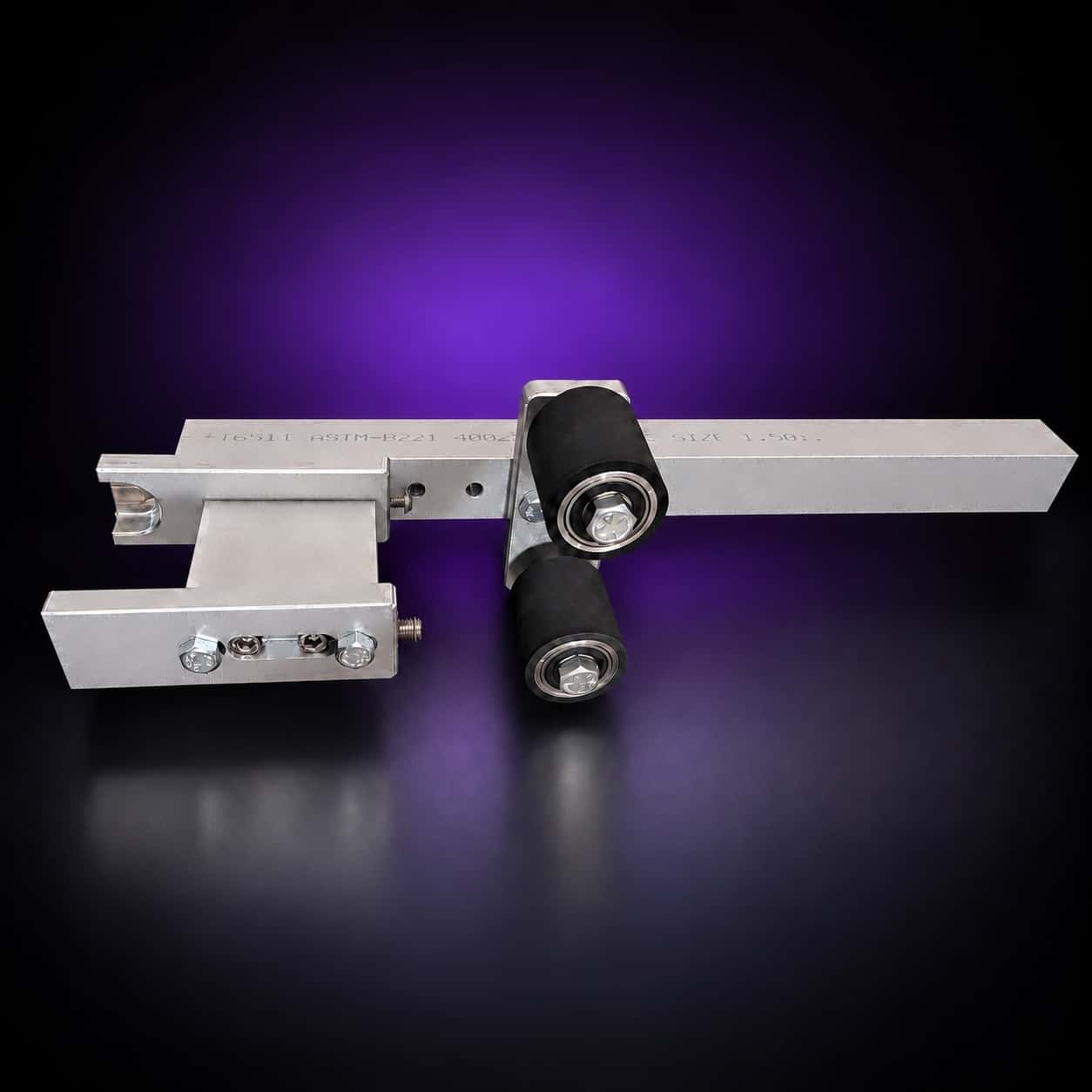
Every time you re-set the rest angle you risk a mismatched bevel. Here is how a common 1.5-inch tooling arm lets you swap platen, contact wheel and small wheel on a 2×72 without touching the angle.
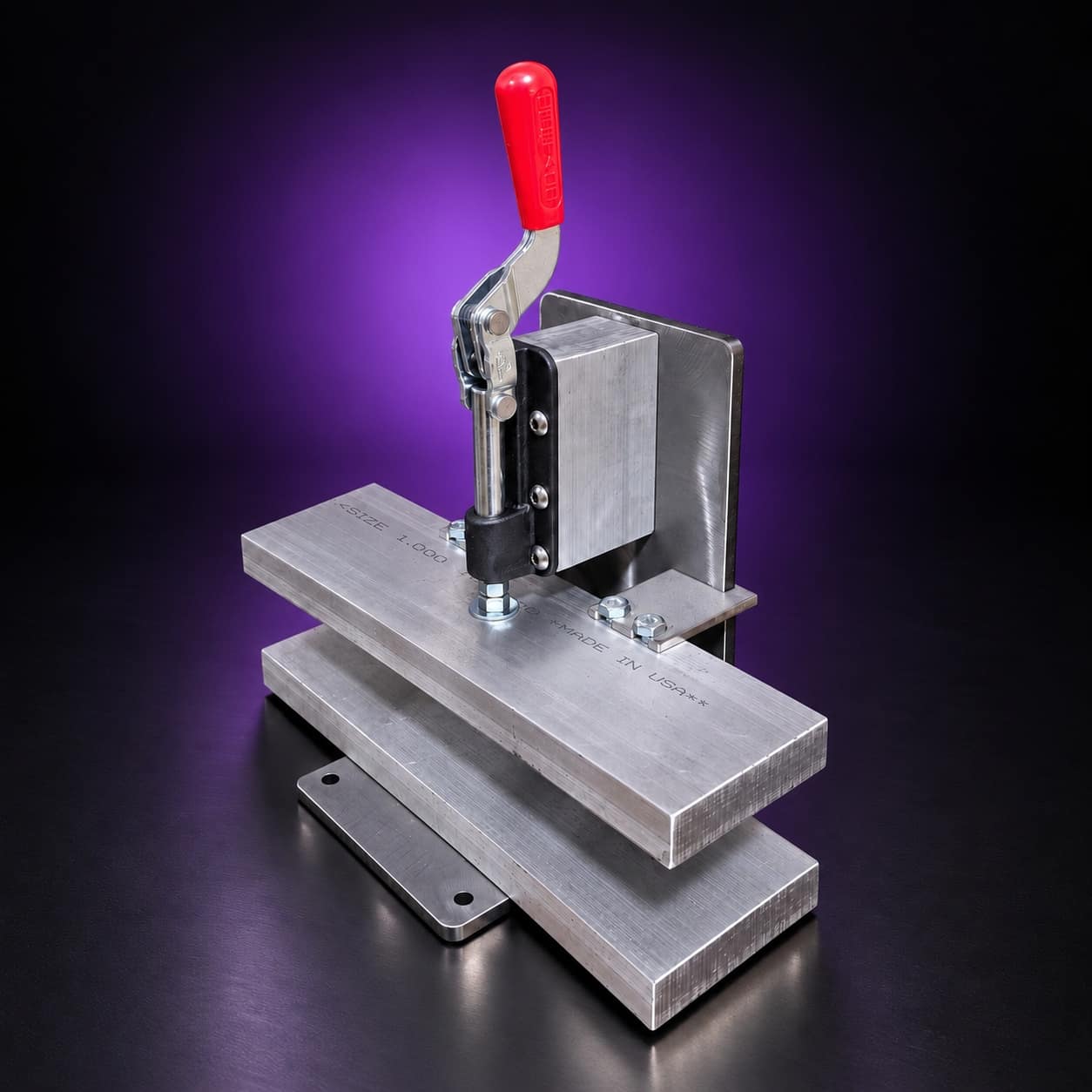
Every time you pull an attachment and re-set the work rest, you risk a bevel that does not match the last one. The fix is a grinder built around one tooling arm size, so the platen, contact wheel and small wheel all sit at the same height and the rest angle never moves. Here is how I switch grinding methods on a 2×72 without resetting angles, and the habits that keep the swap repeatable.
Key Takeaways
- Efficiently switching grinding methods is important for maximizing productivity and achieving optimal results in manufacturing processes.
- Common challenges in switching grinding methods include time-consuming setups, tool changes, and operator training.
- Universal mounting systems can facilitate smooth transitions between different grinding methods, reducing downtime and increasing efficiency.
- Quick-change tooling can save time and effort by allowing for rapid switches between different grinding tools and abrasives.
- Adaptive control technology can help ensure smooth transitions between grinding methods, improving accuracy and consistency in the manufacturing process.
Identifying Common Challenges in Switching Grinding Methods
Despite the clear benefits of efficient grinding method switching, several challenges can impede this process. One of the most significant hurdles is the complexity of different grinding techniques. Each method may require specific tools, settings, and parameters, making it difficult for operators to transition smoothly from one to another.
This complexity can lead to increased training time and a steeper learning curve for new operators, in the end affecting productivity. Another common challenge is the potential for equipment compatibility issues. Not all machines are designed to accommodate various grinding methods smoothly.
This can result in additional costs for retrofitting existing equipment or investing in new machinery altogether. The need for precise calibration when switching methods can lead to downtime, as operators must ensure that each setup meets the required specifications. Addressing these challenges is essential for manufacturers looking to enhance their grinding operations and maintain a competitive edge.
Utilizing Universal Mounting Systems for Smooth Transitions
One effective solution to the challenges of switching grinding methods is the implementation of universal mounting systems. These systems are designed to accommodate a wide range of tools and attachments, allowing operators to switch between different grinding methods with minimal effort. By standardizing the mounting process, manufacturers can significantly reduce the time spent on setup and calibration, leading to smoother transitions and increased productivity.
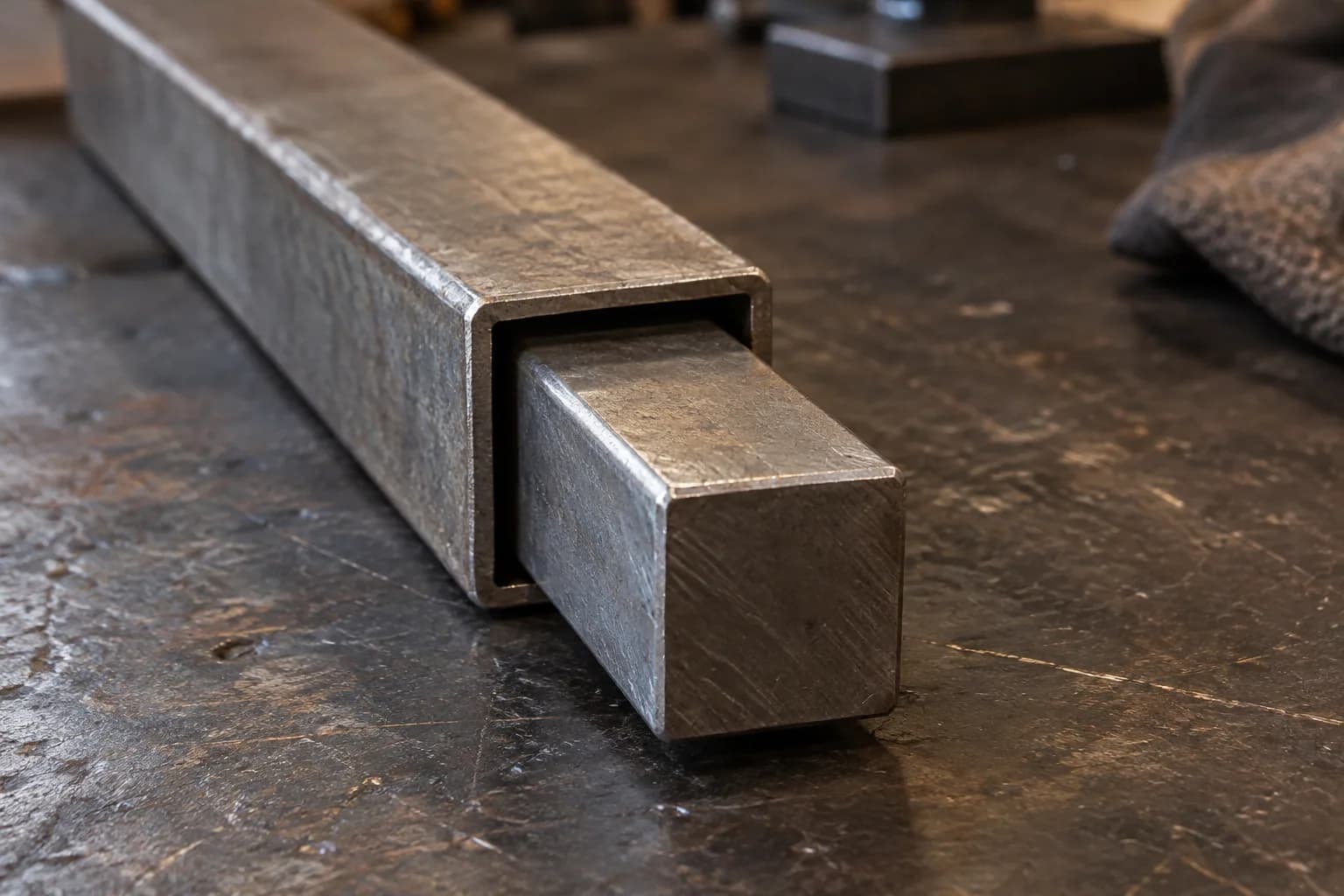
Universal mounting systems also enhance flexibility in production. With the ability to quickly adapt to various grinding techniques, manufacturers can respond more effectively to changing customer demands or production requirements. This adaptability not only streamlines operations but also fosters innovation, as teams can experiment with different methods without the fear of lengthy downtimes or complex setups.
Implementing Quick-Change Tooling for Time-Saving Switches
Quick-change tooling is another innovative approach that can facilitate efficient switching between grinding methods. This technology allows operators to replace tools rapidly without the need for extensive adjustments or recalibrations. By minimizing the time required for tool changes, manufacturers can significantly reduce downtime and enhance overall productivity.
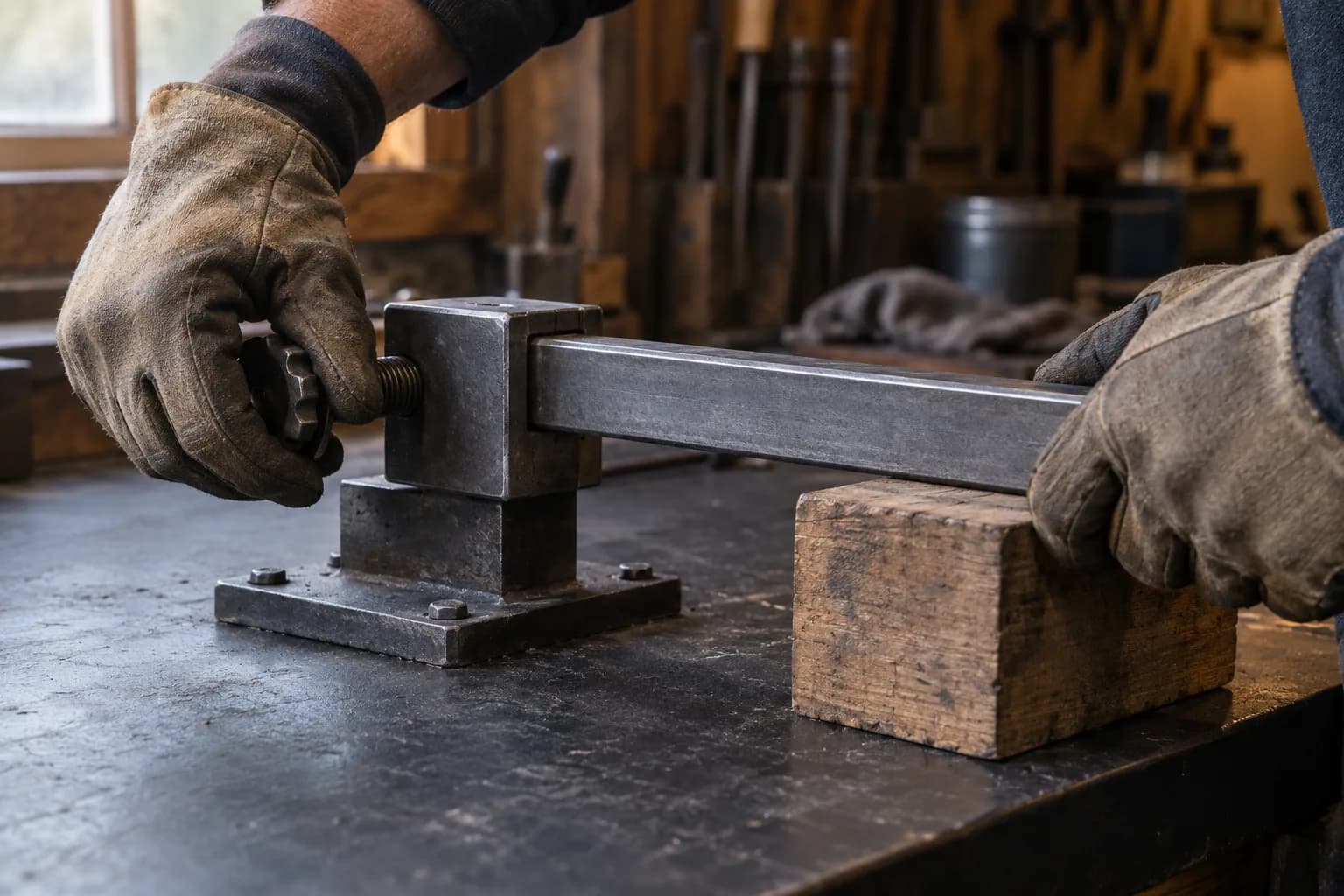
The benefits of quick-change tooling extend beyond mere time savings. This system also promotes consistency in production quality, as operators can maintain tighter control over tool performance and wear. Quick-change tooling can lead to reduced labor costs, as fewer personnel are needed to manage tool changes and setups.
Leveraging Adaptive Control Technology for Smooth Transitions
Adaptive control technology represents a significant advancement in the field of grinding operations. By utilizing real-time data and feedback mechanisms, this technology enables machines to adjust their parameters automatically during the grinding process. This adaptability allows for smoother transitions between different grinding methods, as machines can recalibrate themselves based on the specific requirements of each technique.
The integration of adaptive control technology not only enhances efficiency but also improves product quality. By continuously monitoring performance metrics, manufacturers can identify potential issues before they escalate into significant problems. This proactive approach minimizes waste and ensures that each grinding method is executed with precision.
Training Operators for Efficient Grinding Method Switches
While technology plays a vital role in facilitating efficient grinding method switches, the human element cannot be overlooked. Proper training for operators is essential to ensure that they are equipped with the skills and knowledge necessary to navigate different grinding techniques effectively. A well-trained workforce can make informed decisions during transitions, minimizing errors and maximizing productivity.
Training programs should focus on both theoretical knowledge and practical skills. Operators need to understand the nuances of each grinding method, including its specific requirements and potential challenges. Hands-on training with equipment and tools will help build confidence and competence among operators.
Incorporating Automated Tool Change Systems for Streamlined Operations
Automated tool change systems are transforming the way manufacturers approach grinding operations. These systems allow for rapid tool changes without manual intervention, significantly reducing downtime associated with switching methods. By automating this process, manufacturers can achieve higher levels of efficiency and consistency in their production lines.
The implementation of automated tool change systems also enhances safety in the workplace. With fewer manual tool changes required, the risk of accidents or injuries associated with handling sharp tools is minimized. These systems can be integrated with existing machinery, allowing manufacturers to upgrade their operations without a complete overhaul of their equipment.
Investing in Multi-Process Grinding Machines for Versatility
Multi-process grinding machines offer a versatile solution for manufacturers looking to streamline their operations. These machines are designed to perform various grinding techniques within a single unit, eliminating the need for multiple setups and reducing transition times significantly. By investing in multi-process machines, manufacturers can enhance their flexibility and responsiveness to changing production demands.
The versatility of multi-process grinding machines also contributes to improved resource management. With the ability to handle different grinding methods in one machine, manufacturers can reduce their footprint and minimize energy consumption associated with operating multiple machines. This not only leads to cost savings but also aligns with sustainability goals by reducing waste and energy usage.
Exploring Hybrid Grinding Solutions for Flexibility
Hybrid grinding solutions combine traditional grinding methods with advanced technologies such as laser or electrical discharge machining (EDM). This innovative approach allows manufacturers to leverage the strengths of multiple techniques within a single process, enhancing flexibility and efficiency in production. By exploring hybrid solutions, manufacturers can address complex machining challenges that may be difficult to achieve with conventional methods alone.
The integration of hybrid grinding solutions also opens up new possibilities for product design and development. Manufacturers can experiment with different materials and geometries without being constrained by the limitations of traditional grinding methods. This flexibility fosters innovation and enables companies to stay ahead of market trends by offering unique products that meet evolving customer needs.
Optimizing Workflow Planning for Minimizing Angle Resets
Effective workflow planning is crucial for minimizing angle resets during grinding method switches. By carefully mapping out production processes and identifying potential bottlenecks, manufacturers can streamline operations and reduce unnecessary delays associated with angle adjustments. A well-structured workflow not only enhances efficiency but also contributes to improved product quality by ensuring that each step in the process is executed smoothly.
In addition to optimizing workflow planning, manufacturers should consider implementing standardized procedures for angle resets. By establishing clear guidelines and best practices for adjusting angles during transitions, operators can minimize variability and maintain consistency across different grinding methods. This approach not only saves time but also enhances overall productivity by reducing the likelihood of errors during setup.
FAQs
What is flat grinding and wheel grinding?
Flat grinding is a type of surface grinding where the grinding wheel is in a flat orientation, while wheel grinding involves using a grinding wheel that is mounted on a spindle.
What are the advantages of being able to switch between flat and wheel grinding without resetting angles?
The ability to switch between flat and wheel grinding without resetting angles saves time and effort, as it eliminates the need to recalibrate the grinding equipment for different types of grinding.
Are there any limitations or considerations to keep in mind when switching between flat and wheel grinding without resetting angles?
Operators should ensure that the grinding equipment is capable of accommodating both flat and wheel grinding methods, and that the transition between the two methods does not compromise the quality or accuracy of the grinding process.
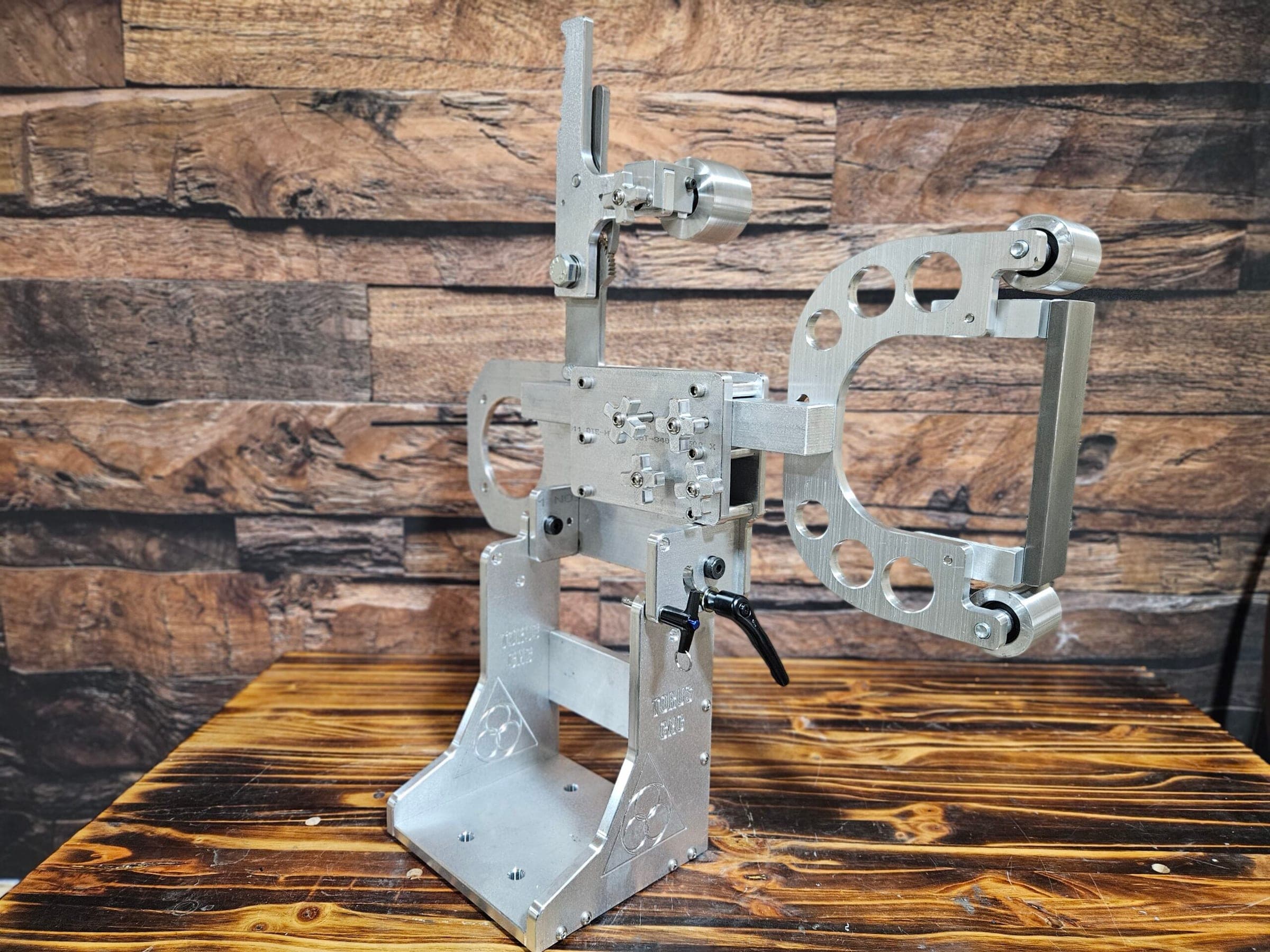
Every Torus grinder and every Torus arm-mounted attachment runs on the same 1.5-inch square tooling arm, so a contact wheel, small wheel and flat platen swap in seconds. Build a Nova 2×72 and add attachments as your work grows.