
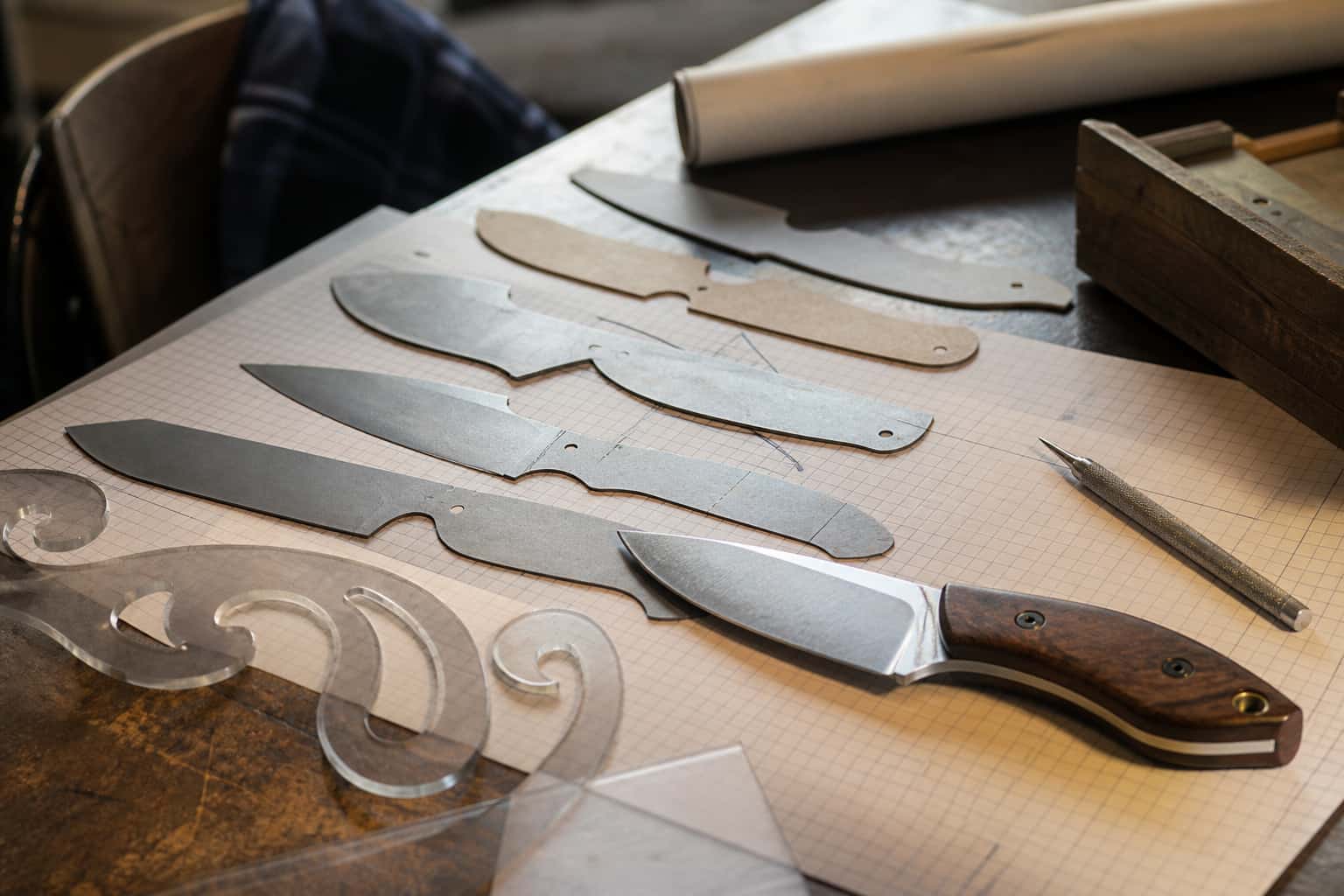
Blade Design
Attaching Handle Scales: Pins, Epoxy & Assembly Technique
Attaching handle scales looks simple, glue two pieces of material to a flat tang, but getting a tight, gap-free, structurally sound result depends on a…
ForgeBrain
Grinds, blade shapes and the design decisions that decide how a knife performs at its job, from bevel angles and distal taper to handle scales and makers marks.
39 guides in this section · free to read
Browse
Every guide on this shelf, with the question closest to your bench first.
Attaching handle scales looks simple, glue two pieces of material to a flat tang, but getting a tight, gap-free, structurally sound result depends on a…
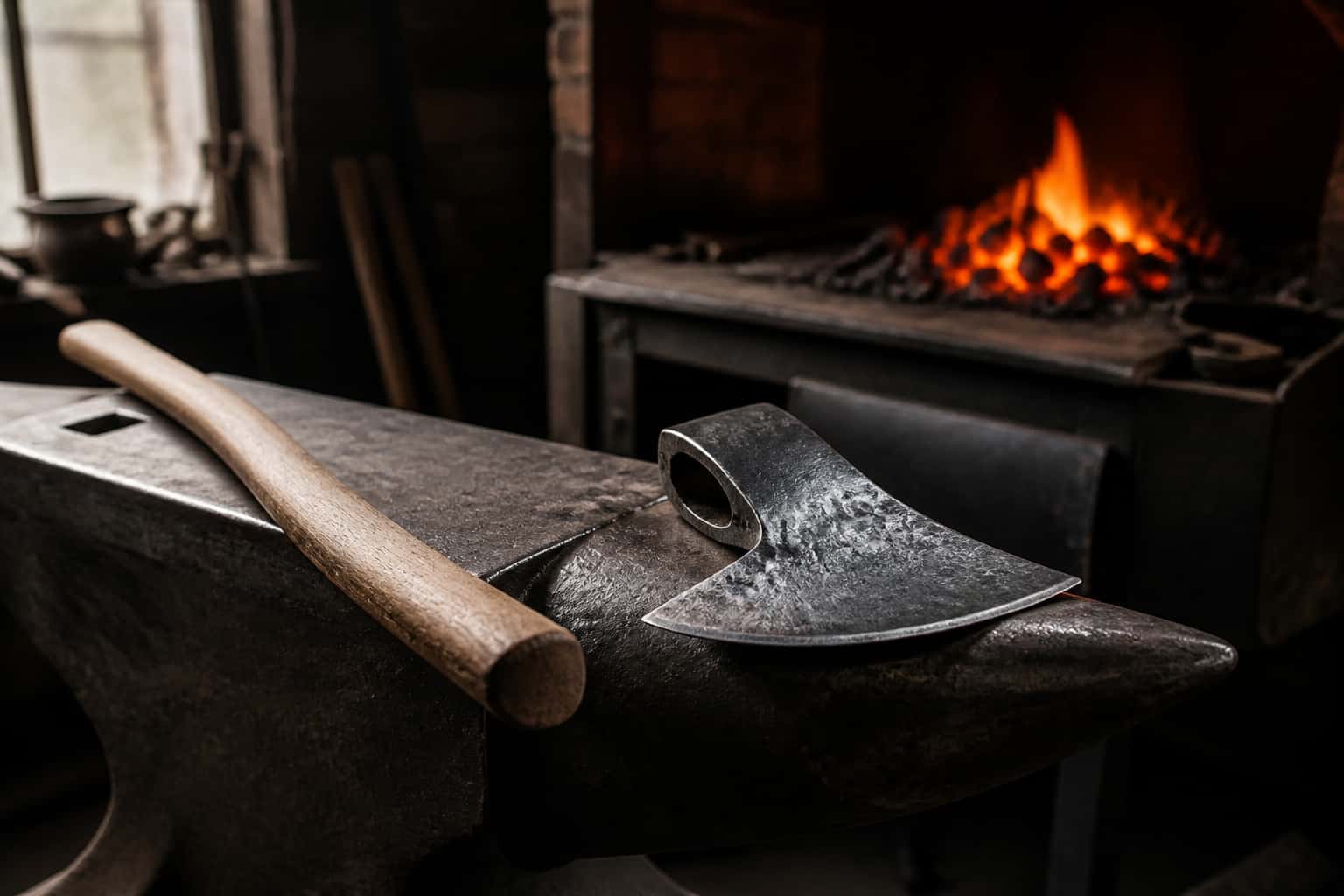
Every knife argument eventually lands on angles. Here is the chart we wish someone had handed us — edge angle per side, the grind that usually carries it…
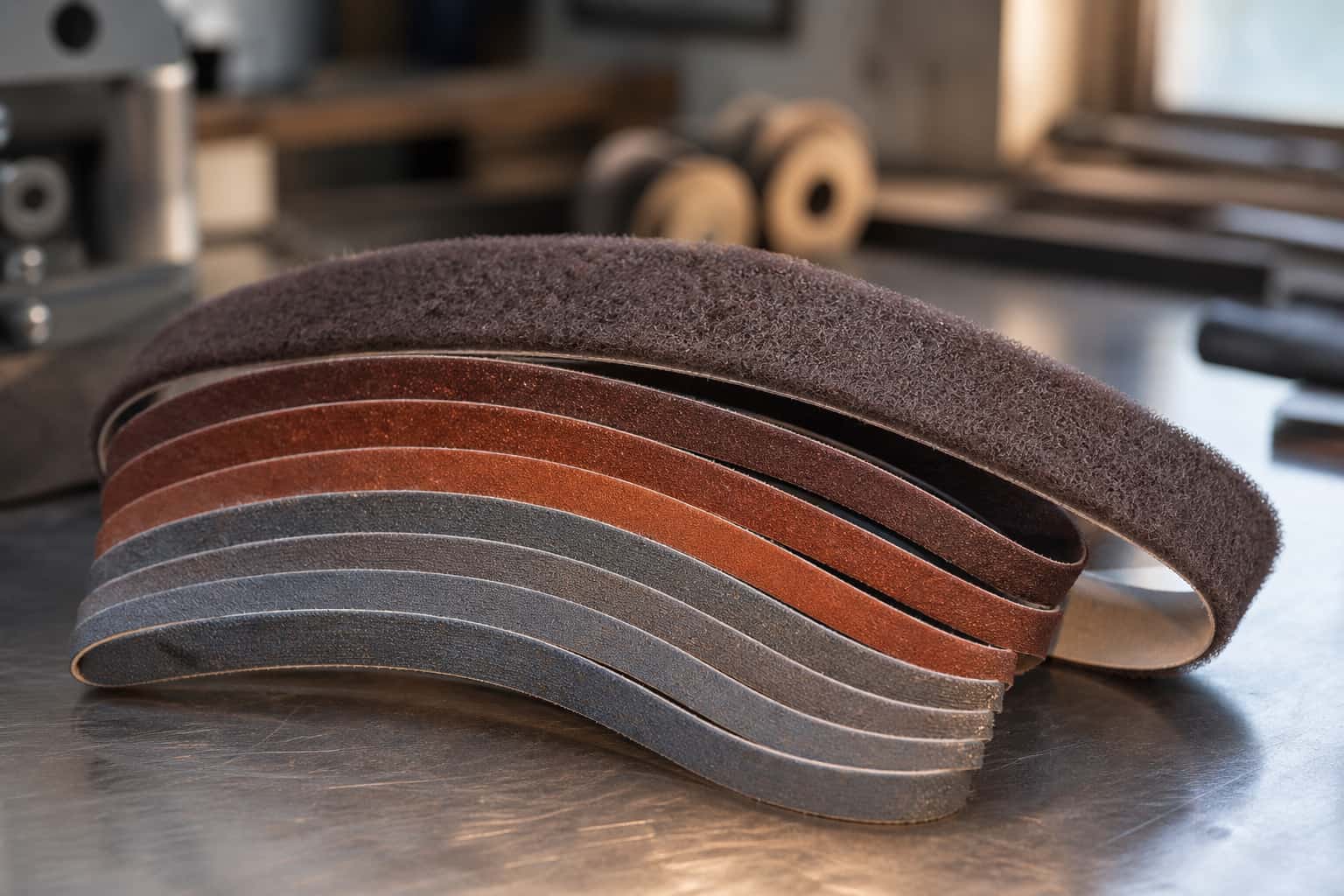
The final surface finish on a blade is more than cosmetic, it affects corrosion resistance, how scratches show up over time, and how much grinding and…
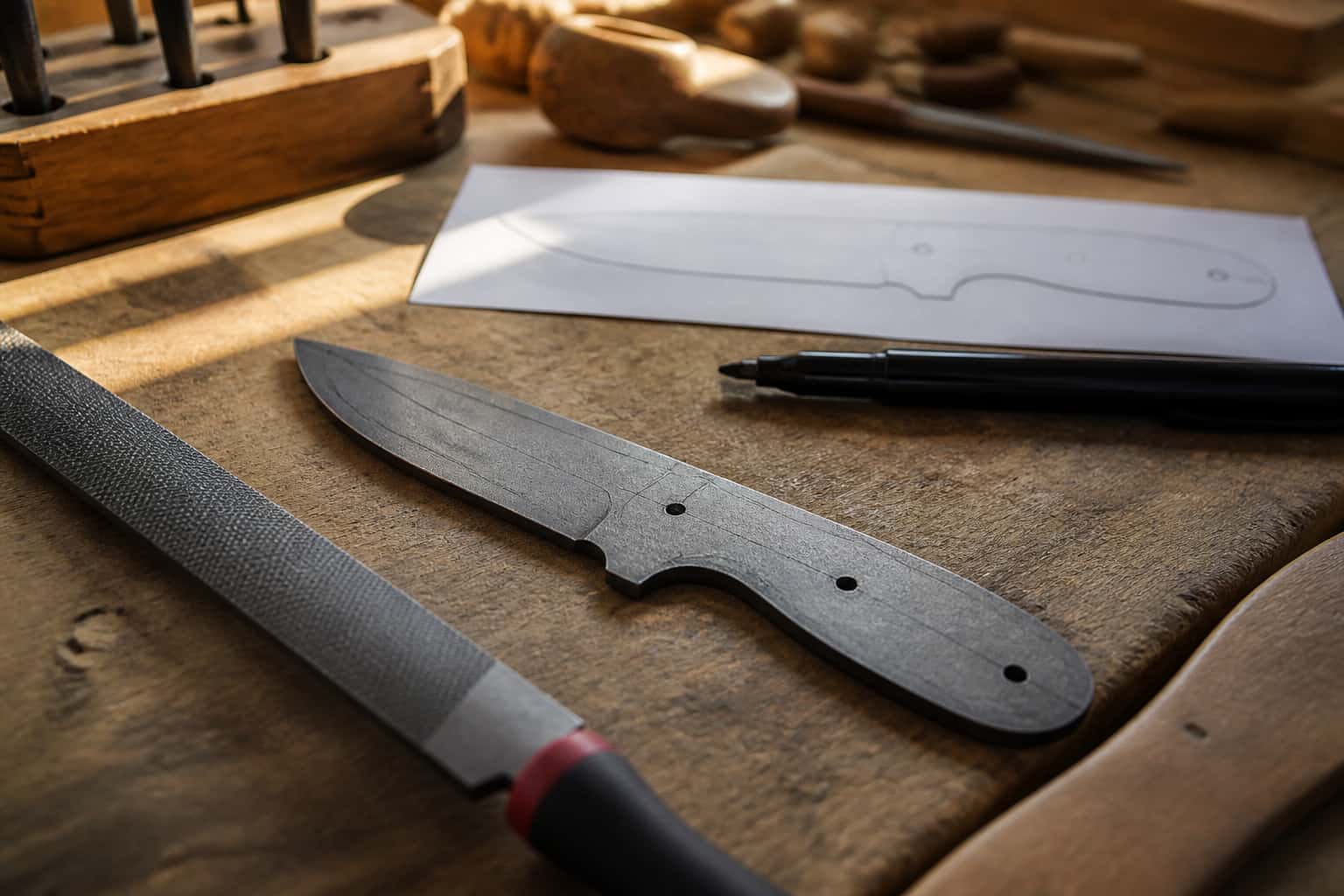
The grind is the cross-sectional shape of a blade, how the flat stock gets thinned down from spine to edge, and it affects cutting performance, edge…
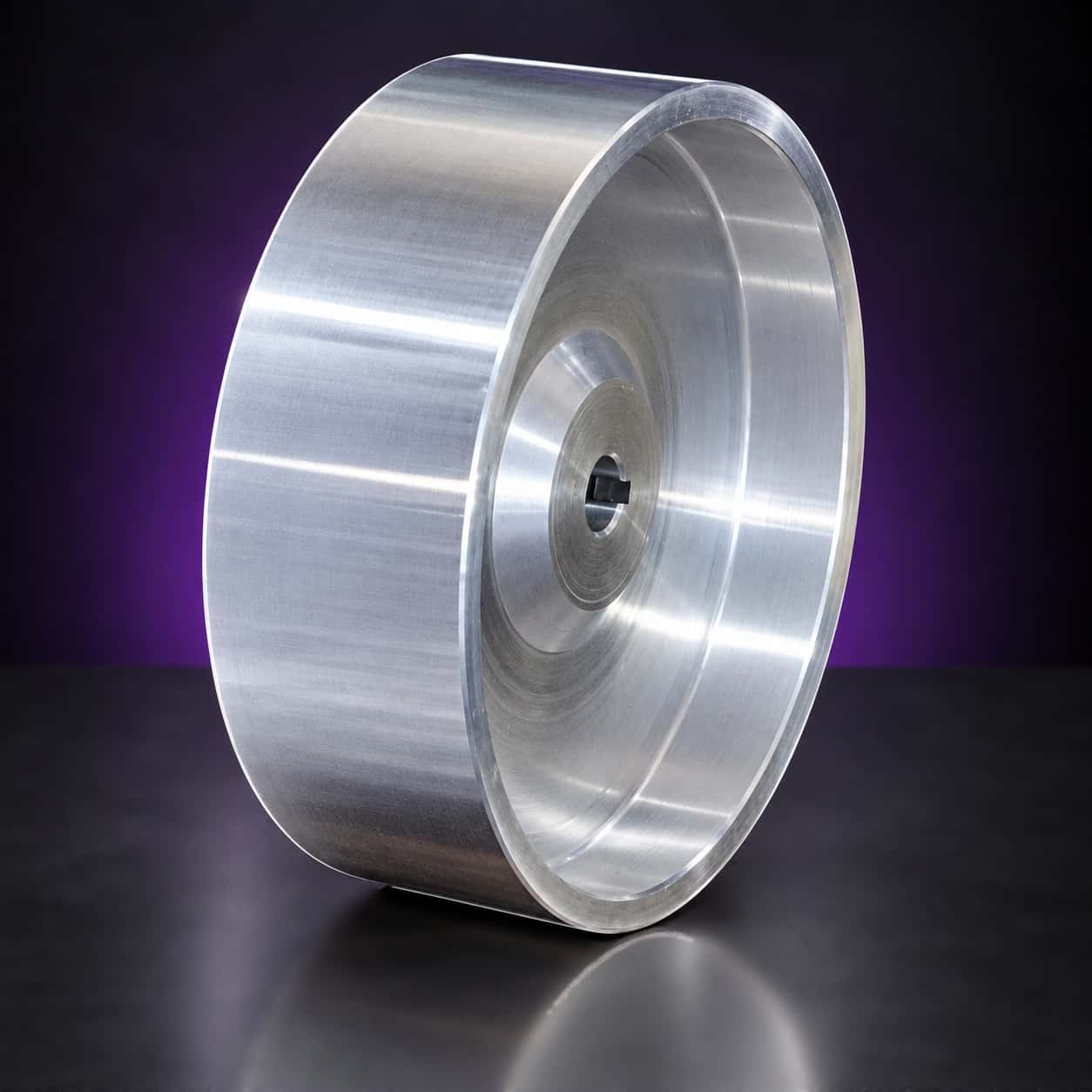
Blade shape, the profile of the blade when viewed from the side, determines what a knife is actually good at. A shape built for skinning game handles very…
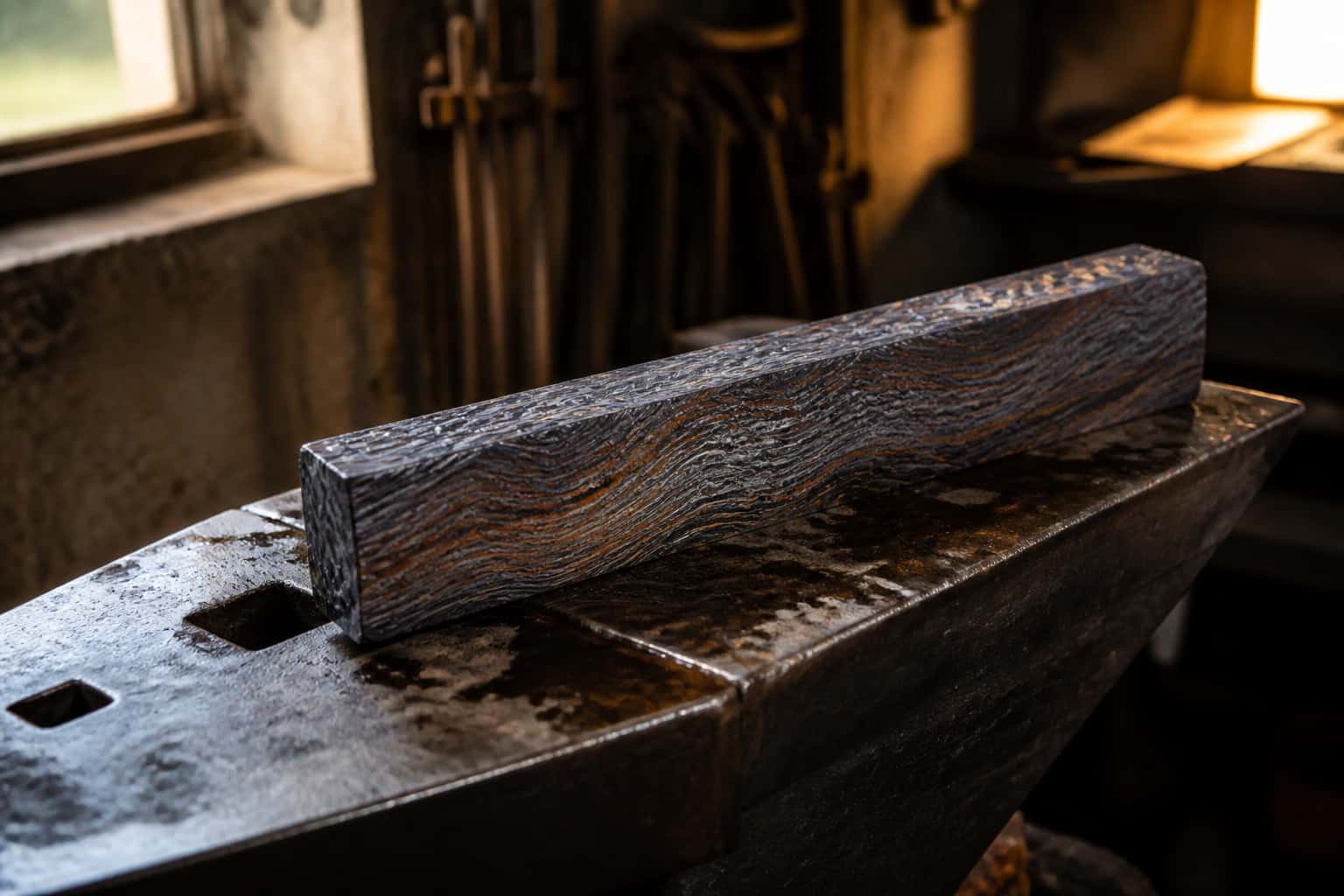
Two knives can share the same steel, grind type, and blade shape and still perform completely differently, because of stock thickness and how that…
Keep looking
Free to read, no sign-up, written from the same bench.
Same bench
I machine the parts, hand-assemble, track and test Torus grinders in Sterling, Illinois. Most orders ship in seven to ten business days from time of order.
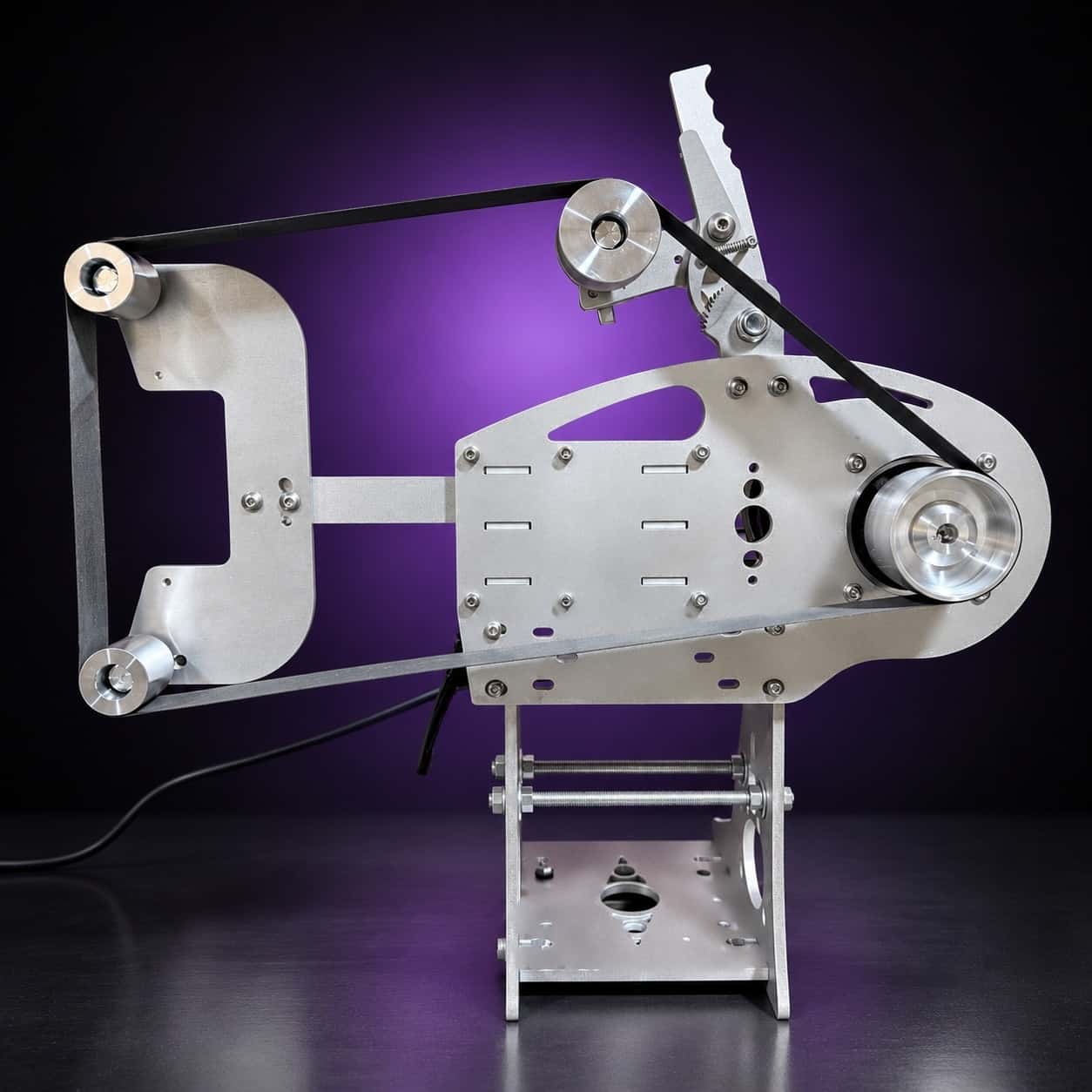
Current dual-axis platform with a fiber-laser-cut 6061 chassis and single-knob tracking.
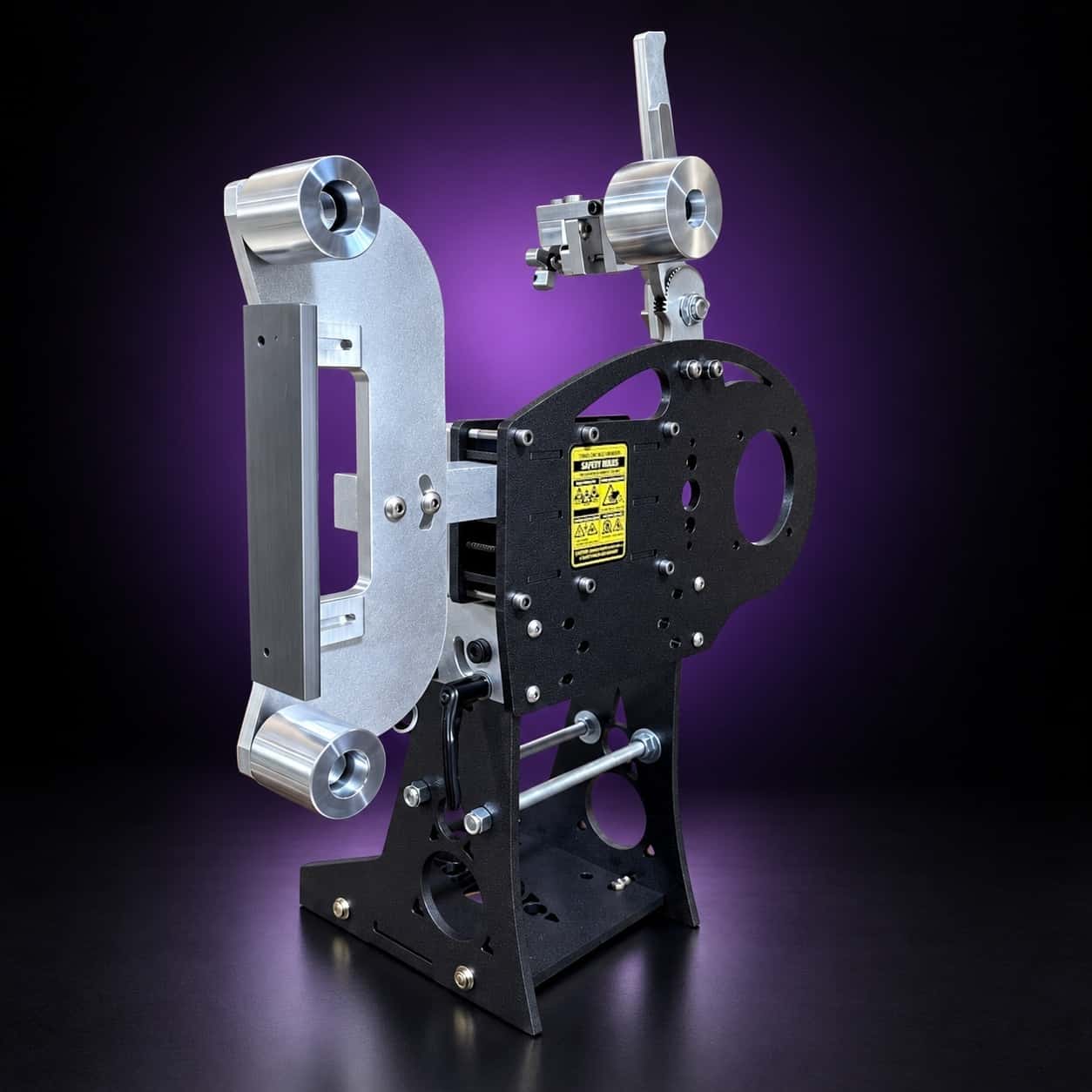
Current dual-axis platform with a steel chassis, more mass and less vibration.
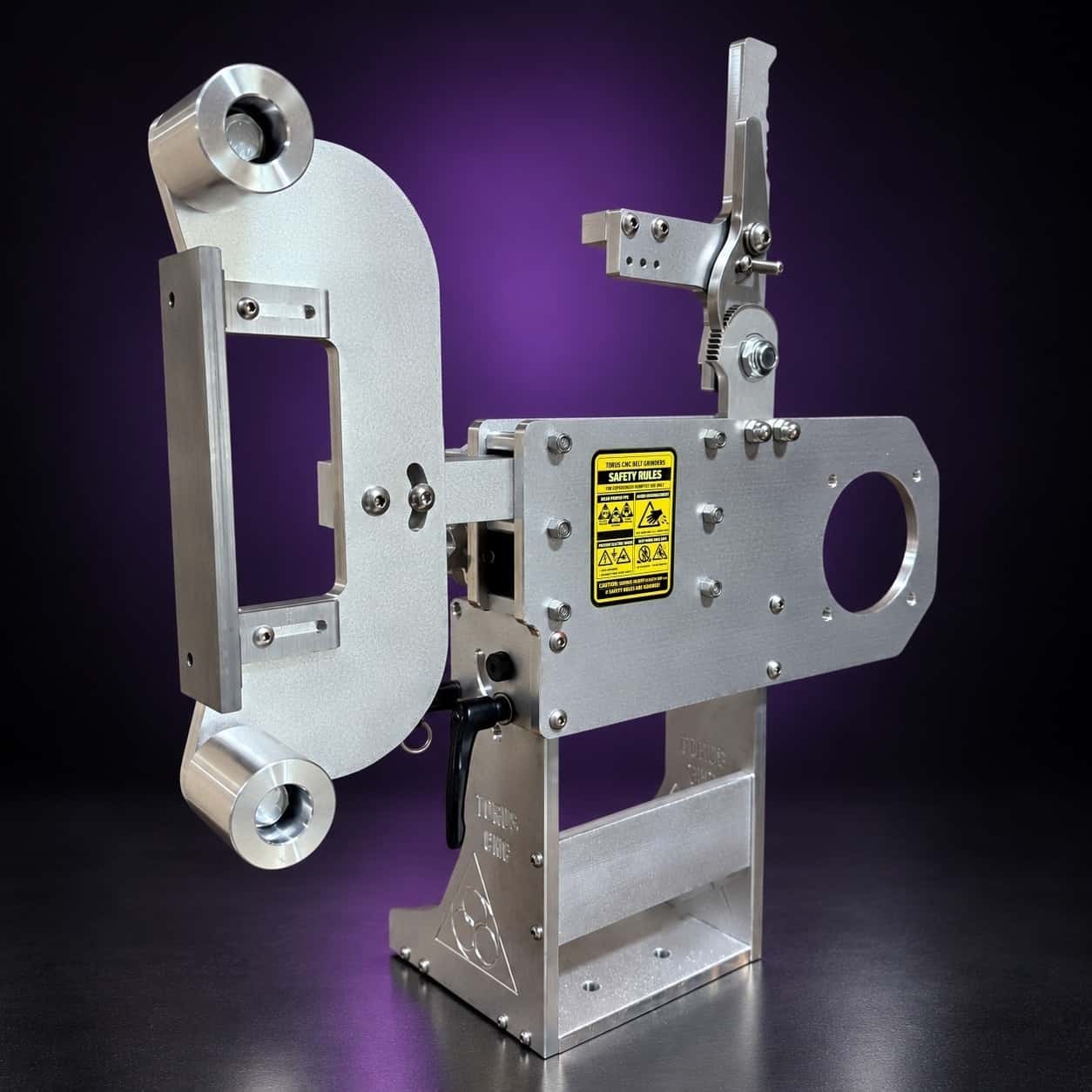
Prior-design aluminum chassis, 90-degree tilt and 1.5-inch tooling arms.
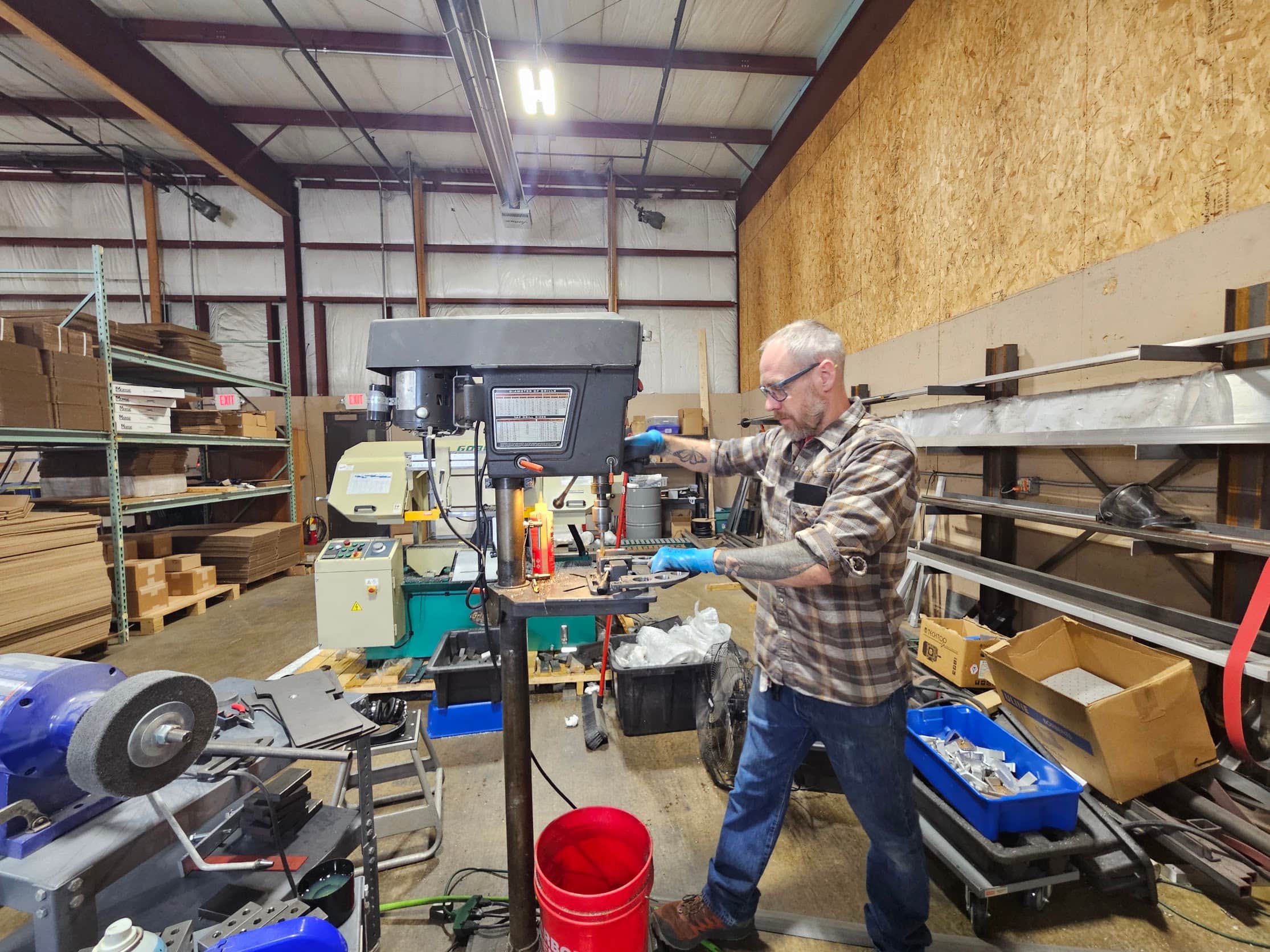
One-man shop
I answer my own email. Tell me what you are building and what the steel is doing, and I will tell you what I would try.