
Blade Design
The Gyuto: Building the Japanese Chef’s Knife
The gyuto is Japan’s answer to the French chef’s knife and the single most commissioned kitchen pattern in the custom world: a 210-270mm-class (8-10 inch)…
Blade Design
The nakiri from a maker's bench: why the cleaver shape with knife-thin geometry rules vegetables, flat-edge discipline, steel and grind choices.
2 min readWritten by Rich LinvilleFree to read
The nakiri looks like a small cleaver and cuts like a razor: a rectangular, flat-edged vegetable specialist that push-cuts straight down through produce with zero rocking and zero accordion-cut onions. It is the easiest Japanese pattern to build well — no tip to break, no belly to sweep — and the one that converts skeptical home cooks fastest. The catch: its flatness is a precision spec.
Vegetables fail by wedging and by incomplete cuts — the hinge of skin the rocking chef’s knife leaves at the board. The nakiri answers both: a dead-flat edge meets the board along its whole length (no hinge survives), and knife-thin geometry — this is NOT a cleaver; it is a thin blade wearing a cleaver’s outline — parts dense produce without wedging. Height (~50mm / 2 inches) adds knuckle room and a food-moving blade face. The tall flat profile is also the easiest edge in the kitchen to sharpen: no belly transition, no tip taper — just a straight run on the stones.
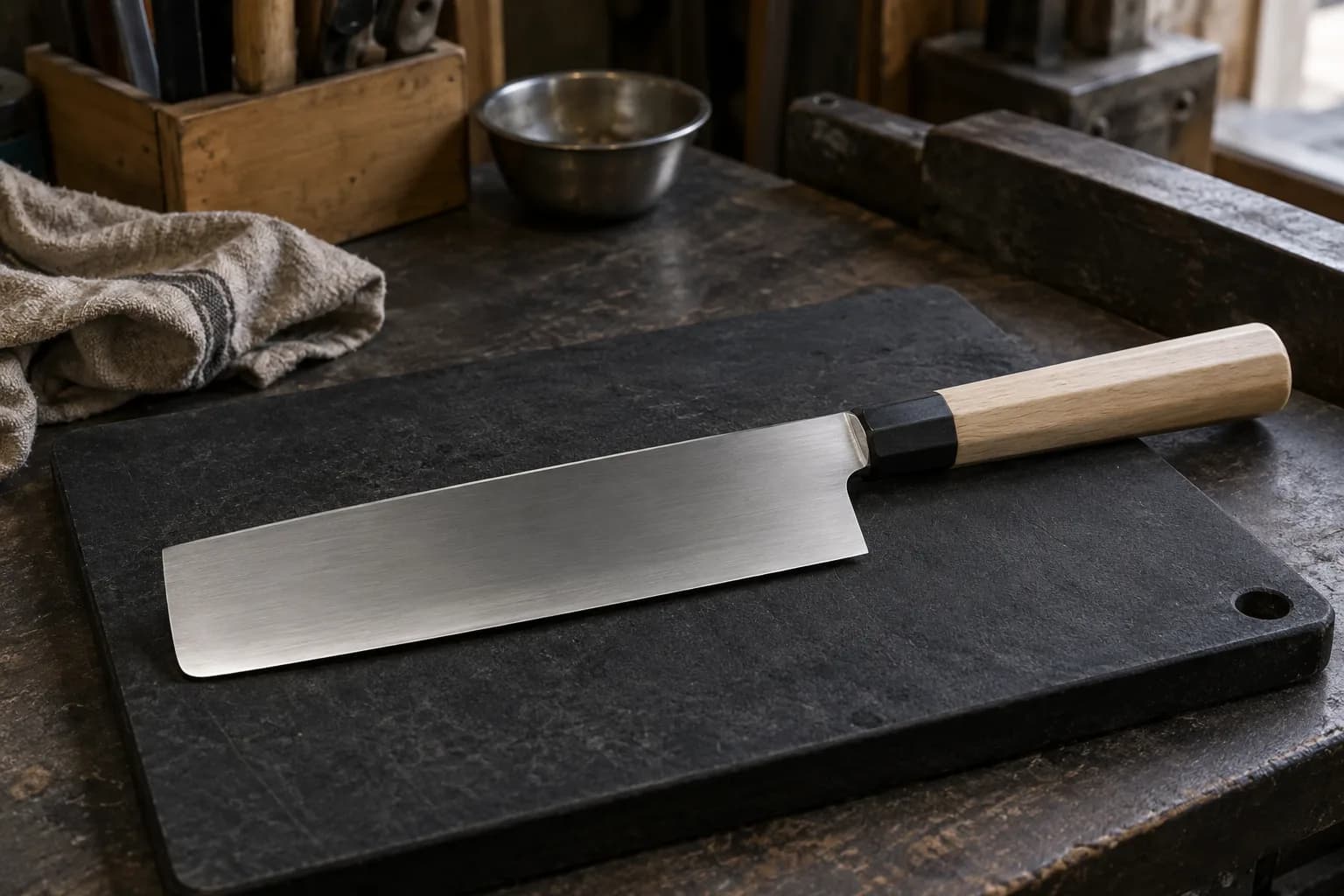
Blade: 165-180mm (6.5-7 inches) long, ~50mm tall, from 3/32-or-thinner stock. Behind the edge: 0.010-0.015 like its gyuto sibling, full flat or gentle convex grind, 10-15 dps per the angle guide. The precision spec: the edge must BE flat — a 1/32 hollow in the middle leaves that hinge in every cut, and a rocker leaves the ends hanging. True the edge line against the platen with the blade dead-flat on the work table, then check on a surface plate against light. Corners get eased just enough to stop being snag points.
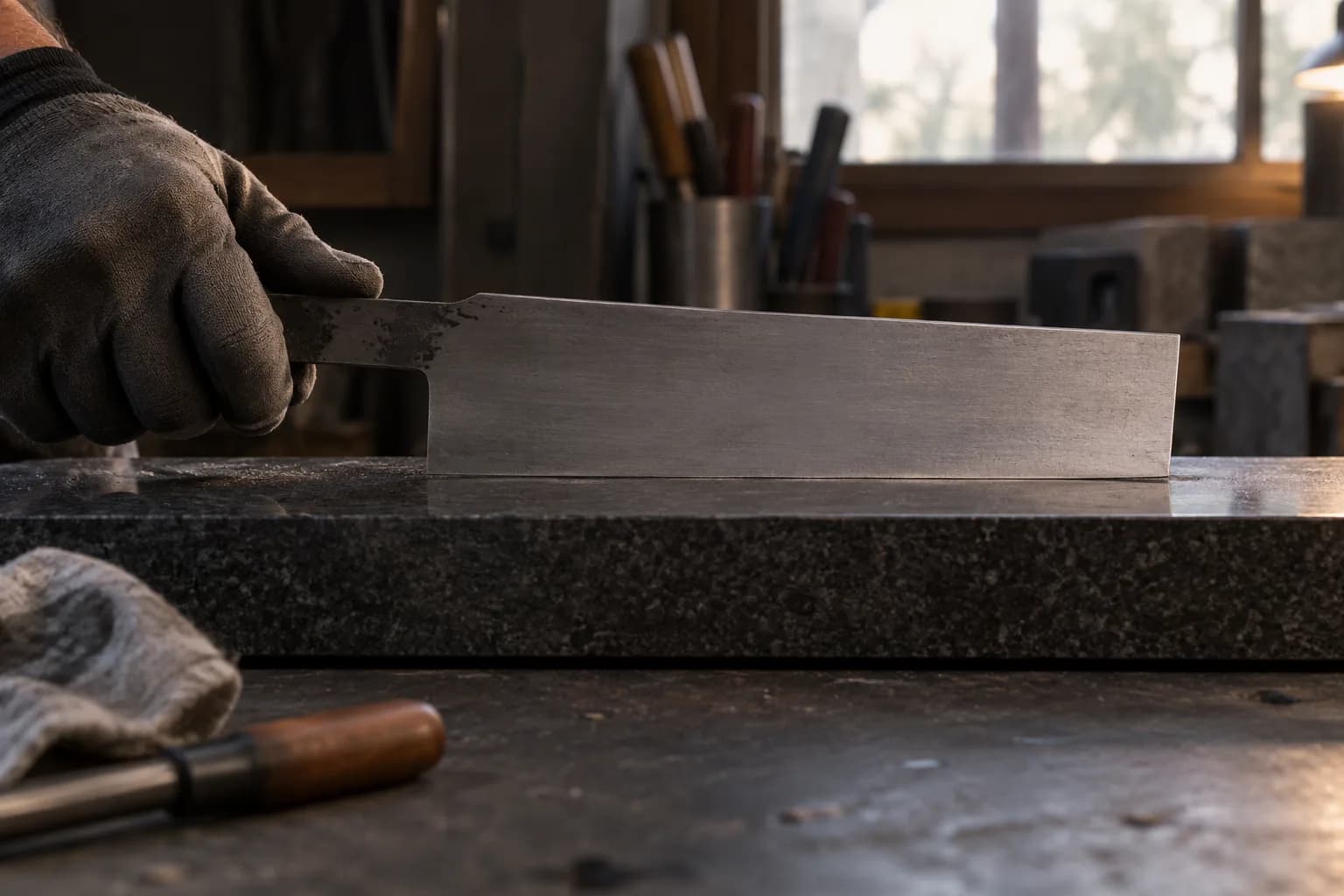
Same hard-fine logic as all thin kitchen work: AEB-L/14C28N stainless at 61-62, 26C3 or 1084 for the carbon crowd, and the nakiri’s broad flat faces are the natural canvas for finishes — migaki polish, forced patina, tsuchime hammer texture (real food-release function on a face this tall), or a vivid hamon on W2 for the showpiece.
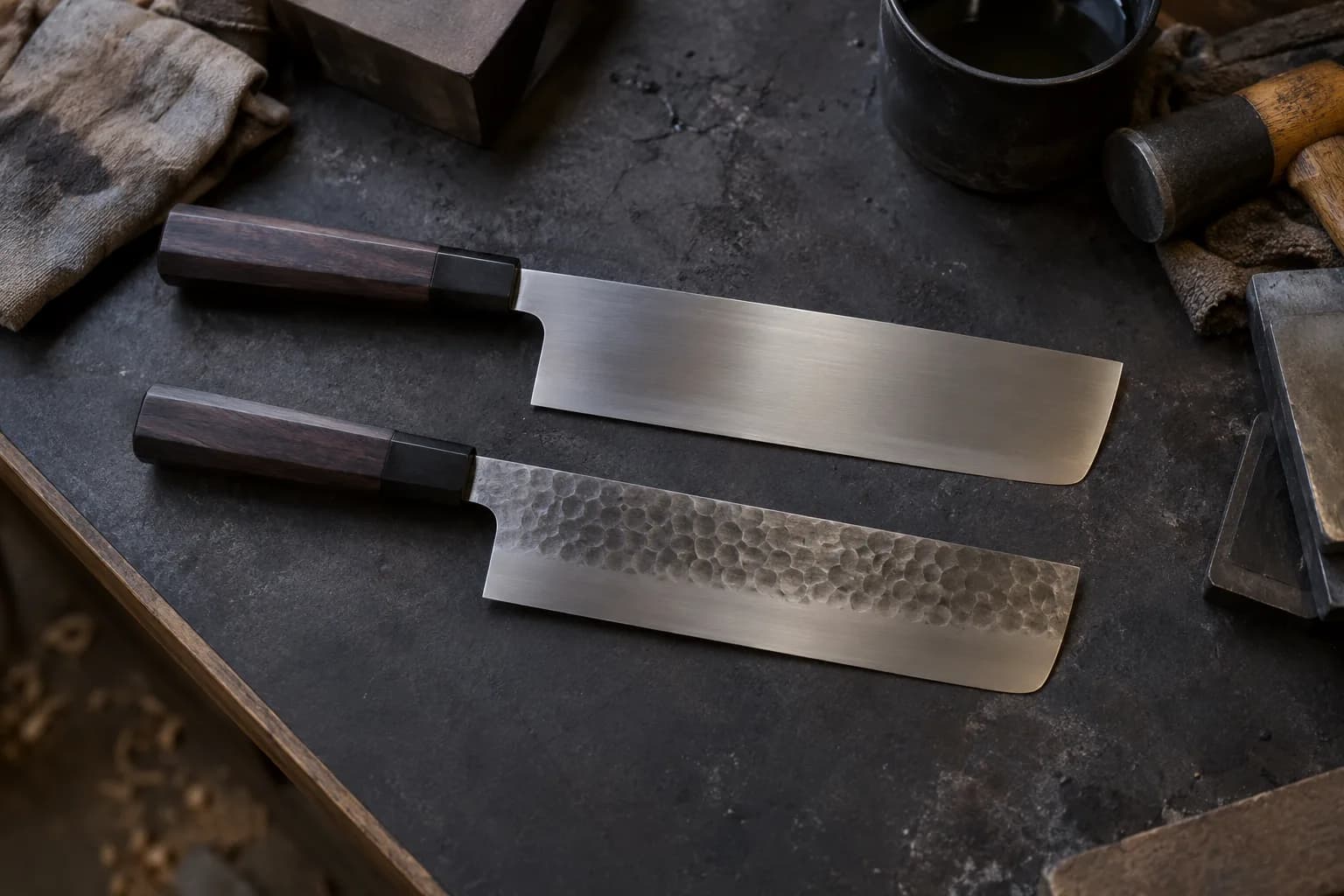
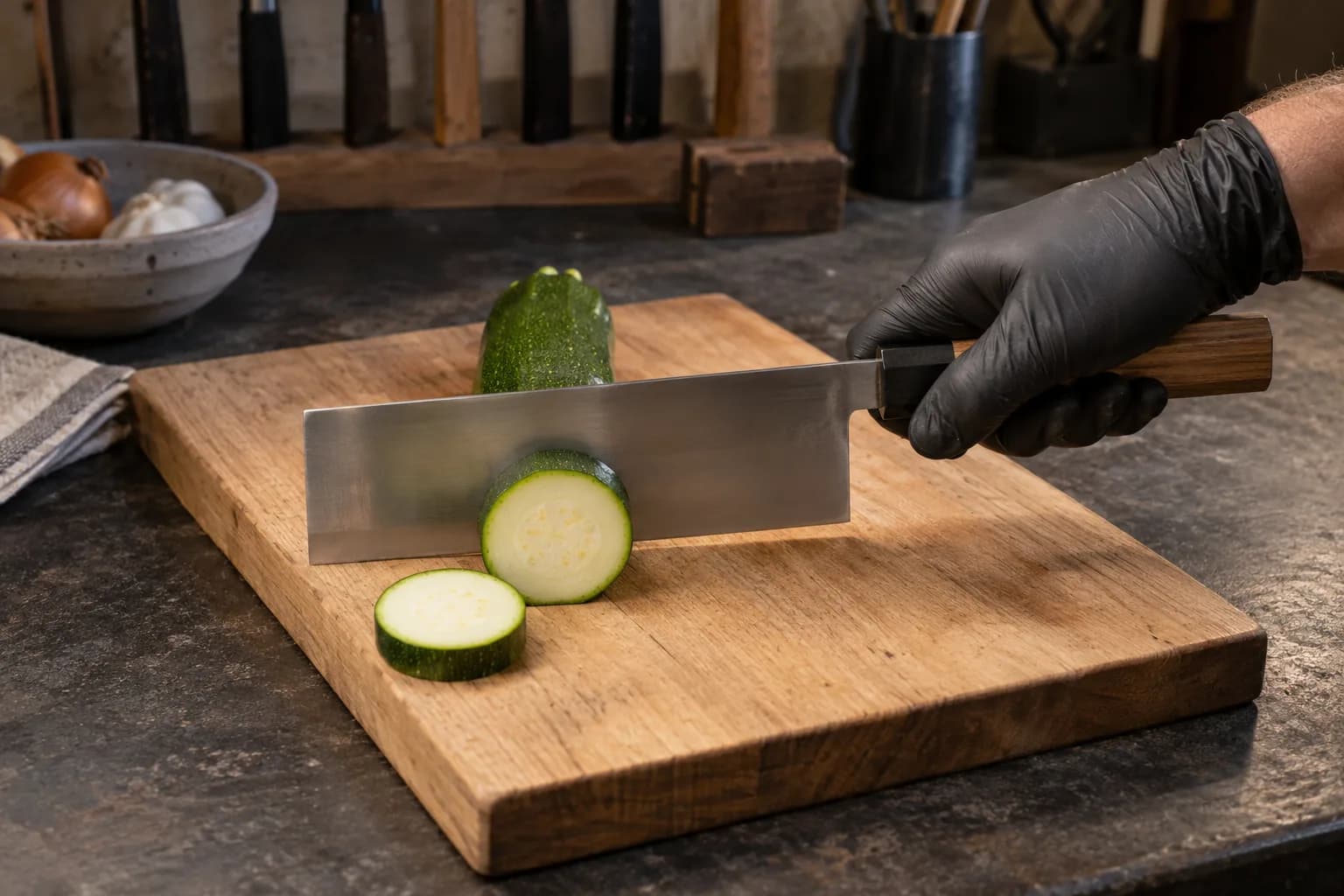
The nakiri is a specialist: it does not rock, does not pierce, does not butcher — it turns produce into confetti and that is the whole job. Sell it as the second knife beside a gyuto (the classic pairing), pitch it to the vegetable-heavy cook, and let the flat-edge demo close the deal: one full-length push cut through an onion, no hinge, no accordion. That cut is the product.
Keep reading
Three more from the same bench.
The gyuto is Japan’s answer to the French chef’s knife and the single most commissioned kitchen pattern in the custom world: a 210-270mm-class (8-10 inch)…
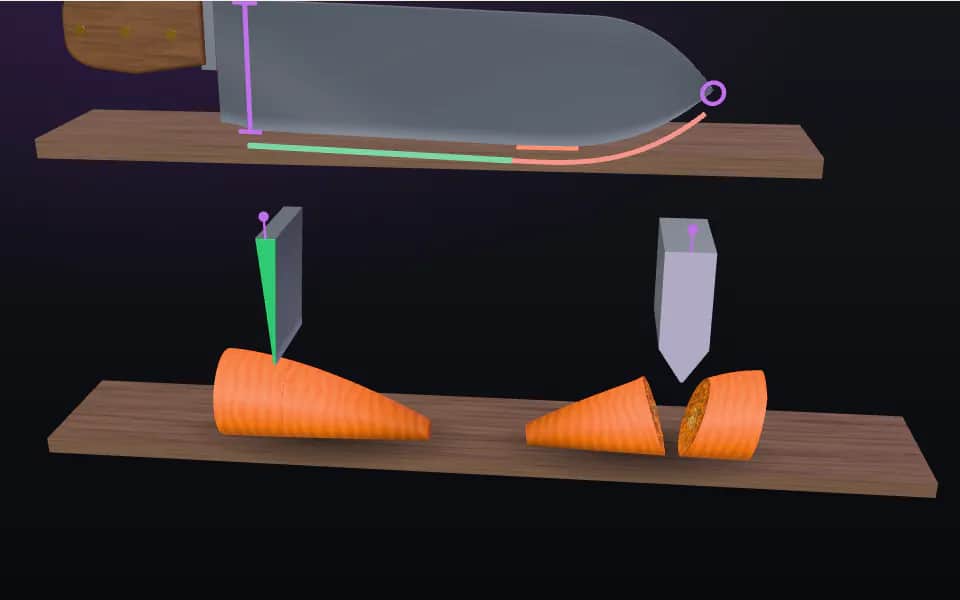
Kitchen knives are where blade geometry stops being theory and starts being dinner. A camp knife forgives a thick grind; a chef’s knife wedges apart a…
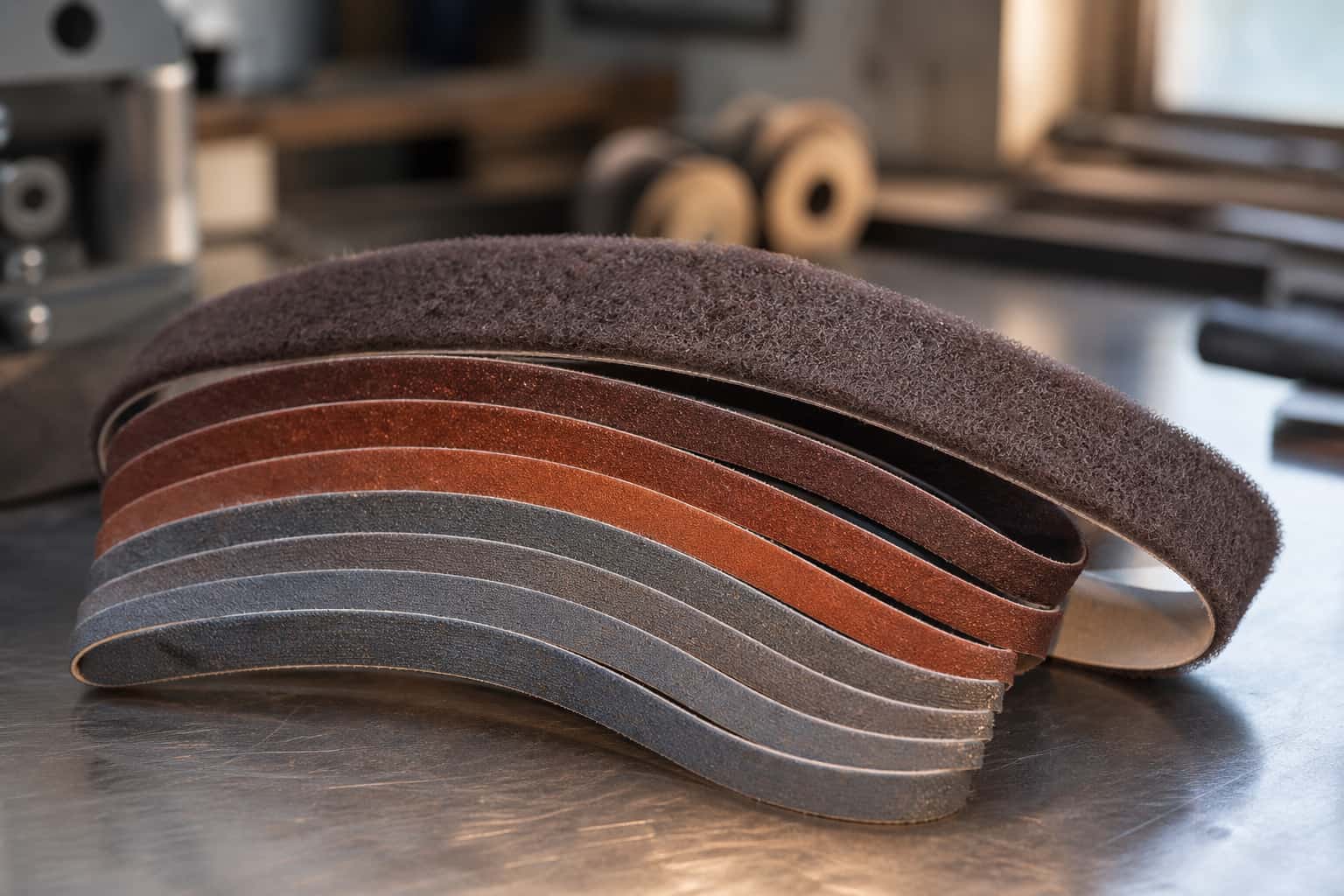
Kitchen knives run the lowest working angles of any knife you will build, because their whole job is falling through food and their whole hazard list is a…
Same bench
I machine the parts, hand-assemble, track and test Torus grinders in Sterling, Illinois. Most orders ship in seven to ten business days from time of order.
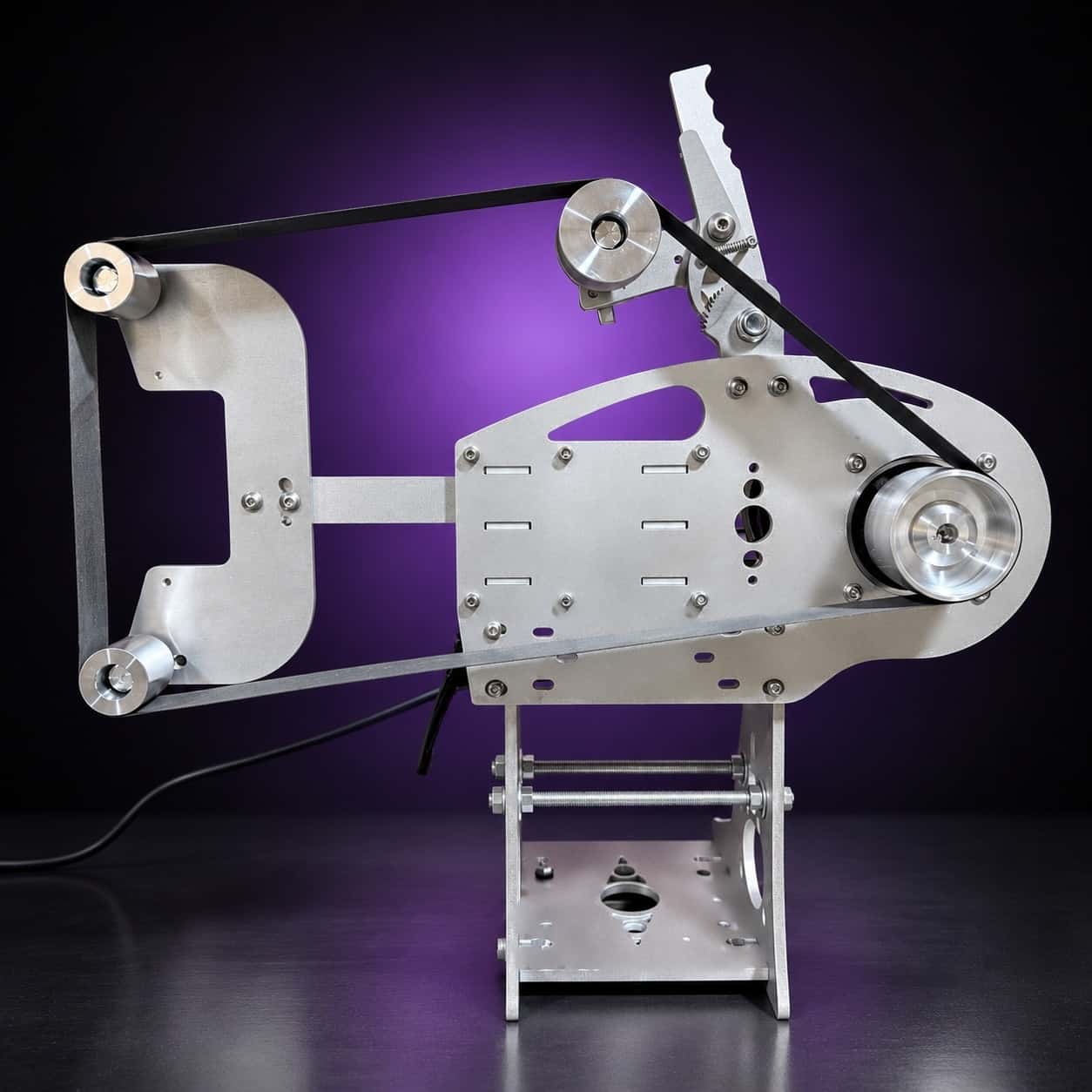
Current dual-axis platform with a fiber-laser-cut 6061 chassis and single-knob tracking.
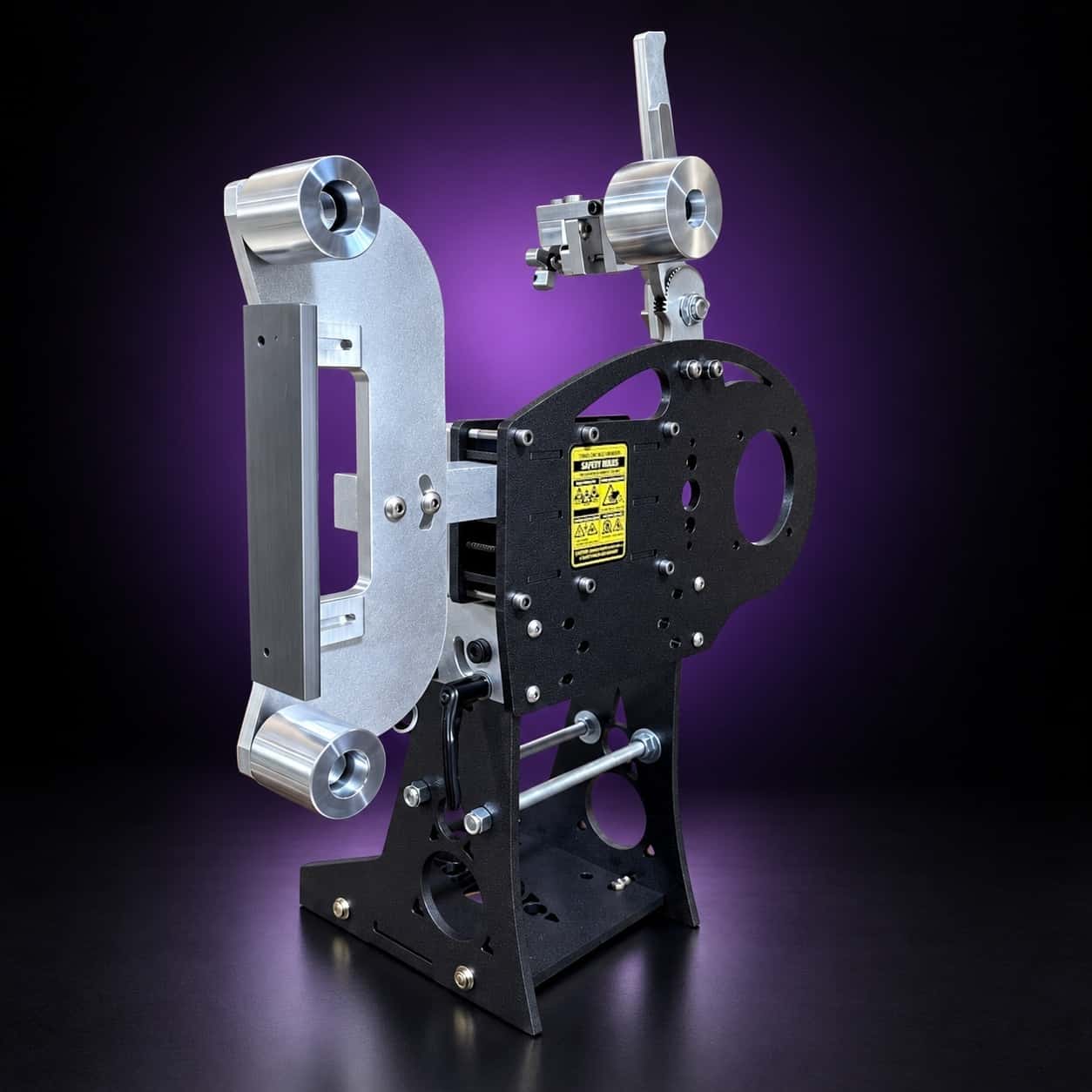
Current dual-axis platform with a steel chassis, more mass and less vibration.
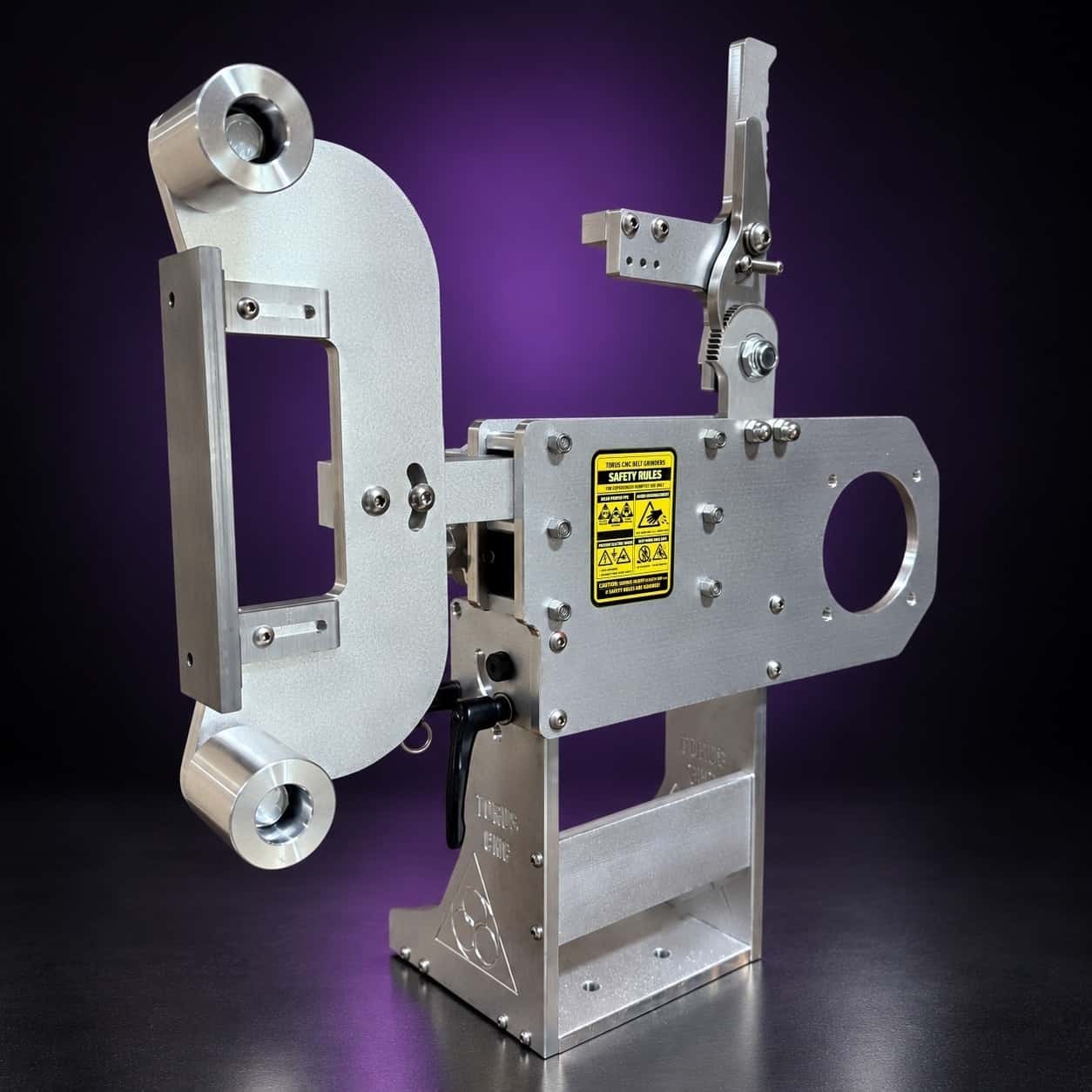
Prior-design aluminum chassis, 90-degree tilt and 1.5-inch tooling arms.
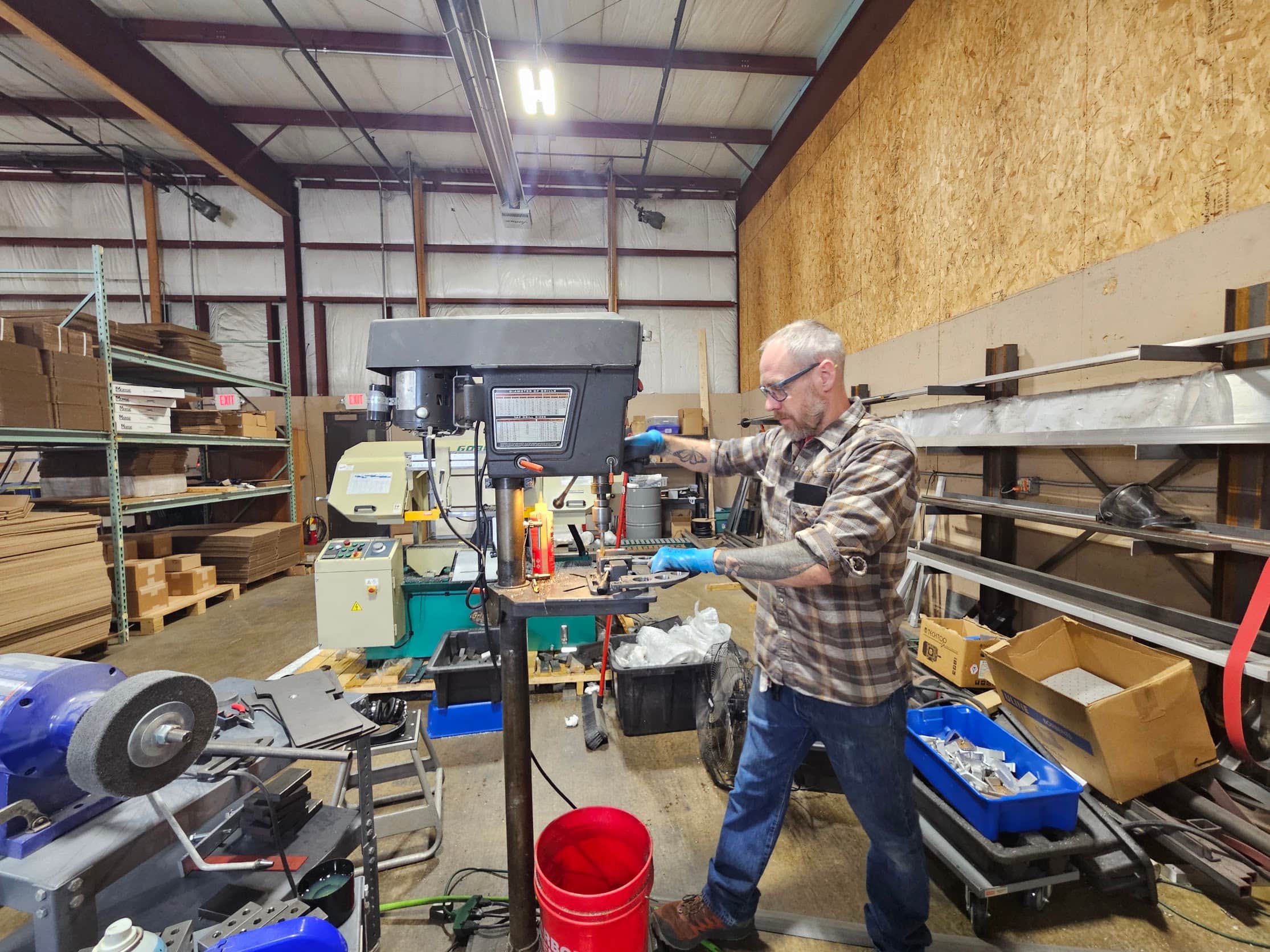
One-man shop
I answer my own email. Tell me the steel, the machine and what it is doing, and I will tell you what I would try next.