
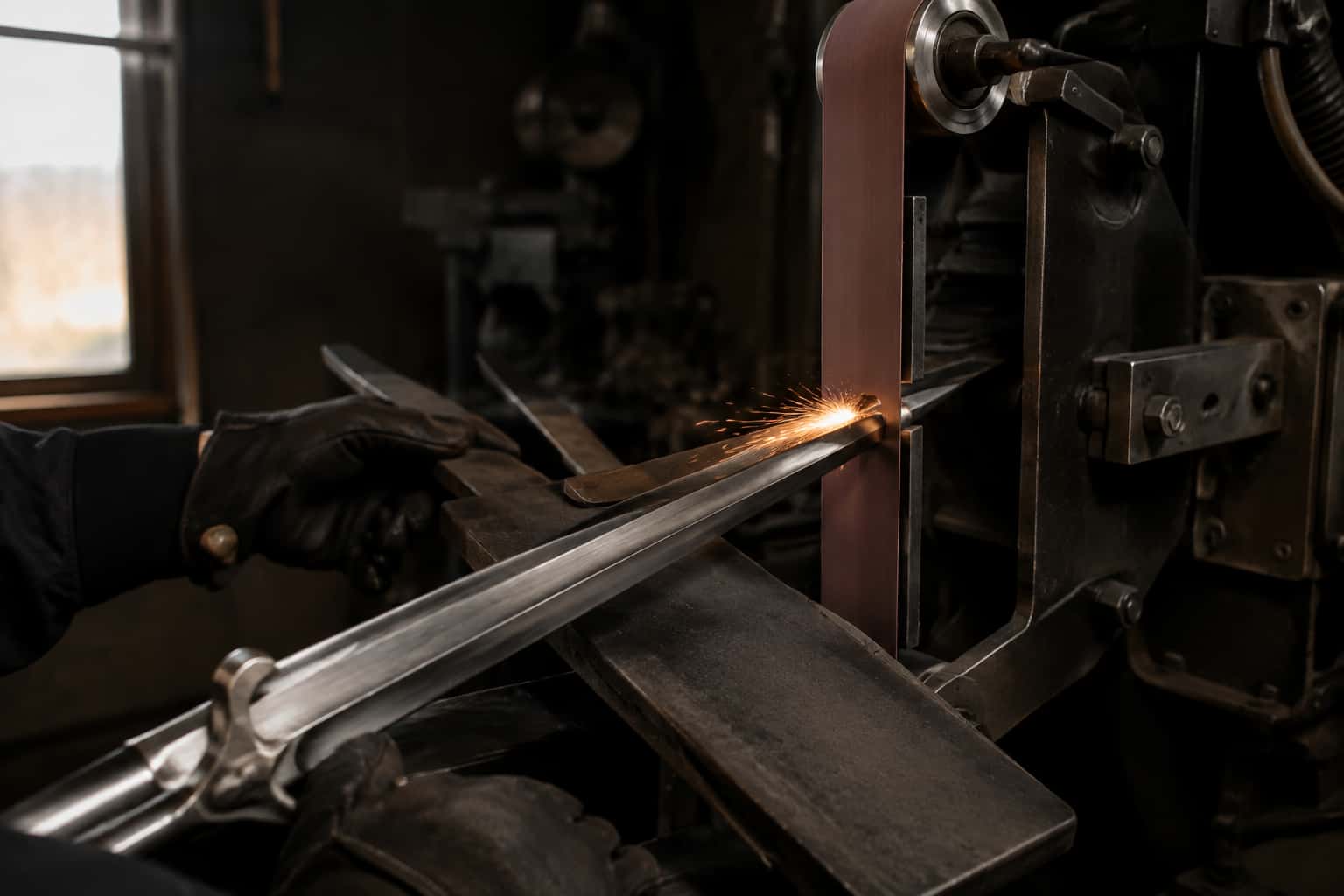
Swords
Combat Blunts: Buhurt, HEMA, SCA & Stage Steel
The LARP world fights mostly with foam and latex — no grinder required. But wrapped around it is a real steel-fighting economy: armored combat leagues…
ForgeBrain
The blade’s oldest and grandest form: the great historical types and how they worked, what they were made of, and how a modern maker takes a sword from bar stock to finished blade on a 2×72.
17 guides in this section · free to read
Browse
Every guide on this shelf, with the question closest to your bench first.
The LARP world fights mostly with foam and latex — no grinder required. But wrapped around it is a real steel-fighting economy: armored combat leagues…
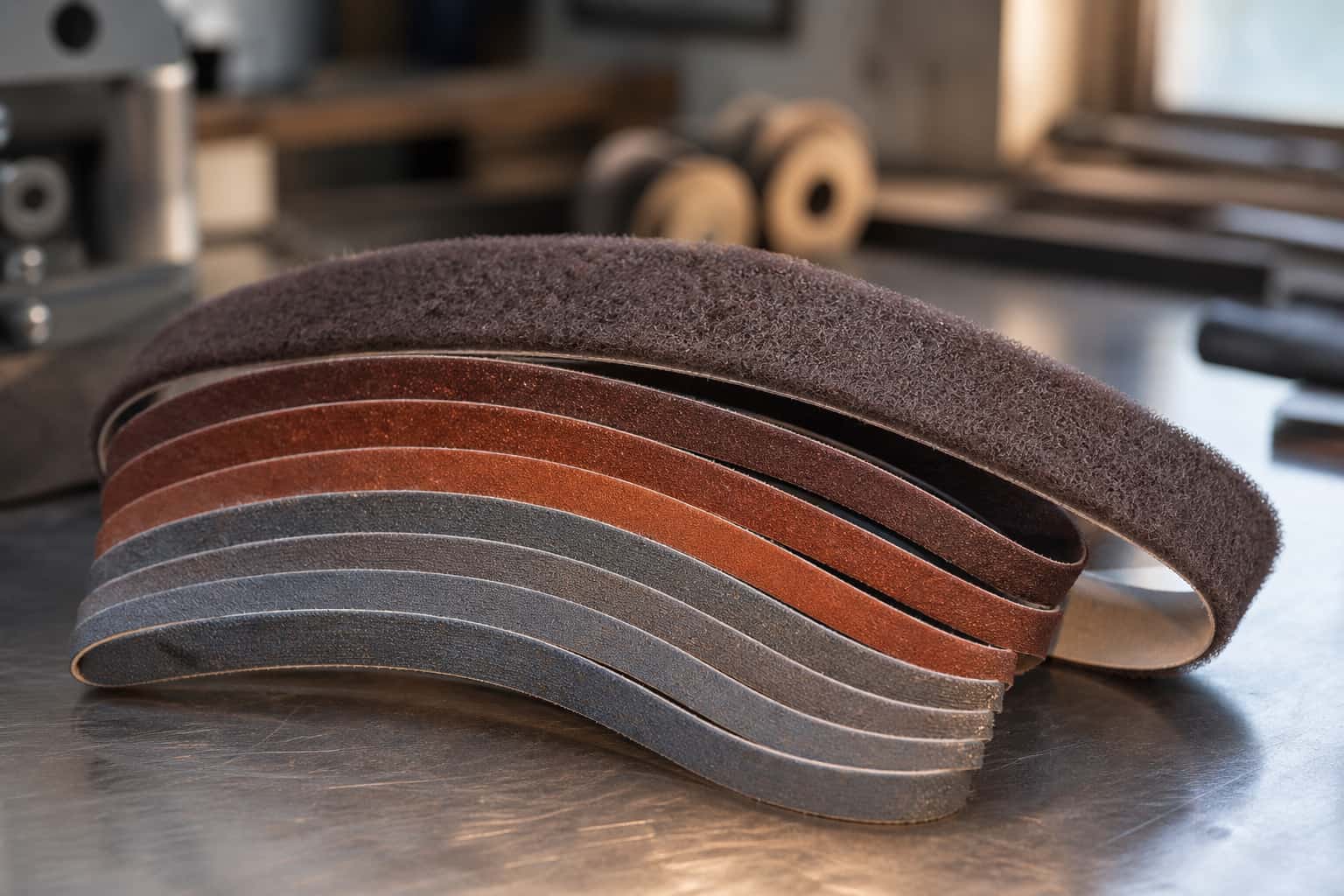
“Blunt” is not one spec — it is three different builds, and mixing them up is how display pieces end up in stage fights they were never engineered for…
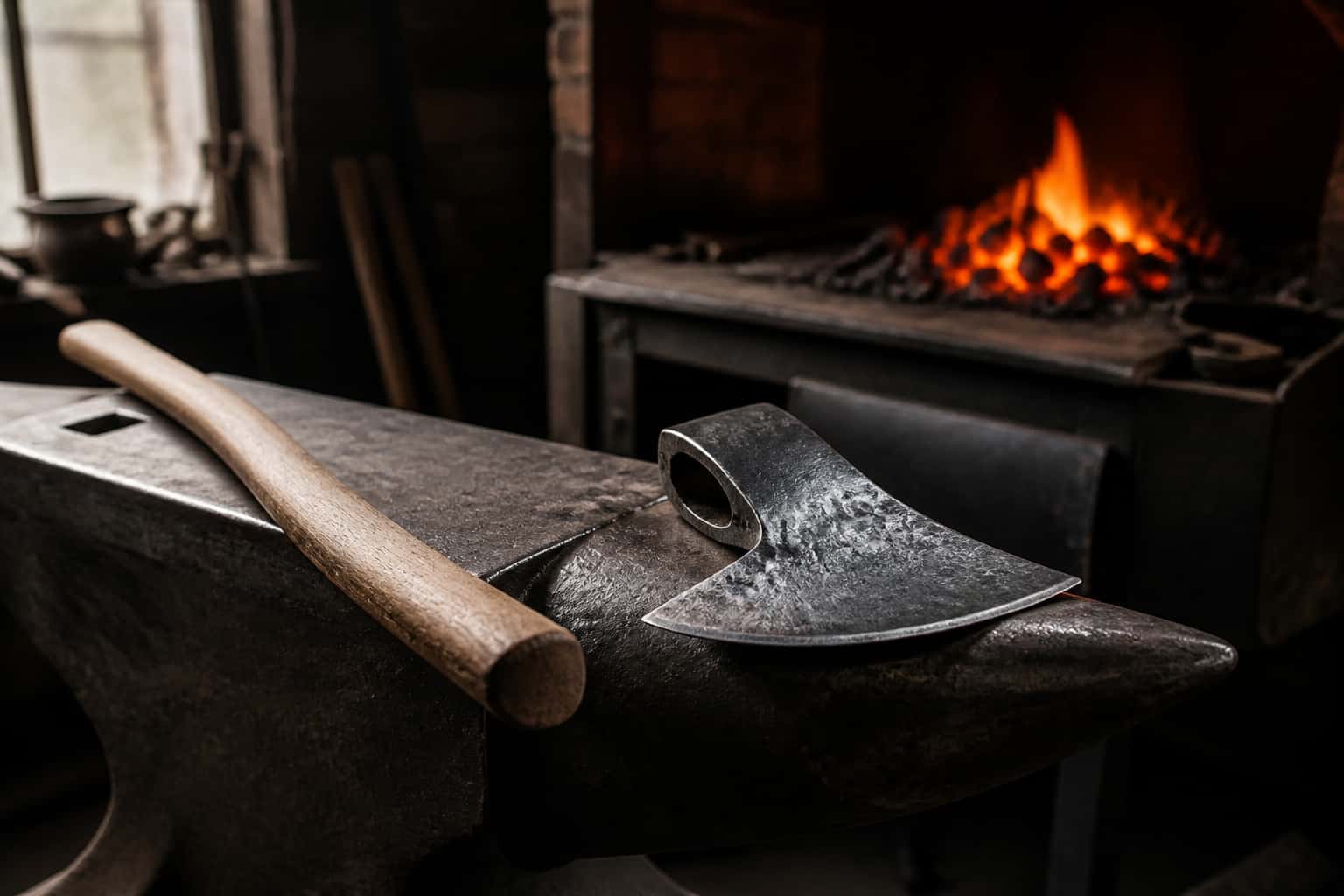
Every knifemaker’s customers eventually ask, and every knifemaker eventually wonders: could I make a sword? Yes — the 2×72 that grinds your knives grinds…
Swords begin as the first weapon designed purely for killing people — every earlier arm descends from a tool. The ancient world worked out most of the…
The greatswords are where sword mythology runs wildest — the fifty-pound barbarian blade of the movies — and where reality is most impressive: five to…
China organized its swords into a duality the rest of the world never quite matched: the jian — straight, double-edged, the scholar-gentleman’s blade…
Keep looking
Free to read, no sign-up, written from the same bench.
Same bench
I machine the parts, hand-assemble, track and test Torus grinders in Sterling, Illinois. Most orders ship in seven to ten business days from time of order.
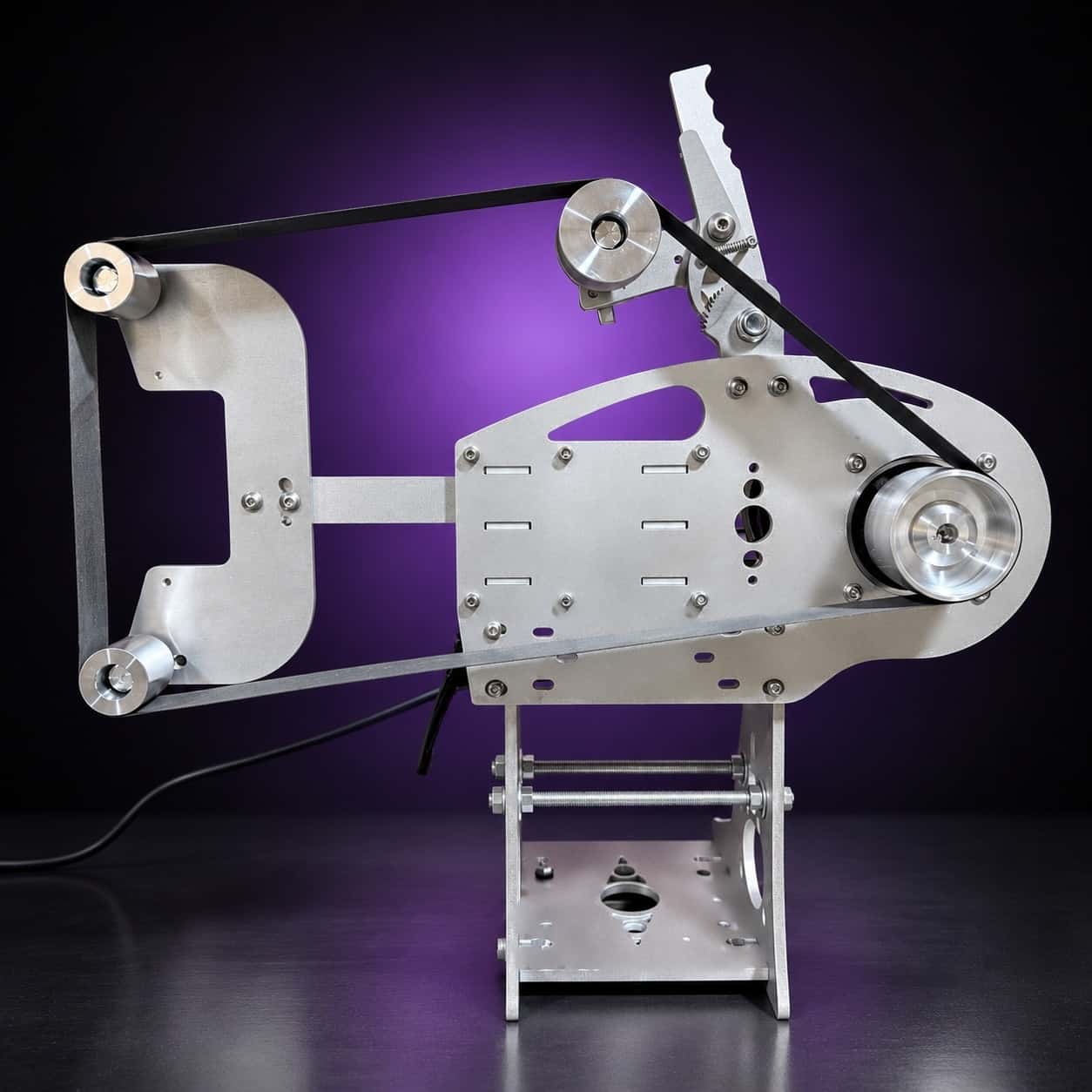
Current dual-axis platform with a fiber-laser-cut 6061 chassis and single-knob tracking.
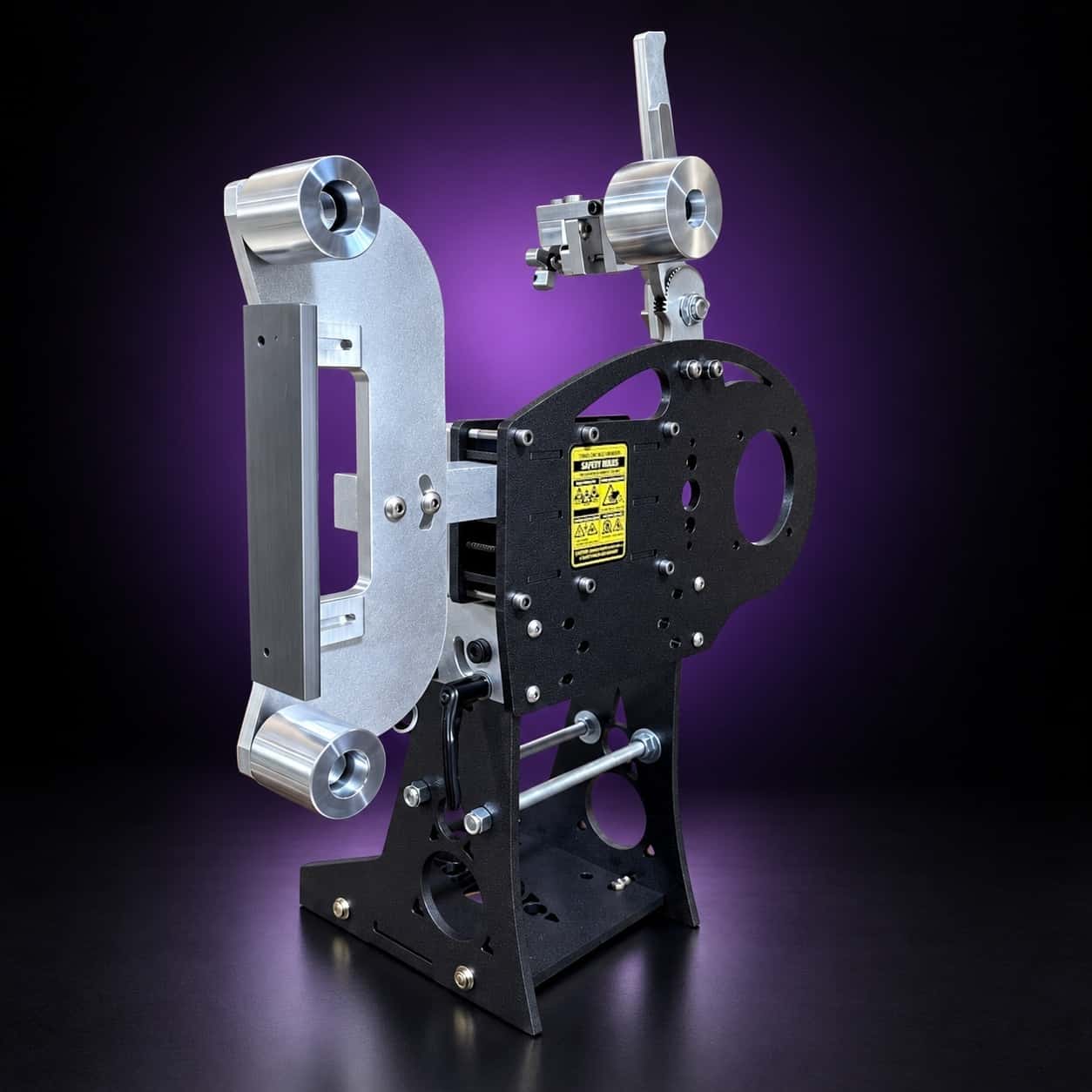
Current dual-axis platform with a steel chassis, more mass and less vibration.
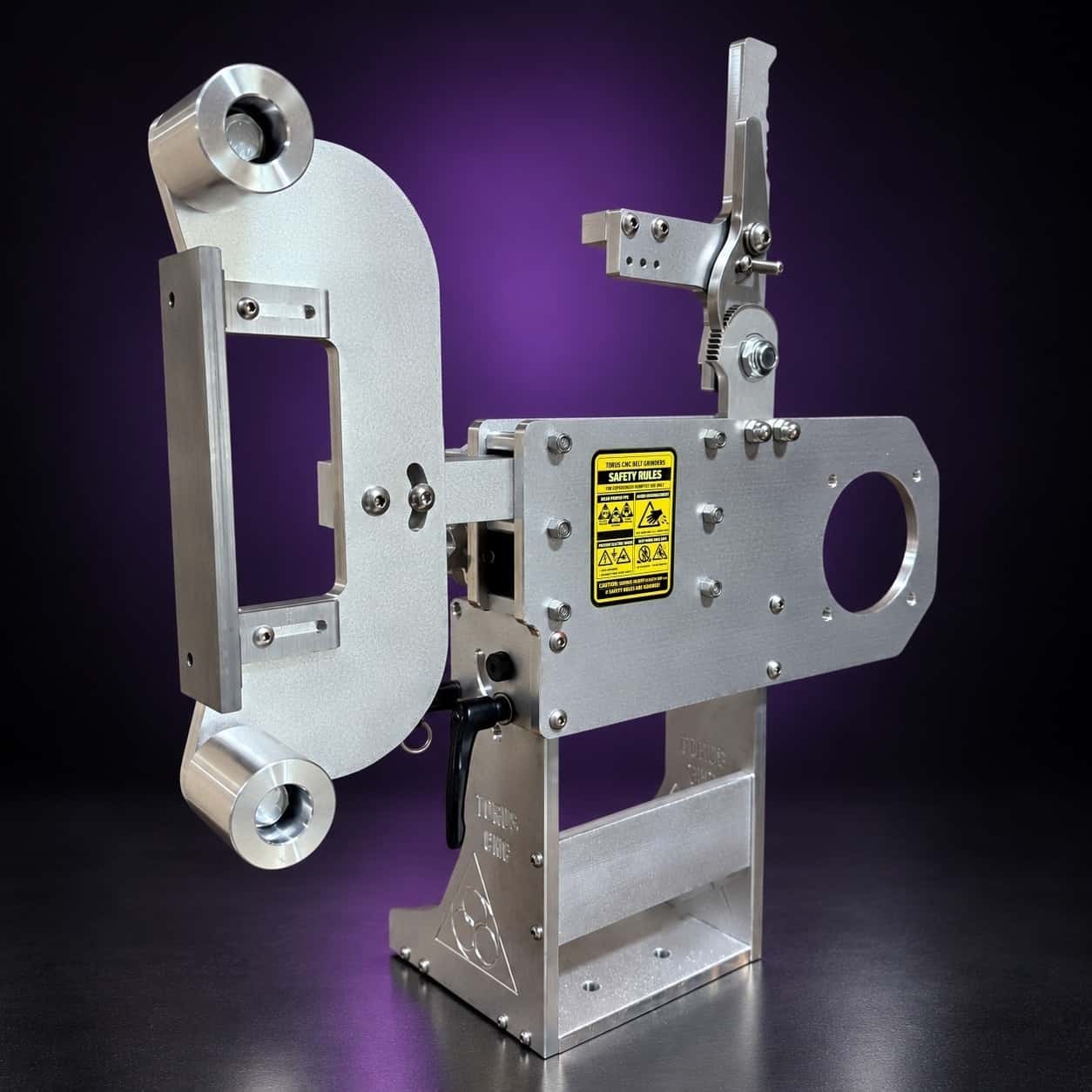
Prior-design aluminum chassis, 90-degree tilt and 1.5-inch tooling arms.
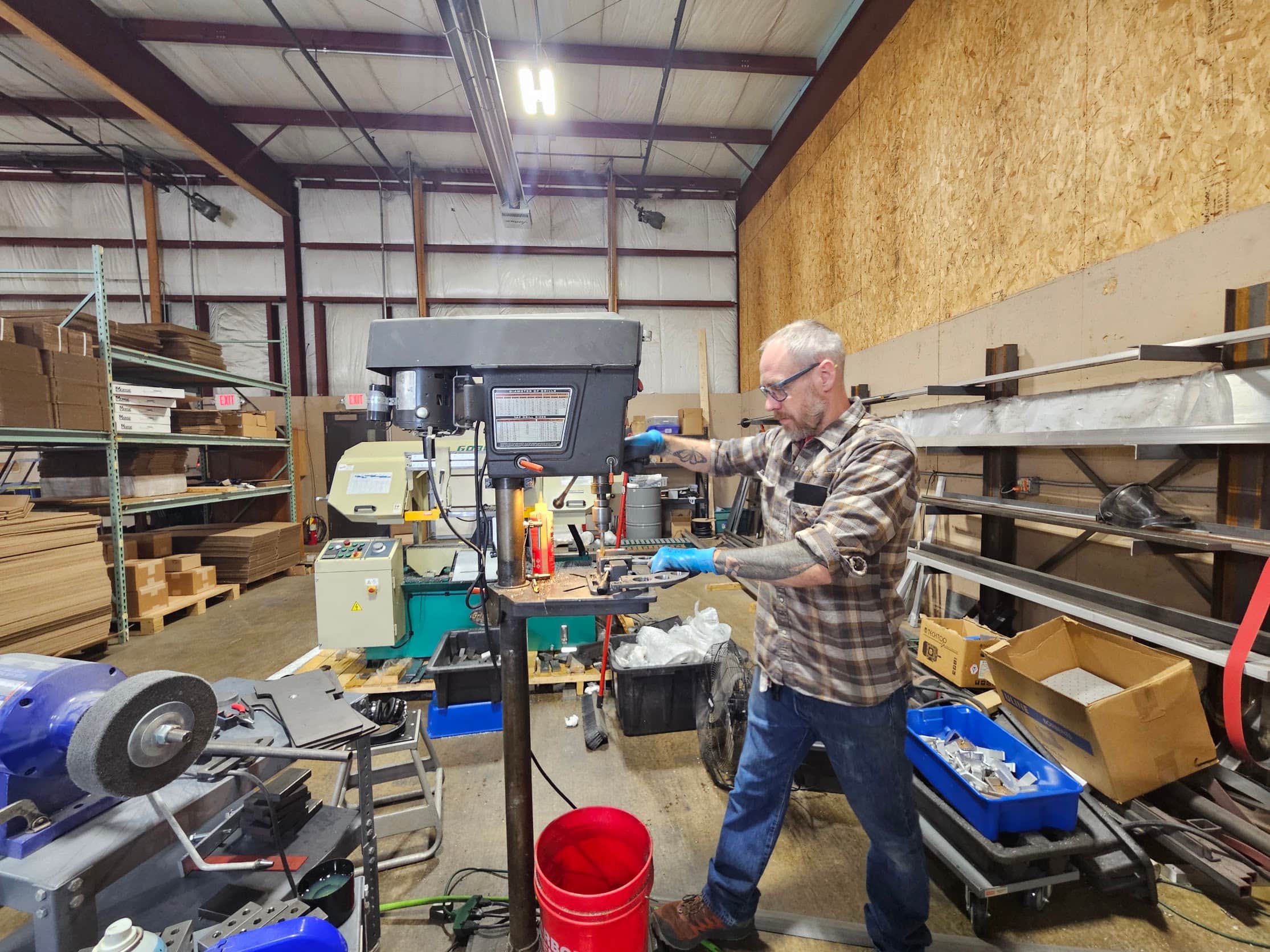
One-man shop
I answer my own email. Tell me what you are building and what the steel is doing, and I will tell you what I would try.