
Forging & Bladesmithing
Anvils, Hammers & Tongs: Outfitting a First Forging Setup
Nobody ever quit knifemaking because their anvil was too small — plenty quit because they spent the whole budget on a 250-pound showpiece and had nothing…
ForgeBrain
Moving hot steel on purpose: choosing a first forge, anvils, hammers and tongs, forging a blade from bar stock, hammer control for clean bevels, and the thermal cycling that makes forged steel blade-ready.
17 guides in this section · free to read
Browse
Every guide on this shelf, with the question closest to your bench first.
Nobody ever quit knifemaking because their anvil was too small — plenty quit because they spent the whole budget on a 250-pound showpiece and had nothing…
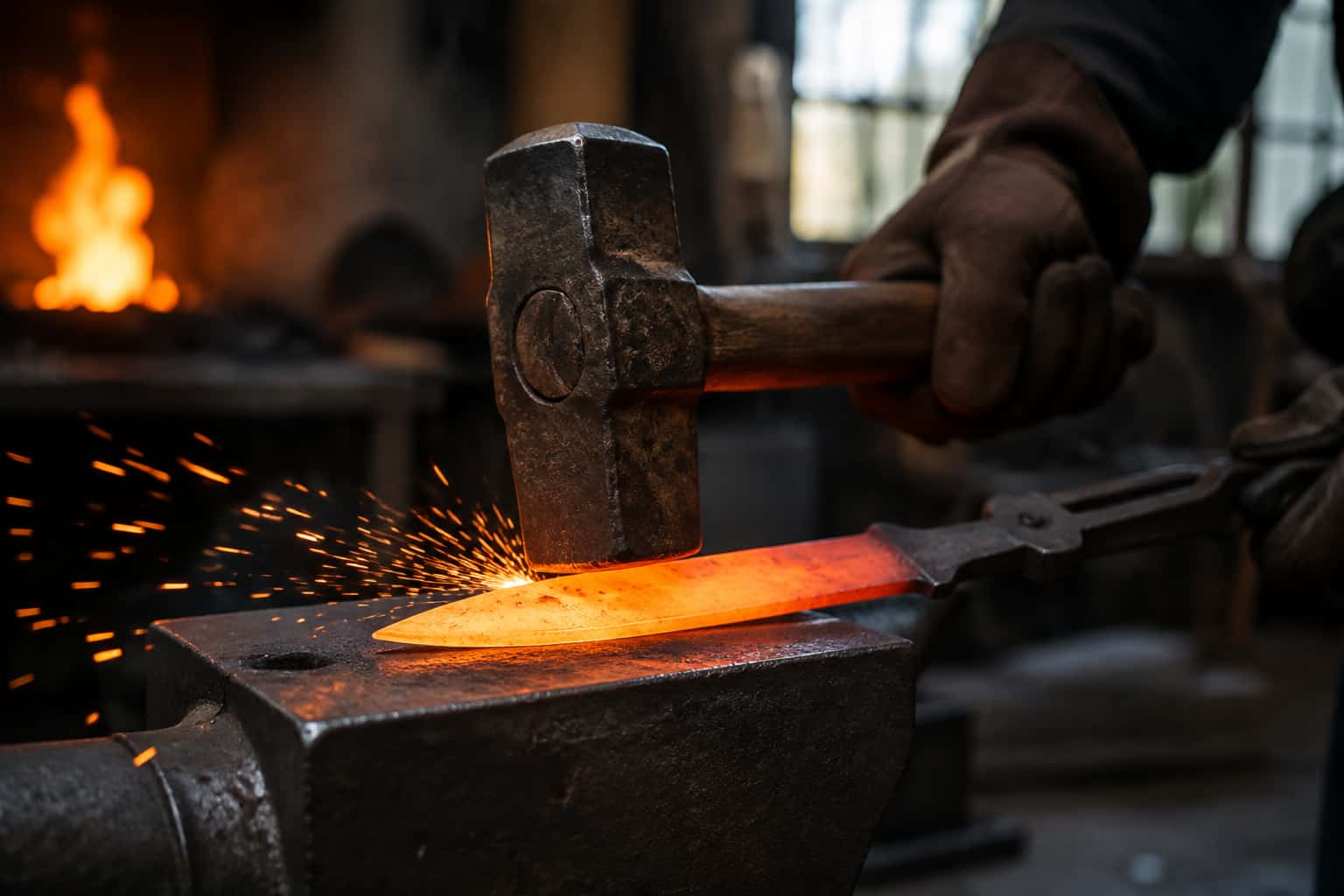
Nobody needs a hundred-dollar hammer to forge a first knife. The ball peen in every flea market bin, the engineer’s hammer at the hardware store, the dead…
The hammer is the cheapest tool in the forge and the one your body will know best. Every smith eventually owns a rack of them, but they all trace to a…
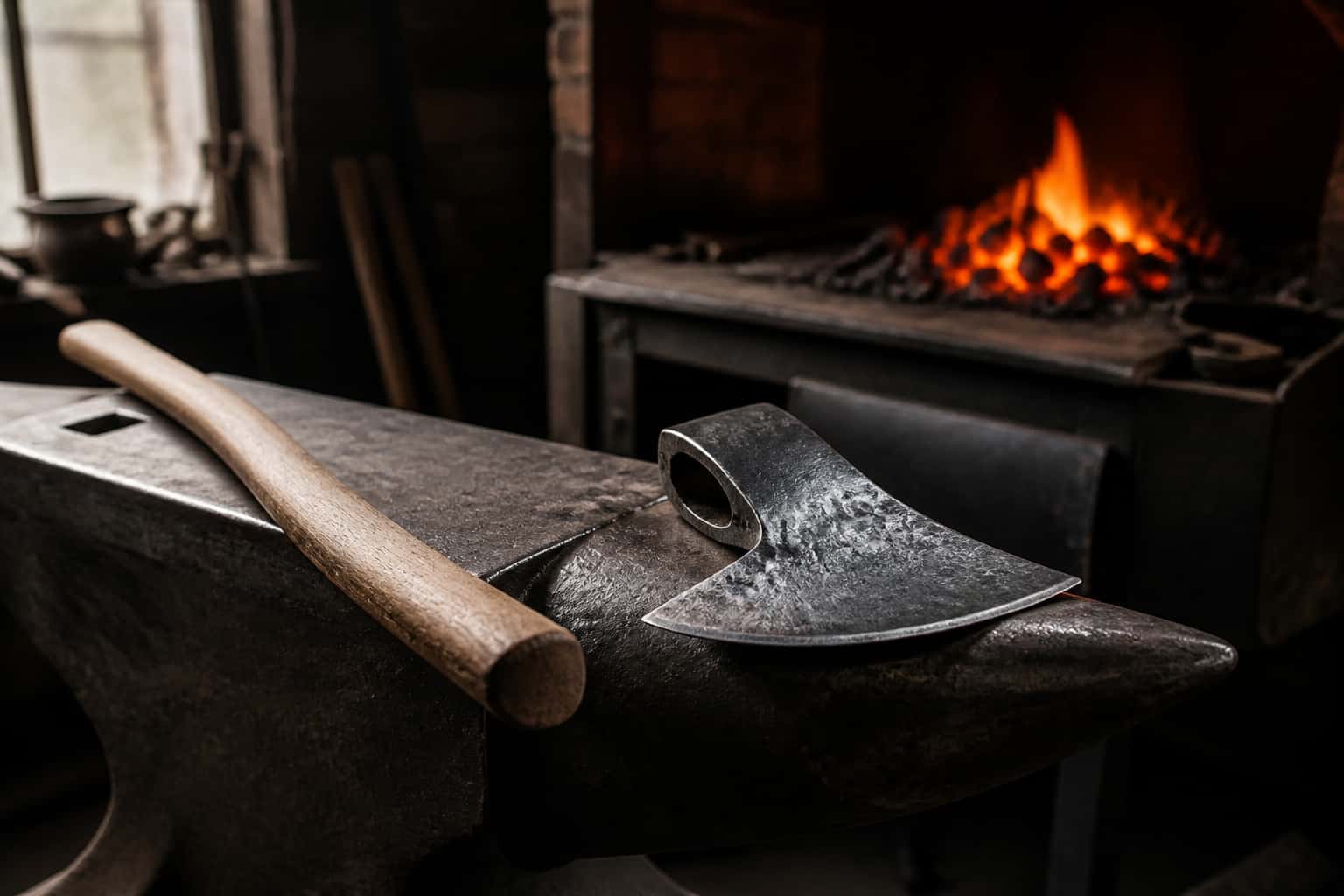
The first hammer question generates more forum pages than heat treat, and the honest answer fits in a sentence: two to two and a half pounds, faces you…
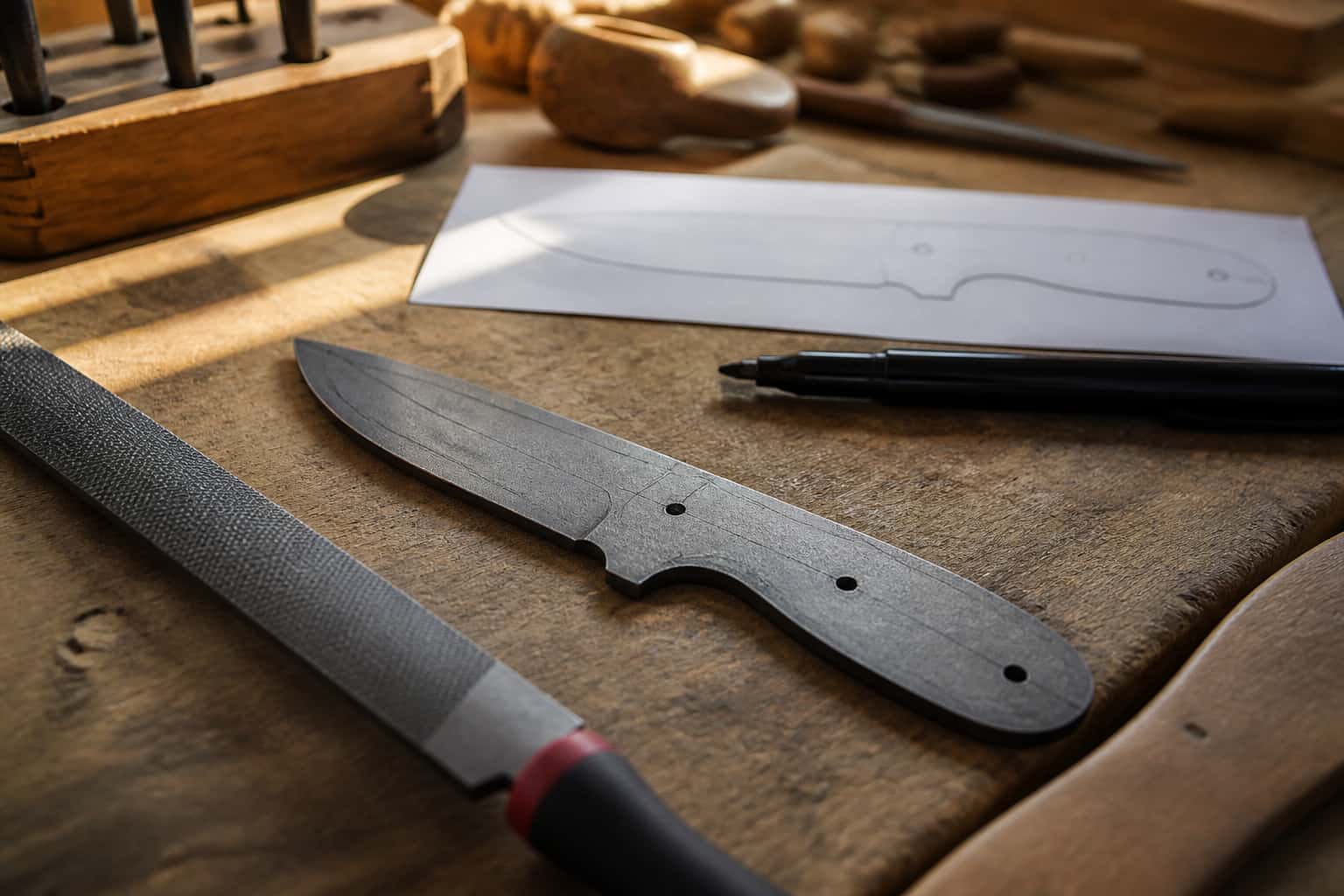
Before there were rounding-hammer debates there was the cross peen: the standard European smith’s hammer for centuries, and still the most efficient hand…
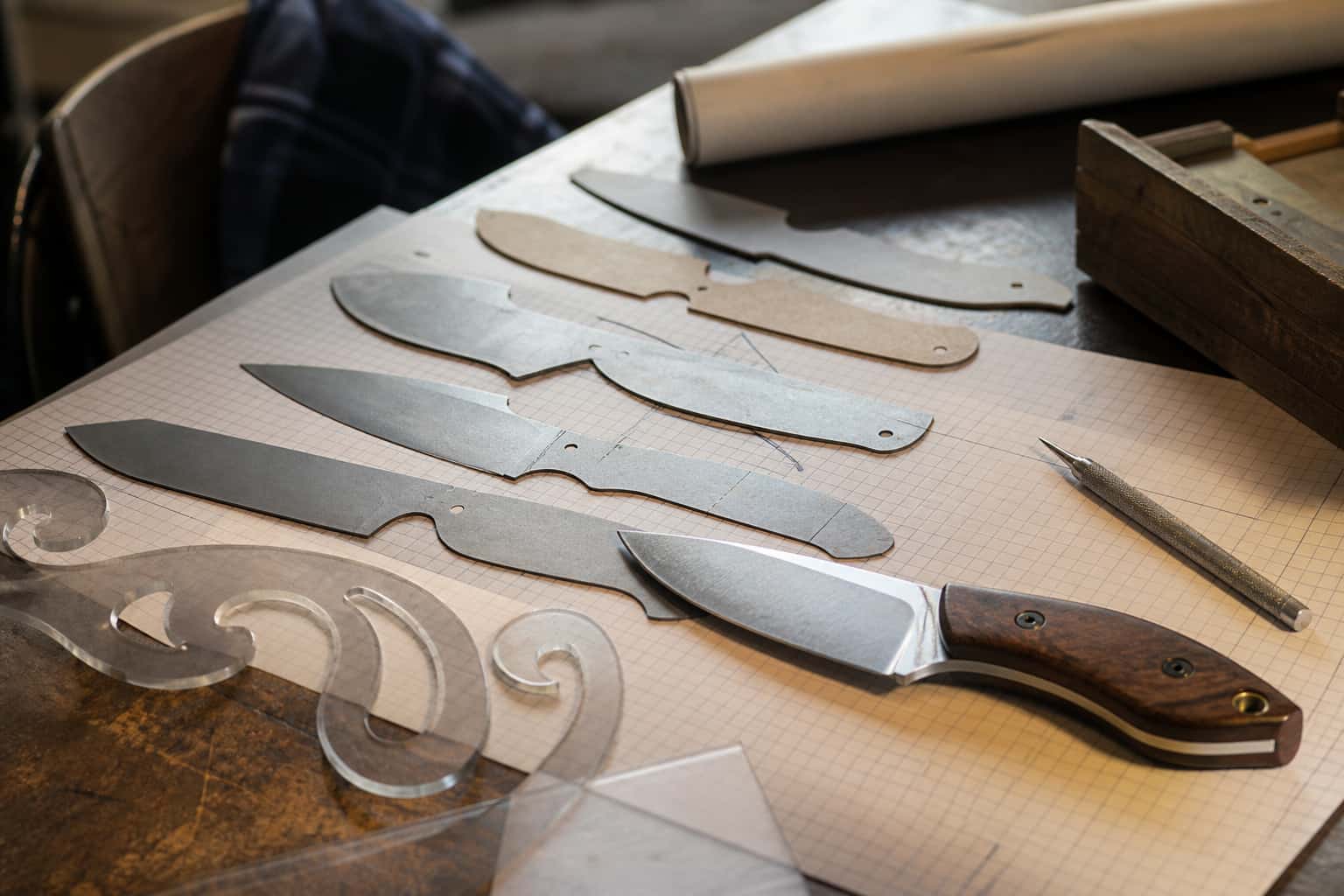
Most hammers are general tools that forge blades; the dog head is a blade-forging tool. Its silhouette explains the name — a long asymmetric head with the…
Keep looking
Free to read, no sign-up, written from the same bench.
Same bench
I machine the parts, hand-assemble, track and test Torus grinders in Sterling, Illinois. Most orders ship in seven to ten business days from time of order.
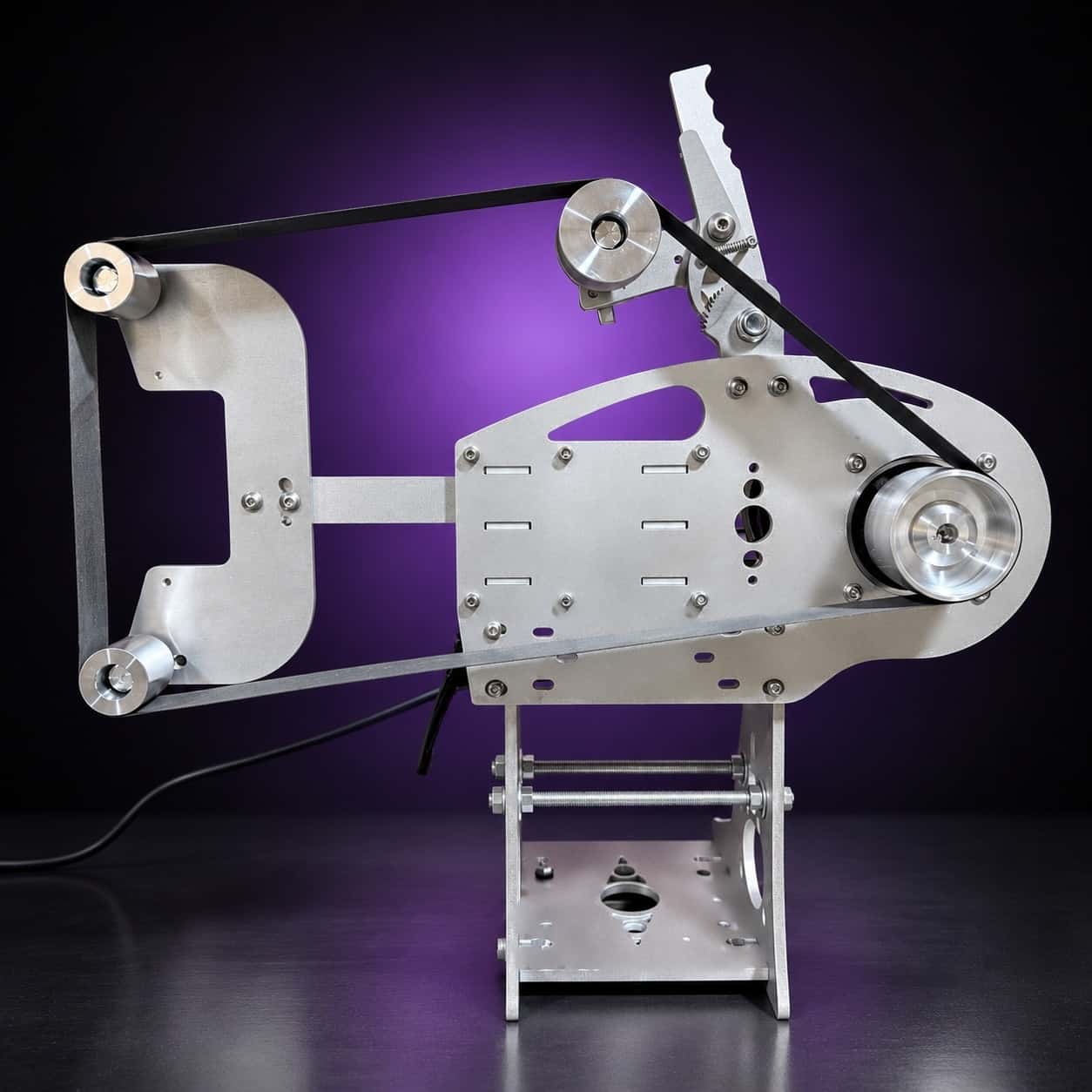
Current dual-axis platform with a fiber-laser-cut 6061 chassis and single-knob tracking.
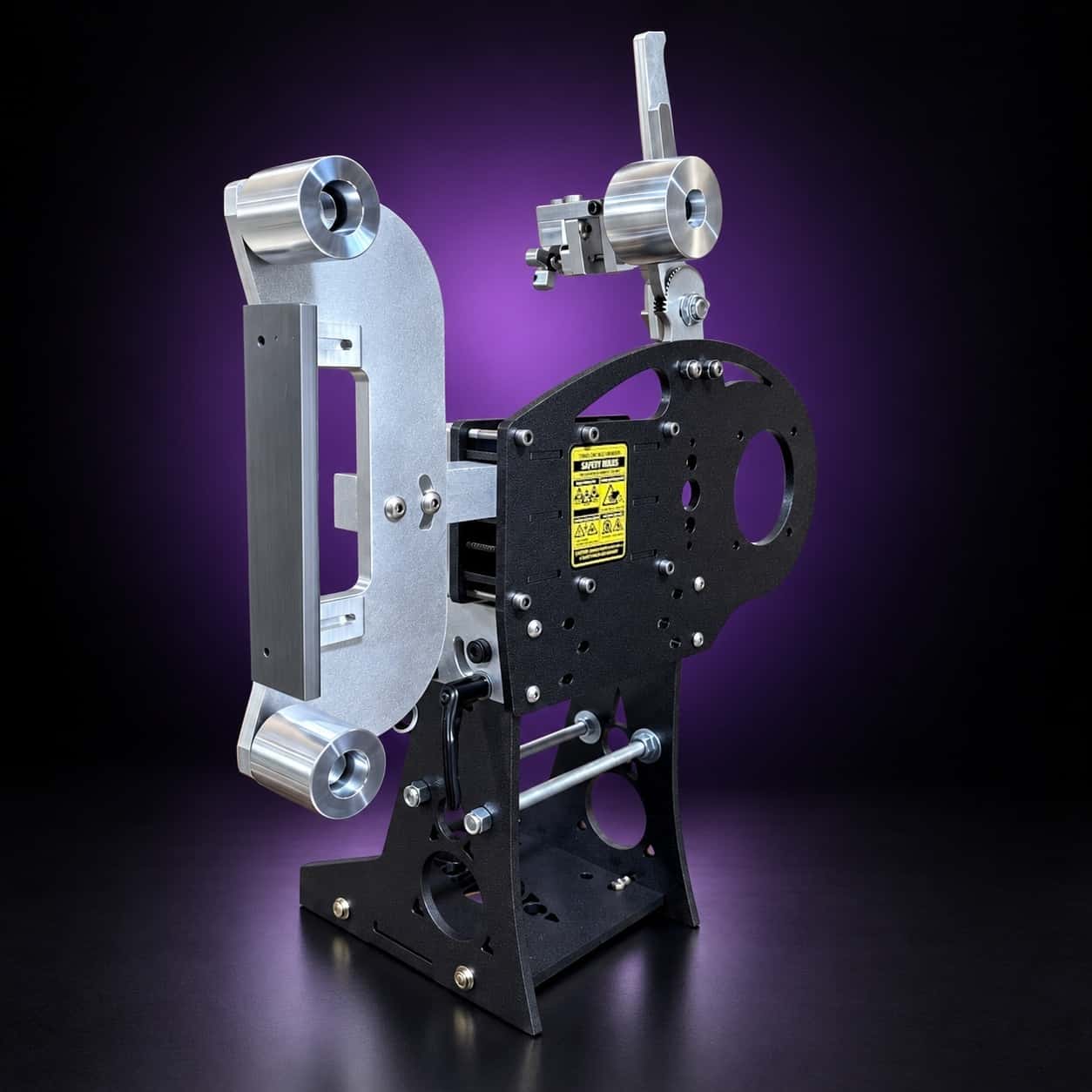
Current dual-axis platform with a steel chassis, more mass and less vibration.
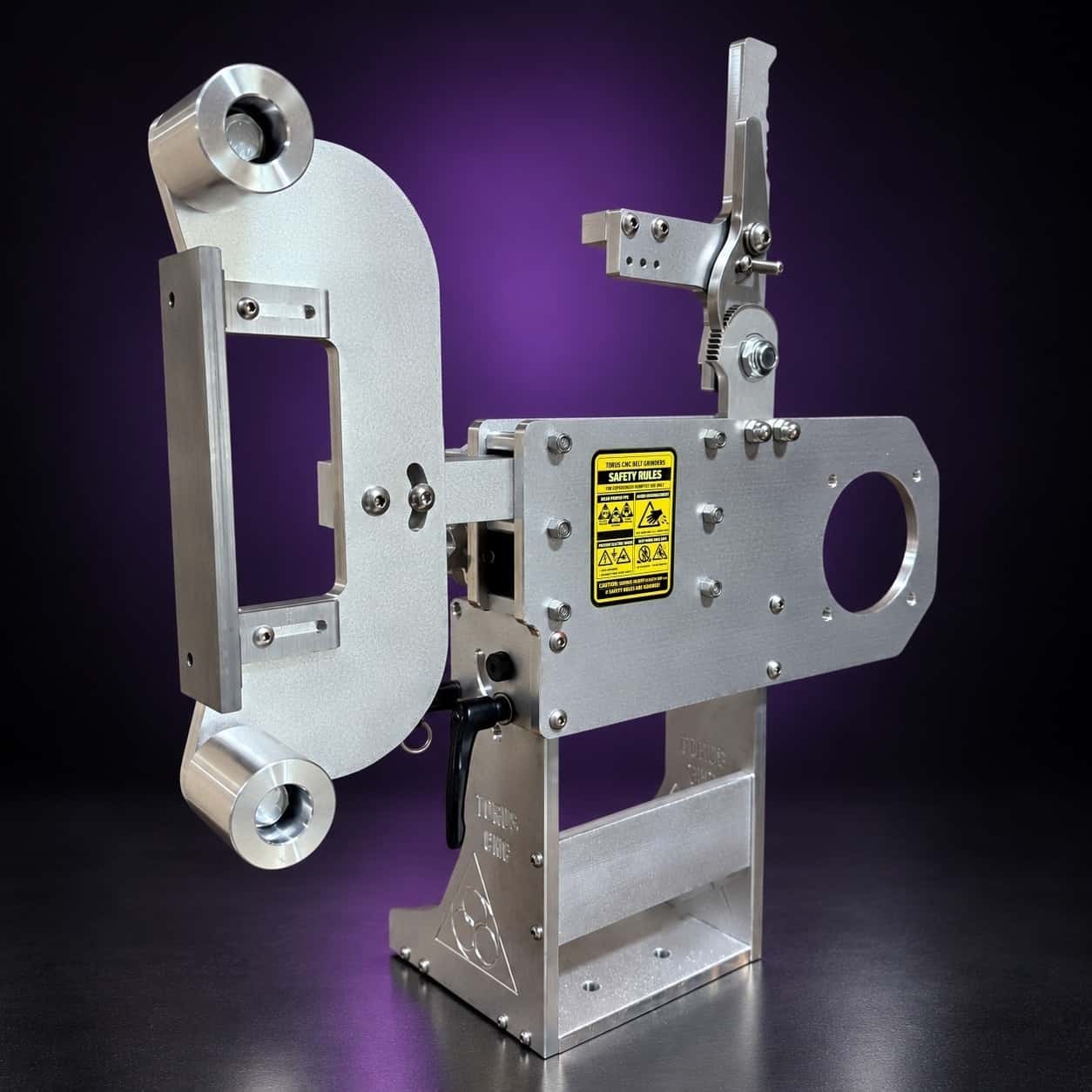
Prior-design aluminum chassis, 90-degree tilt and 1.5-inch tooling arms.
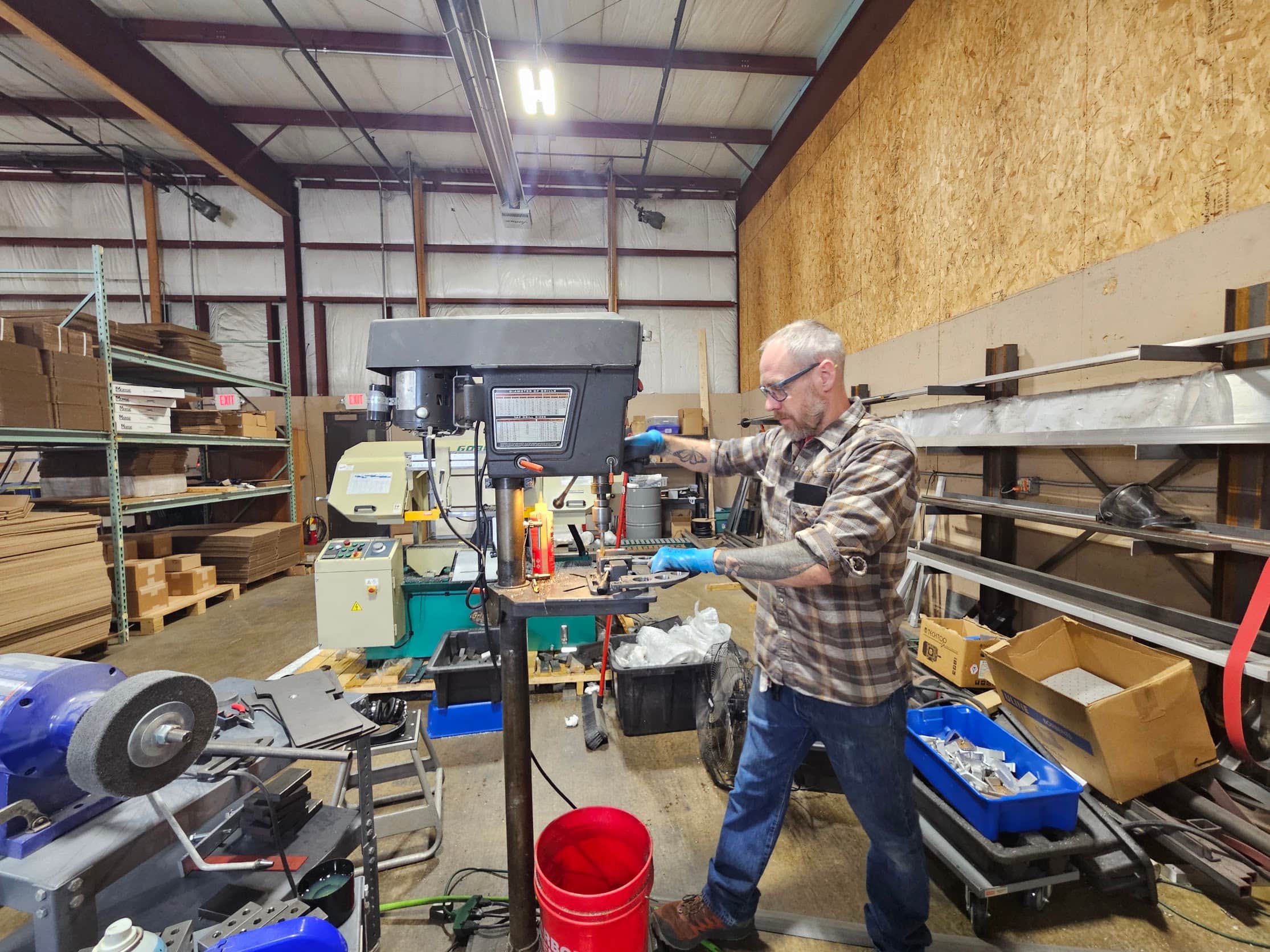
One-man shop
I answer my own email. Tell me what you are building and what the steel is doing, and I will tell you what I would try.