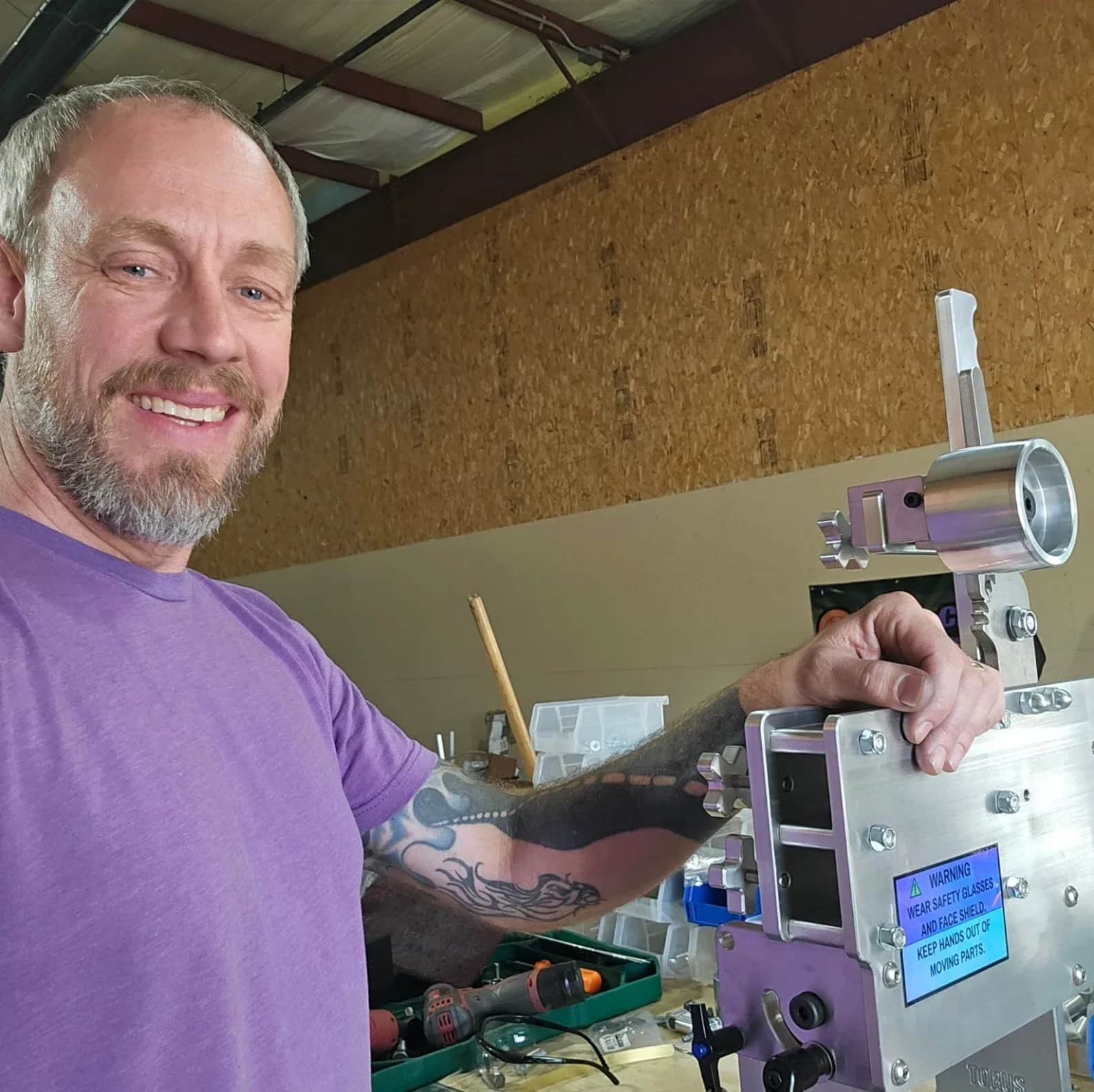
2x72 Grinder Tips
Maximizing 2×72 Grinder Efficiency: Cost-Saving and Eco-Friendly Tips
Belts, electricity and wasted steel are the real cost of running a 2×72. Here is how I stretch belt life, waste less bar stock, run the motor smarter with a VFD, and keep the grinder maintained so it costs less.
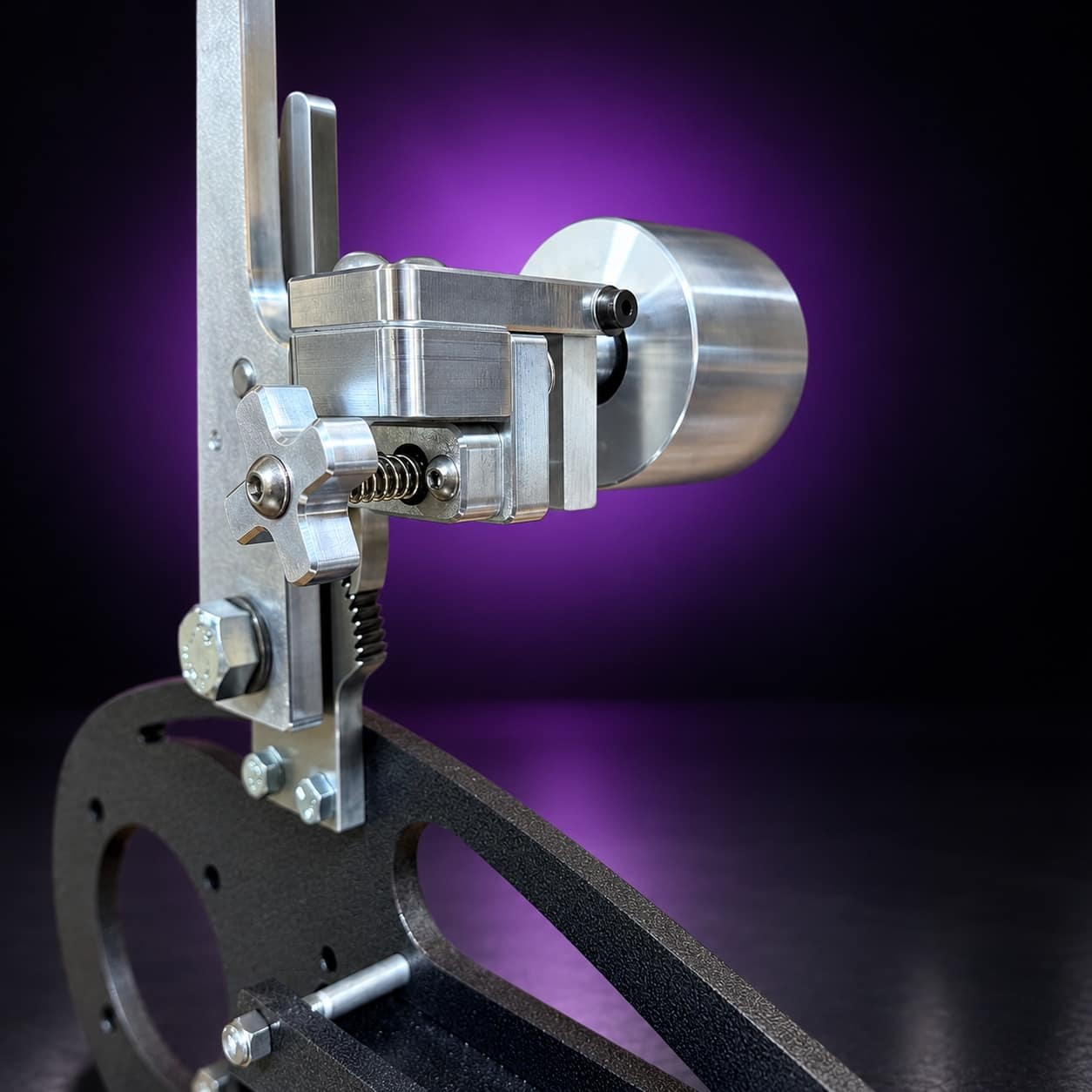
The grinder is a one-time cost. Belts, electricity and wasted bar stock are forever. Here is how I keep the running cost of a 2×72 down in my own shop: getting more blades out of every belt, laying out blanks so less steel hits the floor, using the VFD to draw only the power the job needs, and the maintenance that keeps the machine from eating parts.
Key Takeaways
- The 2×72 grinder is a versatile tool used for shaping, sharpening, and finishing metal and wood
- Choosing the right abrasives and belts is crucial for achieving the desired finish and prolonging the life of the grinder
- Optimizing speed and pressure can improve efficiency and reduce wear on the grinder and abrasives
- Implementing energy-saving practices can reduce operating costs and environmental impact
- Maintaining and upgrading equipment is essential for longevity and consistent performance
Choosing the Right Abrasives and Belts
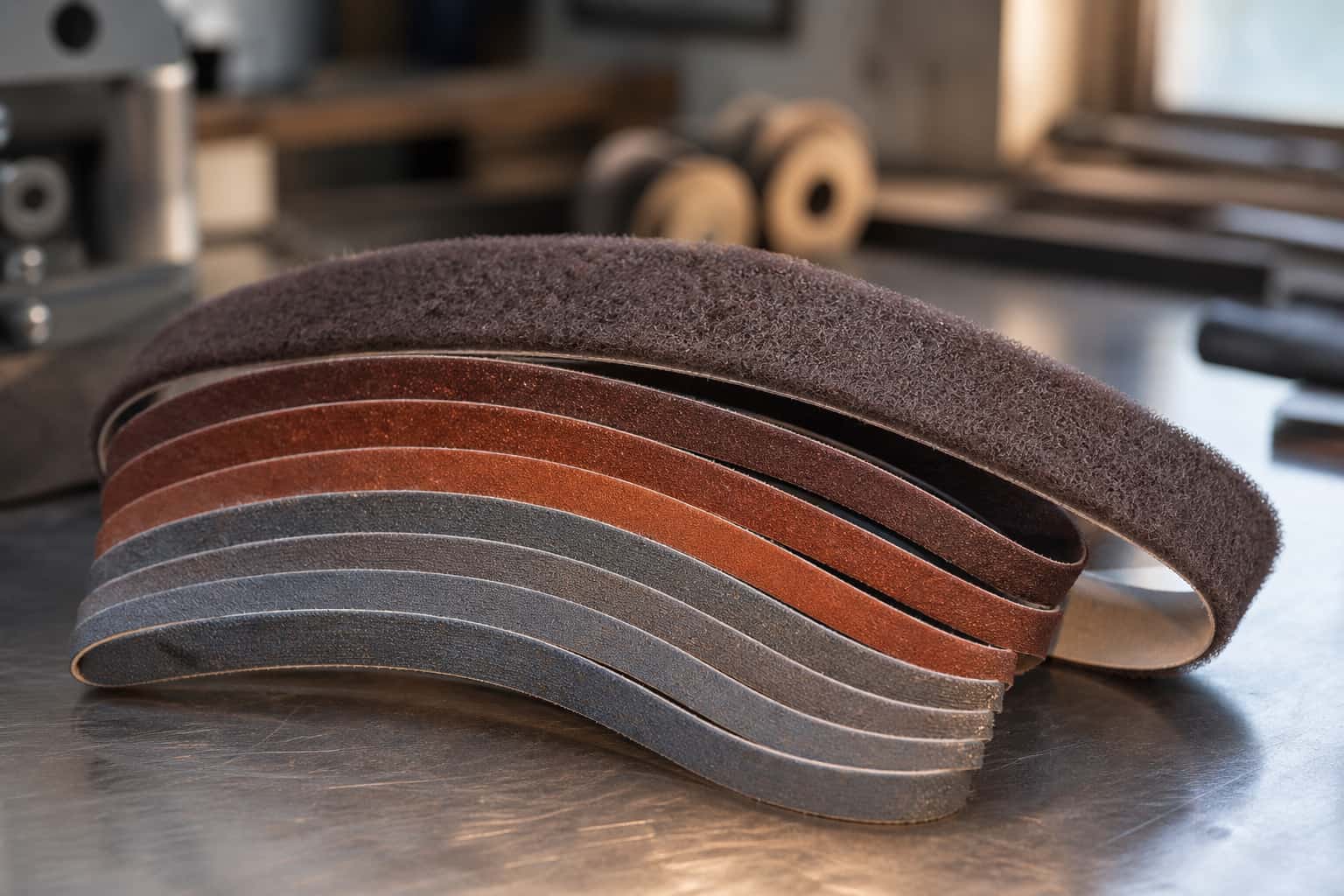
Selecting the appropriate abrasives and belts for a 2×72 grinder is vital for achieving optimal results. The choice of belt material, grit size, and type can significantly impact the efficiency of the grinding process and the quality of the finished product. Common materials for belts include aluminum oxide, ceramic, and zirconia, each offering unique benefits depending on the application.
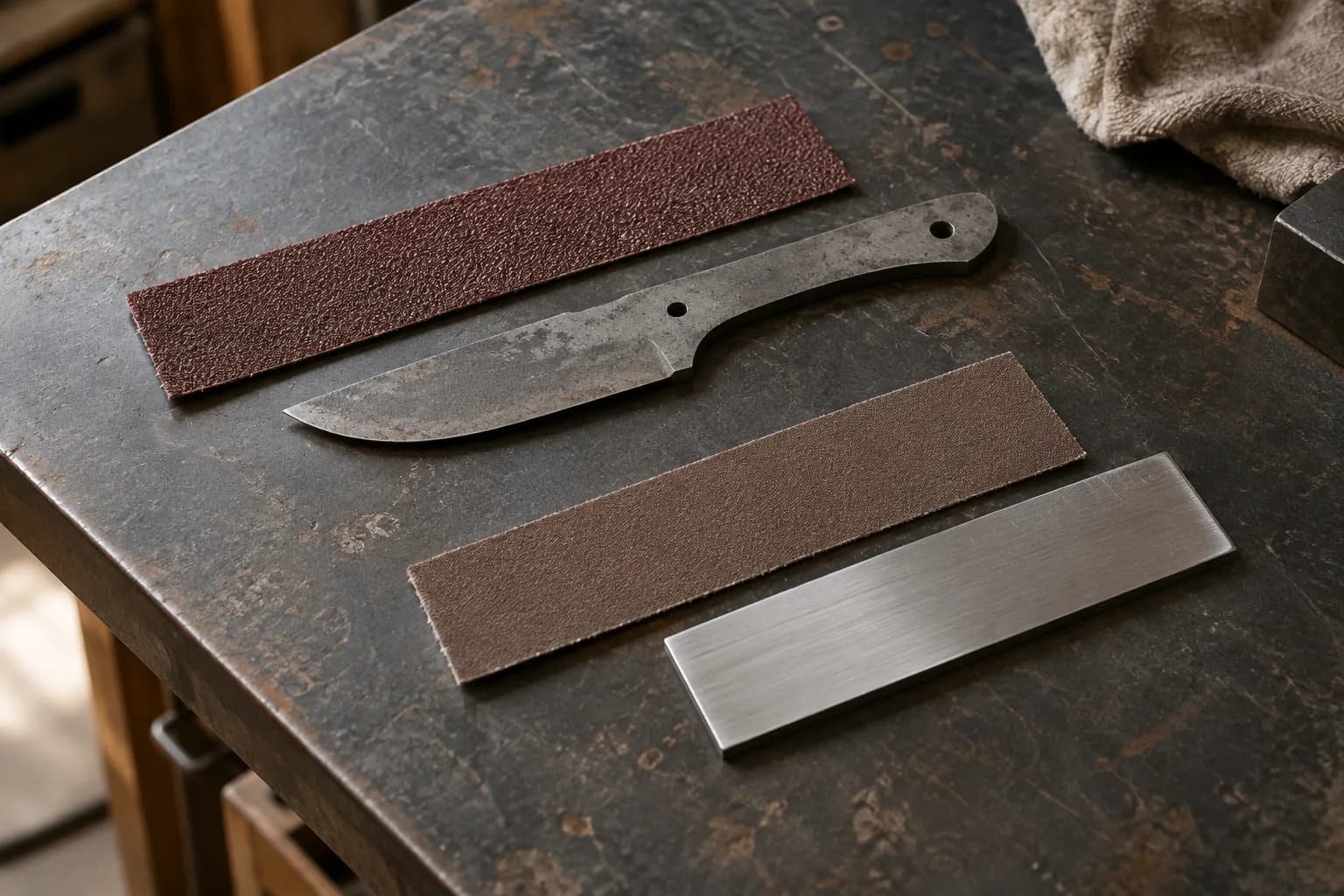
For instance, ceramic belts are known for their longevity and aggressive cutting action, making them ideal for heavy material removal, while aluminum oxide belts are more suited for finer finishing tasks. Grit size is another critical factor to consider when choosing belts. Coarser grits, such as 36 or 60, are effective for rapid material removal, while finer grits, like 120 or 220, are better for polishing and achieving a smooth surface finish.
Optimizing Speed and Pressure for Efficiency
To maximize the efficiency of a 2×72 grinder, it is crucial to optimize both speed and pressure during operation. The speed at which the belt rotates can significantly influence the grinding process; higher speeds typically result in faster material removal but may also generate excess heat that can damage the workpiece or degrade the belt. Conversely, lower speeds provide more control and reduce heat buildup but may slow down production.
Finding the right balance between speed and pressure is essential for achieving optimal results without compromising quality. Pressure applied to the workpiece also plays a vital role in the grinding process. Too much pressure can lead to excessive wear on the belt and potential damage to the material being worked on, while too little pressure may result in inefficient grinding and longer processing times.
Implementing Energy-Saving Practices
| Energy-Saving Practice | Metrics |
|---|---|
| LED Lighting | Percentage of lighting replaced with LED |
| Energy-Efficient Appliances | Number of appliances upgraded |
| Smart Thermostats | Reduction in heating and cooling costs |
| Solar Panels | Percentage of energy generated from solar |
| Energy Audit | Reduction in overall energy consumption |
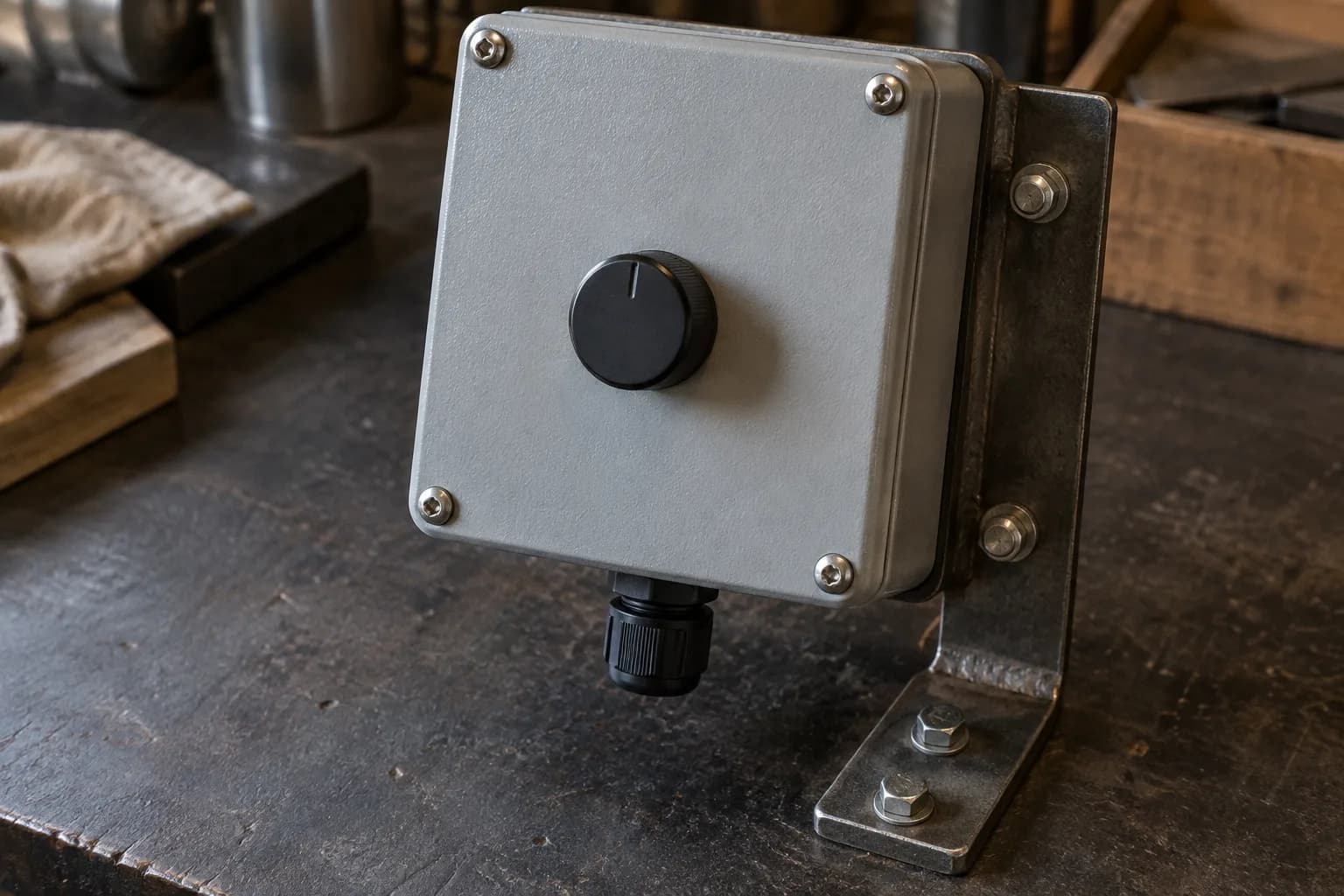
Implementing energy-saving practices in workshops using 2×72 grinders is increasingly important. One effective strategy is to utilize variable speed controls that allow operators to adjust the grinder’s speed according to the task at hand. By using only the necessary amount of energy for each job, workshops can reduce their overall energy consumption while maintaining productivity.
Another approach to energy efficiency involves regular maintenance of equipment. Keeping belts clean and well-maintained ensures that they operate at peak performance, reducing energy waste caused by friction or resistance. Additionally, operators should consider scheduling grinding tasks during off-peak hours when energy costs may be lower.
Reducing Waste and Environmental Impact
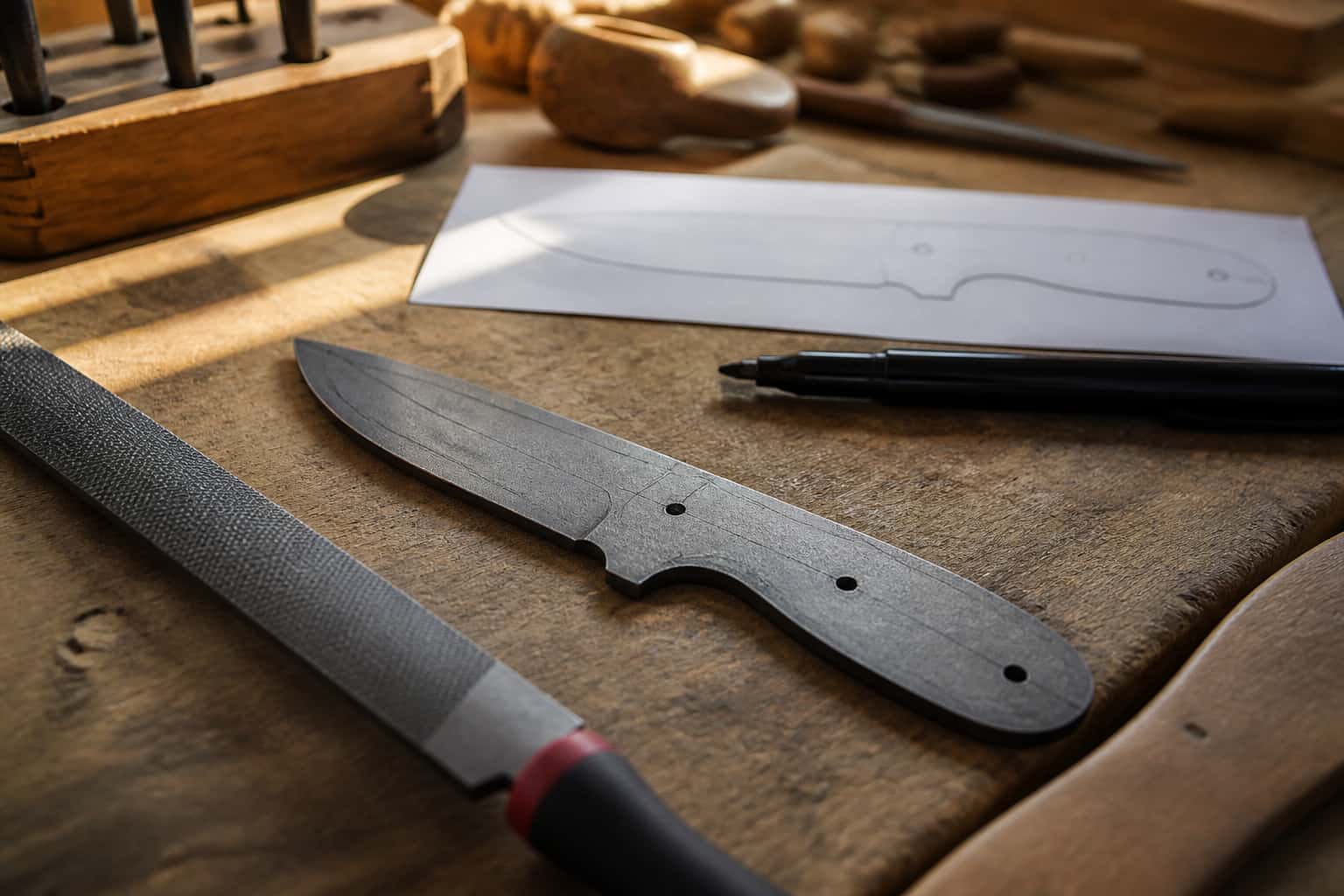
Reducing waste and minimizing environmental impact are critical considerations for any workshop utilizing a 2×72 grinder. One effective method for achieving this goal is through careful planning and organization of grinding tasks. By optimizing workflows and ensuring that materials are used efficiently, operators can significantly reduce scrap and waste generated during production.
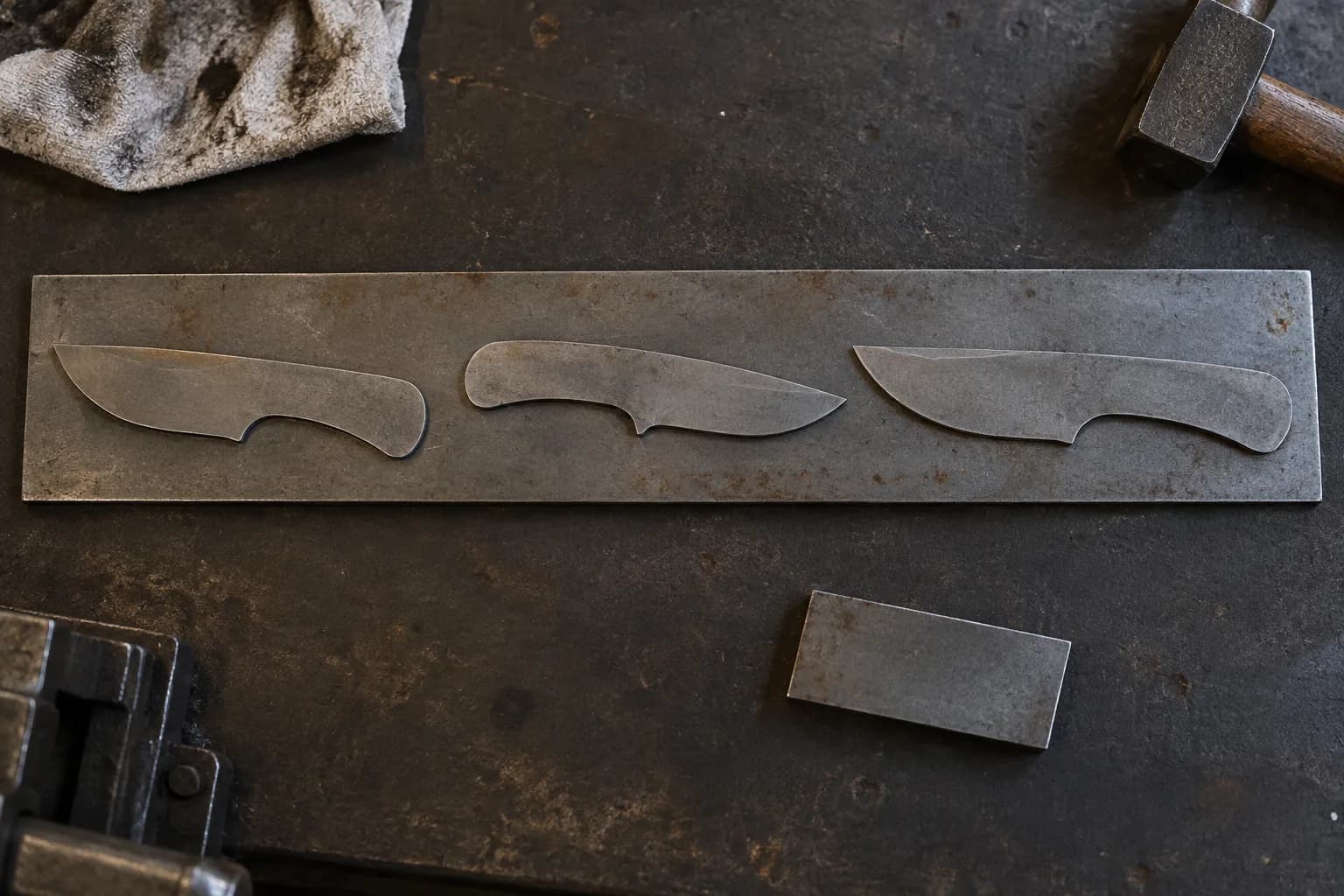
Recycling materials whenever possible can contribute to a more sustainable operation. For instance, metal shavings and dust collected during grinding can often be repurposed or recycled rather than discarded. Workshops can also explore eco-friendly abrasive options that minimize harmful emissions during use.
Maintaining and Upgrading Equipment for Longevity
Proper maintenance of a 2×72 grinder is essential for ensuring its longevity and optimal performance. Regularly inspecting belts for wear and tear, checking alignment, and lubricating moving parts can prevent costly breakdowns and extend the life of the equipment. Operators should establish a routine maintenance schedule that includes cleaning the grinder after each use to remove debris that could cause damage over time.
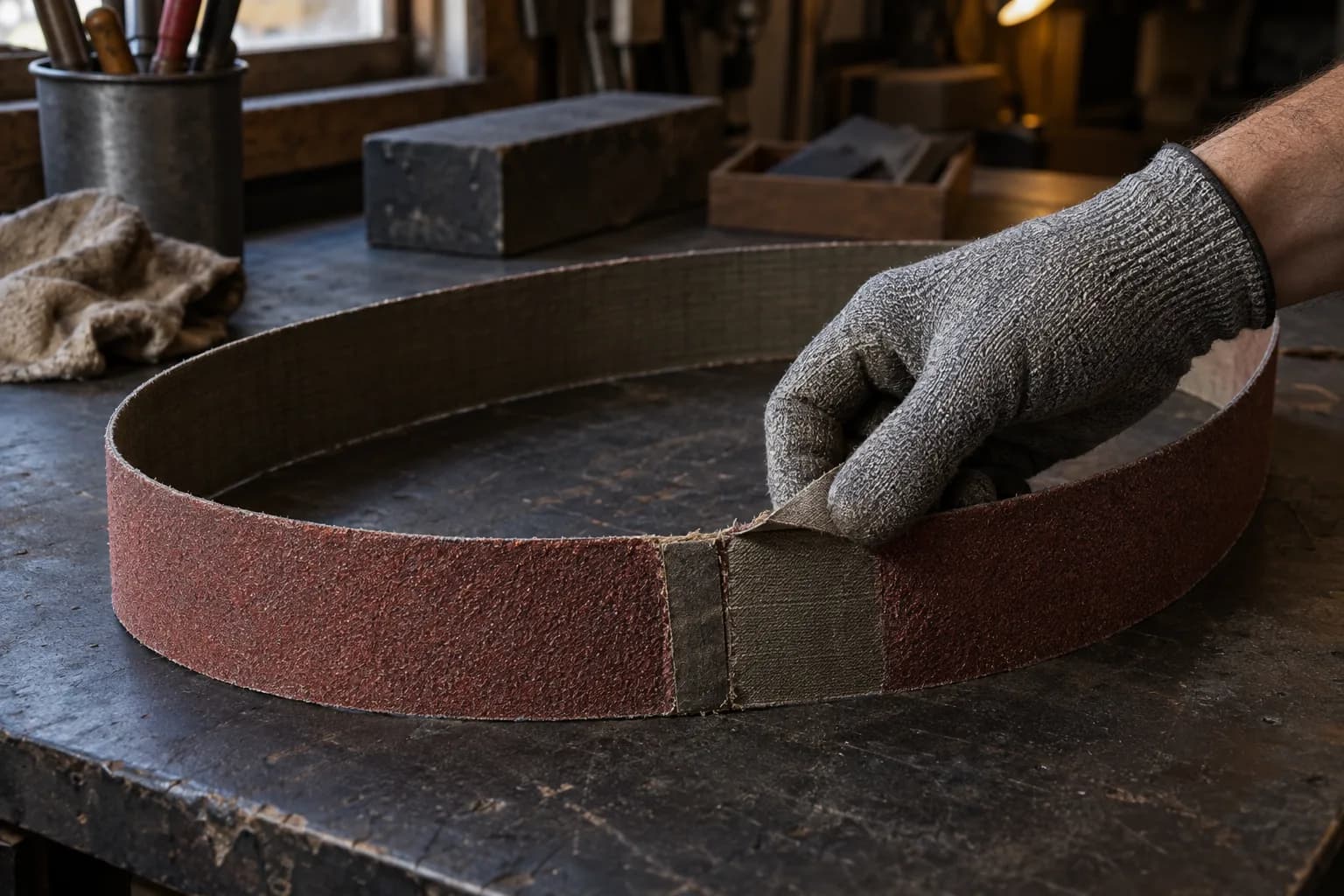
In addition to routine maintenance, upgrading equipment components can enhance performance and efficiency. For example, investing in high-quality belts or adding features such as dust collection systems can improve both productivity and safety in the workshop. By prioritizing maintenance and considering upgrades when necessary, operators can ensure that their 2×72 grinders remain reliable tools for years to come.
Streamlining Workflow for Time and Cost Efficiency
Streamlining workflow in a workshop utilizing a 2×72 grinder is crucial for maximizing time and cost efficiency. One effective strategy is to organize workstations based on specific tasks or processes, allowing operators to move smoothly from one step to another without unnecessary delays. This organization not only enhances productivity but also minimizes the risk of errors that could lead to wasted materials.
Implementing standardized procedures for common tasks can further improve efficiency. By training operators on best practices for using the grinder and establishing clear guidelines for each project phase, workshops can reduce variability in output quality while speeding up production times. Investing time in workflow optimization in the end leads to significant cost savings and improved overall performance.
Investing in Training and Education for Operator Efficiency
Investing in training and education for operators is essential for maximizing efficiency when using a 2×72 grinder. Well-trained operators are more likely to understand the intricacies of the machine, including how to select appropriate belts, adjust speed settings, and maintain equipment properly. This knowledge not only enhances their confidence but also leads to better decision-making during operations.
Workshops should consider offering regular training sessions that cover various aspects of using the 2×72 grinder effectively. Topics may include safety protocols, maintenance best practices, and advanced techniques for specific applications. By fostering a culture of continuous learning within the workshop environment, operators will be better equipped to utilize their tools efficiently, in the end leading to higher-quality outputs and increased satisfaction among customers.
FAQs
How can energy efficiency be applied to a 2×72 grinder?
Energy efficiency can be applied to a 2×72 grinder by using energy-efficient motors, optimizing belt tension to reduce energy consumption, and implementing proper maintenance to ensure the grinder operates at peak efficiency.
What are the benefits of energy efficiency for a 2×72 grinder?
The benefits of energy efficiency for a 2×72 grinder include reduced operating costs, lower environmental impact, and improved overall performance and longevity of the equipment.
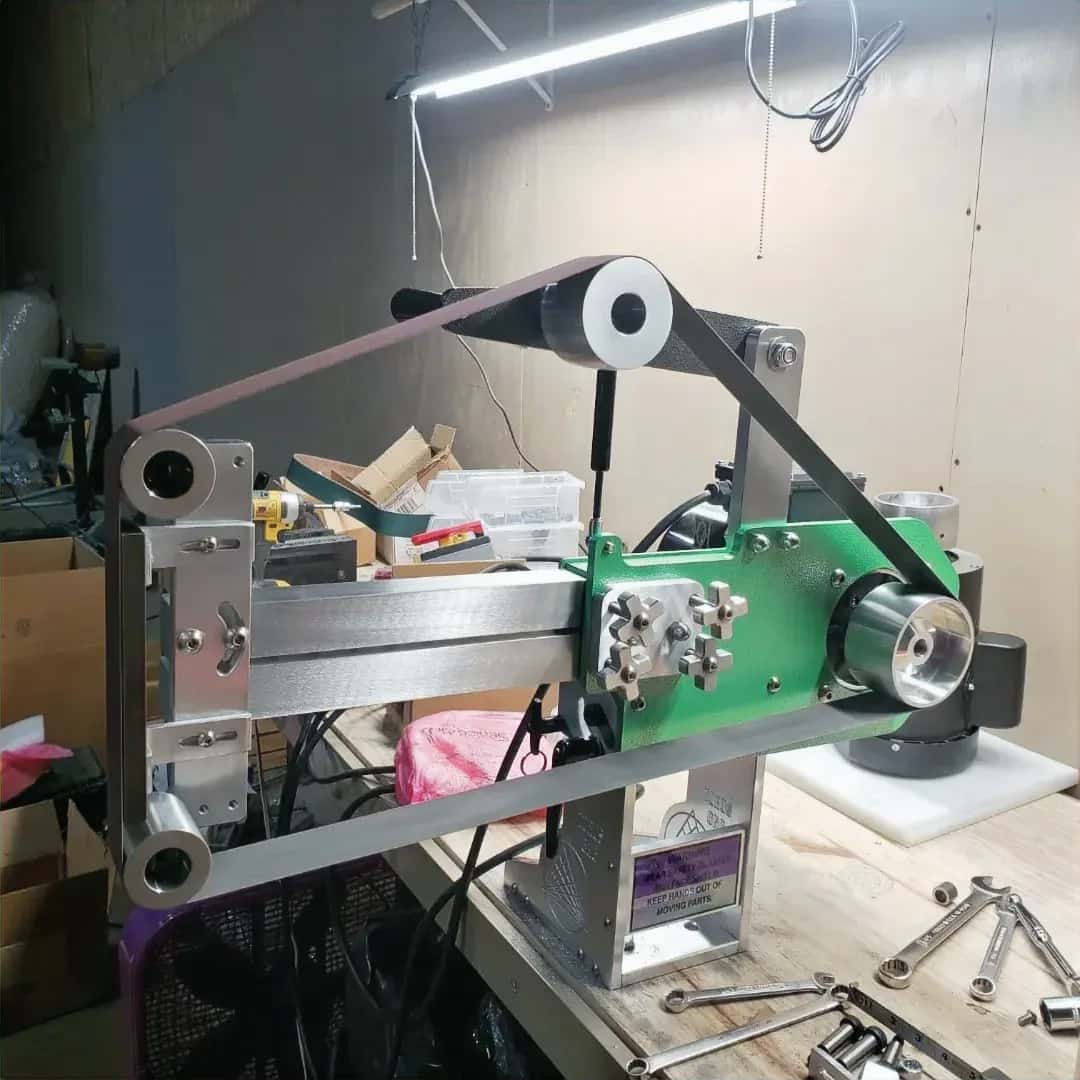
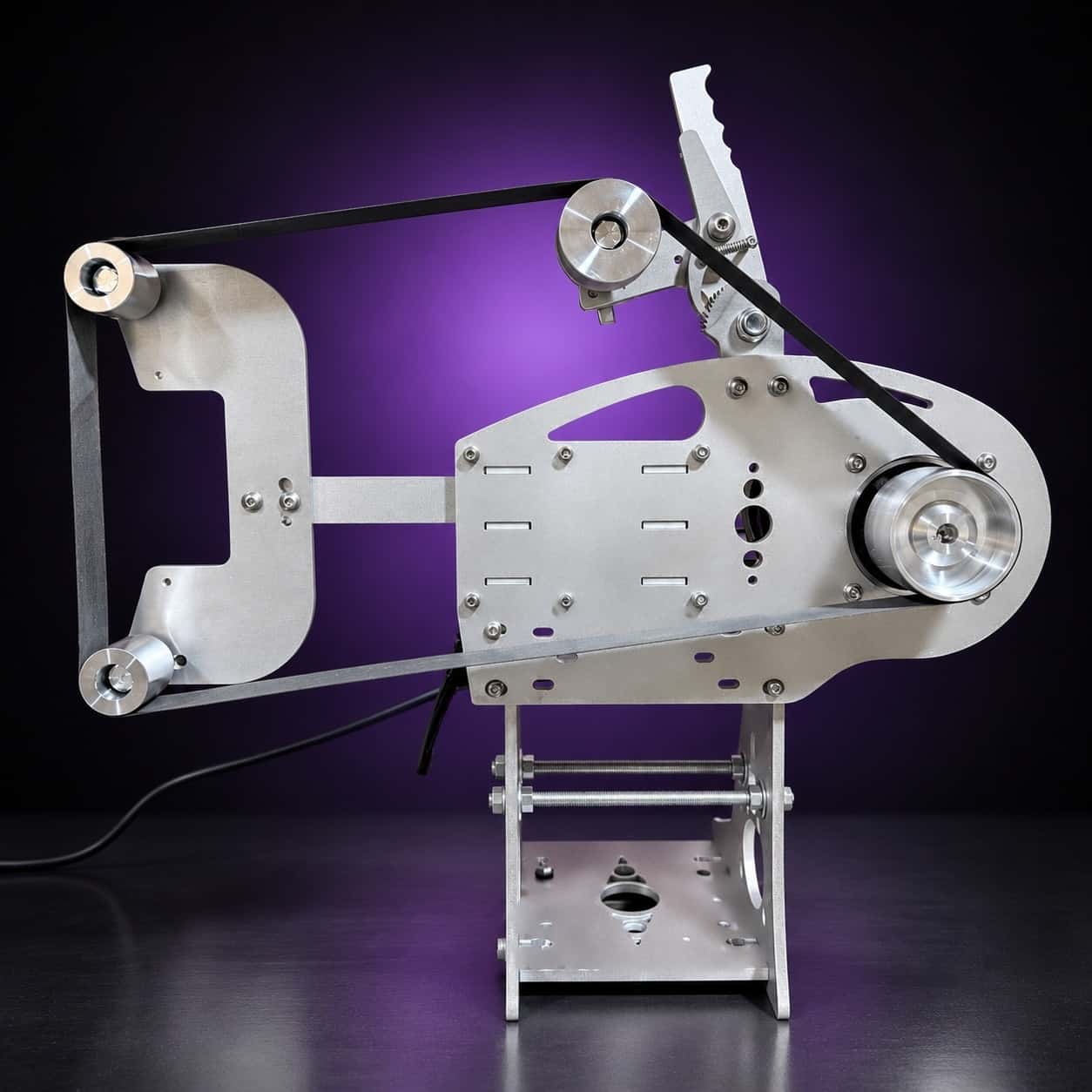
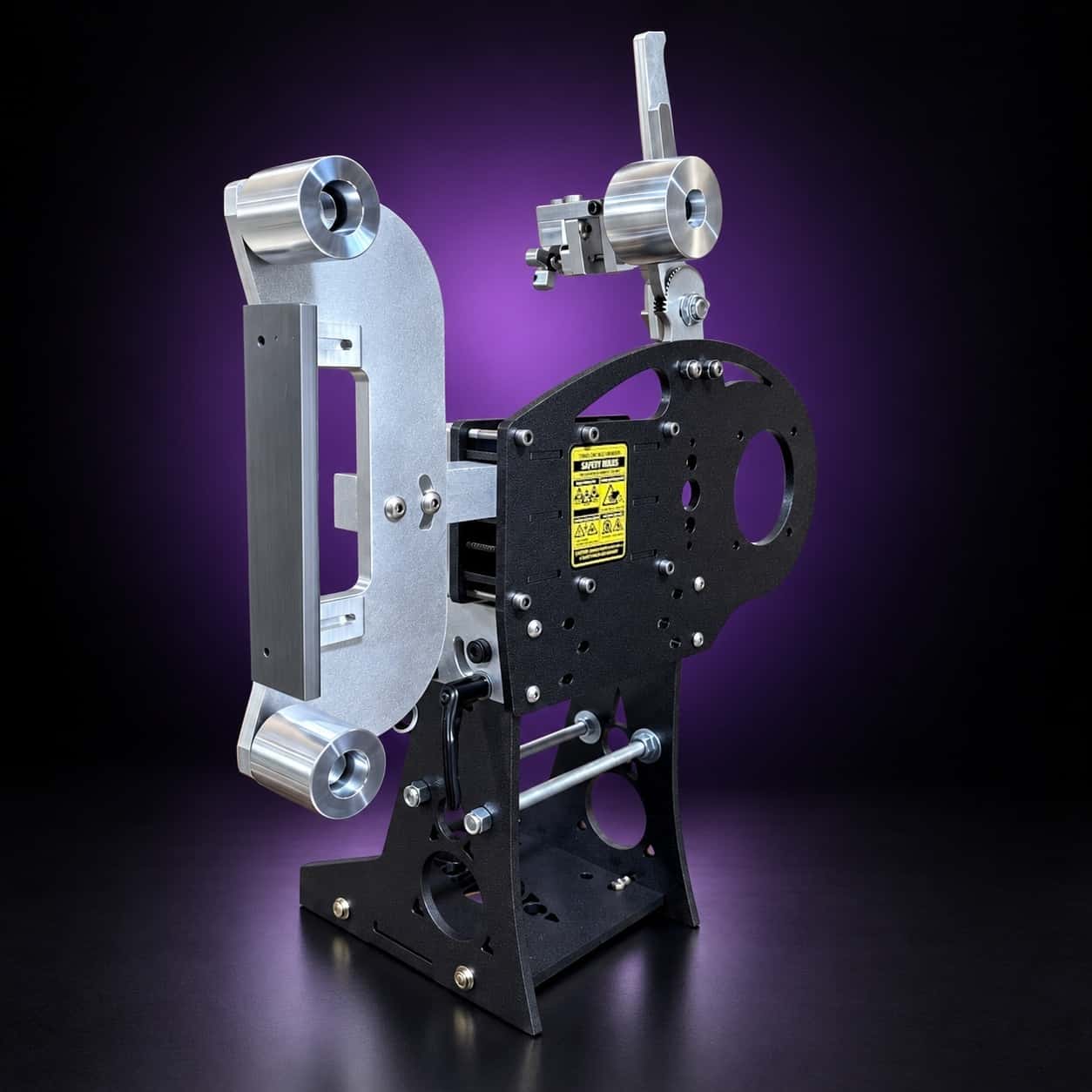
A VFD is the biggest efficiency upgrade a 2×72 can get, because a motor at the right speed uses less power and wears belts slower. My motor and VFD combo is $1,195 for the 1 HP or $1,245 for the 2 HP, and it pairs with a Nova 2×72 whose 6061 chassis needs no paint and resists corrosion.