Belt Grinders
Portable vs. Stationary 2×72 Grinders: Which Works Best?
Portable means you can move it to a show or a second bench. Stationary means mass, rigidity and less vibration. Here is how the two compare on weight, footprint and cost, and why I build one of each.
Some makers want a grinder they can lift onto a stand and drive to a show. Others want a machine that never moves and never vibrates. Both are right, and it is why I build the Nova in aluminum and the Nebula in steel. Here is how portable and stationary 2×72 setups compare on weight, rigidity, vibration, footprint and cost, and how to pick the one that fits how you actually work.
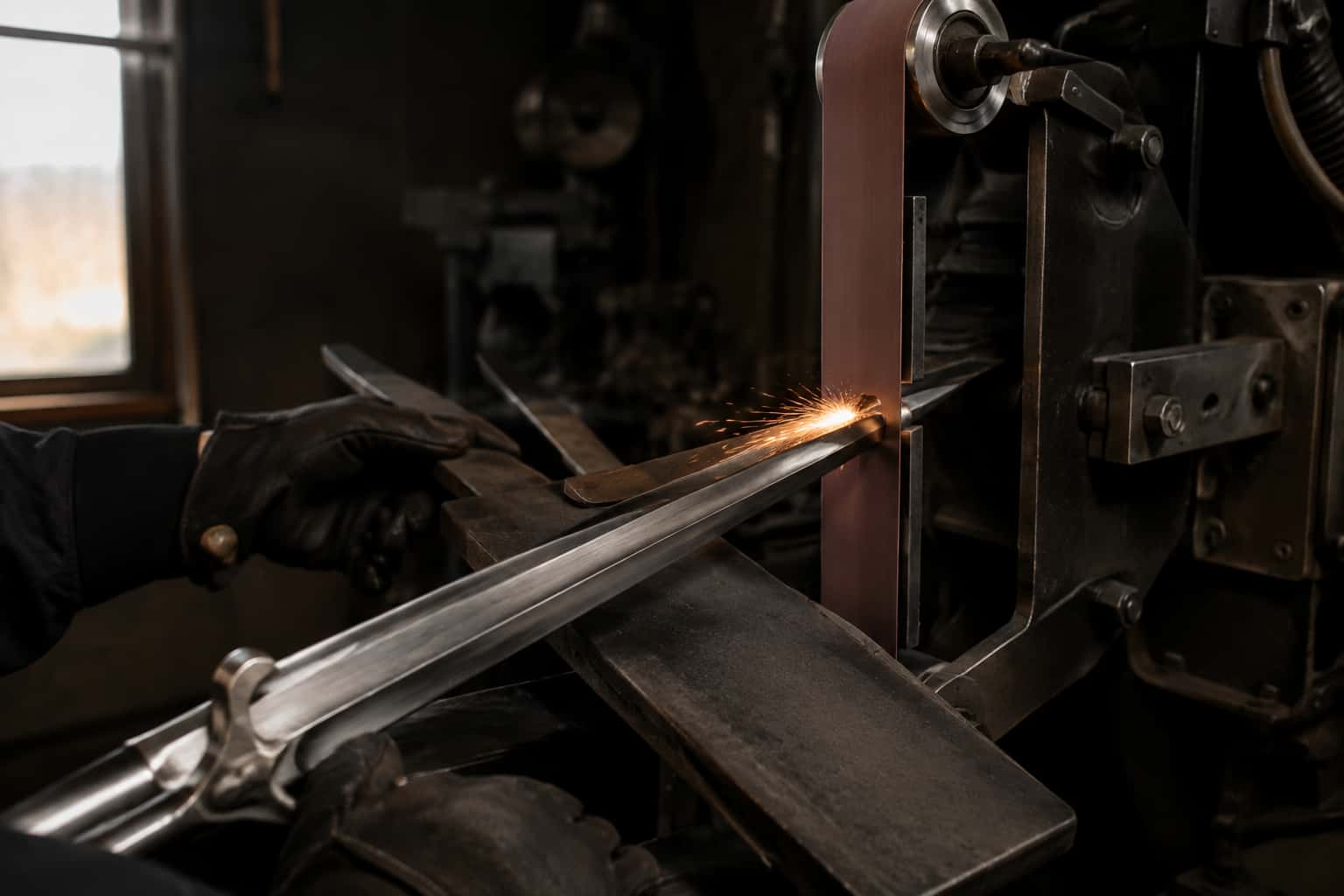
With the ability to accommodate different belt grits and types, these grinders can be tailored to meet specific project requirements. Torus CNC has established itself as a prominent manufacturer of 2×72 grinders, offering a range of models that cater to different needs and preferences. Their commitment to quality and innovation ensures that users have access to reliable machines that can withstand the rigors of daily use.
Key Takeaways
- 2×72 grinders are versatile tools used for shaping, sharpening, and polishing metal and wood.
- Portable 2×72 grinders offer the benefit of being easily transportable for on-site work and are ideal for small workshops or hobbyists.
- Stationary 2×72 grinders provide stability and precision for heavy-duty grinding tasks and are suitable for larger workshops or industrial settings.
- When choosing between portable and stationary 2×72 grinders, consider factors such as workspace, mobility, and the type of projects you will be working on.
- The cost and maintenance of portable and stationary 2×72 grinders vary, with portable grinders being more affordable and easier to maintain, while stationary grinders require more space and regular maintenance.
Benefits of Portable 2×72 Grinders
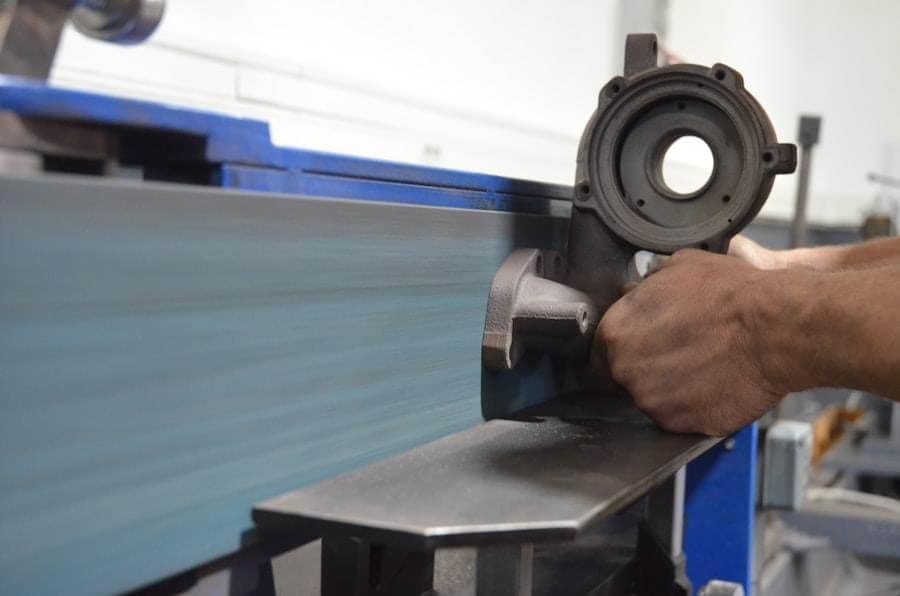
Portable 2×72 grinders offer a unique set of advantages that make them appealing to a wide range of users. One of the most significant benefits is their mobility. These grinders are designed to be lightweight and compact, allowing users to easily transport them from one location to another.
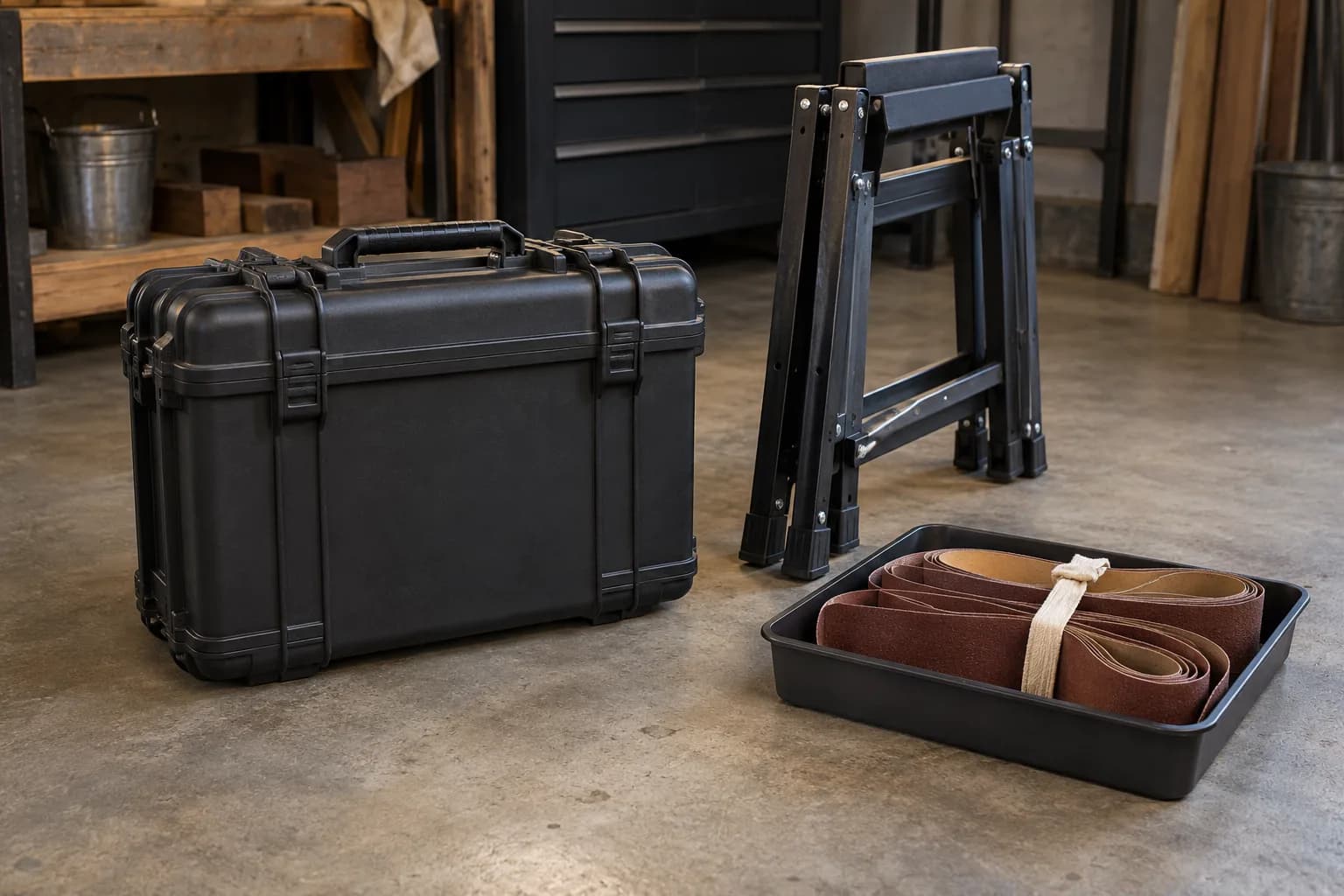
This feature is particularly beneficial for those who work in various settings or need to take their equipment to job sites. The ability to set up and use a grinder in different environments can enhance productivity and convenience, especially for professionals who require flexibility in their work. Another advantage of portable 2×72 grinders is their adaptability.
Many models come with adjustable features that allow users to modify the angle and height of the grinding surface. This customization enables operators to work comfortably and efficiently, reducing fatigue during extended use. Portable grinders often include features such as built-in dust collection systems, which help maintain a clean workspace while minimizing health risks associated with dust exposure.
Benefits of Stationary 2×72 Grinders
Stationary 2×72 grinders present a different set of benefits that cater to users who prioritize stability and power in their grinding tasks. One of the primary advantages of stationary models is their sturdy construction. These grinders are typically built with heavier materials, providing a solid base that minimizes vibrations during operation.
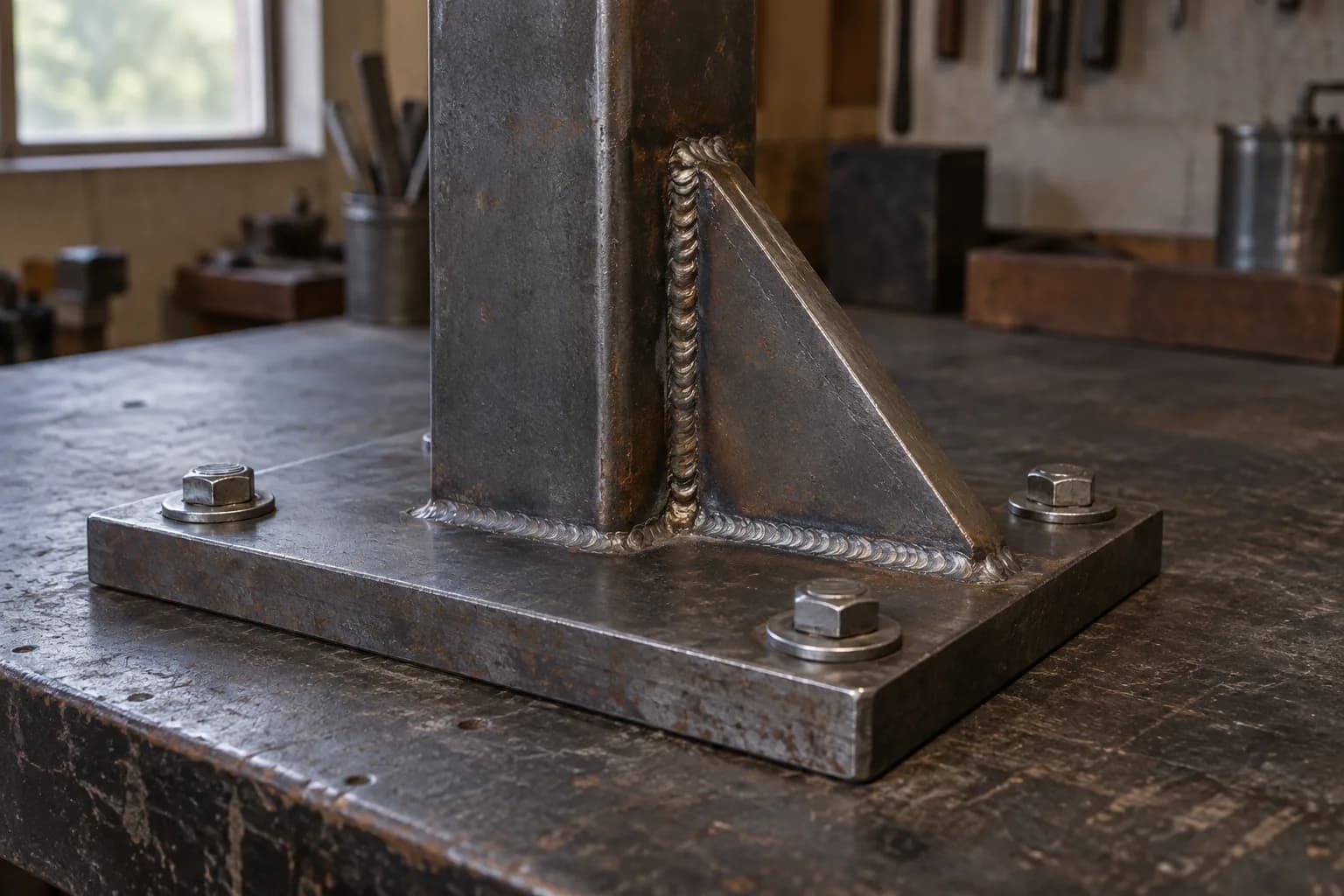
This stability allows for more precise grinding and finishing, which is crucial for achieving high-quality results in metalworking and woodworking projects. In addition to stability, stationary 2×72 grinders often come equipped with more powerful motors compared to their portable counterparts. This increased power translates into faster grinding speeds and the ability to handle more demanding tasks without compromising performance.
For professionals who require consistent results on larger projects or materials, a stationary grinder can be an invaluable asset. Many stationary models offer additional features such as larger work tables and integrated tool rests, enhancing user experience and efficiency during operation.
Considerations for Choosing Between Portable and Stationary 2×72 Grinders
| Consideration | Portable 2×72 Grinder | Stationary 2×72 Grinder |
|---|---|---|
| Portability | Highly portable, can be moved to different work sites | Not portable, fixed in a specific location |
| Stability | May lack stability compared to stationary grinders | Offers more stability for precise grinding |
| Power source | Can be powered by electricity or air | Usually powered by electricity |
| Cost | Generally more affordable | Higher initial cost |
| Workspace | Requires less space | Needs dedicated space in the workshop |
| Flexibility | Offers flexibility in terms of usage locations | Less flexible due to fixed location |
When deciding between portable and stationary 2×72 grinders, several factors should be taken into account to ensure the best fit for individual needs. One of the most critical considerations is the intended use of the grinder. If a user frequently works on-site or requires mobility for various projects, a portable model may be more suitable.
Conversely, if the primary focus is on heavy-duty tasks in a dedicated workshop environment, a stationary grinder would likely provide the necessary power and stability. Another important aspect to consider is available space. Portable grinders are designed to occupy minimal space, making them ideal for users with limited workshop areas or those who need to store their equipment when not in use.
Comparison of Cost and Maintenance for Portable and Stationary 2×72 Grinders
Cost is often a significant factor when selecting any piece of equipment, including 2×72 grinders. Generally speaking, portable models tend to be more affordable than stationary ones due to their simpler construction and smaller size. However, it’s essential to consider not only the initial purchase price but also long-term maintenance costs.
Portable grinders may require more frequent replacements of parts or belts due to their mobility and usage patterns, which can add up over time. In contrast, while stationary 2×72 grinders may have a higher upfront cost, they often come with more durable components designed for heavy use. This durability can lead to lower maintenance costs in the long run as these machines are built to withstand rigorous operation without frequent repairs or replacements.
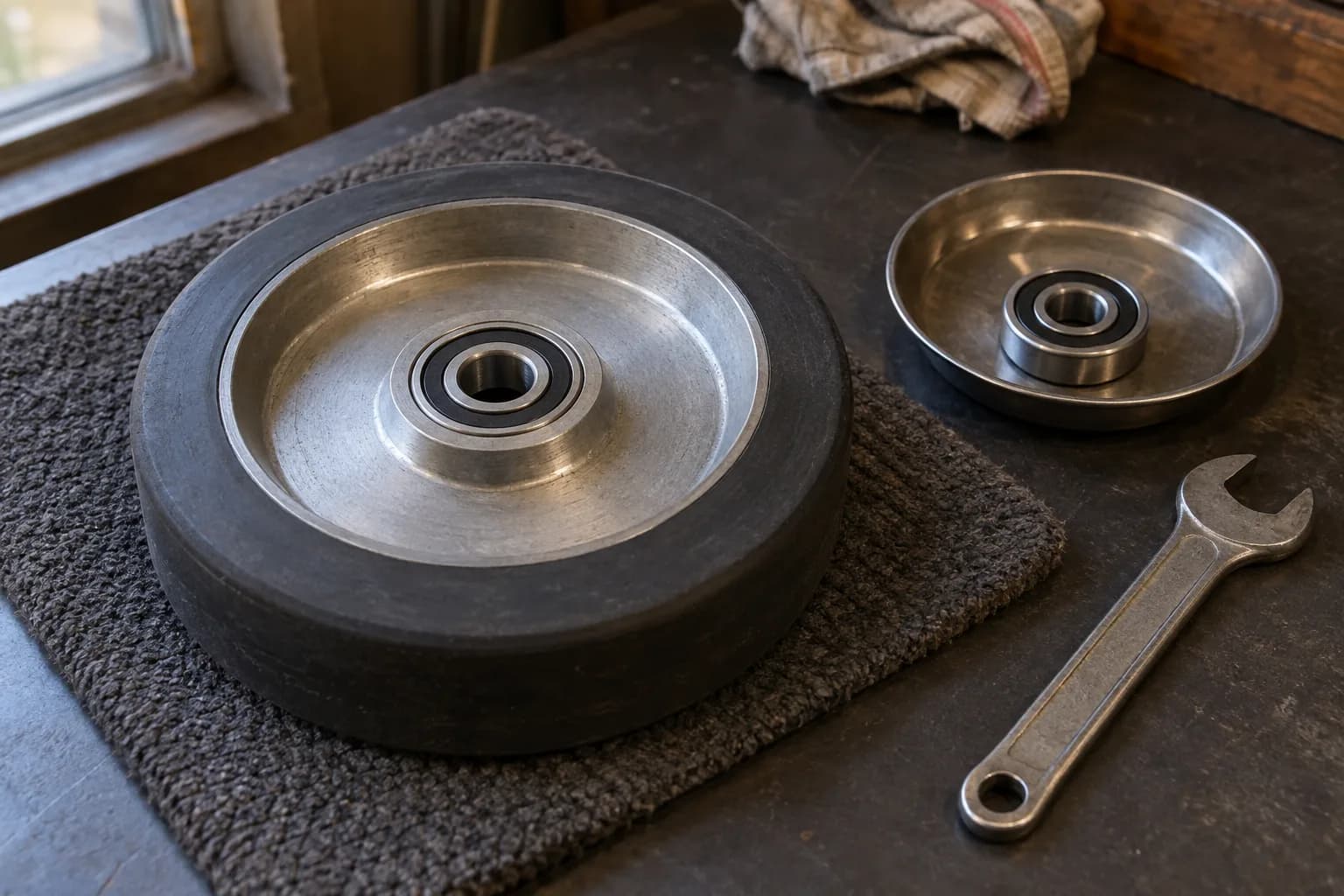
Portability and Space Considerations for 2×72 Grinders
Portability is a defining characteristic of many 2×72 grinders, particularly those designed for users who need flexibility in their work environment. Portable models are typically lightweight and compact, making them easy to transport in vehicles or carry between job sites. This feature is especially beneficial for professionals who work in various locations or those who participate in trade shows or demonstrations where mobility is essential.
Space considerations also play a crucial role in selecting the right grinder. For individuals with limited workshop space or those who need to store their equipment when not in use, portable grinders offer an advantage due to their smaller footprint. Stationary grinders, while providing stability and power, require dedicated space that may not be feasible for everyone.
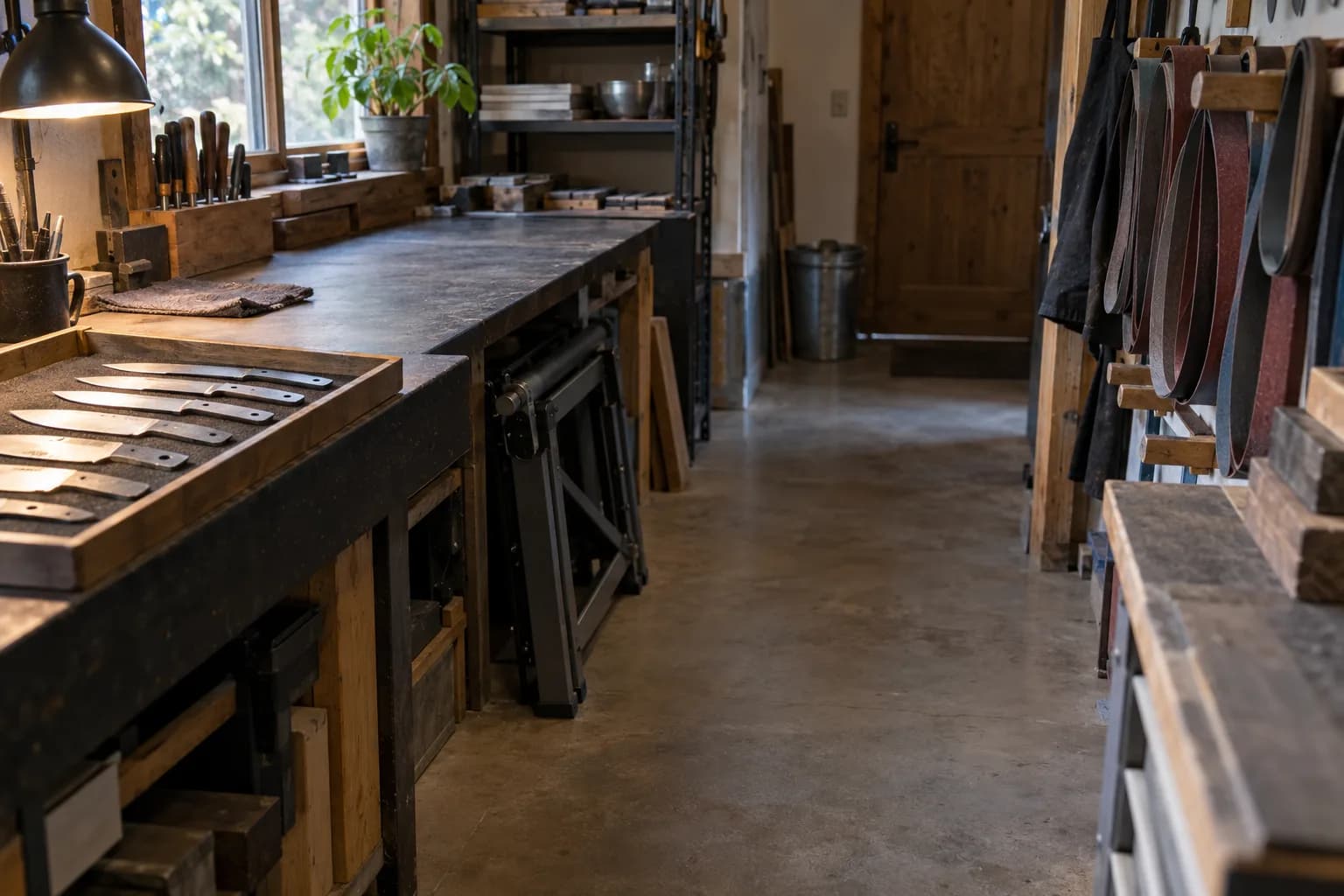
Performance and Precision Differences Between Portable and Stationary 2×72 Grinders
Performance and precision are critical factors that differentiate portable from stationary 2×72 grinders. Stationary models typically excel in these areas due to their sturdy construction and powerful motors. The stability provided by a heavier base minimizes vibrations during operation, allowing for more accurate grinding and finishing tasks.
This precision is particularly important for professionals who demand high-quality results in their work. On the other hand, while portable grinders may not match the performance levels of stationary models in terms of power and stability, they still offer adequate functionality for many applications. The adaptability features found in portable models can enhance user experience by allowing adjustments that cater to specific tasks.
FAQs
What is a 2×72 grinder?
A 2×72 grinder is a type of belt grinder that uses a 2-inch by 72-inch belt for grinding, shaping, and polishing metal and other materials. It is commonly used in metalworking and knife making.
What is a portable 2×72 grinder?
A portable 2×72 grinder is a compact and lightweight version of the grinder that can be easily moved from one location to another. It is often used by hobbyists and mobile fabricators who need to work in different locations.
What is a stationary 2×72 grinder?
A stationary 2×72 grinder is a larger and heavier version of the grinder that is designed to be permanently installed in a workshop or fabrication facility. It is commonly used by professional metalworkers and fabricators.
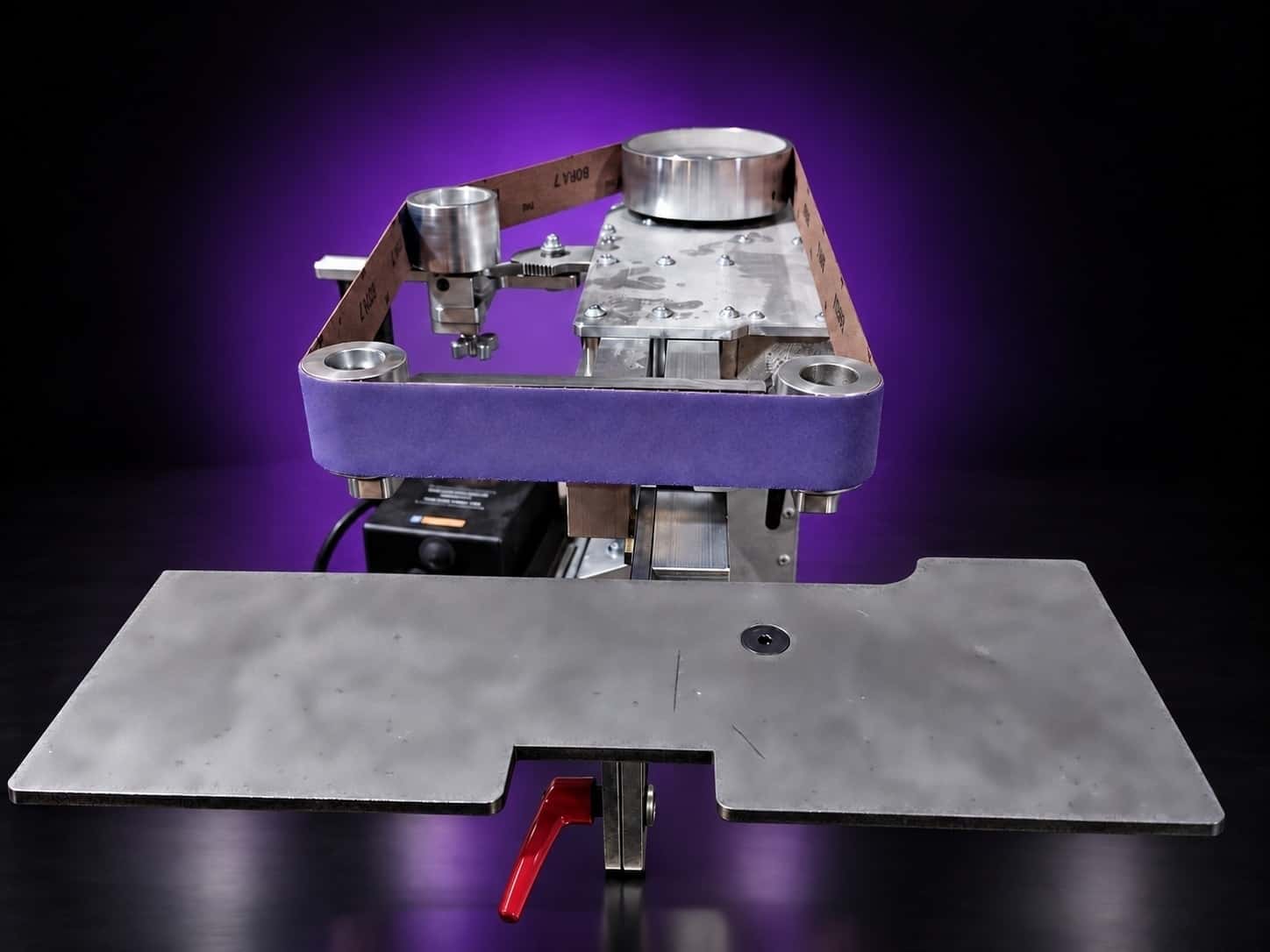
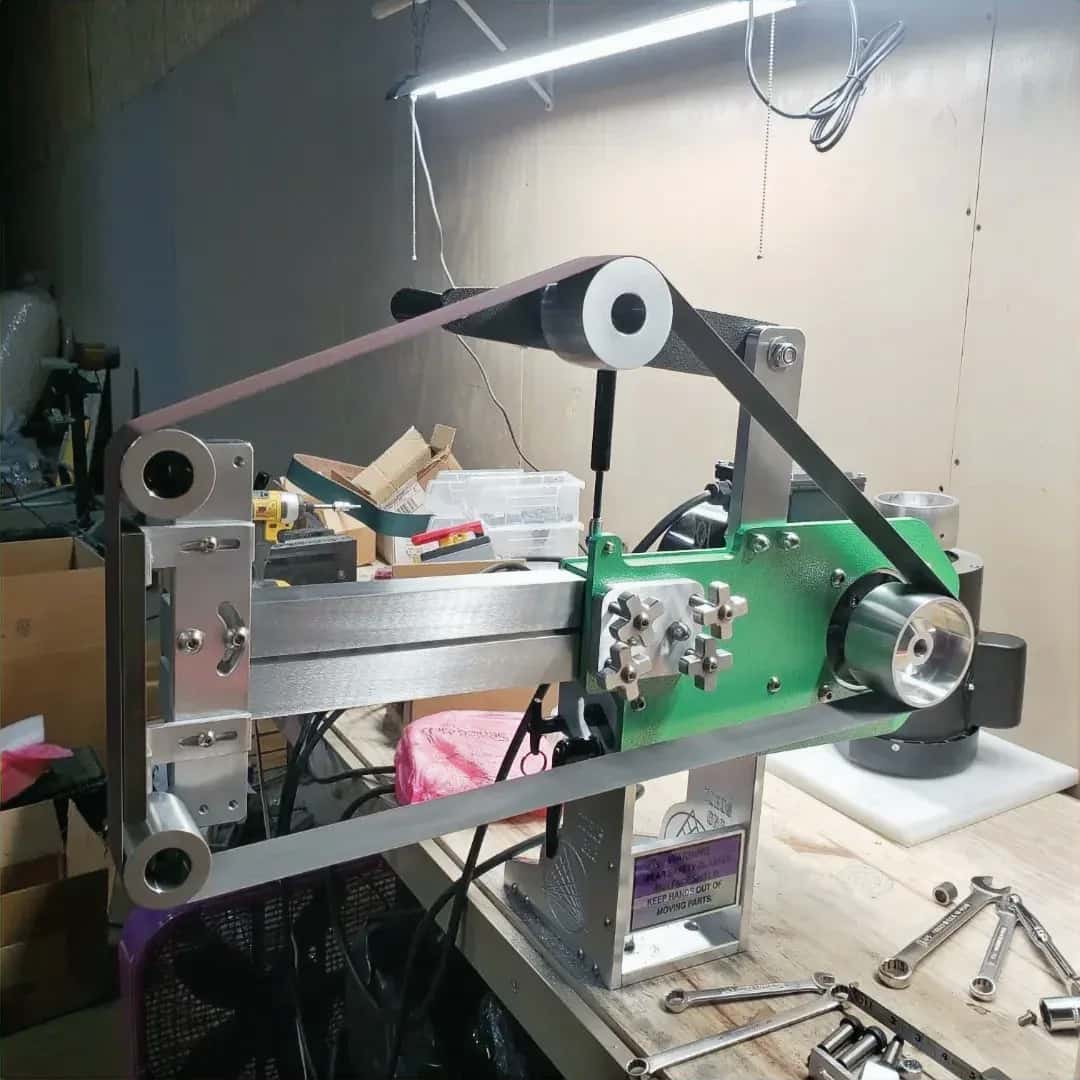
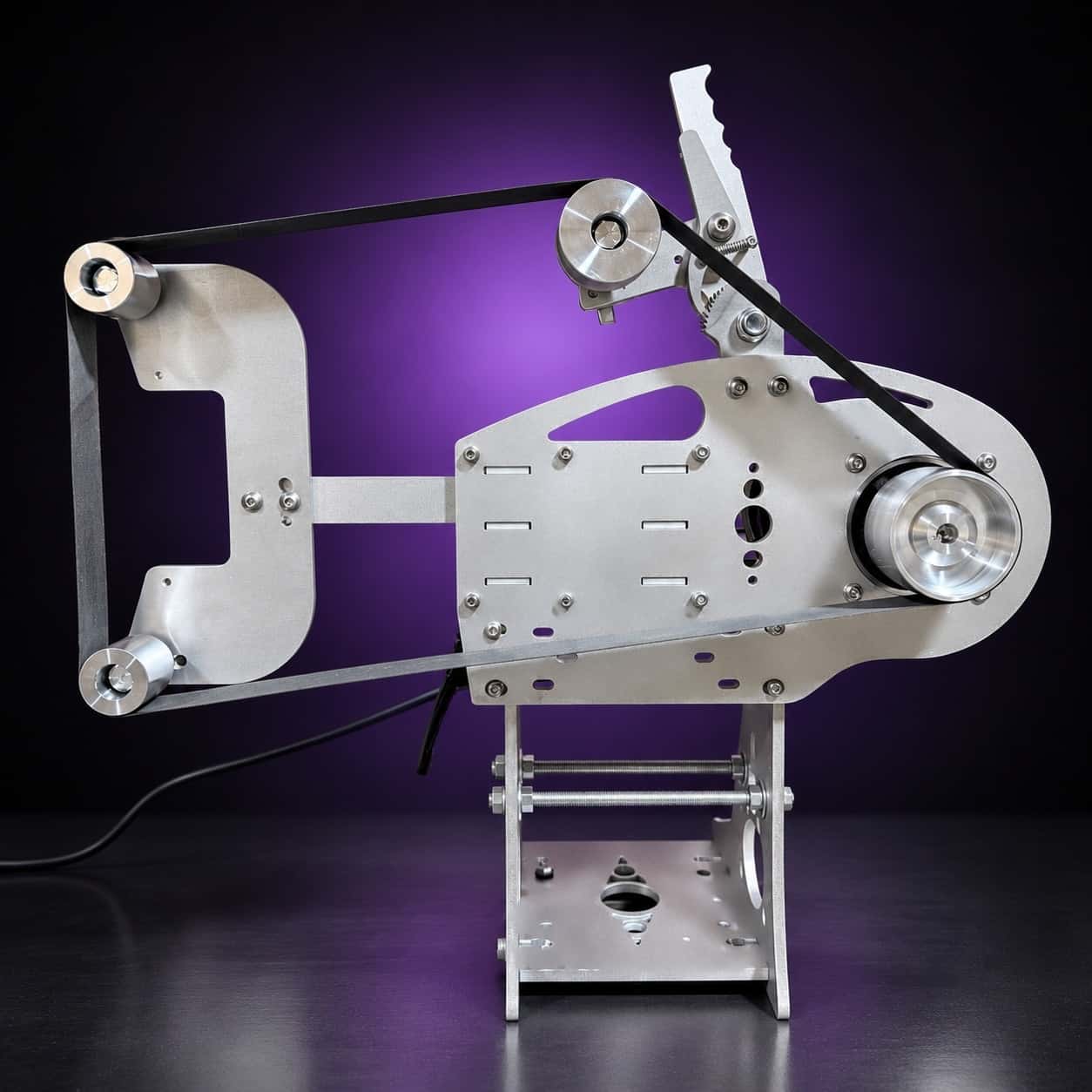
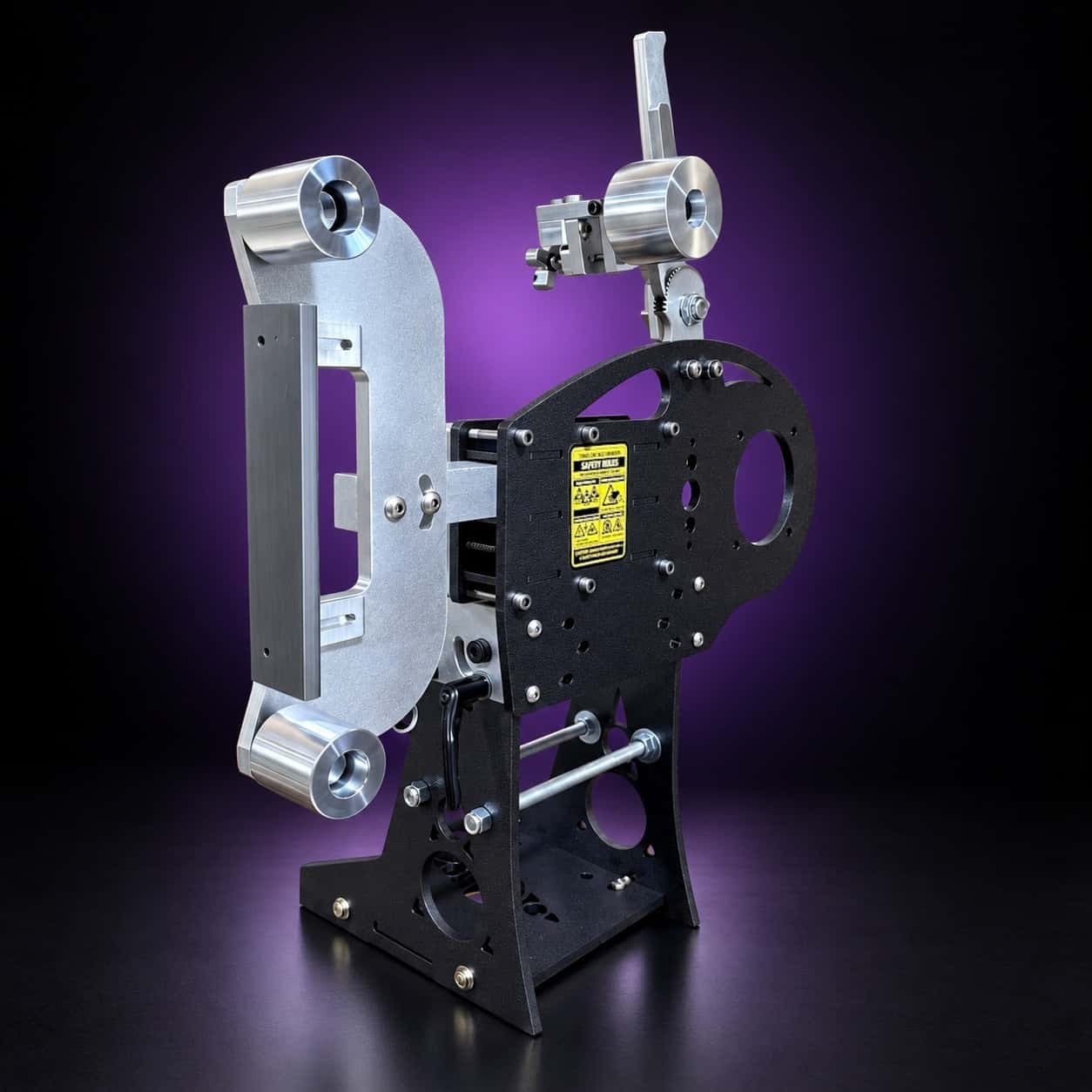
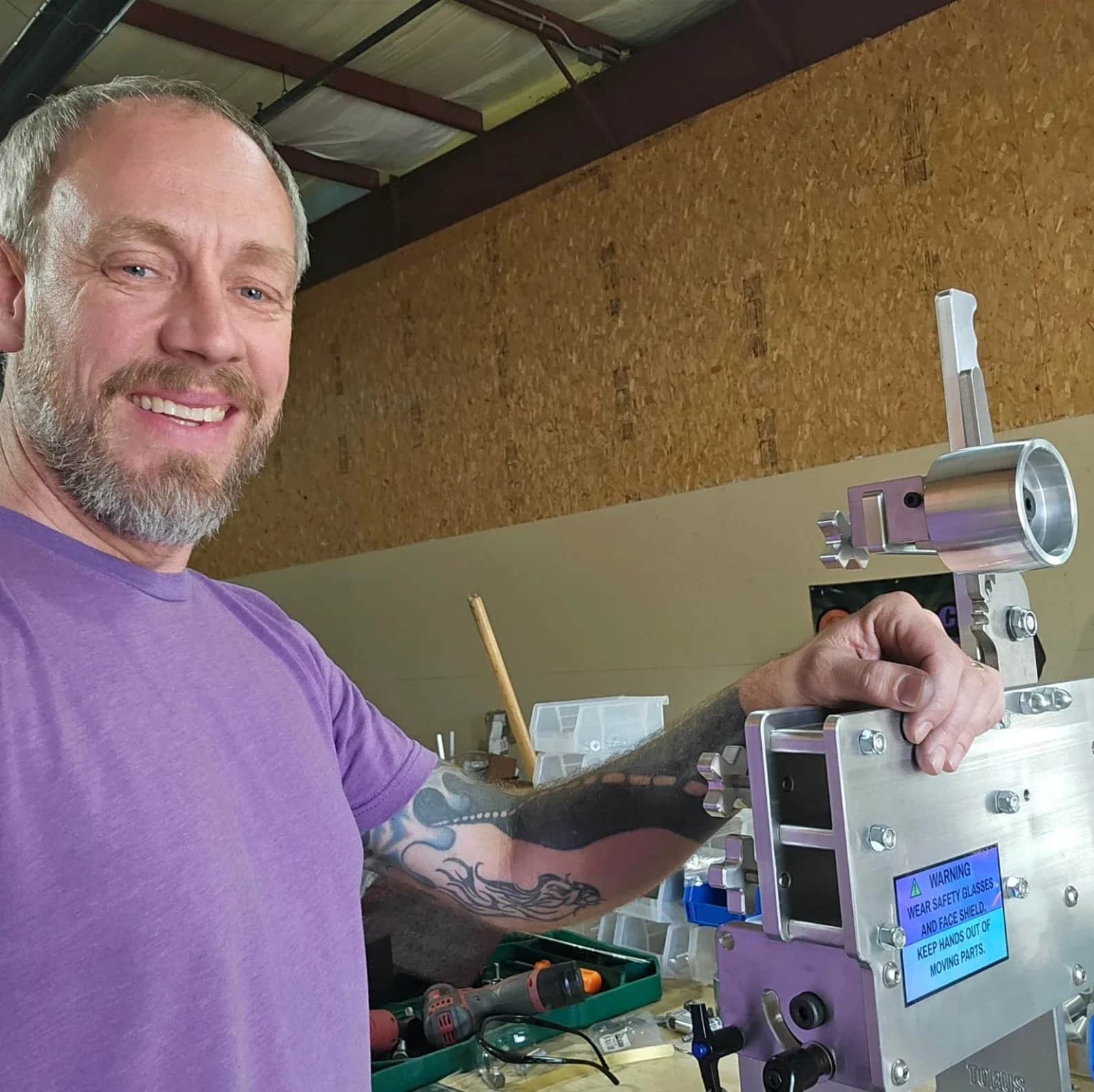
Portable: the Nova 2×72, fiber-laser-cut 6061 aluminum, light enough to move and rigid enough to grind. Stationary: the Nebula, 3/8-inch powder-coated steel that eats vibration. Same tracking, same tensioner, Nova at $1,395 and Nebula at $1,495, both assembled and tested in Sterling, Illinois.