CNC Machine
The Impact of Aluminum on Belt Speed Accuracy and Grinder Performance
Belt speed at the platen depends on frame stiffness, wheel geometry, tracking, motor speed and drive-wheel diameter. Here is how machined aluminum wheels and chassis components keep a 2×72 belt steady, and why that matters.
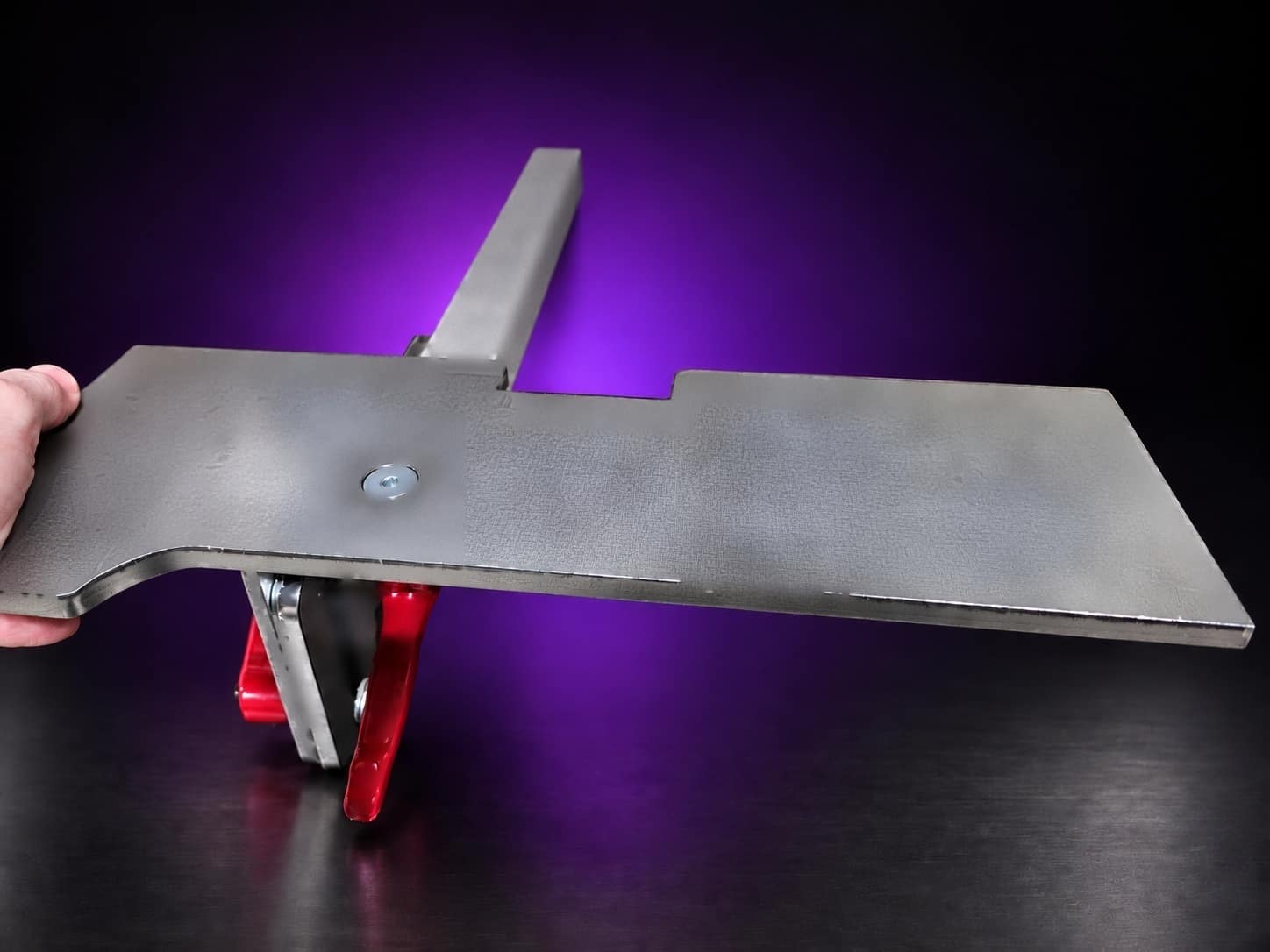
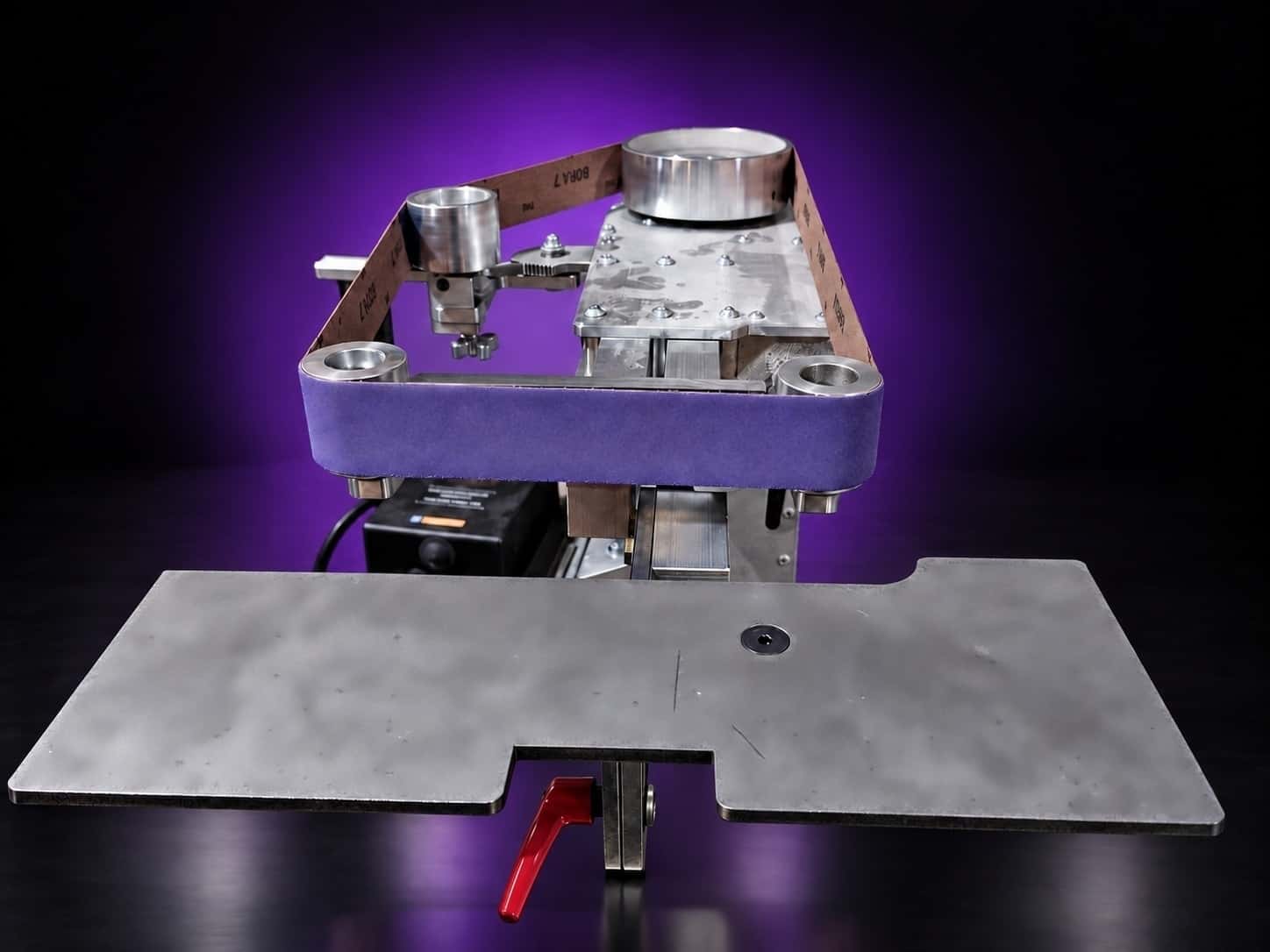
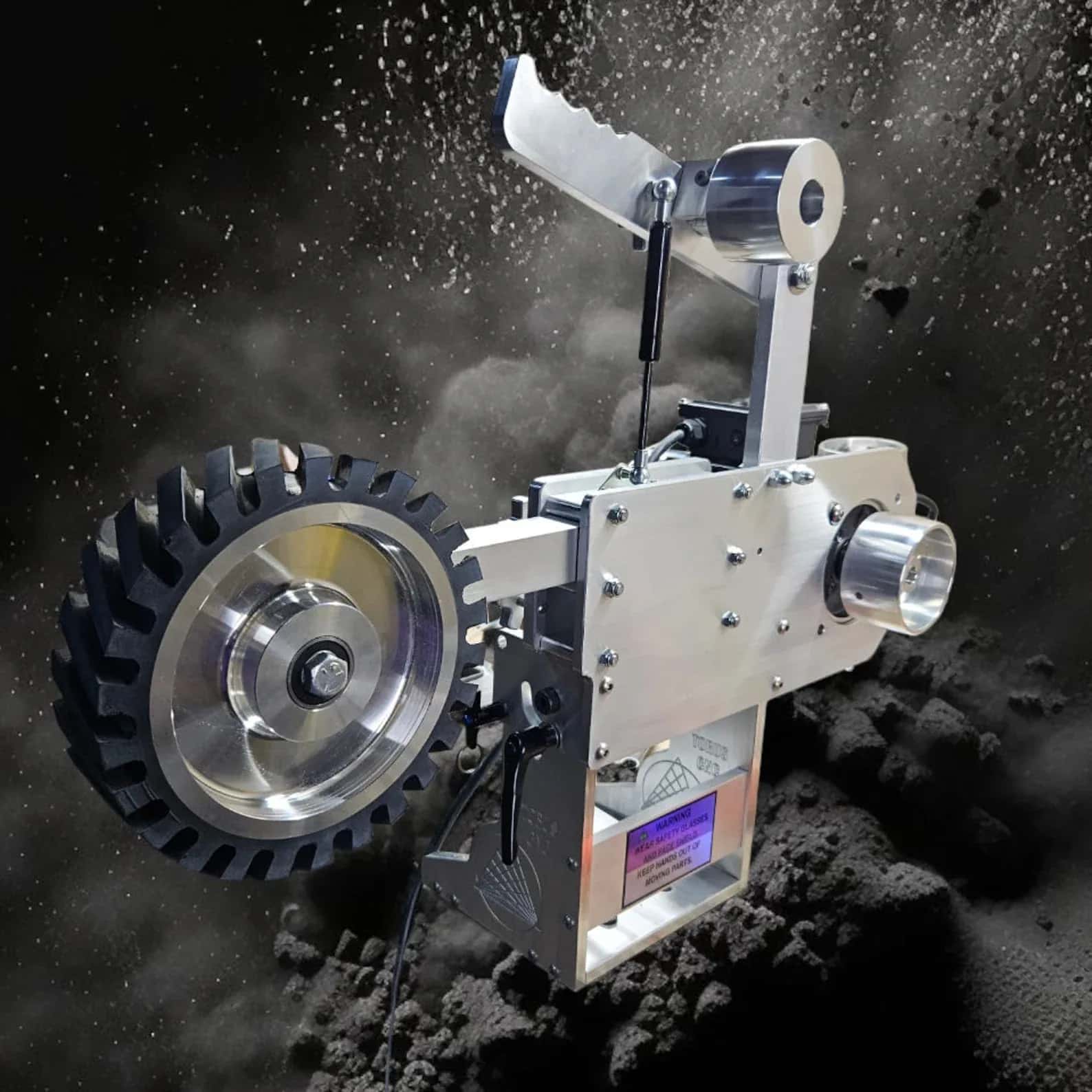
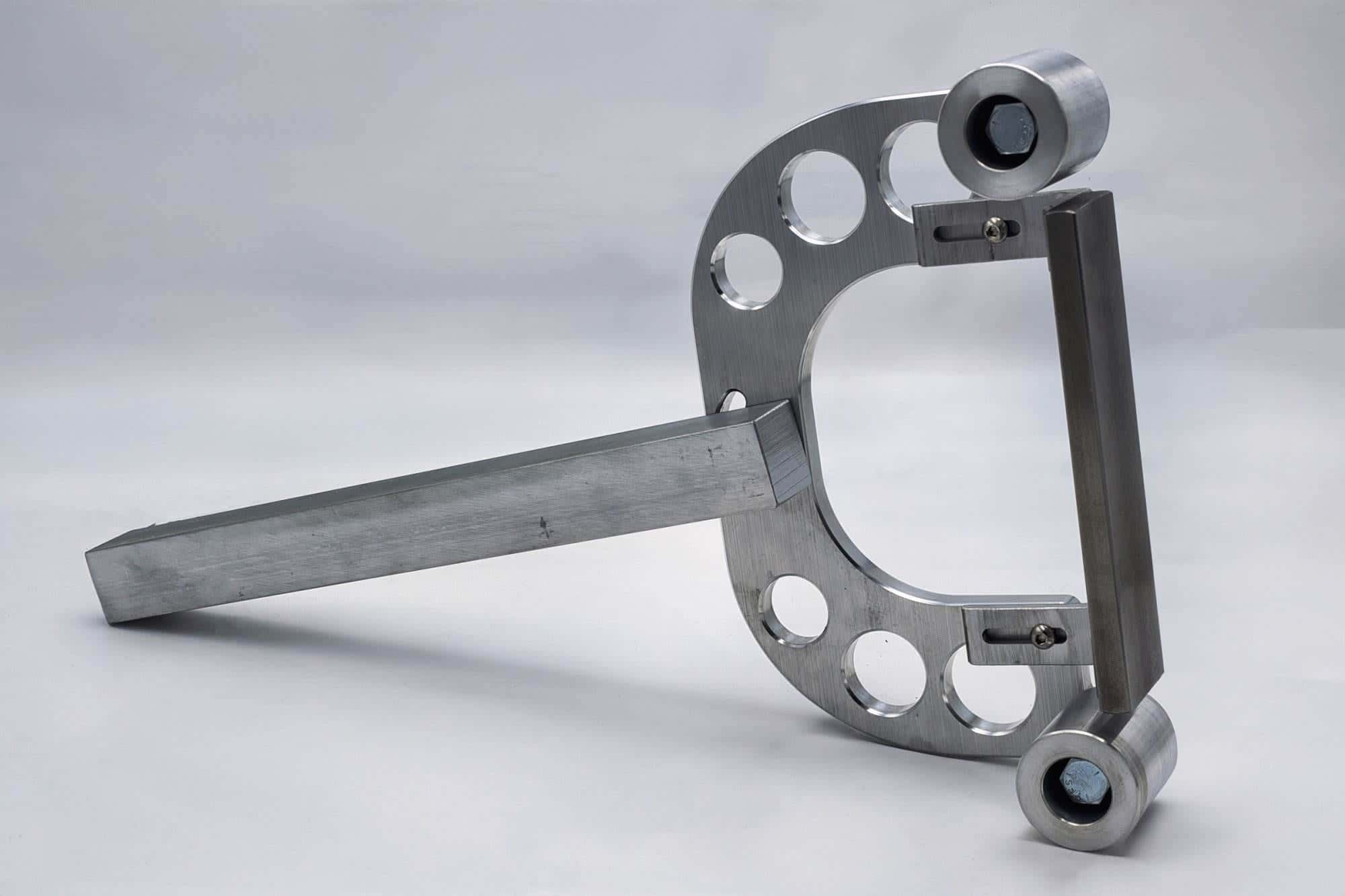
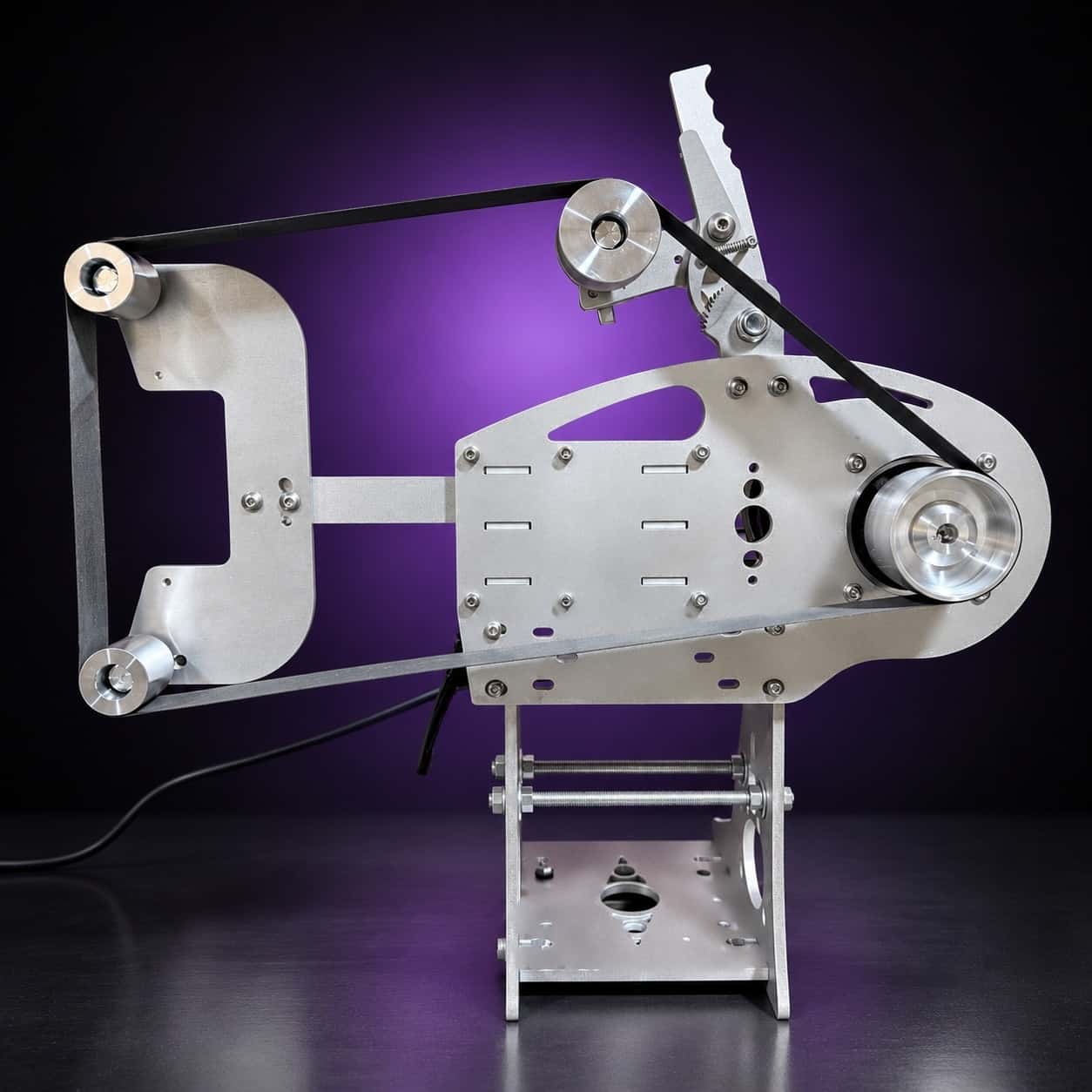
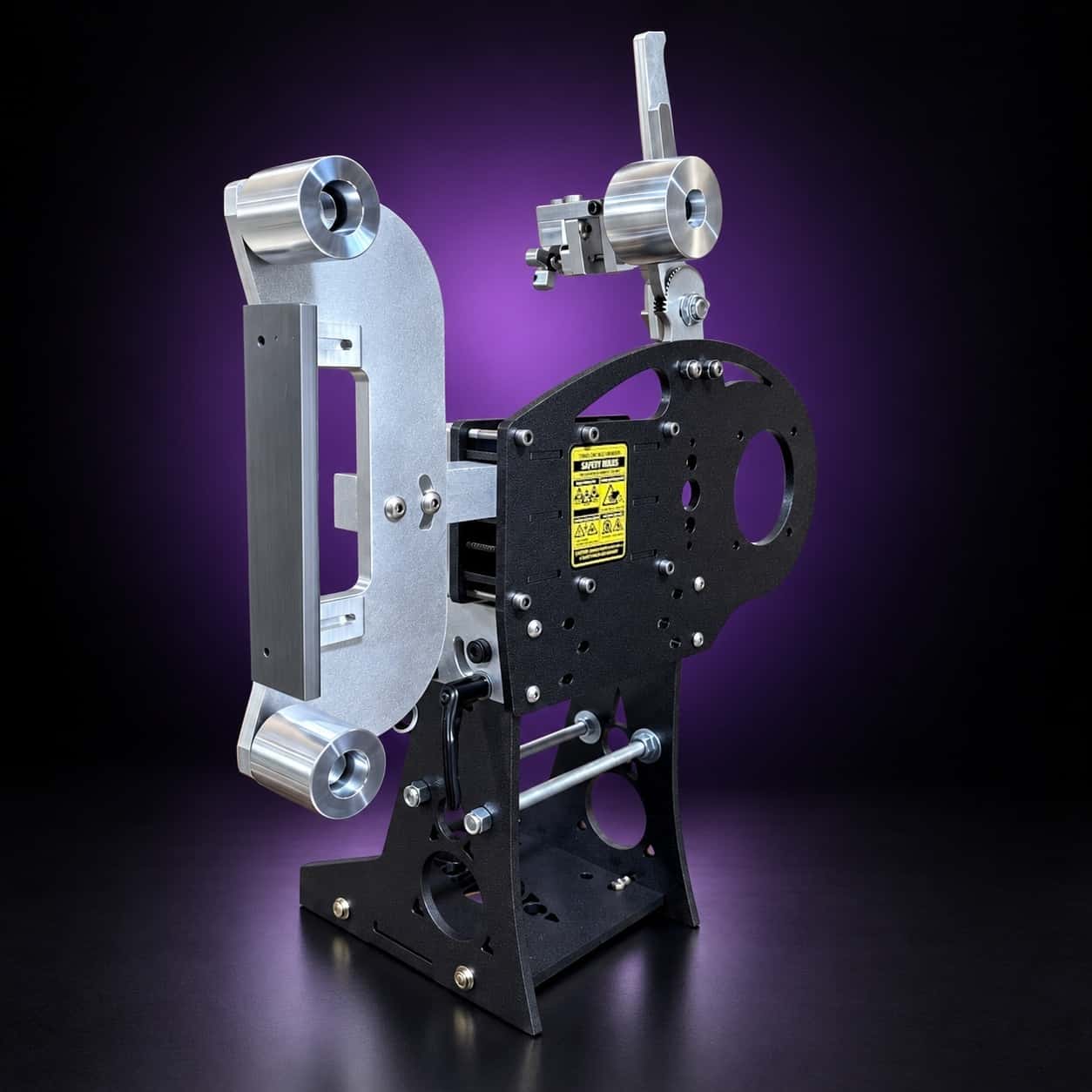
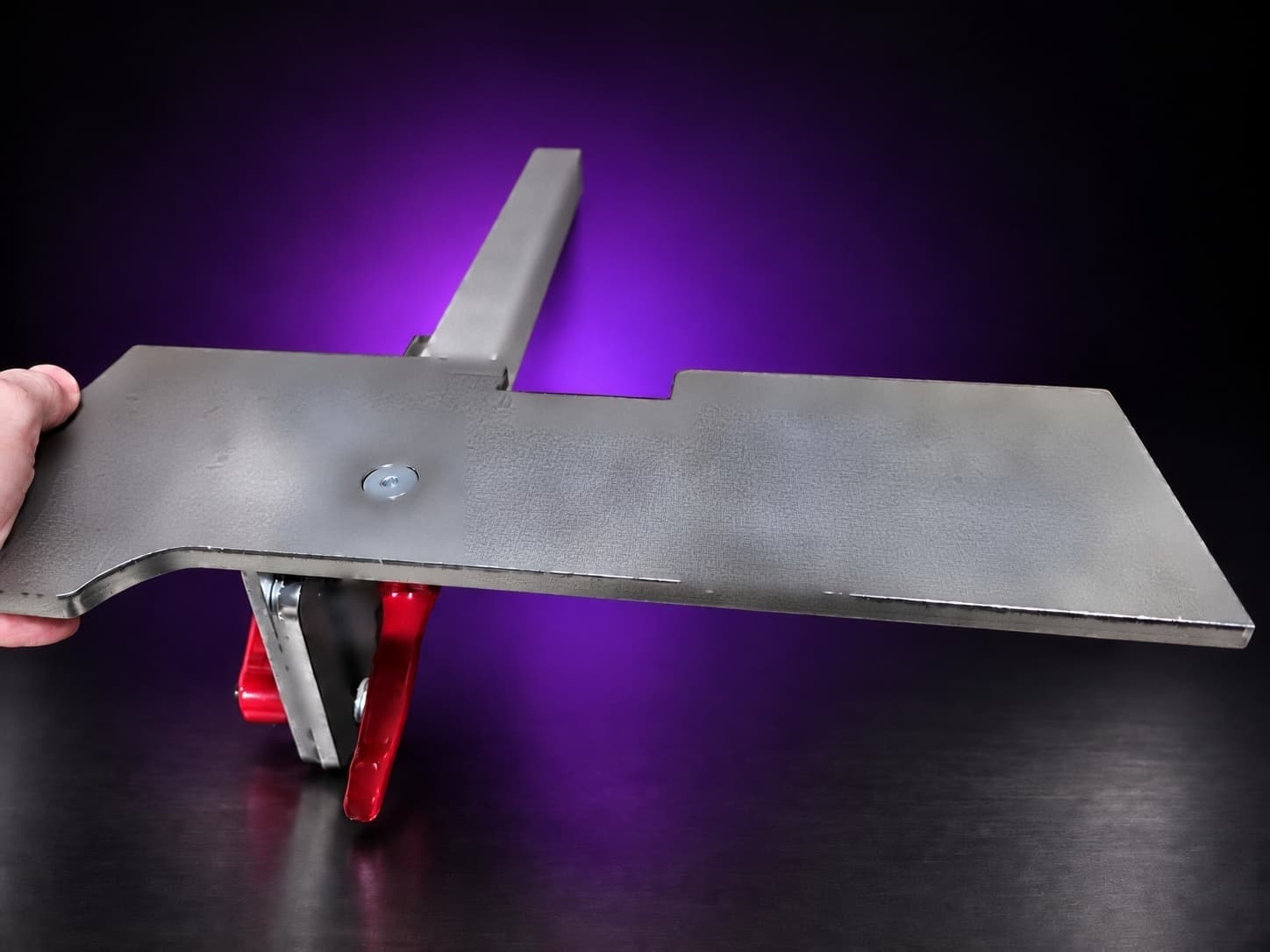
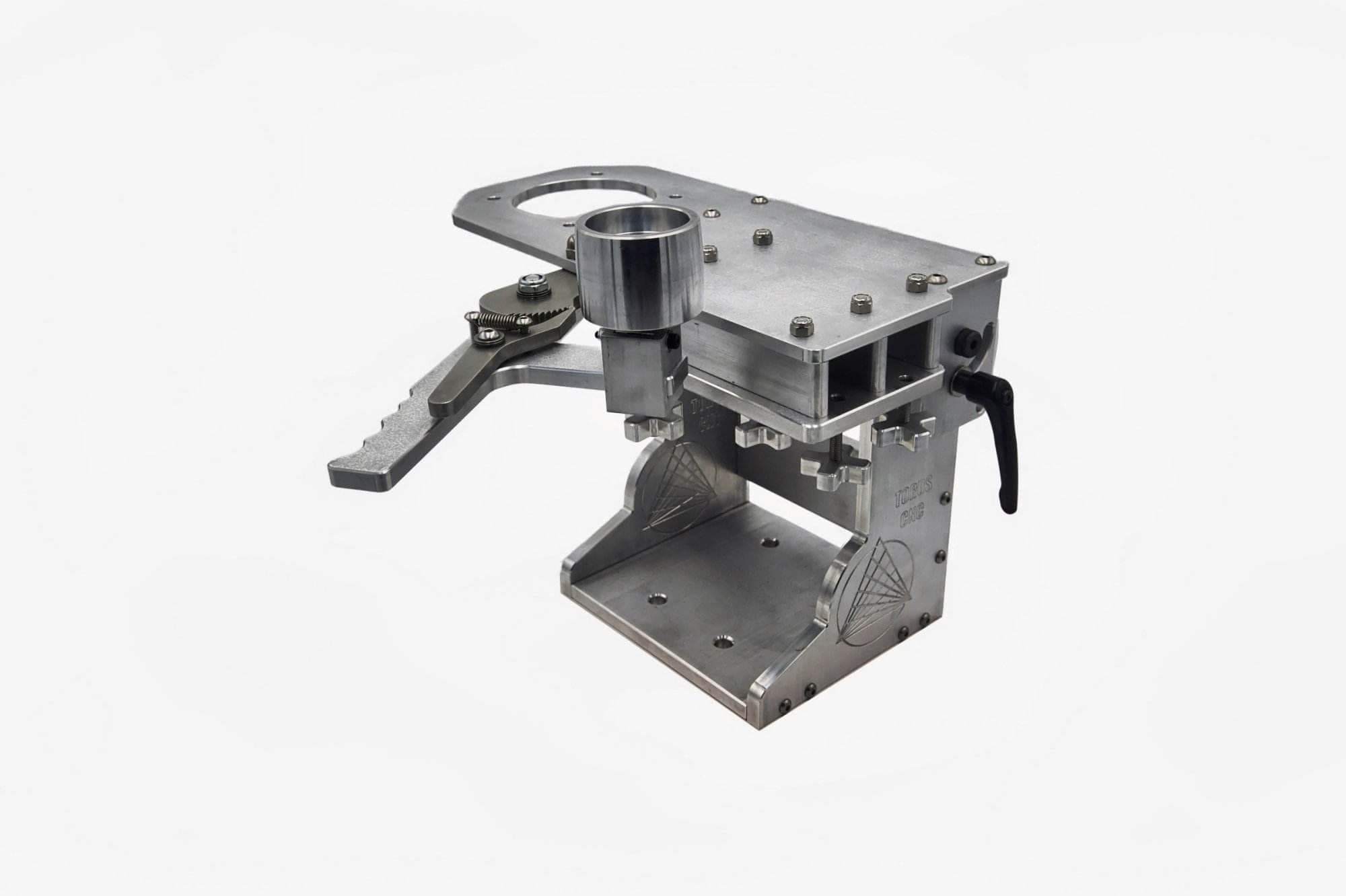
Frame stiffness, wheel geometry, tracking, motor speed and drive-wheel diameter all decide what the belt does at the platen, and aluminum is one chassis choice among those; it does not set belt speed by itself. Out-of-round wheels, a bore that is off center, and a frame that flexes under load all rob speed and add flutter. Here is how machined aluminum wheels, a machined tracking head and a precision-cut aluminum chassis keep a Torus 2×72 belt steady, and why that shows up as cleaner grind lines and longer belt life.
Factors such as friction, heat generation, and material removal rates all play a role in determining how effectively a grinder can perform its tasks. By examining the intricacies of aluminum’s influence on belt speed accuracy and grinder performance, operators can make informed decisions that enhance their machining processes.
Key Takeaways
- Aluminum plays a crucial role in belt speed accuracy and grinder performance in industrial settings.
- Aluminum can significantly impact belt speed accuracy by affecting the tension and tracking of the belt.
- The use of aluminum in grinders can influence performance by affecting heat dissipation and overall durability.
- Factors such as belt tension, tracking, and material composition can affect aluminum’s influence on belt speed accuracy.
- Strategies for improving belt speed accuracy in the presence of aluminum include regular maintenance, proper tensioning, and using compatible materials.
The Role of Aluminum in Belt Speed Accuracy
Belt speed accuracy is a critical aspect of any grinding operation. It refers to the consistency with which the grinding belt moves across the workpiece. In the context of aluminum, this accuracy can be influenced by several factors inherent to the material itself.
Aluminum’s low density means that it can be removed more quickly than denser metals, which can lead to variations in belt speed if not properly managed. When grinding aluminum, operators must ensure that the belt maintains a steady speed to achieve uniform results. The interaction between the grinding belt and aluminum can create unique challenges.
The soft nature of aluminum can lead to increased friction between the belt and the workpiece, potentially causing slippage or variations in speed. This friction can also generate heat, which may further affect the performance of both the belt and the grinder. Therefore, understanding how aluminum behaves during grinding is essential for maintaining belt speed accuracy and ensuring optimal results.
The Impact of Aluminum on Grinder Performance
The performance of a grinder is not solely dependent on its mechanical components; it is also significantly influenced by the materials being processed. When working with aluminum, several factors come into play that can impact overall grinder performance. For instance, the tendency of aluminum to clog grinding belts can lead to decreased efficiency and increased wear on the equipment.
This clogging can result in uneven grinding surfaces and reduced material removal rates, in the end affecting product quality. The heat generated during the grinding process can have detrimental effects on both the grinder and the workpiece. Excessive heat can lead to thermal expansion of components, which may cause misalignment or other mechanical issues.
In turn, this misalignment can further exacerbate problems with belt speed accuracy. Therefore, it is crucial for operators using Torus CNC 2×72 Grinders to monitor temperature levels and implement cooling strategies to mitigate these effects.
Factors Affecting Aluminum’s Influence on Belt Speed Accuracy
| Factor | Description |
|---|---|
| Belt Tension | The tension of the belt can affect its speed accuracy. |
| Roller Diameter | The diameter of the rollers can impact the belt speed accuracy. |
| Material Friction | The friction between the belt and the material being transported can influence speed accuracy. |
| Environmental Conditions | Factors such as temperature and humidity can affect the belt speed accuracy. |
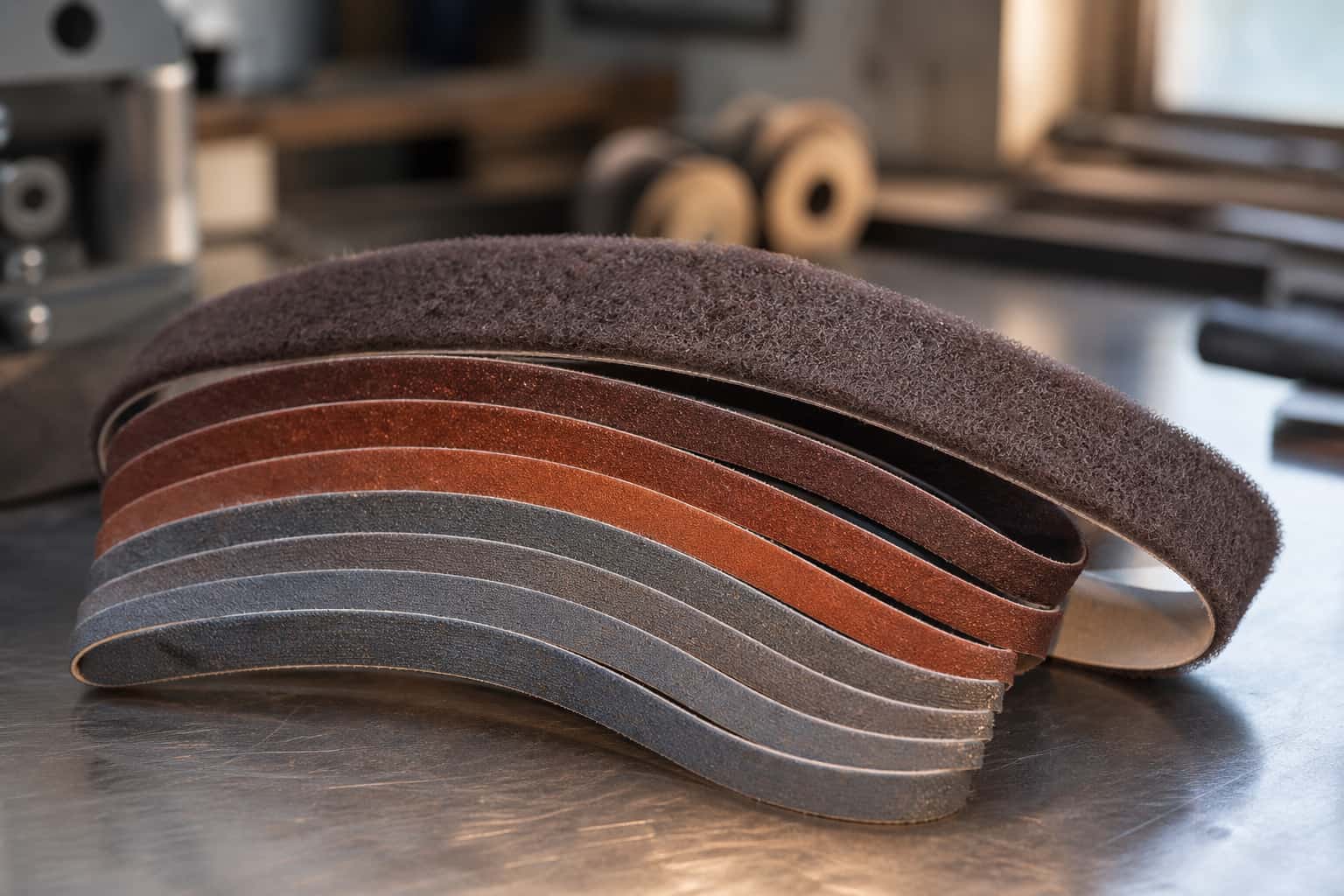
Several factors contribute to how aluminum affects belt speed accuracy during grinding operations. One significant factor is the type of grinding belt used. Different belts have varying levels of abrasiveness and flexibility, which can influence how they interact with aluminum.
For example, a more abrasive belt may remove material quickly but could also generate more heat and friction, leading to potential speed inconsistencies. Another important consideration is the feed rate at which aluminum is processed. A higher feed rate may increase productivity but can also lead to greater variations in belt speed if not carefully controlled.
Strategies for Improving Belt Speed Accuracy in the Presence of Aluminum
To enhance belt speed accuracy when working with aluminum, operators can implement several strategies tailored to address the unique challenges posed by this material. One effective approach is to select the appropriate grinding belt for aluminum applications. Belts specifically designed for non-ferrous metals often feature specialized coatings or abrasives that reduce friction and heat generation, thereby promoting more consistent speed.
Another strategy involves adjusting the grinder’s settings to optimize performance when processing aluminum. This may include fine-tuning parameters such as feed rate, belt tension, and speed settings to achieve a balance that minimizes slippage and maximizes material removal efficiency. Regular maintenance of the grinder is also essential; ensuring that components are clean and well-lubricated can help prevent issues related to friction and overheating.
Considerations for Optimizing Grinder Performance with Aluminum
Optimizing grinder performance when working with aluminum requires a multifaceted approach that considers both equipment and operational practices. One key consideration is the importance of cooling systems during grinding operations. Implementing effective cooling methods—such as using coolant fluids or air cooling—can help dissipate heat generated during grinding, thereby preserving both belt integrity and workpiece quality.
Case Studies and Examples of Aluminum’s Impact on Belt Speed Accuracy and Grinder Performance
Real-world examples illustrate how aluminum’s properties can influence belt speed accuracy and grinder performance in various settings. In one case study involving a manufacturer specializing in aerospace components, operators noted significant variations in belt speed when processing aluminum alloys. By switching to specialized grinding belts designed for non-ferrous metals and implementing a cooling system, they were able to achieve more consistent results while reducing wear on their Torus CNC 2×72 Grinders.
Another example comes from a custom fabrication shop where operators faced challenges with surface finish quality when grinding aluminum parts. After analyzing their processes, they discovered that excessive heat buildup was causing inconsistencies in both belt speed and surface finish. By adjusting their feed rates and incorporating regular cooling breaks into their workflow, they successfully improved both belt speed accuracy and overall product quality.
FAQs
How does aluminum affect belt speed accuracy?
Aluminum’s lightweight nature can cause belt slippage and inaccuracies in belt speed measurements, leading to inconsistent grinding results and reduced productivity. Aluminum’s non-magnetic properties can interfere with the functioning of magnetic speed sensors, further impacting belt speed accuracy.
How can the impact of aluminum on belt speed accuracy and overall grinder performance be mitigated?
To mitigate the impact of aluminum on belt speed accuracy and overall grinder performance, manufacturers can consider using alternative materials for critical components, implementing specialized belt tracking systems, and regularly inspecting and maintaining the grinder to ensure optimal performance. Utilizing non-contact speed measurement technologies can help overcome the challenges posed by aluminum’s non-magnetic properties.
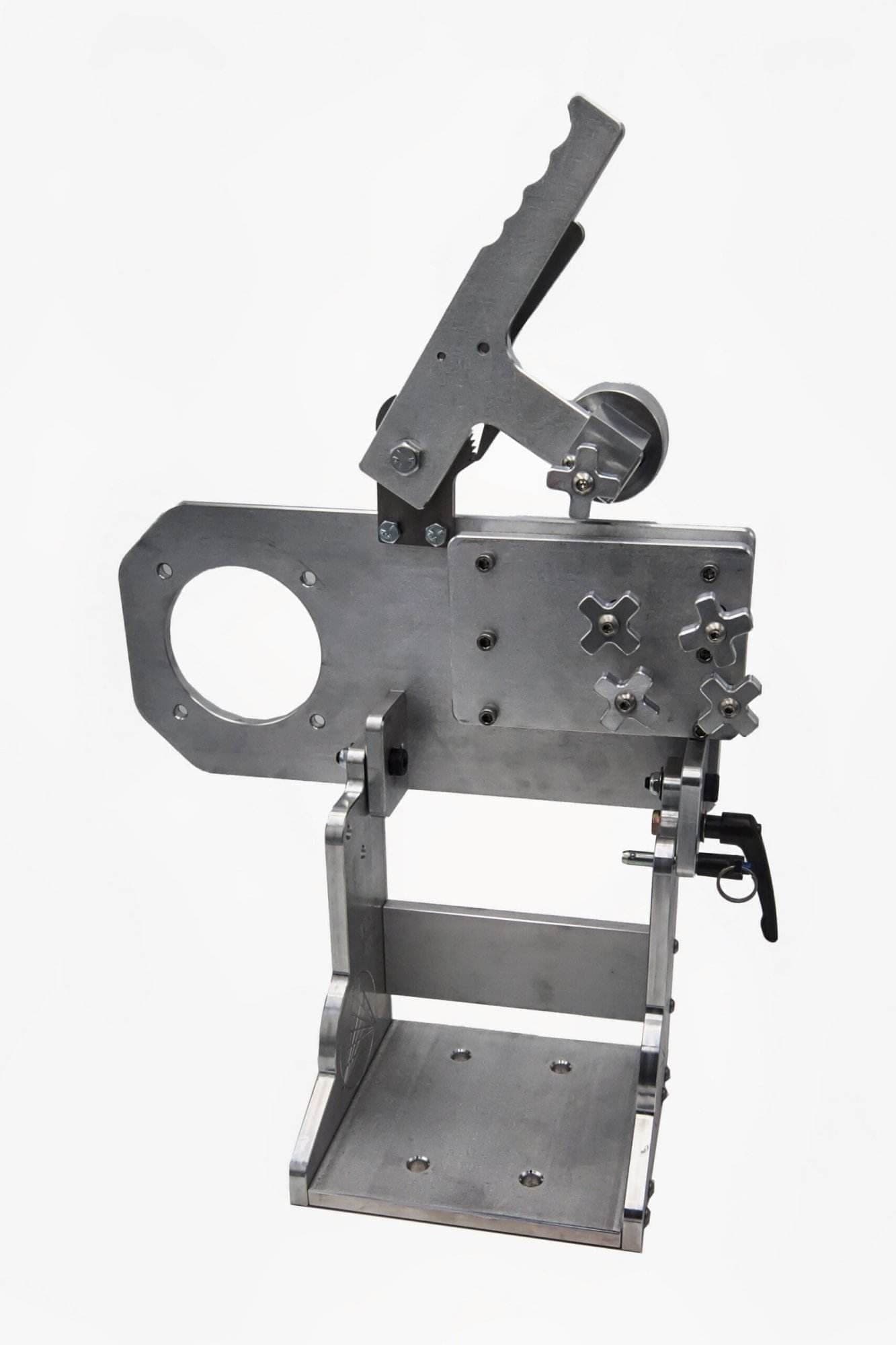
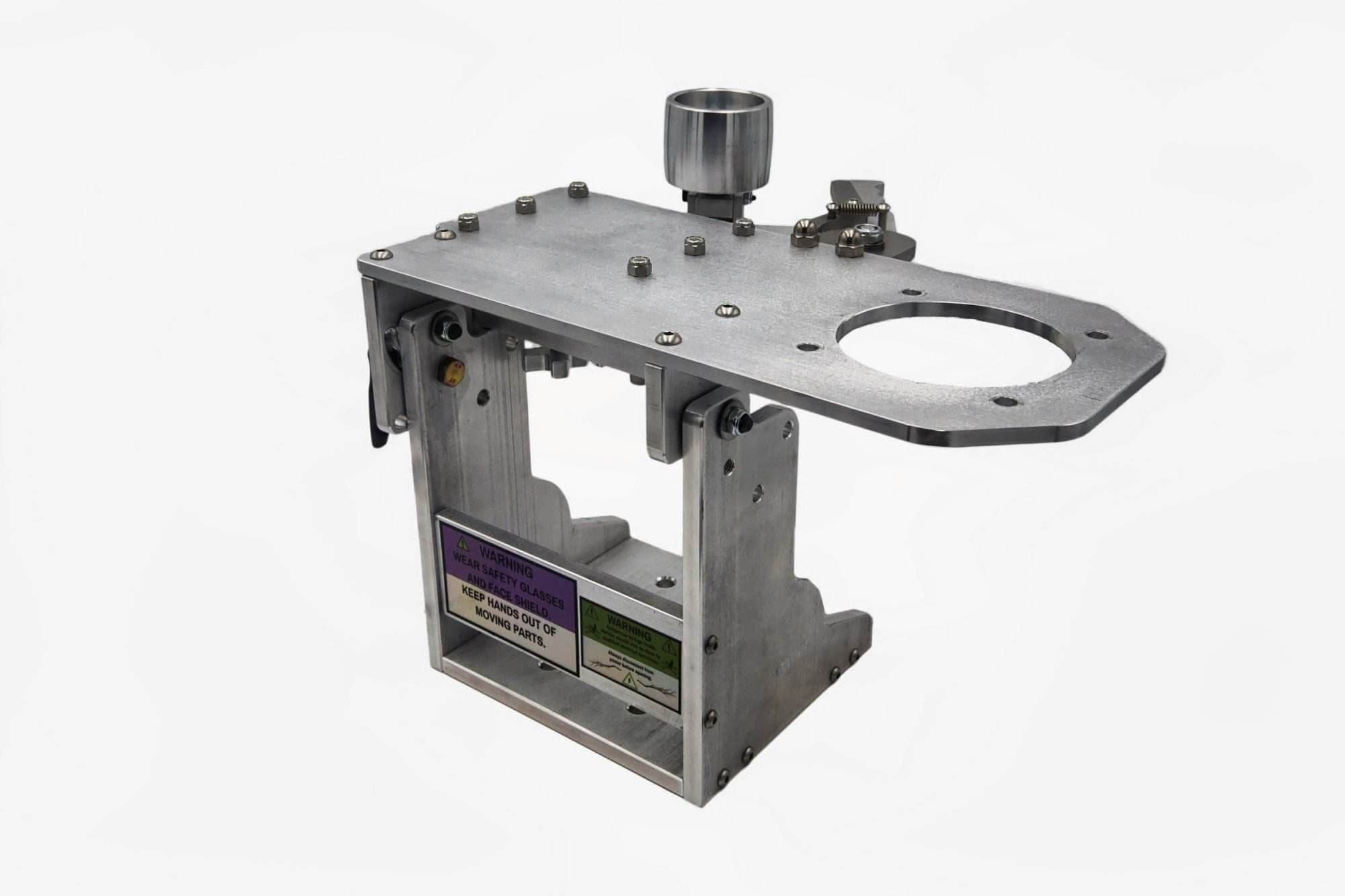
The Nova 2×72 uses a precision fiber-laser-cut aluminum chassis, a machined tracking head, a dual-axis tracking system, and 4-inch or 7-inch drive-wheel options. Pick the motor and drive wheel from the speed and power your work needs: pair it with my motor and VFD combo and run the belt speed calculator to see exactly what you are getting.