Belt Grinders
2×72 Grinders on Forged in Fire: The Knifemaking Belt Grinder
Watch Forged in Fire and the same machine keeps appearing: a 2x72 belt grinder. Here is why it is the workhorse in so many knife shops, what it does that a 1x30 cannot, and how to set one up.
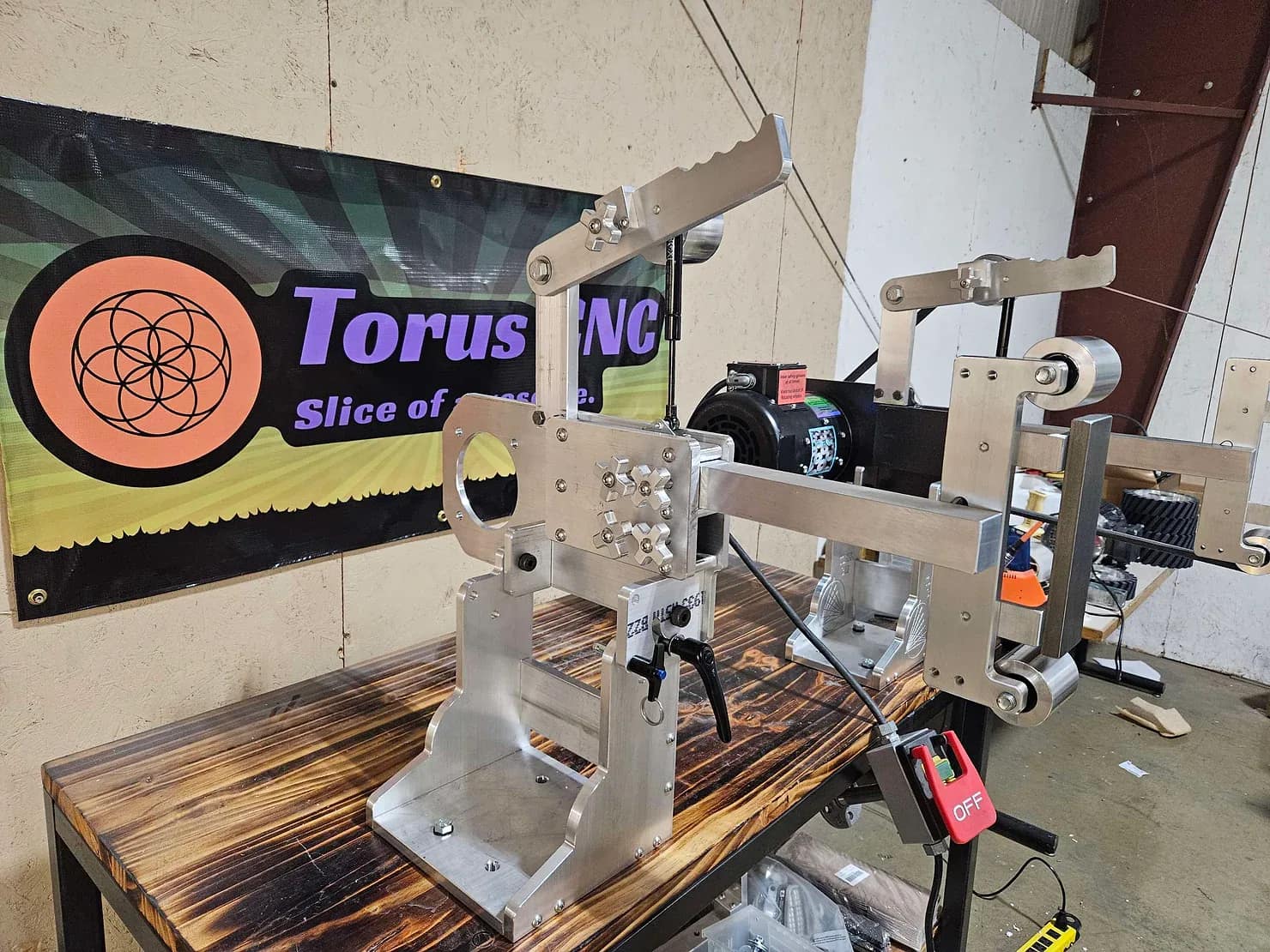
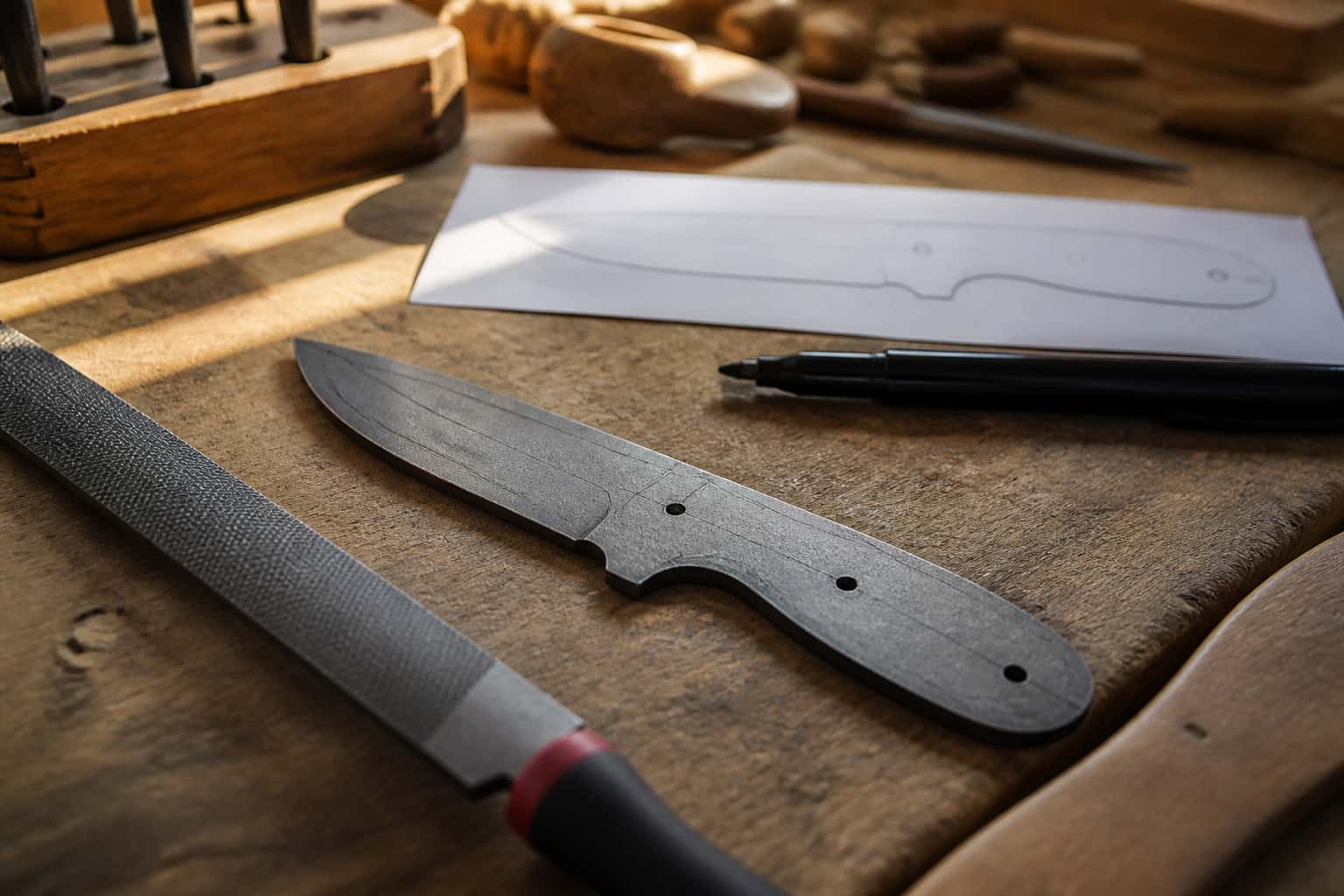
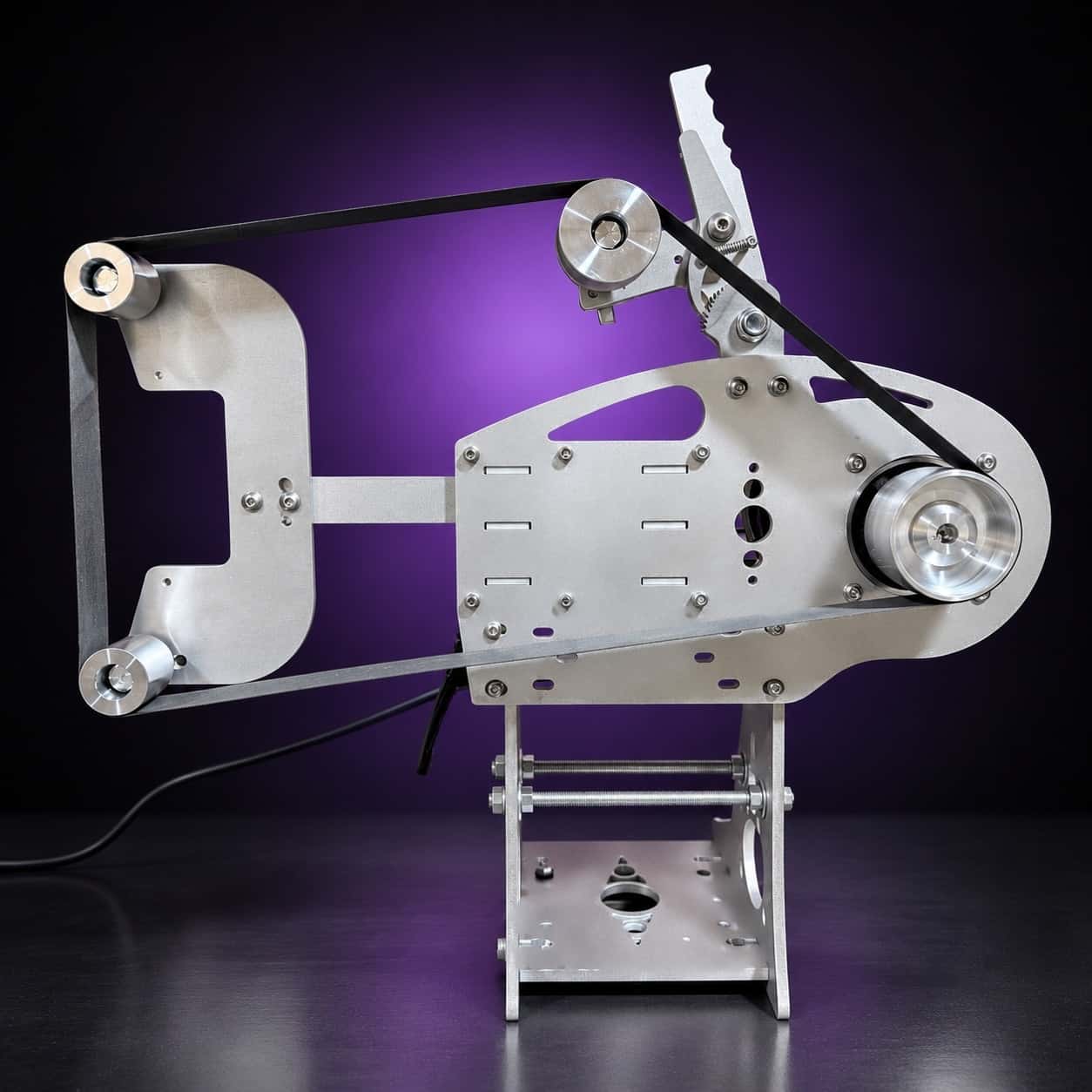
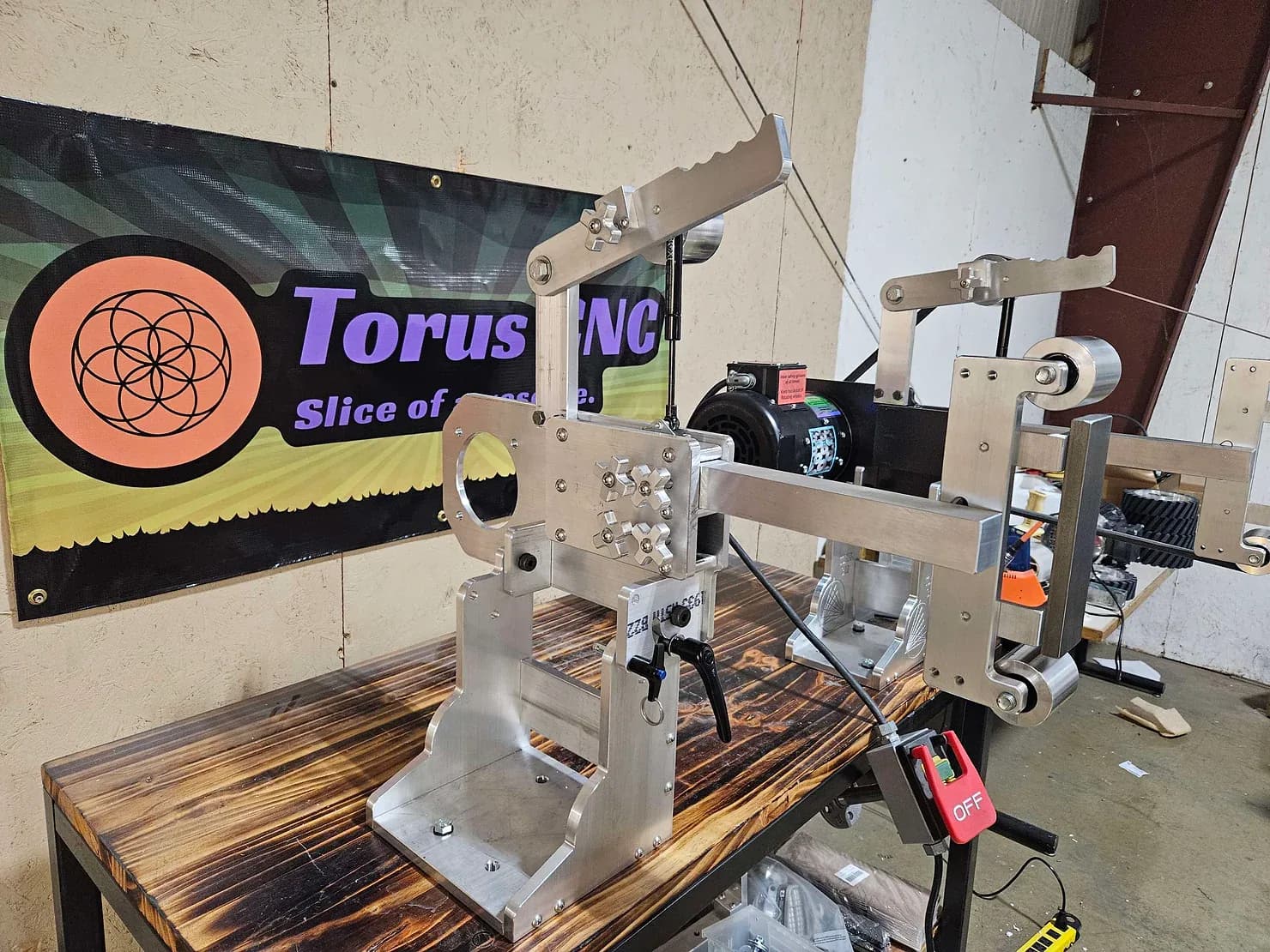
Watch any round of Forged in Fire and you will see the same move: the smith grabs the blank and heads straight for a 2×72 belt grinder. My own machines have never been on the show, but the reason the contestants lean on that grinder is the same reason I built one for my own knives. Long belt, real horsepower, and a platen that stays flat under pressure. Here is what the 2×72 does for a blade, and why it belongs in your shop too.
What a 2×72 does for a blade
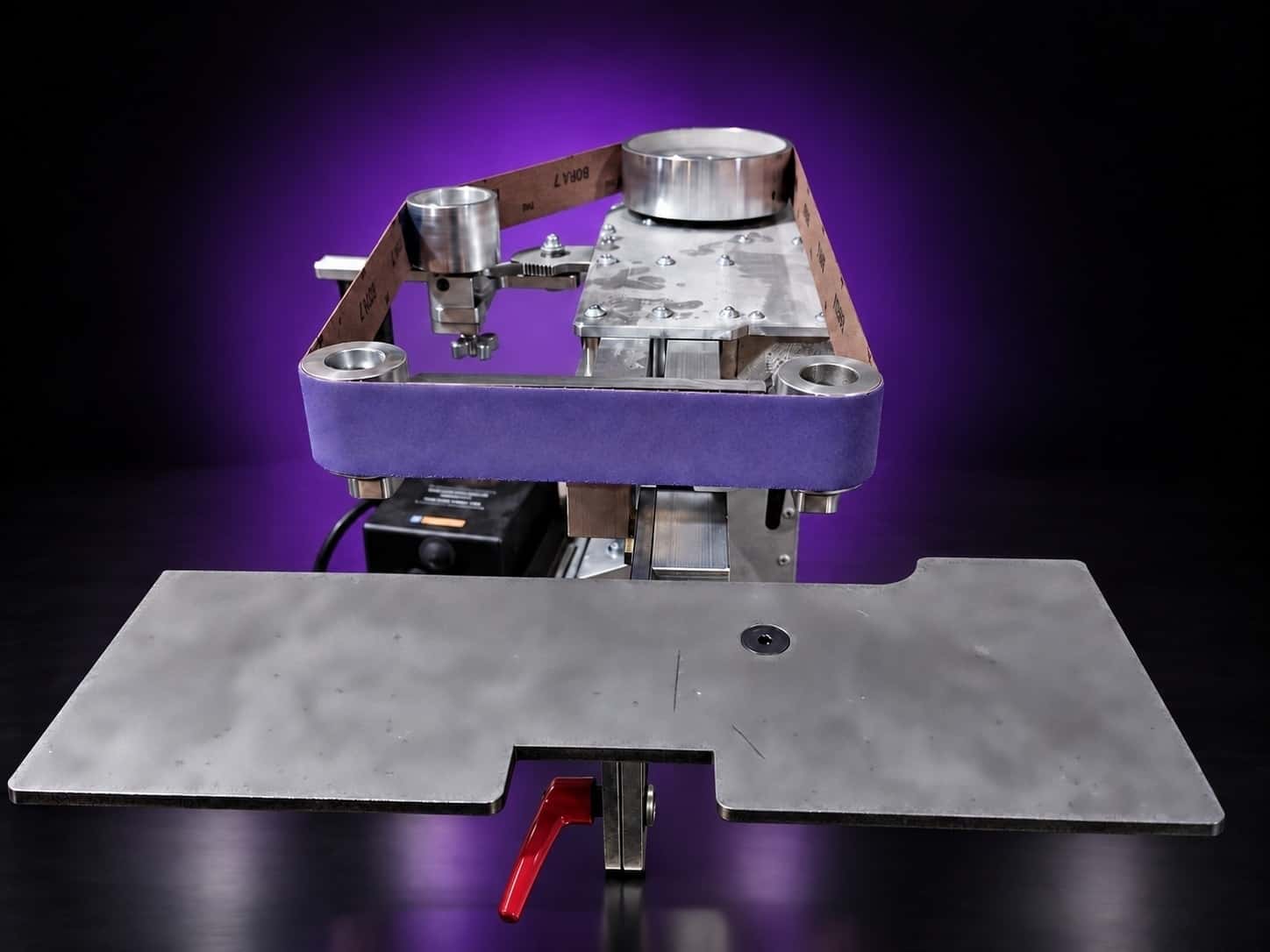
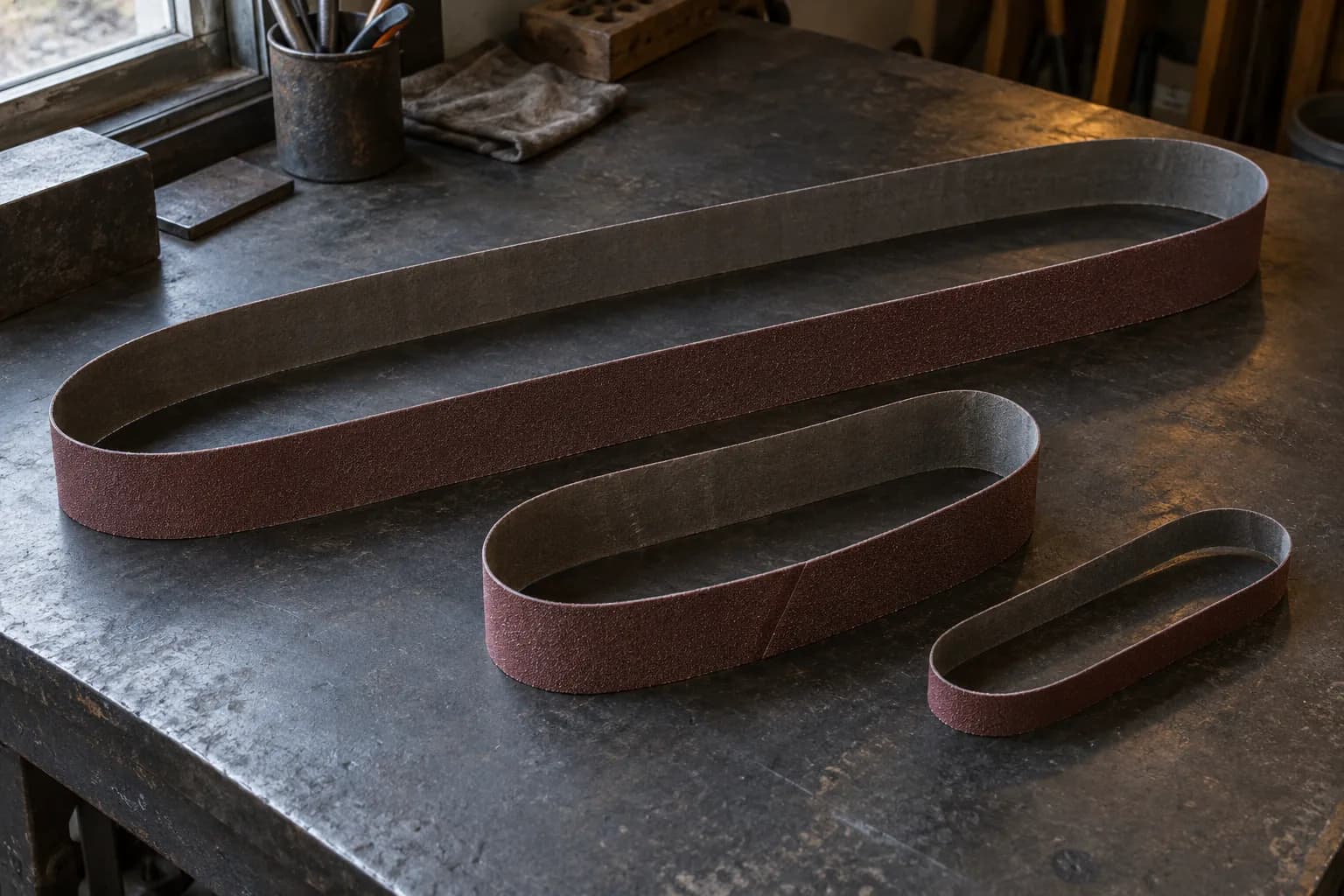
On the show the clock is the enemy, and a 2×72 is the fastest honest way to move steel. Seventy-two inches of belt spreads the heat and the wear over far more abrasive than a 1×30 or a 2×42, so the belt keeps cutting longer and the steel stays cooler. Two inches of width on a flat platen let you hold one bevel angle down the whole blade instead of rocking it on a narrow strip.
Why I build around it
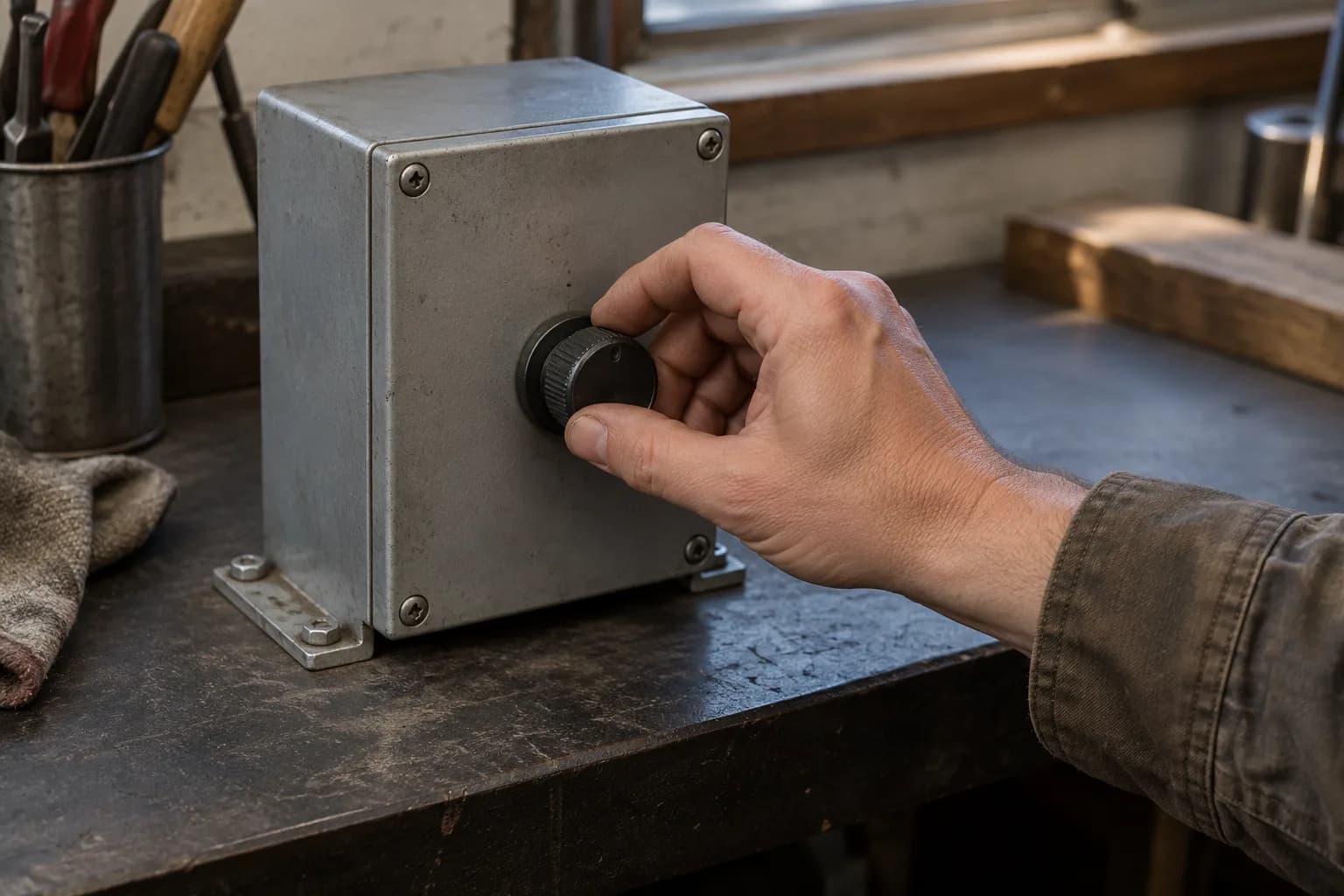
- Speed you can turn down. With a VFD you hog at full speed, then slow the belt for the edge and the finish passes, where heat does the damage.
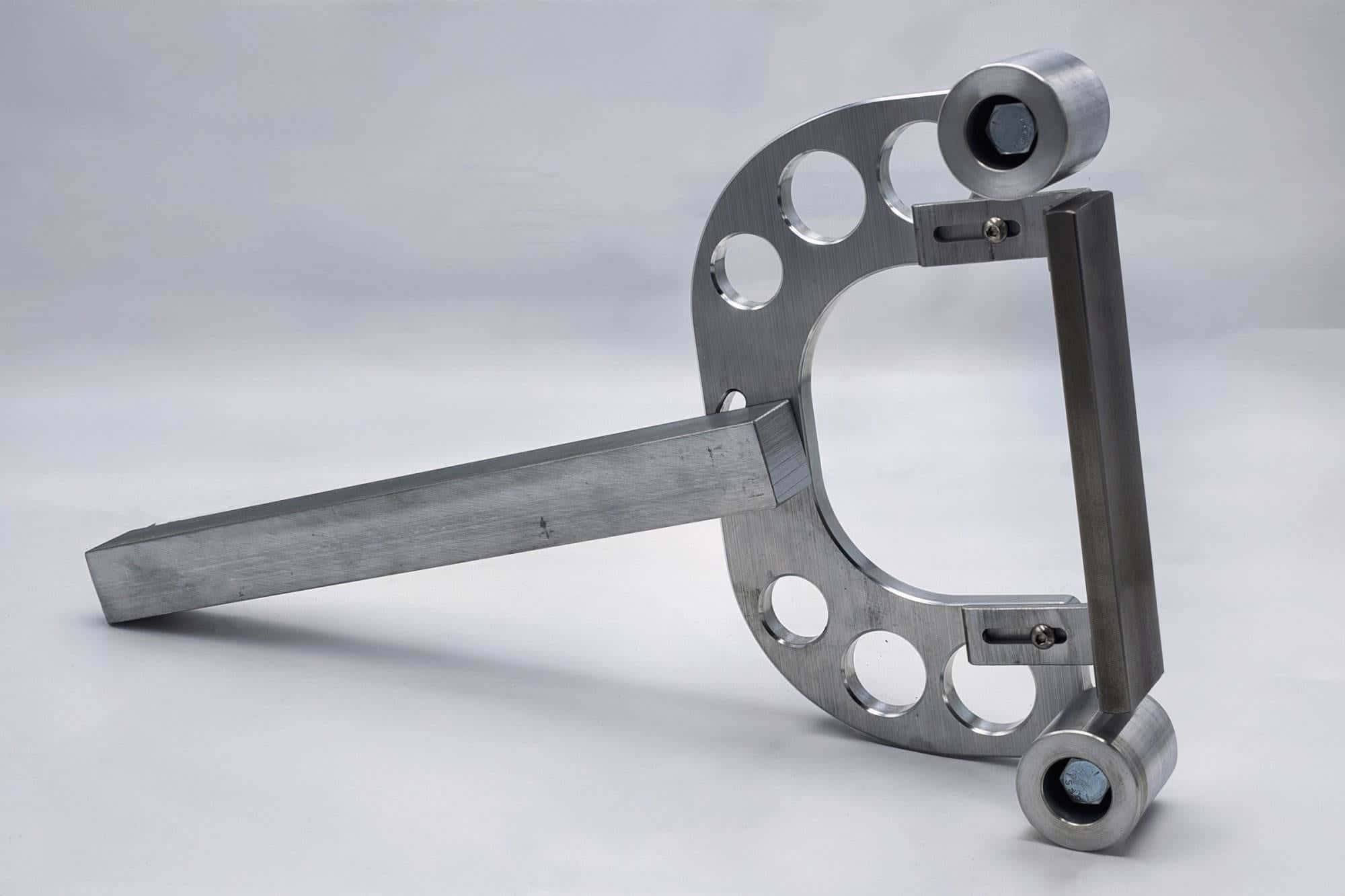
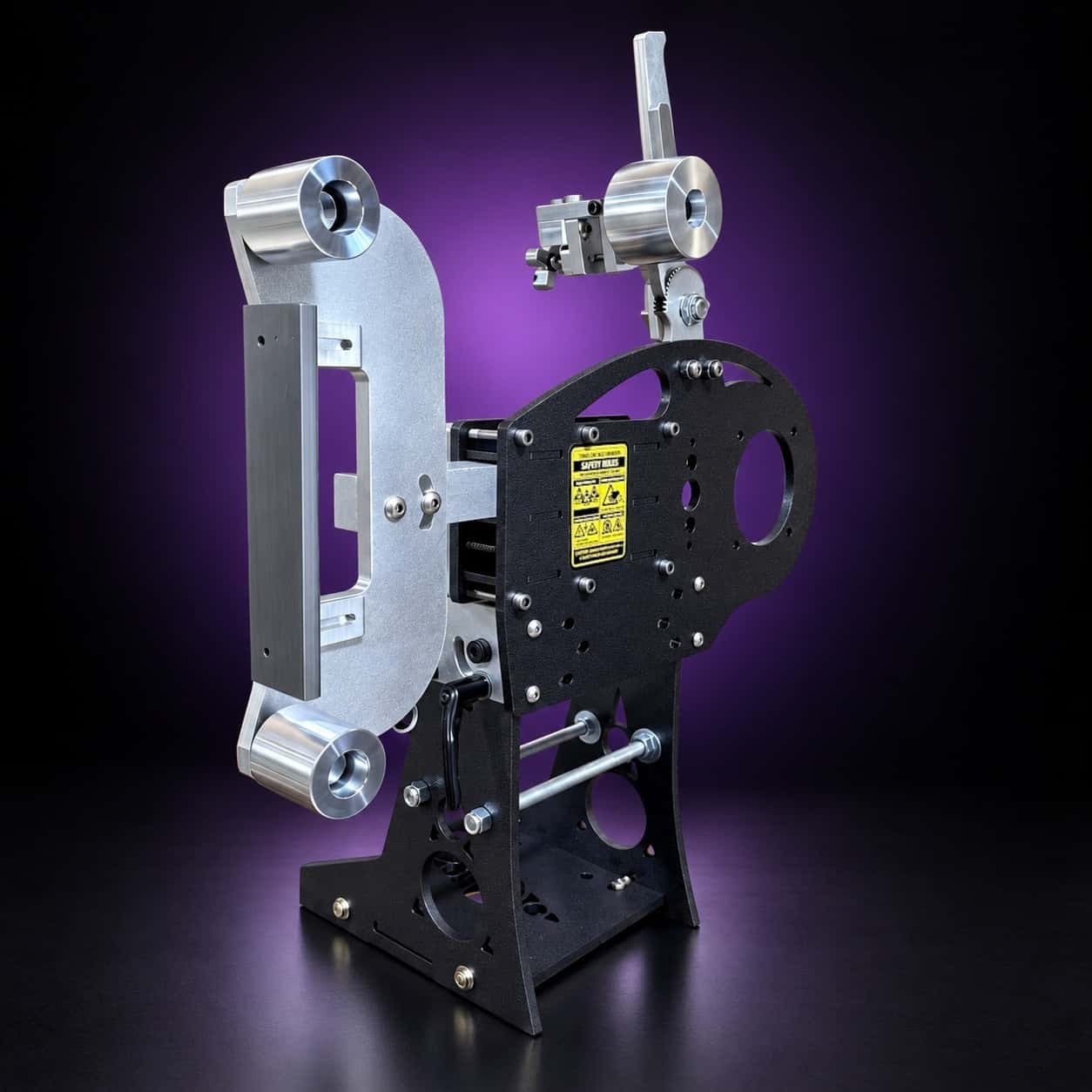
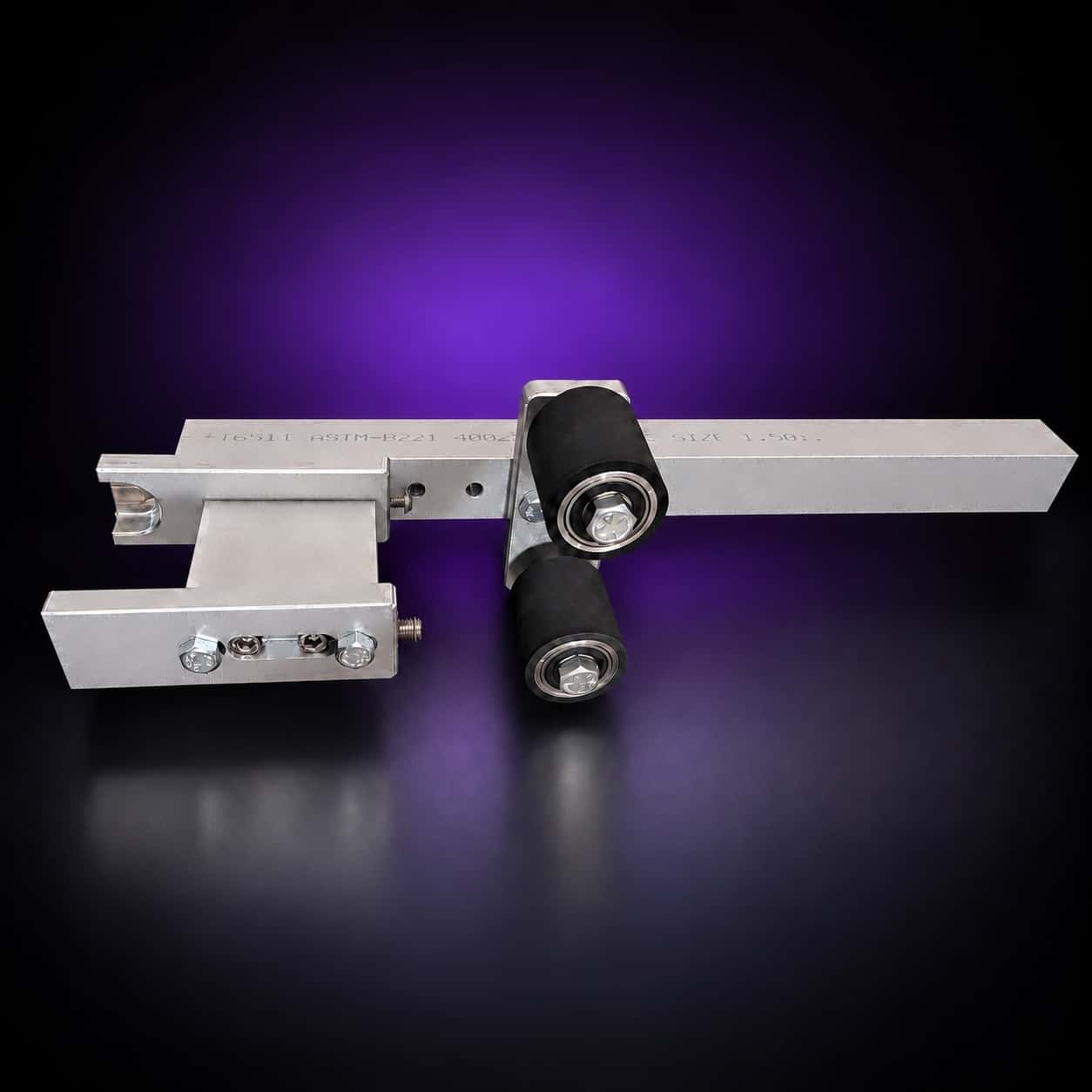
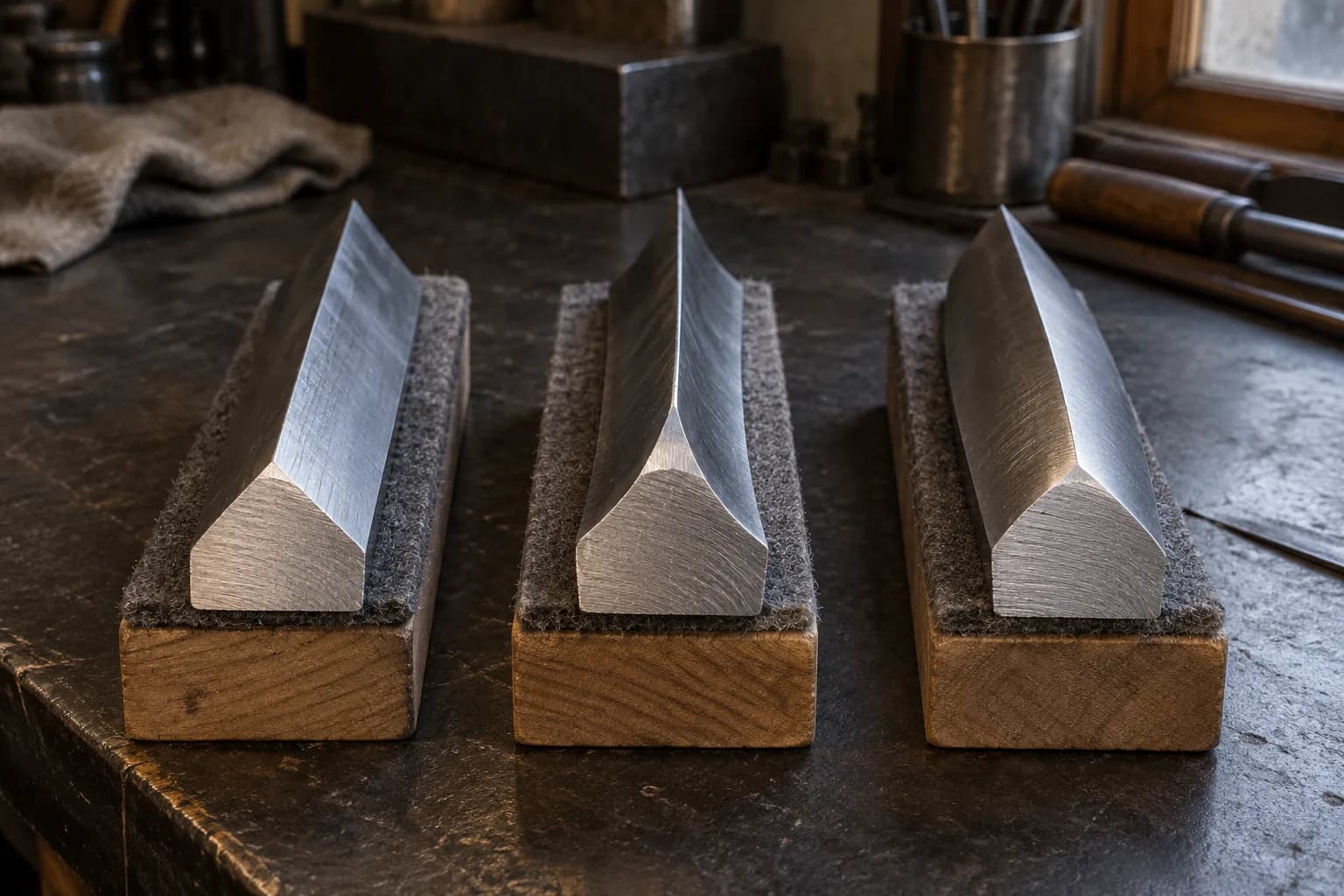
- One machine, many grinds. Swap the flat platen for a contact wheel for hollow grinds, a small wheel for plunge lines and choils, or slack belt for convex edges. On a Torus each one rides its own 1.5-inch arm and swaps in seconds.
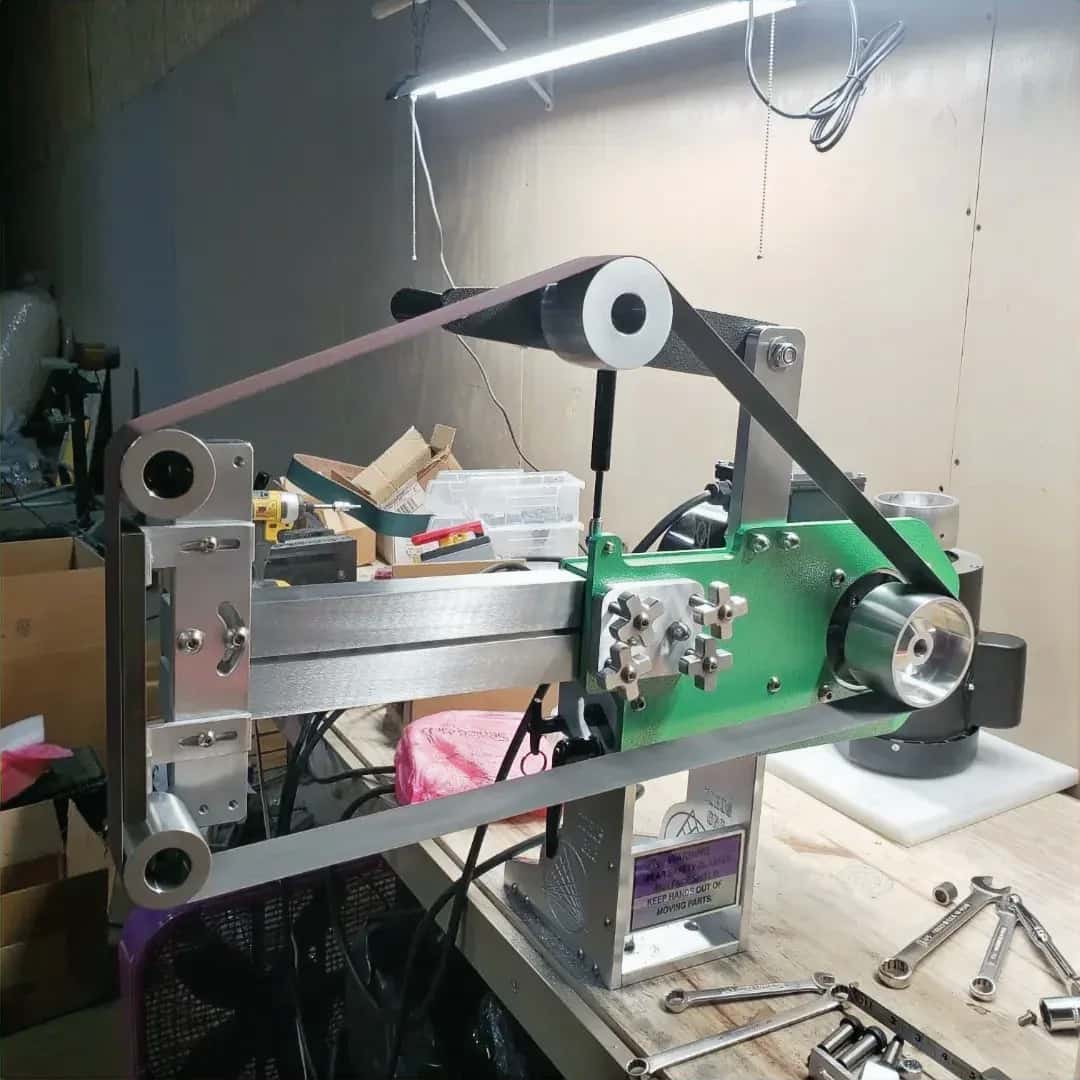
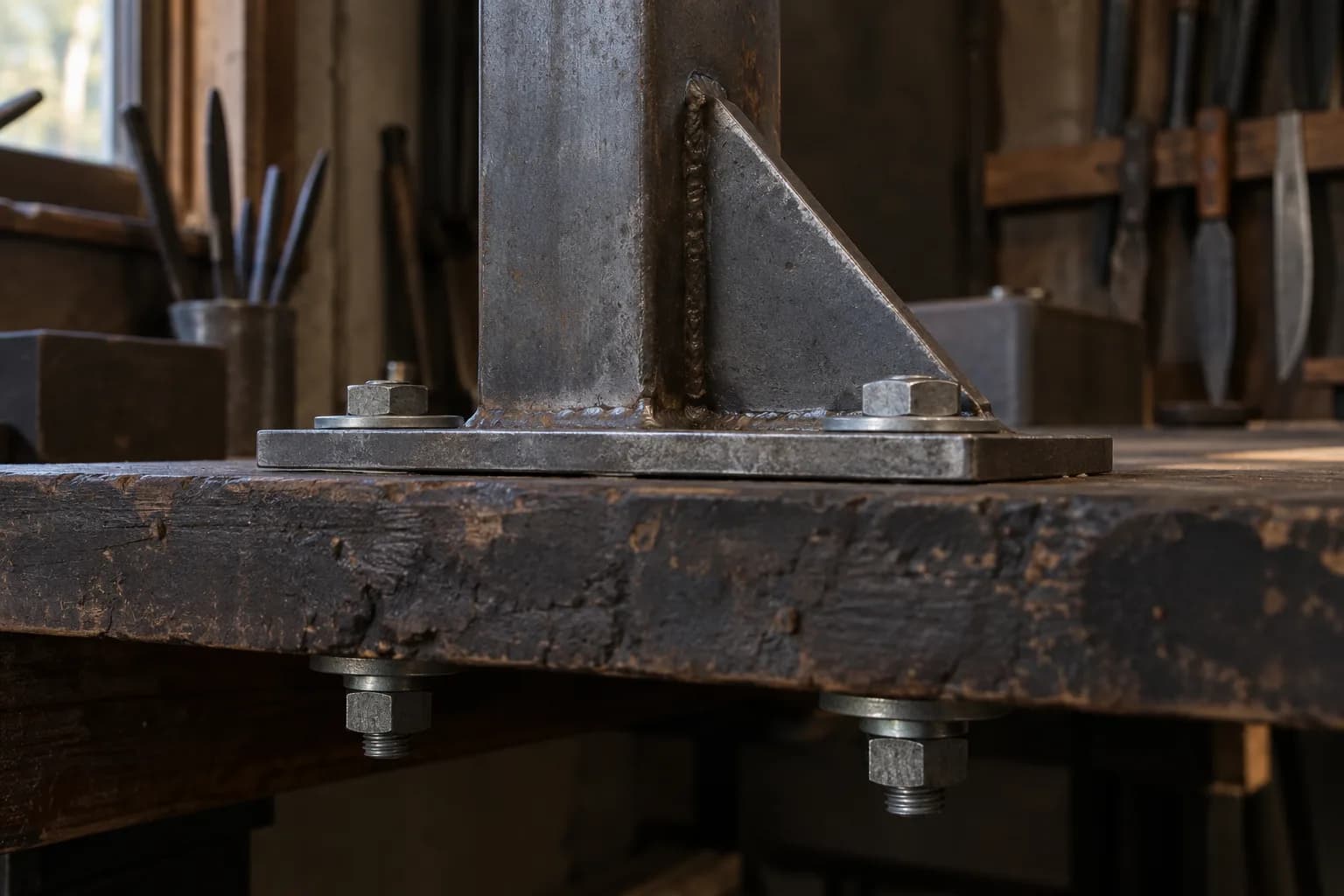
- A frame that holds still. A grinder that flexes or shakes puts it straight into your grind line, which is why every Torus is built rigid and is tracked and tested before it ships.
None of that makes the smith. Blades on the show still crack, warp and fail the tests. A good grinder just takes the machine off the list of reasons why.
Where to Go From Here
If Forged in Fire lit the spark, my free ForgeBrain knifemaking library is where it turns into real blades. Start where the show does — at the forge and the grinder:
- Forging a Knife, Step by Step — the point-profile-tang-bevels sequence the smiths on the show race through, explained at learning speed
- Choosing Your First Forge — gas vs. coal vs. the $100 two-brick build
- Knifemaking in Pop Culture: Forged in Fire and Beyond — how the show actually works, and what it did for the craft
- Do You Need a 2×72? — an honest look at grinder sizes, from hand files to the machines on TV
- 2×72 Brands Compared and the complete 2×72 buyer’s guide — when you’re ready to pick yours
Or browse the whole ForgeBrain knifemaker’s library — steels, heat treating, damascus, troubleshooting, and more, all free.
If the show lit the spark, the grinder is the next step. The Nova 2×72 is fiber-laser-cut 6061 aluminum, tilts 90 degrees, and ships fully assembled and tested from my shop in Sterling, Illinois. Compare it to the Nebula and the Classic, then build the one that fits your bench.