CNC Machine
Aluminum vs. Steel: Long-Term Wear Comparison
I build 2×72 grinders in both 6061 aluminum and 3/8-inch steel, so I have no side to pick. Here is how the two wear over years in a knife shop: rust, flex, weight, cost, and which belongs on your bench.
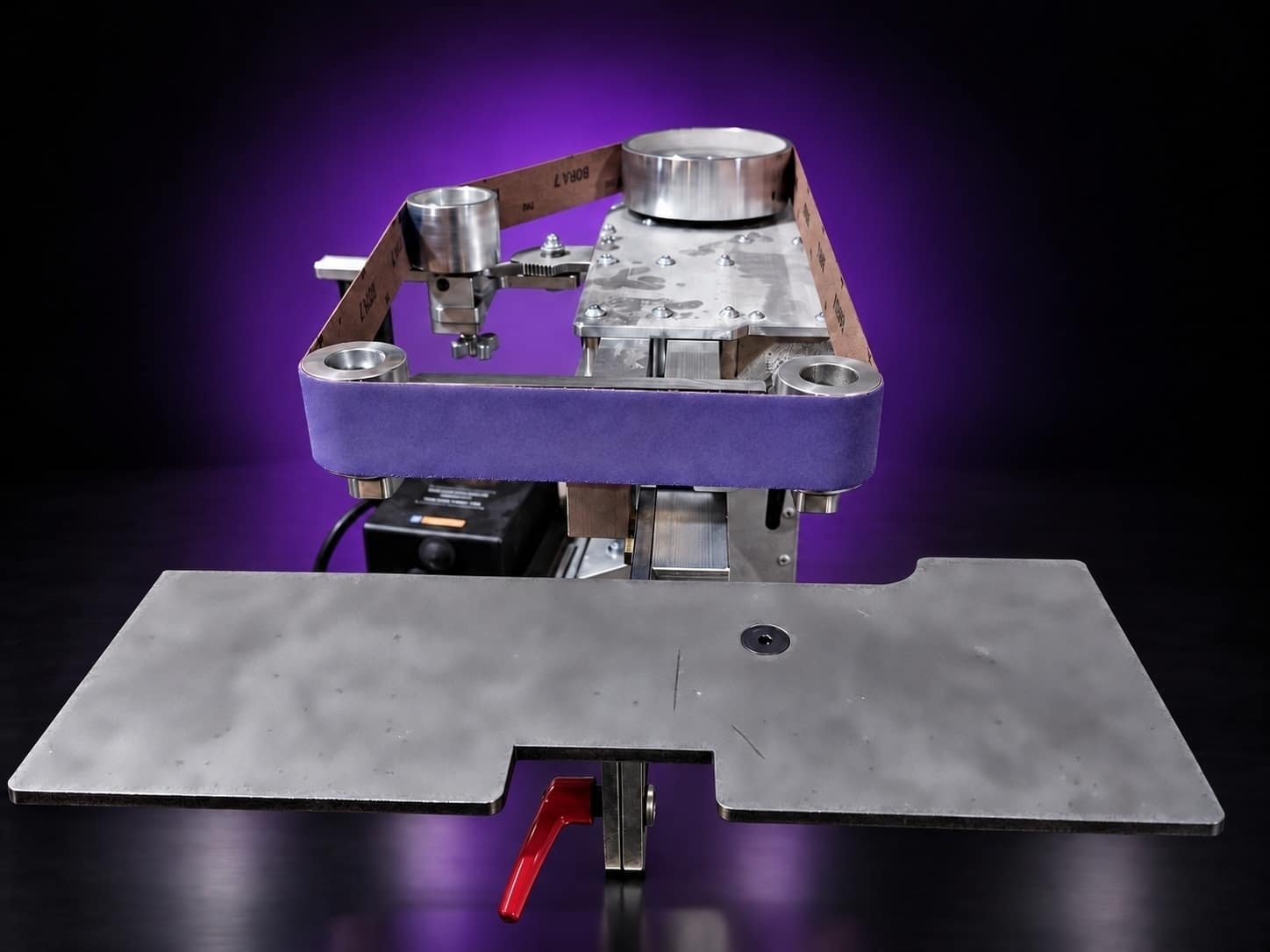
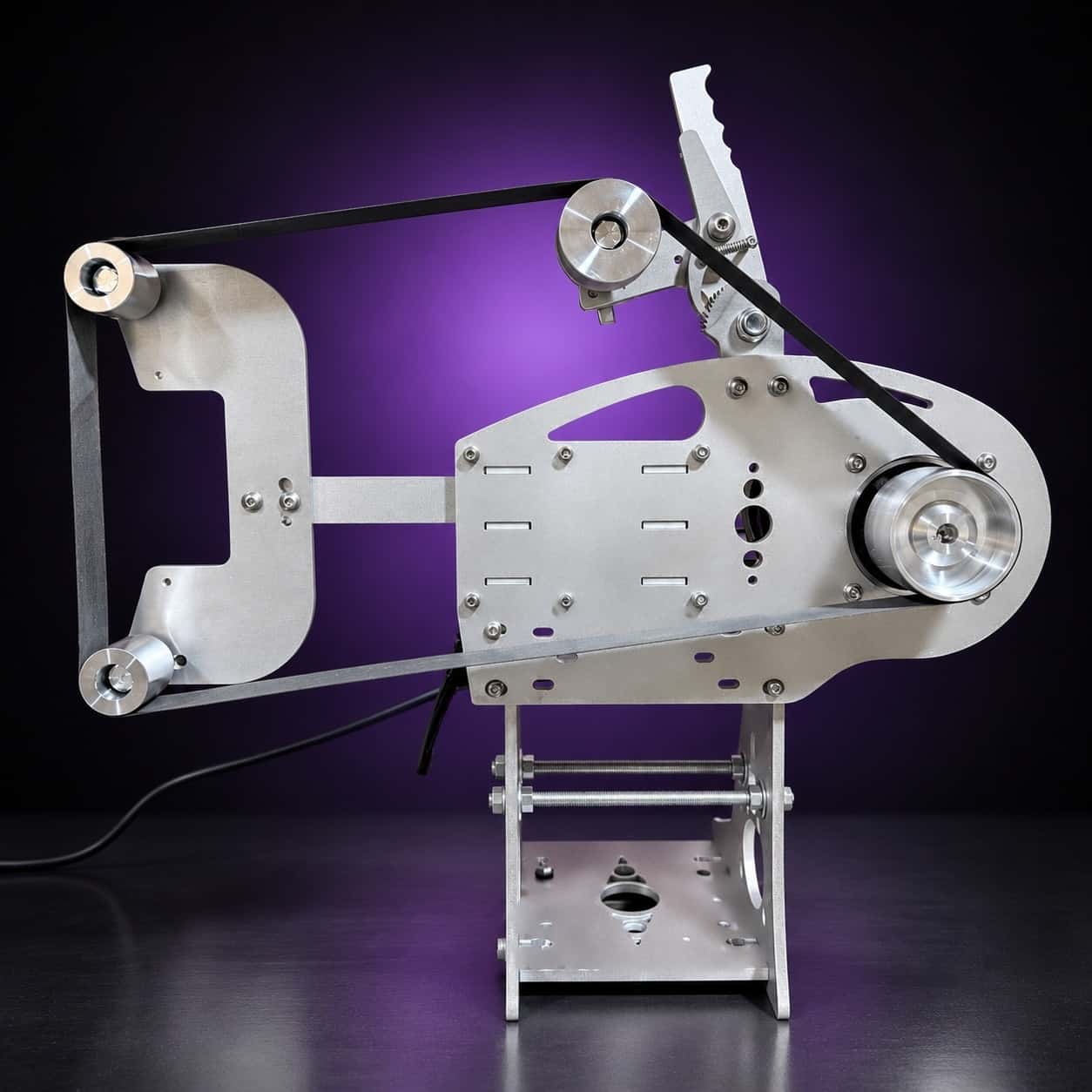
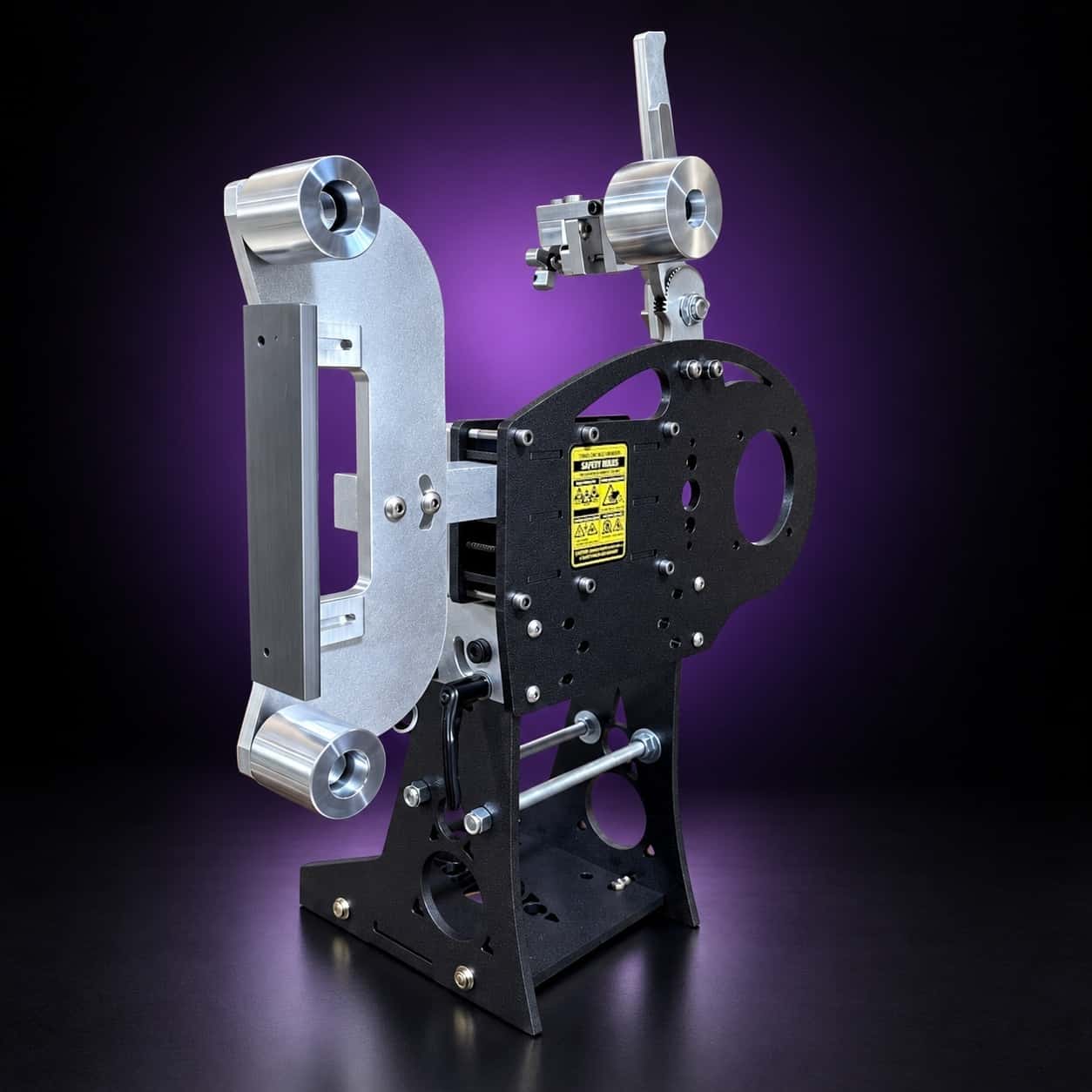
I machine grinders from both materials, the Nova in 6061 aluminum and the Nebula in 3/8-inch steel, so I have no reason to sell you on one over the other. They wear differently. Aluminum is lighter and corrosion resistant; steel adds mass and can be repaired by welding. The better frame depends on the design, section thickness, mounting and maintenance, not the material name alone. Here is how the two hold up over years of real shop use, and how to decide which chassis belongs under your belt.
Key Takeaways
- Aluminum and steel are two widely used metals in various industries due to their unique properties and characteristics.
- Aluminum is lightweight, corrosion-resistant, and has high electrical conductivity, making it suitable for a wide range of applications.
- Steel is known for its strength, durability, and heat resistance, making it ideal for structural and industrial purposes.
- When comparing long-term wear and durability, steel is generally more resistant to wear and tear, while aluminum may require more frequent maintenance.
- In terms of environmental impact and sustainability, aluminum is more recyclable and energy-efficient compared to steel, making it a more sustainable option.
Properties and Characteristics of Aluminum
Lightweight and Cost-Effective
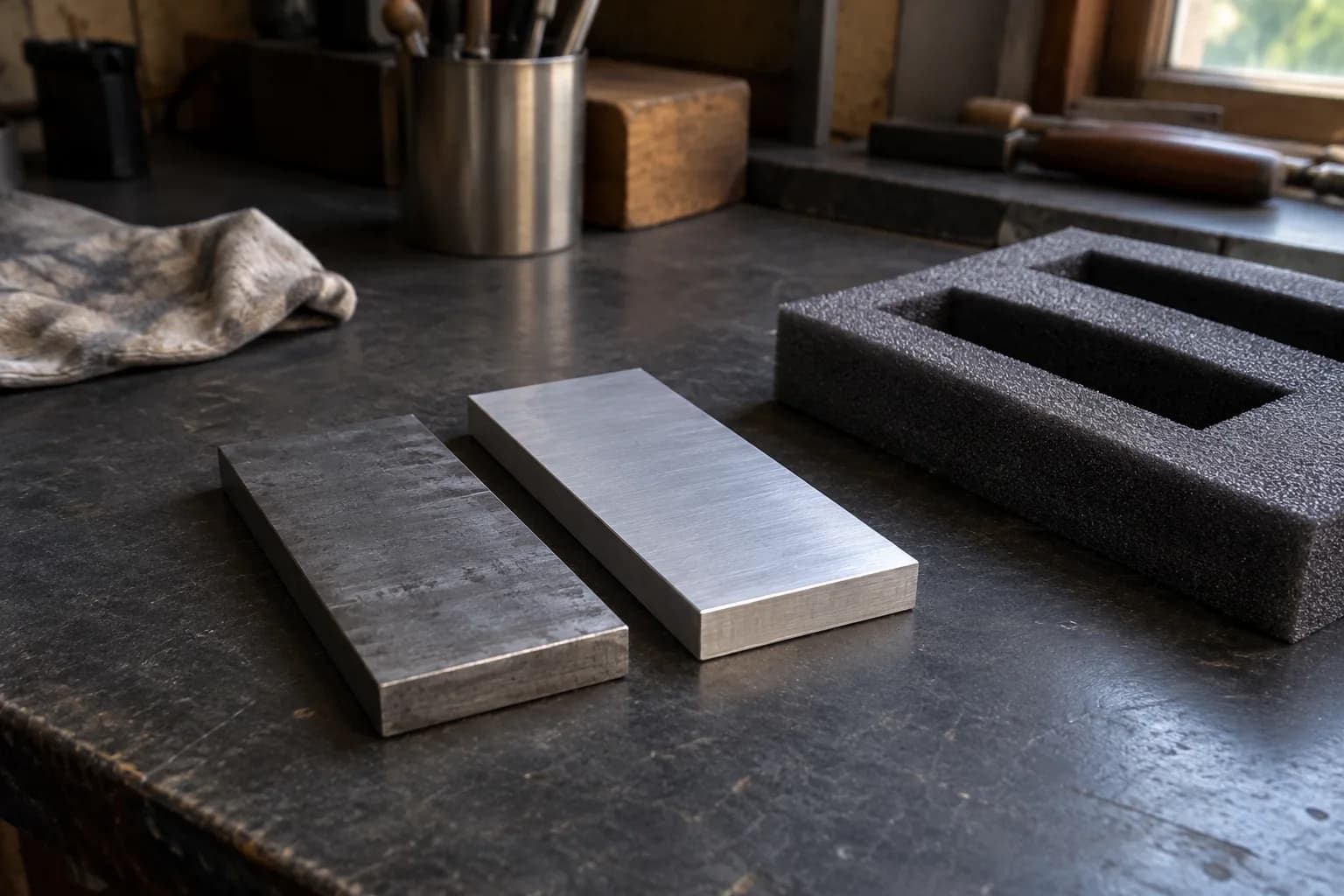
One of its most notable characteristics is its lightweight nature; aluminum is approximately one-third the weight of steel. This property allows for easier handling and transportation, which can significantly reduce costs in manufacturing and logistics.
Corrosion Resistance and Durability
Aluminum exhibits excellent corrosion resistance due to the formation of a protective oxide layer when exposed to air. This makes it an ideal choice for applications in harsh environments, such as marine and aerospace industries.
Versatility and Sustainability
Another important property of aluminum is its malleability. This metal can be easily shaped and formed into various configurations without losing its structural integrity. Aluminum has good thermal and electrical conductivity, making it suitable for applications in electrical components and heat exchangers. Its ability to be recycled without losing quality also contributes to its appeal in an increasingly eco-conscious market.
Properties and Characteristics of Steel
Steel is an alloy primarily composed of iron and carbon, which gives it remarkable strength and durability. One of the defining characteristics of steel is its high tensile strength, making it an ideal material for construction and heavy machinery. Steel can withstand significant stress and strain without deforming, which is why it is often used in structural applications such as beams, columns, and reinforcements in buildings and bridges.
Steel’s hardness allows it to maintain its shape under heavy loads, making it a reliable choice for tools and equipment. In terms of versatility, steel can be alloyed with various elements to enhance specific properties. For instance, adding chromium creates stainless steel, which offers excellent corrosion resistance while maintaining strength.
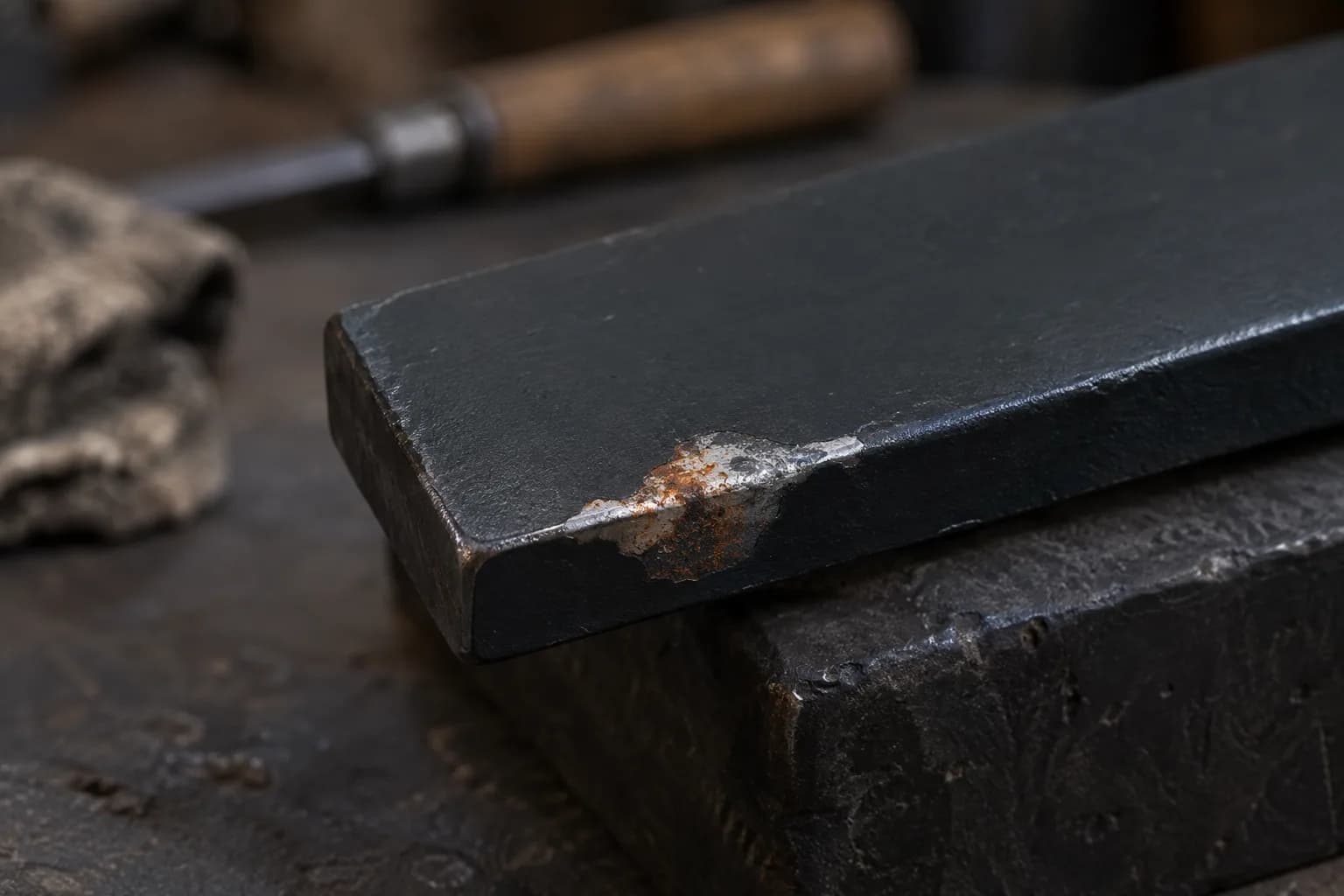
Other alloys can improve hardness or ductility, allowing steel to be tailored for specific applications. However, one drawback of steel is its susceptibility to rust when exposed to moisture unless properly treated or coated. Despite this limitation, the overall strength-to-weight ratio of steel makes it a preferred material in many industries.
Comparison of Long-Term Wear and Durability
| Metrics | Long-Term Wear | Durability |
|---|---|---|
| Material | High-quality fabric or leather | Durable synthetic materials |
| Expected Lifespan | 5-10 years | 10-20 years |
| Maintenance | Regular cleaning and conditioning | Minimal maintenance required |
| Cost | Higher initial cost | Lower initial cost |
When evaluating long-term wear and durability, both aluminum and steel have their strengths and weaknesses. Aluminum’s lightweight nature contributes to its ease of handling but can also lead to concerns regarding its long-term structural integrity under heavy loads. While aluminum is resistant to corrosion, it may not perform as well as steel in high-stress applications where fatigue can lead to failure over time.
However, advancements in aluminum alloys have improved their strength characteristics significantly, allowing them to compete more effectively with steel in certain applications. Steel’s durability is one of its most significant advantages; it can endure extreme conditions without compromising its structural integrity. In environments where heavy loads or impacts are common, steel often outperforms aluminum due to its superior tensile strength.
However, the potential for rusting can be a concern if steel components are not adequately protected or maintained. In contrast, aluminum’s resistance to corrosion makes it a more reliable option in environments where exposure to moisture is inevitable. In the end, the choice between aluminum and steel will depend on the specific demands of the application and the expected conditions over time.
Environmental Impact and Sustainability
The environmental impact of materials is becoming increasingly important as industries strive for sustainability. Aluminum production is energy-intensive; however, its lightweight nature contributes to fuel savings in transportation applications over its lifecycle. Additionally, aluminum is highly recyclable—up to 75% of all aluminum ever produced is still in use today—making it an environmentally friendly option when considering end-of-life scenarios.
Steel also has a significant recycling rate, with around 70% of all steel produced coming from recycled materials. The recycling process for steel requires less energy compared to primary production, which helps reduce its overall carbon footprint. However, the extraction and processing of iron ore for new steel production can have detrimental environmental effects if not managed responsibly.
Cost Analysis
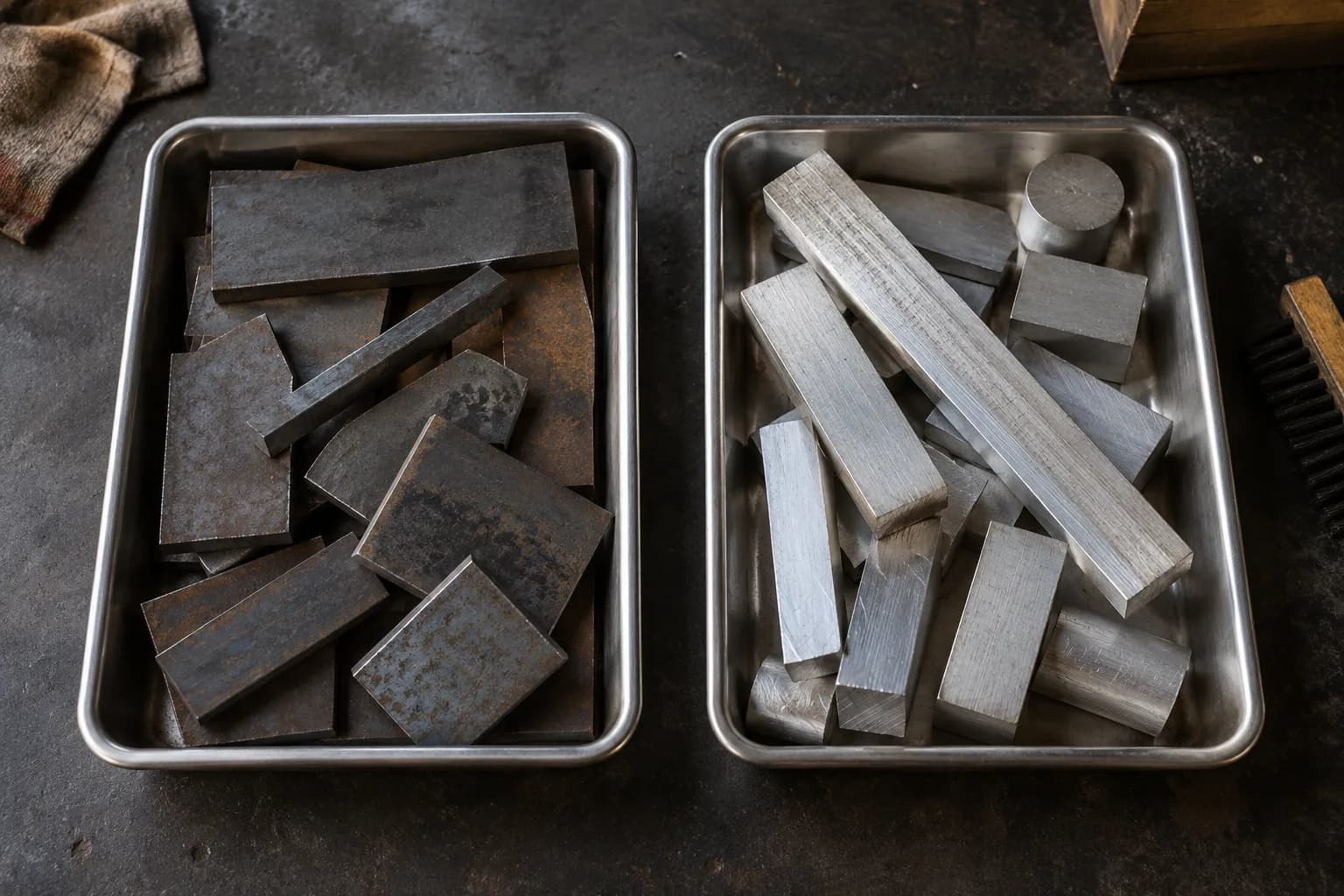
Cost is a critical factor when selecting materials for any project. Generally speaking, aluminum tends to be more expensive than steel on a per-pound basis due to the complexities involved in its extraction and processing. However, when considering the total cost of ownership—including factors such as weight savings in transportation, reduced energy consumption during use, and lower maintenance costs due to corrosion resistance—aluminum may prove to be more economical in certain applications.
Steel’s lower initial cost makes it an attractive option for many projects; however, potential long-term costs associated with maintenance and replacement due to rust or fatigue should also be factored into the equation. In some cases, investing in higher-quality materials like stainless steel may yield better long-term value despite the higher upfront costs. In the end, a thorough cost analysis should encompass not only material prices but also lifecycle costs associated with performance, maintenance, and disposal.
Applications and Industries
Both aluminum and steel find extensive applications across various industries due to their unique properties. Aluminum is widely used in the aerospace sector for aircraft components due to its lightweight nature and resistance to corrosion. The automotive industry also utilizes aluminum extensively to improve fuel efficiency by reducing vehicle weight without sacrificing safety or performance.
Steel’s applications are equally diverse; it serves as the backbone of construction projects worldwide due to its strength and durability. From skyscrapers to bridges, steel structures provide stability and support under heavy loads. Steel is prevalent in manufacturing tools and machinery where high strength is essential for performance.
FAQs
How does aluminum outlast steel tubing in real-world use?
Aluminum frames are less prone to rust and corrosion, making them ideal for use in wet or humid conditions. Aluminum frames are lighter, which can reduce wear and tear on the components over time.
What are the potential drawbacks of aluminum frames compared to steel tubing?
Aluminum frames may be more prone to fatigue failure over time compared to steel tubing. Aluminum frames can be more expensive to manufacture and repair.
Are there specific applications where aluminum frames are more suitable than steel tubing?
Aluminum frames are often preferred for applications where weight is a critical factor, such as in aerospace and automotive industries. They are also commonly used in bicycles and outdoor furniture due to their resistance to corrosion.
Shop notes and practical details
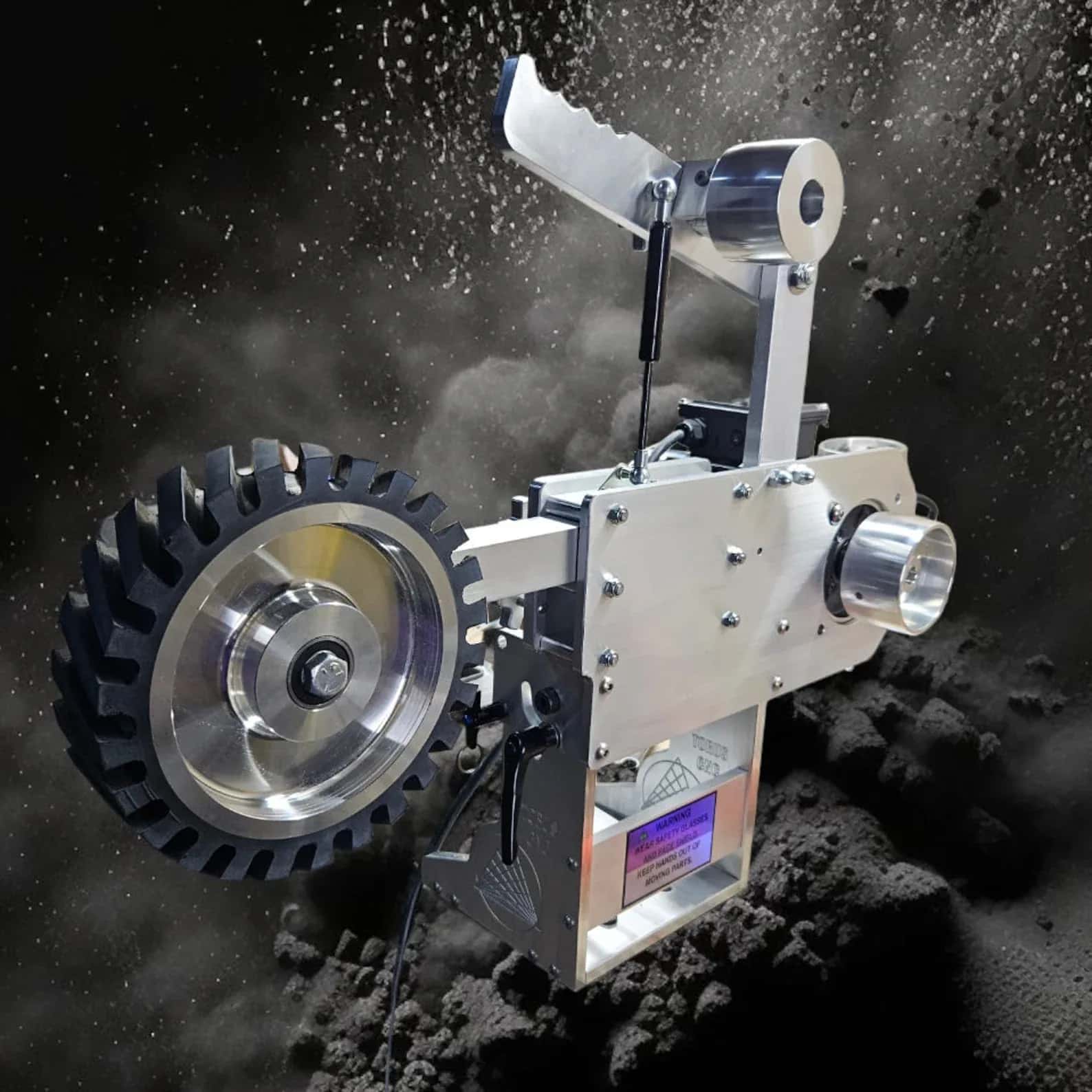
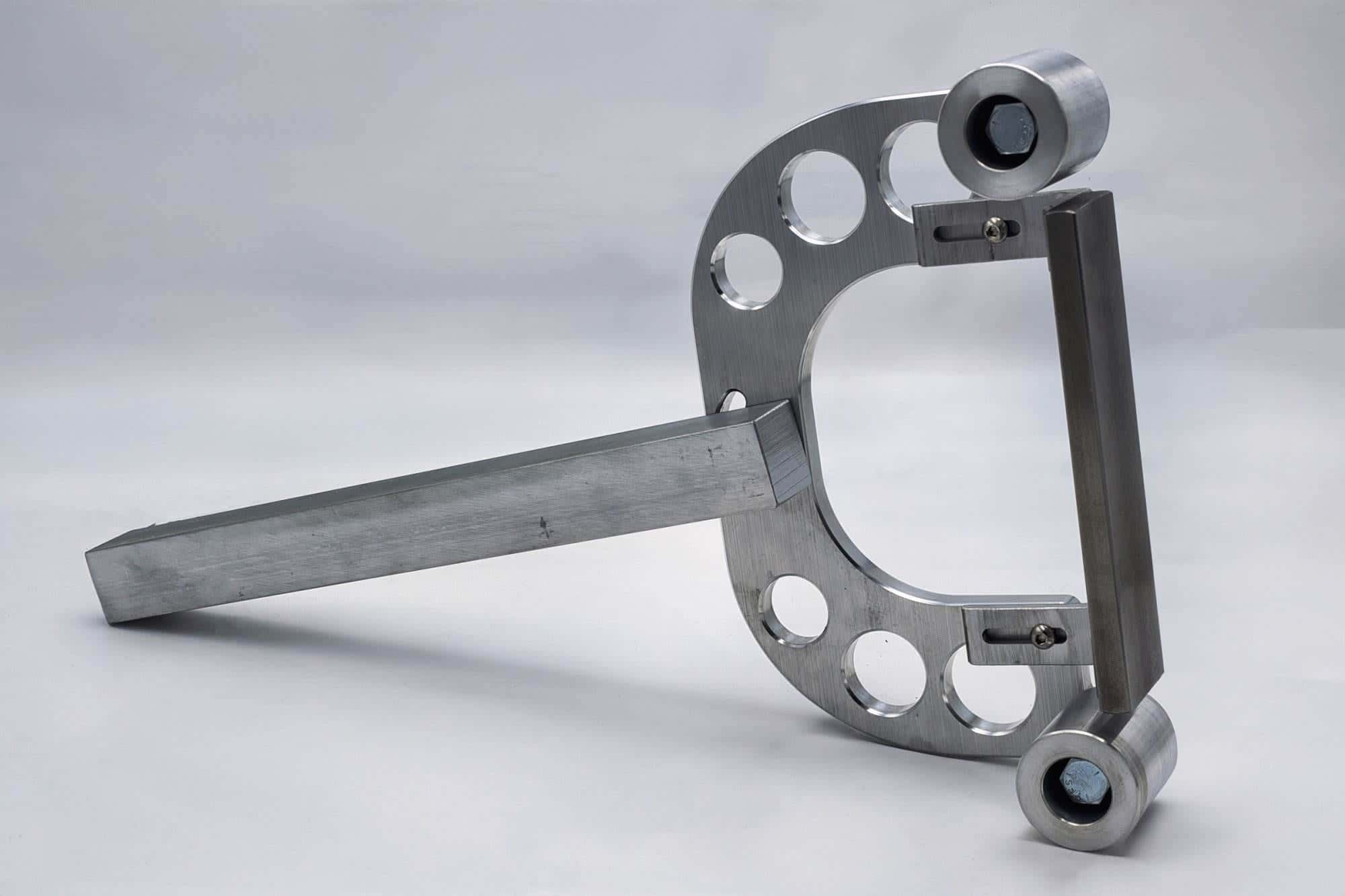
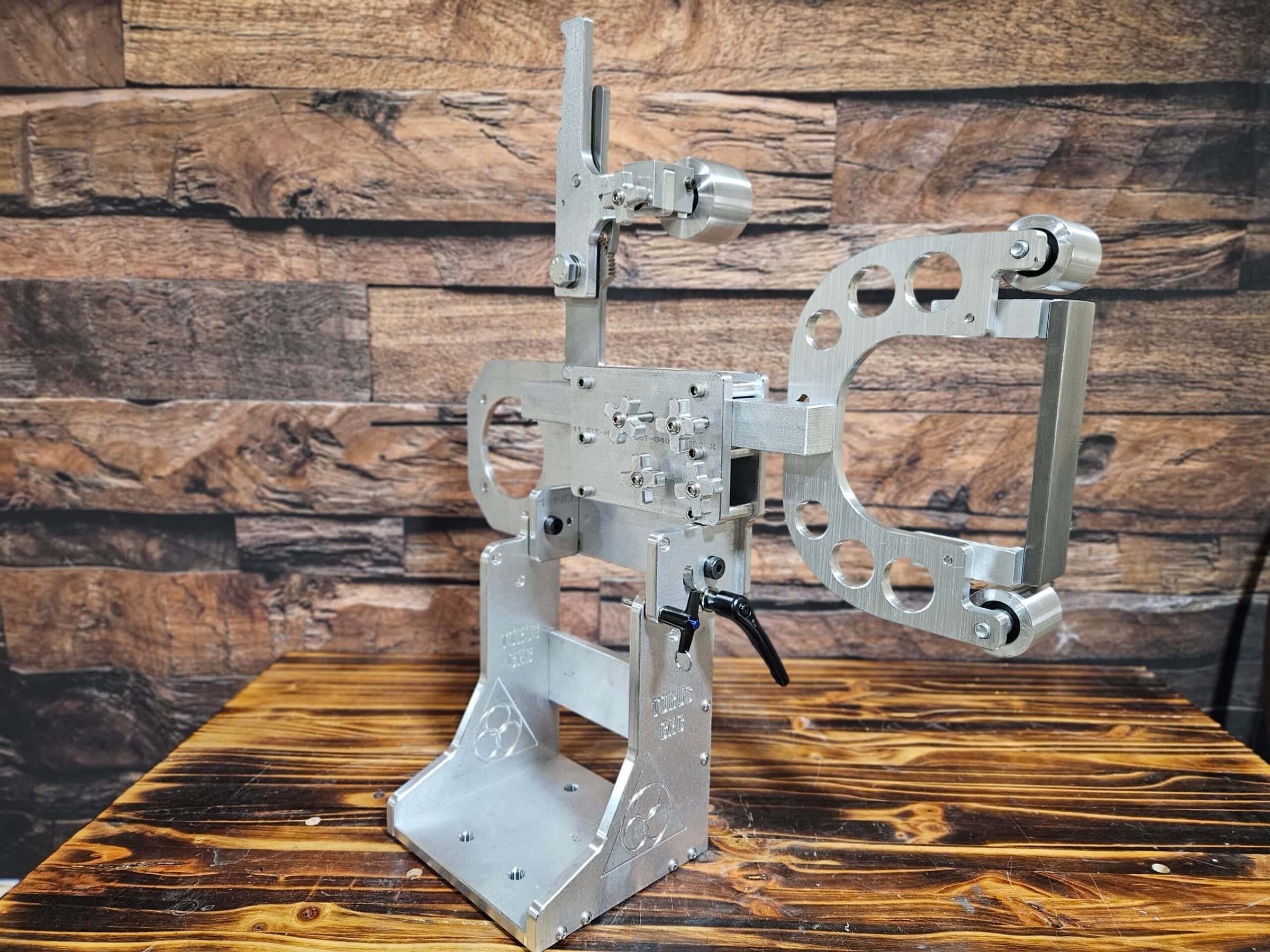
Torus CNC 2×72 Grinders utilize aluminum frames that are engineered to provide rigid support while minimizing excess weight. This combination of lightness and strength ensures that the grinder remains stable during operation, allowing for precise and efficient grinding without the risk of frame deformation or failure.
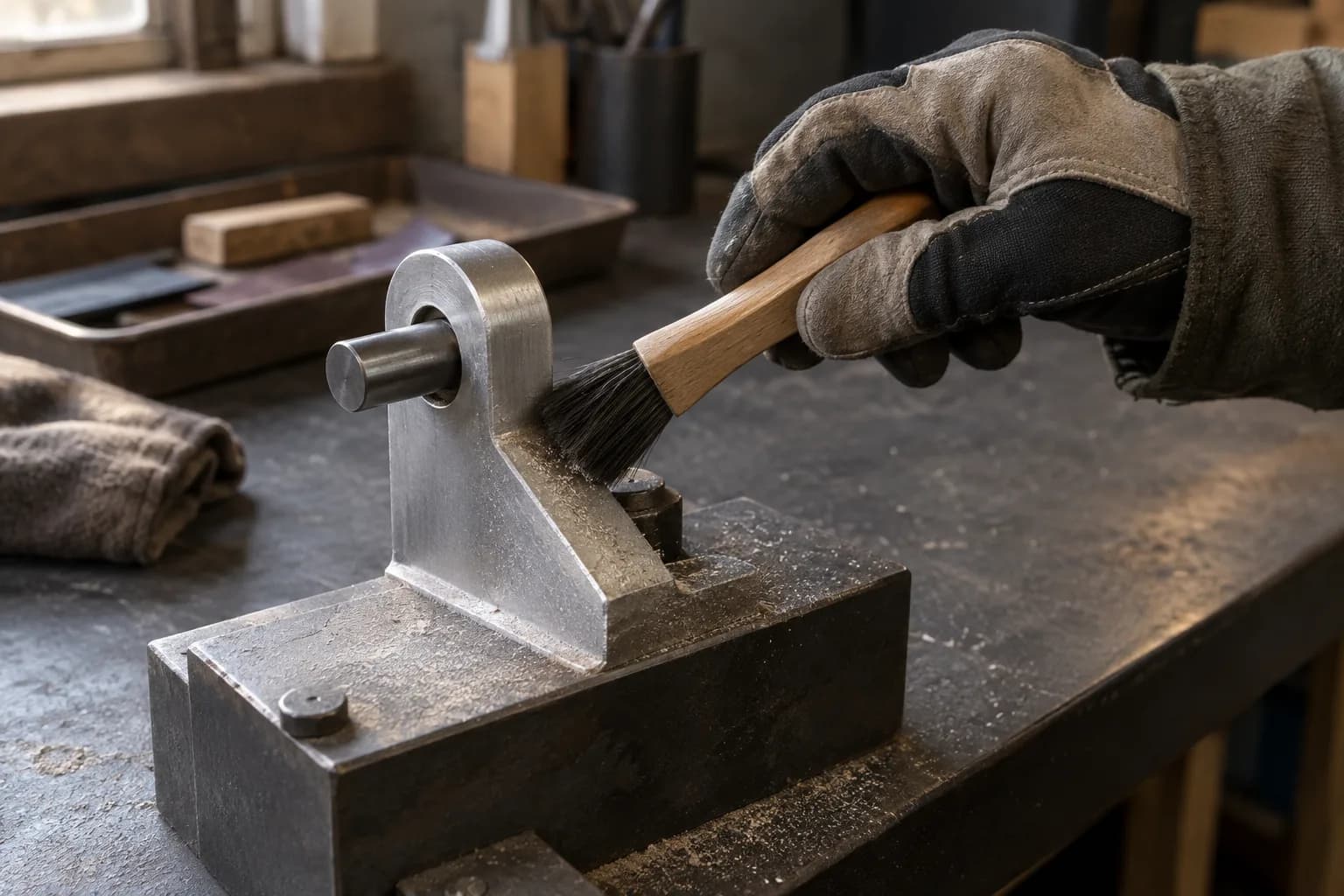
One key aspect of maintaining performance is regular inspection and cleaning of the equipment. Dust and debris can accumulate over time, potentially affecting the grinder’s functionality. By implementing a proactive maintenance schedule that includes routine checks and cleaning procedures, operators can identify potential issues before they escalate into more significant problems.
The Impact of CNC Aluminum on Precision and Accuracy
Precision and accuracy are paramount in any grinding operation, and CNC aluminum plays a vital role in achieving these standards. The manufacturing process of CNC aluminum involves computer numerical control technology, which ensures that each component is produced with exact specifications. This level of precision translates into tighter tolerances in the assembly of the grinder, resulting in improved alignment and stability during operation.
The rigidity of CNC aluminum contributes to enhanced accuracy in grinding tasks. When a grinder is constructed from materials that flex or warp under pressure, it can lead to inconsistencies in the finished product. However, with CNC aluminum’s inherent strength and stability, users can expect consistent results with every pass.
How CNC Aluminum improves the Durability and Longevity of 2×72 Grinders
| Metrics | Benefits |
|---|---|
| Material | Aluminum |
| Durability | High |
| Longevity | Extended lifespan |
| Grinder Type | 2×72 |
| Manufacturing Process | CNC |
Durability is a critical factor when selecting a 2×72 grinder, especially for those who engage in heavy-duty applications. CNC aluminum significantly enhances the longevity of these machines by providing resistance to wear and tear. Unlike traditional materials that may corrode or degrade over time, CNC aluminum maintains its structural integrity even under demanding conditions.
This resilience ensures that users can depend on their Torus CNC grinders for years without experiencing significant degradation in performance. The surface finish of CNC aluminum components contributes to their durability. The machining process often results in a smooth finish that reduces friction between moving parts.
The Advantages of CNC Aluminum in Customization and Versatility of 2×72 Grinders
Customization is increasingly important in today’s manufacturing landscape, where unique projects often require tailored solutions. CNC aluminum provides an excellent platform for customization due to its malleability and ease of machining. Torus CNC offers a range of options that allow users to modify their 2×72 grinders according to specific needs or preferences.
CNC aluminum facilitates a high degree of personalization. In addition to customization, the versatility of CNC aluminum enhances the overall functionality of 2×72 grinders. Users can easily switch between different grinding belts or attachments without compromising performance.
This adaptability makes it possible to tackle a wide variety of materials and applications, from metal fabrication to woodworking projects. As a result, craftsmen can maximize their investment in a single machine while expanding their capabilities.
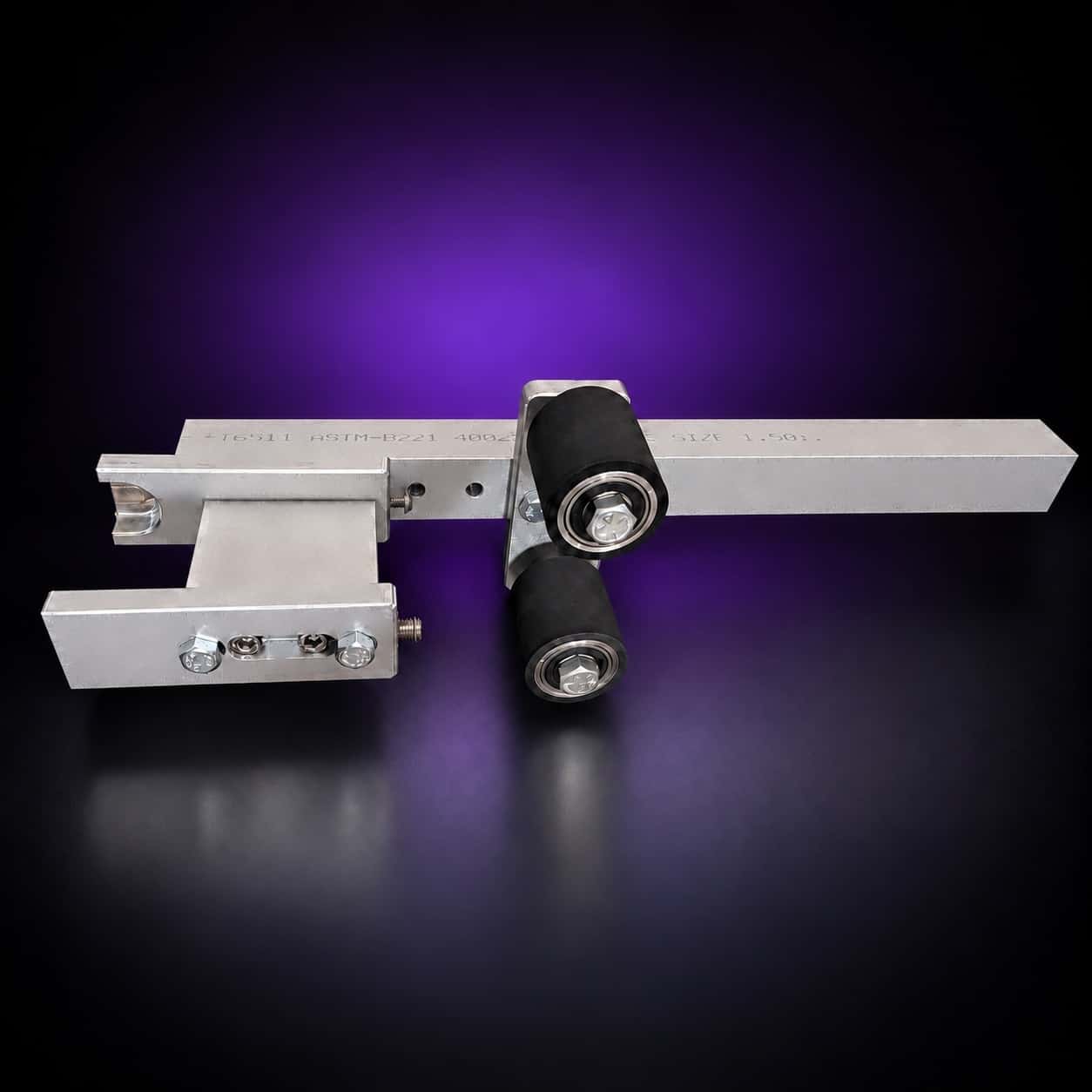
Same tracking, same stainless ratchet tensioner, same 1.5-inch tooling arms, two materials: the Nova in fiber-laser-cut 6061 aluminum and the Nebula in powder-coated 3/8-inch steel, both $1,295 and both assembled and tested before they ship. Pick the one that matches how your shop works.