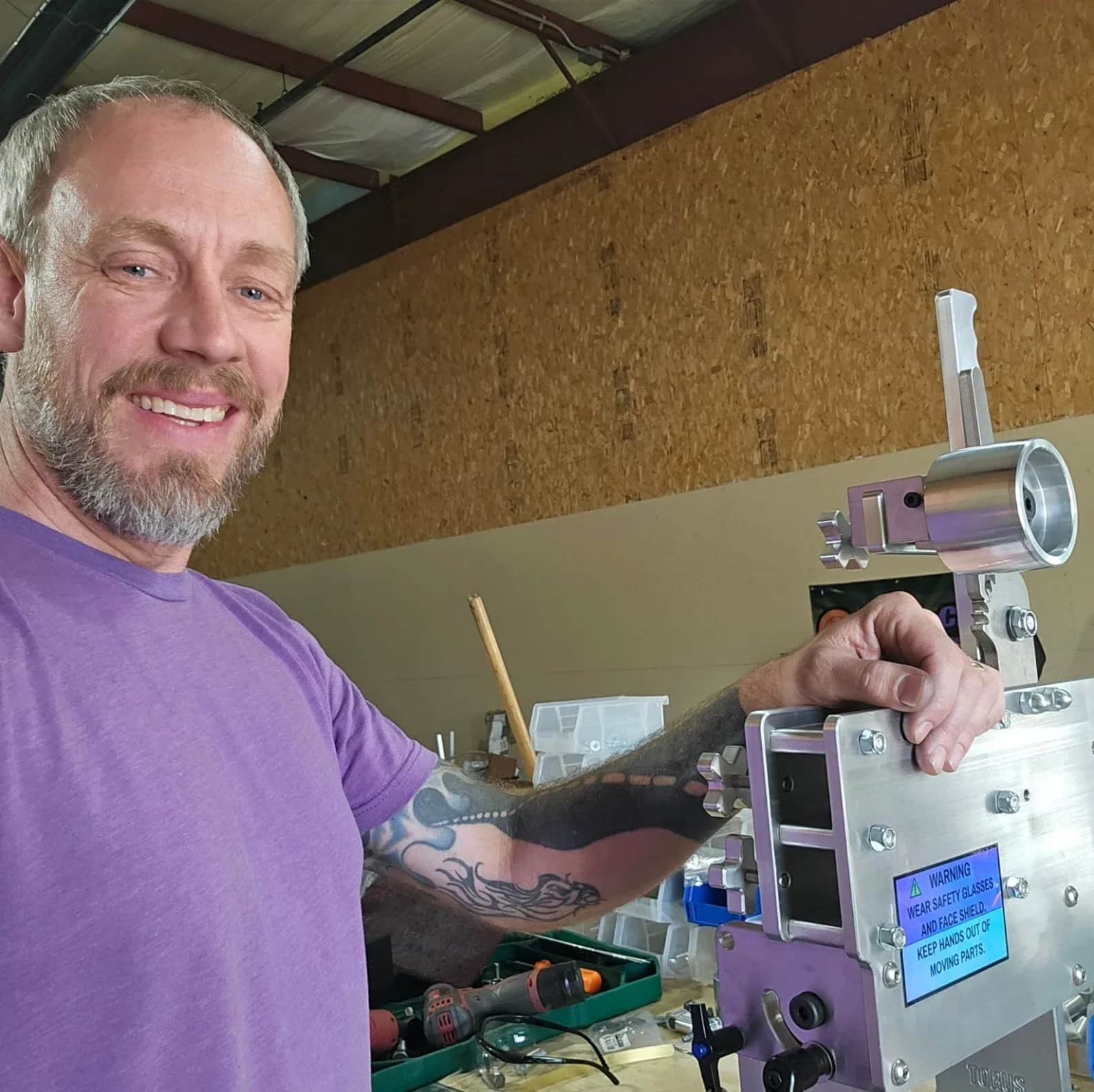
Belt Grinders
Choosing the Right Belt Grinder: 2×72 vs. Other Sizes
A 1x30 will sharpen a knife. A 2×72 will build one. Here is how belt length changes heat, belt life, power and attachments, and how to decide whether a 2×42, 2x48 or 2×72 is right for your shop.
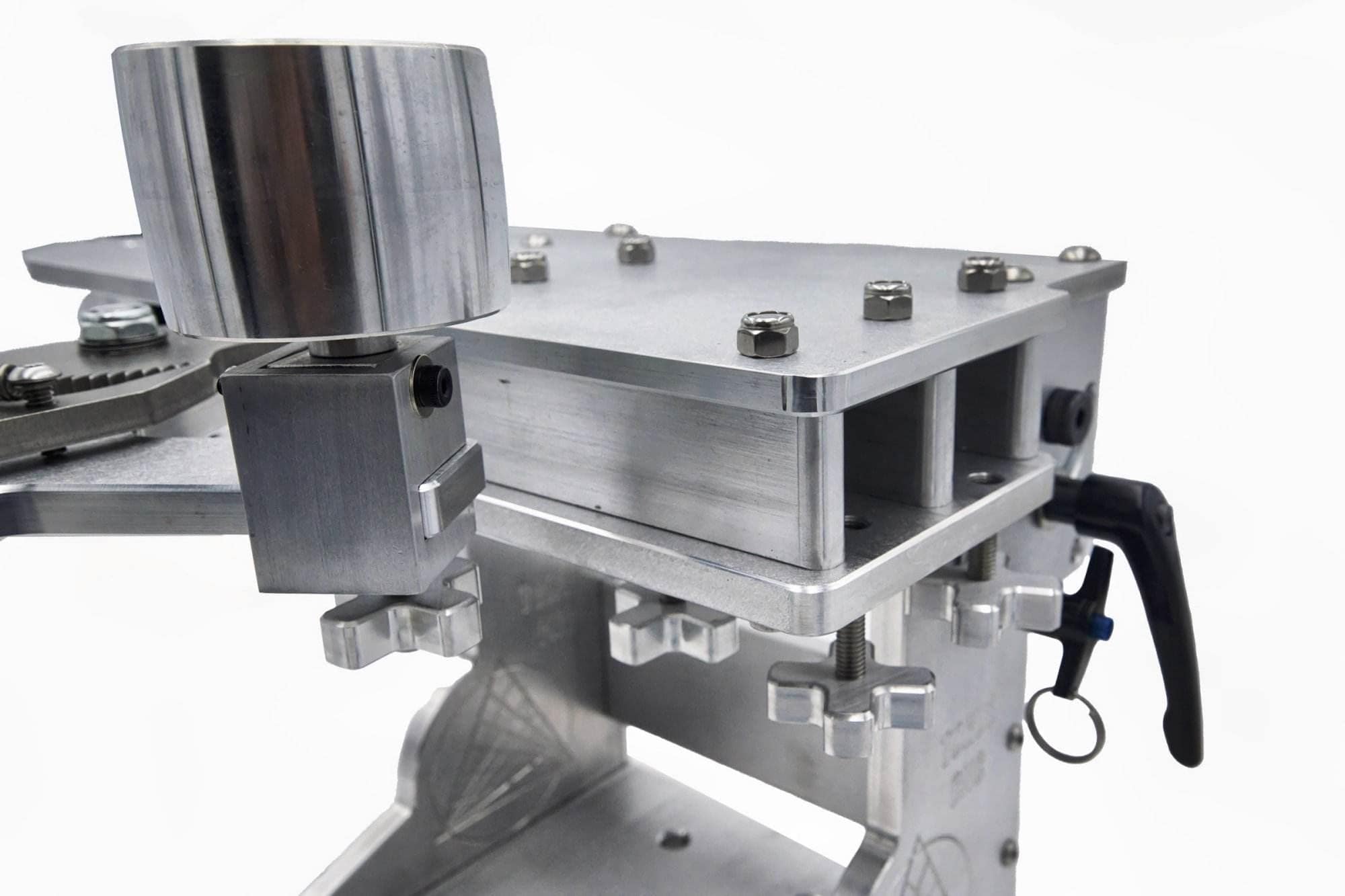
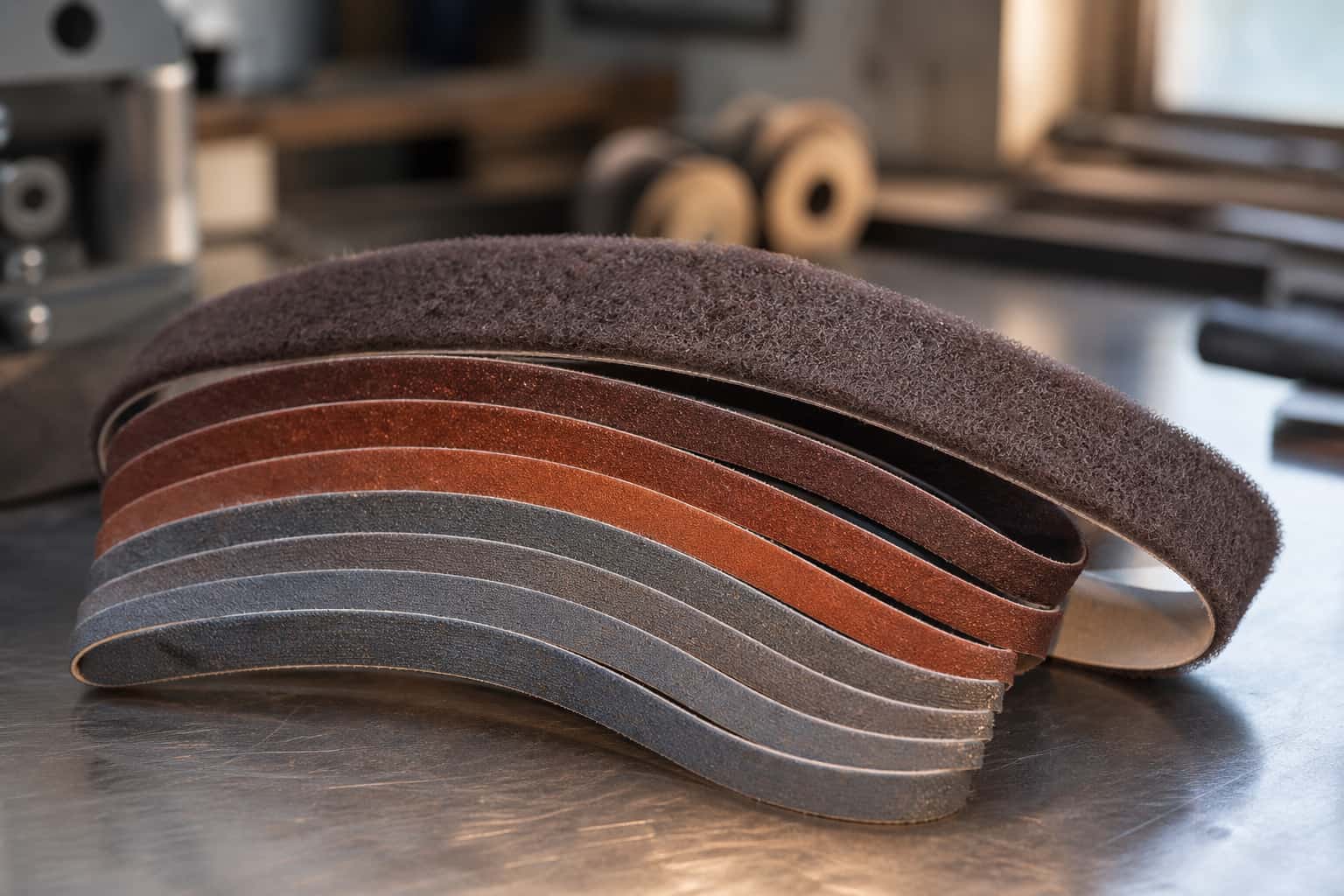
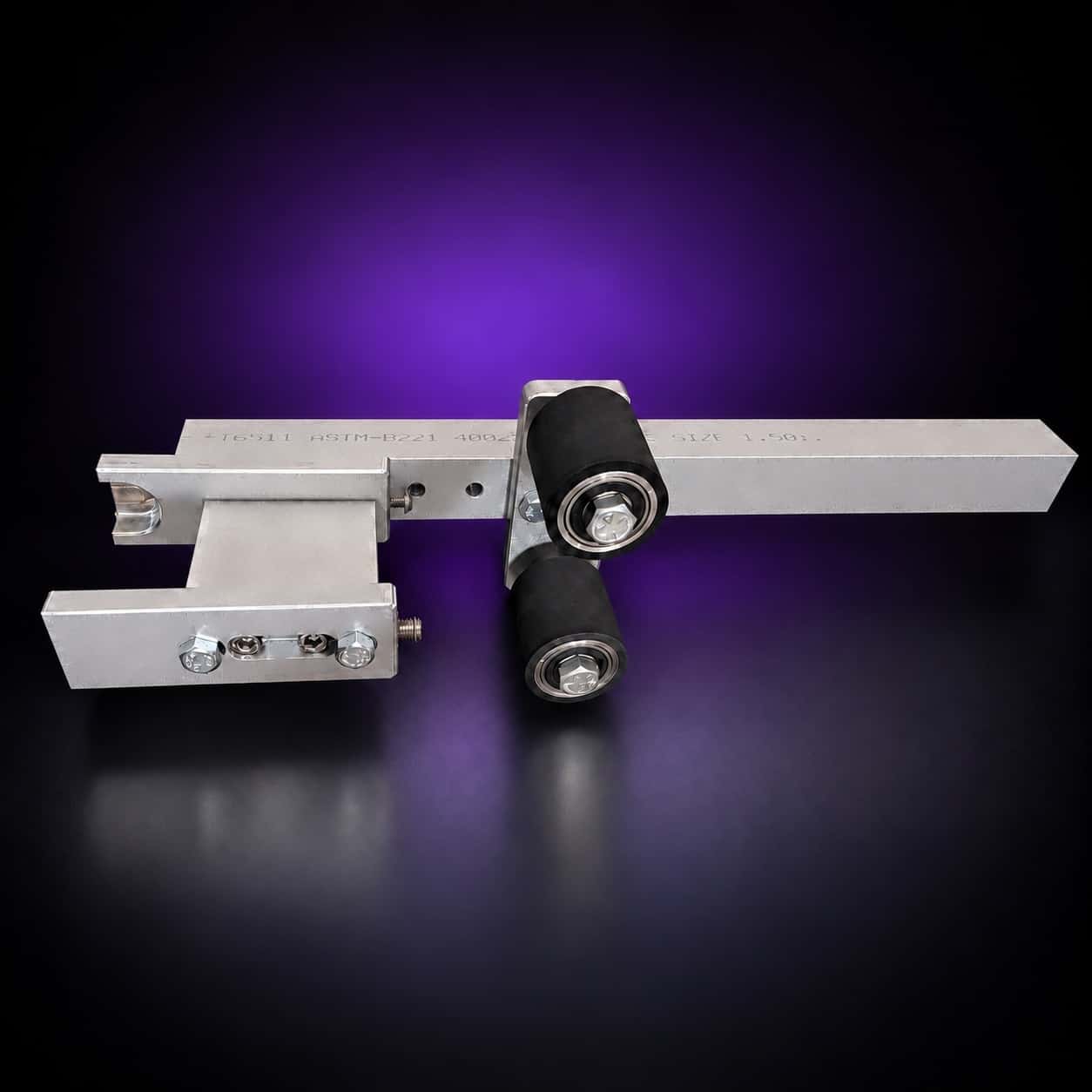
A 1×30 will sharpen a knife. A 2×72 will build one. The difference is not just size: a 72-inch belt runs cooler, lasts longer, and takes a platen, contact wheel and small wheel on the same arm. Here is how belt grinder sizes compare on heat, belt life, power and attachments, and how to decide when a 2×42 or 2×48 is enough and when it is time for a 2×72.
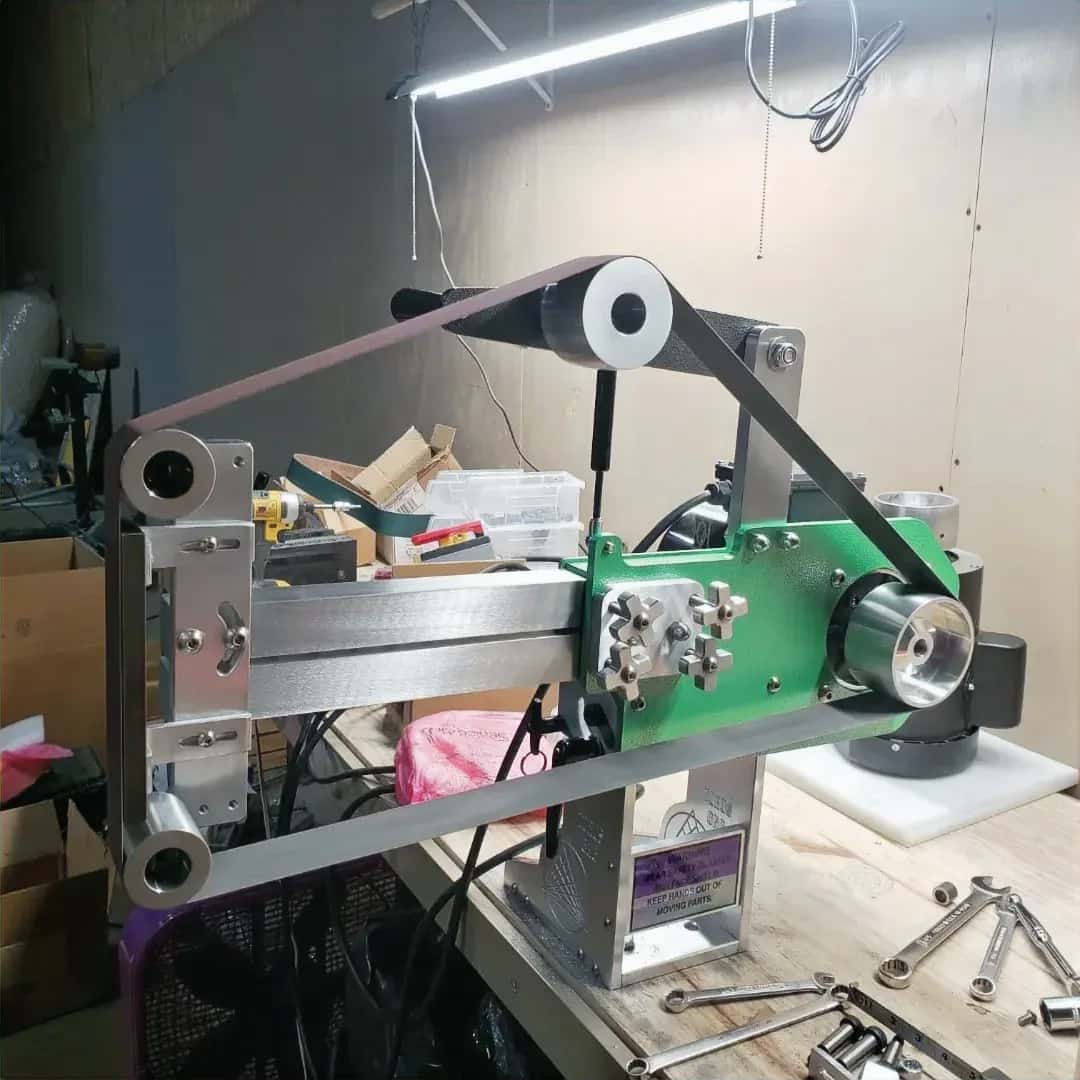
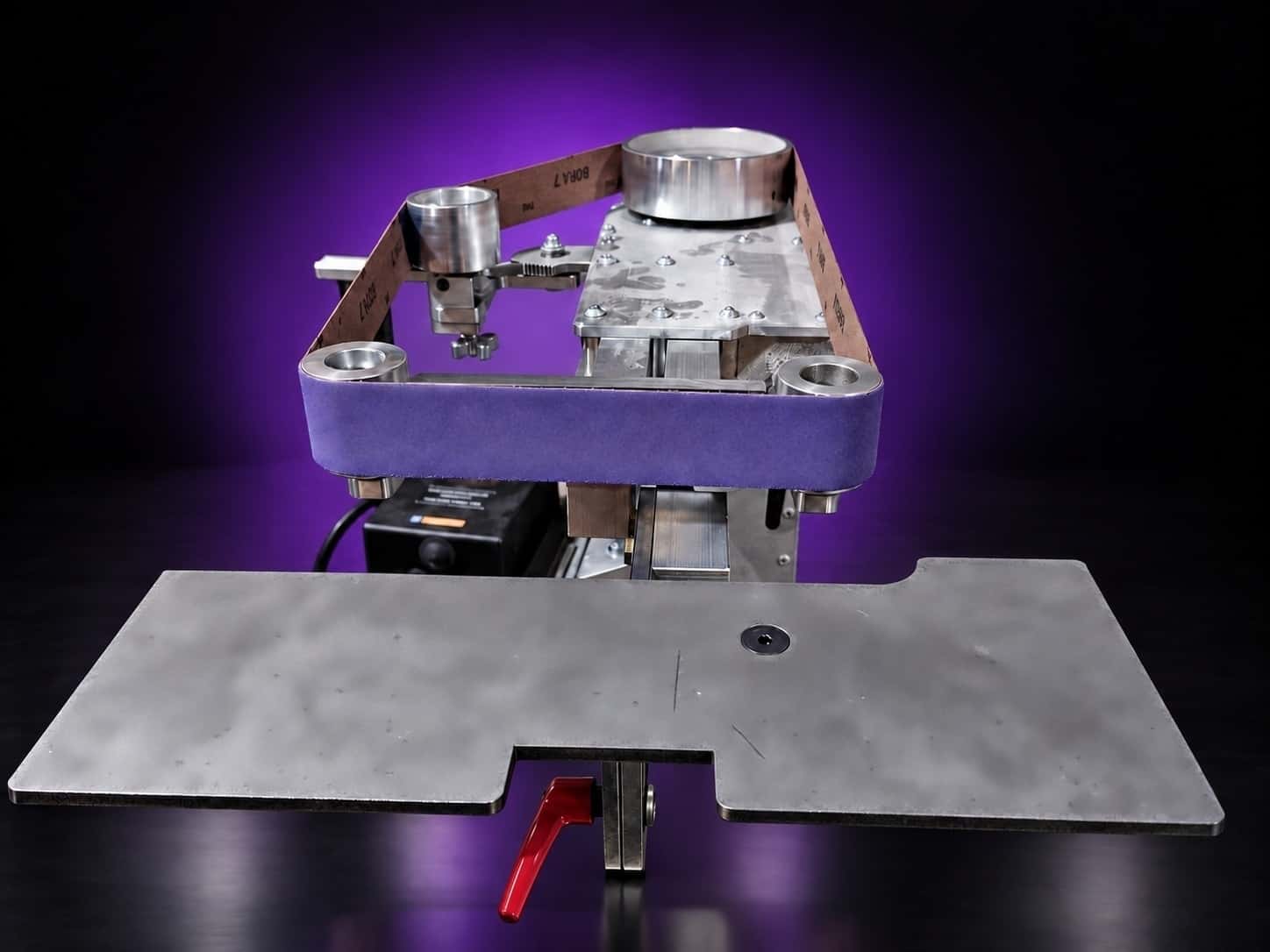
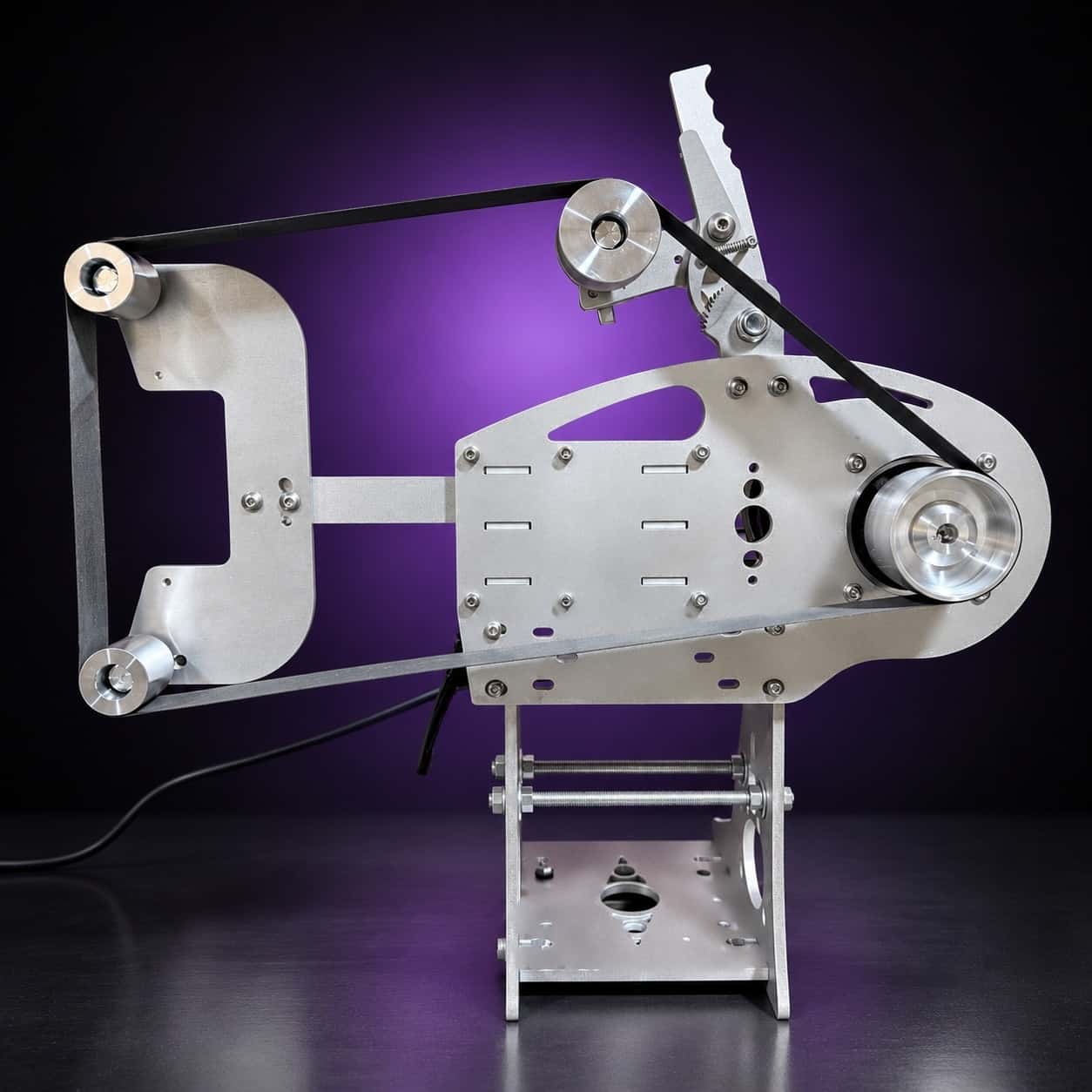
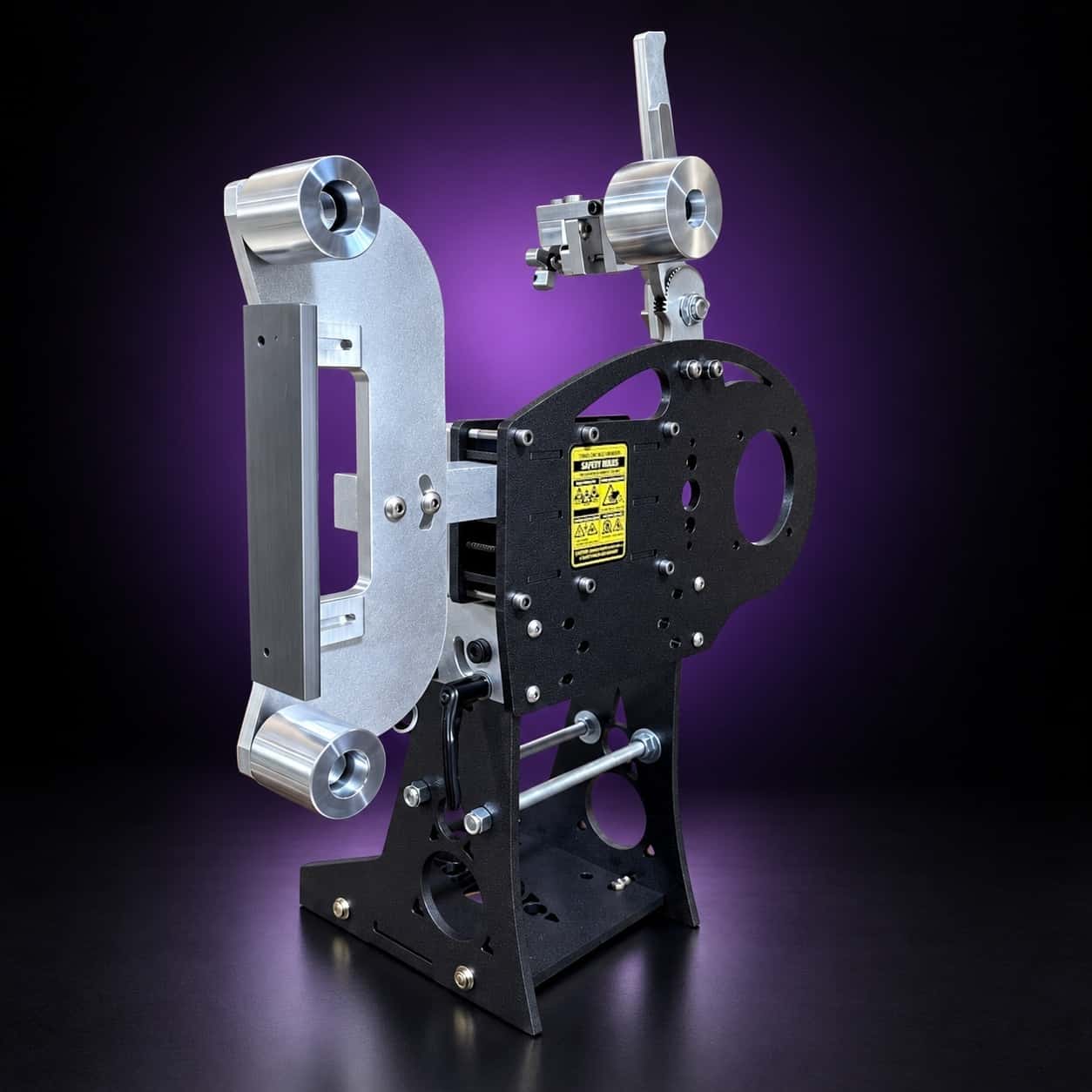
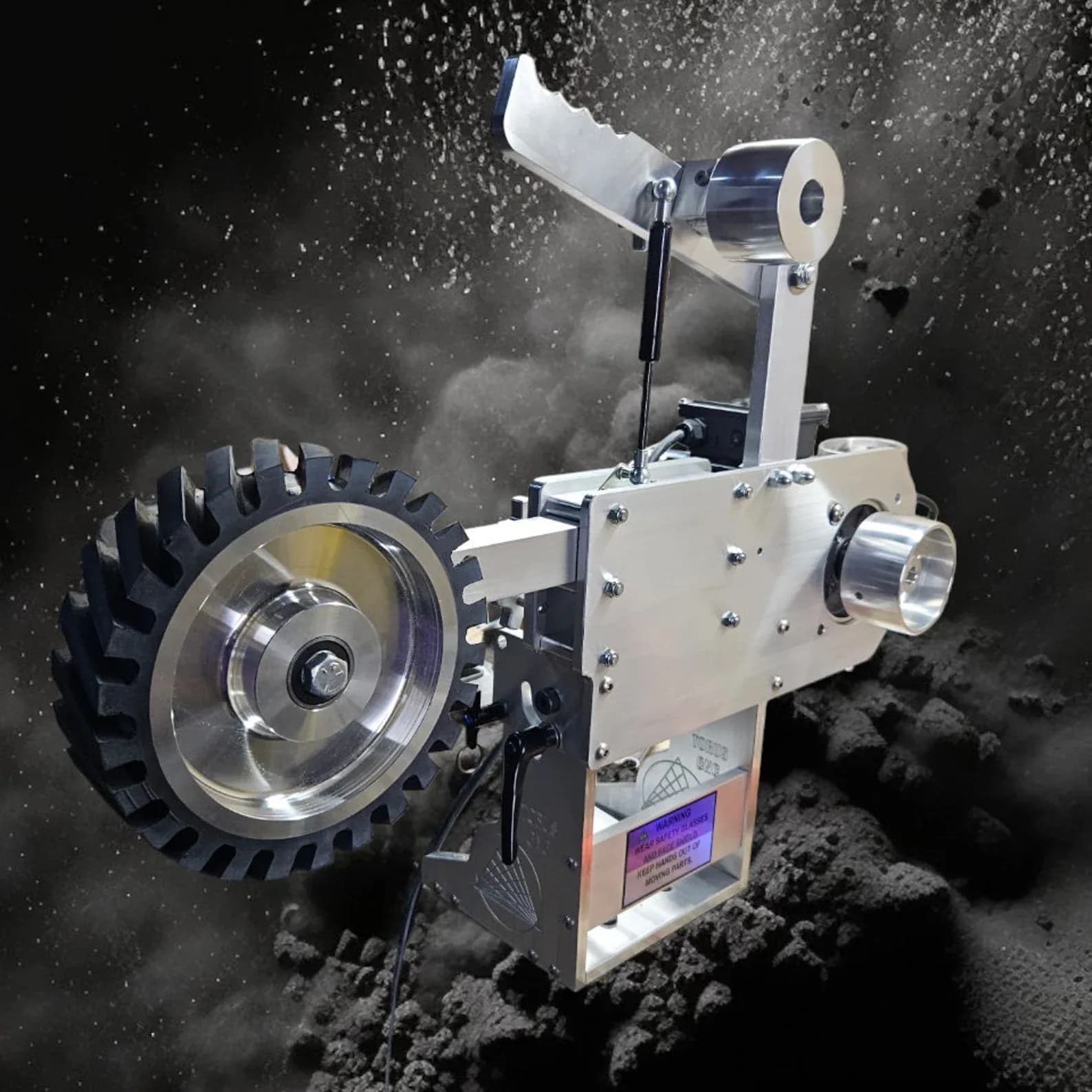
The extended length of the belt allows for a greater contact area, which can lead to more efficient material removal and smoother finishes. One of the key features of the 2×72 belt grinder is its adaptability. Many models come with adjustable speed settings and interchangeable attachments, allowing users to customize their grinding experience based on the specific requirements of their projects.
Key Takeaways
- A 2×72 belt grinder is a versatile tool used for shaping, sharpening, and polishing metal and wood.
- Other belt grinder sizes, such as 1×30 and 2×48, offer different capabilities and are suitable for specific tasks.
- The 2×72 belt grinder provides a larger grinding surface, higher belt speed, and more power, making it ideal for heavy-duty tasks.
- Smaller belt grinders are more affordable and take up less space, but may lack the power and versatility of a 2×72 grinder.
- When choosing a belt grinder, consider your specific needs, budget, and the availability of different sizes and models.
Exploring Other Belt Grinder Sizes
While the 2×72 belt grinder is widely recognized for its capabilities, other sizes of belt grinders also exist, each with its own unique advantages and applications. Common alternatives include 1×30, 1×42, and 4×36 belt grinders. The 1×30 grinder, for instance, is compact and often more affordable, making it an attractive option for hobbyists or those with limited workspace.
Its smaller size allows for easier maneuverability, but it may not provide the same level of efficiency or versatility as the larger models. On the other hand, the 4×36 belt grinder offers a broader surface area, which can be beneficial for larger projects or when working with bigger pieces of material. However, this size may be less practical for intricate work that requires precision.
Evaluating the Benefits of a 2×72 Belt Grinder
The benefits of using a 2×72 belt grinder are numerous and significant. One of the primary advantages is its efficiency in material removal. The combination of a wide belt and a long length allows users to cover more surface area quickly, making it ideal for tasks that require rapid shaping or finishing.
This efficiency can save valuable time in both professional and hobbyist settings, allowing users to focus on other aspects of their projects. Another notable benefit is the versatility that comes with a 2×72 belt grinder. With various attachments available, users can switch between grinding, sanding, polishing, and even buffing with relative ease.
Comparing the Pros and Cons of Other Belt Grinder Sizes
| Size | Pros | Cons |
|---|---|---|
| 2×72 | Versatile, widely available accessories | Large and heavy, takes up space |
| 2×48 | Good compromise between size and power | Limited availability of accessories |
| 1×30 | Compact and portable | Less powerful, limited for heavy-duty tasks |
When considering other belt grinder sizes, it is essential to weigh their pros and cons against those of the 2×72 model. For instance, while smaller grinders like the 1×30 are more affordable and easier to store, they may lack the power and efficiency needed for larger projects or more demanding tasks. Users may find themselves limited in their capabilities when working with tougher materials or when attempting to achieve finer finishes.
Conversely, larger grinders such as the 4×36 can handle bigger jobs but may not be as nimble or precise as their smaller counterparts. The bulkiness of these machines can make them cumbersome in tight spaces or when working on intricate designs. Larger grinders often come with a higher price tag and may require more substantial investment in terms of both space and budget.
Determining the Best Belt Grinder for Your Needs
Choosing the best belt grinder involves careful consideration of several factors, including project requirements, available space, and budget constraints. For those who frequently work on larger projects or require high levels of precision, investing in a 2×72 belt grinder may be the most beneficial option. Its efficiency and versatility make it suitable for a wide range of applications, from crafting custom knives to shaping metal components.
On the other hand, if space is limited or if the user primarily engages in smaller projects, a compact model like the 1×30 might be more appropriate. This size offers sufficient functionality for hobbyists without overwhelming their workspace or budget. In the end, assessing individual needs and preferences will guide users toward selecting the right belt grinder that aligns with their specific goals and working style.
Cost is often a significant factor when deciding between different sizes of belt grinders. The 2×72 models tend to be priced higher than smaller grinders due to their advanced features and capabilities. However, many users find that the investment pays off in terms of performance and longevity.
The availability of replacement belts and accessories for 2×72 grinders is also generally better than for smaller models, ensuring that users can maintain their equipment without difficulty. In contrast, smaller grinders like the 1×30 are typically more budget-friendly but may require users to compromise on certain features or capabilities. While they can be excellent choices for beginners or those with limited needs, users should consider whether they might outgrow these machines as their skills develop or project demands increase.
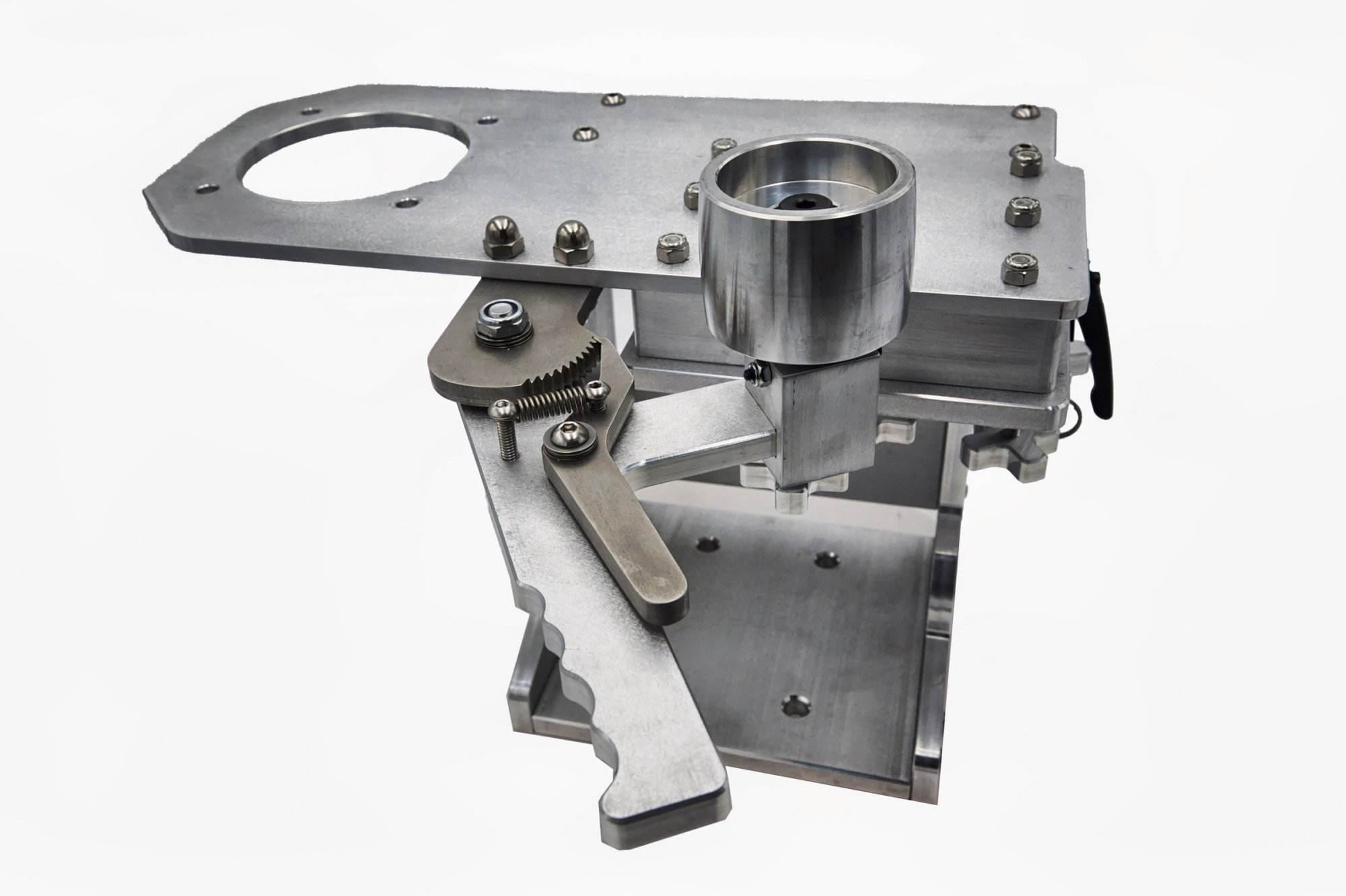
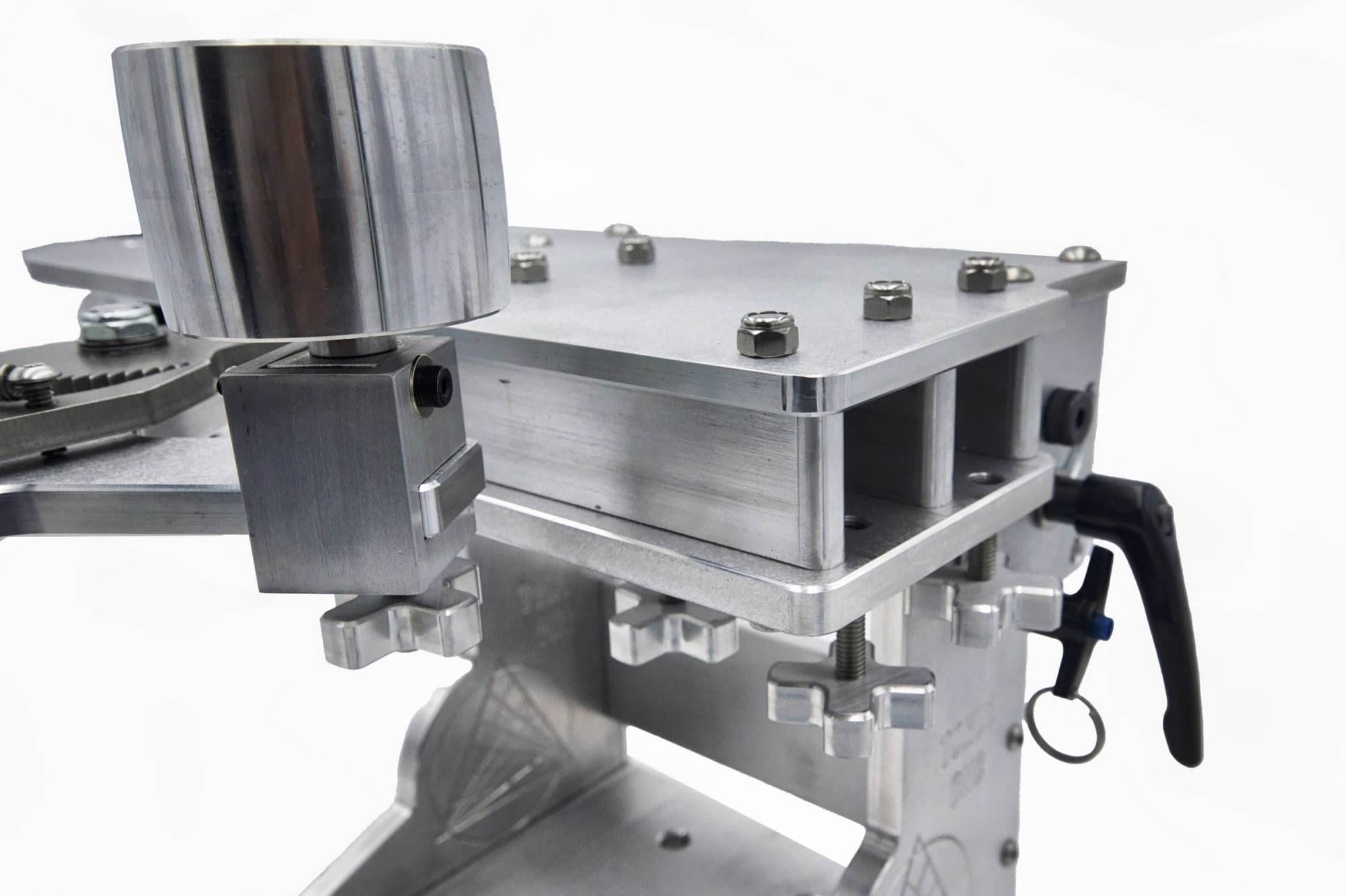
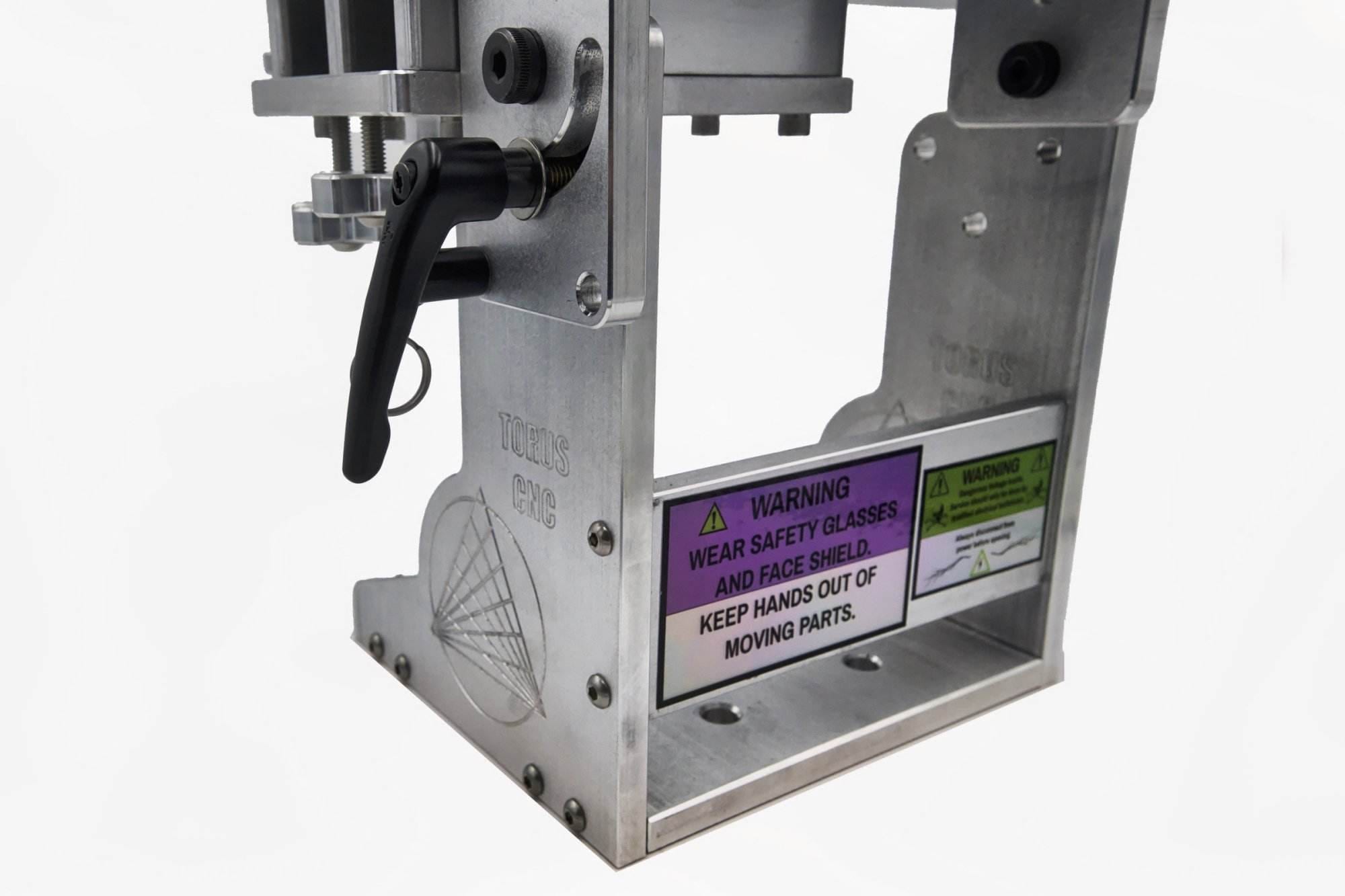
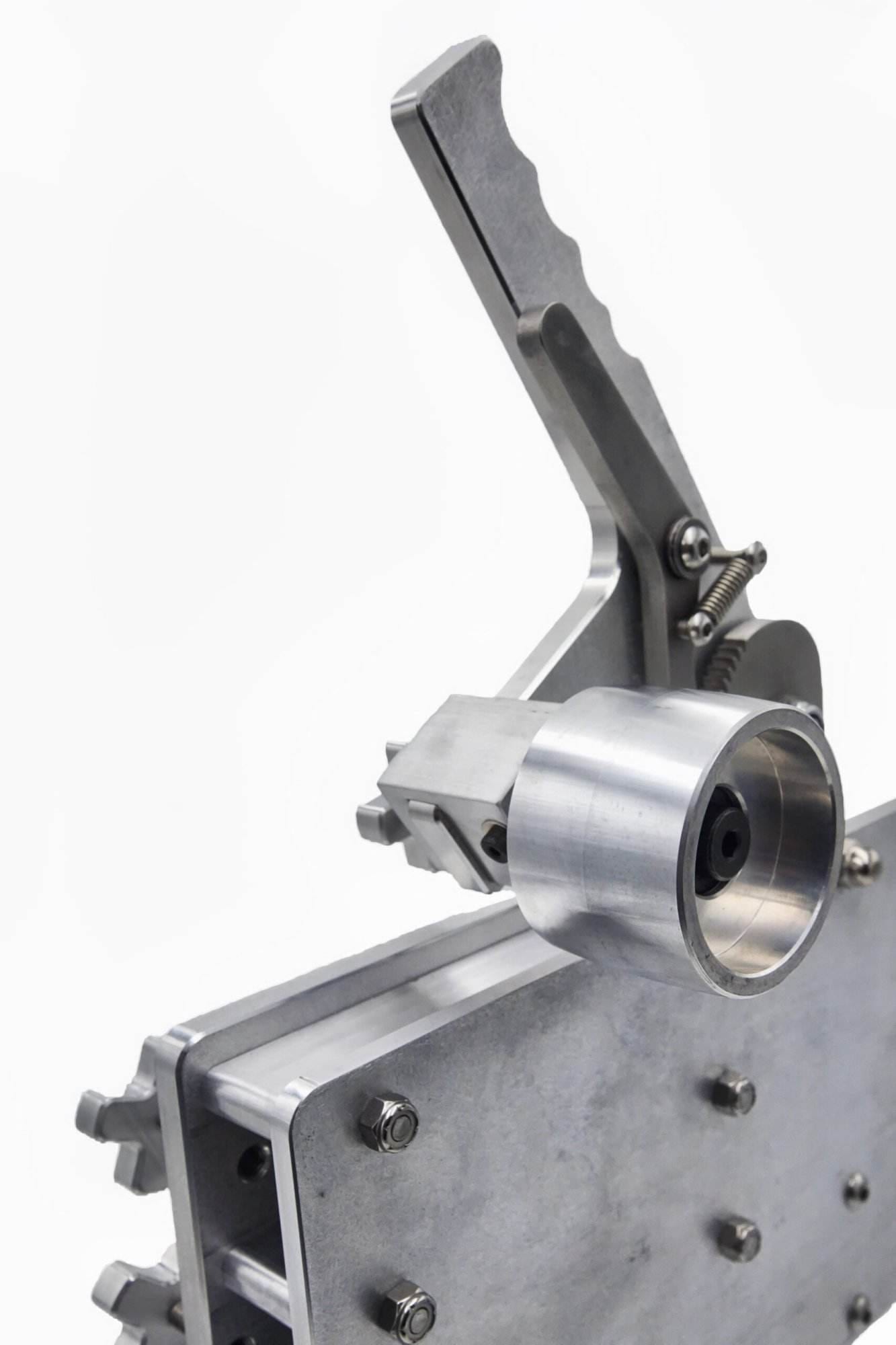
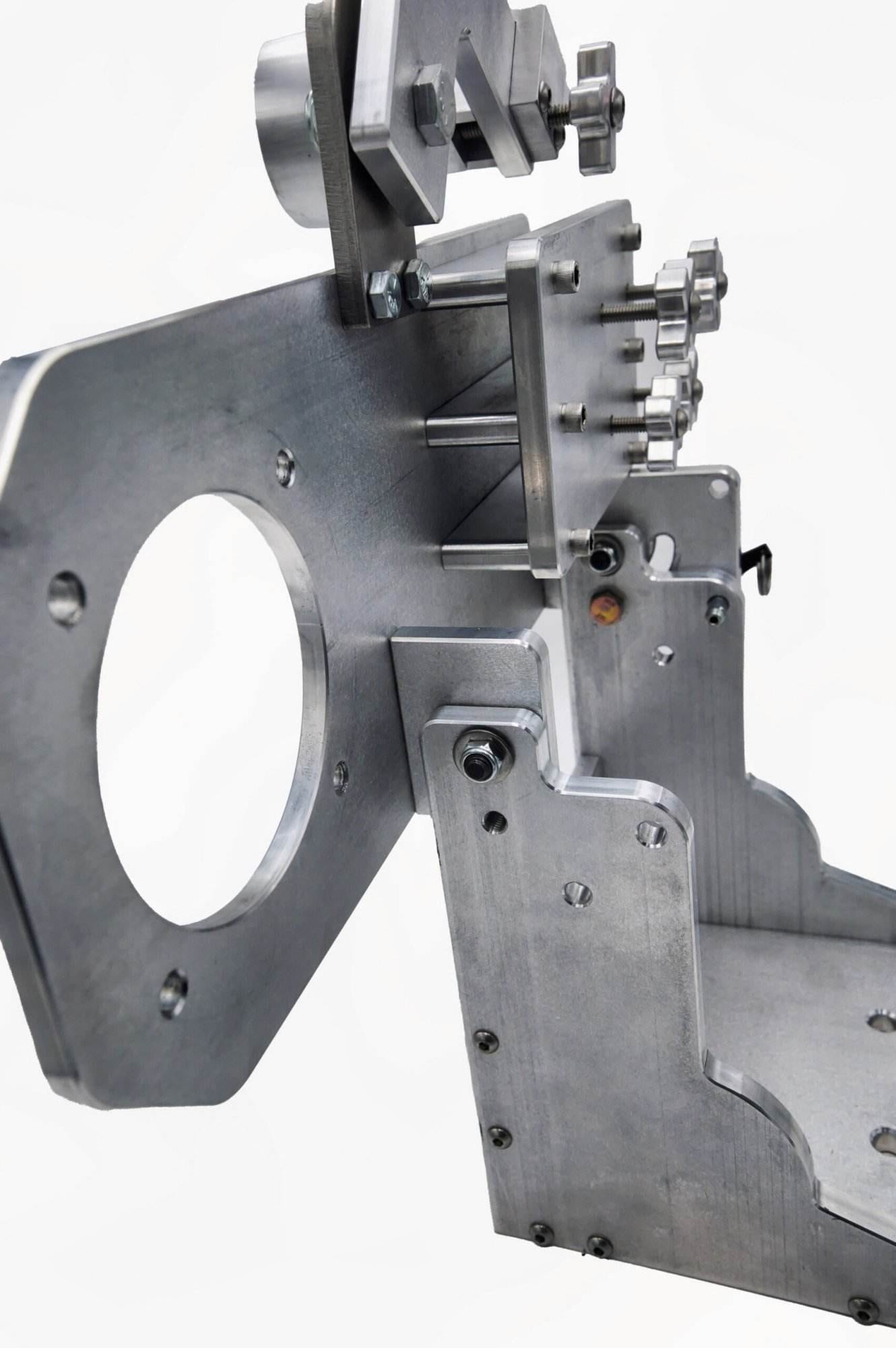
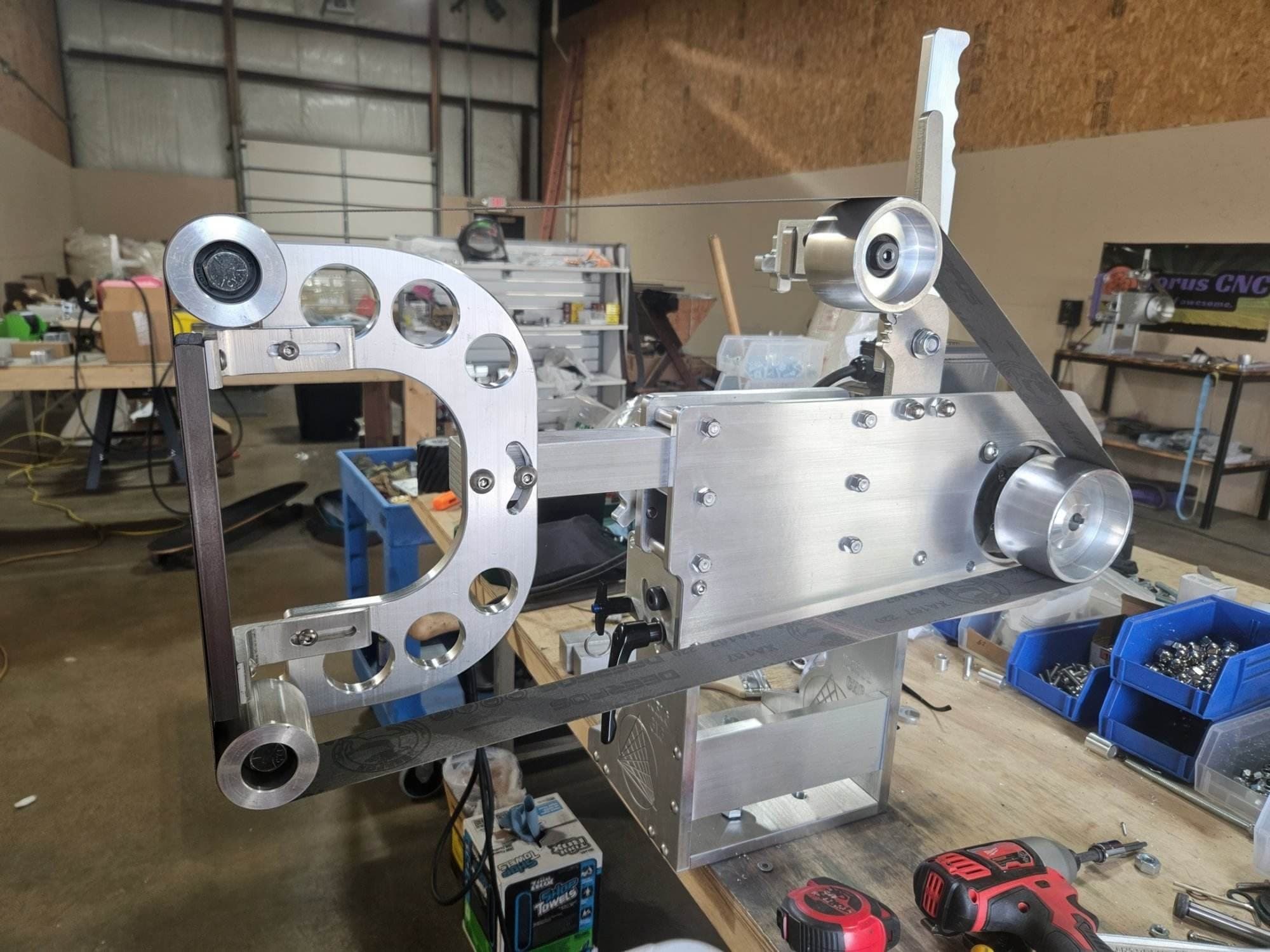
For selecting a belt grinder, various brands offer models that cater to different user preferences and requirements. Torus CNC is one such brand known for its high-quality 2×72 grinders that combine durability with advanced features tailored for both professionals and hobbyists alike. Their machines are designed with user-friendliness in mind while maintaining sturdy performance standards.
In addition to Torus CNC, other brands also provide reliable options across various sizes of belt grinders. Each brand typically has its unique selling points—some may focus on affordability while others emphasize advanced technology or specialized attachments. Researching different brands and models allows users to compare specifications, read reviews from other craftsmen, and in the end choose a machine that aligns with their specific needs and expectations.
Tips for Maintaining and Using Your Belt Grinder
Proper maintenance is crucial for ensuring the longevity and performance of any belt grinder. Regularly checking the tension of the sanding belt is essential; a properly tensioned belt will operate more efficiently and reduce wear on both the belt and the machine itself. Keeping the work area clean helps prevent debris from interfering with the grinding process and can enhance safety by reducing hazards.
When using a belt grinder, it’s important to adopt safe practices to protect both the user and the equipment. Wearing appropriate personal protective equipment (PPE), such as safety glasses and gloves, is vital when operating any grinding machinery. Understanding how to adjust speed settings based on material type can lead to better results while minimizing damage to both the workpiece and the grinding belt itself.
FAQs
What are the disadvantages of a 2×72 grinder compared to other belt grinder sizes?
One potential disadvantage of a 2×72 grinder is its larger size, which may not be suitable for smaller workspaces. The cost of a 2×72 grinder may be higher compared to smaller belt grinder sizes.
What are the common uses for a 2×72 grinder?
A 2×72 grinder is commonly used for metalworking, knife making, and general fabrication. Its larger size and power make it suitable for heavy-duty grinding and shaping tasks.
What are the common uses for other belt grinder sizes?
Smaller belt grinder sizes, such as 1×30 or 2×48, are often used for more precise and detailed work, such as sharpening tools, shaping small metal pieces, and hobbyist projects.
If you have decided on a 2×72, start with the grinder comparison chart, then look at the Torus Classic at $995 or the Nova at $1,295. Both are 6061 aluminum, tilt to horizontal, and ship assembled and tested from Sterling, Illinois.