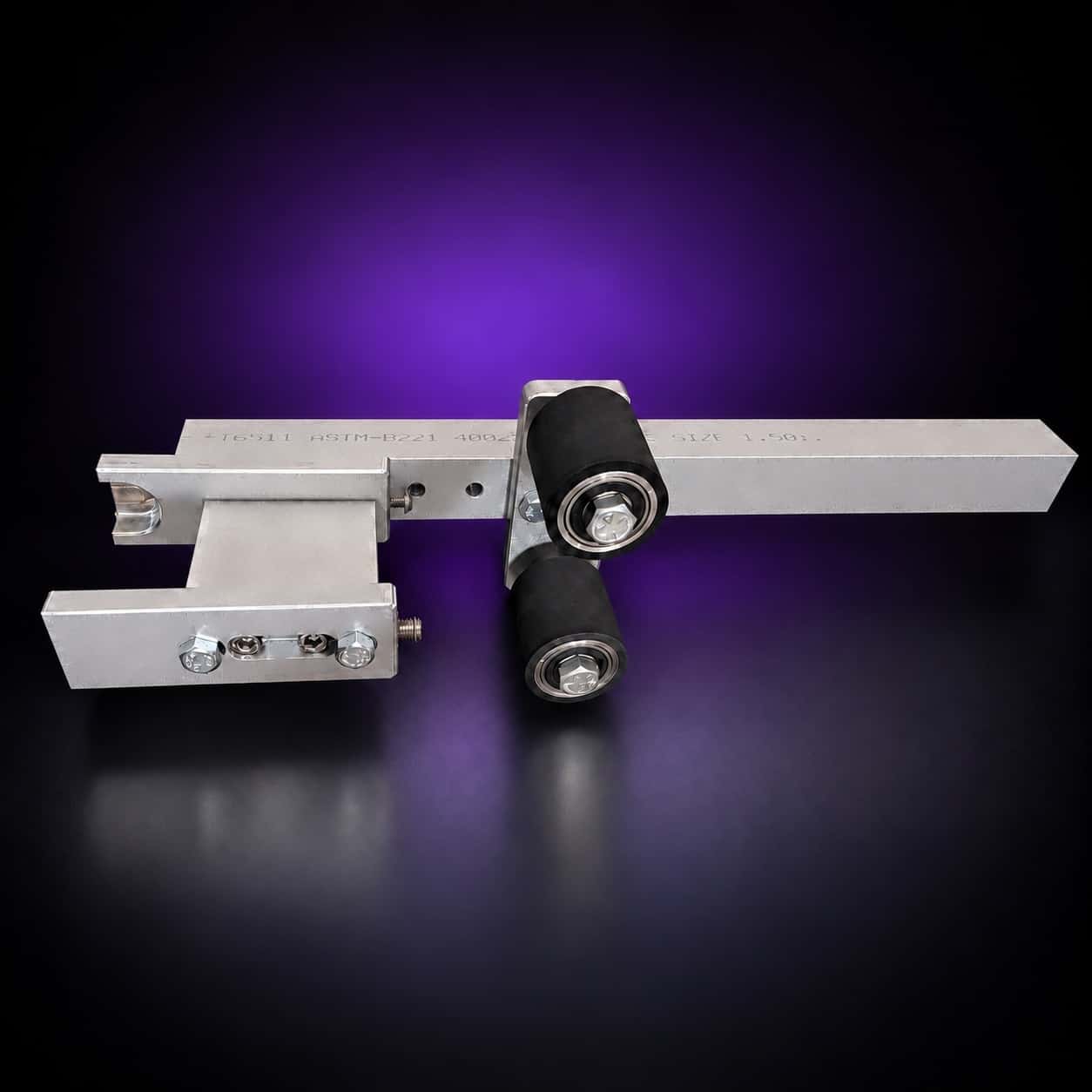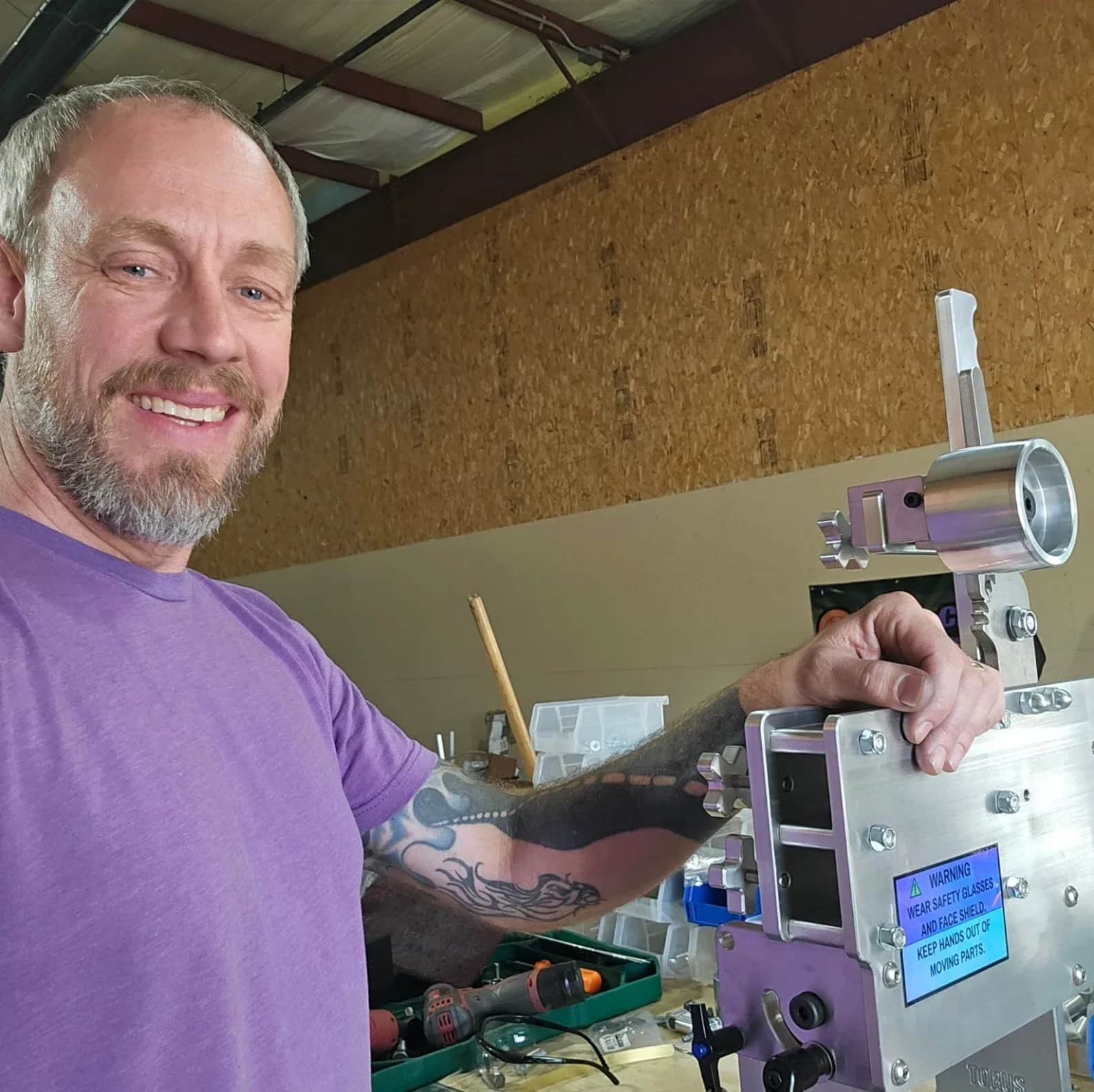
CNC Machine
Aluminum: The Key to Enhanced Grinder Portability
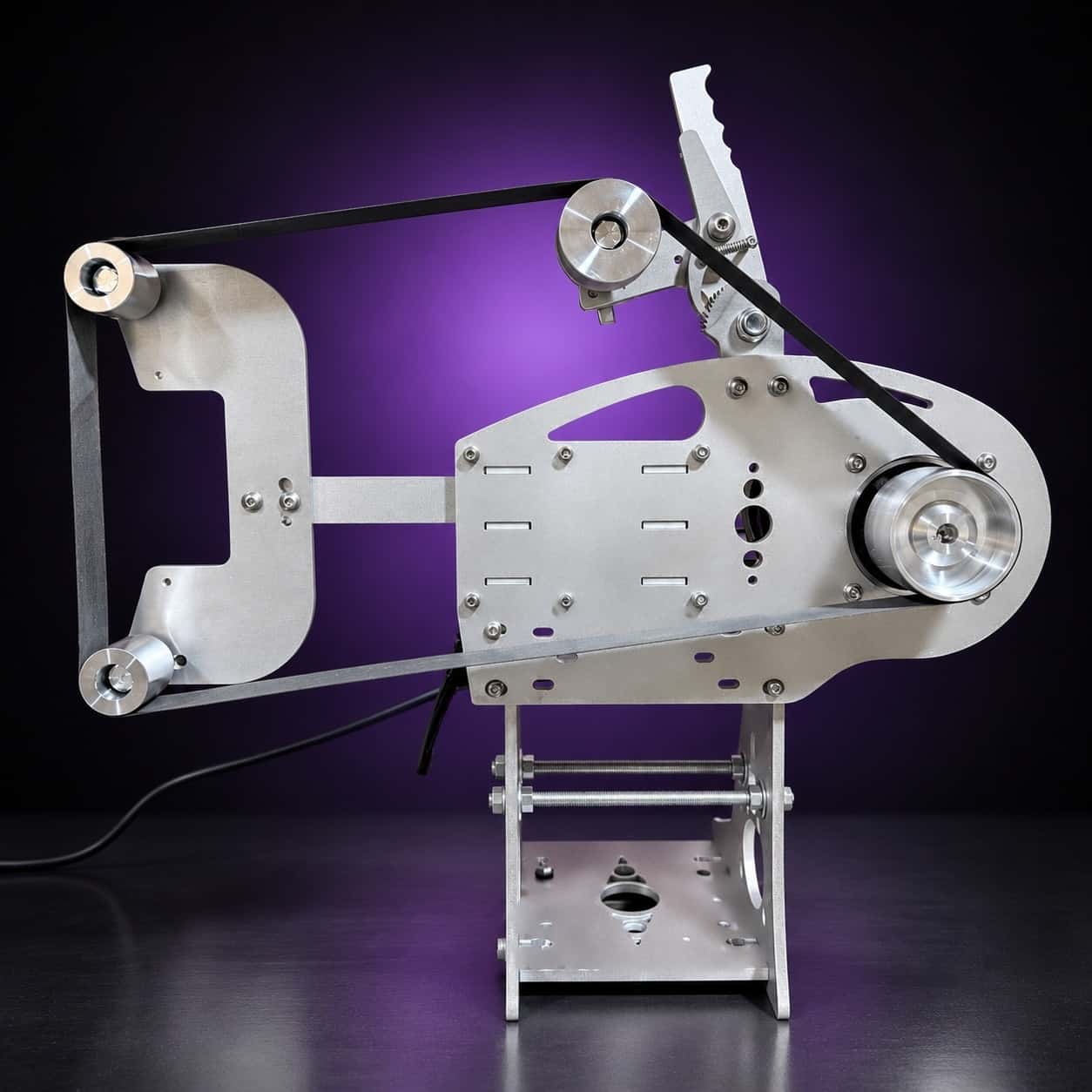
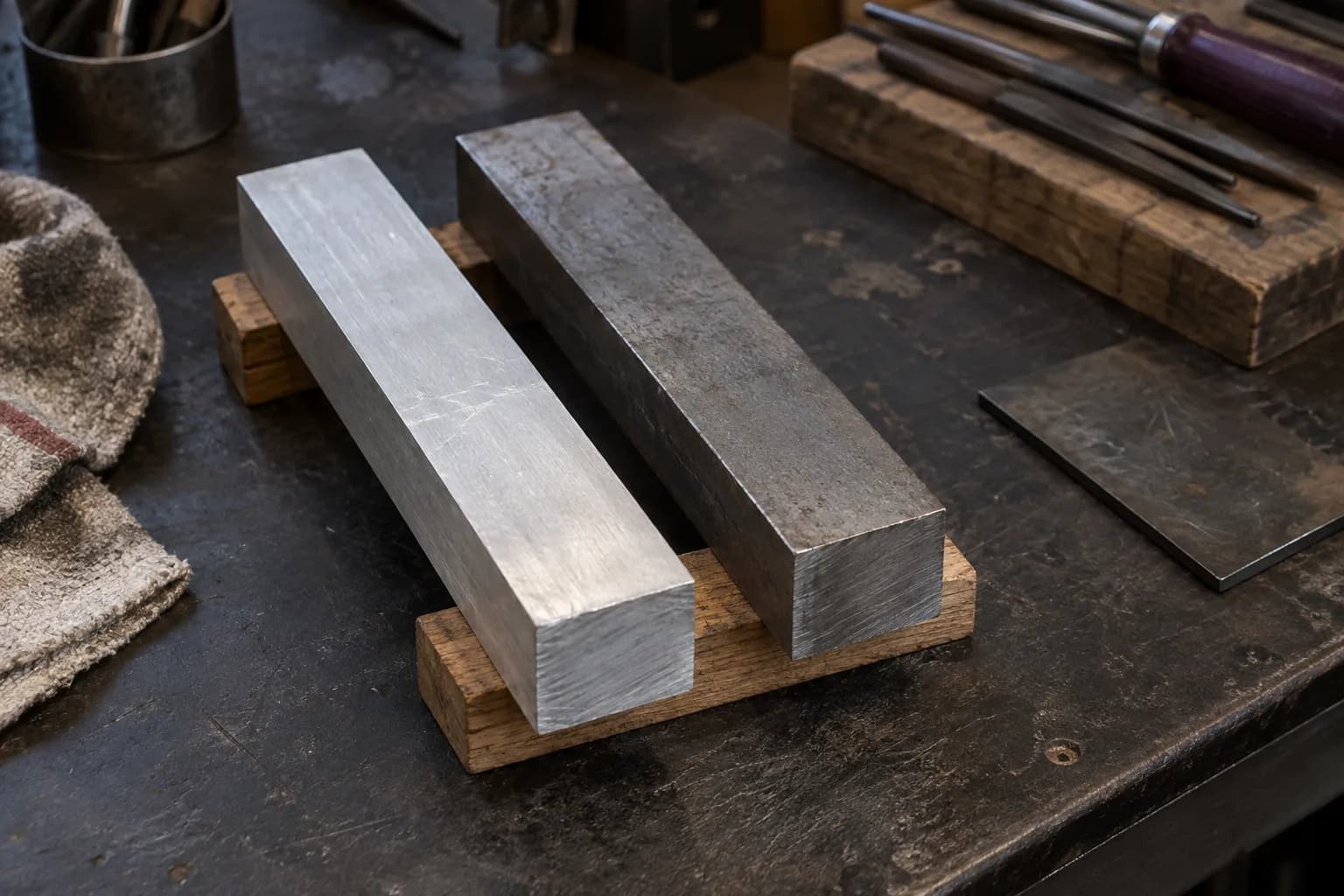
A steel 2×72 stays where you bolt it. An aluminum chassis weighs less than a comparable steel one, so it is easier to reposition and haul to a show. Here is how the material and the Torus tilt help.
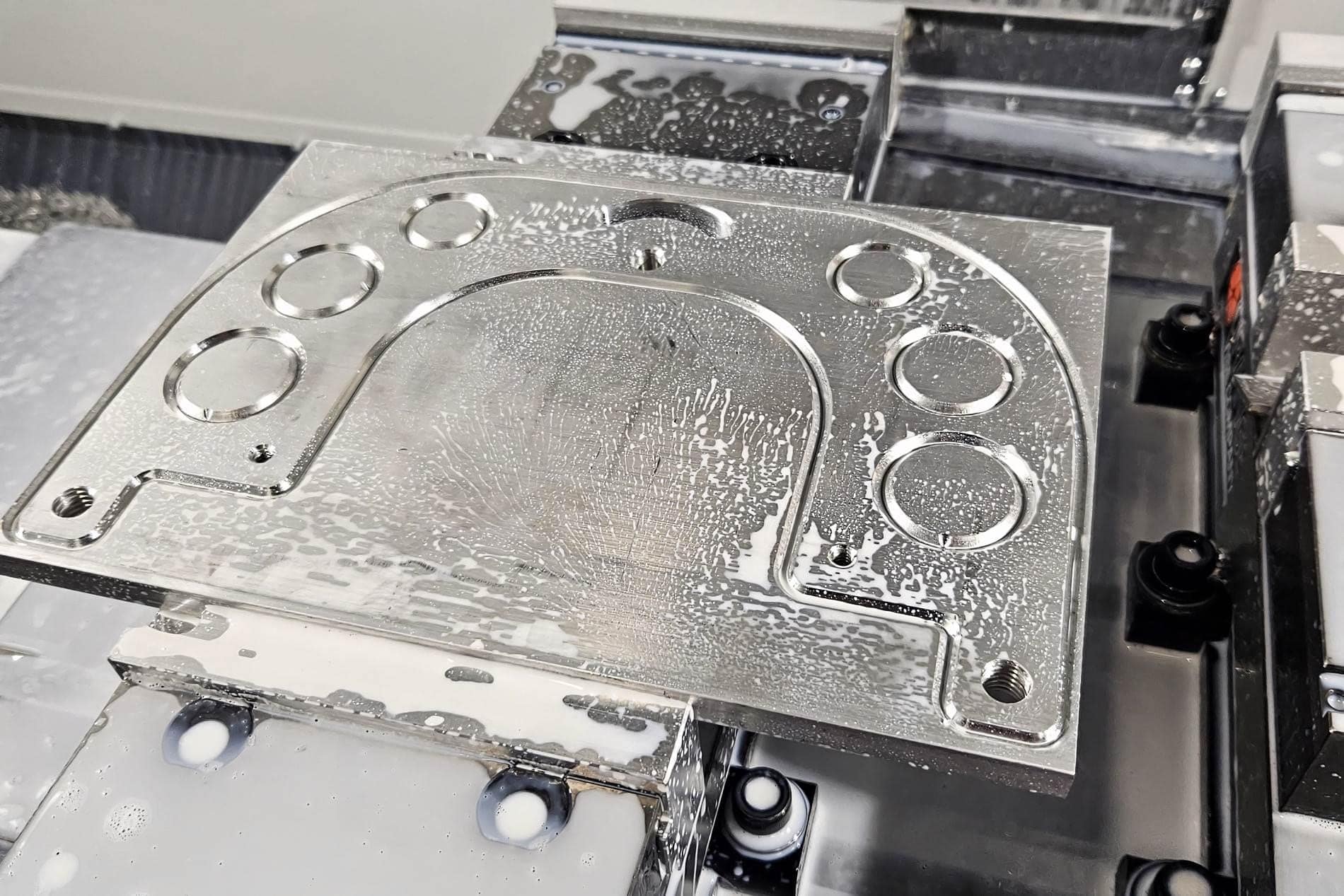
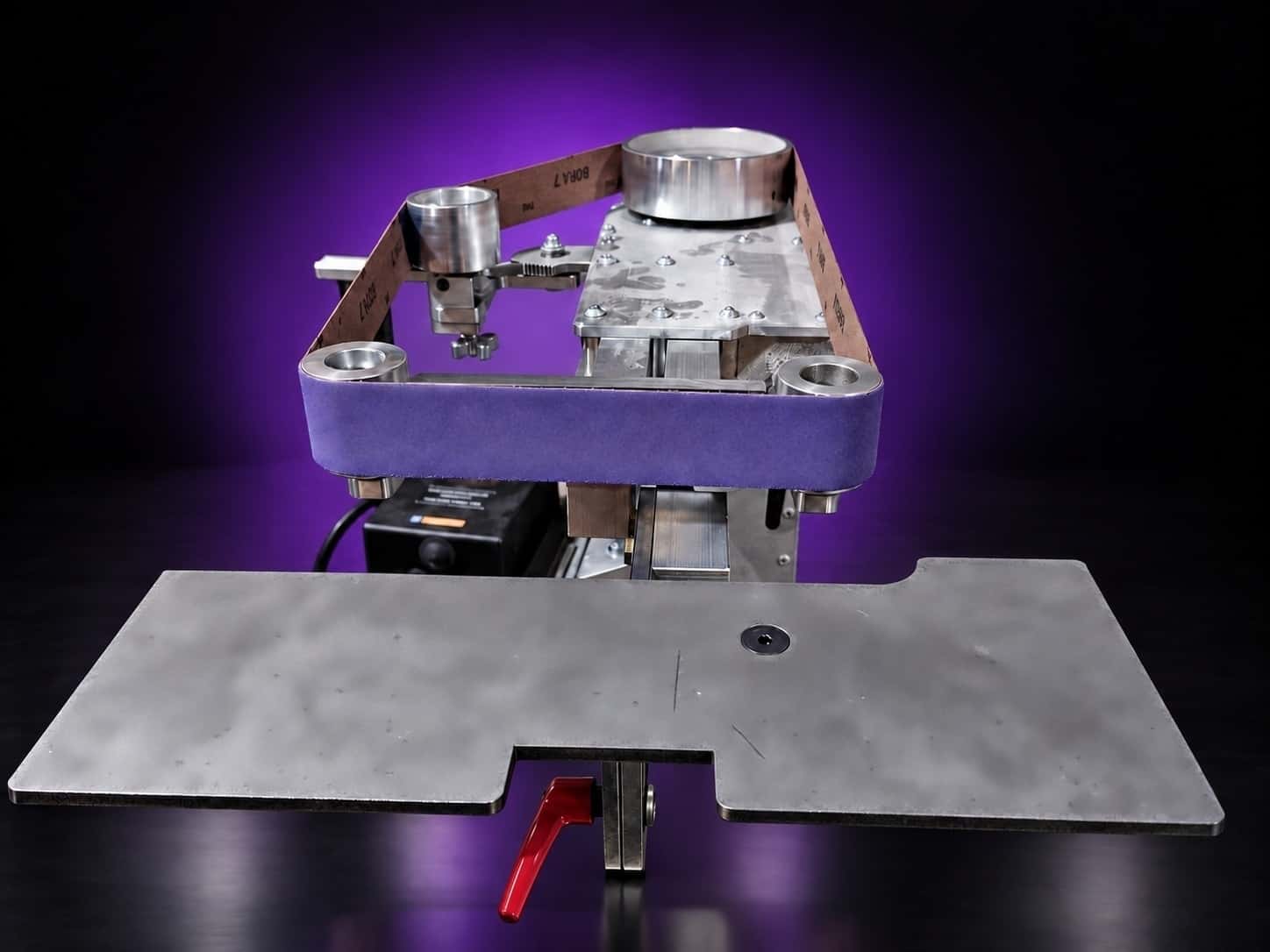
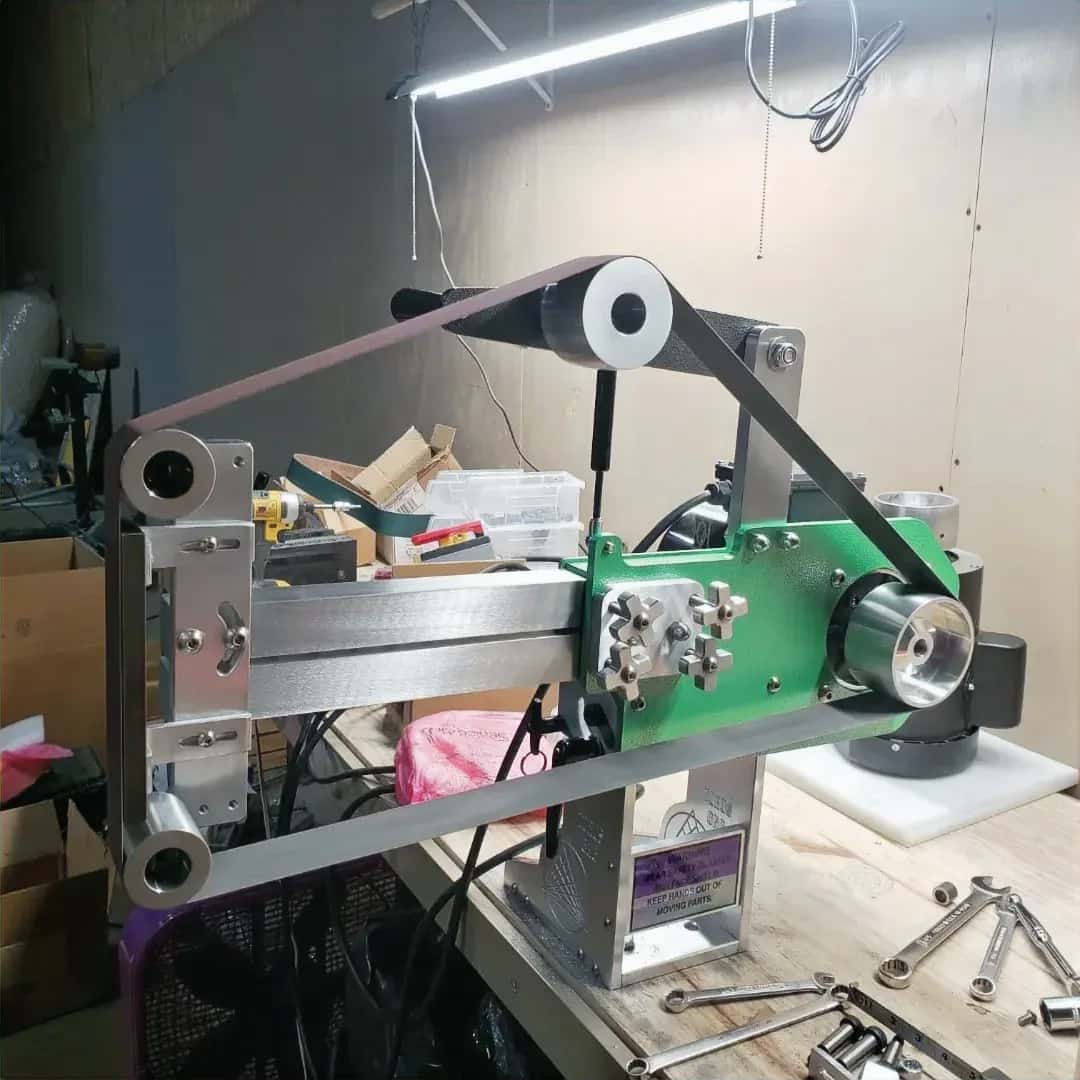
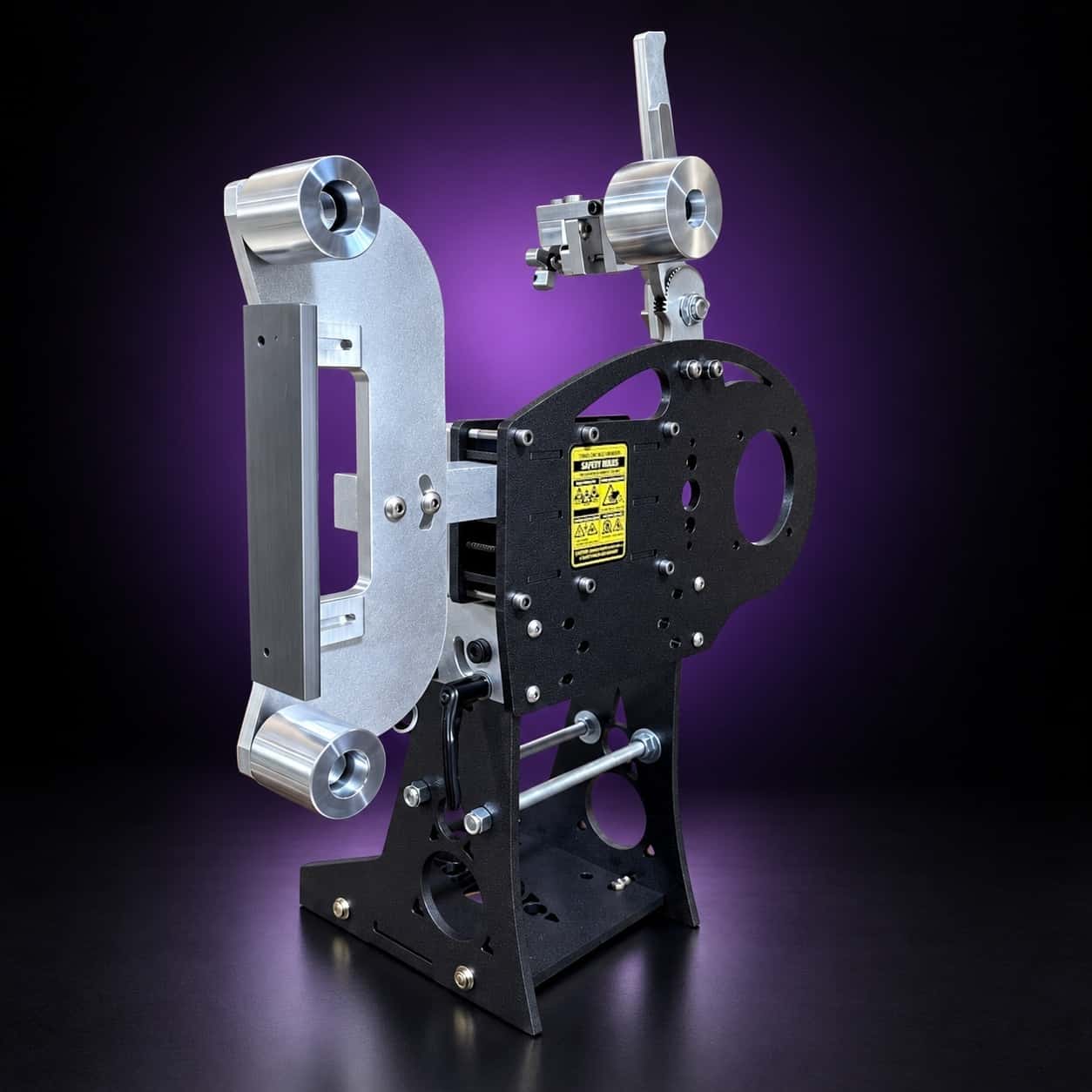
Not every grinder lives on the same bench forever. Makers haul them to craft shows, roll them out to the driveway for messy work, or flip them from vertical to horizontal a dozen times a day. An aluminum chassis weighs less than a comparable steel one, which makes a grinder easier to reposition, and the Torus tilt gives you vertical and horizontal working positions. Here is how the material makes a portable 2×72 work.
Key Takeaways
- Aluminum construction makes grinders lightweight and durable, perfect for on-the-go use.
- Aluminum’s corrosion resistance makes it ideal for travel and outdoor use.
- Aluminum allows for compact grinder sizes, enhancing portability and convenience.
- Aluminum contributes to heat dissipation in grinders, preventing overheating during use.
- The environmental impact of aluminum in grinder manufacturing is relatively low, making it a sustainable choice.
Lightweight and Durable: How Aluminum Enhances Portability
One of the standout features of aluminum grinders is their lightweight nature, which significantly enhances portability. For individuals who frequently travel or engage in outdoor activities, having a grinder that is easy to carry is essential. Torus CNC’s aluminum grinders are designed with this in mind, allowing users to easily pack them into bags or backpacks without adding unnecessary weight.
This portability factor is particularly appealing to those who enjoy cannabis on the go, as it allows for convenient access to freshly ground material wherever they may be. In addition to being lightweight, aluminum’s durability ensures that these grinders can withstand the bumps and scrapes that often accompany travel. Unlike heavier materials that may be prone to damage or breakage, aluminum maintains its structural integrity even when subjected to rough handling.
Aluminum’s Corrosion Resistance: Perfect for On-the-Go Use
Another significant advantage of aluminum in grinder construction is its natural resistance to corrosion. This property is particularly beneficial for users who may find themselves in various environments, whether it be at the beach, in the mountains, or at a friend’s house. Aluminum does not rust like some other metals, ensuring that the grinder remains functional and aesthetically pleasing over time.
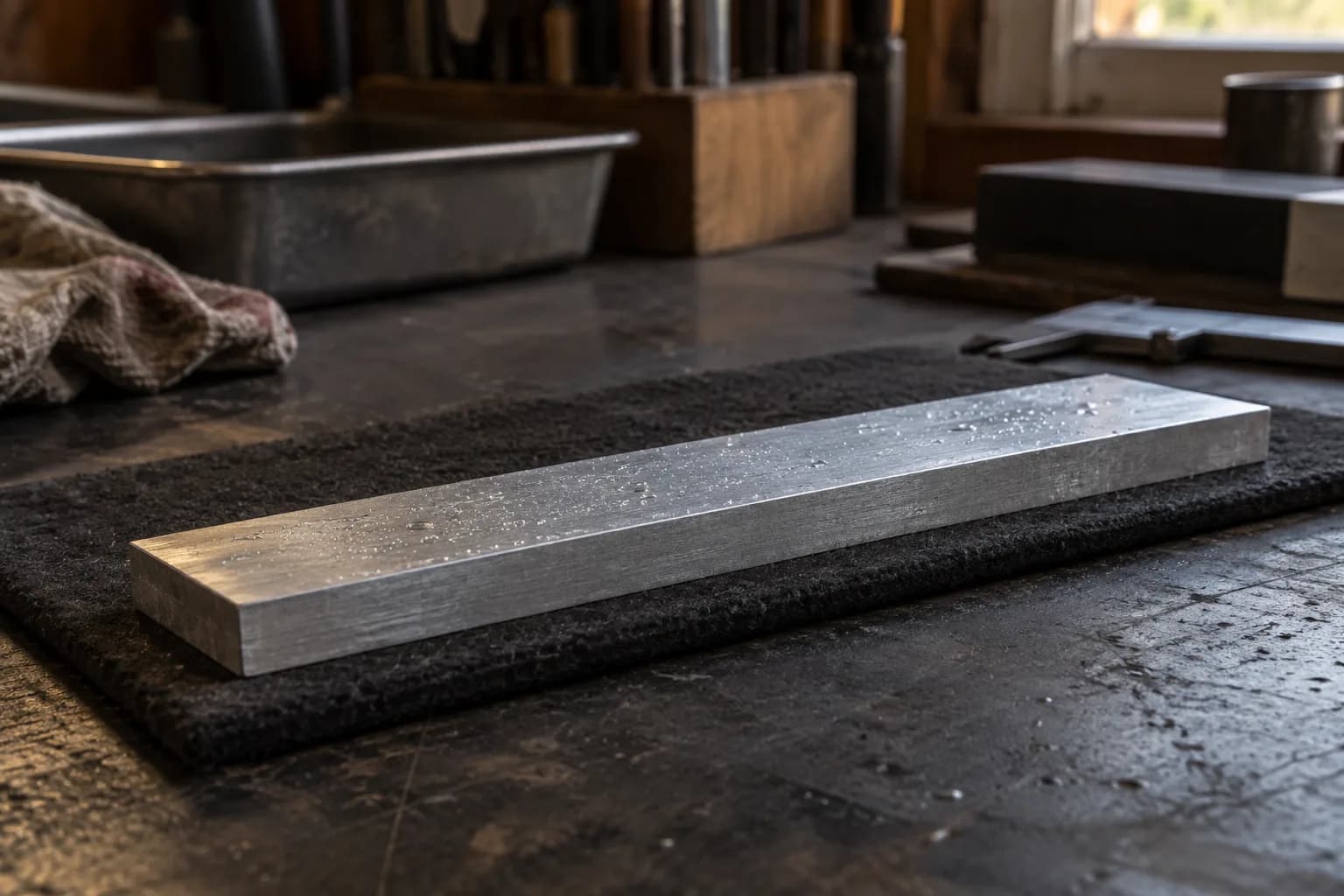
Torus CNC’s commitment to quality means that their aluminum grinders are designed to withstand exposure to moisture and other elements without deteriorating. This corrosion resistance also translates into lower maintenance requirements for users. Unlike grinders made from materials that may require regular cleaning or protective coatings, aluminum grinders can be easily wiped down and maintained with minimal effort.
Design Flexibility: How Aluminum Allows for Compact Grinder Sizes
| Feature | Benefit |
|---|---|
| High Strength-to-Weight Ratio | Allows for compact and lightweight grinder designs |
| Malleability | Enables intricate and space-saving grinder components |
| Corrosion Resistance | Ensures long-lasting and durable grinder construction |
| Conductivity | Facilitates efficient heat dissipation in compact grinder sizes |
Aluminum’s versatility extends beyond its physical properties; it also offers significant design flexibility that allows manufacturers like Torus CNC to create compact grinder sizes without sacrificing performance. The malleability of aluminum enables intricate designs that can incorporate various features while maintaining a lightweight profile. This is particularly important for users who may prefer smaller grinders that are easier to handle and store.
The ability to create compact designs means that users can enjoy the benefits of a high-quality grinder without needing to compromise on space. A smaller grinder can fit smoothly into any setting. These compact designs often come equipped with advanced features such as precision cutting edges and ergonomic grips, enhancing the overall user experience while still being easy to transport.
Aluminum’s Contribution to Heat Dissipation in Grinders
Heat dissipation is a critical factor in the performance of any grinder, and aluminum excels in this area due to its thermal conductivity. When grinding materials, friction generates heat, which can affect both the quality of the grind and the longevity of the tool itself. Torus CNC’s aluminum grinders are engineered to effectively dissipate this heat, ensuring that users can grind materials efficiently without experiencing overheating issues.
The ability of aluminum to manage heat not only enhances performance but also contributes to user comfort. A grinder that remains cool during operation allows for longer grinding sessions without discomfort or risk of burns. This feature is particularly beneficial for those who engage in extensive grinding tasks or require consistent results over time.
By prioritizing heat dissipation in their designs, Torus CNC ensures that their aluminum grinders deliver optimal performance while keeping user experience at the forefront.
FAQs
What are the benefits of aluminum’s lightweight nature for grinders?
Aluminum’s lightweight nature makes grinders more portable and easier to transport, allowing users to take their grinder with them on the go.
How does aluminum compare to other materials in terms of portability for grinders?
Aluminum is significantly lighter than materials such as steel or iron, making it a preferred choice for those seeking enhanced portability in their grinders.
Can aluminum grinders withstand regular use despite their lightweight nature?
Yes, aluminum grinders are durable and can withstand regular use despite being lightweight. They are designed to be sturdy and long-lasting.
Are there any downsides to using aluminum for grinders?
One potential downside of using aluminum for grinders is that it may not be as resistant to wear and tear as some other materials. However, this can be mitigated through proper care and maintenance.
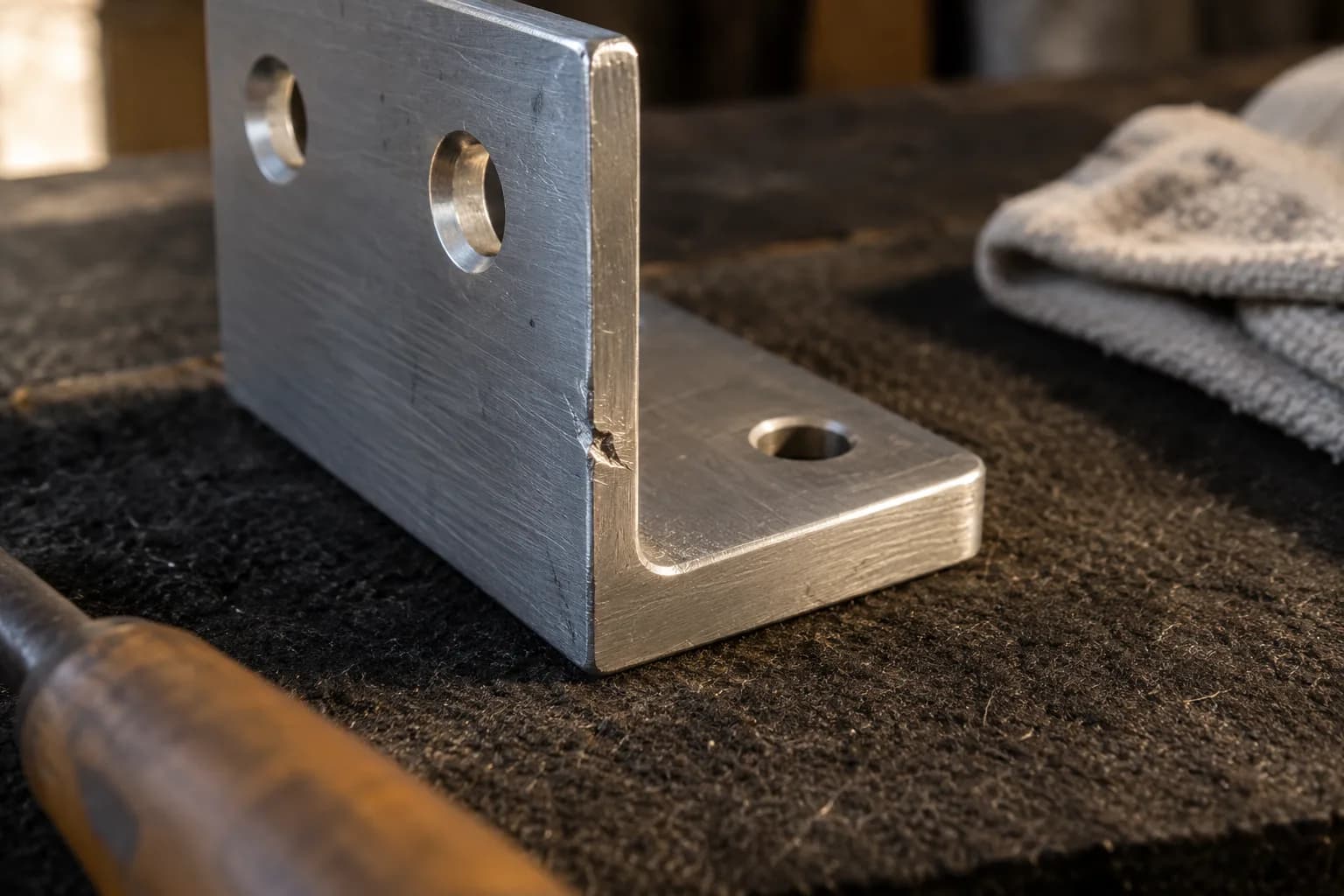
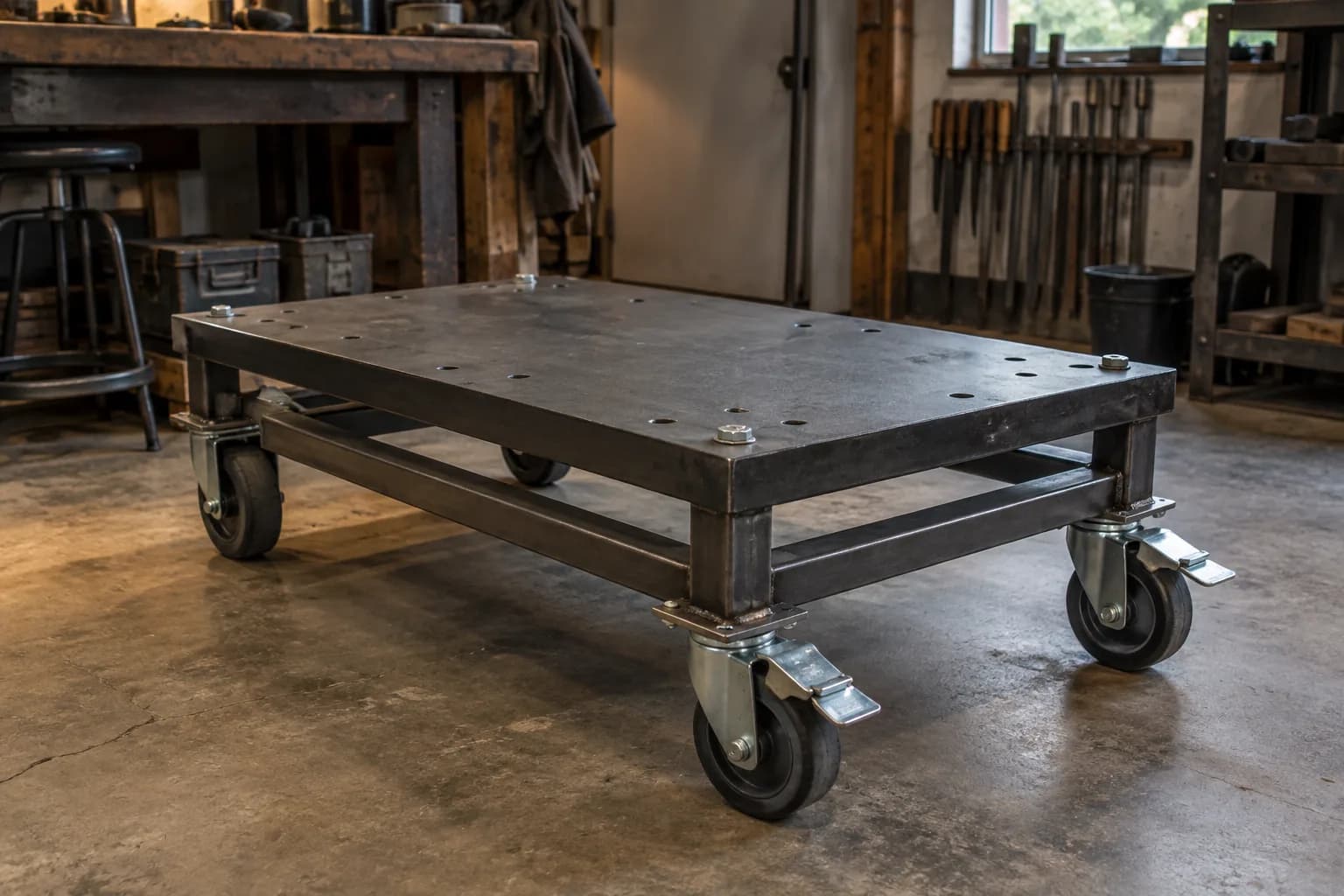
If the grinder has to move, plan a stand or cart rated for the complete machine and secure it before grinding. The Nova 2×72 is fiber-laser-cut 6061 aluminum with a 90-degree tilt, which cuts handling effort but does not replace a stable mount. If your grinder never leaves the bench, the Nebula trades that weight for 3/8-inch steel mass. Both ship assembled and tested from Sterling, Illinois.