Belt Grinders

Knife Handle Materials: Natural vs. Synthetic Options

Wood, bone, stabilized burl, G-10, Micarta, even mammoth tooth: every handle material grinds differently. Here is how I pick between natural and synthetic scales, and how I shape each one on the 2×72 without burning it.
5 min readBy Rich Linville
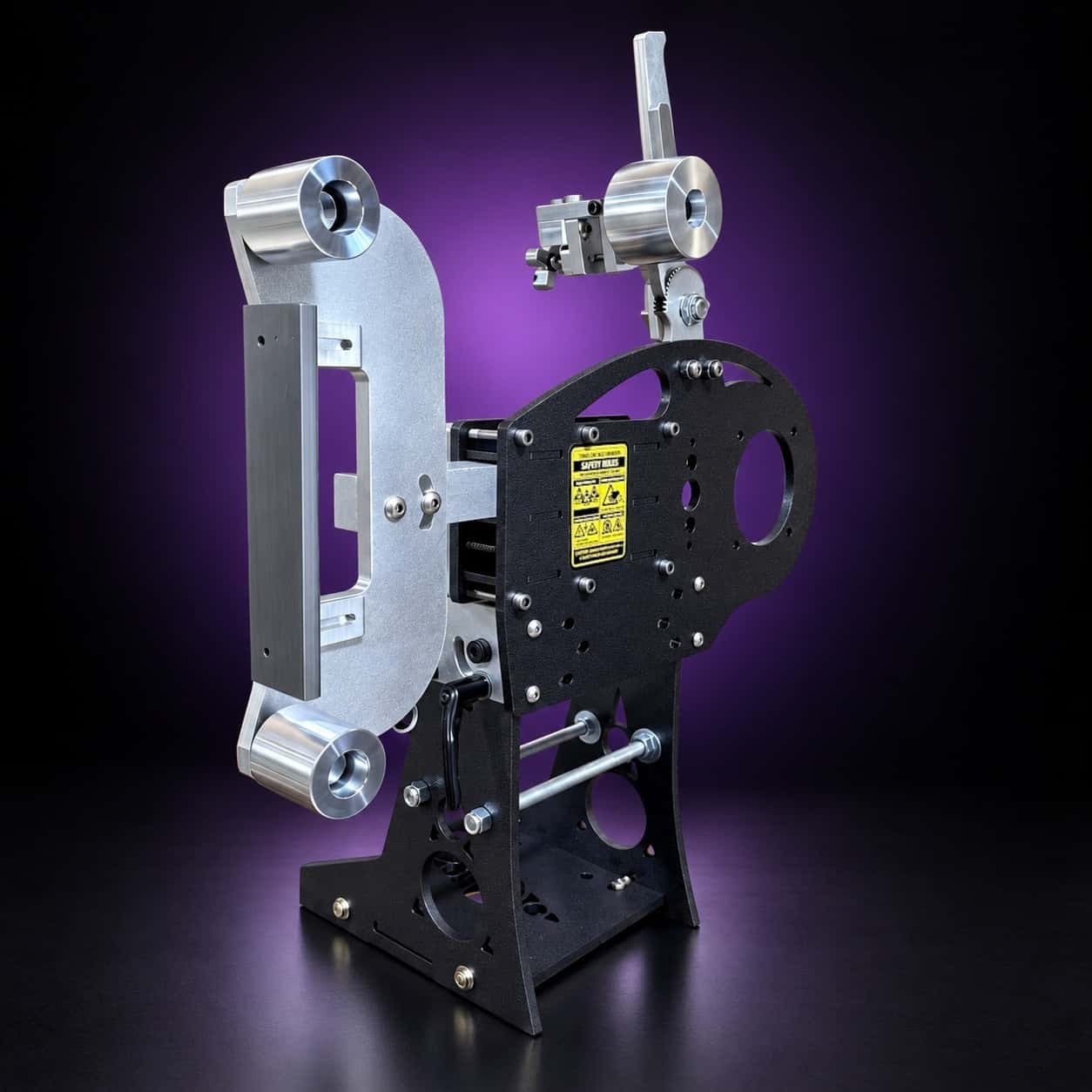
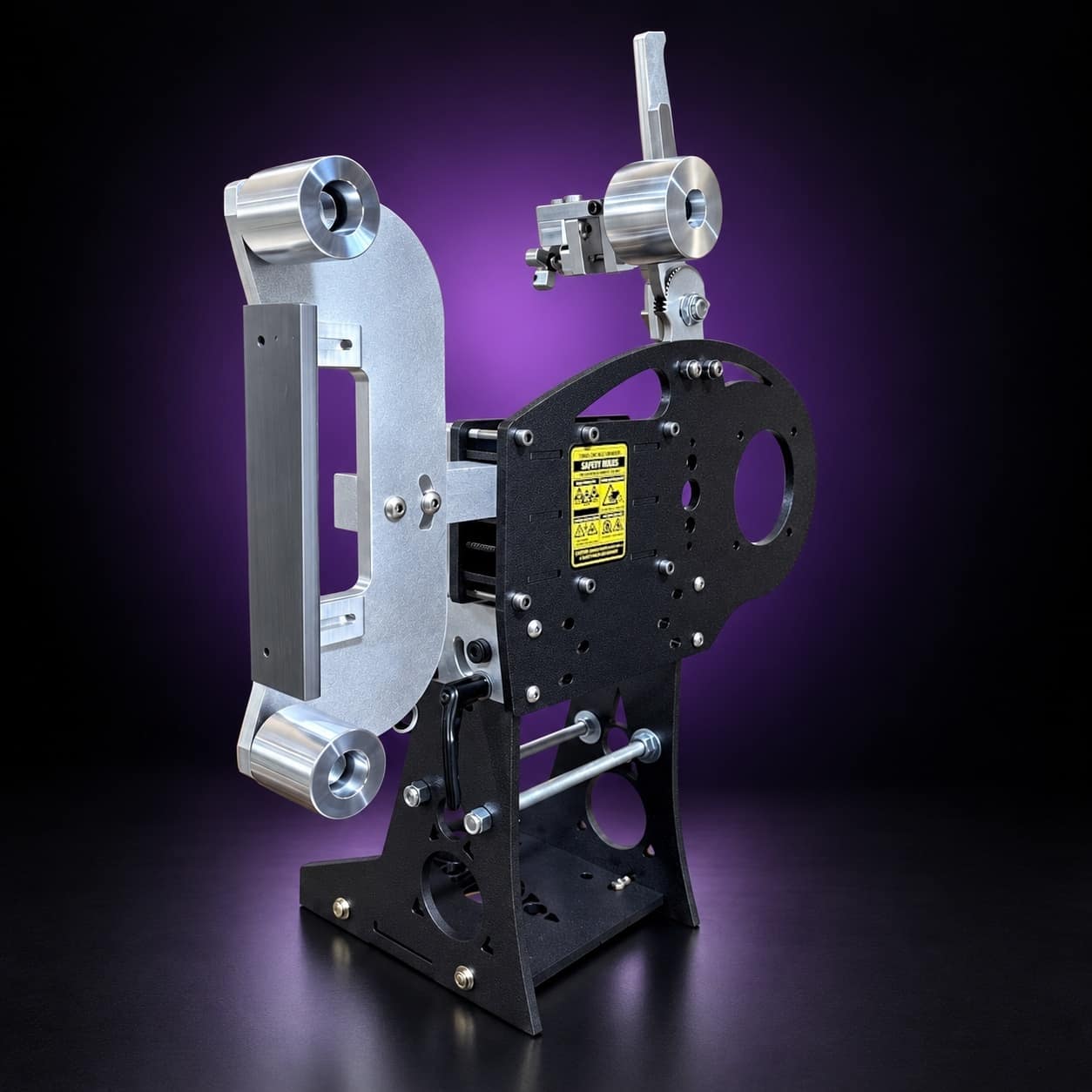
Nebula 2x72 grinder, front three-quarter view: aluminum arm, black plate, Safety Rules label, on black with a purple glow

Pick the wrong knife handle material and the best blade you ever ground still feels cheap in the hand. I have shaped hundreds of handles on my own 2×72, from walnut to G-10 to mammoth tooth, and each one wants a different belt, a different speed, and a different amount of patience. Here is how I sort natural from synthetic, and how I shape both without scorching the scales.


Organic vs. Manmade Knife Handle Materials

Organic Materials: These include natural substances like wood, bone, and other animal materials. Organic materials are often sought for their unique beauty and natural aesthetics. They can develop a patina over time and offer a sense of connection to the natural world.
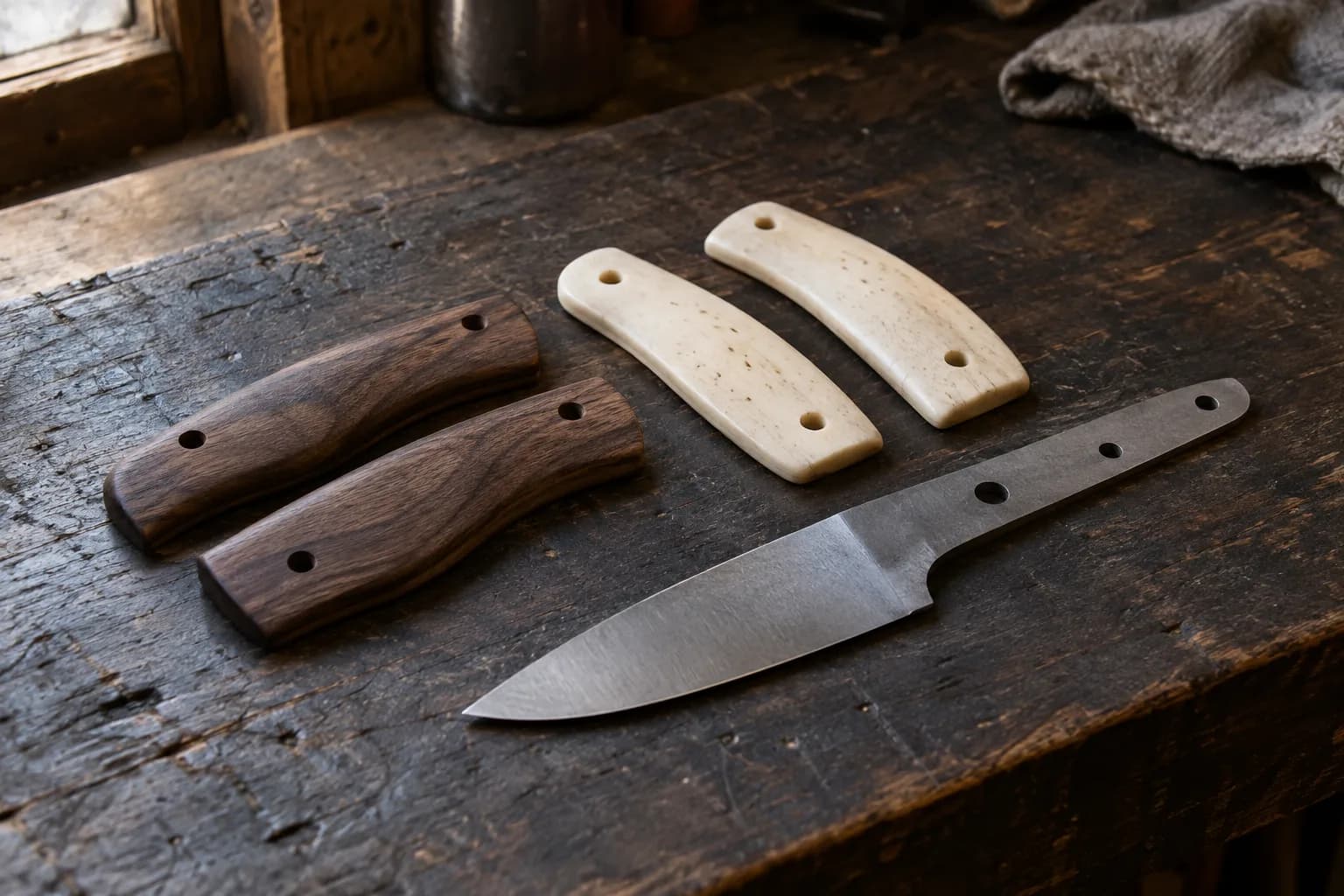
Paired walnut and pale bone handle scales beside a bare full-tang knife blank on a dark worn wooden bench

Manmade Materials: Manmade materials like G10, Micarta, and stabilized wood are engineered for durability, strength, and uniformity. They are often chosen for their resistance to environmental factors like moisture, heat, and impact, making them great choices for performance-oriented knives.
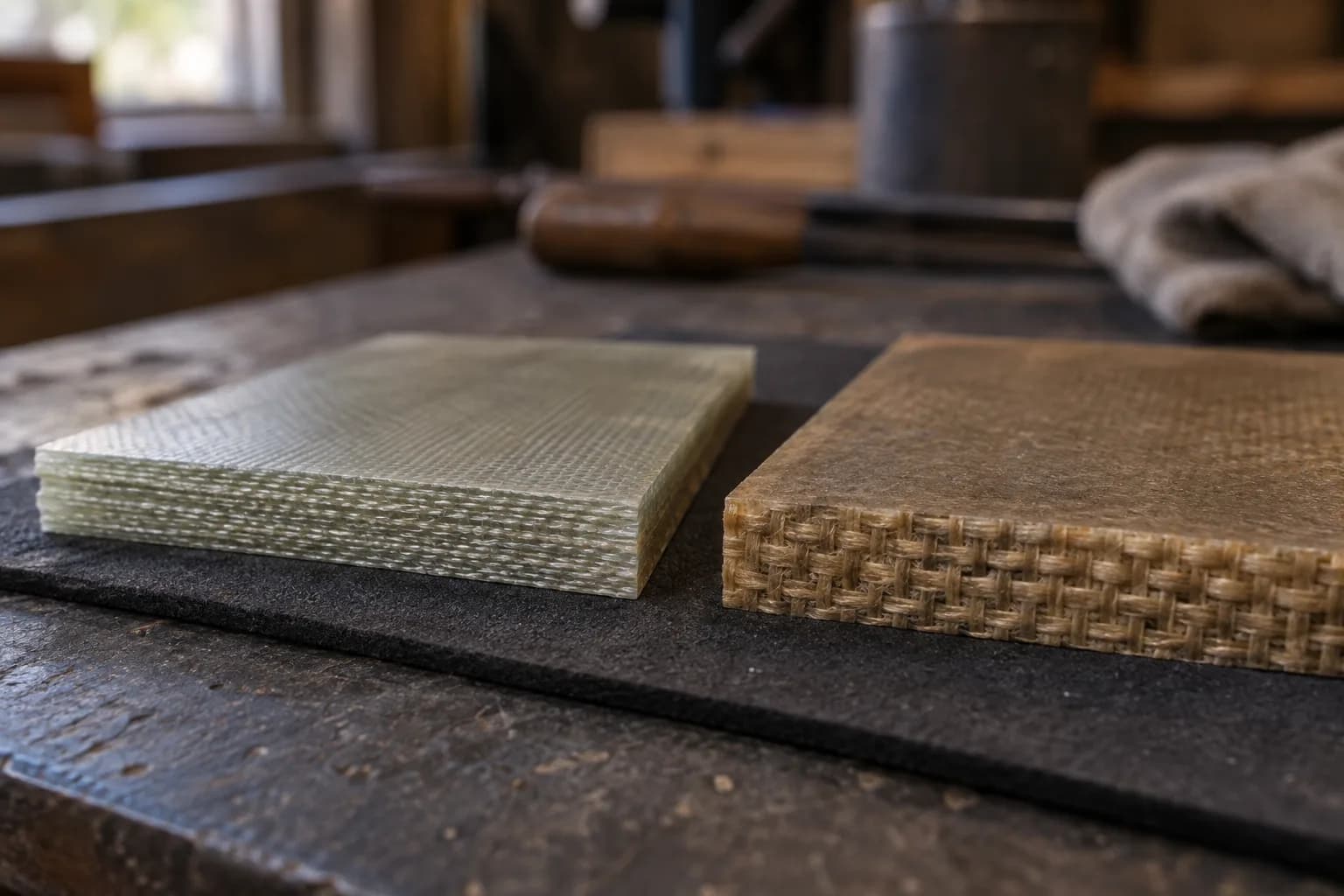
Cut edges of a pale fiberglass laminate slab and a coarser canvas-weave composite slab on a black pad
  1. G10: The Durable Workhorse
    • Type: Manmade (Fiberglass and Resin Composite)
    • Pros: Extremely durable, lightweight, and resistant to water and chemicals. G10 is one of the toughest materials available and can withstand harsh environments.
    • Cons: Can be tough to shape without the right equipment due to its hardness.
    How to Shape G10 on the Torus 2×72 Grinder: Use a ceramic or CBN (cubic boron nitride) belt for smoothing the surface. G10 can generate heat when ground, so be sure to keep it cool by occasionally dipping the material in water. Use a coarse grit belt for initial shaping and a finer grit for final finishing.
  2. Micarta: The Flexible Composite
    • Type: Manmade (Fabric or Paper and Resin Composite)
    • Pros: Similar to G10 in terms of durability, but Micarta offers more flexibility and a smoother texture. It’s also highly resistant to environmental damage.
    • Cons: Although it’s easier to shape than G10, it can still be difficult on the grinder if not properly managed.
    How to Shape Micarta on the Torus 2×72 Grinder: Use a coarser grit belt for rough shaping, followed by finer belts for detailing. Micarta dust can be irritating to the lungs, so be sure to wear a dust mask and work in a well-ventilated area. If you want a polished finish, use a polishing belt to achieve a glass-like surface.
  3. Bone: The Traditional Classic
    • Type: Organic (Natural Animal Bone)
    • Pros: Bone provides a classic, timeless look and feels warm to the touch. It’s a favorite among custom knife makers due to its organic beauty and unique patterns.
    • Cons: Bone is more prone to cracking or chipping compared to synthetic materials. It also needs to be properly stabilized to avoid deterioration.
    How to Shape Bone on the Torus 2×72 Grinder: Bone is easier to shape than synthetic composites but is still relatively fragile. Start with a coarse grit belt to shape the material, then finish with a fine grit belt to smooth the surface. Keep the material cool to avoid cracking or burning. Work slowly to preserve its integrity.
  4. Wood: The Versatile Favorite
    • Type: Organic (Natural Wood)
    • Pros: Wood is classic, aesthetic, and versatile. It offers a natural, tactile feel and can be shaped into intricate designs.
    • Cons: Wood is susceptible to moisture and environmental damage, which can cause it to swell, crack, or warp over time.
    How to Shape Wood on the Torus 2×72 Grinder: Wood is relatively easy to shape on the grinder, and it sands beautifully. Start with a medium grit belt to rough shape, then move to finer grits for a smooth finish. Use a wood-specific finishing compound to protect the wood after grinding.
  5. Stabilized Wood: The Best of Both Worlds
    • Type: Organic (Wood that’s been impregnated with resin)
    • Pros: Stabilized wood maintains the natural beauty of wood while offering the enhanced durability of synthetic materials. It resists moisture and environmental damage better than untreated wood.
    • Cons: Some stabilized woods can be expensive, and the process of stabilizing wood is time-consuming.
    How to Shape Stabilized Wood on the Torus 2×72 Grinder: Stabilized wood behaves similarly to synthetic materials, making it easier to shape than regular wood. Use a coarse belt to remove excess material, then finish with finer grits for a smooth and glossy finish. Always use a dust mask, as stabilized wood can produce fine dust.
  6. Mammoth Tooth: The Rare Gem
    • Type: Organic (Fossilized Mammoth Ivory)
    • Pros: Mammoth tooth offers a unique, ancient aesthetic and is often considered a luxury material. It’s extremely durable and resists cracking better than bone.
    • Cons: It is rare and can be expensive. It also requires extra care when handling due to its fragility.
    How to Shape Mammoth Tooth on the Torus 2×72 Grinder: Shaping mammoth tooth requires a delicate touch. Use a fine grit belt to prevent cracking. You may need to use a polishing belt for a high-shine finish, as mammoth tooth can easily be damaged if the grinder is too aggressive.

Shaping Knife Handles on the Torus 2×72 Grinder

The Torus 2×72 grinder is a great tool for shaping knife handles. Here are some general tips on how to use it effectively with different materials:

  • Start with a Coarse Belt: Always start with a coarse grit belt to remove excess material. This is especially important for harder materials like G10 or Micarta. For softer materials like wood or bone, a medium grit belt may be sufficient.
  • Use a Cooling Method: Some materials, like G10 and Micarta, can heat up quickly on the grinder, which can cause them to crack or discolor. Keep a bucket of water nearby to dip the handle material in to cool it down, or pause frequently to allow the material to cool.
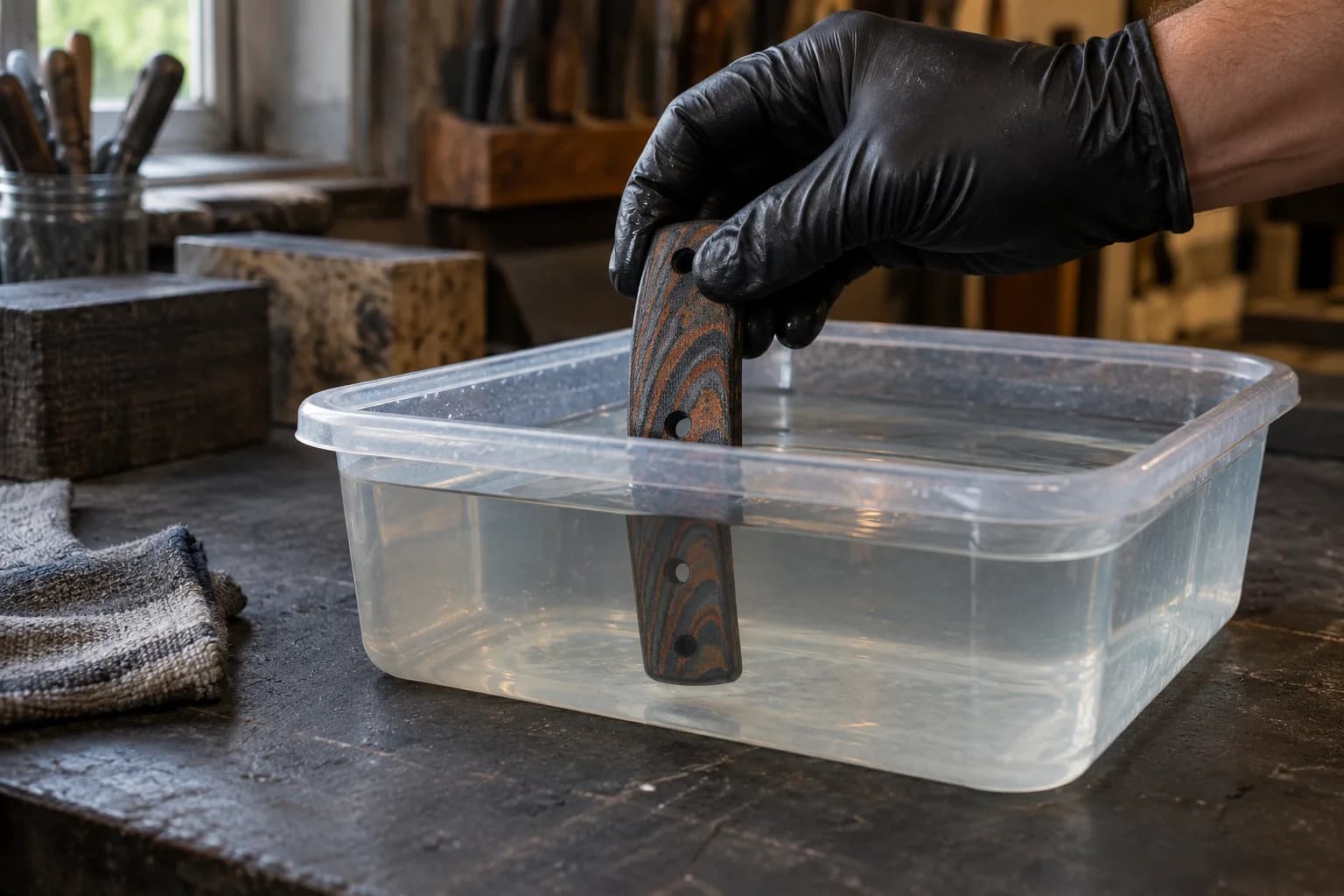
    Black-gloved hand dipping a swirled brown and grey composite handle scale into a clear tub of water on a dark bench
  • Work in Stages: When shaping, don’t rush. Start by shaping the rough outline of the handle, then move on to refining the contour and smoothing the surface. Using progressively finer grit belts will allow you to achieve a professional finish.
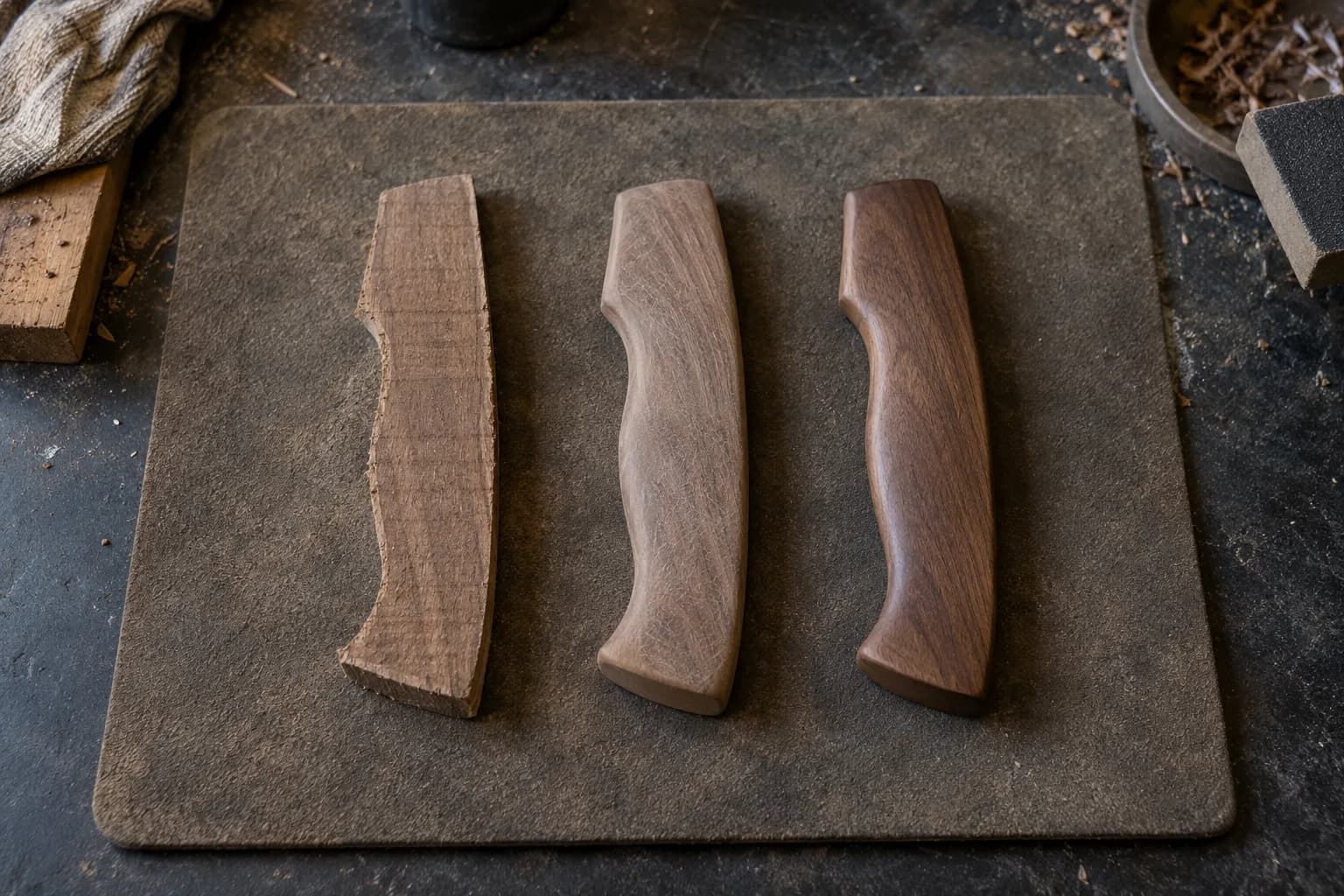
    Three walnut handle scales of one shape: rough sawn, rounded with sanding scratches, and smooth finished, on a bench pad
  • Polishing and Finishing: After shaping, consider polishing the handle material for an extra layer of protection and a professional finish. For materials like wood and bone, a polishing compound can help bring out their natural luster.
  • Dust Management: Some materials, like G10, Micarta, and stabilized wood, can produce harmful dust. Always wear a dust mask and work in a well-ventilated area or use a dust collection system to minimize inhalation.

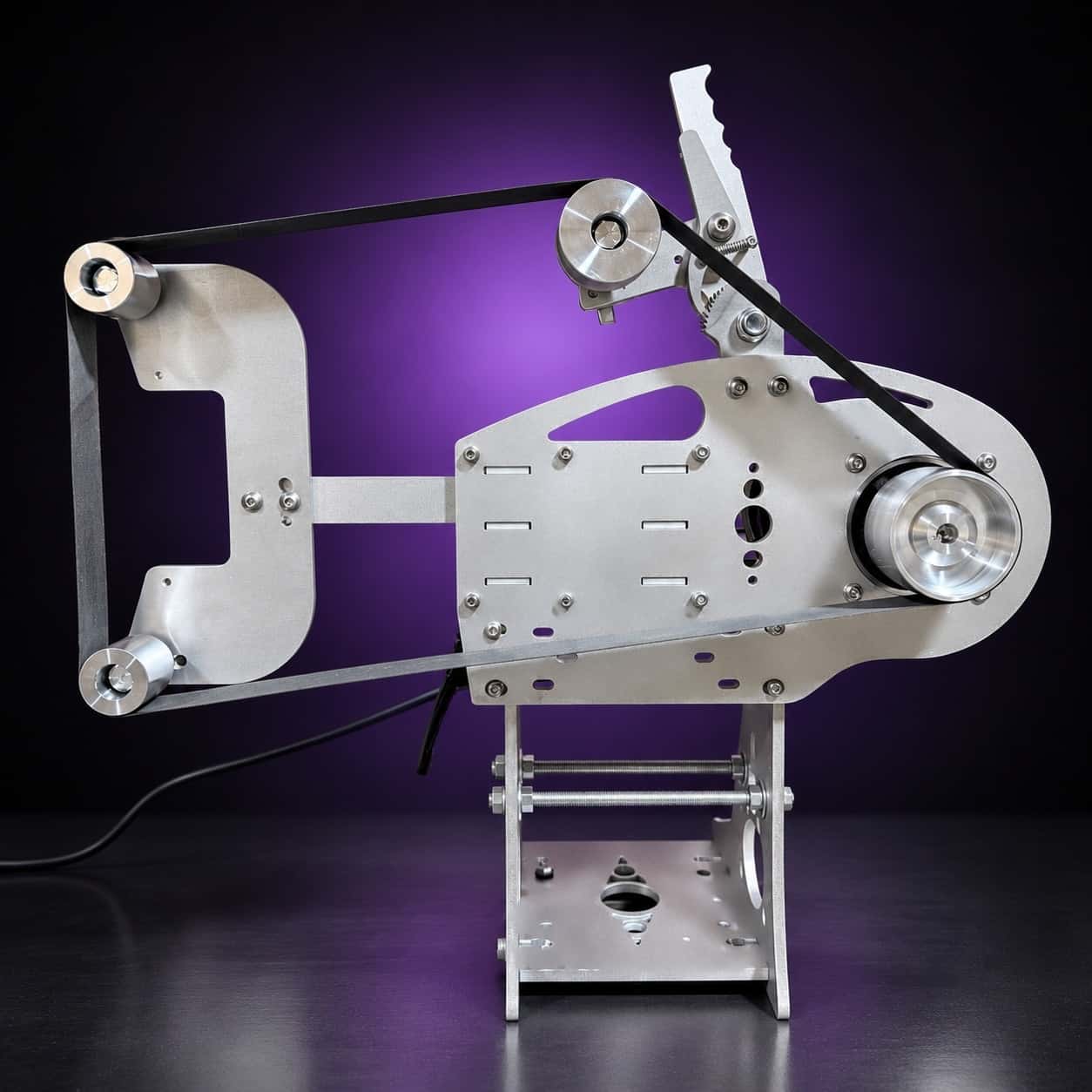
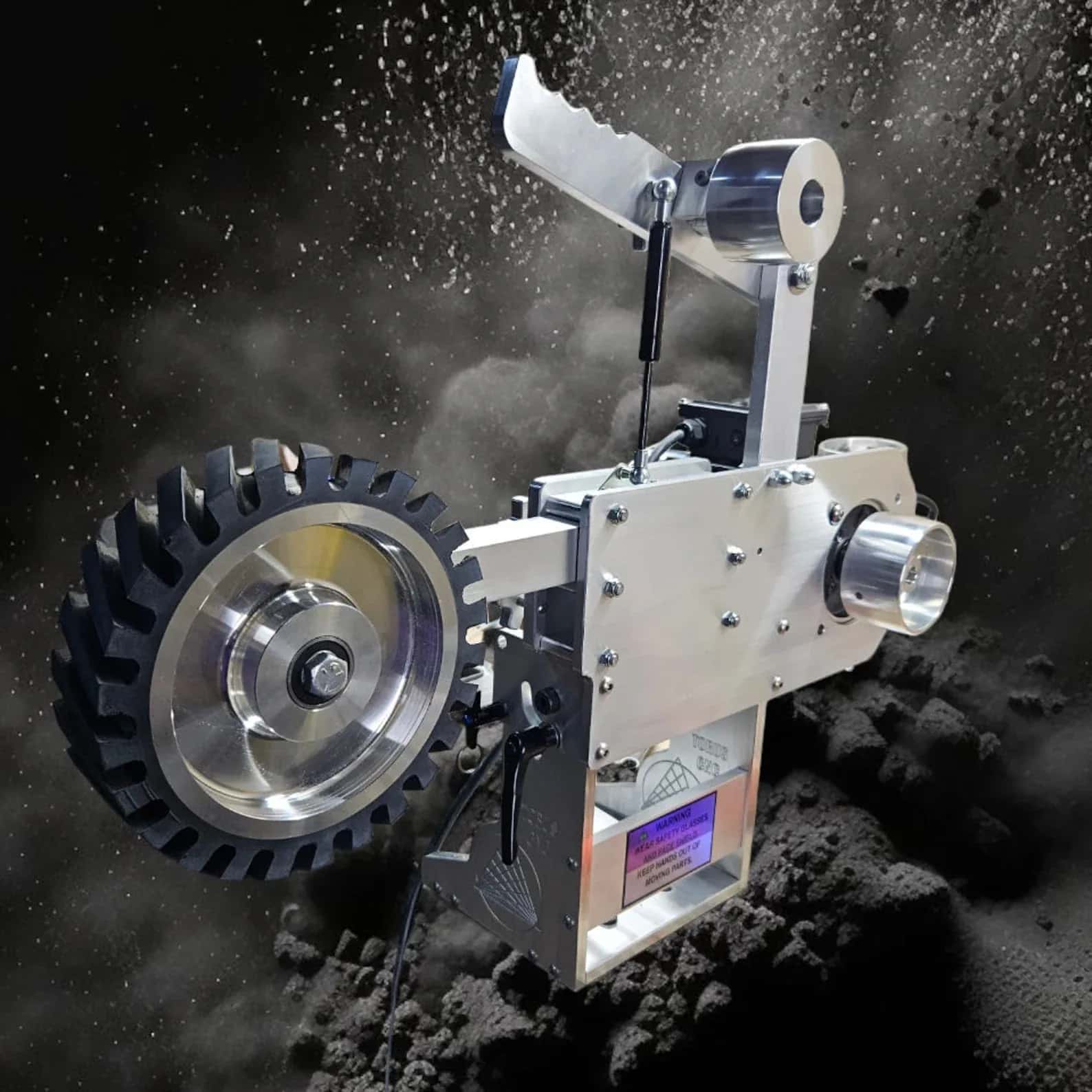
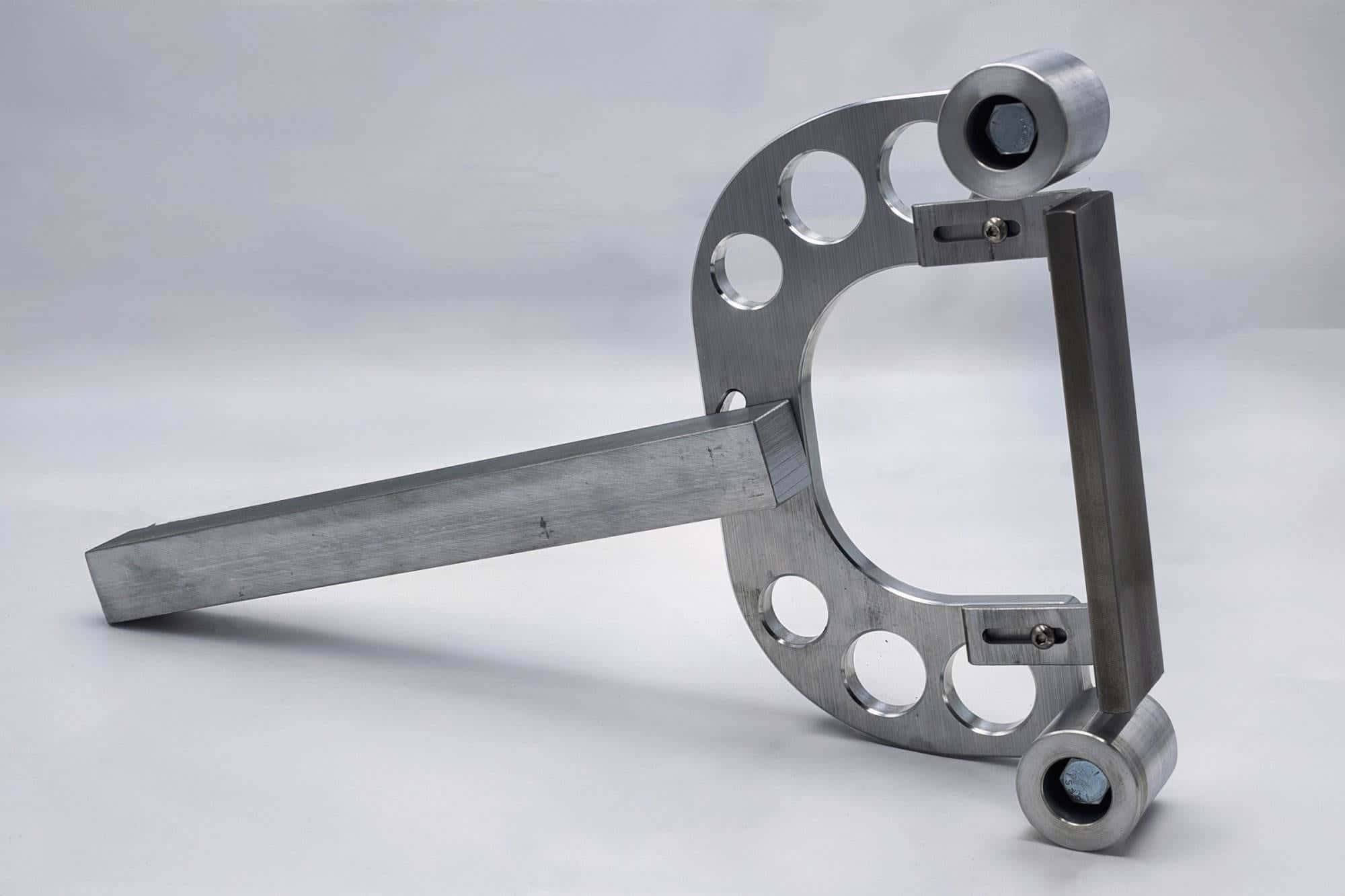
Handle work is where a slack belt and a tilting chassis earn their keep. The Nova 2×72 tilts to horizontal in seconds, and the small wheel attachment gets into finger grooves that a platen never will. I build every one in Sterling, Illinois, and most orders ship in seven to ten business days from time of order.
Filed underBelt Grinders

Keep grinding

Related shop notes

  • Torus CNC 2x72 belt grinder head with contact wheel against a dust and sparks backdrop
    Belt Grinders11 min read

    The Complete Guide to Choosing the Best 2×72 Knife Grinder Features

    Before you spend $1,000 or more on a 2×72, know which features matter and which are marketing. Here is the complete guide from someone who builds them: motor and VFD, frame material, tracking, tilt, tooling arms, attachments and safety.

  • Steel work table in front of a grinder running a purple abrasive belt, seen from the table side, on black with a purple glow
    CNC Machine8 min read

    Aluminum vs. Steel: Long-Term Wear Comparison

    I build 2×72 grinders in both 6061 aluminum and 3/8-inch steel, so I have no side to pick. Here is how the two wear over years in a knife shop: rust, flex, weight, cost, and which belongs on your bench.

ForgeBrain

Go deeper on the technique

Free reference guides from the ForgeBrain library — no sign-up, no paywall.

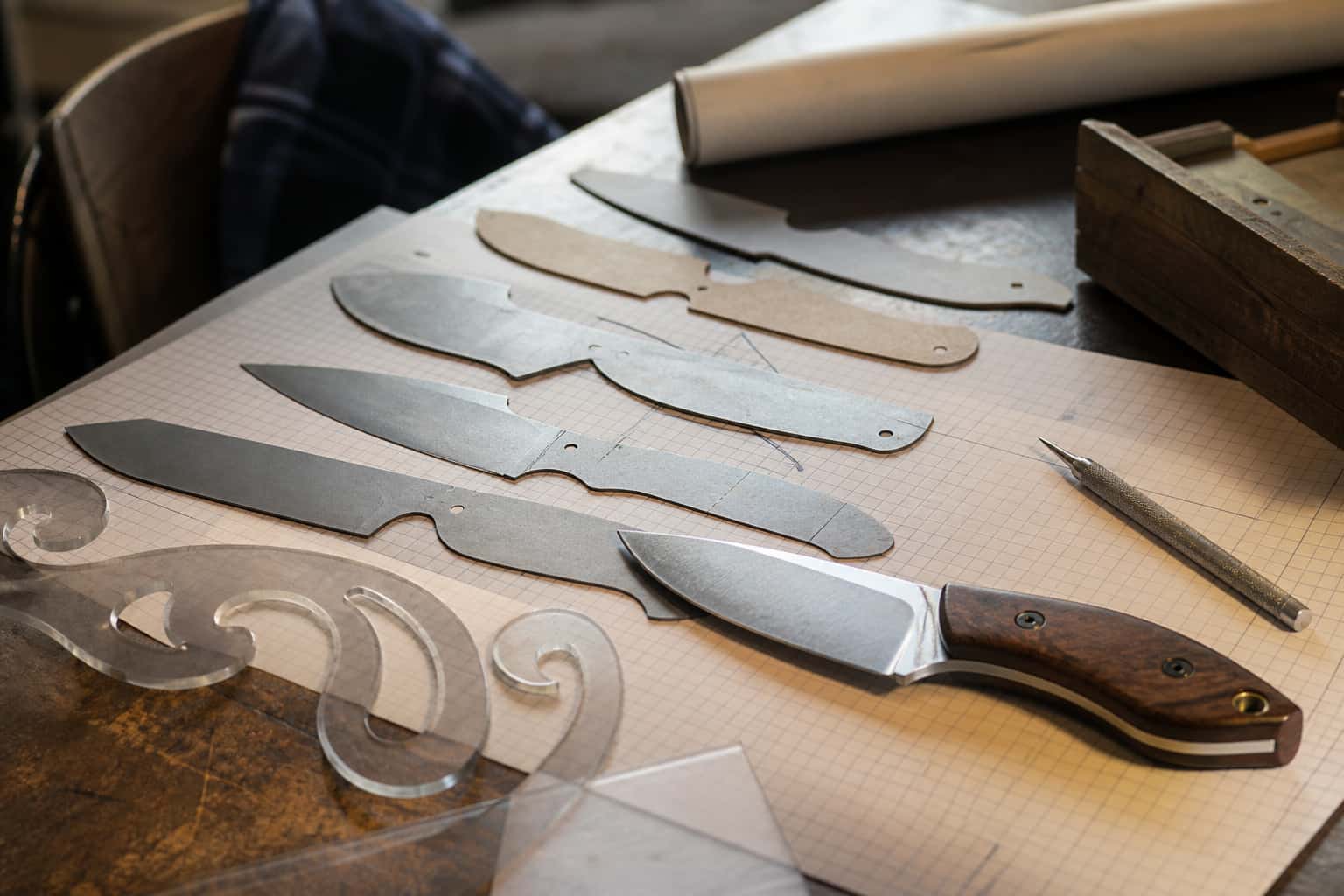
  • Knife profile templates cut from metal and plastic laid over graph paper beside a finished knife
    Blade Design

    Handle Material Guide: G10, Micarta, Wood, and More

    Handle material affects grip, durability, weather resistance, and how a knife feels in the hand, arguably as much as blade steel affects how it cuts. Here’s what the common options actually are and what each one is genuinely good at. G10 A fiberglass-based composite made from layers of glass cloth soaked in resin and compressed…

    Read the guide
  • Knife profile templates cut from metal and plastic laid over graph paper beside a finished knife
    Blade Design

    Bolsters & Fittings: Front-End Craft

    The bolster is the full-tang knife’s answer to the guard: a metal front end that adds mass where the hand works, protects the scale’s leading edge, and announces craftsmanship from across the table. Same patience skills as guard fitting, different geometry. Here is the craft. WHAT BOLSTERS ARE FOR Three honest jobs: balance (steel or…

    Read the guide

Built in Sterling

The machines behind these notes

I machine the parts, hand-assemble, track and test each grinder before it ships. Most orders leave in seven to ten business days from time of order.
  • Nebula 2x72 grinder, front three-quarter view: aluminum arm, black plate, Safety Rules label, on black with a purple glow
    Limited release · 3 remain

    Torus Nebula 2x72 - Corvus Edition

    Nebula 2x72 - Corvus Edition: an exclusive Gunmetal Grey / silver vein powdercoat finish on our precision-engineered steel 2×72.

    These are the last Nebula chassis available until the next release. Once this run sells out, availability pauses until the next run is ready.

    Next release: 10 more chassis expected Nov 17–Nov 24 (3–4 weeks from Oct 27).

    Starts at$1,495View
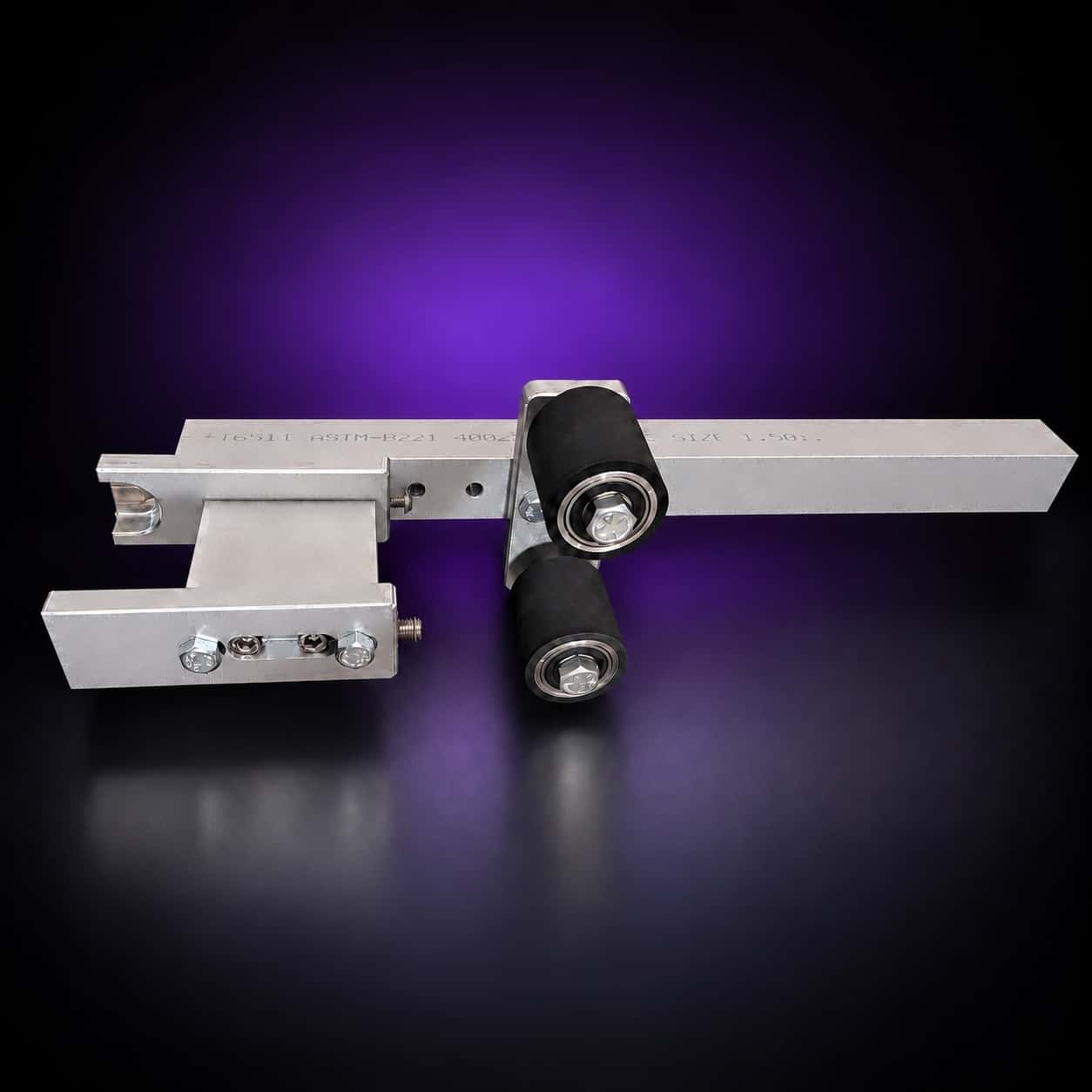
  • Small wheel attachment from above: holder fork, engraved aluminum arm and two rubber wheels, on black with a purple glow

    Small Wheel Attachment with 1.5″ Aluminum Tooling Arm

    Reaches the choils, finger grooves and inside curves a flat platen never will. Wheels from 1/2 to 1.5 inches.

    Starts at$289View
Rich Linville in the Torus CNC shop with a finished 2x72 belt grinder

Built to order

Tell me what you are building

I answer my own email. Tell me the work you do and which grinder you are considering.