2x72 Grinder Tips
Selecting the Best Motor for Your 2×72 Grinder: Variable Speed vs. Fixed Speed Explained
A fixed-speed motor is cheaper and simpler. A variable-speed motor with a VFD lets you match belt speed to the steel and the grit. Here is how they compare on cost, control and torque, and why I run a VFD.
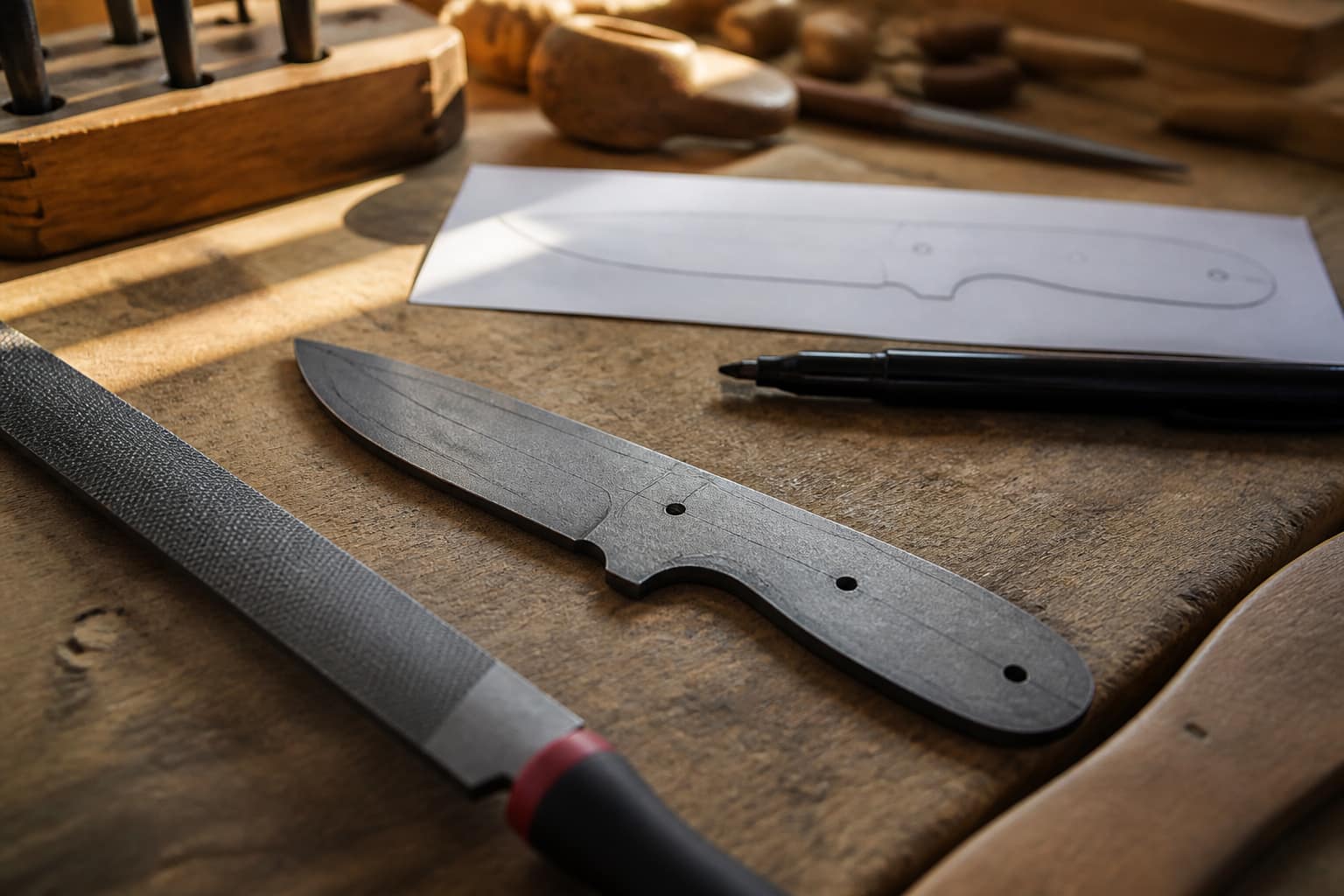
The motor decides more about how a 2×72 feels than the frame does. A fixed-speed motor is cheap and simple, and it runs one speed whether you are hogging a profile or polishing a thin edge. A variable-speed motor on a VFD lets you match the belt to the job. Here is how the two compare on cost, control, torque and belt life, and why every motor package I sell runs on a VFD.
Conversely, lower speeds can provide greater control and precision, which is essential for intricate work or when dealing with delicate materials. In the context of 2×72 grinders, understanding motor speed is not just about numbers; it’s about how those numbers translate into real-world performance. For instance, a grinder with a motor that operates at a higher RPM (revolutions per minute) can be advantageous for tasks that require aggressive material removal, such as shaping or rough grinding.
Key Takeaways
- Motor speed is crucial in 2×72 grinders for efficient material removal and finishing.
- Variable speed motors offer versatility and precision, but may come with a higher cost and more maintenance.
- Fixed speed motors are more affordable and low maintenance, but may lack the versatility and precision of variable speed motors.
- When choosing between variable speed and fixed speed motors, consider factors such as budget, intended use, and desired level of precision.
- Variable speed motors generally offer higher power and efficiency compared to fixed speed motors, but may require more frequent maintenance.
The Advantages and Disadvantages of Variable Speed Motors
Variable speed motors offer a range of benefits that can significantly enhance the functionality of 2×72 grinders. One of the primary advantages is the ability to adjust the speed according to the specific requirements of a task. This flexibility allows users to switch between high speeds for rapid material removal and lower speeds for detailed finishing work.
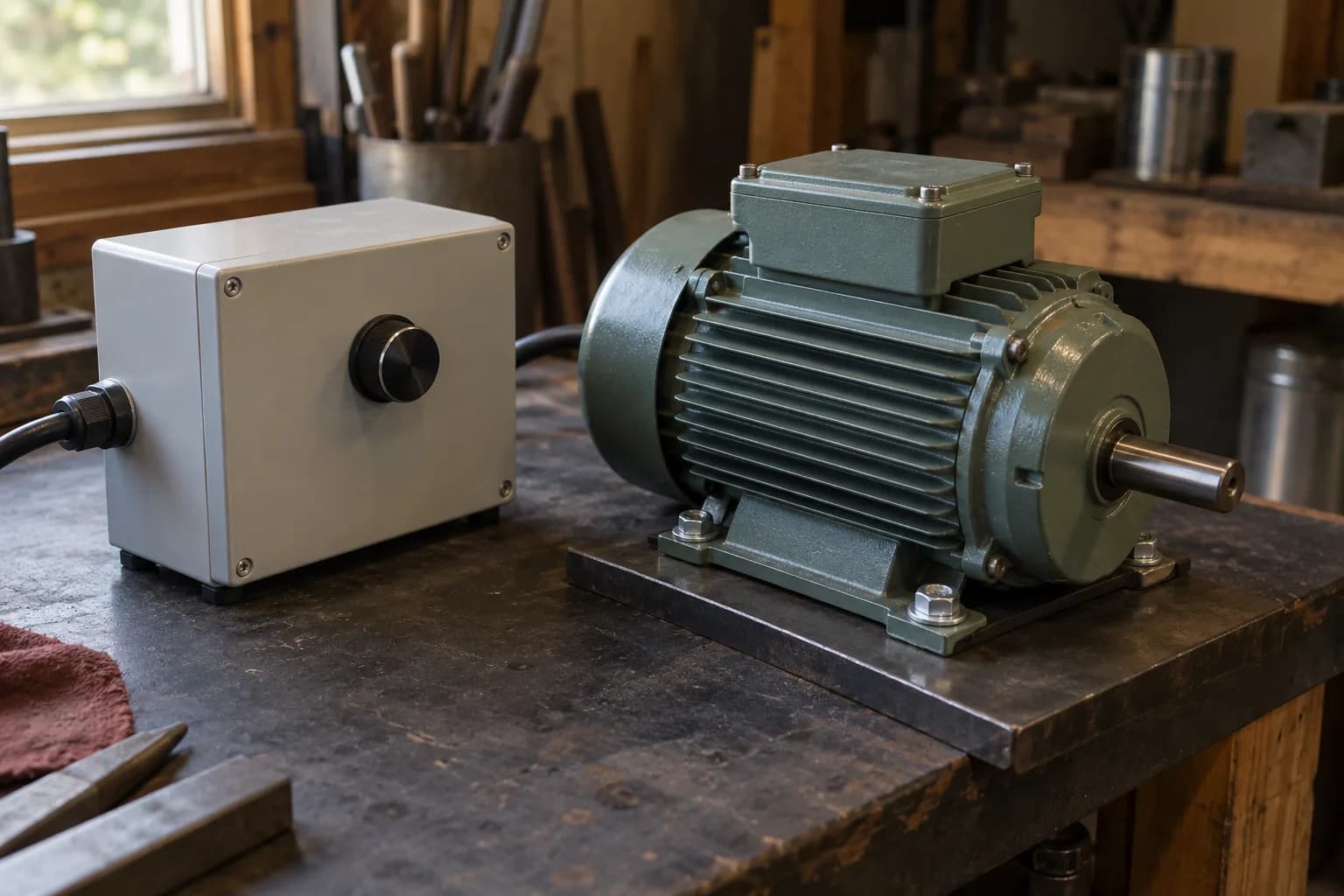
Such adaptability makes variable speed motors particularly appealing to professionals and hobbyists alike, as they can tackle a wider variety of projects without needing multiple machines. However, variable speed motors also come with certain disadvantages. One notable concern is the complexity of their design, which can lead to increased maintenance requirements compared to fixed speed motors.
The electronic components that enable speed adjustments may be more prone to failure over time, potentially resulting in higher repair costs. Some users may find that the learning curve associated with operating variable speed motors can be steep, particularly if they are accustomed to traditional fixed speed grinders.
The Advantages and Disadvantages of Fixed Speed Motors
Fixed speed motors are known for their simplicity and reliability, making them a popular choice among many users of 2×72 grinders. One of the key advantages of fixed speed motors is their straightforward operation; users do not need to adjust settings or worry about electronic components failing. This reliability can be particularly beneficial in high-volume production environments where consistency is paramount.
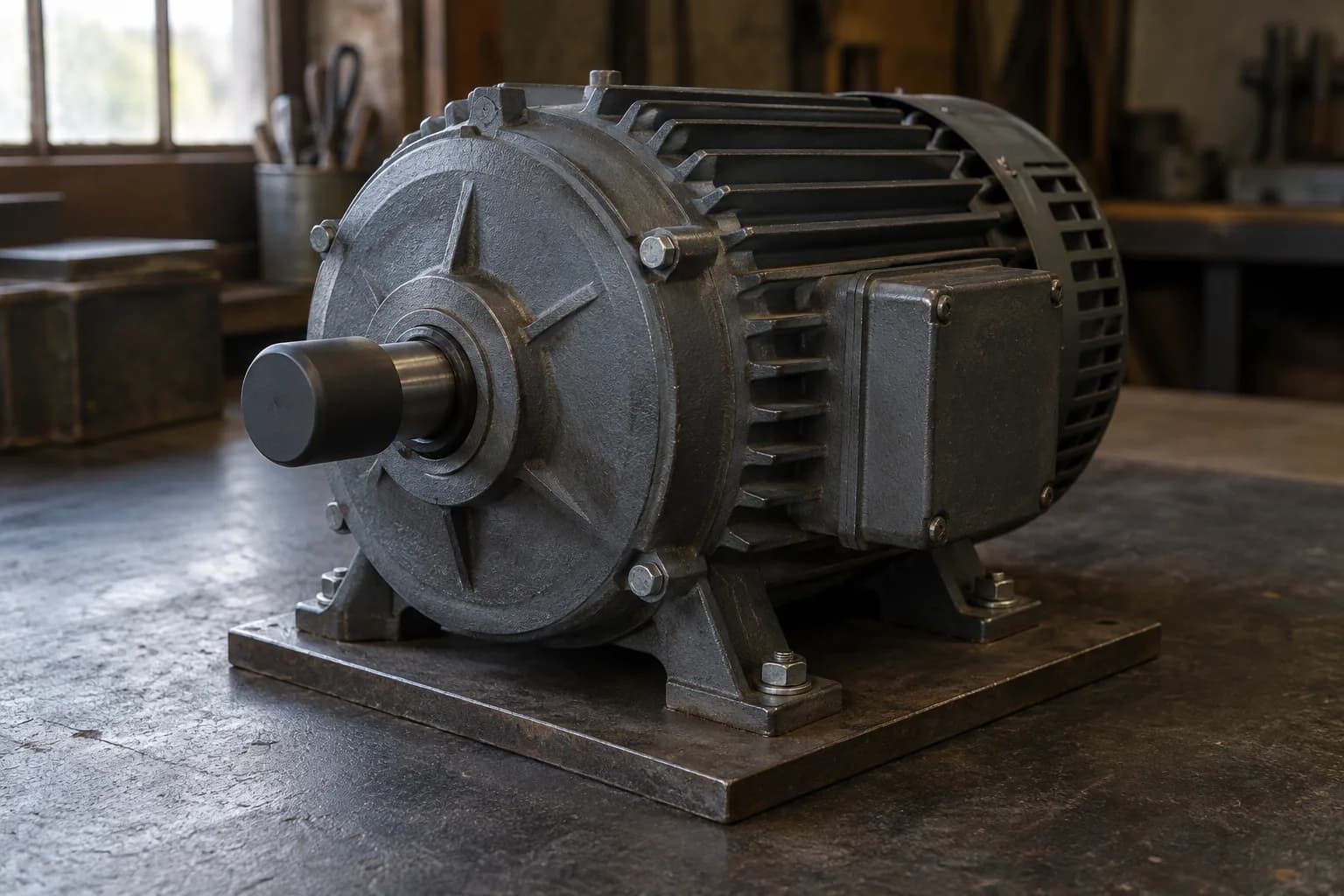
Fixed speed motors often come at a lower initial cost compared to their variable speed counterparts, making them an attractive option for those on a budget. On the downside, fixed speed motors lack the versatility that variable speed motors provide. Users are limited to one operational speed, which may not be suitable for all tasks.
For instance, while a fixed speed motor may excel at rough grinding, it may struggle with finer finishing work that requires slower speeds for better control and precision. This limitation can lead to suboptimal results in certain applications and may necessitate additional equipment for users who require a broader range of capabilities.
Factors to Consider When Choosing Between Variable Speed and Fixed Speed Motors
| Factors | Variable Speed Motors | Fixed Speed Motors |
|---|---|---|
| Energy Efficiency | Higher efficiency at lower speeds | Constant efficiency regardless of speed |
| Cost | Higher initial cost but potential energy savings | Lower initial cost but higher energy consumption |
| Noise Level | Quieter operation at lower speeds | Consistent noise level regardless of speed |
| Flexibility | Ability to adjust speed based on demand | Fixed speed operation |
| Maintenance | More complex maintenance due to variable components | Simpler maintenance due to consistent operation |
When deciding between variable speed and fixed speed motors for a 2×72 grinder, several factors should be taken into account. First and foremost is the intended use of the grinder. If the user plans to engage in a variety of tasks that require different speeds—such as grinding, polishing, and shaping—a variable speed motor may be the better choice due to its adaptability.
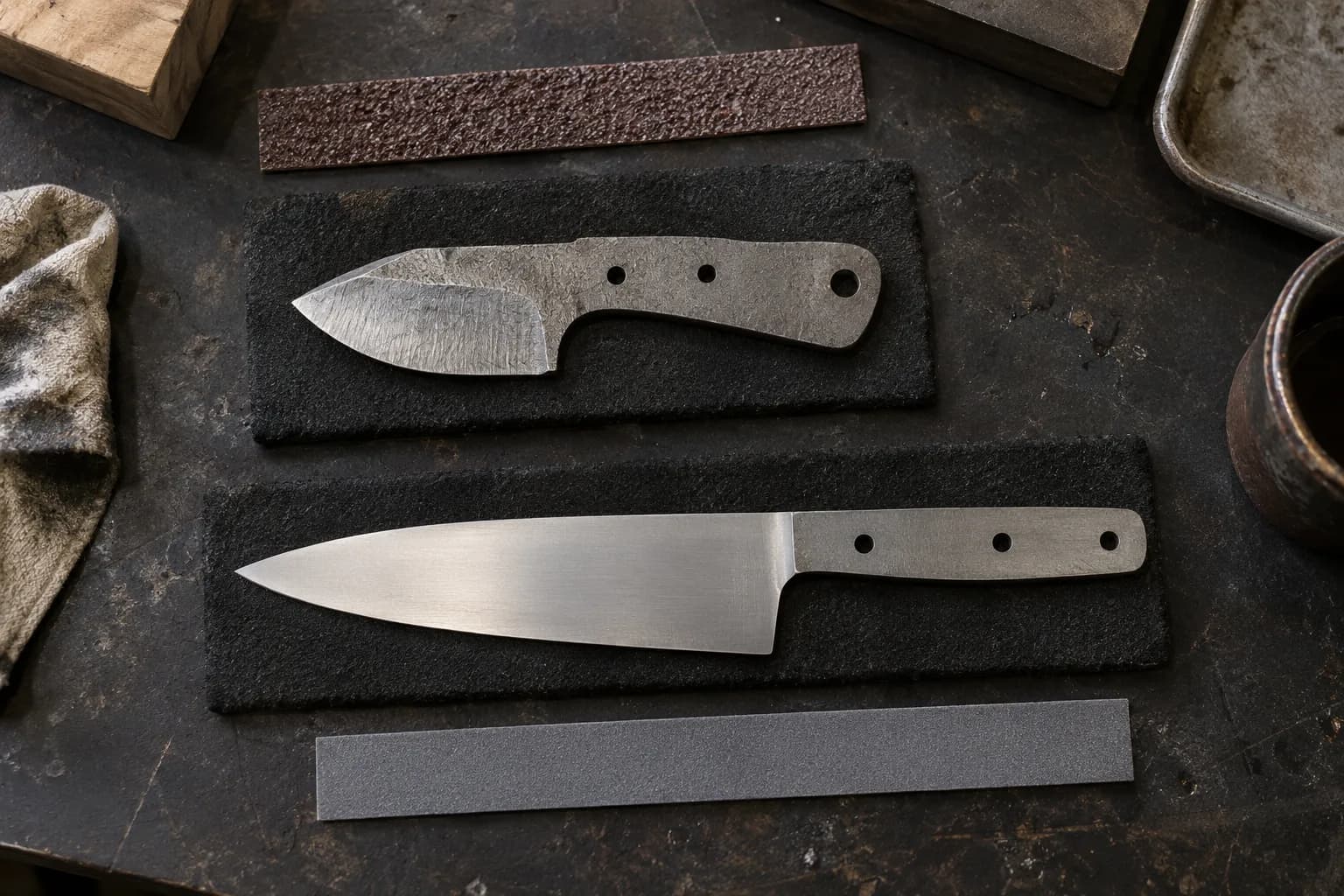
Conversely, if the primary focus is on specific tasks that can be effectively accomplished at a single speed, a fixed speed motor might suffice. Another important consideration is budget. Variable speed motors typically come with a higher price tag due to their advanced technology and features.
Comparing Power and Efficiency of Variable Speed and Fixed Speed Motors
Power and efficiency are crucial aspects when comparing variable speed and fixed speed motors in 2×72 grinders. Fixed speed motors often deliver consistent power output at their designated RPMs, which can be advantageous for tasks that require steady performance without fluctuations. This consistency can lead to efficient material removal when working on projects that do not demand varying speeds.
In contrast, variable speed motors provide the ability to adjust power output based on the task at hand. This means that users can optimize their grinding process by selecting the most efficient speed for each specific application. For example, when working with harder materials that require more aggressive grinding, users can increase the motor’s RPMs to enhance performance.
The Impact of Motor Speed on Material Removal and Finishing
The impact of motor speed on material removal and finishing cannot be overstated in the context of 2×72 grinders. Higher motor speeds typically facilitate faster material removal rates, which is essential for tasks such as shaping or rough grinding where time efficiency is critical. When using a high-speed setting, users can quickly remove excess material from workpieces, allowing them to progress through projects more rapidly.
However, while high speeds are beneficial for material removal, they may not always yield the best finishing results. Slower speeds allow for greater precision and control during the grinding process, which is particularly important when achieving smooth surfaces or intricate details. The choice of motor speed directly influences not only how quickly material is removed but also the quality of the finish achieved.
How Variable Speed Motors Enhance Versatility and Precision in Grinding
Variable speed motors significantly enhance both versatility and precision in grinding applications with 2×72 grinders. The ability to adjust speeds allows users to tailor their approach based on the specific requirements of each project. For instance, when working on a complex piece that requires detailed shaping or finishing, users can slow down the motor to gain better control over their movements.
This level of precision is invaluable for artisans who prioritize quality in their work. Variable speed motors enable users to switch between different materials and tasks smoothly. Whether transitioning from rough grinding on metal to delicate finishing on wood, having the option to adjust speeds ensures that users can achieve optimal results without needing multiple machines or extensive setup changes.
FAQs
What is a 2×72 grinder?
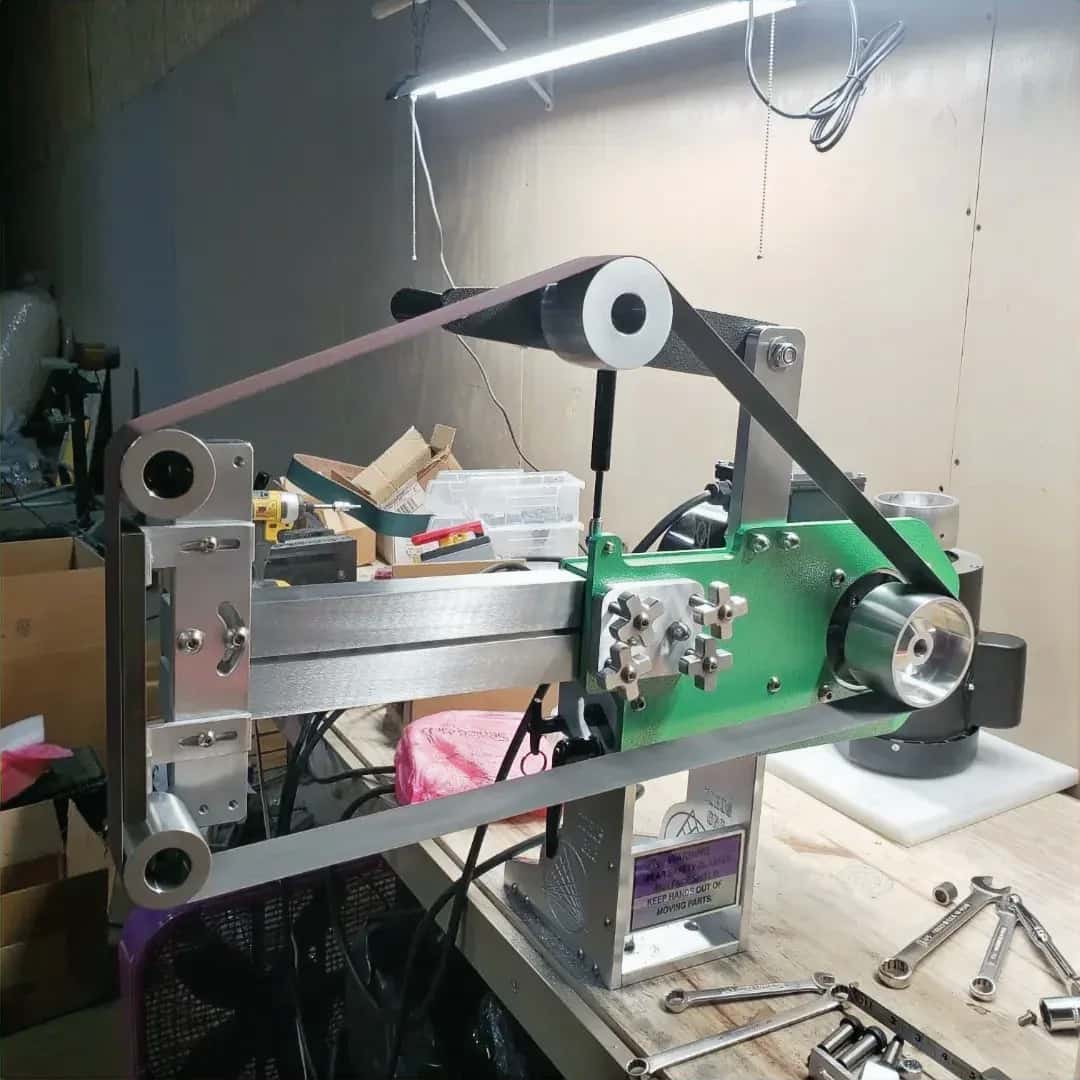
A 2×72 grinder is a type of belt grinder that uses a 2-inch by 72-inch belt for grinding, shaping, and polishing metal and other materials. It is commonly used in metalworking and knife making.
What is the difference between variable speed and fixed speed motors for a 2×72 grinder?
A variable speed motor allows the user to adjust the speed of the grinder, while a fixed speed motor operates at a single, constant speed.
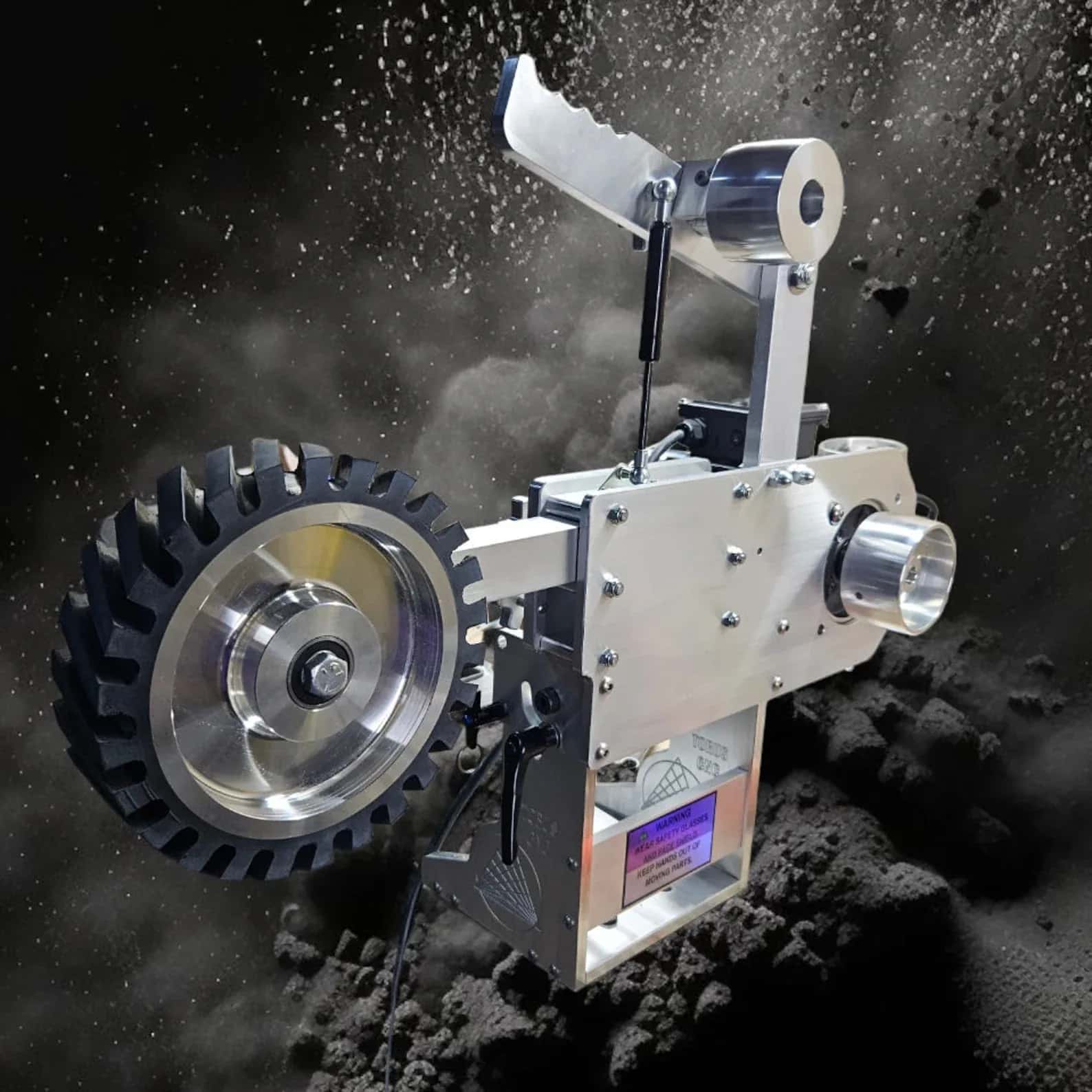
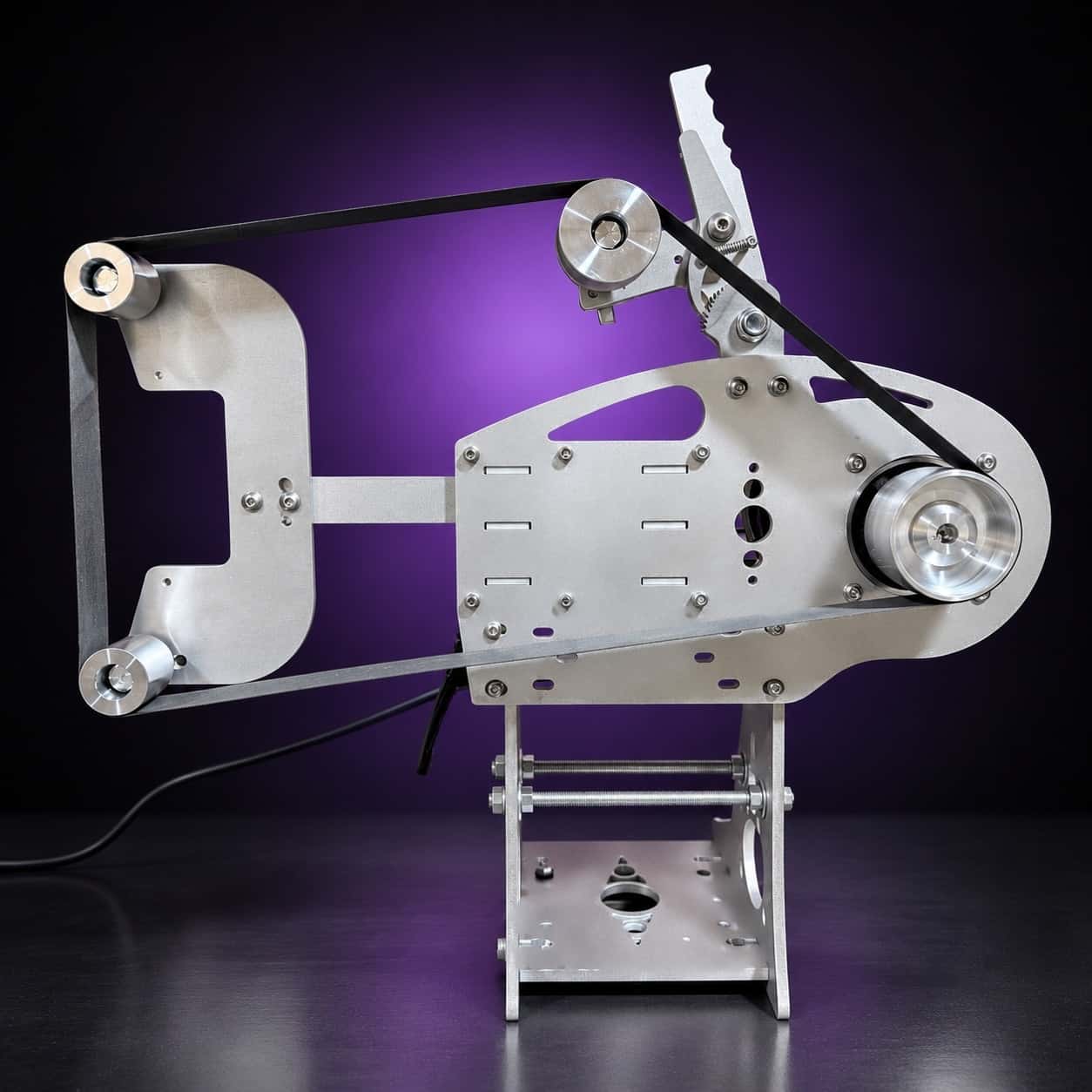
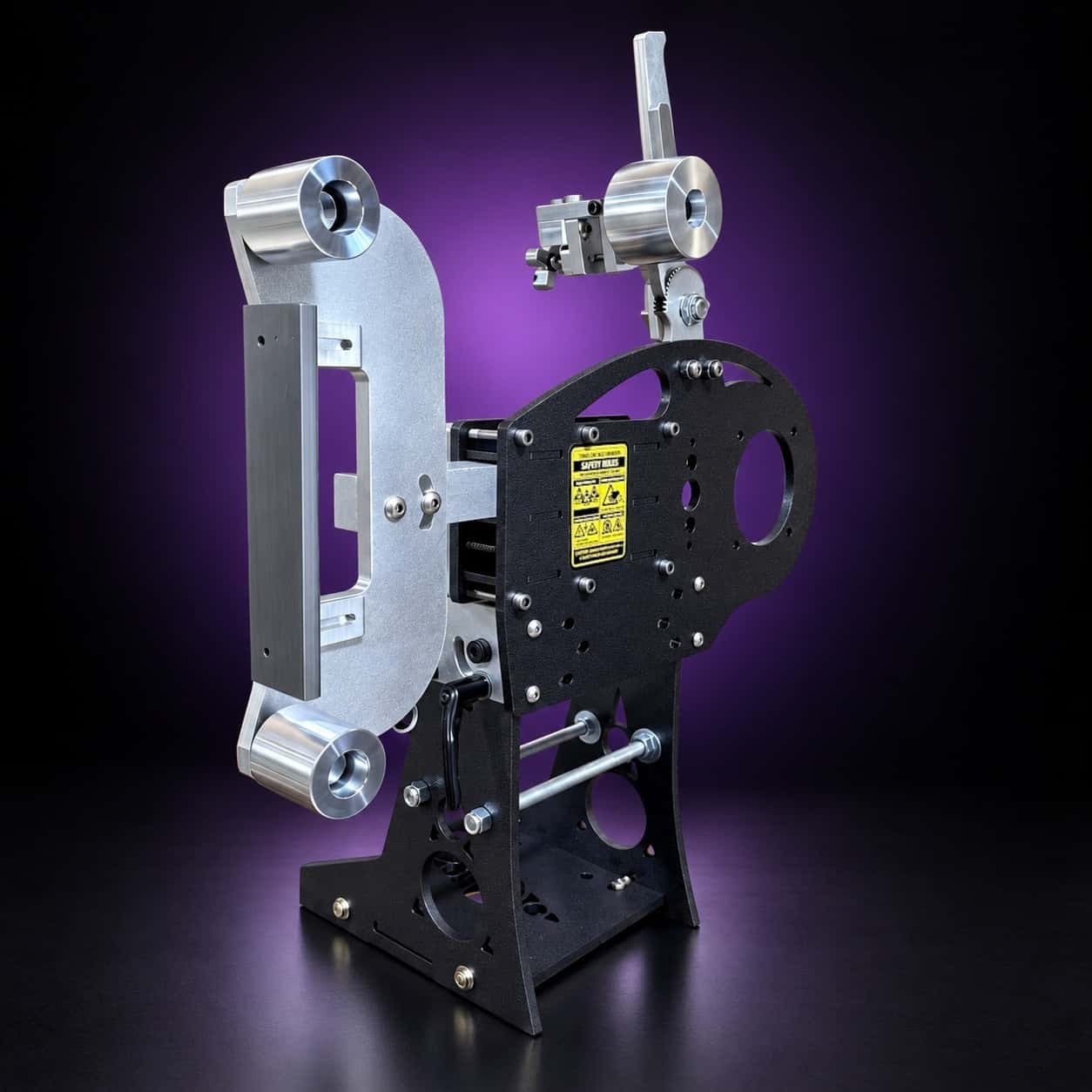
My variable-speed motor and VFD combo is a TechTop TEFC 3,600 RPM 56C motor with a sealed KBAC-27D drive programmed for it: 1 HP on 120V for $1,295 or 2 HP on 220V for $1,395. Add it to a Nova 2×72; the KBAC-27D arrives programmed for the motor, and you finish the cord and plug wiring with the supplied guide.