Belt Grinders
The Evolution of Knife Making: Why the 2×72 Grinder is Now the Standard
Knife making went from flint to forge to file to belt, and the 2×72 is where it settled. Here is how the tools evolved, what the belt grinder changed about stock removal, and why the 2×72 became the standard.
Introduction
History of Knife Making
Knives have been made for as long as people have needed to cut things, and the tools have changed more in the last fifty years than in the previous five thousand. Flint, then forge and file, then the belt grinder, and finally the 2×72 as the shape so many shops settled on. Here is how knife making tools evolved, what the belt grinder changed about stock removal, and why the 2×72 became the standard.
- Ancient Mesopotamia: Around 3000 BC, knives were made from copper, showcasing the first attempts at metallurgy.
- Roman Era: Knives were meticulously designed for both practical use and ornamentation, reflecting societal status.
- Middle Ages: The rise of blacksmithing brought about innovations in blade design and function.
Importance of Grinders in Knife Making
As the art of knife making progressed, the necessity for more efficient techniques became clear. This is where grinders play a crucial role. Grinders not only enable knife makers to achieve a refined edge but also dramatically enhance the overall craftsmanship involved in the process. Some key advantages of using grinders in knife making include:
- Precision Shaping: Grinders allow for intricate shaping of the blade, providing consistency and accuracy that hand tools alone cannot achieve.
- Time Saving: The speed at which material can be removed means that knife makers can produce high-quality blades more quickly.
- Enhanced Finishing: Grinders help in achieving a polished finish, thus improving the aesthetic appeal of the final product.
In the modern era of knife making, grinders, particularly the innovative 2×72 models, have transformed the industry, making it more accessible and efficient for both hobbyists and professionals alike.
Traditional Knife Making Techniques
Hand Forging Methods
Transitioning from modern technologies to traditional knife making techniques brings to light the artistry and craftsmanship developed over centuries. One of the most revered methods is hand forging. This ancient technique not only results in functional tools but also embodies the maker’s skill, creativity, and dedication.
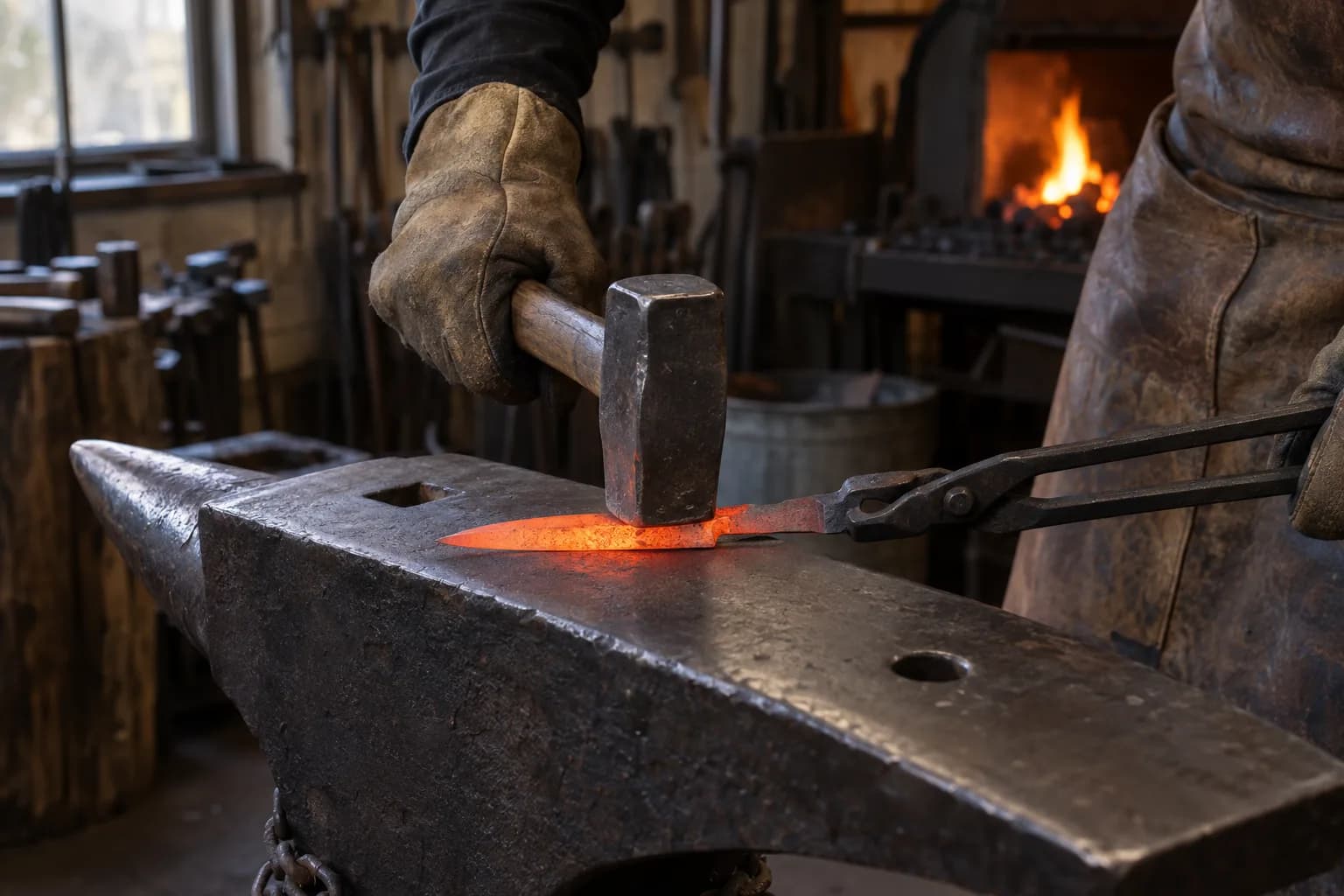
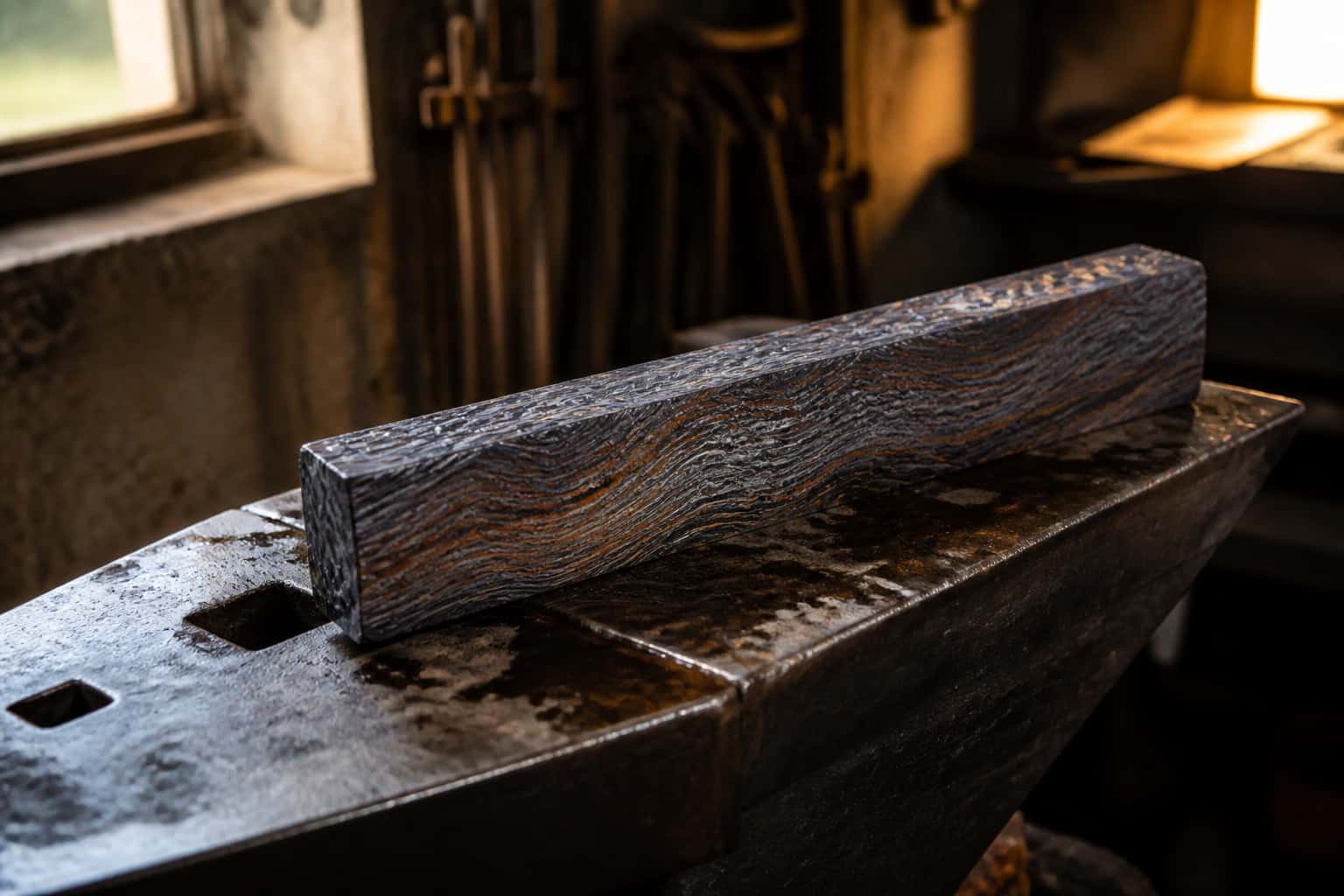
- Process: Hand forging involves heating metal in a forge and repeatedly hammering it into shape. This method allows for a unique blade profile and often results in a blade with remarkable strength and flexibility.
- Tools Used: Blacksmiths utilize various tools such as hammers, anvils, and tongs to manipulate the heated metal.
- Cultural Significance: In many cultures, the act of forging has spiritual connotations, with blacksmiths considered artists and craftsmen who work with fire and metal.
Stock Removal Process
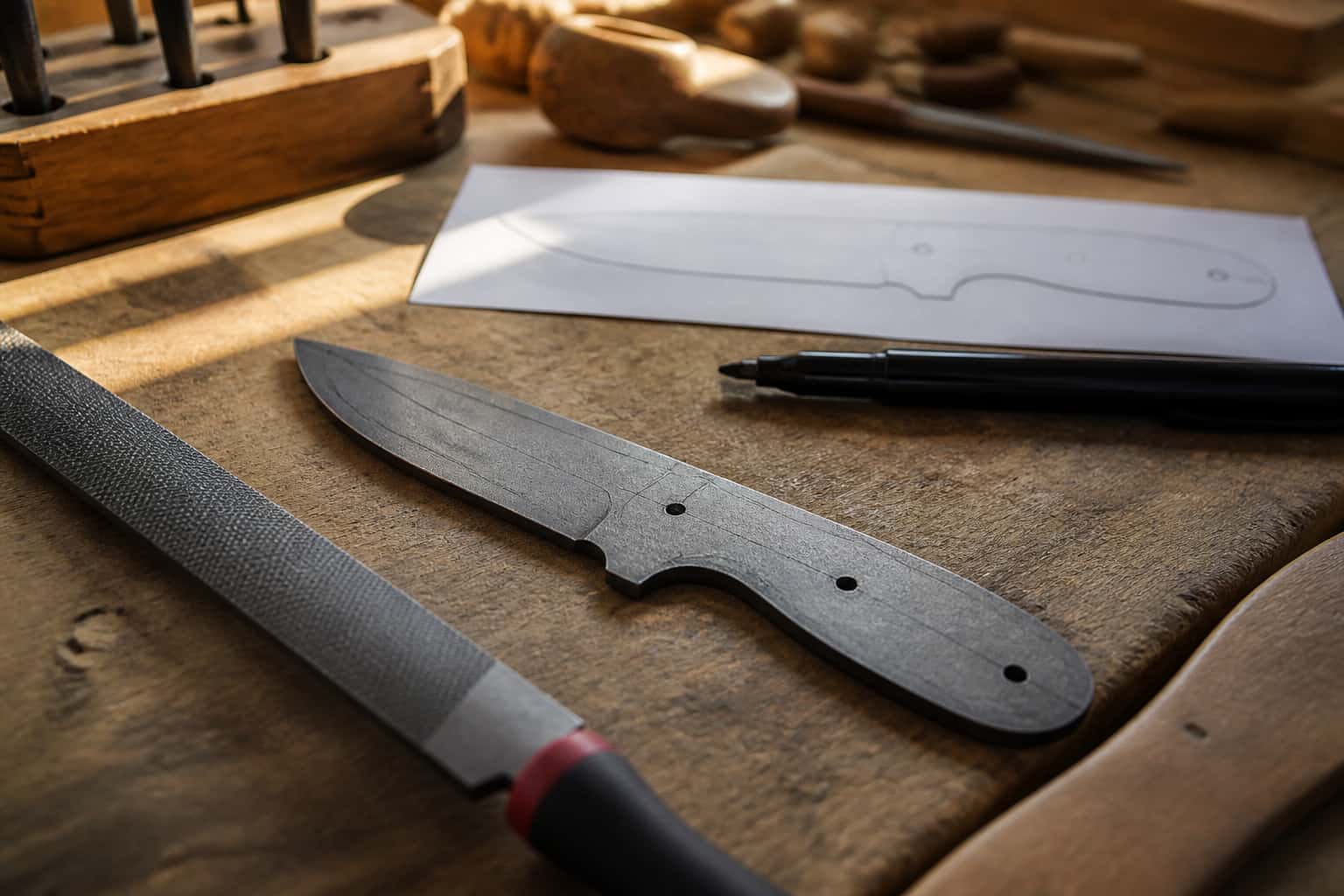
The stock removal process emerged as a more modern approach in the knife-making repertoire. This method focuses on shaping the knife from a pre-existing piece of steel, removing excess material until the desired form is achieved.
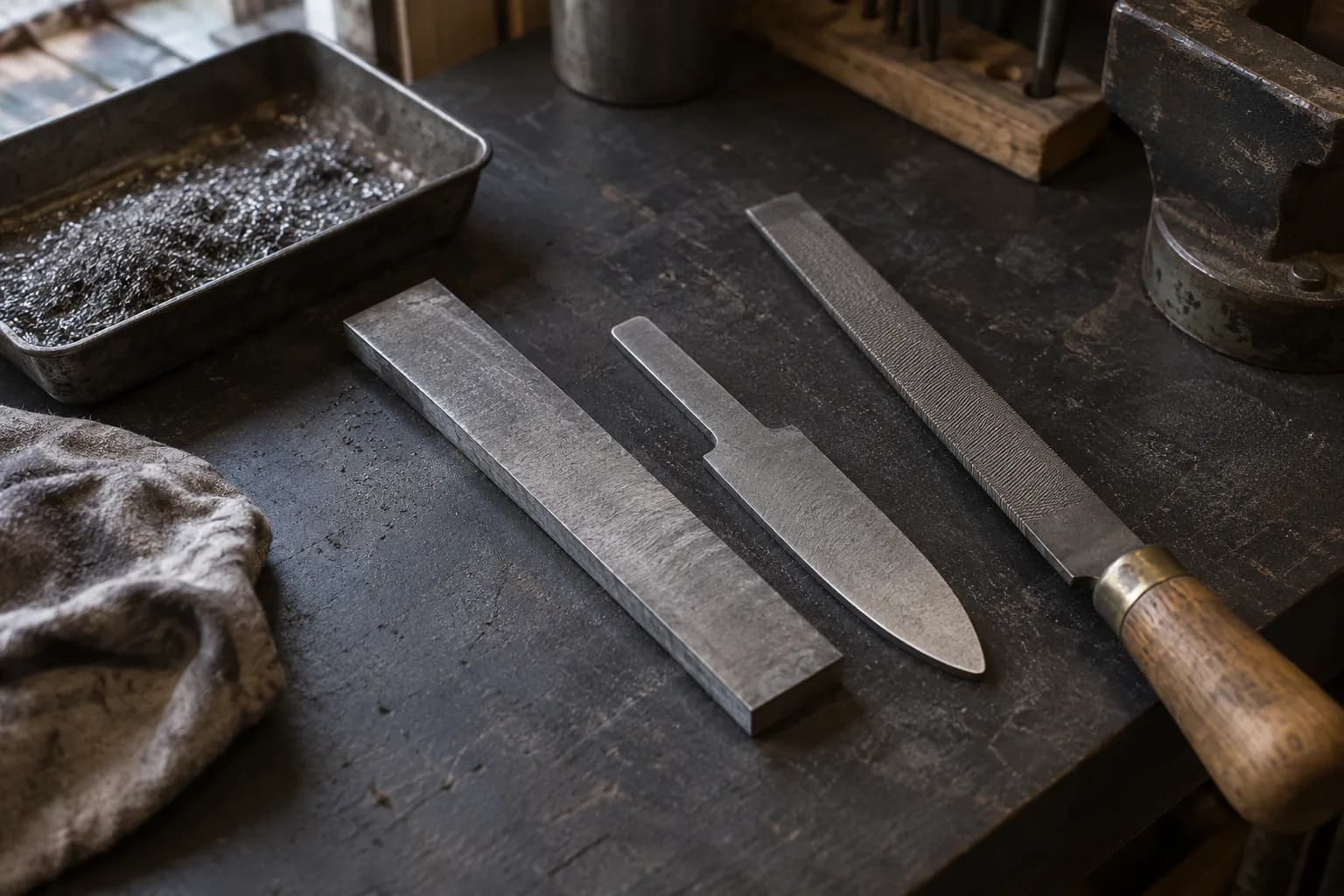
- Step-by-Step Overview:
- Select Material: Start with a high-quality steel blank, which can be an optimal choice for strength and edge retention.
- Remove Material: Using tools like grinders and files, the excess steel is meticulously ground away to reveal the blade shape.
- Final Shaping: Once the bulk of the material is removed, finer tools are employed to achieve the desired edge and finish.
Stock removal is also the practical route for makers who have no forge but still want to build custom knives.
Advancements in Knife Making Technology
Introduction of Belt Grinders
With the foundation laid by traditional techniques, advancements in knife making technology began to emerge, transforming how blades are produced. One of the significant innovations is the introduction of belt grinders. These machines offer knife makers the ability to shape and finish blades with greater speed and precision than hand tools alone.
- Efficiency: Belt grinders reduce the time required for tasks like material removal, allowing craftsmen to focus on the finer aspects of blade design.
- Versatility: These machines accommodate various grits and belt types, making them suitable for grinding, polishing, and even sharpening blades.
- Ease of Use: Belt grinders are relatively straightforward to operate, making it accessible for both novice and experienced knife makers.
The transition from hand tools to belt grinders marked a significant leap in production capabilities, enabling a new generation of knife makers to experiment and refine their craft.
Evolution of the 2×72 Grinder
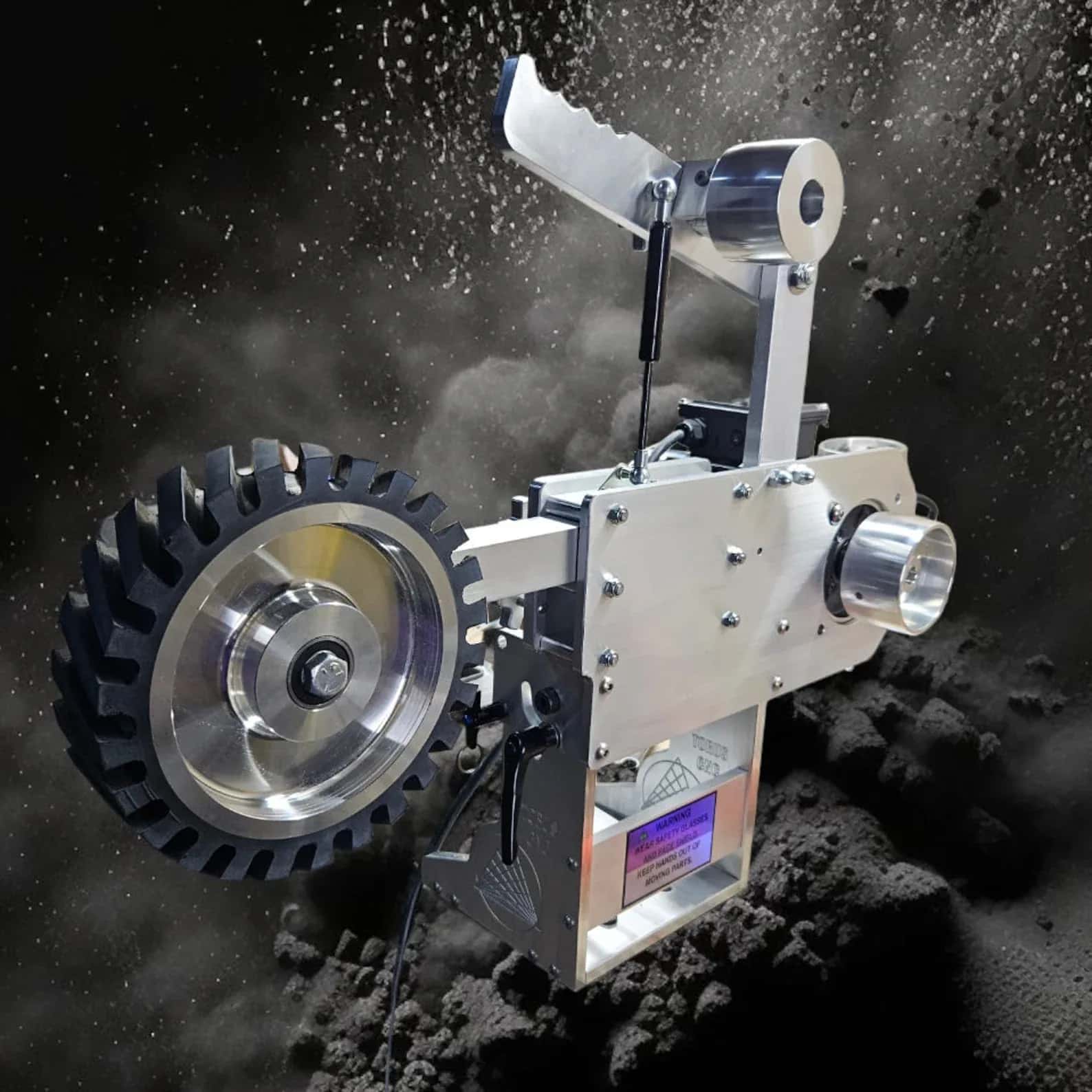
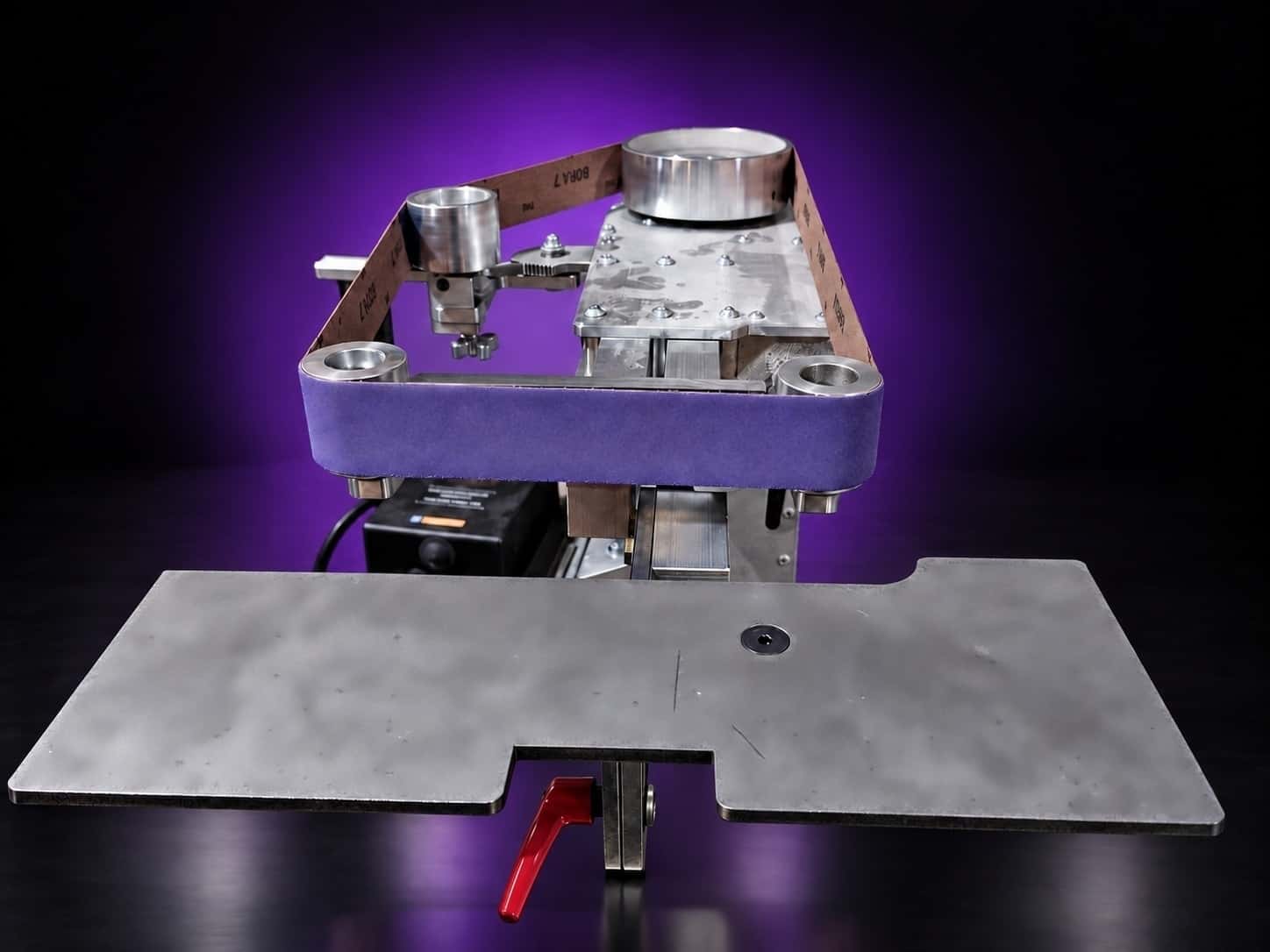
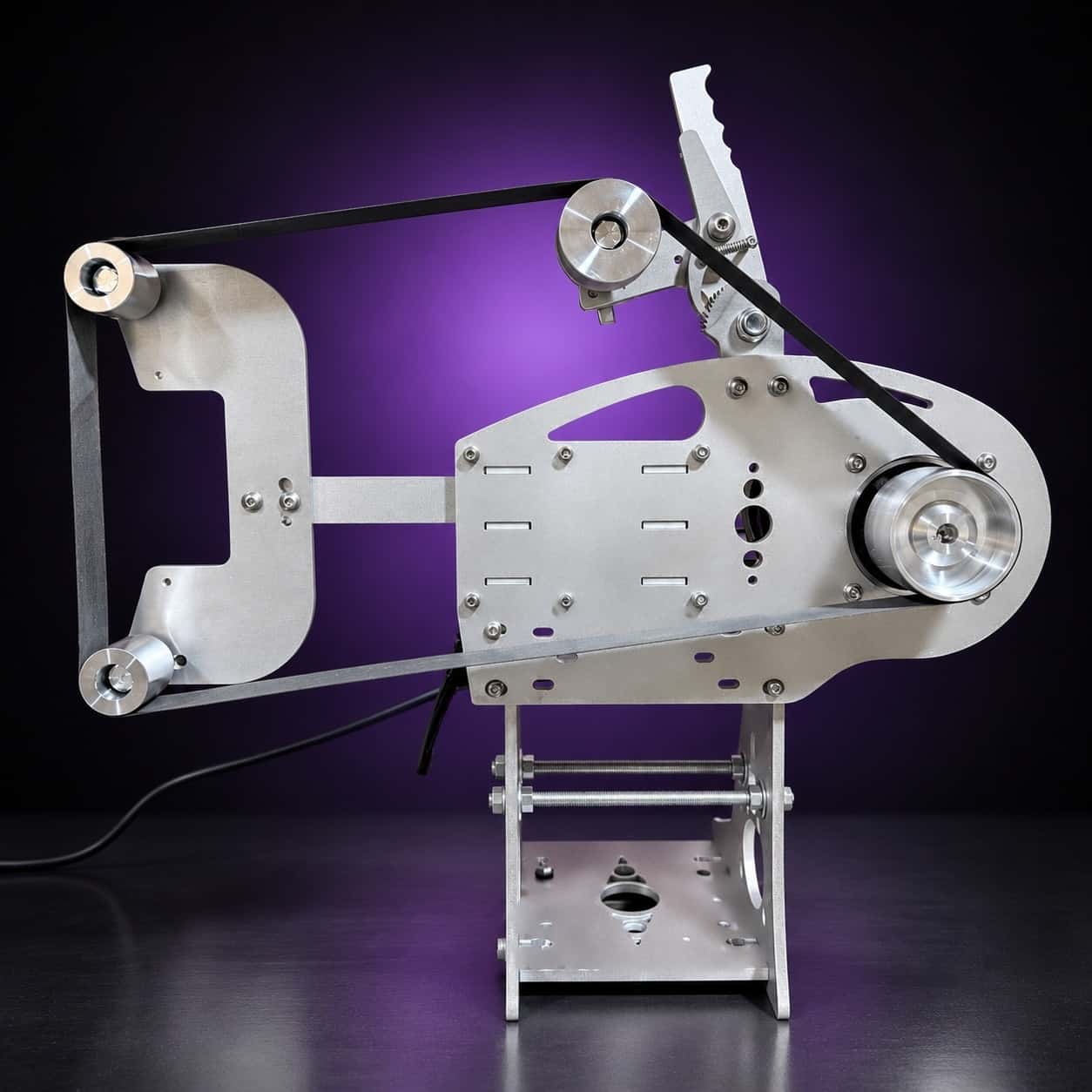
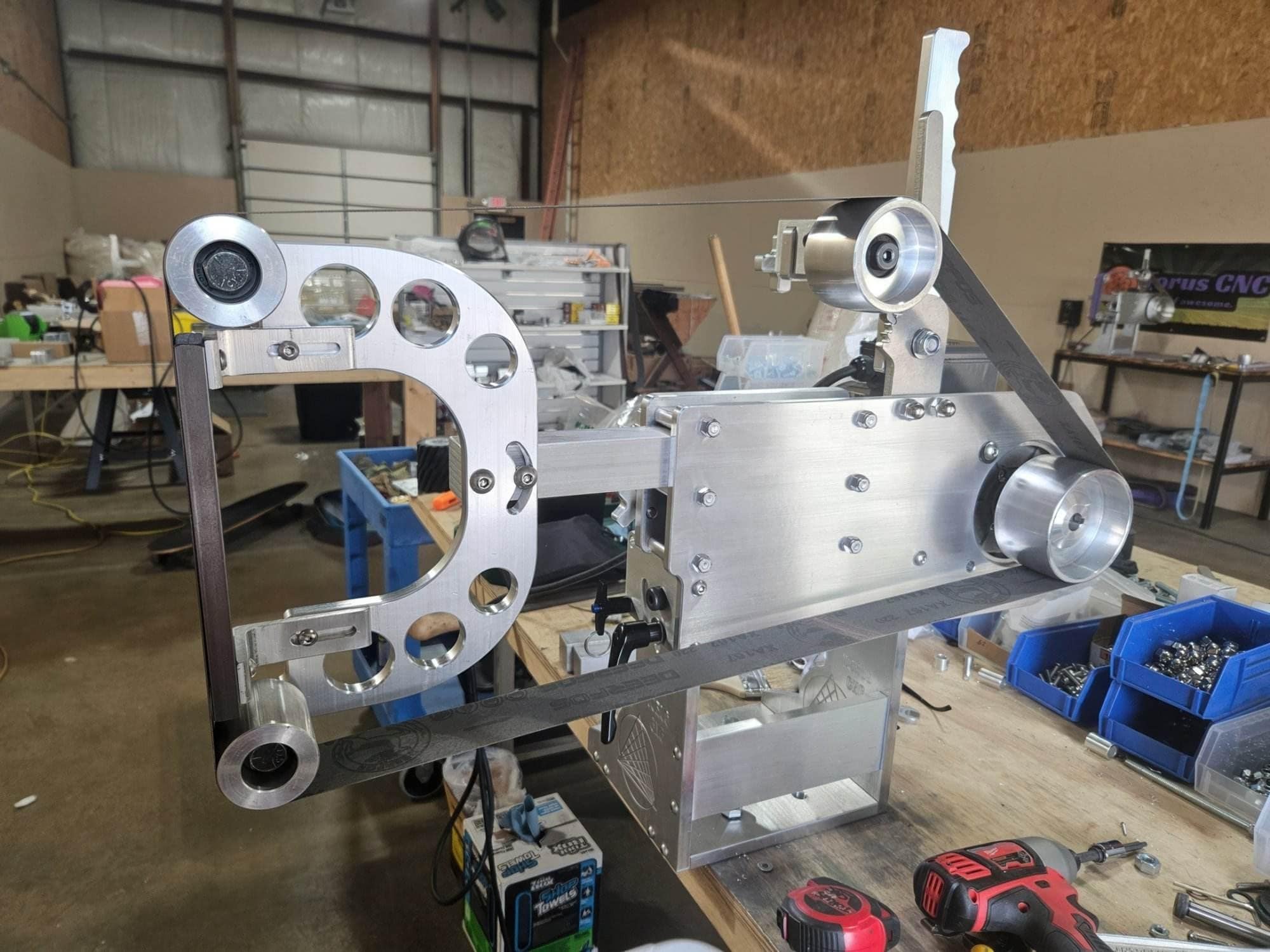
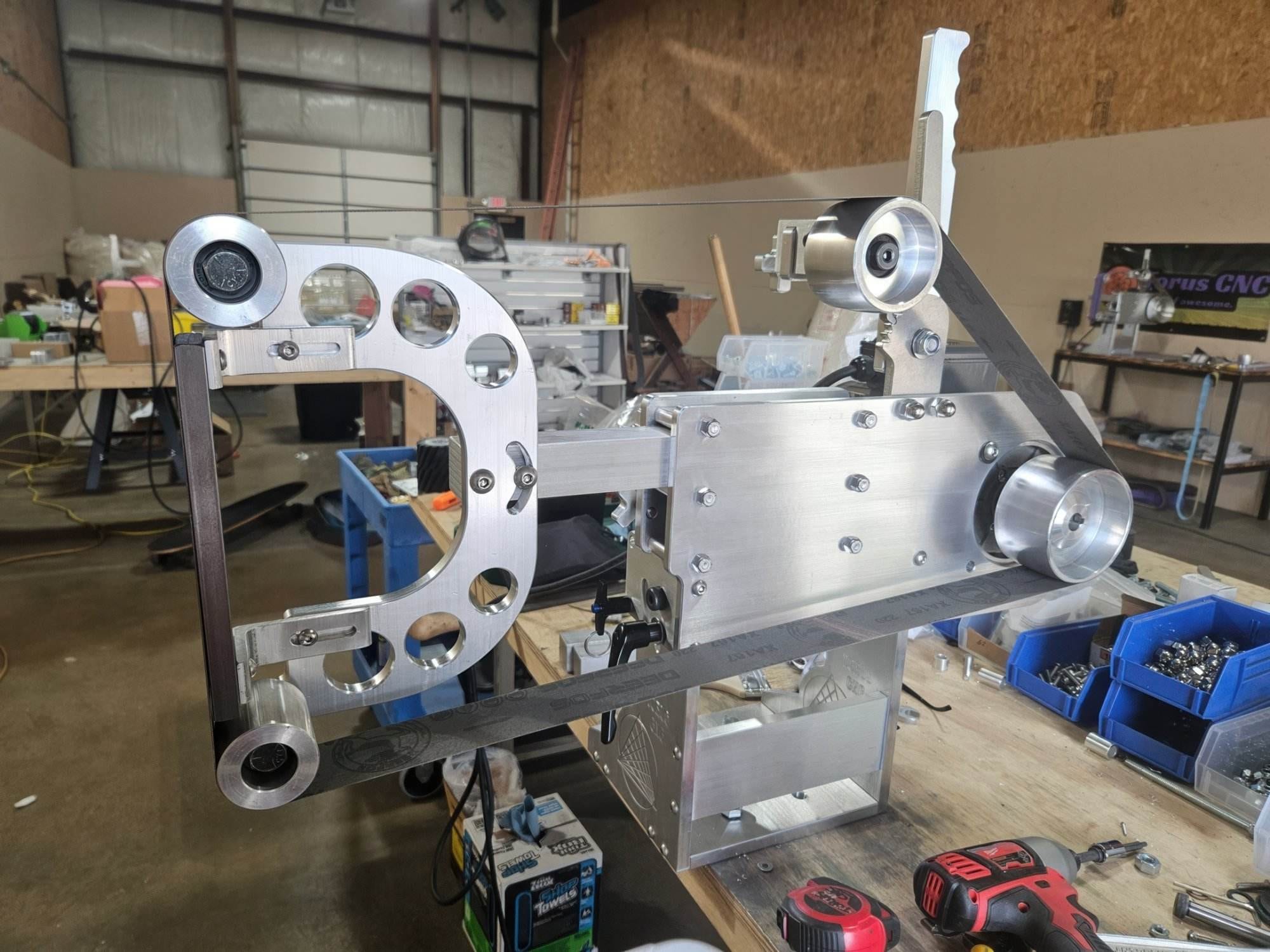
Building on the functionality of earlier belt grinders, the evolution of the 2×72 grinder has transformed the knife-making landscape. This specific size refers to the width and length of the belt, which has become the industry standard for custom knife making.
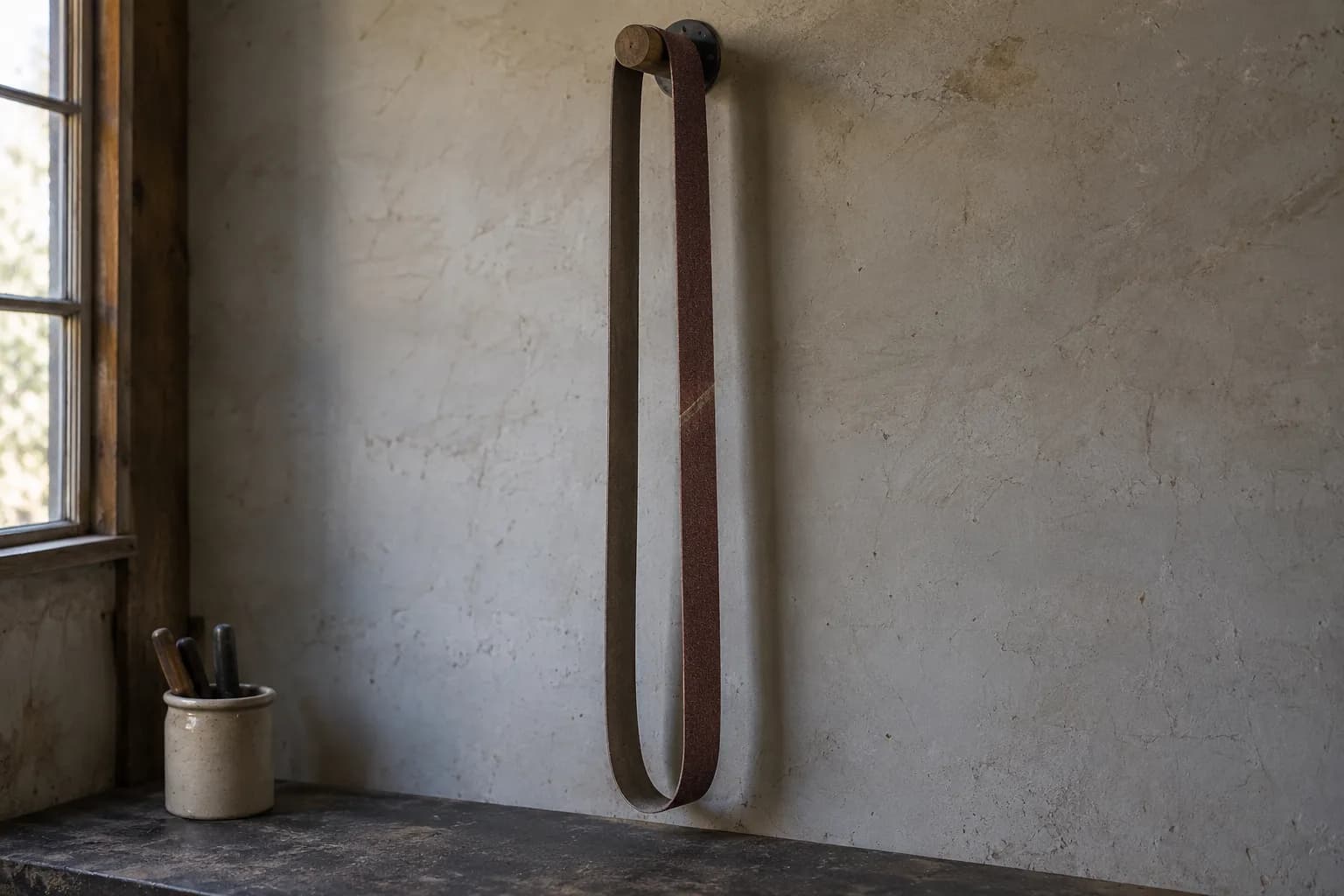
- Design Benefits: The 2×72 grinder’s design allows for ample belt contact with the blade, promoting efficient grinding and minimizing heat buildup, which can damage the material.
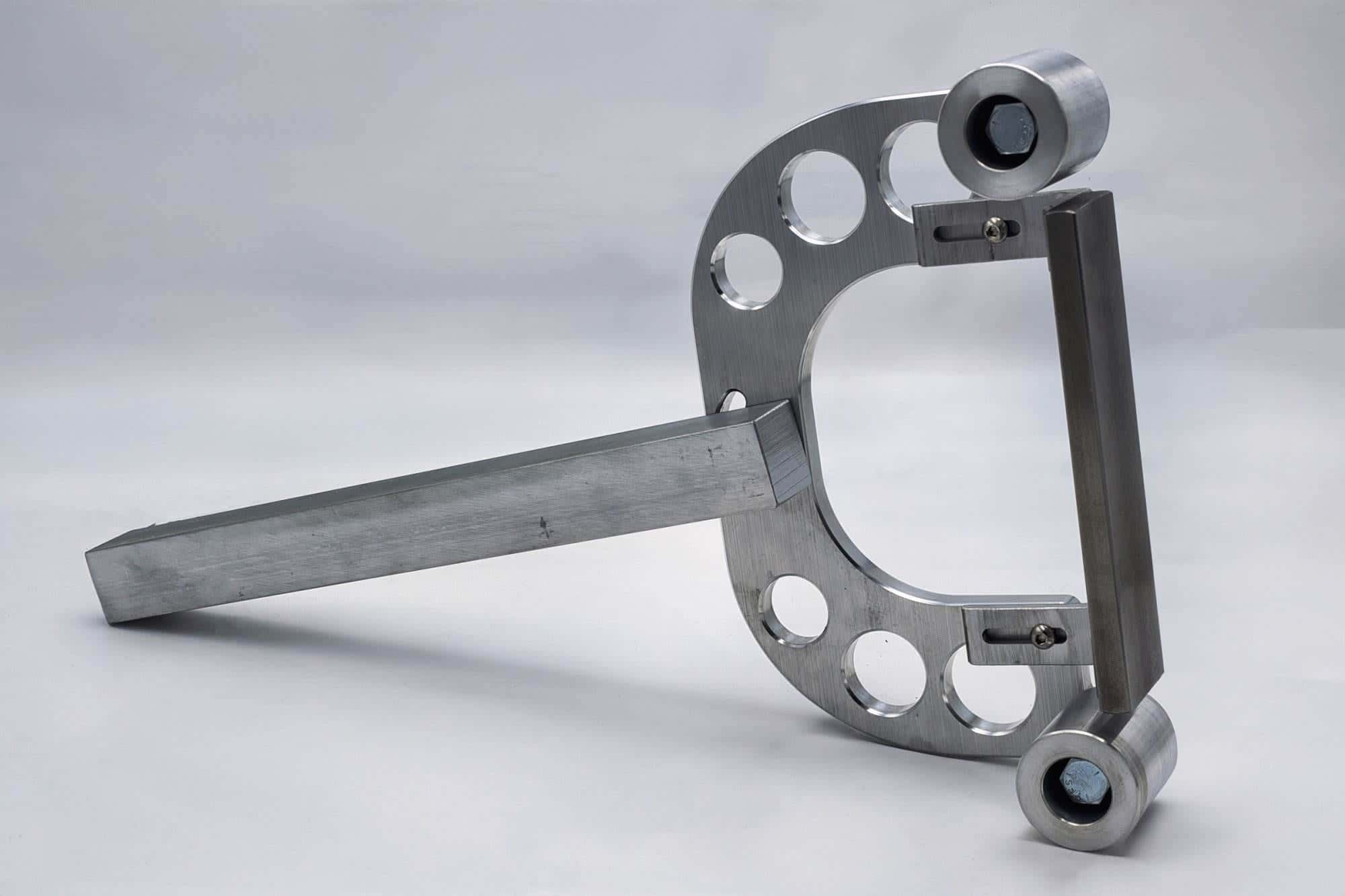
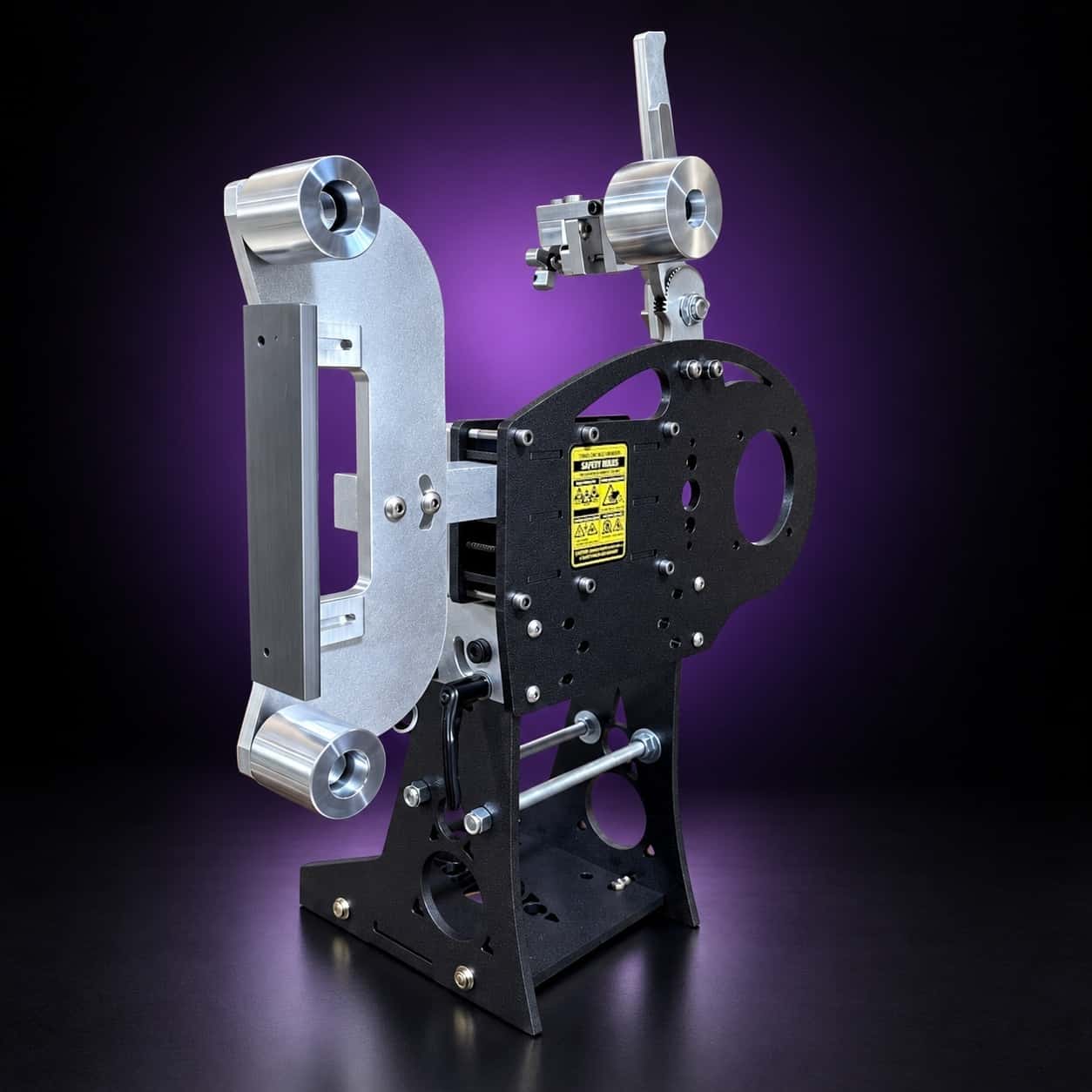
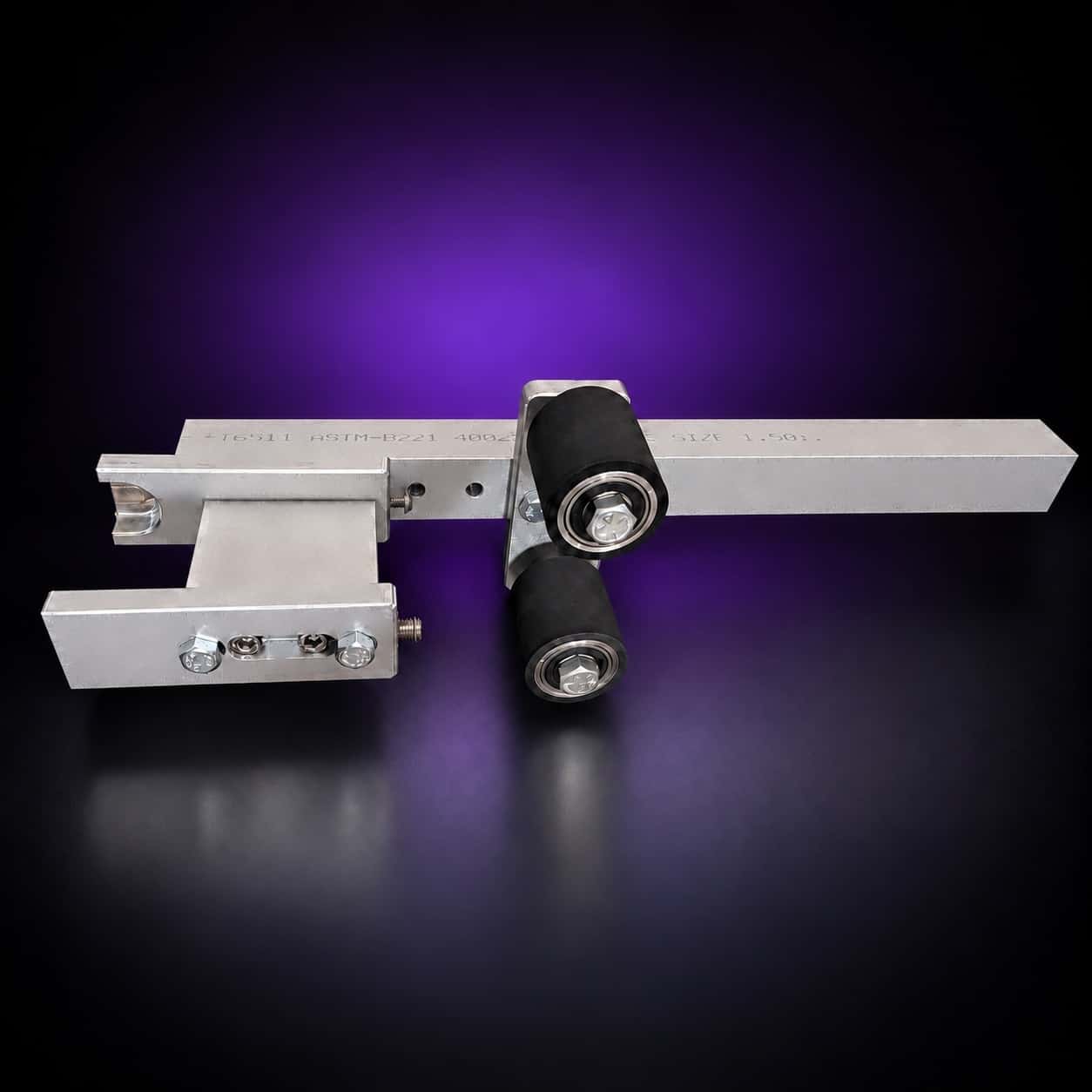
- Modularity: Many models offer interchangeable parts and attachments, allowing users to customize their setup for specific tasks or personal preferences.
- Increased Precision: Enhanced stability and control translate into cleaner lines and more uniform grinds, producing higher-quality blades.
Benefits of the 2×72 Grinder
Precision and Versatility
Transitioning to the remarkable capabilities of the 2×72 grinder highlights why it has become a cornerstone in modern knife making. One of its primary benefits is the level of precision it offers.
- Fine Tuning: With the ability to easily adjust the belt tension, speed, and angle, knife makers can achieve their desired grind profiles with remarkable accuracy.
- Belt Variety: The versatility provided by different belt types – from coarse grit for shaping to fine grit for polishing – allows for smooth transitions throughout the knife-making process, ensuring a high-quality finish.
The 2×72 grinder is not limited to knife making. Many artisans use it for various projects, ranging from tool sharpening to custom woodworking, showcasing its adaptability in different disciplines.
Time Efficiency and Cost Effectiveness
- Swift Material Removal: The powerful motors and larger belt area allow for expedited material removal. What might take hours with hand tools can often be accomplished in mere minutes.
- Reduced Waste: Precision grinding means less material needs to be discarded. Crafting blades with pinpoint accuracy minimizes the chances of mistakes that lead to scrap, in the end saving costs.
Safety Measures when Using Grinders
Proper Handling and Maintenance
As knife makers adopt powerful tools like the 2×72 grinder, it’s crucial to prioritize safety to ensure both efficiency and wellbeing. Proper handling and maintenance play an integral role in promoting a safe working environment.
- Inspection Before Use: Always check the grinder for any signs of wear or damage before starting. Look for loose bolts, frayed belts, or worn bearings that could compromise safety.
- Proper Setup: Ensure that the grinder is securely mounted on a stable work surface to prevent tipping or sliding during operation.
- Regular Maintenance: Keeping the machine clean and well-lubricated not only enhances its performance but also prevents accidents caused by debris build-up or overheating.
Personal Protective Equipment (PPE) Requirements
In addition to proper handling, the use of Personal Protective Equipment (PPE) is indispensable when operating grinders. Protective gear acts as a first line of defense against accidents and injuries.
- Eye Protection: Safety glasses or goggles are essential to shield the eyes from debris and sparks that can be generated during grinding.
- Hearing Protection: The noise level produced by grinders can be significant. Wearing earplugs or earmuffs can help prevent long-term hearing damage.
- Respiratory Protection: Depending on the materials being worked on, a dust mask or respirator may be necessary to protect against harmful dust and particles.
- Gloves and Aprons: While gloves can provide hand protection, it’s essential to use them cautiously, as they can get caught in moving parts. An apron made from durable material can protect the body from heat and sharp edges.
By adhering to these safety measures and gear requirements, knife makers can create a protective atmosphere that promotes safety while allowing creativity to flourish. With the right precautions in place, the journey of crafting knives can be both safe and enjoyable.
Impact of 2×72 Grinders on the Knife Making Industry
Rise in Custom Knife Makers
The advent of the 2×72 grinder has significantly transformed the landscape of the knife-making industry, notably fostering the rise of custom knife makers. These grinders empower artisans to express their creativity through unique designs and personalized craftsmanship.
- Accessibility of Technology: With the increased availability of 2×72 grinders, aspiring knife makers can easily access tools that were once limited to professional workshops. This democratization of technology encourages hobbyists to explore their passions.
- Enhanced Design Capabilities: Customization is now more achievable due to the precision and versatility of these grinders. Makers can meticulously shape blades, experimenting with different profiles and finishes that set their knives apart from mass-produced alternatives.
- Community and Collaboration: The growth of custom knife making has birthed vibrant communities where craftsmen share techniques, designs, and experiences. Online platforms and social media have further amplified this trend, making it easier for enthusiasts to connect and collaborate.
As a result, custom knife making has evolved into a thriving niche that celebrates individuality and artistry.
Influence on Mass Production Techniques
While the 2×72 grinder has boosted custom knife-making, its impact extends into mass production techniques as well. Large manufacturers are incorporating these grinders into their operations to improve their production capabilities.
- Improved Efficiency: The speed and efficiency of 2×72 grinders allow manufacturers to produce large volumes of knives quickly, without sacrificing quality. As a result, they can cater to growing consumer demand for high-quality blades.
- Consistency and Quality Control: The precision offered by 2×72 grinders ensures uniformity in blade design and finish, making it easier for manufacturers to maintain stringent quality control standards across their production lines.
- Adaptation to Market Trends: Manufacturers can readily adapt to market trends by utilizing the versatility of the 2×72 grinder, allowing them to explore new designs and special editions in response to customer preferences.
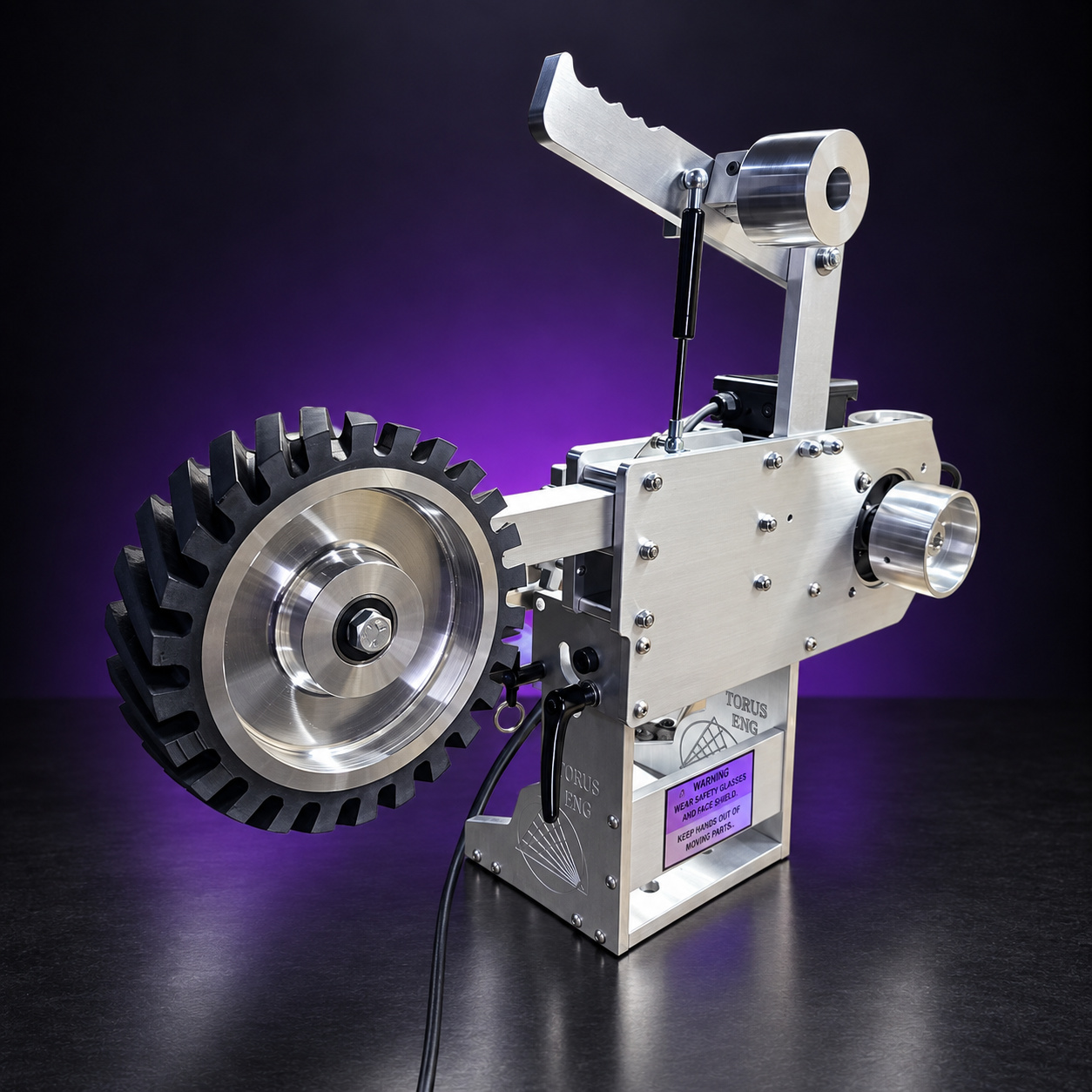
The modern version of that standard is a machined, tilting, VFD-driven 2×72, which is what I build. Compare the Classic, Nova and Nebula on the comparison page, then pick the one that fits your bench.