Belt Grinders
Running a Small Knifemaking Business… Without Burning Out
Most knifemaking businesses start as a passion and end up as a pile of overdue orders. Here is how to run a small shop without burning out: honest pricing, a layout that flows, equipment that grows, consistency.
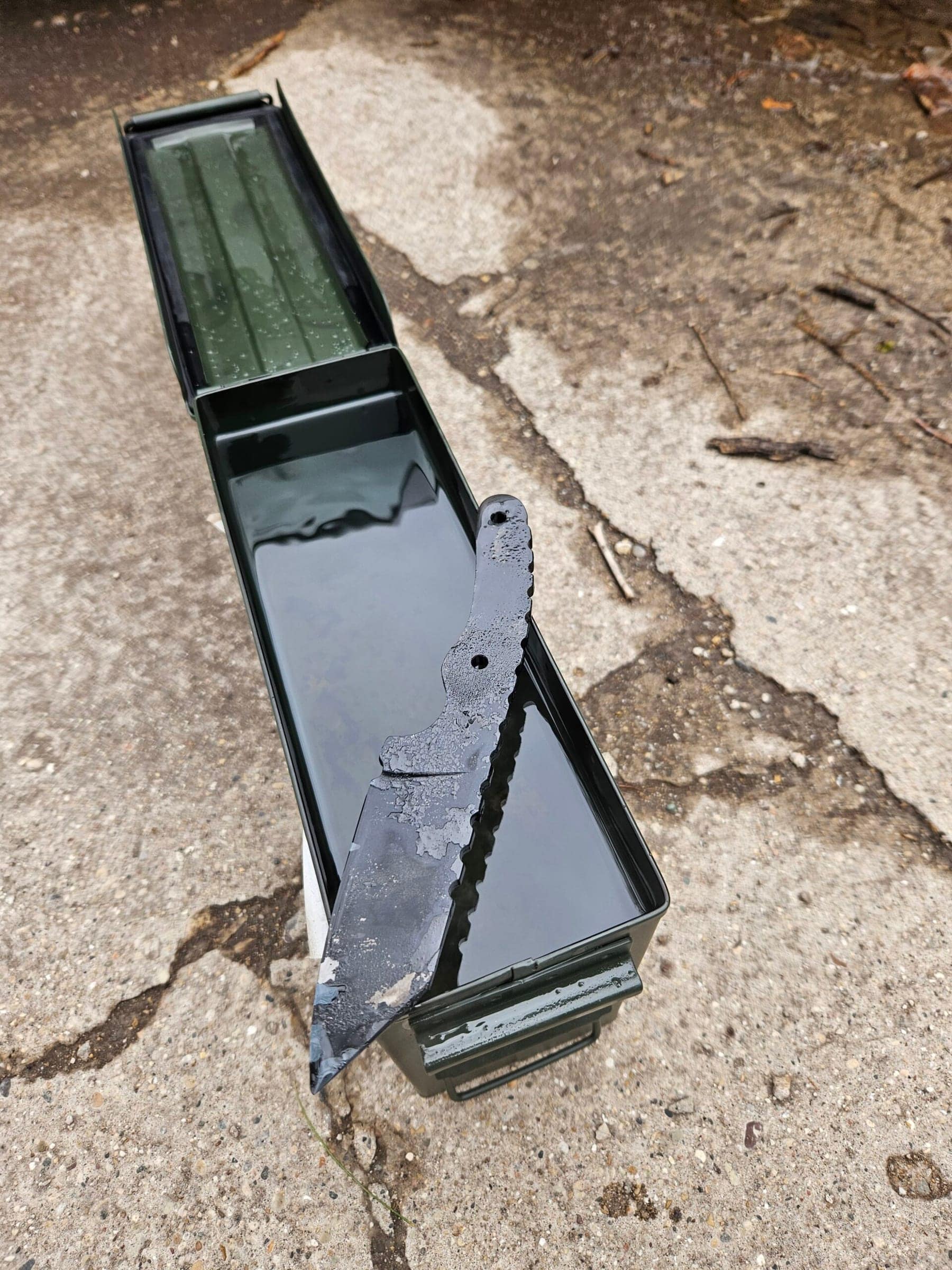
A knifemaking business usually starts as a passion: late nights in the shop, weekends at the grinder, a growing pile of custom orders. Then the pile gets taller than the passion. I run a one-man shop myself, so I know the feeling. Here is how to run a small knifemaking business without burning out: pricing that pays you, a shop laid out for flow, equipment that scales instead of holding you back, and why consistency beats speed.
Burnout doesn’t come from making knives—it comes from chaos. Structuring your workflow, pricing, and customer communication can transform your shop from a constant scramble into a professional operation that still feels personal.
Key Takeaways
- Systems reduce stress and increase consistency
- Not every task deserves the same level of attention
- Clear boundaries improve customer relationships
- Sustainable pacing leads to better craftsmanship
2. Pricing Custom Knives: Why Most Makers Undervalue Their Work
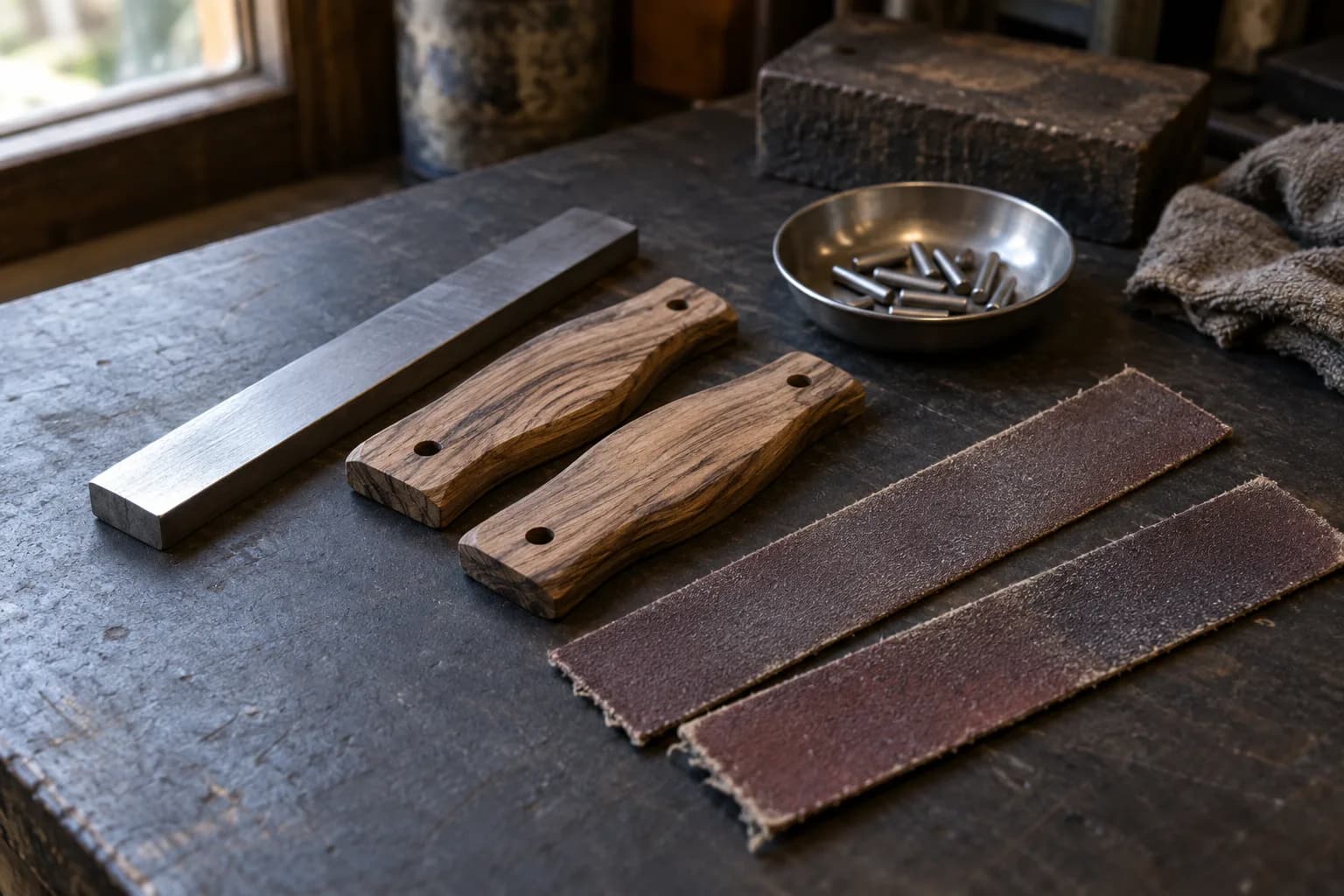
One of the most common struggles for small knifemaking businesses is pricing. Many makers price based on what they feel comfortable charging rather than what the work truly costs. Over time, this leads to thin margins, frustration, and stalled growth.
Proper pricing isn’t about being expensive—it’s about being accurate. Materials, consumables, tooling wear, electricity, and time all factor into the real cost of a knife. Ignoring any of these silently erodes profitability.
- Time is the most expensive input in knifemaking
- Underpricing leads to burnout, not more sales
- Consistent pricing builds customer trust
- Healthy margins fund better tools and processes
3. Shop Layout Mistakes That Slow Down Knife Production
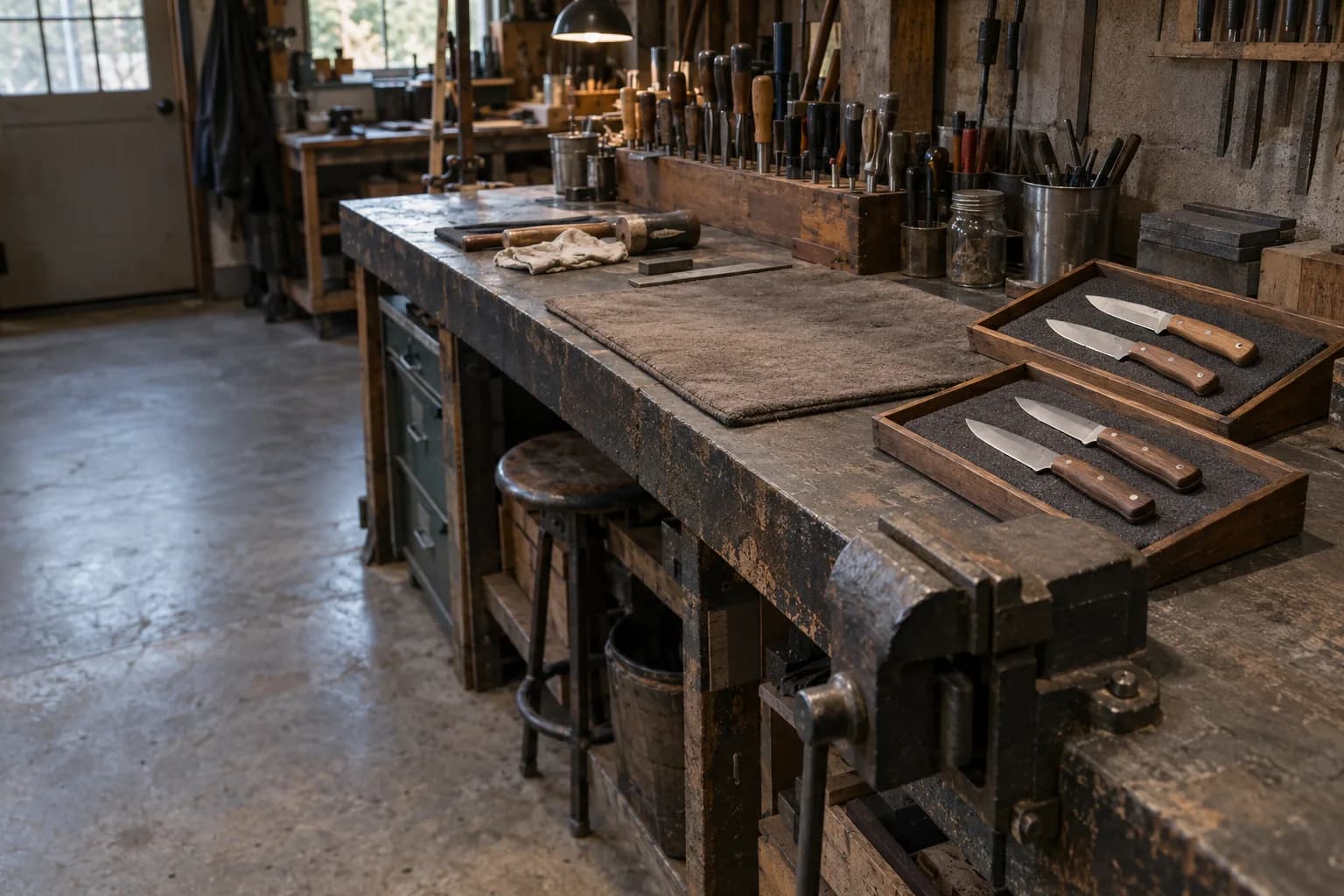
Many knifemakers accumulate tools organically—one machine at a time—without ever revisiting layout. Over time, this leads to unnecessary walking, awkward material handling, and inefficient workflows.
- Workflow matters more than shop size
- Reduce walking, lifting, and backtracking
- Keep high-use tools within arm’s reach
- Good layout improves safety and focus
4. Choosing Equipment That Grows With Your Knifemaking Business
Early in a knifemaking journey, equipment choices are often driven by budget. As the business grows, those same tools can become bottlenecks—slowing production and limiting consistency.
Buying equipment with scalability in mind allows makers to grow without replacing entire systems. Rigid frames, modular setups, and expandable tooling options extend the life of your investment.
- Cheap tools often cost more long-term
- Rigidity and repeatability matter
- Modular equipment adapts to growth
- Good machines improve consistency, not just speed
5. Why Consistency Matters More Than Speed in Knifemaking
Many makers focus on speeding up production, but speed without consistency creates problems—uneven grinds, rework, and dissatisfied customers. Consistency is what turns craftsmanship into a reliable business.
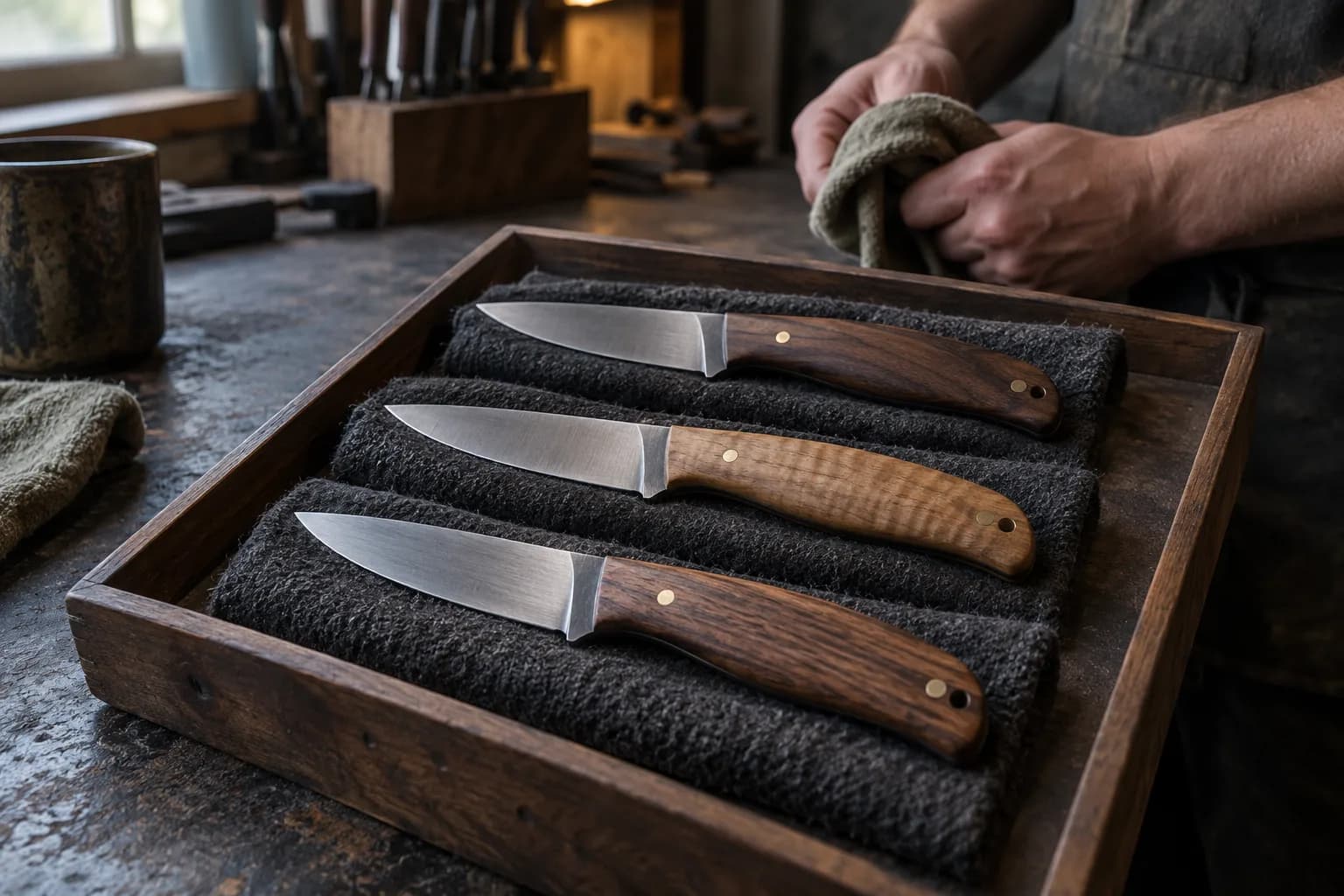
Professional results come from control, not haste. In many small shops, long-term sustainability comes down to working consistently rather than rushing, which is why consistency often matters more than speed.
- Repeatability builds reputation
- Consistency reduces rework and scrap
- Speed improves naturally with control
- Customers value reliability over volume
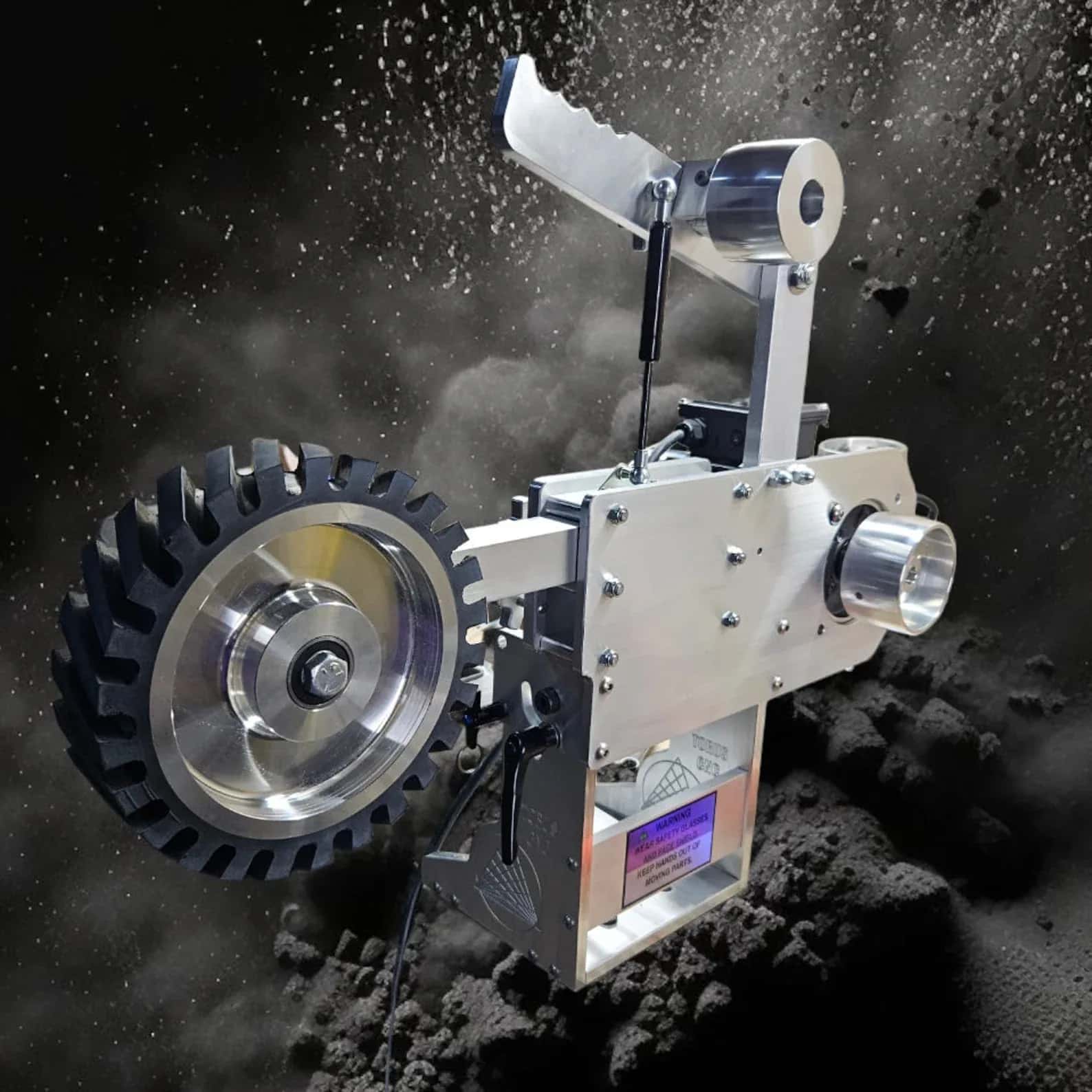
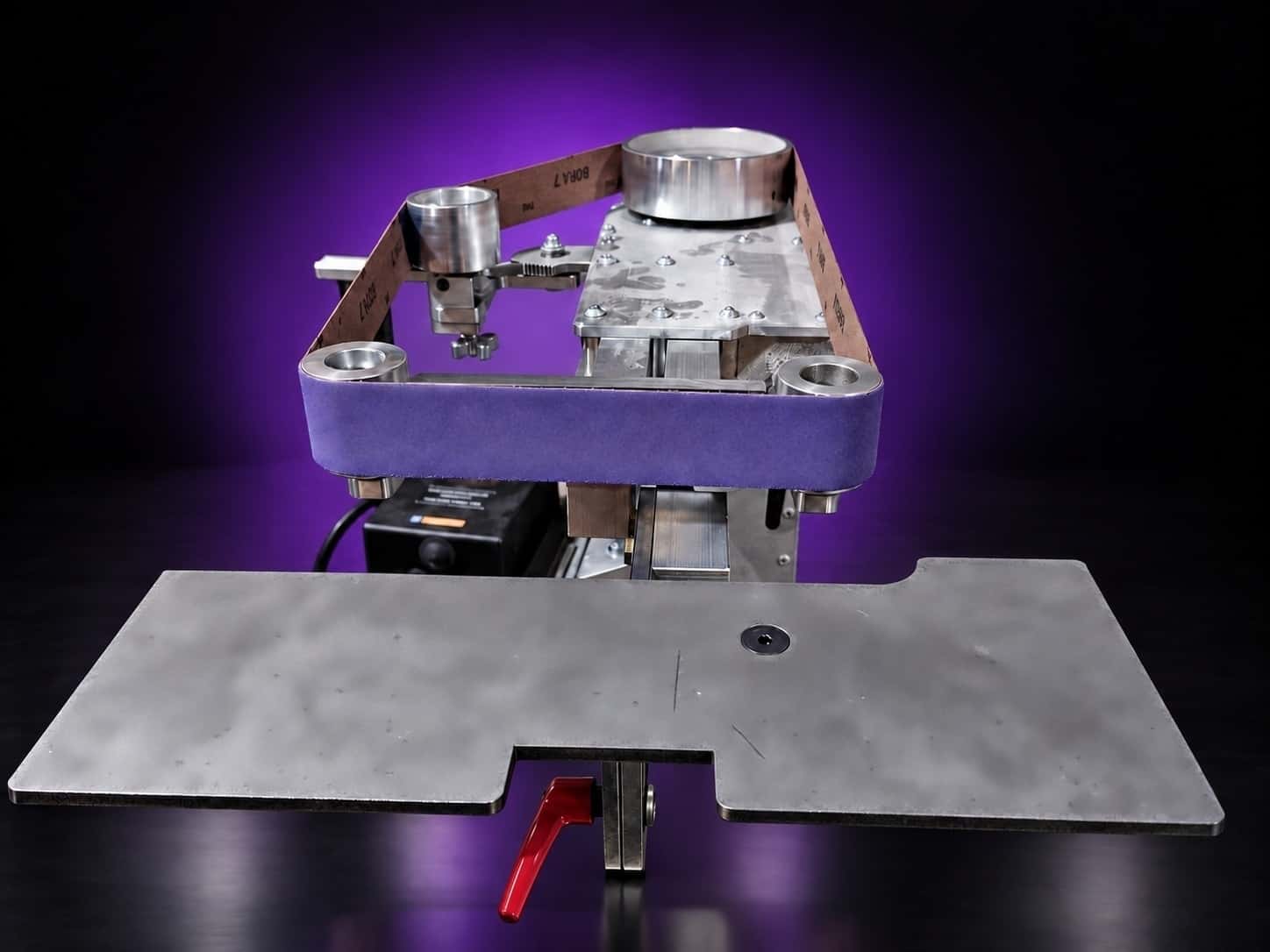
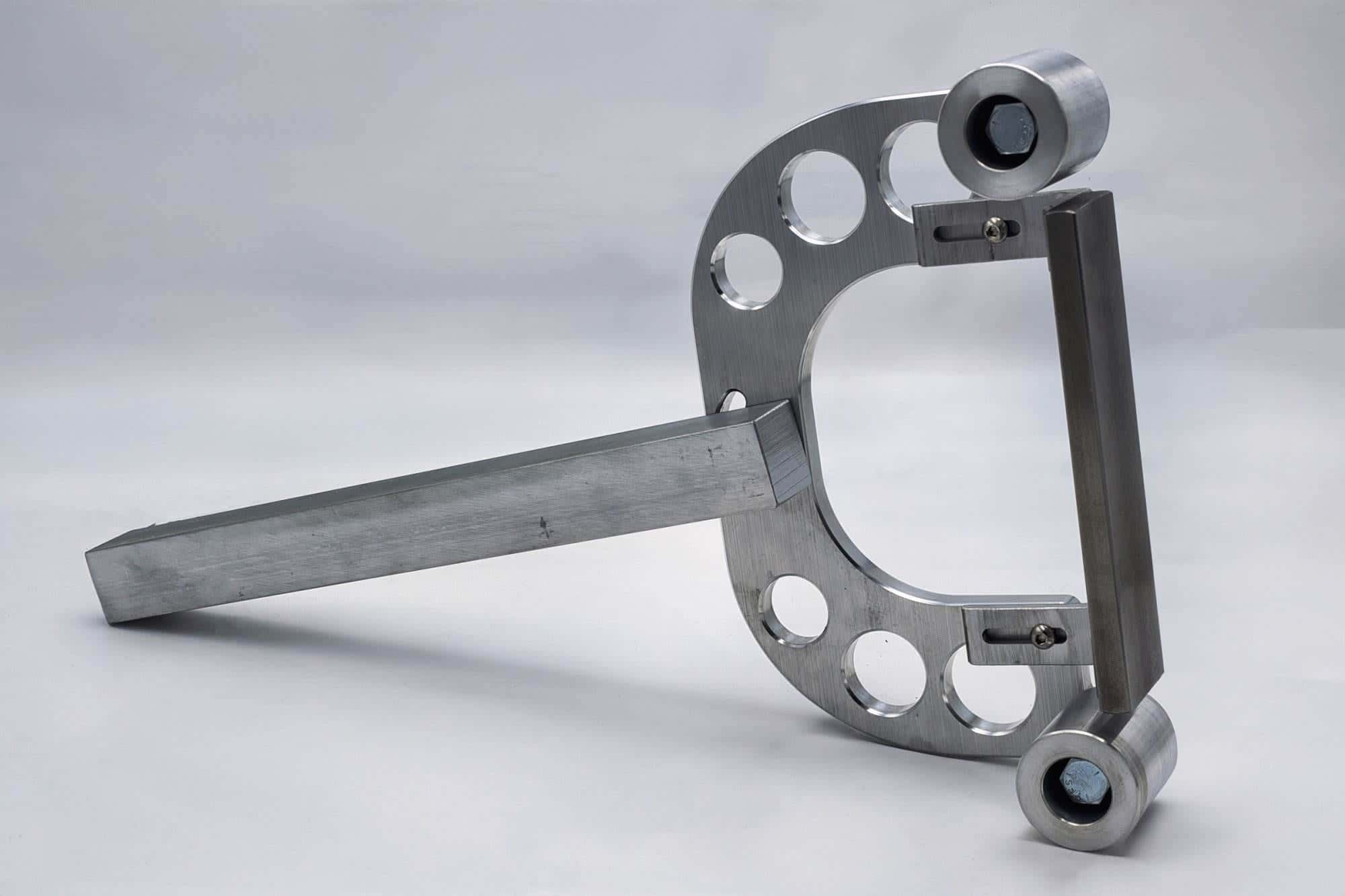
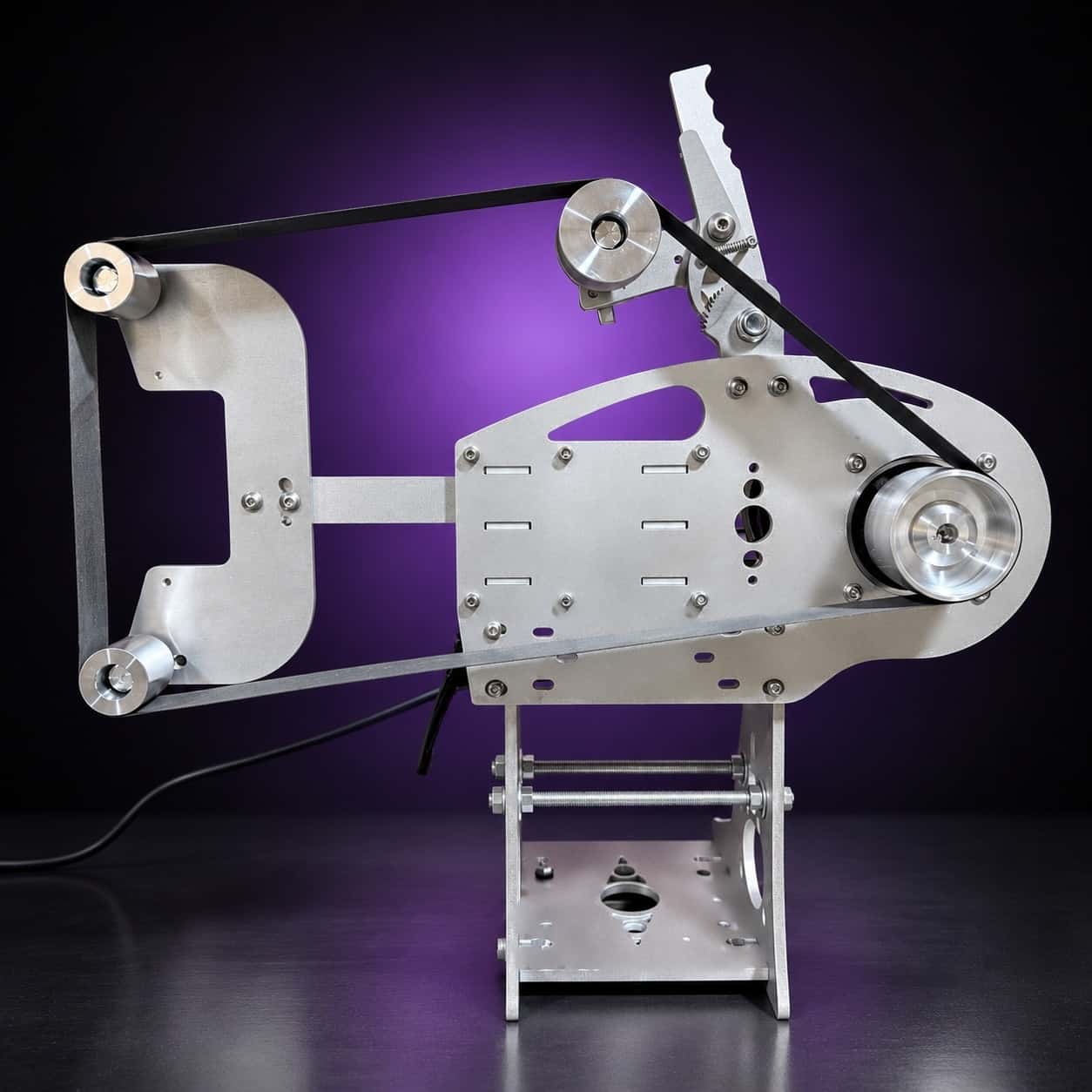
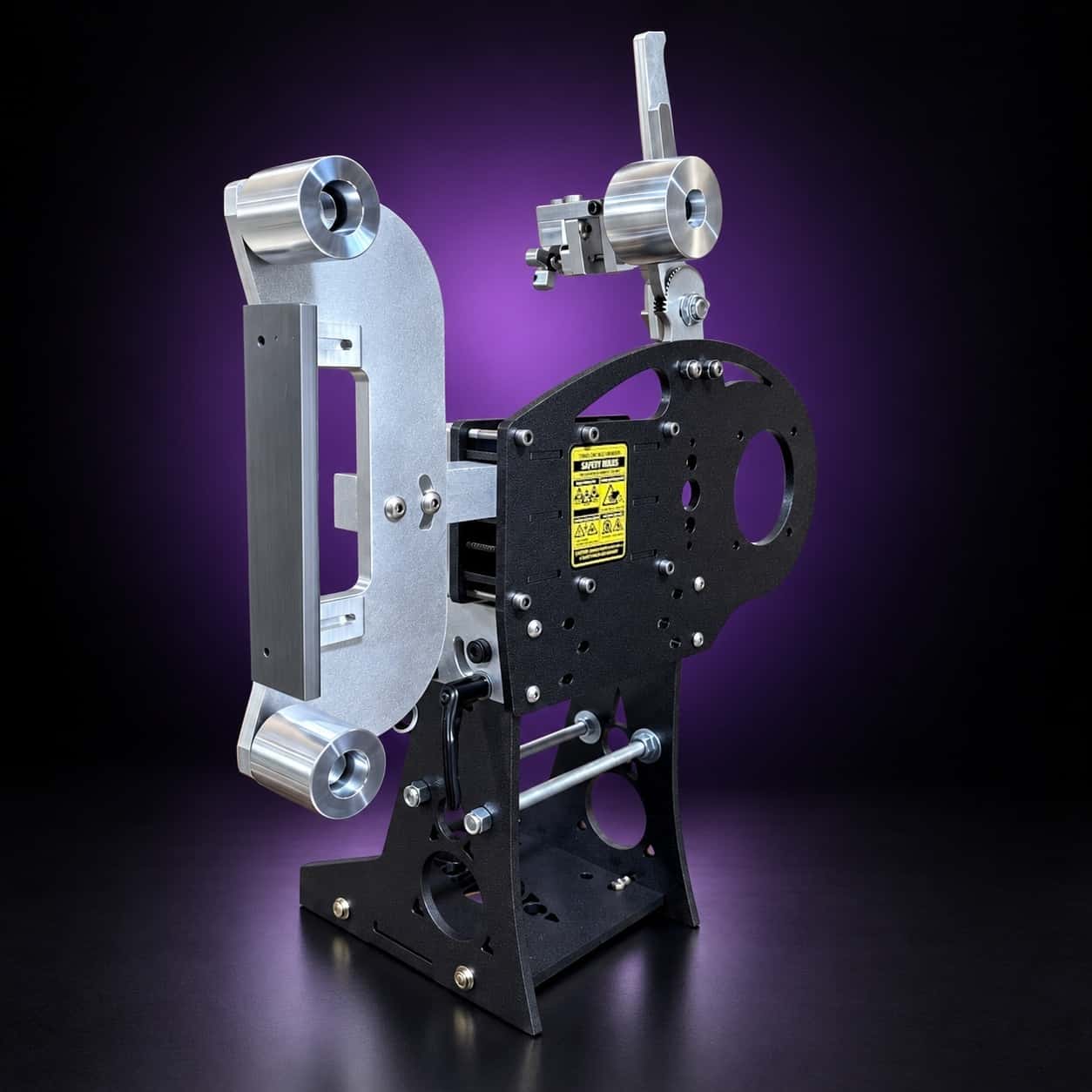
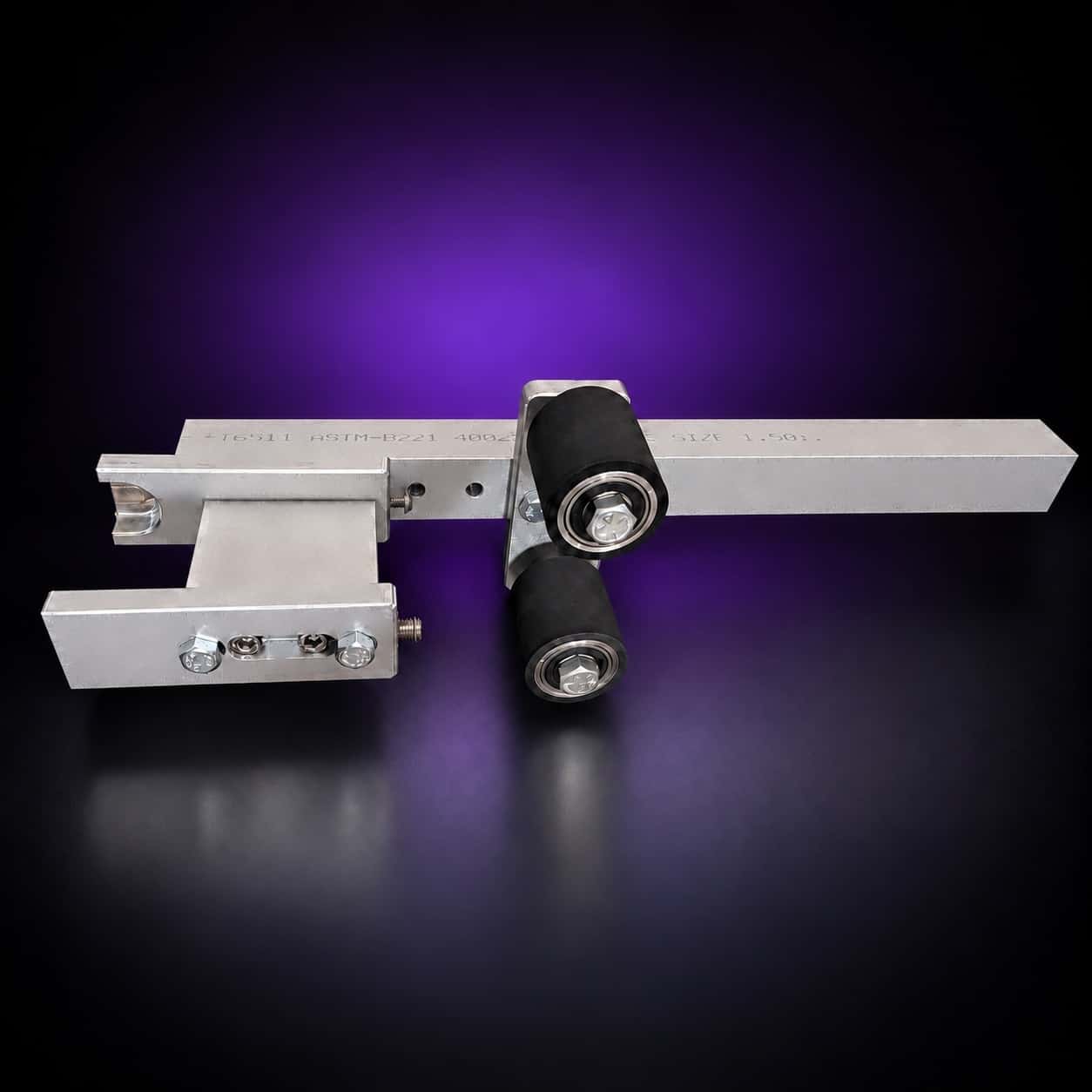
Equipment that grows with you is the piece most makers buy wrong. A Nova 2×72 starts as a bare chassis and takes every Torus attachment on the same 1.5-inch arm as the orders come in. Built one at a time in Sterling, Illinois, by someone who also has an order pile.