Belt Grinders
Bowie vs Tanto Blade Shape: Choosing the Right Design for Your Knife
The Bowie slices and chops with a big belly and a clipped point. The tanto pierces with a reinforced tip and two flat grinds. Here is how the two differ in use, and how I grind each on the 2×72.
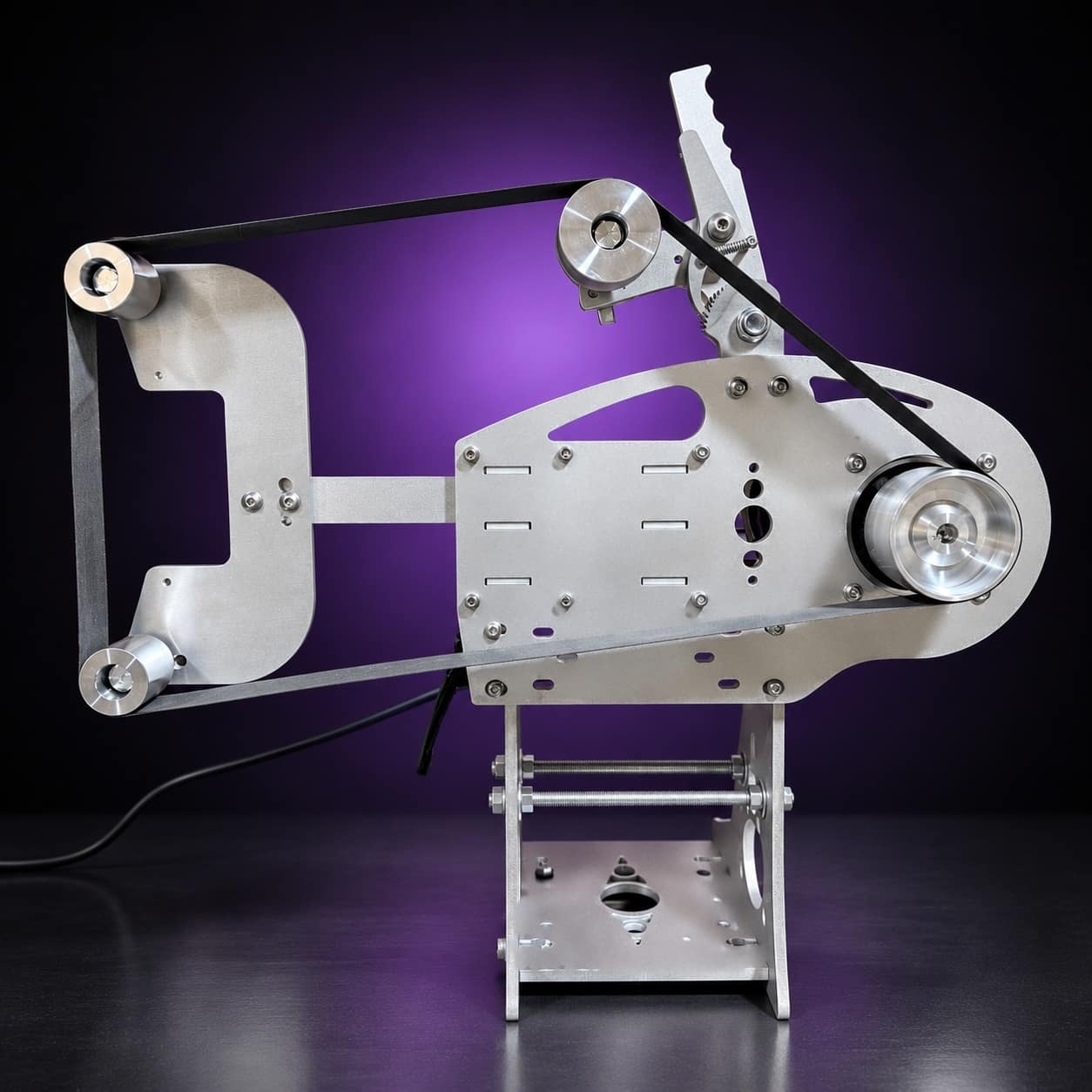
Blade shape decides what a knife is for before the steel ever meets a belt. A Bowie brings a wide belly and a clipped point that slices and chops; a tanto brings a reinforced tip and two flat planes built for piercing. Each one asks something different of your grinder and your hands. Here is how the two shapes compare in use, and how I grind each one on a Torus 2×72 without losing the lines.
Bowie Blade Shape: A Classic with Versatility
The Bowie knife, made famous by Jim Bowie in the 19th century, is a classic design that has stood the test of time. The blade is typically long, with a broad, clipped point that slopes downward, giving it a distinctive, aggressive profile. The blade’s curve adds versatility, making it effective for both slicing and stabbing. Bowie knives often have a broad belly, ideal for cutting and chopping, with a spine that gradually tapers to a sharp point.
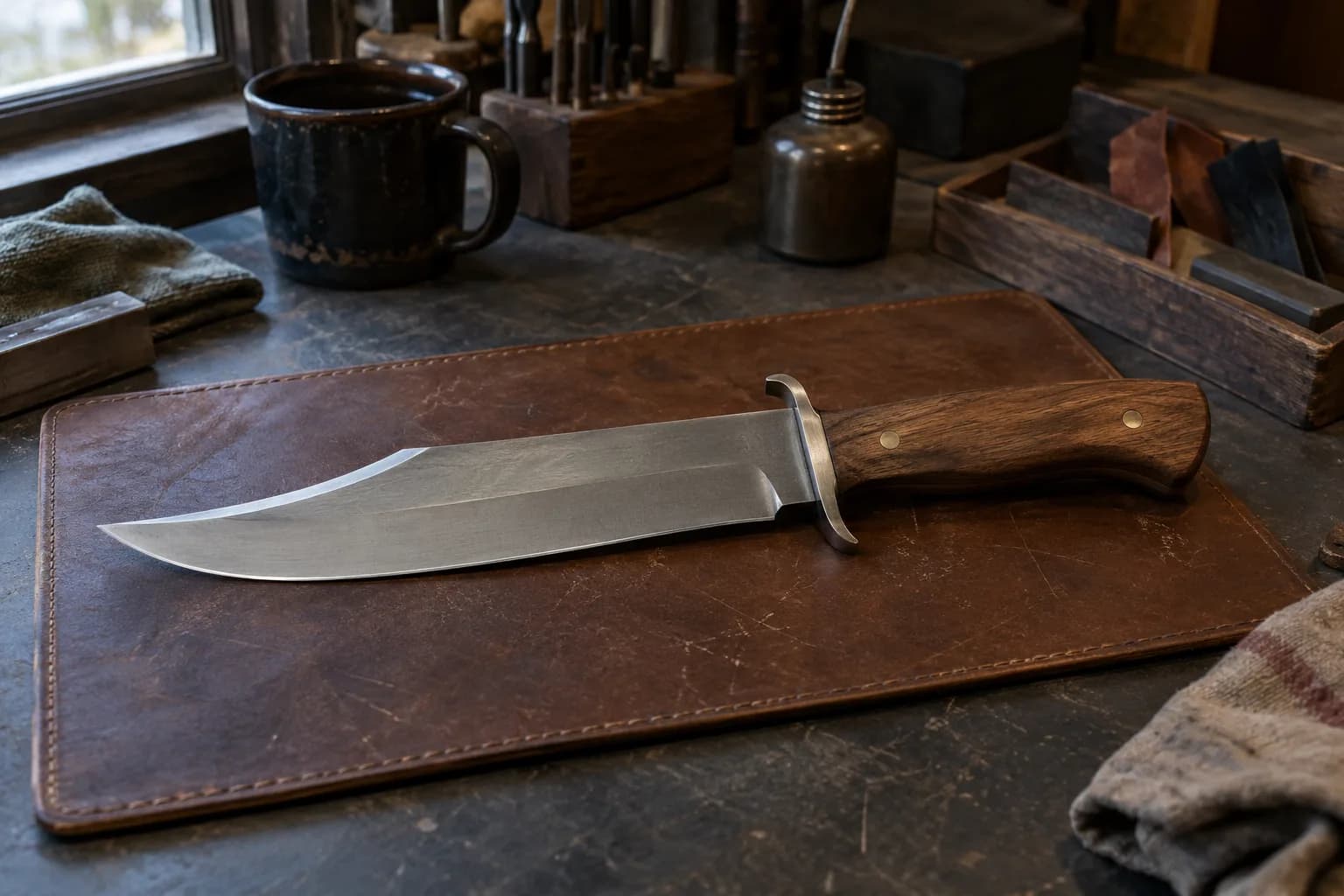
Why Choose a Bowie Blade?
- Versatility: A Bowie knife is a jack-of-all-trades, excelling in tasks such as chopping, slicing, and thrusting. The curve and shape allow for a variety of grips and cutting techniques, making it ideal for hunters, outdoorsmen, and those who need a multi-purpose tool.
- Aesthetic Appeal: If you’re drawn to traditional, iconic designs, the Bowie knife has a distinctive look that combines historical significance with functional beauty. The broad belly and curving profile often give it a more imposing and elegant appearance.
- Chopping Power: The larger belly provides excellent chopping power, which can make it a superior choice for tasks like batoning wood or clearing brush.
Grinder Technique: Crafting a Bowie Knife on a Torus 2×72
Using a Torus 2×72 grinder, which is known for its precision and ease in creating sharp, clean lines, you can efficiently craft a Bowie knife. Here’s the process:
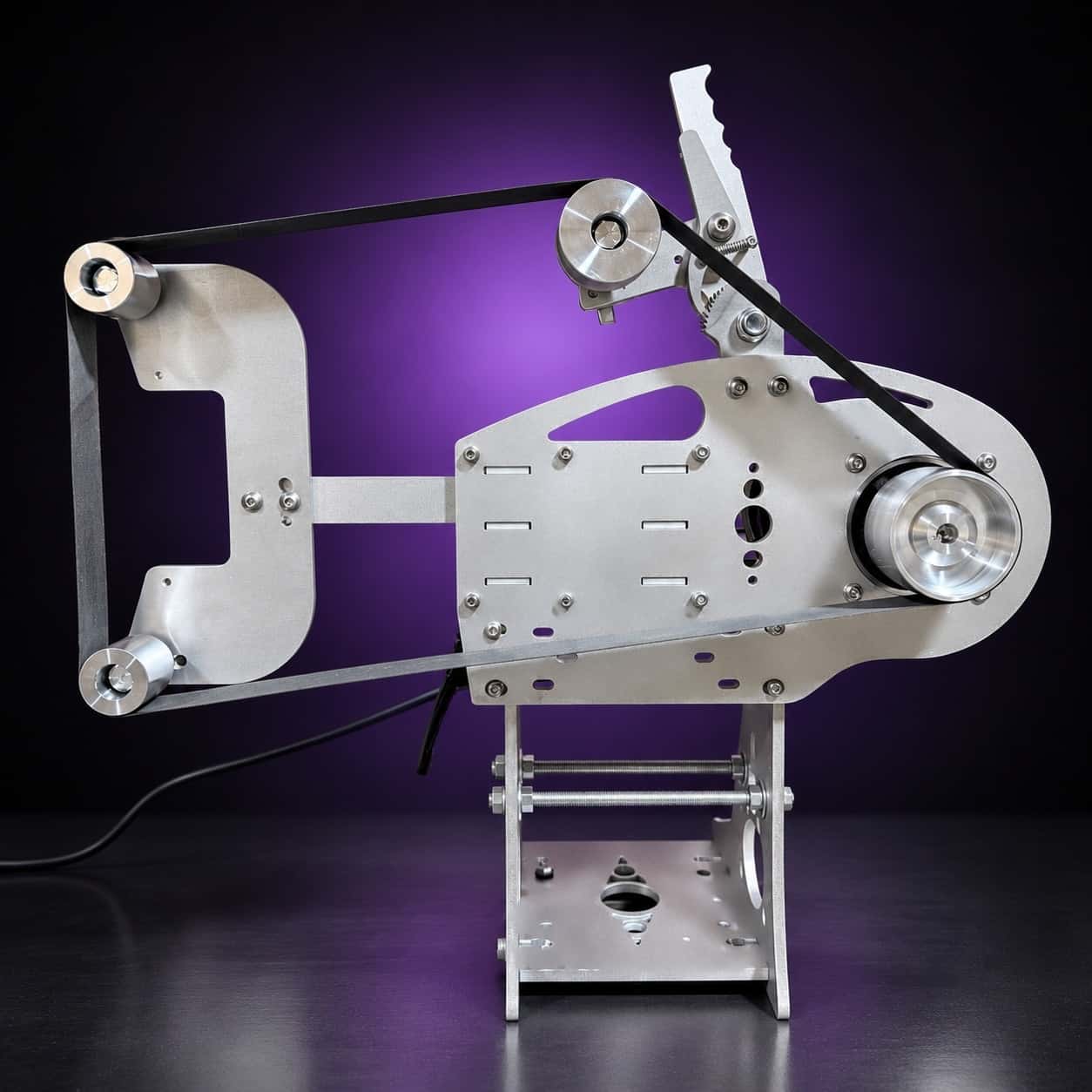
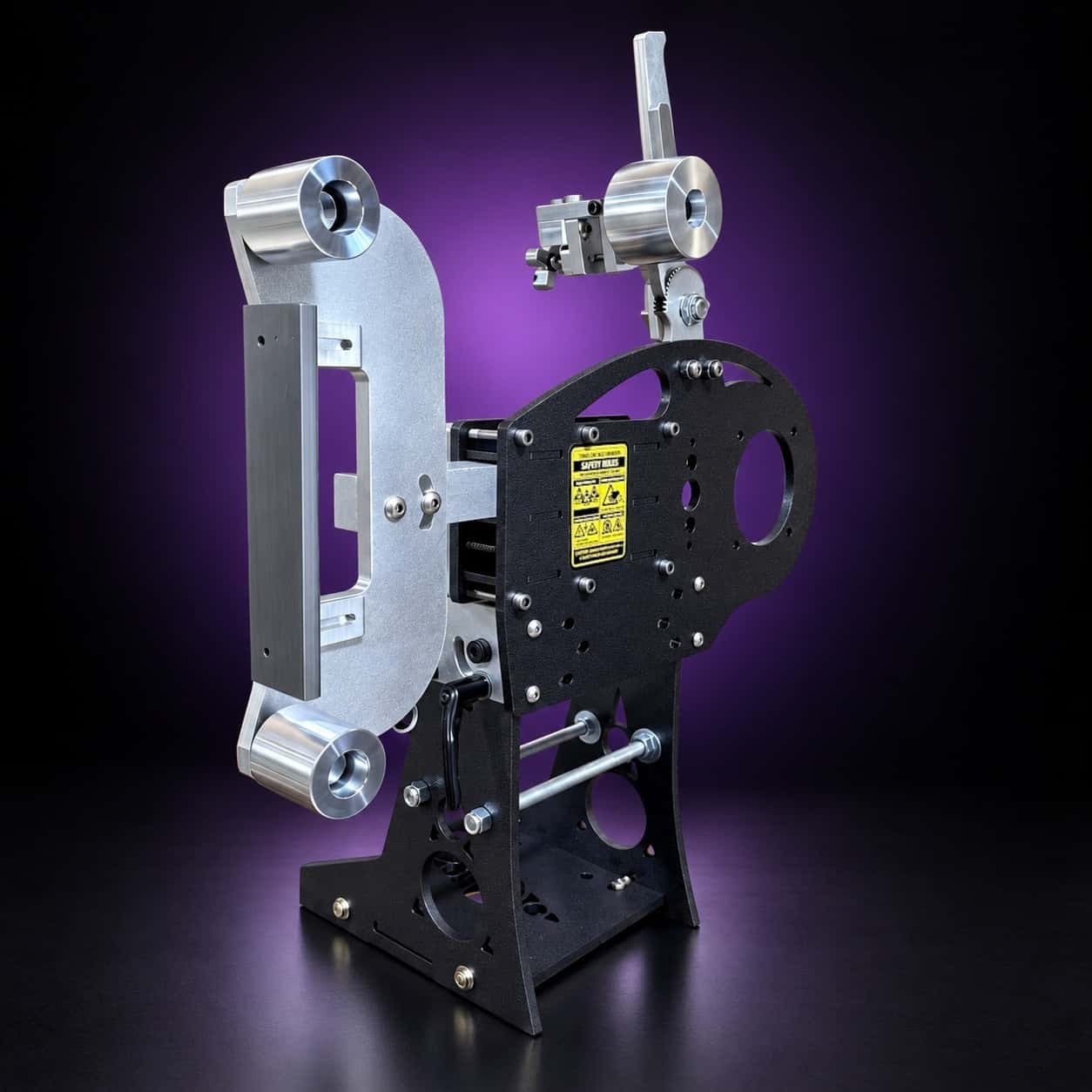
- Profiling: Start by using a coarse belt (60 grit or lower) to profile the blade. The characteristic curve of the Bowie’s clip point requires careful attention. The Torus grinder’s adjustable platen will help you create that sleek, downward curve near the tip.
- Beveling: After profiling, switch to a medium-grit belt (120-220 grit) to start beveling the edges. The Bowie knife has a relatively broad bevel that’s perfect for chopping tasks, so you’ll want to maintain a consistent, gradual angle as you work the blade.
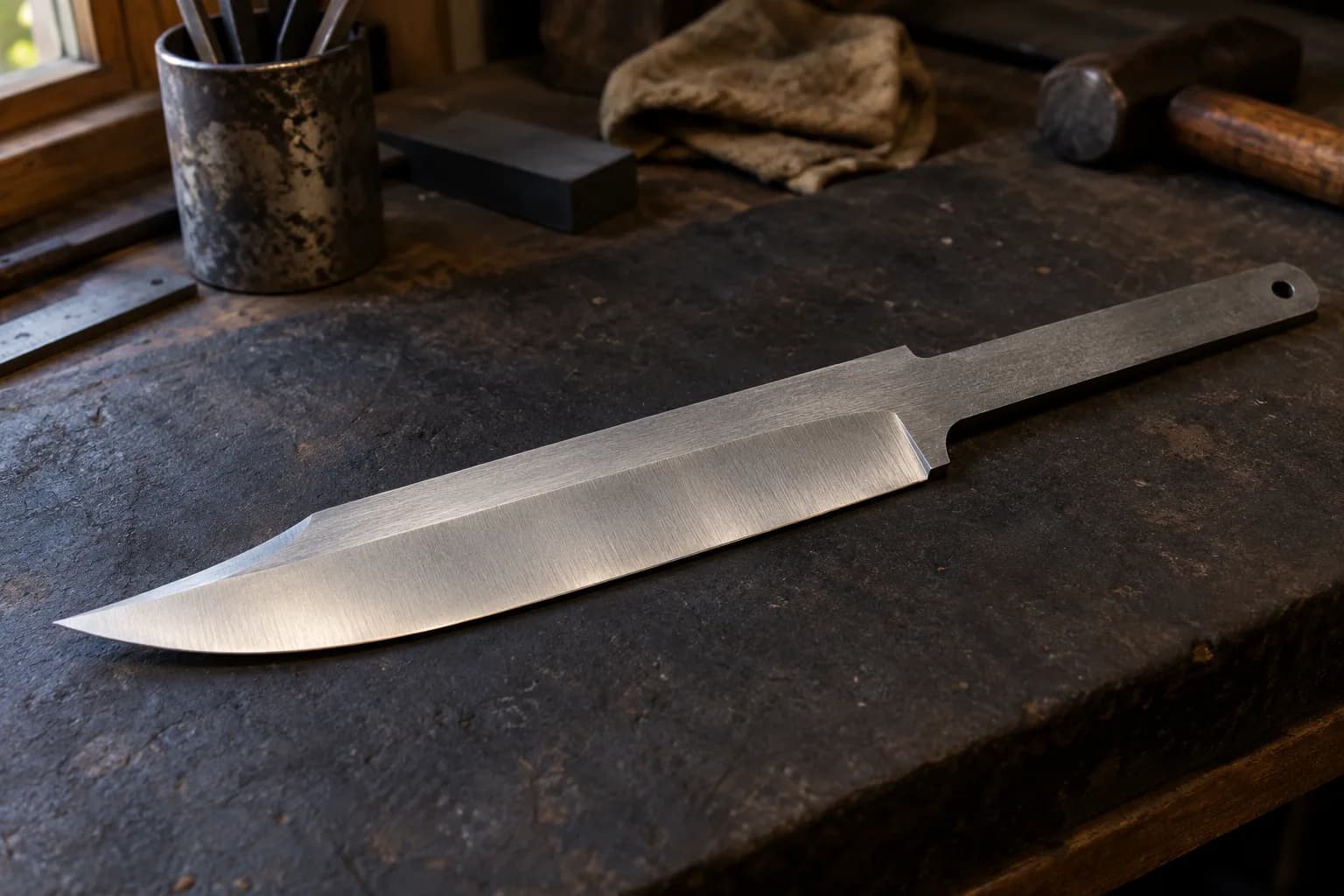
- Finishing: Finish the knife with a fine grit belt to smooth out the bevels and clean up any tool marks. Polish the blade to your desired level, using a polishing belt (600-1200 grit) to give it a mirror-like finish.
Tanto Blade Shape: The Power of Precision
The Tanto blade has a more modern, angular design, originating from Japanese katana swords. The defining feature of a Tanto blade is its sharply angled point, where the edge transitions abruptly at a very steep angle. This results in a blade that excels at piercing, with a flat grind or sometimes a secondary bevel at the tip to reinforce strength. The Tanto blade is typically less curved than a Bowie, often featuring a straight or slightly recurved edge.
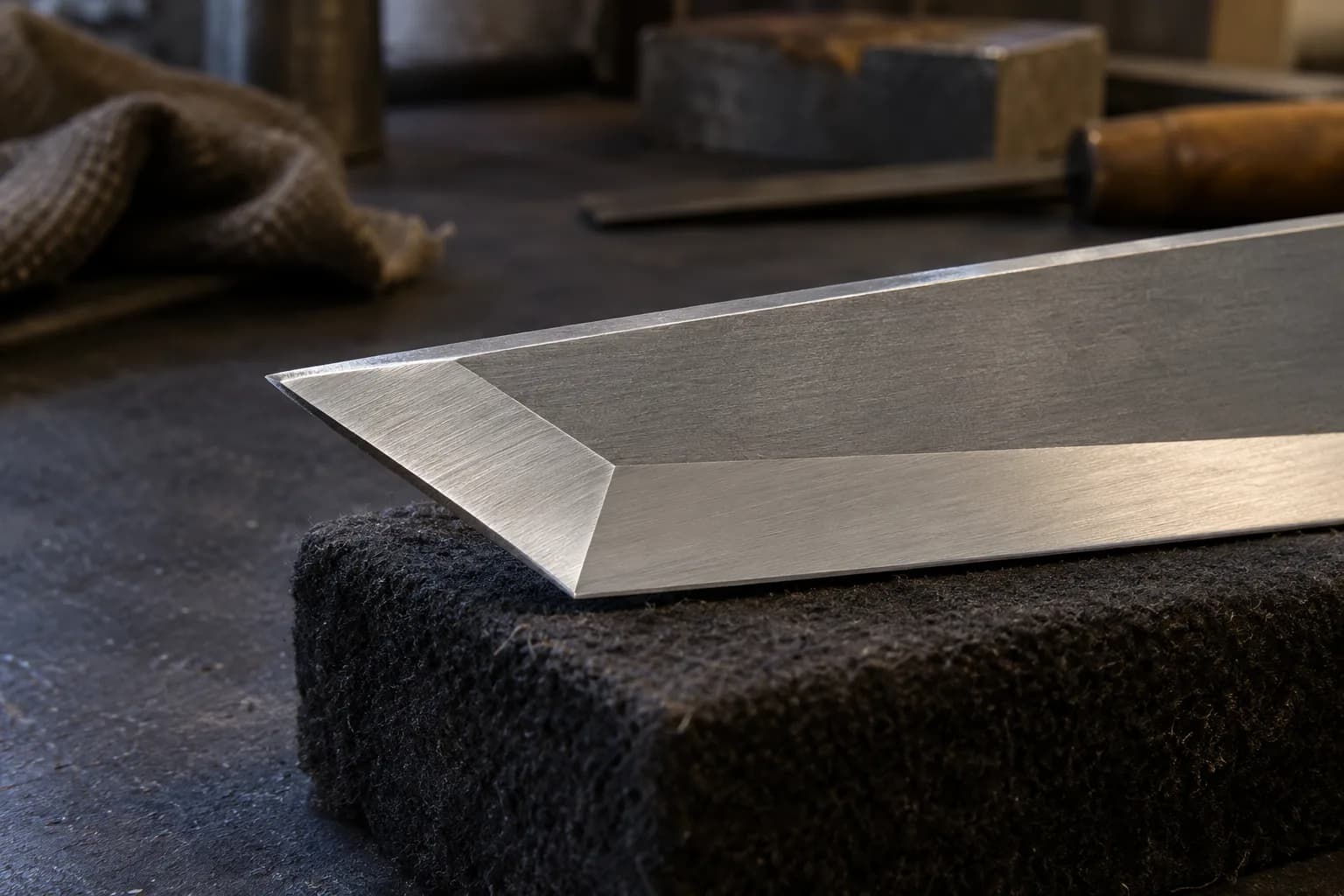
Why Choose a Tanto Blade?
- Strength and Durability: The sharp angle at the tip of a Tanto blade is perfect for piercing tough materials, making it ideal for tactical or survival situations. The reinforced tip is strong and less prone to breaking compared to traditional drop points or clip points.
- Precision and Control: The Tanto’s angular profile allows for precise cutting, especially in situations that require pinpoint accuracy. This makes it a favorite for those who need to cut through thick, tough materials, such as seatbelts or rope.
- Aesthetic and Tactical Appeal: The Tanto’s angular, aggressive look appeals to many tactical knife enthusiasts. The blade’s design often exudes a sense of power and precision, making it a popular choice for self-defense or military-style knives.
Grinder Technique: Crafting a Tanto Knife on a Torus 2×72
Creating a Tanto blade using the Torus 2×72 grinder is a bit different due to the sharp angles involved. Here’s how you’d go about it:
- Profiling: Start with a coarse belt to profile the blade. Unlike the smooth curve of the Bowie, the Tanto requires you to create the hard angle at the tip, which can be tricky. You’ll want to use the platen attachment and adjust the angle of the blade to achieve the sharp point.
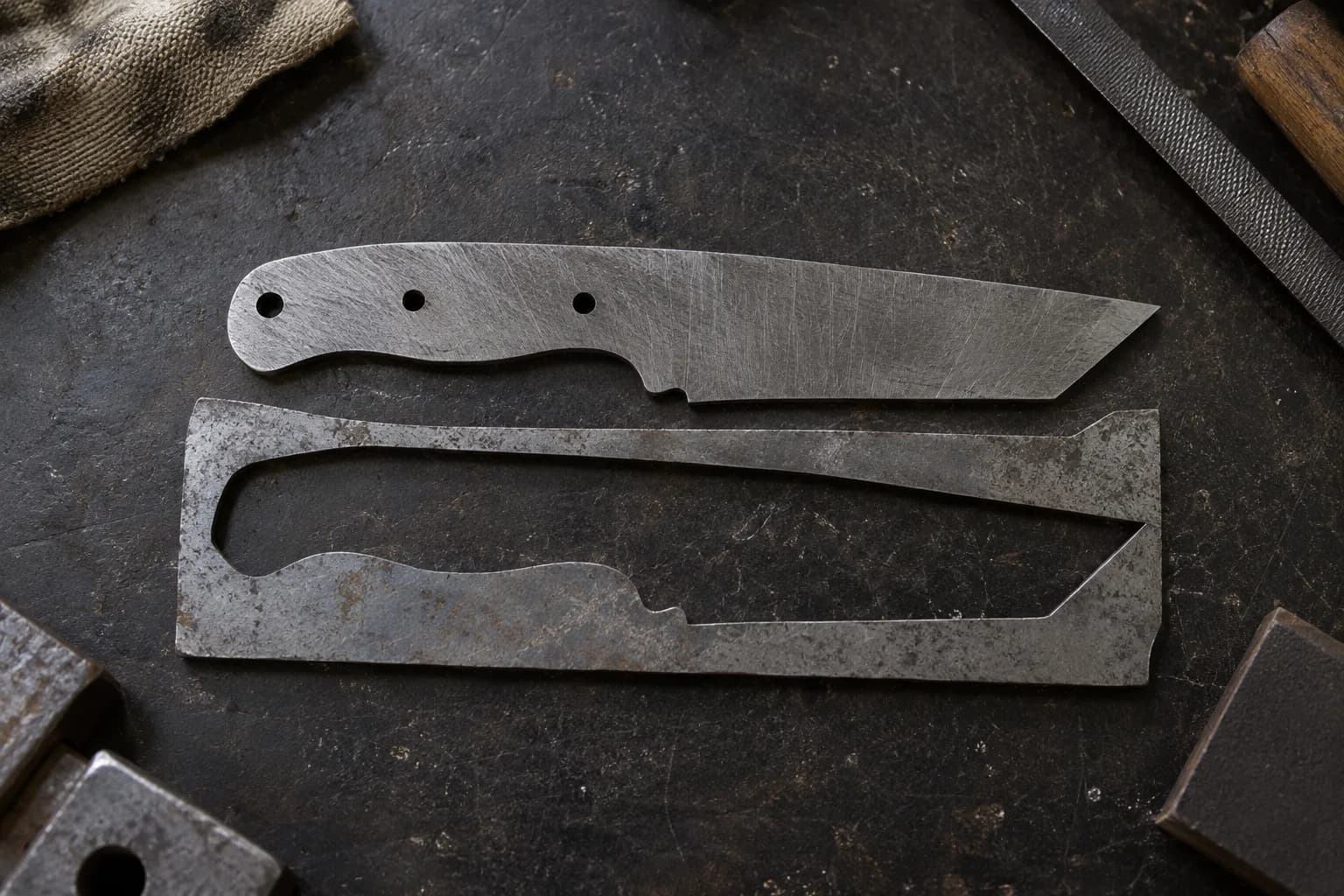
- Beveling: The Tanto blade typically features two bevels—a primary and secondary one—especially at the tip. Use a medium-grit belt (120-220 grit) to shape the primary bevel. For the secondary bevel, use a finer grit (220-400 grit) to sharpen the edge and ensure the tip is reinforced.
- Finishing: Like the Bowie, finish your Tanto knife with fine grit belts for polishing. The secondary bevel near the tip should be carefully smoothed out to ensure a consistent edge. Polishing the blade will help highlight the distinctive angular design of the Tanto.
Which One Should You Choose?
Bowie vs Tanto—the decision comes down to your needs and preferences.
- Choose a Bowie Blade if you want a knife that can handle a variety of tasks, from chopping and slicing to piercing. It’s the perfect option for outdoor adventurers, hunters, and those who appreciate a versatile, all-around blade. The Torus 2×72 grinder will help you achieve the smooth, flowing lines of the Bowie’s clip point with ease.
- Choose a Tanto Blade if your focus is on precision, durability, and piercing power. It’s ideal for tactical use or self-defense, and the sharp, angular design offers a distinct, powerful aesthetic. The Torus 2×72 grinder will help you create the crisp, defined edges of the Tanto’s reinforced tip with its fine control and ability to handle intricate grinding.
Both the Bowie and Tanto blade shapes have their place in knives, and choosing between them depends on the tasks you want your blade to perform. Whether you’re crafting a versatile all-rounder with a Torus 2×72 grinder or a piercing precision tool, both designs are worth mastering.
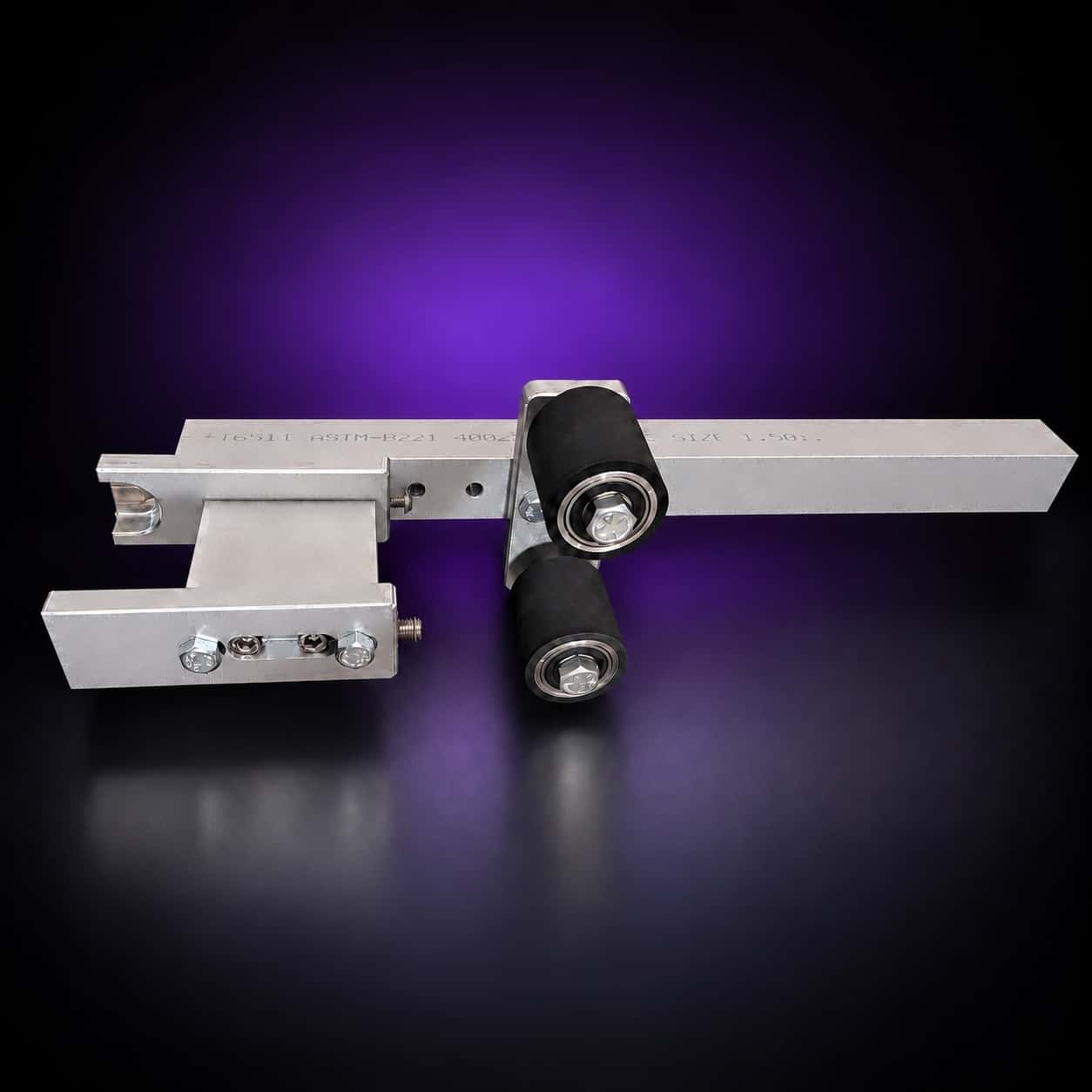
A tanto’s two flat planes need a platen that stays flat; a Bowie’s belly wants a slack belt or a contact wheel. The Nova 2×72 comes with a deep flat platen and accepts an 8 to 14-inch contact wheel on the same 1.5-inch arm. Build the one that fits the knives you make.