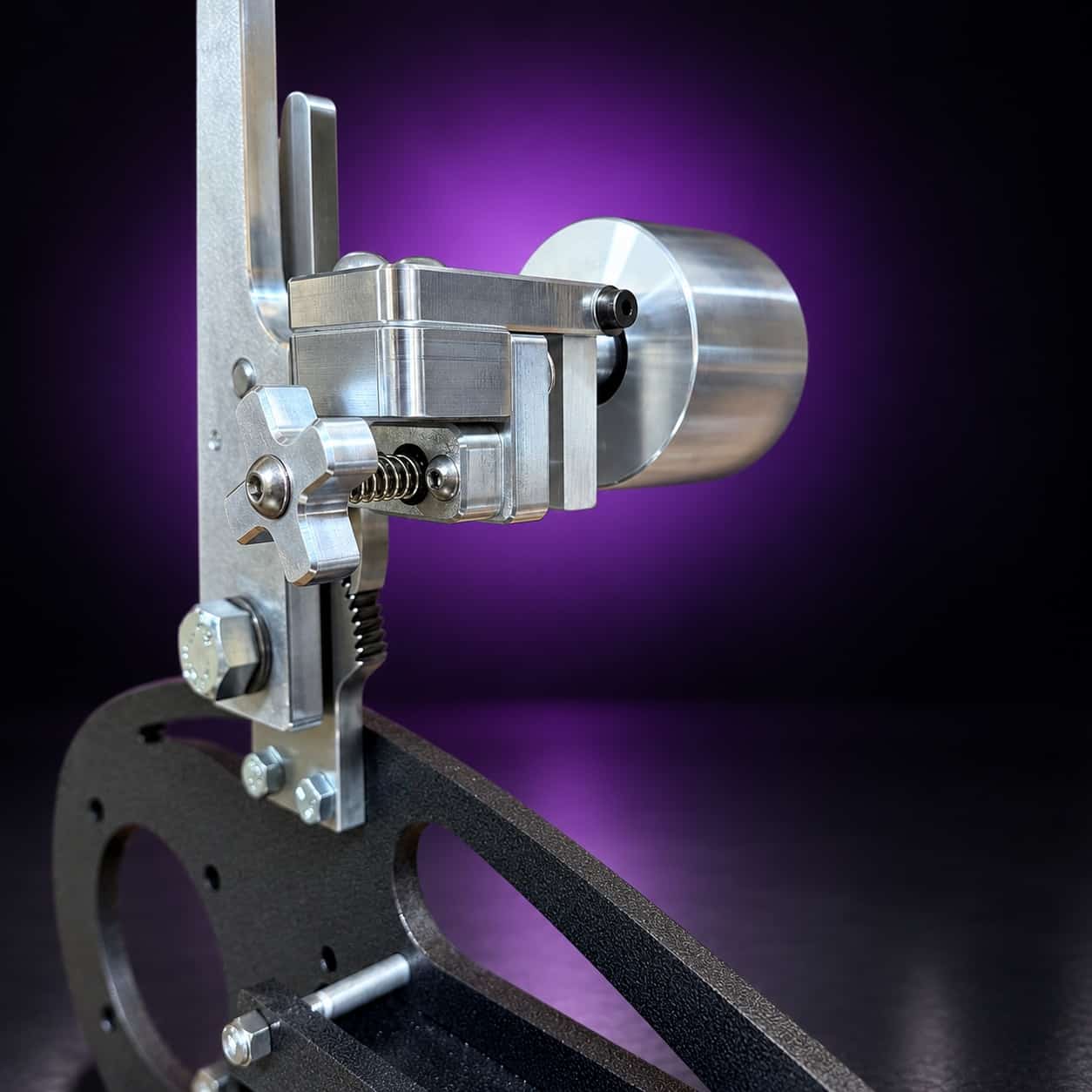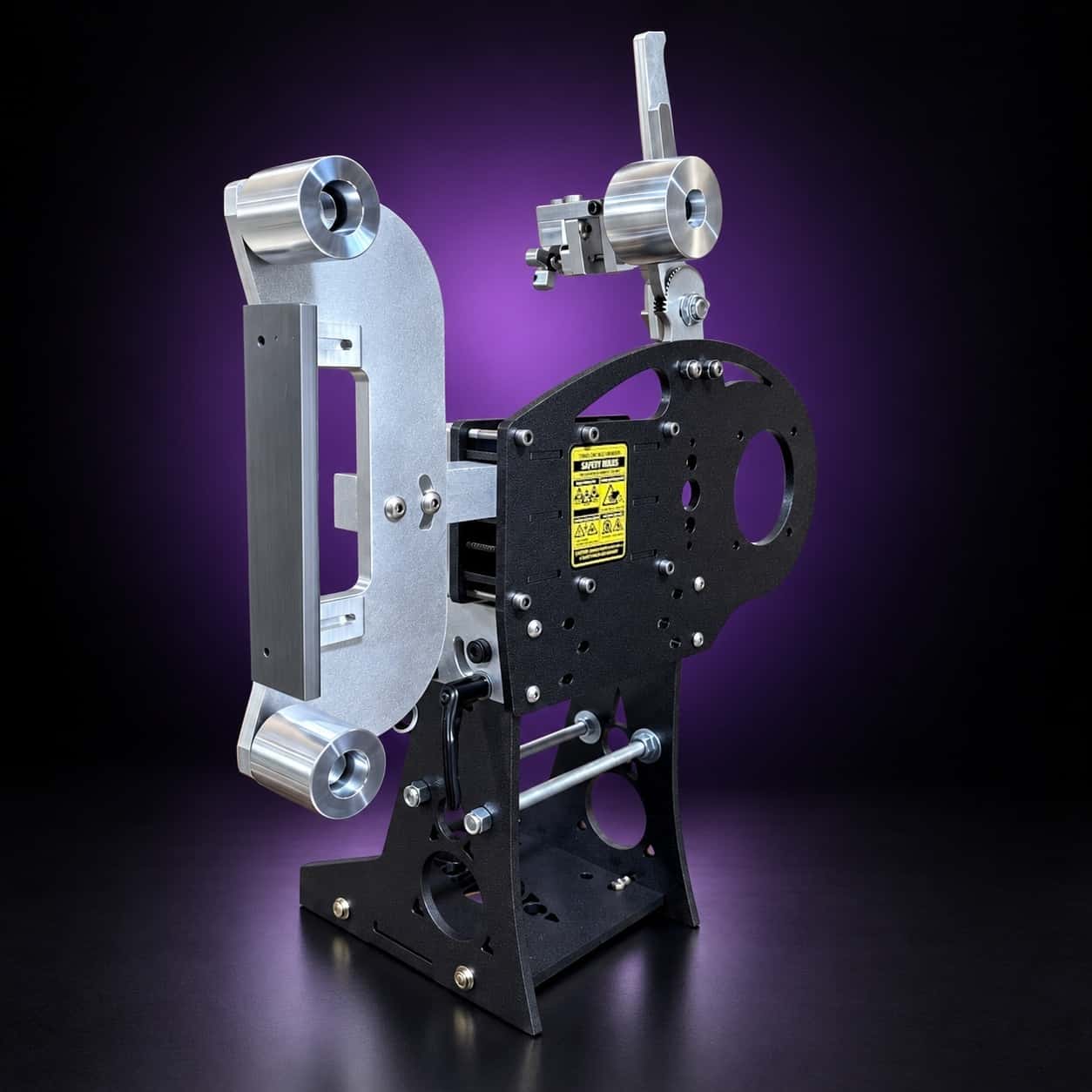

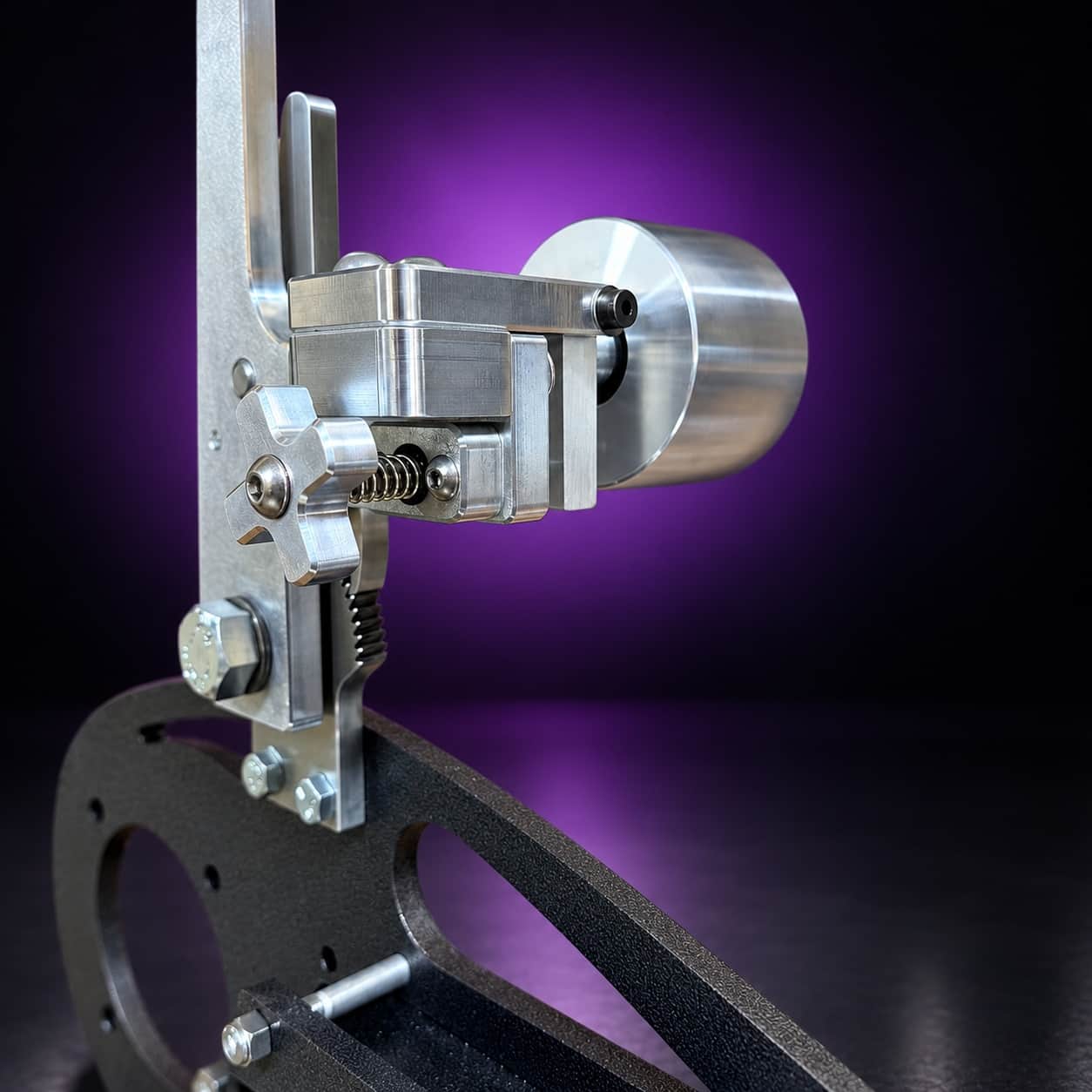
Nebula dual-axis tracking assembly: star knob, spring and idler wheel, close-up, on black with a purple glow

Troubleshooting

Motor Bogs Down or Stalls Under Grinding Pressure

Work back from what it is doing to what caused it, then to the fix that addresses the cause. Nothing here needs a sign-up.
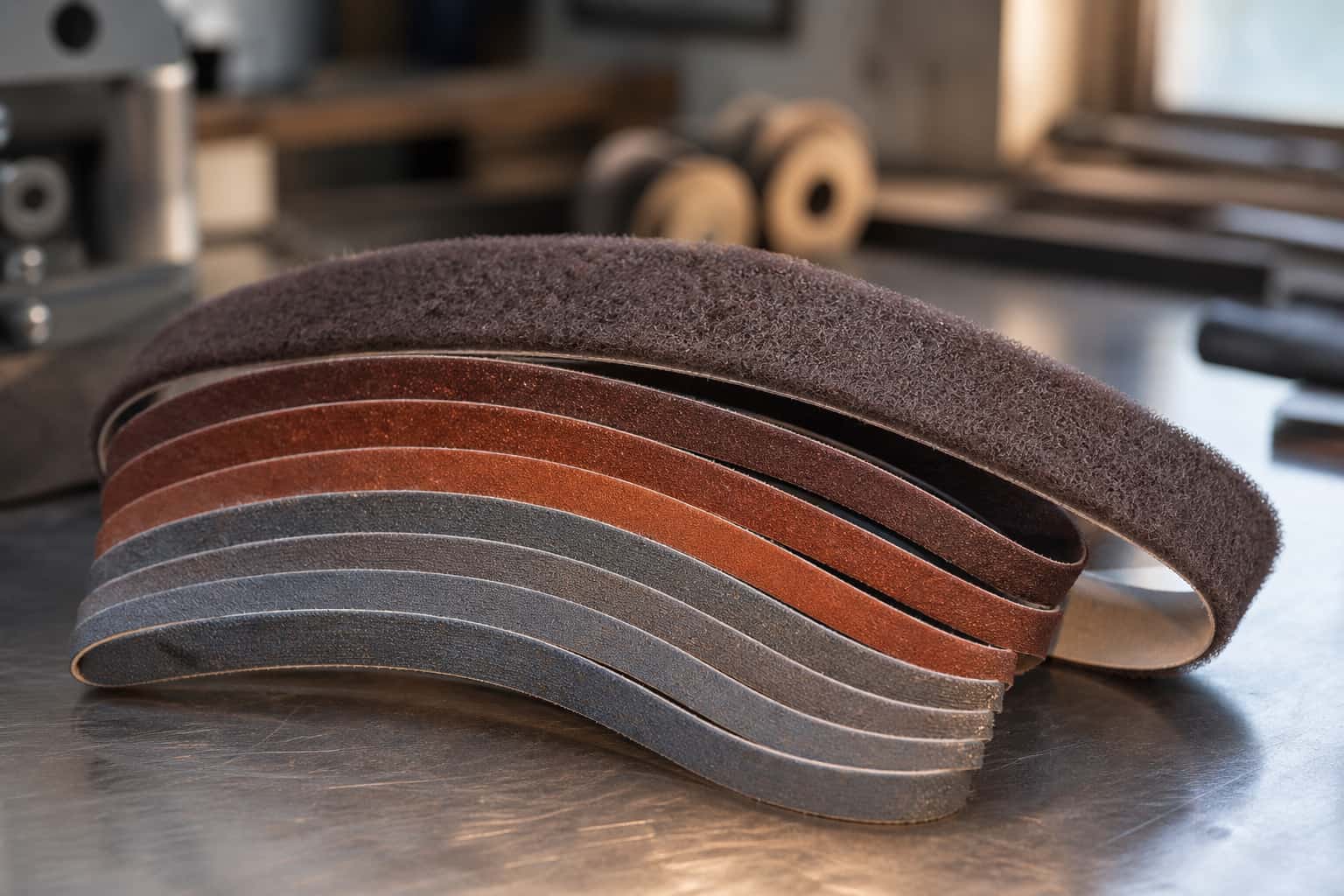
Abrasives and belt grinding in a working knife shop
If a symptom appears mid-job, put the work down and check it before continuing.

The flow

Work it in this order

Causes first, then the quick checks, the fix, prevention and the stop-work point.
  1. Likely causes

    • VFD frequency set too low for the wheel size, resulting in insufficient surface speed (SFPM) for effective cutting
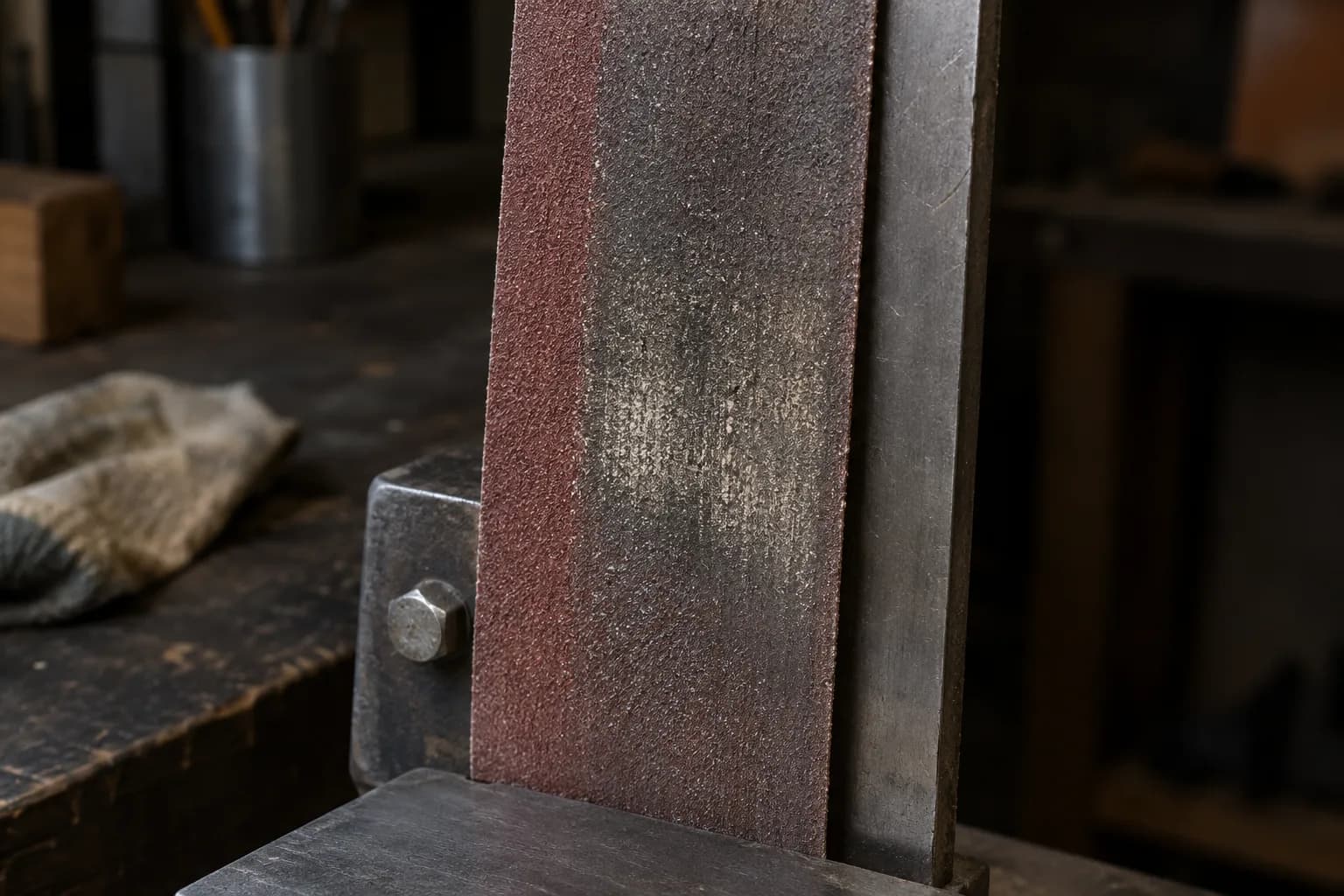
    • Belt is dull or loaded and requires excessive pressure to cut, overloading the motor
    • Motor is undersized for the wheel diameter and grinding load being appliedVFD acceleration or torque settings are not configured correctly for the motor and load
  2. Quick checks

    • Calculate your actual belt surface speed for your wheel size and VFD frequency using the Belt Speed Calculator, and compare it to the recommended range for the material and operation
    • Check whether the belt is dull, loaded, or glazed, requiring more pressure than a fresh belt would
    • Confirm the VFD frequency is not set unusually low for the wheel diameter in use
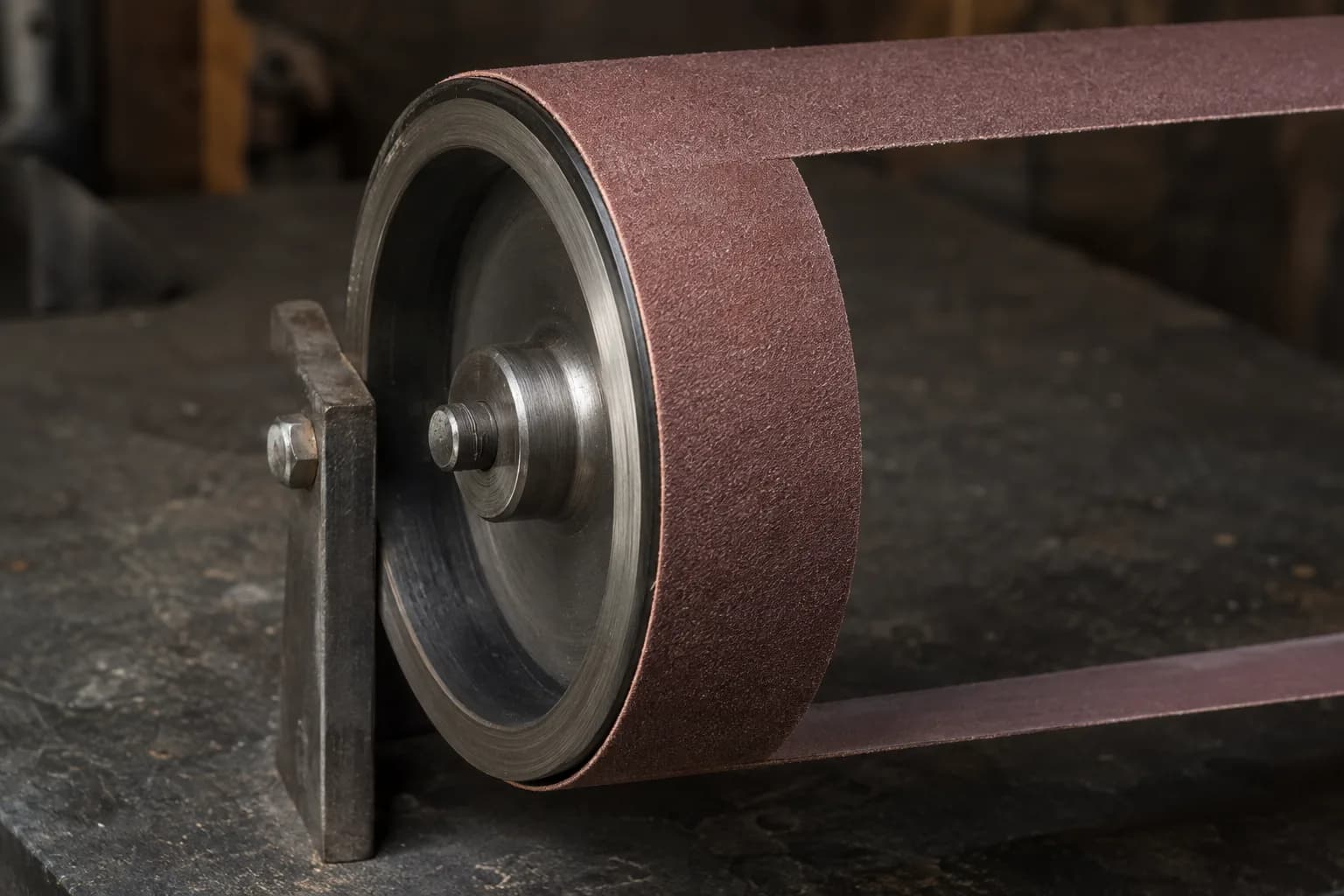
Dull, loaded abrasive belt on a flat steel platen, with a clean red grain strip along its left edge, grinder stopped
  1. Fixes

    • Increase VFD frequency to bring belt surface speed into an effective range for the wheel size being used
    • Replace or clean a dull, loaded belt rather than compensating with extra pressure
    • Reduce grinding pressure and let belt speed do more of the cutting work
    • Review VFD acceleration and torque settings against the motor's actual specifications
Fresh abrasive belt seated squarely on a plain steel wheel mounted to a small bracket on a dark bench
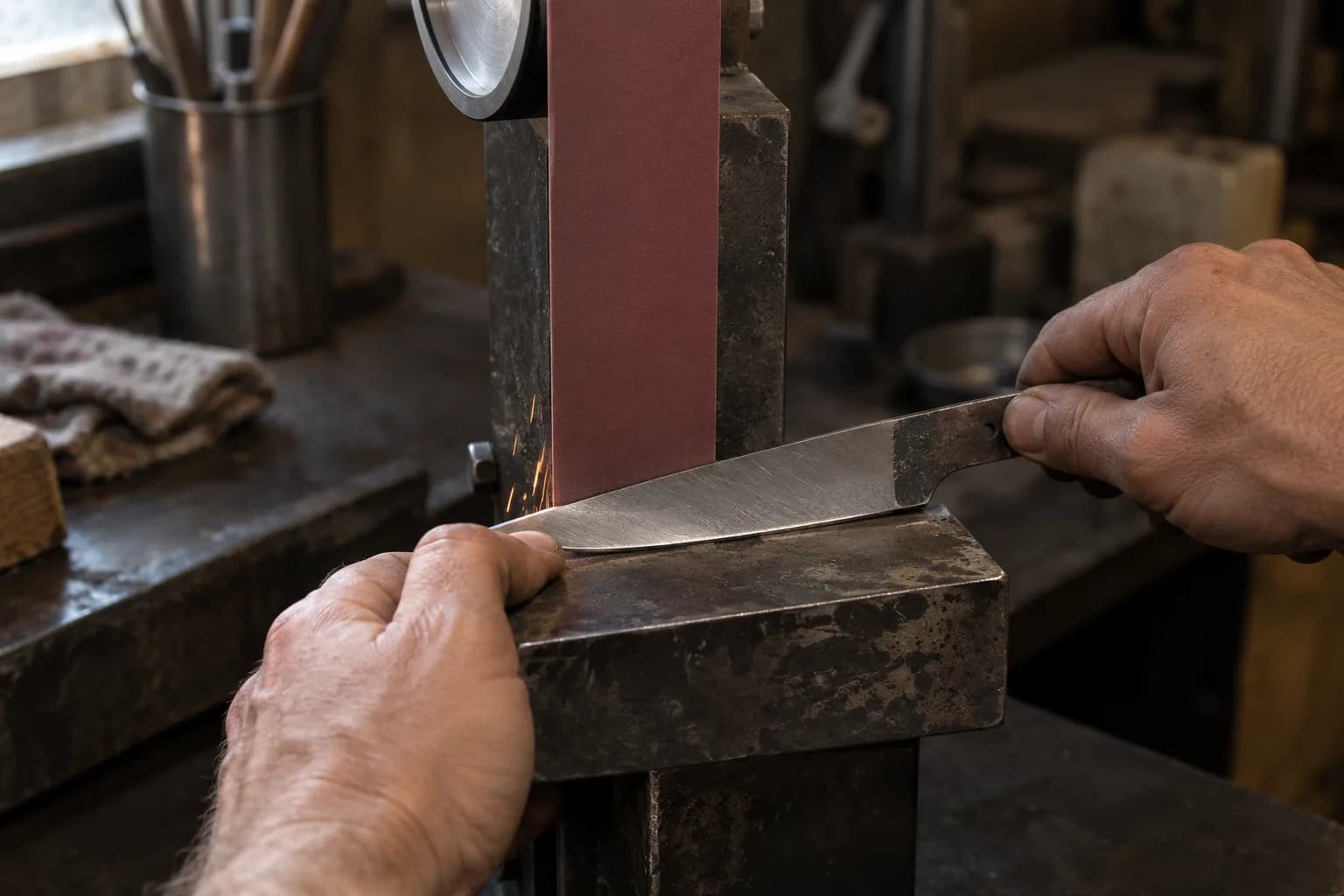
Bare hands hold a blunt knife blank on a steel work rest against a maroon belt, with a few small sparks at the contact.
  1. Prevention

    • Use a belt speed calculator when changing wheel sizes to keep surface speed in an effective range
    • Replace belts before they become significantly loaded or dull
    • Match motor and VFD sizing to the wheel diameters and grinding loads you actually plan to run
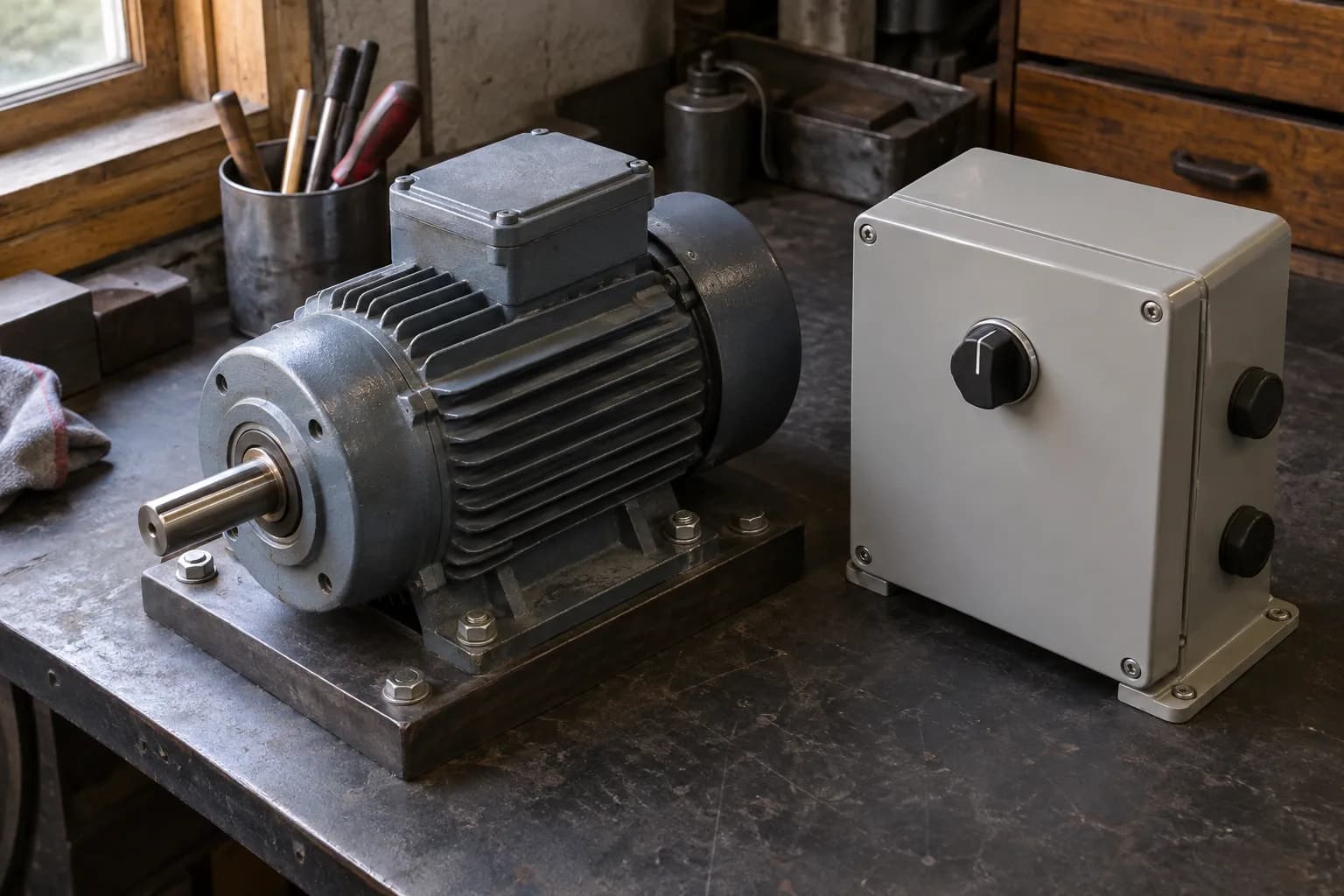
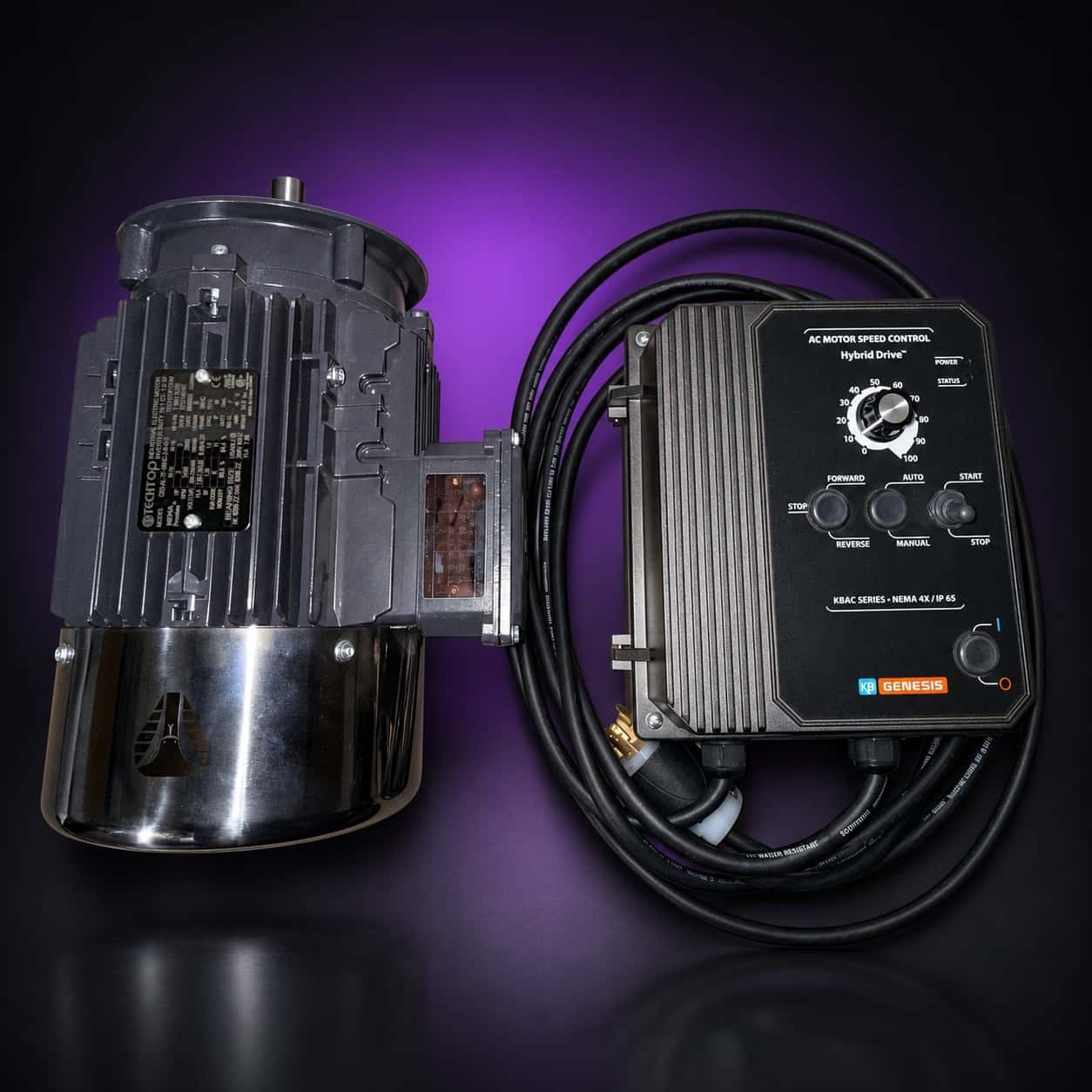
    • If you're building or upgrading your own motor setup rather than running a bundled combo, a well-regarded high-end pairing is a Tech
    • Top 2HP 1800 RPM motor with a KBAC-27D VFD, known for reliable torque control under load
Finned electric motor bolted to a steel base beside a closed gray control enclosure with a plain black knob
  1. When to stop

    If the motor stalls repeatedly even with a fresh belt and correct speed settings, stop and check the motor and VFD themselves rather than continuing to push through it; a genuinely undersized or failing motor will not be solved by technique alone.

Keep reading

Guides that cover the cause

The long-form version of the fix above, written from the same bench.

Same bench

When the machine is the cause

Flex, a soft platen or a tracking knob that will not hold can show up as a bad grind. I machine the parts, hand-assemble, track and test each Torus grinder in Sterling, Illinois.
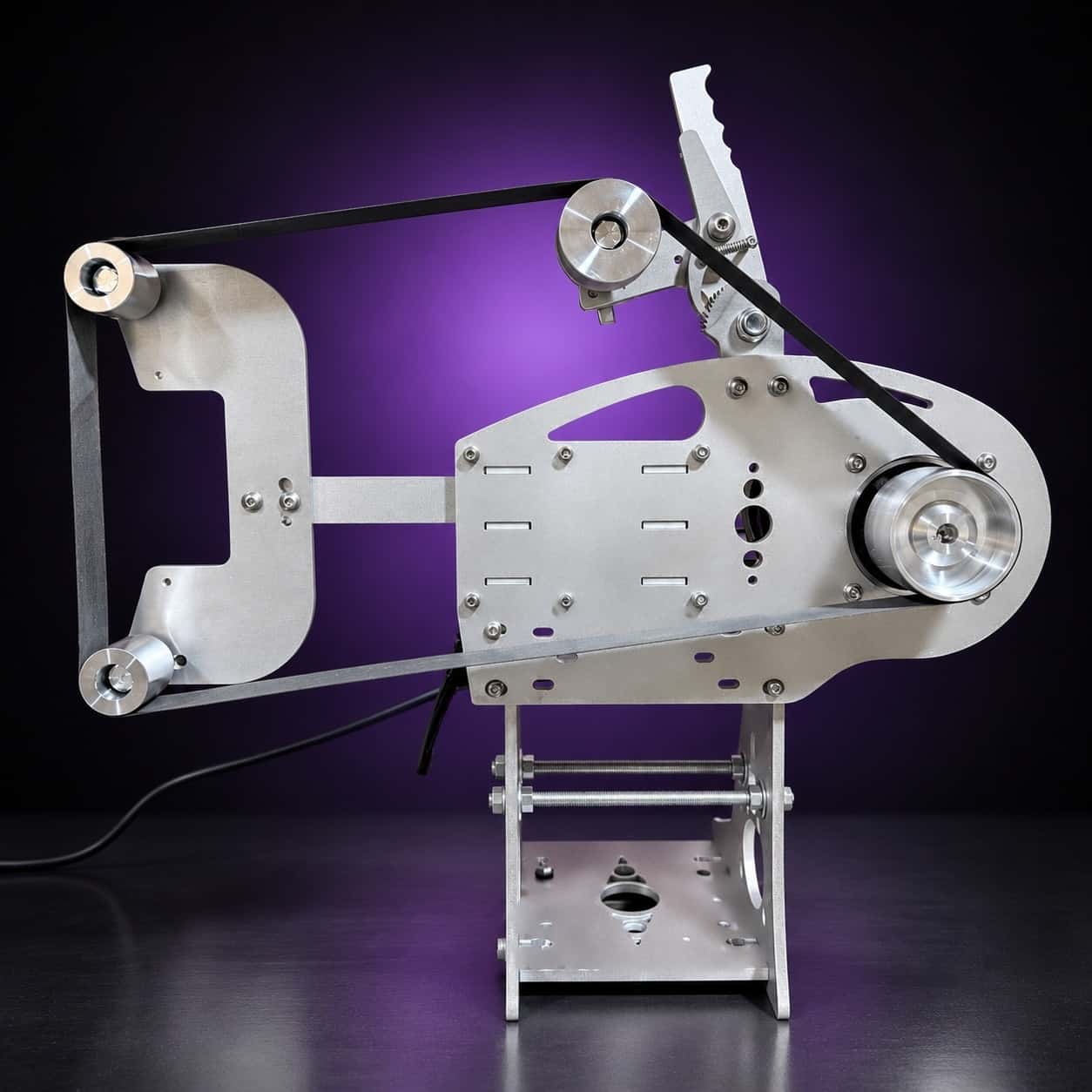
  • Nebula 2x72 grinder, front three-quarter view: aluminum arm, black plate, Safety Rules label, on black with a purple glow

    Nebula 2×72 Steel Belt Grinder

    Current dual-axis platform with a steel chassis, more mass and less vibration.
    Starts at$1,295View

One-man shop

Not sure which cause you have?

Send me a photo and describe what happened before it went wrong. Include the machine, belt and steel when they are relevant.