
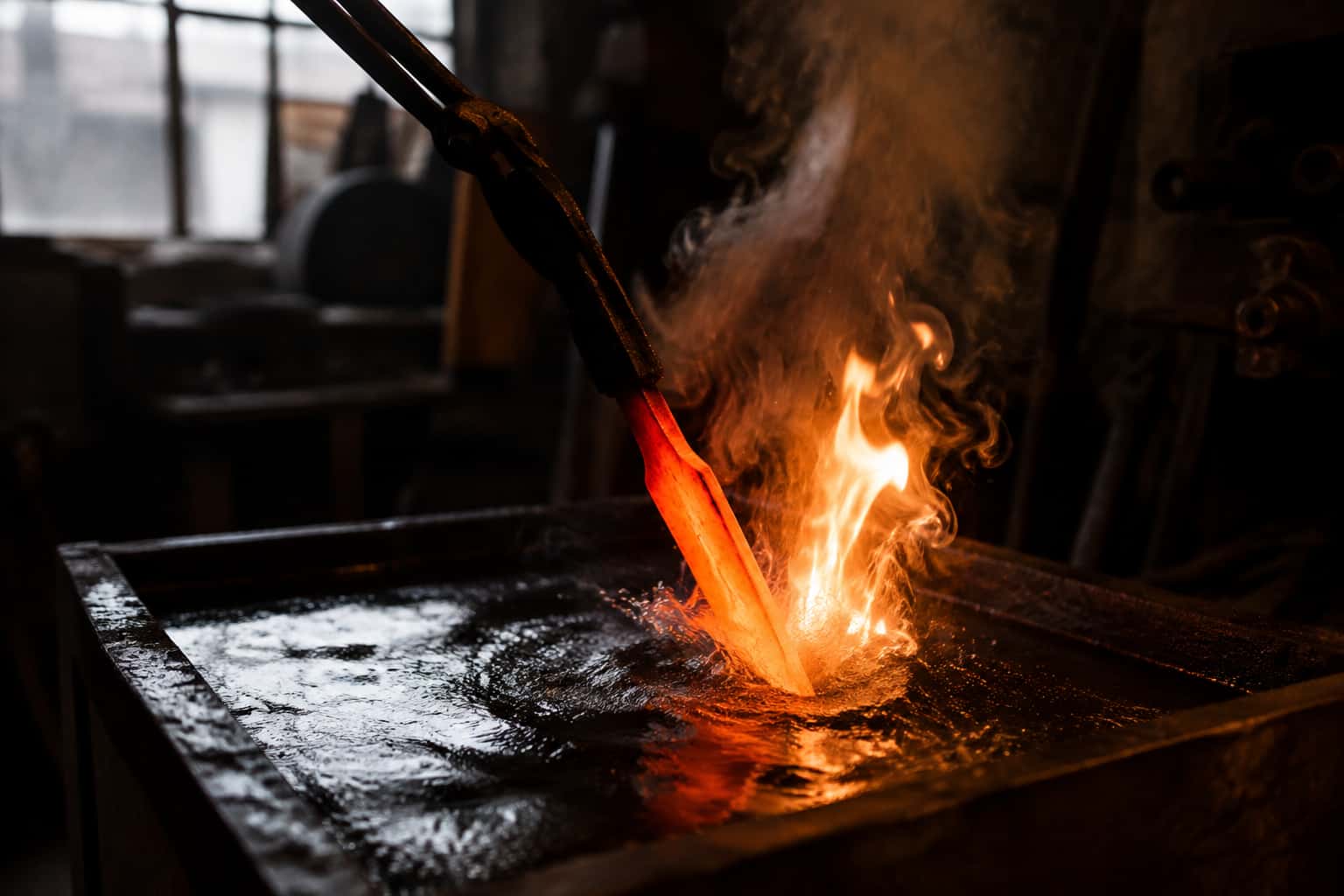
Heat Treat
Heat Treating Knife Steel: Complete Guide
Heat treating is what turns a piece of flat bar stock into a functional knife blade. Done correctly, it transforms the steel’s internal crystal structure…
Beginner Guides
A complete, honest buyer's guide to choosing a 2x72 belt grinder: what to look for, what to spend, and how to compare options. From Torus CNC's ForgeBrain.
5 min readWritten by Rich LinvilleFree to read
If you’ve spent any time in knifemaking forums or subreddits, you’ve seen the question a hundred times: “what belt grinder should I buy?” The honest answer is that it depends on your budget, how much assembly you want to deal with, and what you plan to grind. This guide walks through the actual decision, feature by feature, so you can make the call yourself instead of just taking someone else’s word for it.
A 2×72 belt grinder uses a 2-inch by 72-inch belt, and that specific size has become the de facto standard in knifemaking for a simple reason: the accessory ecosystem. Contact wheels, small wheel attachments, flat platens, work rests, and quench jigs are almost universally built around this belt size and, just as importantly, around a common tooling arm standard. Buy into 2×72, and you’re buying into a platform you can expand for years, not just a single machine.
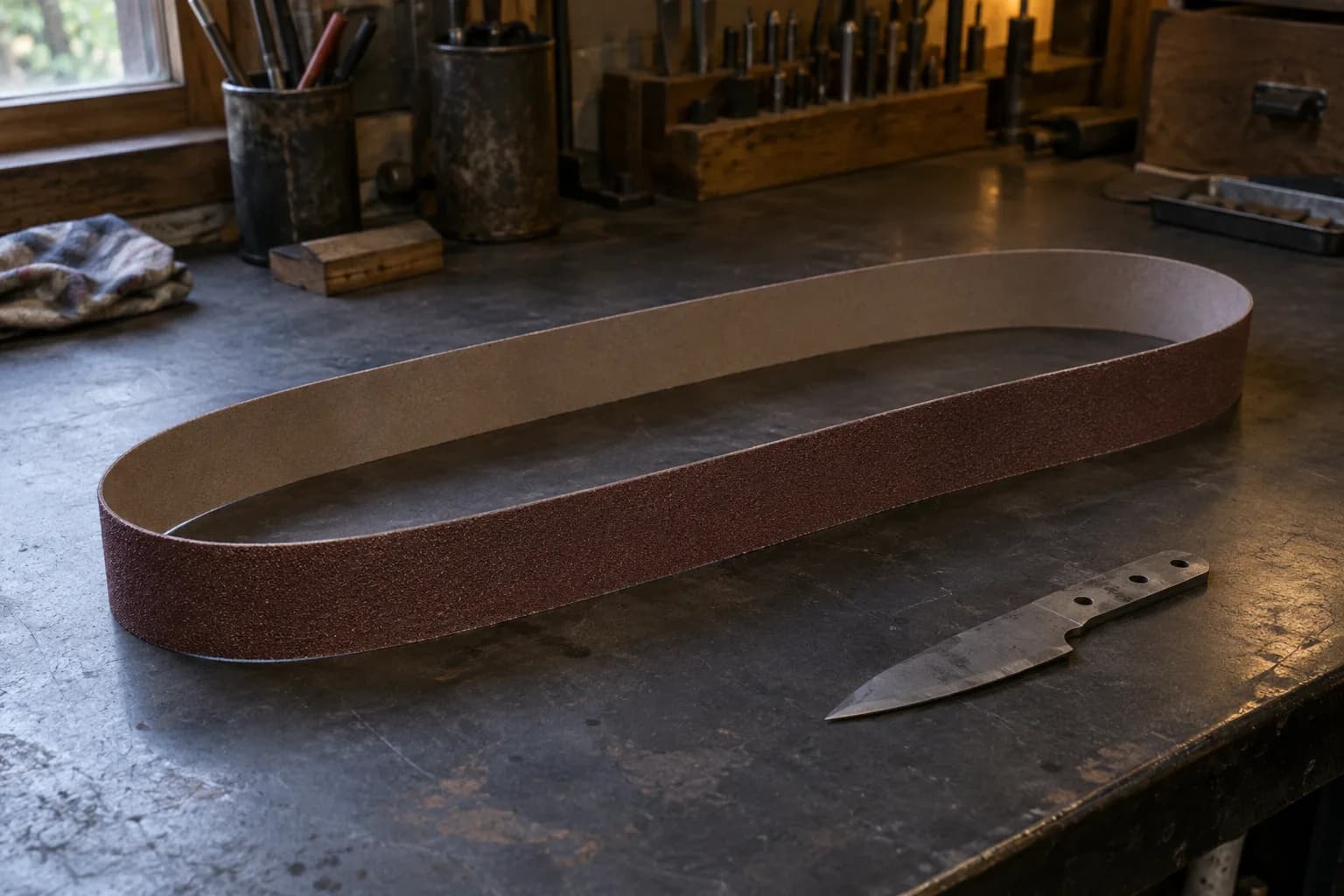
Smaller formats like 1×30 belt sanders or bench grinders with wheels are fine for light hobby work, but they run out of capability fast once you’re profiling, beveling, and finishing full-size knives regularly.
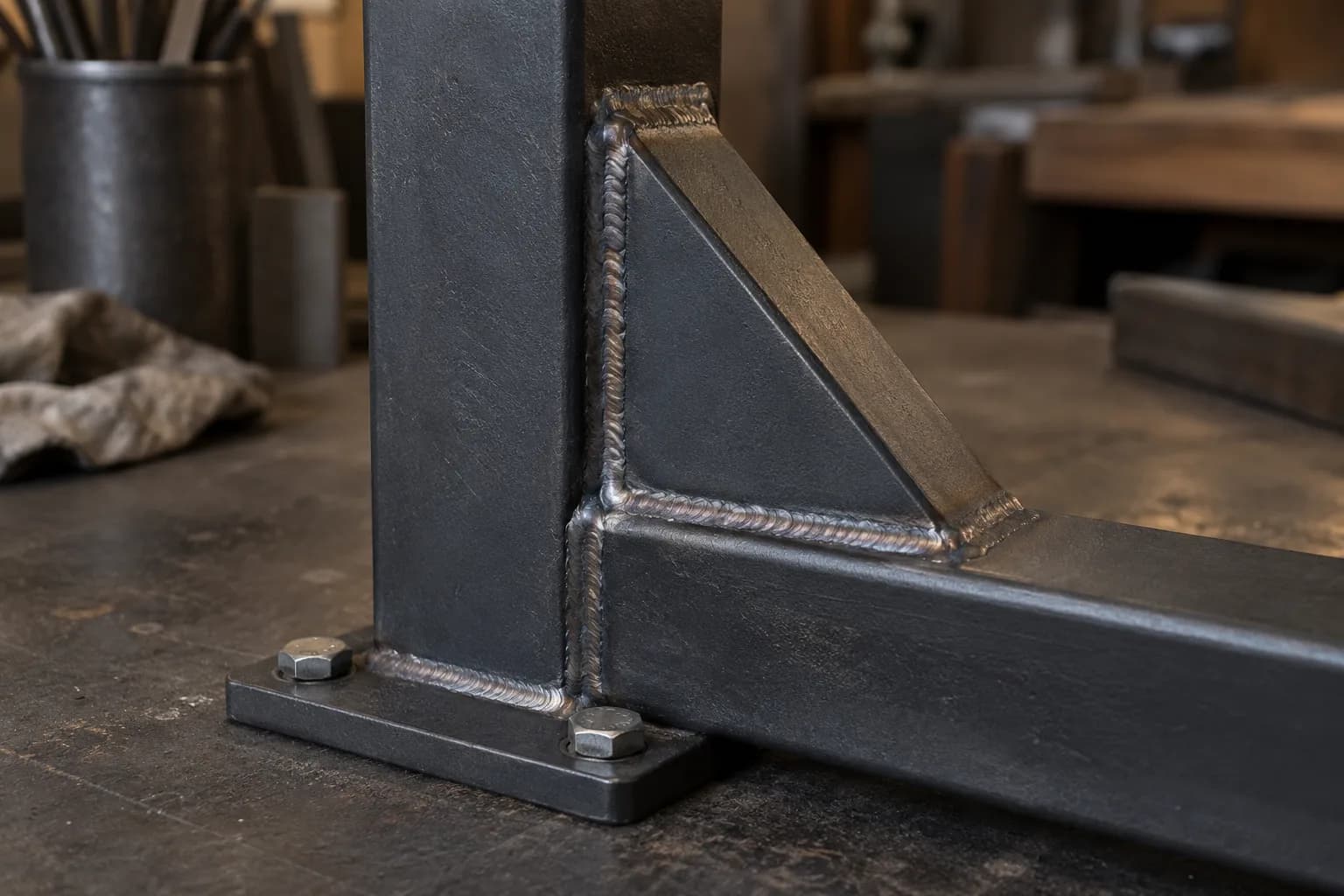
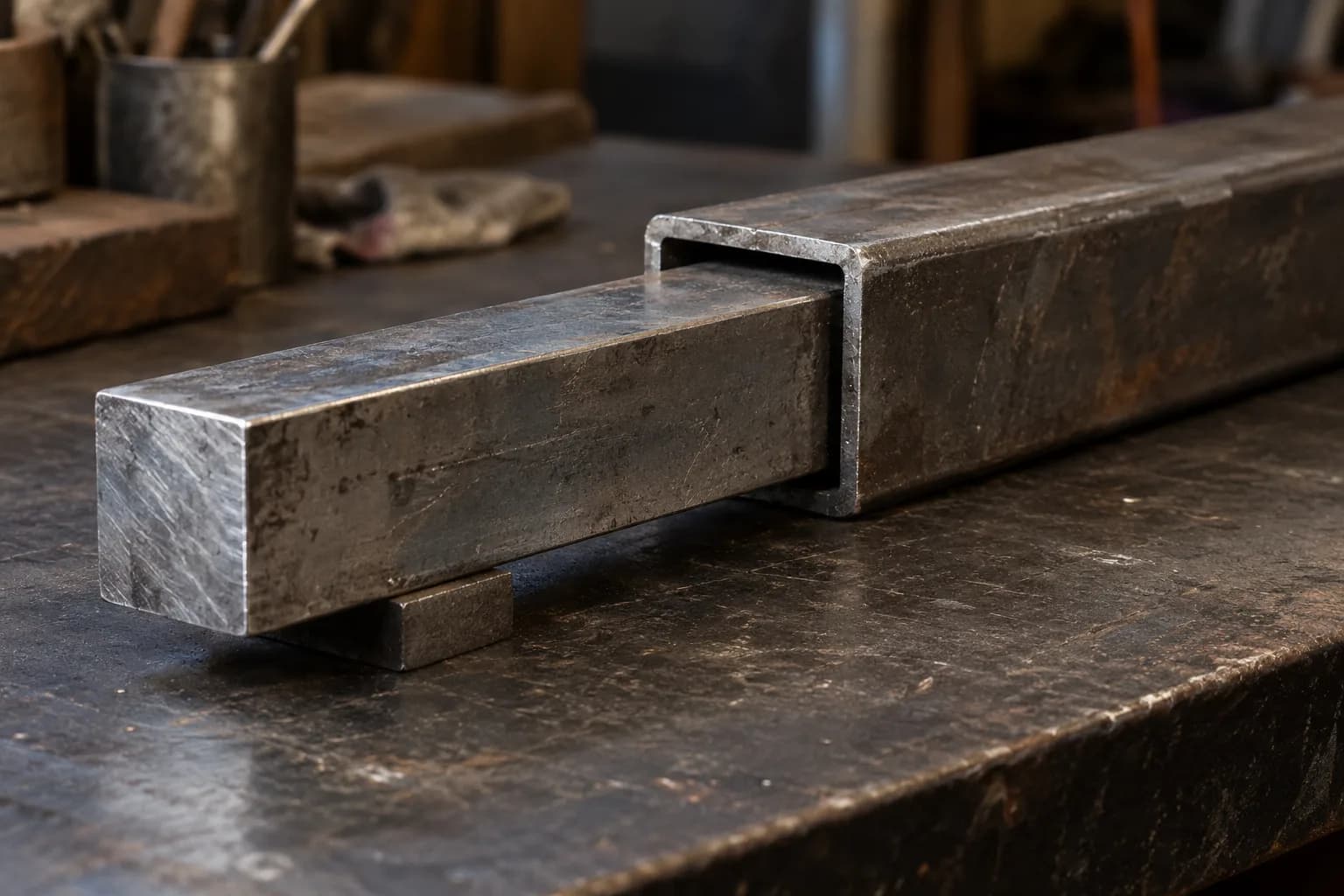
A grinder that flexes under pressure makes it harder to hold a consistent bevel and wastes your effort fighting the machine instead of the steel. Heavier steel frames offer maximum rigidity and resistance to vibration; aluminum frames (typically 6061 alloy) trade a bit of mass for being lighter and naturally corrosion-resistant, while still holding up well when properly braced.
A 90-degree tilting head lets you switch between vertical grinding (typical for bevel work) and horizontal grinding (useful for flat work, finishing, and comfort during long sessions) without moving the whole machine. This is close to a must-have feature on any grinder you plan to use seriously.
Spring-based tensioners are common on budget machines but lose consistency over time as the spring fatigues. A ratchet-style stainless tensioner holds consistent pressure indefinitely and makes belt changes faster, worth prioritizing if you’ll be swapping belts often (and with steels like the ones in our Knife Steel Database, you will be).
Most 2×72 grinders and accessories are built around a 1.5-inch square tooling arm. Confirming a grinder uses this standard before buying means any small wheel attachment, contact wheel, or work rest you add later, from the manufacturer or elsewhere, will actually fit.
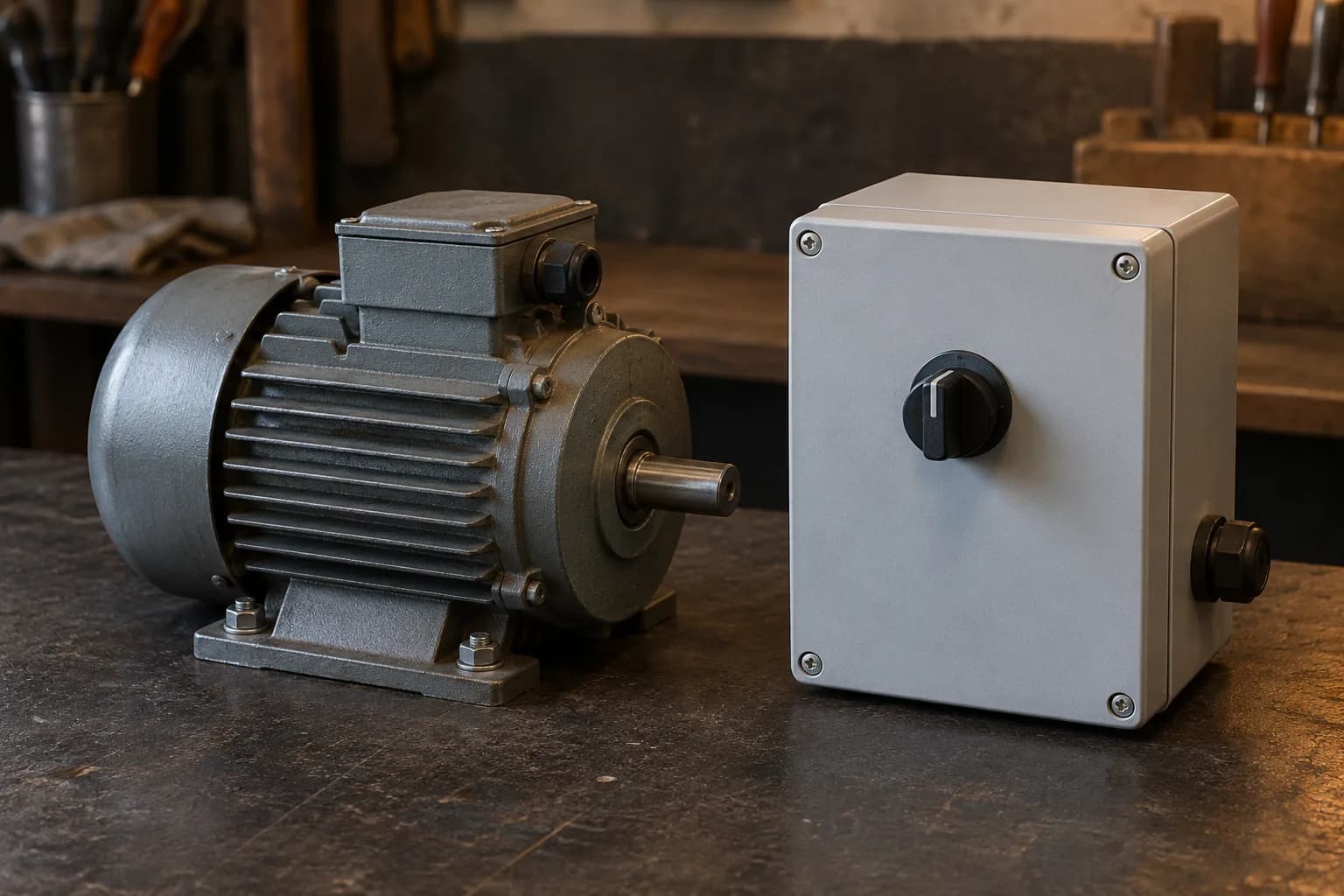
A single-speed motor locks you into one belt speed, period. A variable-frequency drive (VFD) paired with the motor lets you dial in belt speed for the operation and the steel, slower for control and delicate work, faster for aggressive stock removal. Once you have a VFD-equipped grinder, our Belt Speed Calculator will tell you exactly what frequency to run for a given wheel size and target surface speed. 1.5 HP is a reasonable minimum for single-phase home shop use; 2 HP gives more headroom for harder steels and heavier stock removal.
Budget expectations for a 2×72 setup break down roughly into three tiers:
Remember to budget separately for the motor and VFD if they aren’t included, expect another $800-1,150 depending on horsepower and motor quality, plus whatever attachments (small wheel, contact wheel, work rest) you plan to add.
Some grinders ship as a kit requiring you to weld or bolt the frame together yourself; others arrive fully assembled and shop-tested. A kit can save money if you have the tools and patience, but a fully assembled machine means no guesswork about alignment or tolerances, you’re grinding the same day it arrives.
Torus CNC builds three grinder platforms, all fully assembled and shop-tested before shipping, all built around the industry-standard 1.5-inch tooling arm for compatibility with Torus accessories and most major 2×72 attachments:
All three include a true stainless ratchet tensioner as standard, not a gas strut or spring that wears out or loses precision over time, and the Nova and Nebula add a precision dual-axis tracking system on top of that. See our full cost breakdown with motor and VFD included for exact all-in pricing at each tier, and how it compares to premium names like the TW-90 and Brodbeck.
Both include a deep flat platen, 4-inch drive wheel, true 90-degree tilt, and a stainless ratchet tensioner, and both offer bundled motor and VFD packages at checkout (1.5 HP or 2 HP) if you’d rather not source a motor separately. They’re built and shipped from the USA. If budget is the deciding factor, Torus also sells prior-generation steel and aluminum chassis at a lower price point for makers who want the same core platform without every current feature.
A VFD is strongly recommended. Different steels and operations call for different belt speeds, and without variable speed control you’re stuck compromising on every job. It’s one of the highest-value upgrades you can make to a grinder setup.
Both work well when properly braced. Steel gives maximum rigidity and mass; aluminum is lighter and naturally corrosion-resistant. Neither is objectively better, it comes down to whether you value a lighter machine or a heavier, maximally rigid one.
A fully assembled mid-range machine (roughly $1,200-1,800 including motor and VFD) is a reasonable target for someone serious about the hobby. It’s enough machine to grow into rather than outgrow within a year, without paying for production-grade capacity you don’t need yet.
For anything beyond occasional light hobby work, yes. The belt size and the accessory ecosystem built around 2×72 machines give you far more capability, and resale value tends to hold up better on a recognized standard format.
Keep reading
Three more from the same bench.
Heat treating is what turns a piece of flat bar stock into a functional knife blade. Done correctly, it transforms the steel’s internal crystal structure…
Most beginner knifemaking problems trace back to a handful of repeat mistakes, not bad luck or bad steel. Here are the ones that trip up new makers most…
Full disclosure, before anything else: this is Torus CNC’s site — we build three of the grinders compared below. Here’s how we’ve kept this honest: every…
Same bench
I machine the parts, hand-assemble, track and test Torus grinders in Sterling, Illinois. Most orders ship in seven to ten business days from time of order.
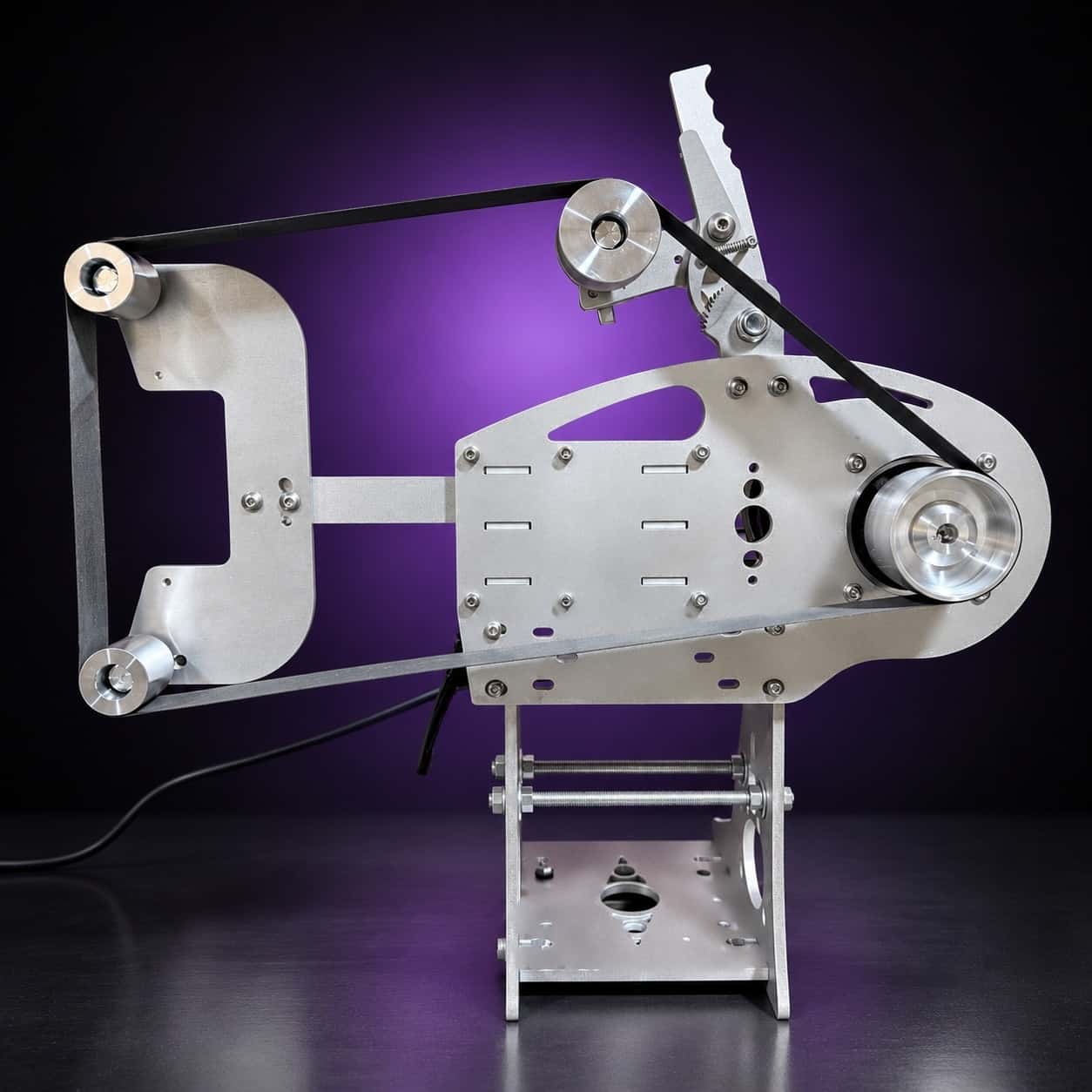
Current dual-axis platform with a fiber-laser-cut 6061 chassis and single-knob tracking.
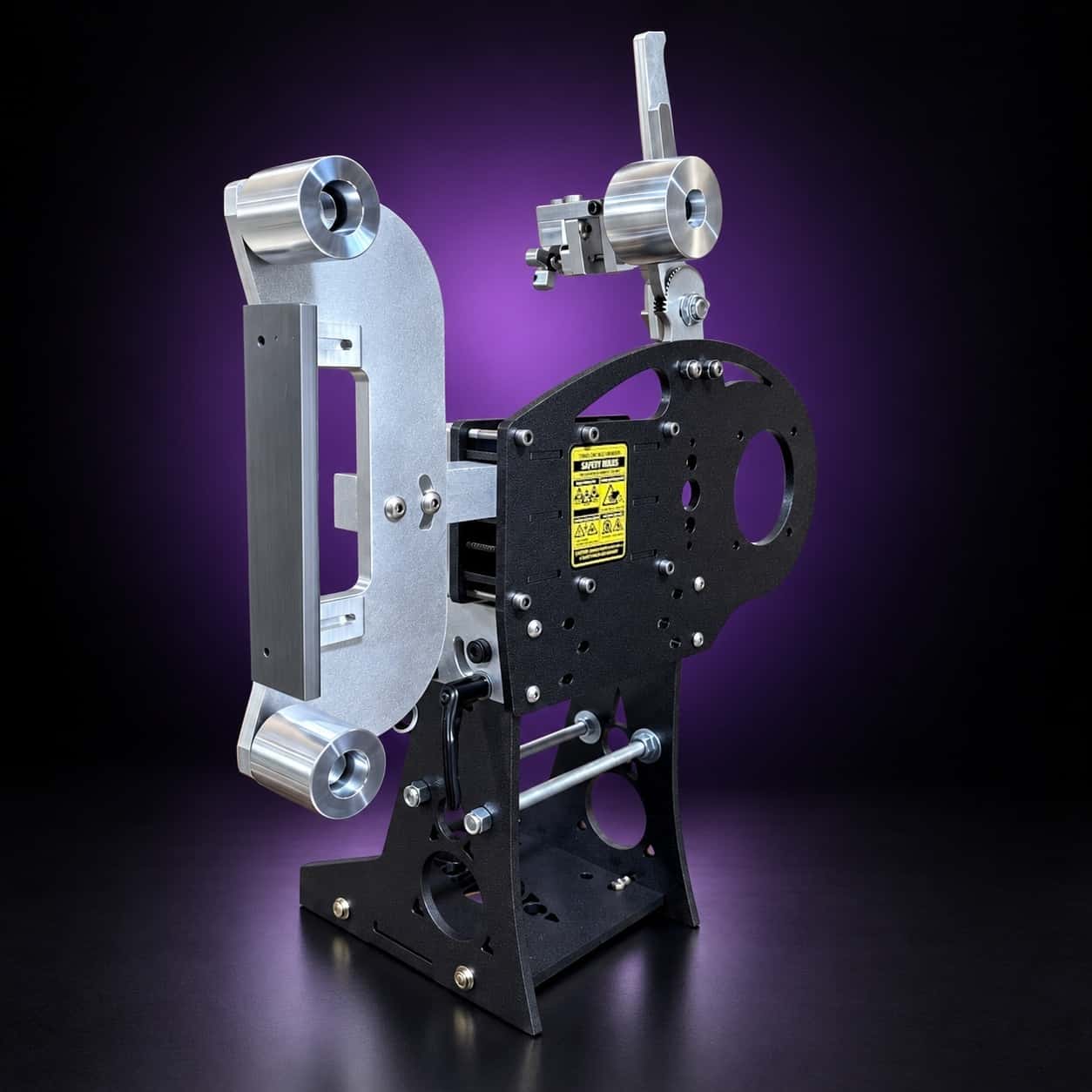
Current dual-axis platform with a steel chassis, more mass and less vibration.
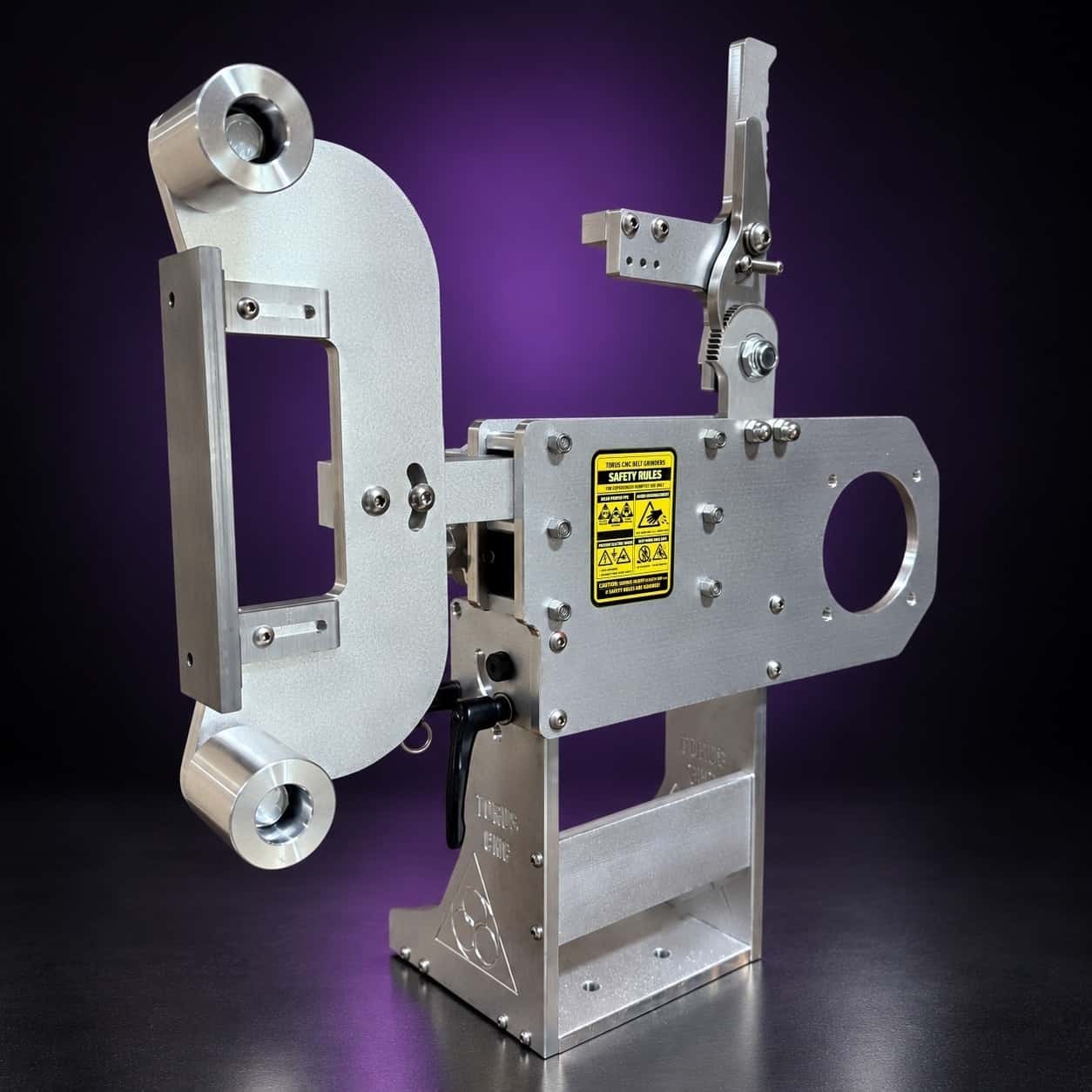
Prior-design aluminum chassis, 90-degree tilt and 1.5-inch tooling arms.
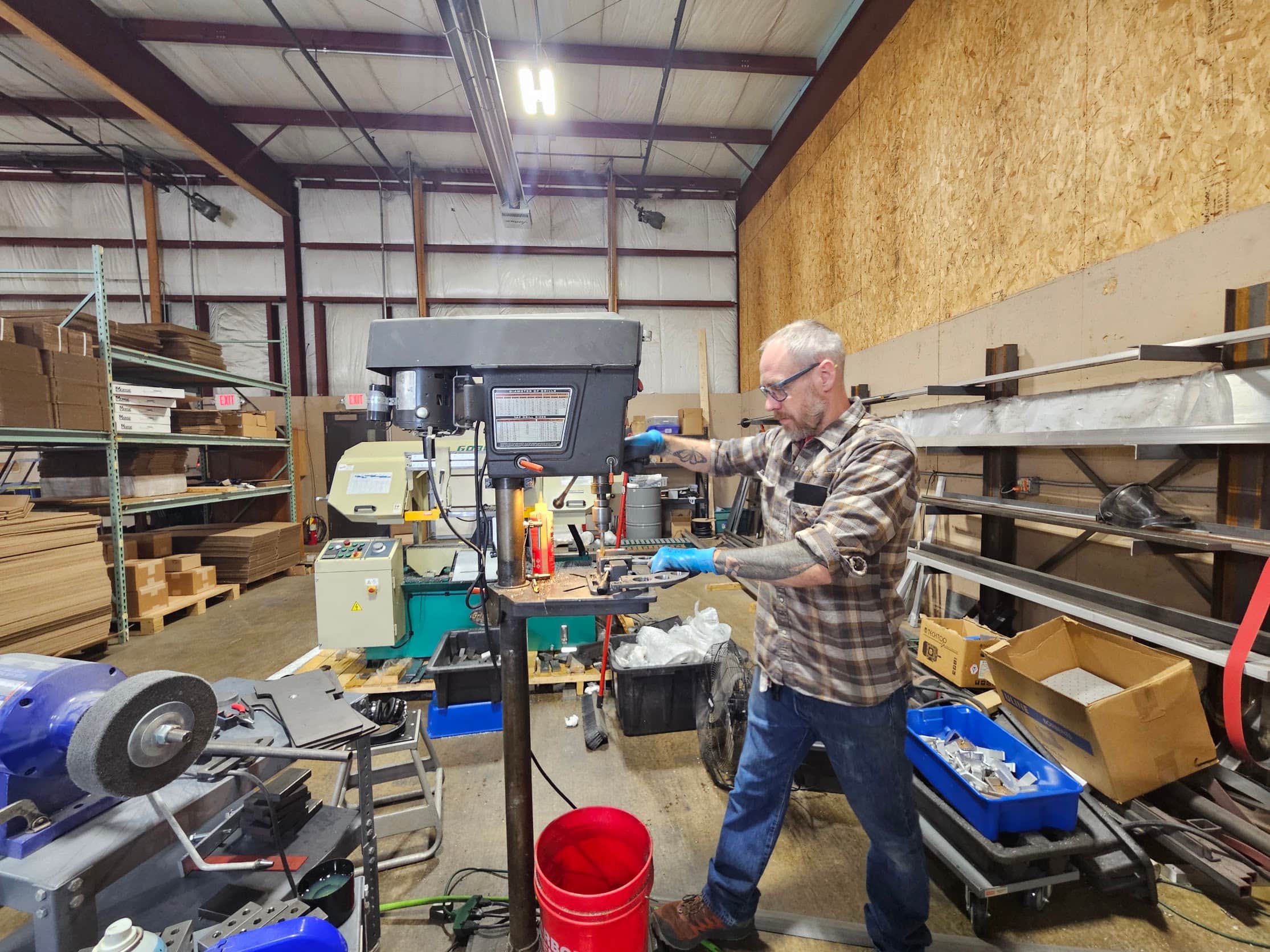
One-man shop
I answer my own email. Tell me the steel, the machine and what it is doing, and I will tell you what I would try next.