
Swords
LARP, HEMA & Modern Sword Culture
The sword never actually died — it just changed jobs. Today it is sporting equipment, theater prop, historical laboratory and craft object at once…
Swords
Four steel-fighting scenes and their specs: buhurt's rebated rules, HEMA feders, where the SCA actually uses steel, and stage combat, plus who buys what.
2 min readWritten by Rich LinvilleFree to read
The LARP world fights mostly with foam and latex — no grinder required. But wrapped around it is a real steel-fighting economy: armored combat leagues, HEMA clubs, SCA rapier lists and stage-combat troupes, all buying purpose-built blunt steel to written rules. For a maker, each scene is a different spec sheet and a different customer. Here is the map.
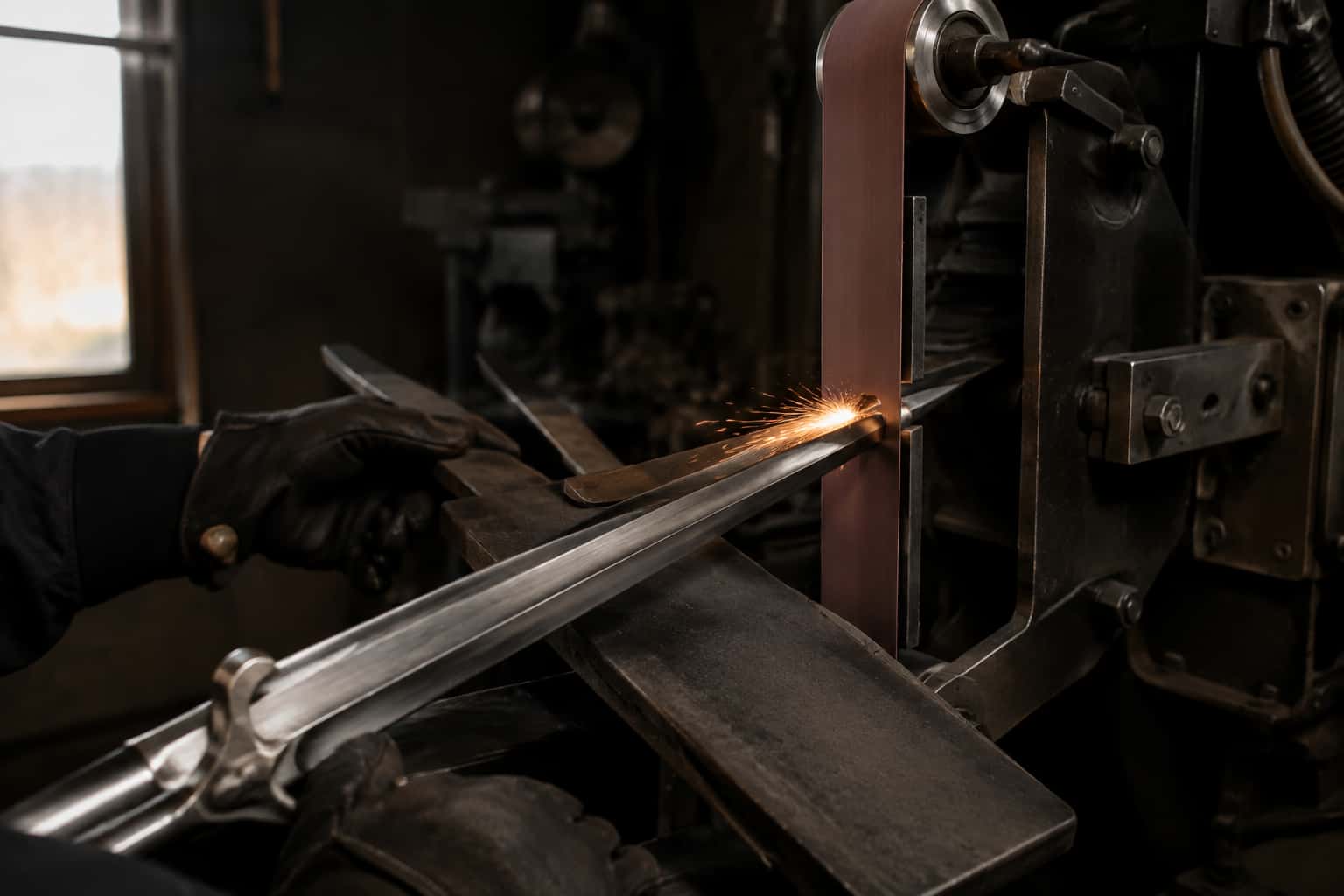
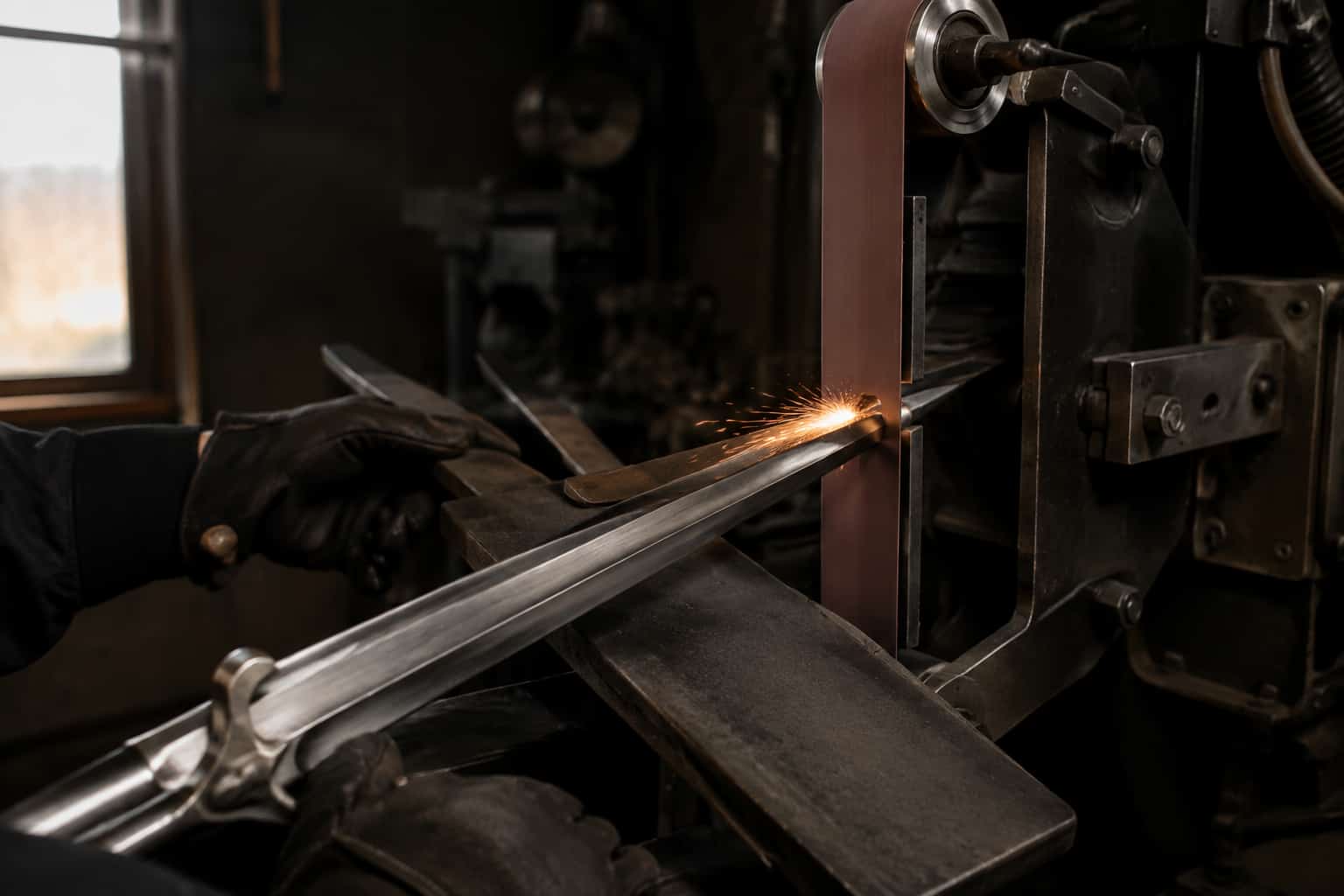
Buhurt (HMB, and IMCF’s parallel world) is full-contact fighting in real armor with rebated steel weapons, and its rulebooks are refreshingly dimensional: every striking and non-striking edge blunted to a minimum thickness of about 5/64 inch (the rulebook’s 2 mm), edge radii above roughly 3/8 inch (10 mm), no sharp points, and thrust-only weapons prohibited outright — plus per-category weight caps. The buyer is a team fighter who breaks equipment on schedule; the products are one-handed swords, falchions and polearm heads in tough spring steel with generous engineering margin. Weapons are inspected at every tournament, so build TO the current rulebook (they revise) and quote it on the listing — buhurt customers shop by compliance first.
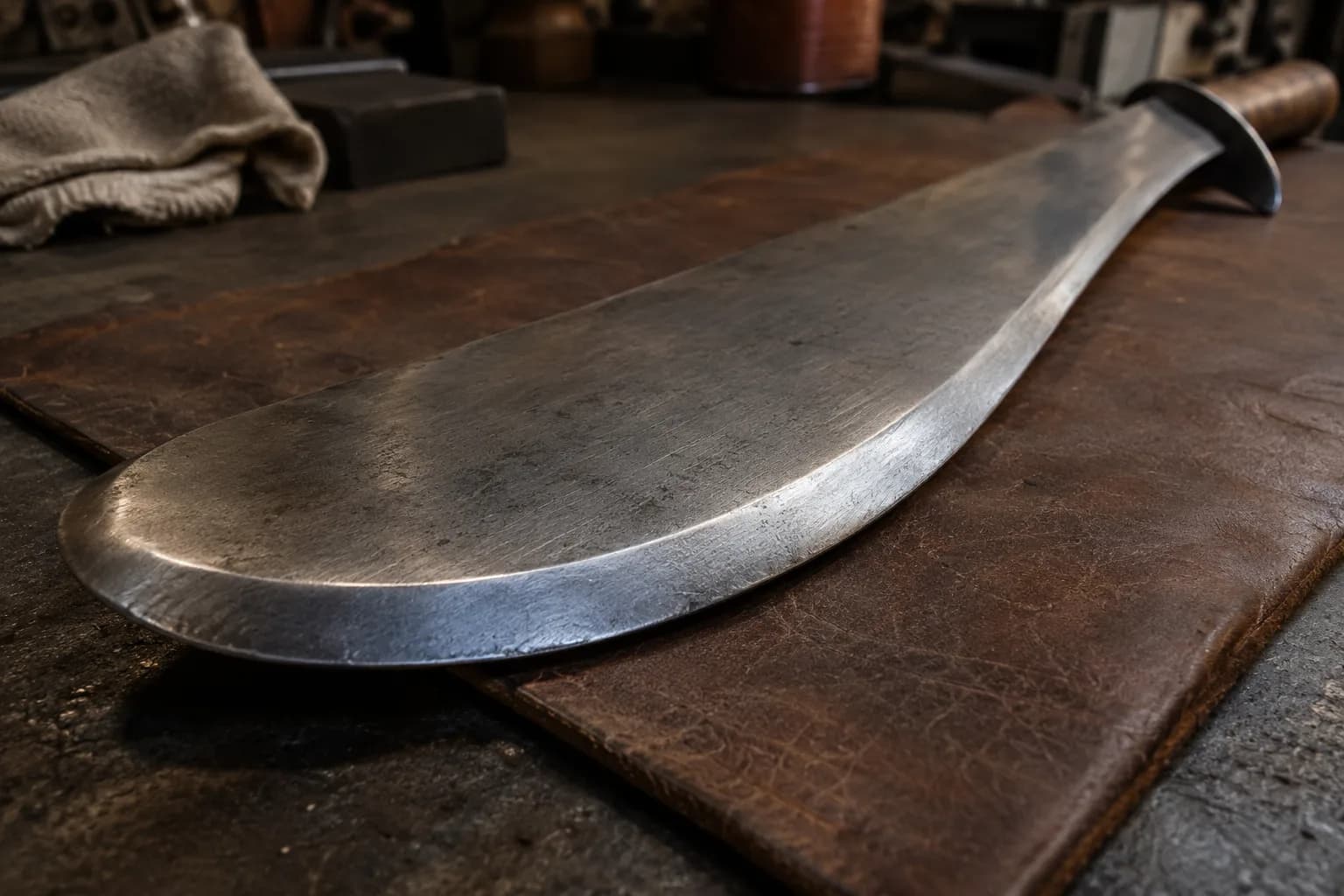
HEMA’s steel is the feder and the blunt trainer, covered in depth in the modern sword culture guide: 9260-class spring steel, thickened edges, flexible last third for thrust safety, flared schilt — engineered flex, per the sword steel logic. Club standards and tournament gear checks set the specs; the maker’s lane here is trainers, feders and the blunt single-handers clubs burn through.
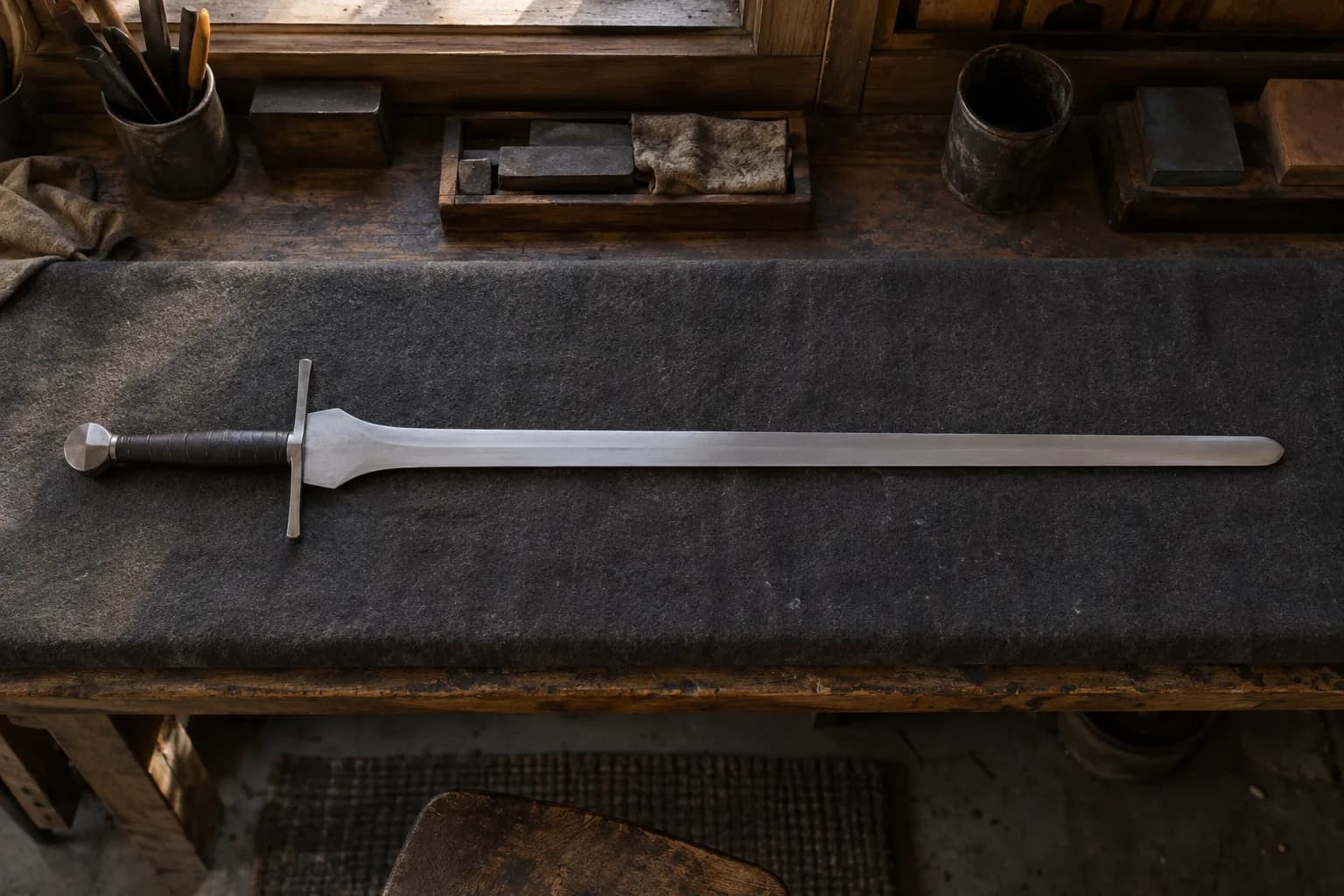
The handoff mistake outsiders make: SCA heavy combat — the armored field battles — is fought with RATTAN, not steel; a steel blunt is not legal equipment there. SCA’s steel lives in the rapier program: unsharpened flexible blades with securely capped tips (rubber/plastic over a blunt tip), flex-tested per kingdom rules, plus the cut-and-thrust variants. A maker serving the SCA sells rapier-legal blades, tips and furniture — or rattan-adjacent hardware — and reads the current kingdom marshal’s standards first, because legality is kingdom-by-kingdom.
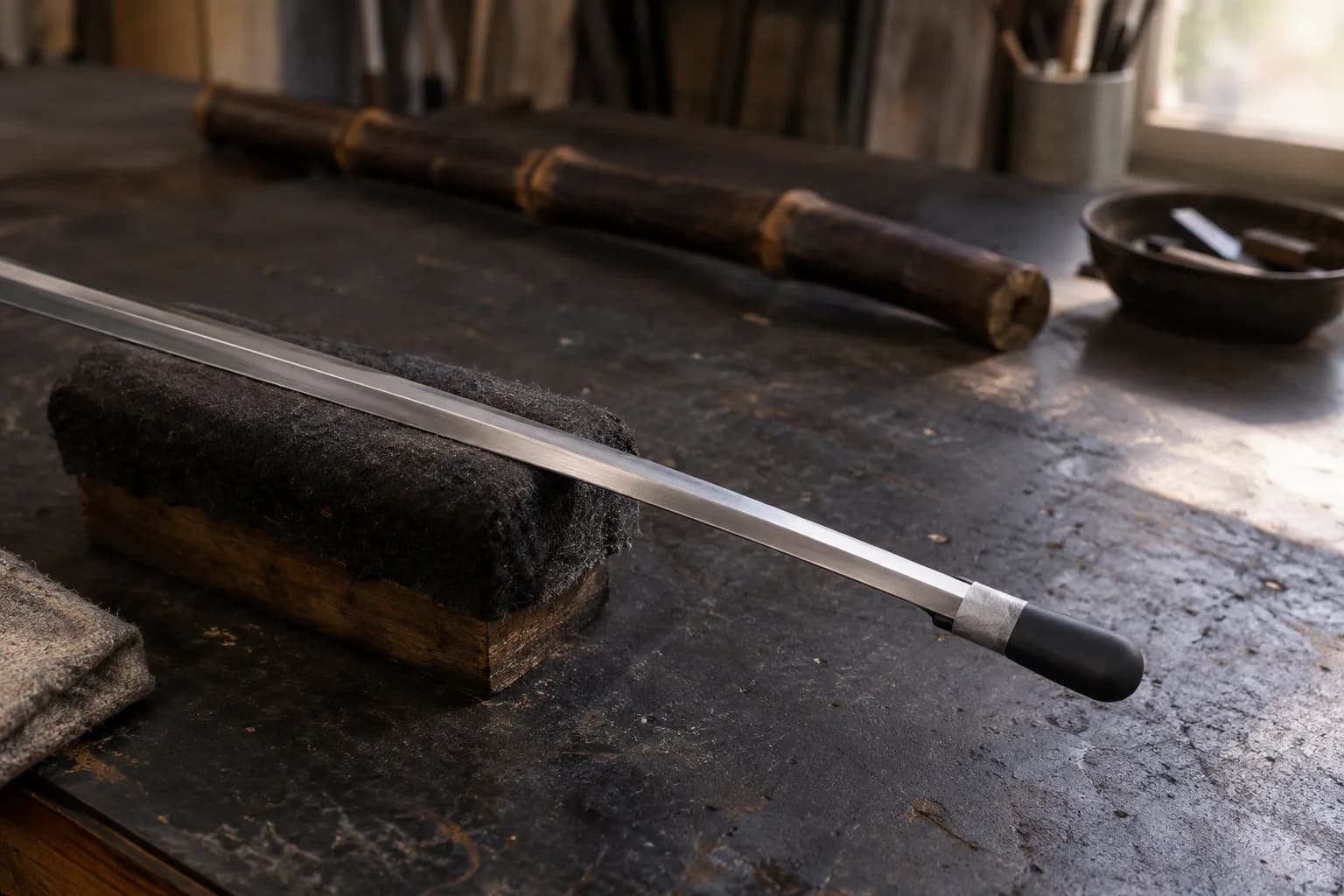
Stage steel overlaps the display-and-stage geometry guide: spring steel, substantial radiused edge flats, generous tip buttons, and specs set by fight directors and insurers rather than a league rulebook. It is the scene where finish and period look matter most, which pulls it toward the faire economy — the same troupes perform at the faires your booth serves.
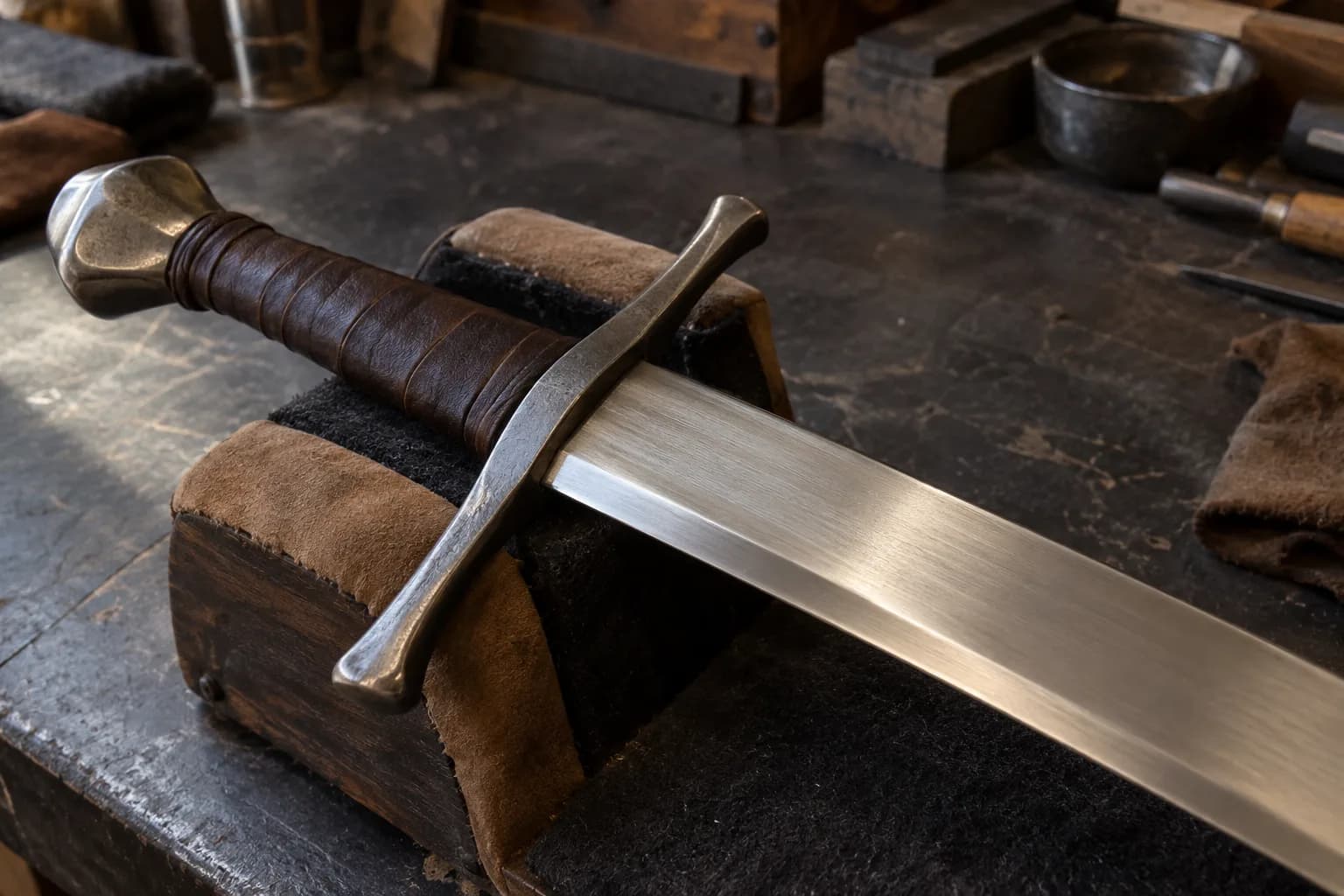
Four scenes, one discipline: the rulebook is the spec sheet, and it outranks your judgment and your customer’s nostalgia. Build in tough spring steel at resilient hardness, dimension edges and tips per the rebate guide, quote the standard you built to on every listing, and never ship a blade into a scene whose current rules you have not read. The steel-fighting world runs on equipment trust — earn it once and the club buys forever.
Keep reading
Three more from the same bench.
The sword never actually died — it just changed jobs. Today it is sporting equipment, theater prop, historical laboratory and craft object at once…
Sword steel selection is knife steel selection with the priorities inverted: at three feet of lever arm, toughness is nearly everything and wear…
A rebated edge is a manufactured shape, not an absence of sharpening — a specific flat-and-radius geometry that must pass a tournament marshal’s gauge and…
Same bench
I machine the parts, hand-assemble, track and test Torus grinders in Sterling, Illinois. Most orders ship in seven to ten business days from time of order.
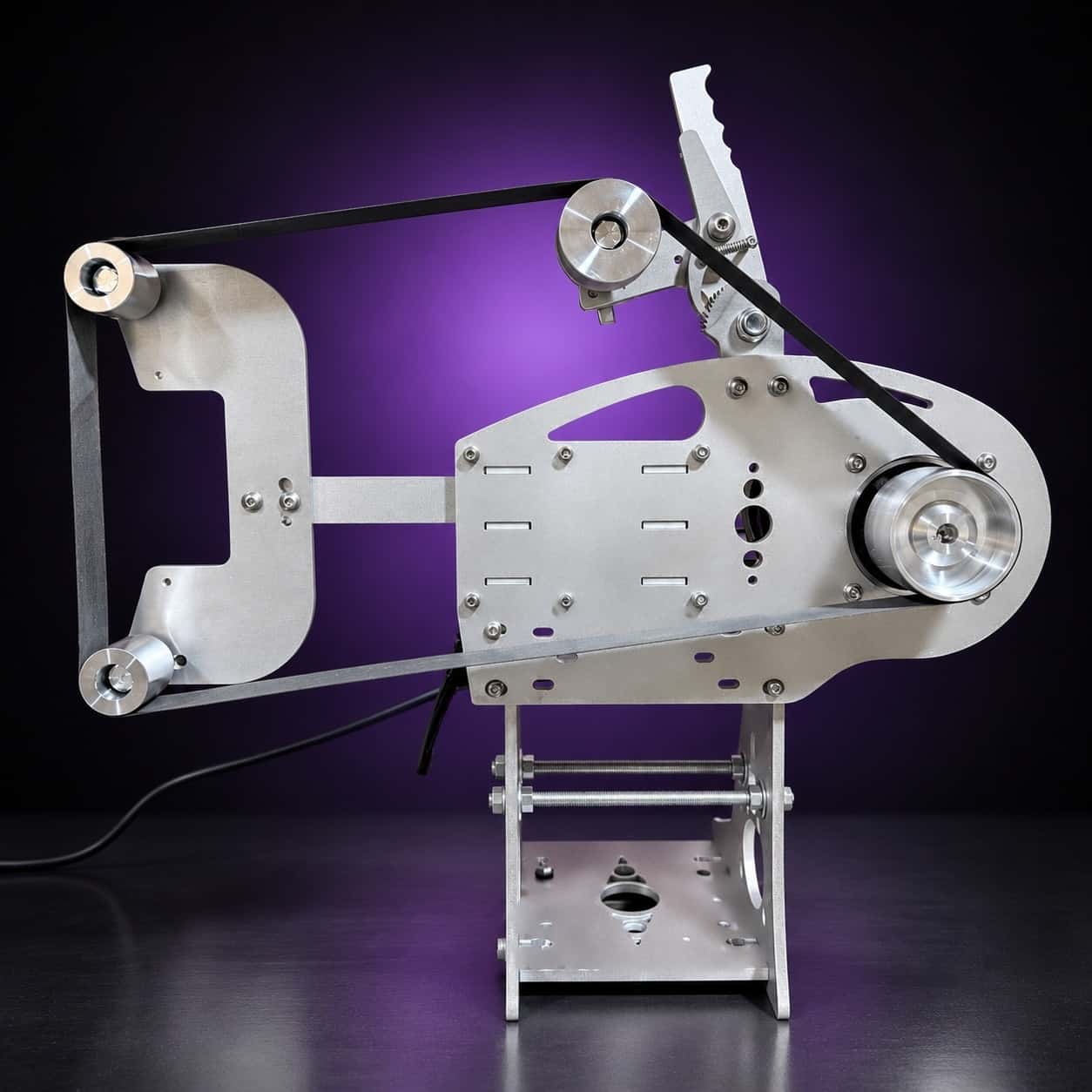
Current dual-axis platform with a fiber-laser-cut 6061 chassis and single-knob tracking.
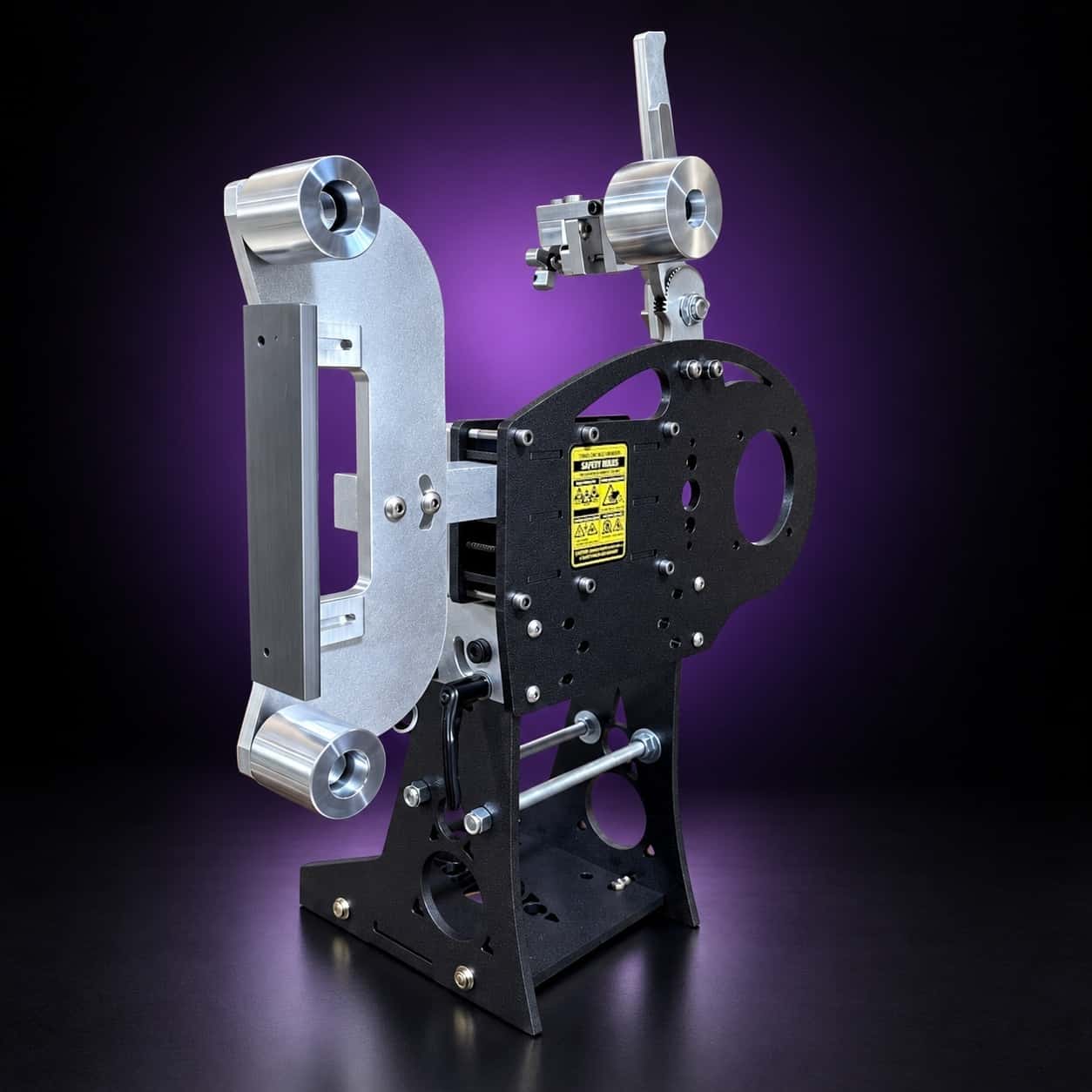
Current dual-axis platform with a steel chassis, more mass and less vibration.
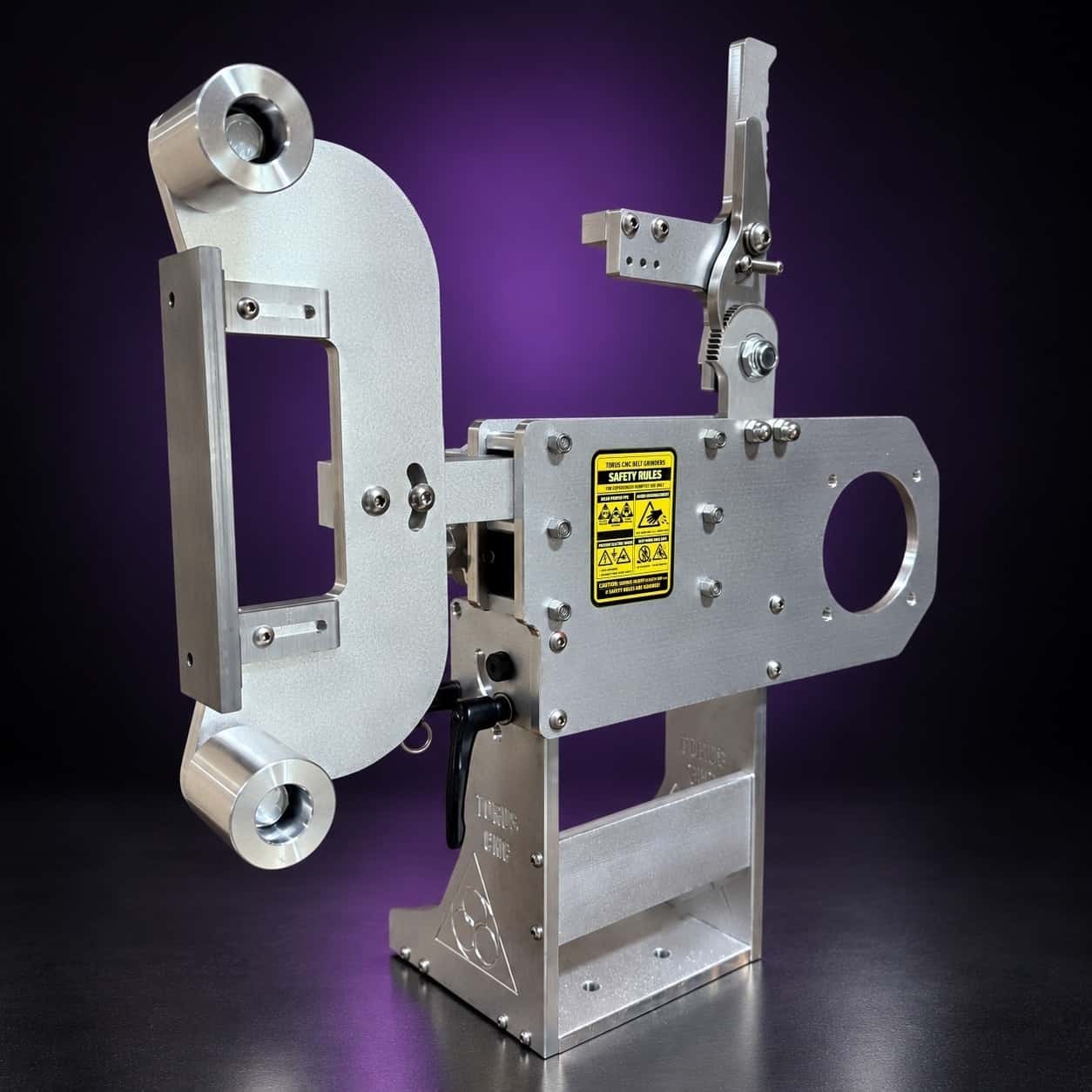
Prior-design aluminum chassis, 90-degree tilt and 1.5-inch tooling arms.
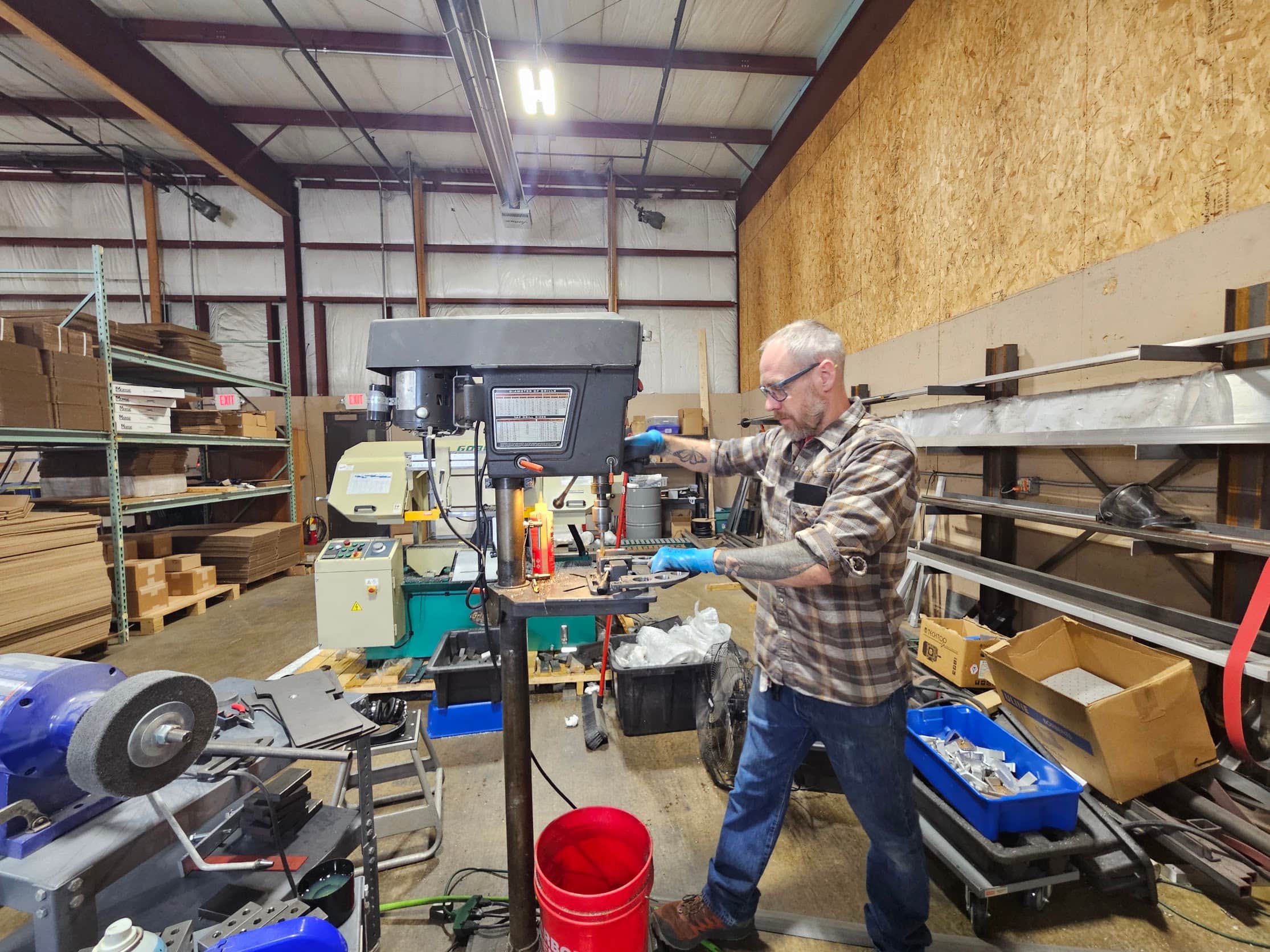
One-man shop
I answer my own email. Tell me the steel, the machine and what it is doing, and I will tell you what I would try next.