
Swords
Sword Anatomy: A Maker’s Field Guide
Before the types, the vocabulary. Every sword — katana or claymore, gladius or rapier — is the same short list of parts negotiating the same physics: a…
Swords
The katana without the mythology: why folding was quality control for tamahagane, the clay quench behind the hamon, geometry, and making one with W2 or 1095.
2 min readWritten by Rich LinvilleFree to read
No blade carries more mythology per inch than the katana — the folded-a-thousand-times, cuts-through-tanks legend machine. The real sword underneath is better than the myths: a supremely refined answer to a specific problem, built with methods a modern maker can understand completely and practice honestly on a 2×72.
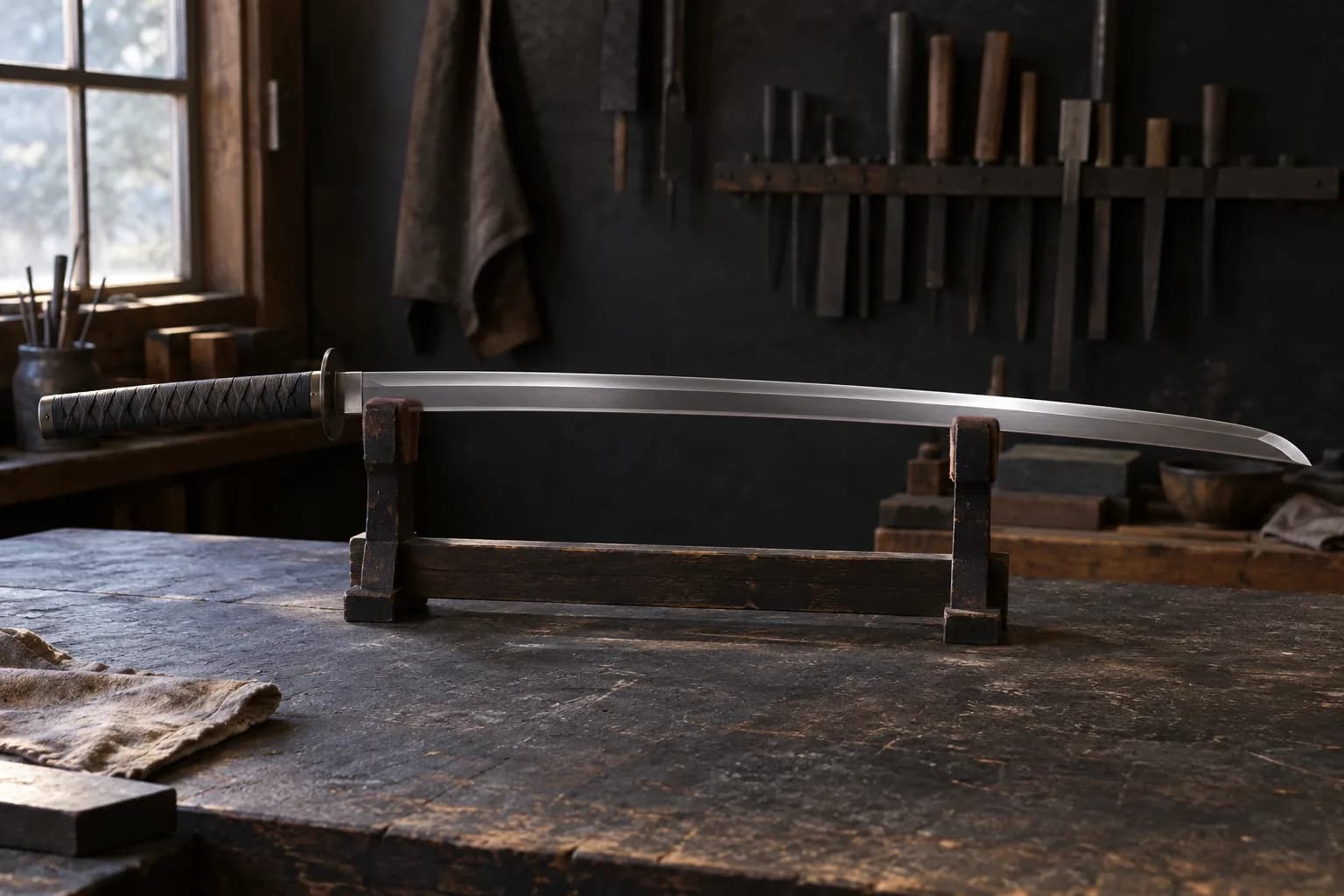
The katana’s curve and single edge evolved from the earlier tachi as samurai fighting moved from horseback archery toward foot combat: worn edge-up in the sash, it drew and cut in one motion. Its geometry — moderate curve (sori), ridge-line construction (shinogi-zukuri), chisel-pointed kissaki — settled by the Muromachi period and has barely moved since, because it works: a fast, stiff, devastating single-handed-or-two cutter around 27 to 29 inches of blade.
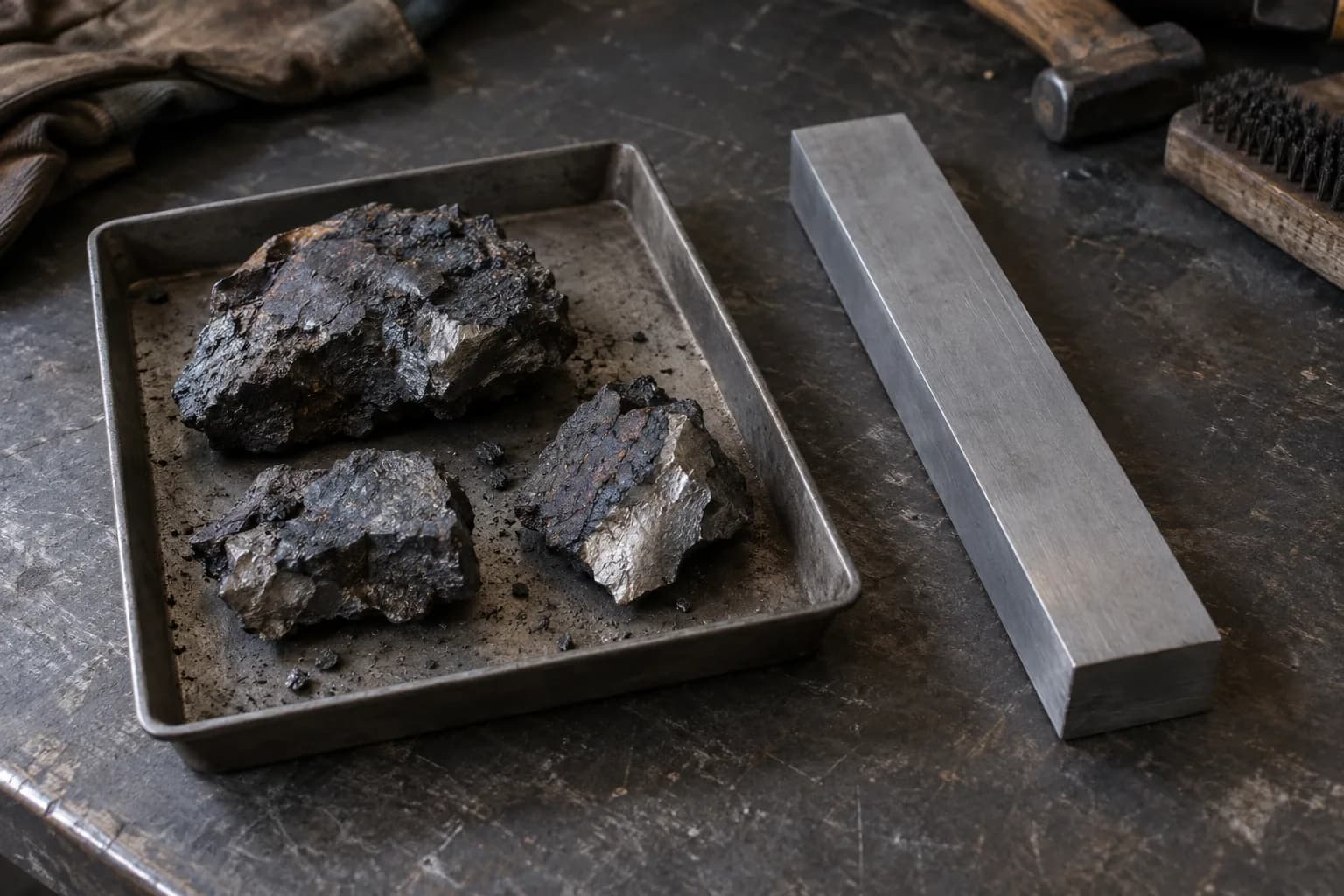
Traditional smiths smelted satetsu iron sand into tamahagane steel — brilliant metallurgy for its era, and wildly inconsistent by modern standards. The famous folding was quality control, not magic: repeated welding and drawing homogenized carbon and squeezed out slag, doing by hammer what a modern steel mill does by default. A dozen folds — a few thousand layers — was typical; the mythical thousand folds would average the steel into uselessness. Modern mono-steel bar stock starts cleaner than the finest tamahagane ever finished, which is why folding today is an aesthetic choice (see pattern welding) rather than a performance one.
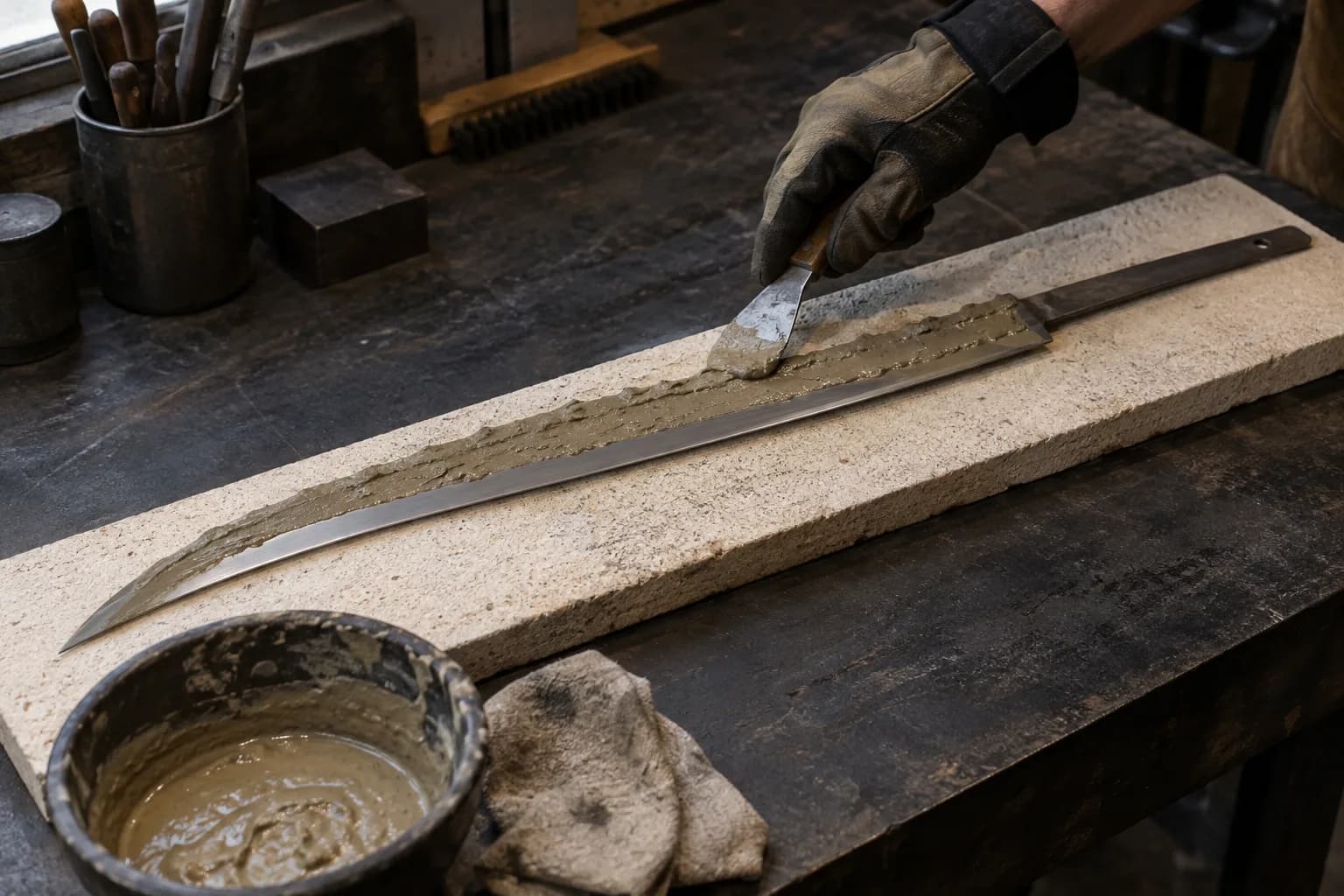
The katana’s soul is differential hardening: clay slurry thick on the spine, thin at the edge, quenched in water — the edge flashes to hard martensite while the spine cools slow and soft. The result is the hamon line and the katana’s signature package: a 60-plus HRC edge backed by a tough spine, plus the curve itself (the quench adds sori as the edge expands). This is exactly the process in our differential heat treat guide, and steels like W2 and 1095 are the modern maker’s tamahagane-without-the-lottery.
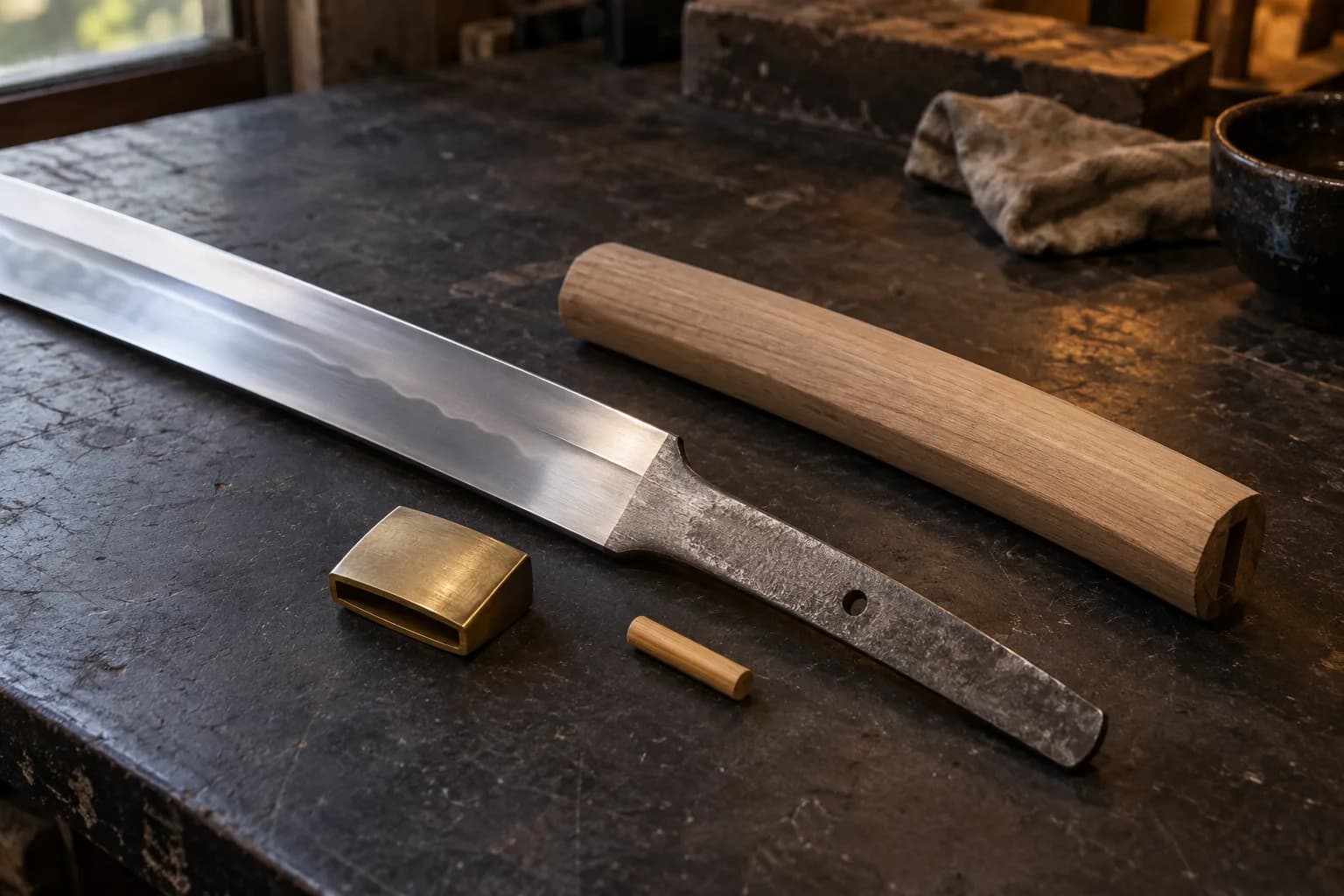
Shinogi-zukuri is a wide sabre grind: flat lower bevel from edge to ridge, near-flat upper geometry to the spine. Blade stock 1/4 inch tapering distally, niku (meat — convexity behind the edge) tuned to the job: fuller niku survives targets, less bites deeper. Nakago (tang) continuous and generously radiused, mekugi peg retention, habaki collar. Every element is knife geometry scaled up — the platen work is familiar, just longer, per Your First Sword on a 2×72.
Licensed Japanese smiths still make nihonto under legal limits (two long blades a month, tamahagane only); everyone else’s “katana” runs from production cutters in 1060/9260 to full custom clay-hardened W2 with real hamon activity. The market is enormous — martial artists (iaido, tameshigiri cutting), collectors, and the pop-culture river covered in Swords in Pop Culture. For a bladesmith, a clay-hardened wakizashi is the honest first step into the tradition: all the process, two-thirds the length, half the warp anxiety.
Keep reading
Three more from the same bench.
Before the types, the vocabulary. Every sword — katana or claymore, gladius or rapier — is the same short list of parts negotiating the same physics: a…
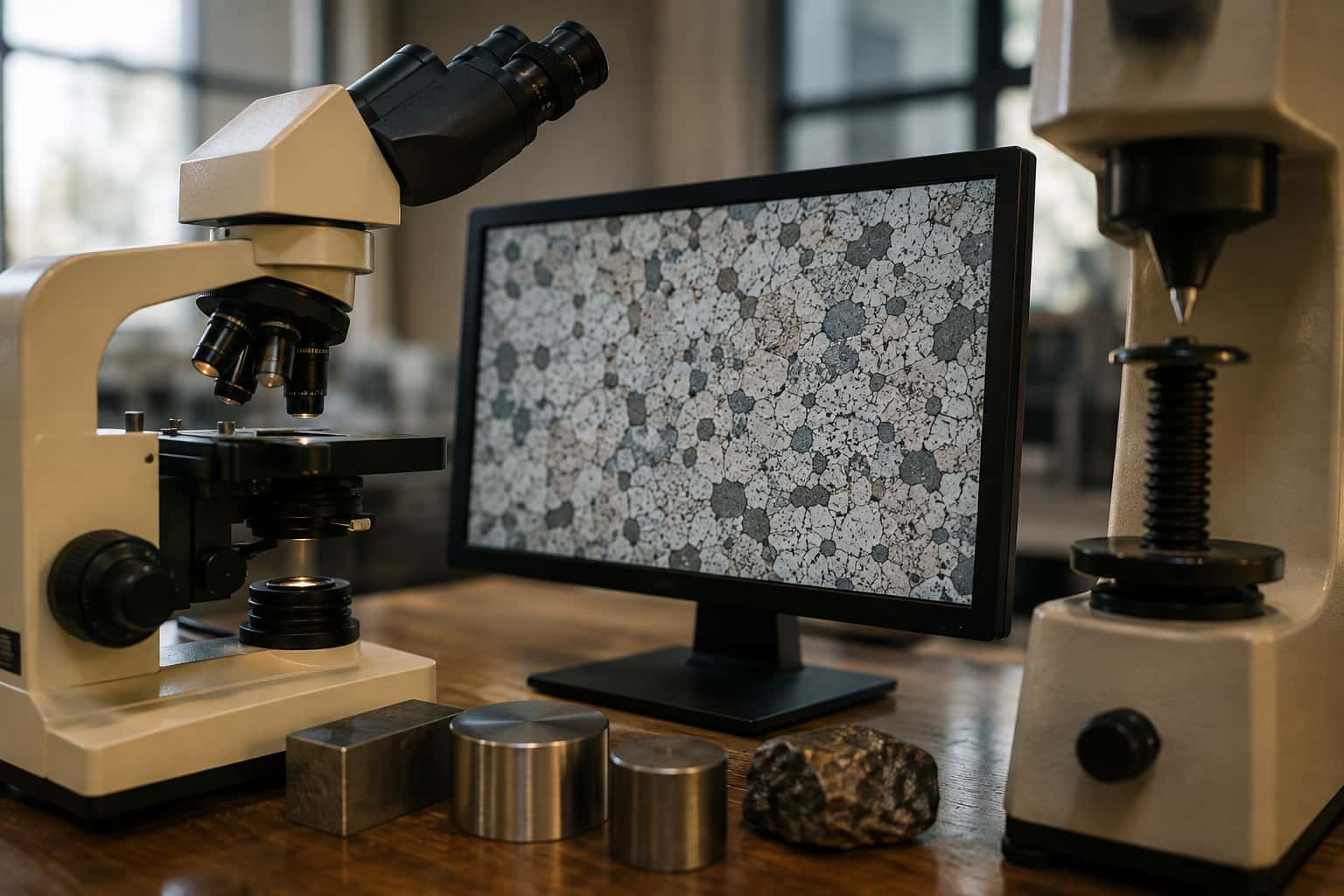
The wavy line visible along a hamon-bearing blade isn’t decoration applied after the fact, it’s a direct visual record of which parts of the steel…
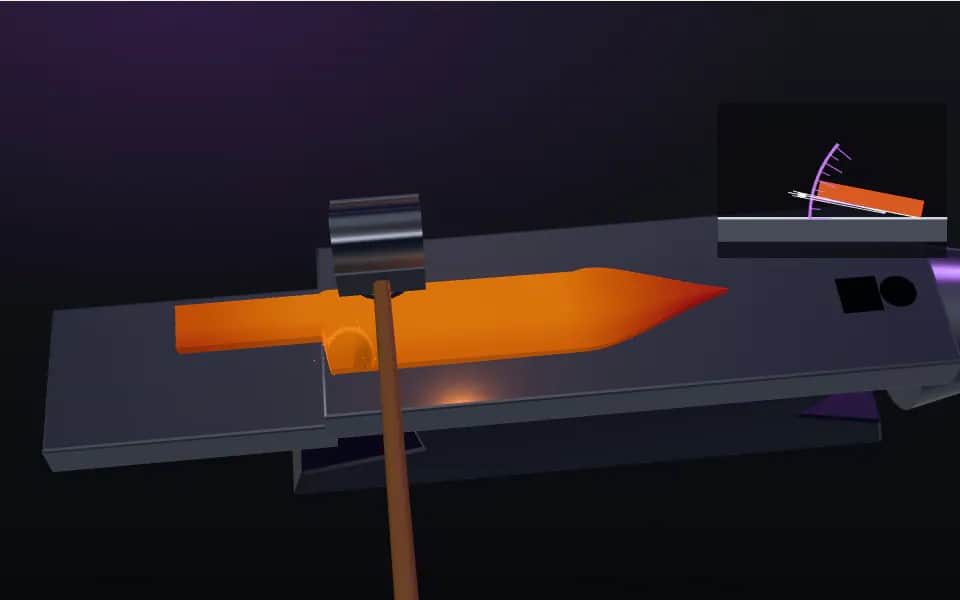
Forging a knife is not sculpting with sparks — it’s a sequence, and once you know the sequence, every session has a plan. This guide walks a first forged…
Same bench
I machine the parts, hand-assemble, track and test Torus grinders in Sterling, Illinois. Most orders ship in seven to ten business days from time of order.
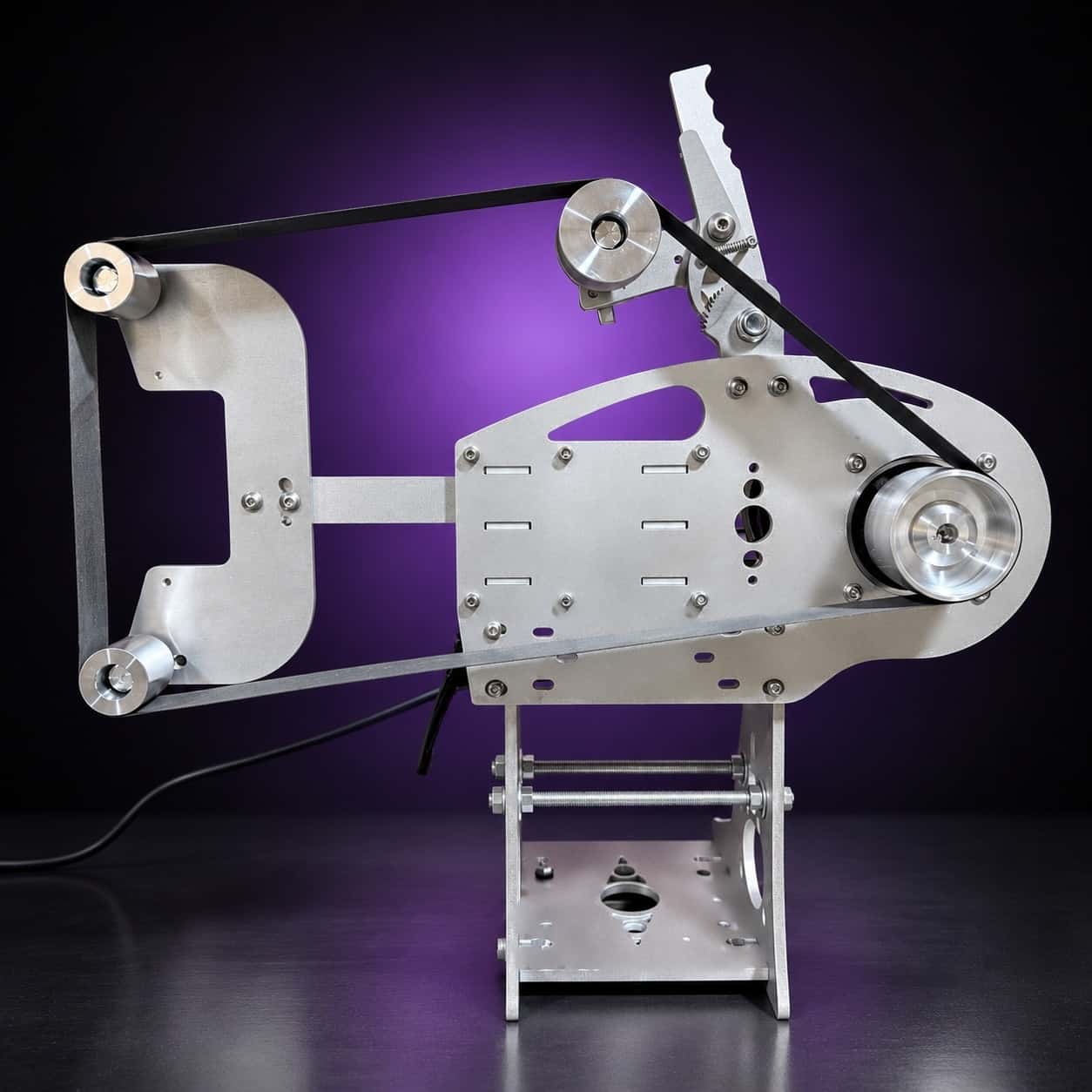
Current dual-axis platform with a fiber-laser-cut 6061 chassis and single-knob tracking.
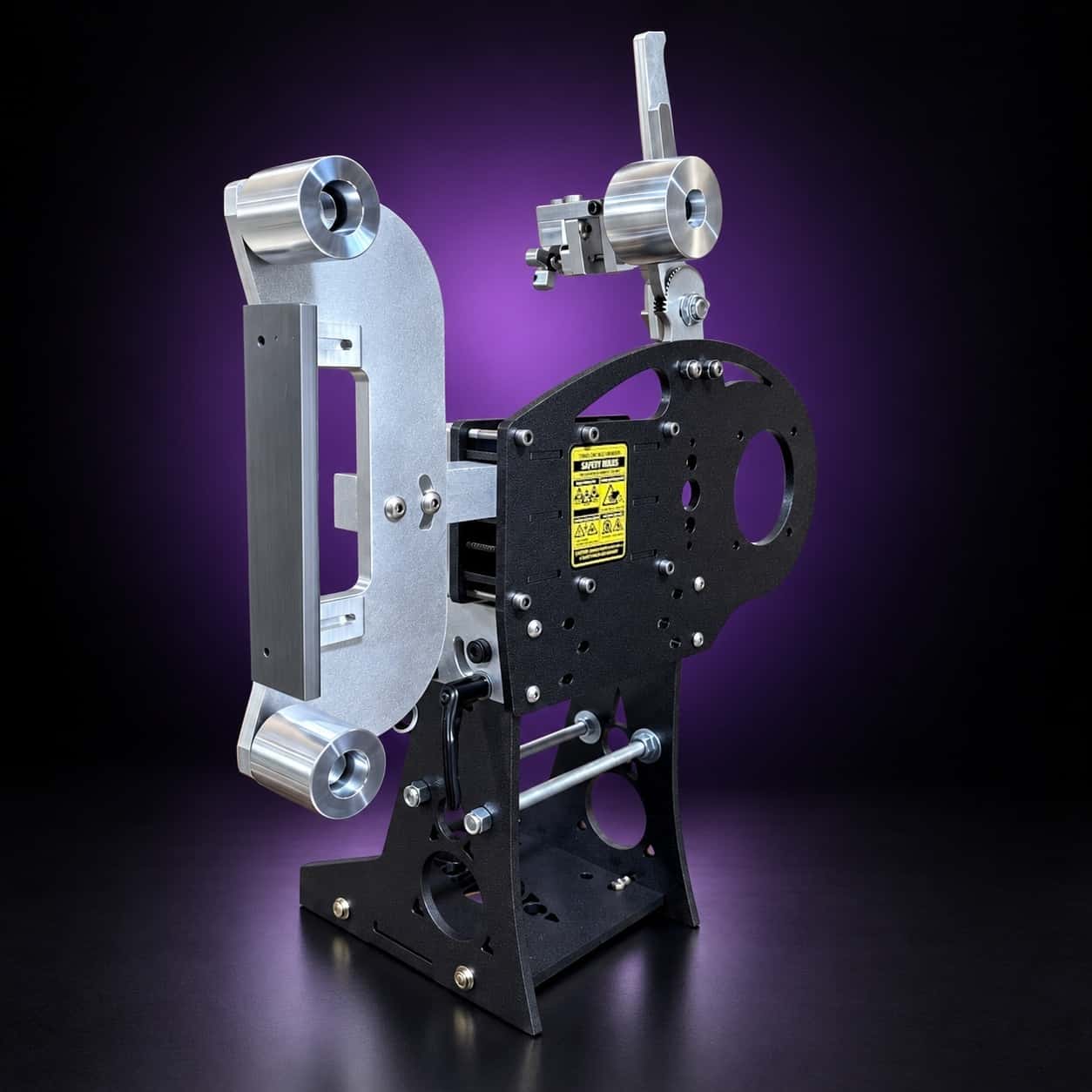
Current dual-axis platform with a steel chassis, more mass and less vibration.
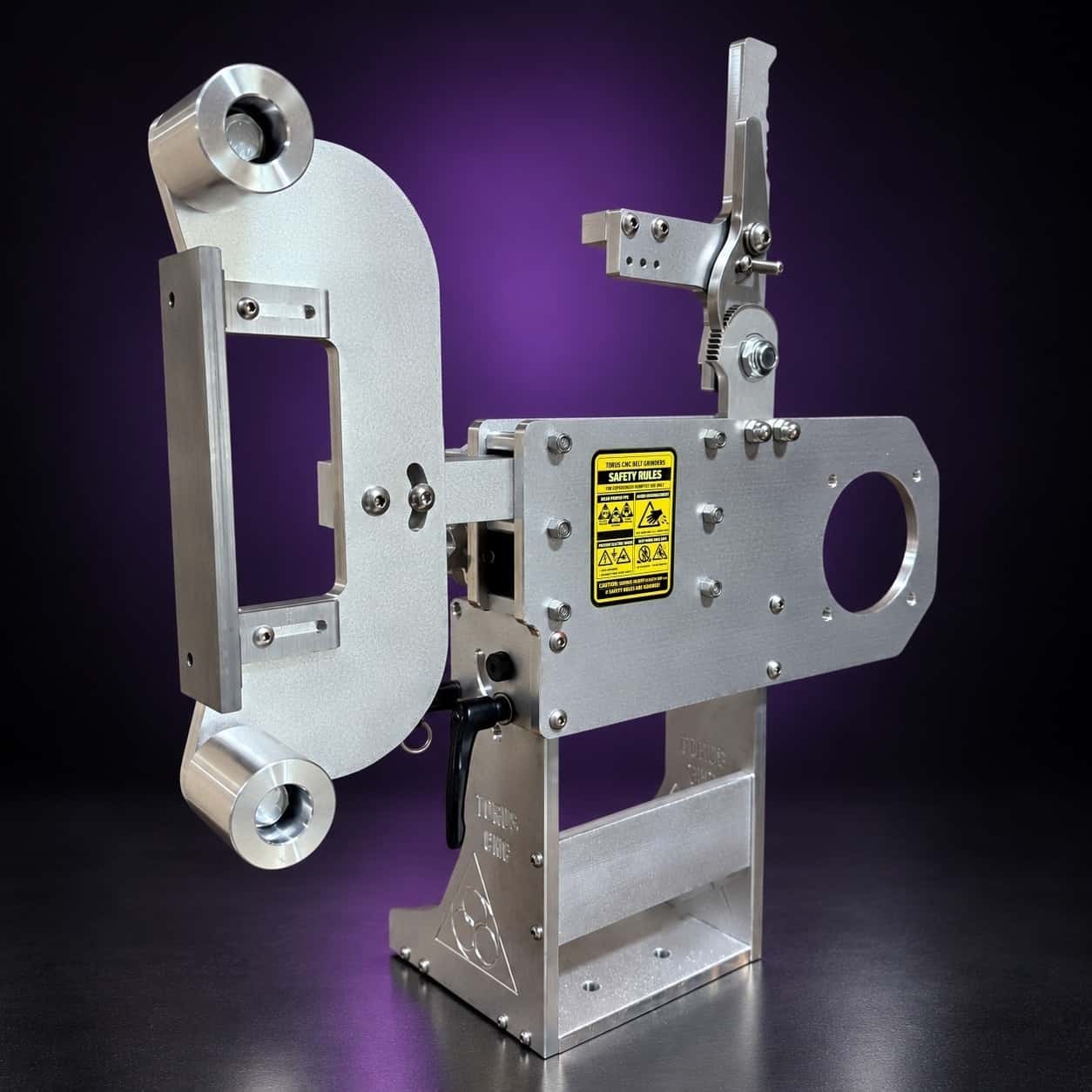
Prior-design aluminum chassis, 90-degree tilt and 1.5-inch tooling arms.
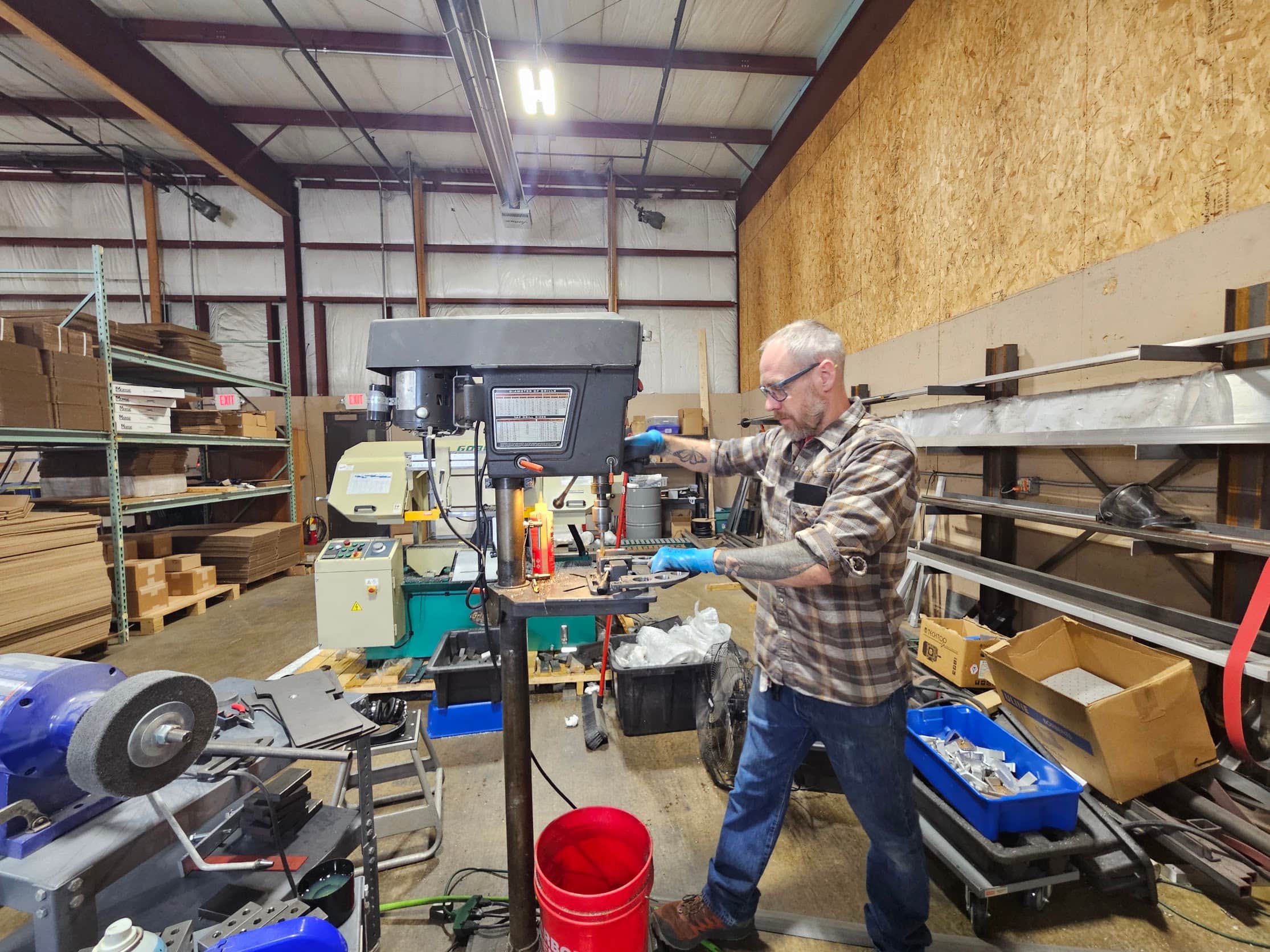
One-man shop
I answer my own email. Tell me the steel, the machine and what it is doing, and I will tell you what I would try next.