
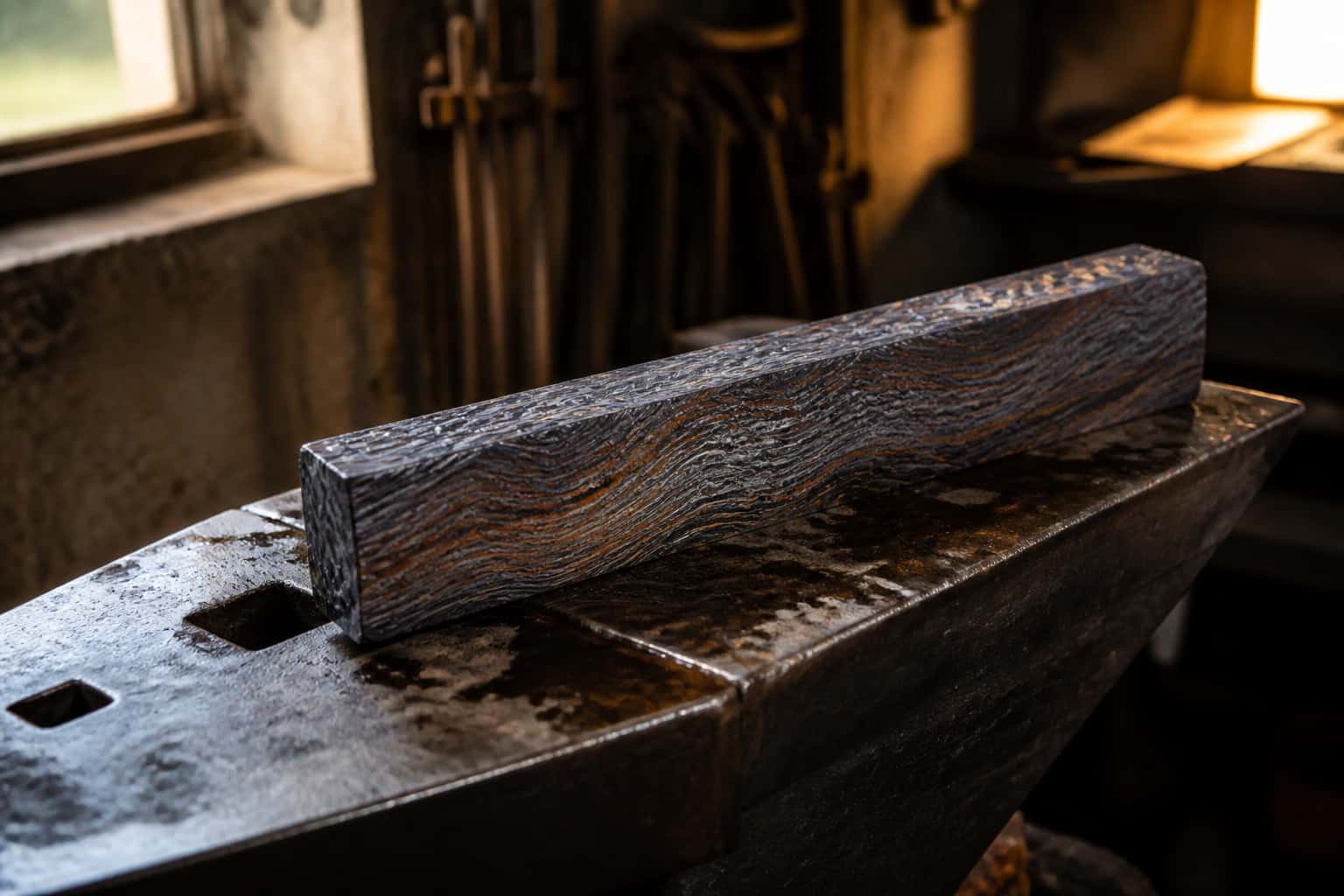
Damascus & Pattern Welding
How Damascus Is Actually Made: Your First Pattern-Welded Billet
Modern “damascus” is pattern-welded steel: two different steels stacked, forge welded into one solid billet, and manipulated so that grinding and etching…
Forging & Bladesmithing
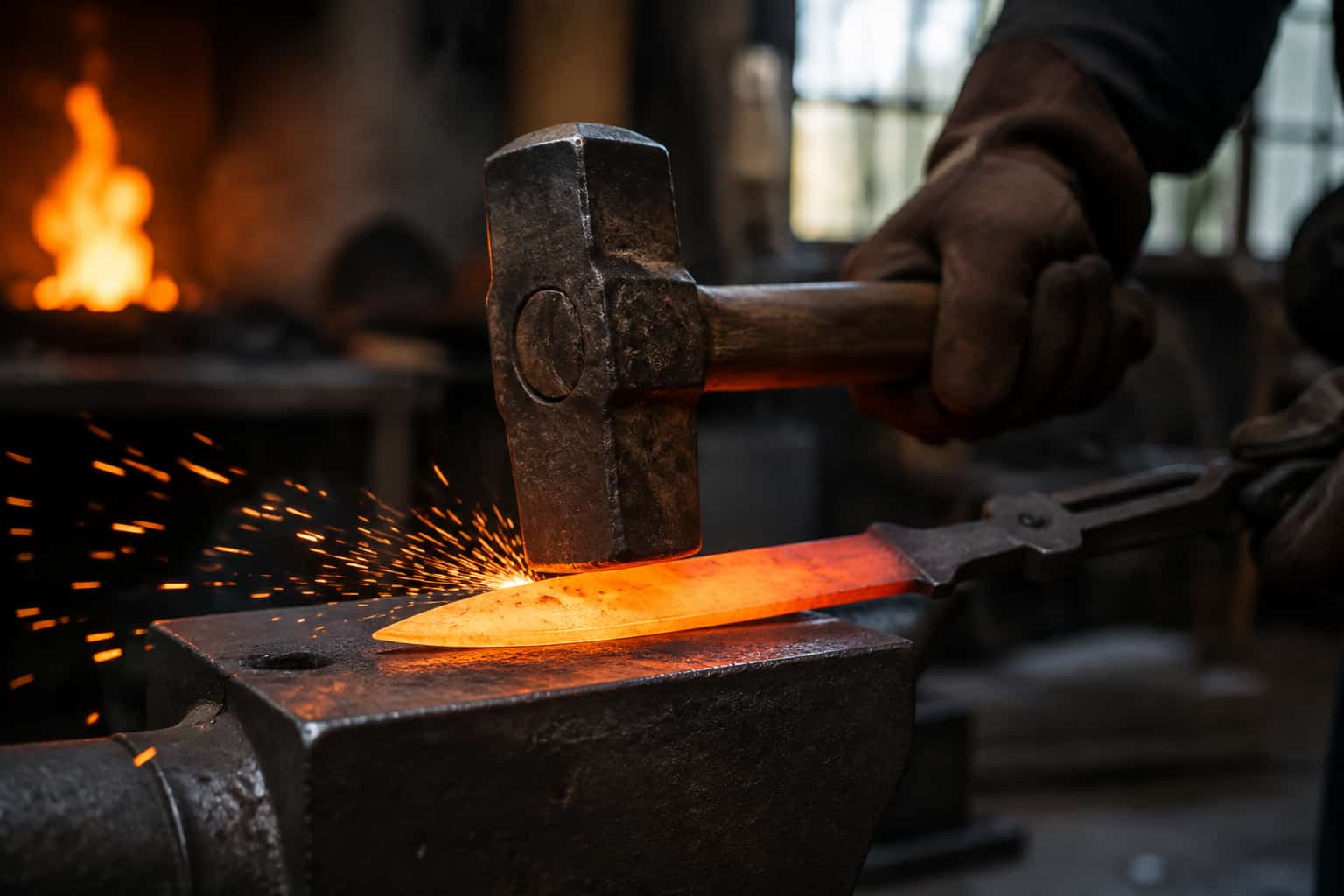
Press or power hammer? A hammer forges outside-in and draws fast; a press forges inside-out and welds through the core. Why damascus makers buy the press first.
3 min readWritten by Rich LinvilleFree to read
Somewhere between your tenth damascus billet and your first sore shoulder, every forging maker asks the machine question. Power hammers and hydraulic presses do the same job — move a lot of steel without your arm — but they do it differently enough that the choice matters, especially for pattern-welded work. Here’s the honest map, with verified July 2026 pricing.
The classic forum formulation: a hammer forges from the outside in; a press forges from the inside out. A power hammer’s rapid blows work the surface hardest — fast, rhythmic, wonderful for drawing bars out. A press’s slow squeeze soaks force clear through the billet’s center — which is exactly what forge welding and thick damascus stacks want. The difference even shows in the steel: pressed damascus distorts its pattern less at the surface than hammered damascus, so the same billet reads differently depending on the machine that made it.
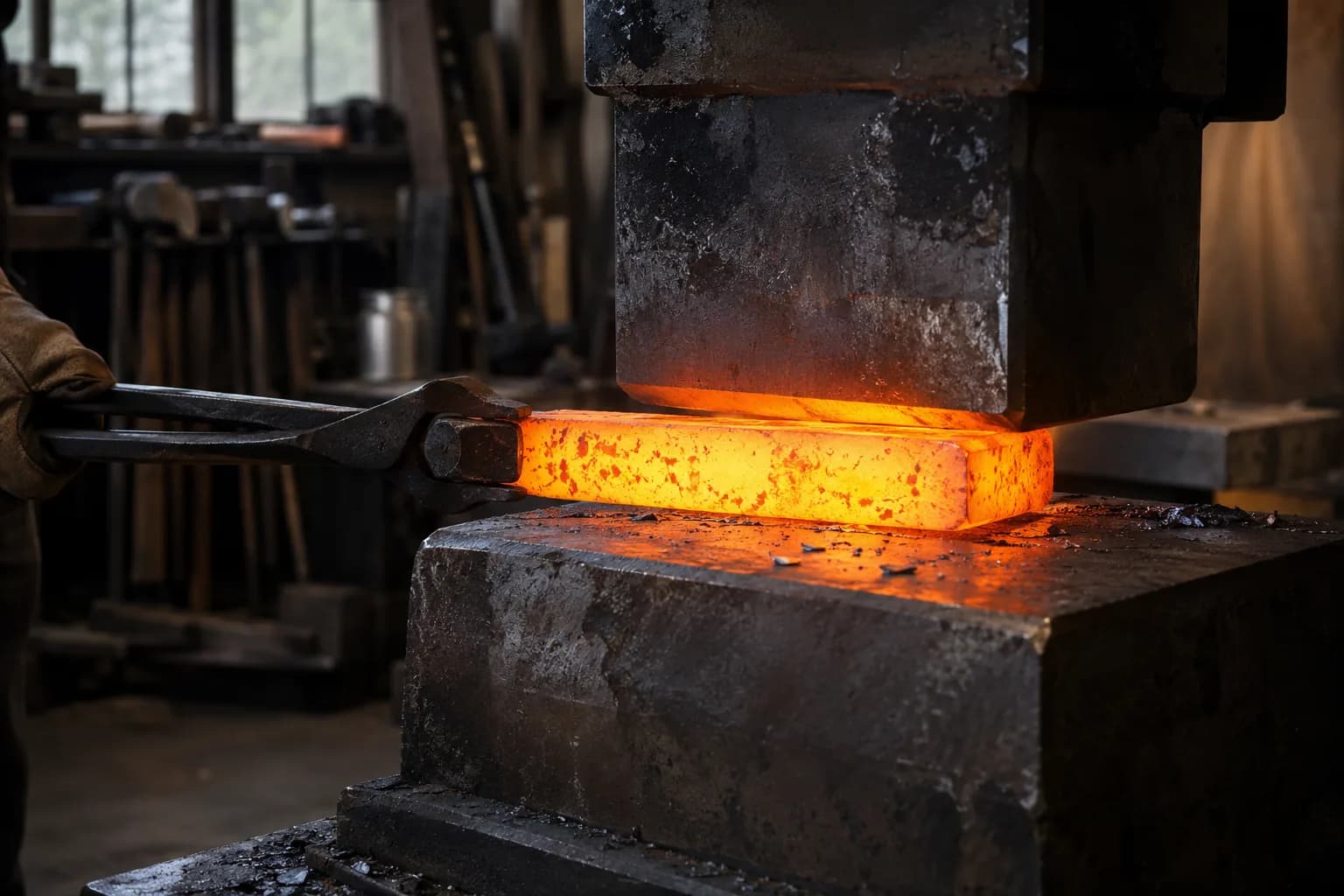
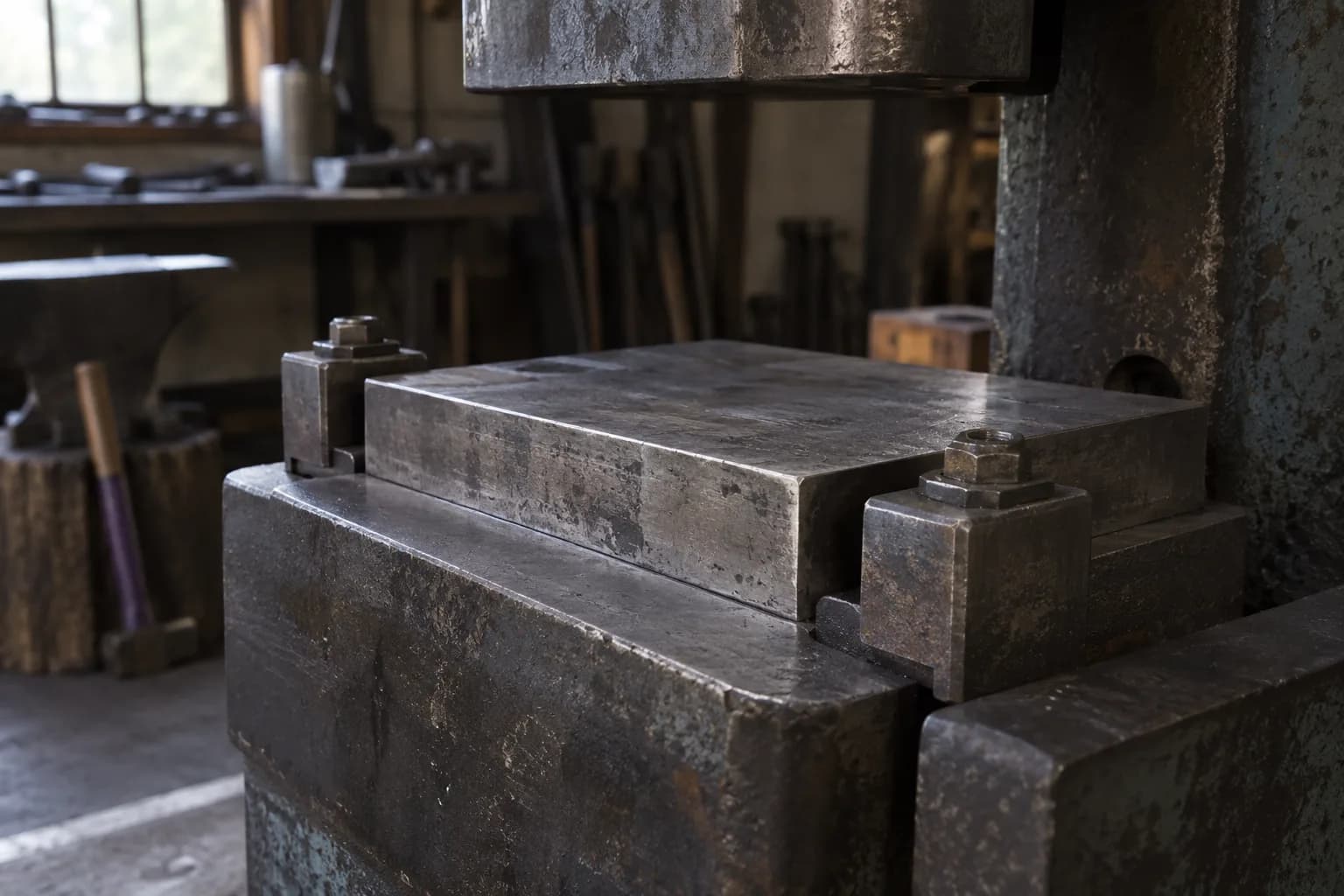
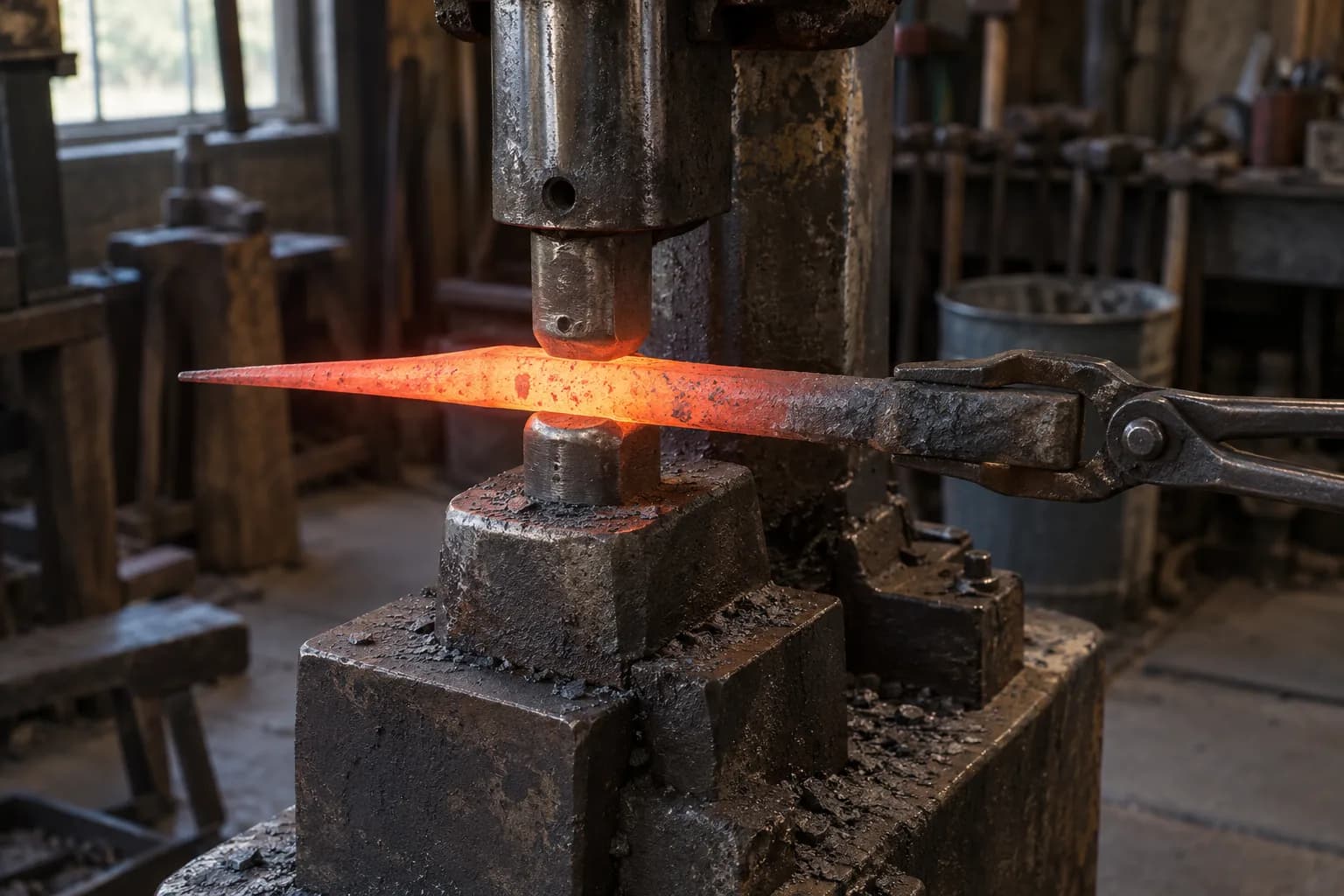
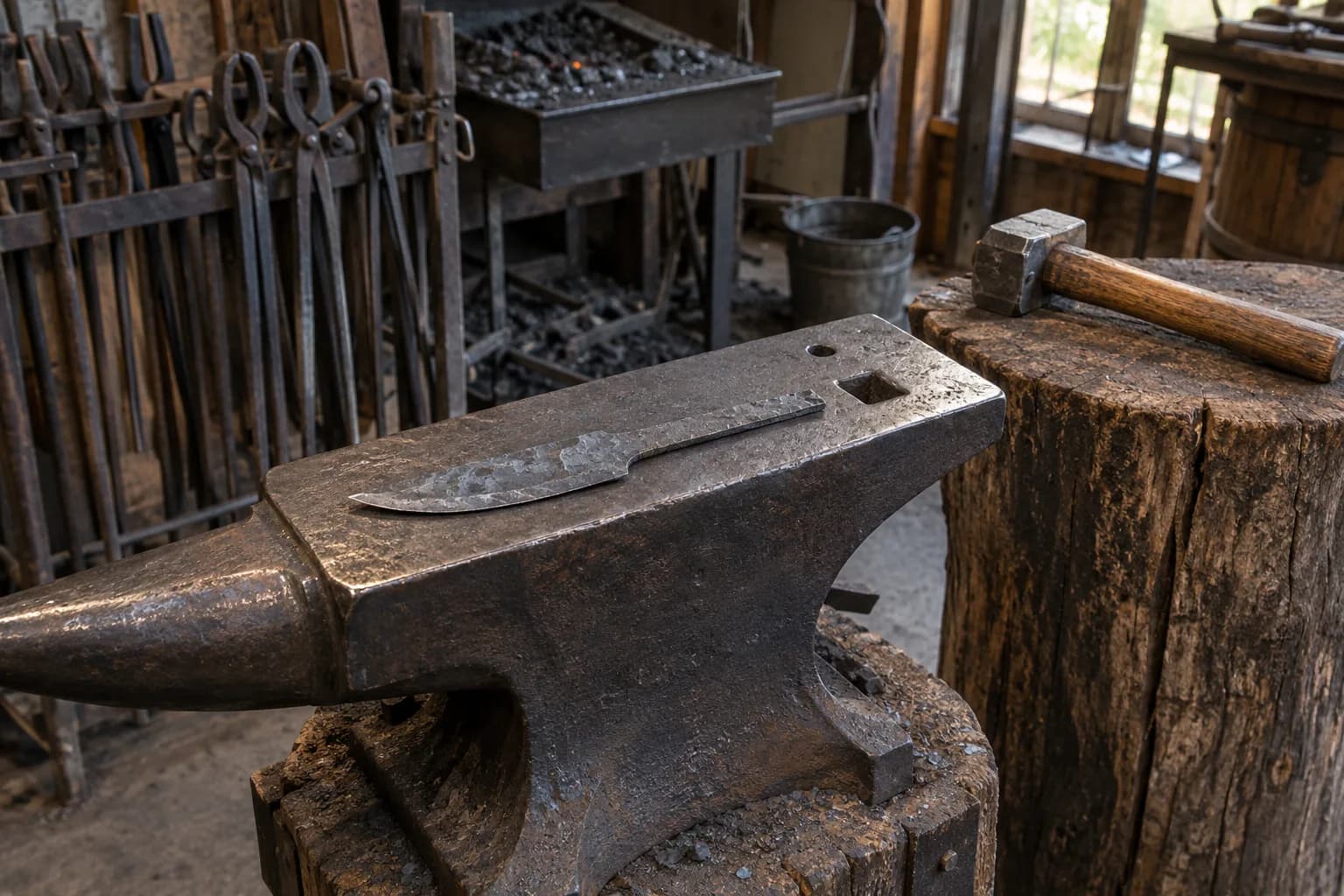
And remember the machines only amplify fundamentals — the sequence, heat management, and thermal cycling stay identical whether the force comes from your elbow or a pump.
Keep reading
Three more from the same bench.
Modern “damascus” is pattern-welded steel: two different steels stacked, forge welded into one solid billet, and manipulated so that grinding and etching…
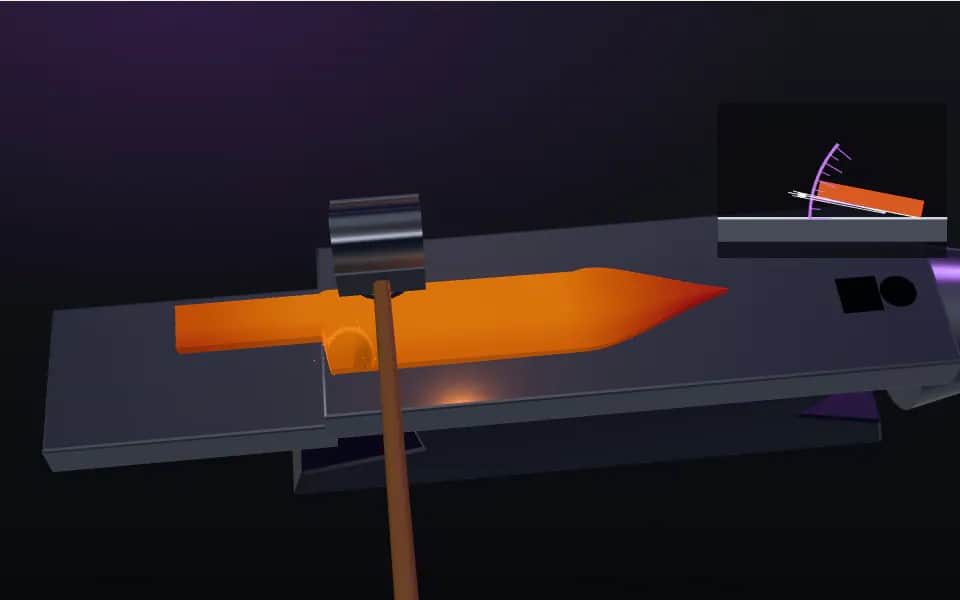
Forging a knife is not sculpting with sparks — it’s a sequence, and once you know the sequence, every session has a plan. This guide walks a first forged…
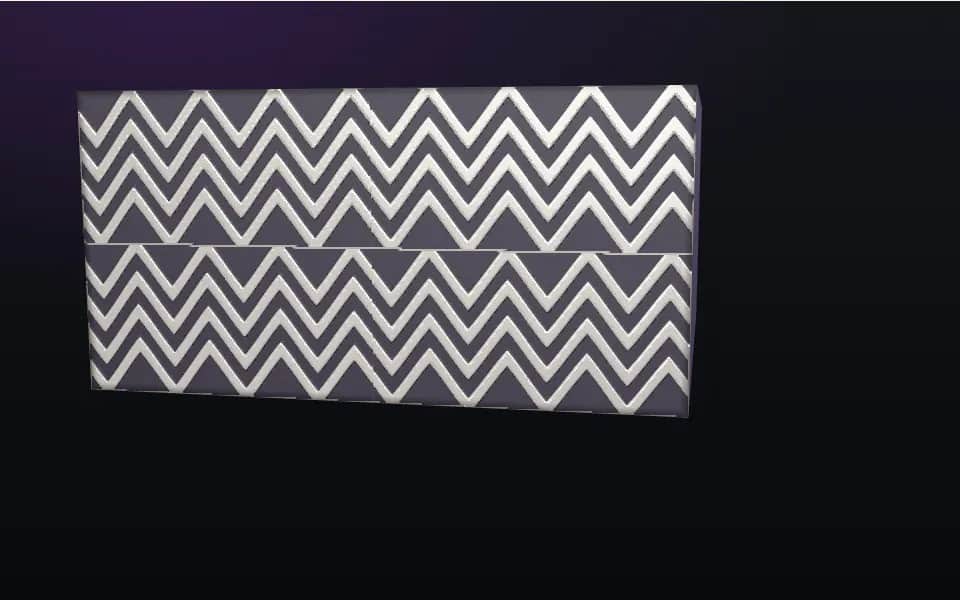
Past the ladder, twist, and raindrop lies the territory where damascus becomes composition: patterns built by controlling the layers in three dimensions…
Same bench
I machine the parts, hand-assemble, track and test Torus grinders in Sterling, Illinois. Most orders ship in seven to ten business days from time of order.

Current dual-axis platform with a fiber-laser-cut 6061 chassis and single-knob tracking.

Current dual-axis platform with a steel chassis, more mass and less vibration.

Prior-design aluminum chassis, 90-degree tilt and 1.5-inch tooling arms.

One-man shop
I answer my own email. Tell me the steel, the machine and what it is doing, and I will tell you what I would try next.