
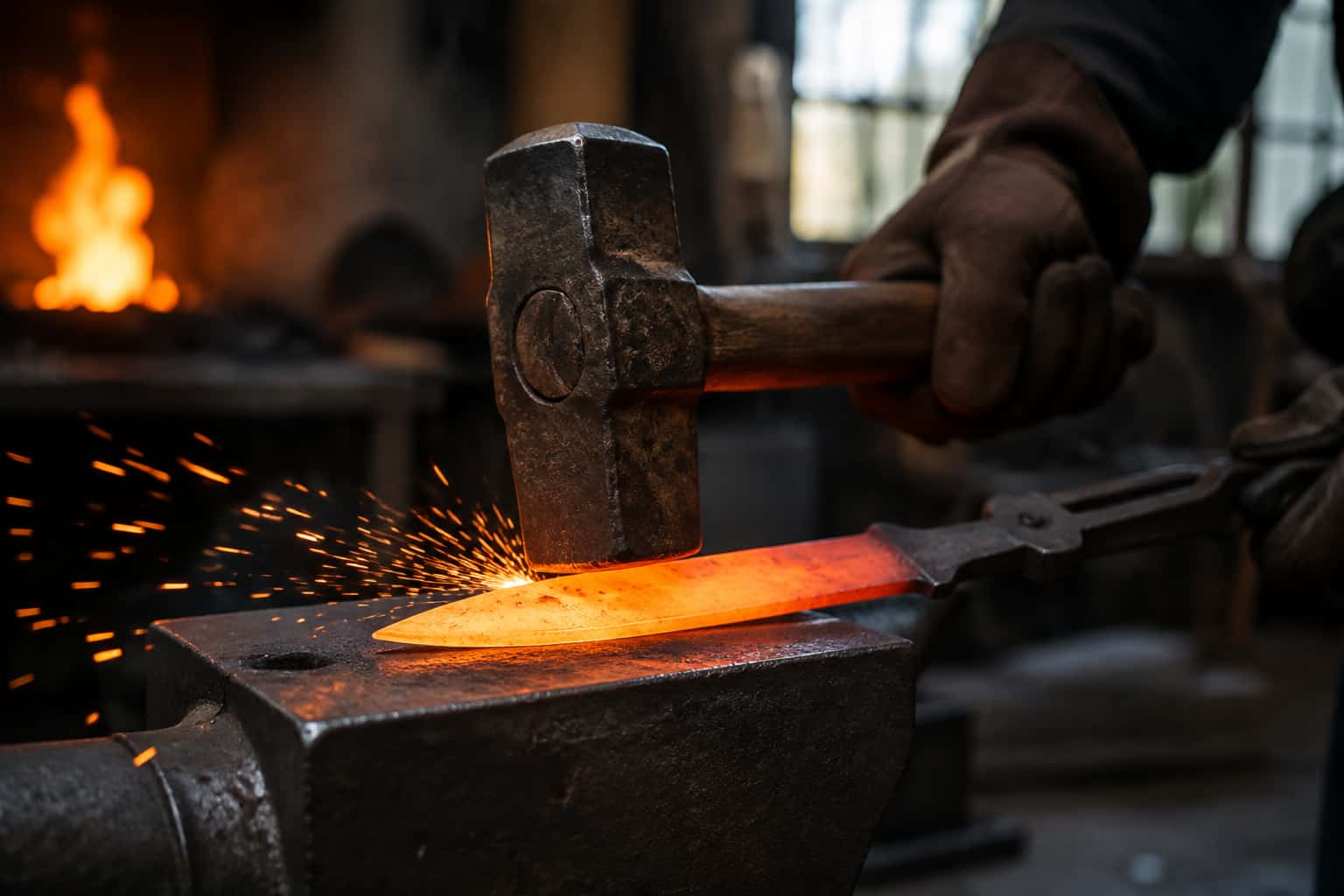
Forging & Bladesmithing
Hammer Technique for Bladesmiths: Control, Rhythm & Saving Your Elbow
Watch a working smith and the hammer looks effortless — because it is. Good hammer technique isn’t strength; it’s a setup that lets gravity, rebound, and…
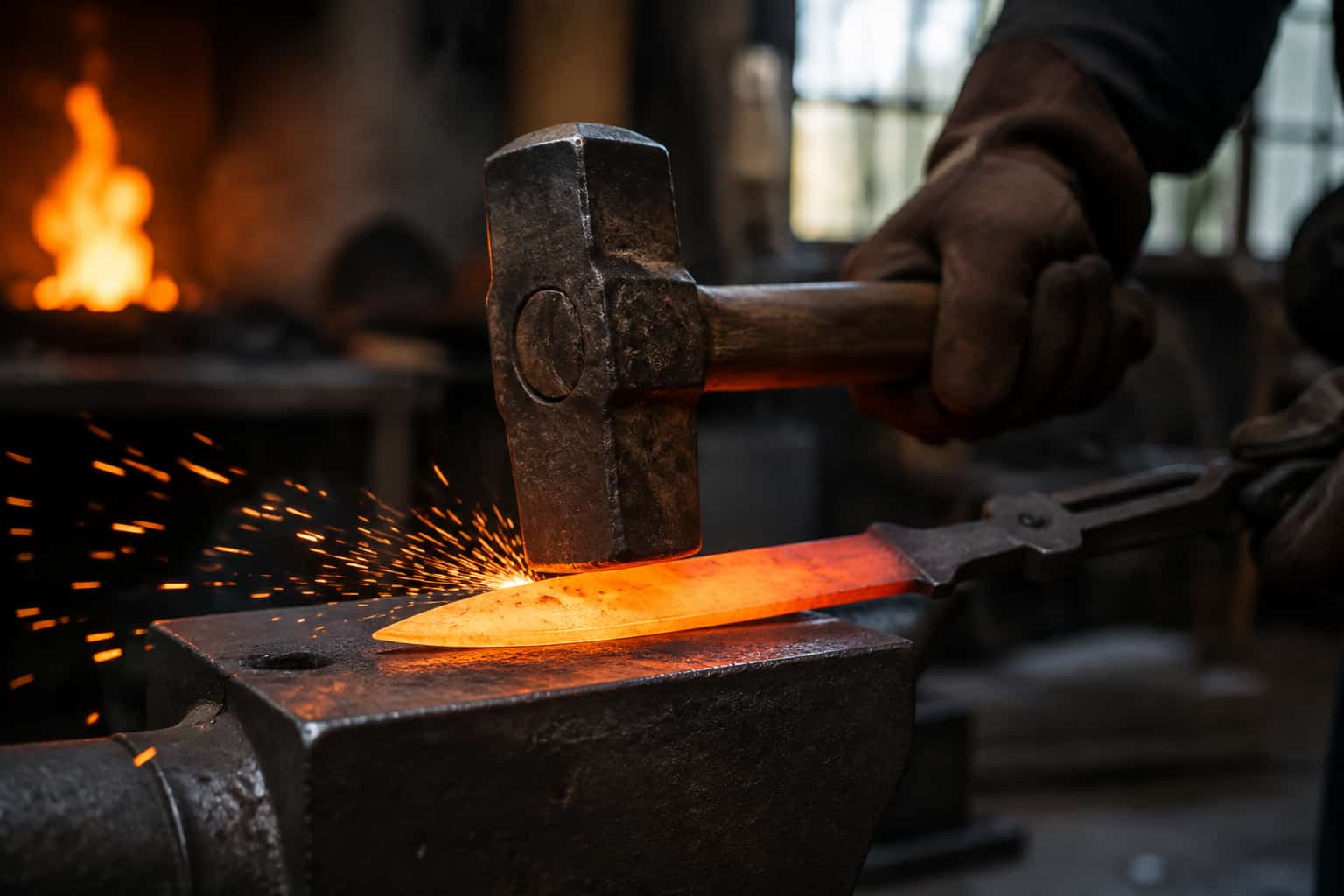
Forging & Bladesmithing
Rounding, cross and straight peen, dog head and ball peen hammers: what each face does, why knife work lives at 2-2.5 pounds, and how to choose your first one.
2 min readWritten by Rich LinvilleFree to read
The hammer is the cheapest tool in the forge and the one your body will know best. Every smith eventually owns a rack of them, but they all trace to a handful of working types — and understanding what each face is FOR beats owning all of them. This is the map; each major type gets its own deep dive below.
The rounding hammer — one domed face, one flat — is the modern bladesmith’s default, moving metal fast with the dome and smoothing with the flat. The cross peen and straight peen are the classic European drawing hammers, their wedge faces spreading steel in one chosen direction. The dog head hammer — the Japanese-lineage bladesmith specialist — puts the striking face below the eye line for bevel forging with uncanny control. The ball peen is the found-everywhere starter and texture tool. Beyond these live specialists: planishing hammers for smoothing, sledges for striker work, and the powered kind covered in Presses and Power Hammers.
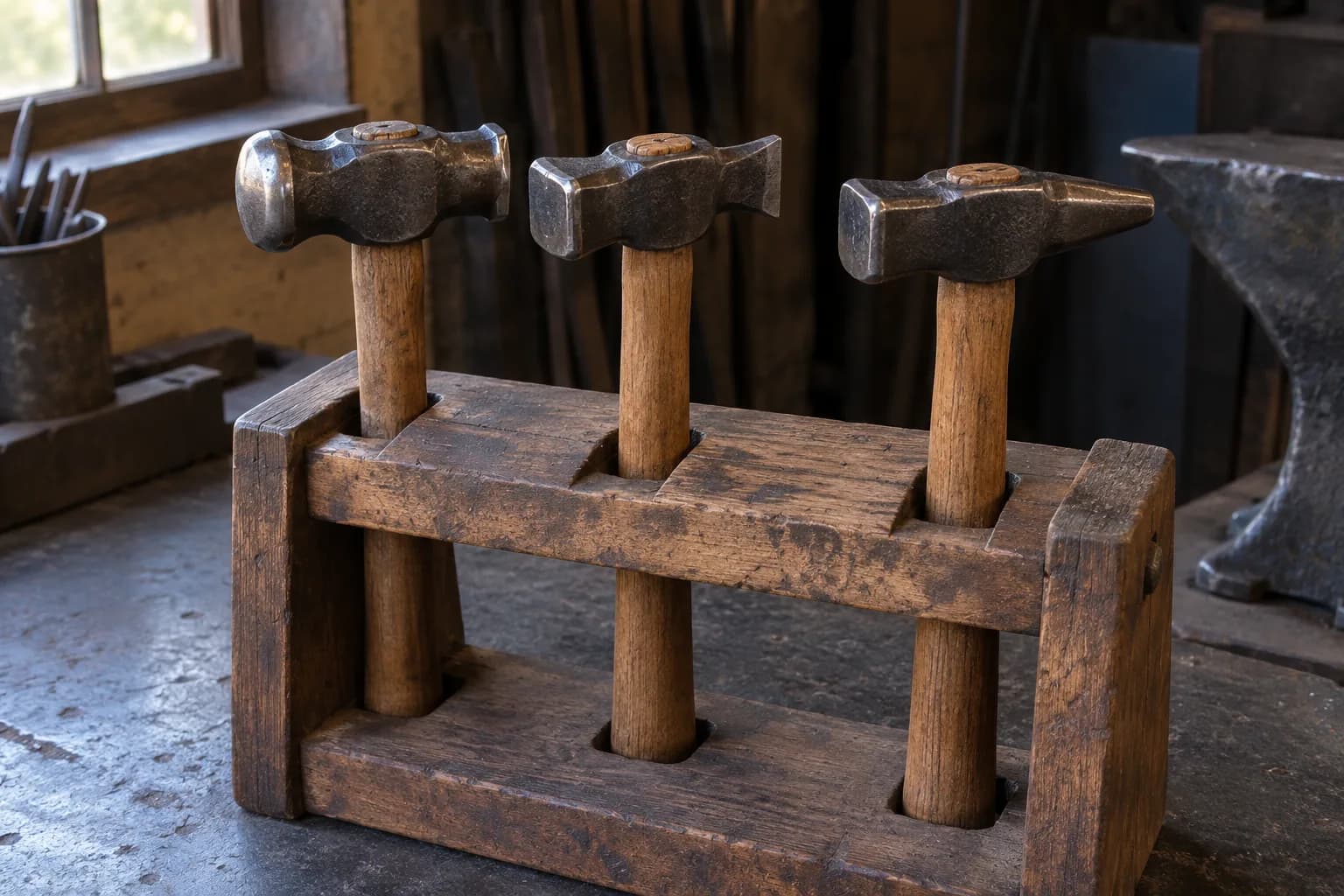
Knife forging lives at 2 to 2.5 pounds. Lighter than the internet’s tough talk suggests, and for a reason: control and endurance beat single-blow force for blade work, where the target is thin and precision is the product. A 3-pound hammer earns its place for damascus billets and heavy drawing; past that you are into striker and sledge territory. Beginners who buy heavy learn bad elbows, not fast forging — the body mechanics are covered in Hammer Technique.
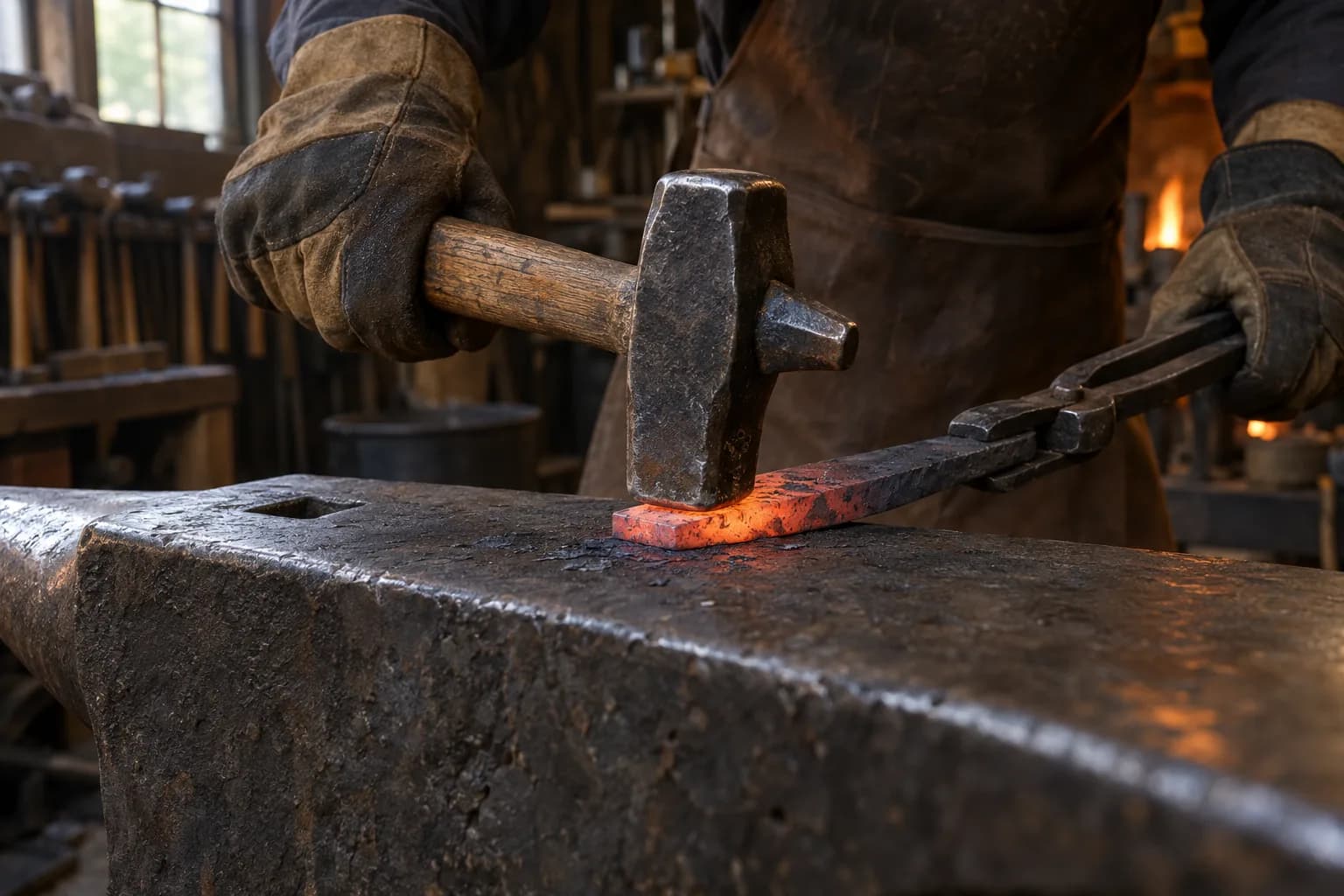
Whatever the type, the face condition writes itself onto every blade. Slightly crowned faces with eased, polished edges leave clean surfaces; a flat face with sharp corners stamps half-moon dings that take grinding sessions to erase. Two minutes with a worn 220 belt keeps a face polished — the highest-return maintenance in the shop.
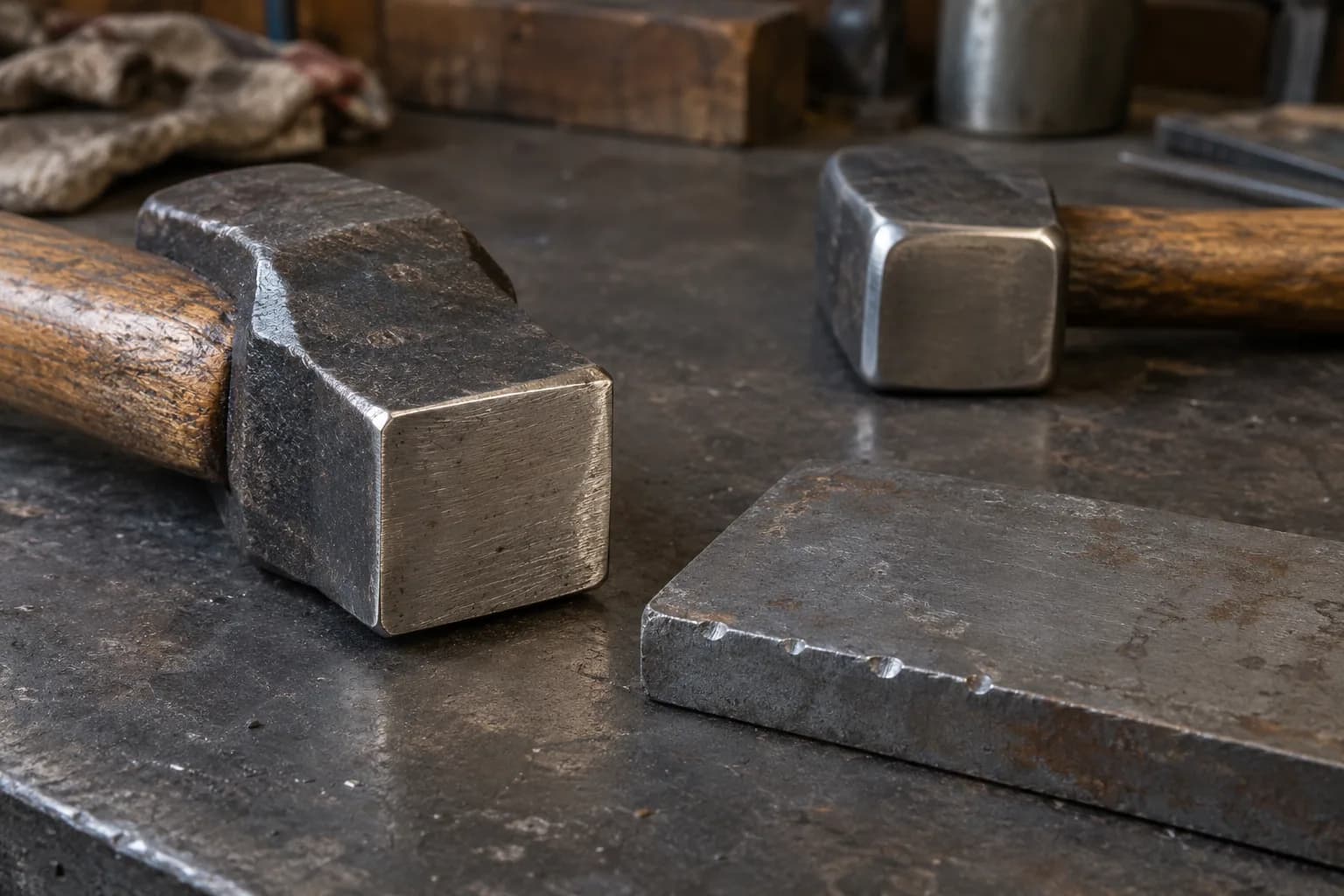
The honest starter: a 2 to 2.5 pound cross peen or rounding hammer with a dressed face — bought cheap and tuned, or bought once from a smith. What matters is weight in the sweet spot, a handle that fits YOUR hand, and faces you have polished yourself. The full buying logic, including what the community actually swings, is in Choosing a First Forging Hammer; the history of how these patterns emerged is in A Short History of the Hammer.
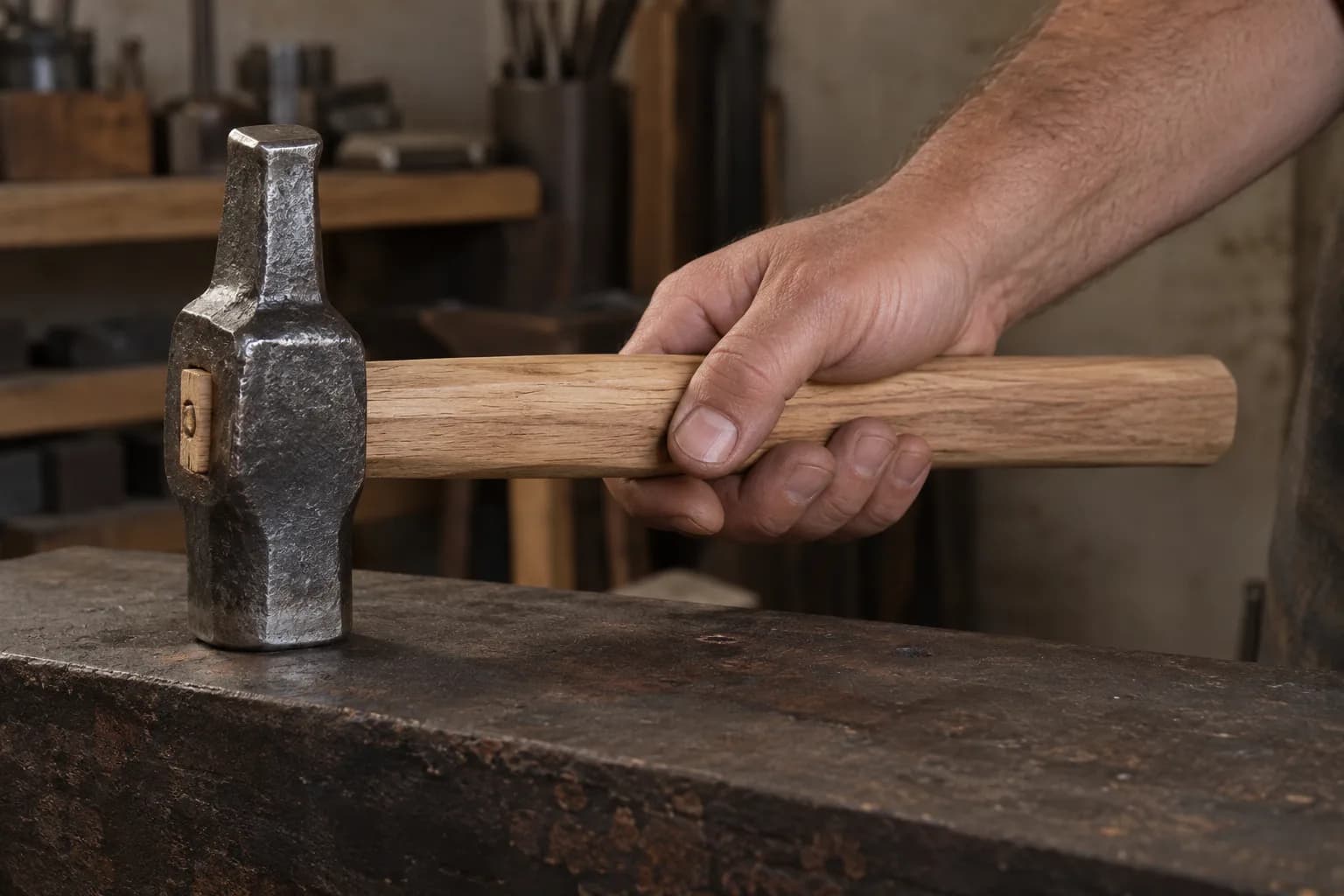
Hickory rules for shock and repairability; octagonal or oval cross-sections index the face angle in your grip without looking. Length runs 12–16 inches for blade work — choked-up control beats leverage here. Loose heads are re-wedged, not tolerated: full construction detail in Hammer Materials and Construction.
Keep reading
Three more from the same bench.
Watch a working smith and the hammer looks effortless — because it is. Good hammer technique isn’t strength; it’s a setup that lets gravity, rebound, and…
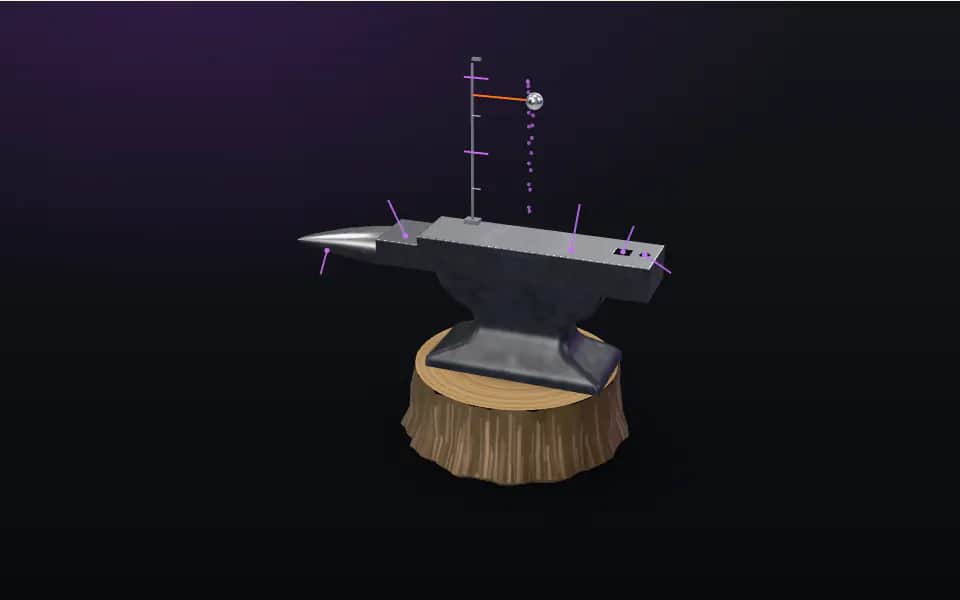
Nobody ever quit knifemaking because their anvil was too small — plenty quit because they spent the whole budget on a 250-pound showpiece and had nothing…
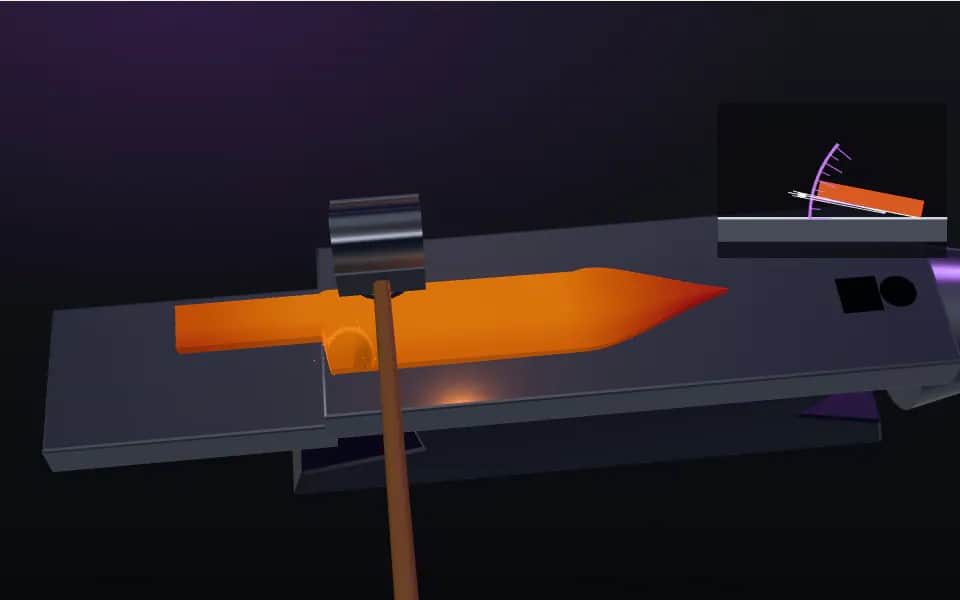
Forging a knife is not sculpting with sparks — it’s a sequence, and once you know the sequence, every session has a plan. This guide walks a first forged…
Same bench
I machine the parts, hand-assemble, track and test Torus grinders in Sterling, Illinois. Most orders ship in seven to ten business days from time of order.

Current dual-axis platform with a fiber-laser-cut 6061 chassis and single-knob tracking.

Current dual-axis platform with a steel chassis, more mass and less vibration.

Prior-design aluminum chassis, 90-degree tilt and 1.5-inch tooling arms.

One-man shop
I answer my own email. Tell me the steel, the machine and what it is doing, and I will tell you what I would try next.