
Forging & Bladesmithing
Blacksmith Hammers: Types, Weights & How to Choose
The hammer is the cheapest tool in the forge and the one your body will know best. Every smith eventually owns a rack of them, but they all trace to a…
Forging & Bladesmithing
The dog head (kozuchi-lineage) hammer: why the offset face self-aligns on bevels, forging edges thin without anvil strikes, and fatigue relief.
2 min readWritten by Rich LinvilleFree to read
Most hammers are general tools that forge blades; the dog head is a blade-forging tool. Its silhouette explains the name — a long asymmetric head with the mass slung low, like a dog’s profile — and its lineage runs through the Japanese swordsmith’s kozuchi and, historically, through cutlers, saw doctors and file makers across many cultures. Wherever thin, precise steel was forged for a living, some version of this hammer shows up.
The dog head’s striking face sits BELOW the centerline of the eye, with head mass biased behind it. Two things follow. First, the face self-aligns: slung low and heavy-backed, the head arrives flat on the work with far less wrist correction — on bevels, where every blow lands on an angled surface trying to skid the hammer, that self-squaring behavior is the difference between crisp bevels and a surface full of half-moon dings. Second, the low face forges an edge THIN right against the anvil without the hammer body striking the anvil face — the exact clearance problem that frustrates edge-forging with a symmetric hammer.
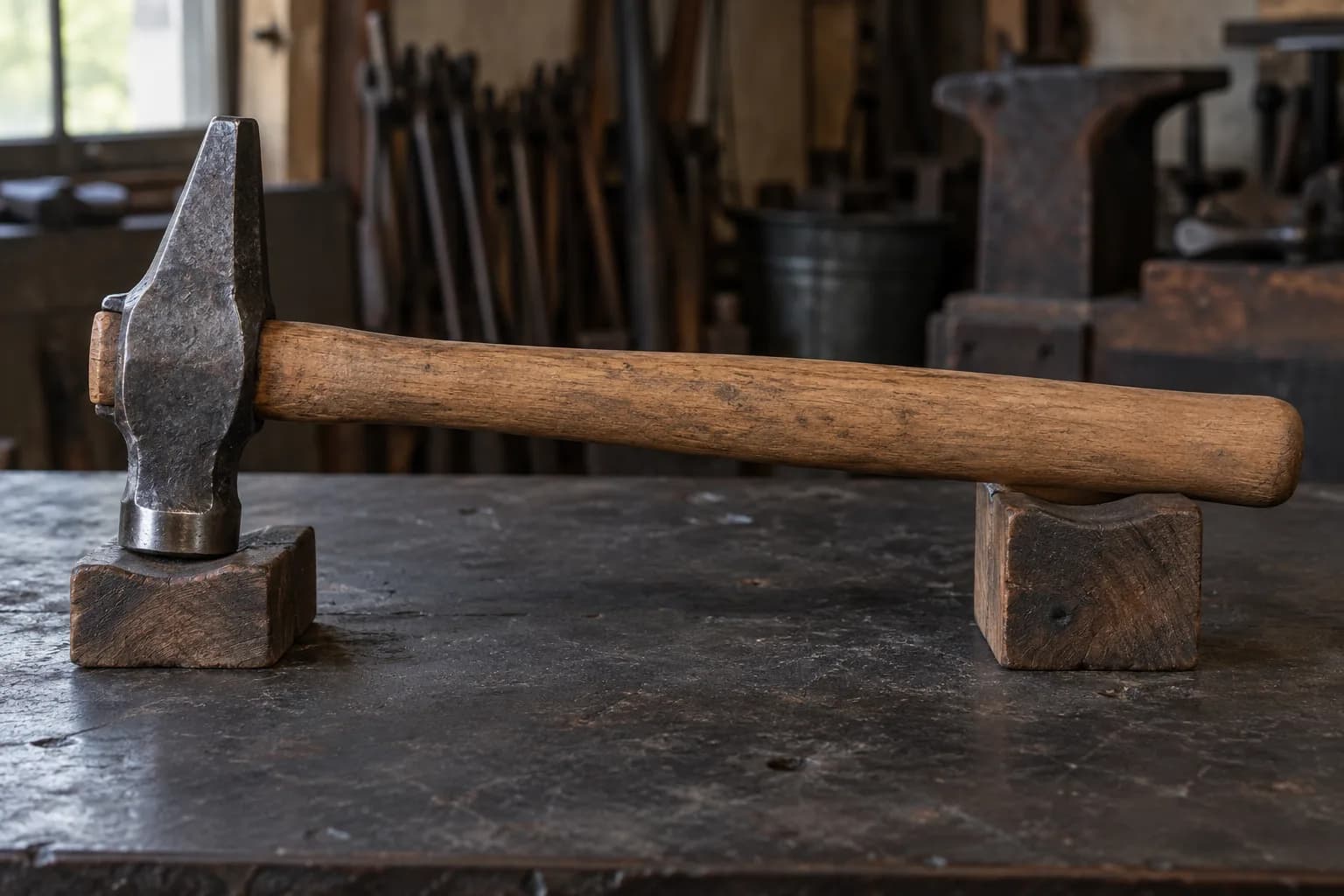
Users consistently report the same surprise: it is less tiring than a balanced hammer of equal weight. The mass distribution does more of the aligning work your forearm otherwise does, blow after blow — across a thousand blows a session, that correction tax is real. Japanese smiths forged entire swords with this pattern for centuries; ergonomics settled the argument long before the word existed.
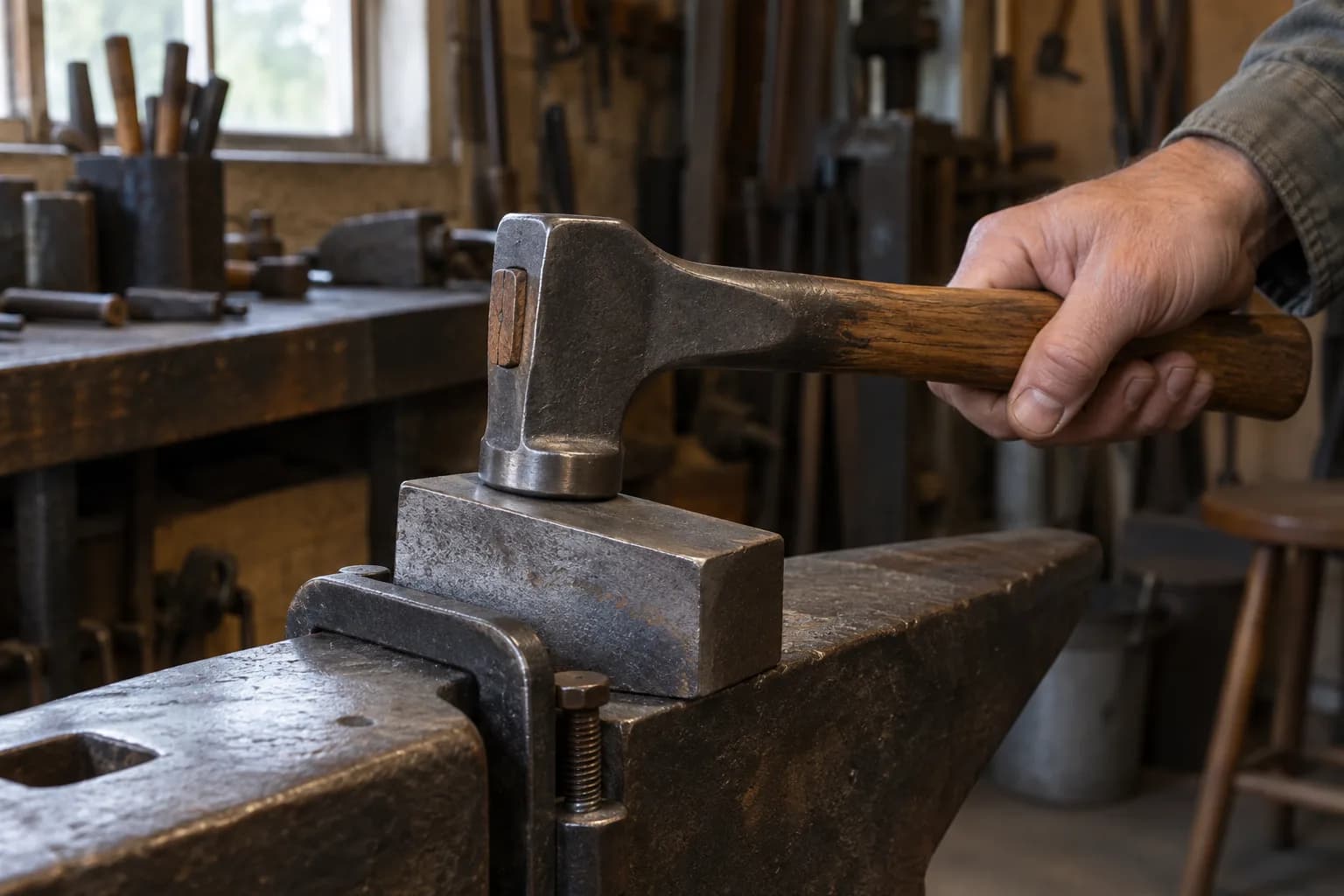
The dog head earns its keep at exactly the stage other hammers get nervous: finish-forging bevels and thinning edges. Work the bevel in overlapping rows with the blade’s edge toward you and the dog head’s long flat face riding the angle; the near-square face placement lets you run the edge down toward forged-thin — saving a remarkable amount of grinding, the entire economic argument for forged bevels in the step-by-step method. Rough mass movement stays with the rounding hammer or cross peen; the dog head is the finisher.
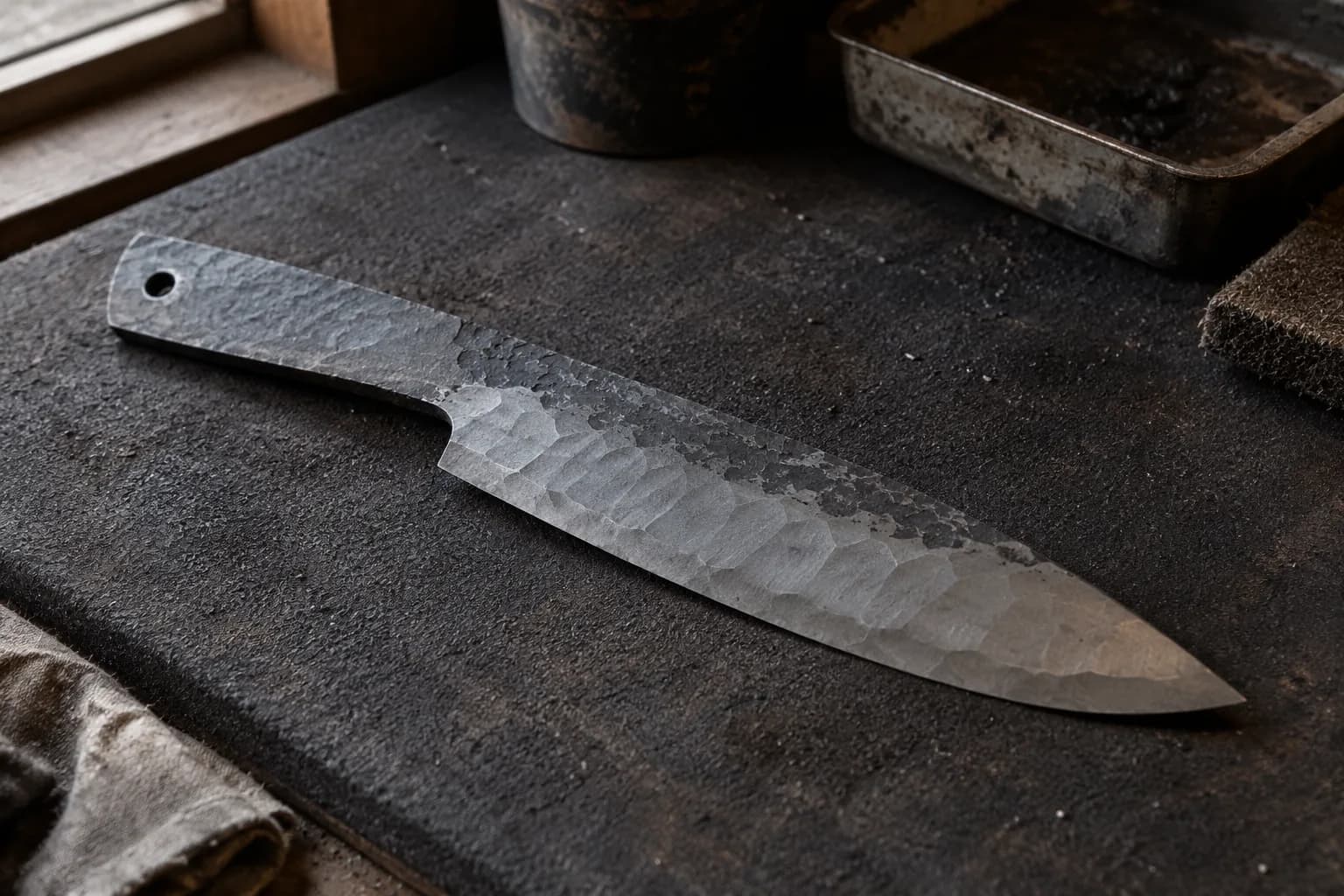
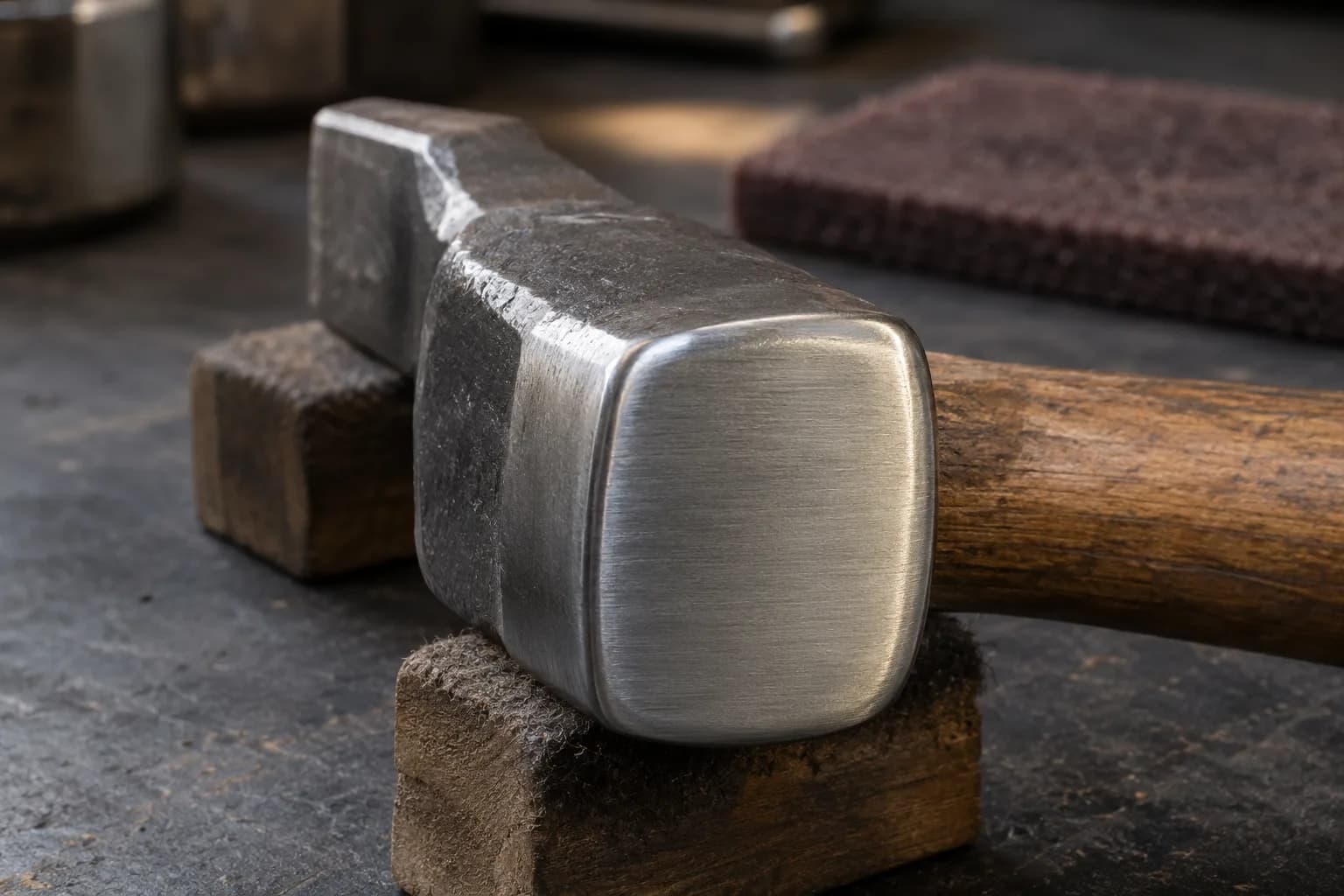
Dog heads live mostly in the smith-made and small-maker world — Japanese blacksmith suppliers, custom hammer makers, and hammer-in projects — commonly 1.5 to 2.5 pounds for blade work. It is also a rewarding forge project: a simple rectangular head with an offset drifted eye, no crown geometry to master. Dress the face dead flat with softened corners and polish it; the dog head’s whole job is clean surfaces, so its face standard is the highest on the rack — dressing routine in the hammer field guide.
Keep reading
Three more from the same bench.
The hammer is the cheapest tool in the forge and the one your body will know best. Every smith eventually owns a rack of them, but they all trace to a…
Walk any modern hammer-in and the racks tell the story: the rounding hammer — one domed face, one flat, a compact block of a head — has become the default…
Watch a working smith and the hammer looks effortless — because it is. Good hammer technique isn’t strength; it’s a setup that lets gravity, rebound, and…
Same bench
I machine the parts, hand-assemble, track and test Torus grinders in Sterling, Illinois. Most orders ship in seven to ten business days from time of order.
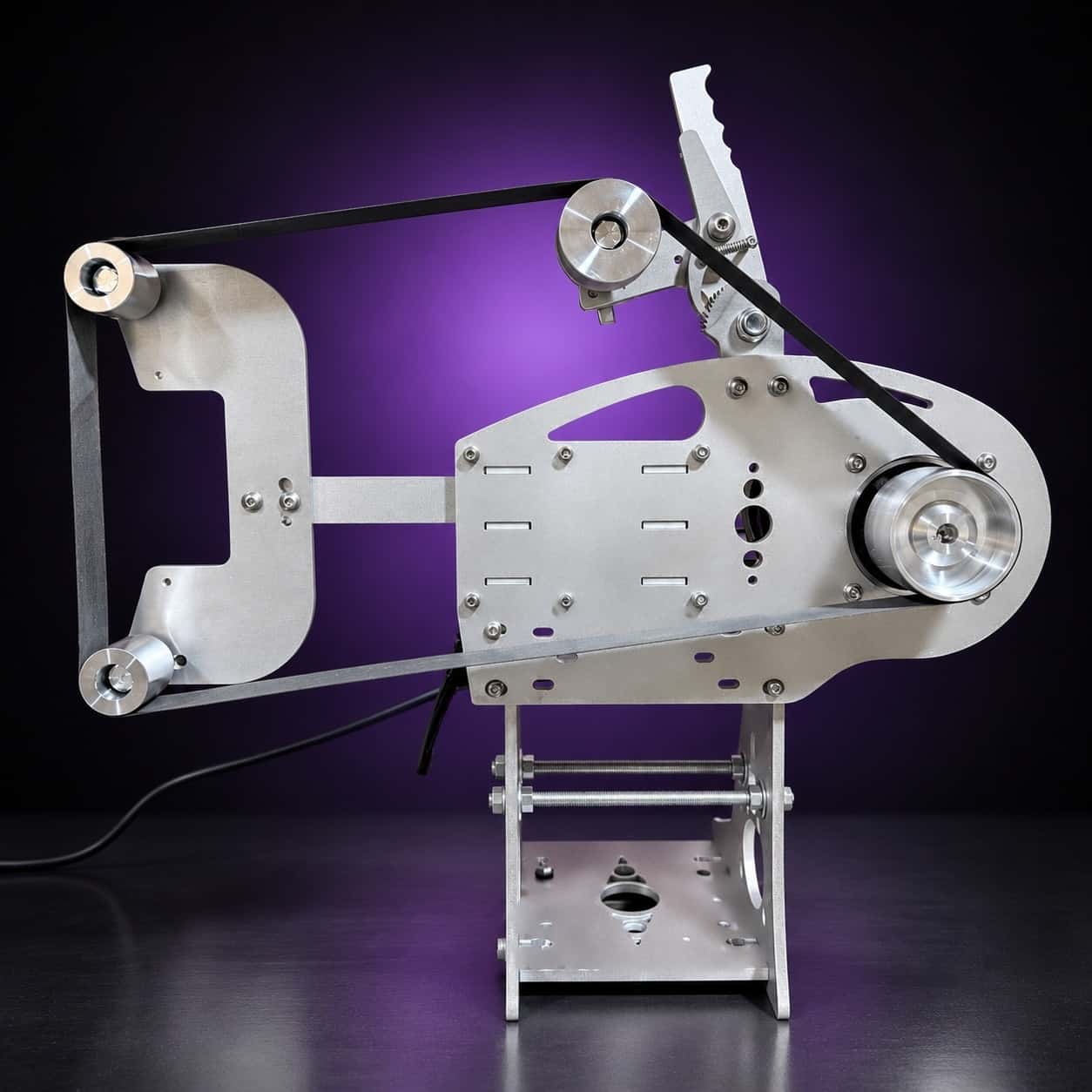
Current dual-axis platform with a fiber-laser-cut 6061 chassis and single-knob tracking.
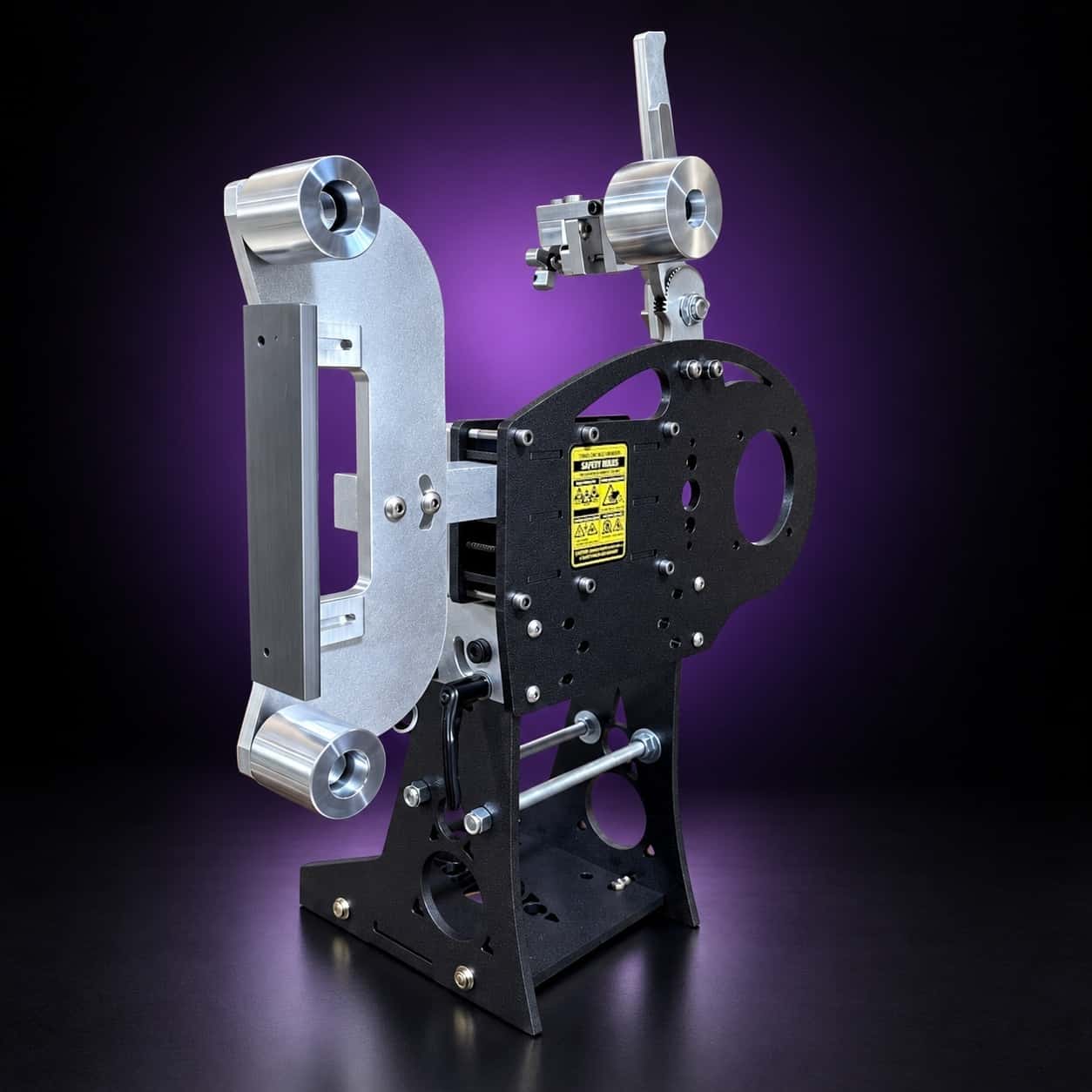
Current dual-axis platform with a steel chassis, more mass and less vibration.
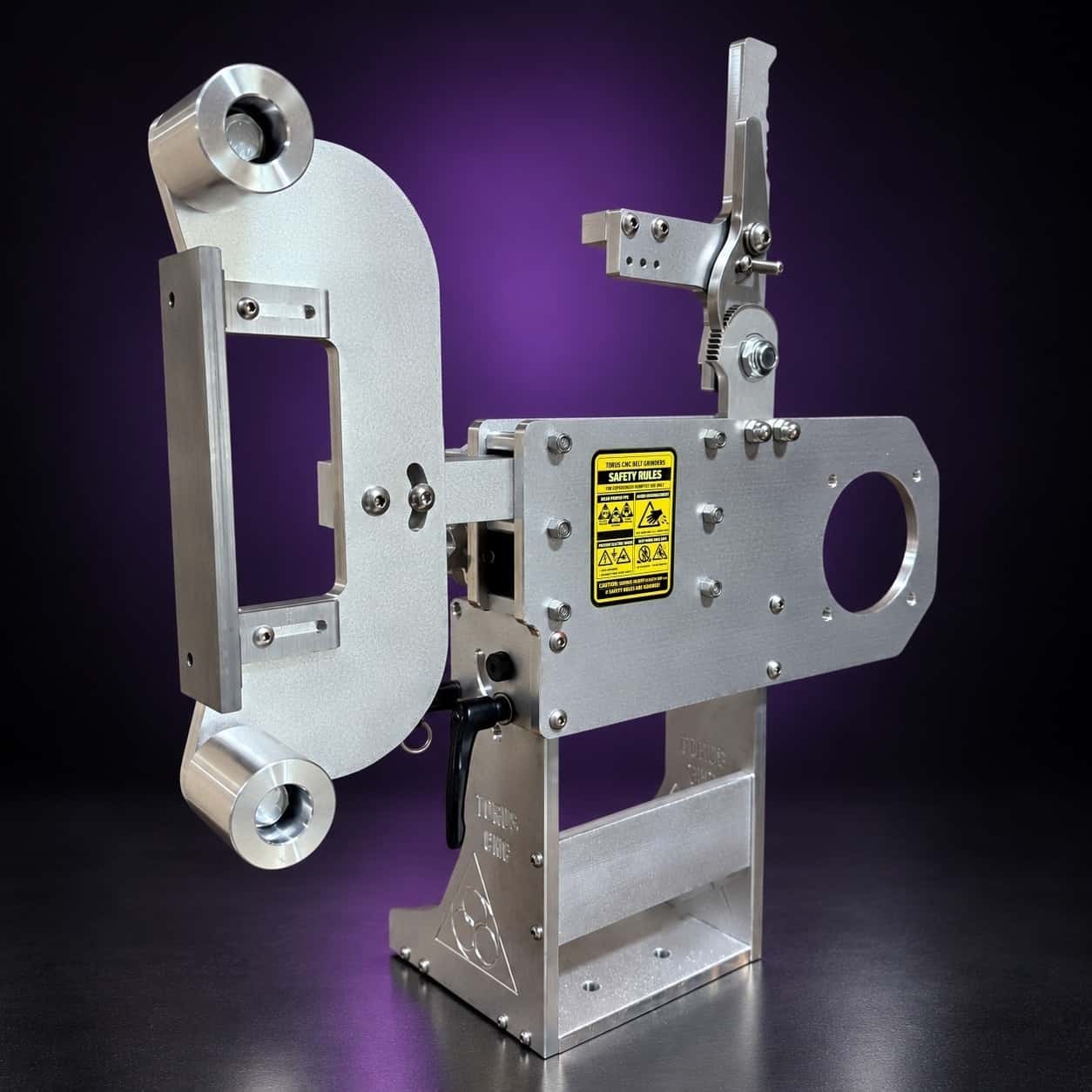
Prior-design aluminum chassis, 90-degree tilt and 1.5-inch tooling arms.
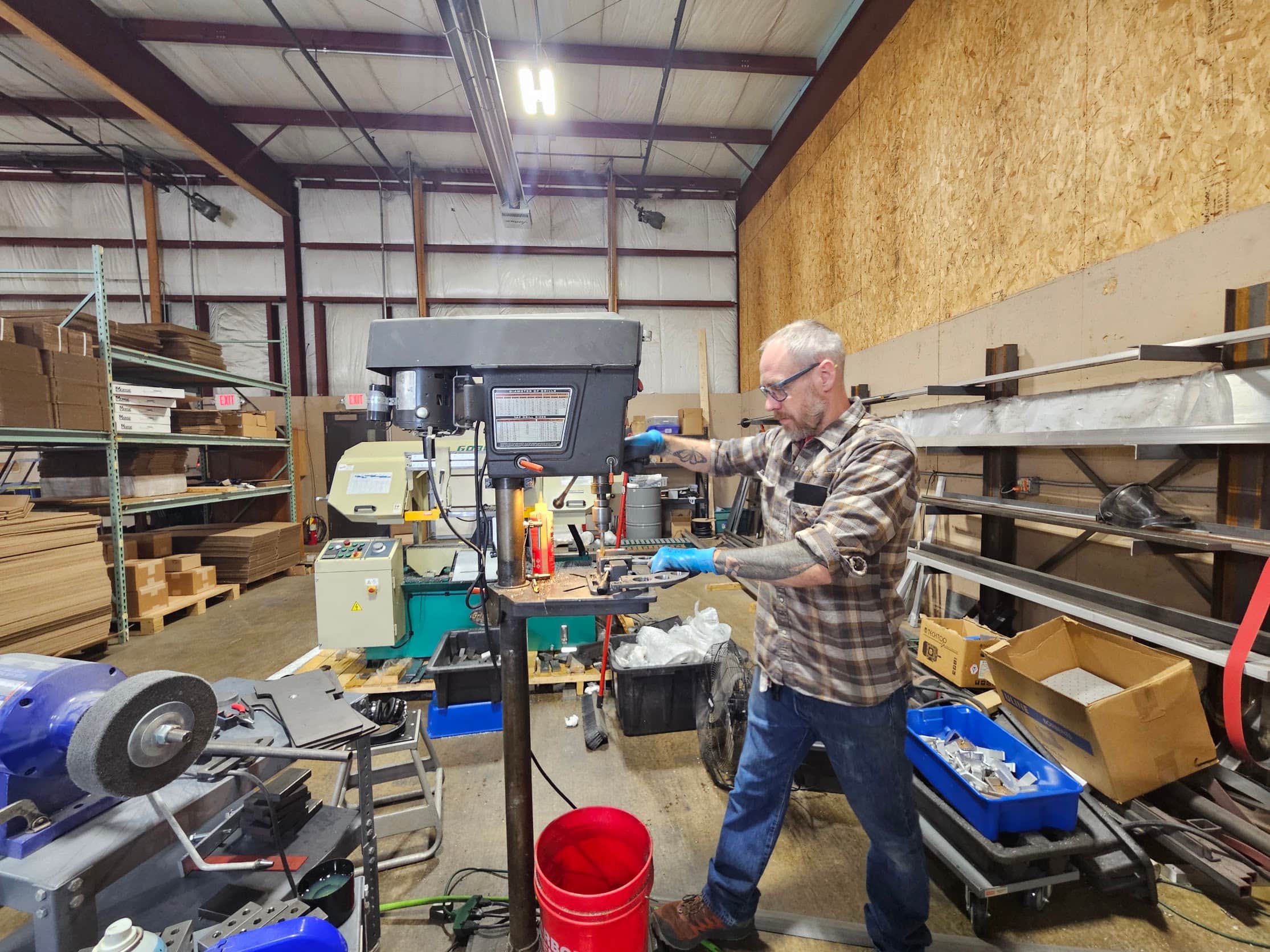
One-man shop
I answer my own email. Tell me the steel, the machine and what it is doing, and I will tell you what I would try next.