
Forging & Bladesmithing
Blacksmith Hammers: Types, Weights & How to Choose
The hammer is the cheapest tool in the forge and the one your body will know best. Every smith eventually owns a rack of them, but they all trace to a…
Forging & Bladesmithing
Your first forging hammer: 2-2.5 pounds, faces you dress yourself, and a handle shaved to your hand. Three honest starting paths and when to upgrade.
2 min readWritten by Rich LinvilleFree to read
The first hammer question generates more forum pages than heat treat, and the honest answer fits in a sentence: two to two and a half pounds, faces you dressed yourself, handle shaved to your hand — pattern almost irrelevant. Everything else is refinement, and the refinements are worth knowing before money moves.
Control and repetition forge blades; single mighty blows forge injuries. At 2–2.5 pounds an average adult swings accurately for a full session; the 4-pound monster the internet recommends teaches flinching and tendonitis. Smaller smiths and younger smiths start at 1.5–2 honestly — accuracy compounds, weight does not. The full body-mechanics case is in Hammer Technique; believe it before your elbow files its own report.
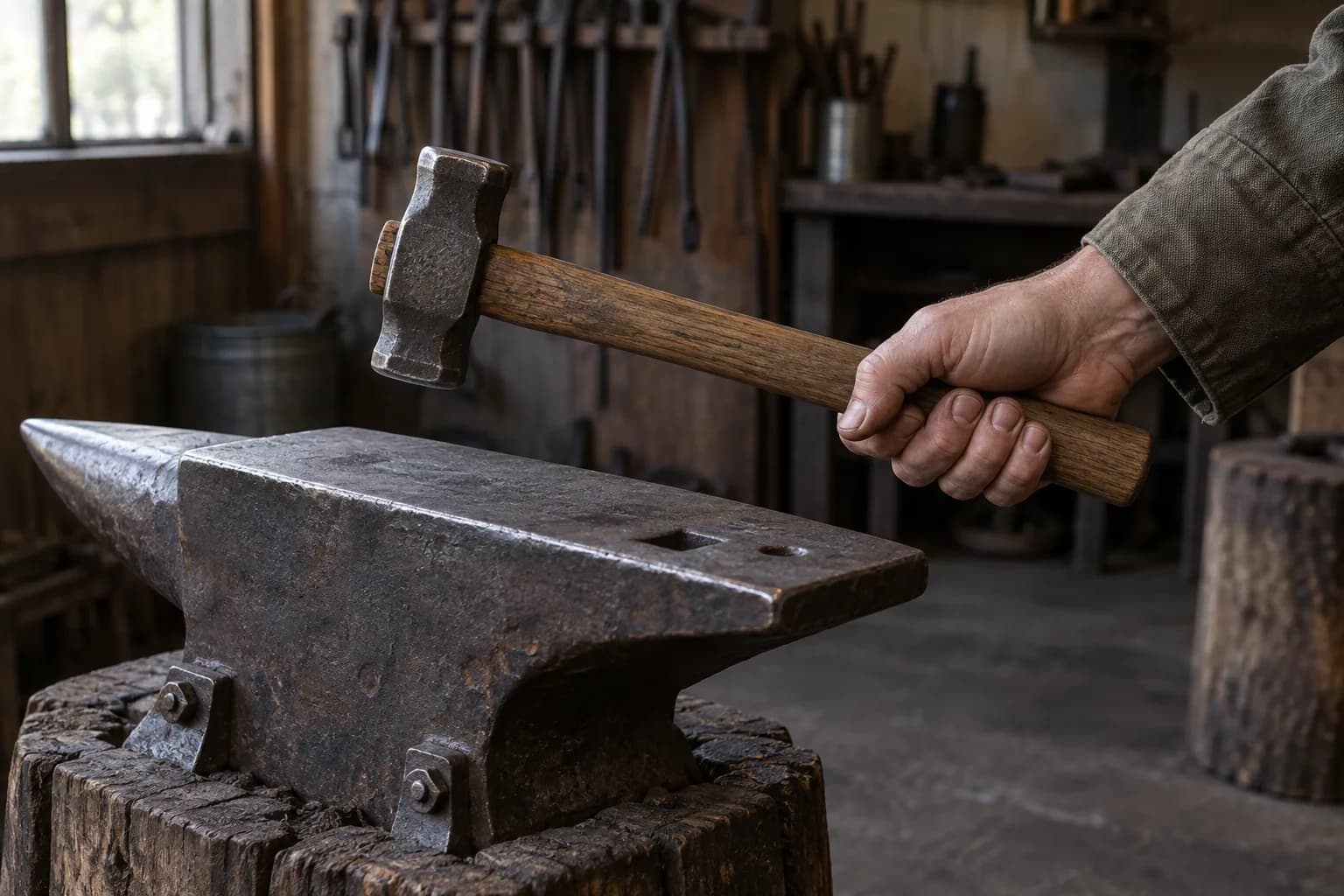
Path one: the dressed find — flea-market ball peen or hardware cross peen plus a tuning session, per Ball Peens and Found Hammers; total cost of lunch. Path two: the production smithing hammer — a German-pattern cross peen from a farrier or blacksmith supplier lands quality steel at a modest price, needing only face-easing and a handle shave. Path three: the smith-made hammer — a Brazeal-style rounding hammer or dog head from a working maker; costs real money, arrives dressed and hung right, and doubles as a masterclass in what correct feels like. All three end at the same anvil; wallet and patience pick the door.
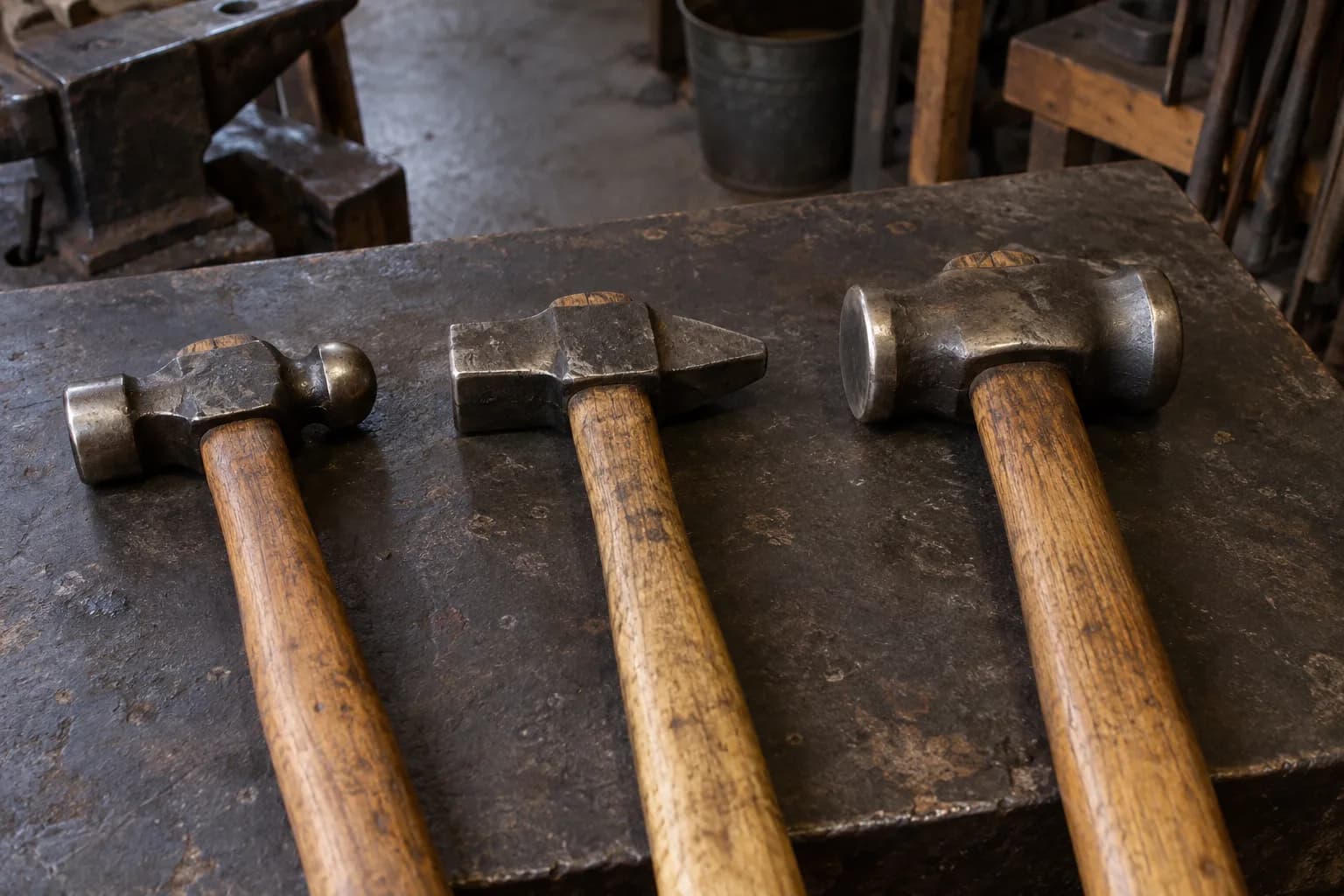
Poll working bladesmiths and the same names recur. The rounding hammer dominates the American scene — the Brazeal-lineage pattern especially, half the racks at any hammer-in. The dog head is the fastest-growing minority, beloved for bevel work and easy sessions. Traditionalists and European-trained smiths hold the cross peen line, and a large quiet contingent forges everything with a dressed ball peen and spends the saved money on steel. The pattern matters less than the consensus underneath it: every one of those hammers has dressed faces, a tight hang, and a shaved handle. That is the actual secret.
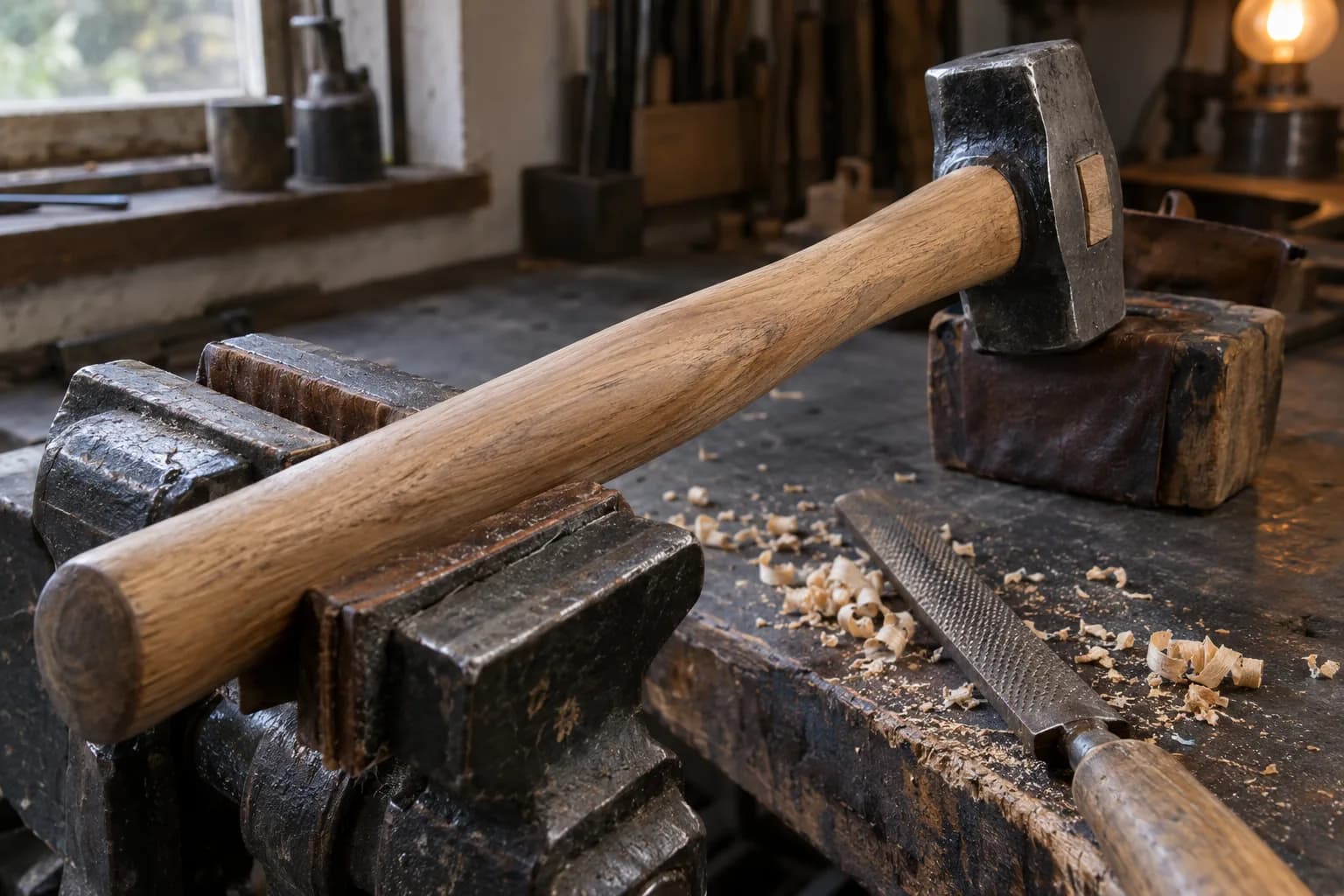
Upgrade when your hands can name the complaint: the flat face digs on bevel work (a dog head fixes that), drawing feels slow (cross peen or heavier rounding hammer), the handle numbs your grip (shave it or re-hang). Upgrading before the complaint exists buys decoration. And keep the first hammer regardless — dressed cheap hammers become texture tools, strikers for guests, and loaners for the next beginner, per the field guide’s long view of the rack.
Keep reading
Three more from the same bench.
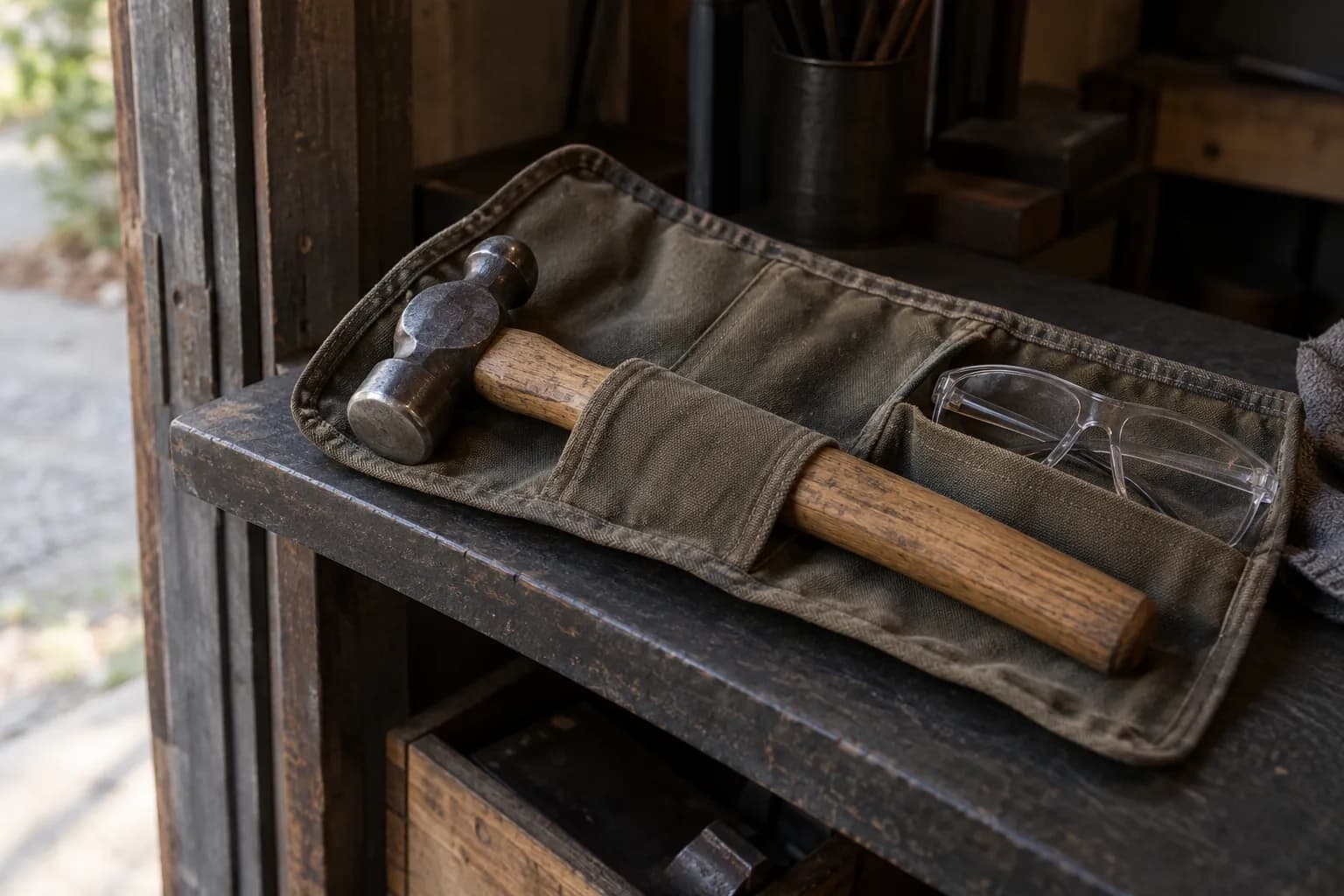
The hammer is the cheapest tool in the forge and the one your body will know best. Every smith eventually owns a rack of them, but they all trace to a…
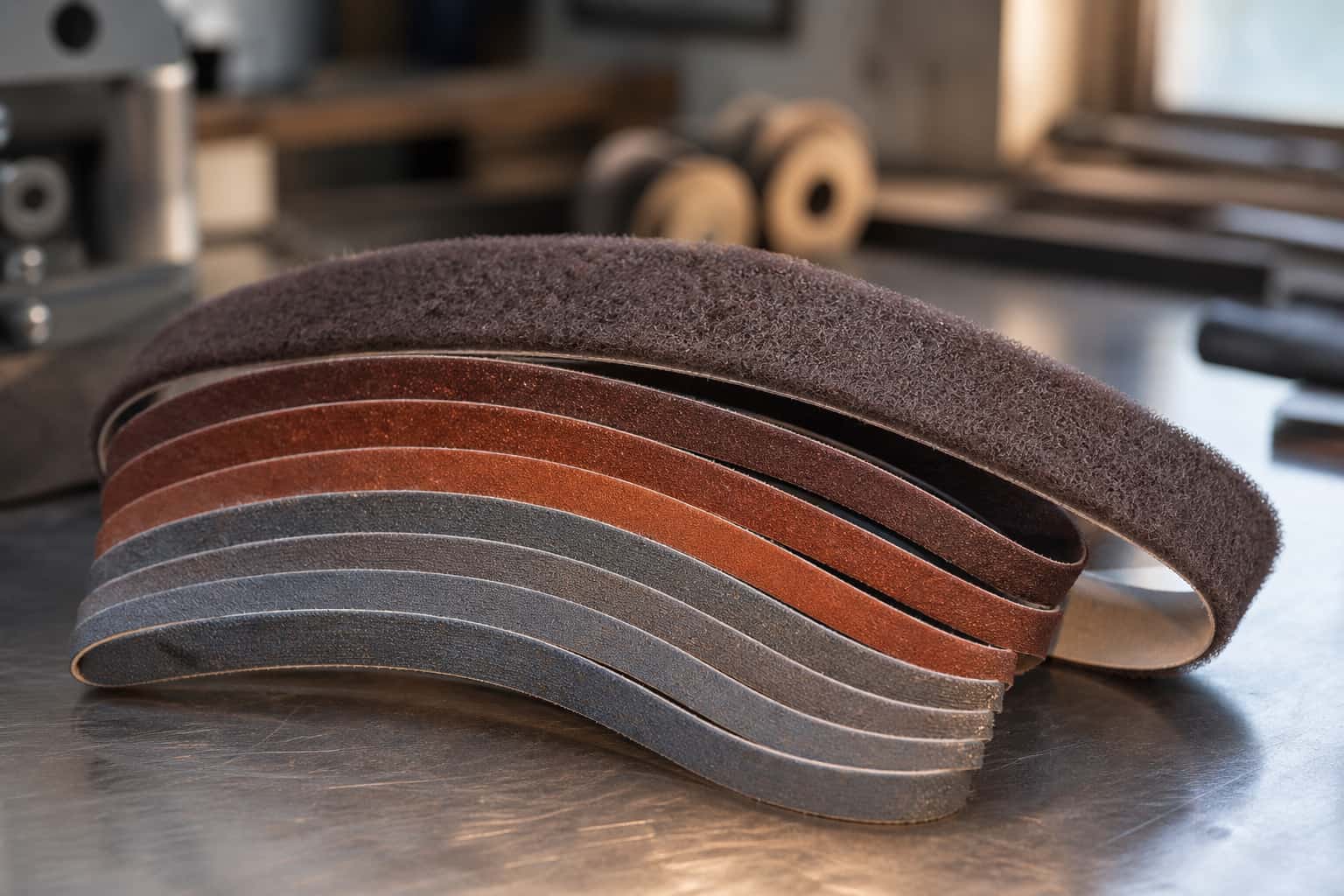
Nobody needs a hundred-dollar hammer to forge a first knife. The ball peen in every flea market bin, the engineer’s hammer at the hardware store, the dead…
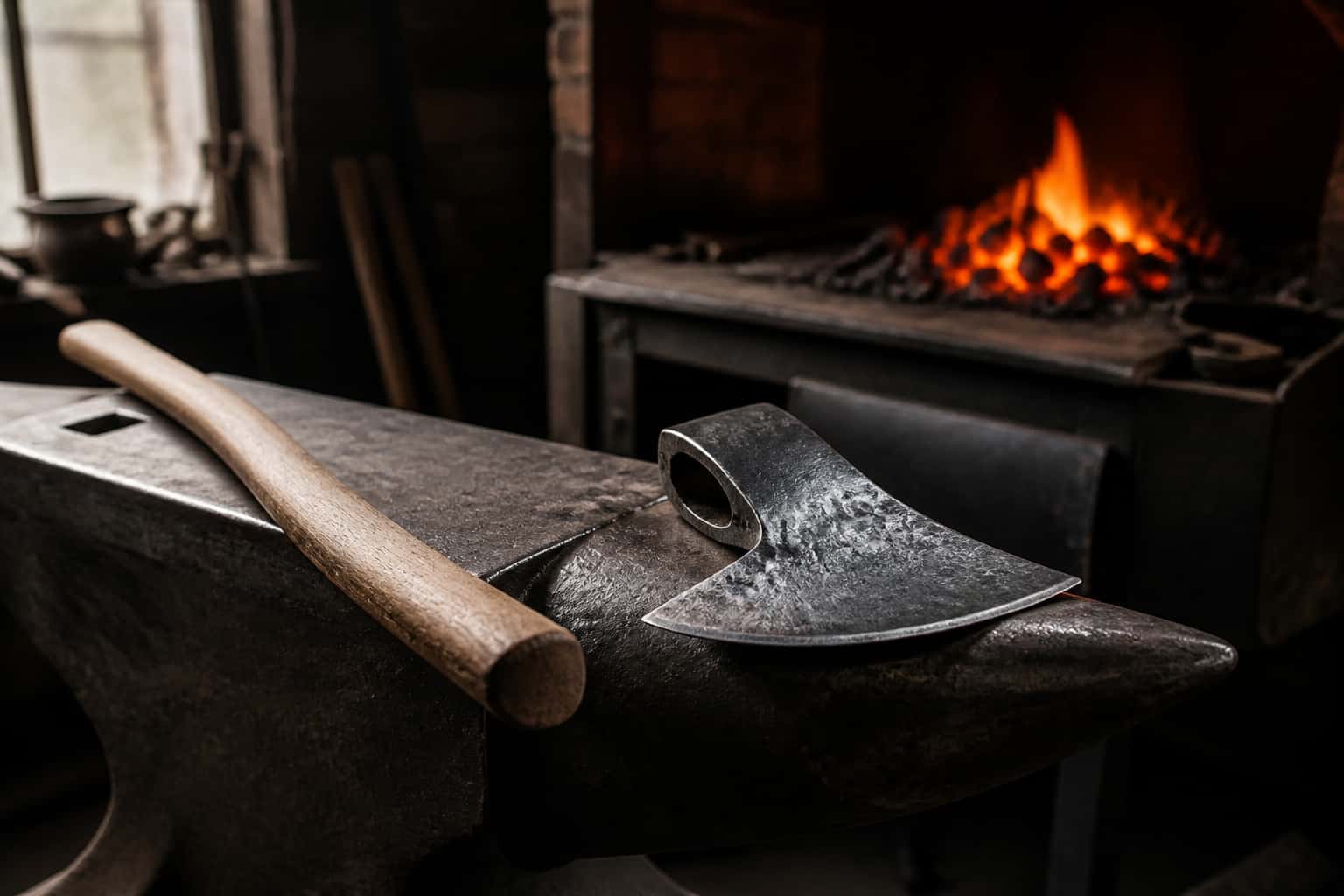
A hammer looks like the simplest tool in the shop and hides the most engineering per pound: a head hard enough to survive a working lifetime of impacts…
Same bench
I machine the parts, hand-assemble, track and test Torus grinders in Sterling, Illinois. Most orders ship in seven to ten business days from time of order.
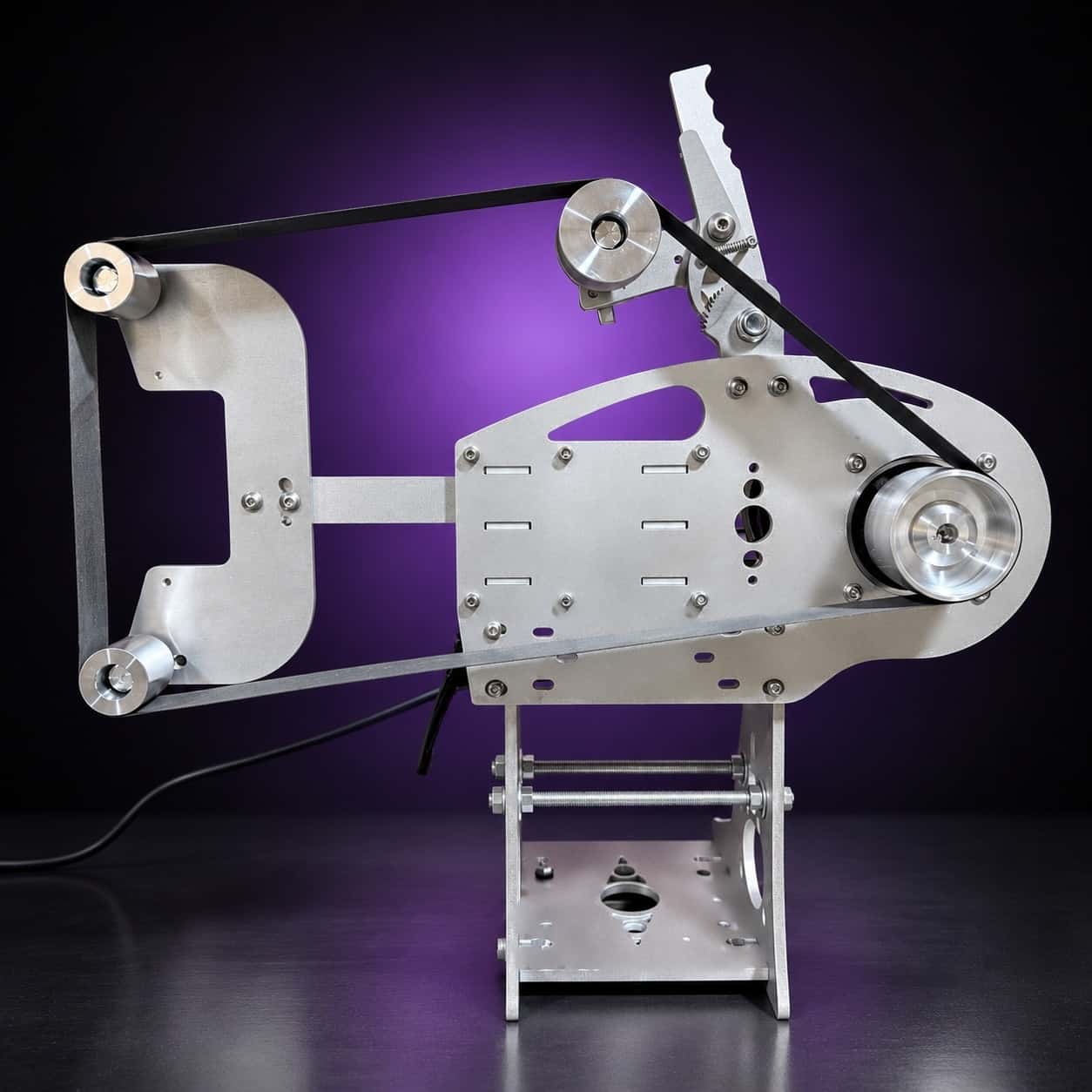
Current dual-axis platform with a fiber-laser-cut 6061 chassis and single-knob tracking.
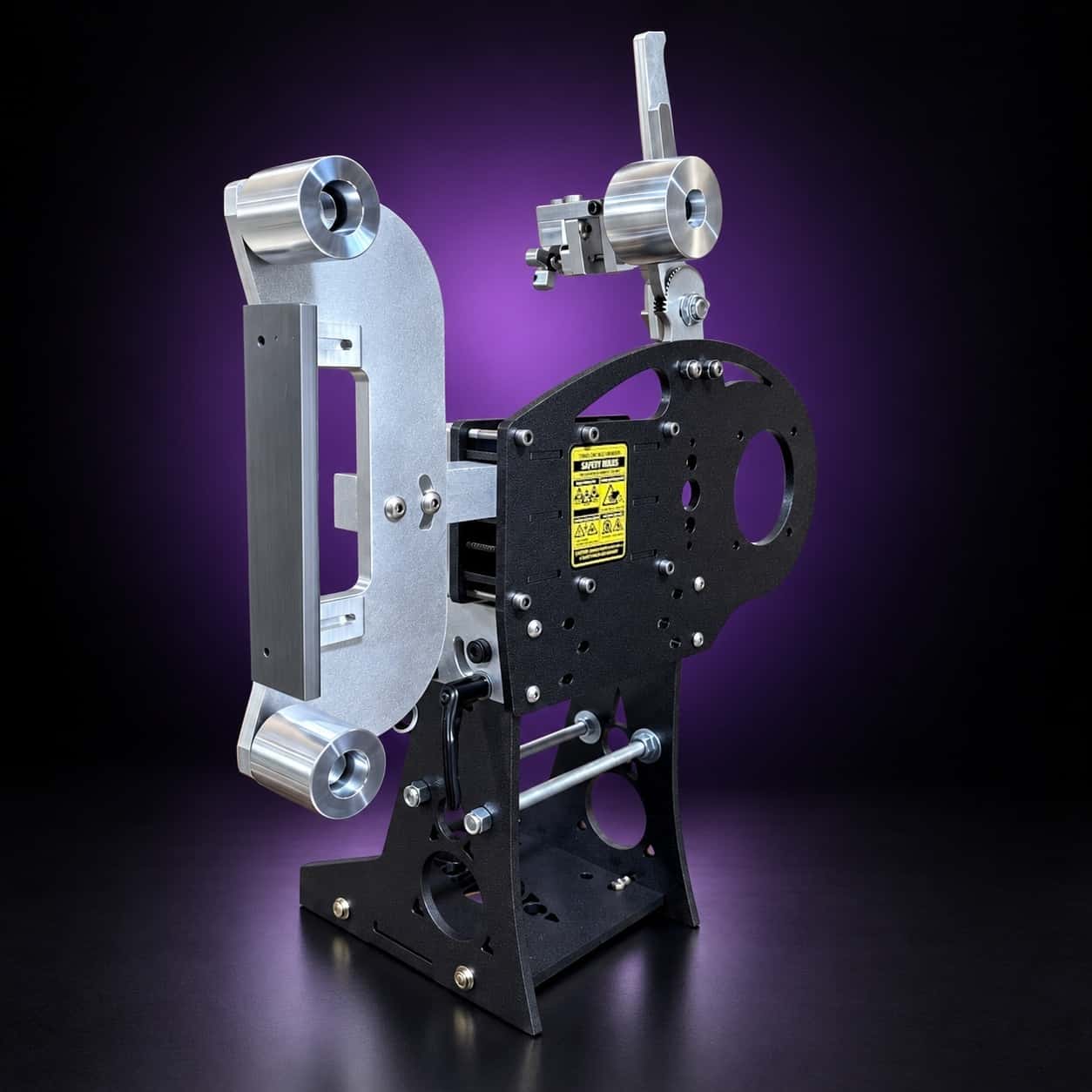
Current dual-axis platform with a steel chassis, more mass and less vibration.
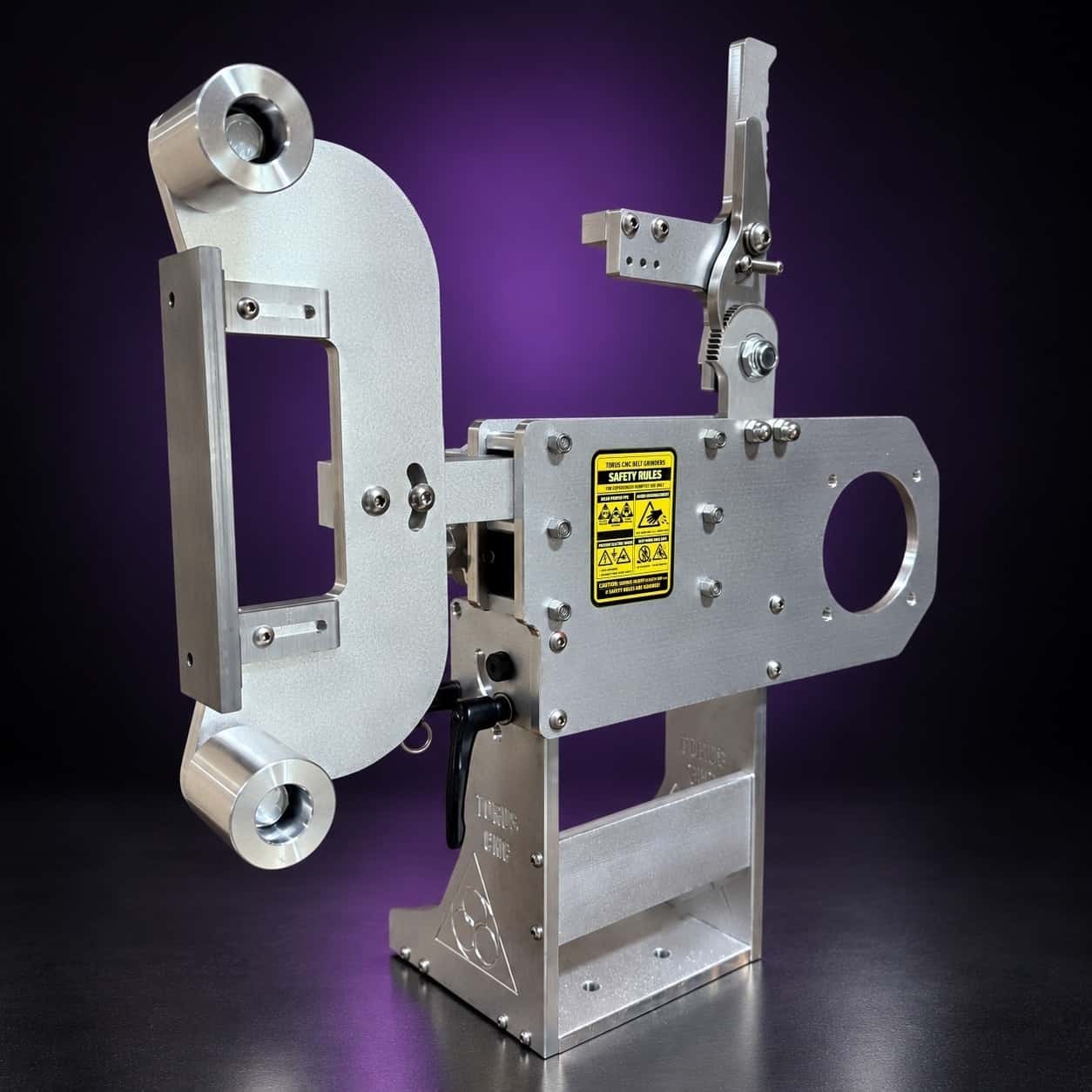
Prior-design aluminum chassis, 90-degree tilt and 1.5-inch tooling arms.
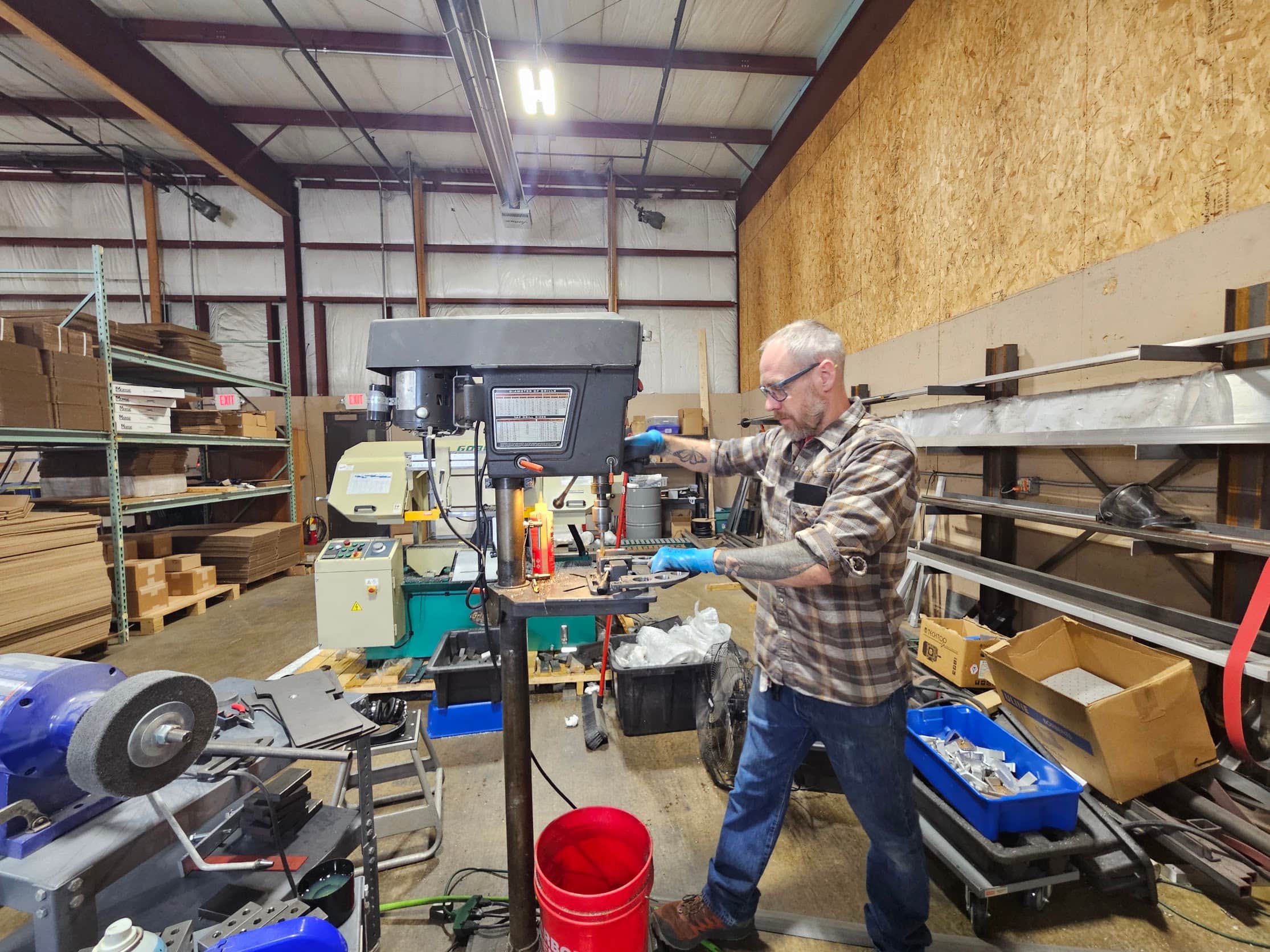
One-man shop
I answer my own email. Tell me the steel, the machine and what it is doing, and I will tell you what I would try next.