
Forging & Bladesmithing
Blacksmith Hammers: Types, Weights & How to Choose
The hammer is the cheapest tool in the forge and the one your body will know best. Every smith eventually owns a rack of them, but they all trace to a…
Forging & Bladesmithing
What a forging hammer is made of: head steels like 4140, face hardness targets, hickory handles, eyes and wedges, and why construction matters.
2 min readWritten by Rich LinvilleFree to read
A hammer looks like the simplest tool in the shop and hides the most engineering per pound: a head hard enough to survive a working lifetime of impacts yet soft enough never to shatter, hung on a handle tuned to carry shock away from your elbow. Knowing what a good one is made of is how you judge the cheap one, the antique one, and the one you are about to forge.
The classic modern answer is a medium-carbon alloy steel — 4140 chromoly above all, with 1045-class carbon steels close behind. The logic mirrors knife-steel logic in reverse: a hammer wants toughness FIRST, hardness second. Medium carbon delivers deep resilience with enough hardenability to firm up the faces; high-carbon blade steels would take a finer face polish and then chip it into shrapnel. Old heads were commonly forged from plain carbon or wrought iron with steeled faces — part of why quality antiques survive and still work.
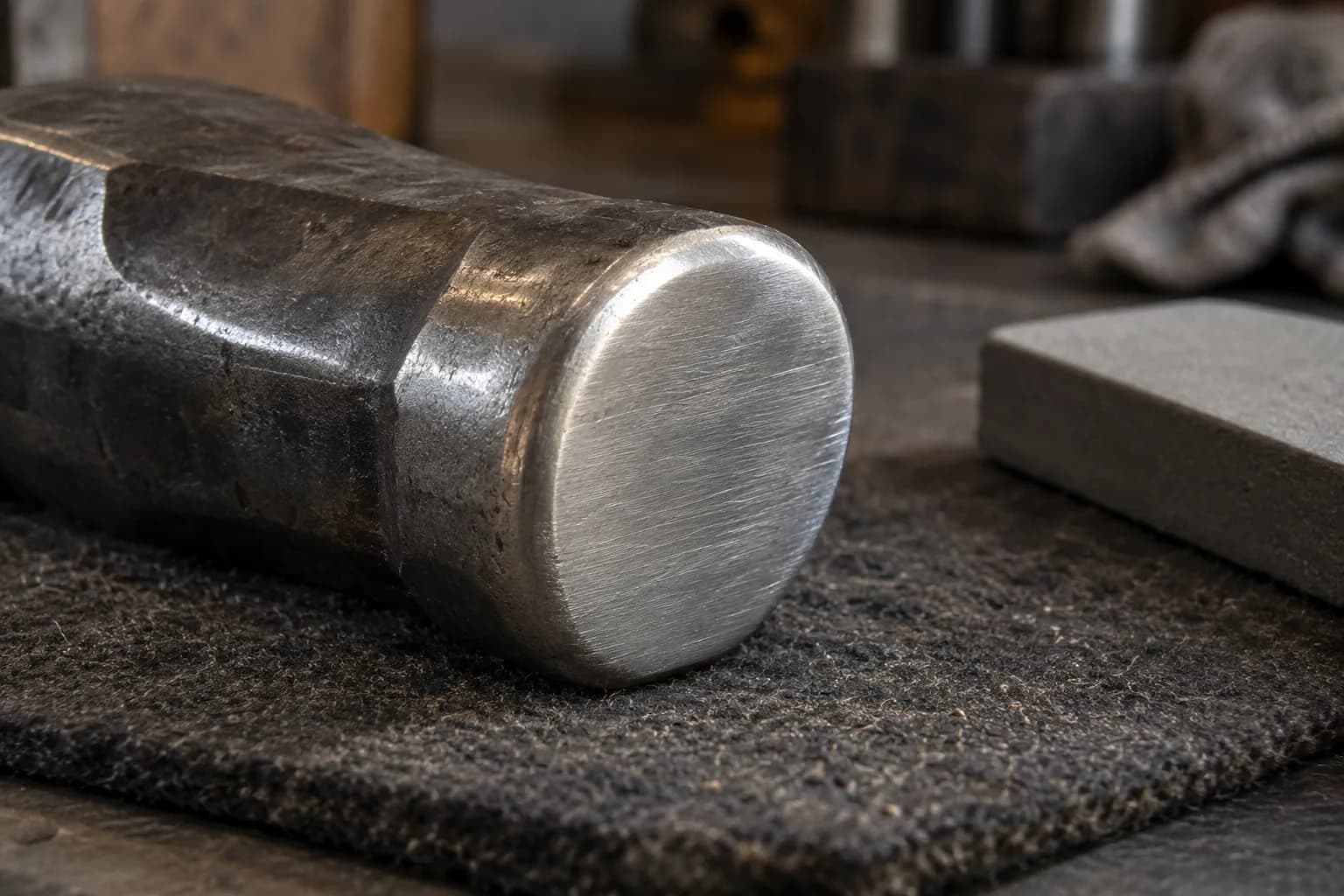
Working faces run in the low-to-mid 50s HRC — distinctly softer than any blade. Harder faces stay pristine but chip under edge strikes and misses, and a chipping hammer face is a fragmentation hazard at arm’s length from your eyes. Softer faces mushroom harmlessly and get re-dressed. Smith-made hammers manage it by hardening the faces and leaving the eye zone soft — quench the faces, let the middle self-temper — the same differential logic as a soft-spined blade in differential heat treat.
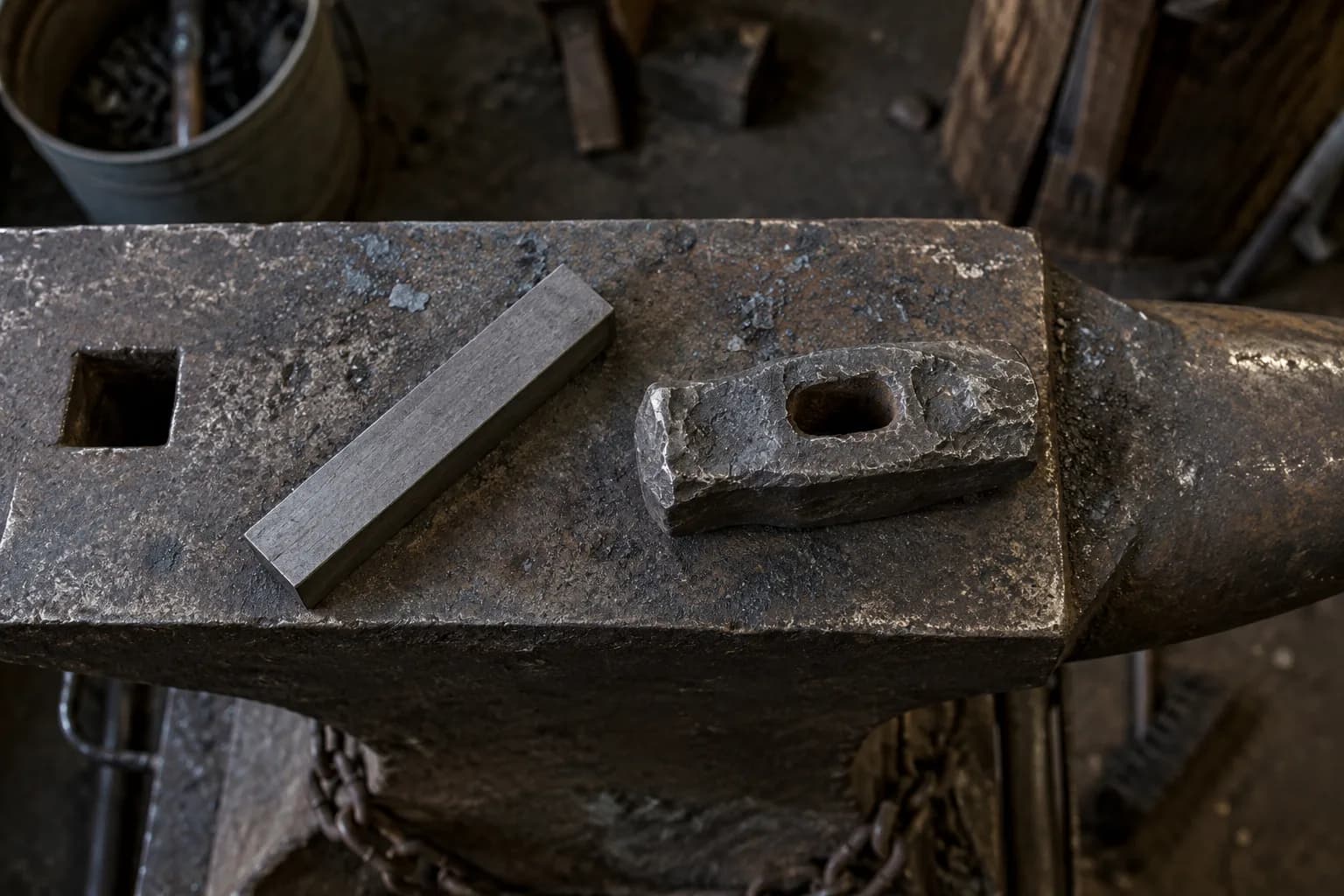
The eye — drifted oval, slightly tapered both ways like an hourglass — grips a wedged handle mechanically: wood swells into both tapers and the head cannot fly. Round eyes (cheap production shortcut) let handles rotate under torque. “The hang” is the head-to-handle alignment: face square to the swing plane, verified by sighting down the handle. A well-hung hammer lands flat naturally; a badly hung one makes every blow a correction — much of why identical-spec hammers feel completely different.
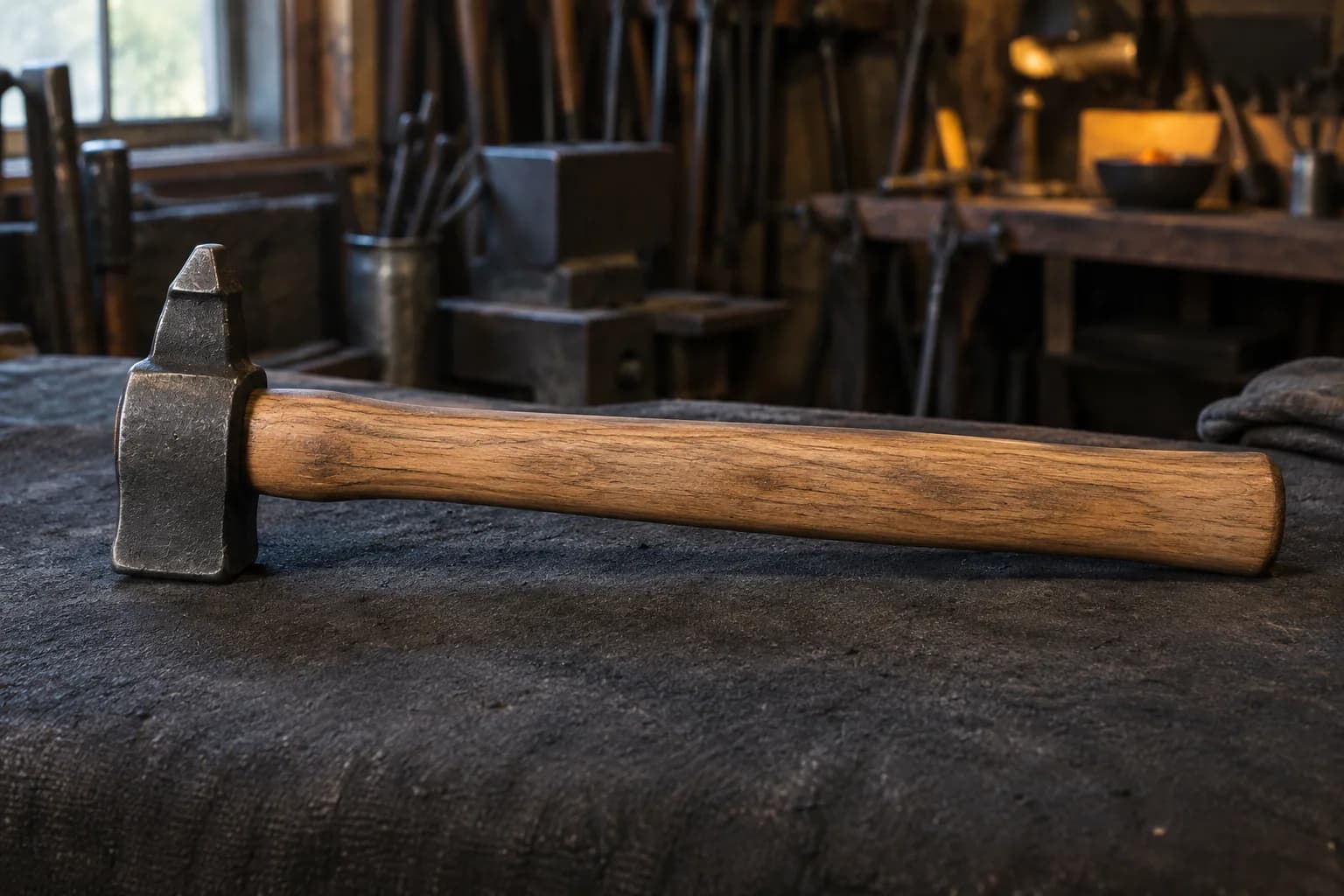
Hickory earned its monopoly: long straight shock-absorbing grain, grippy when raw, cheap to replace. Ash serves; exotic hardwoods are furniture. Cross-section matters more than species — oval-to-octagonal indexes face orientation in your grip blind, which is why smiths shave round factory handles. Length 12–16 inches for blade work, thickness to YOUR hand (most factory handles run fat; shaving to fit is normal), and finish of nothing but raw wood or a little linseed — varnish blisters palms. Fiberglass and steel handles transmit the shock hickory eats; fine for demolition, hostile for a thousand-blow forging session, per the body-preservation case in Hammer Technique.
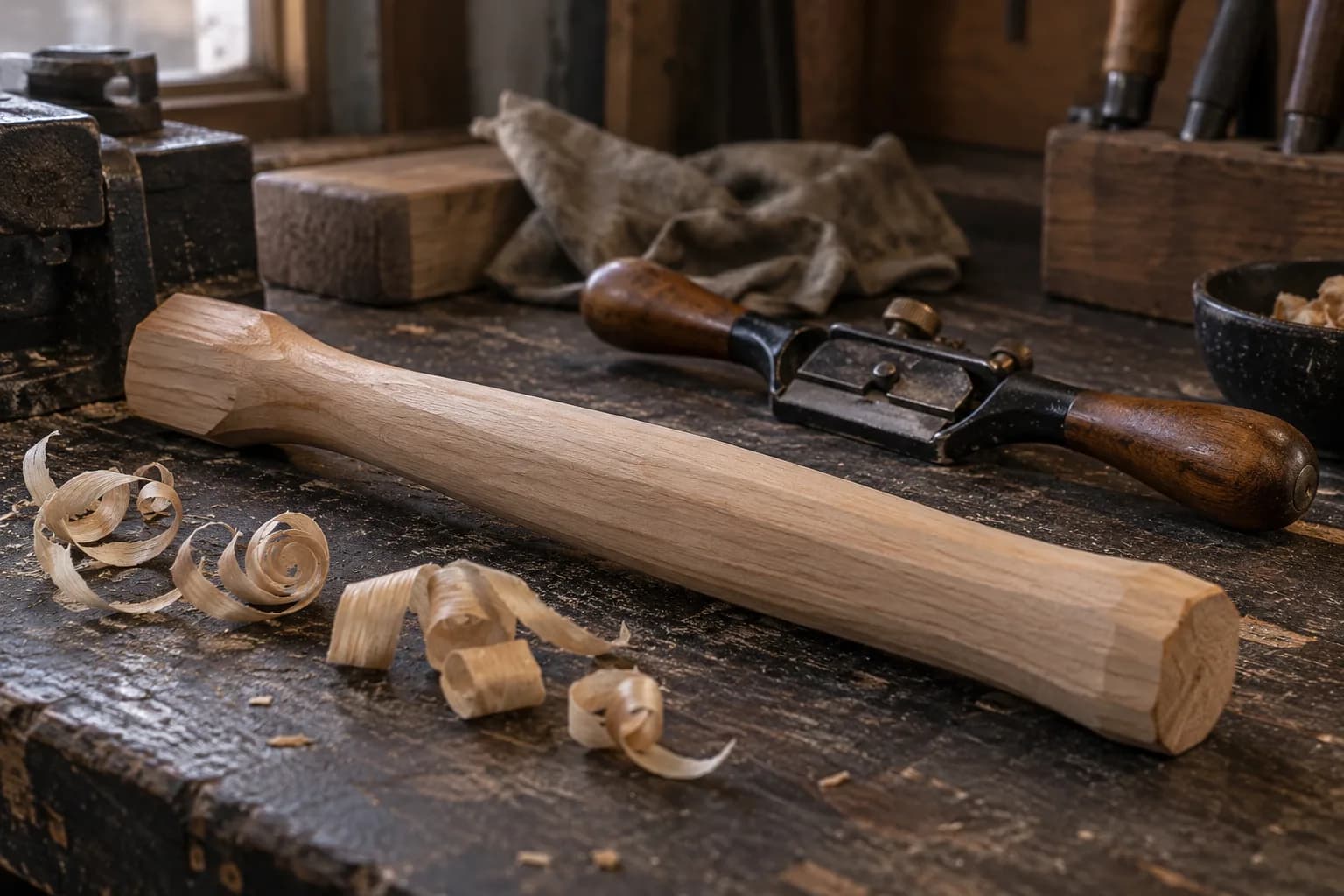
The checklist from the field guide, applied: tight wedged eye, faces dressed and un-chipped, hang square when sighted, weight in the 2–2.5 pound blade zone, handle grain running with the head, grip that fills your hand without clenching. Six checks, thirty seconds, and they filter every rack — antique, boutique, or big-box — better than any brand name.
Keep reading
Three more from the same bench.
The hammer is the cheapest tool in the forge and the one your body will know best. Every smith eventually owns a rack of them, but they all trace to a…
Nobody needs a hundred-dollar hammer to forge a first knife. The ball peen in every flea market bin, the engineer’s hammer at the hardware store, the dead…
Watch a working smith and the hammer looks effortless — because it is. Good hammer technique isn’t strength; it’s a setup that lets gravity, rebound, and…
Same bench
I machine the parts, hand-assemble, track and test Torus grinders in Sterling, Illinois. Most orders ship in seven to ten business days from time of order.
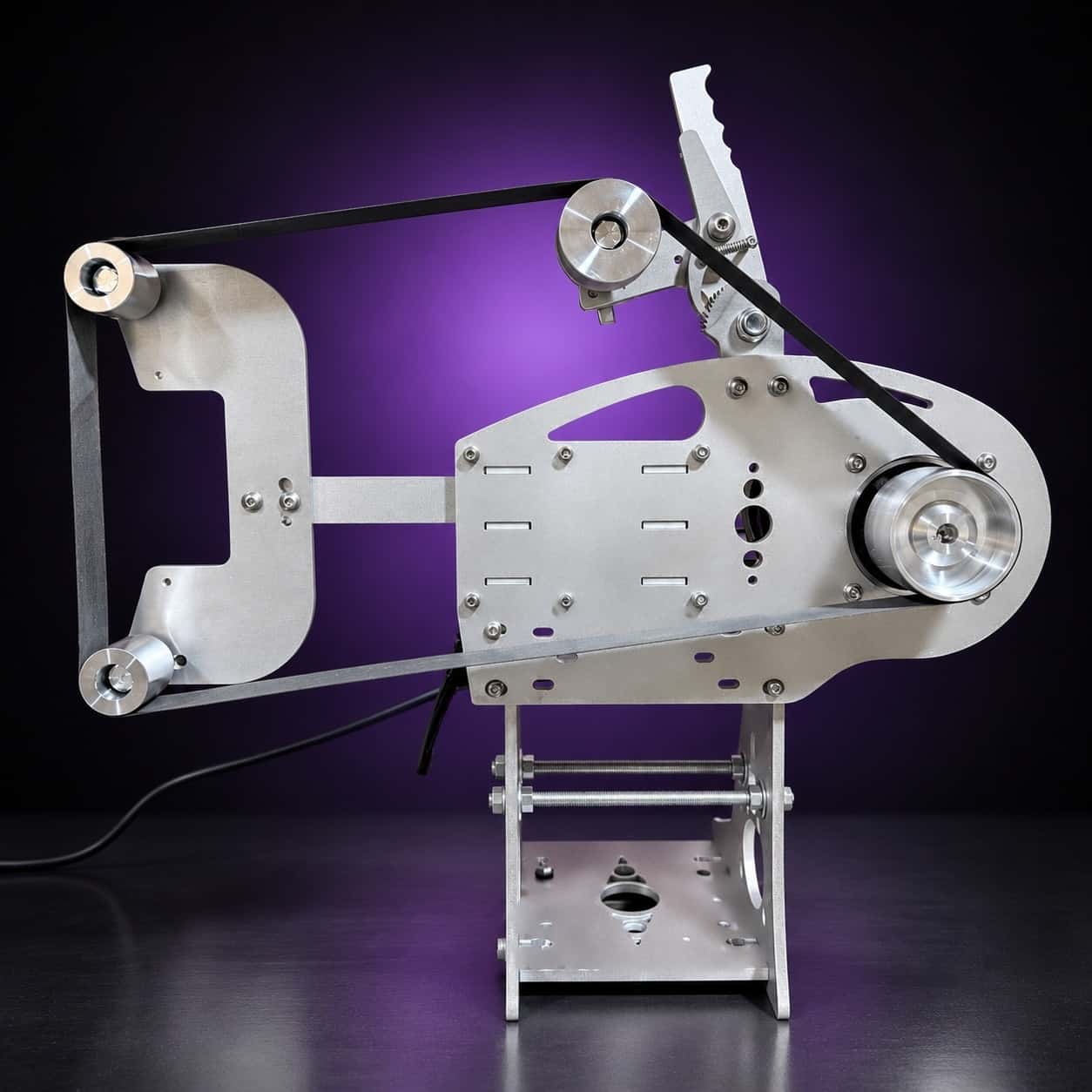
Current dual-axis platform with a fiber-laser-cut 6061 chassis and single-knob tracking.
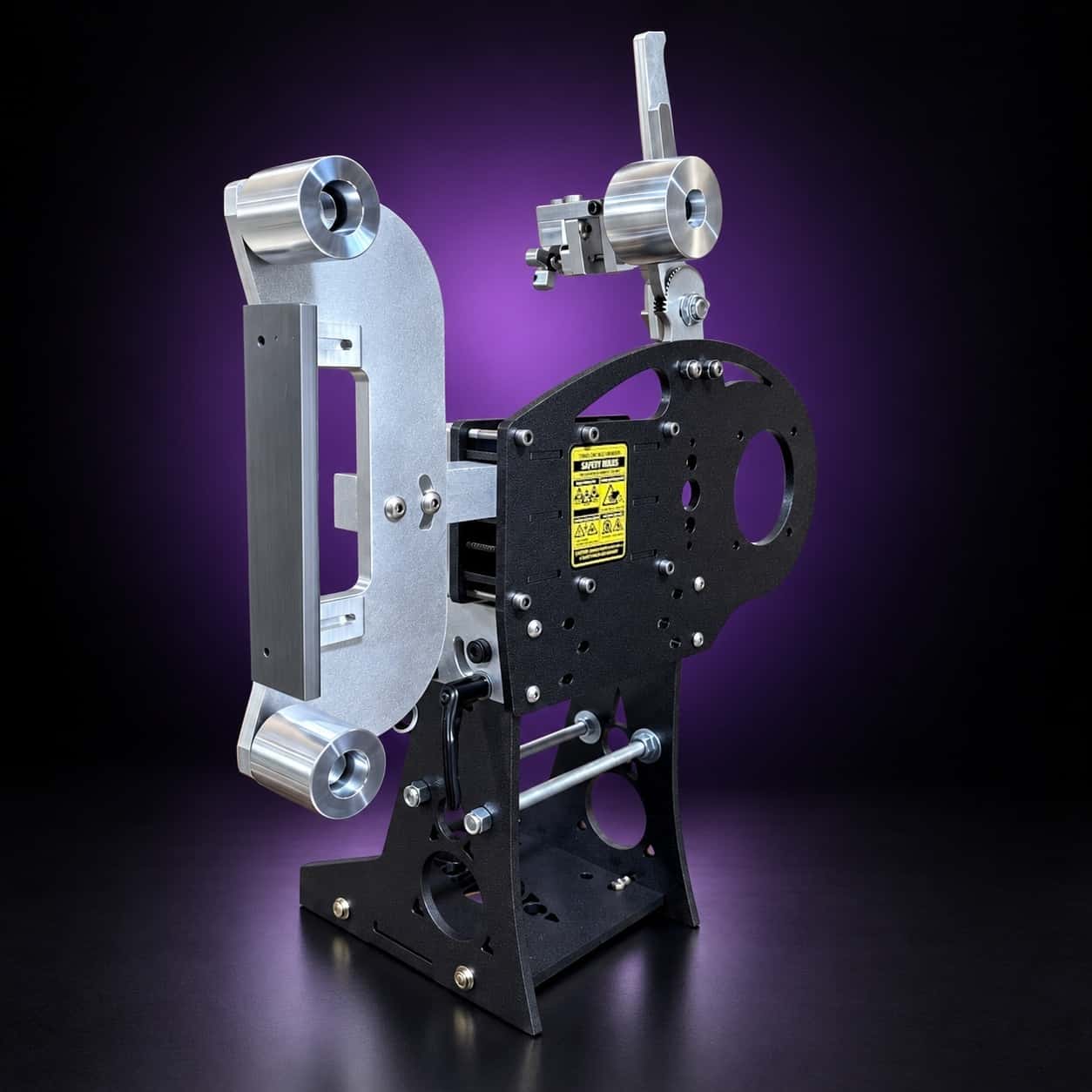
Current dual-axis platform with a steel chassis, more mass and less vibration.
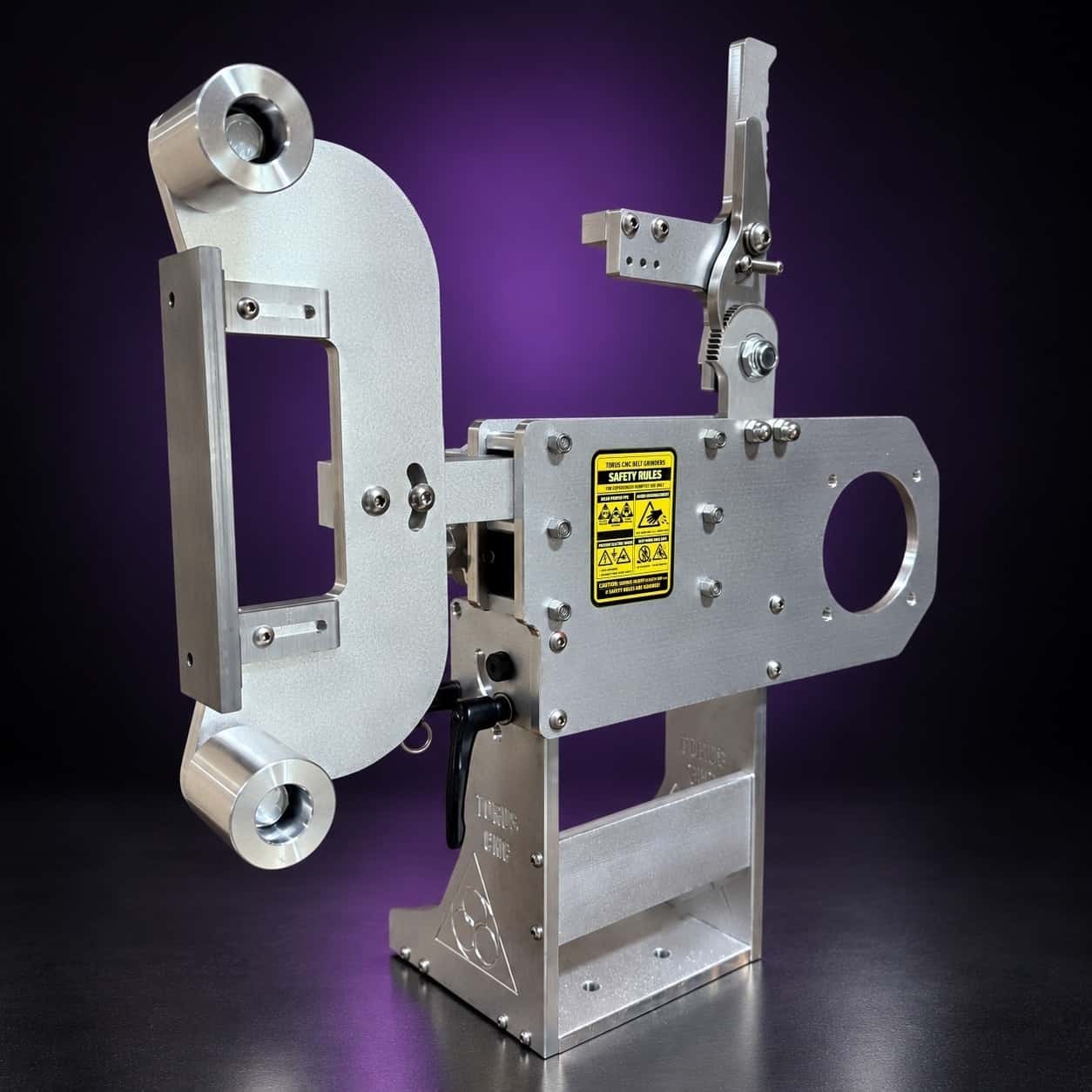
Prior-design aluminum chassis, 90-degree tilt and 1.5-inch tooling arms.
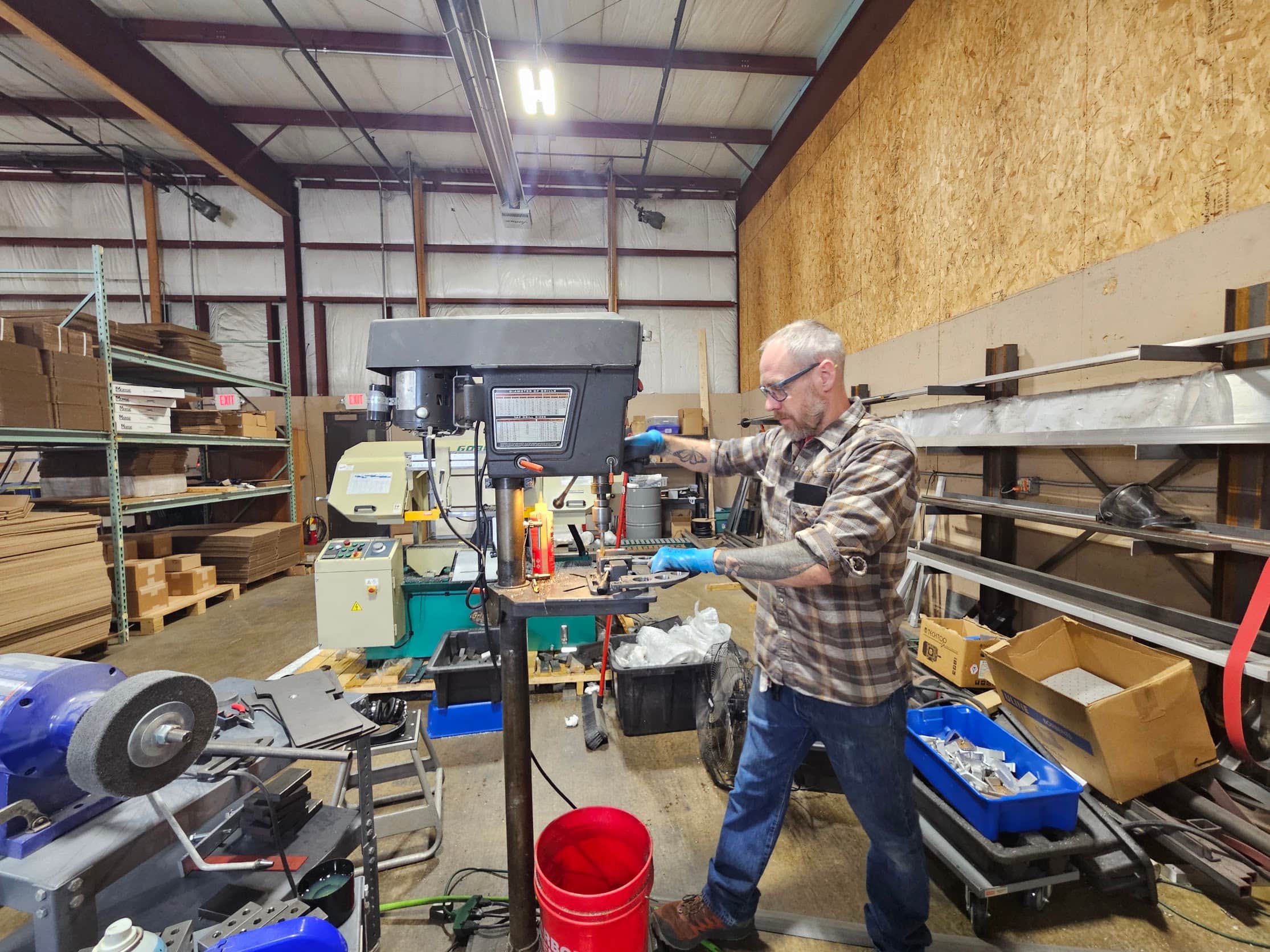
One-man shop
I answer my own email. Tell me the steel, the machine and what it is doing, and I will tell you what I would try next.