
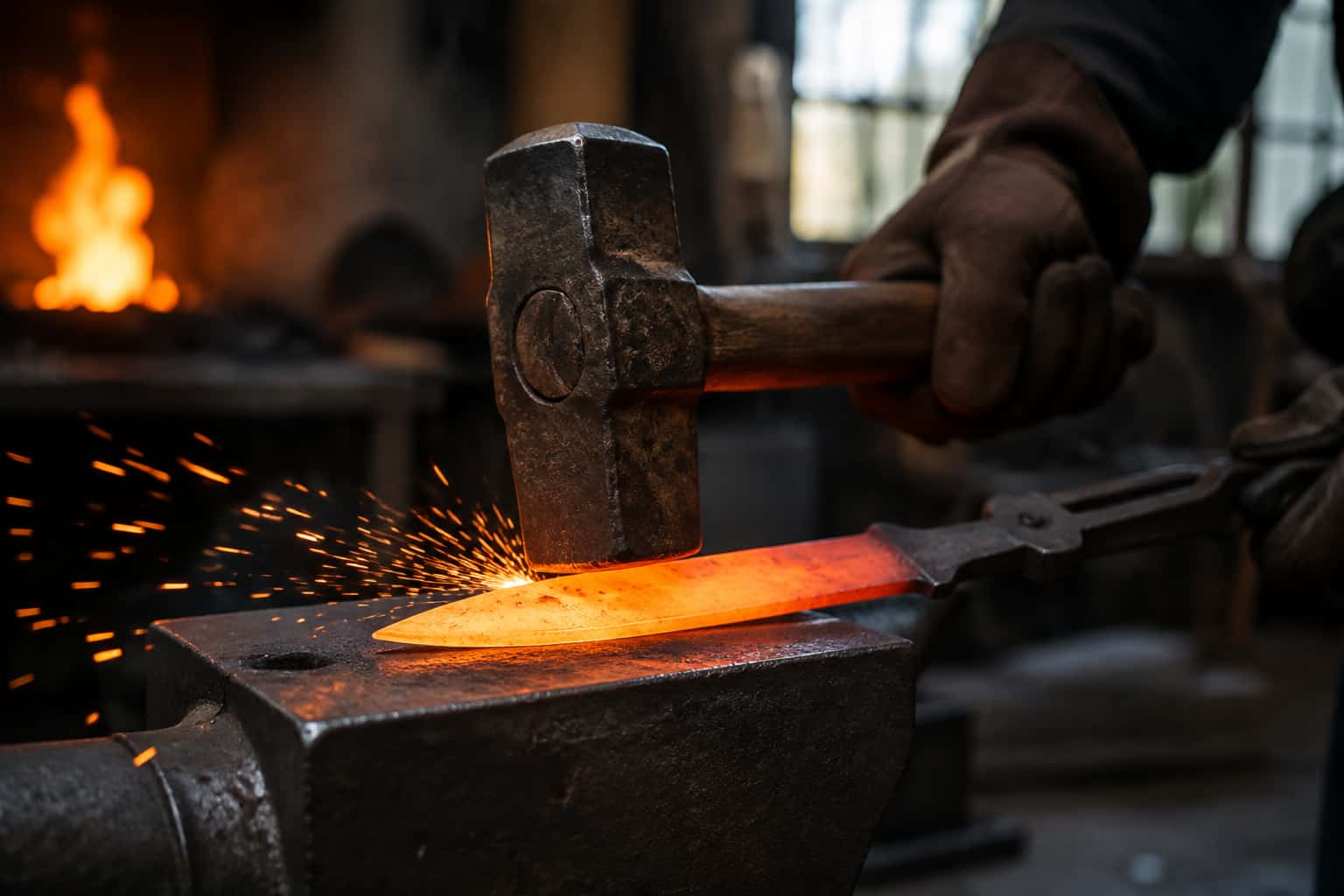
Forging & Bladesmithing
Blacksmith Hammers: Types, Weights & How to Choose
The hammer is the cheapest tool in the forge and the one your body will know best. Every smith eventually owns a rack of them, but they all trace to a…
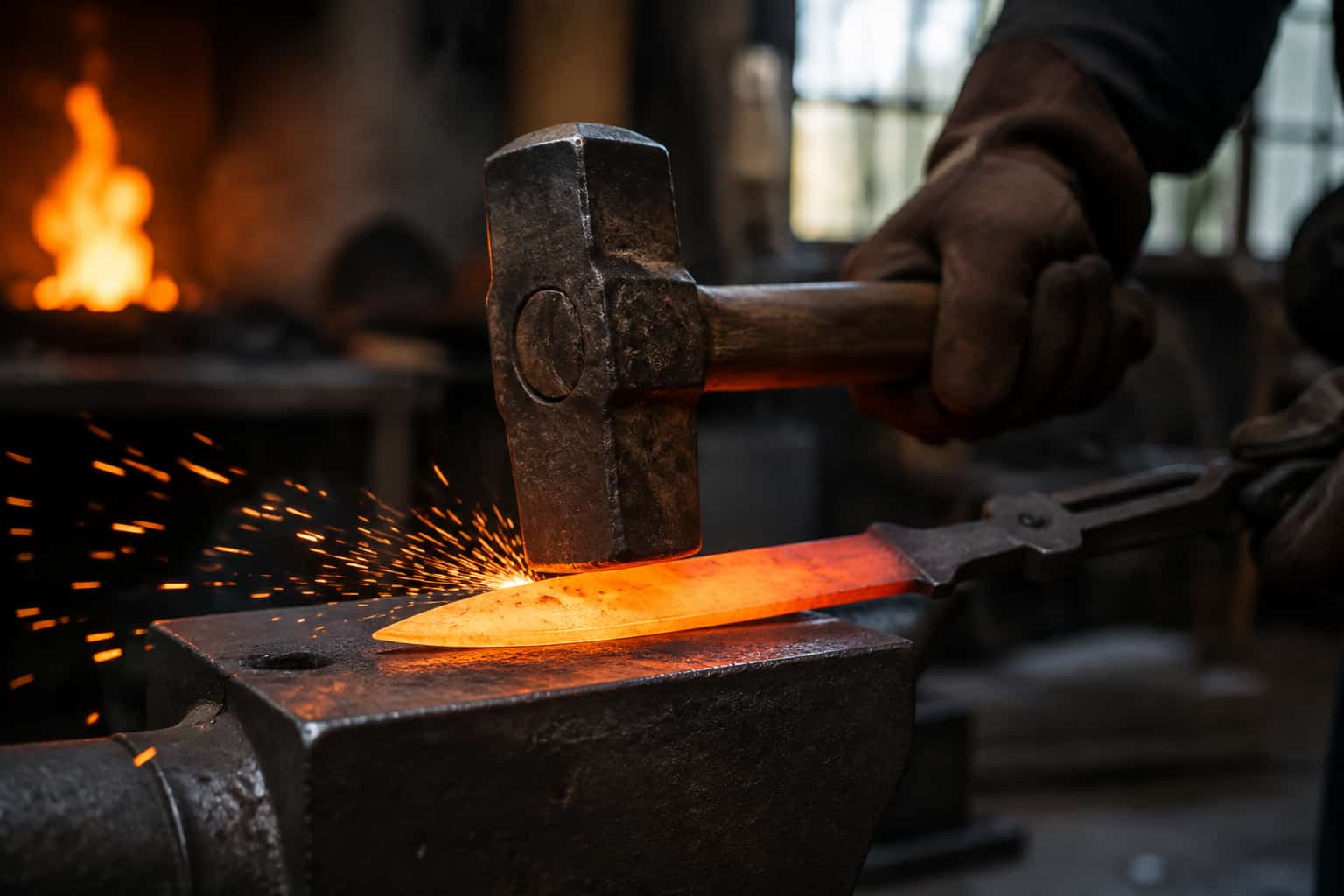
Forging & Bladesmithing
Bladesmiths switched to the rounding hammer: the dome moves metal fast and the flat planishes. Weights of 2-2.75 pounds, face dressing, and when it is wrong.
2 min readWritten by Rich LinvilleFree to read
Walk any modern hammer-in and the racks tell the story: the rounding hammer — one domed face, one flat, a compact block of a head — has become the default forging hammer of American bladesmithing. The pattern is old farrier practice, but its takeover of knife forging is recent, and it happened because the geometry genuinely works.
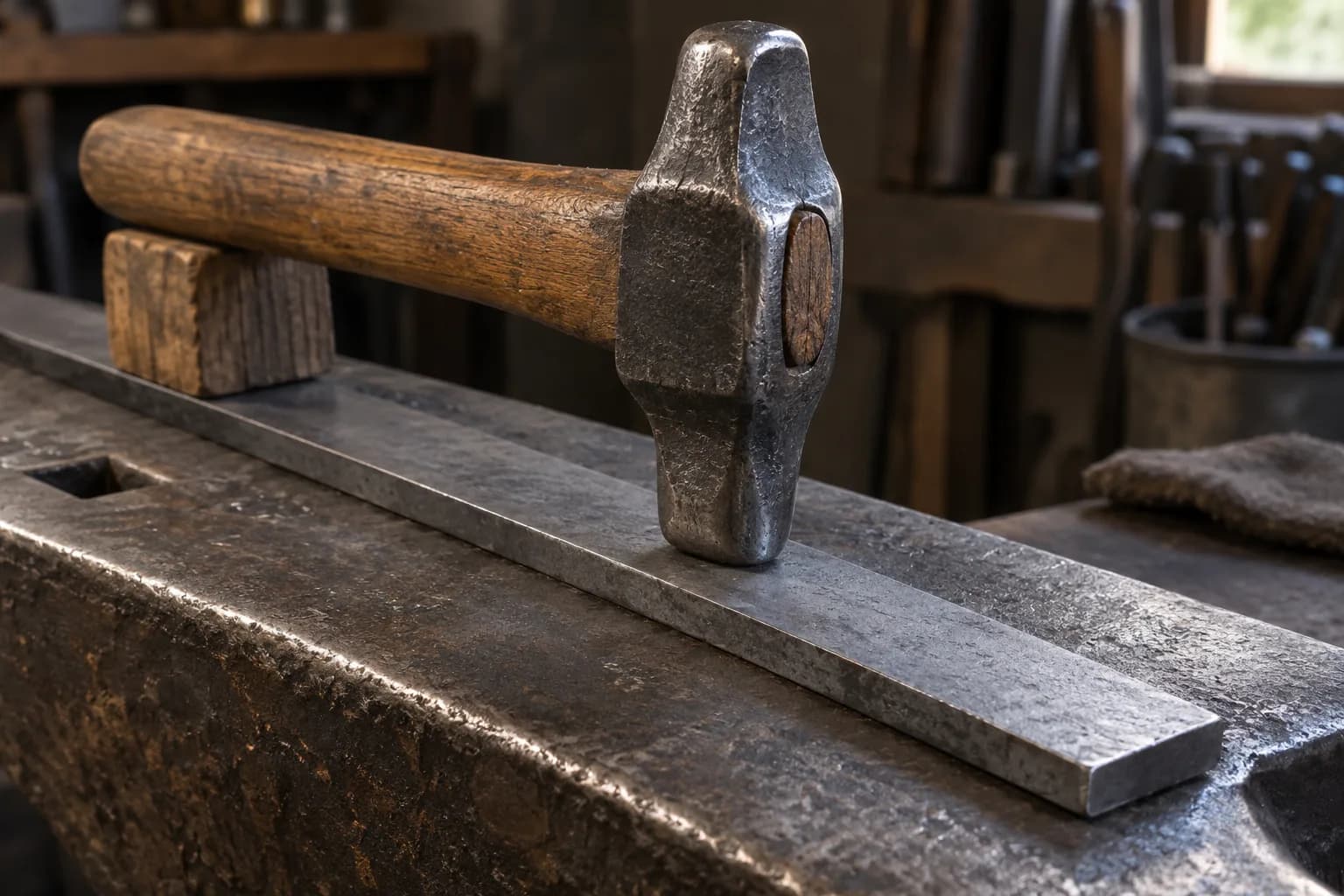
A flat face spreads force across its whole contact patch; a domed face concentrates the same blow into a smaller, deeper footprint. That means the rounded face moves metal faster in the direction you aim it, and — the quiet advantage — it forgives angle error. Strike a few degrees off with a flat face and the edge digs a cold shut waiting to happen; the dome just lands a slightly offset dish. Faster drawing, fewer dig marks, gentler learning curve. The flat face then planishes: light overlapping blows that erase the dome’s dishing and leave a surface that saves grinding time.
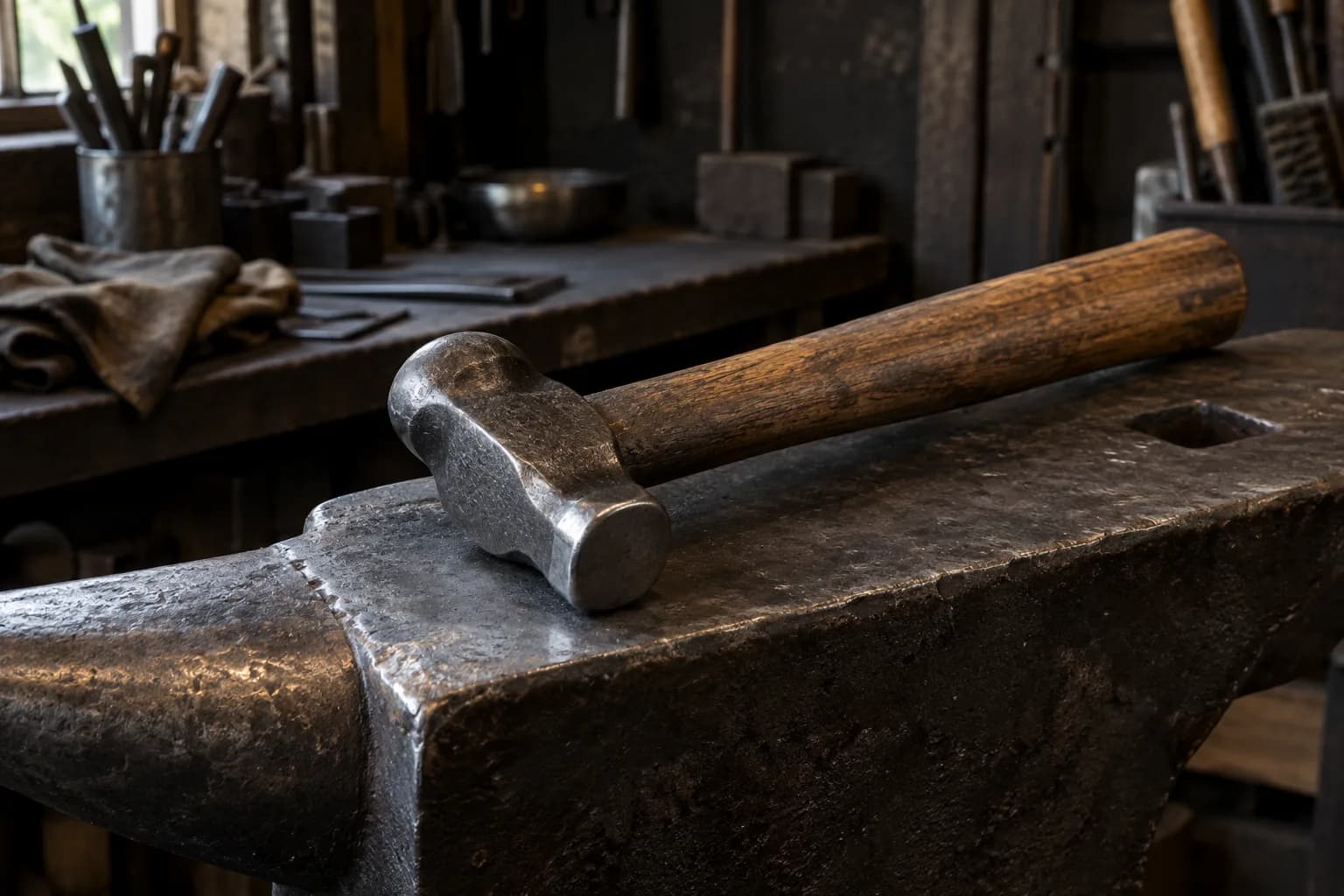
The modern revival traces heavily to blacksmith Brian Brazeal, whose demonstrations and student-made hammers spread a specific proportion — short, fat, mass-centered head around 2.5 to 4 pounds — through the craft in the 2000s, with makers like Alec Steele carrying the pattern to a huge audience since. Making a Brazeal-style rounding hammer with a striker has itself become a rite-of-passage class project, which is much of why the pattern is everywhere: the hammer teaches hammer-making.
Draw and taper with the dome — point work, bevel roughing, moving mass along the bar — then flip to the flat to settle and smooth each section before it cools. The rhythm becomes automatic: rough with the round, true with the flat, and the blade arrives at the grinder needing less cleanup than flat-face forging leaves. Full-body mechanics for all of it live in Hammer Technique, and the step sequence in Forging a Knife Step by Step.
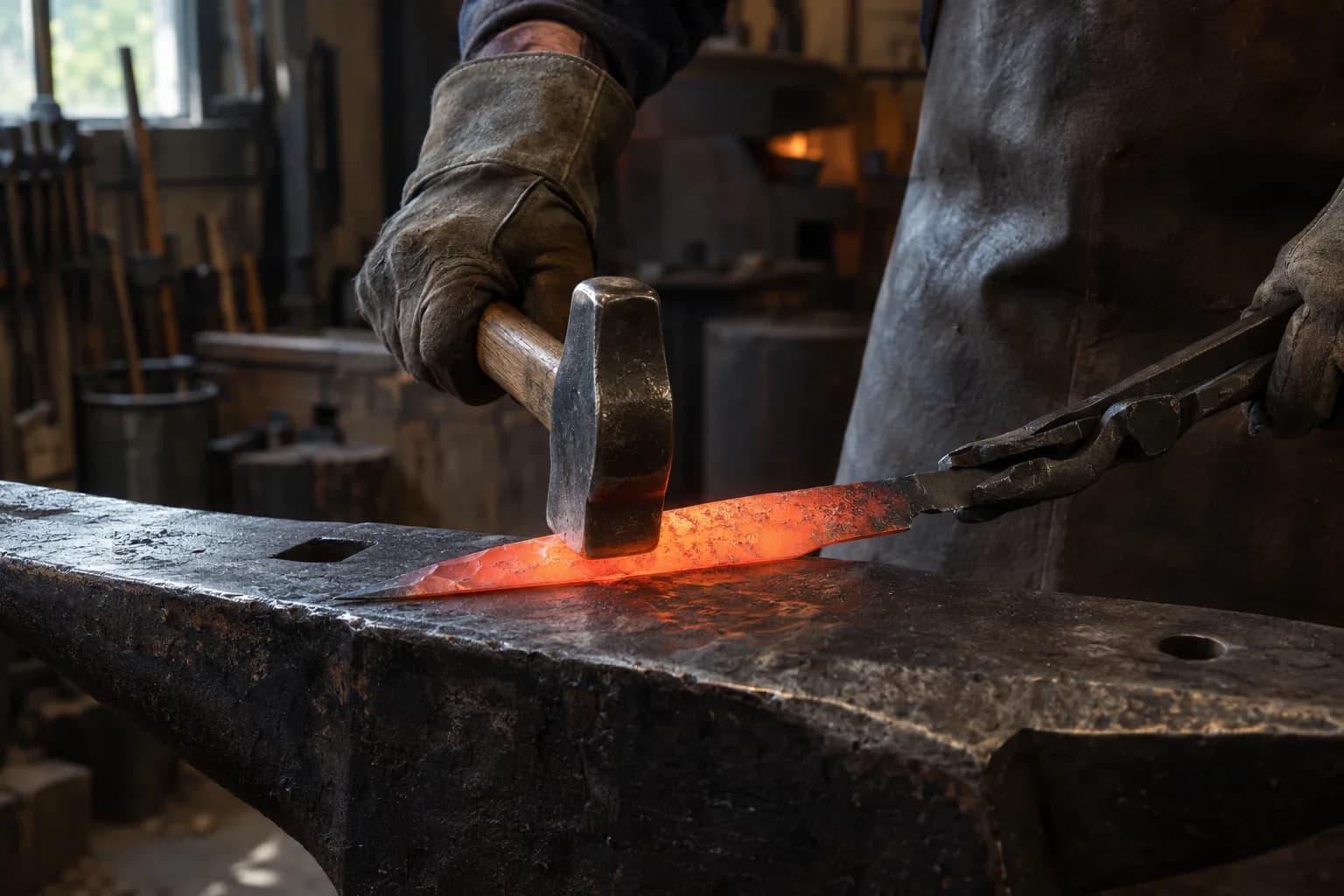
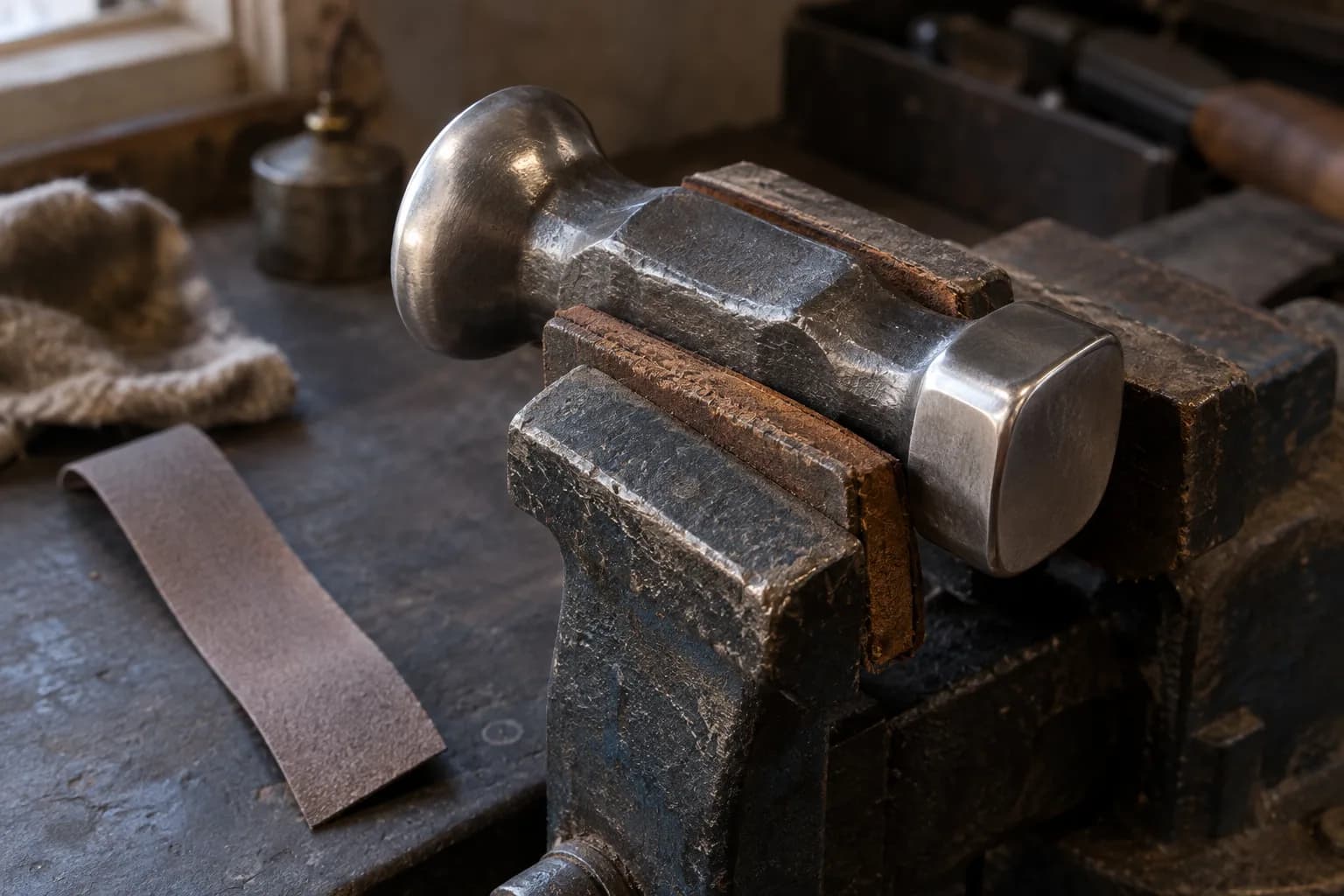
For knife work: 2 to 2.75 pounds swings all day; 3-plus earns its keep on damascus billets and big stock, covered in the hammer field guide. Dress the dome to a smooth, even crown with polished surface — any flat spot or scratch prints itself into hot steel — and ease the flat face’s corners to a soft radius. A rounding hammer with a mirror-dressed dome leaves surfaces clean enough to make you question your grinding grit progression.
Directional spreading — widening a blade without lengthening it — is peen work; the dome spreads in all directions at once. And fine near-finished bevel work at thin cross-sections is where the dog head’s alignment advantage takes over. The rounding hammer is the generalist champion, not the whole rack.
Keep reading
Three more from the same bench.
The hammer is the cheapest tool in the forge and the one your body will know best. Every smith eventually owns a rack of them, but they all trace to a…
Watch a working smith and the hammer looks effortless — because it is. Good hammer technique isn’t strength; it’s a setup that lets gravity, rebound, and…
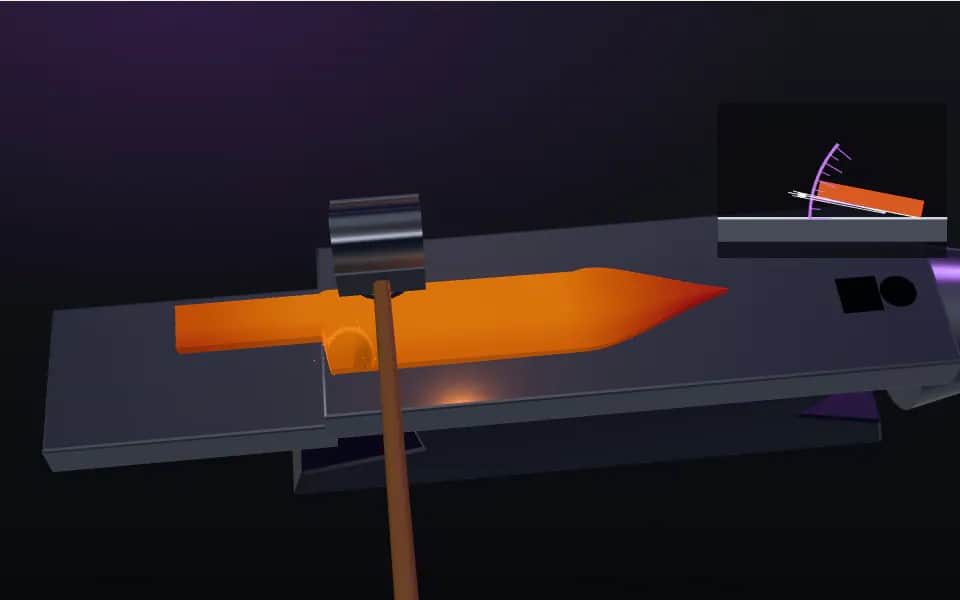
Forging a knife is not sculpting with sparks — it’s a sequence, and once you know the sequence, every session has a plan. This guide walks a first forged…
Same bench
I machine the parts, hand-assemble, track and test Torus grinders in Sterling, Illinois. Most orders ship in seven to ten business days from time of order.
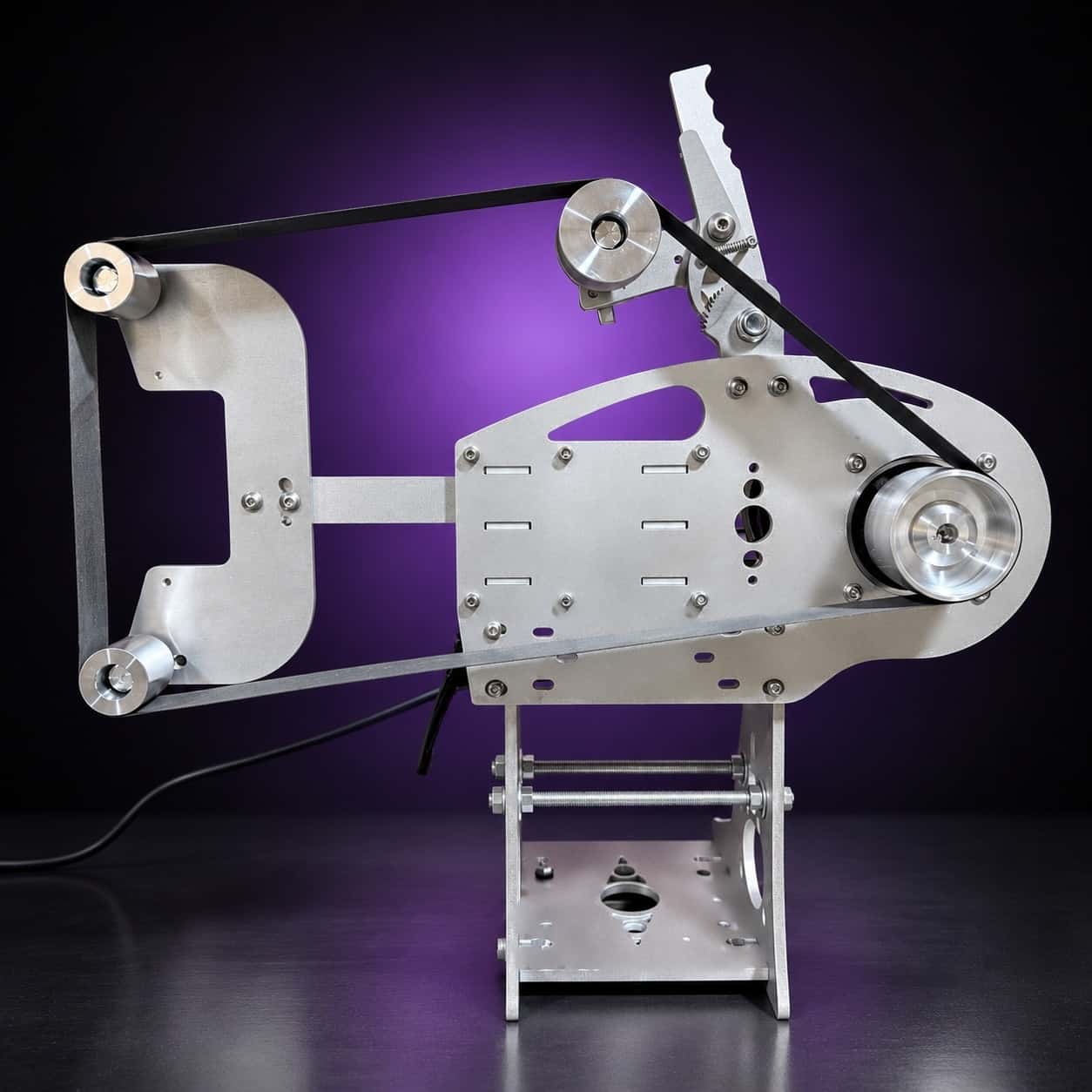
Current dual-axis platform with a fiber-laser-cut 6061 chassis and single-knob tracking.
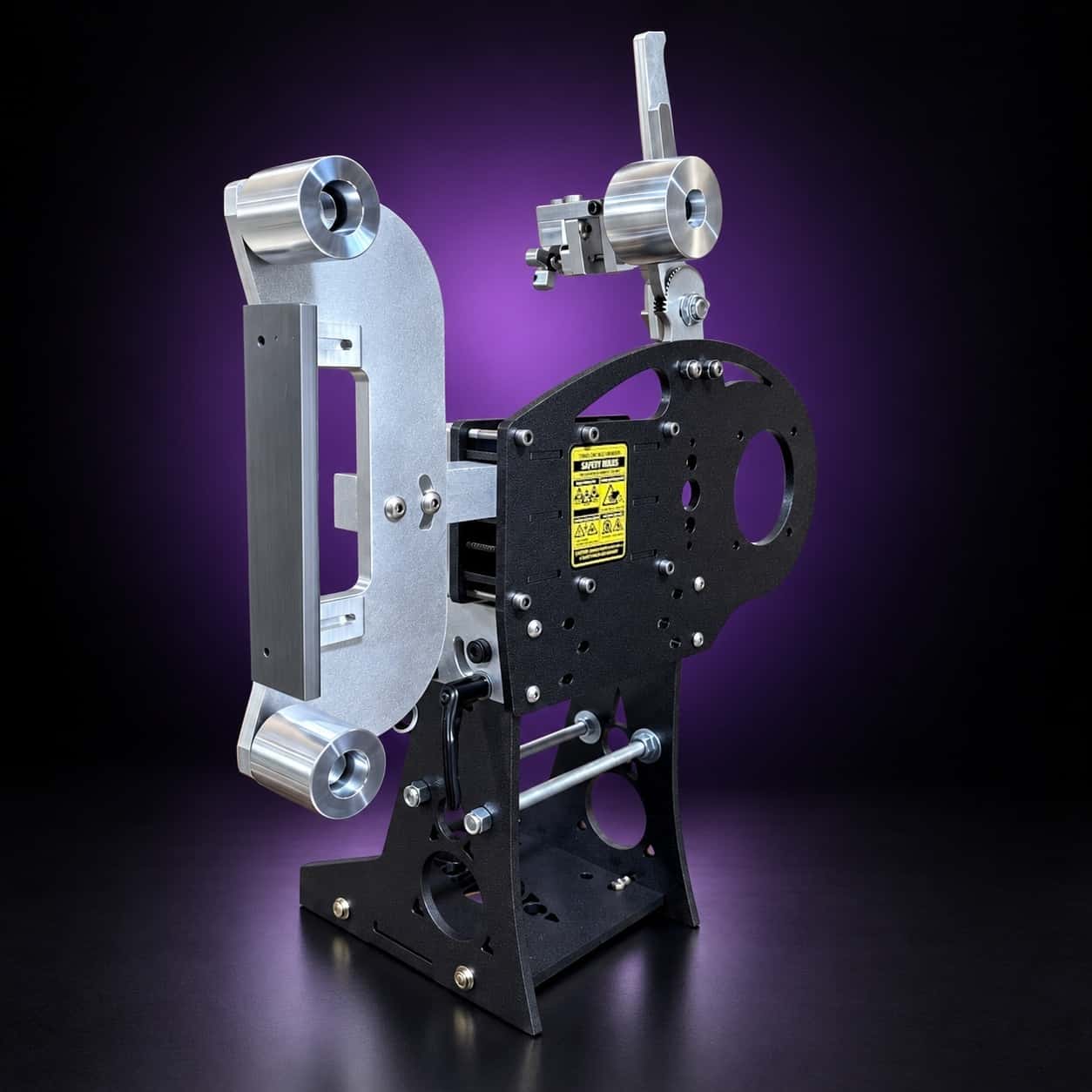
Current dual-axis platform with a steel chassis, more mass and less vibration.
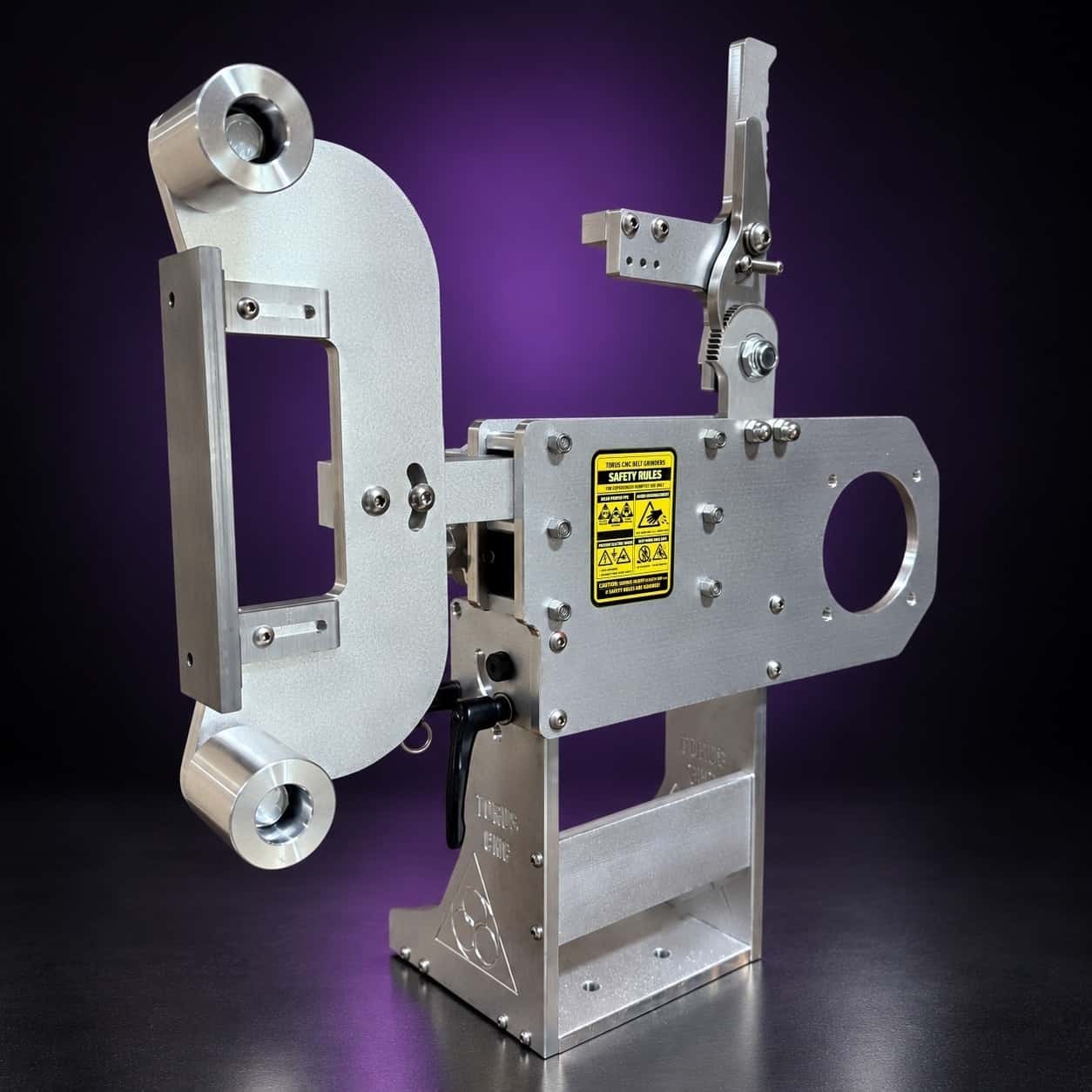
Prior-design aluminum chassis, 90-degree tilt and 1.5-inch tooling arms.
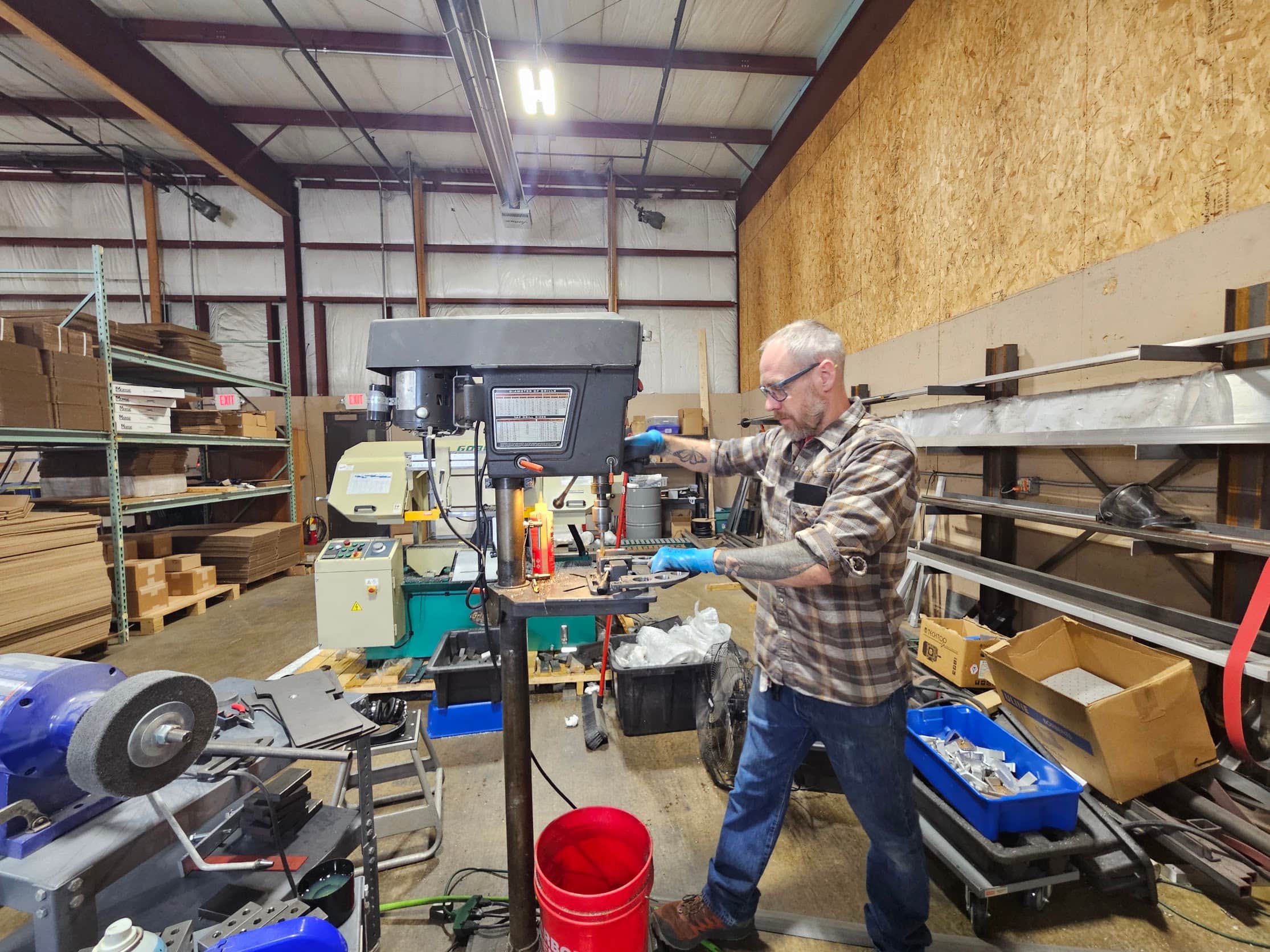
One-man shop
I answer my own email. Tell me the steel, the machine and what it is doing, and I will tell you what I would try next.