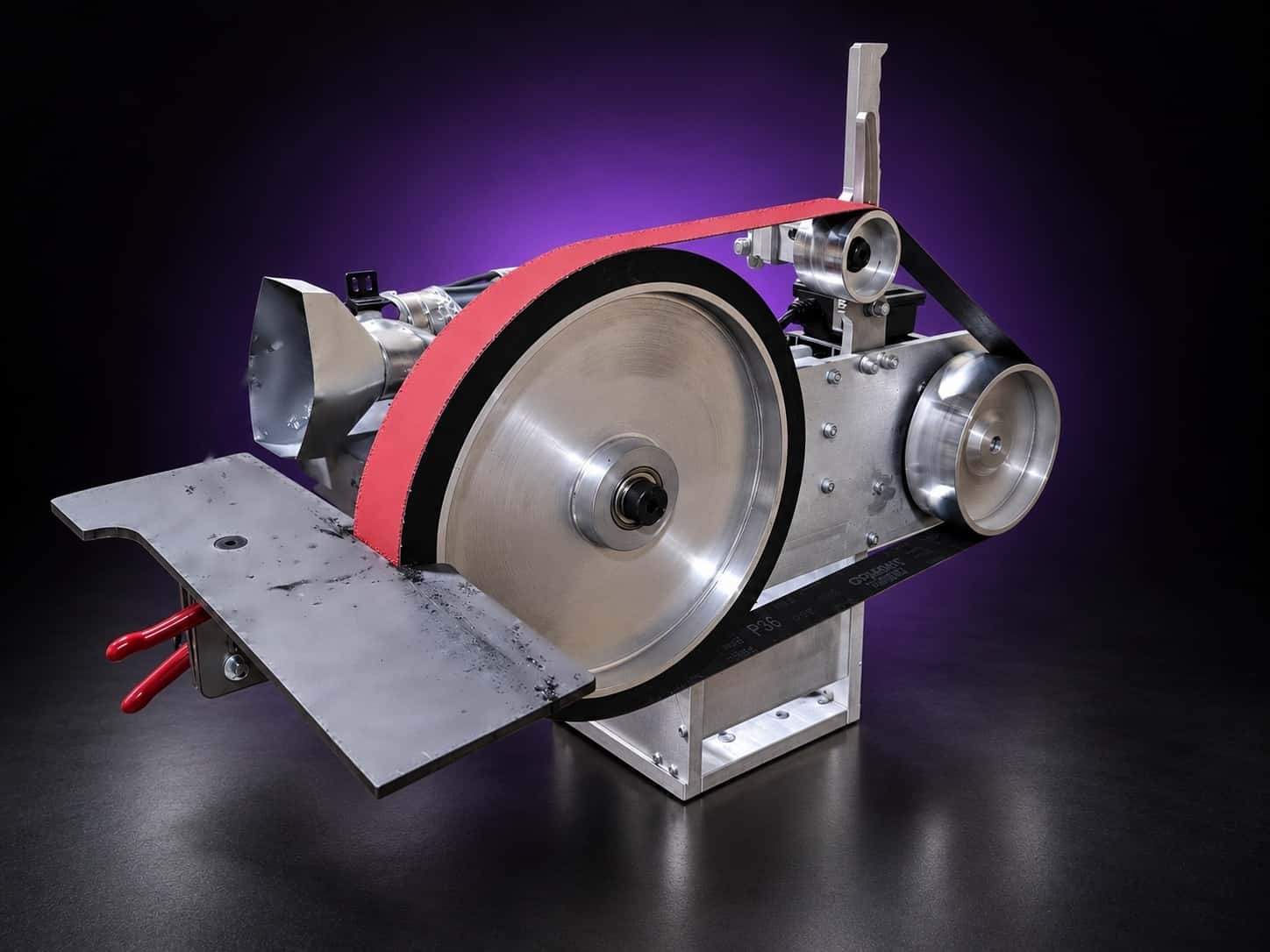
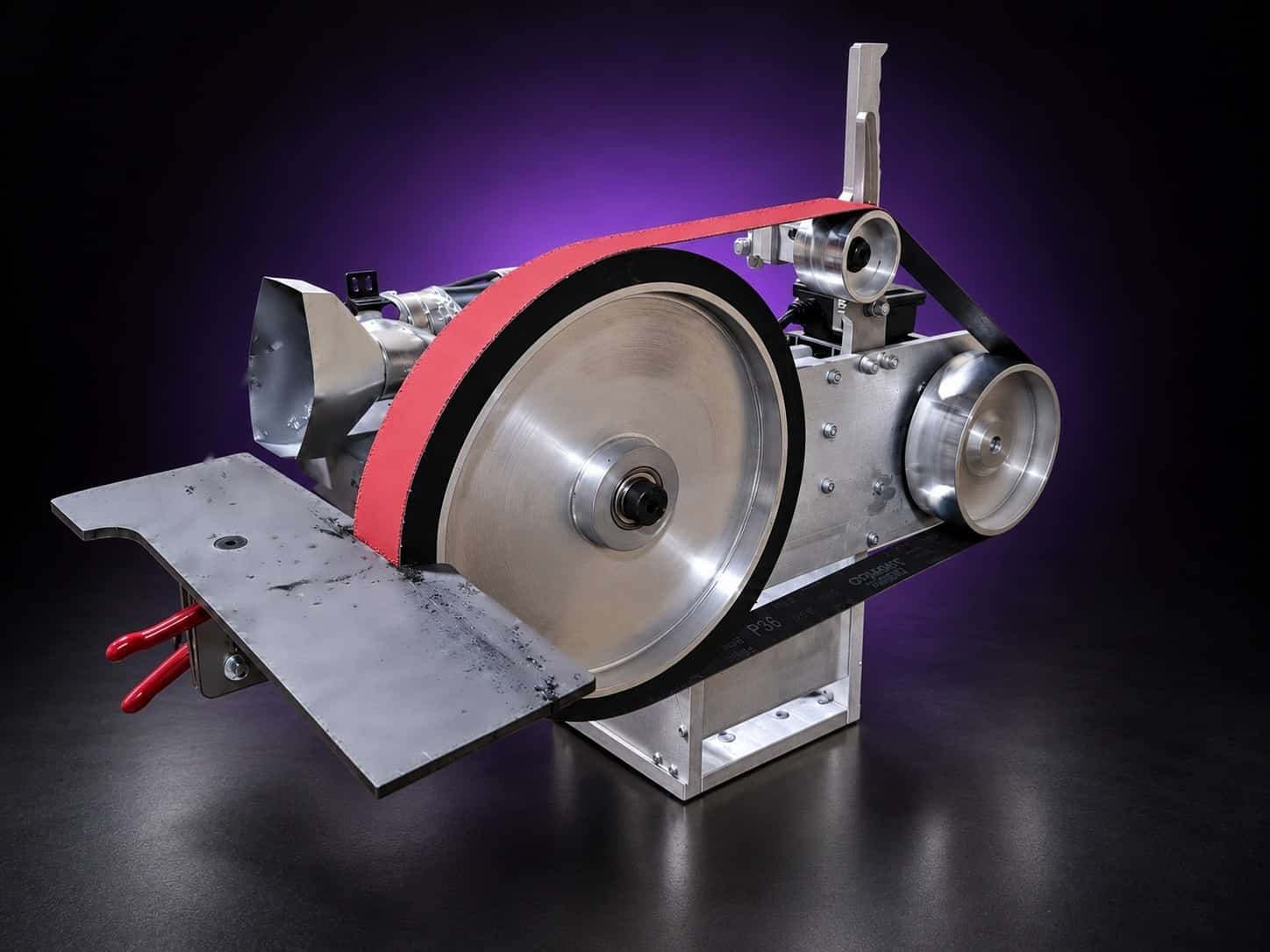
Large aluminum contact wheel with black rubber rim and red belt, steel work table in front, on black with a purple glow

From the shop

Shop notes — page 9

I write down the setups, abrasive choices, tracking adjustments and maintenance checks I use at the grinder.

Articles 97–108 of 127

Archive page 9

Every shop note

Filed by what you are doing at the machine — grinding, sharpening, heat treat, maintenance, or running the business side of a shop.

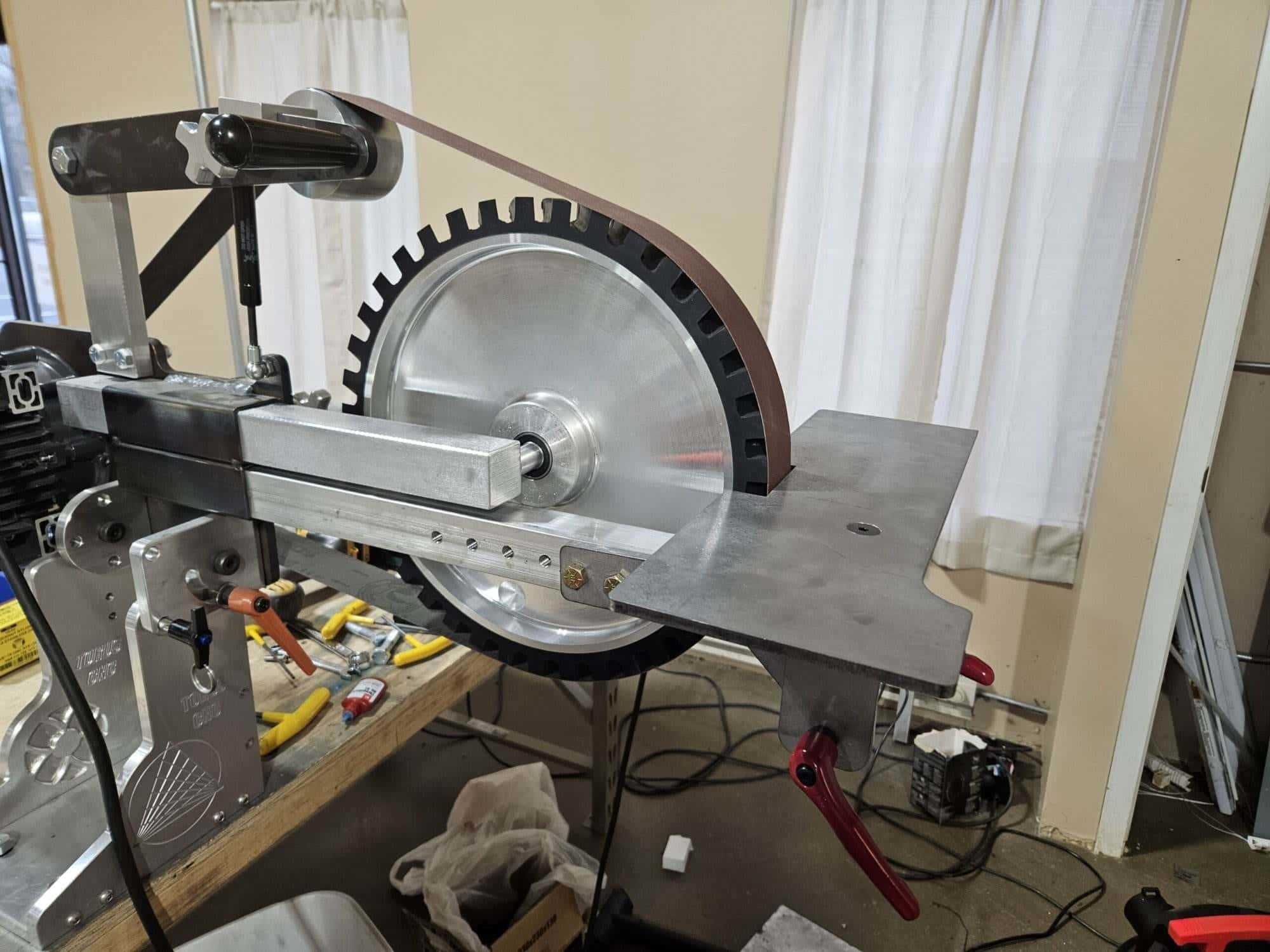
  • Large aluminum contact wheel and abrasive belt mounted on a Torus CNC grinder frame near a window
    2x72 Grinder Tips6 min read

    Maintaining Precision: 2×72 Grinder Alignment & Tracking

    A grinder drifts a little over time: a wheel shifts, a platen goes out of square, tension creeps. Here is how I check alignment and tracking on a 2×72, what tools you need, and the routine that catches drift early.

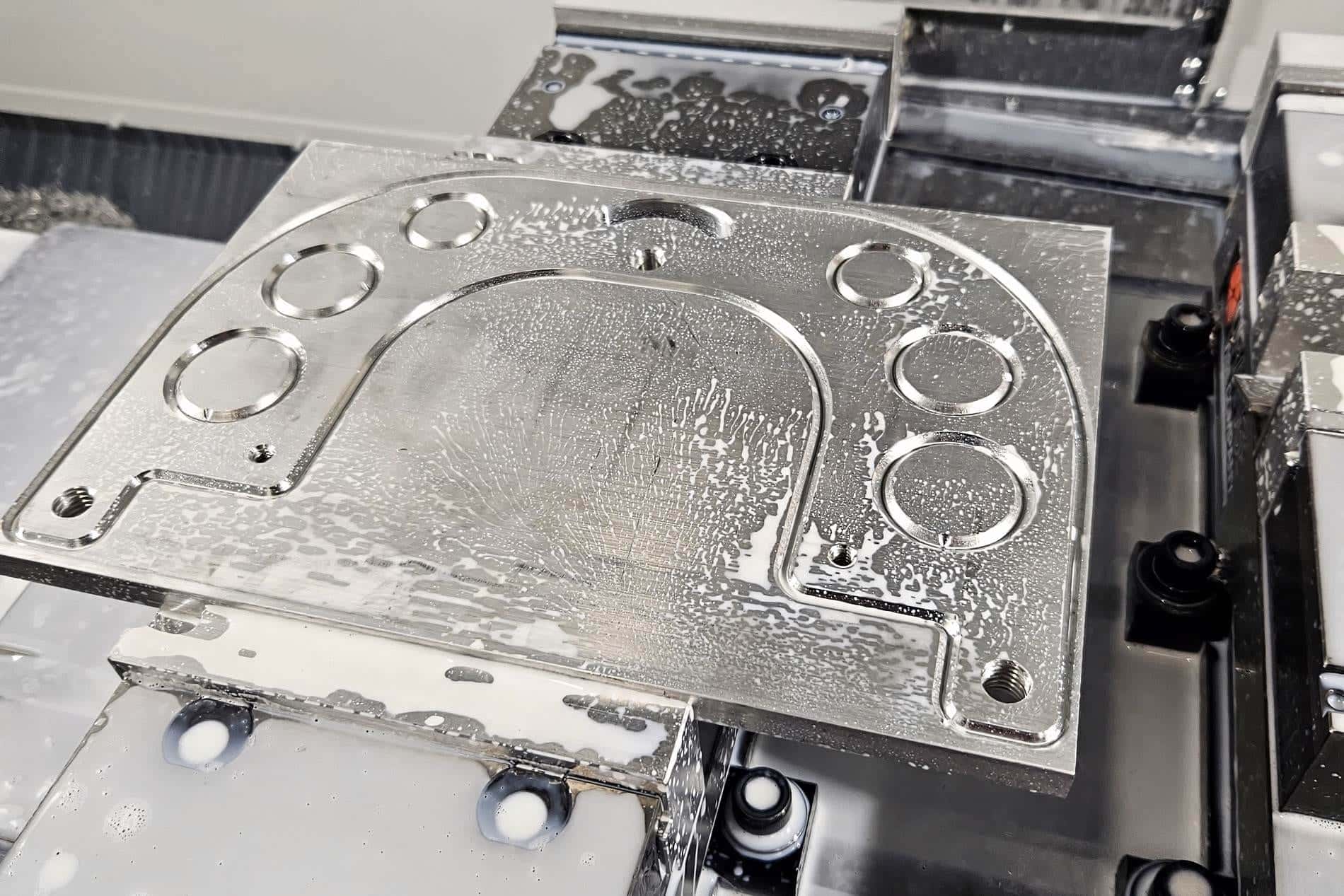
  • Freshly CNC-machined aluminum grinder bracket glistening with coolant on the mill table
    CNC Machine4 min read

    Aluminum: The Key to Enhanced Grinder Portability

    A steel 2×72 stays where you bolt it. An aluminum chassis weighs less than a comparable steel one, so it is easier to reposition and haul to a show. Here is how the material and the Torus tilt help.

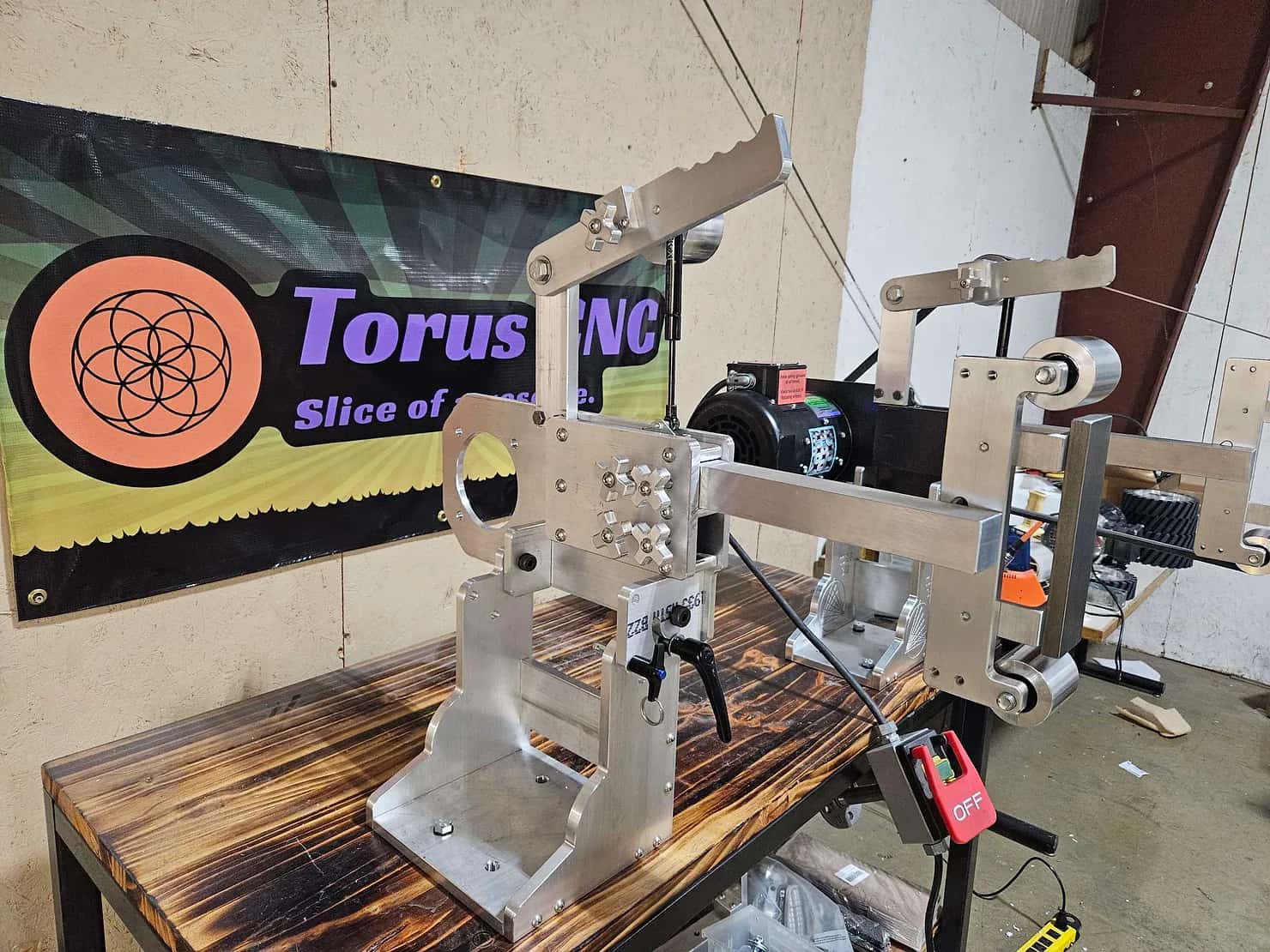
  • Large aluminum contact wheel with black rubber rim and red belt, steel work table in front, on black with a purple glow
    Belt Grinders5 min read

    Forging Excellence: 2×72 Grinders in Bladesmithing

    The hammer gets a blade close. The 2×72 gets it right. Here is how bladesmiths use a belt grinder after the forge for scale removal, profiling, bevels and finish, and the features that matter when forged steel meets a belt.

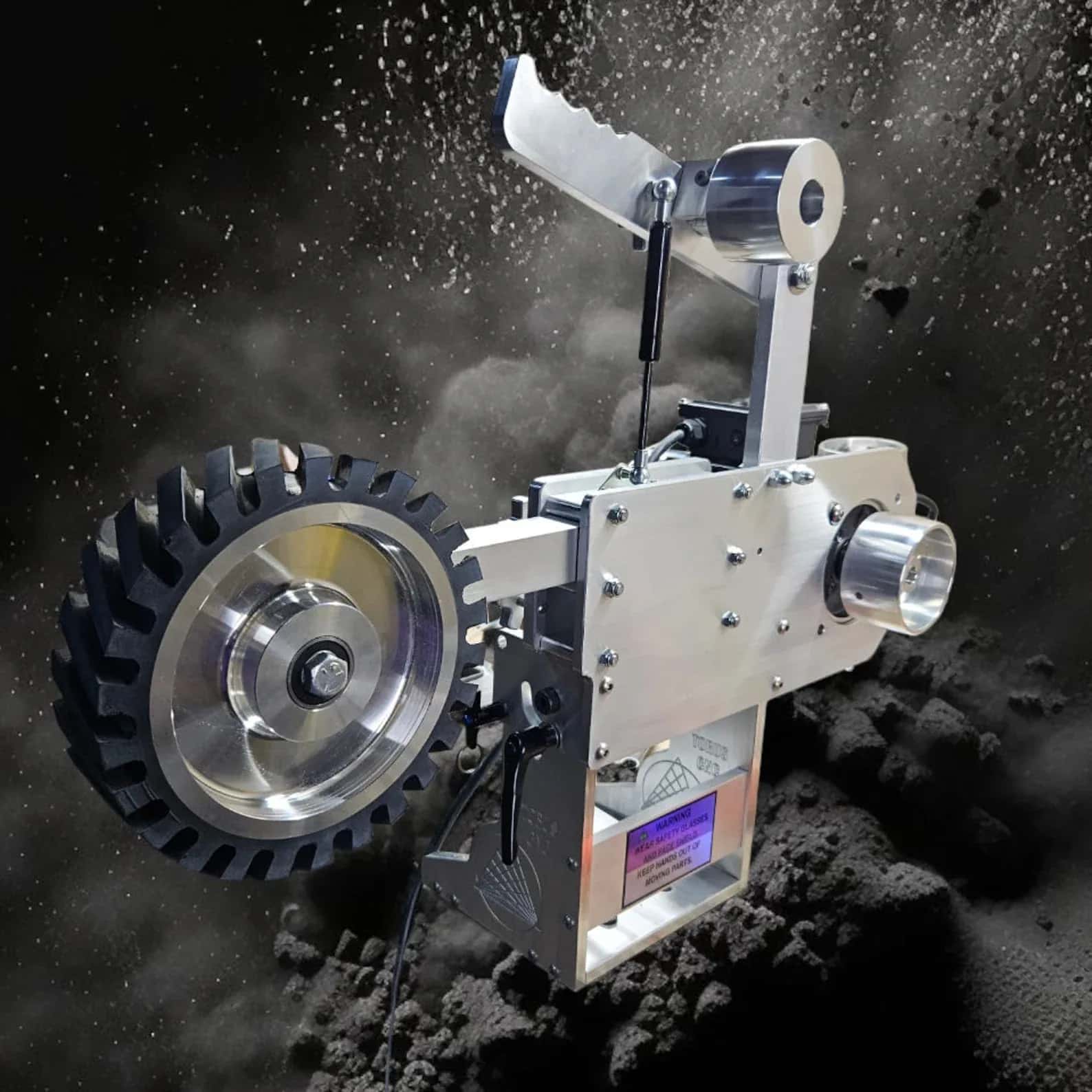
  • Torus CNC 2x72 belt grinder head with contact wheel against a dust and sparks backdrop
    2x72 Grinder Tips5 min read

    The Importance of Aluminum Frames for Grinder Heat Dissipation

    Grinding makes heat, and heat that stays in the platen and bearings shortens their life. Here is how an aluminum frame conducts it away, why the Torus platen runs cooler than steel, and what that means over a long session.

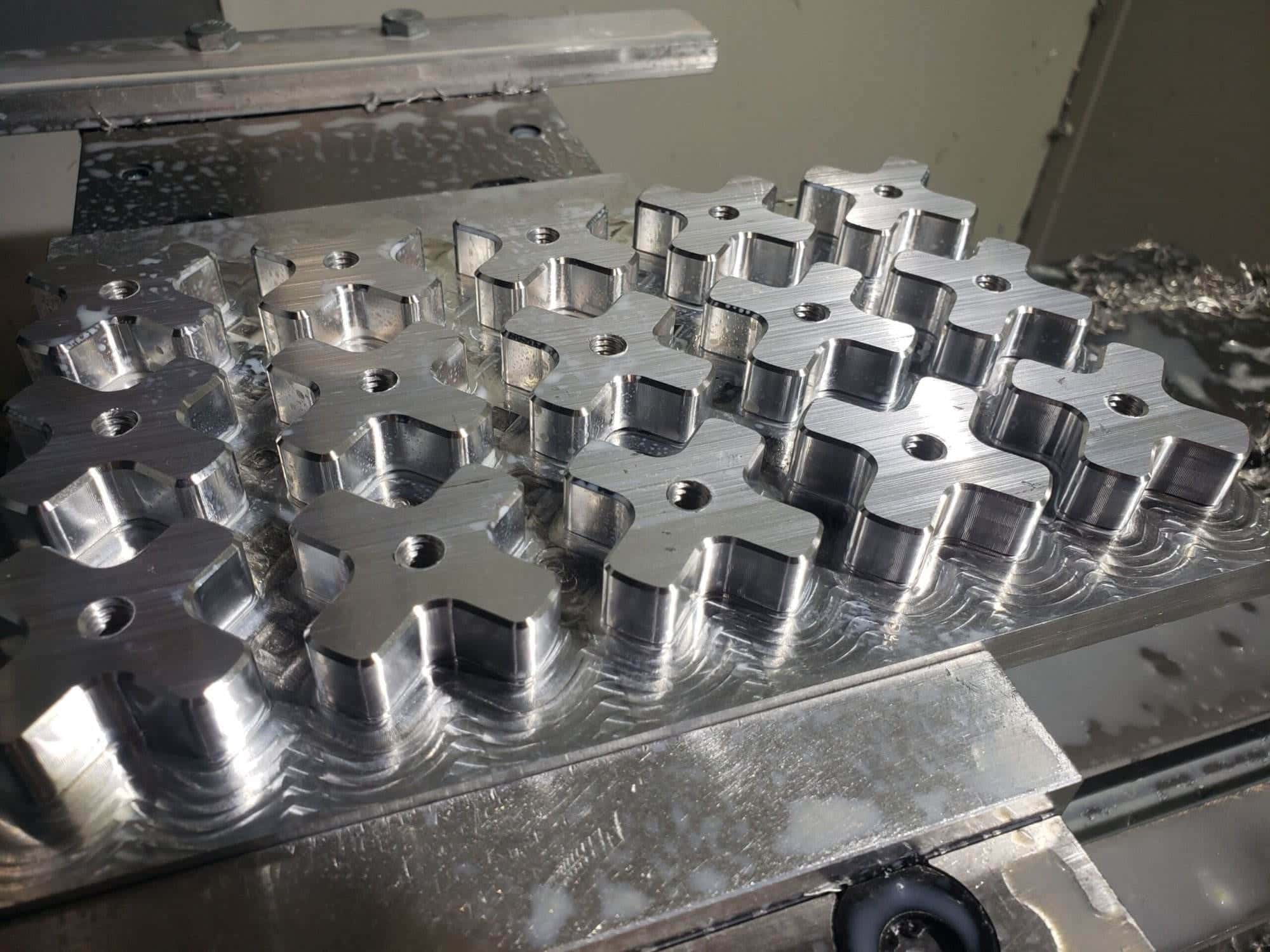
  • Freshly milled aluminum stock with rows of cross-shaped tension knob blanks on the mill table
    CNC Machine6 min read

    Aluminum: Rust-Resistance and Longevity for Your Shop

    Knife shops are humid, dusty and full of quench water. Here is why 6061 aluminum shrugs off that environment, how it forms its own protective oxide, and what it means for how long your grinder stays tight and true.

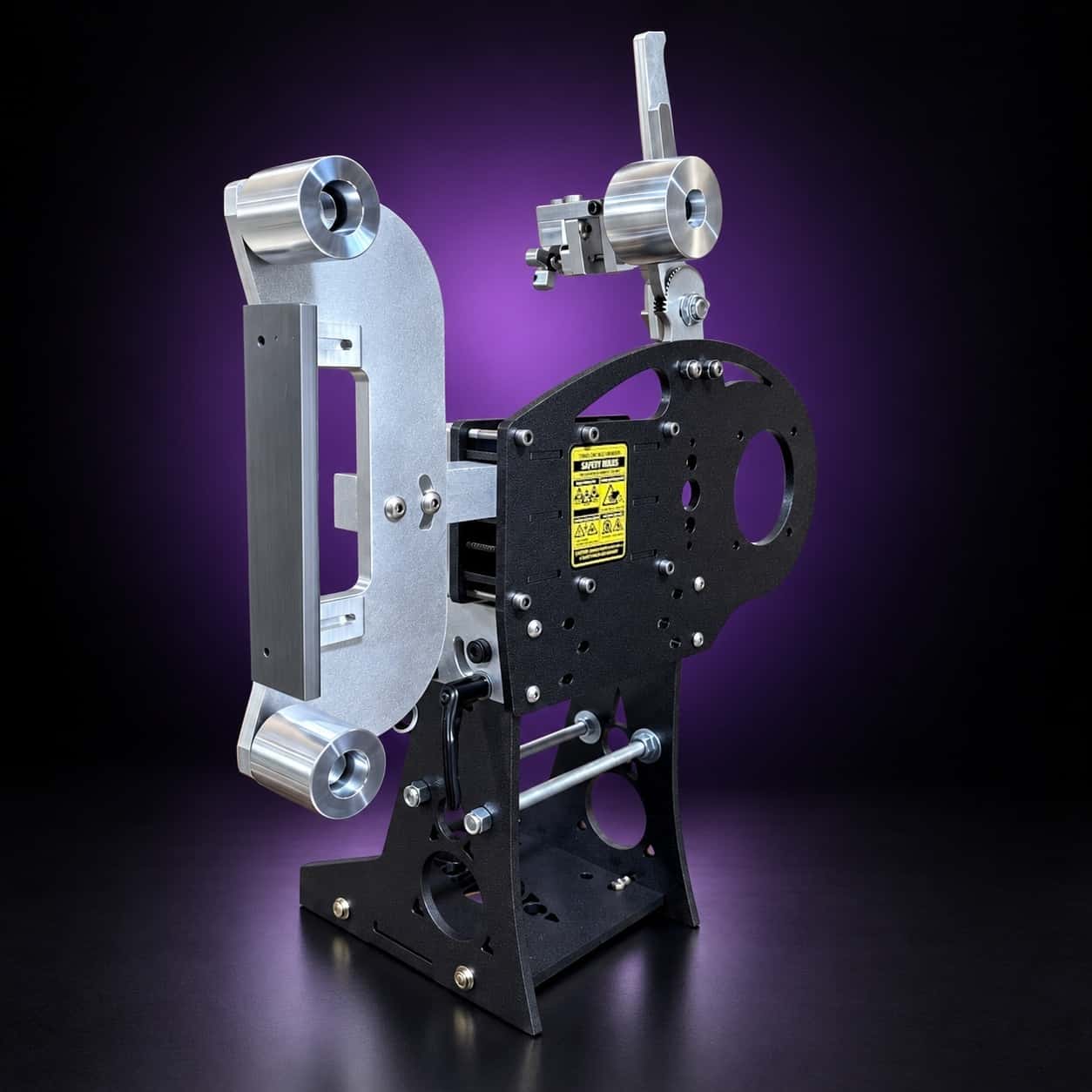
  • Nebula 2x72 grinder, front three-quarter view: aluminum arm, black plate, Safety Rules label, on black with a purple glow
    Belt Grinders5 min read

    Knife Handle Materials: Natural vs. Synthetic Options

    Wood, bone, stabilized burl, G-10, Micarta, even mammoth tooth: every handle material grinds differently. Here is how I pick between natural and synthetic scales, and how I shape each one on the 2×72 without burning it.

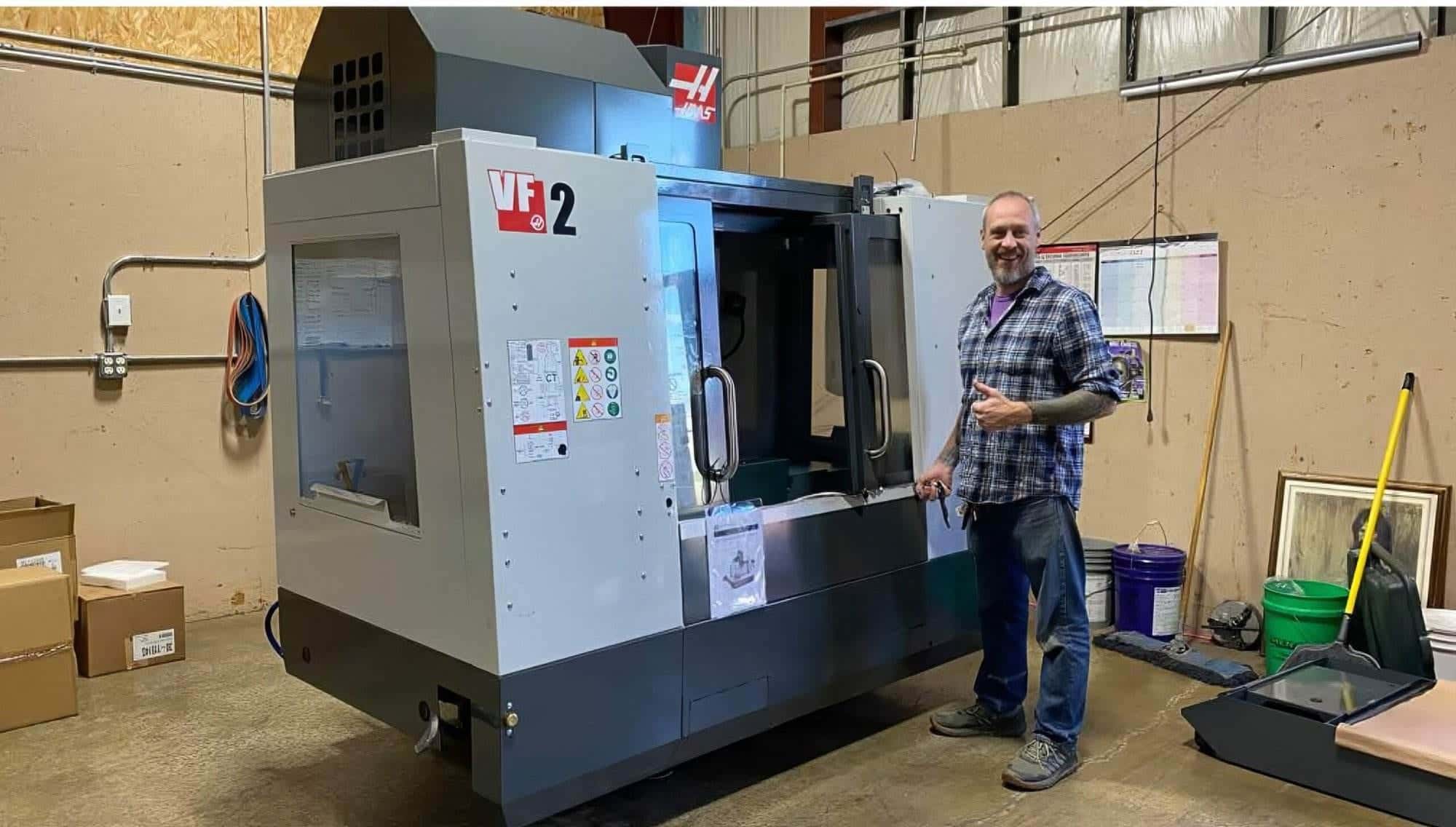
  • Rich from Torus CNC giving a thumbs up next to the shop's Haas VF-2 CNC mill
    CNC Machine5 min read

    Aluminum: Decreased Maintenance, Increased Productivity

    A grinder you are not maintaining is a grinder you are using. Here is why I build the Nova and Classic from 6061 aluminum: corrosion resistance, less weight on the bench, and adjustments that stay put between sessions.

Rich Linville in the Torus CNC shop with a finished 2x72 belt grinder

Built to order

Tell me what you are building

I answer my own email. Tell me the work you do and which grinder you are considering.