2x72 Grinder Tips
Maintaining Precision: 2×72 Grinder Alignment & Tracking
A grinder drifts a little over time: a wheel shifts, a platen goes out of square, tension creeps. Here is how I check alignment and tracking on a 2×72, what tools you need, and the routine that catches drift early.
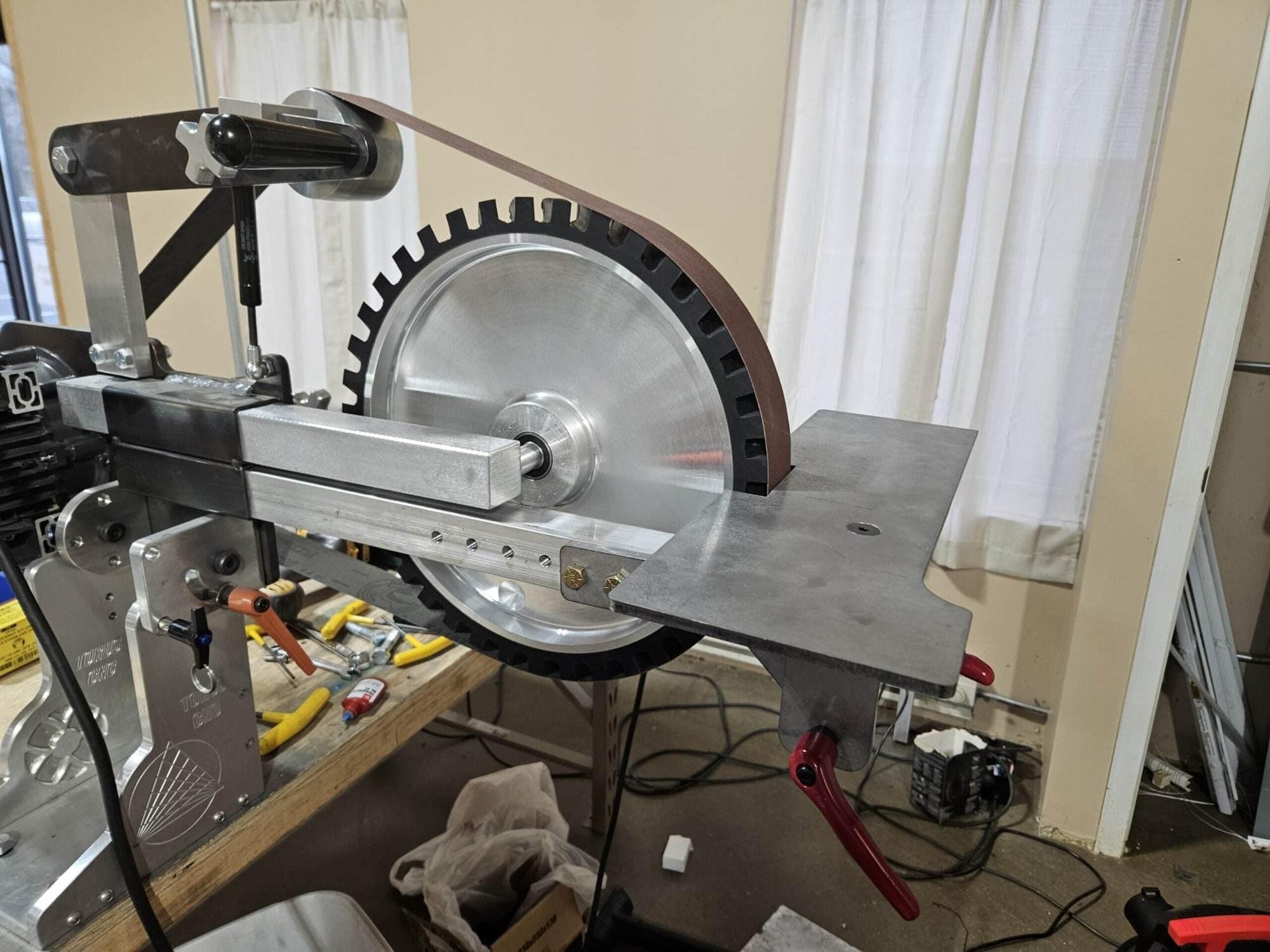
A 2×72 drifts a little over time. A wheel walks a hair on its shaft, the platen goes a degree out of square, the belt starts favoring one edge. None of it is dramatic until a bevel comes out uneven. Here is how I check alignment and tracking on my own grinder: wheels on one plane, platen square to the belt, tension set before tracking, and the quick routine that catches drift before it costs you a blade.
For craftsmen and metalworkers, maintaining precise alignment is not just a matter of convenience; it is fundamental to their craft. Tracking is equally vital as it determines how well the belt stays centered on the wheels during operation. A well-tracked belt minimizes the risk of slippage or damage, which can disrupt workflow and lead to costly downtime.
Key Takeaways
- Proper alignment and tracking of a grinder is crucial for achieving accurate and consistent results in metalworking and knife making.
- The 2×72 grinder is a versatile and powerful tool commonly used in metal fabrication and knife making due to its ability to handle a variety of materials and grinding tasks.
- Steps to aligning the 2×72 grinder include checking and adjusting the platen, ensuring the tracking wheel is properly aligned, and adjusting the tension and tracking of the belt.
- Maintaining proper tracking involves regularly checking the tension and alignment of the belt, as well as ensuring the tracking wheel and platen are in good condition.
- Common issues with grinder alignment and tracking include belt slippage, uneven grinding, and excessive wear on the belt, which can be addressed through troubleshooting and adjustments.
Understanding the 2×72 Grinder
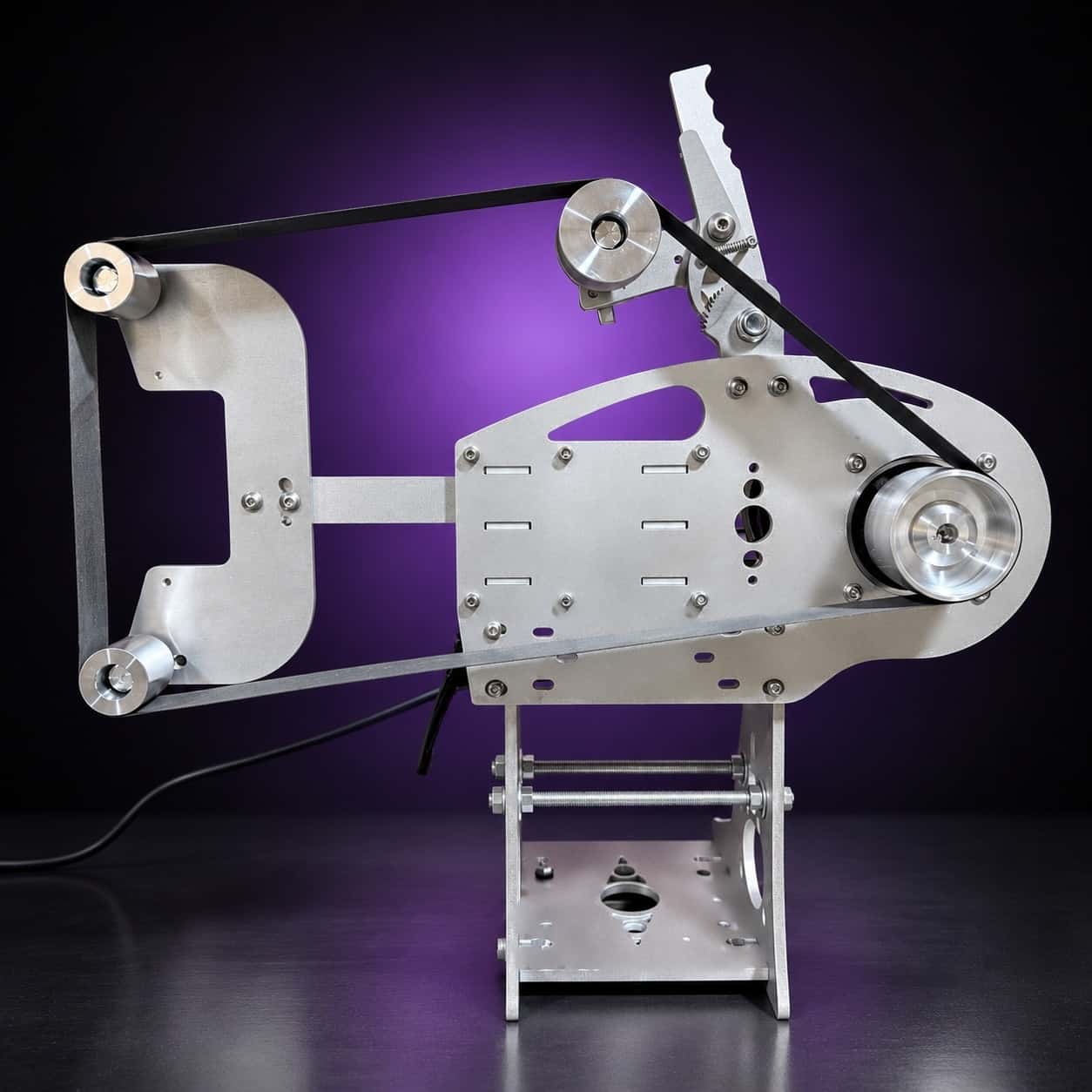
The 2×72 grinder is a versatile tool widely used in various industries, including metalworking, woodworking, and knife making. Its name refers to the size of the belt it uses—2 inches wide and 72 inches long—making it an ideal choice for a range of applications from shaping to finishing. The design of the 2×72 grinder allows for quick belt changes, enabling users to switch between different grits and materials with ease.
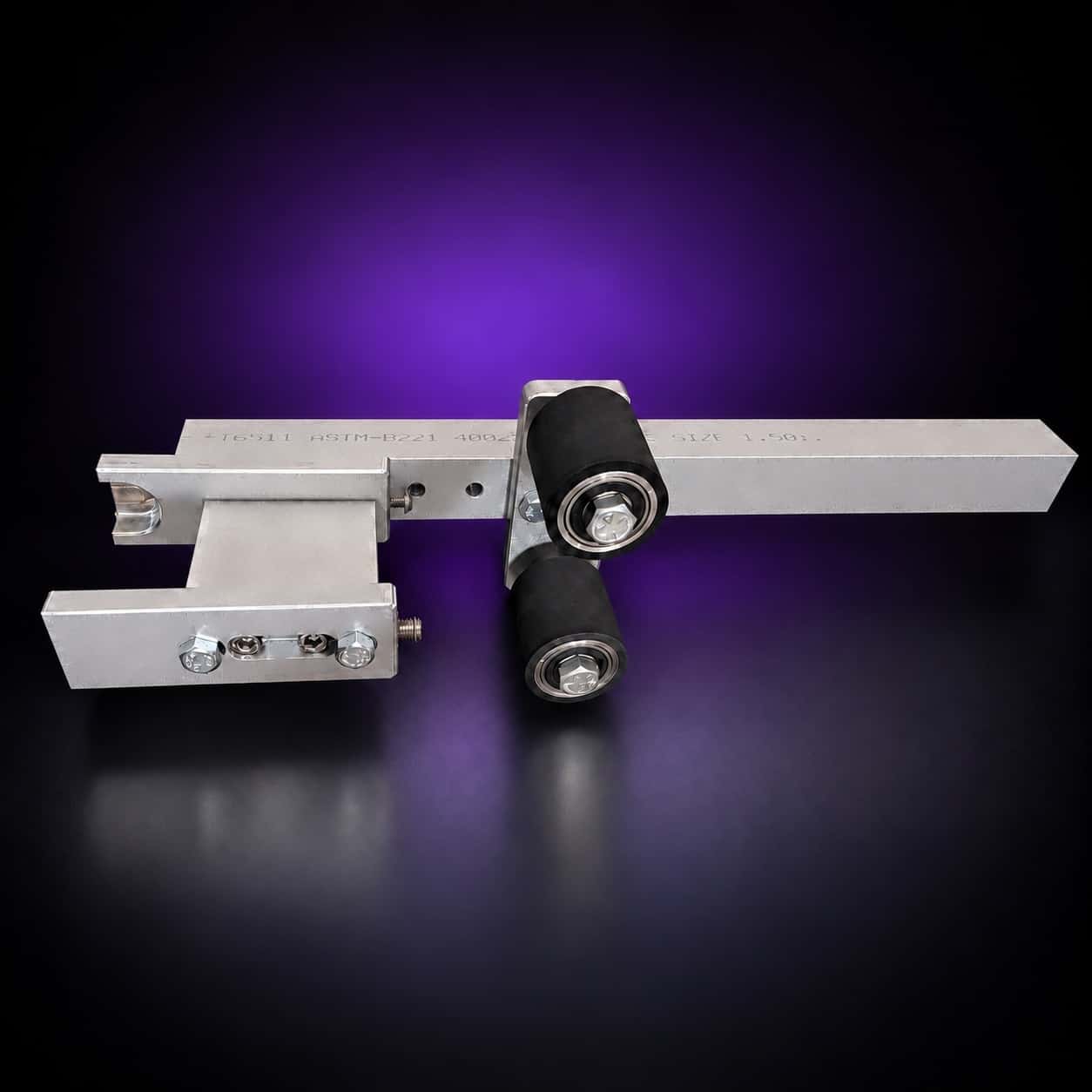
This adaptability makes it a favorite among professionals and hobbyists alike. One of the standout features of the 2×72 grinder is its ability to accommodate various attachments and accessories, enhancing its functionality. Users can equip their grinders with different wheels, platens, and even work rests to suit specific tasks.
Steps to Aligning the 2×72 Grinder
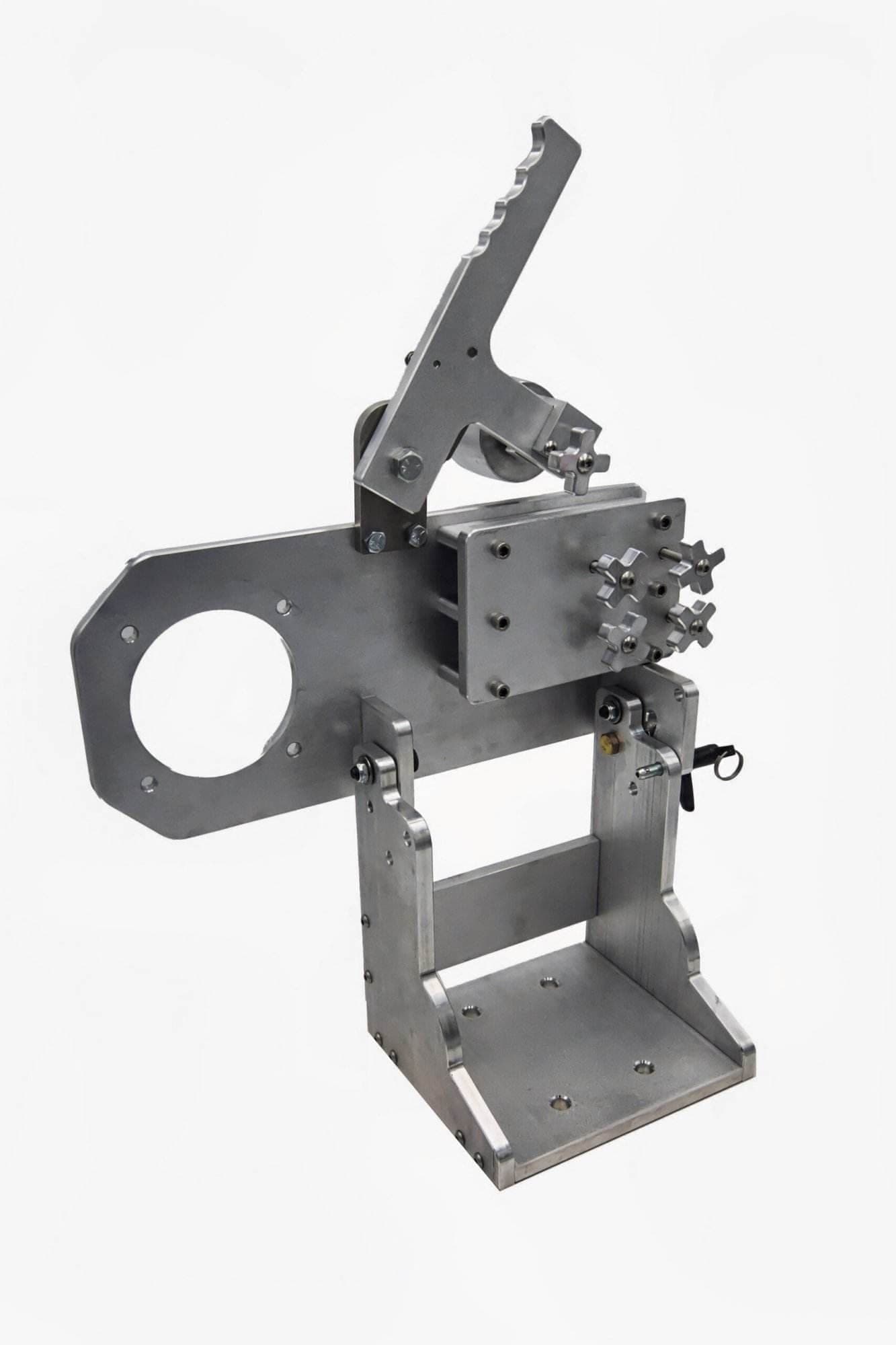
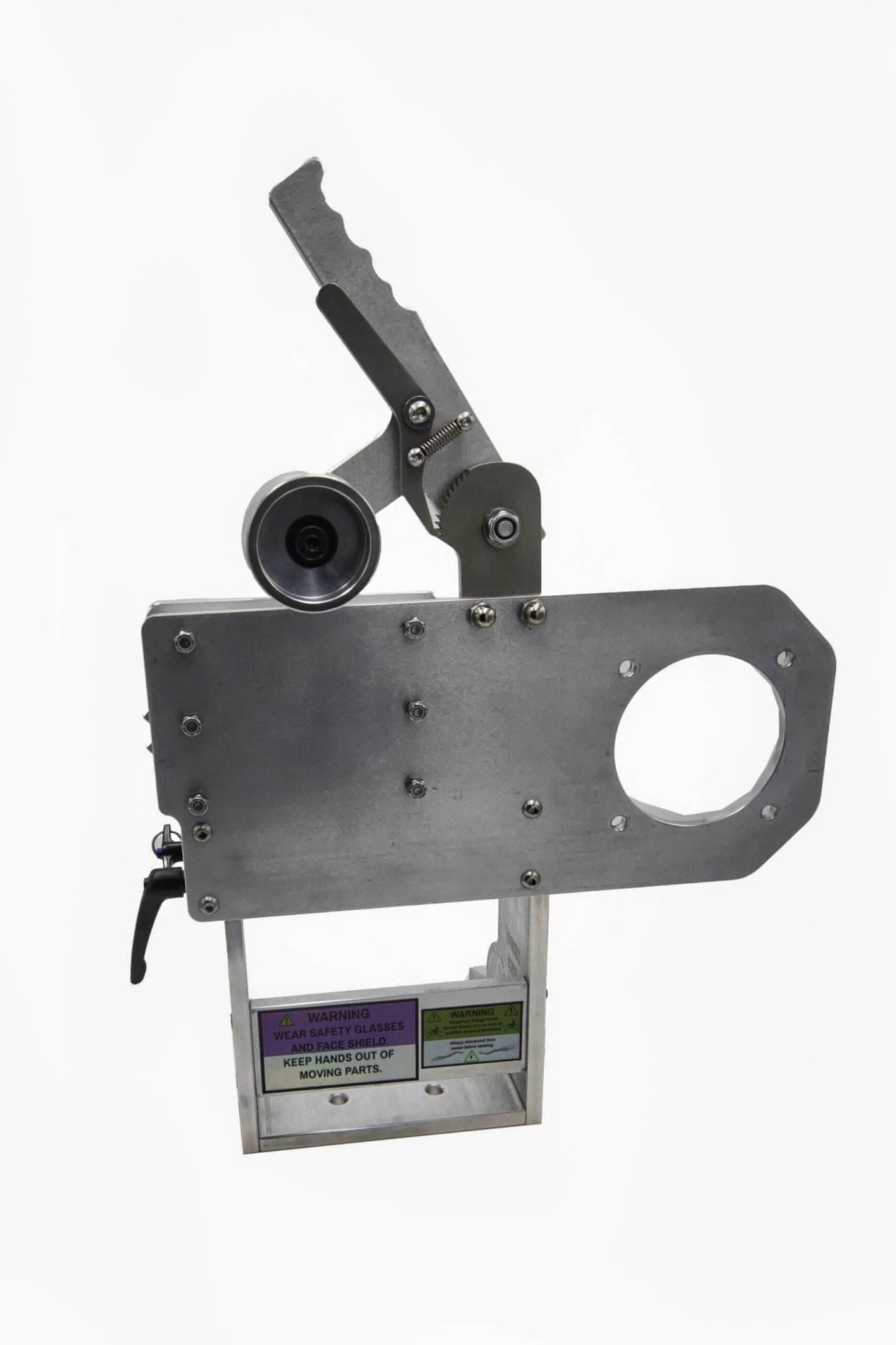
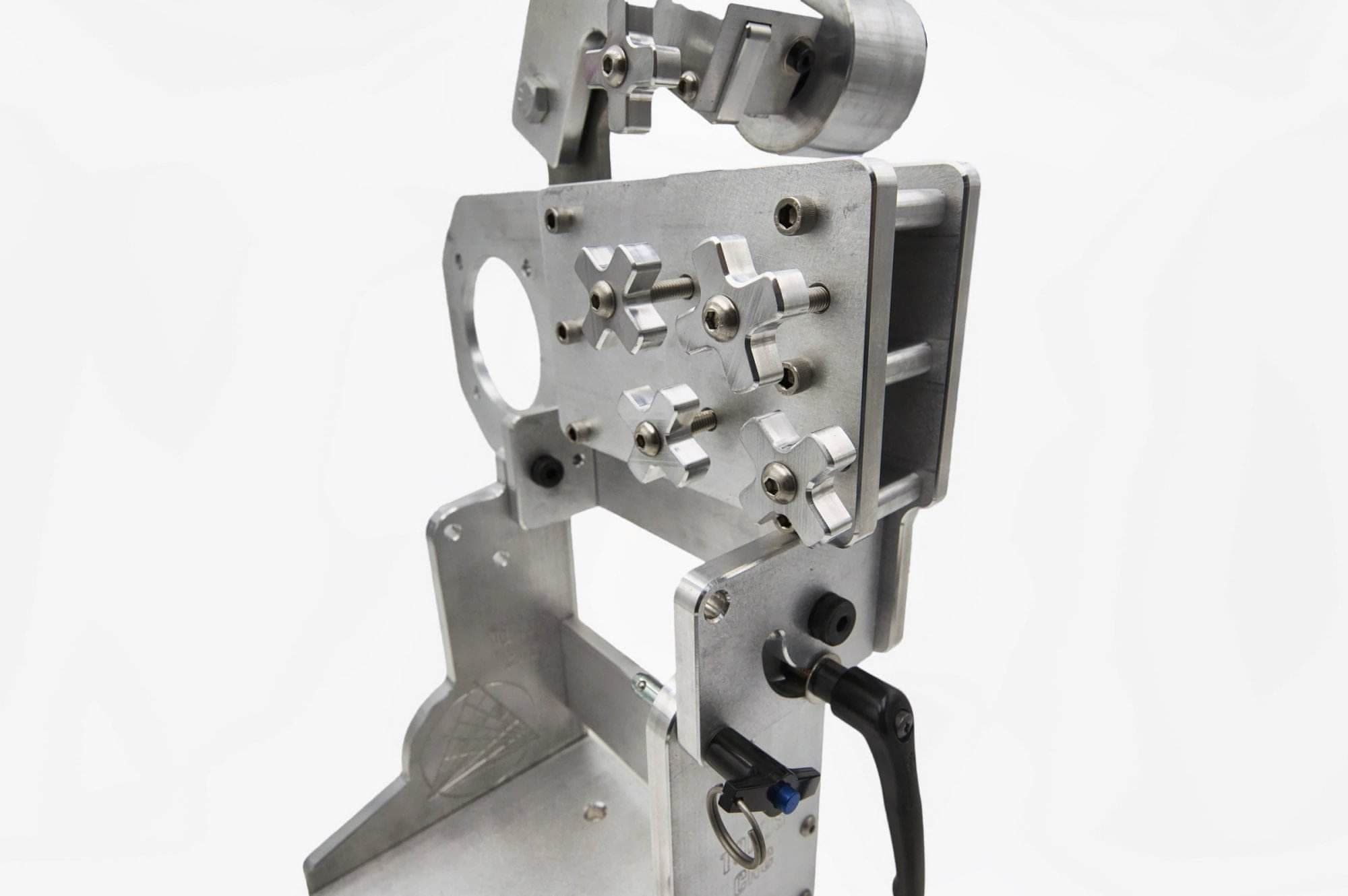
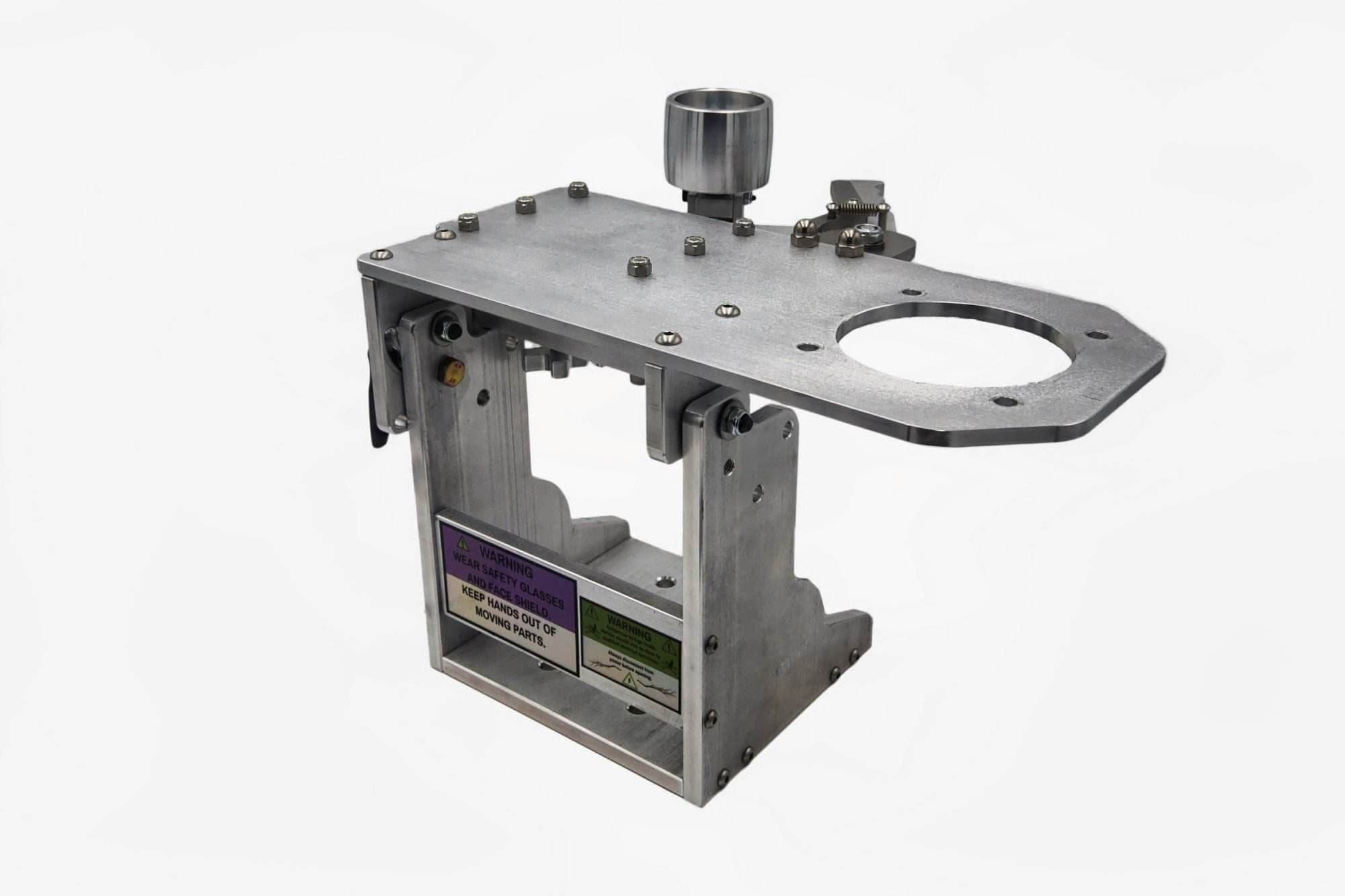
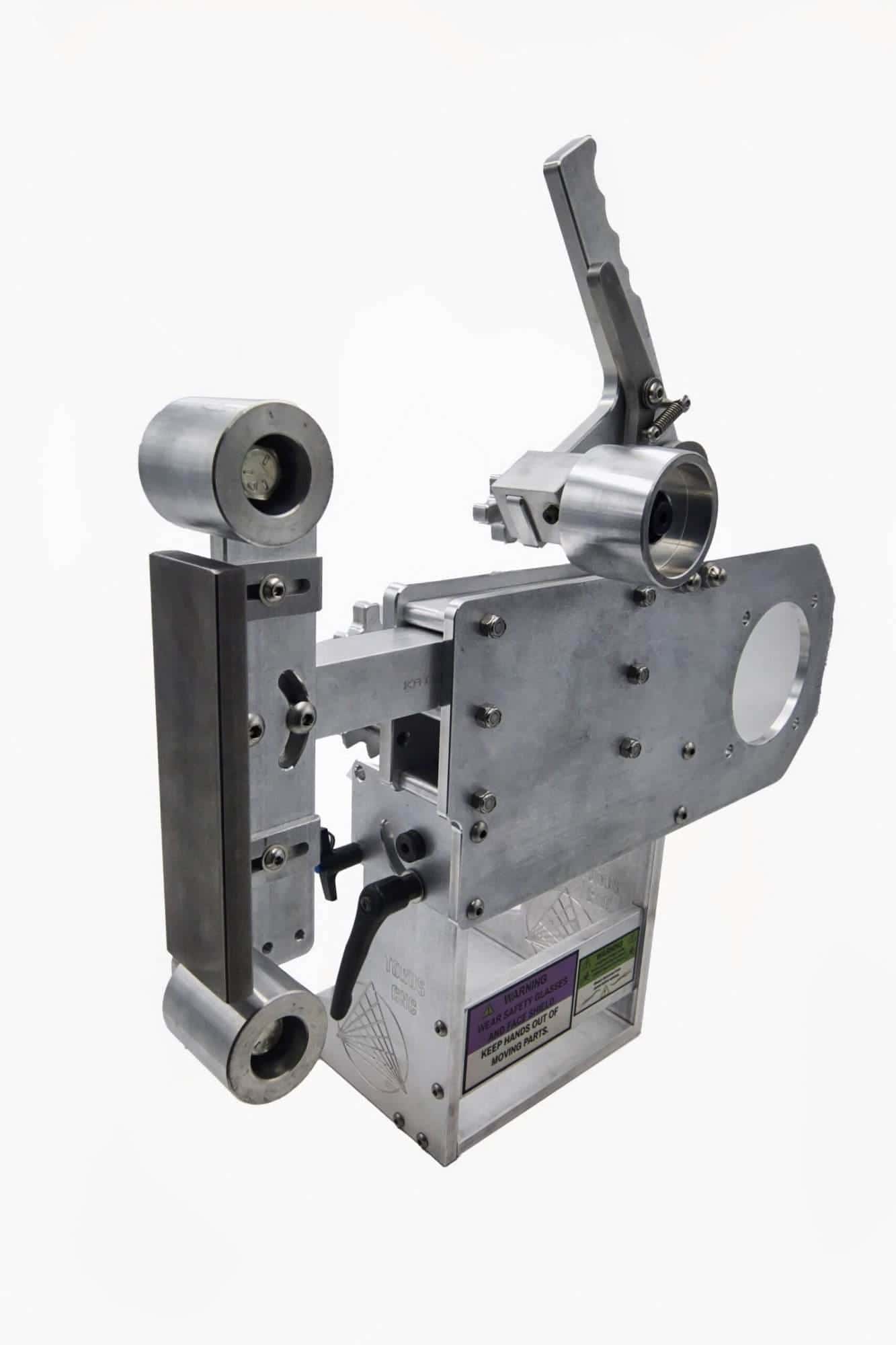
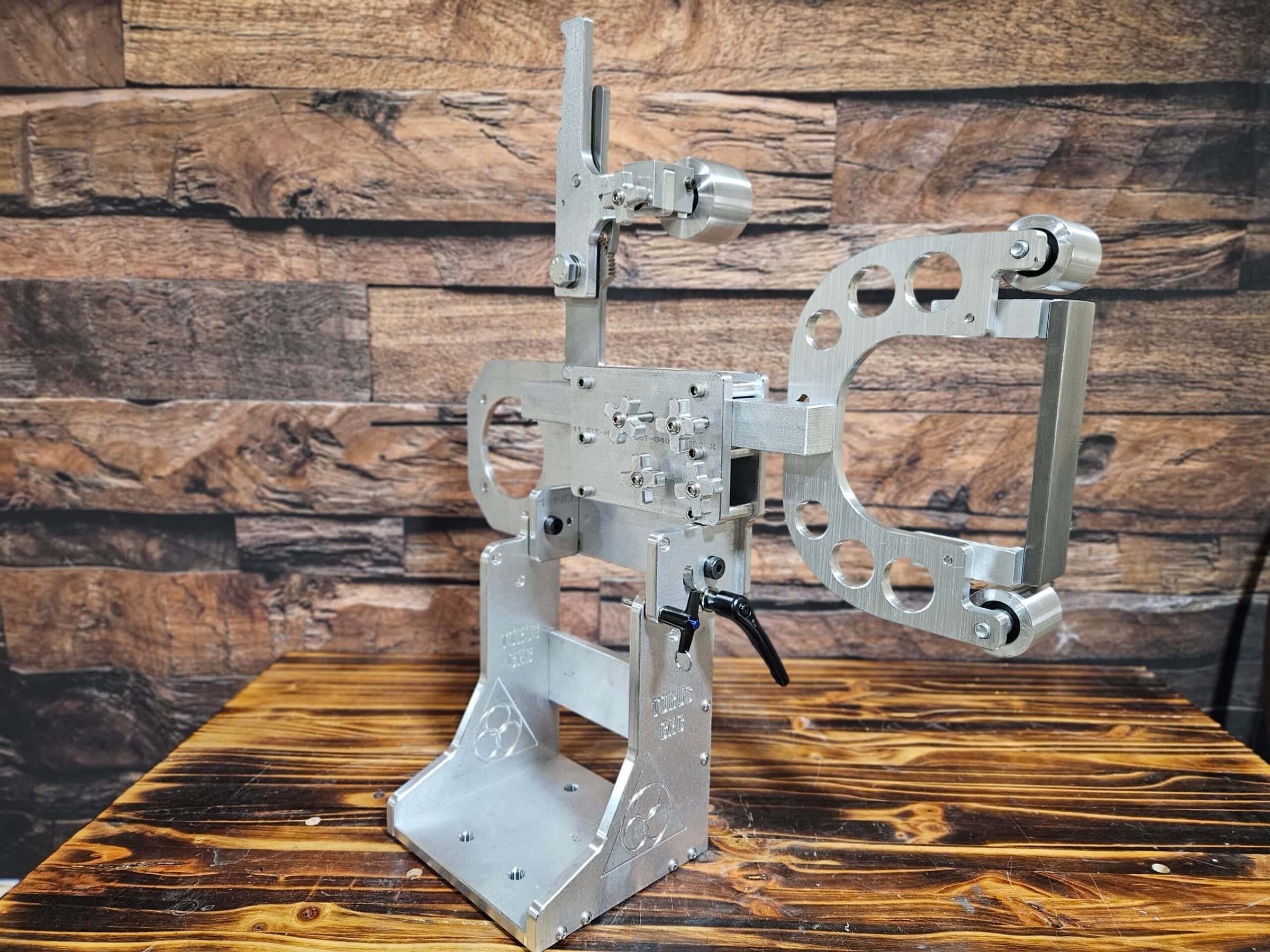
Aligning a 2×72 grinder involves several systematic steps that ensure optimal performance. The first step is to check the alignment of the tracking wheel. This wheel should be perpendicular to the frame of the grinder.
To do this, one can use a square or a straight edge to measure the distance from the tracking wheel to the frame on both sides. If there is any discrepancy, adjustments can be made by loosening the mounting bolts and repositioning the wheel until it is correctly aligned. Next, attention should be given to the contact wheels.
These wheels must also be aligned properly to ensure that the belt runs smoothly across them. Similar to checking the tracking wheel, one can use a straight edge to verify that the contact wheels are parallel to each other and aligned with the platen. If misalignment is detected, adjustments can be made by loosening the bolts securing the wheels and repositioning them as necessary.
Tips for Maintaining Proper Tracking
| Tip | Description |
|---|---|
| Use reliable tracking tools | Choose tracking tools that are accurate and reliable to ensure proper tracking of data. |
| Regularly check tracking codes | Verify that tracking codes are properly implemented and functioning correctly on all relevant pages. |
| Set up goals and events | Define specific goals and events to track important interactions and conversions on your website. |
| Monitor data consistency | Regularly review and compare data from different tracking sources to ensure consistency and accuracy. |
| Stay updated with changes | Keep up with updates and changes in tracking technology and best practices to maintain proper tracking. |
Maintaining proper tracking on a 2×72 grinder is essential for ensuring consistent performance and prolonging the life of both the machine and its belts. One effective tip is to regularly inspect the tracking mechanism for any signs of wear or damage. Over time, components may become loose or misaligned due to regular use, so periodic checks can help catch issues before they escalate into more significant problems.
Another important aspect of tracking maintenance is adjusting tension on the belt. A belt that is too loose may wander off track, while one that is too tight can cause excessive wear on both the belt and the grinder itself. Finding the right balance is crucial; therefore, users should refer to their specific grinder’s manual for guidance on optimal tension settings.
Keeping the belt clean from debris and contaminants will help maintain its integrity and ensure smooth operation.
Common Issues and Troubleshooting
Even with diligent maintenance, users may encounter common issues related to alignment and tracking on their 2×72 grinders. One frequent problem is belt slippage, which can occur if the tracking wheel is not properly aligned or if there is insufficient tension on the belt. If slippage occurs, it’s advisable to stop operation immediately and check both alignment and tension settings before resuming work.
Another issue that may arise is uneven wear on the grinding belt itself. This can be indicative of misalignment or improper tracking. If one side of the belt shows more wear than the other, it may be necessary to revisit alignment procedures and make adjustments accordingly.
Tools and Equipment for Alignment and Tracking
Essential Tools for Alignment and Tracking
To effectively align and track a 2×72 grinder, certain tools and equipment are essential. A combination square or straight edge is invaluable for checking alignment between various components of the grinder. These tools allow users to measure distances accurately and ensure that all parts are positioned correctly relative to one another.
Adjustment and Positioning Tools
In addition to measuring tools, having a set of wrenches or socket sets on hand will facilitate adjustments during alignment procedures. These tools enable users to loosen or tighten bolts as needed when repositioning wheels or other components.
Ensuring Stability and Proper Positioning
A level can be beneficial in ensuring that the entire grinder setup is stable and properly positioned within its workspace, which contributes to overall performance.
Regular Maintenance for Long-term Precision
Regular maintenance is key to achieving long-term precision with a 2×72 grinder. Establishing a routine maintenance schedule can help ensure that all components are functioning optimally and that any potential issues are addressed promptly. This includes not only alignment checks but also cleaning and lubricating moving parts as necessary.
In addition to mechanical upkeep, users should also pay attention to their grinding belts. Inspecting belts for signs of wear or damage should be part of any maintenance routine. Replacing worn belts promptly will not only improve performance but also enhance safety during operation.
FAQs
What is belt tracking and why is it important?
Belt tracking refers to the ability of the belt to stay centered and run smoothly on the grinder. Proper belt tracking is important for maintaining precision and preventing the belt from slipping off or wearing unevenly.
How can I ensure proper belt tracking on my 2×72 grinder?
To ensure proper belt tracking, you can adjust the tracking knob on the grinder to center the belt on the grinding surface. It’s also important to regularly inspect the belt for any signs of wear or damage that may affect tracking.
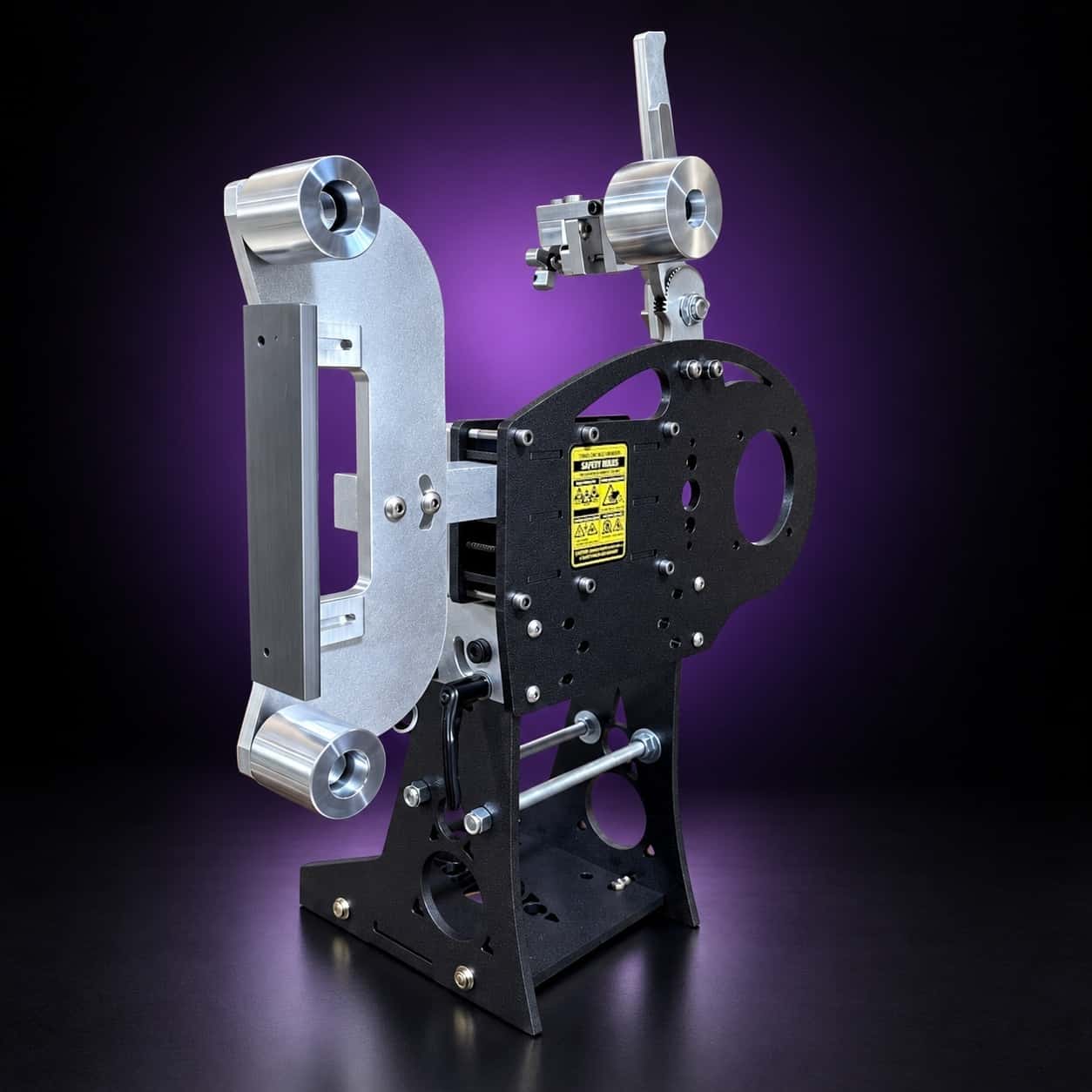
Alignment is easier to keep on a chassis that was cut true in the first place. Every Nova 2×72 is cut from 6061 aluminum on a high-precision fiber laser, with the tracking head machined on my HAAS, so the wheels and platen mount start on one plane, and it ships tracked and tested. Compare it with the Nebula in steel.